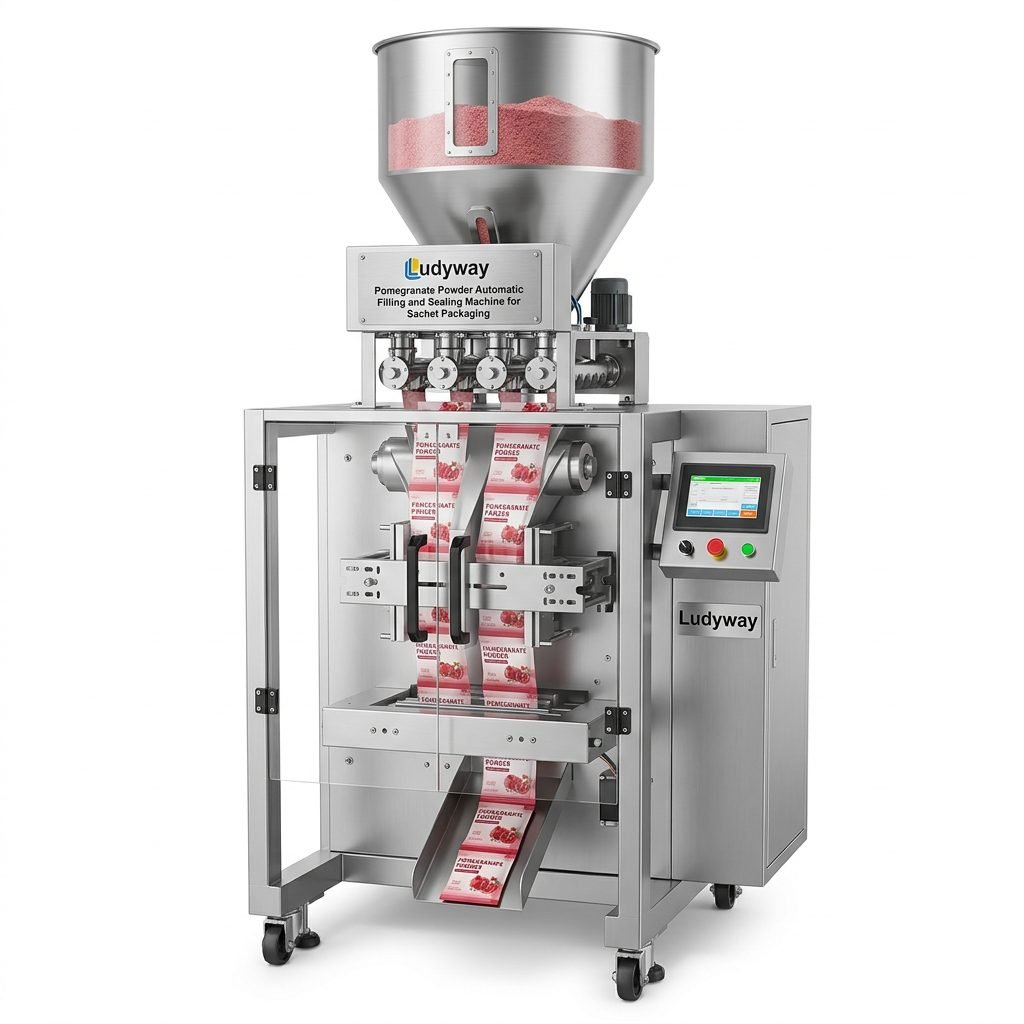
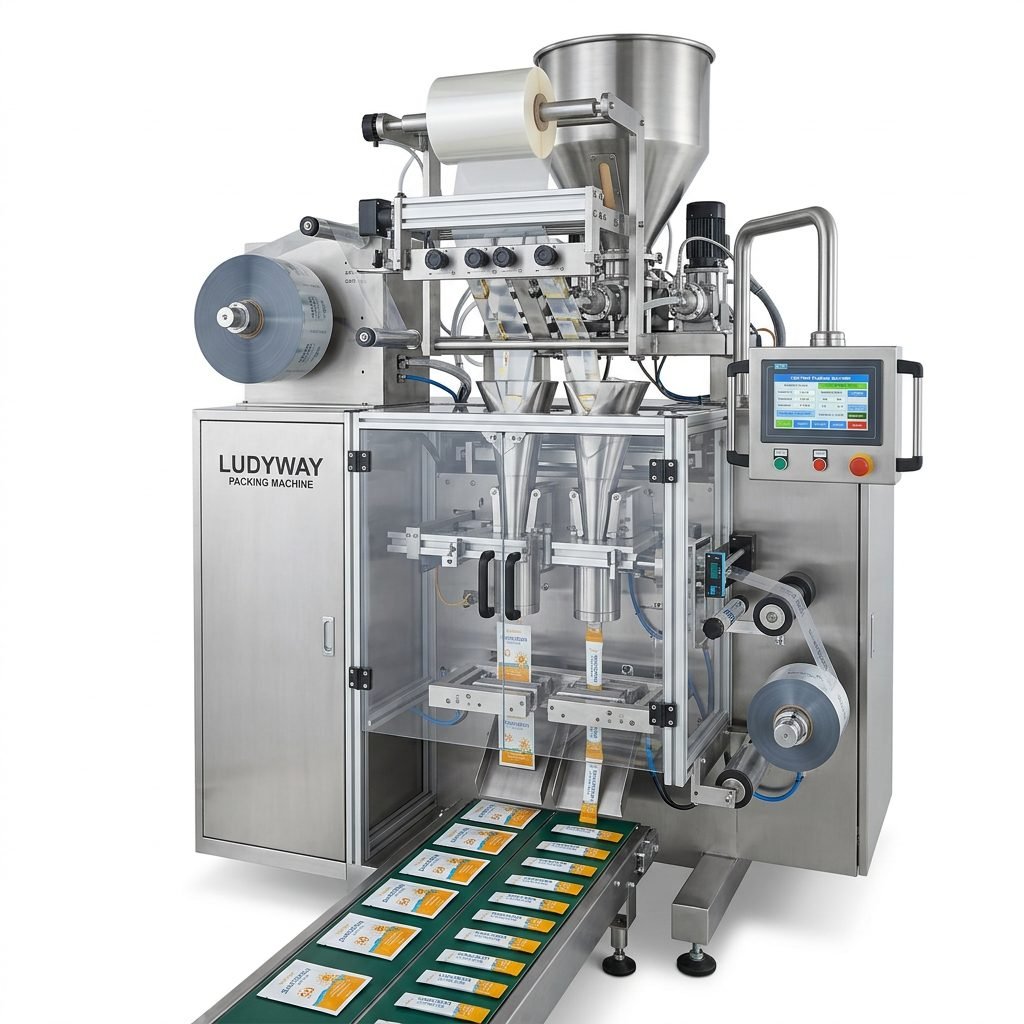
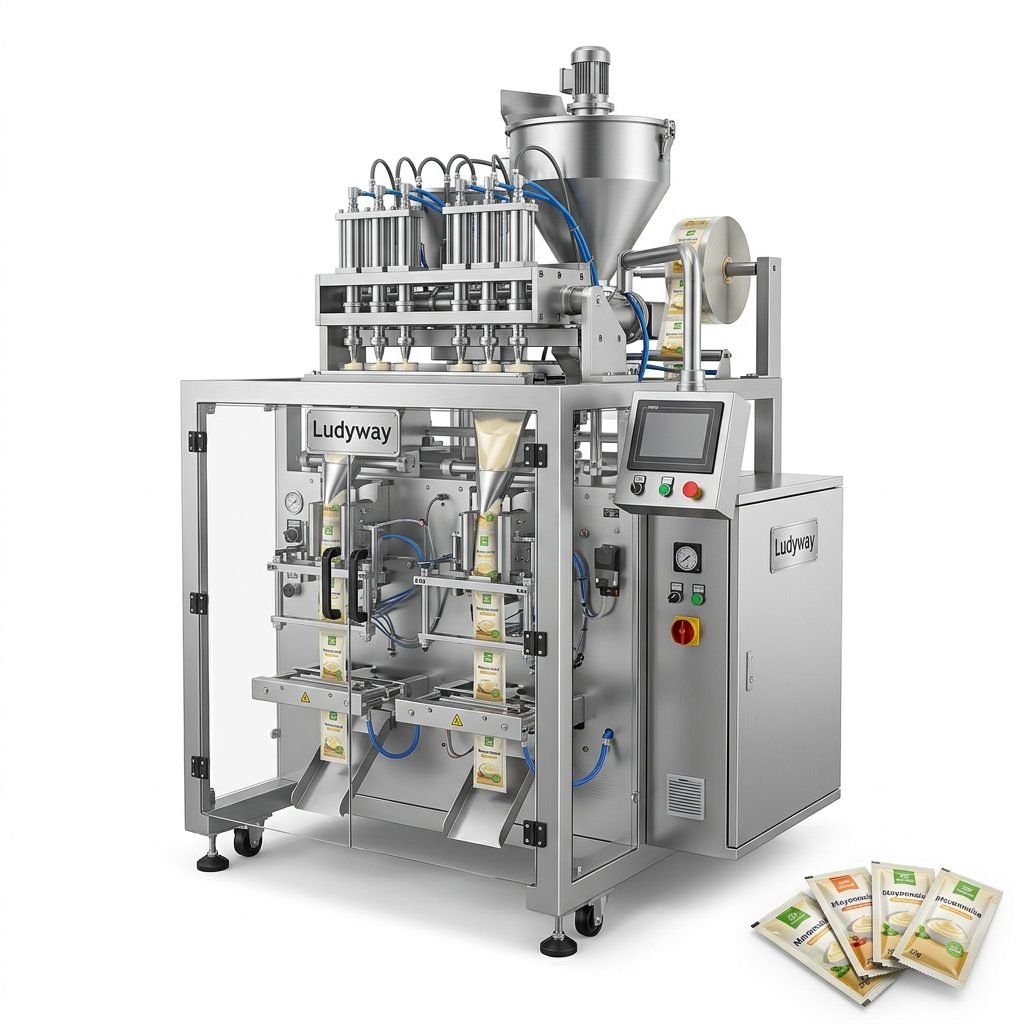
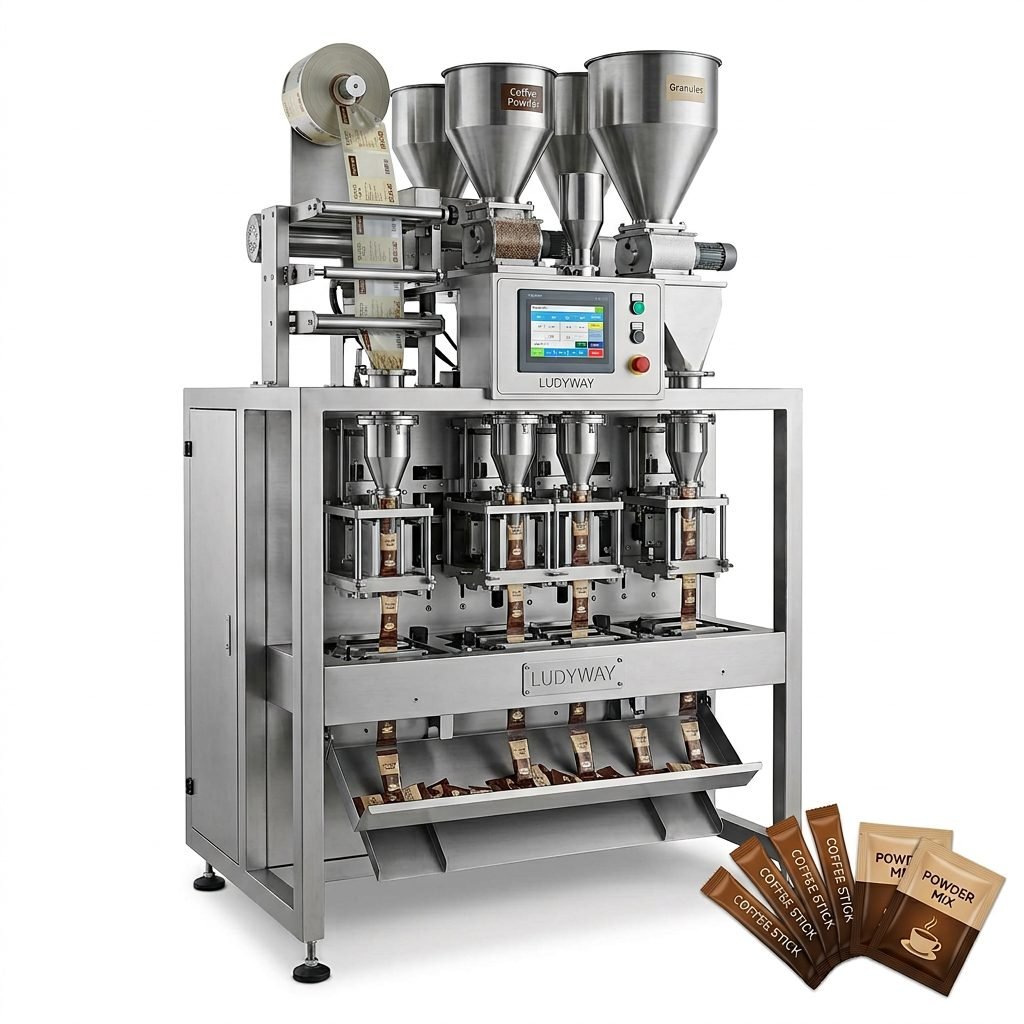
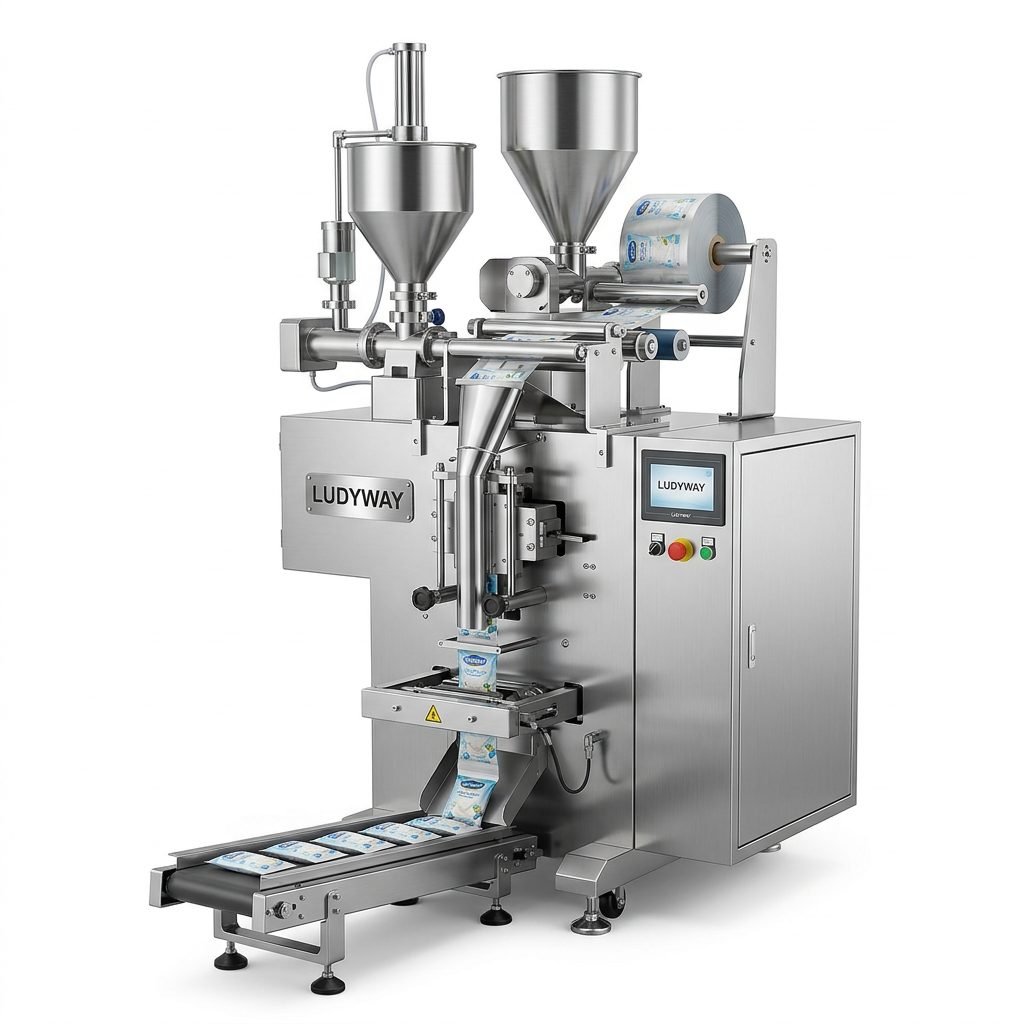
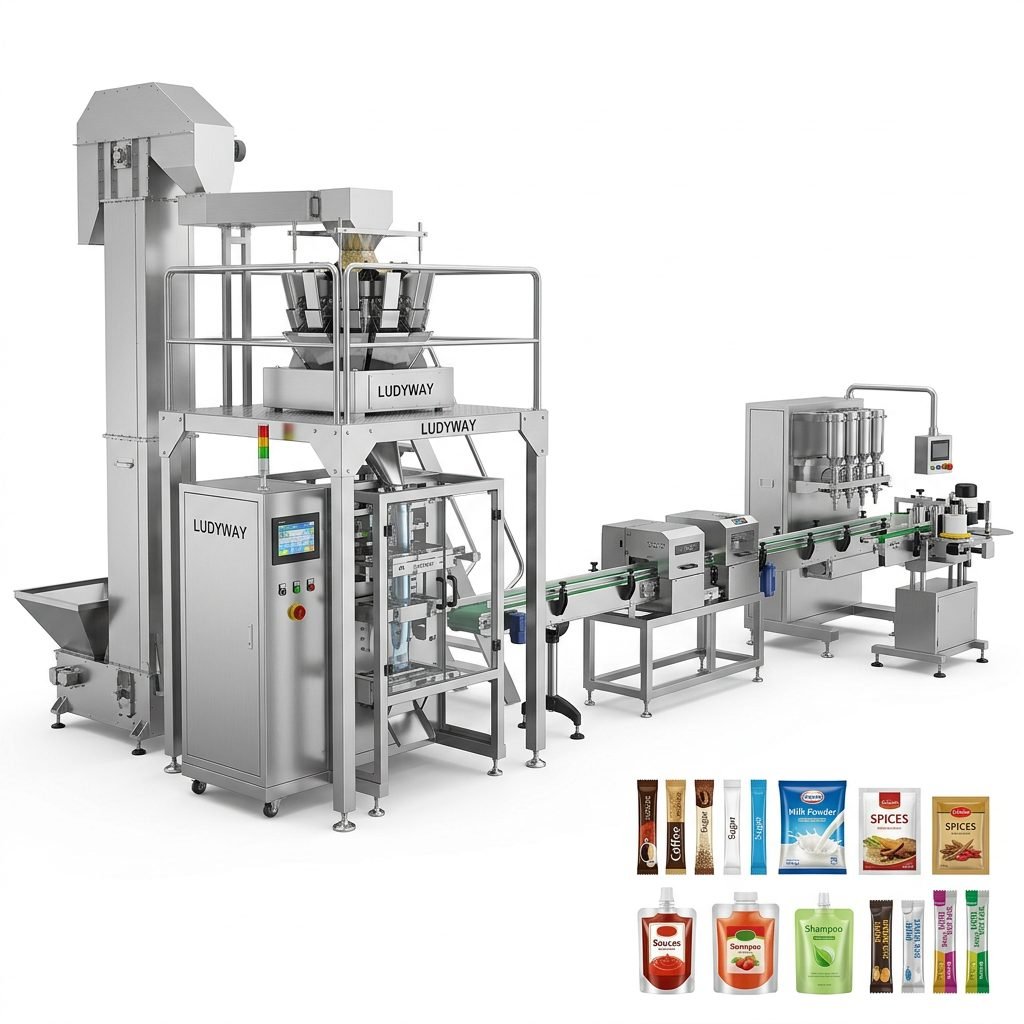
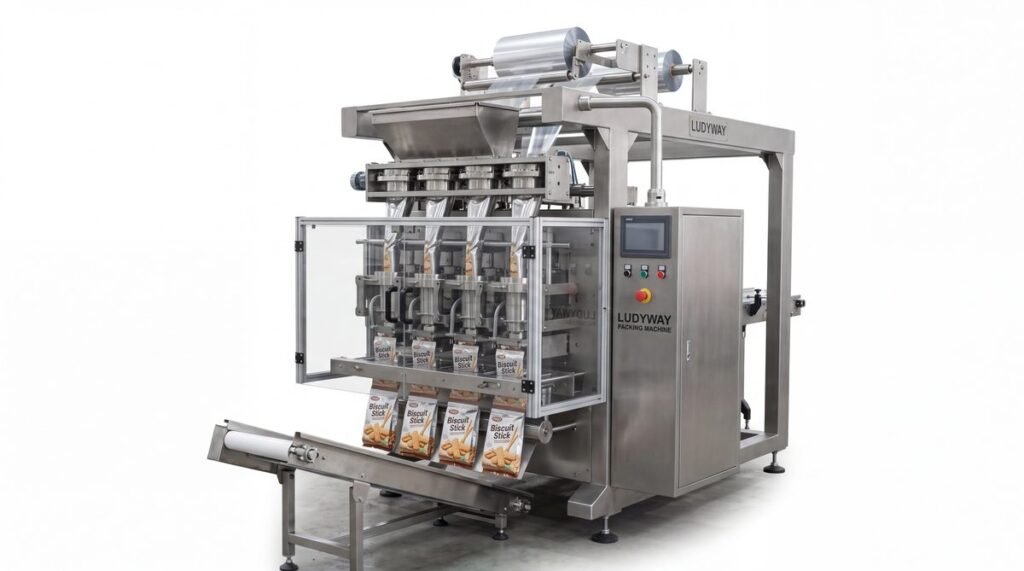
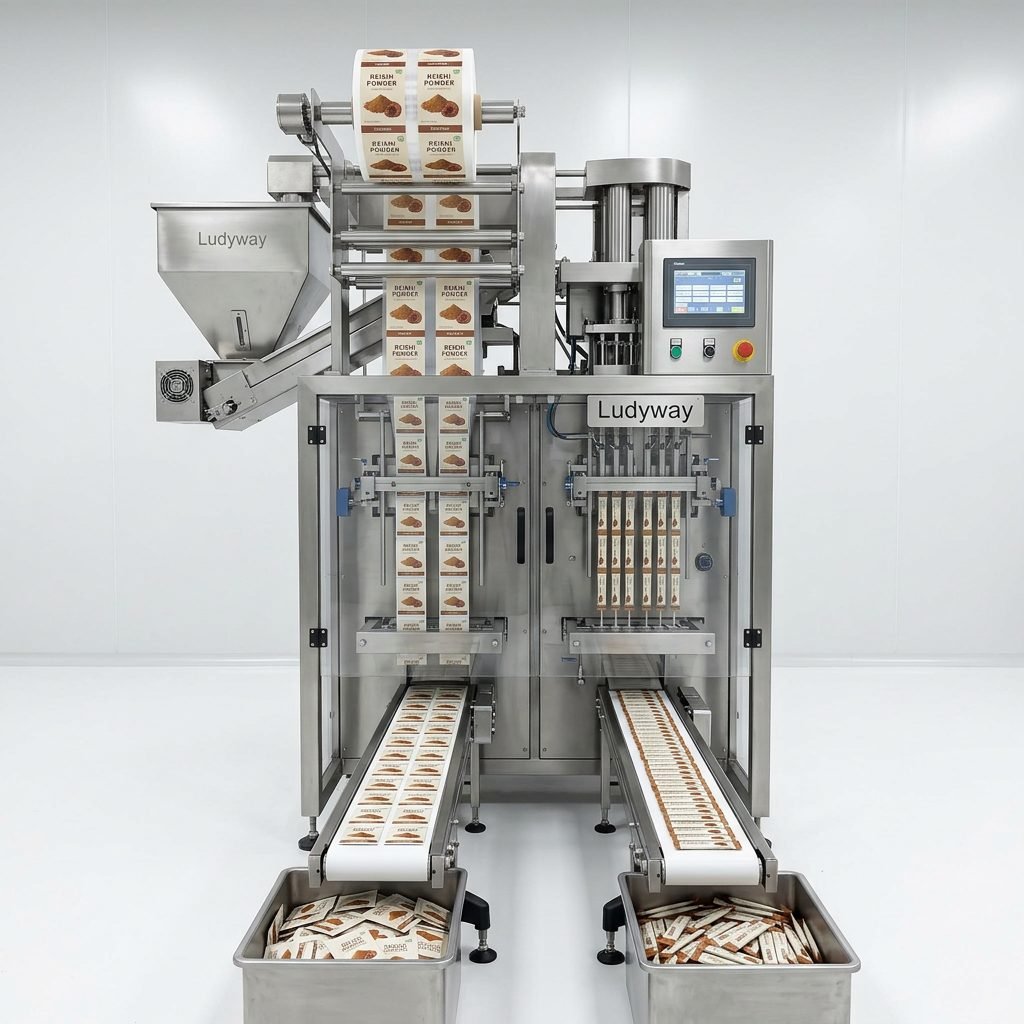
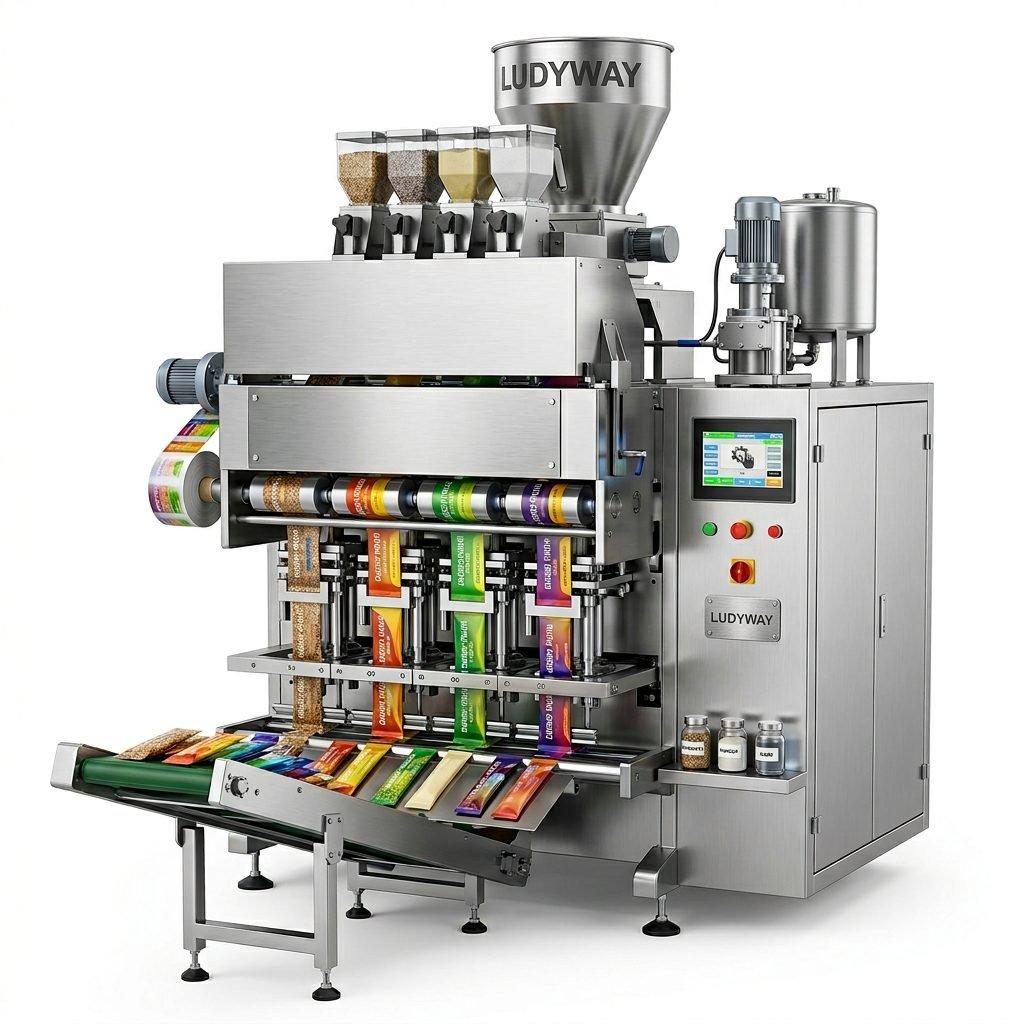
A DAL packing machine is designed to package lentils, pulses, split beans, and similar granule products with higher speed, better accuracy, and more stable sealing quality. For food processors, wholesalers, and private-label brands, choosing the right packaging system can directly affect output, labor cost, product freshness, and shelf appeal.
In today’s competitive food market, efficient packaging is no longer just a production step. It is a core part of product quality control, inventory management, and customer satisfaction. Whether you pack yellow dal, red lentils, moong dal, chana dal, mixed grains, or powdered pulse products, the right automated equipment can make your line more scalable and profitable.
What Is a DAL Packing Machine?
A DAL packing machine is an automated or semi-automated system used to weigh, fill, form, seal, and discharge packaged dal products. Depending on the packaging format, the machine may produce pillow bags, gusset bags, sachets, stick packs, pouches, or larger bulk bags.
These machines are commonly used by:
- Pulse processing plants
- Food packaging factories
- Retail food brands
- Export-oriented grain suppliers
- Contract packaging companies
- Agricultural product distributors
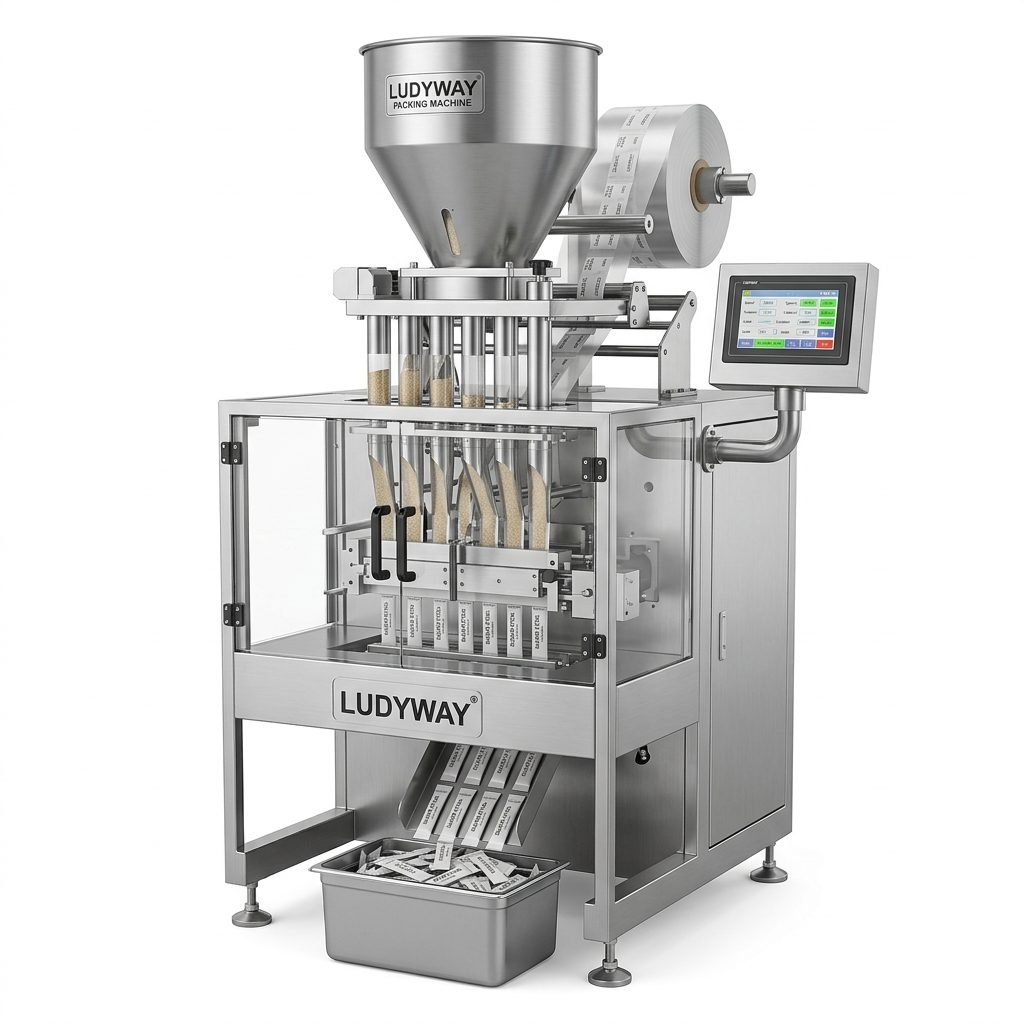
How a DAL Packing Machine Works
Most dal packing systems follow a simple but highly controlled process:
- Product feeding – Dal is transferred from hopper or elevator into the dosing system.
- Weighing or volumetric filling – The machine measures the exact quantity for each pack.
- Bag forming or pouch feeding – Film is shaped into bags, or premade pouches are automatically loaded.
- Filling – The measured product is discharged into the package.
- Sealing – Heat sealing closes the package securely.
- Coding and discharge – Date, batch number, or traceability code may be added before output.
Advanced systems may also include metal detection, checkweighing, nitrogen flushing, cartoning, case packing, and palletizing.
Main Types of DAL Packing Machines
The best machine depends on pack size, required speed, packaging material, and product characteristics.
| Machine Type | Best For | Typical Pack Format | Key Benefit |
|---|---|---|---|
| Vertical Form Fill Seal Machine | Retail and medium-to-high speed production | Pillow bag, gusset bag | Efficient and cost-effective |
| Premade Pouch Packing Machine | Premium retail products | Stand-up pouch, zipper pouch | Better shelf presentation |
| Multihead Weigher Packing System | High-accuracy granule filling | Small to medium bags | Precise weight control |
| Bulk Bagging Machine | Wholesale and industrial supply | 10kg, 25kg, 50kg bags | Handles large-volume output |
| Sachet or Stick Pack Machine | Small portions or seasoning blends | Sachet, stick pack | Convenient single-serve packaging |
Key Benefits of Using an Automated DAL Packing Machine
- Higher efficiency with faster packing cycles than manual operations
- Better weighing accuracy to reduce giveaway and product loss
- Improved seal consistency for safer transport and longer shelf life
- Lower labor dependence and easier production planning
- Cleaner packaging environment with reduced contamination risk
- Flexible bag sizes for retail, e-commerce, and bulk supply
- Stronger brand presentation through neat and uniform packs
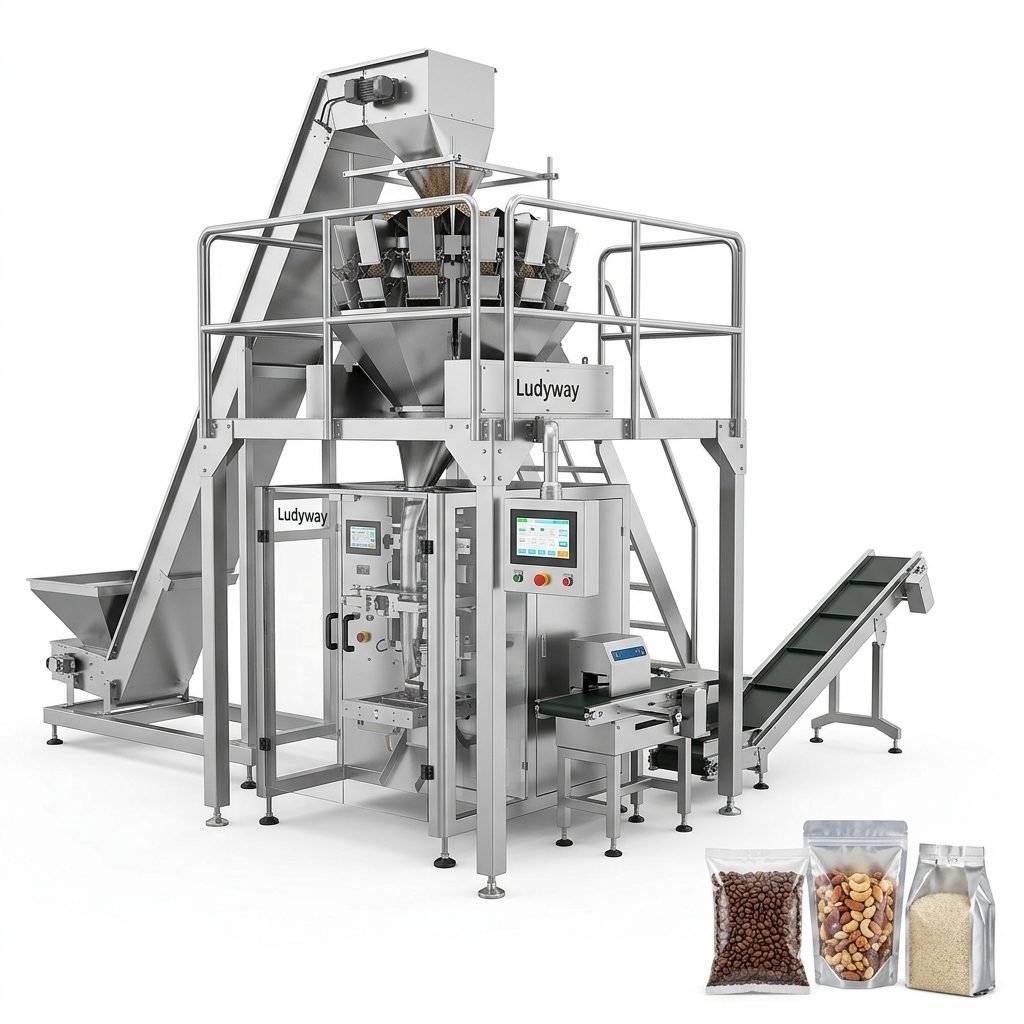
Applications in the Food Industry
Although the term “DAL packing machine” usually refers to lentil and pulse packaging, many systems can also handle related food products with similar flow properties. This makes the investment more versatile.
Common applications include:
- Yellow dal
- Red lentils
- Green gram
- Chickpeas and split chickpeas
- Beans and dry peas
- Rice and grains
- Sugar and salt
- Spice granules
- Instant soup or seasoning blends
Important Features to Look For
Not all packing machines deliver the same long-term value. Before buying, review the machine’s core performance features carefully.
1. Accurate Weighing System
A reliable weighing system is critical for dal products because weight deviations directly affect cost control. Multihead weighers and linear weighers are often preferred for granules.
2. Stable Sealing Performance
Strong and uniform seals help prevent leakage, moisture entry, and transport damage. This is especially important for export and retail distribution.
3. Easy Cleaning and Maintenance
Food-grade contact parts should be easy to remove, clean, and inspect. Stainless steel construction is generally preferred.
4. Flexible Bag Size Adjustment
If your business packs multiple SKUs, fast changeover between different weights and bag sizes can improve productivity.
5. PLC and Touchscreen Control
A user-friendly interface simplifies operation, recipe storage, troubleshooting, and training for line operators.
6. Integration Capability
The machine should work smoothly with elevators, feeders, conveyors, coding machines, checkweighers, and end-of-line systems.
Choosing the Right Packaging Format for DAL
| Packaging Format | Suitable Market | Advantages |
|---|---|---|
| Pillow Bag | Mass retail | Low material cost, high efficiency |
| Gusset Bag | Retail shelves | Better pack shape and appearance |
| Stand-Up Pouch | Premium brands | Strong shelf impact and convenience |
| Bulk Bag | Wholesale and B2B supply | Efficient large-volume distribution |
| Sachet | Single-use or seasoning mixes | Convenient small-portion packaging |
Common Challenges in DAL Packaging
Dal packaging may look straightforward, but there are several practical issues manufacturers often face:
- Inconsistent flow due to mixed particle sizes
- Weight fluctuation caused by unstable feeding
- Bag sealing problems from dust contamination
- Low speed when using outdated manual or semi-automatic equipment
- Higher waste caused by inaccurate filling
- Downtime from poor-quality machine components
A properly configured automated line helps solve these issues by combining suitable feeding, dosing, sealing, and inspection systems.
How to Select the Best DAL Packing Machine for Your Factory
When comparing equipment suppliers, focus on both current needs and future expansion. Ask these questions before making a decision:
- What is your required output per minute or per hour?
- What bag sizes do you need now and later?
- Will you package only dal, or multiple food products?
- Do you need retail packs, bulk bags, or both?
- What accuracy tolerance is acceptable?
- Do you require coding, inspection, cartoning, or palletizing?
- Can the supplier provide installation and after-sales support?
- Is machine customization available for your product characteristics?
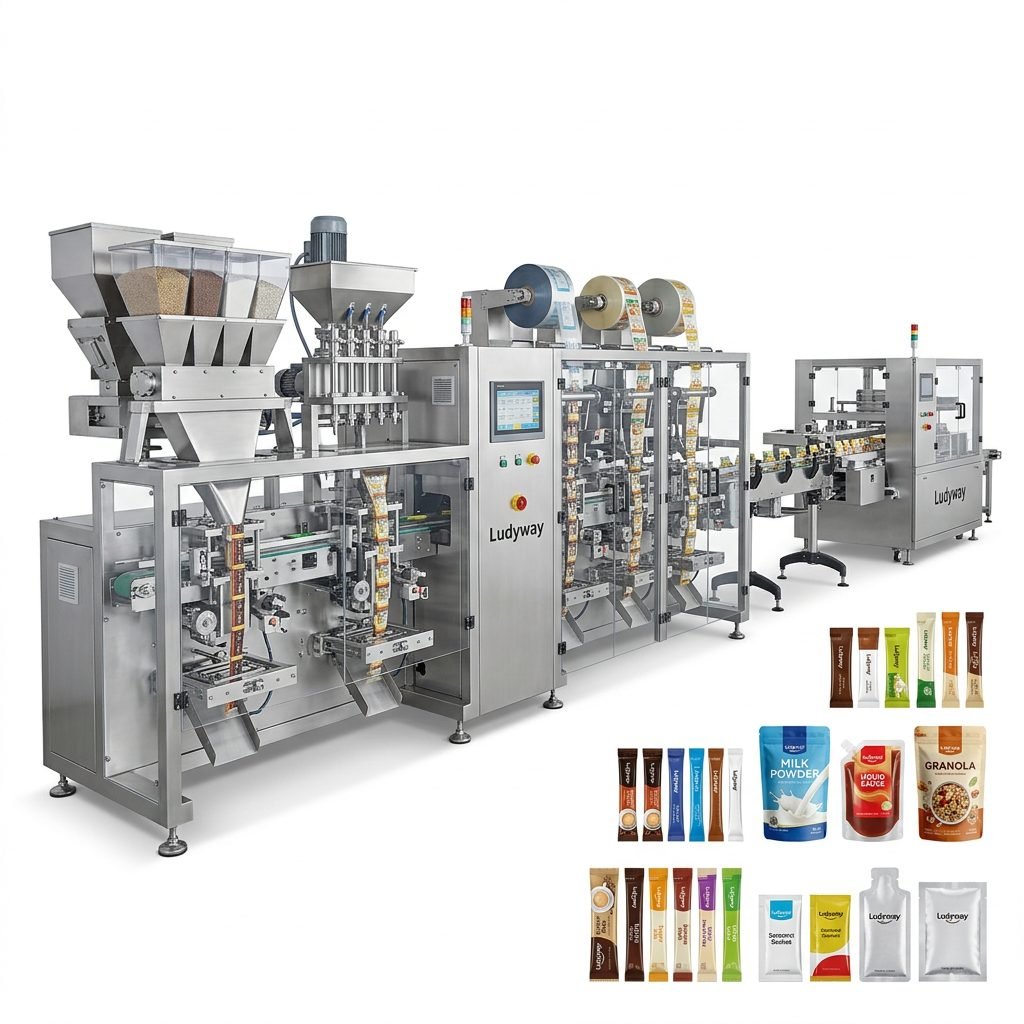
Why Turnkey Packaging Lines Matter
For many growing food companies, buying a standalone machine is only the first step. A complete packaging line can deliver much better overall efficiency because every stage is designed to work together. This may include:
- Feeding and conveying systems
- Weighing units
- Form-fill-seal or premade pouch equipment
- Metal detector and checkweigher
- Date coder and labeler
- Cartoning and case packing
- Palletizing solutions
If you are looking for scalable solutions from a specialized manufacturer, Ludyway packaging machine manufacturer offers a broad range of equipment and turnkey packaging line solutions for food, pharmaceutical, health supplement, cosmetic, chemical, and pouch-based applications.
Maintenance Tips for Long-Term Performance
Good maintenance helps extend machine life and protects packaging quality.
- Clean product contact parts daily to reduce buildup and contamination.
- Inspect sealing jaws regularly for wear or residue.
- Check weighing calibration on a scheduled basis.
- Lubricate mechanical components according to the supplier’s manual.
- Monitor sensors, belts, and pneumatic parts for early signs of failure.
- Keep spare parts available for key wear components.
SEO Buying Insight: What Makes a Good Supplier?
A good DAL packing machine supplier should offer more than equipment alone. The best partners usually provide application testing, engineering support, customization, commissioning guidance, training, and responsive after-sales service. This is especially important for companies that need consistent production over multiple shifts.
Strong supplier indicators include:
- Long manufacturing experience
- Export capability and international project experience
- Wide machine portfolio
- Ability to customize based on product and package type
- Clear quality inspection procedures
- Support for complete automation upgrades
Final Thoughts on Efficient DAL Packaging Solutions
A modern DAL packing machine helps food businesses improve speed, accuracy, consistency, and presentation while reducing labor pressure and material waste. From simple bagging units to full turnkey lines, the right system depends on your product type, output target, pack style, and future growth plans.
If your goal is to build a more efficient and reliable packaging process, investing in the right automated solution can create long-term value across production, logistics, and brand performance.