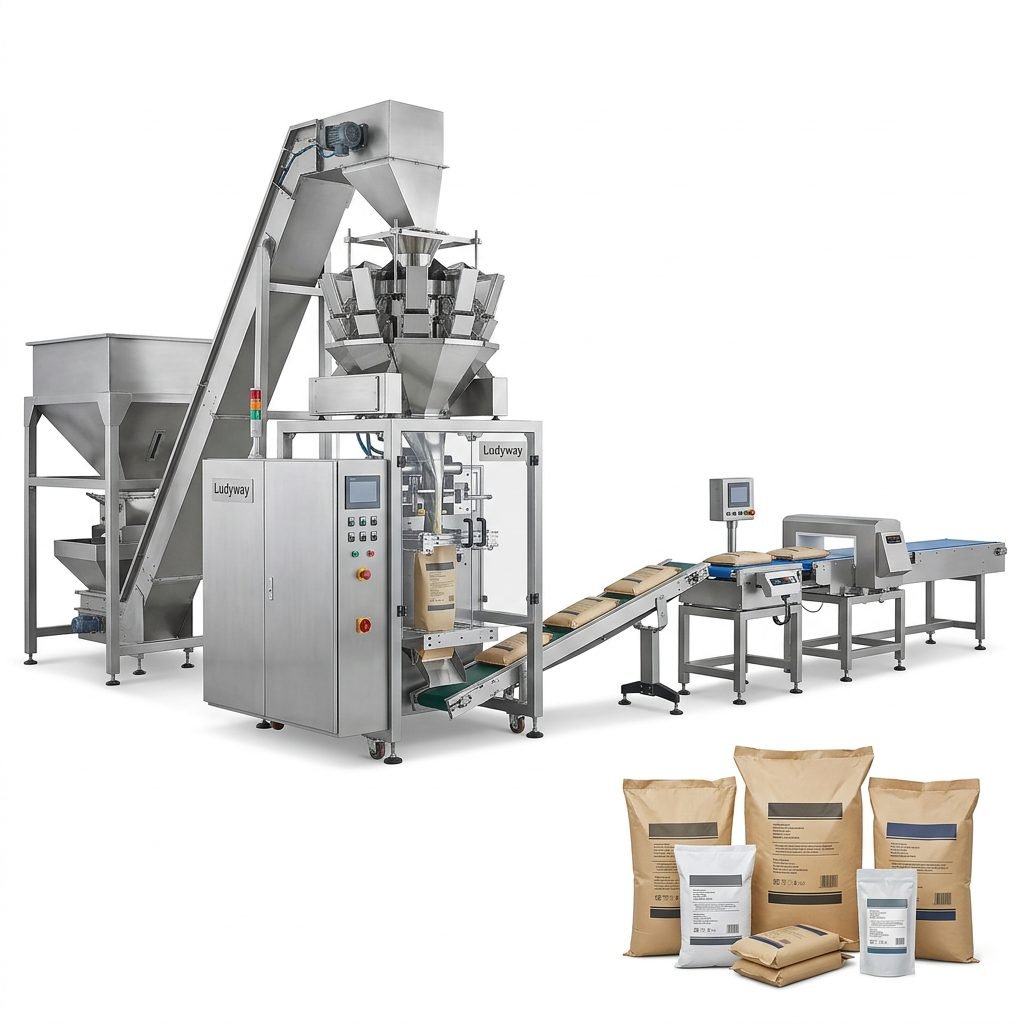
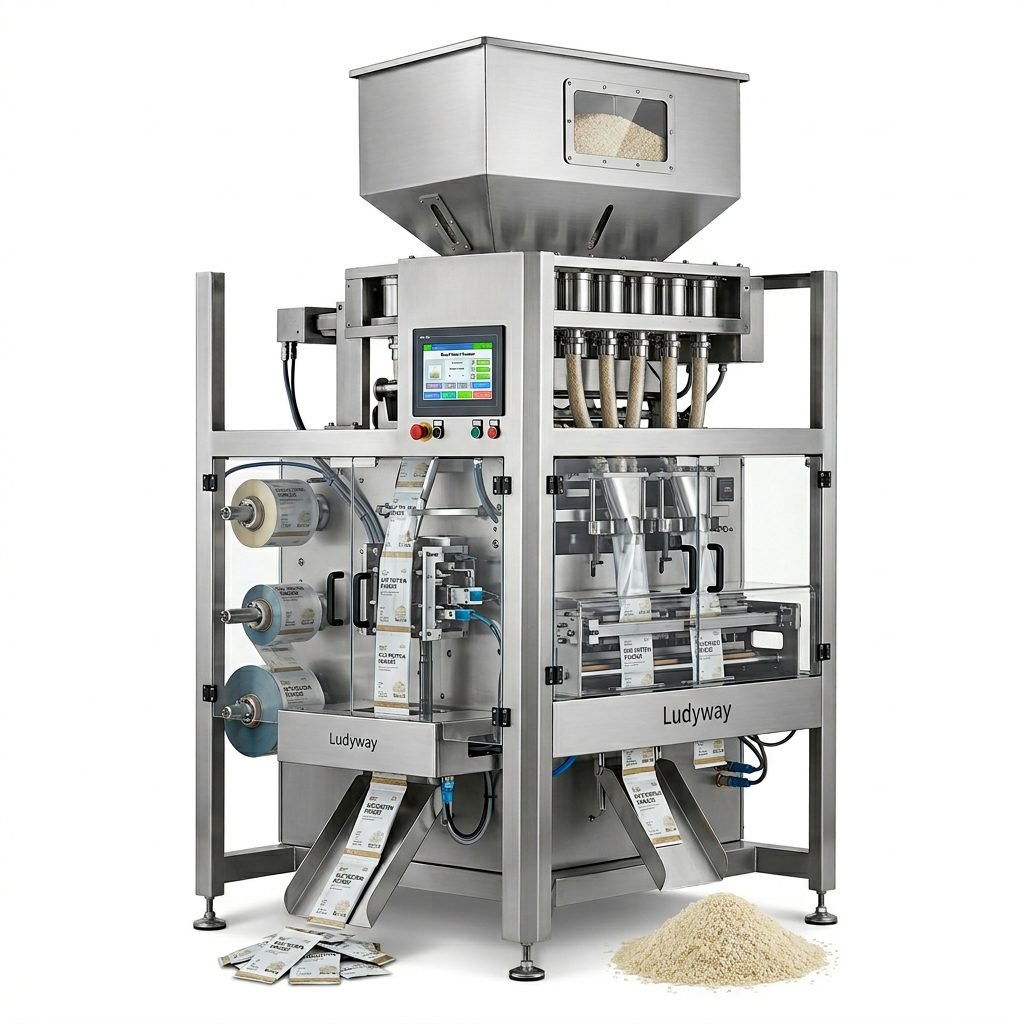
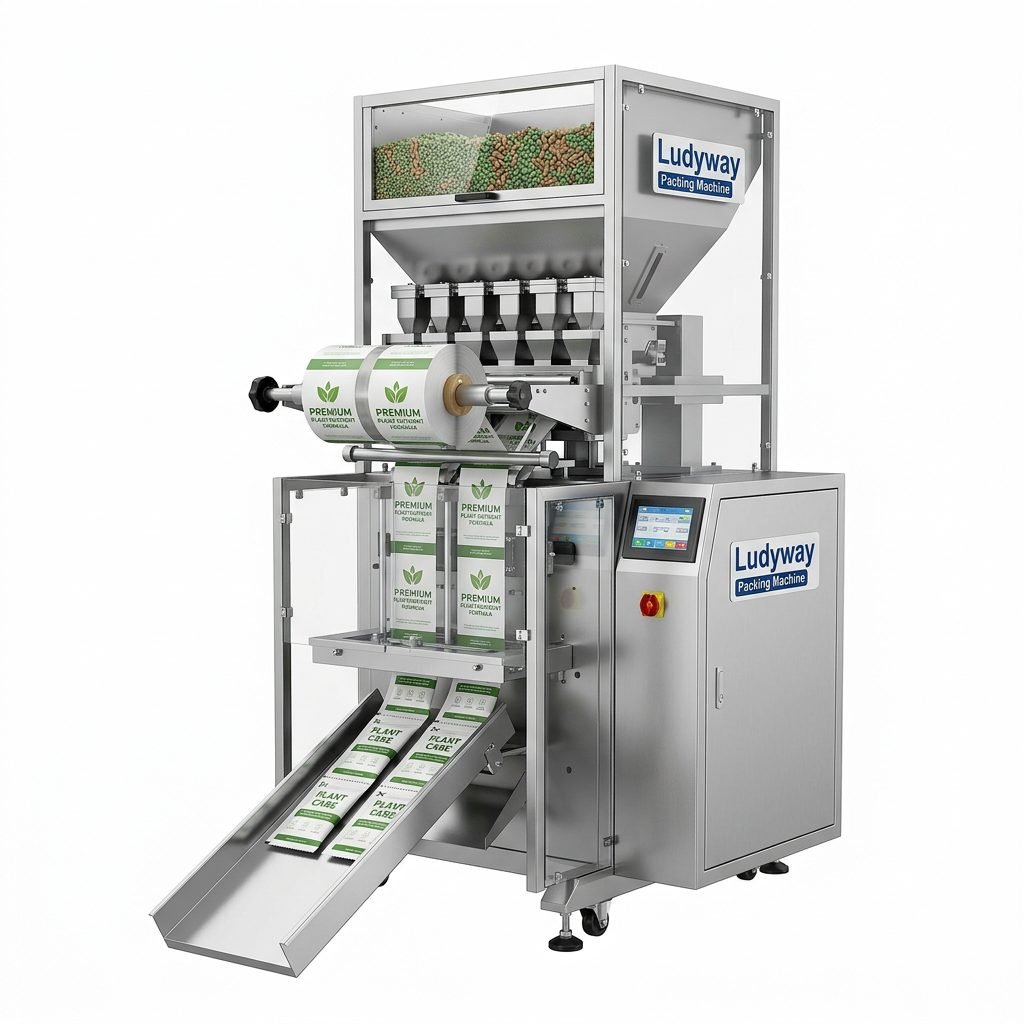
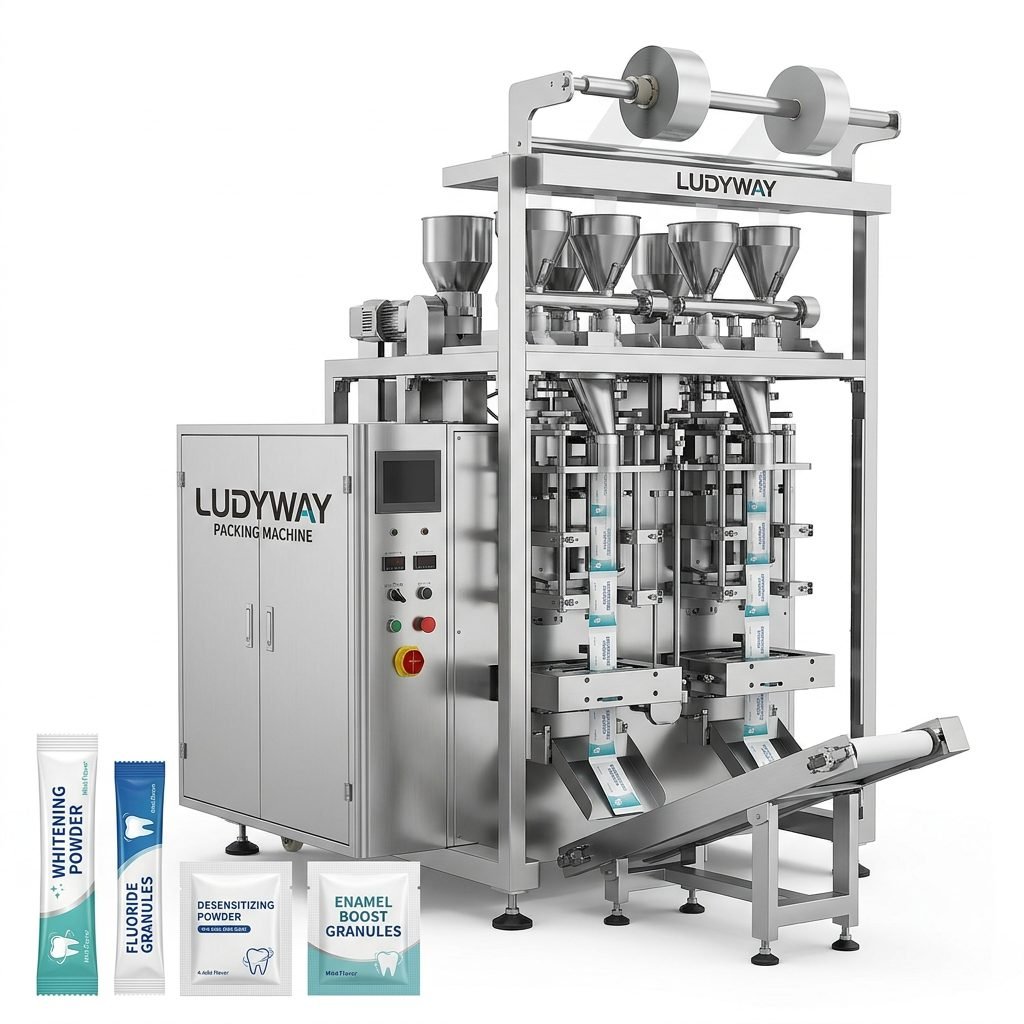
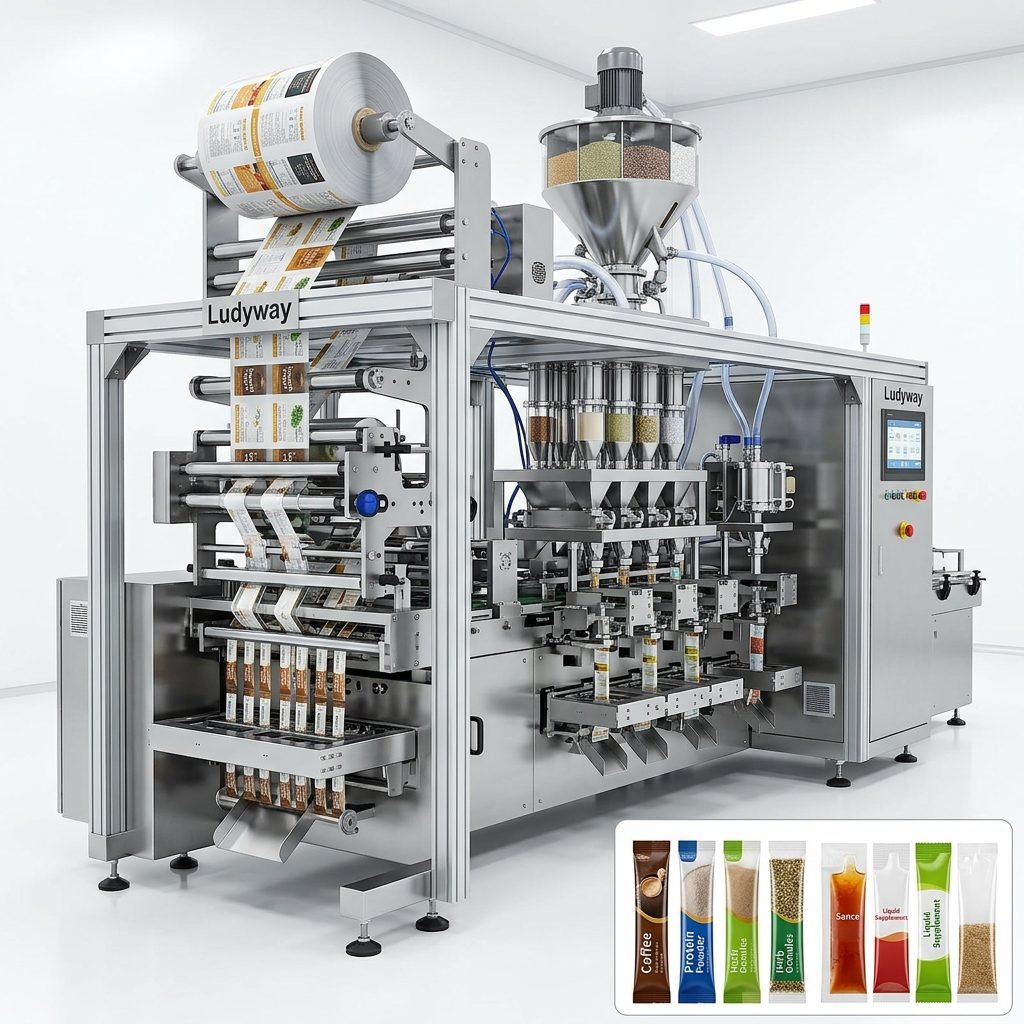
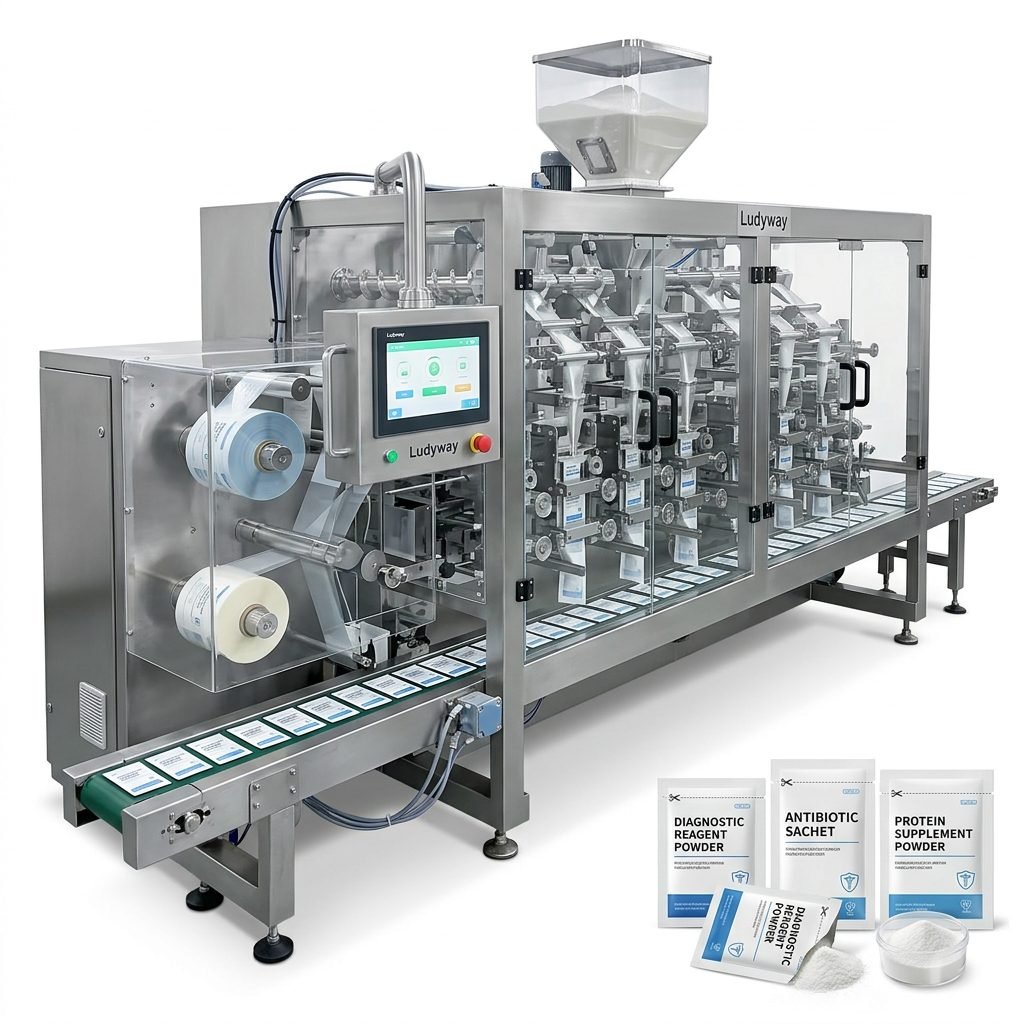
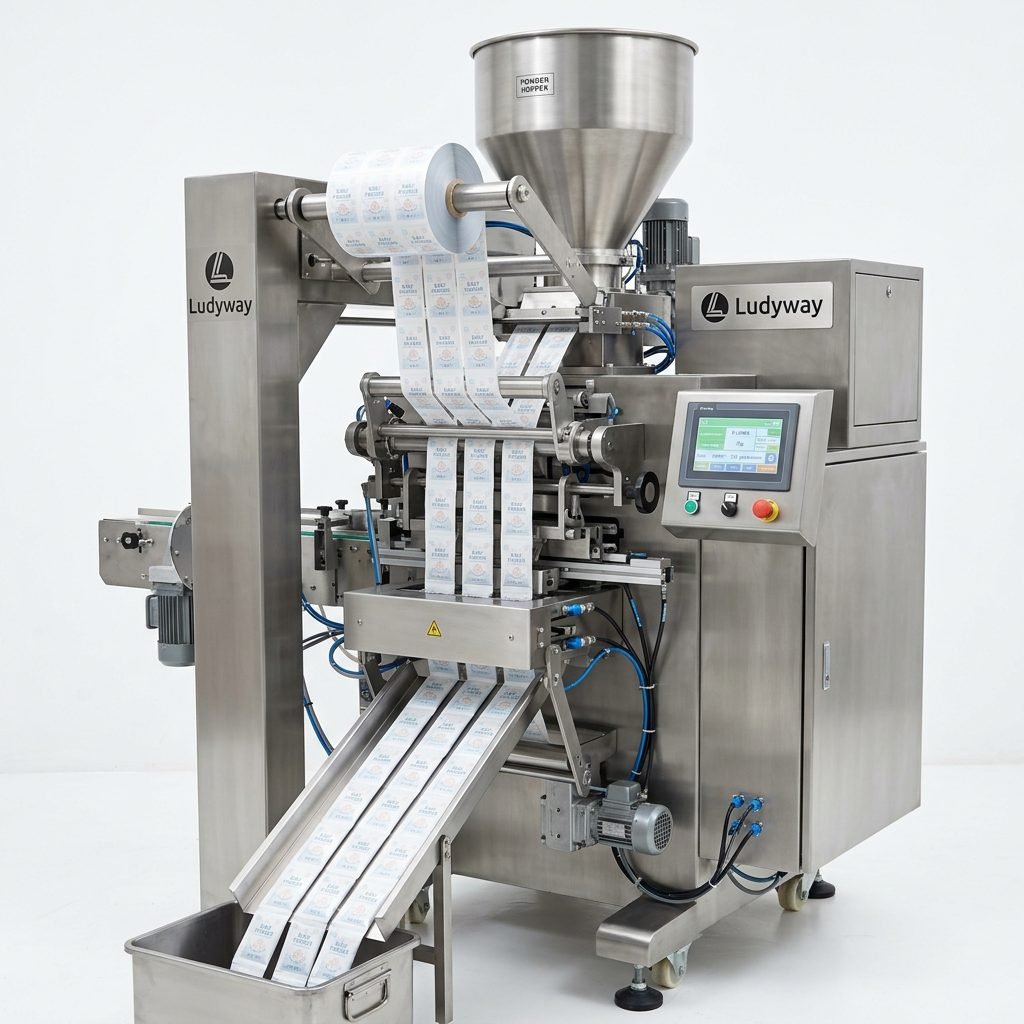
A nitrogen vacuum packaging machine combines vacuum sealing with nitrogen flushing to protect products from oxygen, moisture exposure, and rapid quality loss. It is widely used in food, pharmaceutical, health supplement, chemical, and specialty consumer goods packaging because it helps maintain freshness, improve shelf life, and support a more stable product appearance during storage and transport.
For manufacturers handling fragile snacks, powders, granules, dried foods, coffee, tea, pet treats, or oxygen-sensitive products, this packaging method can be a smart choice when ordinary sealing is not enough.
What Is a Nitrogen Vacuum Packaging Machine?
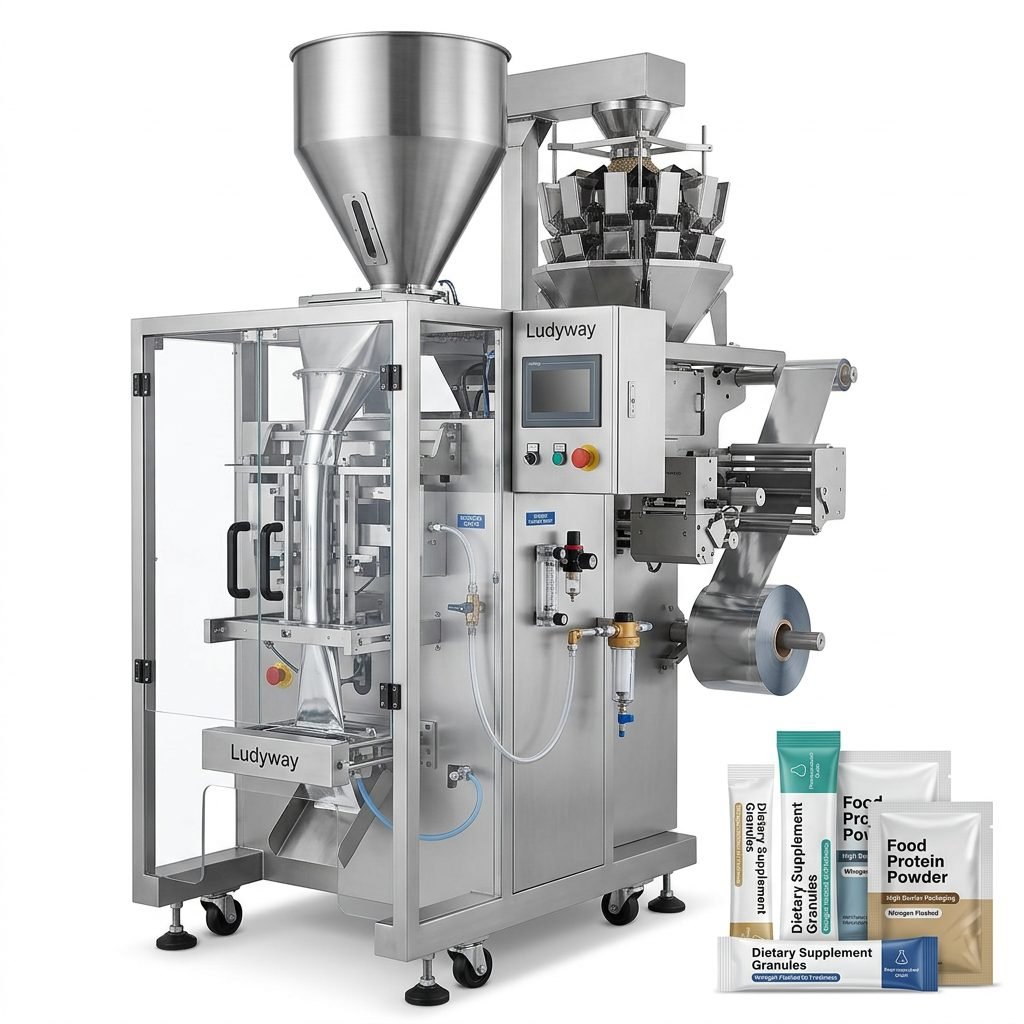
A nitrogen vacuum packaging machine is packaging equipment designed to remove unwanted air from a package and then introduce nitrogen gas before sealing. In some applications, the machine first creates a vacuum and then backfills the package with nitrogen. In others, it partially evacuates air and performs a controlled gas flush to reach the required residual oxygen level.
Nitrogen is an inert gas. Because it does not easily react with products, oils, flavors, or active ingredients, it is commonly used to reduce oxidation and slow down quality deterioration.
Common packaged products include:
- Potato chips and puffed snacks
- Coffee beans and ground coffee
- Tea, milk powder, and drink powders
- Nuts, dried fruit, and seeds
- Freeze-dried foods
- Pharmaceutical powders and granules
- Nutraceutical and health supplement sachets
- Pet food and pet supplements
How It Works
Although machine structures vary by bag type and product form, the working principle is straightforward. The system is designed to reduce oxygen inside the package and create a better protective environment for the product.
Step-by-step process
- Product loading: The product is filled into a pouch, bag, tray, or container.
- Air removal: The machine removes air from the package through vacuum action.
- Nitrogen flushing: Food-grade or pharmaceutical-grade nitrogen is injected into the pack.
- Oxygen reduction: Residual oxygen is lowered to help protect the product.
- Heat sealing: The package is sealed to lock in the controlled atmosphere.
- Optional inspection: Leak testing, date coding, checkweighing, or metal detection may follow.
Why both vacuum and nitrogen matter
Vacuum alone removes a large portion of air, but some products need more than simple evacuation. Nitrogen flushing helps replace oxygen with an inert gas. This is especially useful for products that are oxidation-sensitive or physically delicate. In snack packaging, for example, nitrogen can also create a cushioning effect that reduces breakage during transportation.
| Packaging Method | Main Function | Best For |
|---|---|---|
| Standard Sealing | Closes package without air control | Low-risk products with short shelf life |
| Vacuum Packaging | Removes most air from package | Dense products, meat, cheese, some powders |
| Nitrogen Flushing | Replaces oxygen with inert gas | Snacks, coffee, fragile or oxidation-sensitive goods |
| Nitrogen Vacuum Packaging | Combines evacuation and gas protection | Premium food, pharma, supplements, high-value products |
Key Benefits of Nitrogen Vacuum Packaging
1. Longer shelf life
By reducing oxygen exposure, the machine helps slow oxidation, rancidity, flavor loss, and discoloration. This is one of the biggest reasons manufacturers invest in nitrogen-assisted packaging.
2. Better product freshness
Coffee aromas, crispy textures, nutritional ingredients, and active compounds are better preserved when oxygen is minimized.
3. Reduced breakage for delicate products
Nitrogen can provide a light protective cushion in the package. This is especially useful for chips, crackers, freeze-dried fruit, and fragile snacks.
4. Improved product appearance
Packaging can maintain a more attractive shape, and products are less likely to look compressed, stale, or damaged.
5. Better control for sensitive industries
In pharmaceutical, nutraceutical, and specialty chemical applications, controlled atmosphere packaging can support better product stability and more consistent storage performance.
6. Stronger brand protection
When customers open a package and find the product fresh, clean, and intact, it strengthens trust in your brand and reduces complaints related to spoilage or crushed contents.
Best Uses for a Nitrogen Vacuum Packaging Machine
This machine is not necessary for every product, but it becomes highly valuable when oxygen, moisture, breakage, or shelf-life performance matters.
Food industry applications
- Roasted nuts and trail mixes
- Coffee beans and powder
- Tea and herbal blends
- Potato chips and puffed snacks
- Seasonings, spices, and soup powders
- Freeze-dried fruit, vegetables, and meat
- Bakery premixes and milk powders
Pharmaceutical and health product applications
- Granules and powders in sachets
- Oxygen-sensitive formulations
- Diagnostic or specialty pouches
- Vitamin and supplement products
- Moisture-sensitive healthcare items
Pet food and specialty products
- Freeze-dried pet treats
- Nutritional pet powders
- Premium dry pet foods
- Functional ingredient sachets
When Nitrogen Vacuum Packaging Is the Right Choice
You should consider this solution if your product has one or more of the following characteristics:
- It oxidizes easily
- It loses aroma quickly
- It contains fats or oils that may turn rancid
- It is fragile and can break during transport
- It needs a longer distribution window
- It is sold in export markets with long shipping times
- It requires better quality consistency batch after batch
| Product Type | Why Nitrogen Vacuum Packaging Helps | Typical Package Format |
|---|---|---|
| Coffee | Preserves aroma and slows oxidation | Pouches, valve bags, sachets |
| Chips and snacks | Adds cushion and helps maintain crispness | Pillowed bags, stand-up pouches |
| Powders | Reduces oxygen exposure and quality loss | Sachets, stick packs, pouches |
| Freeze-dried products | Protects texture and freshness | Vacuum pouches, sealed bags |
| Pharma granules | Supports stability and controlled storage | Sachets, medical pouches |
Main Machine Types
Different products require different machine structures. Choosing the right type depends on packaging format, output speed, gas control requirements, and product characteristics.
Common configurations include:
- Chamber vacuum packaging machines for pouches and vacuum bags
- Continuous belt vacuum sealers for medium to high output
- Modified atmosphere packaging systems for trays and rigid packs
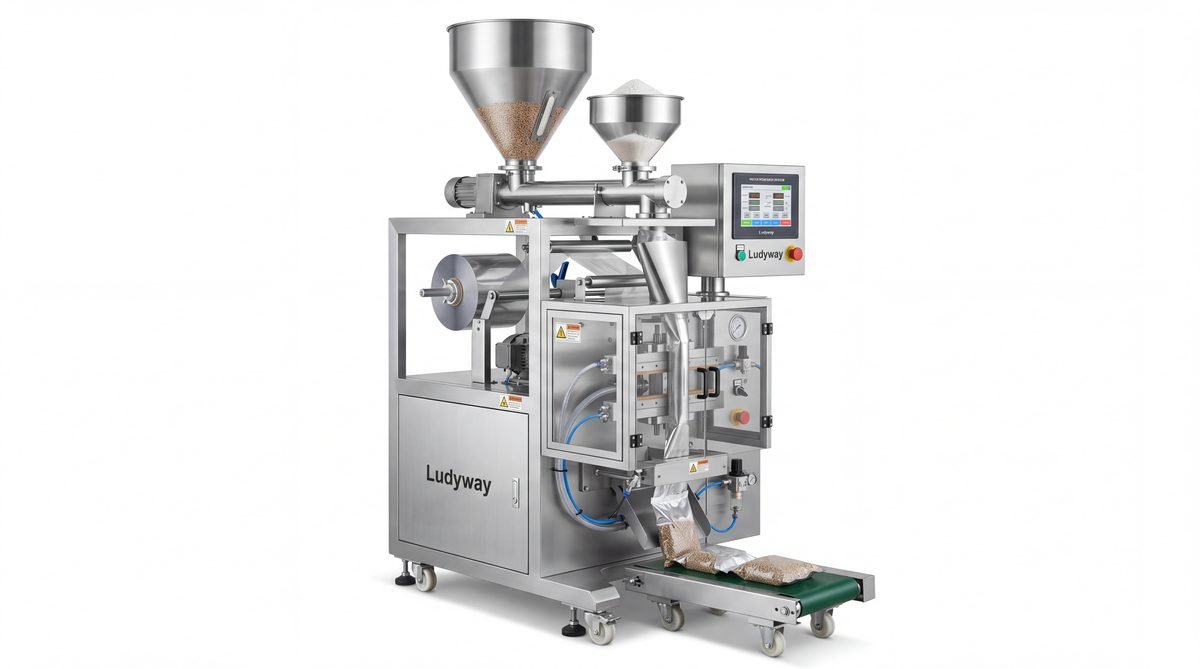
- Vertical form fill seal machines with nitrogen flush for granules and powders
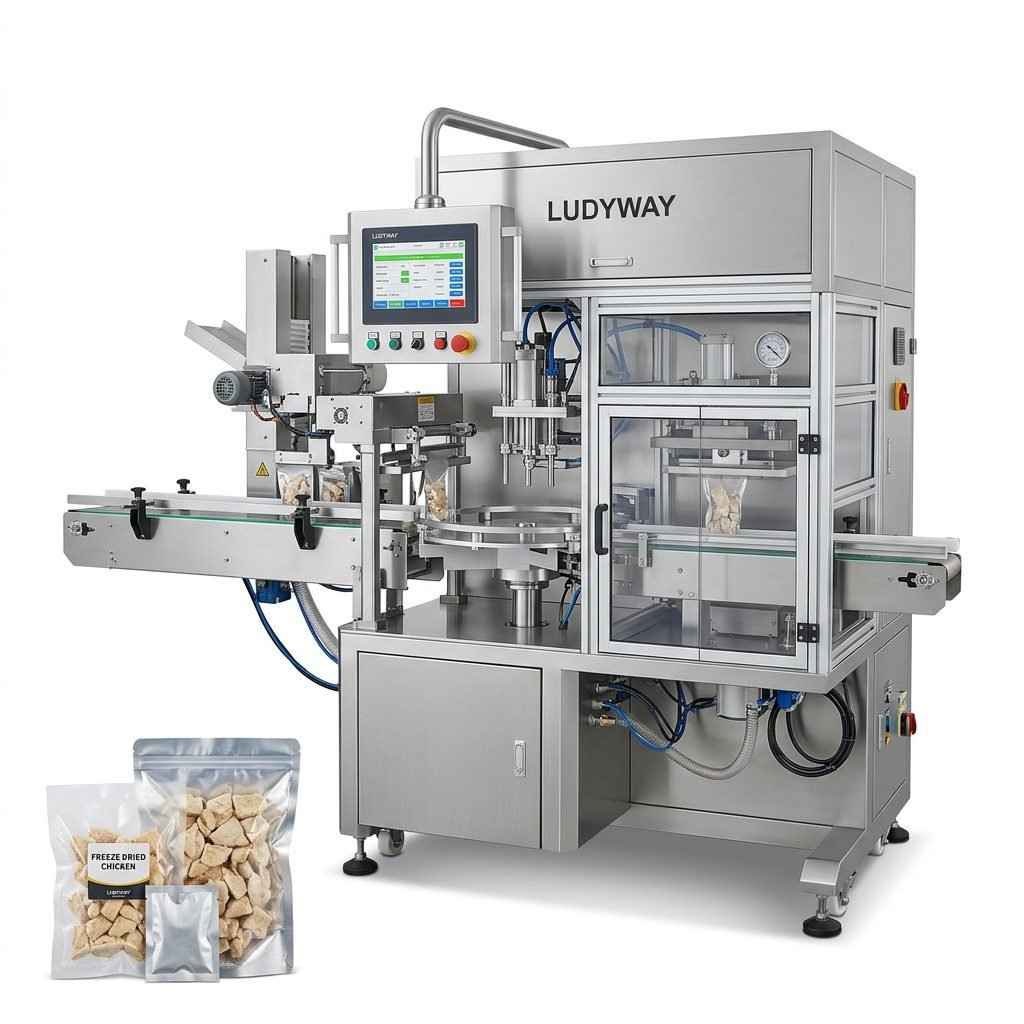
- Premade pouch packaging machines with gas flushing and sealing modules
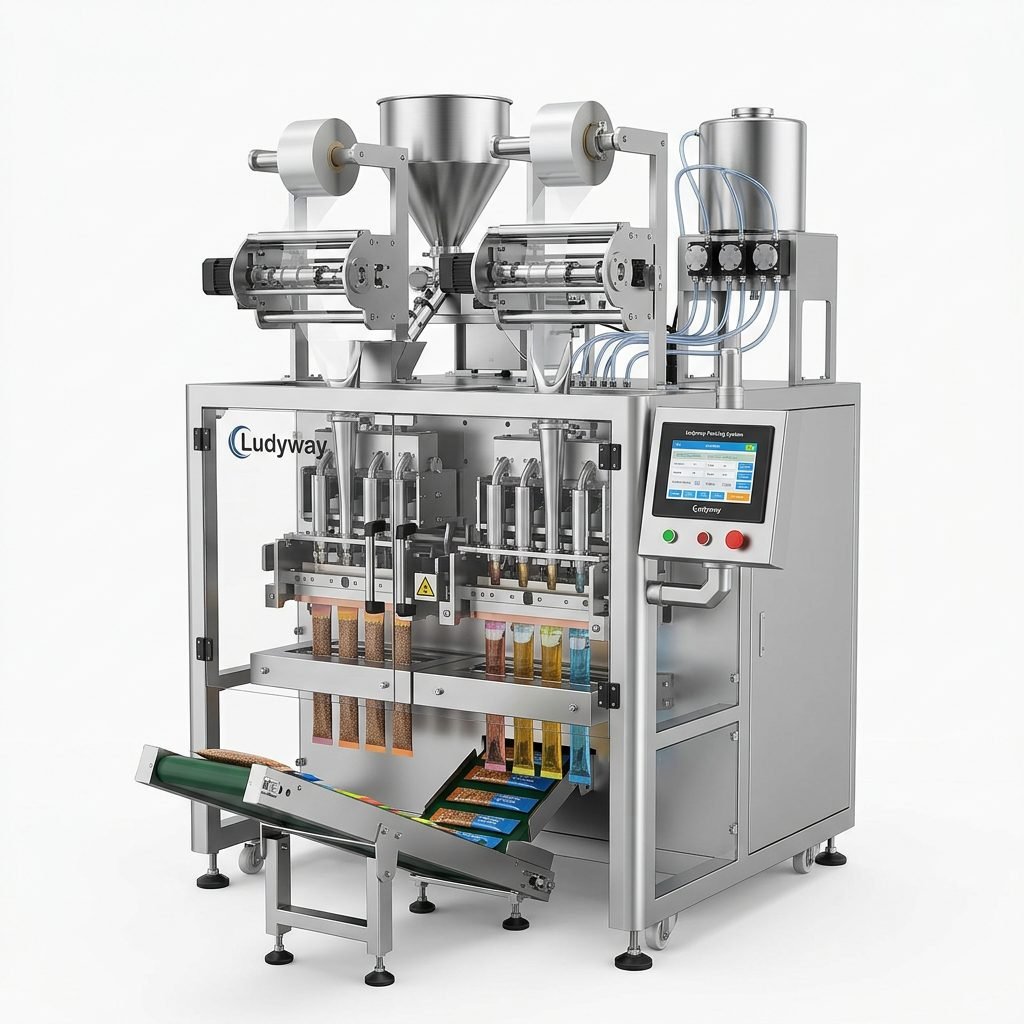
- Multi-lane sachet or stick pack machines for pharma and supplement products
Important Features to Look For
Not all nitrogen vacuum packaging machines perform the same way. Before buying, compare the following features carefully:
- Stable vacuum performance
- Accurate nitrogen flow control
- Residual oxygen consistency
- Reliable heat sealing quality
- Compatibility with your film or pouch material
- Easy cleaning and changeover
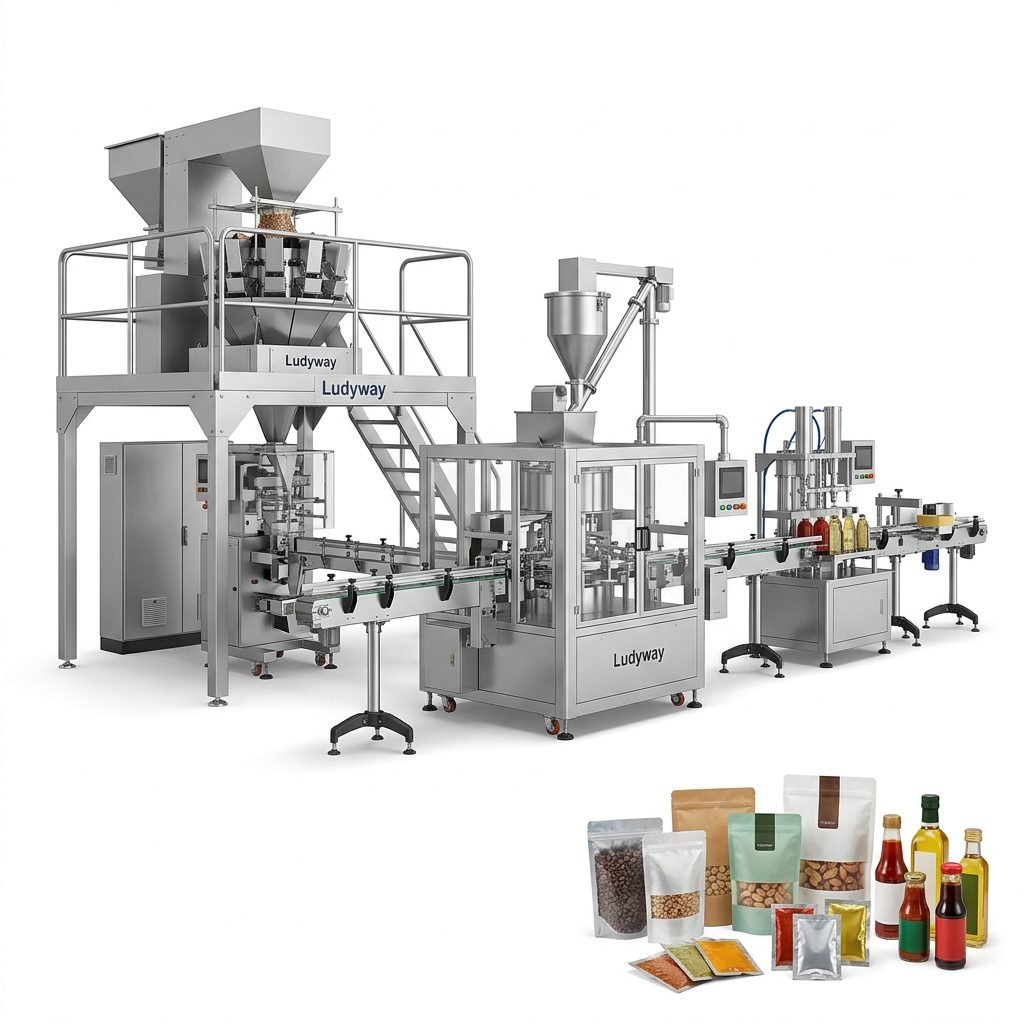
- Integration with fillers, conveyors, coders, and inspection devices
- User-friendly control interface
- Available customization for your product type
Advanced options may include:
- Gas mixing systems
- Residual oxygen monitoring
- Automatic feeding and discharge
- Leak detection systems
- Date coding and labeling integration
- Checkweigher and metal detector integration
How to Choose the Right Machine for Your Business
The best machine is the one that matches your product, output target, package style, and quality requirements. A system that is too basic may limit shelf life, while one that is oversized may increase unnecessary costs.
Ask these questions before investing:
- What product are you packaging: powder, granule, liquid, or fragile solid?
- What bag or pouch format do you use?
- How many packs per minute do you need?
- What residual oxygen level is acceptable?
- Do you need a standalone machine or a complete line?
- Will the machine run single product batches or frequent SKU changes?
- Do you need compliance for food or pharmaceutical production?
If you are planning a new project or scaling production, working with an experienced supplier can reduce setup risk. Ludyway packaging machine solutions are widely used for food, pharmaceutical, health supplement, and related industries, with turnkey options for automated packaging lines.
Common Challenges and How to Avoid Them
Poor sealing quality
This can result from unsuitable film, incorrect temperature settings, product contamination in the seal area, or weak sealing pressure.
Inconsistent nitrogen levels
This may be caused by unstable gas supply, poor timing control, or leaks in the packaging system.
Product crushing or deformation
Some products do not tolerate full vacuum well. In these cases, partial vacuum plus nitrogen backfill may be the better solution.
Low packaging efficiency
If your machine is not integrated with feeding, filling, conveying, or coding equipment, overall line performance may suffer.
Helpful best practices
- Use packaging films with good barrier properties
- Maintain a stable nitrogen source and pressure
- Regularly test seal integrity and oxygen level
- Clean sealing areas and gas channels routinely
- Match vacuum strength to product fragility
Nitrogen Vacuum Packaging vs. Traditional Vacuum Packaging
Traditional vacuum packaging works well for many products, especially those that benefit from tight pack compression. However, it is not always ideal for fragile goods or products that need an inert internal atmosphere.
Nitrogen vacuum packaging is often the better choice when appearance, freshness retention, oxidation control, and transport protection are all important at the same time.
Industries That Benefit Most
- Snack food manufacturing
- Coffee roasting and beverage powder packaging
- Freeze-dried food production
- Pharmaceutical sachet packing
- Nutraceutical and supplement packaging
- Premium pet food and pet nutrition
- Specialty chemicals requiring controlled atmosphere packaging
Final Buying Tips
Before selecting a nitrogen vacuum packaging machine, focus on product protection, sealing reliability, gas control accuracy, and line compatibility. A well-matched system can improve shelf life, reduce waste, protect product quality, and support stronger long-term packaging performance.
If your products are oxygen-sensitive, fragile, or shipped over long distances, this type of equipment can deliver clear operational and commercial value.