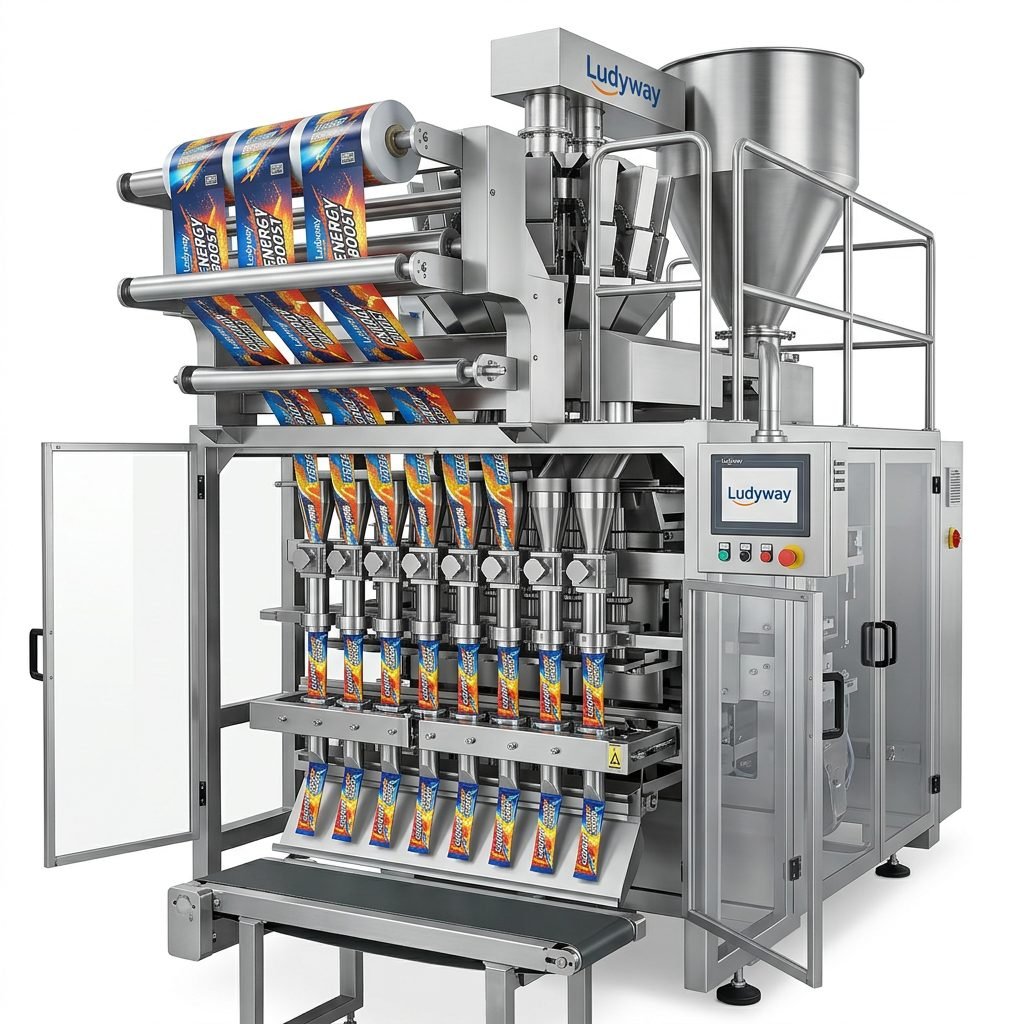
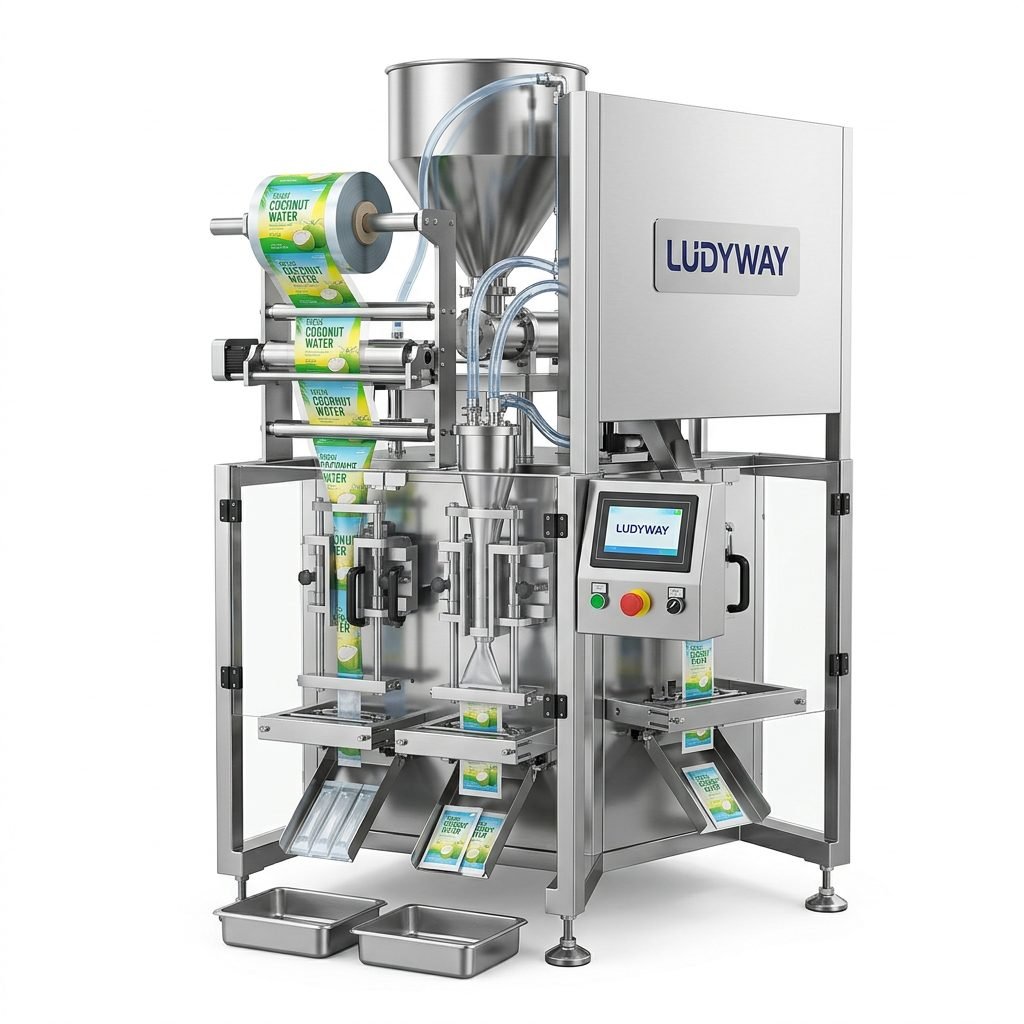
Investing in the right food packaging machines for sale can transform the way your business operates. The right equipment helps improve filling accuracy, reduce labor costs, protect product quality, and support long-term production growth. Whether you package powders, granules, liquids, sauces, snacks, frozen foods, or ready-to-eat products, choosing the correct machine is not only a technical decision—it is a strategic one.
For food manufacturers, distributors, private-label brands, and co-packers, packaging machinery must match both the product and the production target. A machine that works well for spices may not be suitable for sauces; a compact setup for startups may not support high-speed industrial output. That is why a structured selection process matters.
Why Packaging Equipment Matters in the Food Industry
Food packaging is more than sealing products into bags or pouches. It directly affects food safety, shelf life, production efficiency, transport stability, and retail presentation. Modern packaging systems also support traceability, coding, inspection, and compliance with hygiene standards.
- Maintain product freshness and prevent contamination
- Improve packaging consistency across production batches
- Reduce product giveaway through accurate dosing and filling
- Lower manual handling and labor dependency
- Support scalable growth from small runs to mass production
- Enhance brand image through clean, reliable packaging finishes
Main Types of Food Packaging Machines for Sale
Different food products require different packaging technologies. Before purchasing, identify your product format, packaging style, and expected output.
| Machine Type | Best For | Typical Packaging Formats |
|---|---|---|
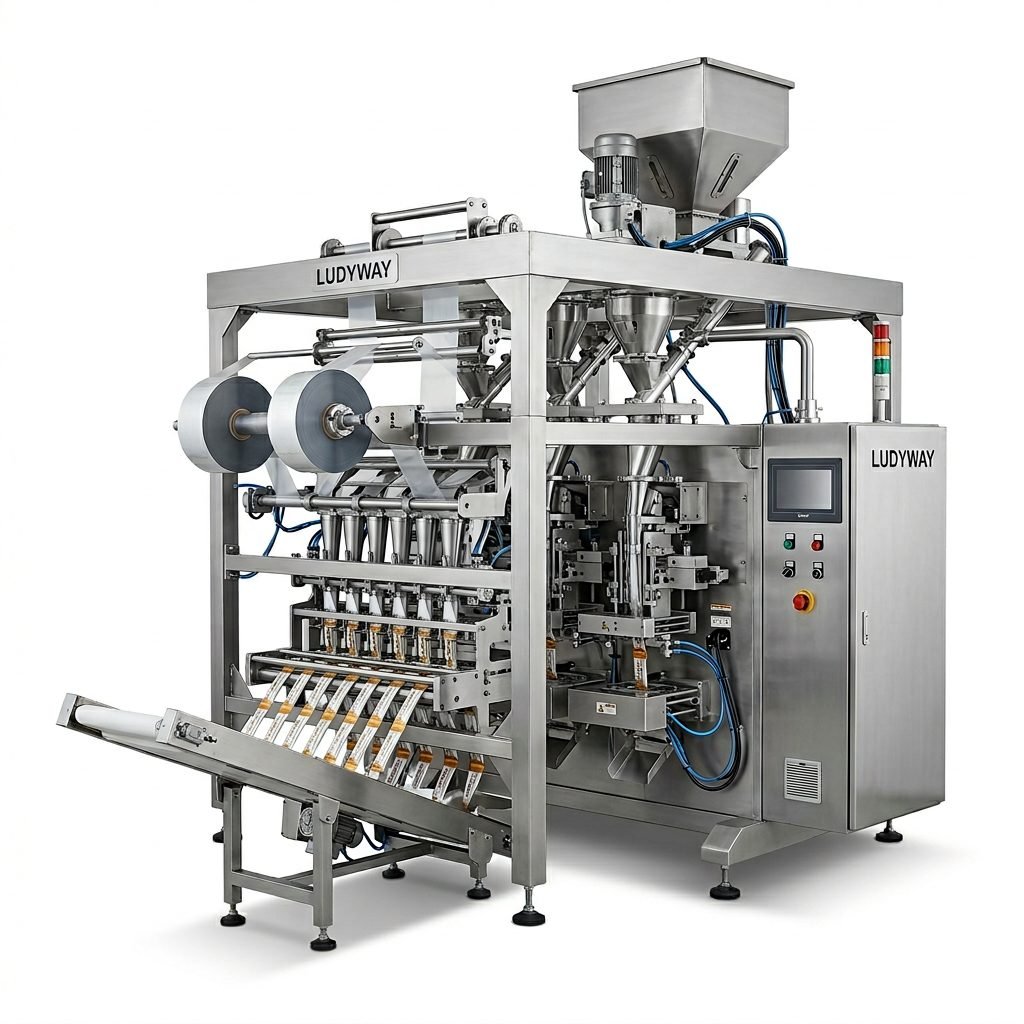
| Vertical Form Fill Seal Machines | Granules, powders, snacks, grains | Pouches, pillow bags, sachets |
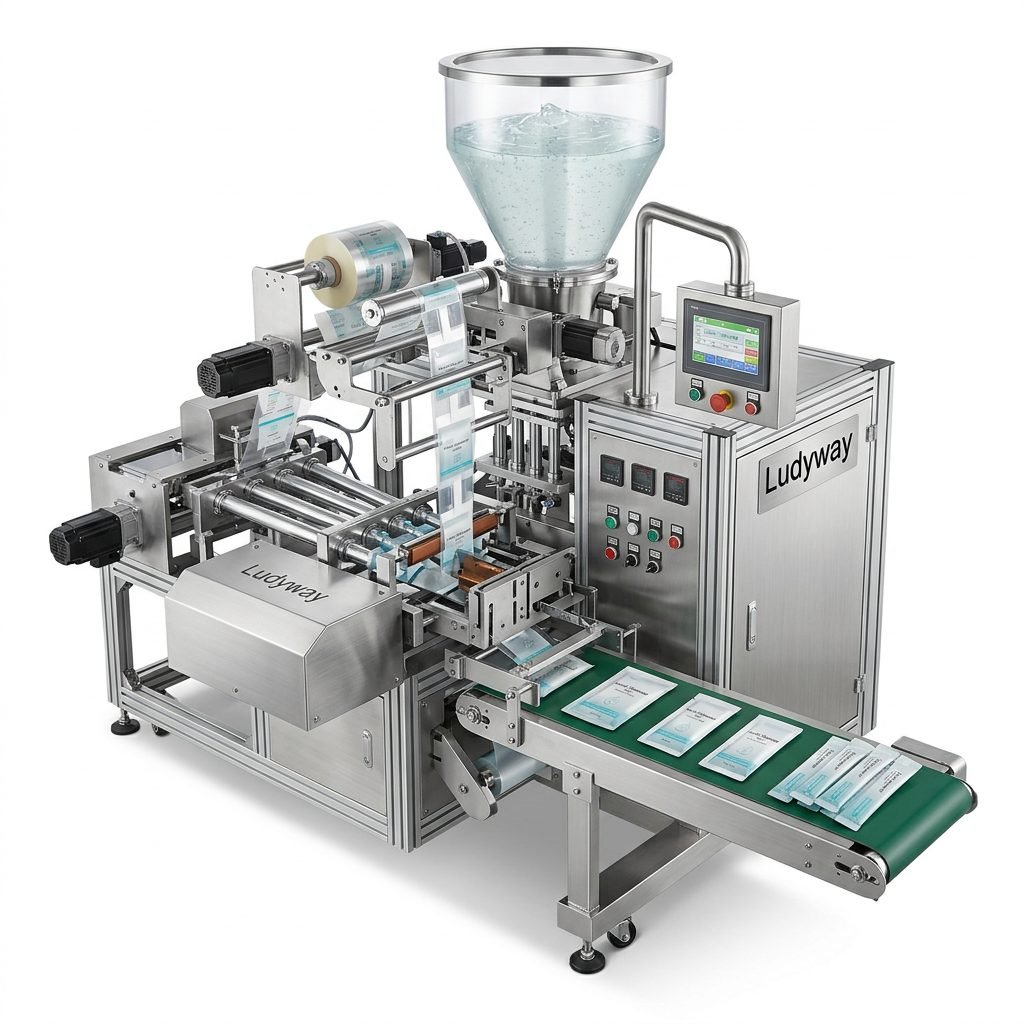
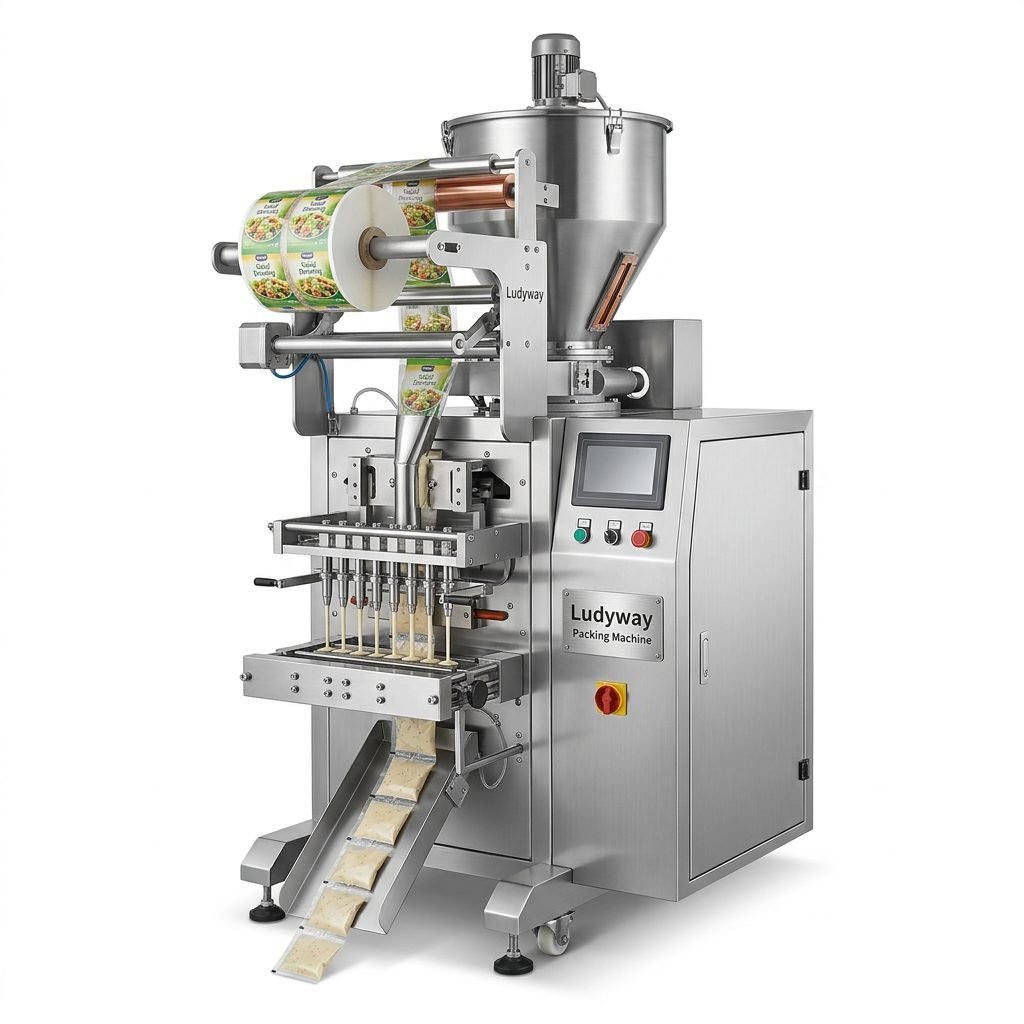
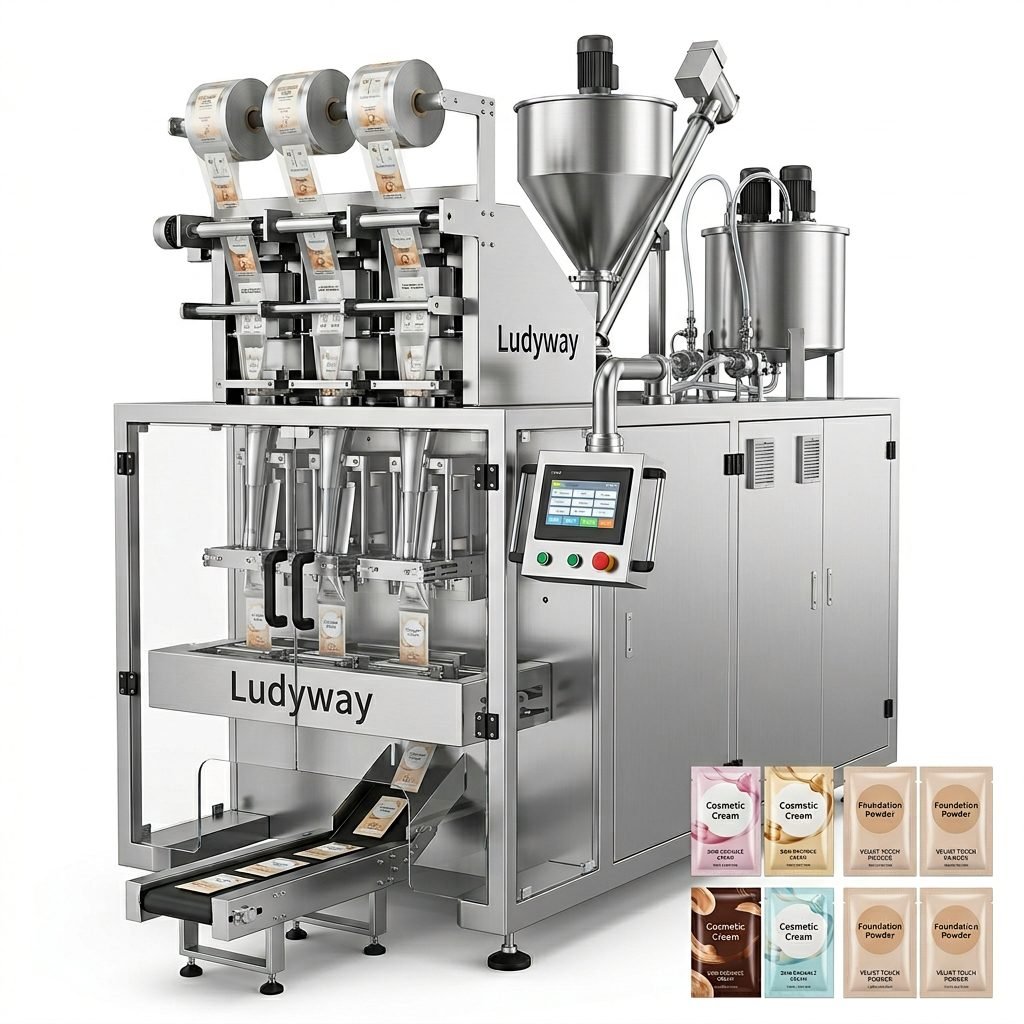
| Sachet Packing Machines | Seasonings, sauces, drink powders | 3-side or 4-side seal sachets |
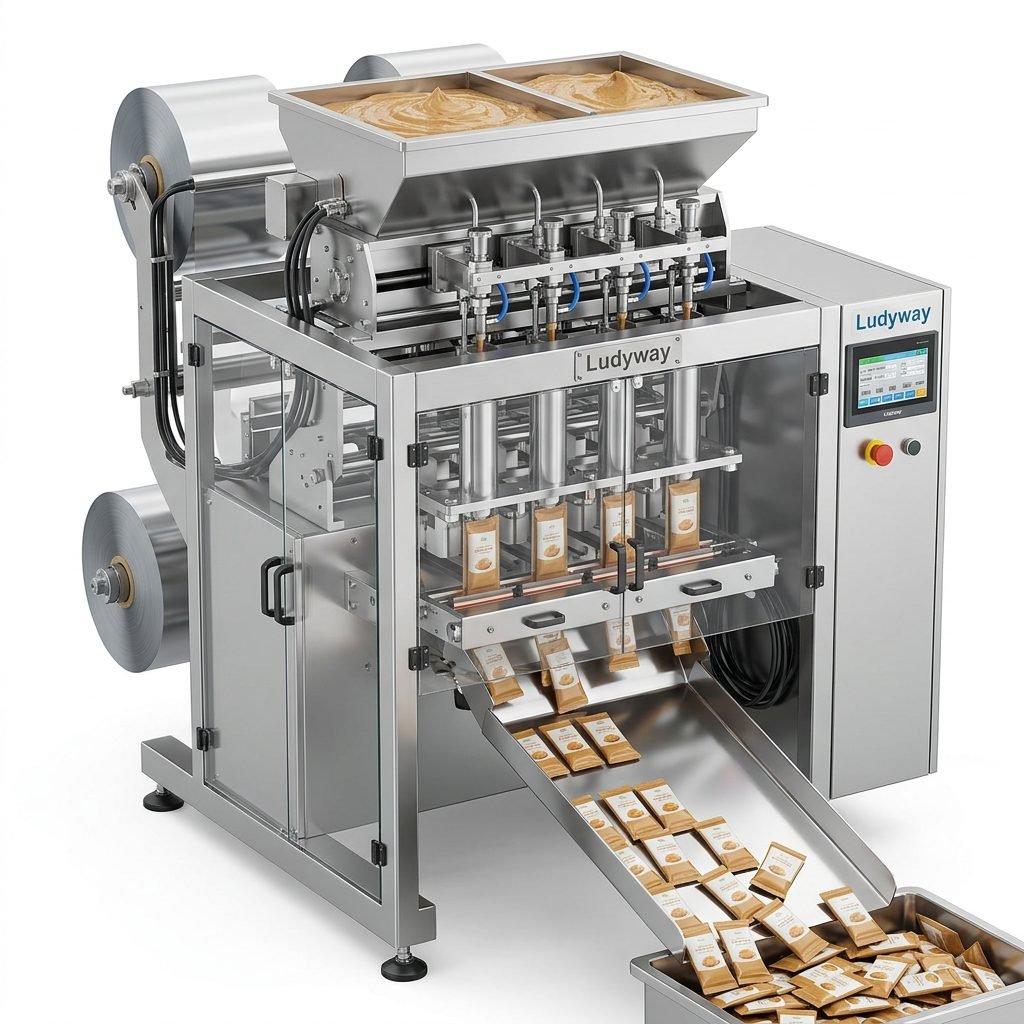
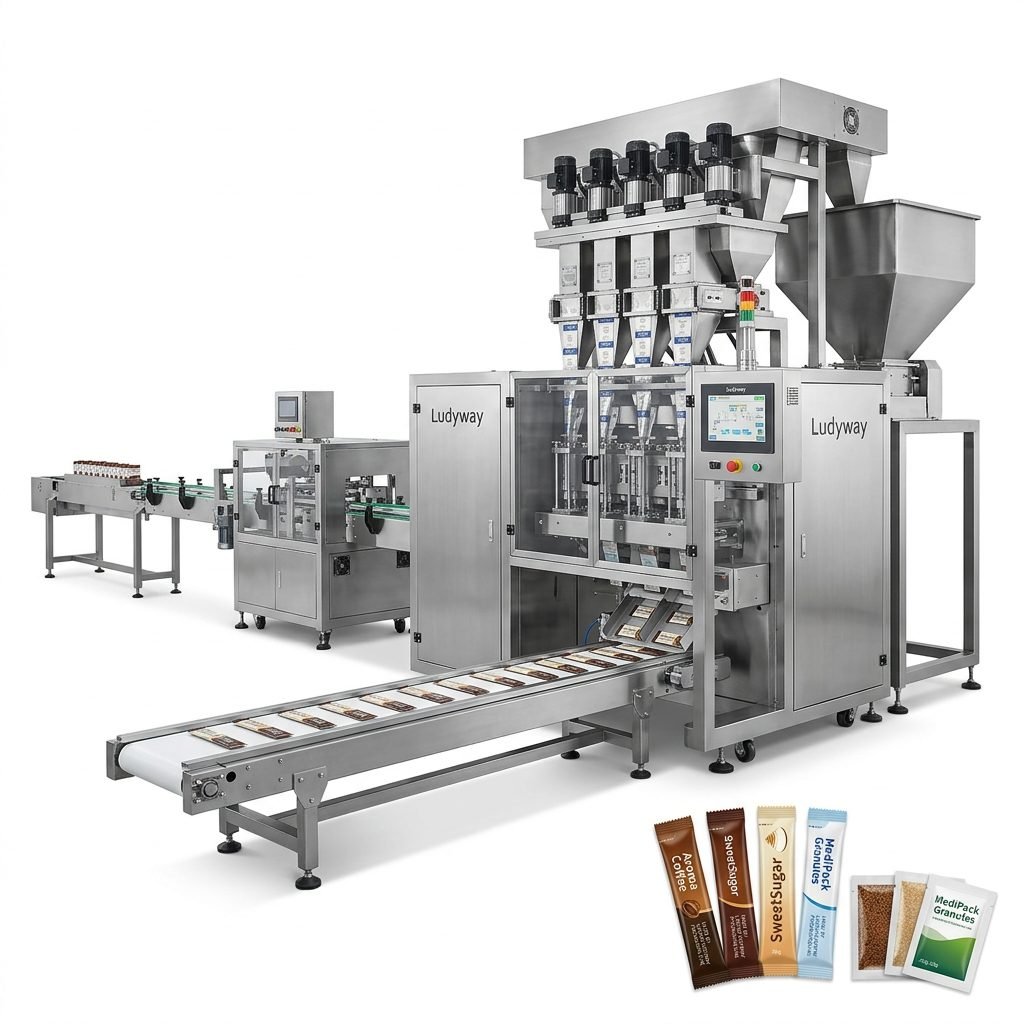
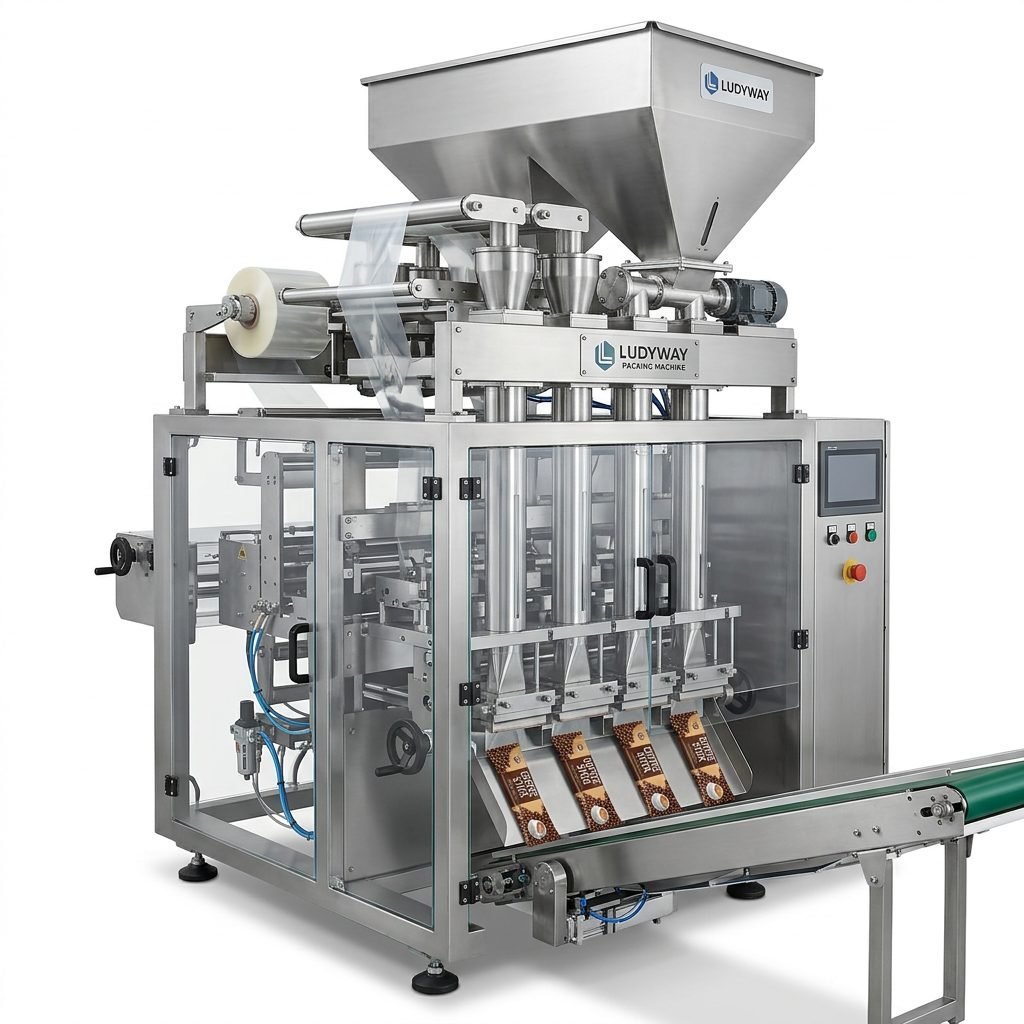
| Stick Pack Machines | Sugar, coffee, supplements, instant powders | Stick packs, multi-lane packs |
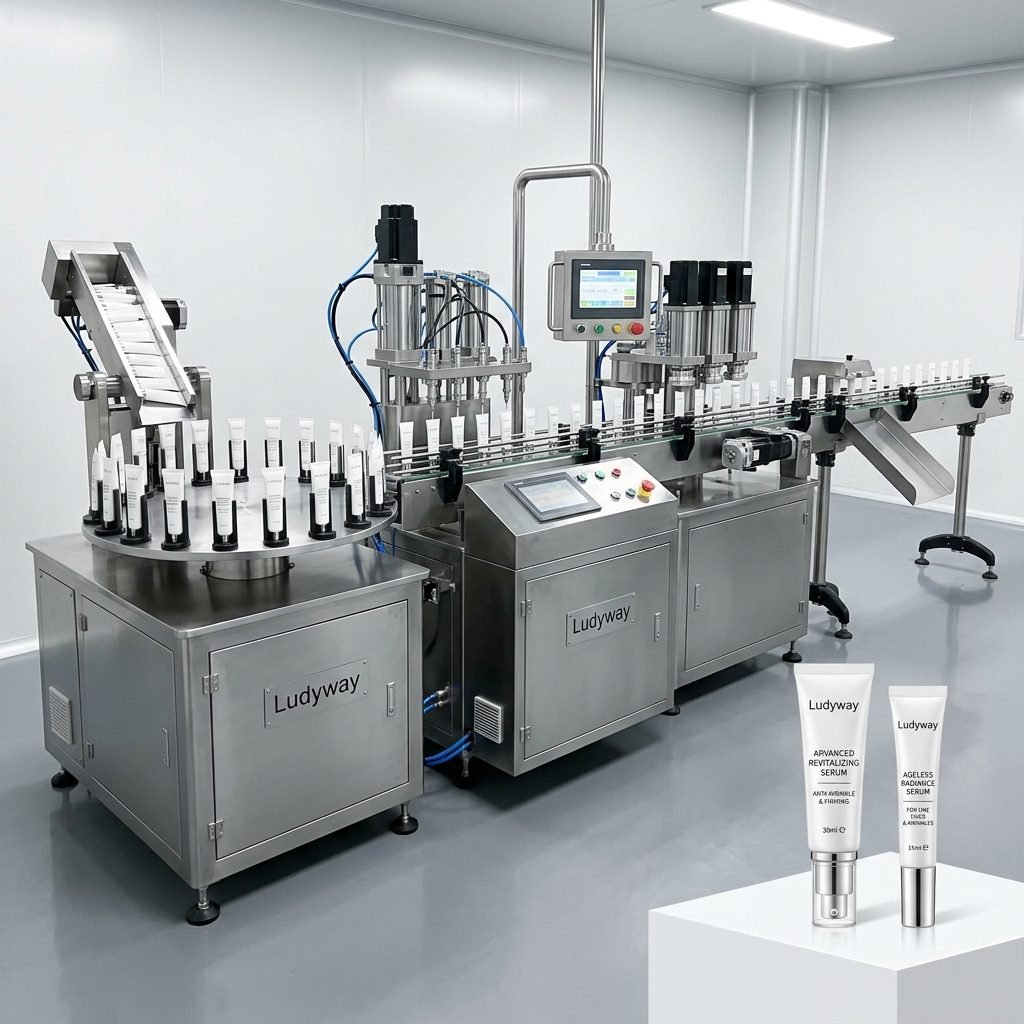
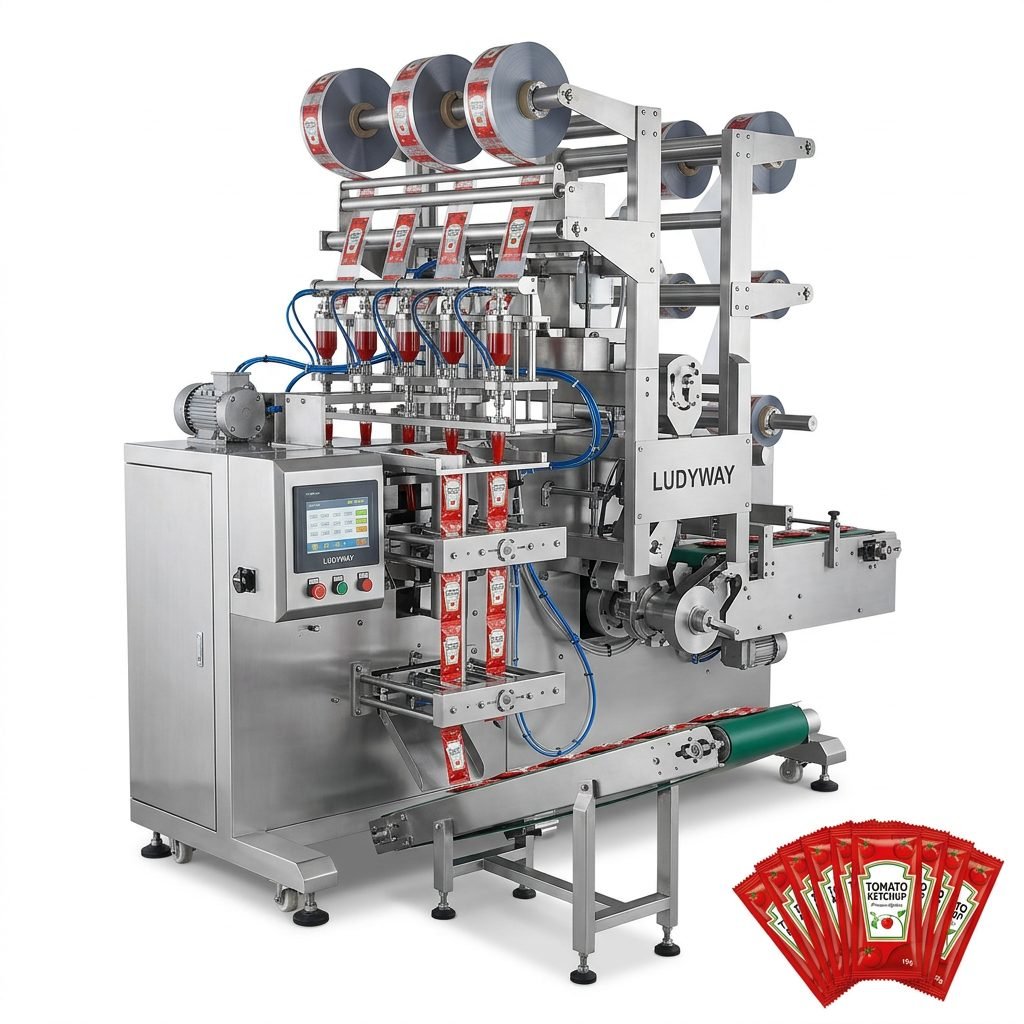
| Liquid & Paste Filling Machines | Sauces, oils, ketchup, honey, dressings | Sachets, pouches, bottles |
| Premade Pouch Packaging Machines | Frozen foods, nuts, pet snacks, ready meals | Stand-up pouches, zipper bags, pouches |
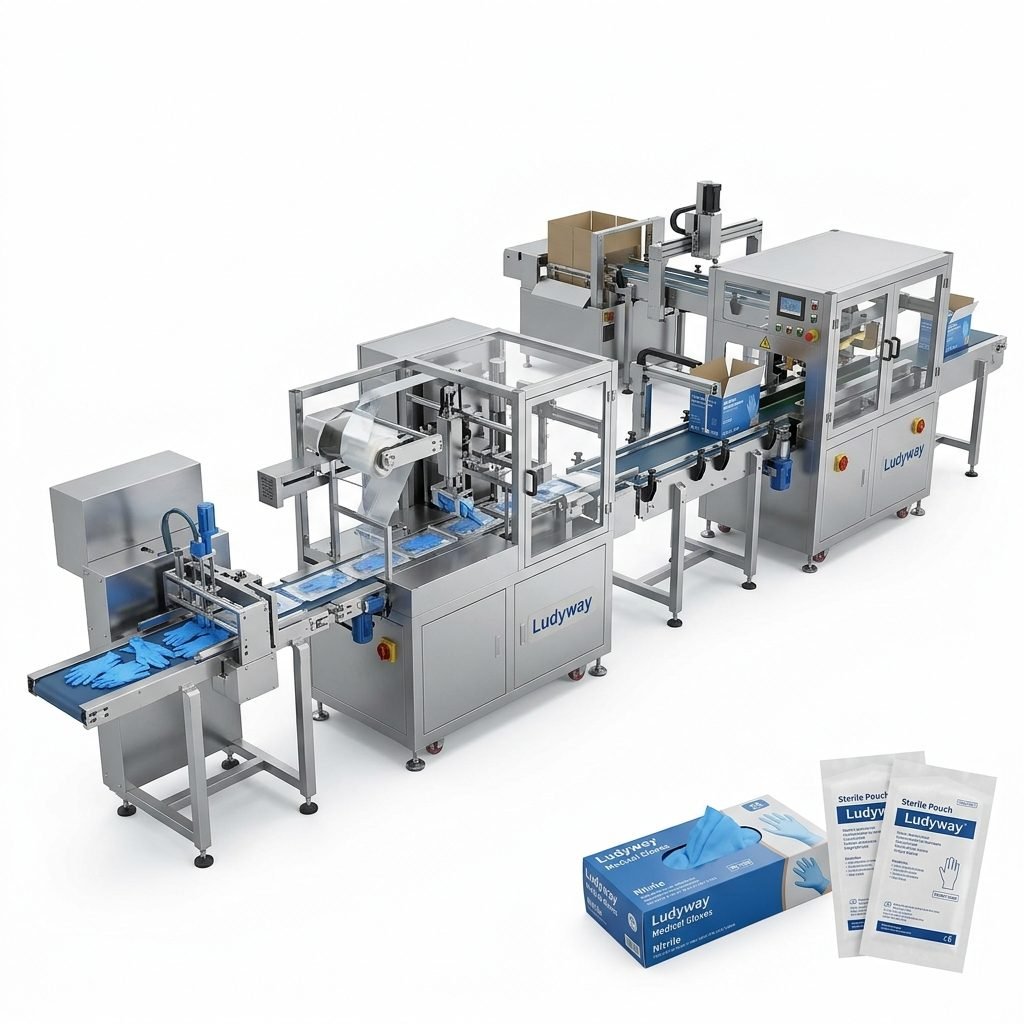
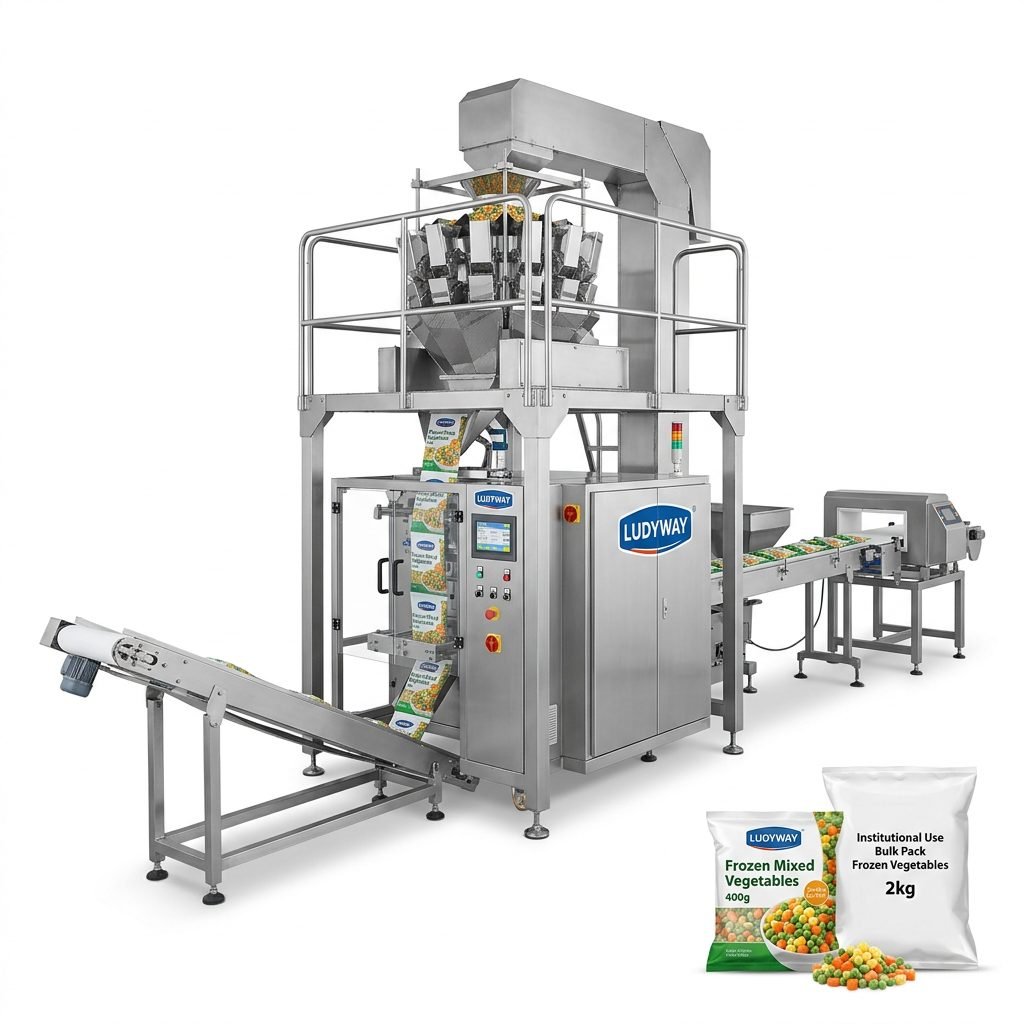
| Turnkey Packaging Lines | Integrated food factories and high-volume plants | From feeding to filling, sealing, coding, cartoning |
How to Choose the Right Food Packaging Machine
1. Understand Your Product Characteristics
Start with the product itself. Ask whether it is free-flowing, sticky, fragile, dusty, oily, or temperature-sensitive. A powder such as flour or protein powder requires a different feeding and dosing system than chunky snacks, frozen vegetables, or liquid condiments.
- Powders: often use auger fillers
- Granules: may use volumetric cups or weighing systems
- Liquids: usually need piston pumps or liquid dosing systems
- Pastes: require anti-drip, high-viscosity filling solutions
2. Match the Machine to the Packaging Format
Your selected machine must suit your final package style. Common food packaging formats include:
- Sachets for condiments, seasonings, powders, and single-serve products
- Stick packs for coffee, sugar, drink mix, and nutritional powders
- Pouches for frozen food, pet food, dried fruit, and snacks
- Bottles for oils, sauces, beverages, and syrups
- Bulk bags for grains, flour, and industrial food ingredients
3. Evaluate Production Speed Requirements
Machine speed should align with actual business needs. Buying a system that is too small creates bottlenecks. Buying an oversized line may increase cost without delivering a practical return.
Consider:
- Current daily and monthly output targets
- Peak seasonal demand
- Future expansion plans
- Available shift structure and workforce
4. Consider Accuracy and Waste Control
In food packaging, overfilling wastes materials and increases cost. Underfilling can create compliance issues and customer complaints. High-precision filling systems help maintain product consistency and improve profitability, especially for premium or high-cost ingredients.
5. Check Hygiene and Cleaning Design
Food manufacturers should prioritize hygienic machine construction. Stainless steel contact parts, easy-clean structures, dust control, and sanitary design features are essential in many applications. This is particularly important for dairy powders, spices, supplements, frozen foods, sauces, and ready-to-eat products.
6. Look at Automation Level
A basic standalone machine may be enough for smaller operations, but growing businesses often benefit from higher automation. Integrated systems can include:
- Automatic feeding and conveying
- Weighing or dosing units
- Filling and sealing modules
- Date coding and labeling
- Checkweighers and metal detectors
- Cartoning and palletizing equipment
Questions to Ask Before Buying
| Question | Why It Matters |
|---|---|
| What products will be packed? | Determines filling method, material handling, and sealing type |
| What package format do you need? | Affects machine structure and compatible film or pouch materials |
| How many packs per minute are required? | Helps define machine size, lanes, and automation level |
| Do you need a single machine or a full line? | Impacts budget, layout, integration, and labor planning |
| What is your available floor space? | Prevents installation and workflow issues |
| What after-sales support is available? | Important for installation, spare parts, troubleshooting, and training |
Common Food Applications for Packaging Machines
Food packaging equipment is widely used across multiple product categories. A reliable supplier should be able to adapt machine configuration to your exact product type.
Powder Products
- Milk powder
- Protein powder
- Coffee powder
- Spice blends
- Baking mixes
- Nutritional supplements
Granule Products
- Sugar
- Salt
- Rice
- Seeds
- Nuts
- Snack mixes
Liquid and Paste Products
- Ketchup
- Mayonnaise
- Honey
- Sauces
- Cooking oil
- Salad dressing
Single Machine vs. Turnkey Packaging Line
Some businesses only need one packaging machine. Others need a complete, integrated solution. The right choice depends on your production stage.
| Option | Best For | Advantages |
|---|---|---|
| Standalone Machine | Startups, smaller batches, targeted upgrades | Lower upfront investment, easier setup, simpler operation |
| Turnkey Packaging Line | Large factories, scaling brands, contract packers | Higher automation, better efficiency, smoother workflow integration |
Mistakes to Avoid When Buying Food Packaging Machines
- Choosing based only on price instead of long-term performance
- Ignoring product-specific filling and sealing requirements
- Underestimating future production growth
- Overlooking cleaning, maintenance, and spare parts support
- Buying a machine without testing actual packaging samples
- Not checking compatibility with packaging film or pouch materials
What to Look for in a Packaging Machine Supplier
The machine itself is important, but the supplier matters just as much. An experienced manufacturer can help match the right solution to your application, improve line design, and reduce the risk of poor equipment selection.
Look for a supplier with:
- Proven manufacturing experience
- Wide machine range for different food categories
- Customization capability
- Export and international project experience
- Technical support and spare parts service
- Ability to provide both equipment and complete line solutions
For businesses seeking scalable automation, Ludyway food packaging machines are backed by over 30 years of manufacturing experience, a factory of more than 20,000 square meters, broad export coverage, and turnkey line capabilities across food, pharmaceutical, and health-related sectors.
Final Buying Checklist
- Define your product type and flow characteristics
- Confirm pouch, sachet, stick pack, bottle, or bag format
- Set realistic output and expansion targets
- Review filling accuracy and sealing quality requirements
- Check hygiene design and cleaning convenience
- Evaluate automation, integration, and available floor space
- Compare supplier experience and support service
- Request sample testing before final purchase
Conclusion
Choosing the right food packaging equipment is a decision that affects productivity, cost control, food safety, and customer satisfaction. The best food packaging machines for sale are not simply the fastest or cheapest—they are the ones that fit your product, packaging style, production goals, and long-term business plan.
By focusing on product compatibility, packaging format, speed, hygiene, automation, and supplier support, your business can invest with confidence and build a packaging process that is reliable, efficient, and ready for growth.