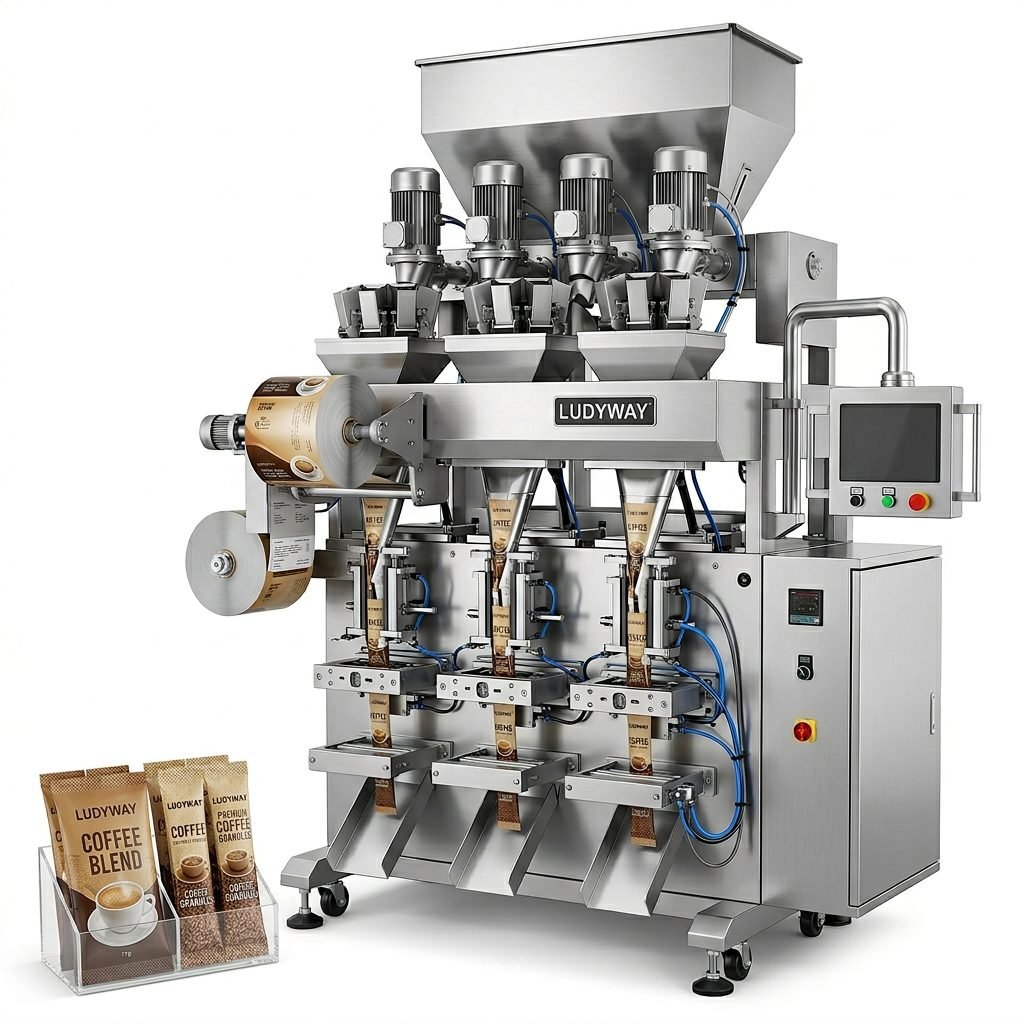
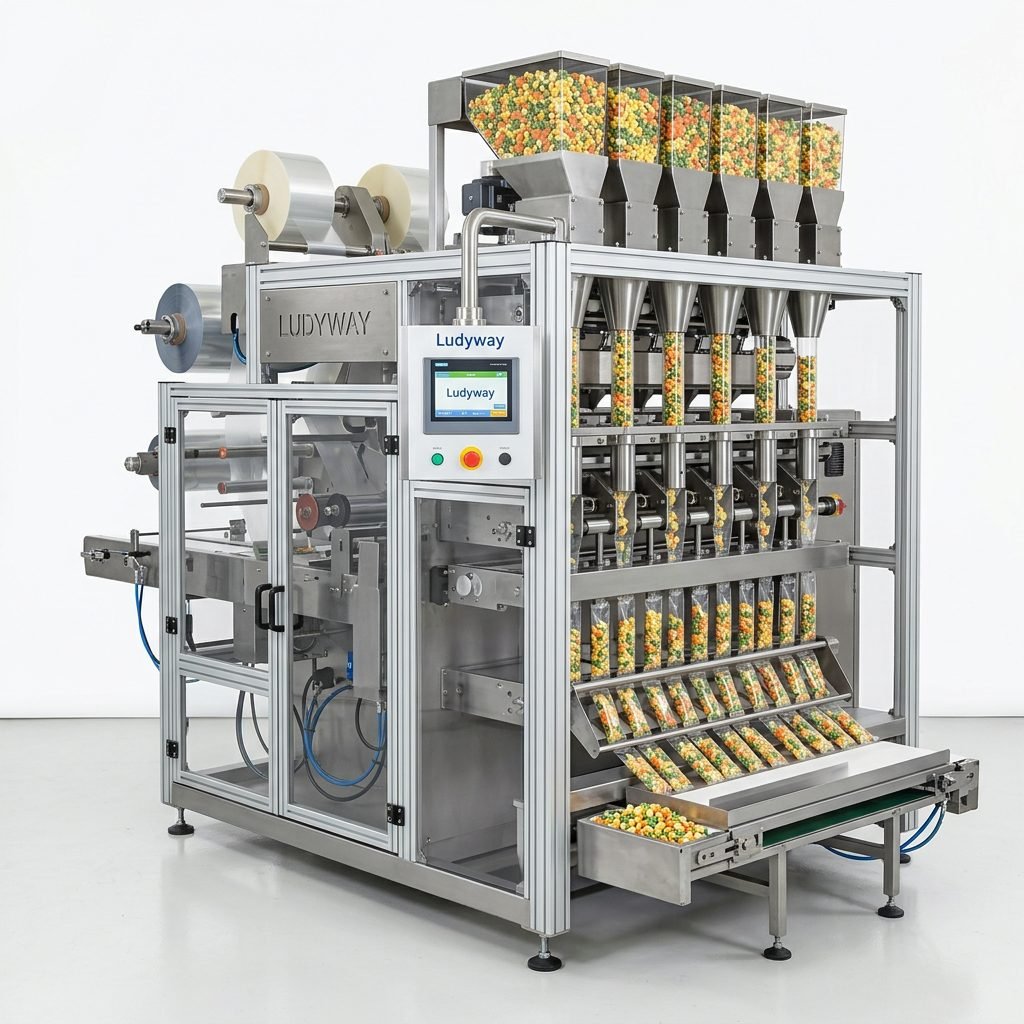
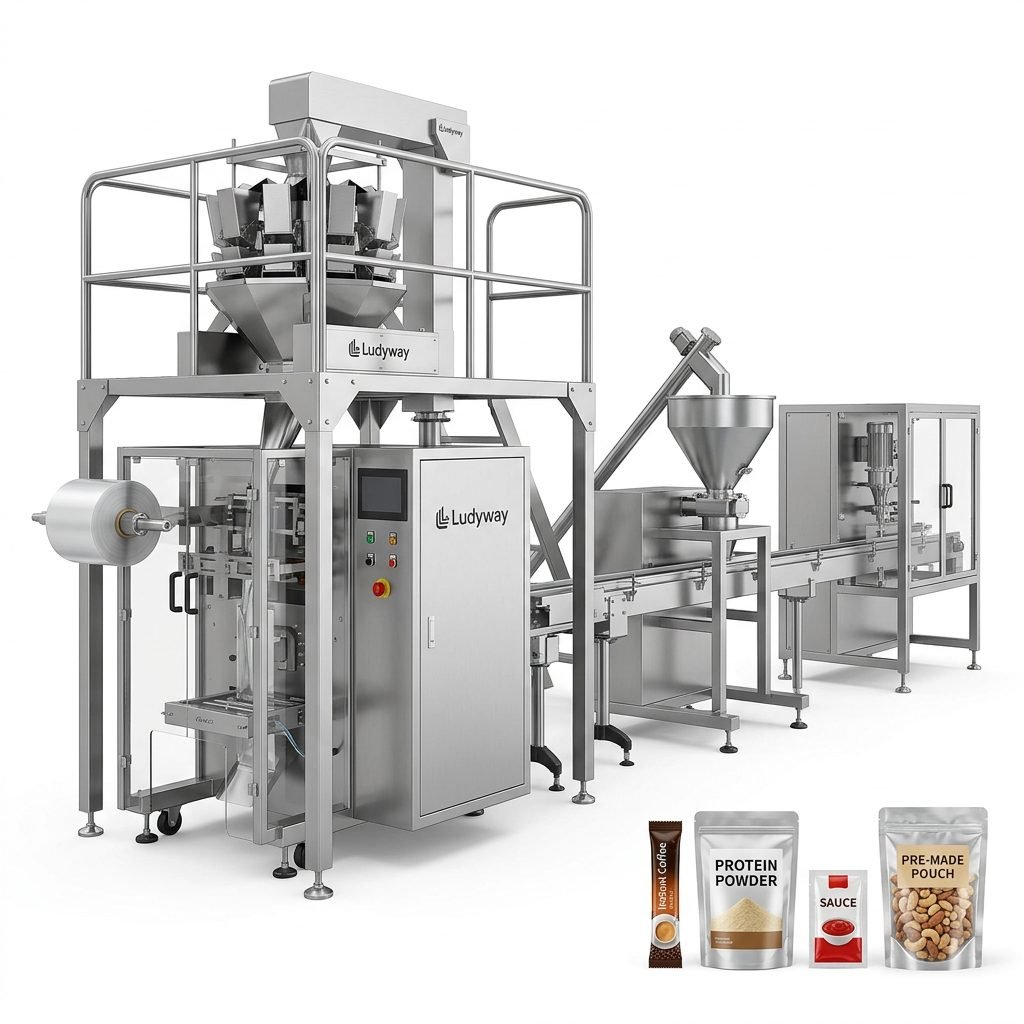
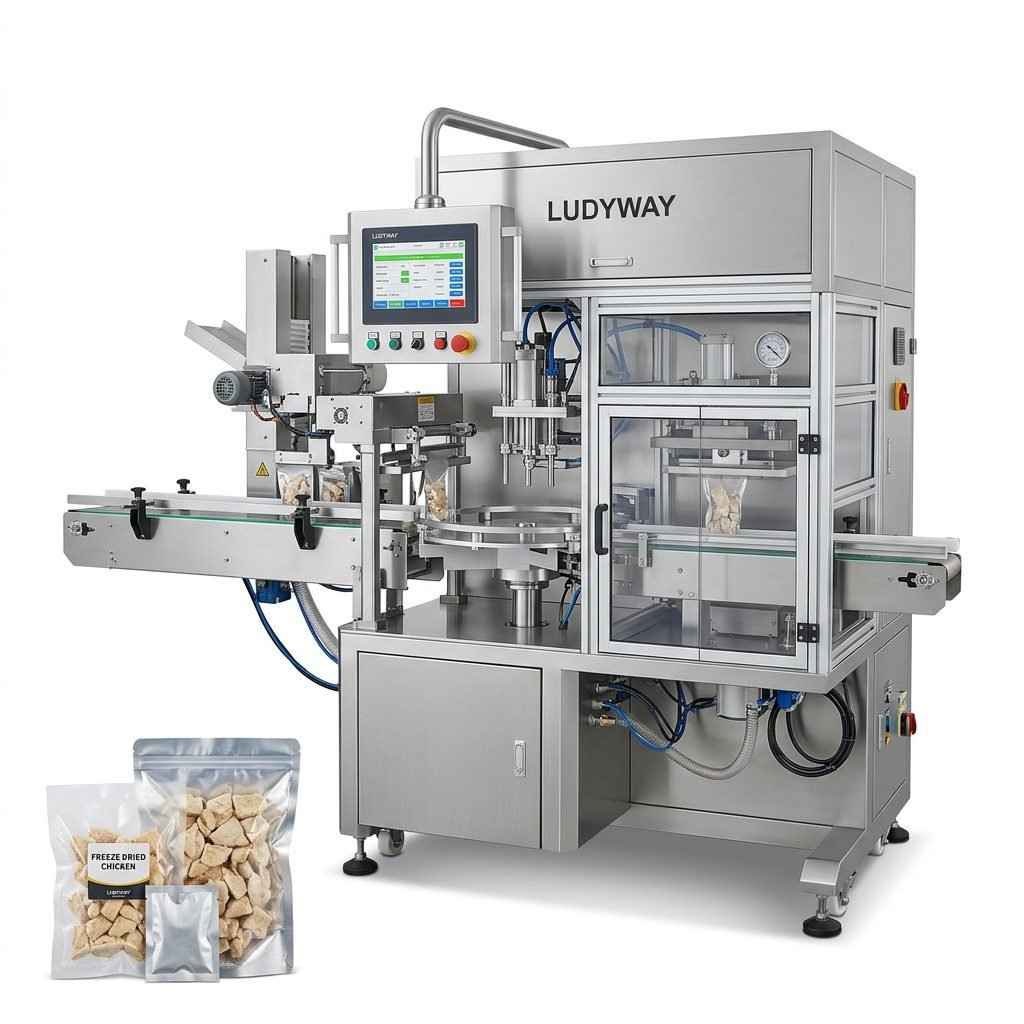
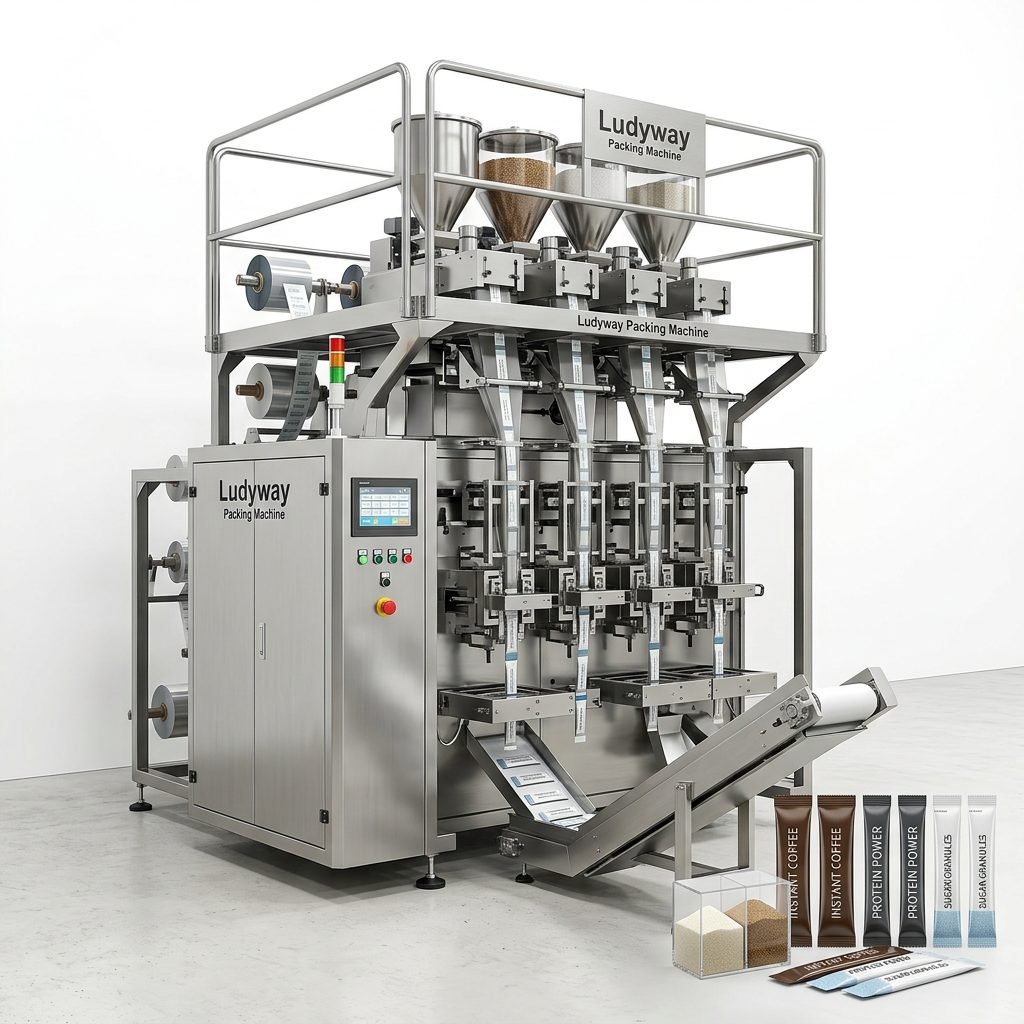
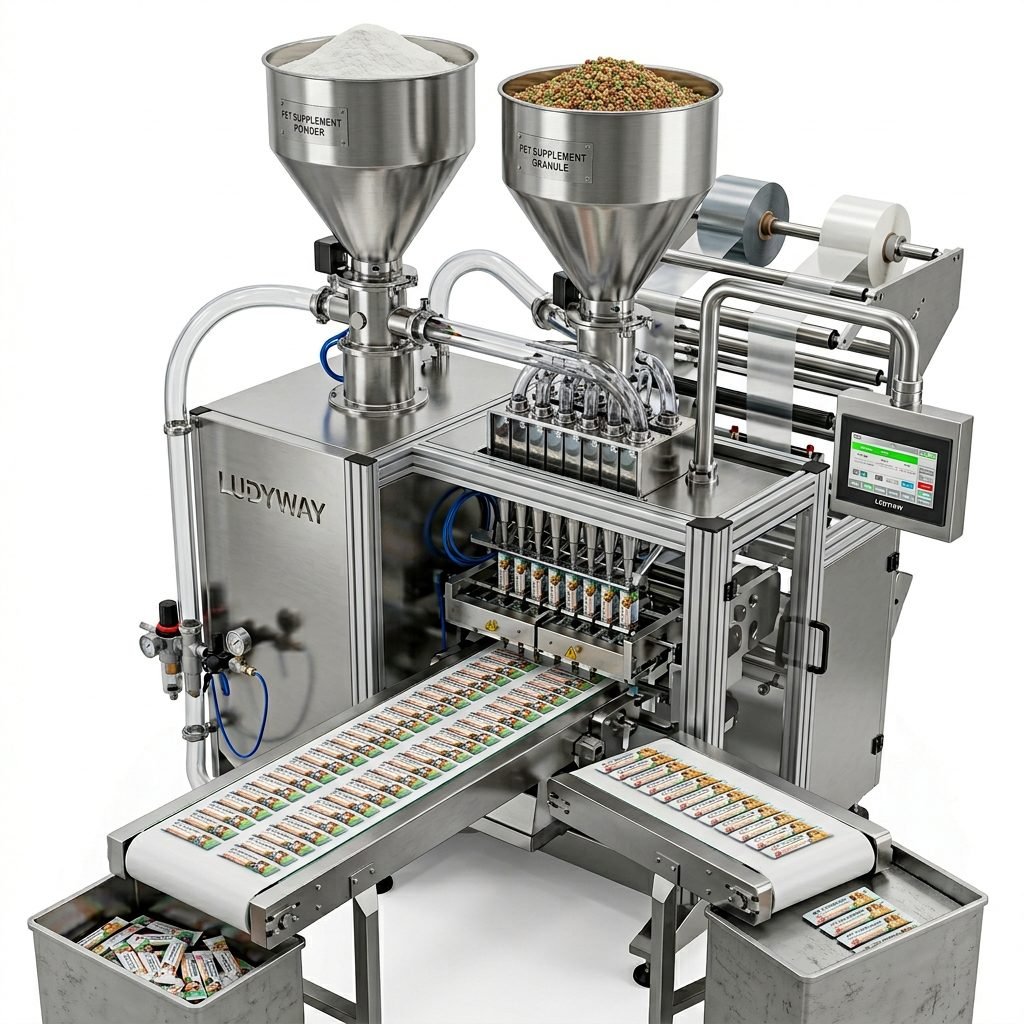
An opera packaging machine represents the next stage of automation for manufacturers that need faster throughput, cleaner packaging, better sealing consistency, and more flexible line integration. In modern production environments, smart automated packaging solutions are no longer optional for companies that want to reduce waste, improve output stability, and stay competitive across food, pharmaceutical, personal care, and chemical sectors.
From single machines to complete packaging lines, the right system can streamline the entire workflow—from feeding and dosing to filling, sealing, coding, inspection, cartoning, and palletizing. For businesses planning expansion, automation also helps create a more predictable production process with lower dependence on manual labor.
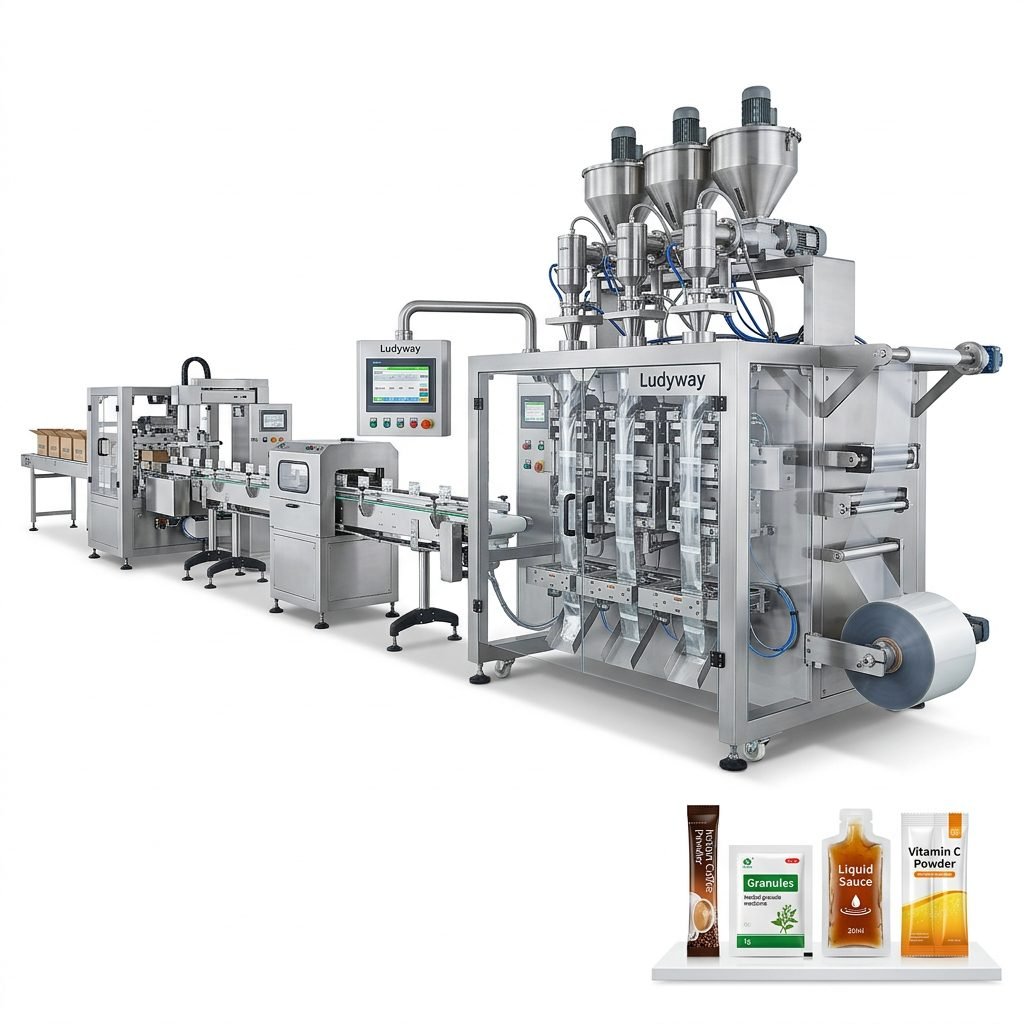
What Is an Opera Packaging Machine?
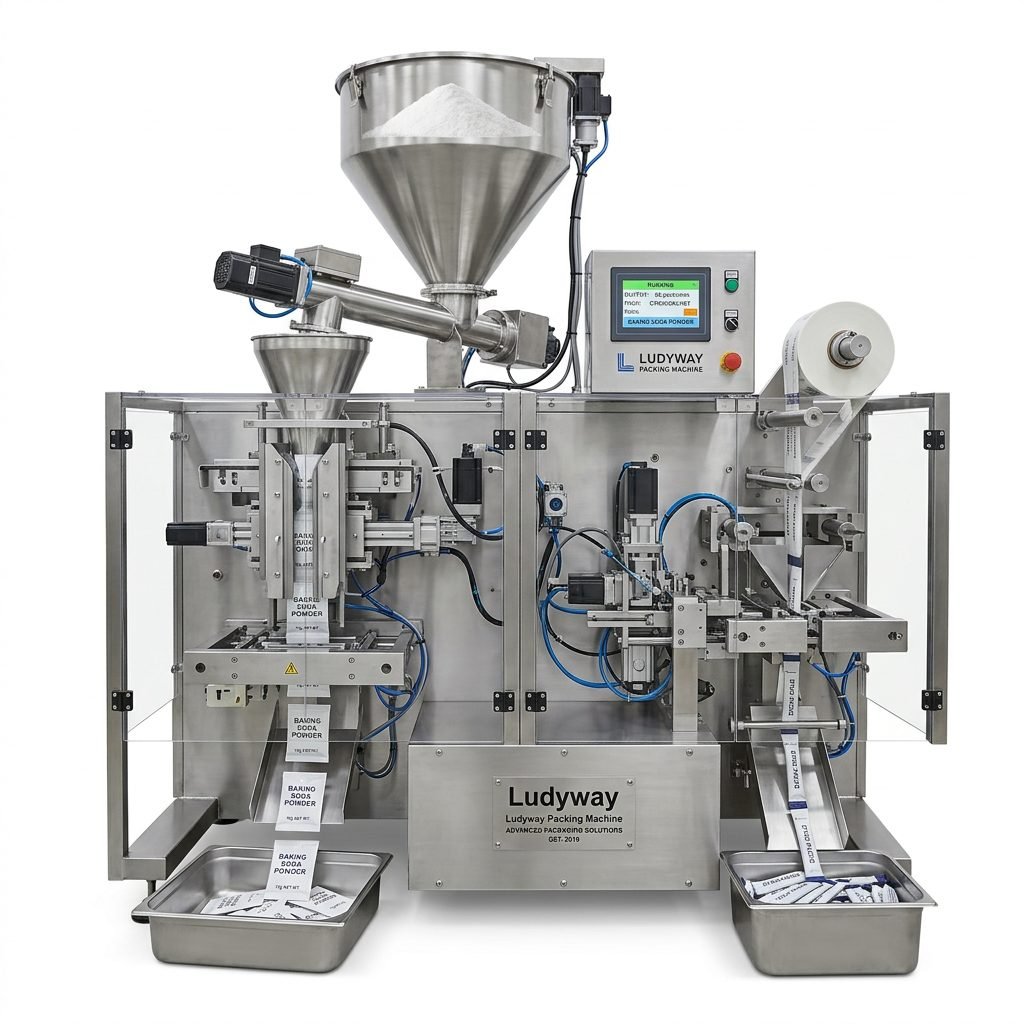
In industrial use, an opera packaging machine is commonly understood as a smart, coordinated, multi-function packaging system designed to handle products efficiently with synchronized automation. It may include one core packing machine or a fully integrated line that connects upstream feeding systems with downstream inspection and end-of-line packaging equipment.
These systems are widely used for:
- Granules and particles
- Powders and fine blends
- Liquids and semi-liquids
- Pastes, gels, and creams
- Sachets, stick packs, pouches, bottles, and bags
Why Smart Automation Matters in Packaging Lines
A modern packaging line must do more than simply fill and seal. It should support real production goals such as efficiency, traceability, hygiene, and flexible changeovers. Smart automation gives manufacturers a clear advantage by allowing machines to communicate across the line and maintain better control over every packaging stage.
- Higher output consistency with stable filling and sealing performance
- Reduced manual intervention for lower labor pressure
- Improved product quality through precise dosing and inspection
- Lower material waste through better control of fill volume and sealing
- Scalable line design that can adapt to business growth
Main Components of an Automated Packaging Line
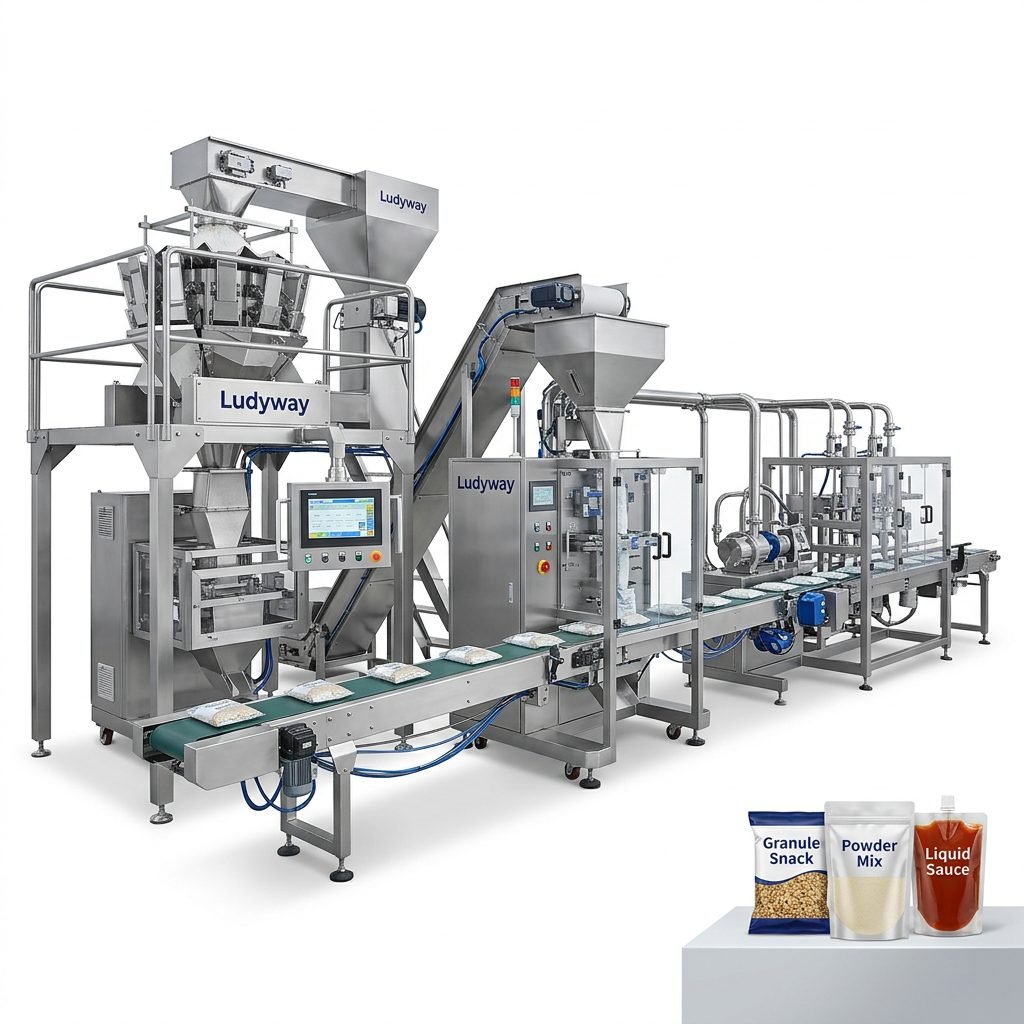
An efficient opera packaging machine solution often works as part of a broader automated line. Depending on the product and package format, the configuration may include:
| Line Section | Function | Typical Benefit |
|---|---|---|
| Feeding System | Transfers material to the packer | Stable product supply |
| Dosing / Weighing Unit | Measures product accurately | Better fill precision |
| Form-Fill-Seal or Pouch Machine | Creates and seals packages | Higher packaging speed |
| Coding / Labeling | Prints batch and traceability data | Regulatory compliance |
| Inspection Equipment | Detects defects or contamination | Quality assurance |
| Cartoning / Case Packing | Groups packs into cartons or cases | Faster end-of-line handling |
| Palletizing | Stacks finished cases for shipping | Labor savings and logistics efficiency |
Industries That Benefit Most
Automated packaging technology is especially valuable in industries where product consistency, hygiene, and output speed are critical. A well-designed line can support both mass production and SKU diversification.
Food and Beverage
For powders, seasonings, coffee, protein, snacks, sauces, and drink mixes, smart packaging systems improve fill accuracy and reduce downtime during format changes.
Pharmaceutical and Healthcare
For capsules, tablets, sachets, oral powders, medical consumables, and sterile packaging, automation supports traceability, consistent sealing, and compliance-driven workflows.
Cosmetics and Personal Care
For creams, lotions, serums, gels, shampoos, and wipes, high-precision filling systems reduce leakage risks and improve presentation quality.
Chemical and Household Products
For detergents, cleaners, additives, and industrial powders or liquids, robust packaging lines can improve safety, dosing control, and packaging reliability.
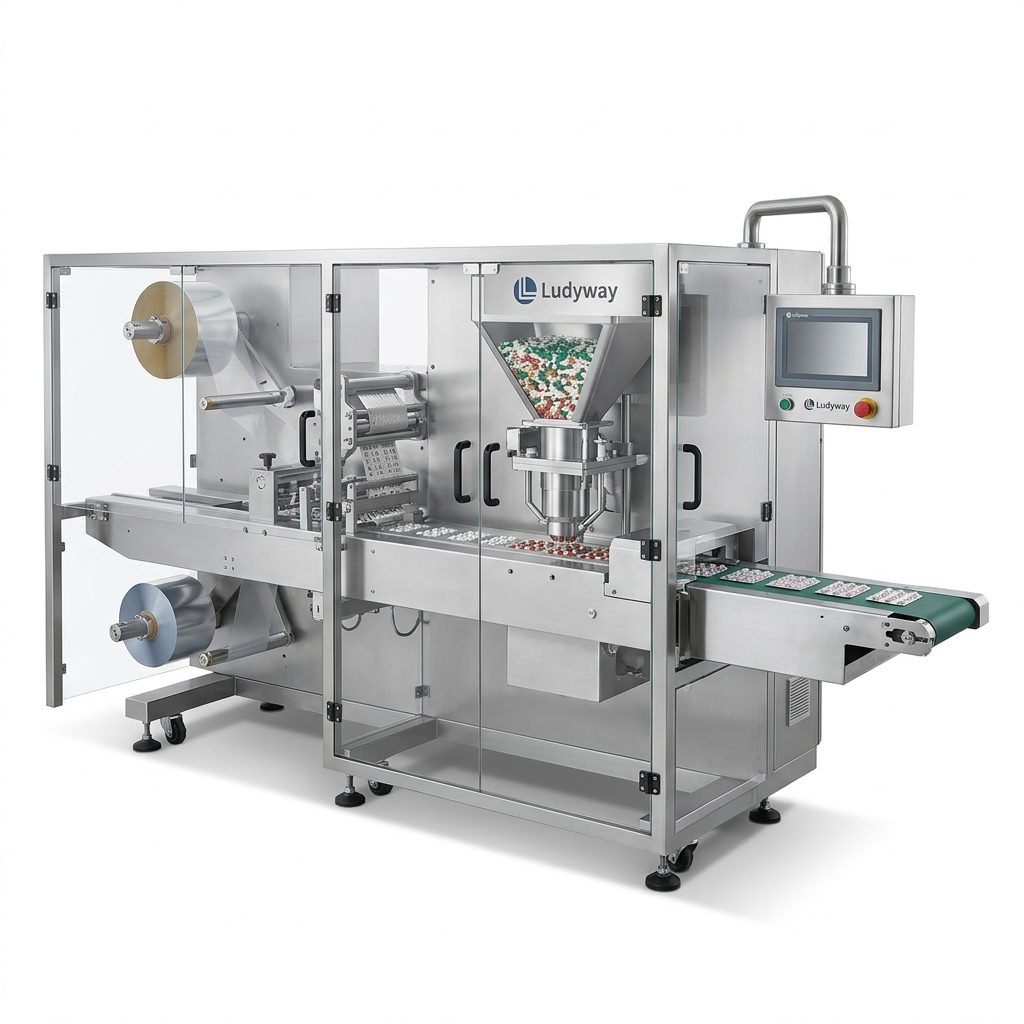
Key Features to Look For in an Opera Packaging Machine
Not all packaging systems deliver the same production value. Buyers should evaluate both the machine itself and its compatibility with future automation goals.
- PLC and touchscreen control for easier operation and recipe management
- Servo-driven accuracy for precise movement and repeatability
- Quick changeover design to reduce production interruption
- Modular structure for adding feeders, checkweighers, coders, or cartoners
- Multi-format capability for sachets, stick packs, pouches, or larger bags
- Integrated quality control with inspection or reject systems
- Hygienic construction for food and pharma production environments
How Smart Packaging Improves Production Efficiency
A smart line does more than run fast. It allows your production team to identify inefficiencies early, maintain stable operation, and optimize resource use over time.
| Production Challenge | Smart Packaging Solution | Result |
|---|---|---|
| Uneven filling | Precision dosing controls | Better weight consistency |
| Frequent downtime | Automated line synchronization | Higher uptime |
| Manual packaging bottlenecks | Integrated end-of-line automation | Labor savings |
| Product waste | Controlled filling and sealing | Lower material loss |
| Inconsistent package appearance | Stable forming and sealing modules | Improved shelf presentation |
Standalone Machines vs. Turnkey Packaging Lines
Some manufacturers only need one machine to solve an immediate bottleneck. Others benefit more from a complete turnkey line that connects every process automatically.
Standalone Machine Advantages
- Lower initial investment
- Faster implementation for single-process upgrades
- Useful when existing line equipment is still reliable
Turnkey Line Advantages
- Better system compatibility from feeding to palletizing
- More stable speed matching across the full line
- Simplified project management and technical support
- Greater long-term efficiency and expansion flexibility
If your production includes multiple packaging steps and rising output demand, a turnkey approach often provides stronger long-term ROI.
How to Choose the Right Solution
Before buying an opera packaging machine, manufacturers should evaluate the application in detail rather than focusing only on machine speed.
Check these practical factors:
- Product type: powder, granule, liquid, paste, or mixed format
- Pack style: sachet, stick pack, pouch, bottle, bag, or carton
- Required output per minute or per shift
- Target accuracy and seal quality standards
- Plant layout and available utility conditions
- Need for future expansion or product diversification
- Maintenance access and after-sales technical support
Tip: The best machine is not simply the fastest one—it is the system that matches your product behavior, plant conditions, compliance needs, and future production plans.
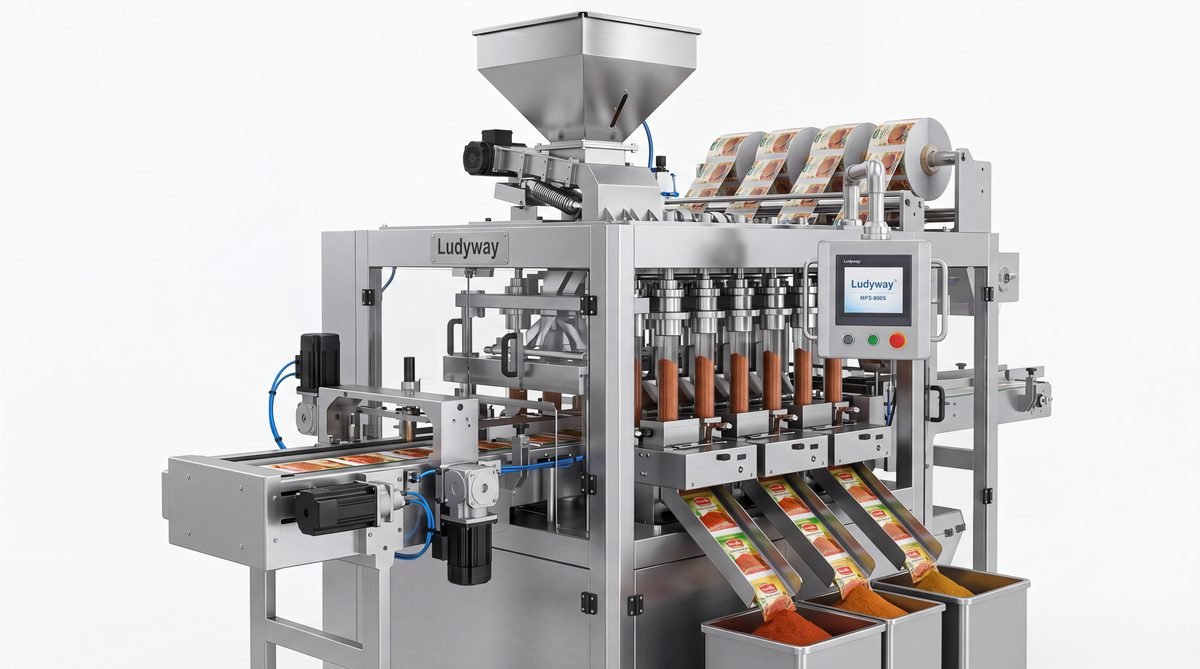
Benefits of Working with an Experienced Packaging Line Manufacturer
When selecting a supplier, engineering depth matters as much as machine specification. A manufacturer with long-term packaging experience can help reduce project risks, improve equipment matching, and support custom integration.
For buyers seeking scalable automation, opera packaging machine solutions from Ludyway can be relevant for food, pharmaceutical, health supplement, cosmetic, chemical, and turnkey packaging line applications. Founded in 1993, the company has more than 30 years of manufacturing experience, operates a facility of over 20,000 square meters, serves customers in more than 100 countries and regions, and offers a broad portfolio of automated packaging machinery and integrated production lines.
Common Application Scenarios
An opera packaging machine can be configured for many high-demand packaging scenarios, including:
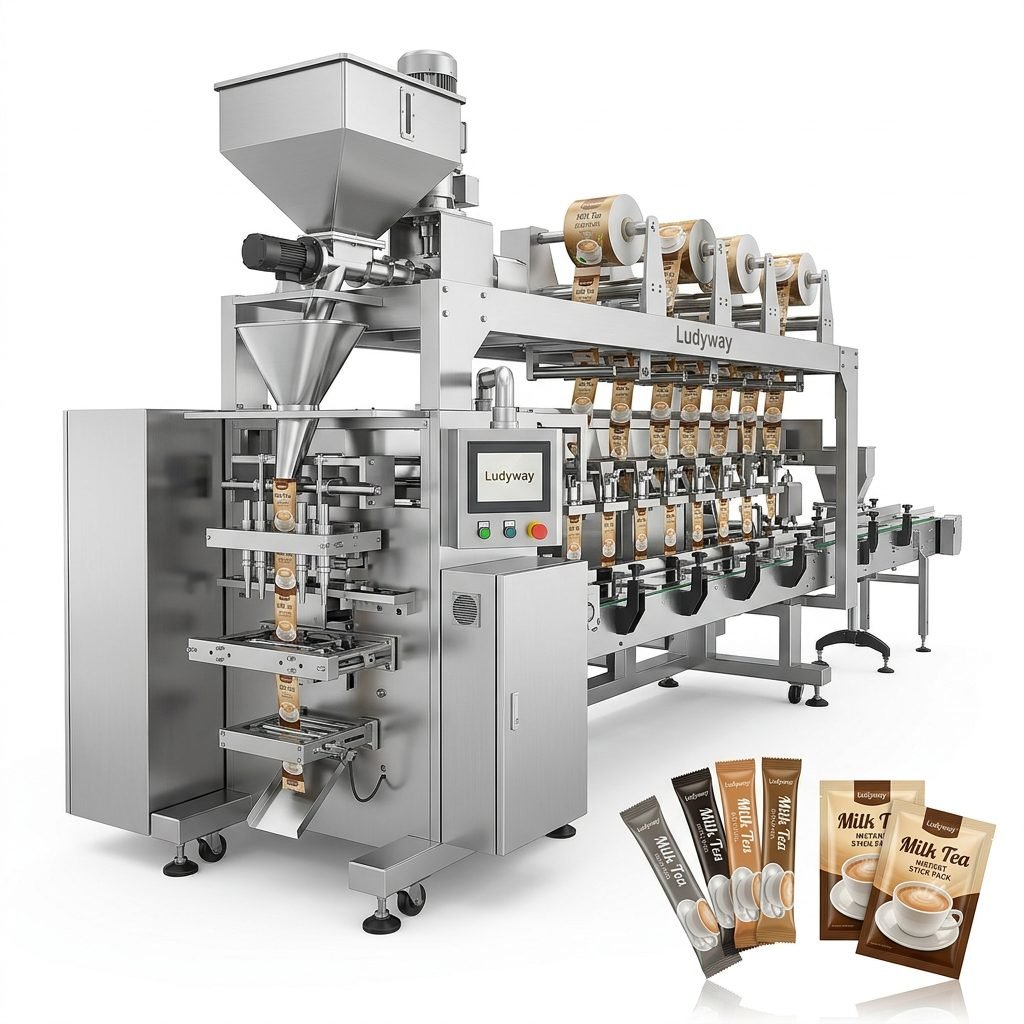
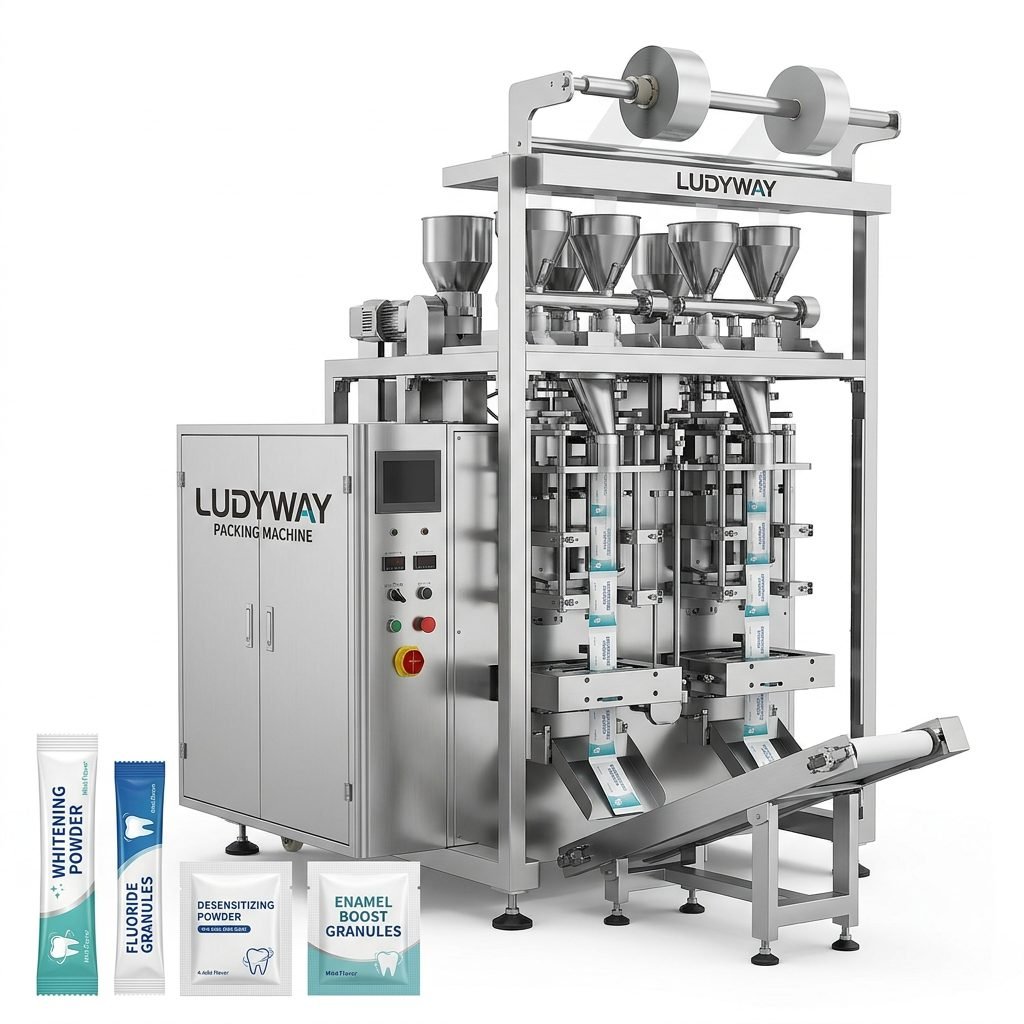
- Multi-lane stick pack packaging for drink powders and supplements
- Sachet filling for sauces, creams, gels, and liquids
- Vertical packaging for granules, grains, seeds, and powders
- Premade pouch filling for food and health products
- Bottle filling and capping for cosmetics and pharmaceuticals
- Blister packaging for capsules and tablets
- End-of-line cartoning and palletizing for automated shipment preparation
Future Trends in Packaging Automation
Packaging lines are becoming more intelligent, more connected, and more adaptable. Manufacturers investing today should keep an eye on future-ready capabilities such as:
Digital monitoring
Real-time line data helps operators detect faults faster and improve production planning.
Flexible modular upgrades
A modular line makes it easier to add coding, inspection, cartoning, or robotic handling later.
Higher hygiene and compliance standards
This is especially important for pharmaceutical, nutraceutical, and food packaging applications.
Labor-efficient operation
As labor costs continue to rise globally, automation becomes a direct productivity strategy.
Final Buying Perspective
Choosing the right opera packaging machine is ultimately about aligning automation with business performance. A smart packaging system should help you increase output, improve consistency, reduce waste, and support long-term expansion. Whether you need a single high-speed packer or a complete turnkey line, the most effective solution is one that combines engineering reliability, application-specific customization, and dependable technical support.
For manufacturers building efficient packaging lines, smart automation is no longer just an upgrade—it is the foundation of modern production competitiveness.