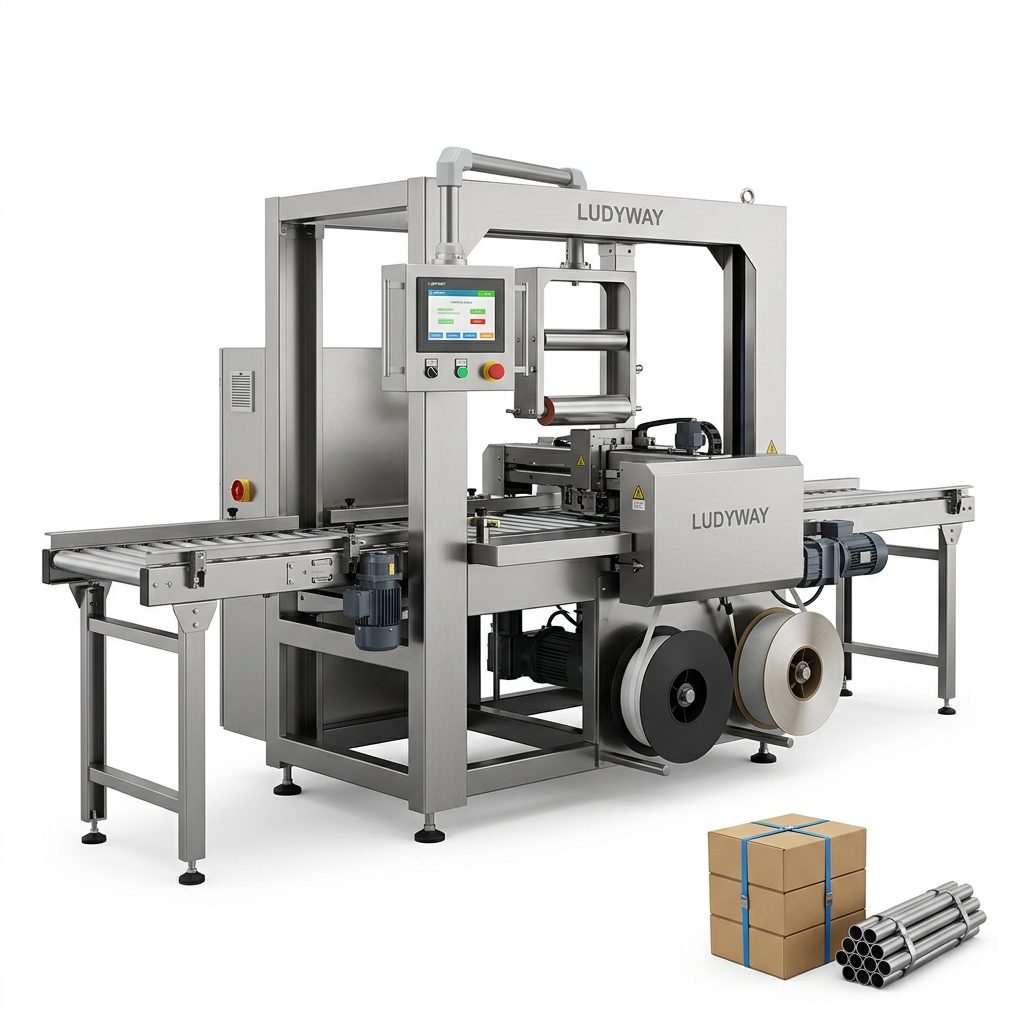
Choosing a packing machine is more than comparing prices. The right solution should match your product, package style, output target, compliance needs, and long-term growth plan. A machine that looks efficient on paper can still create downtime, waste, or quality issues if it does not fit your actual production conditions.
For manufacturers, brand owners, and contract packers, the best investment is usually the one that delivers stable performance, consistent pack quality, easy maintenance, and room for future expansion.
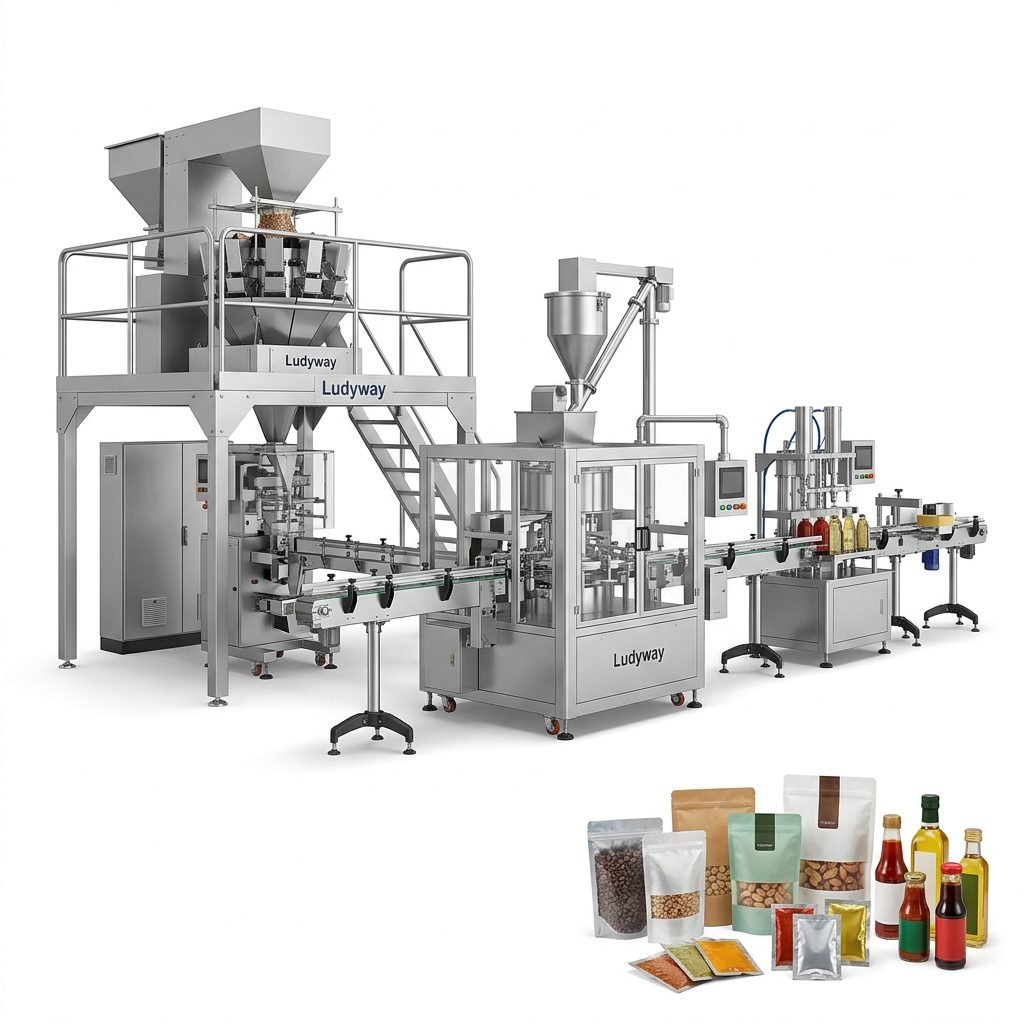
Why the Right Packing Machine Matters
Packaging equipment directly affects production cost, speed, labor demand, product appearance, and customer satisfaction. A properly selected machine can help your business:
- Reduce manual labor and human error
- Improve filling accuracy and sealing consistency
- Increase production efficiency
- Lower material waste and rework
- Support regulatory and hygiene standards
- Scale output more smoothly as demand grows
In fast-moving industries such as food, pharmaceuticals, health supplements, cosmetics, chemicals, and pouch products, packaging is no longer a final step only—it is a key part of productivity and brand value.
Start with Your Product Type
The first question is simple: What exactly are you packing? Product form determines the feeding system, dosing method, sealing structure, and machine layout.
| Product Type | Typical Packaging Solution | Key Consideration |
|---|---|---|
| Powders | Auger filling sachet or stick pack machine | Dust control, dosing accuracy, anti-bridging design |
| Granules | Cup filler, linear weigher, multi-head weigher, VFFS | Flowability, particle size, weighing precision |
| Liquids | Liquid sachet machine, bottle filling line | Leak-proof sealing, viscosity, sanitation |
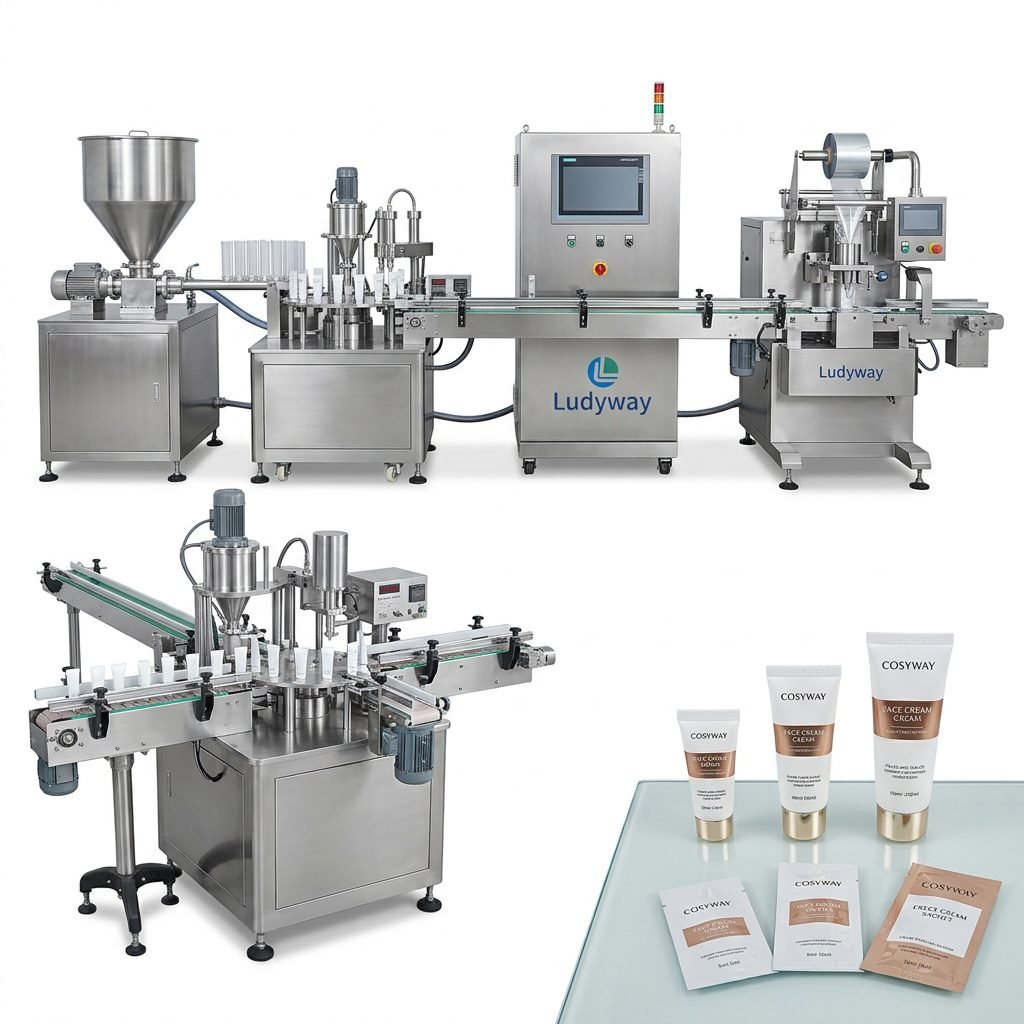
| Pastes/Creams | Piston filling and sealing machine | Temperature control, clean filling, stable discharge |
| Pouch products | Premade pouch machine or turnkey line | Pouch format, zipper function, sealing strength |
A powder machine may perform poorly with sticky granules, while a liquid system may not handle viscous cream well. That is why product testing and sample evaluation are so important before ordering.
Match the Machine to the Packaging Format
Your ideal equipment also depends on the final pack style your customers expect. Common options include:
- Sachets for powders, liquids, gels, seasonings, and healthcare products
- Stick packs for single-serve drink powders, sweeteners, supplements, and oral products
- Pouches for snacks, pet food, premixes, and functional products
- Bottles for liquids, pharmaceuticals, and cosmetics
- Tubes for creams, lotions, gels, and cosmetic formulations
If your product range is wide, flexible machinery or modular packaging lines can be a better long-term choice than a machine designed for just one SKU.
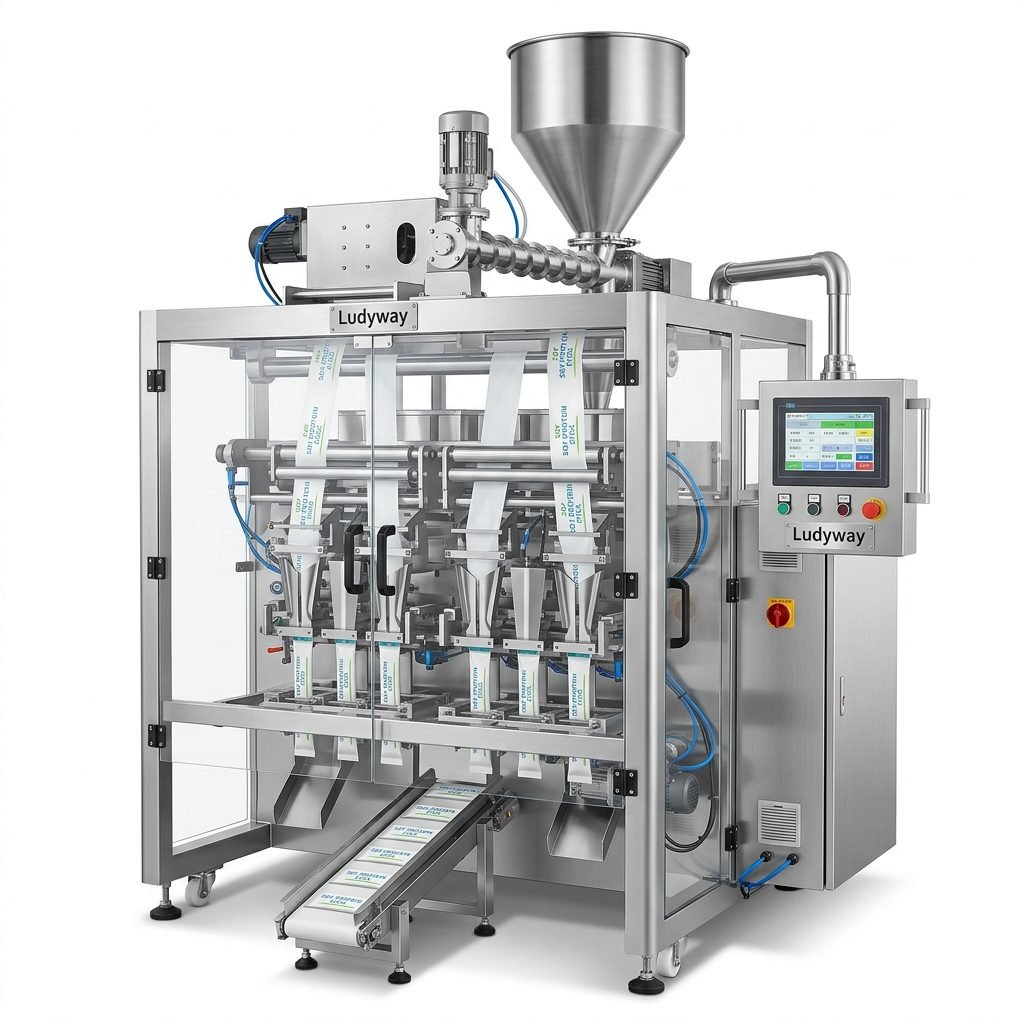
Consider Production Speed Realistically
High speed is attractive, but buying the fastest machine is not always the smartest move. You need to compare machine speed with:
- Current daily production volume
- Expected growth over the next 3–5 years
- Upstream feeding capacity
- Downstream cartoning, labeling, and case packing capacity
- Available operators and maintenance staff
A line bottleneck often appears not in the main packer, but in feeding, coding, inspection, or secondary packaging. Always evaluate the complete process flow, not only the main machine speed.
Questions to Ask About Speed
- Is the rated speed based on real products or ideal lab conditions?
- Does speed change with different pack sizes?
- What is the stable running speed, not only the maximum speed?
- Can the machine maintain accuracy and sealing quality at high output?
Evaluate Automation Level
Businesses usually choose from semi-automatic machines, fully automatic single machines, or complete turnkey packaging lines.
| Automation Level | Best For | Main Advantage |
|---|---|---|
| Semi-automatic | Startups, low volume, limited budget | Lower initial investment |
| Fully automatic machine | Growing manufacturers with stable SKUs | Higher efficiency and less labor |
| Turnkey packaging line | Medium to large-scale factories | Integrated performance and scalable automation |
If your business expects future expansion, it is often better to choose a solution that can connect with conveyors, weighers, checkweighers, metal detectors, coding systems, cartoners, and palletizing equipment later.
Check Filling Accuracy and Packaging Consistency
Packaging quality has a direct impact on cost control and customer trust. Even small weight deviation or weak seals can create major losses over time.
Focus on these performance indicators:
- Filling accuracy for each pack
- Seal integrity for pouch or sachet products
- Material compatibility with different films and laminates
- Low reject rate during continuous production
- Stable output over long shifts
This is especially important in pharmaceutical, health supplement, and high-value food applications where overfilling, contamination, or defective seals can become very expensive.
Do Not Ignore Compliance and Hygiene Requirements
If you pack food, pharma, supplements, or personal care products, machine structure and materials matter as much as speed. Buyers should verify:
- Contact parts made of suitable stainless steel
- Easy-to-clean product contact areas
- Dust-proof or enclosed design when needed
- Sanitary construction for washdown or sterile production environments
- Electrical and safety configuration suitable for export markets
For regulated industries, ask the supplier what standards, testing process, and quality inspection methods are included before shipment.
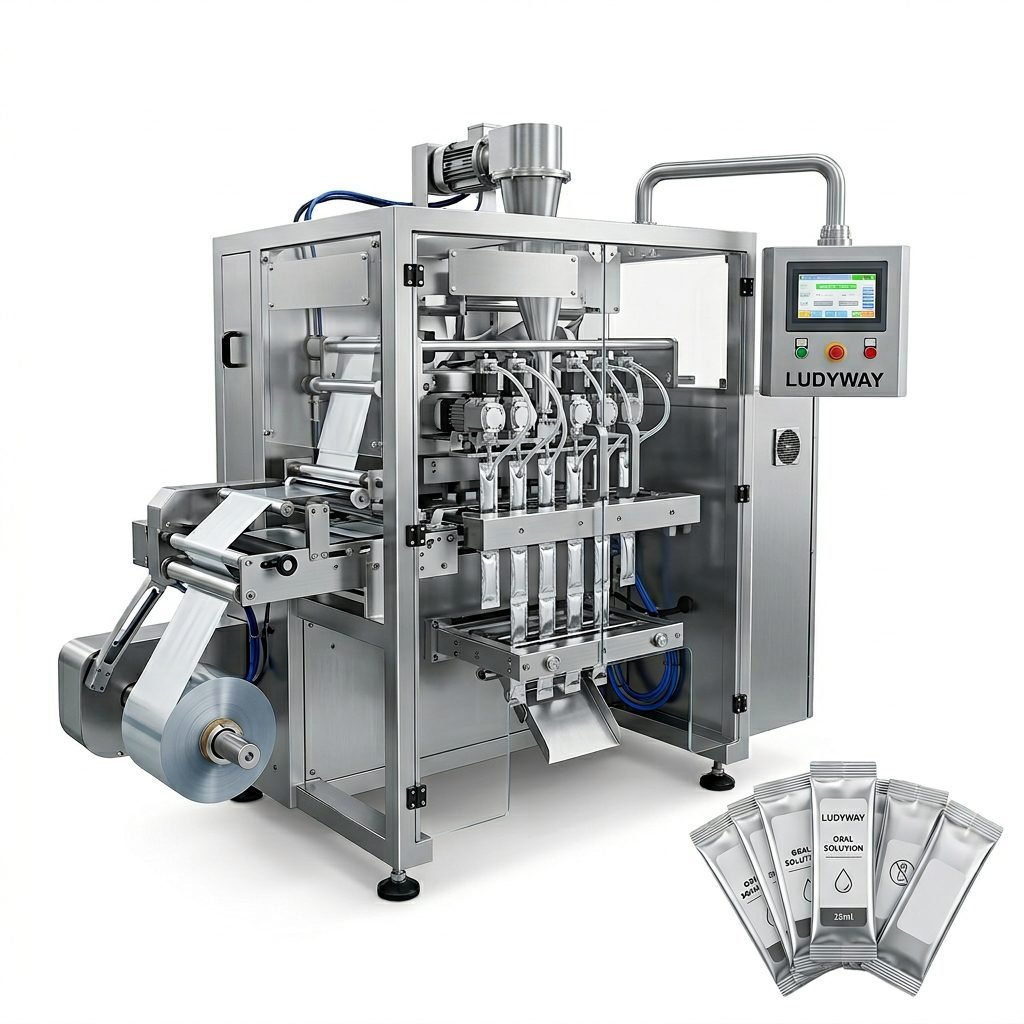
Think About Changeover Time and Product Flexibility
Many manufacturers run multiple SKUs, pack sizes, or formulas. In that case, machine flexibility becomes critical. A packing machine should allow efficient changeover without excessive downtime.
Look for Features Such As:
- Quick adjustment for bag length or filling volume
- Recipe storage on the control system
- Easy replacement of forming parts
- Tool-free or low-tool maintenance access
- Compatibility with multiple packaging materials
If you serve seasonal or custom-order markets, flexible equipment can deliver a better return than a rigid high-speed model.
Assess Total Cost, Not Just Purchase Price
A cheaper machine can become more expensive in the long run if it creates frequent stoppages, sealing defects, difficult maintenance, or low output. Compare the total cost of ownership:
- Initial machine investment
- Installation and commissioning cost
- Operator training requirement
- Spare parts availability
- Energy consumption
- Maintenance frequency
- Film waste and product giveaway
- Expected service life
A reliable machine with stronger engineering support often protects profitability better than the lowest quotation.
Choose a Supplier with Industry Experience
The machine itself is only one part of the purchase decision. The supplier’s engineering capability, customization ability, export experience, and after-sales support can determine whether your project runs smoothly.
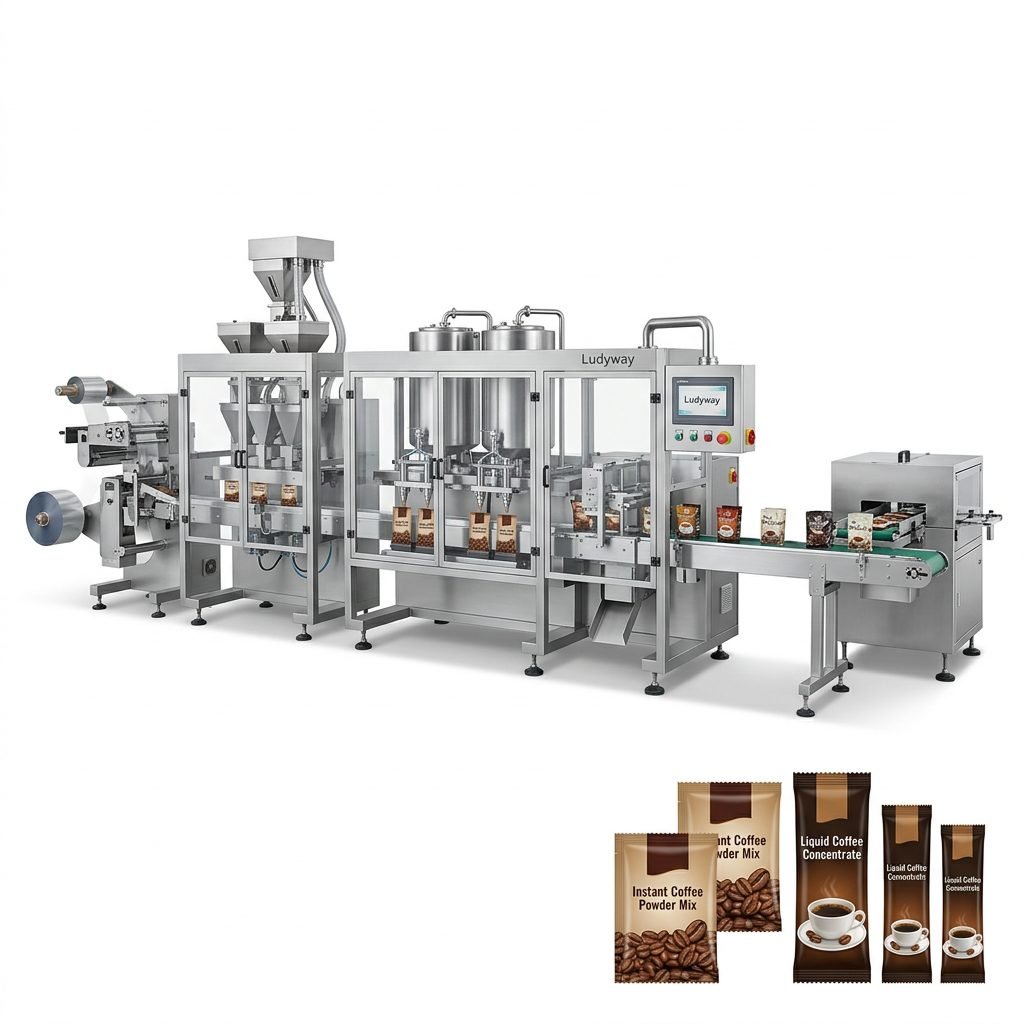
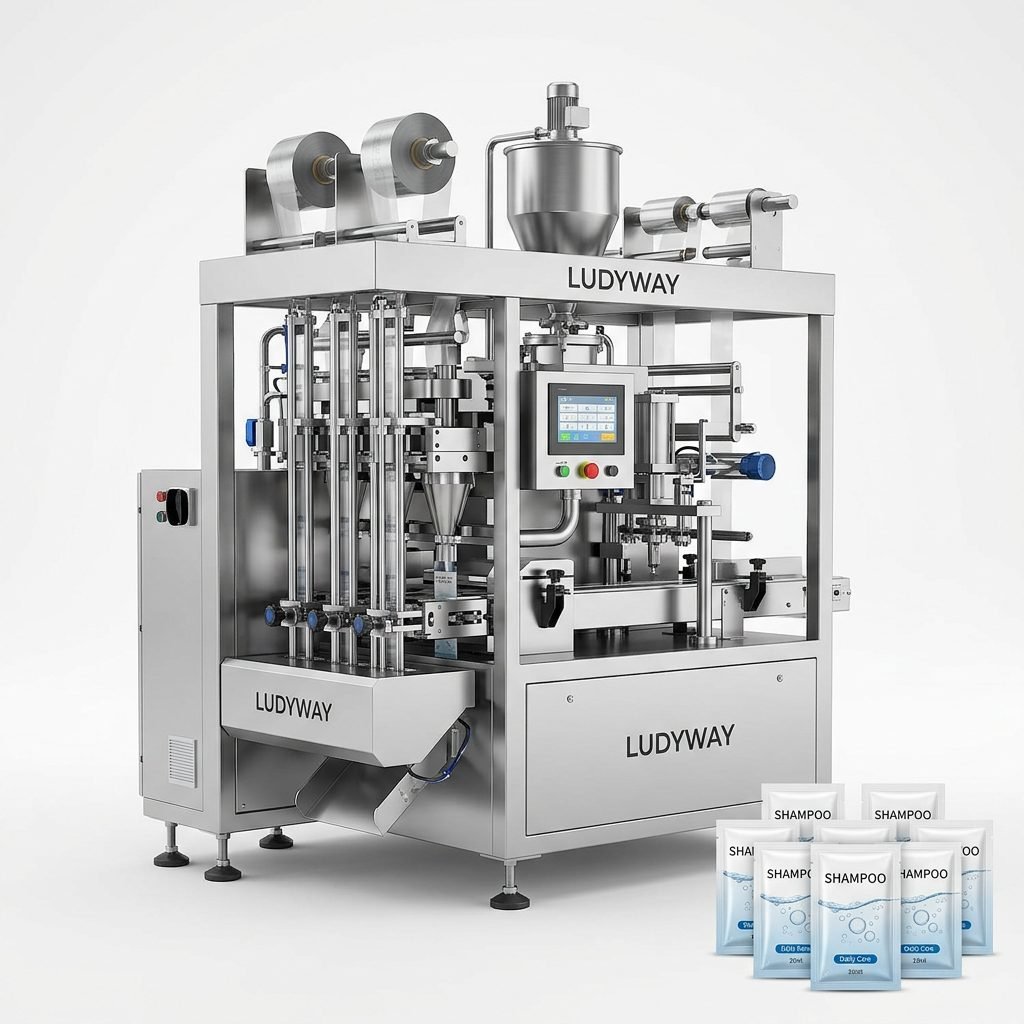
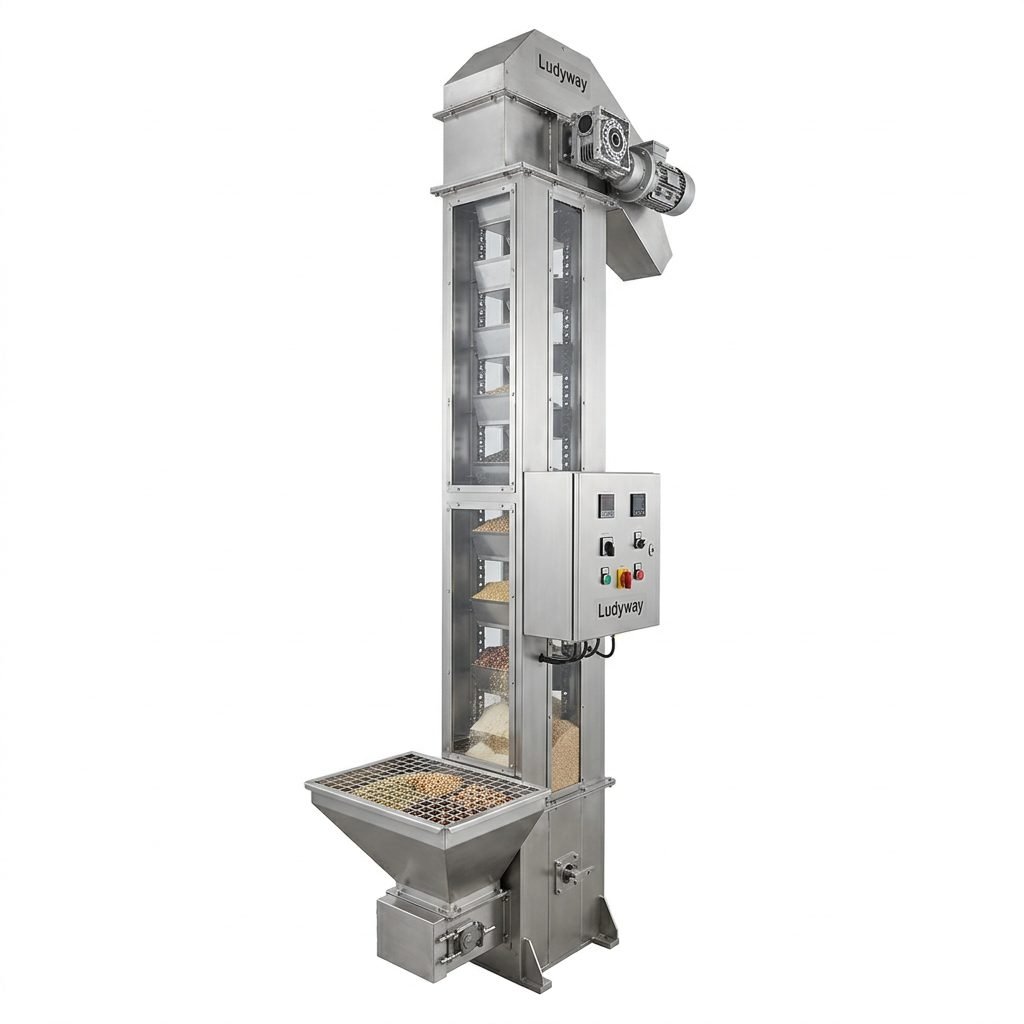
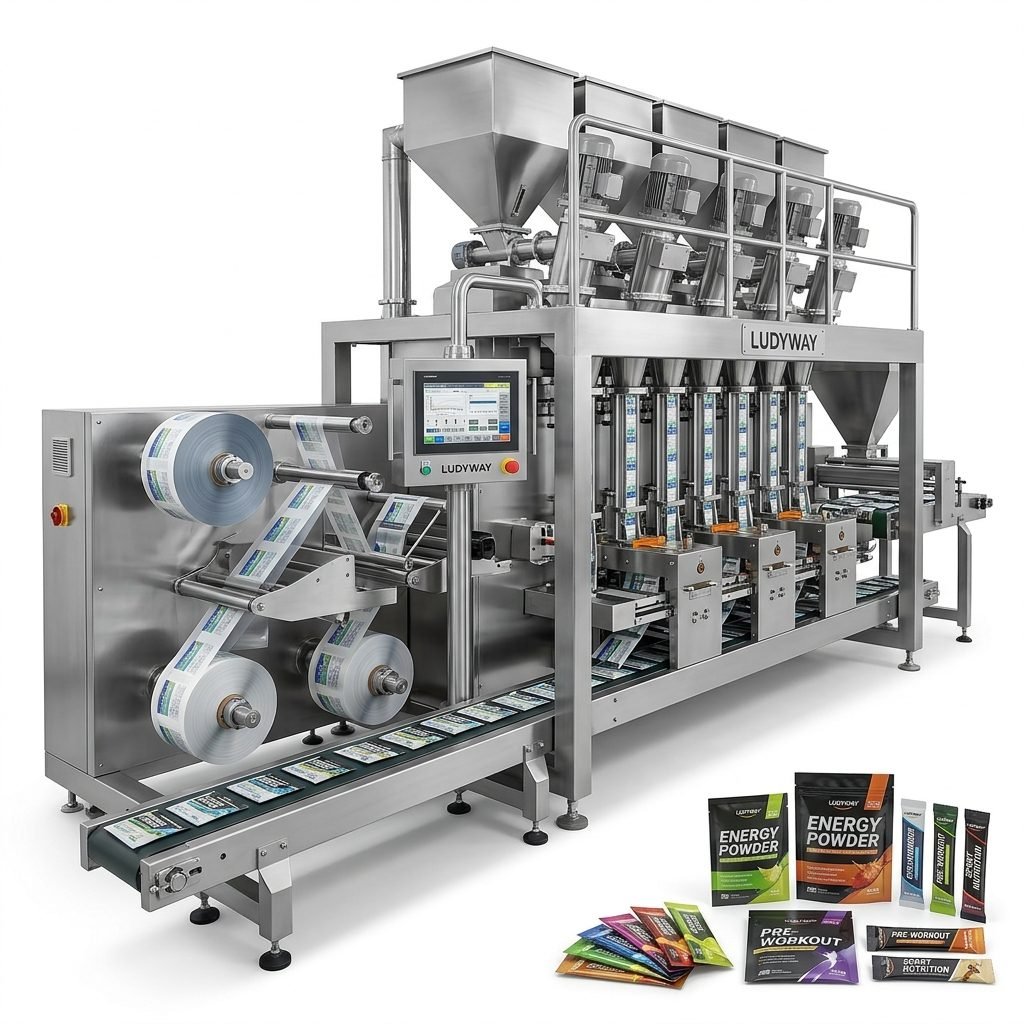
If you need both standalone equipment and complete line integration, working with an experienced manufacturer can reduce coordination risks. For example, Ludyway packaging machine solutions are widely considered by buyers looking for food, pharmaceutical, health supplement, cosmetic, chemical, and turnkey packaging line applications.
A Good Supplier Should Offer:
- Application-based machine recommendations
- Sample testing or technical evaluation
- Custom configuration options
- Clear layout and utility requirements
- Installation and training support
- Responsive after-sales service
Questions to Ask Before You Buy
Before making a final decision, ask the supplier these practical questions:
- What products has this machine packed successfully before?
- Can it run my target packaging material and format?
- What is the real stable speed in production?
- What filling accuracy can be achieved?
- How long does product changeover take?
- What spare parts should be stocked locally?
- What kind of technical support is available after installation?
- Can the machine be upgraded into a larger automated line later?
Common Buying Mistakes to Avoid
- Choosing based only on low price
- Ignoring future production growth
- Not testing real product samples
- Overlooking compliance or sanitation requirements
- Buying a machine without considering downstream integration
- Failing to confirm after-sales support and spare part lead time
These mistakes often lead to production delays, unstable operation, and unexpected extra investment.
Best Packing Machine Types by Industry
| Industry | Suitable Machine Type | Typical Products |
|---|---|---|
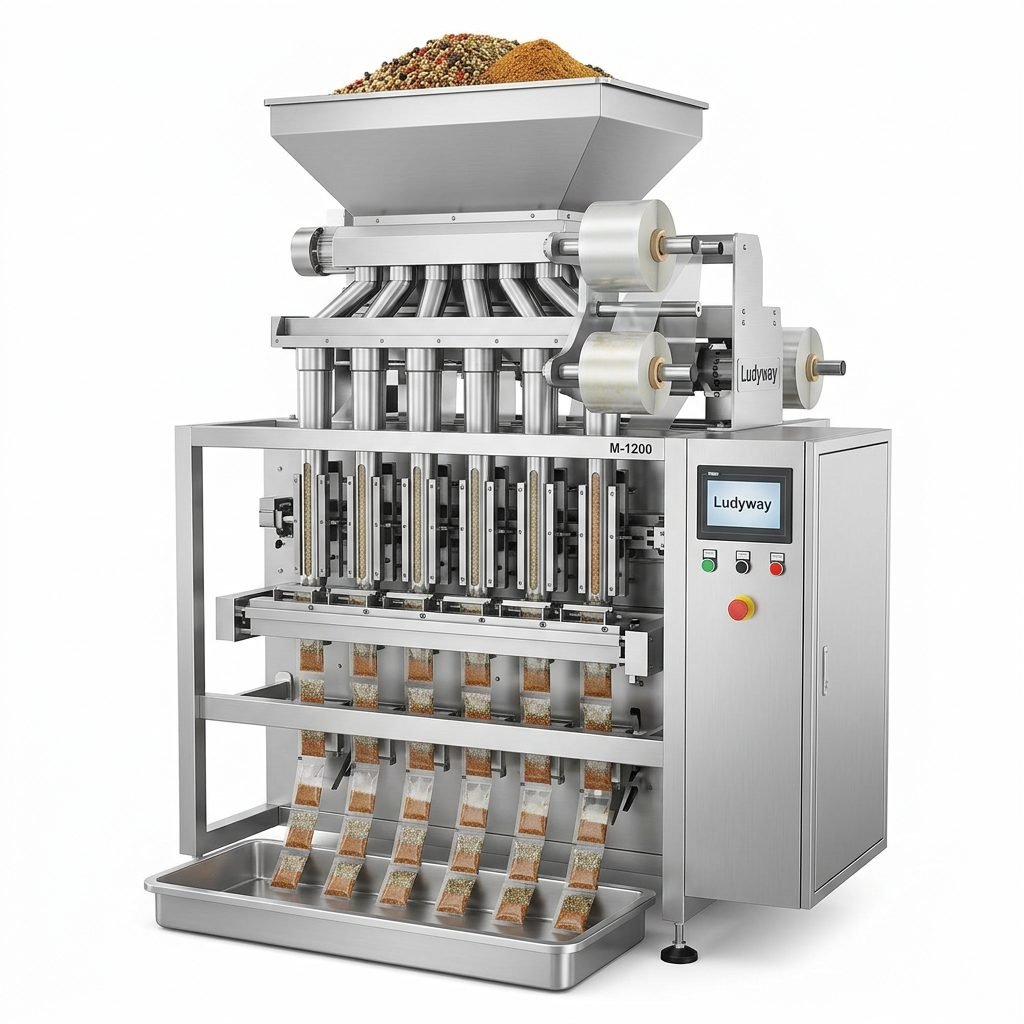
| Food | VFFS, sachet, stick pack, pouch line | Spices, coffee, snacks, sauces, powders |
| Pharmaceutical | Sachet, blister, oral liquid, stick pack line | Granules, tablets, oral liquids, powders |
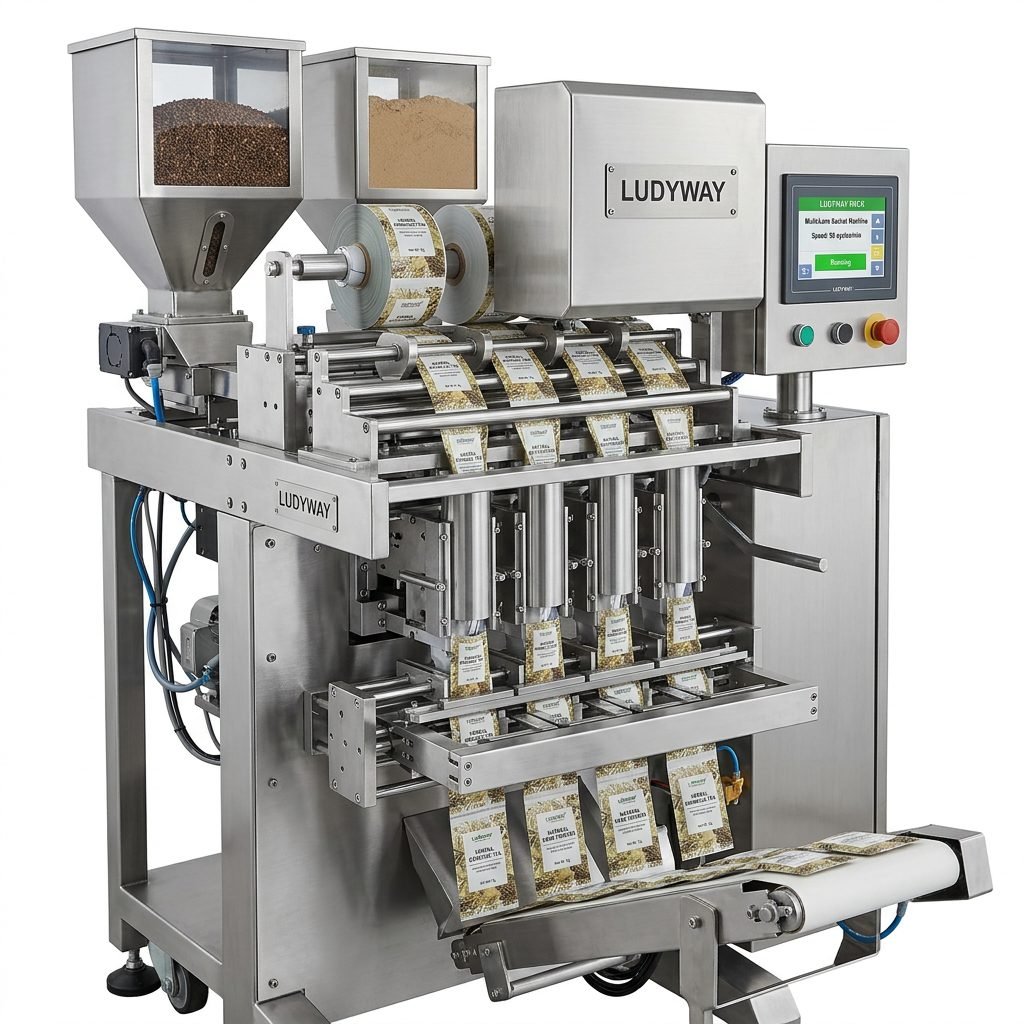
| Health supplements | Multi-lane stick pack and sachet systems | Collagen, protein, probiotics, vitamins |
| Cosmetics | Tube filling, sachet filling, liquid packaging | Creams, lotions, serums, gels |
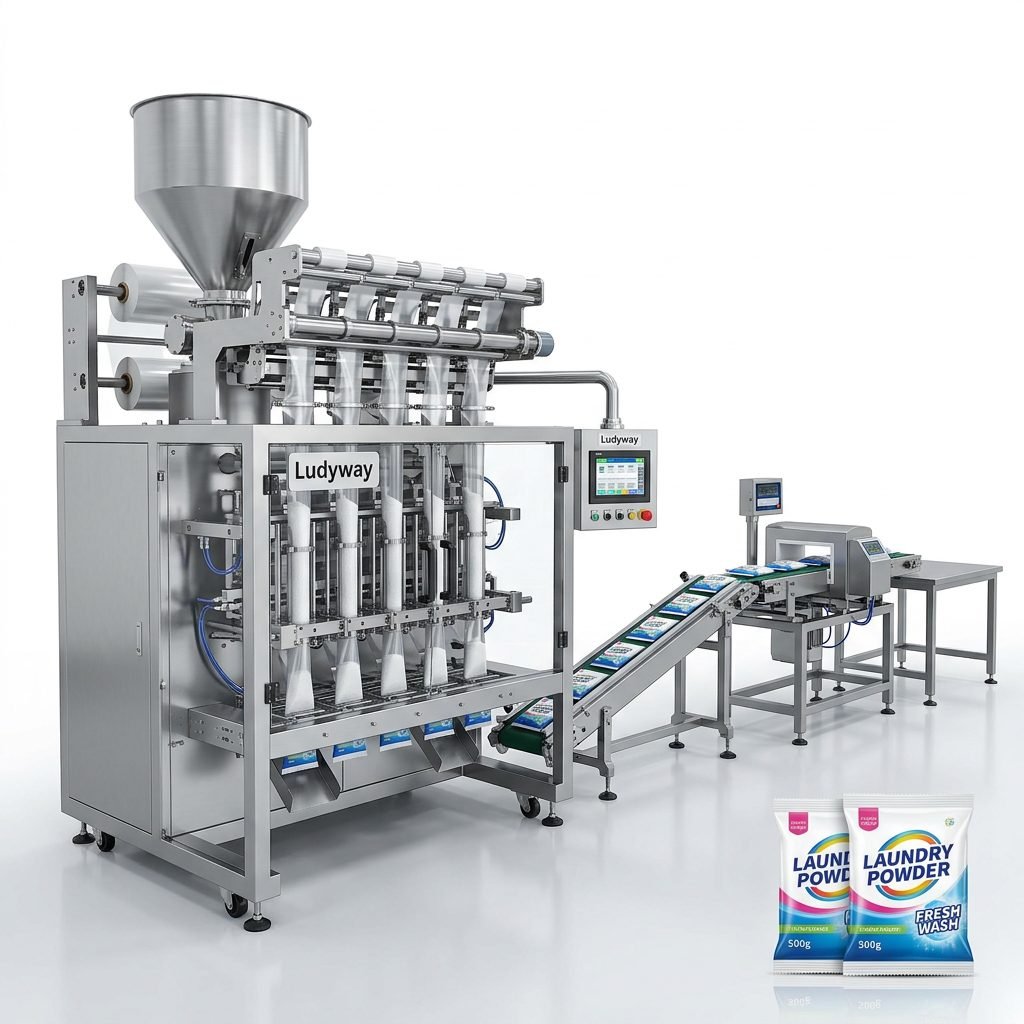
| Chemical | Powder, granule, and liquid packaging lines | Detergents, additives, treatment chemicals |
Final Buying Perspective
The right packaging solution should fit your product characteristics, output goals, factory conditions, compliance needs, and future expansion plans. Instead of asking only, “What packing machine is for sale?” the better question is, “Which machine will create the most reliable and scalable packaging process for my business?”
When you compare equipment based on application fit, total operating value, and supplier support, you are far more likely to choose a solution that improves efficiency today and remains useful as your business grows.