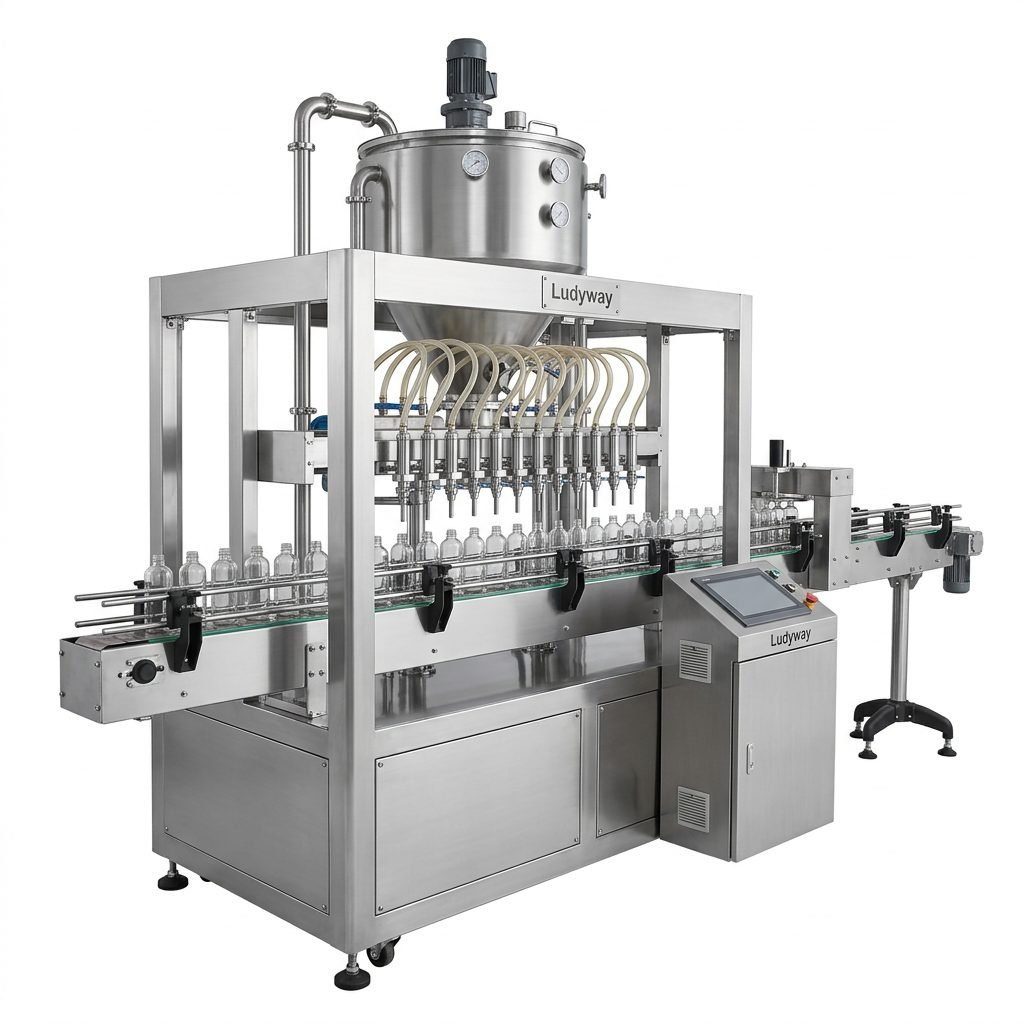
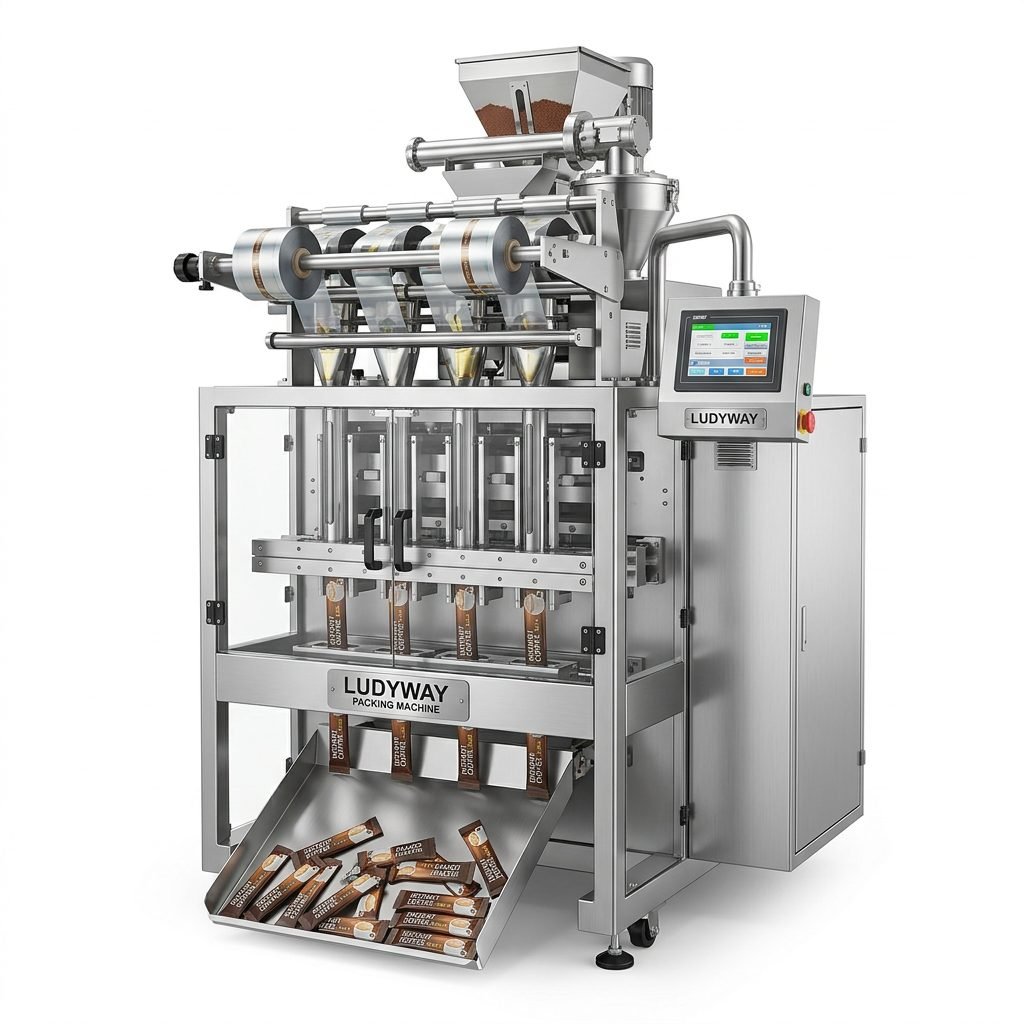
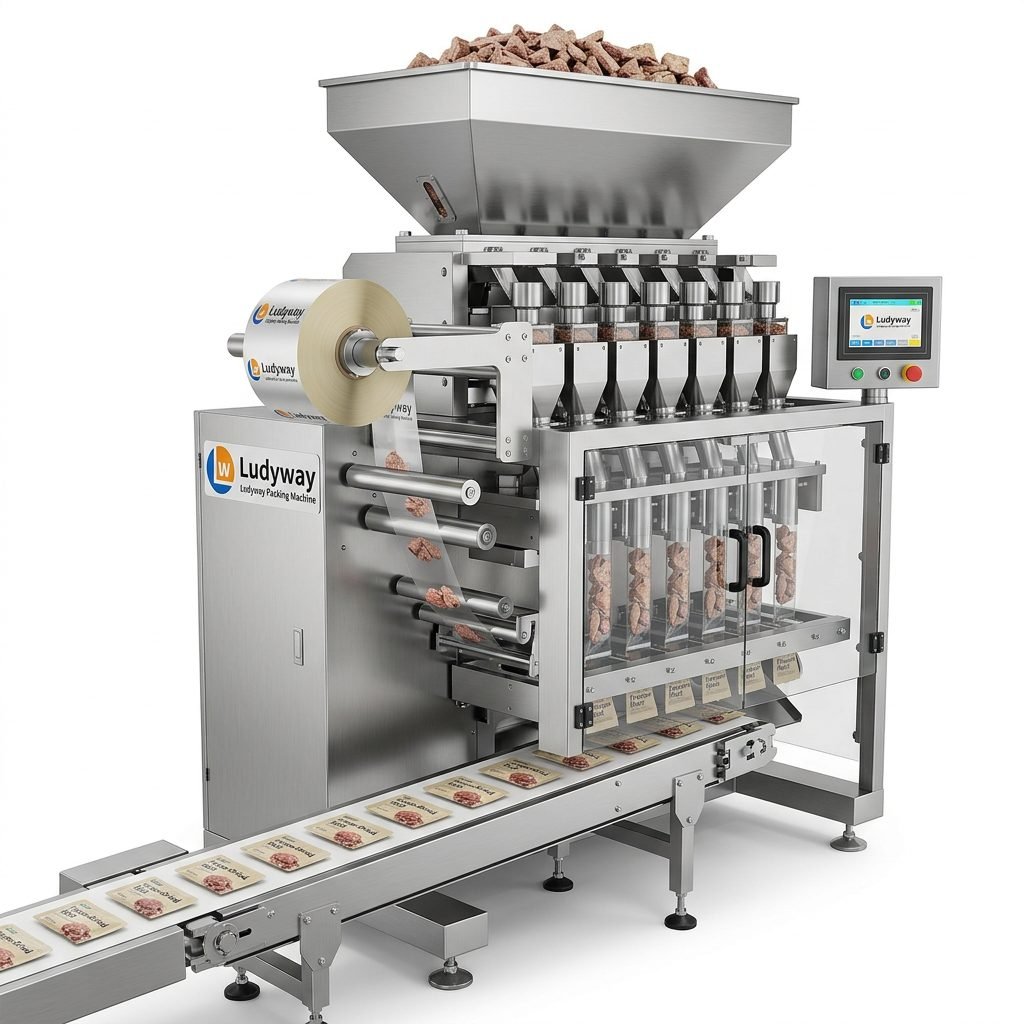
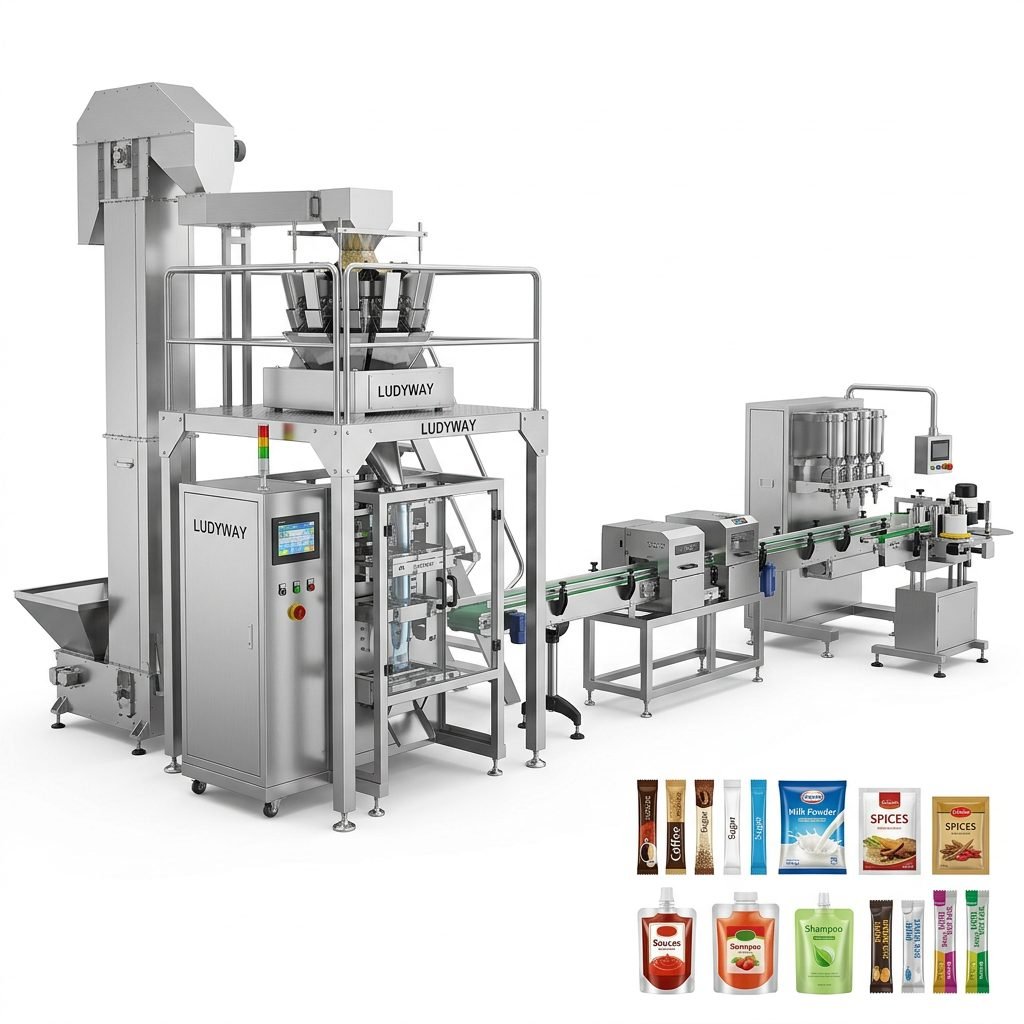
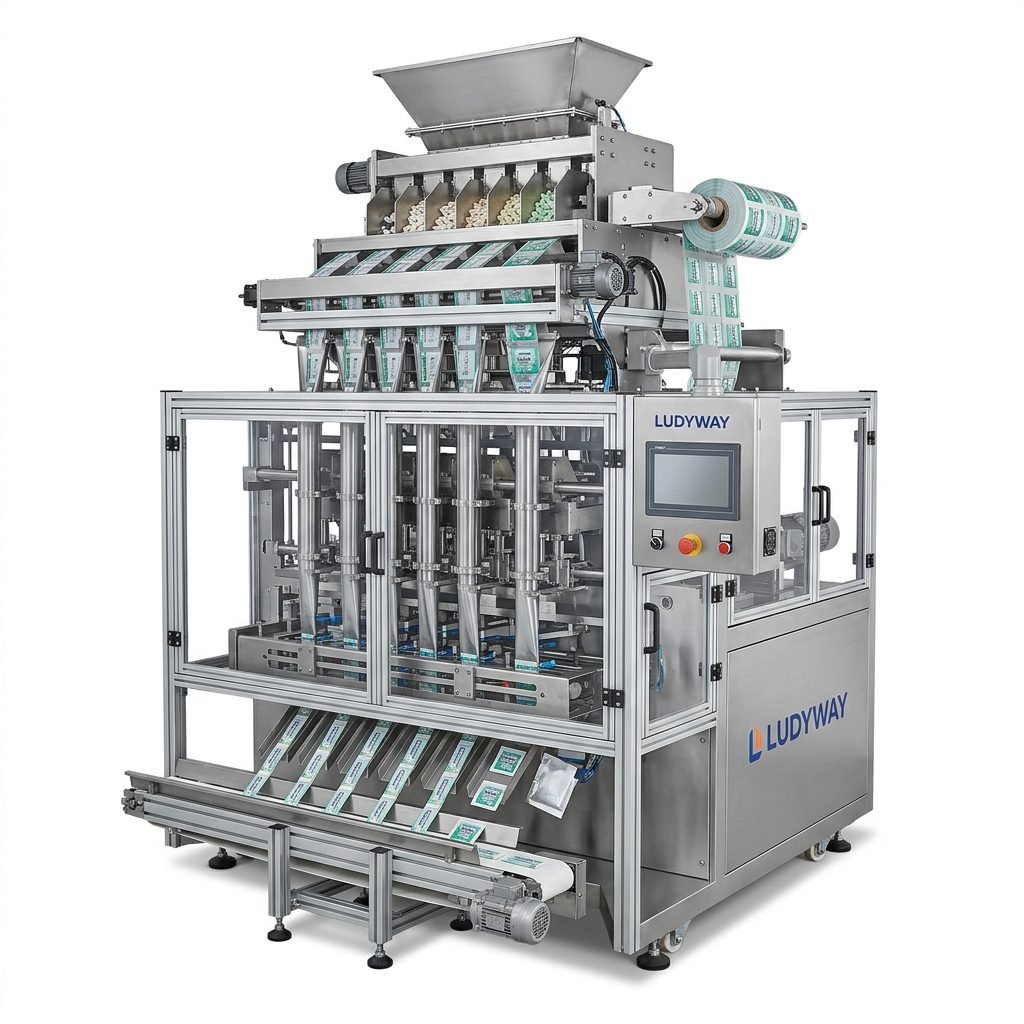
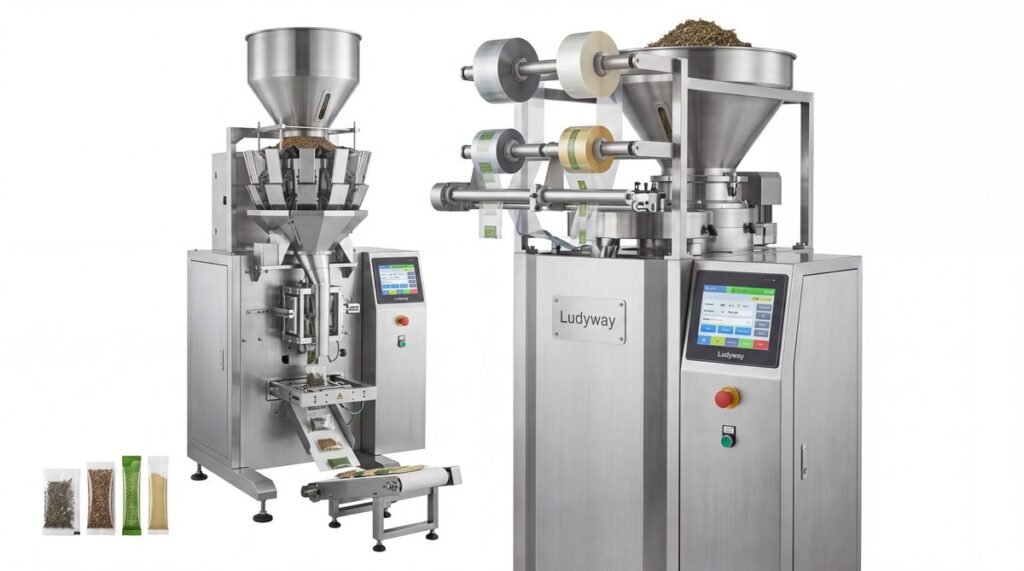
Glass bottles remain a preferred packaging format for beverages, sauces, pharmaceuticals, cosmetics, essential oils, and premium food products. They offer excellent barrier performance, strong shelf appeal, and high compatibility with automated production. To keep up with demand, manufacturers need a glass bottle packaging machine that can deliver consistent filling, secure sealing, accurate labeling, and smooth line integration.
A modern system is more than a single machine. It is a coordinated production solution that can include bottle feeding, rinsing, filling, capping, induction sealing, sleeve or sticker labeling, coding, inspection, cartoning, and end-of-line handling. Choosing the right setup helps reduce waste, improve hygiene, and increase output without sacrificing product quality.
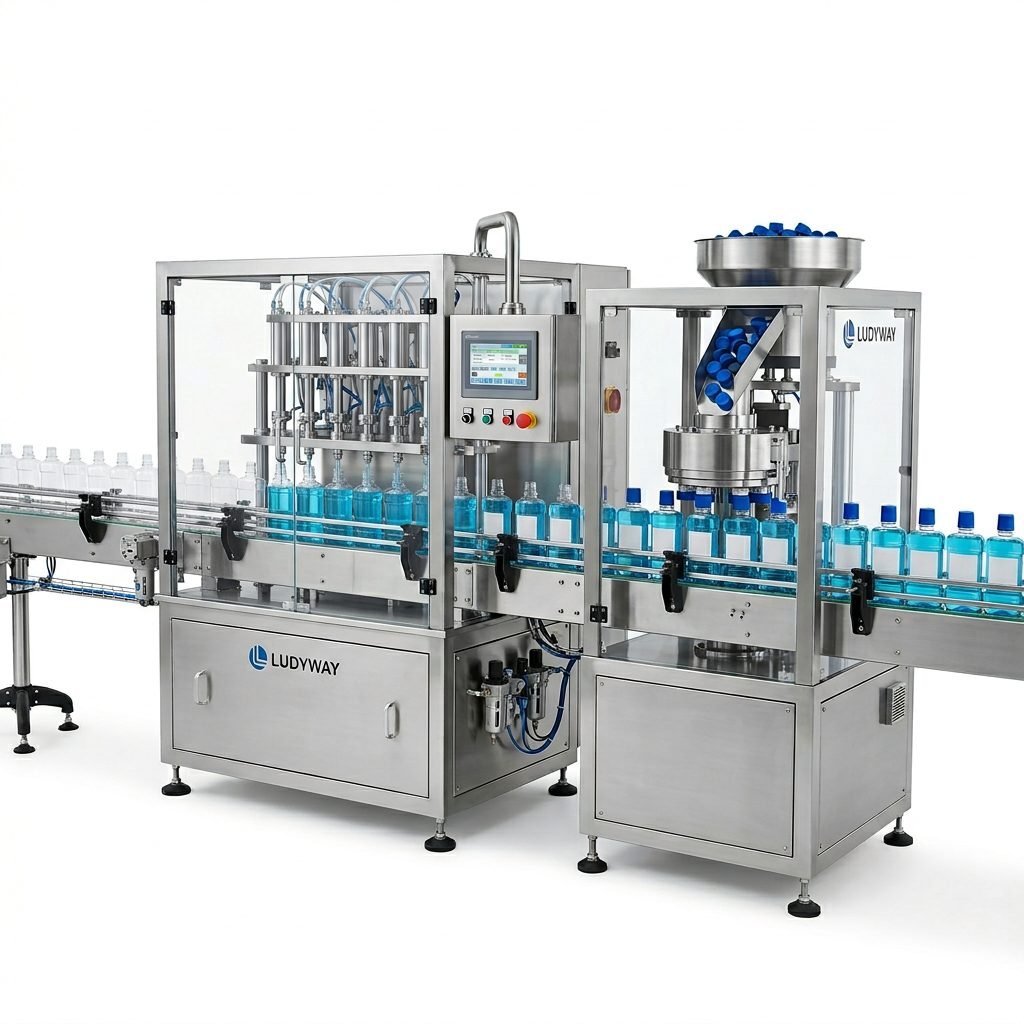
What Is a Glass Bottle Packaging Machine?
A glass bottle packaging machine is an automated or semi-automated equipment system designed to package products into glass containers. Depending on the application, it may handle:
- Bottle unscrambling or manual infeed
- Air rinsing or water washing
- Liquid, paste, powder, or granule filling
- Cap placing, screw capping, press capping, or crimping
- Sealing for tamper evidence and leak protection
- Front, back, wrap-around, or sleeve labeling
- Date coding, batch printing, and inspection
- Cartoning, case packing, and palletizing
These machines are widely used in industries that require packaging precision and a premium container presentation. Glass is especially common where product stability, chemical resistance, and branding value are important.
Why Glass Bottle Packaging Still Matters
Many brands choose glass because it supports both product protection and market perception. In automated production, glass bottles also work well with high-accuracy filling systems when the line is properly configured.
- Premium appearance: suitable for high-end retail packaging.
- Excellent compatibility: ideal for beverages, syrups, oils, skincare, and pharma liquids.
- Chemical stability: glass does not easily react with sensitive formulations.
- Recyclability: supports sustainability goals.
- Strong sealing performance: works with multiple closure types.
Core Functions: Filling, Sealing, and Labeling
1. Filling
The filling section is the heart of the line. The correct filling technology depends on viscosity, foam level, product temperature, dosing accuracy, and sanitation requirements.
- Gravity filling: suitable for free-flowing, low-viscosity liquids.
- Piston filling: ideal for sauces, creams, gels, and viscous products.
- Pump filling: flexible for various liquid products.
- Overflow filling: good for uniform visual fill levels.
- Vacuum filling: often used for glass bottles requiring clean, controlled fills.
2. Sealing and Capping
Reliable closure is critical for transport safety, leak prevention, shelf life, and consumer confidence. A glass bottle packaging machine may be configured for screw caps, lug caps, crown caps, pump tops, droppers, or child-resistant closures.
Optional sealing technologies include induction sealing, heat sealing, tamper-evident bands, and vacuum capping. The right method depends on the container neck finish and the product category.
3. Labeling
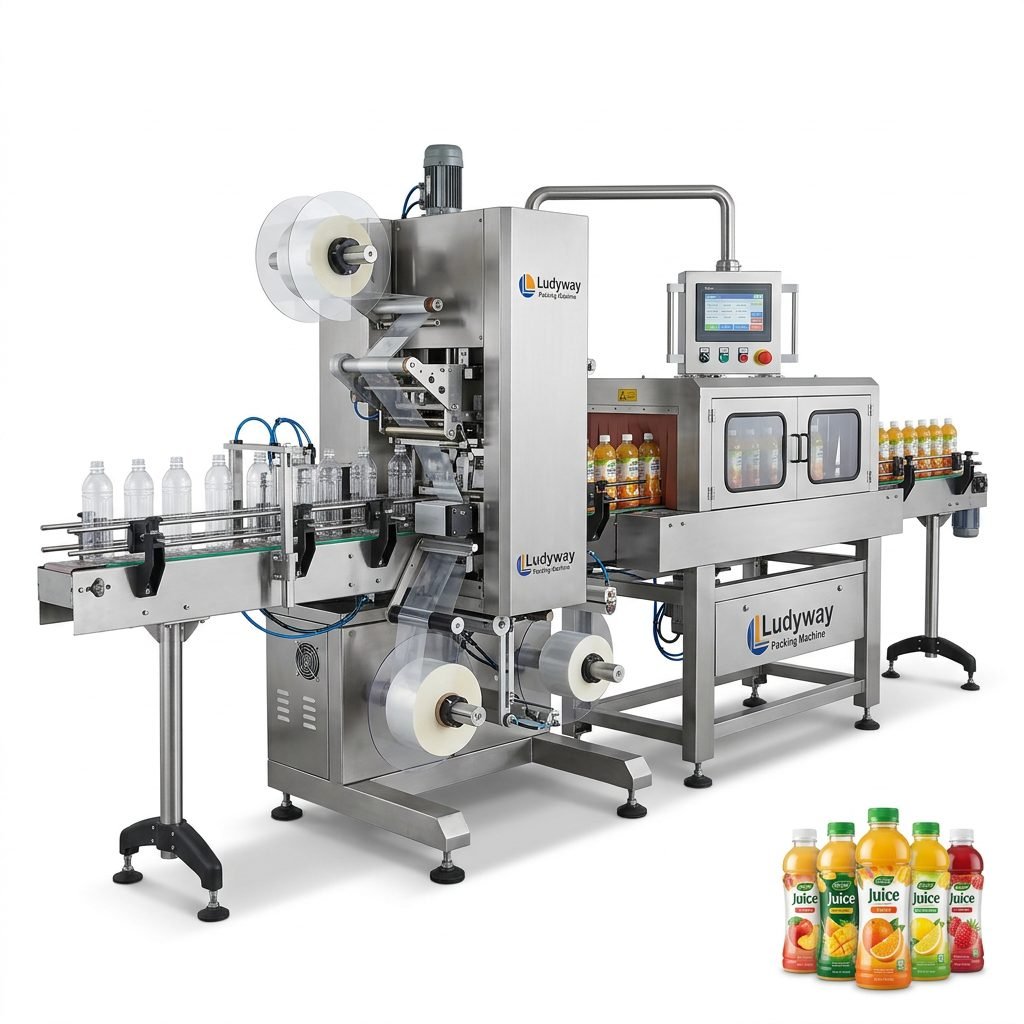
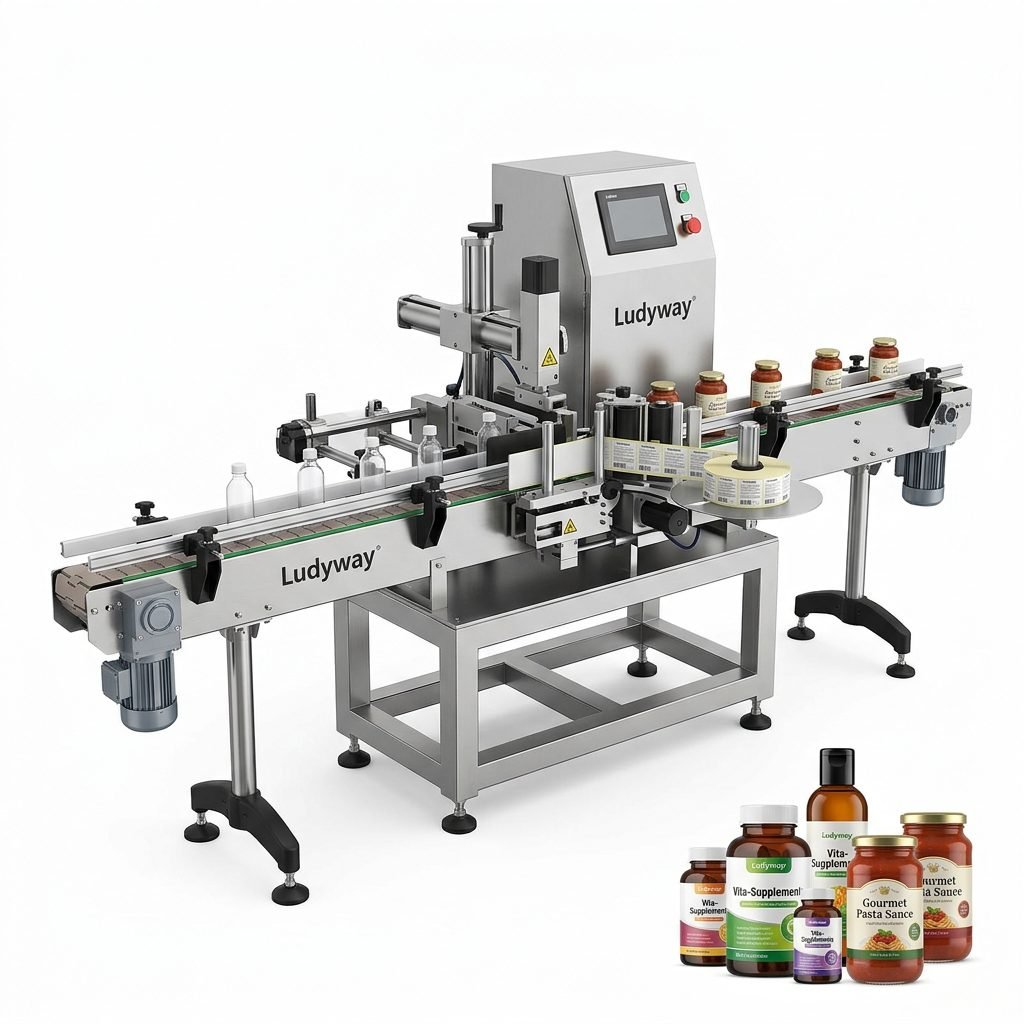
Labeling gives the bottle its final market identity. For glass bottles, common systems include self-adhesive labeling and shrink sleeve labeling. Accurate alignment is especially important for transparent bottles, premium branding, and export compliance.
Types of Products Packed in Glass Bottles
| Industry | Typical Products | Recommended Machine Features |
|---|---|---|
| Beverage | Juice, syrup, functional drinks, mouthwash | High-speed filling, anti-drip nozzles, cap sorting |
| Food | Sauce, oil, vinegar, honey, condiments | Piston filling, heated hopper, easy cleaning |
| Pharmaceutical | Syrup, oral liquid, disinfectant, medical solutions | Precision dosing, hygienic design, batch traceability |
| Cosmetic | Serum, toner, oil, lotion | Gentle handling, pump or dropper capping, premium labeling |
| Chemical | Solvents, cleaners, additives | Corrosion-resistant contact parts, leak-proof sealing |
Key Benefits of an Automated Glass Bottle Packaging Line
Replacing manual packaging with automated bottle machinery brings measurable operational advantages.
- Higher productivity: stable continuous operation supports volume growth.
- Improved consistency: each bottle receives a more uniform fill and closure.
- Reduced labor dependence: fewer manual steps mean easier line management.
- Less product loss: precise nozzles and controlled movement reduce spills.
- Better compliance: coding, inspection, and traceability features support regulated industries.
- Scalable design: lines can expand with conveyors, inspection units, and packing modules.
Important Features to Look For
Not all bottle packaging systems are built the same. A strong solution should match both the product and the production target.
Bottle Handling Stability
Glass containers are heavier and more fragile than flexible packs. Smooth conveyor transfer, bottle spacing control, and stable guiding systems help prevent breakage.
Accurate Filling Control
Servo-driven or precision volumetric systems are useful when product value is high or fill tolerance is strict.
Quick Changeover
If you run multiple bottle sizes, adjustable guides, recipe storage, and simple tool-free change parts can save significant downtime.
Cleaning and Hygiene
For food, pharmaceutical, and cosmetic applications, stainless steel construction and easy-to-clean contact parts are highly important.
Line Integration
A packaging machine should work as part of the whole line, not as an isolated unit. Integration with rinsers, cappers, labelers, printers, and inspection devices improves total efficiency.
Typical Line Configuration for Glass Bottles
| Production Stage | Equipment | Main Purpose |
|---|---|---|
| Preparation | Bottle feeder / rinser | Clean and position bottles before filling |
| Filling | Liquid or paste filling machine | Dose product into each bottle accurately |
| Closure | Cap sorter + capping/sealing machine | Secure container and protect product |
| Identification | Labeling machine + coder | Apply brand label and traceability code |
| Inspection | Checkweigher / vision / reject system | Ensure quality before final packing |
| End-of-line | Cartoner / case packer / palletizer | Prepare finished products for shipment |
How to Choose the Right Glass Bottle Packaging Machine
The best machine is not simply the fastest one. It is the solution that fits your product, plant layout, compliance needs, and future expansion plan.
Consider These Questions
- What is the bottle size range and neck finish?
- Is the product thin, foamy, hot-filled, corrosive, or viscous?
- What output do you need per hour now and in the next 3 years?
- Do you need inline rinsing, nitrogen flushing, or vacuum capping?
- Will one line run multiple SKUs or a single dedicated format?
- Do you need GMP-style hygienic design or food-grade standards?
- Should the line connect to cartoning, case packing, or palletizing?
Selection Tip
If your business is growing, a modular turnkey line is often a smarter investment than buying stand-alone equipment from multiple sources. It improves compatibility, service coordination, and long-term upgrade flexibility.
Applications Across Industries
Food and Beverage
Sauces, jams, edible oils, vinegar, syrups, coffee concentrates, and health drinks often require drip-free filling and secure capping. Label alignment is also essential for shelf-ready presentation.
Pharmaceutical and Health Products
Oral liquids, syrups, tinctures, and supplements packaged in glass need strict dosing accuracy, clean filling paths, and batch traceability. Reliability is more important than simple speed alone.
Cosmetics and Personal Care
Essential oils, serums, perfumes, and lotions in glass containers need elegant filling performance with minimal residue and premium labeling quality.
Household and Industrial Chemicals
For chemicals packed in glass bottles, material compatibility and sealing performance are critical. The machine should resist corrosion and prevent leakage during transport.
Why Turnkey Solutions Create More Value
Many manufacturers discover that standalone filling equipment solves only part of the production challenge. A turnkey glass bottle packaging line improves the complete workflow from infeed to final packing.
- Single-source project coordination
- Better matching between machine modules
- Faster installation and commissioning
- More efficient plant layout planning
- Simplified after-sales support
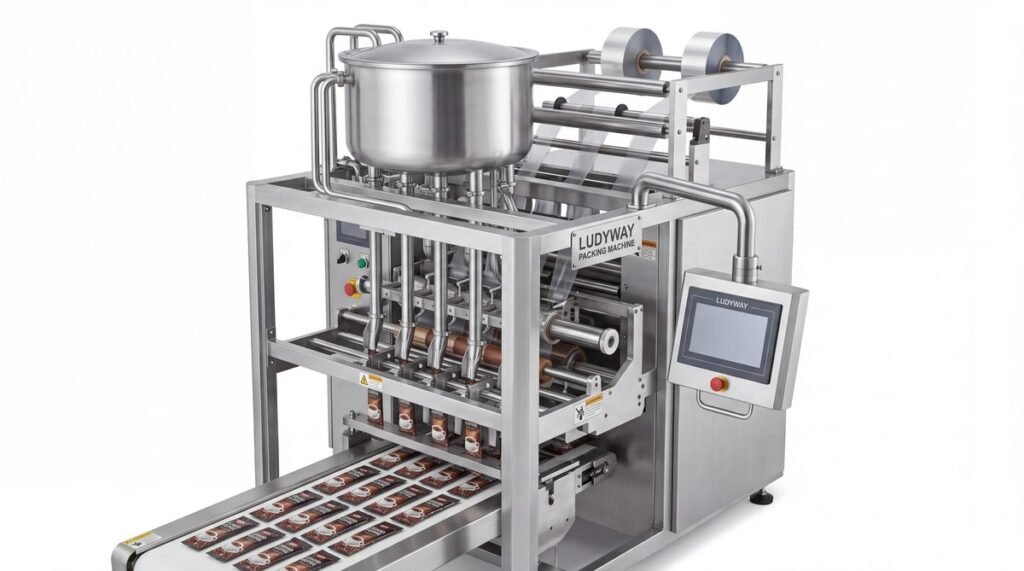
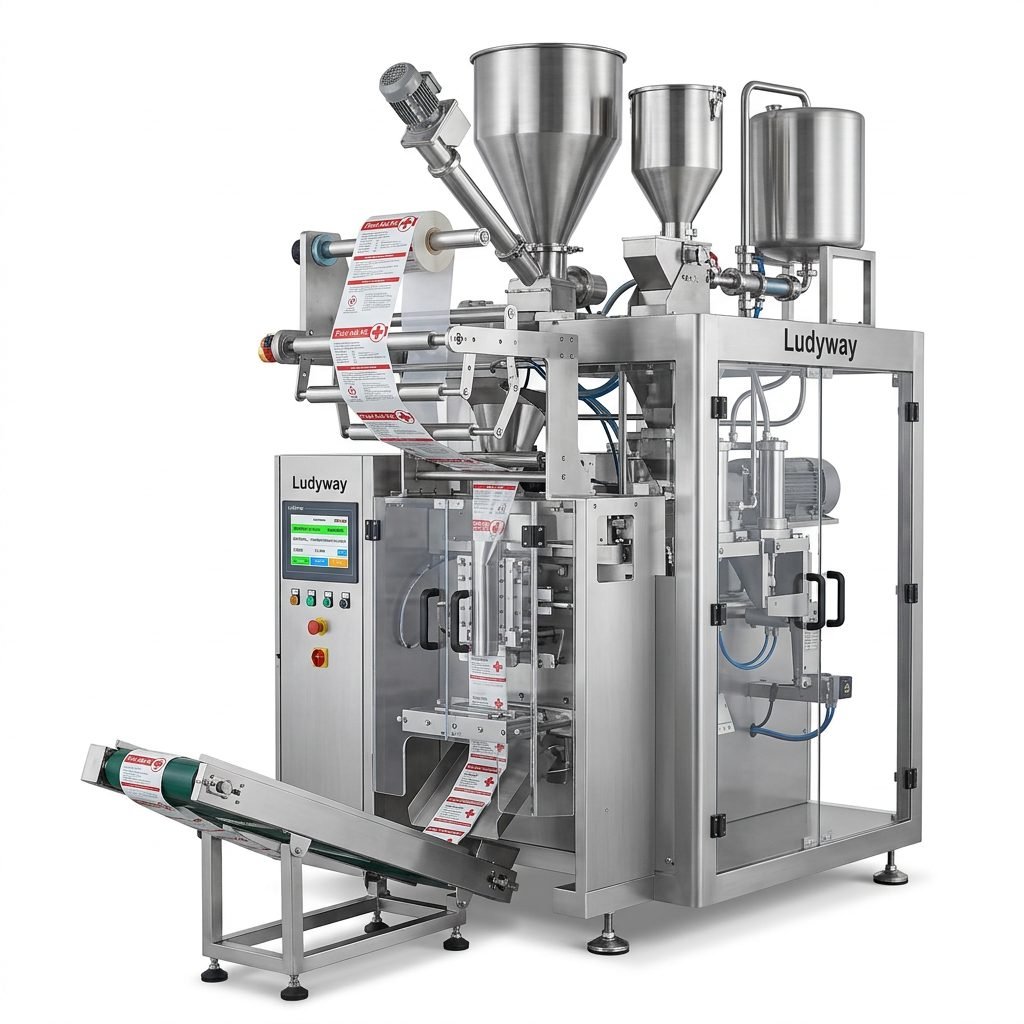
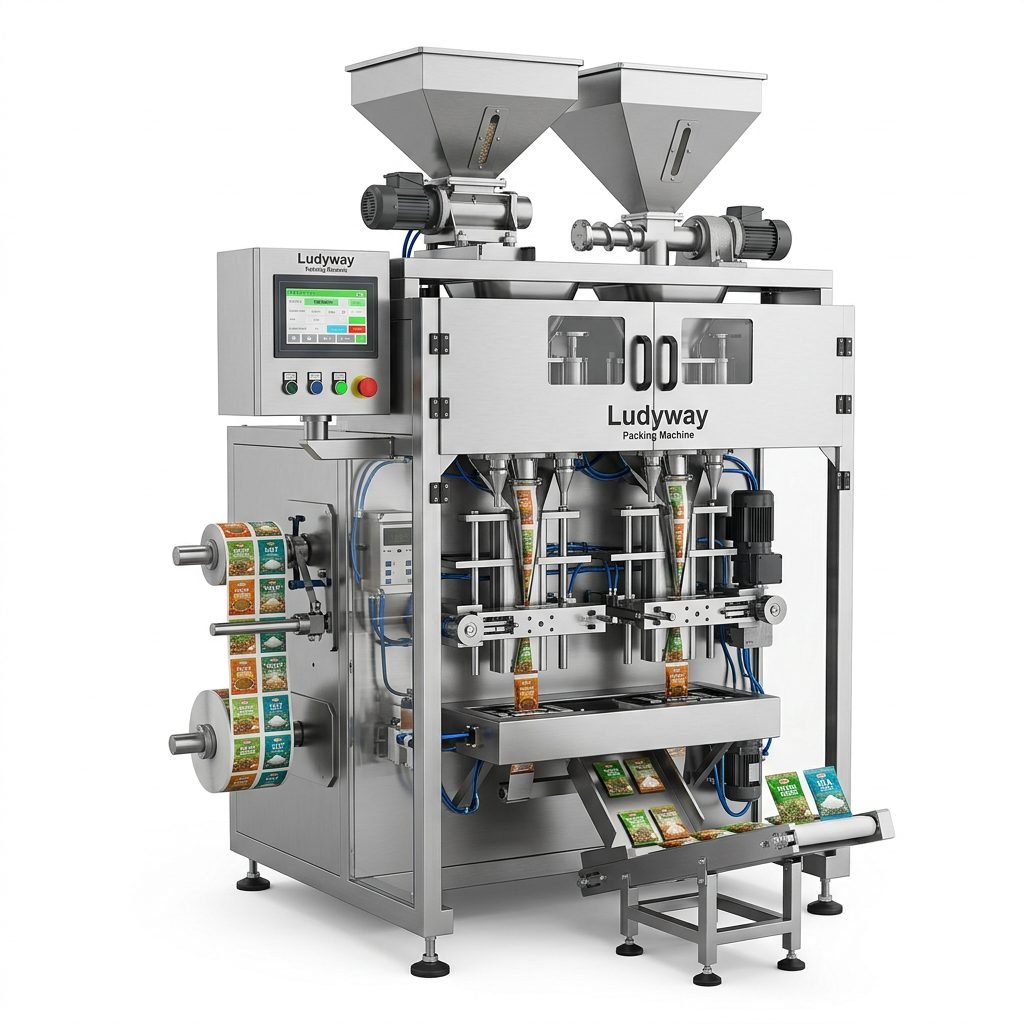
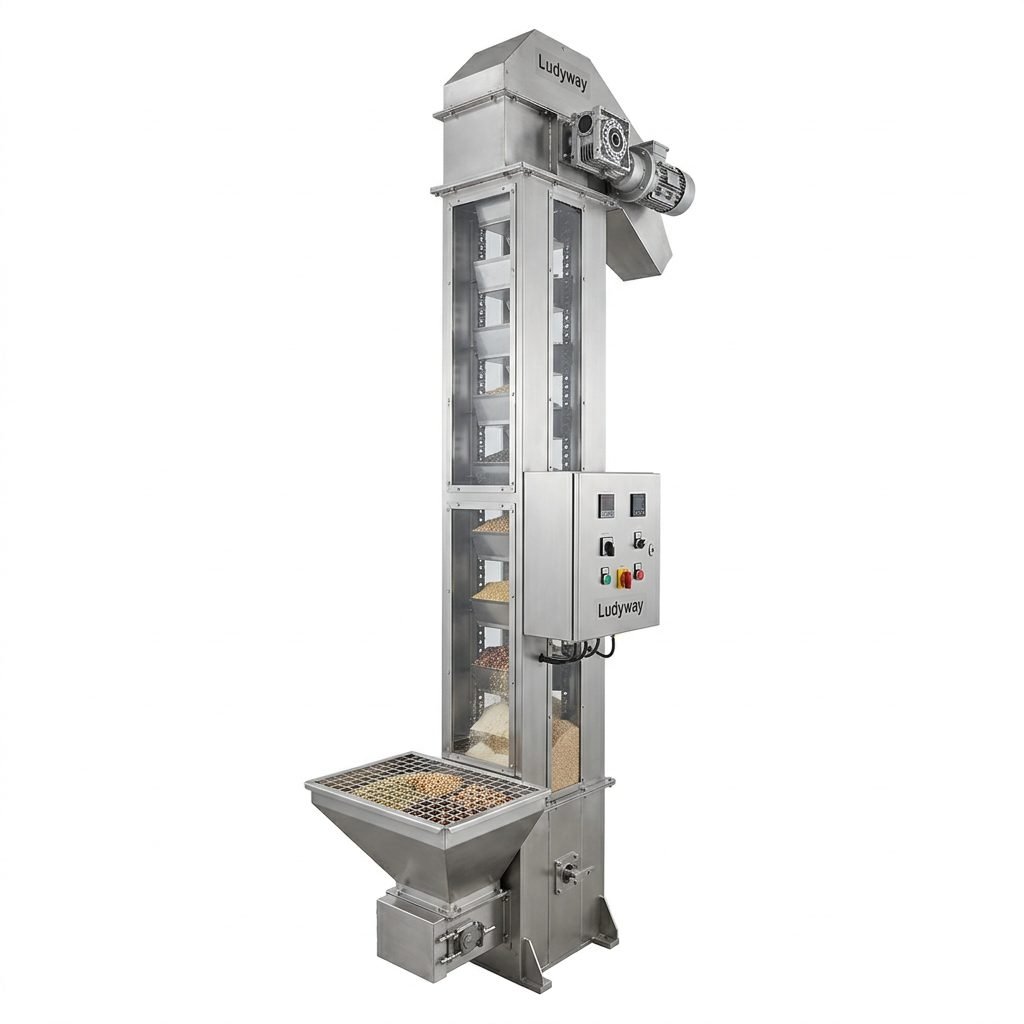
For buyers looking for scalable automation, Ludyway glass bottle packaging machine solutions can support both individual machines and complete turnkey packaging lines for food, pharmaceutical, cosmetic, and chemical applications.
Maintenance and Performance Tips
Even the best equipment needs proper operation and maintenance to deliver long-term value.
- Inspect nozzles, seals, and cap handling parts regularly.
- Keep bottle guides and conveyors properly aligned.
- Use correct cleaning procedures based on product type.
- Monitor torque consistency and label placement accuracy.
- Train operators on changeover and troubleshooting steps.
- Maintain spare parts for critical wear components.
Final Buying Considerations
When evaluating a glass bottle packaging machine, focus on product compatibility, output stability, ease of changeover, hygiene level, and integration capability. A well-designed system should not only fill, seal, and label efficiently, but also reduce operational risk and support future business growth.
Whether you package beverages, sauces, syrups, cosmetics, or pharmaceutical liquids, the right machine can transform glass bottle packaging into a faster, cleaner, and more profitable process.