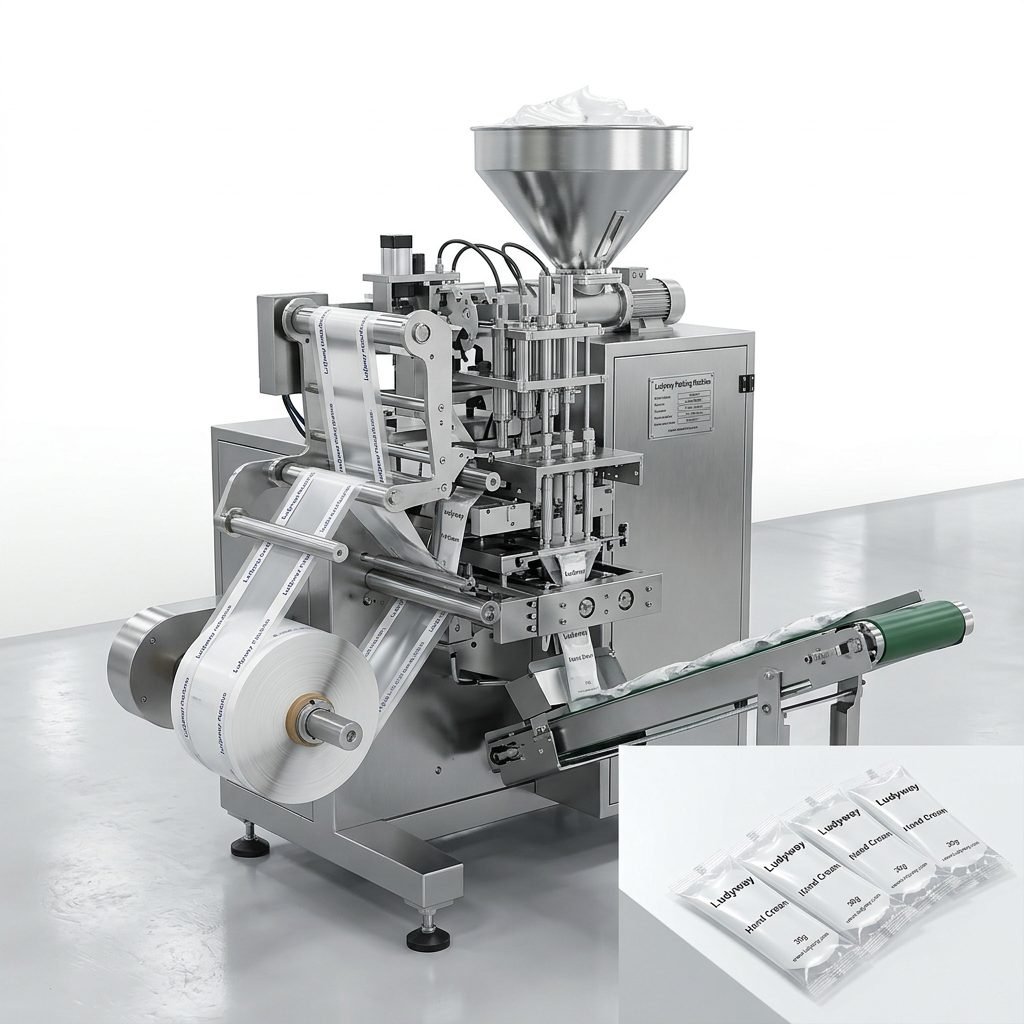
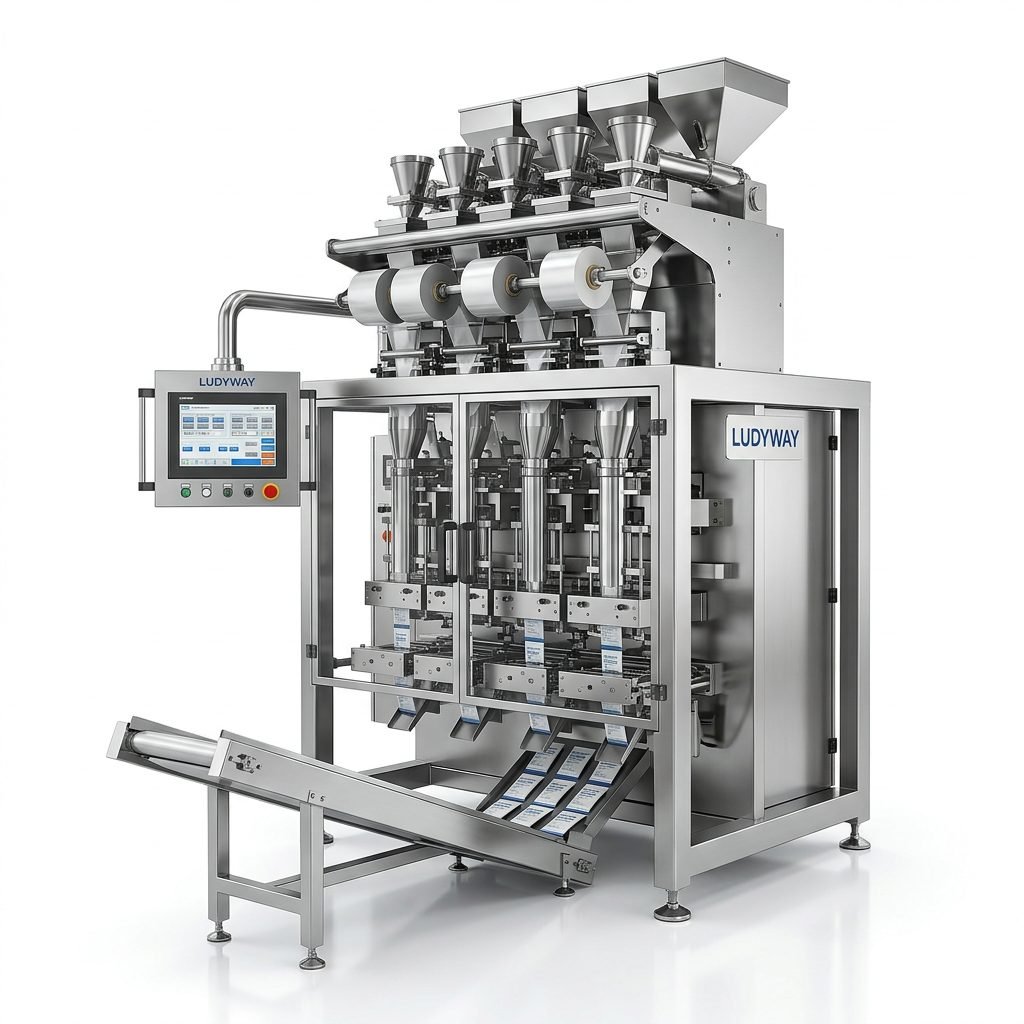
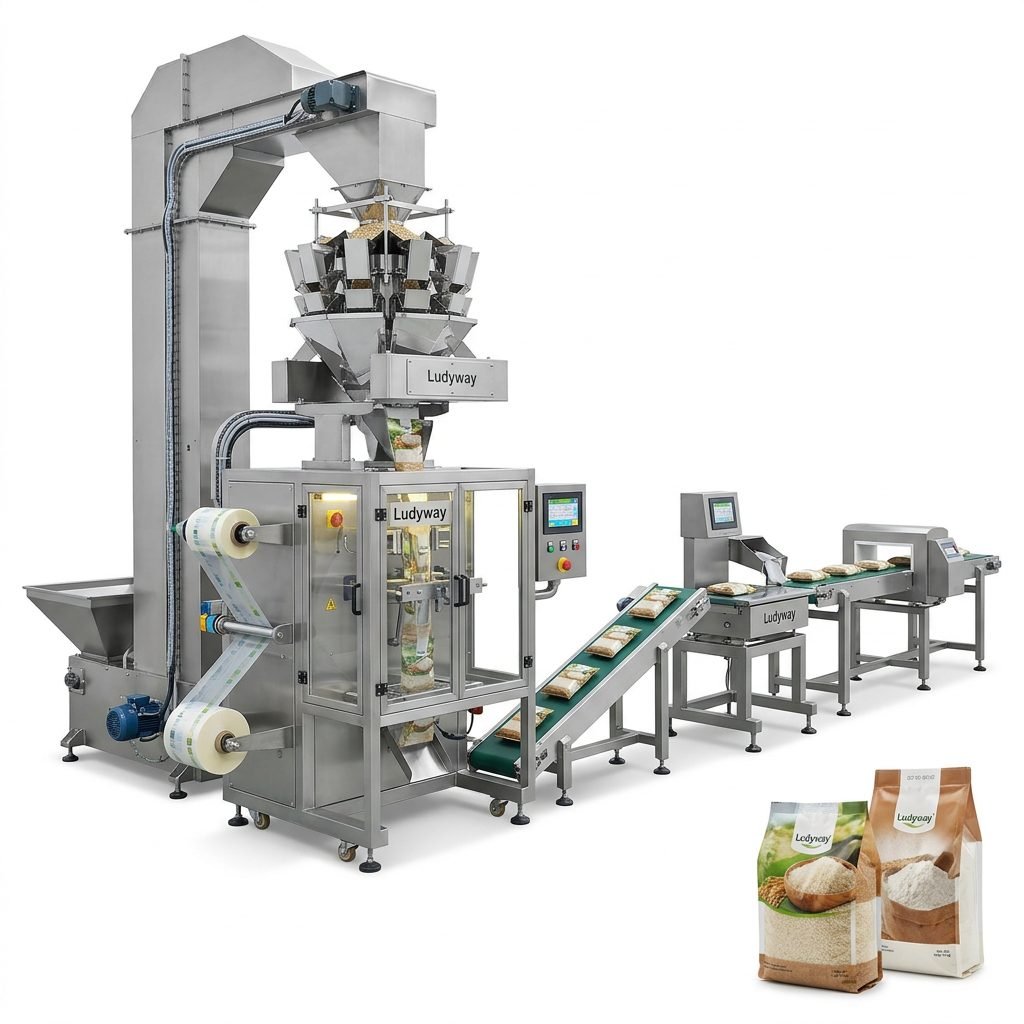
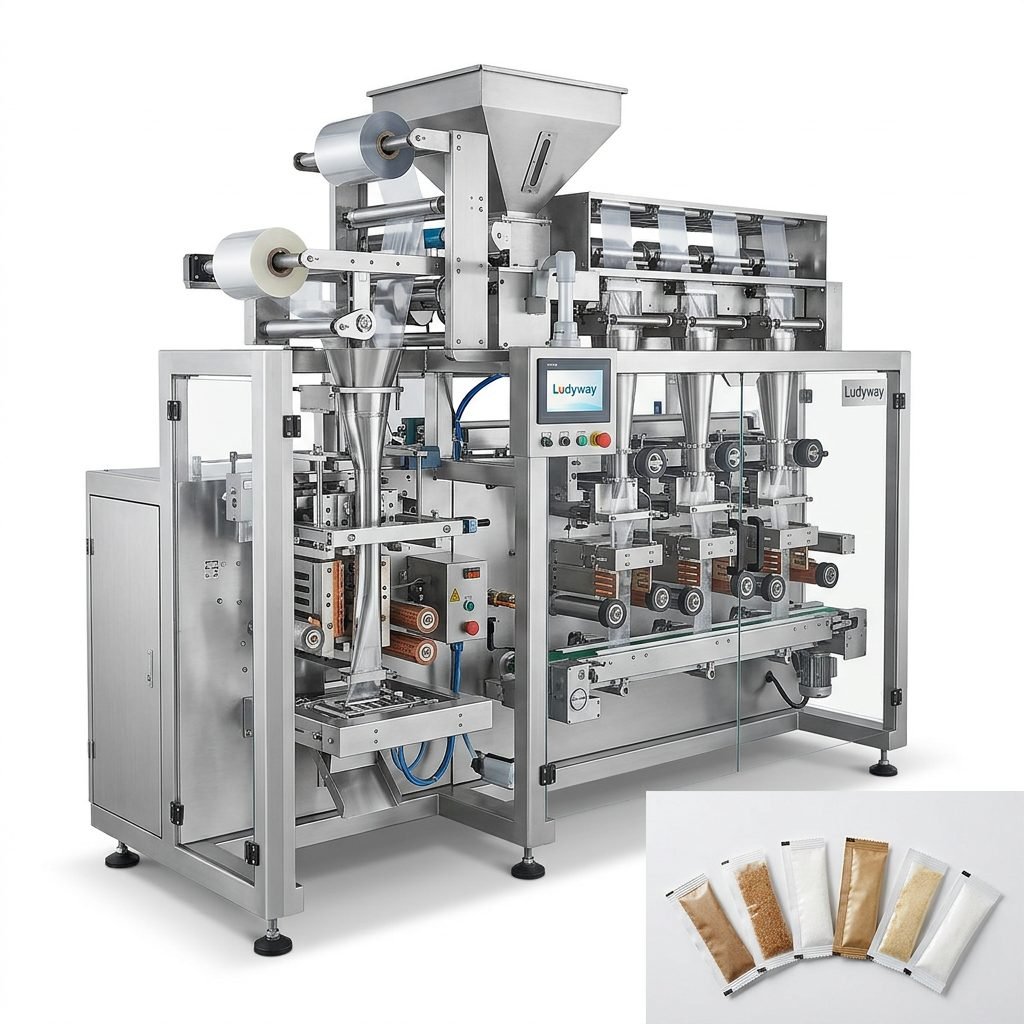
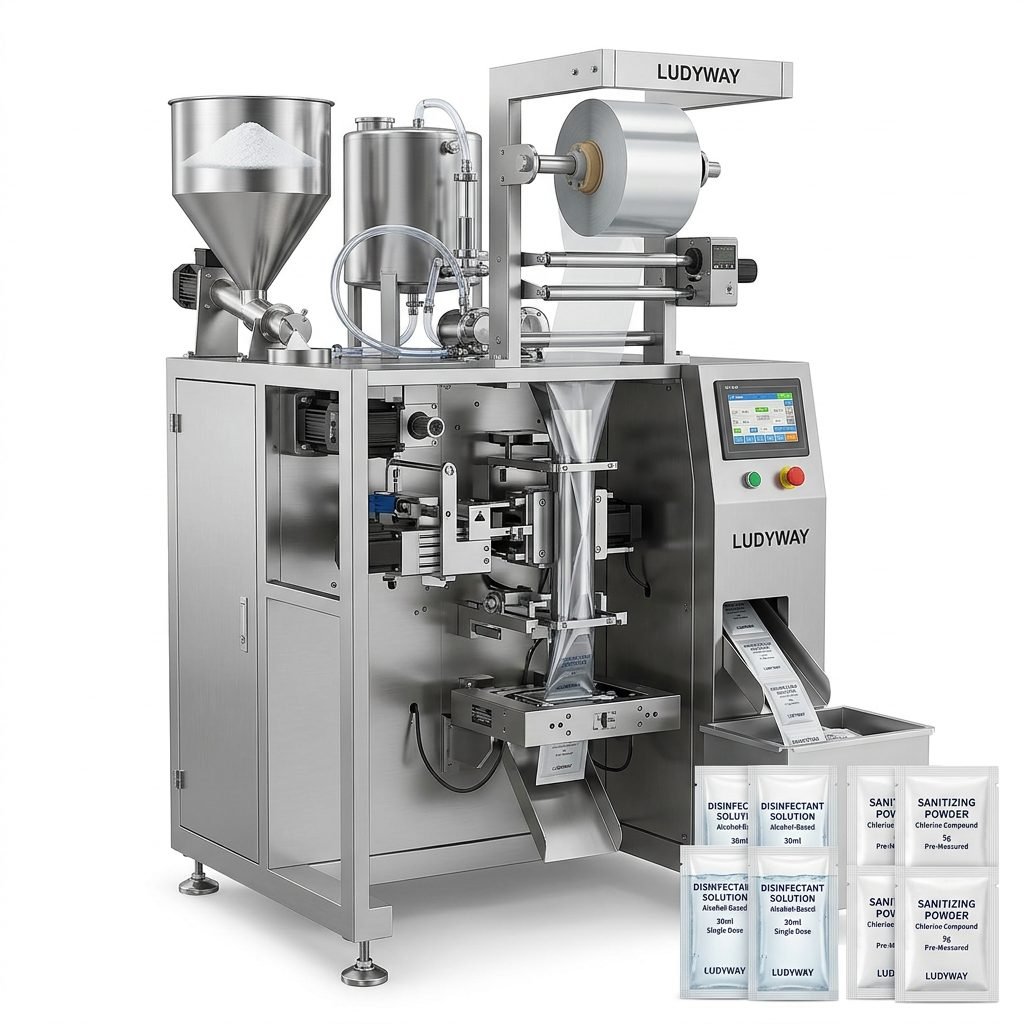
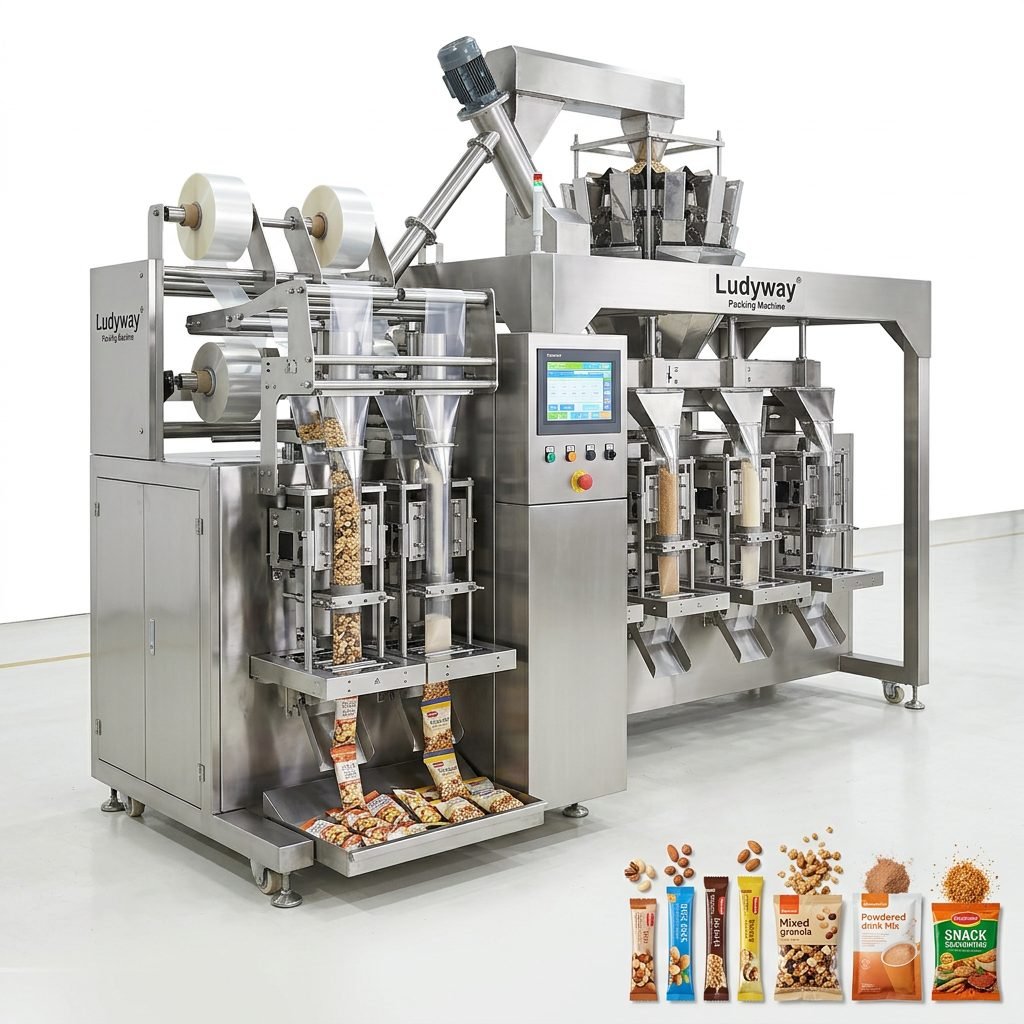
Packaging machinery is evolving fast, and for buyers in food, pharmaceutical, cosmetic, chemical, and health product sectors, staying current is no longer optional. Rising labor costs, stricter quality requirements, shorter product cycles, and growing demand for flexible packaging formats are pushing manufacturers to invest in smarter, faster, and more adaptable systems.
Whether you are planning a new line or upgrading existing equipment, understanding the latest trends can help you reduce risk, improve output, and choose machinery that supports long-term growth.
1. Automation Is Moving from Optional to Essential
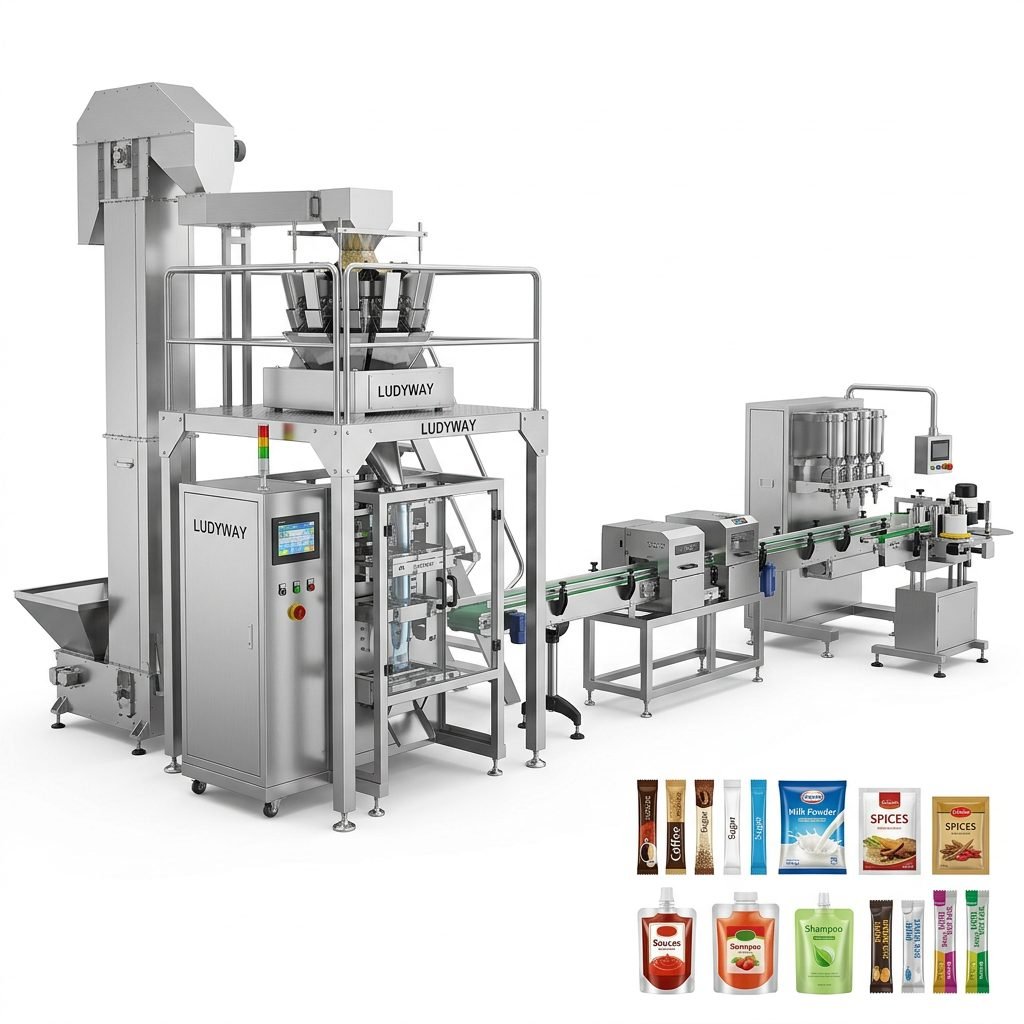
One of the biggest packaging machinery trends is the rapid shift from semi-automatic setups to fully automated packaging systems. Buyers are increasingly looking for solutions that can reduce operator dependency while improving consistency and throughput.
Modern lines now integrate feeding, dosing, filling, sealing, coding, inspection, cartoning, and palletizing into one streamlined workflow. This reduces manual handling, lowers contamination risk, and creates a more stable production environment.
- Labor savings through reduced manual intervention
- More stable production speed and lower downtime
- Improved repeatability in fill weight and seal quality
- Better traceability across the entire line
Why buyers care
Automation is not just about speed. It also helps manufacturers deal with labor shortages, quality audits, and fluctuating order volumes. Buyers now evaluate machinery based on overall line efficiency, not just the performance of one standalone machine.
2. Multi-Lane Machines Are Gaining Strong Demand
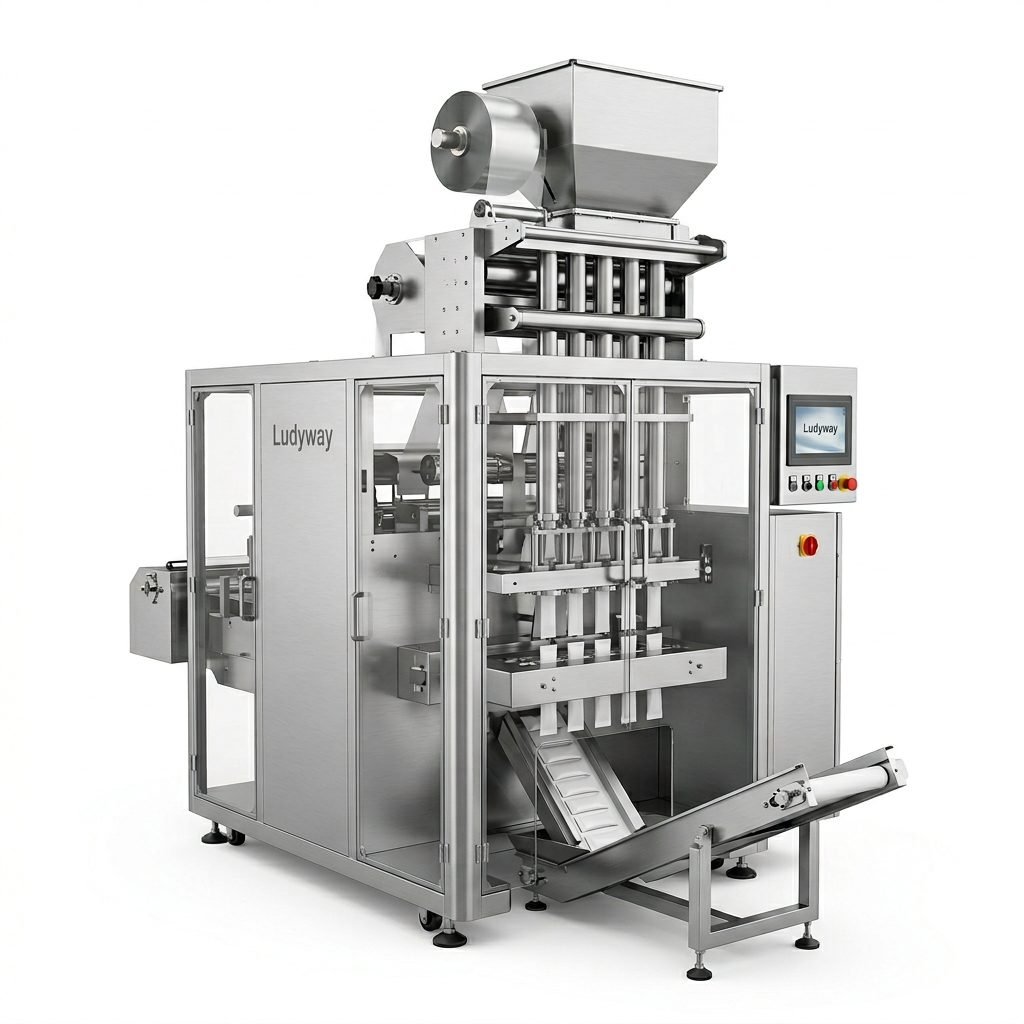
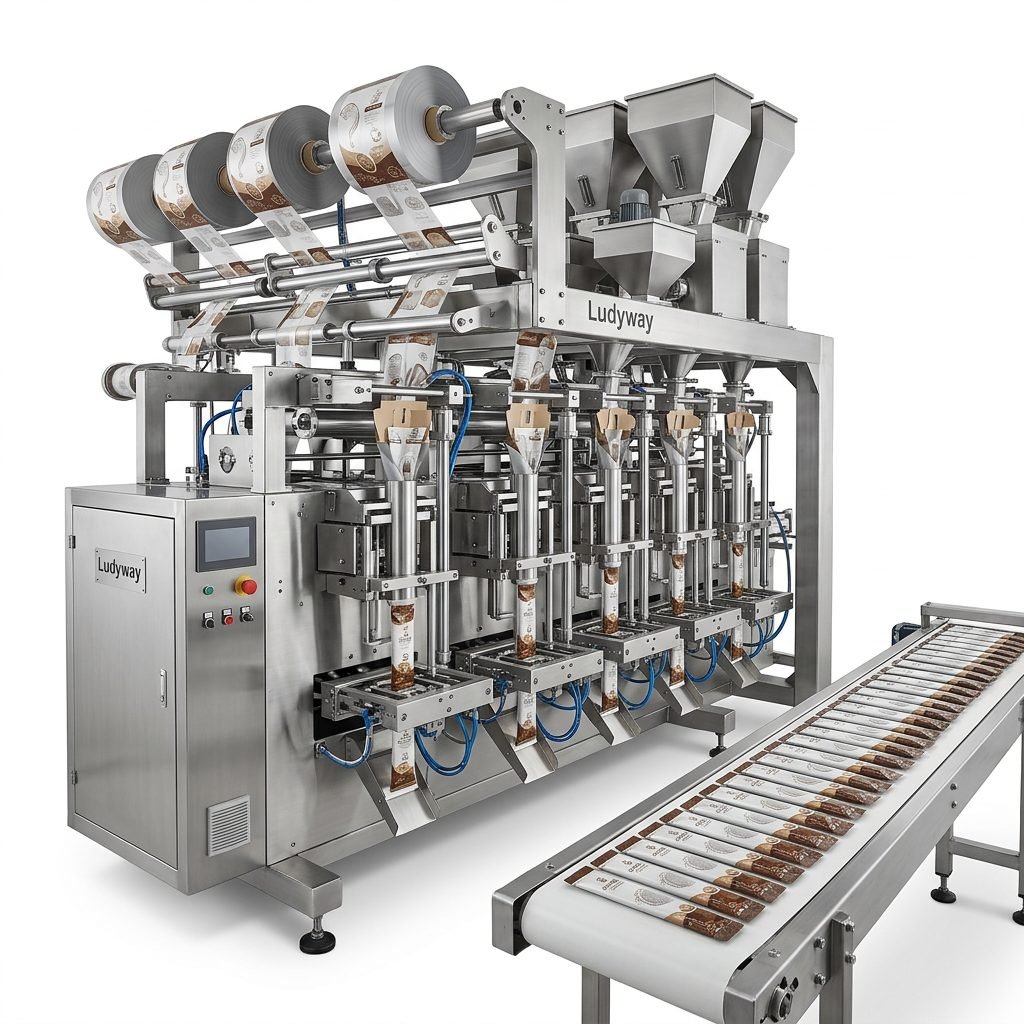
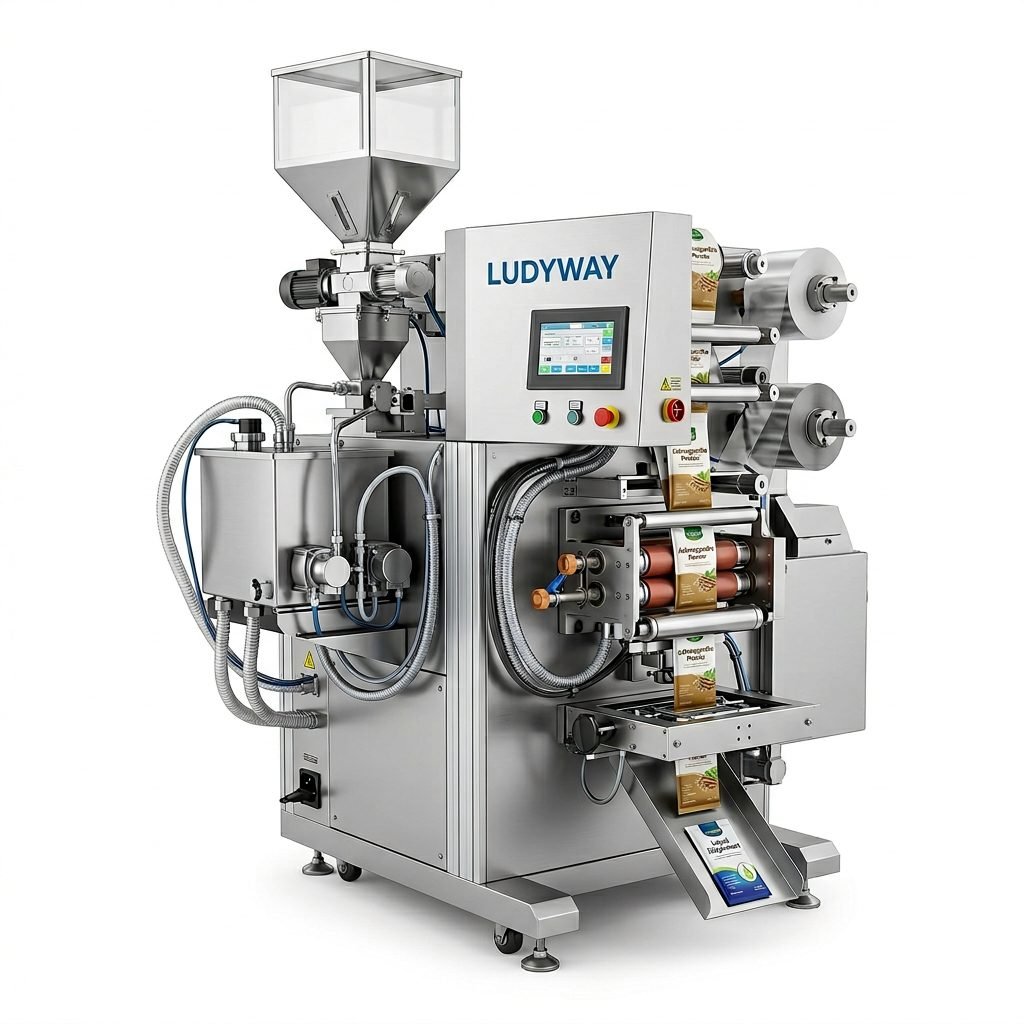
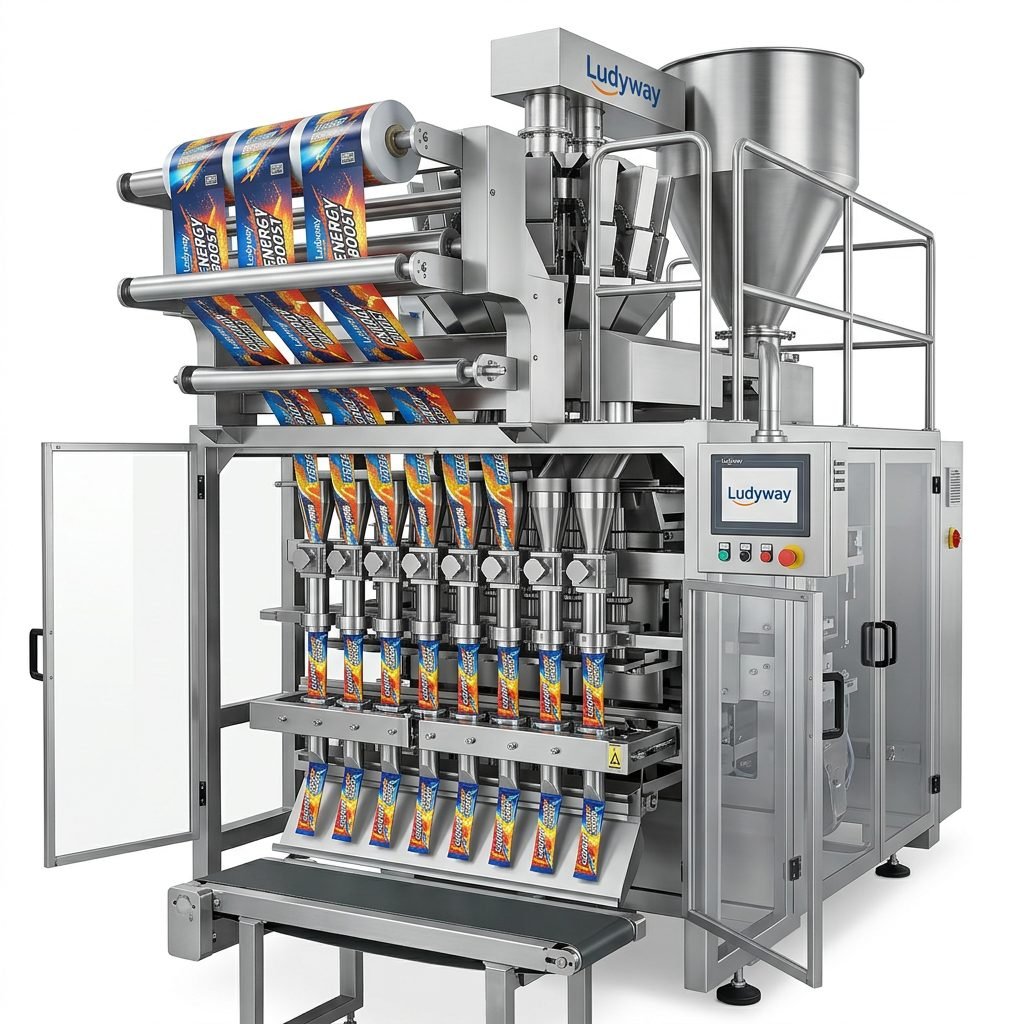
For sachet and stick pack applications, multi-lane packaging machinery continues to grow in popularity. These machines are especially useful for powders, granules, liquids, gels, and health supplements where high output is required in compact packaging formats.
Compared with single-lane systems, multi-lane machines can significantly increase production capacity without requiring a proportional increase in floor space. This makes them attractive for brands scaling up fast-moving products.
| Machine Type | Best For | Buyer Advantage |
|---|---|---|
| Single-lane machine | Small batches, startups, testing | Lower initial investment |
| Multi-lane sachet machine | High-volume powder, liquid, gel products | Higher output and better cost per pack |
| Multi-lane stick pack machine | Functional powders, supplements, drink mixes | Compact format with strong market appeal |
3. Flexibility Is Becoming a Core Buying Standard
Many buyers no longer want equipment designed for only one product and one format. Today’s market demands flexible packaging machinery that can handle multiple SKUs, different filling ranges, and changing packaging materials.
This is especially important for contract manufacturers and brands with seasonal or promotional packaging programs. Flexible equipment can shorten changeover time and improve return on investment.
Features to look for
- Quick tool-free or low-tool changeovers
- Adjustable dosing systems for powders, granules, liquids, or pastes
- Compatibility with different pouch or sachet dimensions
- User-friendly HMI for recipe storage and parameter switching
- Modular line design for future expansion
Buyers should ask suppliers not only what the machine can run today, but also how easily it can support tomorrow’s product portfolio.
4. Smart Monitoring and Data Integration Are Rising Fast
Packaging machinery is becoming more intelligent. New systems increasingly include remote diagnostics, production data monitoring, alarm tracking, and maintenance reminders. These features help factories improve uptime and make faster decisions.
For buyers, this means machinery should be evaluated not just on mechanical structure, but also on its digital capabilities. Smart packaging lines can deliver measurable gains in:
- Preventive maintenance planning
- Downtime analysis
- Production reporting
- Quality control documentation
- Remote service efficiency
In export projects, remote support is especially valuable because it can reduce the time and cost associated with on-site service visits.
5. Turnkey Packaging Lines Are Preferred Over Isolated Machines
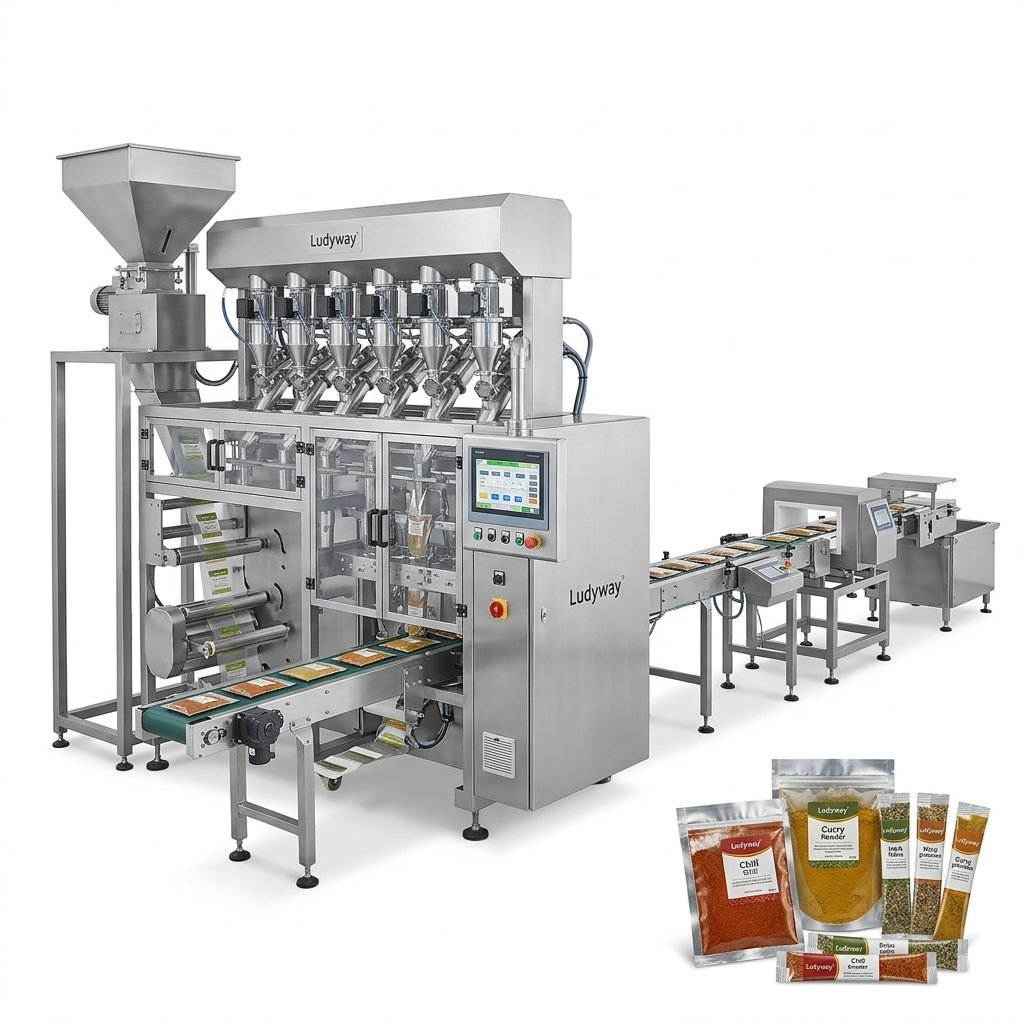
Another major trend is the growing preference for complete line integration. Instead of sourcing each machine from different suppliers, many buyers now prefer a single-source turnkey solution that includes product feeding, packaging, coding, inspection, secondary packaging, and end-of-line handling.
This approach simplifies project management, improves line compatibility, and reduces the risk of communication gaps between multiple vendors.
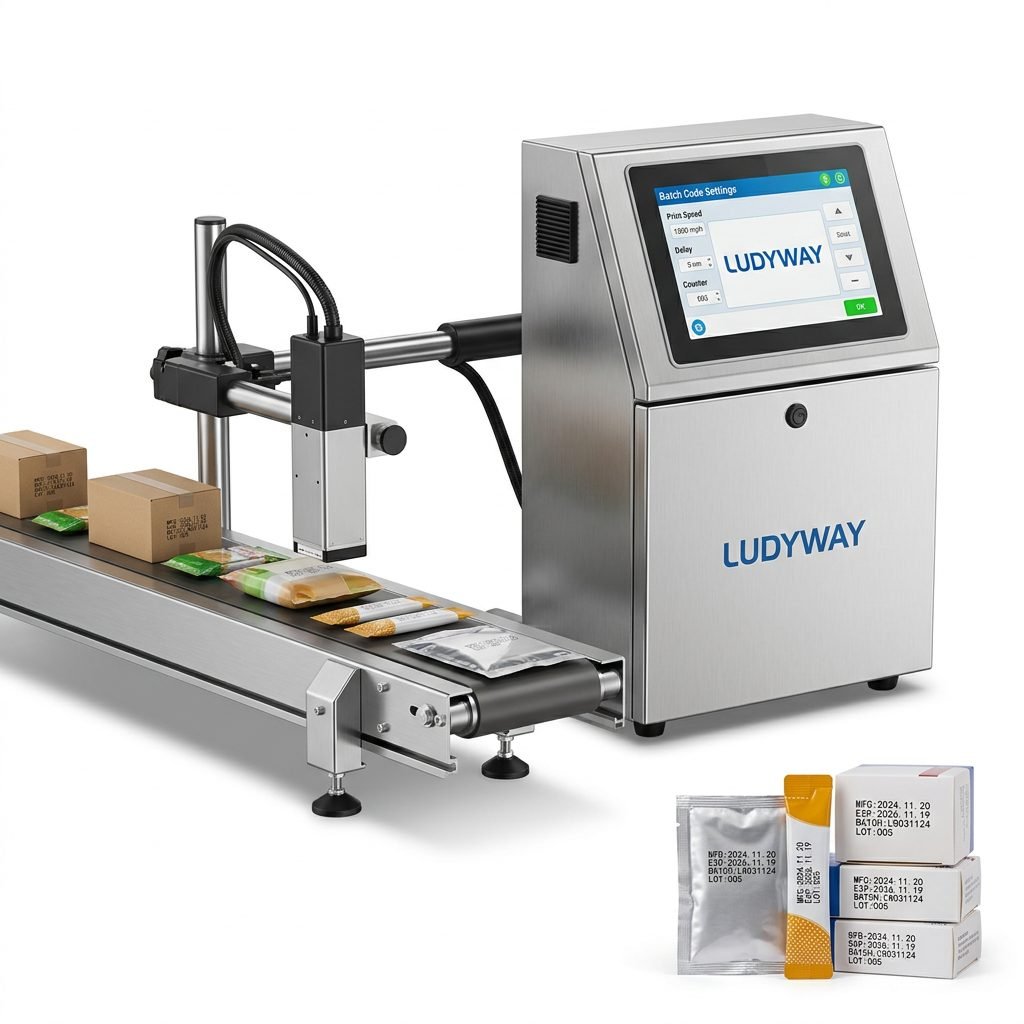
Buyers considering integrated systems often work with experienced manufacturers such as Ludyway packaging machinery supplier when they need scalable machines or complete turnkey packaging line solutions across food, pharma, cosmetics, and related sectors.
Benefits of turnkey projects
| Benefit | How It Helps Buyers |
|---|---|
| Unified engineering | Better compatibility between machines |
| Simplified communication | One project team, one responsibility chain |
| Faster commissioning | Reduced integration delays |
| Future expandability | Easier upgrades as capacity grows |
6. Hygiene, Compliance, and Validation Matter More Than Ever
For food, pharmaceutical, and health supplement packaging, machinery buyers are placing stronger emphasis on sanitary design and regulatory readiness. Smooth contact surfaces, easy-clean structures, dust control, accurate dosing, and validation-friendly systems are all becoming critical purchase factors.
In regulated industries, a machine that runs fast but lacks proper compliance support can create long-term operational problems. Buyers should assess:
- Material contact part standards
- Cleaning and washdown convenience
- Dust-proof or contamination-control measures
- Batch coding and traceability support
- Documentation for qualification and maintenance
7. Sustainable Packaging Compatibility Is Growing in Importance
Sustainability is influencing machinery selection across global markets. More brands are testing recyclable, reduced-gauge, or alternative packaging materials. As a result, buyers want machines capable of running newer film structures without sacrificing seal integrity or speed.
Even when sustainability goals are still developing, it is wise to ask whether the machinery can adapt to future packaging material changes. This protects the investment and avoids early obsolescence.
Buyer checklist for sustainable readiness
- Can the machine run different film types?
- Does it maintain stable sealing with thinner materials?
- Is waste during setup and changeover minimized?
- Can energy consumption be monitored or optimized?
8. Customization Is Replacing One-Size-Fits-All Equipment
Standard machines still have value, but more buyers now require application-specific customization. Product characteristics such as flowability, moisture level, particle size, viscosity, and packaging format all affect machine configuration.
A powder supplement line, for example, may require different feeding, dosing, nitrogen flushing, and coding features than a cosmetic cream or liquid condiment line. The best machinery suppliers increasingly offer custom engineering based on real production needs.
This trend is especially visible in sectors such as:
- Sports nutrition and health supplements
- Pharmaceutical granules and powders
- Sauce, seasoning, and instant beverage products
- Cosmetic sachets and personal care samples
- Chemical and daily-use consumer products
9. Total Cost of Ownership Is Replacing Low-Price Purchasing
Experienced buyers are looking beyond initial machine price. The real question is how much value the equipment delivers over years of operation. A lower-cost machine may become expensive if it causes downtime, material waste, unstable sealing, or poor after-sales support.
Today, smart buyers compare packaging machinery using a broader framework:
| Evaluation Factor | Why It Matters |
|---|---|
| Initial purchase cost | Budget and project approval |
| Operating stability | Direct impact on output and labor efficiency |
| Maintenance requirements | Affects downtime and spare parts cost |
| Material waste | Influences packaging cost and sustainability |
| Technical support | Critical for installation, training, and troubleshooting |
10. Buyers Need to Ask Better Questions Before Ordering
Trends are useful, but successful purchasing depends on asking the right technical and commercial questions. Before choosing a packaging machine or line, buyers should verify both current performance and future adaptability.
Key questions to ask suppliers
- What products and packaging formats has this machine already run successfully?
- What is the realistic speed under actual production conditions?
- How long does format changeover take?
- What spare parts and service support are available for export markets?
- Can the line be expanded later with coding, cartoning, inspection, or palletizing?
- What quality control steps are used during manufacturing and testing?
- Can the supplier provide trial videos, FAT support, or reference projects?
Final Buying Insight
The latest packaging machinery trends point in one clear direction: buyers need equipment that is automated, flexible, data-capable, scalable, and application-driven. Speed alone is no longer enough. The best packaging investment is one that matches your product, your compliance needs, your labor realities, and your long-term business plan.
If you are evaluating new packaging equipment, focus on system compatibility, customization potential, service support, and total lifecycle value. Those factors will have a much greater impact on business performance than price alone.