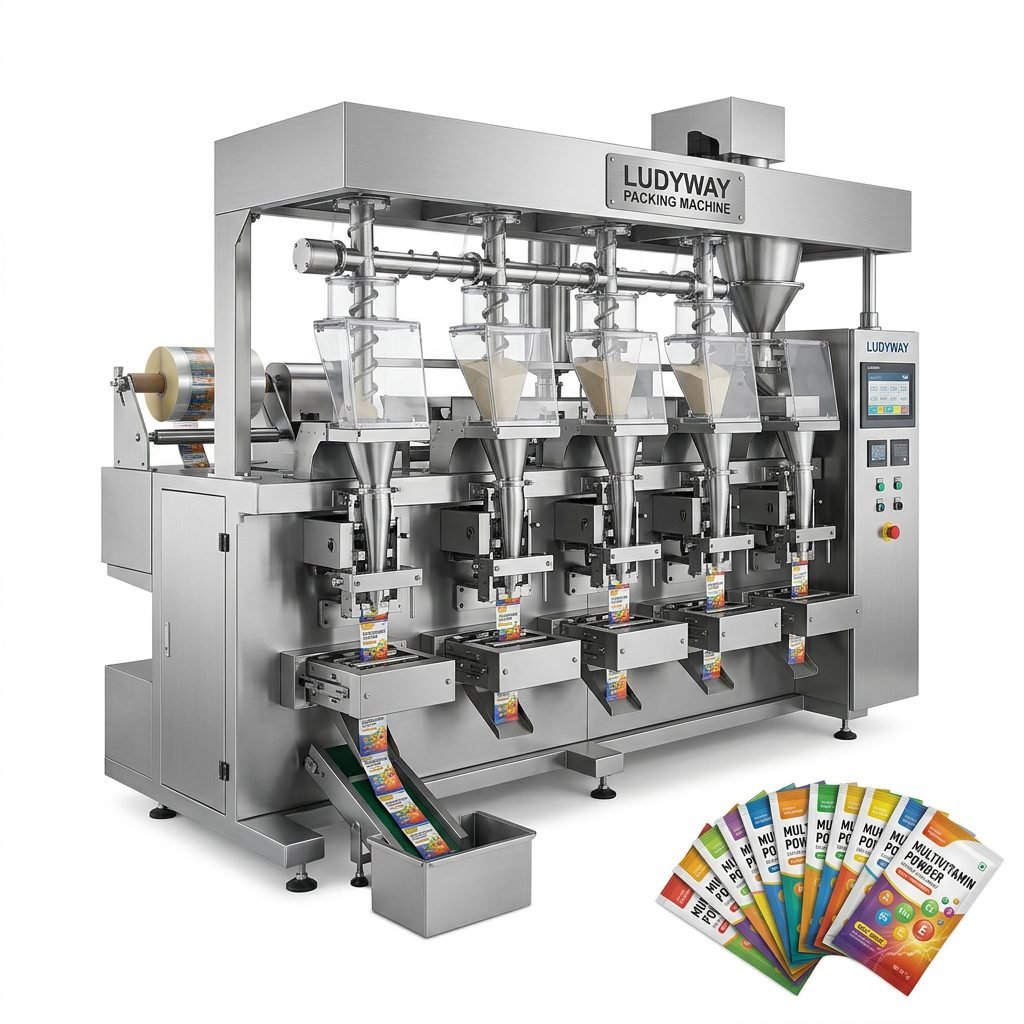
A shrink wrap packing machine is a smart solution for businesses that need clean presentation, secure product bundling, and faster end-of-line packaging. Whether you pack food trays, bottles, cartons, pharmaceuticals, cosmetics, or industrial products, the right system can improve output, reduce labor pressure, and protect goods during storage and shipping.
In modern manufacturing, shrink wrapping is no longer just about appearance. It plays an important role in product protection, tamper evidence, transport stability, and retail-ready packaging. Choosing the best machine means understanding film types, sealing methods, automation level, product size, and line integration requirements.
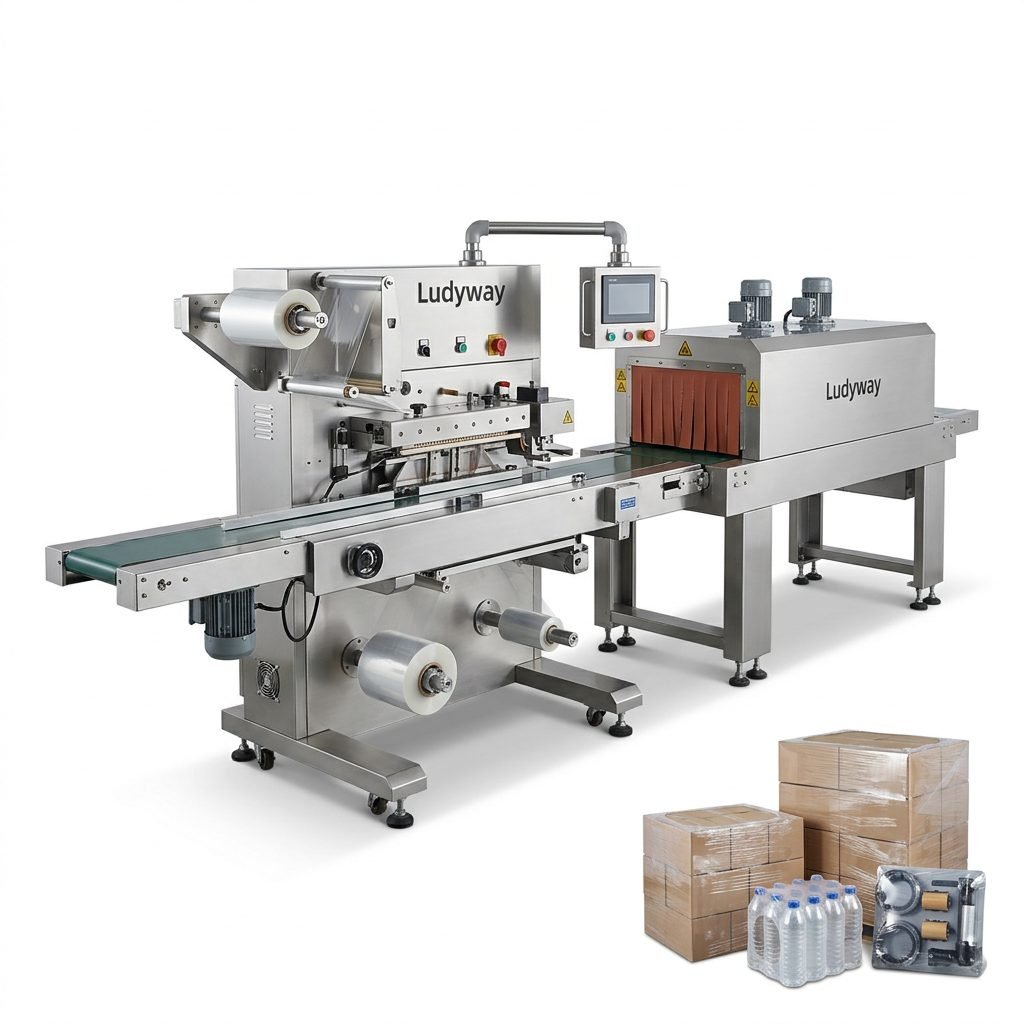
What Is a Shrink Wrap Packing Machine?
A shrink wrap packing machine applies plastic film around a product or group of products, then uses heat to shrink the film tightly around the package. The result is a compact, protective, and visually appealing pack. These machines are commonly used across food, beverage, medical, personal care, electronics, and household product industries.
Depending on the application, a shrink wrapping system may include:
- Automatic product feeding
- L-bar sealing or side sealing
- Shrink tunnel heating
- Conveying and discharge systems
- Printing, labeling, or inspection modules
How the Shrink Wrapping Process Works
- Product infeed: Items enter the wrapping section manually or automatically.
- Film wrapping: Shrink film surrounds the product.
- Sealing: The machine seals the film edges.
- Heat shrinking: The package passes through a shrink tunnel or heat zone.
- Cooling and discharge: The wrapped product exits ready for boxing, palletizing, or retail display.
The final package is neat, tightly sealed, and suitable for both single-item and multipack applications.
Main Benefits of Using a Shrink Wrap Packing Machine
| Benefit | Why It Matters |
|---|---|
| Improved product protection | Helps protect products from dust, moisture, and handling damage. |
| Better shelf appearance | Creates a clear, tight, and professional retail-ready finish. |
| Bundling efficiency | Combines multiple products into one stable pack for shipping or promotion. |
| Lower labor needs | Automation reduces manual wrapping and sealing operations. |
| Consistent packaging quality | Stable temperature and sealing control improve pack consistency. |
| Transport stability | Reduces shifting and keeps grouped items together in logistics. |
Types of Shrink Wrap Packing Machines
Manual Shrink Wrap Machines
Suitable for small businesses, startup production, and low-volume packaging. These machines require more operator involvement and are best for simple products with limited daily output.
Semi-Automatic Shrink Wrap Machines
A good option for growing operations that want better speed without moving to a fully integrated line. Operators still load products, but sealing and shrinking are more controlled and efficient.
Automatic Shrink Wrap Machines
Designed for medium- to high-volume manufacturers. These systems can connect with conveyors, cartoners, case packers, and palletizers. They offer higher throughput, improved consistency, and reduced manual handling.
Sleeve Wrapping Machines
Often used for beverage packs, bottles, jars, cartons, and multipacks. Sleeve wrappers are ideal for heavy or grouped products that need strong transport stability.
L-Bar Sealers and Side Sealers
These are popular for retail products, boxed items, books, cosmetics, and pharmaceuticals. Side seal systems are especially useful for long or varying product lengths.
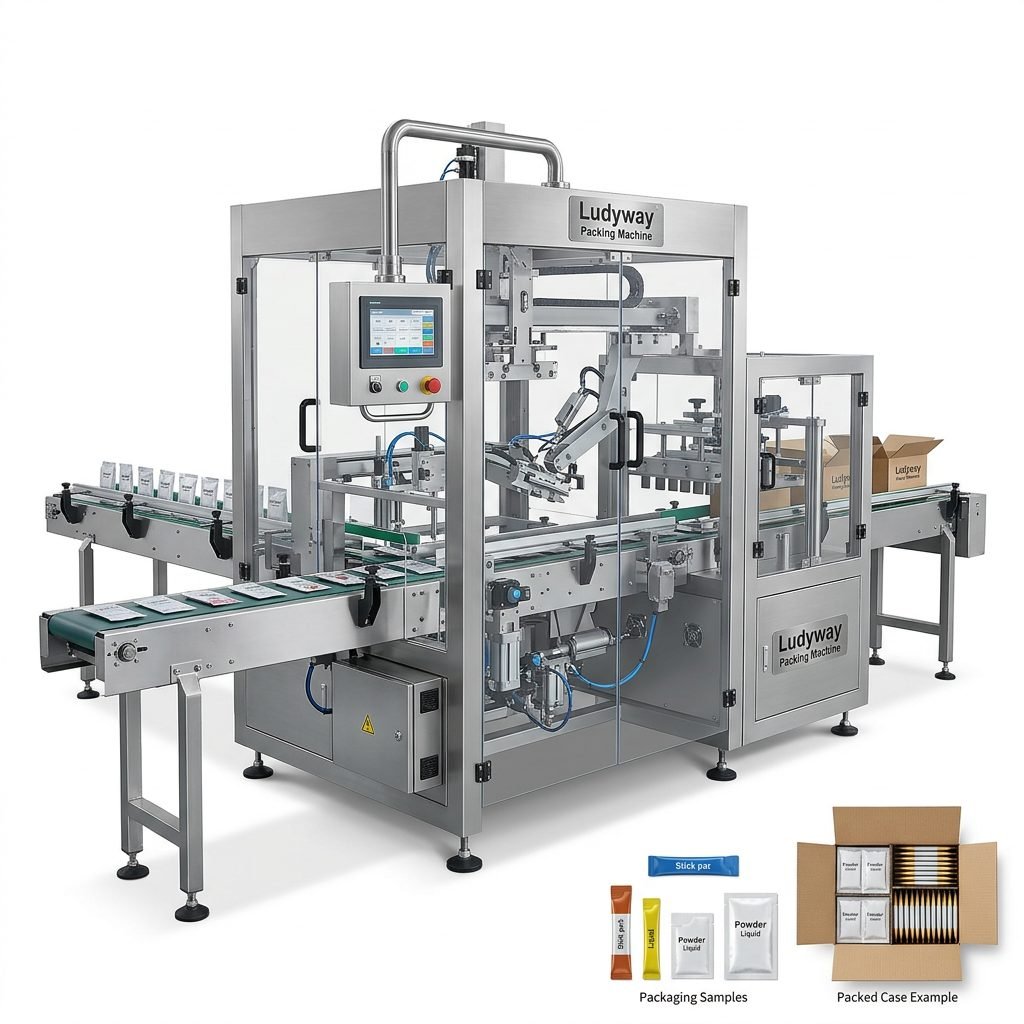
Industries That Commonly Use Shrink Wrap Packaging
- Food and beverage
- Pharmaceutical and healthcare
- Cosmetic and personal care
- Household chemicals
- Electronics and accessories
- Printed materials and stationery
- Industrial and hardware products
For example, shrink wrapping is widely used to bundle bottled drinks, protect medicine cartons, group cosmetic kits, and stabilize multipacks before secondary packaging.
Key Features to Look For
1. Packaging Speed
Check the machine’s output range per minute or per hour. Match speed to your real production demand, not just peak estimates.
2. Product Size Flexibility
If you handle multiple SKUs, choose a machine with quick size changeover and adjustable guides.
3. Film Compatibility
Make sure the machine supports the right shrink film, such as POF, PE, or PVC, based on your product type and market requirements.
4. Seal Quality
A reliable sealing system prevents weak seams, film burn, and package failure during shipping.
5. Heat Tunnel Performance
Good airflow design and temperature stability are essential for tight, even shrink results.
6. Automation and Integration
Many factories need shrink wrapping to connect with filling, cartoning, coding, inspection, and palletizing systems.
7. Maintenance Simplicity
Easy cleaning, accessible components, and stable electrical design help reduce downtime.
Best Shrink Film Options
| Film Type | Typical Use | Advantages |
|---|---|---|
| POF | Retail packs, food, cosmetics, pharma | Clear appearance, strong seals, good versatility |
| PE | Multipacks, heavy products, transport packs | Durable, strong, suitable for bundling |
| PVC | Some retail applications | Good shrinkability, though less preferred in many markets today |
How to Choose the Right Machine for Your Business
Before buying, evaluate your packaging line in practical terms. The best machine is the one that fits your product, factory layout, and future growth plans.
- Product type: carton, bottle, can, tray, pouch, or bundle
- Product dimensions: size range and shape consistency
- Output target: current and future production capacity
- Film preference: cost, strength, appearance, compliance
- Available floor space: compact or full-line installation
- Labor availability: manual vs. automated operation
- Downstream equipment: need for cartoning, coding, boxing, palletizing
- Budget and ROI: purchase cost, maintenance, film consumption, labor savings
When a Turnkey Packaging Line Makes More Sense
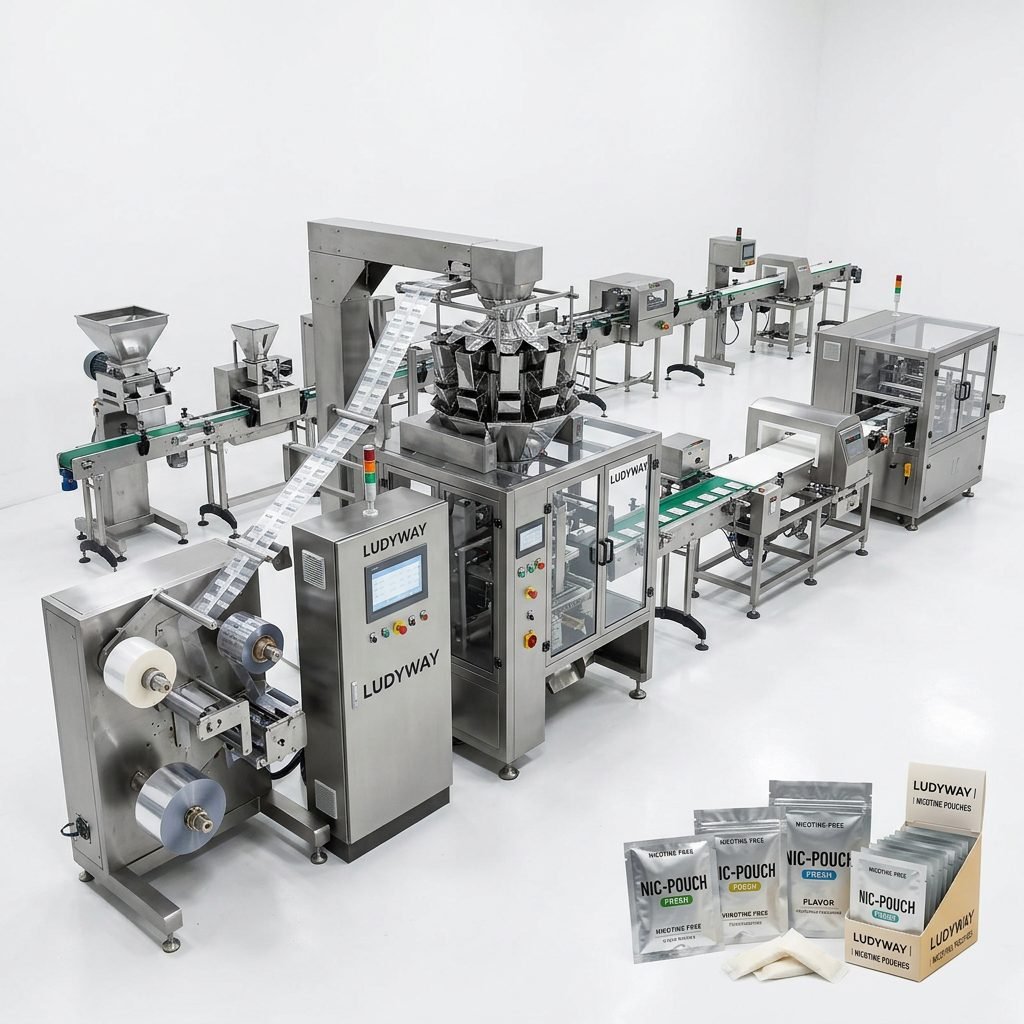
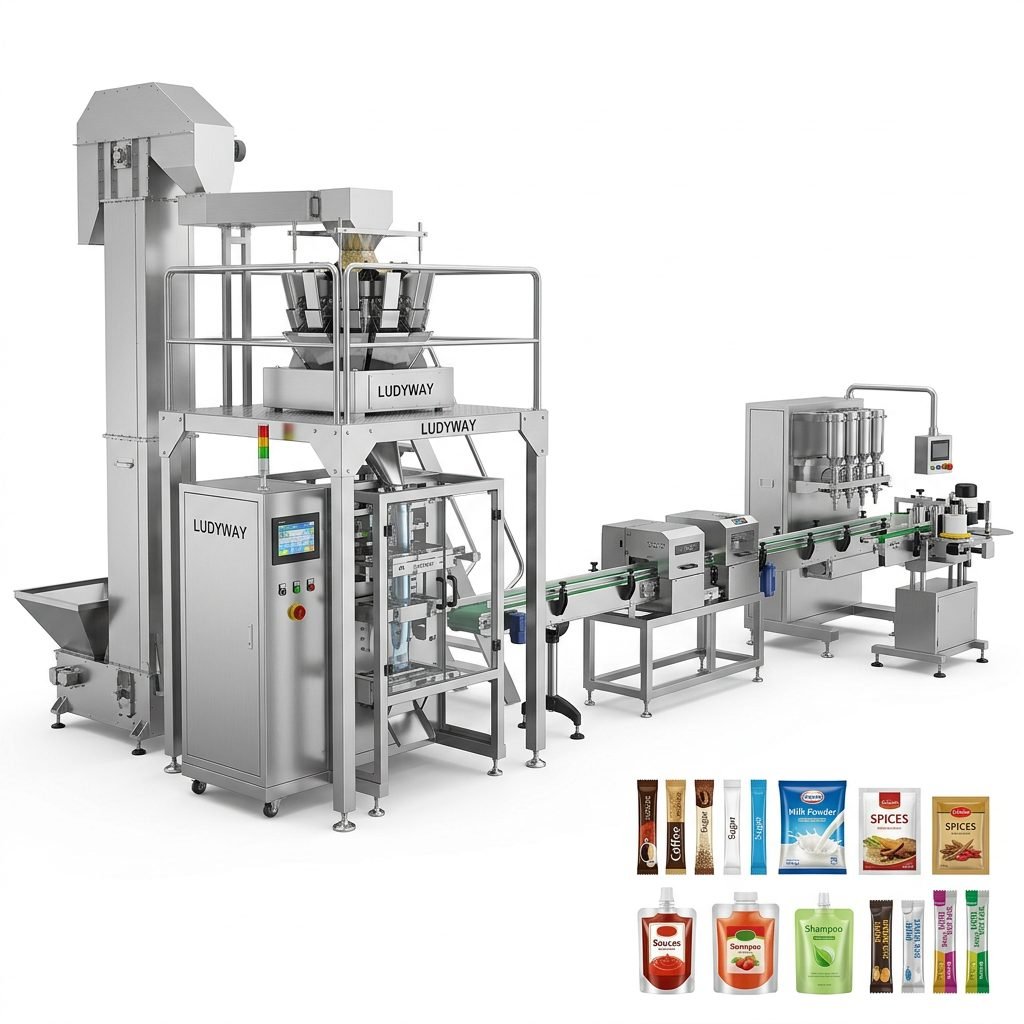
For manufacturers with larger output requirements, a standalone shrink wrapper may not be enough. In many cases, it is more efficient to invest in a complete packaging line that includes product feeding, primary packaging, secondary packaging, coding, inspection, case packing, and pallet handling.
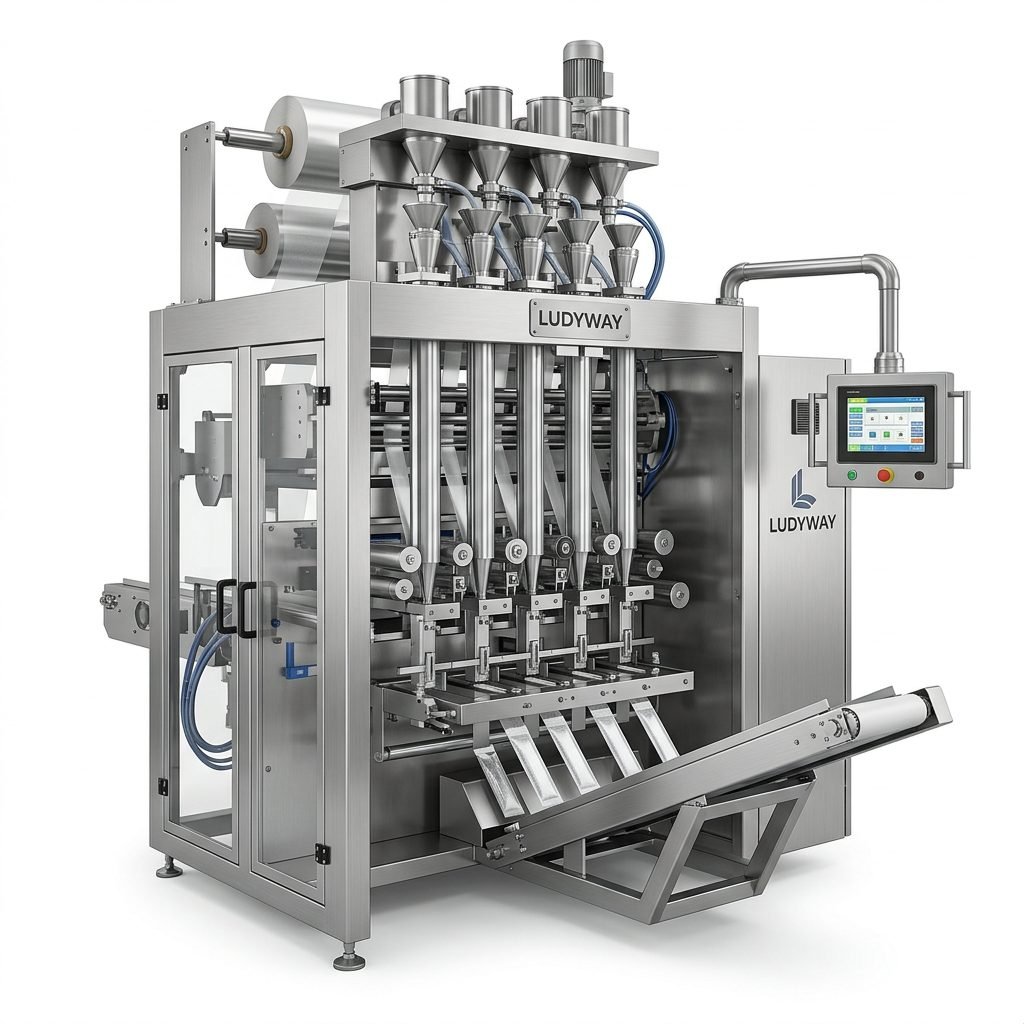
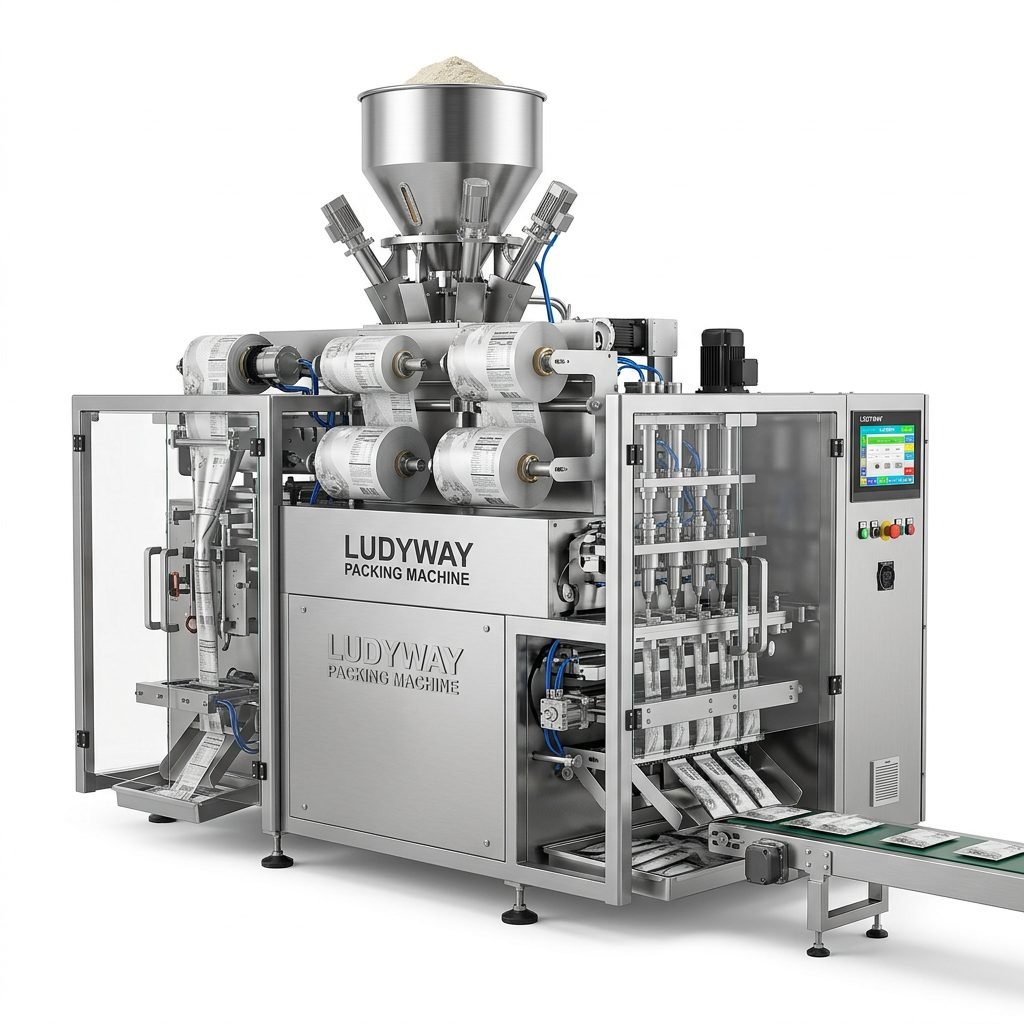
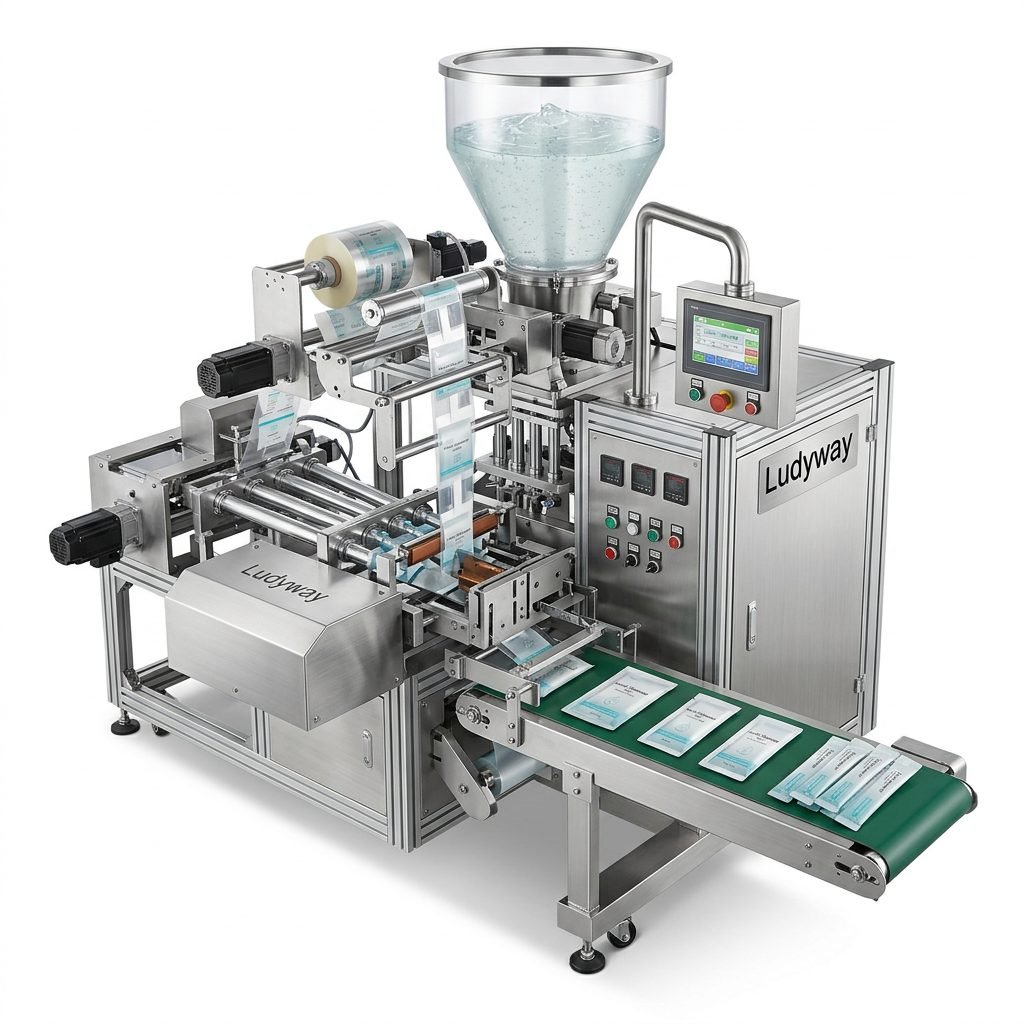
Companies looking for integrated automation often work with experienced manufacturers such as Ludyway packaging machine manufacturer, known for supplying customized packaging equipment and turnkey lines for food, pharmaceutical, cosmetic, chemical, and related industries.
Common Applications of Shrink Wrapping in Production Lines
Food Packaging
Shrink wrapping is used for snack boxes, seasoning packs, bakery products, bottled drinks, and promotional multipacks. It improves display quality while helping protect packaged goods.
Pharmaceutical Packaging
Medicine cartons, supplement boxes, and healthcare products often use shrink film for tamper-evident presentation and cleaner transport handling.
Cosmetic Packaging
Beauty kits, cream boxes, lotion packs, and personal care products benefit from the premium look created by clear shrink film.
Household and Chemical Products
Shrink wrap helps bundle cleaning products, refill packs, and industrial consumables while reducing packaging looseness during shipping.
Common Problems and How to Avoid Them
| Problem | Possible Cause | Solution |
|---|---|---|
| Loose film | Low tunnel temperature or poor airflow | Adjust heat settings and airflow distribution |
| Burned film | Excessive heat or slow conveyor speed | Reduce temperature or increase line speed |
| Weak seals | Incorrect sealing temperature or worn blade | Calibrate sealer and inspect sealing parts |
| Wrinkles | Film mismatch or unstable product positioning | Use suitable film and improve infeed alignment |
| Frequent downtime | Poor maintenance or low-quality components | Create preventive maintenance schedules and choose reliable equipment |
Maintenance Tips for Long-Term Performance
- Clean sealing areas regularly
- Inspect blades, belts, rollers, and sensors
- Check tunnel temperature consistency
- Monitor film tension and alignment
- Lubricate moving parts where required
- Train operators on daily inspection routines
- Keep spare wear parts available to reduce downtime
Shrink Wrap Machine vs. Other Packaging Methods
Shrink Wrapping vs. Stretch Wrapping
Shrink wrapping uses heat to tighten film around a product, while stretch wrapping uses tension to wrap film, often around pallet loads. Shrink wrap is typically better for retail packs and grouped products, while stretch wrap is common for logistics pallets.
Shrink Wrapping vs. Cartoning
Shrink wrap offers a lighter and often more cost-effective package, while cartons provide stronger structural protection and branding space. Many factories use both methods in the same line.
Shrink Wrapping vs. Flow Wrapping
Flow wrapping is often used for individual products with horizontal film wrapping, while shrink wrapping is ideal for tighter final appearance and bundling after primary packing.
Who Should Invest in a Shrink Wrap Packing Machine?
This equipment is ideal for:
- Manufacturers increasing production volume
- Brands needing cleaner retail presentation
- Factories shipping bundled products
- Businesses reducing manual packaging labor
- Producers upgrading to automated end-of-line systems
Questions to Ask Before Buying
- What products will be wrapped now and in the future?
- What is the required output per hour?
- Do you need single packs, multipacks, or both?
- Which film material is most suitable for your market?
- Will the machine be standalone or line-integrated?
- How easy is changeover between product sizes?
- What technical support and spare parts are available?
- What is the expected return on investment?
Final Buying Insight
The best shrink wrap packing machine is not simply the fastest model on the market. It is the one that delivers the right balance of speed, reliability, film compatibility, seal quality, and integration capability for your operation.
If your business is expanding, choosing a scalable machine from an experienced packaging equipment supplier can help you improve efficiency today while preparing for future automation. A well-matched shrink wrapping solution can reduce packaging waste, improve product presentation, and support long-term production growth.