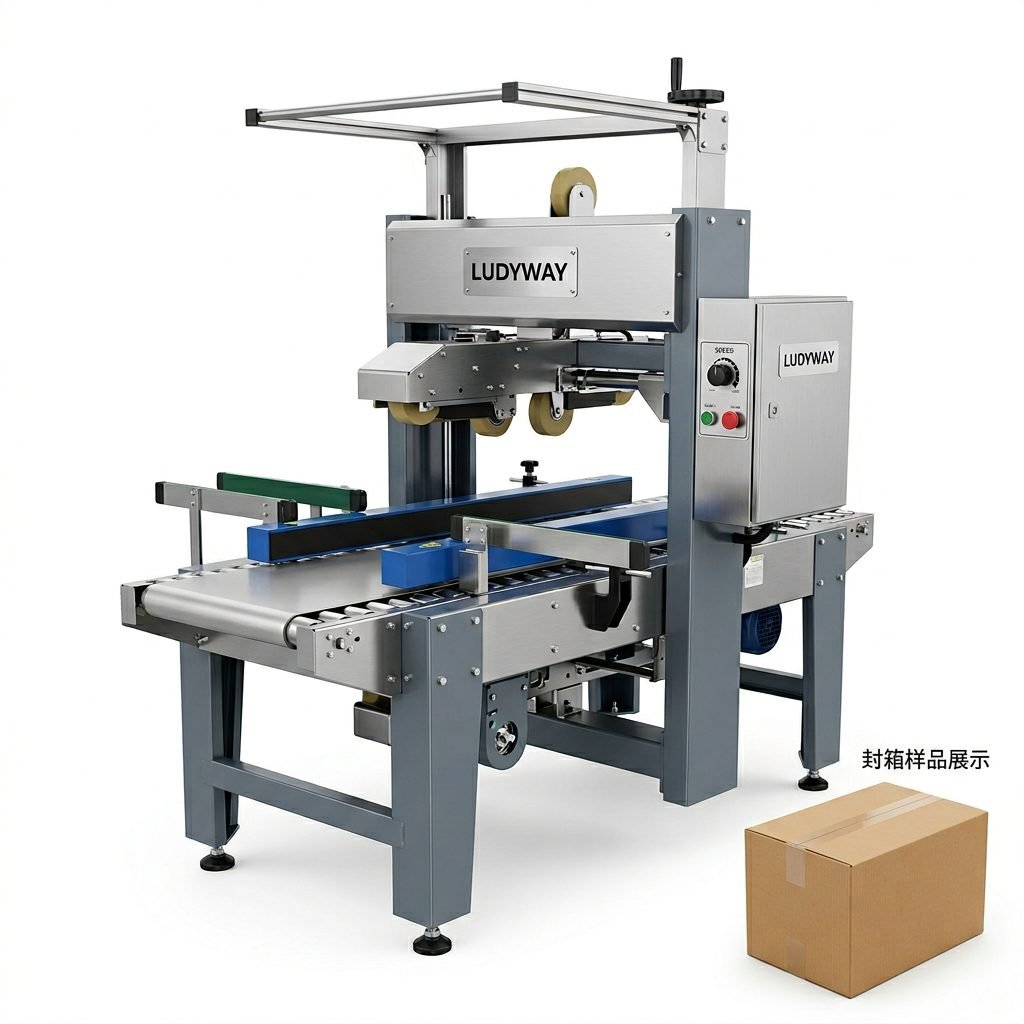
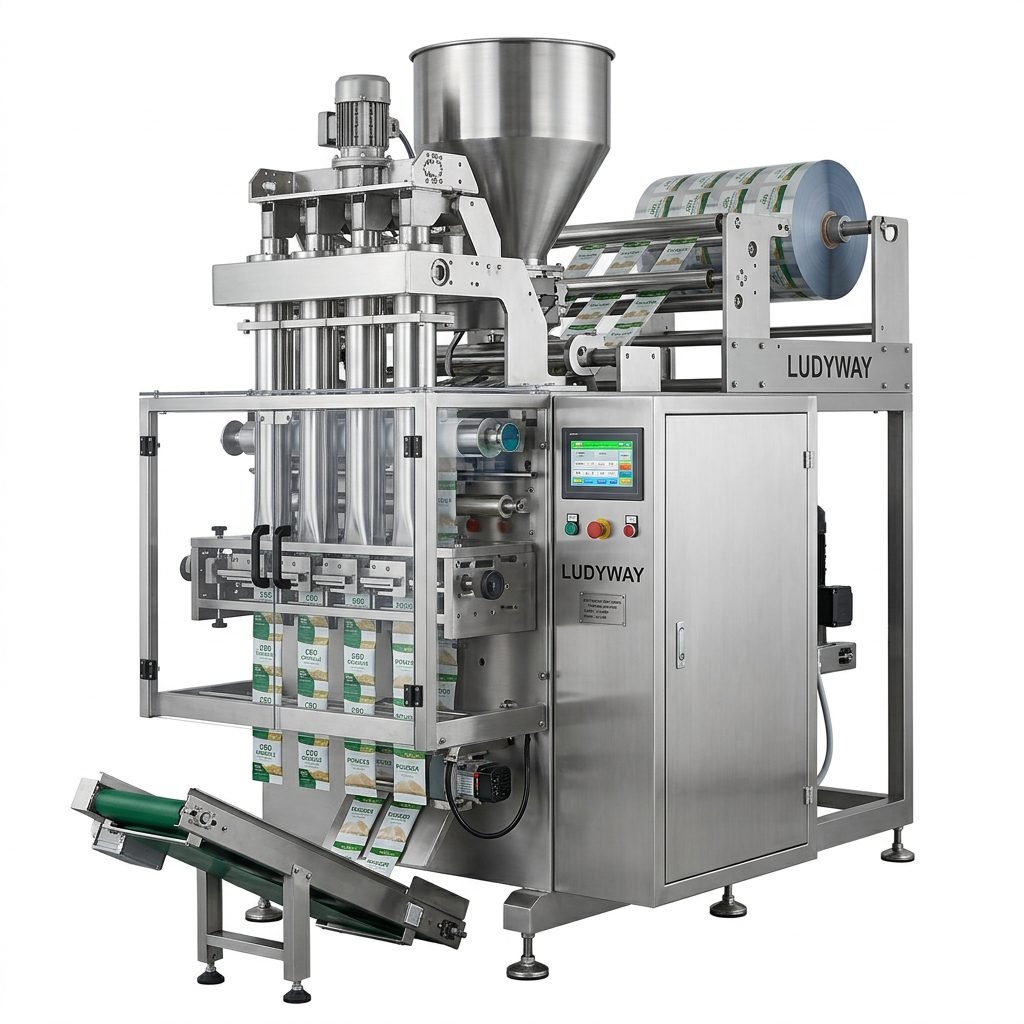
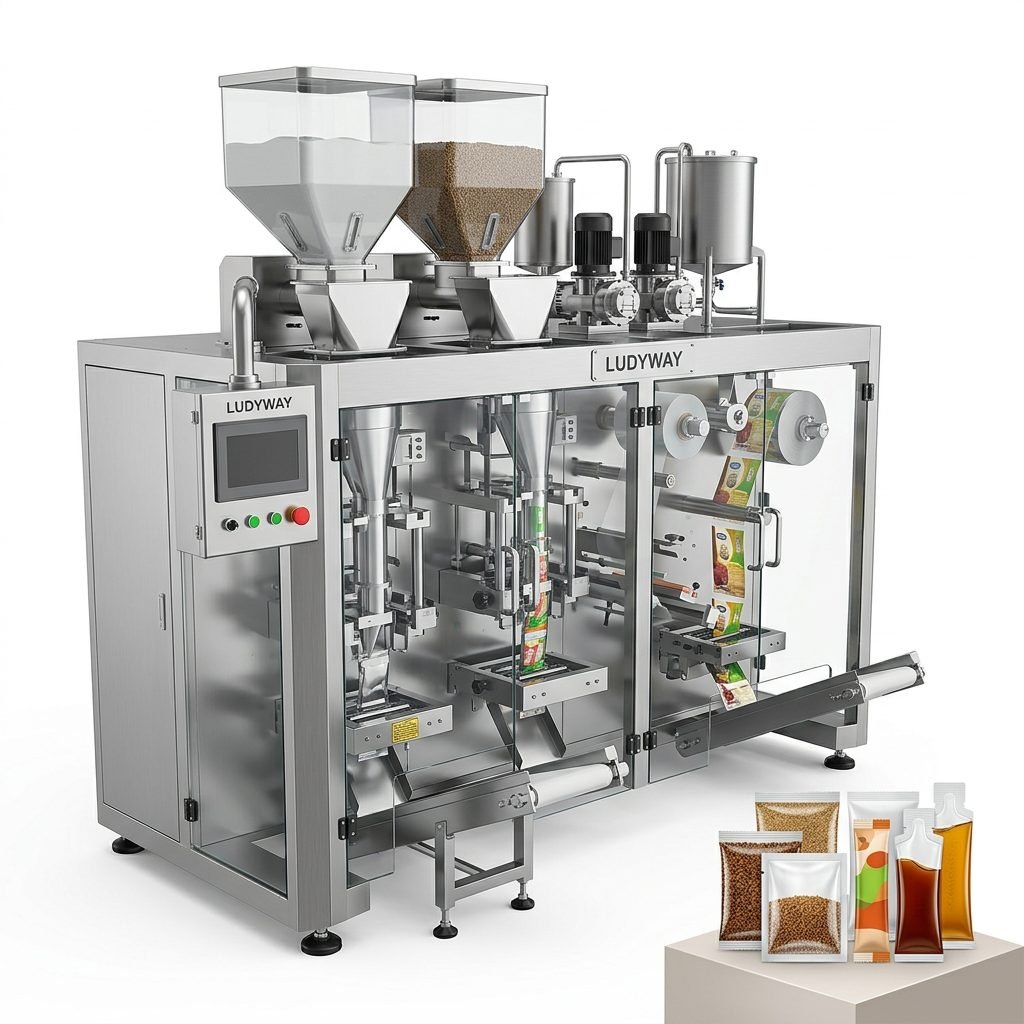
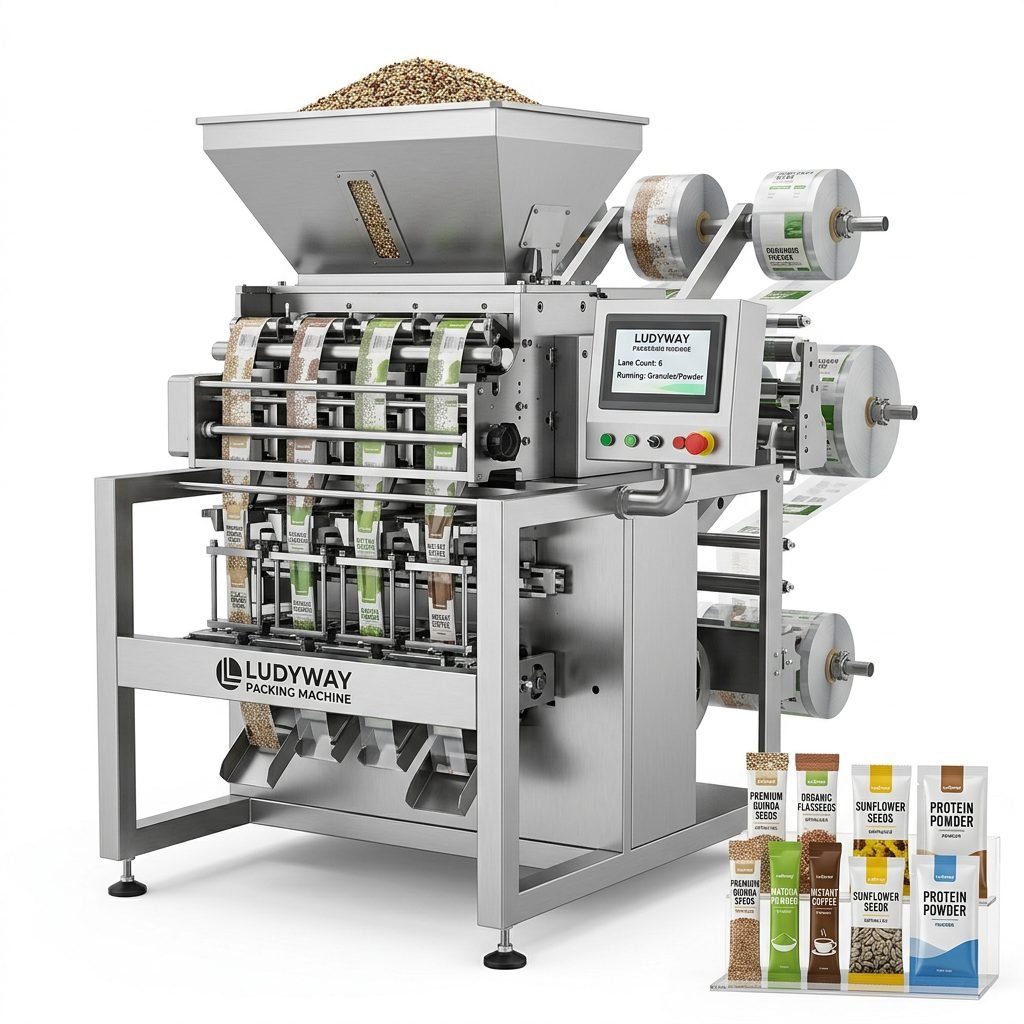
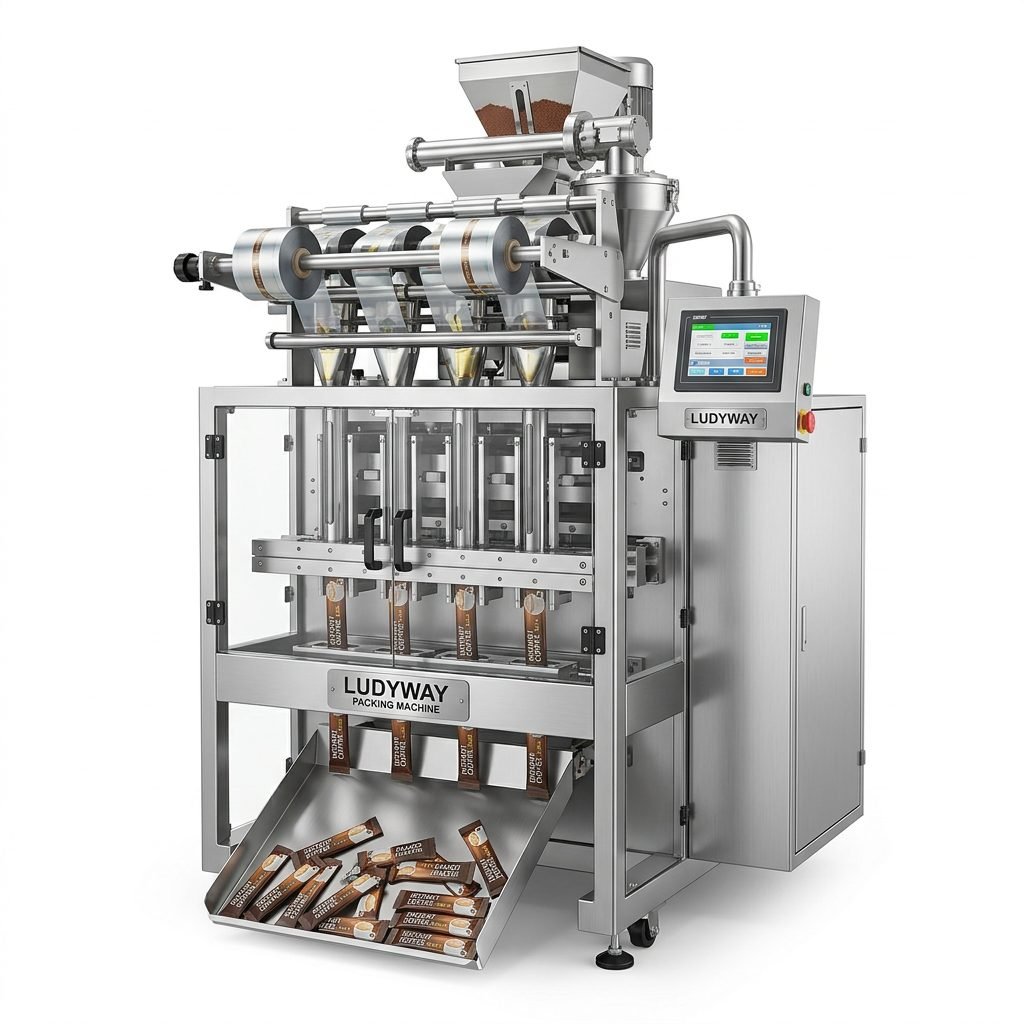
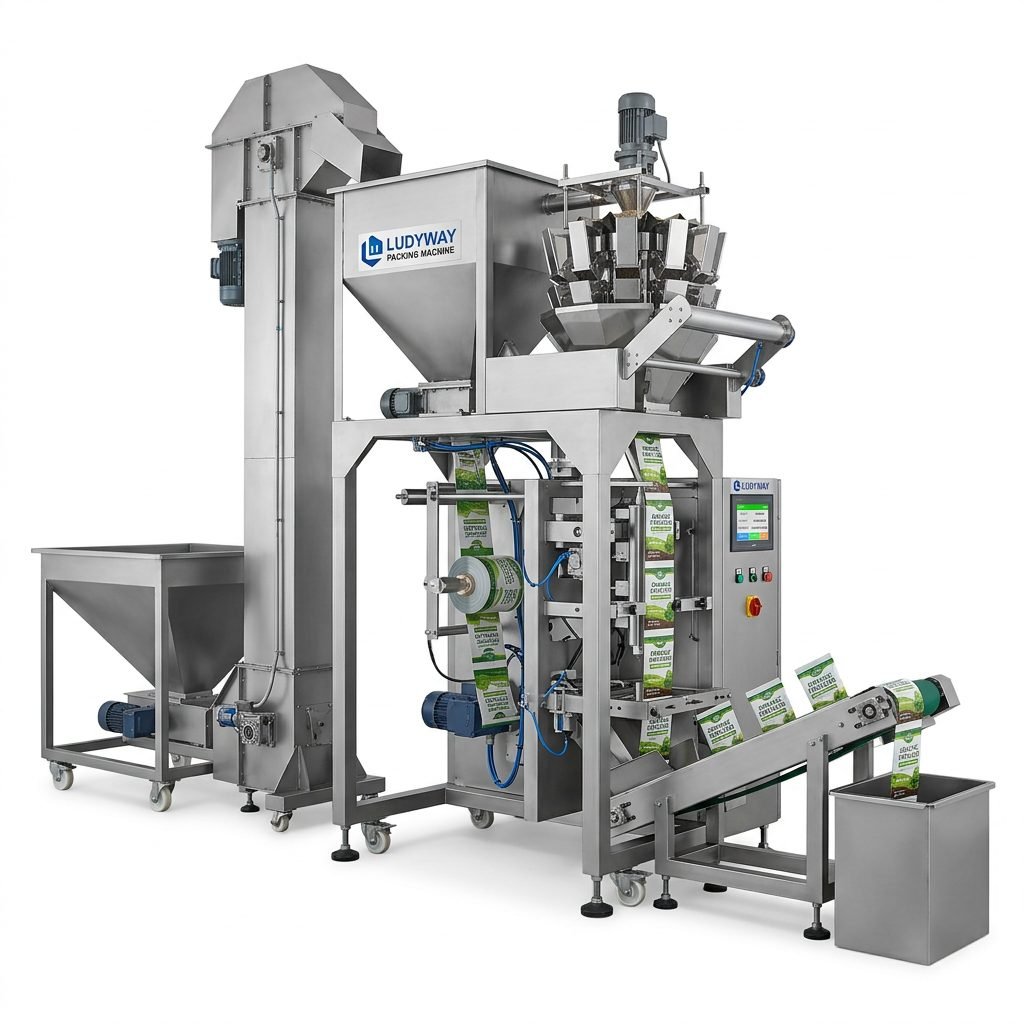
Small pouch filling and sealing machines have become a practical choice for manufacturers that need fast, precise, and flexible packaging for powders, liquids, and granules. From food and health supplements to pharmaceuticals, cosmetics, and chemical products, these systems help businesses improve output, reduce manual handling, and maintain reliable pouch quality across different product formats.
For companies looking to scale production without sacrificing accuracy, a modern pouch packaging solution can support multiple pack styles, automate repetitive tasks, and deliver consistent sealing performance in compact production spaces.
Why Small Pouch Packaging Is in High Demand
Small pouches are widely used because they are convenient, lightweight, cost-efficient, and easy to distribute. Brands prefer them for single-serve, trial-size, travel-size, and portion-controlled products. For manufacturers, pouch packaging also offers advantages in logistics, storage, and shelf presentation.
- Lower packaging material use compared with rigid containers in many applications
- Convenient pack sizes for retail, e-commerce, and sample distribution
- Improved production efficiency through automated filling and sealing
- Better consistency in weight, appearance, and sealing quality
- Compatibility with a wide range of powders, liquids, granules, and blends
What Is a Small Pouch Filling and Sealing Machine?
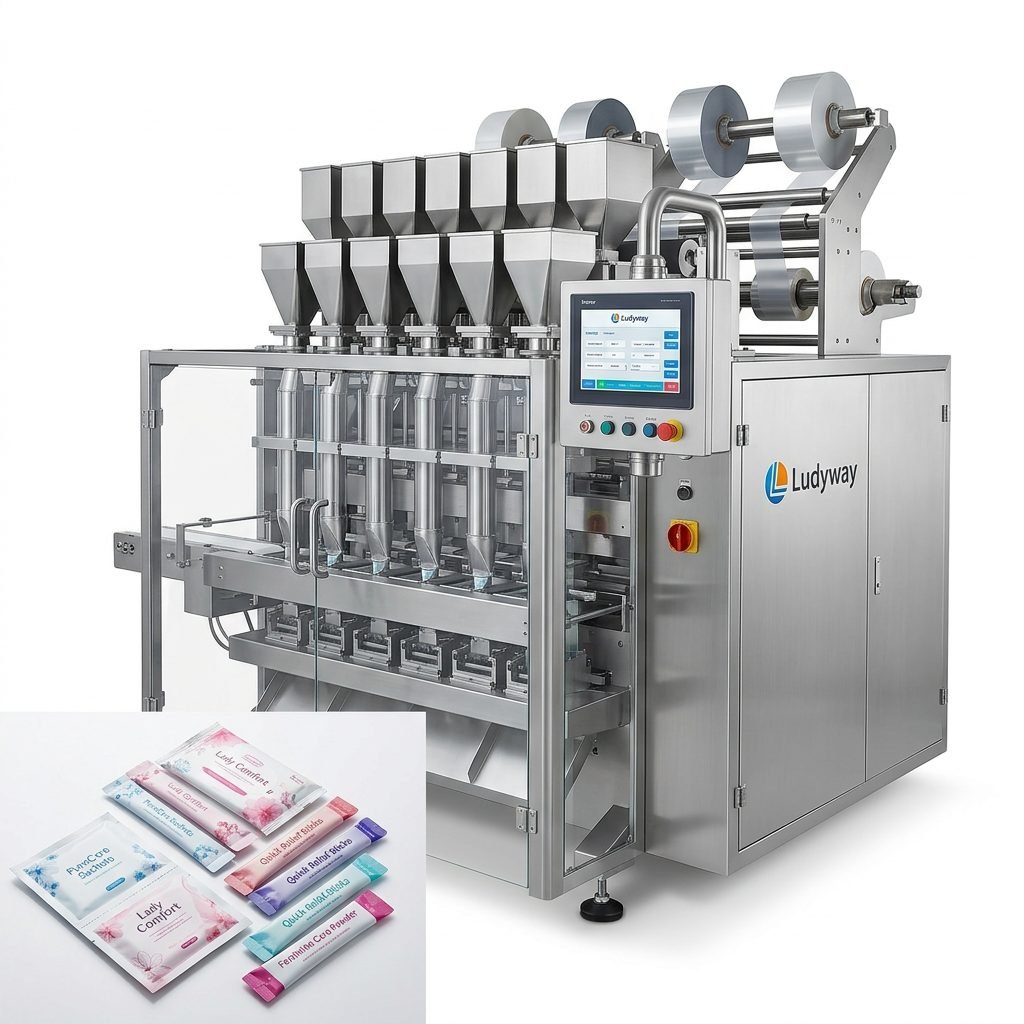
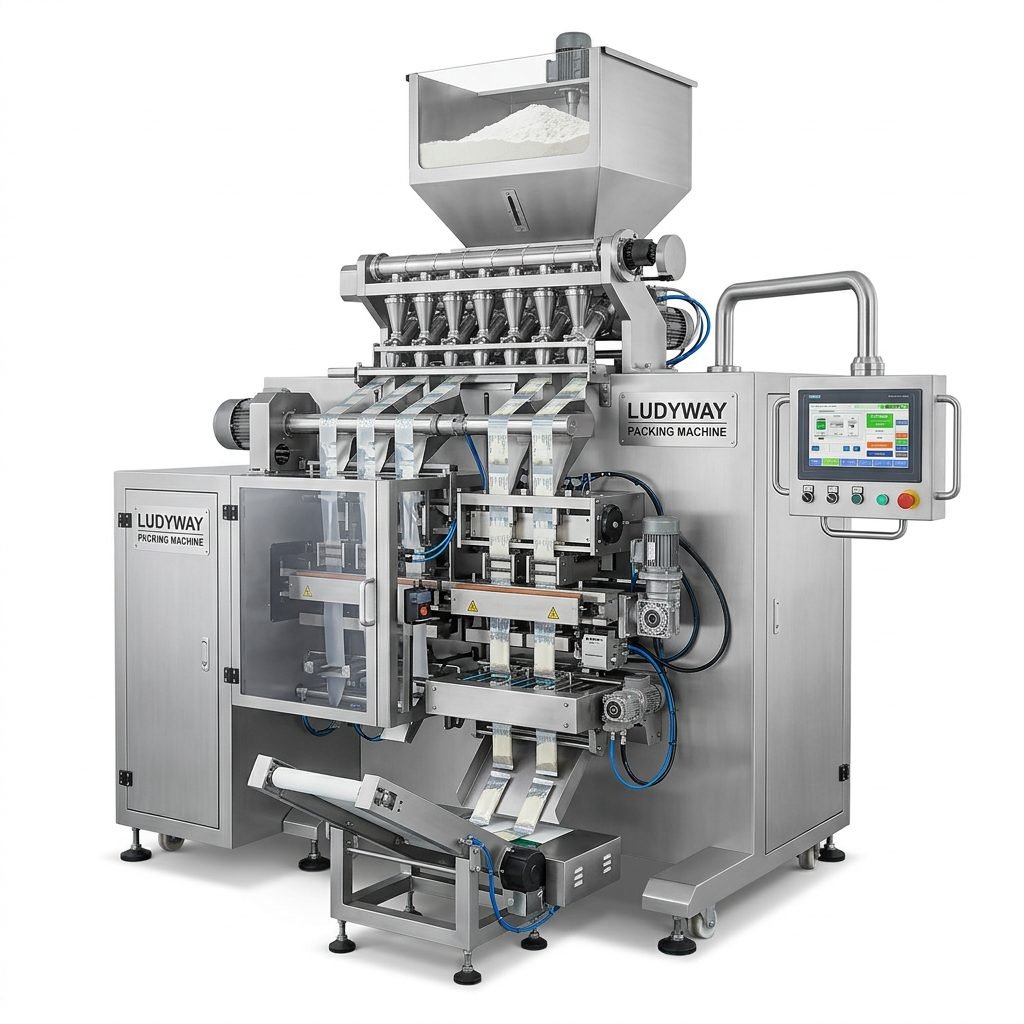
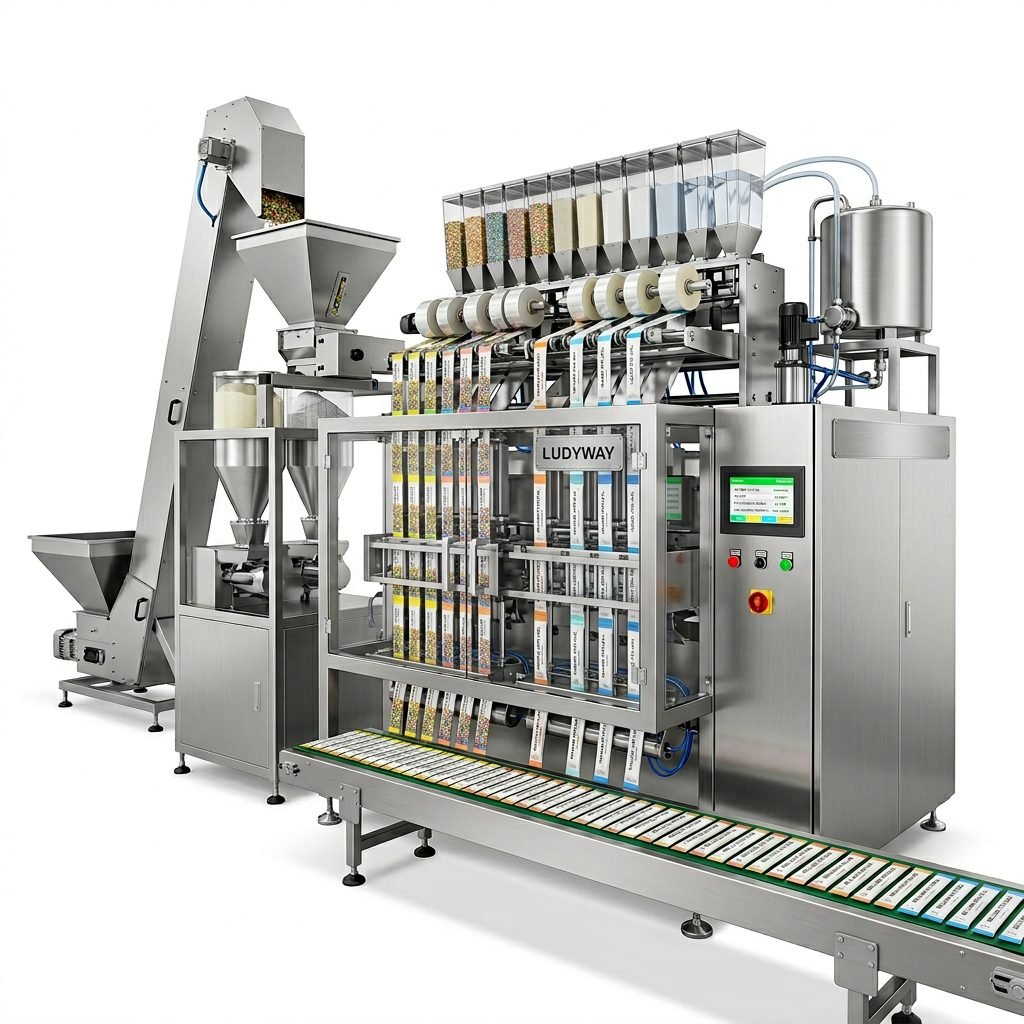
A small pouch filling and sealing machine is automated equipment designed to form, fill, or load a pouch with product, then seal it securely for transport and sale. Depending on the machine configuration, it can handle sachets, stick packs, premade pouches, or other compact flexible packaging formats.
These machines are commonly integrated with dosing systems such as auger fillers for powders, piston pumps for liquids and pastes, and weighing systems for granules. The result is a packaging line that balances speed, cleanliness, and dose accuracy.
Common packaging applications
- Protein powder, seasoning powder, coffee powder, milk powder
- Sauces, shampoo, lotion, serum, hand sanitizer, liquid soap
- Sugar, salt, seeds, grains, pet food granules, supplements
- Pharmaceutical powders and health product sachets
- Chemical powders, detergents, cleaning liquids, industrial additives
How the Machine Handles Different Product Types
One of the biggest strengths of a small pouch machine is its ability to work with products that behave very differently during filling. Correct configuration is essential for stable operation and accurate packaging.
| Product Type | Typical Filling Method | Common Applications | Key Benefit |
|---|---|---|---|
| Powder | Auger filler | Milk powder, spice powder, supplement powder | Accurate dosing with reduced dust loss |
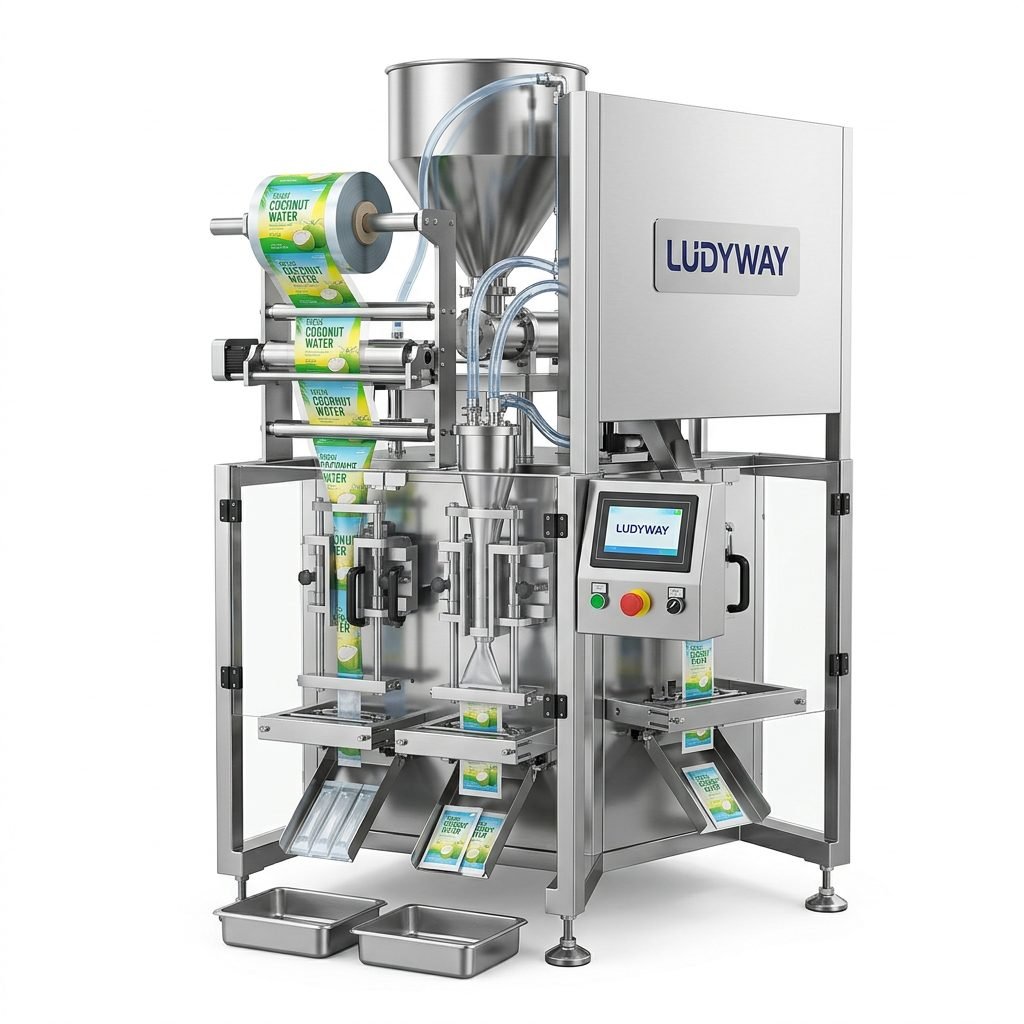
| Liquid | Piston pump or liquid pump | Sauce, shampoo, serum, sanitizer | Clean filling and leak-resistant sealing |
| Granule | Multi-head weigher or cup filler | Sugar, seeds, coffee beans, feed pellets | Stable weighing and efficient throughput |
For powder products
Powders often require precise screw feeding and dust control. Fine powders such as nutritional supplements, coffee mixes, or pharmaceutical powders can bridge, float, or scatter during filling. A suitable auger system and sealing area design help maintain both cleanliness and weight consistency.
For liquid products
Liquids and semi-liquids need a filling system that prevents dripping and protects seal integrity. This is especially important for products like shampoo, sauces, gels, cosmetic serums, and cleaning liquids. A good machine ensures repeatable fill volume and strong sealing to reduce leakage during transport.
For granule products
Granules flow differently depending on shape, density, and size. Uniform products such as salt or sugar may work well with volumetric systems, while irregular granules like nuts, seeds, or pet food often need weighing equipment for higher accuracy.
Main Benefits of Using a Small Pouch Filling and Sealing Machine
- Higher productivity through continuous automatic operation
- Reduced labor dependency and lower manual error rates
- Better dosage accuracy for expensive or sensitive products
- Improved package appearance and seal consistency
- Easy adaptation to multiple pouch sizes and product types
- Support for integrated coding, inspection, counting, and cartoning
These benefits are especially valuable for businesses moving from manual or semi-automatic packaging to a more scalable production model.
Key Features to Look for Before Buying
Not every small pouch packaging machine fits every product. Buyers should compare machine design, filling method, output target, and cleaning requirements before making a decision.
| Feature | Why It Matters |
|---|---|
| Filling accuracy | Helps control giveaway, meet compliance, and maintain product consistency |
| Seal strength | Prevents leakage, contamination, and returns |
| Changeover flexibility | Supports different pouch sizes and SKUs with less downtime |
| Machine hygiene | Important for food, pharma, and personal care applications |
| Automation compatibility | Allows integration with feeders, conveyors, printers, checkweighers, and cartoners |
| After-sales support | Ensures reliable commissioning, maintenance, and spare parts access |
Industries That Benefit Most
Food industry
Food manufacturers use small pouch machines for instant drink powders, coffee, sugar, spices, sauces, condiments, snack granules, seeds, and dairy powders. Pouch packaging is ideal for convenience-oriented retail formats and portion-controlled distribution.
Pharmaceutical and health supplement industry
Sachet and stick pack formats are commonly used for oral powders, rehydration salts, granules, and nutraceutical products. Precision, hygiene, and batch consistency are critical in these applications.
Cosmetic and personal care industry
Small pouches are popular for shampoos, lotions, creams, serums, gels, and travel-size personal care products. Attractive sealing and reliable leak prevention are essential for these products.
Chemical and daily-use product industry
Detergents, cleaners, additives, and industrial powders can also be packed efficiently in small pouches. Machines for these sectors often need stronger material compatibility and robust sealing performance.
Choosing the Right Machine Configuration
The best machine setup depends on several practical factors. A buyer should not focus only on speed. Instead, it is better to evaluate the full production goal.
- Define the product behavior: free-flowing, sticky, dusty, hygroscopic, or irregular granule shape
- Confirm pouch format: sachet, stick pack, pillow pouch, or premade pouch
- Estimate output demand: current capacity and future expansion needs
- Review filling accuracy requirements: especially for premium, regulated, or high-value products
- Check material compatibility: film type, sealability, barrier requirement, and shelf-life goal
- Plan downstream integration: coding, counting, cartoning, bundling, and palletizing
Single Machine or Turnkey Packaging Line?
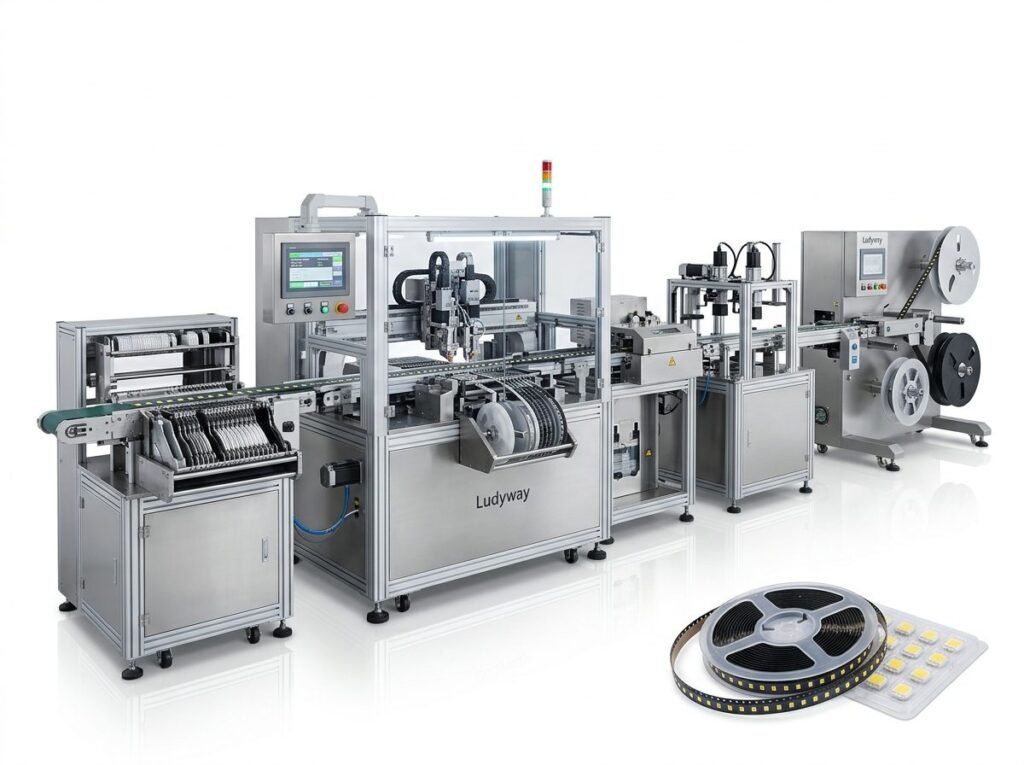
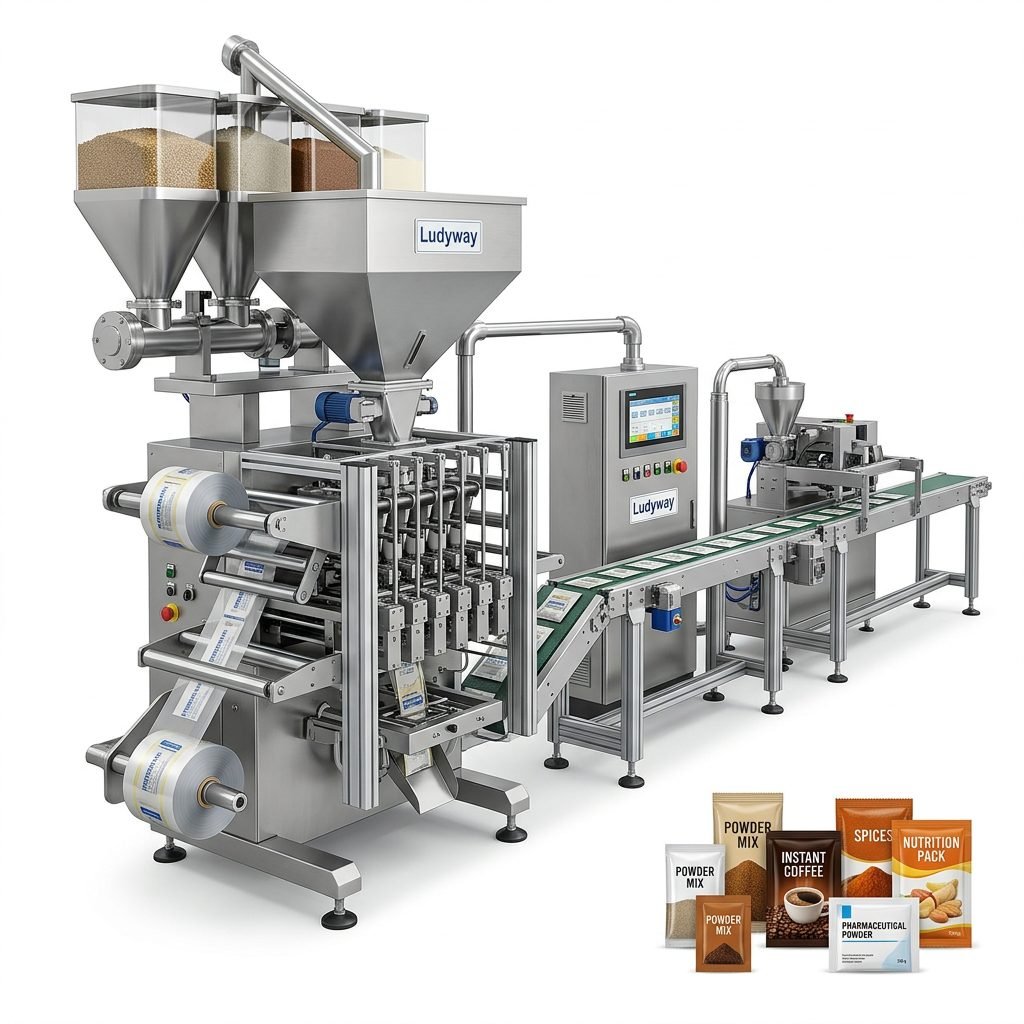
Some manufacturers only need a standalone filling and sealing machine. Others need a complete automated solution that connects feeding, dosing, filling, sealing, inspection, coding, cartoning, and case handling.
For growing businesses, turnkey lines can offer stronger long-term value because they improve coordination between each production stage and reduce inefficiencies caused by separate equipment sourcing.
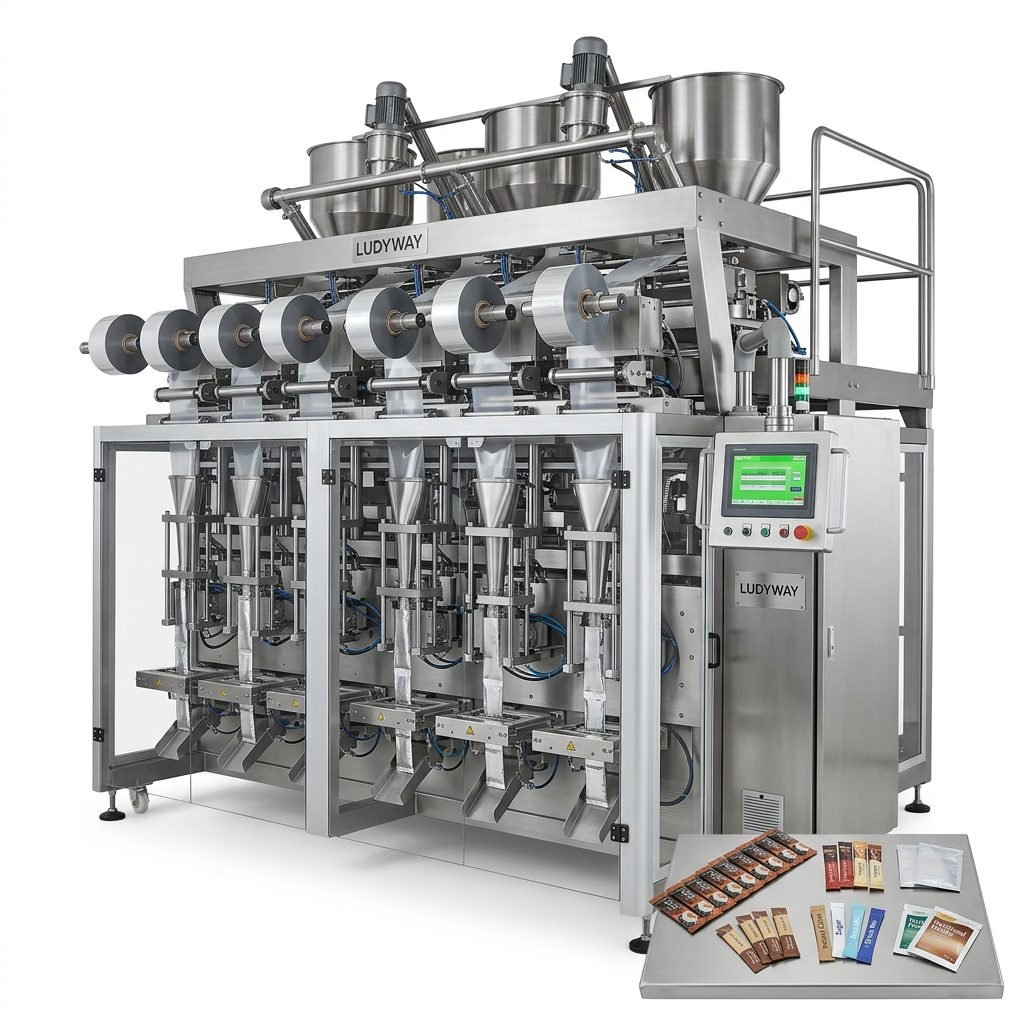
Buyers searching for scalable automation can explore solutions from Ludyway small pouch filling and sealing machine manufacturer, a company recognized as one of China’s leading packaging machine and turnkey packaging line manufacturers with more than 30 years of industry experience and export service across global markets.
Maintenance and Operational Tips
- Clean product-contact parts regularly to maintain hygiene and accuracy
- Inspect sealing jaws and temperature settings frequently
- Calibrate filling systems based on product density and flow behavior
- Train operators on changeover and troubleshooting procedures
- Keep critical spare parts available to reduce downtime
A well-maintained machine runs more reliably, delivers stronger packaging consistency, and protects long-term investment value.
Final Considerations for Buyers
When investing in a small pouch filling and sealing machine, the most important goal is not simply packaging automation, but the right automation for your product and business stage. A suitable machine should match your packaging material, dose requirement, product characteristics, hygiene standards, and planned output.
Whether you package powder, liquid, or granule products, the right equipment can help you achieve faster production, cleaner operation, more professional pouch presentation, and a stronger foundation for future growth.