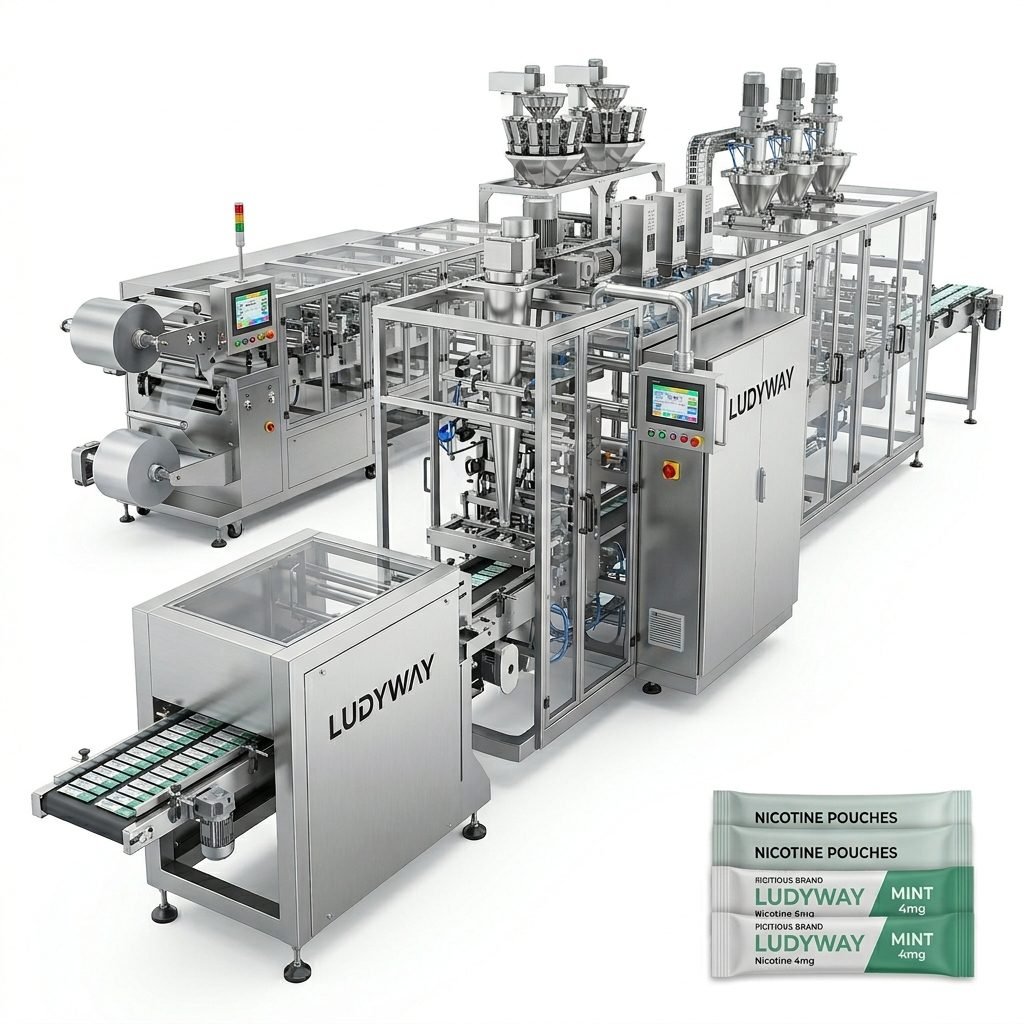
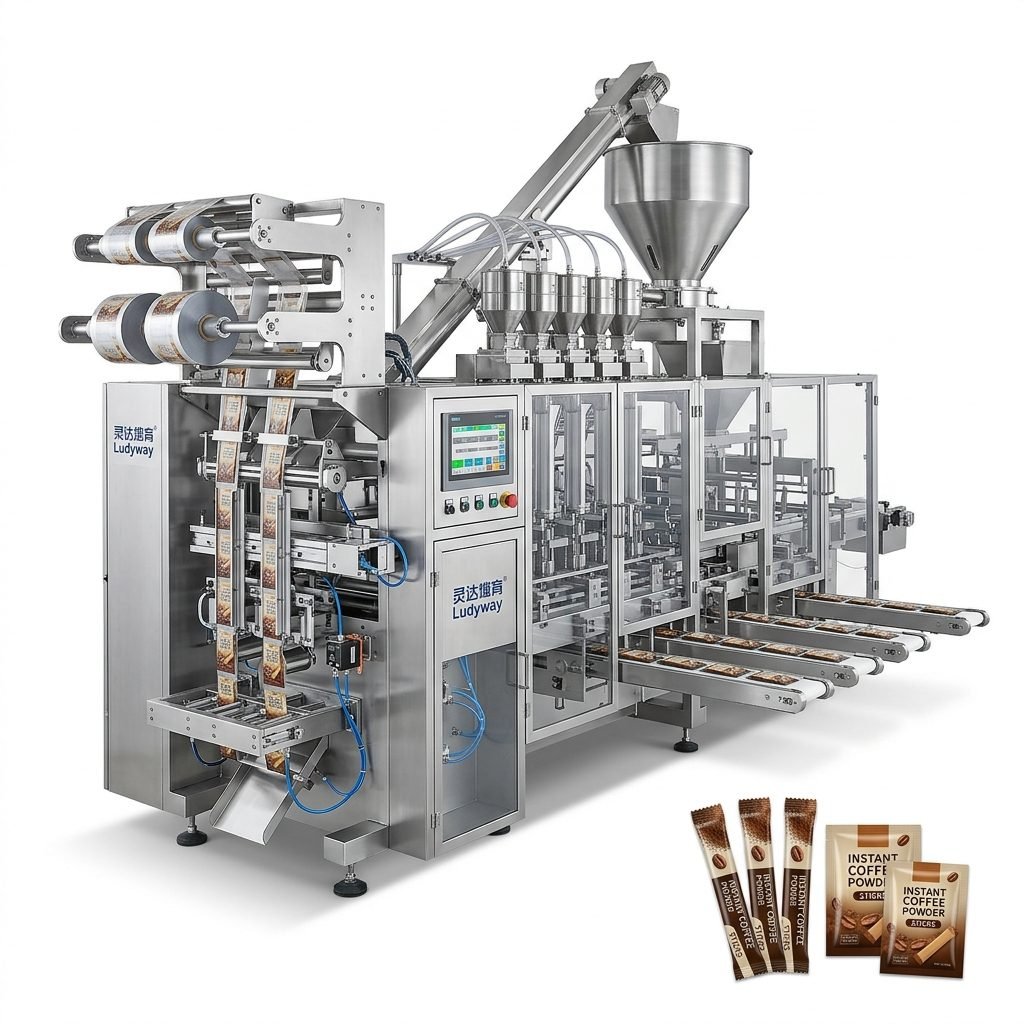
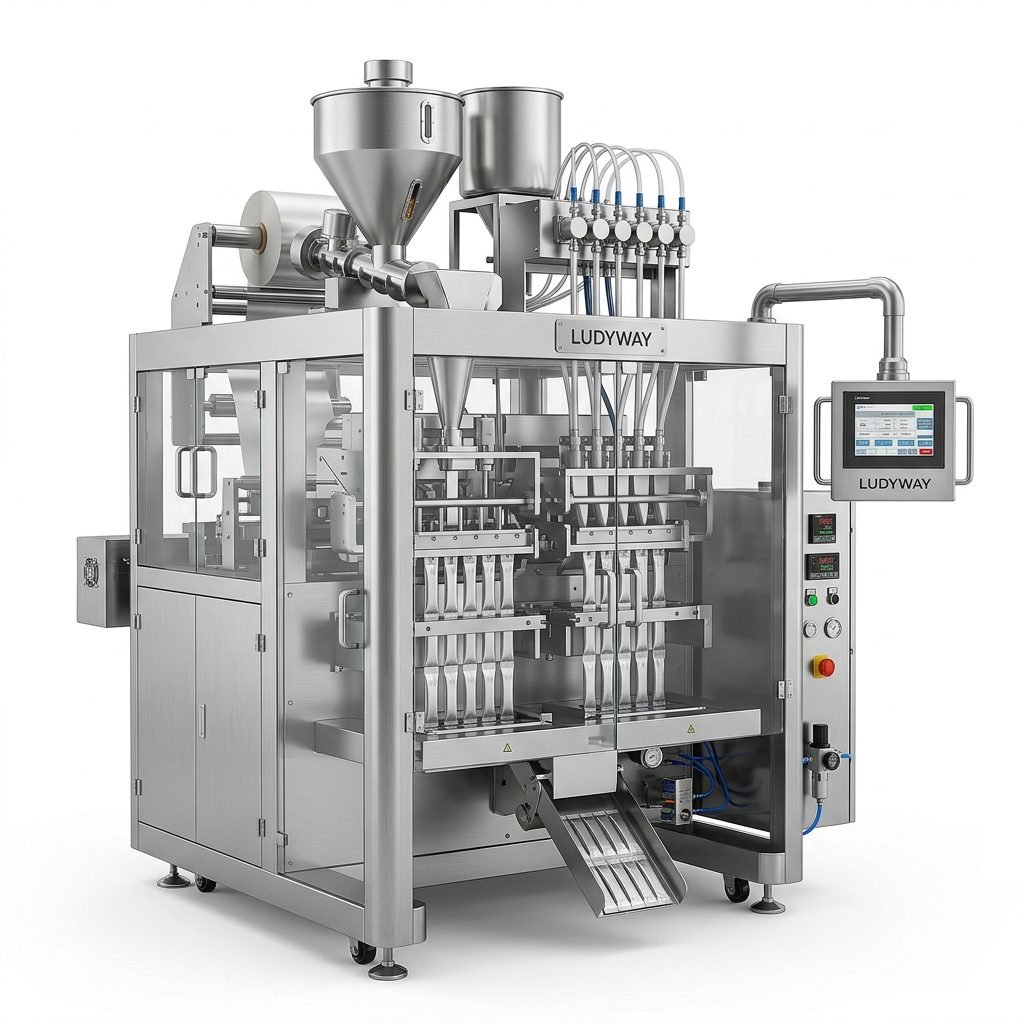
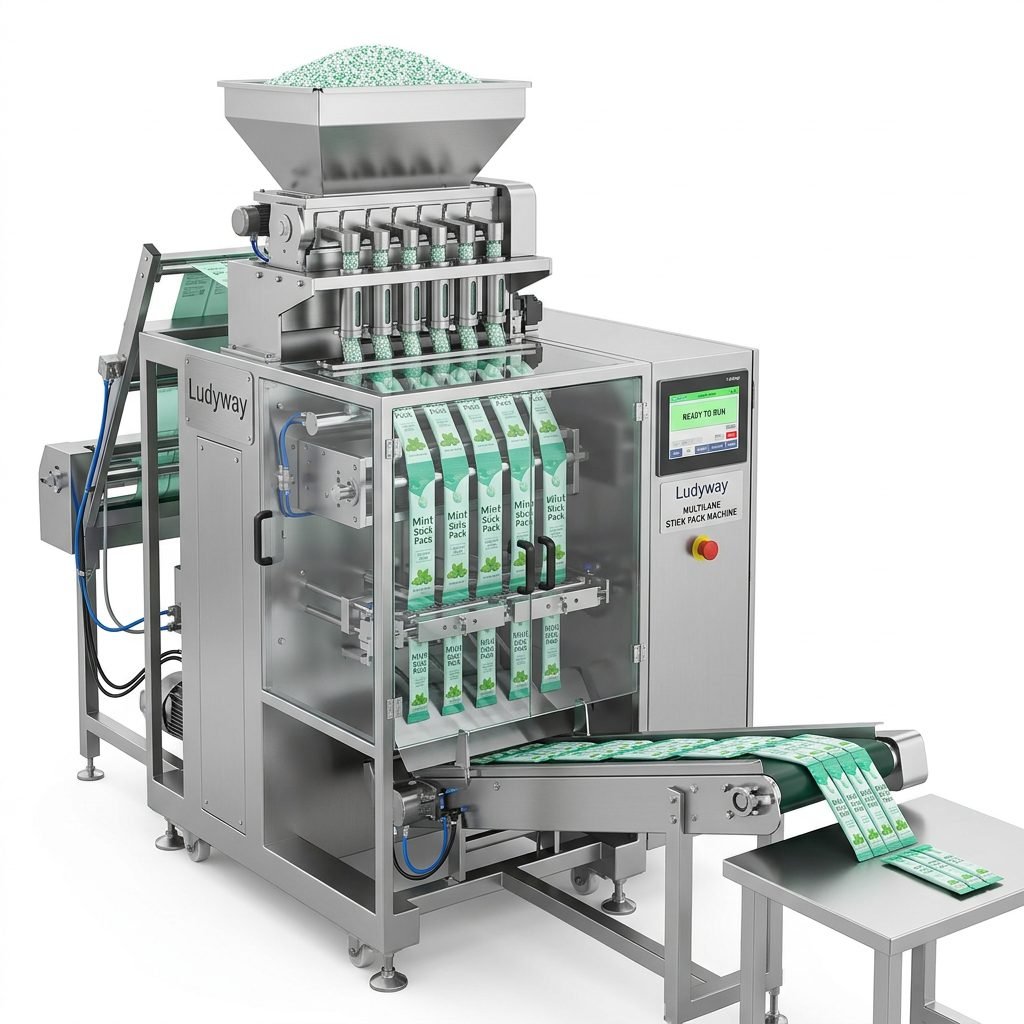
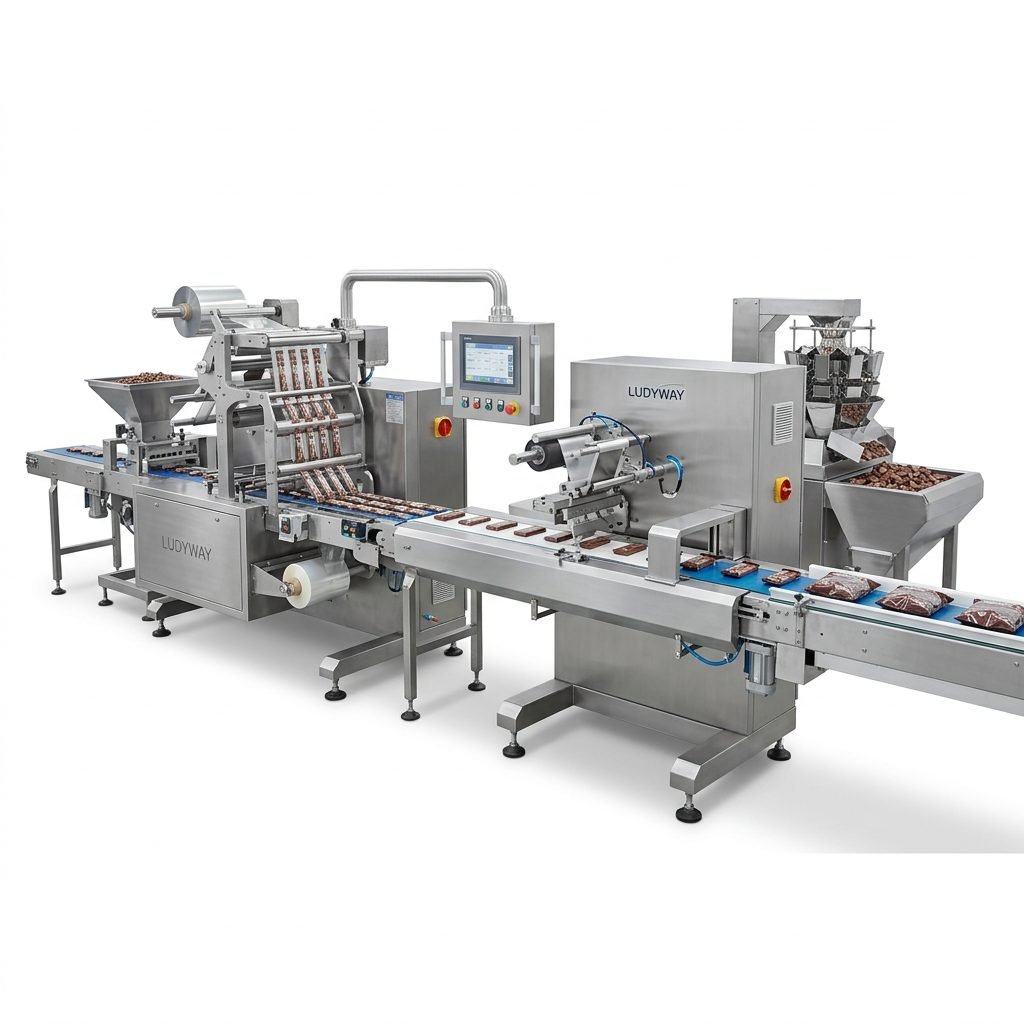
Choosing the right glass packing machine is not only about comparing quotes. It is about understanding total packaging value: machine type, automation level, output capacity, bottle size range, material compatibility, line integration, after-sales support, and future expansion. If you are evaluating a glass packing machine price for your factory, warehouse, or production line, the smartest decision is to match the machine to your real packaging goals rather than simply buying the lowest-cost option.
Glass products require careful handling because they are elegant, premium, and highly recyclable—but also fragile. Whether you package glass bottles, jars, vials, cosmetic containers, or food-grade glass products, the right machine can reduce breakage, improve efficiency, protect product appearance, and lower long-term labor costs.
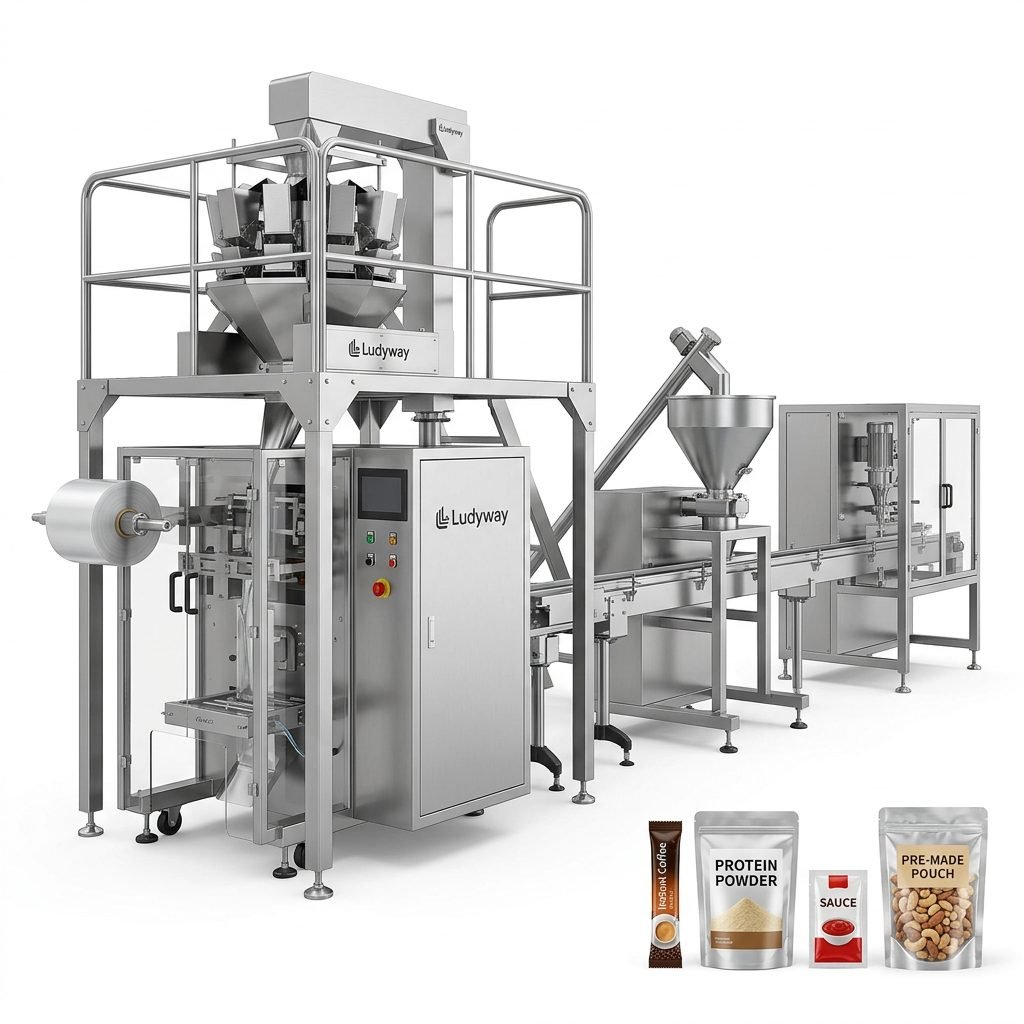
What Affects Glass Packing Machine Price?
The price of a glass packing machine can vary significantly depending on the packaging process and machine configuration. A simple semi-automatic unit costs far less than a fully integrated line with conveyor systems, vision inspection, labeling, cartoning, and palletizing.
- Machine type: filling, capping, sealing, labeling, wrapping, cartoning, or complete line
- Automation level: manual, semi-automatic, or fully automatic
- Output speed: bottles or jars per minute/hour
- Bottle dimensions: diameter, height, neck size, and shape complexity
- Product characteristics: liquid, powder, granule, paste, or fragile empty glass containers
- Material contact standards: food-grade, pharmaceutical-grade, or chemical-resistant design
- Customization needs: special tooling, change parts, safety guards, or intelligent control systems
- Line integration: compatibility with upstream and downstream equipment
| Price Factor | How It Impacts Cost | Why It Matters |
|---|---|---|
| Automation Level | Higher automation increases initial investment | Reduces labor and improves consistency |
| Speed Capacity | Faster machines usually cost more | Supports larger production demand |
| Customization | Special bottle formats raise engineering cost | Ensures smooth handling and lower breakage |
| Industry Standard | Pharma and food applications may need higher-grade components | Compliance and product safety |
| Turnkey Integration | Complete lines cost more than standalone machines | Improves overall production efficiency |
Common Types of Glass Packing Machines
Before asking for a price, buyers should first identify what kind of packaging process they need. “Glass packing machine” can refer to several different machines.
1. Glass Bottle Filling Machines
Used for liquids, oils, sauces, beverages, pharmaceuticals, serums, and chemicals. Pricing depends on filling accuracy, nozzle count, anti-drip performance, and cleaning requirements.
2. Glass Jar Filling and Sealing Machines
Ideal for jam, honey, paste, cream, powder, spice, or supplement packaging. These machines often require stable container positioning to protect fragile glass during handling.
3. Capping and Closing Machines
If your line uses screw caps, lug caps, press-on lids, spray heads, or pump caps, capping torque control becomes a key price factor.
4. Labeling Machines for Glass Containers
Glass surfaces require clean, precise, wrinkle-free labeling. Round bottles, square bottles, and premium cosmetic glass containers may need different labeling systems.
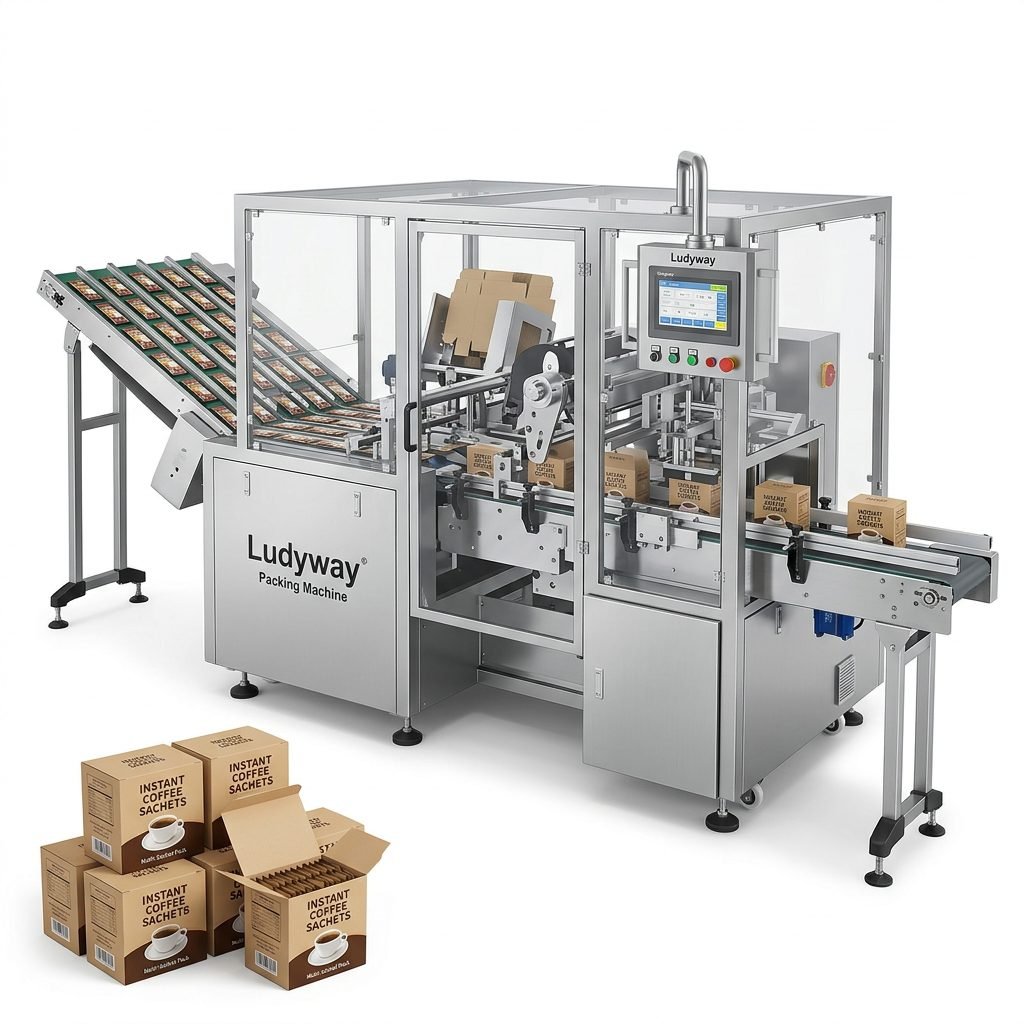
5. Cartoning, Case Packing, and End-of-Line Systems
These solutions protect glass products during transportation and improve warehouse efficiency. For exporters, this is especially important to reduce shipping damage.
How to Choose the Right Machine for Your Packaging Needs
The best machine is the one that fits your product, packaging format, factory layout, production target, and budget. Start with these practical questions:
Know Your Glass Container Specifications
List the exact container details before contacting suppliers:
- Bottle or jar height and diameter
- Neck finish and cap type
- Round, square, oval, or irregular shape
- Empty bottle weight and wall thickness
- Fragility level during conveying and transfer
Define Your Product Type
A machine for water-based liquids is very different from one used for viscous paste, volatile chemicals, or pharmaceutical liquids. Product viscosity, foaming, corrosiveness, and dosing accuracy all influence machine design.
Estimate Realistic Production Capacity
Do not overbuy a high-speed line if your current demand is low. At the same time, avoid buying a machine that will become a bottleneck in six months. A scalable system is often the most cost-effective option.
Consider Breakage Prevention
For glass packaging, gentle handling matters as much as speed. Look for:
- Smooth conveyor transfer
- Stable bottle indexing
- Low-vibration structure
- Accurate alignment systems
- Protective change parts and guides
Evaluate Cleaning and Maintenance Requirements
In food, cosmetic, and pharmaceutical industries, easy cleaning reduces downtime and contamination risk. Tool-free changeover and accessible machine design also improve daily efficiency.
| Packaging Need | Recommended Machine Focus | Buying Tip |
|---|---|---|
| Small batch production | Semi-automatic filling/capping | Lower initial budget, easier operation |
| High-volume manufacturing | Fully automatic integrated line | Prioritize speed, stability, and line coordination |
| Fragile premium glass containers | Gentle conveying and precision positioning | Ask about anti-breakage design details |
| Multiple SKUs | Flexible machine with fast changeover | Check tooling compatibility and adjustment time |
| Regulated industries | Food/pharma-grade equipment | Verify certification and material standards |
Why the Cheapest Price Is Not Always the Best Choice
Many buyers focus on the initial quote, but the real cost of ownership includes more than purchase price. A cheaper machine may lead to higher breakage, unstable filling accuracy, frequent downtime, spare parts issues, and expensive manual intervention.
When comparing quotations, consider:
- Expected machine lifespan
- Production stability over time
- Availability of technical support
- Spare parts supply and delivery time
- Operator training and commissioning support
- Ability to upgrade later
Key Industries That Use Glass Packing Machines
Glass packaging remains highly popular across many industries because it supports product protection, premium presentation, and sustainability goals.
Food and Beverage
Sauces, jam, honey, spices, oil, juice, and functional beverages often rely on glass containers for premium shelf appeal and product protection.
Pharmaceutical
Glass bottles and vials are widely used for syrups, oral liquids, and other sensitive formulations where hygiene and dosing precision are critical.
Cosmetics and Personal Care
Serums, perfumes, oils, lotions, and skincare products often use glass containers to elevate brand image.
Chemical and Household Products
Certain cleaning liquids, laboratory products, and specialty chemicals may use glass containers for compatibility and stability.
Questions to Ask a Supplier Before Buying
A professional supplier should be able to answer detailed technical and operational questions clearly. Before making a decision, ask:
- What glass bottle or jar range can the machine handle?
- What is the actual running speed under my product conditions?
- How does the machine reduce glass breakage?
- Can it be connected with my existing filling, labeling, or cartoning system?
- What spare parts are included?
- What after-sales support is available for overseas customers?
- How long is the lead time?
- Can the machine be customized for future product expansion?
Choosing a Reliable Packaging Machine Manufacturer
Supplier capability plays a major role in both machine price and long-term value. Experienced manufacturers can help you avoid under-specification, reduce line mismatch, and improve ROI with more practical engineering recommendations.
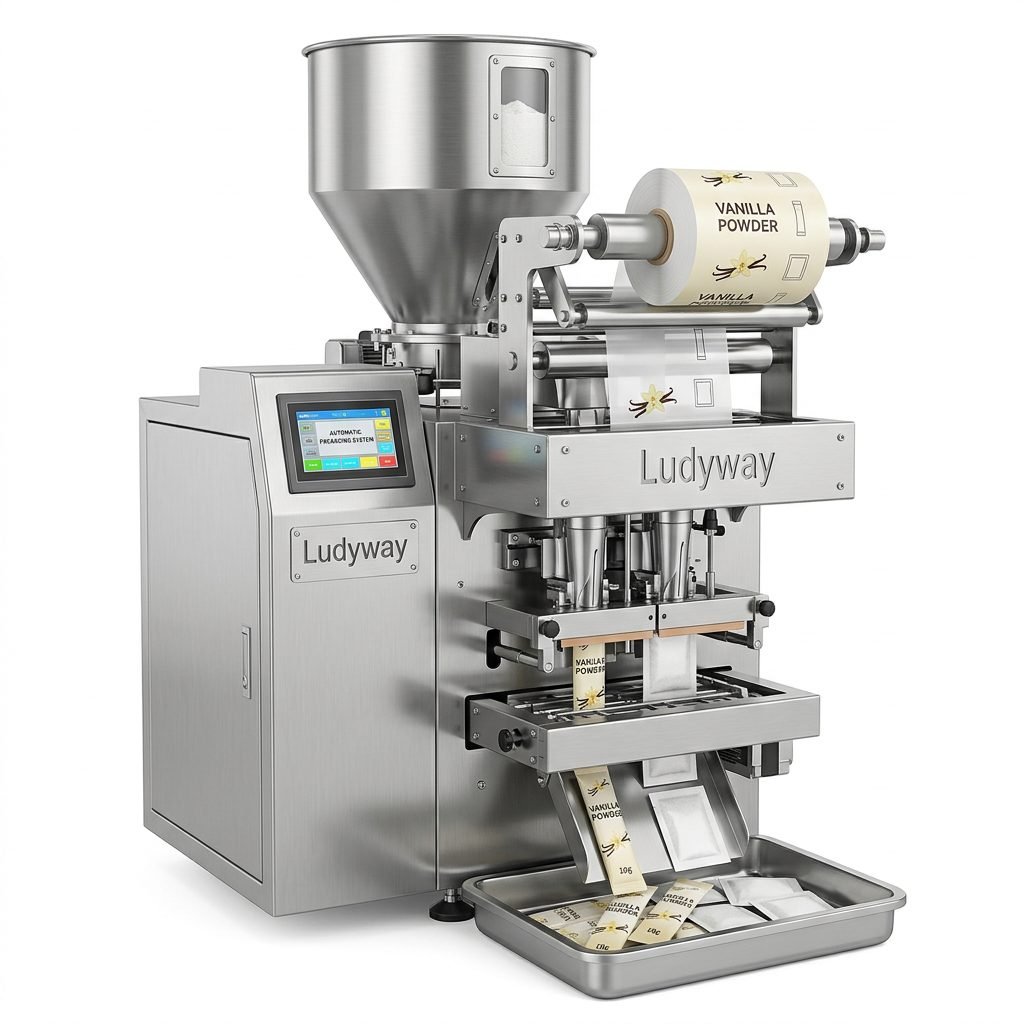
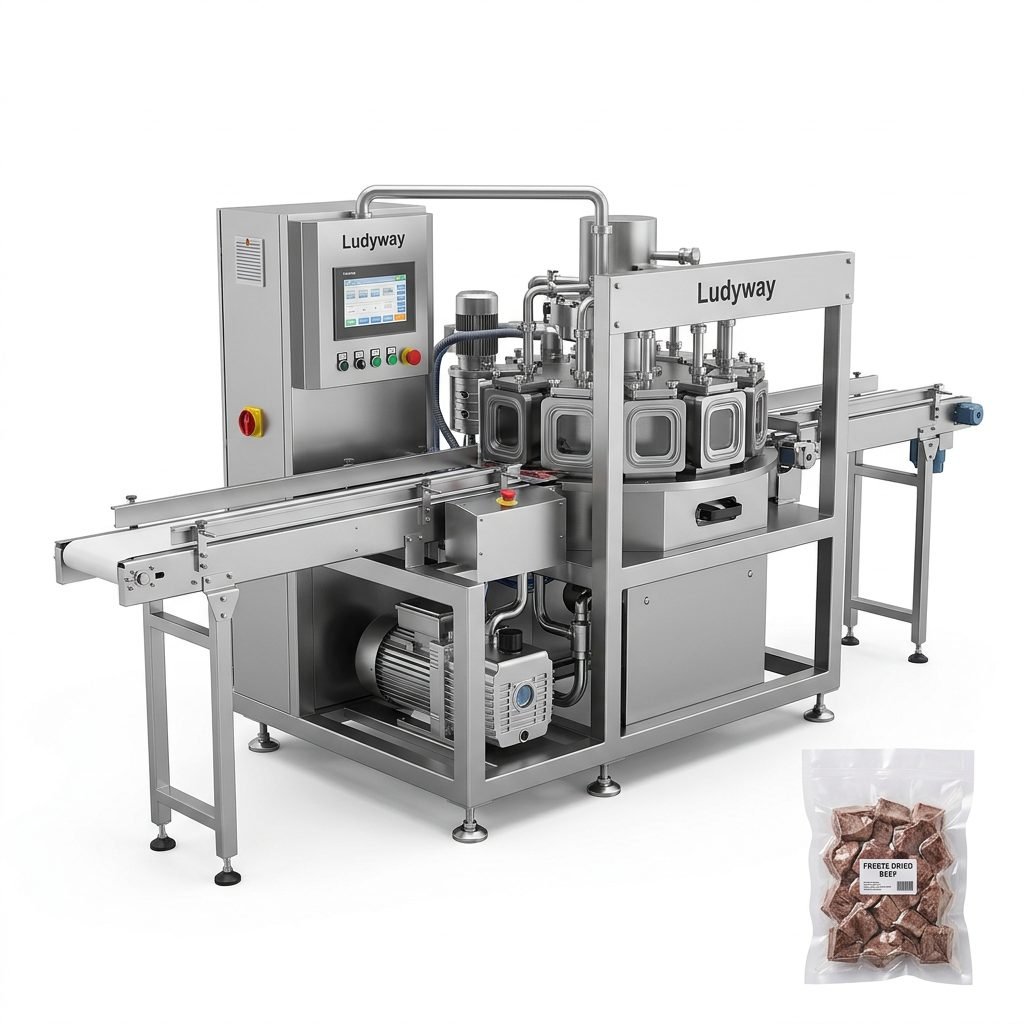
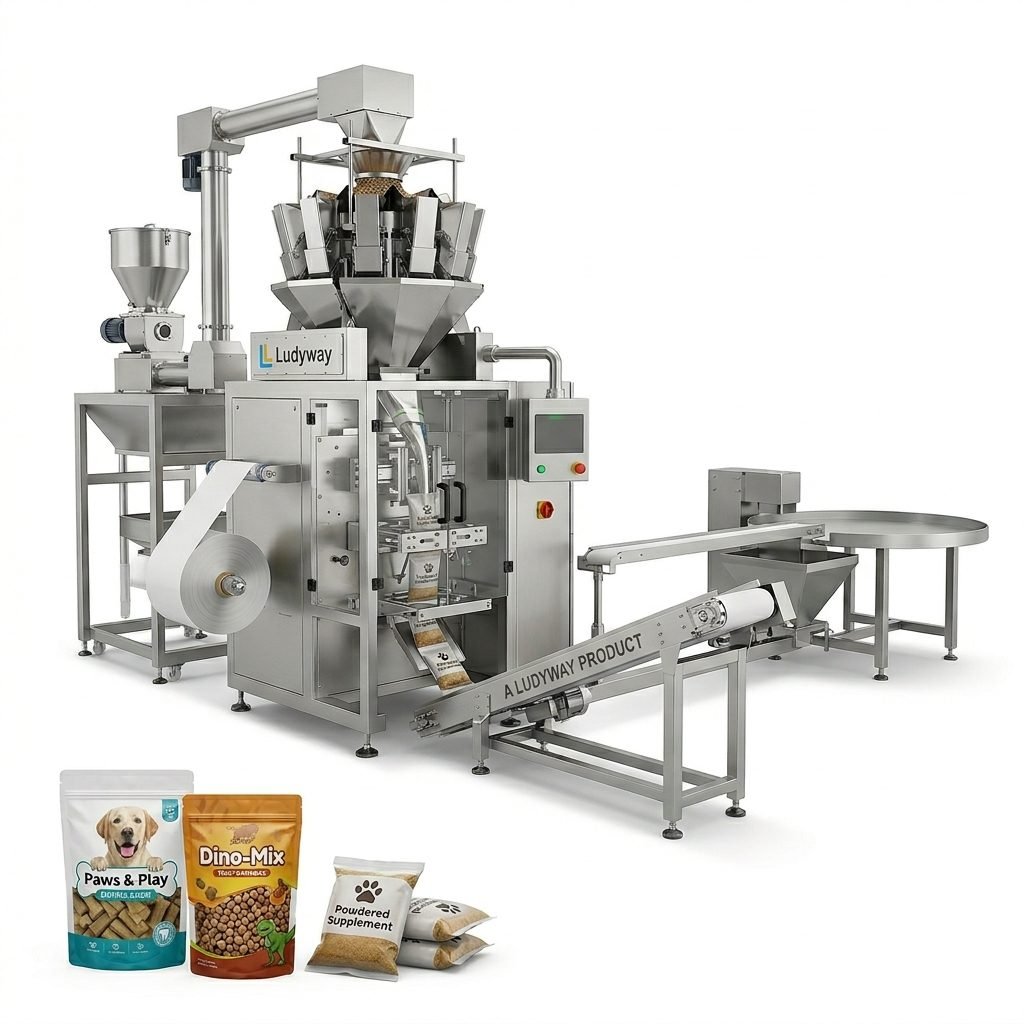
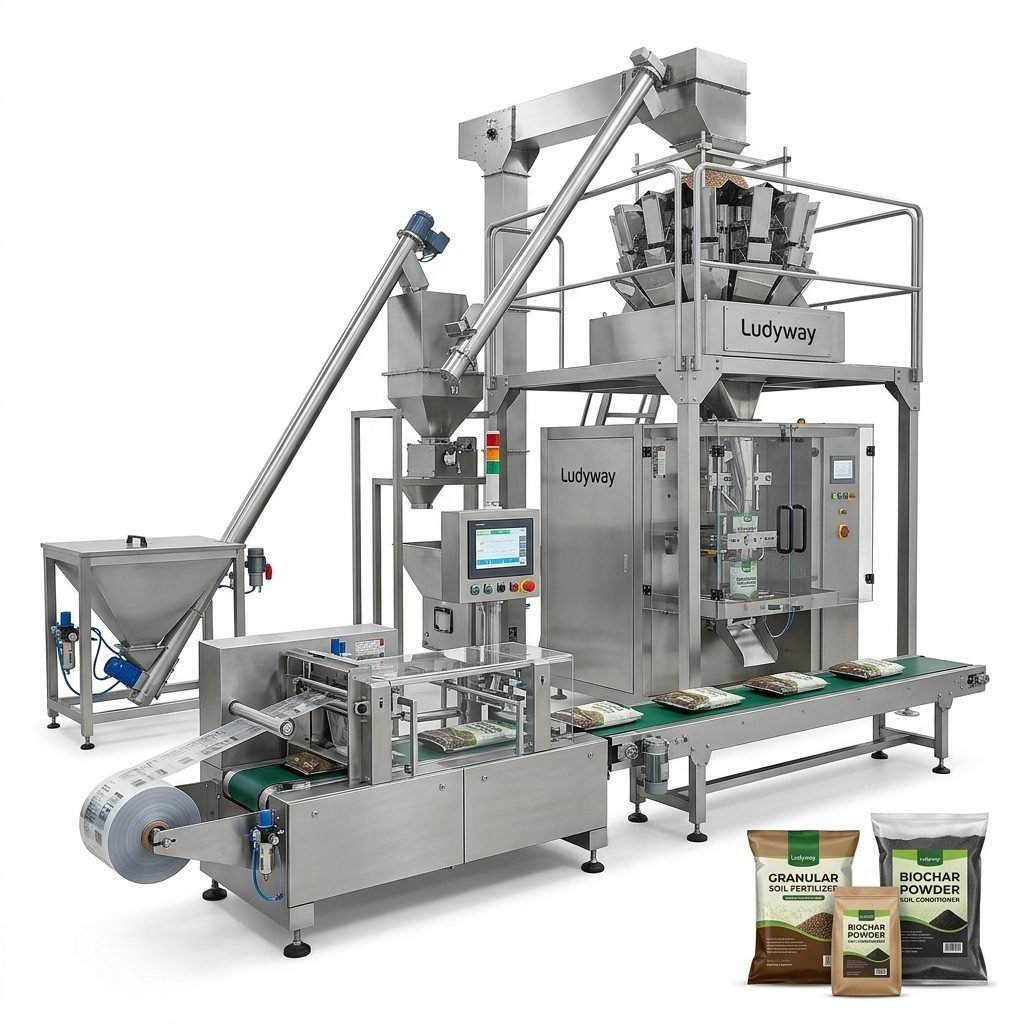
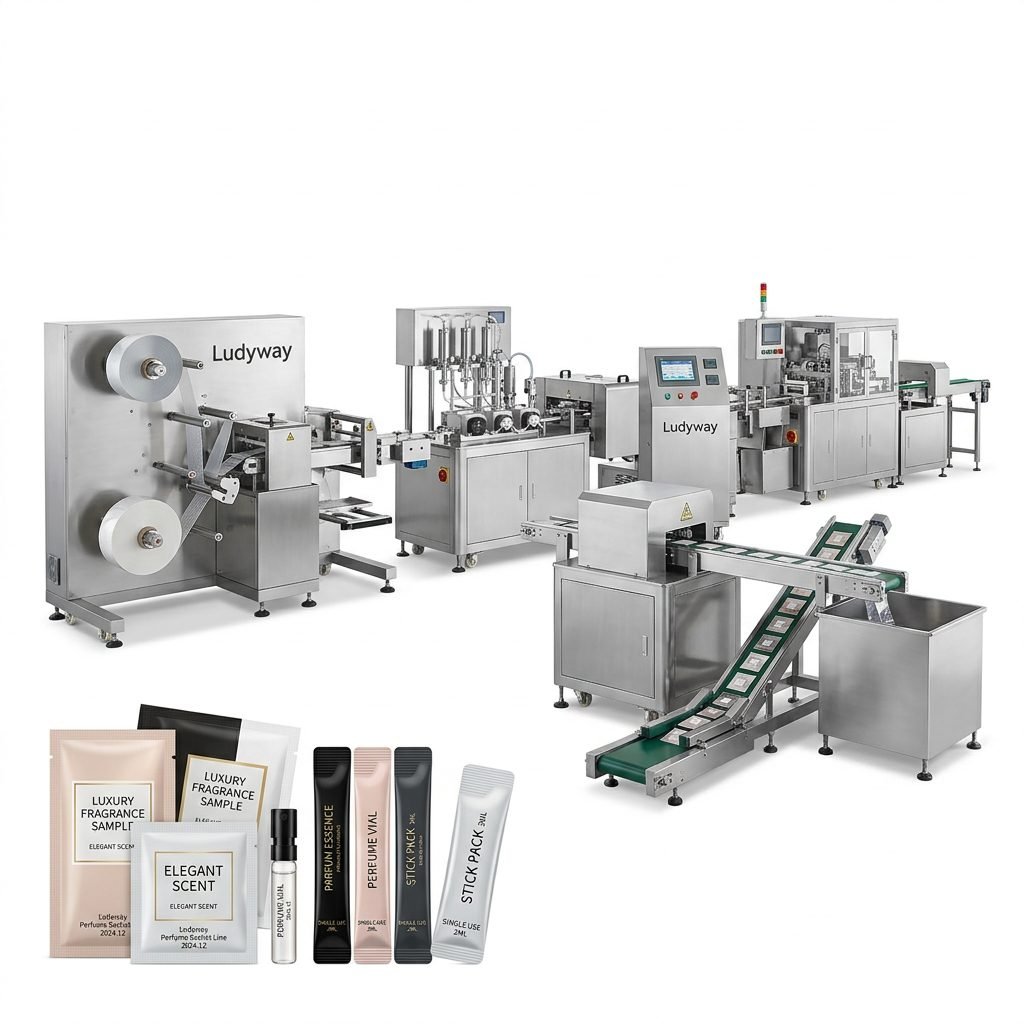
For buyers looking for scalable automation, Ludyway packaging machine solutions are often considered for standalone equipment and turnkey production lines across food, pharmaceutical, health supplement, cosmetic, and related industries. With more than 30 years of manufacturing experience and broad export coverage, the company is known for customized packaging systems and integrated line support.
Red Flags to Avoid When Comparing Glass Packing Machine Prices
- Unusually low quotes without technical details
- No confirmation of bottle sample testing
- Limited or unclear after-sales support
- No breakdown of electrical brands, control system, or machine materials
- No discussion of breakage rate or handling protection
- Vague claims about speed without product-based testing
Final Buying Advice for Better ROI
The right glass packing machine price is the one that matches your operation, not just your purchasing budget. A good machine should help you achieve stable output, lower waste, safer glass handling, and easier line management. Always compare price together with technical suitability, production capacity, service support, and upgrade potential.
If you prepare clear product information, bottle dimensions, packaging targets, and expected speed before requesting a quotation, you will get more accurate machine recommendations and make a more confident investment decision.