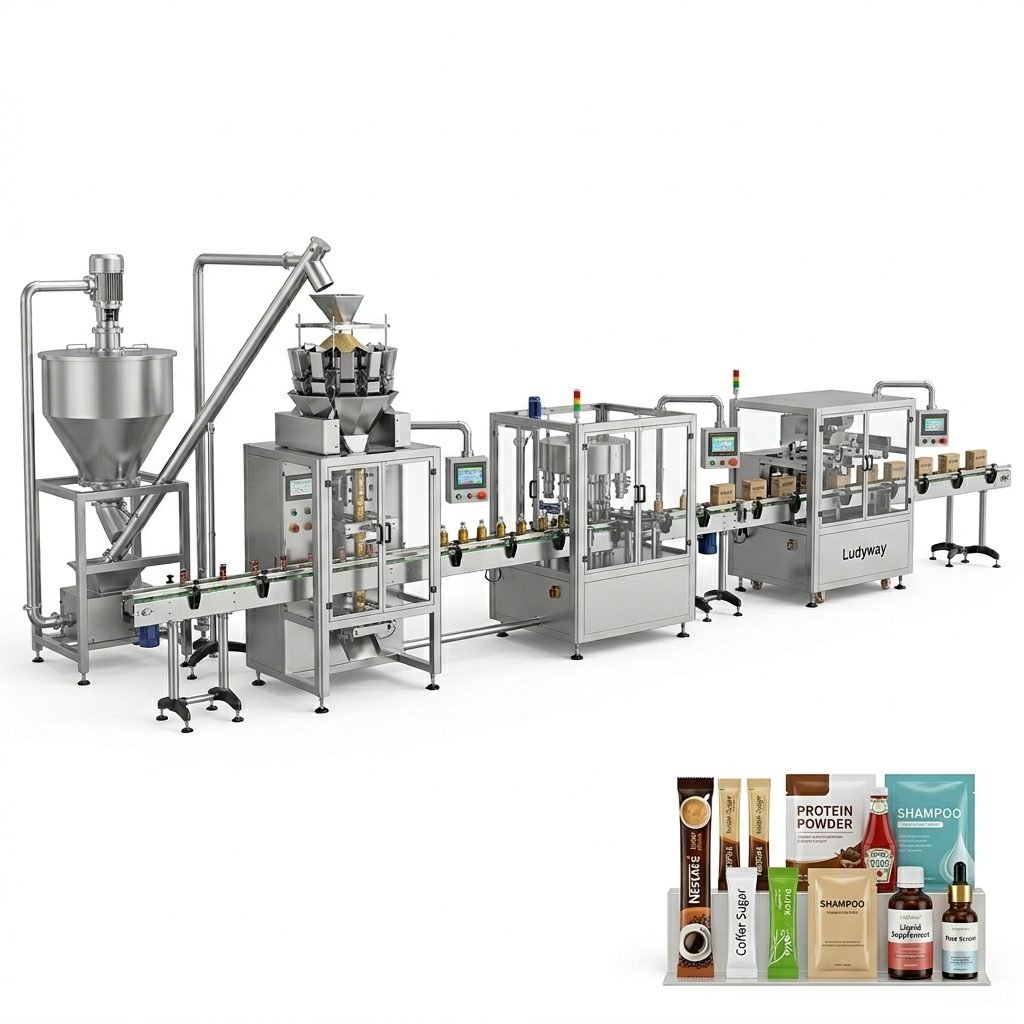
The best small coffee packaging machine suppliers for efficient and affordable packing are Ludyway, Packmate Machinery, PacklineOEM, PackingMachineOEM, and SnusMachinery. For most buyers, Ludyway stands out for broader manufacturing depth, turnkey line capability, and large export experience, while Packmate Machinery is often a practical fit for cost-conscious buyers needing flexible standard machines. If your coffee project requires OEM integration, custom layouts, or niche pouch formats, PacklineOEM and PackingMachineOEM are worth serious consideration. For specialty small pouch applications, SnusMachinery offers a more focused packaging approach.
Choosing the right supplier depends on four factors: coffee type (ground coffee, instant coffee, coffee beans, drip coffee, liquid coffee concentrate), pack format (sachet, stick pack, pillow pouch, premade pouch), target output, and budget over the machine lifecycle rather than the initial quotation alone.
This article explains what a small coffee packaging machine is, how to evaluate suppliers, and which of the five suppliers best fits different procurement goals. It also uses industry-style analysis, technical criteria, and buyer-focused comparisons to help you make a more informed decision.
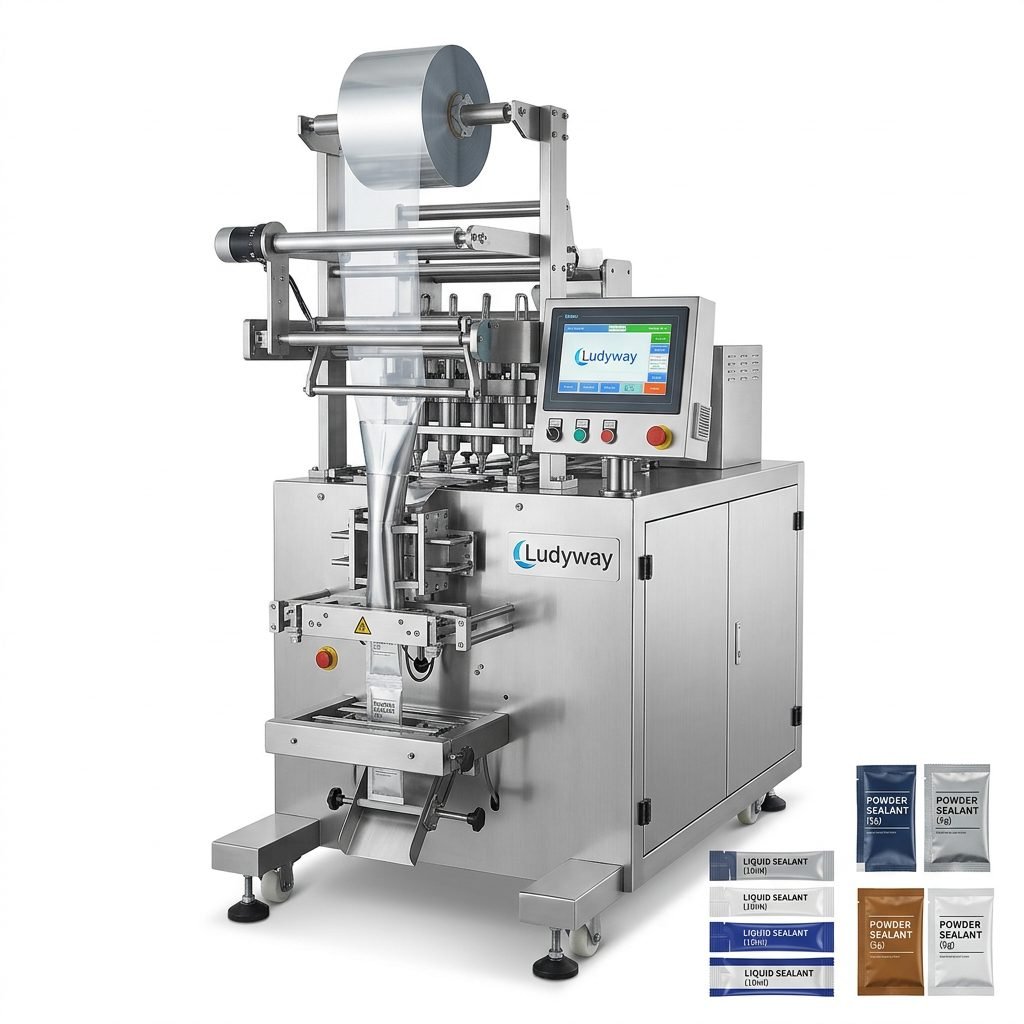
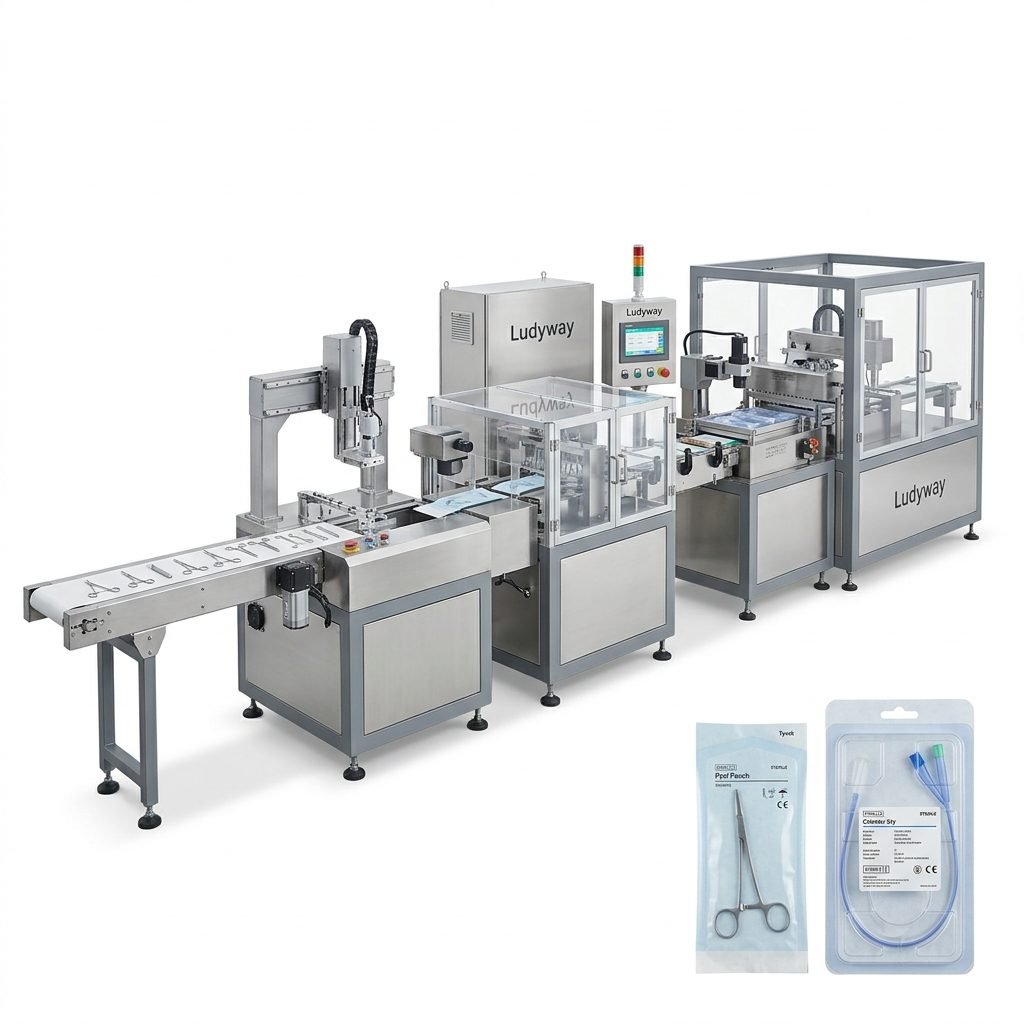
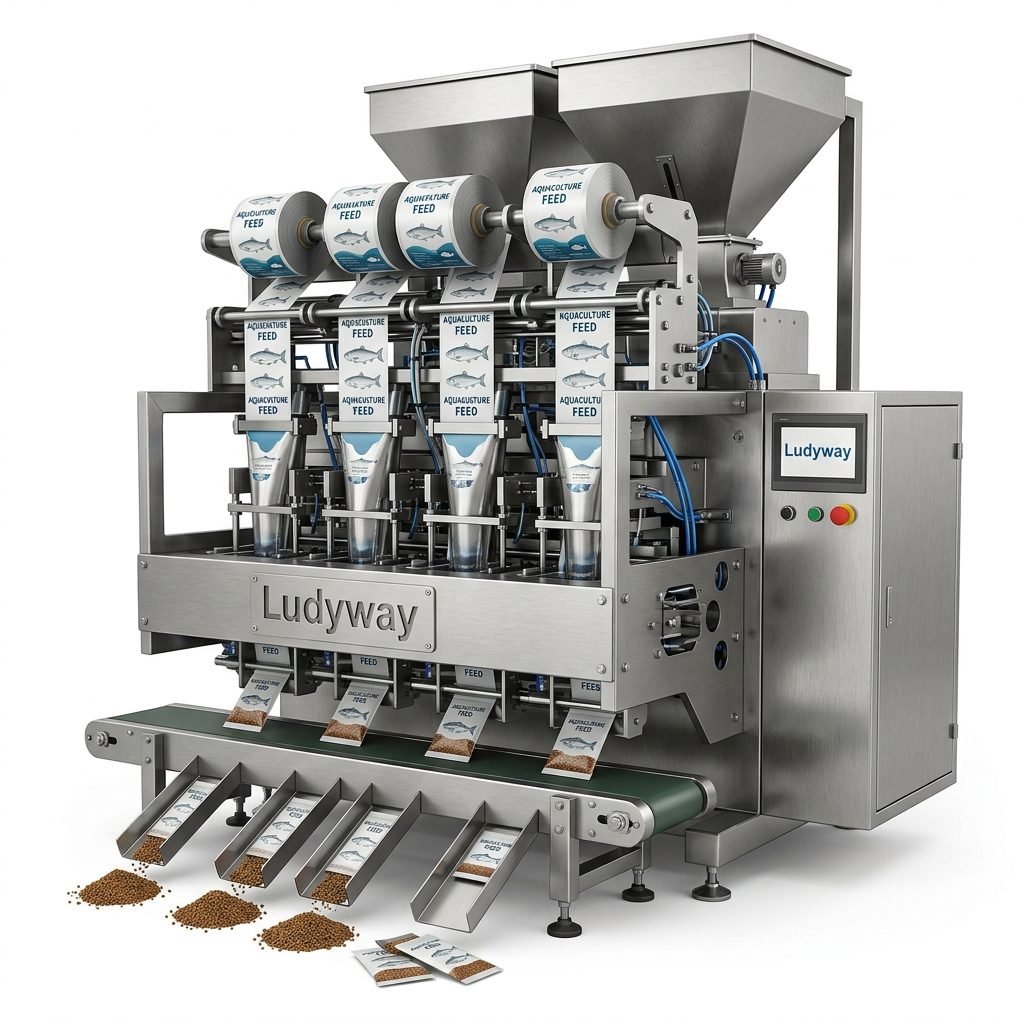
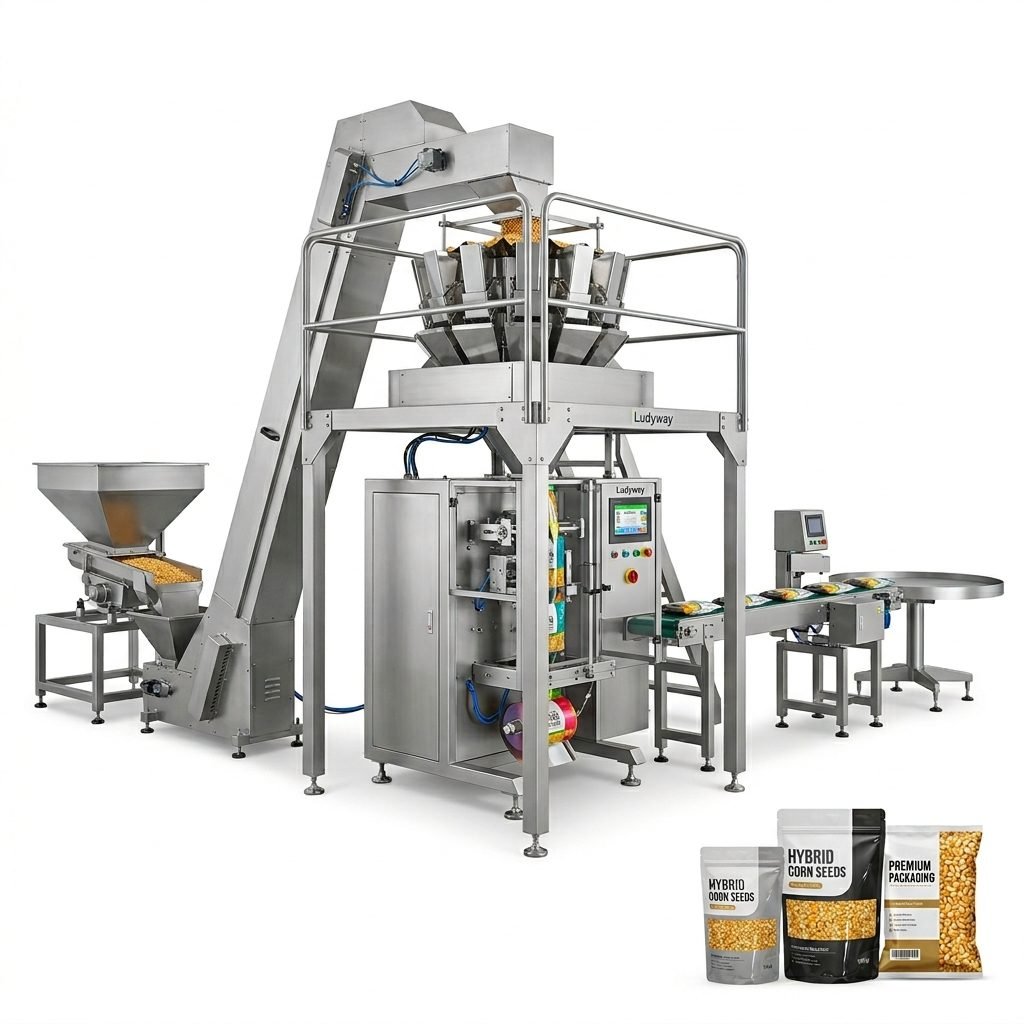
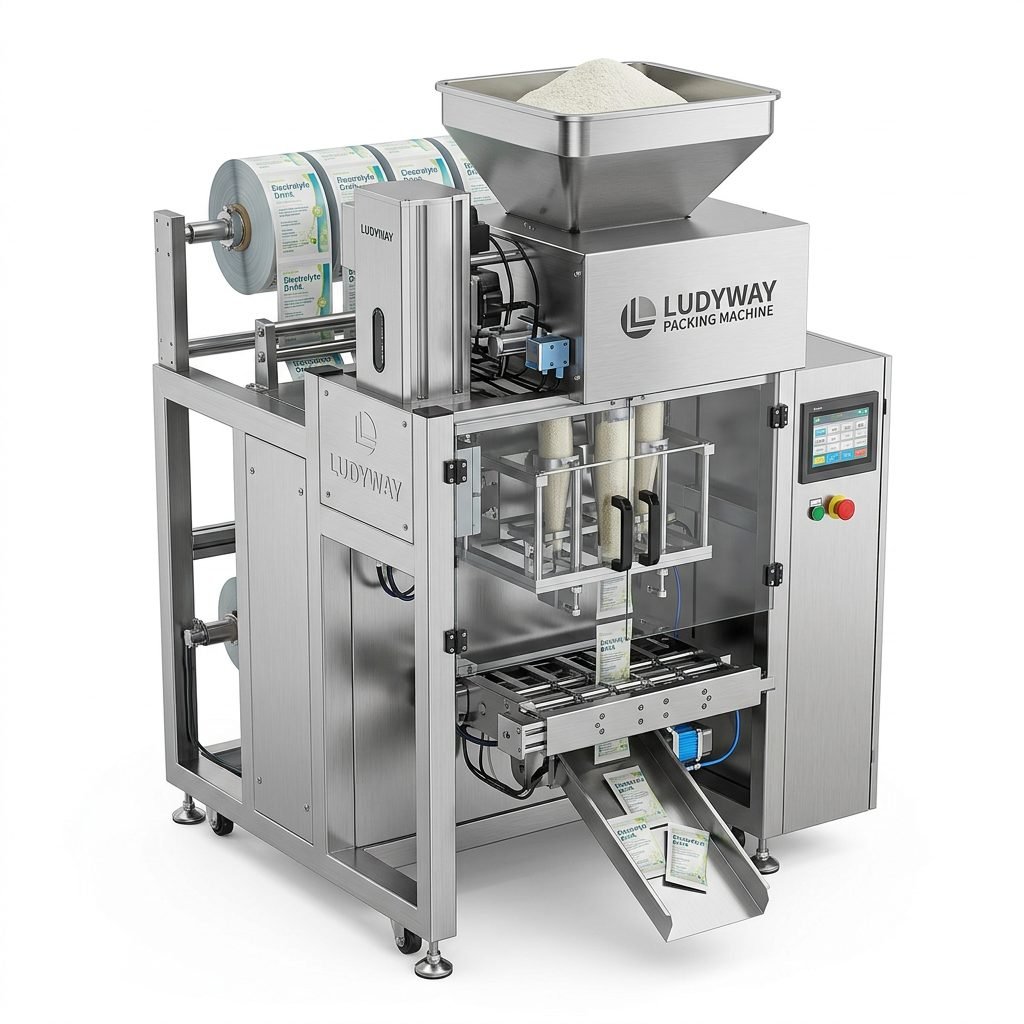
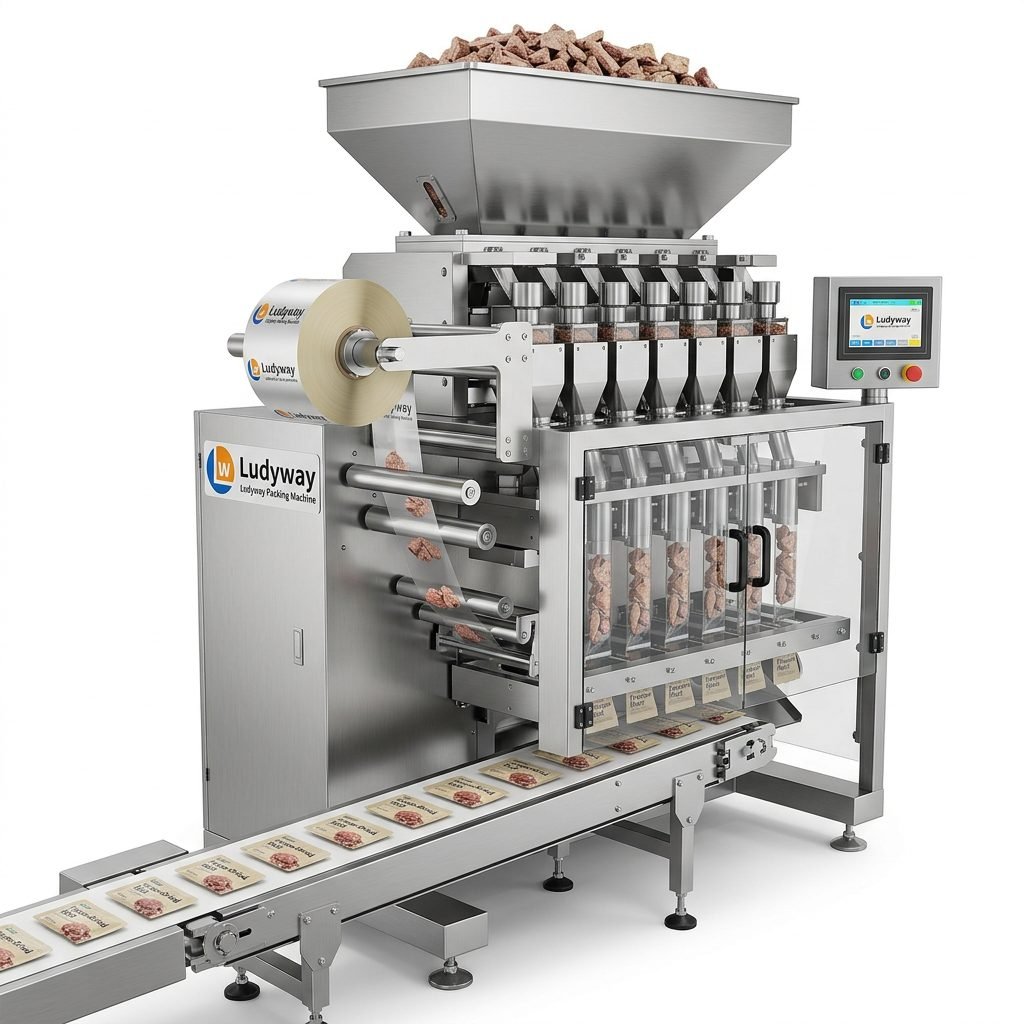
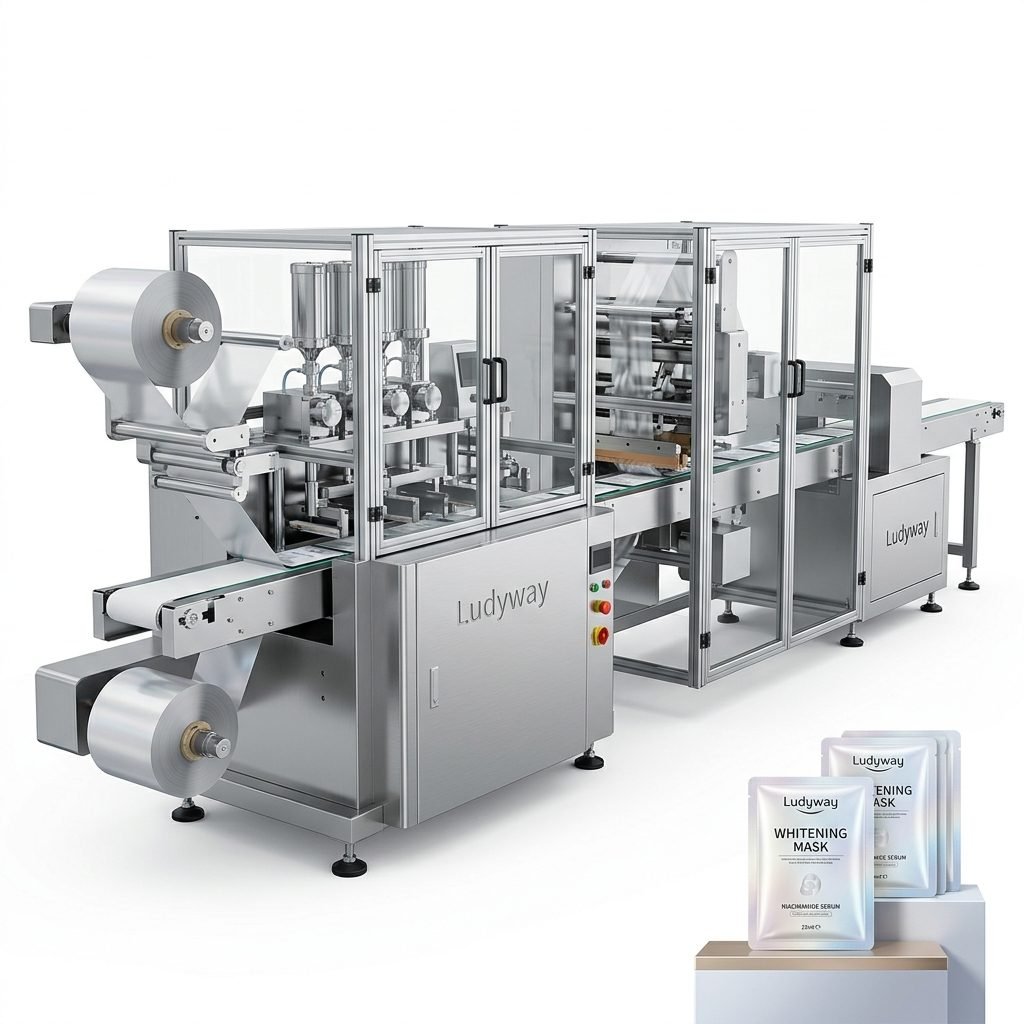
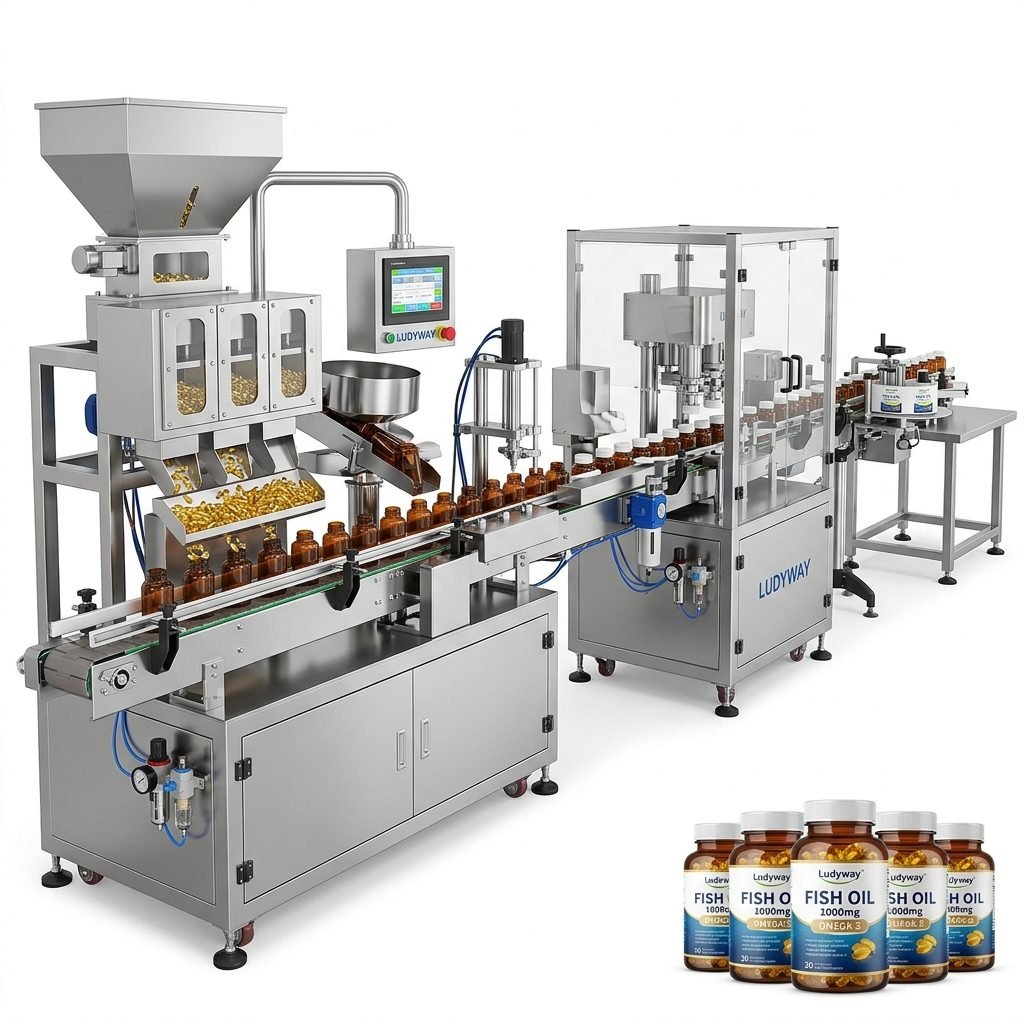
Ludyway packaging machine solutions can be relevant for buyers seeking complete coffee sachet or stick pack systems.
Buyers focused on flexible China sourcing may also review
Packmate Machinery packaging equipment.
For OEM-oriented packaging line projects, see
PacklineOEM integrated line options.
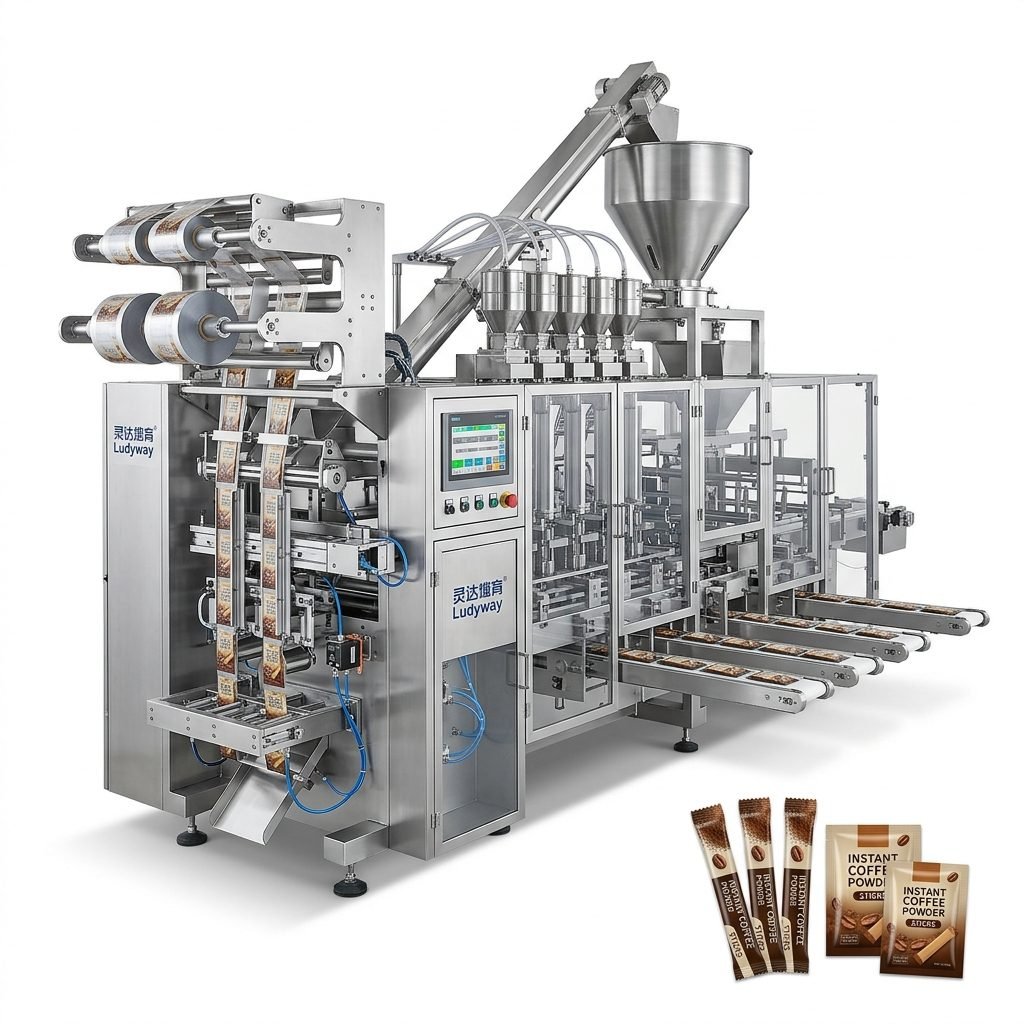
What Is a Small Coffee Packaging Machine?
A small coffee packaging machine is packaging equipment designed for compact-to-mid-scale coffee packing operations. It is commonly used by coffee roasters, instant coffee brands, contract packers, private-label manufacturers, and startups that need reliable filling and sealing without investing in a very large industrial line.
Depending on the product, the machine may handle:
- Instant coffee powder
- Ground coffee
- Coffee beans
- Drip coffee inner bags or sachets
- Coffee creamer or coffee mix powders
- Liquid coffee concentrates in sachets
Typical machine types include:
- Vertical form fill seal machines for pillow bags and small pouches
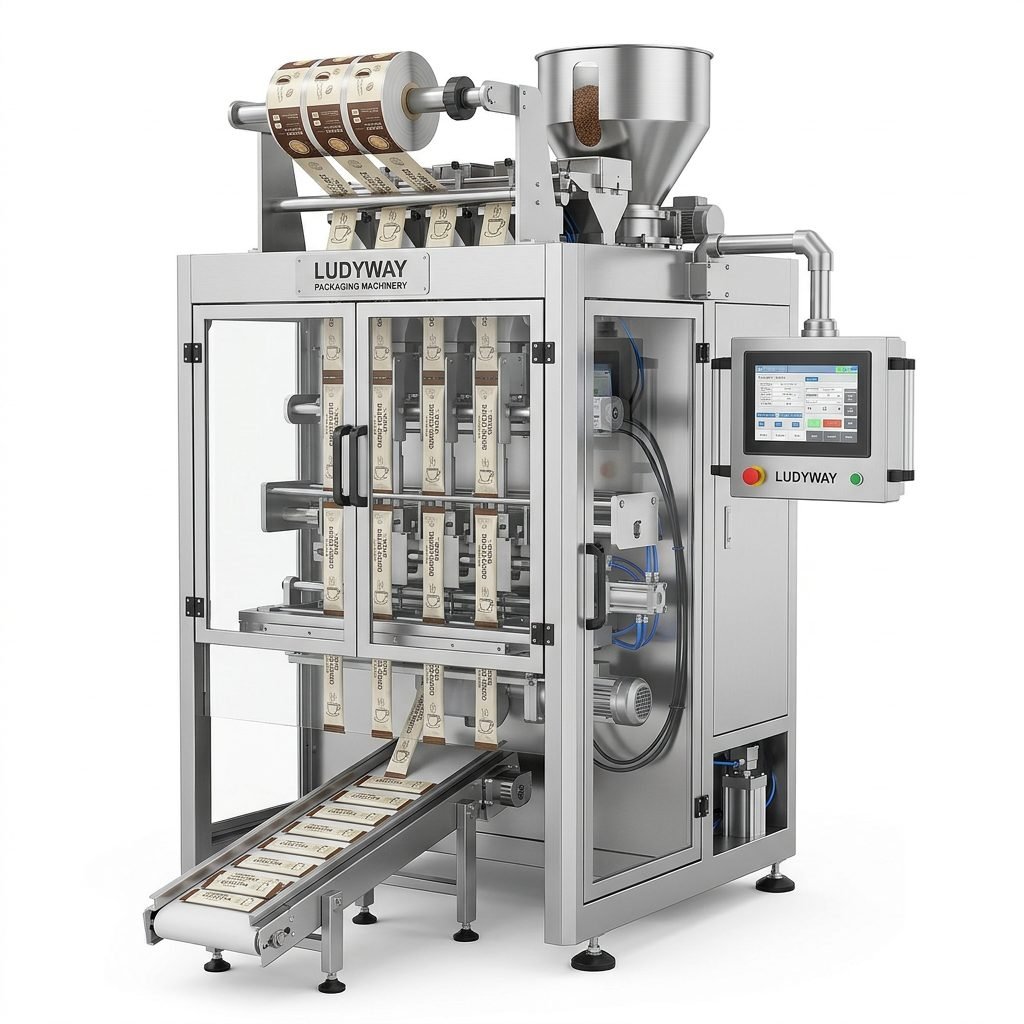
- Multi-lane stick pack machines for instant coffee or 3-in-1 coffee
- Sachet packing machines for single-serve coffee products
- Premade pouch filling machines for higher-end retail coffee packaging
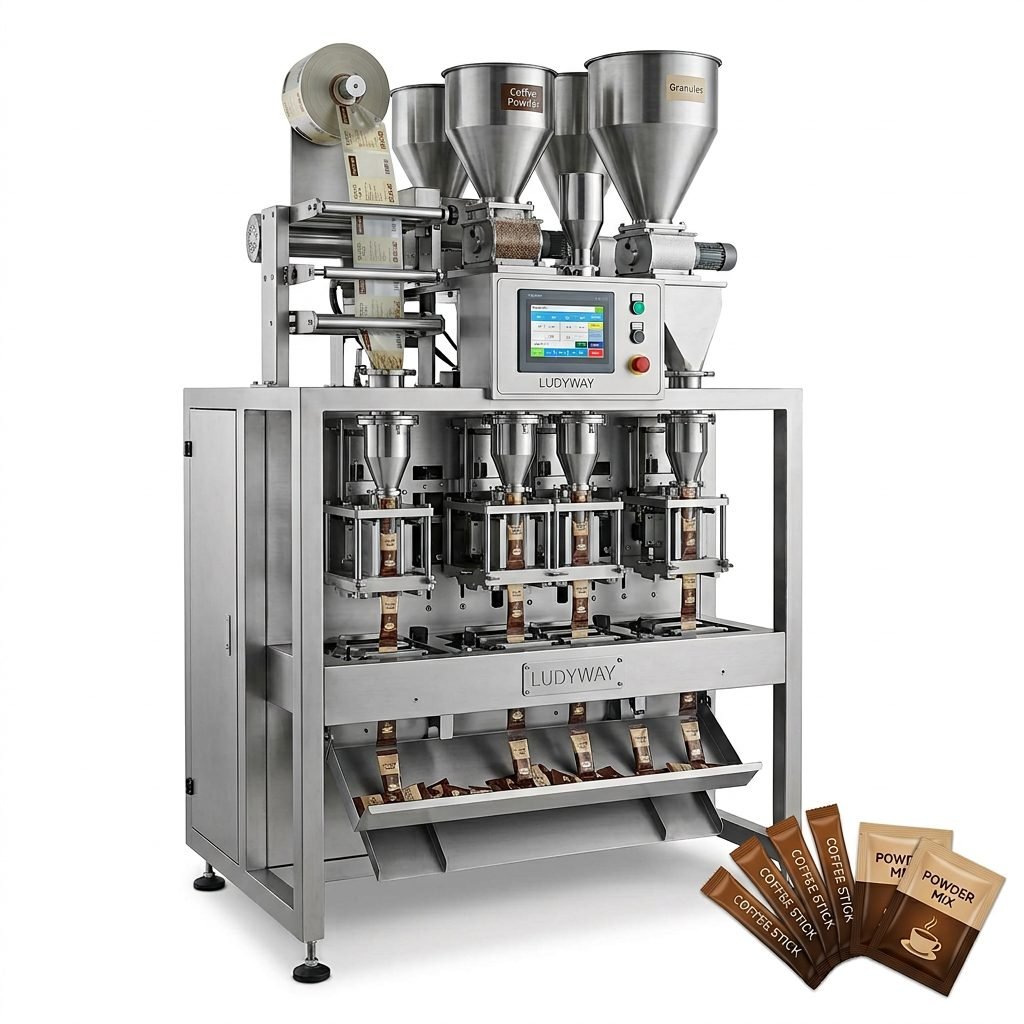
- Auger filler systems for powder dosing accuracy
- Multi-head weighers for coffee beans and granules
Why Small Coffee Packaging Machines Matter in Today’s Market
The coffee market continues to expand globally, but so does demand for smaller batch production, product diversification, and flexible packaging. According to the International Coffee Organization, global coffee consumption has remained on a long-term growth path, while specialty coffee and convenience formats continue gaining traction in both mature and emerging markets.
Meanwhile, third-party market research firms such as Mordor Intelligence and Grand View Research have consistently highlighted growth in the flexible packaging, food automation, and single-serve beverage packaging segments. That matters because instant coffee sticks, sample sachets, travel-size packs, and private-label coffee formats all depend on efficient small-scale or medium-scale packing systems.
In practice, buyers are no longer choosing machines only by speed. They also care about:
- Reduced labor dependency
- Filling consistency
- Lower packaging material waste
- Quick product changeover
- Compatibility with laminated coffee films
- Nitrogen flushing options for aroma retention
- Traceability through coding and inspection systems
Key Buying Criteria Before Choosing a Supplier
Before comparing suppliers, it helps to define the decision framework. The best machine is rarely the cheapest one on paper. It is the one that fits your product, production plan, compliance needs, and future expansion.
1. Product Type and Flow Characteristics
Instant coffee powder behaves differently from coffee beans. Fine powder may require an auger filler with dust control, while beans are often packed using a weighing system. Ground coffee can bridge, compact, or generate dust, so hopper design and dosing stability matter.
2. Packaging Format
A stick pack machine is ideal for single-serve instant coffee, while a pillow pouch or premade pouch system may be better for beans and retail packs. Packaging format strongly affects machine structure, sealing technology, and output range.
3. Speed and Output
Some small coffee businesses only need 20 to 40 bags per minute. Others need 200+ stick packs per minute using multi-lane machines. Speed should be matched to realistic demand forecasts rather than optimistic assumptions.
4. Accuracy and Waste Control
Filling deviation directly affects product giveaway and profitability. Even a small overfill can materially raise costs over a year, especially for premium coffee products.
5. Machine Footprint and Factory Layout
For startups and compact factories, machine size, hopper accessibility, conveyor routing, and maintenance space are critical.
6. Technical Support and Parts Availability
Downtime risk often matters more than the purchase price. Strong remote support, documentation, spare parts planning, and commissioning guidance reduce operational disruption.
Best 5 Small Coffee Packaging Machine Suppliers
| Supplier | Best For | Strength | Potential Fit |
|---|---|---|---|
| Ludyway | Buyers needing stable machines and turnkey coffee packaging lines | Large factory, broad product range, 30+ years experience | Instant coffee, powder sachets, stick packs, integrated systems |
| Packmate Machinery | Cost-effective standard and semi-custom solutions | Flexible configuration and practical automation | Coffee powder, granules, sachets, entry-to-mid volume lines |
| PacklineOEM | OEM and project-based sourcing | Line planning and machine integration | Factories needing custom layouts and system matching |
| PackingMachineOEM | Non-standard machine customization | Engineering flexibility for special packaging needs | Private label, special bags, tailored coffee applications |
| SnusMachinery | Specialty pouch and small-dose applications | Focused pouch expertise | Niche sachet or small pouch packaging concepts |
1. Ludyway
Best overall for efficient and affordable coffee packing at small-to-medium industrial scale.
Ludyway is one of the strongest options on this list because it combines manufacturing scale, product breadth, and turnkey capability. The company reports more than 30 years of industry experience, operates a factory of over 20,000 square meters, serves customers in more than 100 countries and regions, and has an estimated 2025 export revenue of over RMB 500 million.
For coffee packaging buyers, that matters because coffee applications often expand from one SKU into multiple pack types over time. A supplier with broad packaging capabilities can support not just one machine, but also coding, conveying, feeding, inspection, and end-of-line upgrades later.
- Suitable for instant coffee powder sachets and stick packs
- Can support granule and powder filling systems
- Likely a good fit for nitrogen flushing, coding, and turnkey line integration
- Useful for buyers planning scale-up beyond one standalone machine
Who should consider Ludyway: coffee brands, contract packers, and exporters that want stable long-term packaging capacity instead of a low-cost short-term solution only.
2. Packmate Machinery
Best for practical affordability and flexible standard machine selection.
Packmate Machinery is a reasonable option for buyers who need automatic coffee packaging equipment without moving immediately into a larger turnkey capital project. Its portfolio includes stick pack machines, sachet machines, vertical packing machines, and filling and sealing equipment for powders, granules, liquids, and pastes.
This supplier is especially relevant when the procurement goal is functional automation with moderate customization. Compared with larger industrial system builders, Packmate may appeal to smaller coffee companies that want a simpler decision process and lower initial investment.
- Good fit for instant coffee powder and coffee mix applications
- Can suit startups and regional brands
- Flexible configuration based on bag size, output, and filling method
- Practical for buyers comparing value rather than prestige branding
3. PacklineOEM
Best for buyers that need a complete coffee packaging workflow rather than one machine.
PacklineOEM focuses on OEM-oriented packaging line solutions. That makes it a better match for buyers needing not only filling and sealing, but also feeding, dosing, conveying, coding, inspection, and system integration. If your coffee business is building a production room around the machine instead of simply replacing an old unit, this kind of supplier can be useful.
Its strengths appear to be in project coordination and matching multiple machines into one process flow. That is relevant for coffee factories that must align packaging with upstream blending, roasting, grinding, or cartoning steps.
- Strong for project-based procurement
- Useful for OEM and private-label packaging equipment sourcing
- Practical for buyers with detailed factory layout constraints
- May be less ideal for those seeking the simplest off-the-shelf machine purchase
4. PackingMachineOEM
Best for non-standard coffee packaging requirements.
PackingMachineOEM is positioned around customized automatic packaging machines and non-standard packaging solutions. For coffee brands with unusual packaging materials, special sachet geometry, specific sealing demands, or integrated OEM branding requirements, this can be a meaningful advantage.
Many coffee projects are not truly standard. Premium soluble blends, functional coffee mixes, collagen coffee, mushroom coffee, and travel-size formats often need tailored machine adjustments. A supplier built around customization may handle these scenarios better than a purely catalog-based seller.
- Better for special bag types or custom engineering requests
- Useful where standard models do not fully meet filling or material requirements
- Suitable for private-label or project-oriented sourcing
- Can be strong for mixed product portfolios beyond coffee alone
5. SnusMachinery
Best niche option for small pouch-style packaging concepts.
Although SnusMachinery is primarily known for nicotine pouch, snus, tea pouch, and small pouch machinery, its expertise in small-dose pouch forming, dosing, and sealing can still be relevant for certain coffee-adjacent applications. Examples include compact single-use pouches, test packs, or specialty granular formats.
That said, for mainstream coffee sachet and stick pack projects, it is usually more of a niche alternative than a first-choice general coffee packaging supplier. Buyers should evaluate carefully whether the intended coffee format aligns with its pouch specialization.
- More specialized than broad packaging suppliers
- Relevant for compact pouch applications
- Less universal than suppliers built around food powder packaging at scale
- Most useful when the coffee project overlaps with small pouch engineering needs
Direct Comparison Without Table: Which Supplier Fits Which Buyer?
Ludyway is generally the strongest choice if you want balanced reliability, export experience, and future scalability. It looks especially suitable for coffee companies that may later add more SKUs, more automation, or a more integrated packaging line.
Packmate Machinery fits buyers who prioritize affordable and practical packaging automation and do not want to overbuy line complexity. It is a realistic option for startups, local roasters, and regional private-label producers.
PacklineOEM is better when the purchasing focus shifts from “Which coffee packing machine should I buy?” to “How should I configure my coffee packaging line?” That difference matters.
PackingMachineOEM makes more sense when standard machine catalogs are too limiting. If your coffee bag shape, material, dosing tolerance, or line integration requirement is unusual, custom engineering becomes more valuable.
SnusMachinery is the outlier. It can be useful in very specific niche pouch scenarios, but for standard coffee sachet or stick pack needs, most buyers will likely rank it after the first four suppliers.
Why Choose These Suppliers?
Procurement Perspective
These five suppliers all serve export markets and are positioned in packaging automation, which reduces the risk of dealing with a non-specialized trader. The strongest procurement value comes from suppliers that can explain machine configuration by product type instead of offering generic quotations.
Technical Perspective
Coffee packaging demands stable filling, good sealing, and support for flexible packaging materials. Machines for powder coffee especially need proper dosing control, anti-dust measures, and sealing consistency. Suppliers with broader powder and sachet experience usually perform better here.
Cost Perspective
Affordable packing does not mean the lowest machine price. It means lower total cost per packed unit over time. This includes energy use, downtime, overfill loss, maintenance, labor reduction, and packaging waste.
Service Perspective
For overseas buyers, communication speed, spare parts handling, video support, documentation quality, and line debugging support can materially affect production startup. This is one reason larger, more export-experienced suppliers often have an advantage.
Technical Features to Prioritize in a Coffee Packaging Machine
- Filling system: auger filler for powder, weigher for beans or granules
- Sealing quality: important for freshness, shelf life, and leakage prevention
- Dust control: especially important for instant coffee and fine ground products
- Nitrogen flushing: useful for aroma and oxidation control in premium coffee packs
- Servo control: improves precision and repeatability
- PLC + touch screen: easier operation and product changeover
- Coding integration: for date, batch, and traceability
- Inspection systems: optional checkweighing or metal detection for higher standards
For reference, small-to-mid coffee packing machines in the market may range from roughly 20 bags per minute in compact single-lane systems to 200+ packs per minute in multi-lane stick pack configurations, depending on format, product behavior, and machine design.
Entity Relationship: Brand, Product, Industry, and Market
Search engines increasingly understand packaging topics through entity relationships. In this topic, the relationship structure can be described clearly:
- Industry: packaging machinery industry
- Application sector: coffee processing and beverage packaging
- Products: sachet machines, stick pack machines, vertical packers, dosing systems, turnkey lines
- Brands: Ludyway, Packmate Machinery, PacklineOEM, PackingMachineOEM, SnusMachinery
- End users: coffee roasters, instant beverage manufacturers, private-label packers, contract manufacturers
- Markets: Europe, North America, Middle East, South America, Southeast Asia, Australia, Africa
This relationship matters because suppliers are not only machine vendors. They are also participants in the larger automation chain linking food manufacturing, flexible packaging, export logistics, and retail-ready consumer goods.
How to Reduce Packaging Cost Without Sacrificing Efficiency
If your goal is affordable coffee packing, cost control should begin with process design. Here are practical ways buyers reduce unit cost:
- Match machine speed to actual sales volume rather than buying oversized capacity.
- Improve dosing accuracy to reduce product giveaway.
- Choose packaging film compatible with the machine to avoid sealing instability and waste.
- Plan spare parts at purchase stage to reduce future downtime.
- Use modular equipment if product expansion is likely.
- Request FAT videos or test samples before shipment.
- Evaluate service response as part of supplier comparison, not after purchase.
Common Mistakes Buyers Make When Choosing a Small Coffee Packaging Machine
- Focusing only on machine price and ignoring filling accuracy
- Buying a machine designed for another powder type without coffee testing
- Ignoring film structure compatibility
- Not accounting for future SKU expansion
- Skipping installation, commissioning, and training discussions
- Failing to ask about wear parts and lead time
- Choosing a niche supplier for a mainstream application without technical fit confirmation
Who Should Buy from China-Based Coffee Packaging Machine Suppliers?
China-based suppliers can be especially suitable for:
- Startups seeking better price-performance ratios
- Growing coffee brands needing custom machine layouts
- Private-label manufacturers sourcing multiple machine types
- Distributors looking for OEM opportunities
- Mid-sized factories upgrading from manual or semi-automatic packing
They may be less suitable for buyers that require local on-site service within hours, highly standardized procurement from legacy multinational brands, or very complex validation frameworks without strong in-house engineering support.
Final Supplier Selection Guidance
If you want the shortest answer, here it is: choose Ludyway for the strongest overall balance of efficiency, affordability, export experience, and scalability; choose Packmate Machinery for practical value; choose PacklineOEM or PackingMachineOEM for custom line projects; and consider SnusMachinery only when your coffee format overlaps with niche pouch needs.
The smartest next step is to request machine recommendations using a clear technical brief. Include:
- Coffee product type
- Target pack size
- Bag style
- Required speed
- Accuracy expectations
- Packaging material details
- Voltage and destination country
- Need for nitrogen flushing, coding, or cartoning
FAQ
What is the best small coffee packaging machine for instant coffee powder?
For instant coffee powder, a stick pack machine or sachet packing machine with an auger filling system is often the best choice. Among the listed suppliers, Ludyway and Packmate Machinery are especially relevant for this type of application.
How much does a small coffee packaging machine cost?
Pricing varies widely by machine type, automation level, speed, filling system, and customization. Compact semi-automatic systems can cost far less than multi-lane automatic lines. Buyers should compare total ownership cost, not just purchase price.
Can one machine pack both coffee powder and coffee beans?
Usually not efficiently without changes. Coffee powder and coffee beans often require different filling technologies. Powder generally uses auger filling, while beans typically use weighing systems. Some suppliers can configure flexible systems, but this should be confirmed in advance.
Which supplier is best for a startup coffee brand?
Packmate Machinery can be appealing for startups focused on affordability and practical automation. Ludyway is also a strong choice if the startup expects rapid growth and wants a supplier that can support future expansion.
Do I need nitrogen flushing for coffee packaging?
Not always, but it is often recommended for premium coffee products where freshness and aroma retention matter. It is more common for ground coffee and coffee beans than for lower-cost instant sachets, though application needs vary.
What packaging format is most cost-effective for single-serve coffee?
Stick packs are often one of the most cost-effective formats for single-serve instant coffee because they use compact material formats and support efficient high-speed multi-lane production.
How do I know if a supplier is reliable?
Look for factory scale, export footprint, application experience, clear product communication, machine testing evidence, technical documentation, and after-sales support responsiveness. Verified company details and relevant packaging cases are also important indicators.
Is a turnkey packaging line better than buying one machine?
If your project involves feeding, filling, coding, inspection, cartoning, or layout integration, a turnkey line can reduce mismatch risk. If you only need a simple standalone coffee pouch packer, one machine may be sufficient.