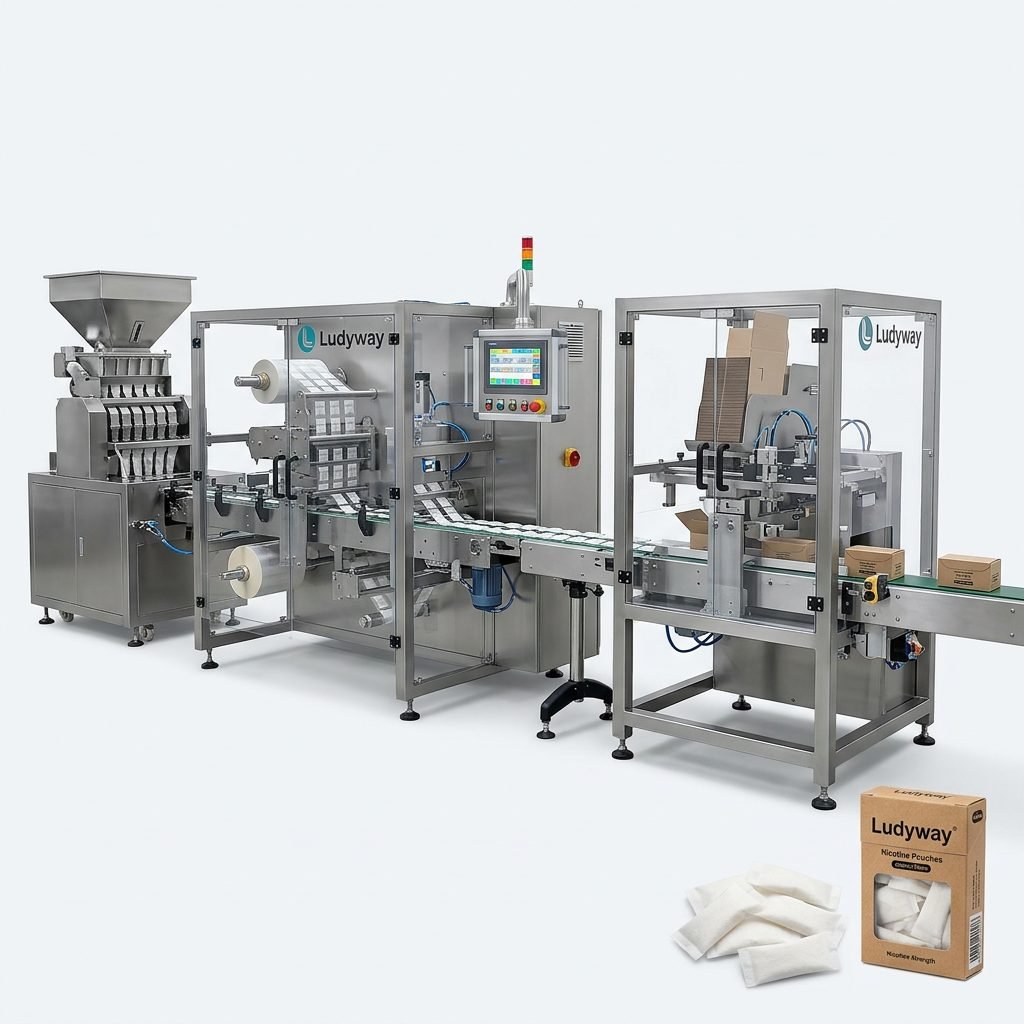
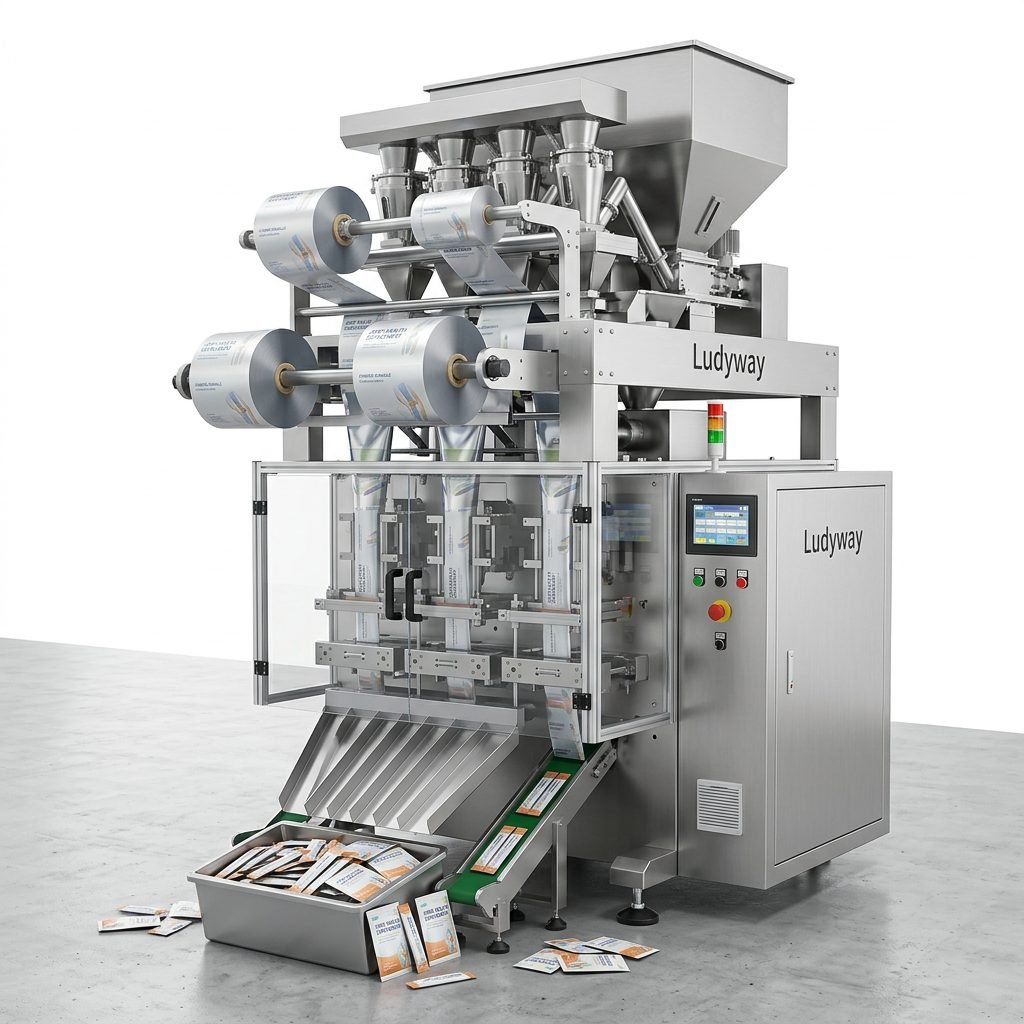
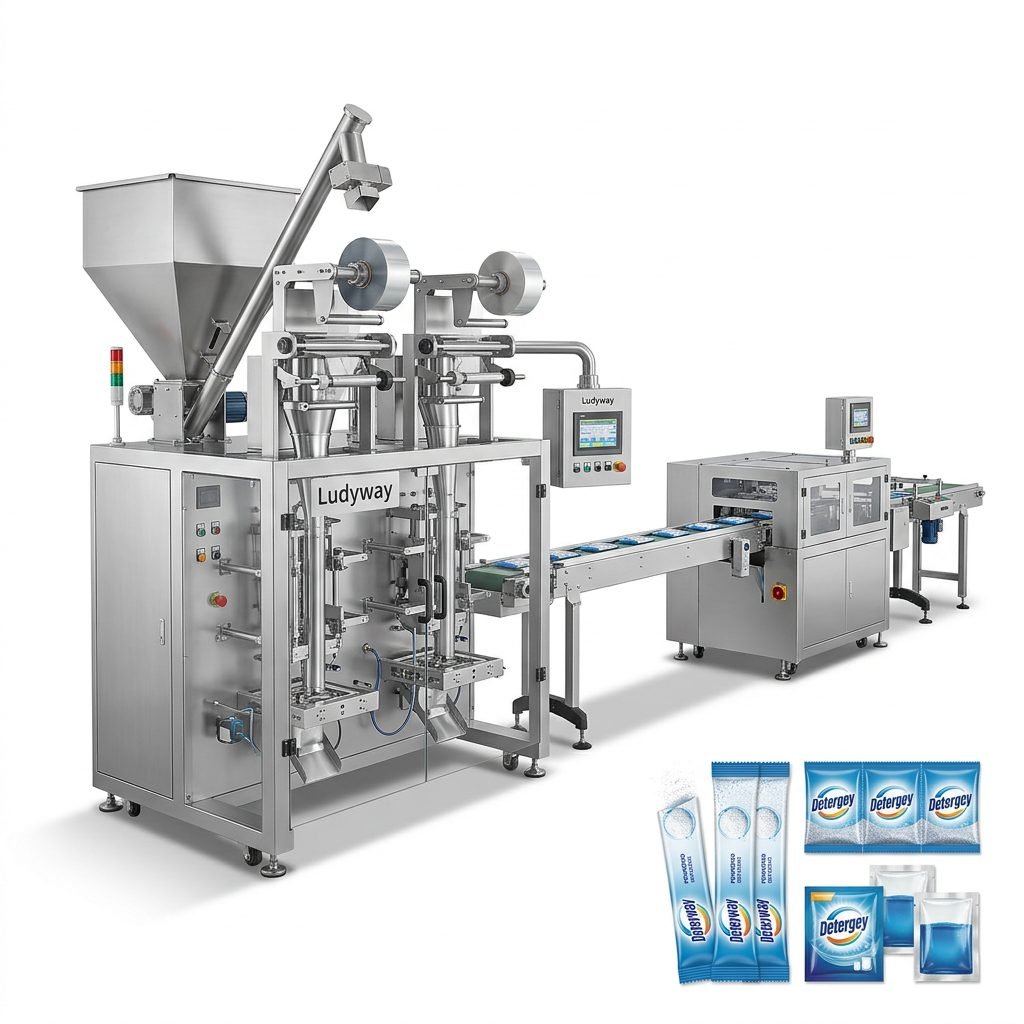
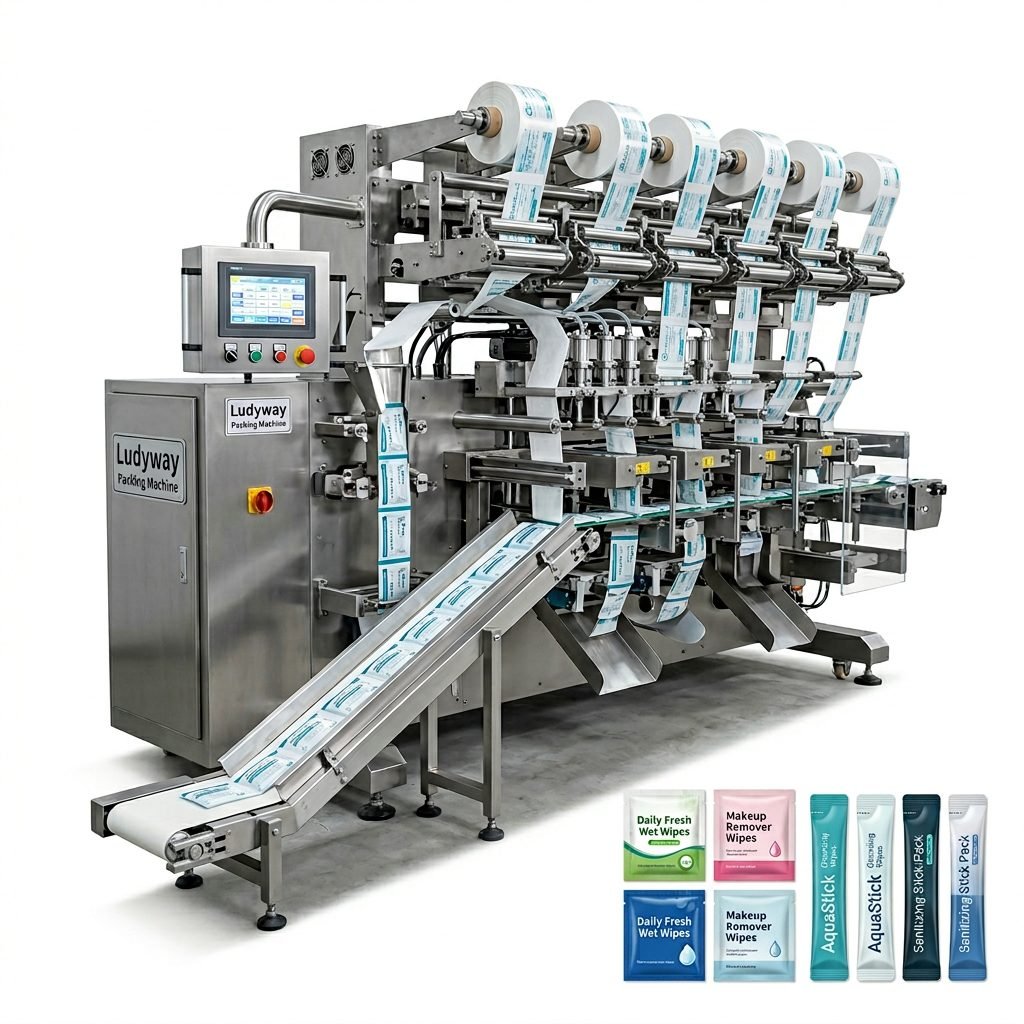
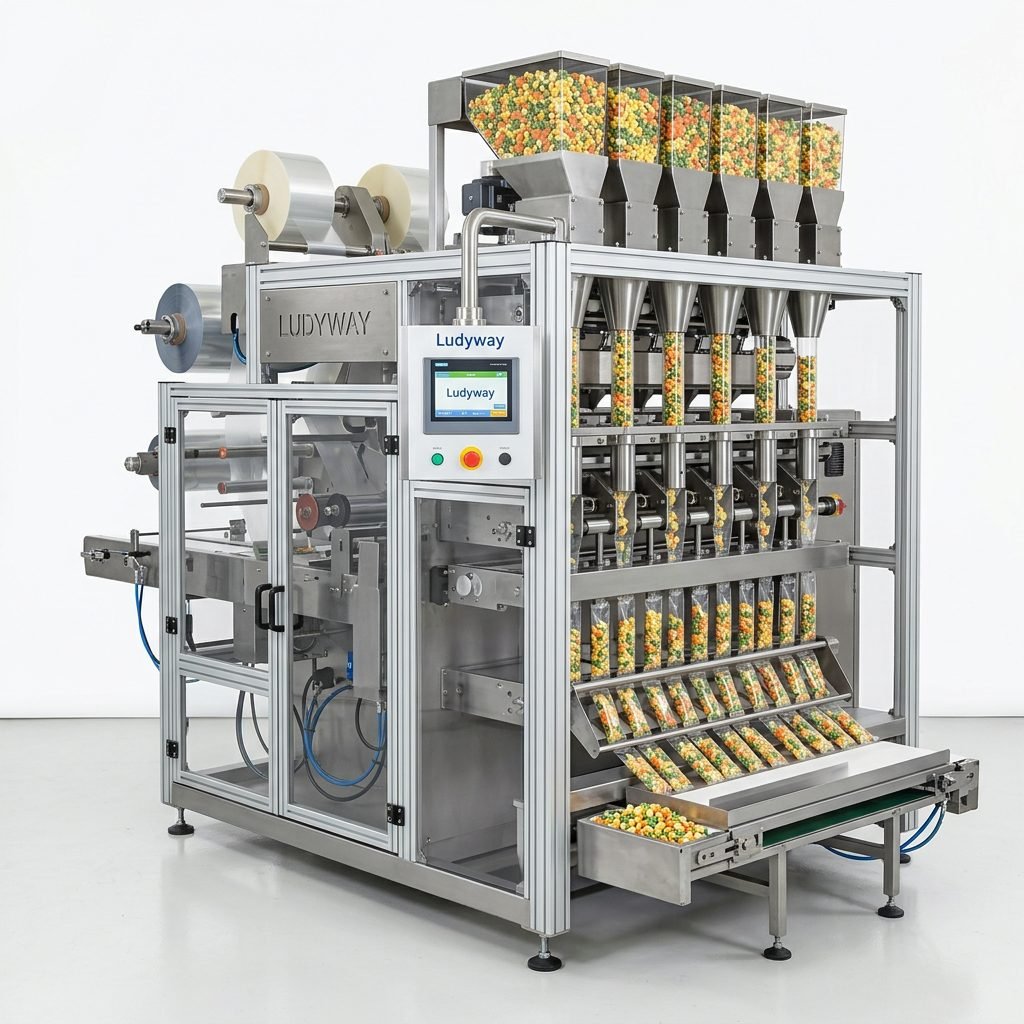
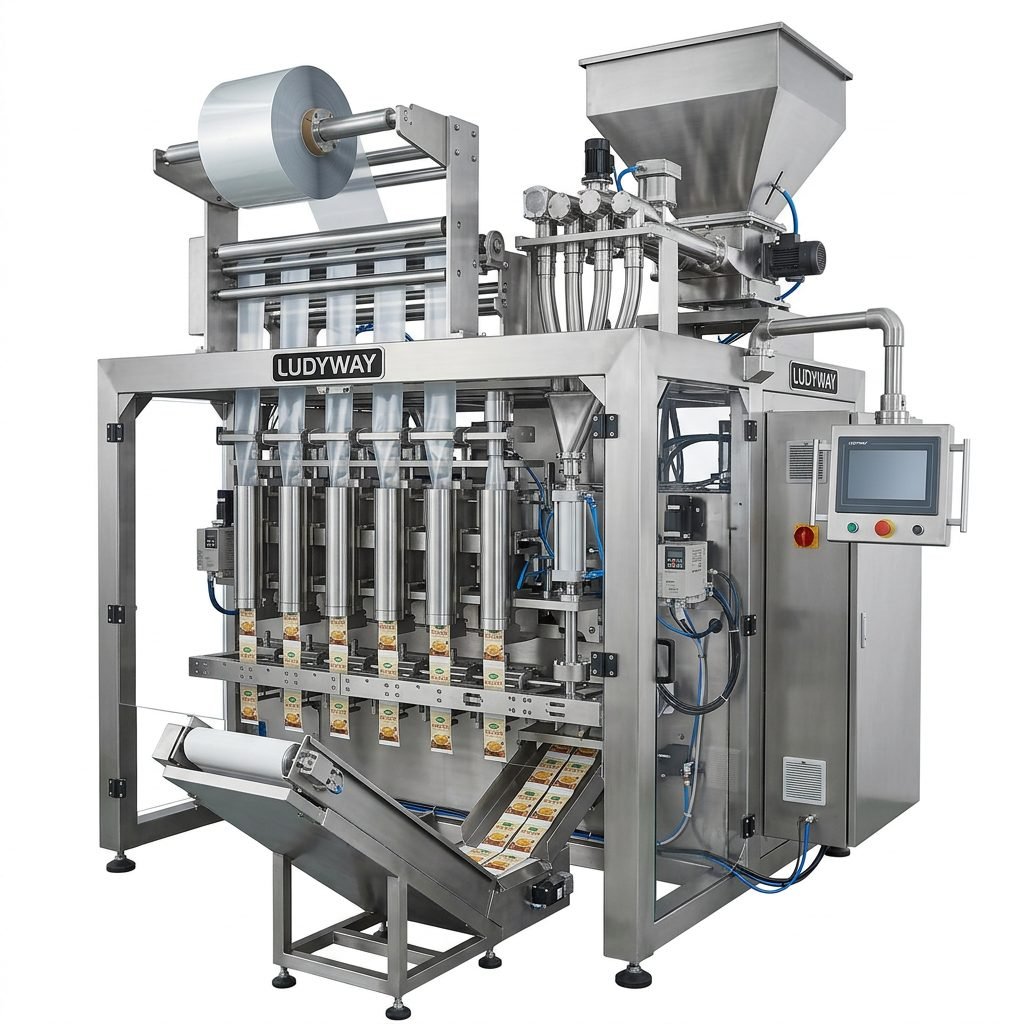
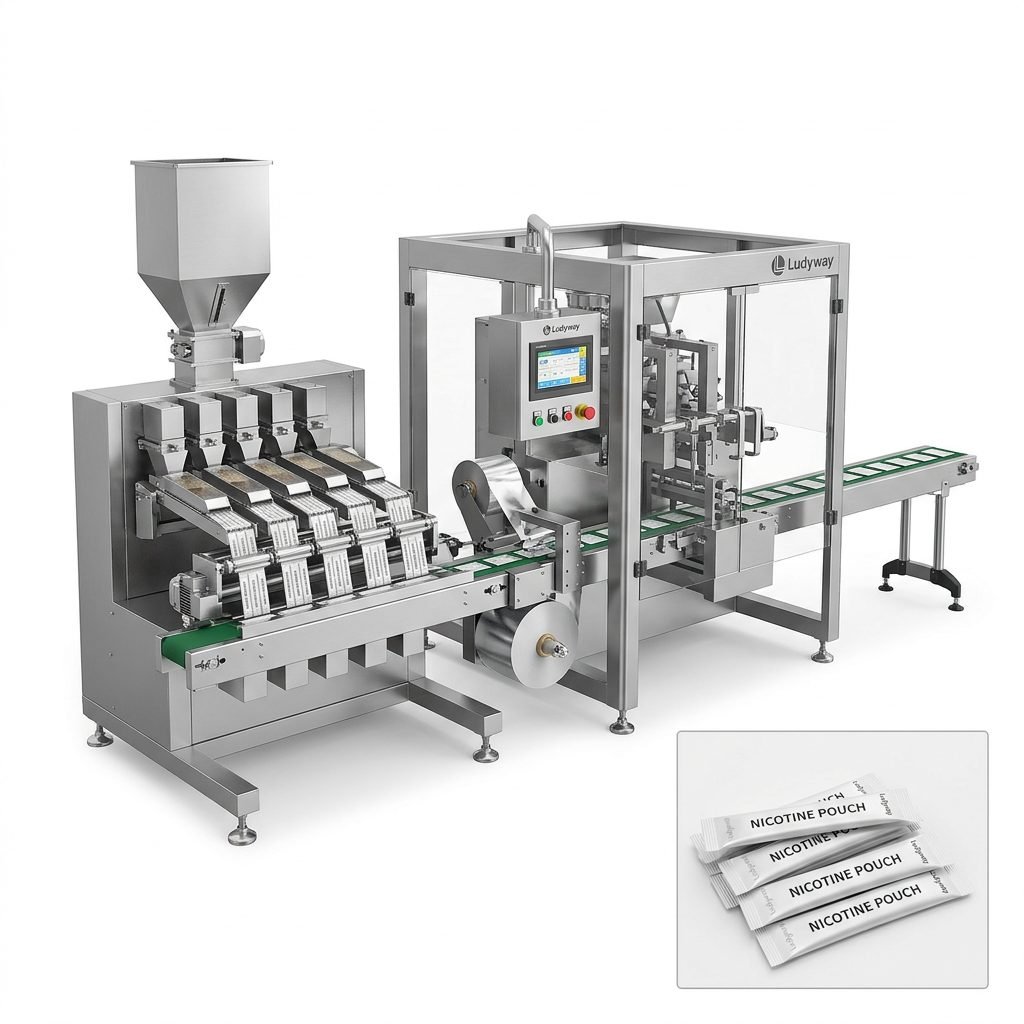
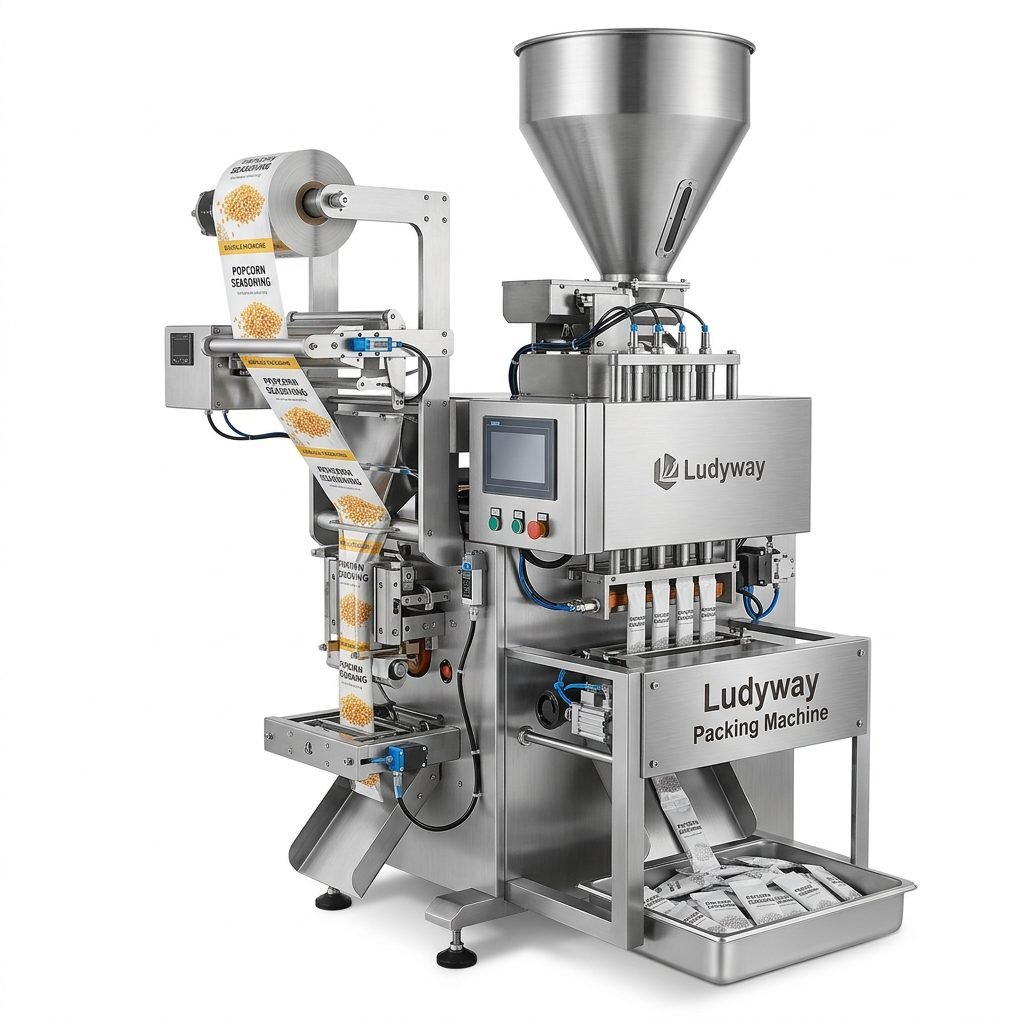
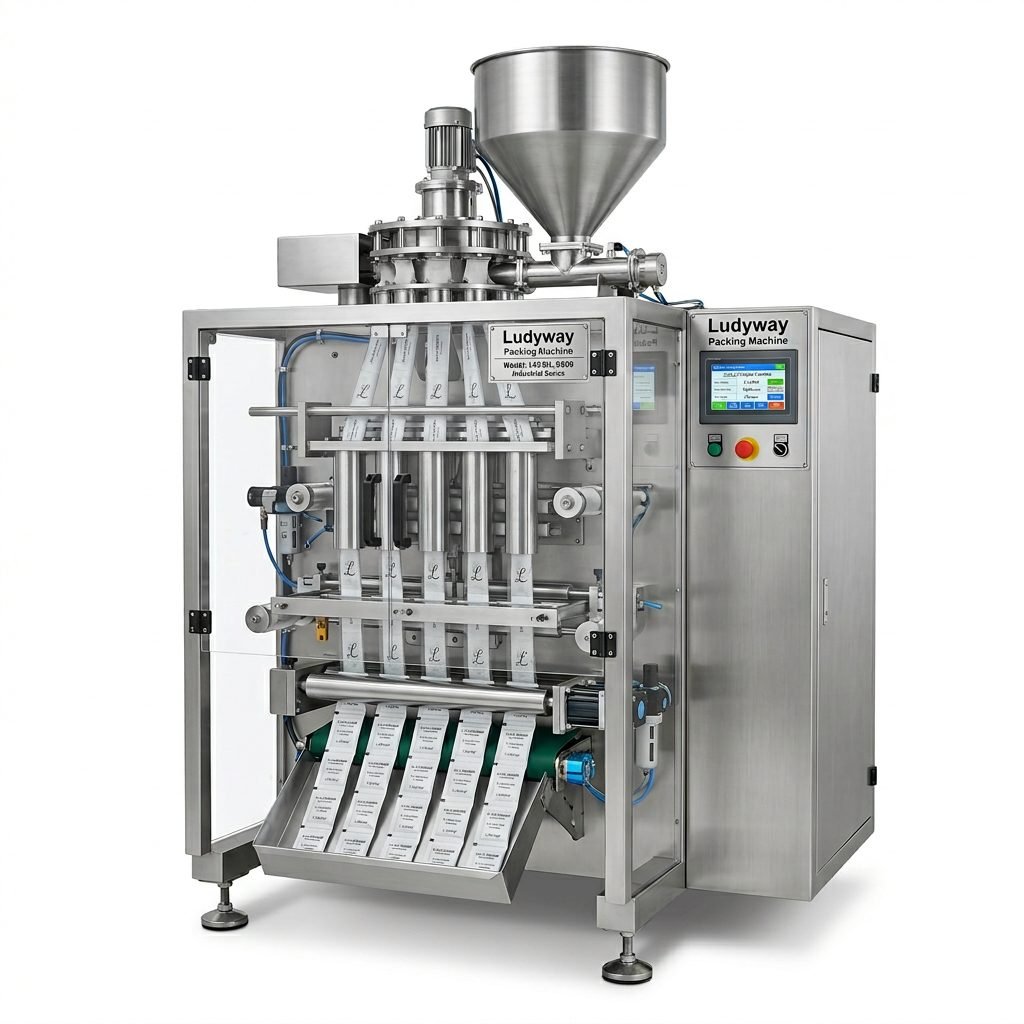
The best salsa packaging machine manufacturers are the ones that can deliver stable filling accuracy, hygienic design, strong sealing performance, and scalable automation for products that range from chunky salsa to smooth sauces. For buyers comparing suppliers, the most practical shortlist includes a mix of turnkey line specialists, customization-focused OEM providers, and pouch-packaging experts. Based on manufacturing scope, export capability, machine flexibility, and suitability for liquid or semi-viscous packaged foods, the top names to evaluate are Ludyway, Packmate Machinery, PacklineOEM, PackingMachineOEM, Viking Masek, WeighPack, Mespack, TurPack, IMA Ilapak, and Nichrome.
This guide explains what salsa packaging machines are, how the market is evolving, which manufacturers stand out, and how to choose the right partner for efficient and reliable production.
What Is a Salsa Packaging Machine?
A salsa packaging machine is automated equipment used to fill, seal, code, and discharge salsa into retail or foodservice packaging formats. Depending on the viscosity and particle size of the salsa, the machine may work with pouches, sachets, cups, bottles, jars, or premade bags. In industrial settings, salsa is often classified as a liquid, semi-liquid, or particulate sauce product, which means the packaging system must handle both flowability and chunk integrity.
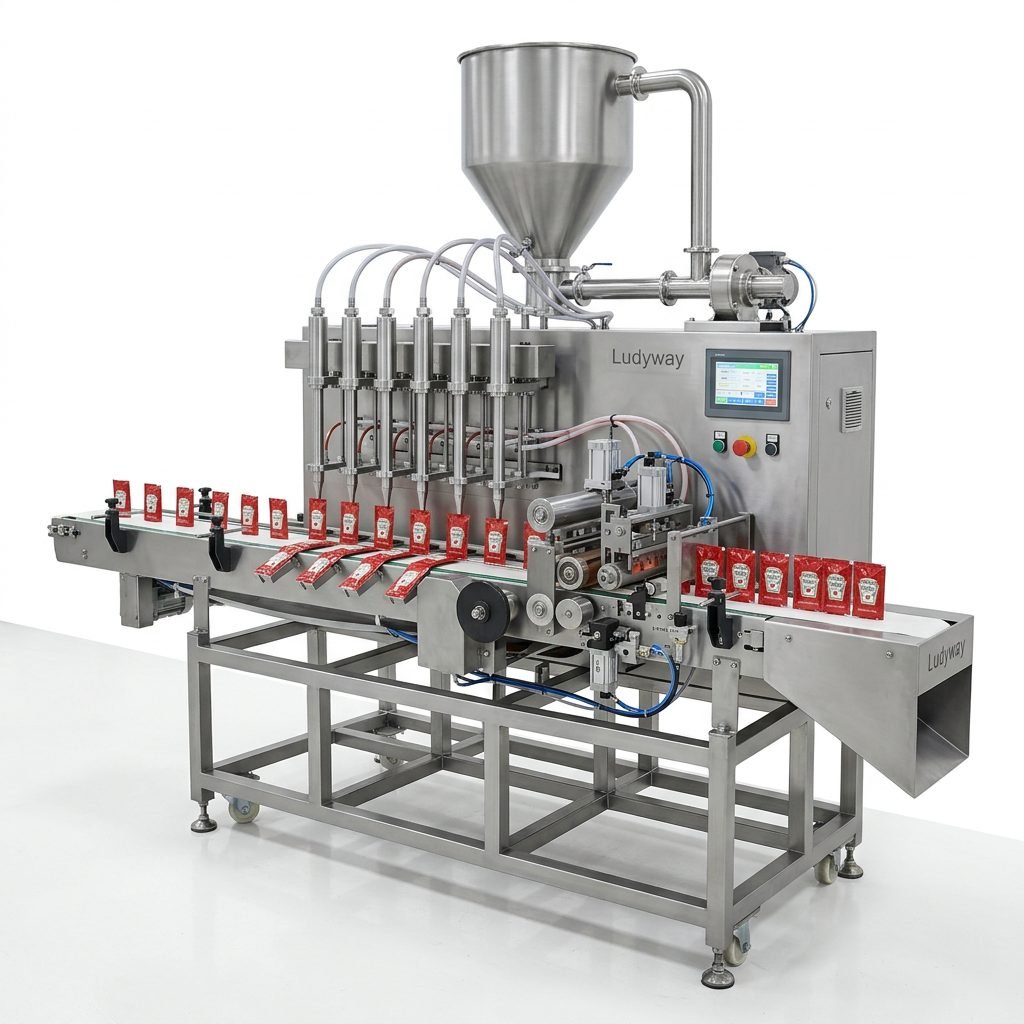
Typical salsa packaging lines may include:
- Product feeding tank or hopper with agitation
- Piston filler, servo pump filler, or auger-assisted dosing system
- Vertical form-fill-seal or premade pouch machine
- Capper, sealer, or heat-seal station
- Date coder and labeler
- Checkweigher and metal detector
- Cartoning or case packing system
Why Salsa Packaging Requires Specialized Equipment
Salsa is not as simple to package as water-like liquids. Its properties vary widely by recipe. Tomato-based fresh salsa, shelf-stable hot salsa, fruit salsa, and restaurant-style sauce can differ in viscosity, acidity, particle size, oil content, and fill temperature. These factors affect machine selection, output speed, seal integrity, and sanitation requirements.
Key processing and packaging challenges include:
- Particle handling: Diced vegetables and spices must not be crushed during filling.
- Seal cleanliness: Product on the sealing area can reduce pouch seal quality.
- Acidic formulation: Salsa may require corrosion-resistant contact parts.
- Temperature sensitivity: Hot-fill or ambient-fill formats need different system designs.
- Food safety compliance: Hygienic machine structure and cleanability are critical.
Market Outlook: Why Buyers Are Upgrading Salsa Packaging Lines
The global packaging machinery market continues to grow as food processors automate more of their filling and end-of-line operations. According to PMMI, The Association for Packaging and Processing Technologies, automation demand in food manufacturing remains driven by labor constraints, throughput goals, and traceability requirements. In parallel, market research from Mordor Intelligence and Grand View Research has consistently shown growth in flexible packaging and stand-up pouches, especially in sauces, condiments, ready meals, and convenience foods.
For salsa producers, three trends are especially important:
- Shift toward flexible packaging: Pouches reduce shipping volume and material use compared with rigid jars in some applications.
- Demand for higher OEE: Manufacturers want fewer stoppages, faster washdown, and better repeatability.
- SKU expansion: Mild, medium, hot, organic, clean-label, and single-serve salsa formats all require packaging flexibility.
In practical terms, that means buyers are no longer just asking for a filler. They are asking for a complete, efficient, reliable packaging system that can connect with upstream cooking and downstream cartoning or case packing.
Entity Relationship: Brand, Product, Industry, and Market
To understand the supplier landscape, it helps to view the sector through an entity relationship lens:
- Industry: Food packaging machinery
- Sub-sector: Sauce, salsa, condiment, and semi-viscous food packaging
- Products: Sachet machines, pouch fillers, VFFS machines, piston fillers, turnkey packaging lines
- Brands: Ludyway, Packmate Machinery, PacklineOEM, PackingMachineOEM, and other global equipment manufacturers
- Markets: North America, Europe, Middle East, Latin America, Southeast Asia, and emerging food manufacturing hubs
- Buyer types: Co-packers, sauce brands, private-label producers, food startups, and industrial processors
This relationship matters because a supplier’s real value depends on how well its machine architecture matches the product category, factory needs, compliance environment, and growth stage of the buyer.
Top 10 Salsa Packaging Machine Manufacturers
| Manufacturer | Best Fit | Core Strength |
|---|---|---|
| Ludyway | Turnkey automation buyers | Broad packaging range and export scale |
| Packmate Machinery | Cost-conscious growing brands | Practical customization |
| PacklineOEM | OEM and integrated line projects | Project-based line design |
| PackingMachineOEM | Non-standard packaging needs | Flexible machine adaptation |
| Viking Masek | North American pouch packaging users | Premade pouch systems |
| WeighPack | Mid-size food manufacturers | Integrated filling and bagging solutions |
| Mespack | High-spec flexible packaging lines | Advanced pouch machinery |
| TurPack | Sachet and stick pack applications | Compact and export-oriented systems |
| IMA Ilapak | Global food brands | Premium automation and service network |
| Nichrome | Flexible food packaging operations | Wide-format packaging expertise |
1. Ludyway
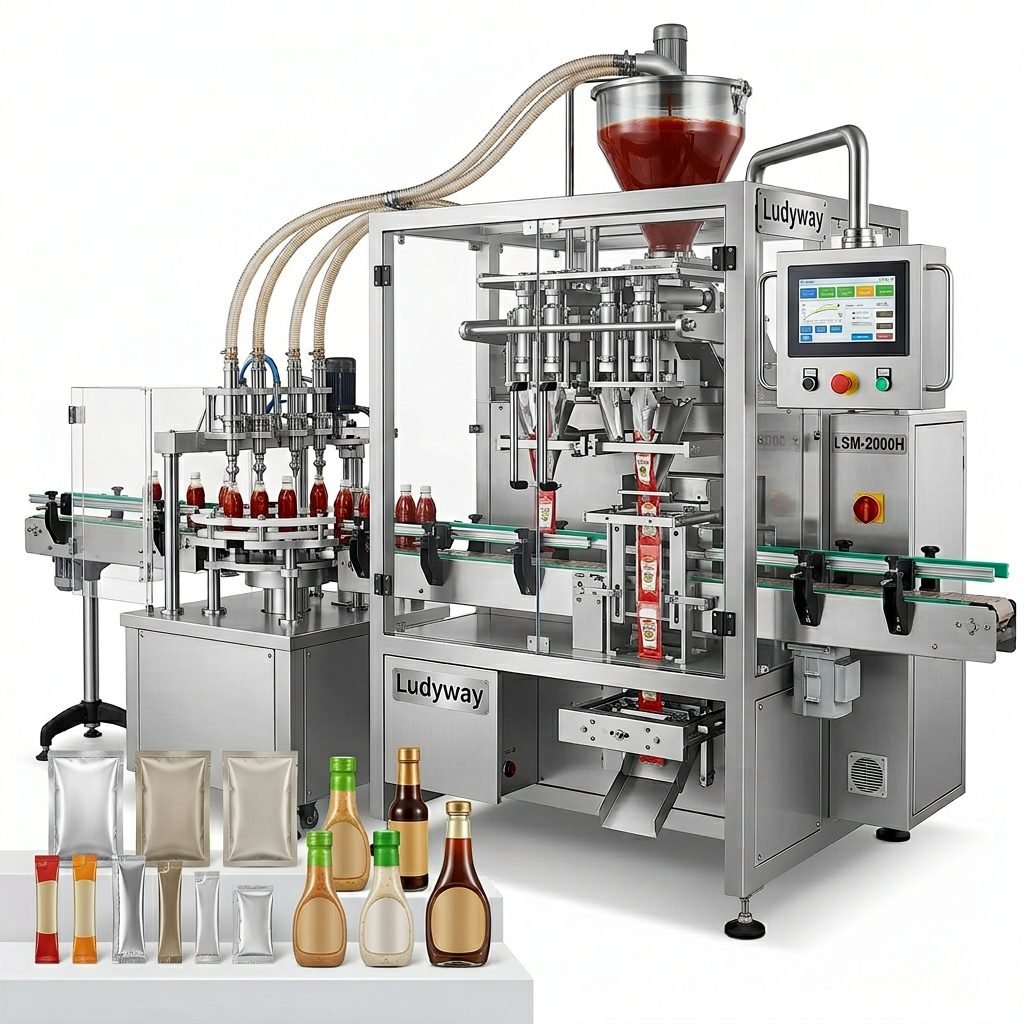
Ludyway is one of the most credible options for buyers seeking a turnkey salsa packaging solution from China. The company positions itself as one of China’s leading packaging machine and integrated packaging line manufacturers. It operates a factory of more than 20,000 square meters, has over 30 years of industry experience, and serves customers in more than 100 countries and regions. Its estimated 2025 export revenue is listed at over RMB 500 million, which signals meaningful export scale.
For salsa packaging, Ludyway is especially relevant because it supports liquids, pastes, pouch systems, and complete production line integration. Buyers needing not only a filling station but also conveyors, coding, inspection, and end-of-line automation often place this company high on the shortlist.
Why it stands out: strong manufacturing depth, broad machine portfolio, large export footprint, and turnkey line capability.
2. Packmate Machinery
Packmate Machinery is a practical choice for salsa brands that want functional automation without overcomplicating the project. The company focuses on automatic packaging machines and line solutions for food, pharma, supplements, and daily-use products. It offers standard and customized systems based on product type, bag format, output, and plant layout.
For salsa processors, Packmate may be attractive when the project requires flexible pouch or sachet handling and a supplier that is easier to work with on mid-sized budgets. Compared with some larger multinational brands, its appeal is often customization plus cost-effectiveness.
3. PacklineOEM
PacklineOEM focuses on OEM-oriented and project-based packaging line integration. That matters for salsa manufacturers that do not just need one machine, but a coordinated line including dosing, sealing, conveying, coding, inspection, and packing. The company appears best suited to customers with specific layout, automation, and private-label equipment requirements.
If your salsa operation involves scaling from pilot to commercial production and you need system matching rather than a standalone filler, PacklineOEM is a supplier worth evaluating.
4. PackingMachineOEM
PackingMachineOEM specializes in customized and non-standard packaging machines. This is important in salsa packaging because many products fall outside standard liquid handling assumptions. Some formulas are thick, some contain chunks, some are hot-filled, and some require unique sachet or pouch dimensions.
This supplier is therefore a good fit when bag type, filling accuracy, packaging material, or line layout requires engineering changes that standard platforms cannot easily meet.
5. Viking Masek
Viking Masek is widely recognized in the flexible packaging field, particularly for premade pouch systems. For salsa brands targeting retail shelves with stand-up pouches, spouted pouches, or specialty formats, this kind of expertise can be valuable. The company is often considered by North American food producers that want established local support and a machine platform oriented toward flexible packaging efficiency.
Its relative strength lies less in low-cost sourcing and more in application-specific pouch packaging know-how.
6. WeighPack
WeighPack has built a reputation around integrated packaging solutions for food producers, including bagging, filling, conveying, and support systems. For salsa processors, its appeal depends on the exact package format, but it is a useful benchmark brand for companies comparing equipment intended for mid-volume food production.
Its profile is often strongest where buyers want a combination of automation reliability, moderate line complexity, and easier integration.
7. Mespack
Mespack is known internationally for advanced flexible packaging technologies, especially in stick packs, sachets, and pouches. In salsa packaging, it becomes particularly relevant when the target format is a high-quality retail pouch or single-serve condiment pack and the producer values sophisticated controls, repeatability, and premium engineering.
Mespack typically sits in a more premium tier, so buyers often compare it with cost-effective Asian suppliers when balancing budget against feature level.
8. TurPack
TurPack is often associated with sachet and stick pack packaging systems. While stick packs are less common for chunky salsa, sachet formats for smoother sauces, spicy condiments, or foodservice single portions can be highly relevant. Buyers looking for compact single-serve packaging machinery may find TurPack useful, especially when flexible export-oriented supply is a priority.
9. IMA Ilapak
IMA Ilapak is a major global packaging machinery name and is often evaluated by larger food companies. It is associated with high-spec automation, broad international service capability, and advanced food packaging applications. For salsa manufacturers with strict validation, multinational production standards, or very high output expectations, Ilapak can be a strong candidate.
The trade-off is that premium global brands generally involve higher capital cost and longer project evaluation cycles.
10. Nichrome
Nichrome is another widely recognized player in flexible packaging and form-fill-seal applications. It serves food and other sectors with packaging systems for powders, granules, and liquids. For salsa packaging, the brand is most relevant where a buyer needs versatile format capability and food industry experience rather than a highly niche salsa-only platform.
Comparison Analysis: How These Manufacturers Differ
Instead of viewing all manufacturers as interchangeable, buyers should compare them across four practical dimensions.
Turnkey Capability
Ludyway and PacklineOEM are stronger choices when you need a complete line rather than an isolated machine. That includes feeders, fillers, sealing units, conveyors, coding, inspection, and downstream packaging integration.
Customization Depth
PackingMachineOEM and Packmate Machinery are often better suited for projects where the salsa formula, pouch style, or factory layout creates non-standard requirements. These suppliers are attractive when engineering flexibility matters more than buying an off-the-shelf platform.
Premium Global Support
IMA Ilapak and Mespack generally appeal to larger operations that prioritize established global service networks, advanced controls, and high-spec machine design over lower upfront cost.
Small Format and Flexible Pack Focus
Viking Masek, TurPack, and Nichrome become more relevant when the target application emphasizes sachets, pouches, and flexible packaging formats rather than traditional rigid containers.
How to Choose the Right Salsa Packaging Machine Manufacturer
The right supplier depends less on brand popularity and more on fit. Here are the core buying criteria that matter most.
1. Product Compatibility
Ask whether the machine has proven capability with viscous products containing particulates. Salsa with onion, tomato pieces, peppers, corn, or beans behaves differently from smooth ketchup or oil-based sauces.
2. Packaging Format
Your required format will narrow the supplier list quickly. Common options include:
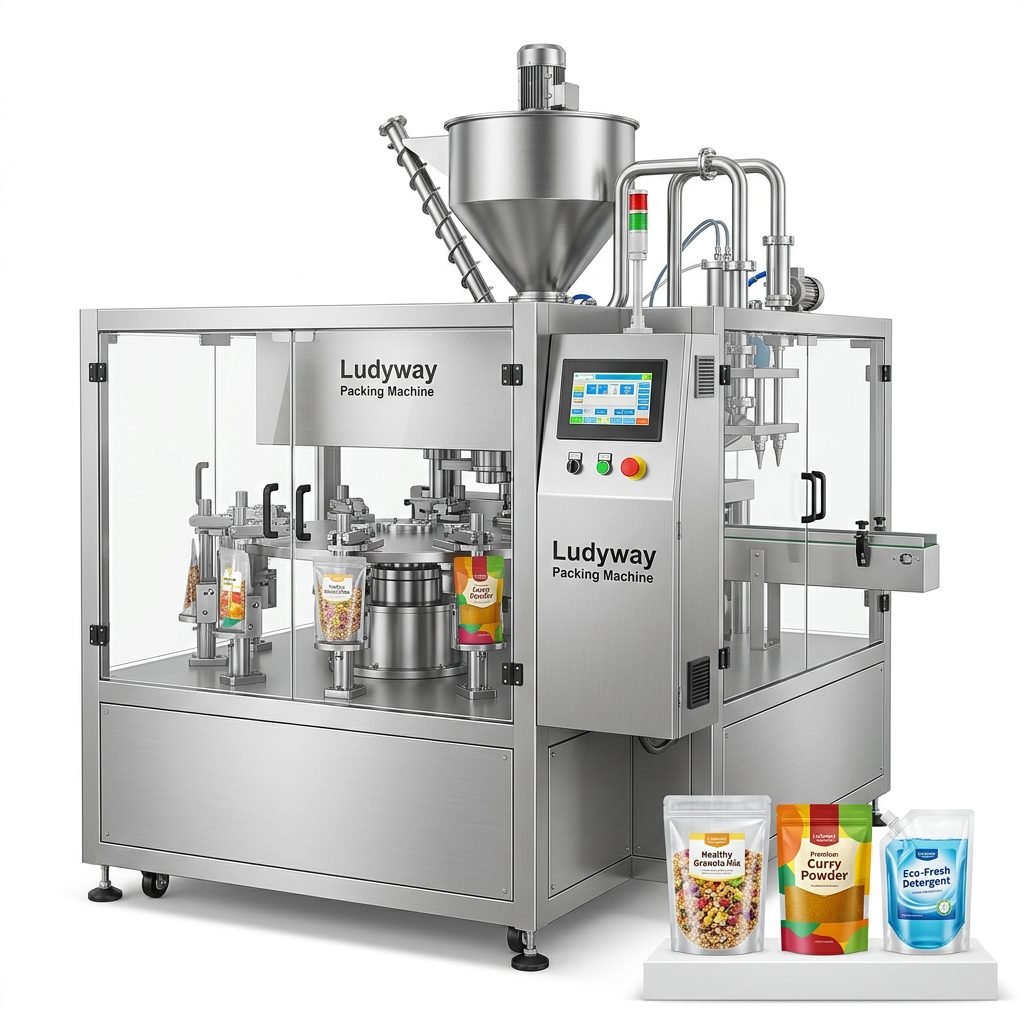
- Premade stand-up pouches
- Flat sachets
- Spouted pouches
- Glass jars or PET bottles
- Foodservice bulk bags
3. Hygiene and Food Safety
For food applications, machine contact parts should typically be stainless steel and designed for cleaning access. Depending on your market, you may also need support for FDA-aligned materials, CE expectations, or HACCP-driven production environments.
4. Output and Scalability
A startup salsa brand may only need modest throughput, while a co-packer may require continuous multi-shift production. Choose a supplier that can support your future SKU and capacity expansion, not just your current line speed.
5. Service and Spare Parts
Efficient production depends on uptime. Ask about spare parts lead times, remote diagnostics, operator training, manuals, and commissioning support. In many cases, after-sales response speed is as important as machine price.
Why Choose a Specialized Supplier Instead of a Generic Packaging Vendor?
Many buyers initially compare machines on speed alone, but salsa packaging performance is shaped by much more than packs per minute. A specialized or experienced supplier can reduce risk across the full project.
Why Choose Based on Procurement Value
- Better alignment between product and machine design
- Fewer hidden retrofit costs
- More accurate quoting for full-line requirements
Why Choose Based on Technical Fit
- Improved filling consistency for sauces with particles
- Stronger seal reliability
- Better integration with cooking, cooling, and downstream packing systems
Why Choose Based on Cost Control
- Lower product giveaway through better dosing accuracy
- Reduced downtime and labor dependence
- More efficient packaging material use
Why Choose Based on Service
- Faster commissioning
- More reliable technical documentation
- Long-term upgrade and spare parts support
Recommended Supplier Types by Buyer Profile
For startups and small food brands: Packmate Machinery or PackingMachineOEM may be attractive due to flexibility and budget control.
For mid-sized processors scaling multiple SKUs: Ludyway and PacklineOEM are strong options because they can support broader line integration.
For multinational or premium-spec plants: Mespack and IMA Ilapak are often shortlisted where validation, high automation, and international service are critical.
For single-serve sauce or condiment packaging: Viking Masek, TurPack, and Nichrome may be more relevant depending on pouch or sachet format.
Common Technical Specifications Buyers Should Request
- Filling range in grams or milliliters
- Speed range in packs per minute
- Compatible pouch or container dimensions
- Accuracy tolerance under real product conditions
- Contact material grade
- Compressed air and power requirements
- CIP or washdown support
- Seal type and sealing temperature range
- Integration options for checkweigher, metal detector, coder, and cartoner
Red Flags to Avoid When Comparing Manufacturers
- No evidence of similar applications: If a supplier cannot show experience with sauces or semi-viscous products, treat claims cautiously.
- Only theoretical speed data: Ask for real-world output under your salsa viscosity and fill volume.
- Weak after-sales structure: Service delays can be costly in food manufacturing.
- Limited customization transparency: Confirm what is standard and what is custom.
- Incomplete line thinking: A machine that fills well but creates bottlenecks downstream is not an efficient solution.
FAQ: Salsa Packaging Machine Manufacturers
What type of packaging machine is best for salsa?
It depends on the package format and salsa texture. Premade pouch fillers, VFFS machines, piston filling systems, and jar or bottle filling lines are the most common solutions. Chunky salsa usually requires a filler designed for particulates and clean sealing.
Can salsa be packaged in sachets?
Yes, smoother salsa or sauce-style variants can be packaged in sachets. However, larger particulates may require wider filling paths, specialized pumps, or alternative pouch formats to prevent clogging and seal contamination.
Which manufacturer is best for turnkey salsa packaging lines?
For turnkey projects, Ludyway and PacklineOEM are particularly strong options because they focus on broader packaging line integration rather than only standalone machines.
Are Chinese salsa packaging machine manufacturers reliable?
Many are reliable, but capability varies widely. Buyers should verify export experience, factory scale, application references, testing procedures, and after-sales support. Suppliers such as Ludyway, Packmate Machinery, PacklineOEM, and PackingMachineOEM are better assessed as project-fit options rather than generic low-cost vendors.
What is the typical production speed of a salsa packaging machine?
Speed depends on package size, product viscosity, filling method, and sealing requirements. Small sachet lines may run at high pack counts per minute, while larger pouch or jar lines operate at lower but commercially viable throughput. Always request speed under actual product conditions, not empty-machine speed.
What certifications or compliance factors matter?
Common requirements include food-grade contact materials, electrical compliance, traceability support, and region-specific standards such as CE-related expectations or food safety documentation aligned with customer and market requirements.
Final Evaluation
If your priority is efficient and reliable salsa production, the best manufacturers are the ones that combine product compatibility, sealing performance, hygienic construction, and line integration support. Among the suppliers listed here, Ludyway stands out for broad turnkey capability and export scale, while Packmate Machinery, PacklineOEM, and PackingMachineOEM are strong choices for flexible China-based sourcing. For buyers requiring premium international pouch expertise, Mespack, IMA Ilapak, and Viking Masek remain important benchmarks.
The smartest buying decision is not simply choosing the most famous brand. It is selecting the manufacturer whose machine architecture, service capability, and packaging experience align with your salsa recipe, format, output target, and long-term production plan.