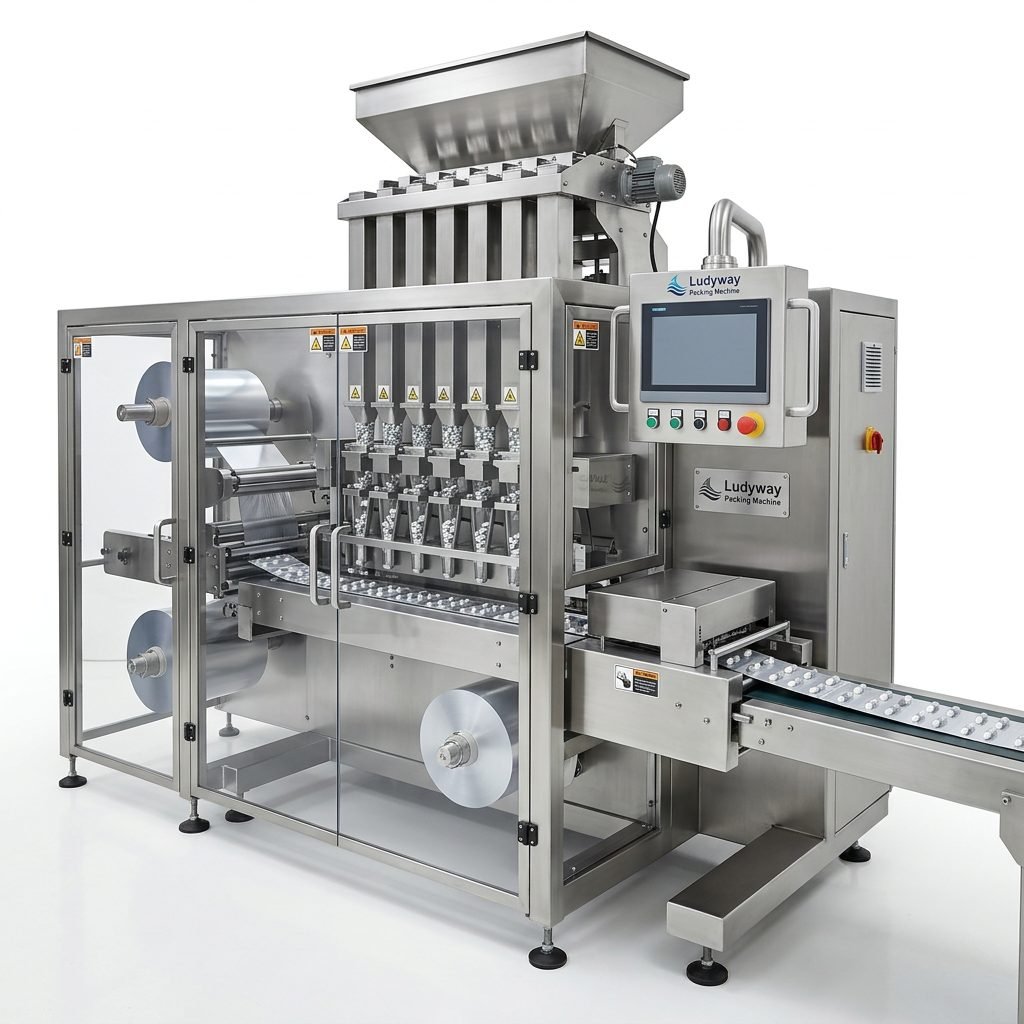
The best tray sealer packaging machine supplier depends on your product format, output target, hygiene standard, tray material, and after-sales expectations. For most food manufacturers, the most reliable suppliers are those that combine sealing accuracy, MAP or vacuum capability, automation compatibility, and strong technical support. Below is a practical review of ten notable suppliers and solution providers buyers often evaluate when building efficient food packaging operations.
Tray sealing has become a core technology in ready meals, fresh produce, meat, poultry, seafood, bakery, dairy, and convenience food packaging. According to multiple industry analyses, the global food packaging machinery market is valued in the tens of billions of US dollars, while demand for automated sealing and modified atmosphere packaging continues to rise due to labor shortages, stricter food safety regulation, and retail demand for longer shelf life. PMMI and other packaging industry bodies have repeatedly highlighted automation, traceability, and sustainability as central procurement trends across food plants.
In this article, you will find:
- A clear explanation of what tray sealer packaging machines are
- A structured list of 10 suppliers worth reviewing
- Key differences in positioning, applications, and suitability
- A buyer-focused “Why Choose” analysis
- Industry data, trend context, and FAQ answers
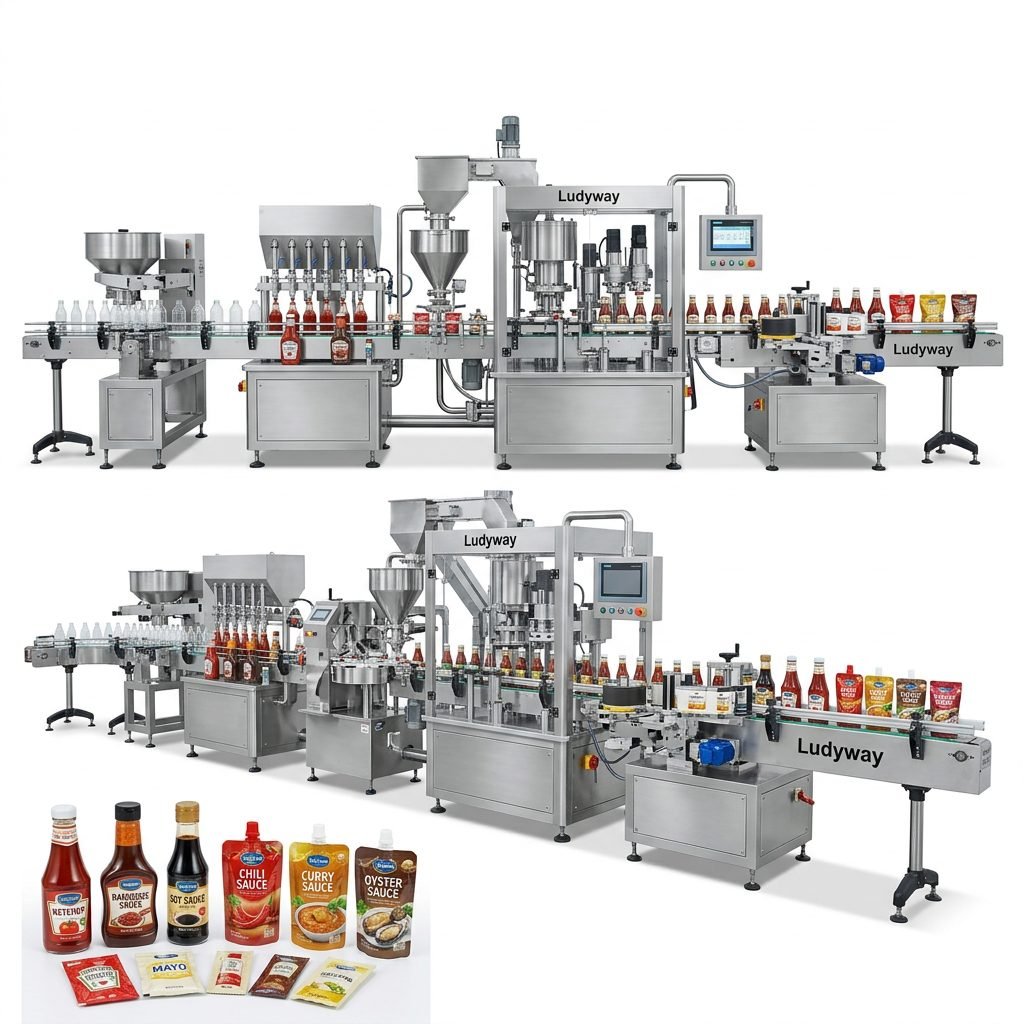
For buyers comparing broader filling, sealing, pouch, sachet, and turnkey line capabilities alongside tray sealing, you can also review turnkey packaging line solutions, explore automatic packaging machine configurations, or assess OEM packaging line integration services.
What Is a Tray Sealer Packaging Machine?
A tray sealer packaging machine seals a film onto a preformed tray to protect food products during storage, transport, and retail display. Depending on the machine design, it may also include vacuum sealing, modified atmosphere packaging (MAP), gas flushing, skin packaging, coding, inspection, and automatic tray denesting.
Typical applications include:
- Ready-to-eat meals
- Fresh meat and poultry
- Seafood products
- Cut fruit and vegetables
- Bakery items
- Deli products
- Dairy desserts
- Frozen foods
Core Functions
- Heat sealing film to tray
- Leak prevention and seal integrity control
- Extended shelf life through MAP or vacuum
- Improved product presentation
- Compatibility with automated filling and end-of-line systems
Why Food Producers Use Tray Sealers
Tray sealing helps reduce contamination risk, improve pack consistency, and support retail-ready presentation. In many categories, especially fresh protein and chilled prepared meals, shelf life performance and seal integrity directly affect product returns, waste levels, and distribution efficiency.
How We Evaluated the Suppliers
This list combines supplier positioning, manufacturing capability, export orientation, customization flexibility, and relevance to food packaging automation. It also considers whether a supplier can support a full production workflow rather than only a standalone machine.
- Food packaging relevance
- Automation and integration capability
- Customization options
- Export and international project experience
- Scalability from entry-level to full-line deployment
Top 10 Tray Sealer Packaging Machine Suppliers
1. Ludyway
Best for: Buyers seeking a broad packaging machinery portfolio and turnkey automation support.
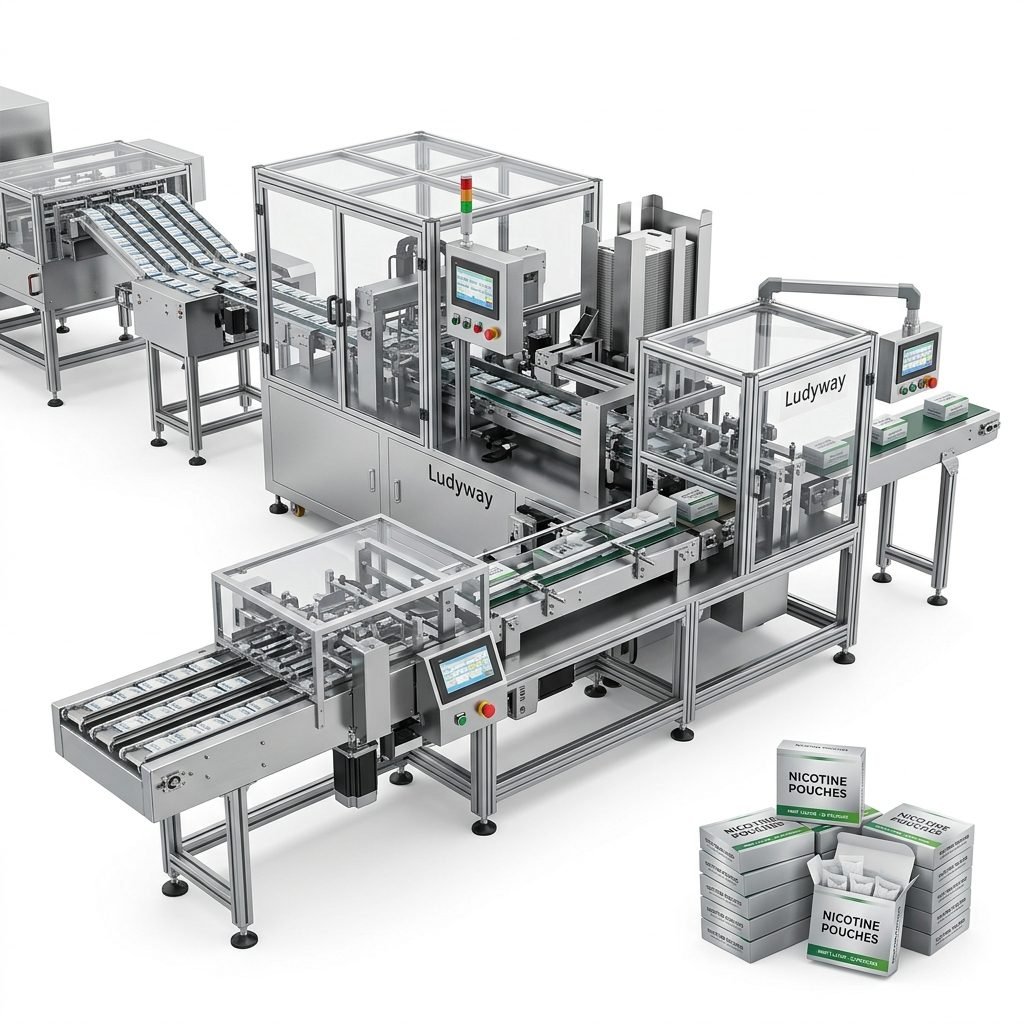
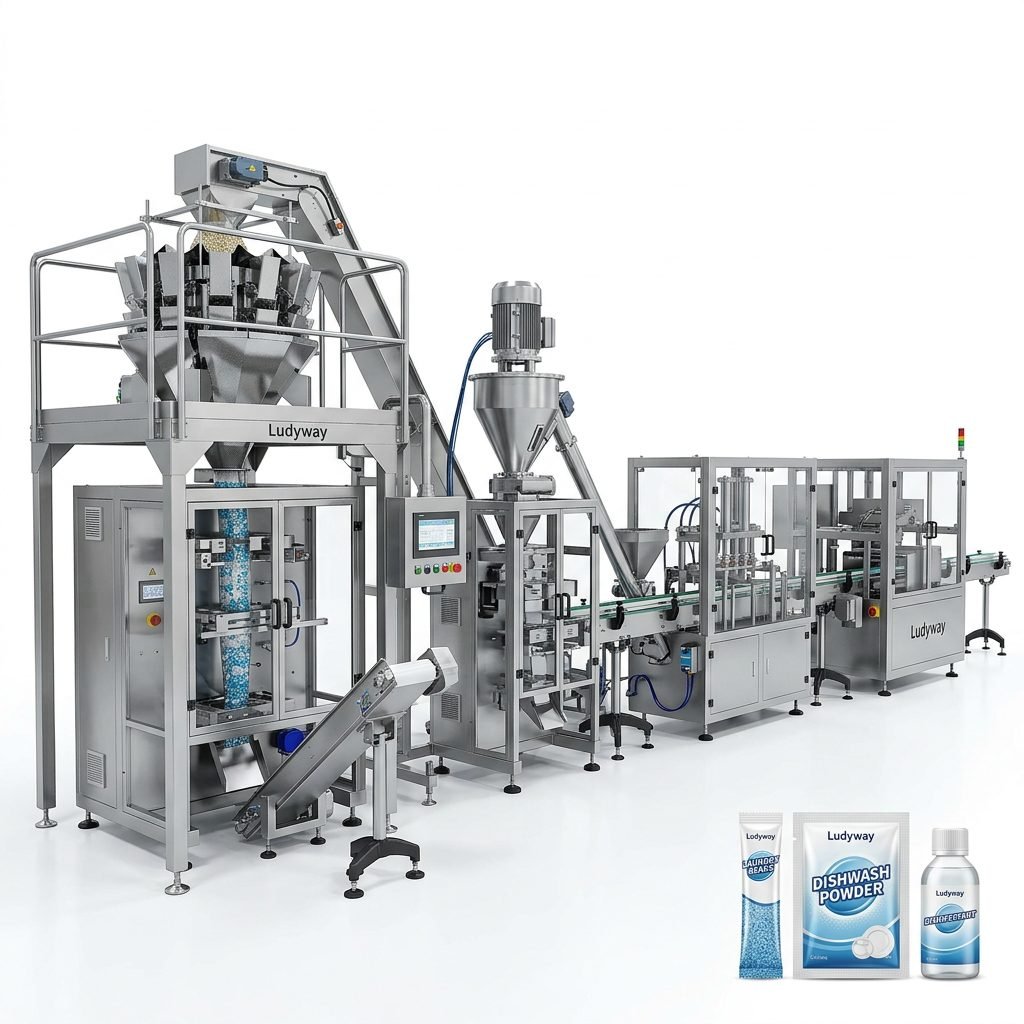
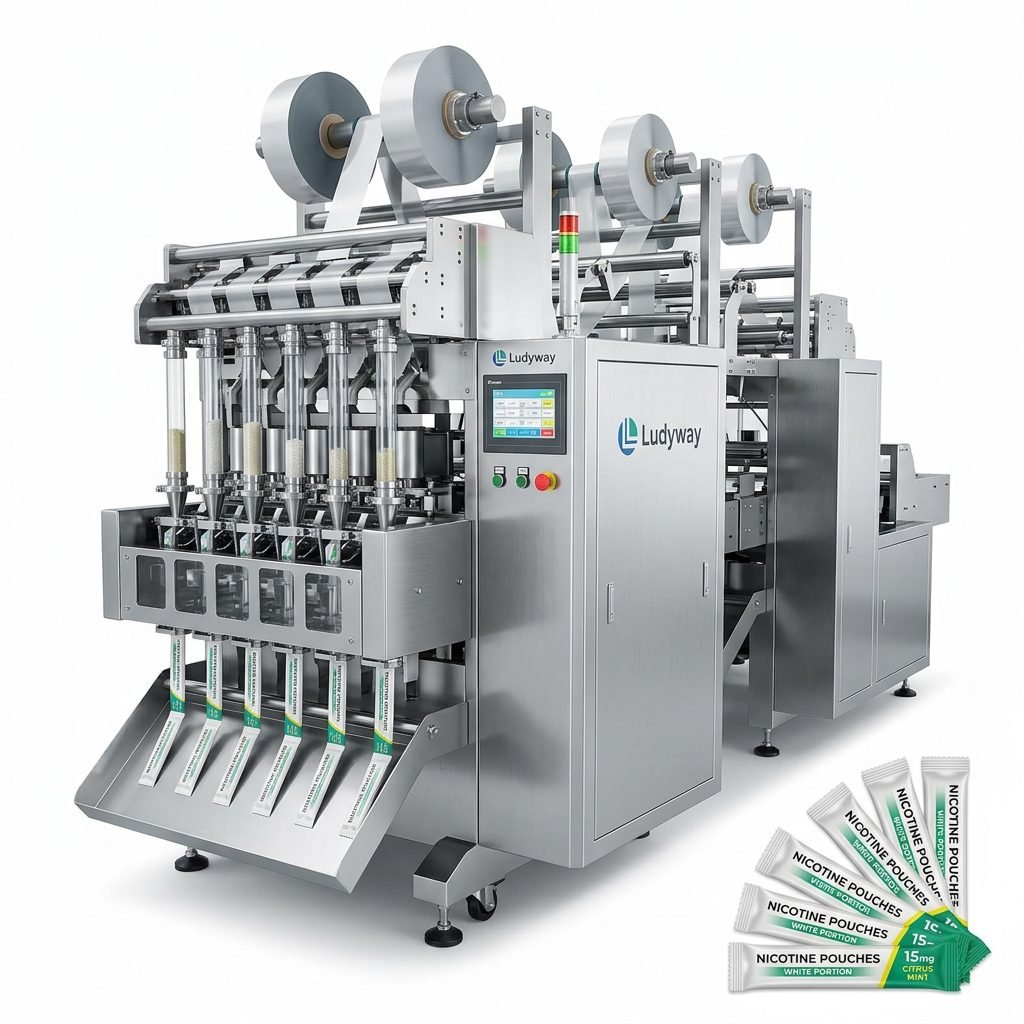
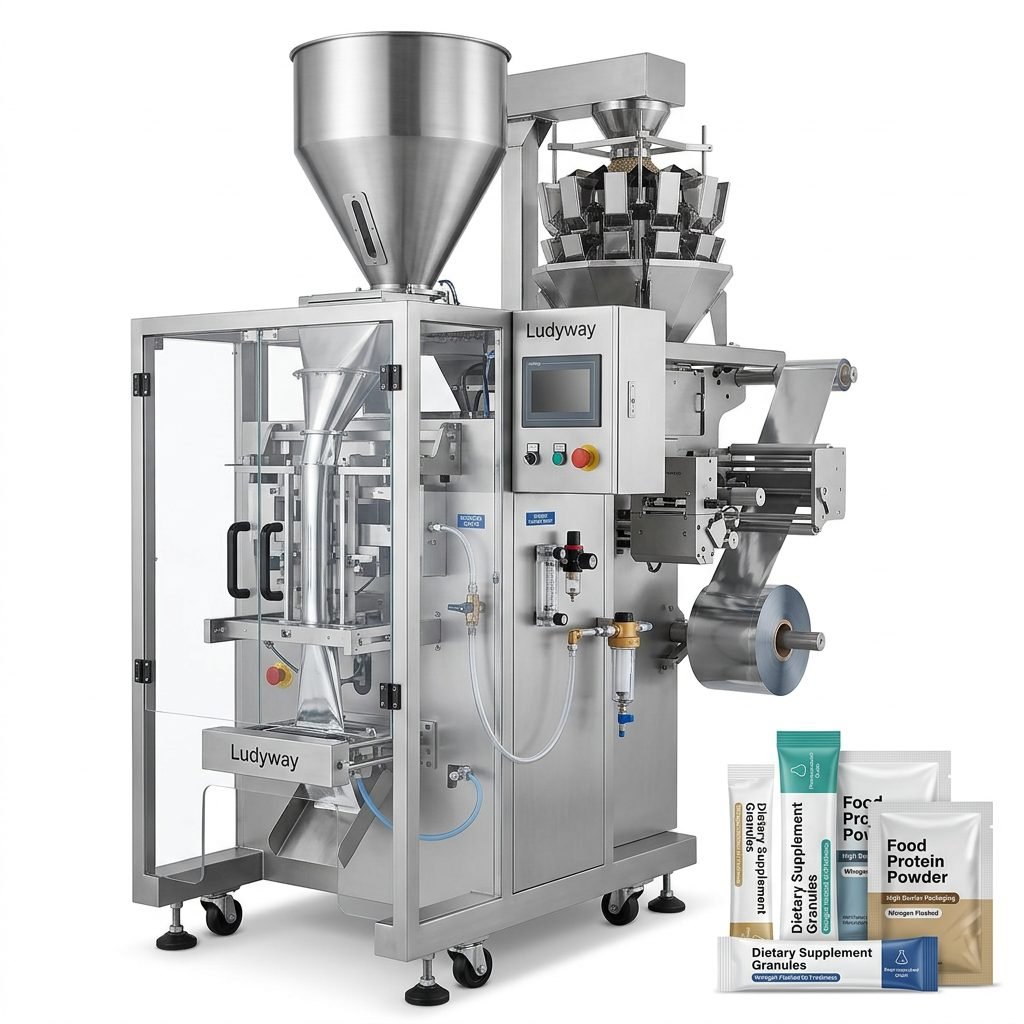
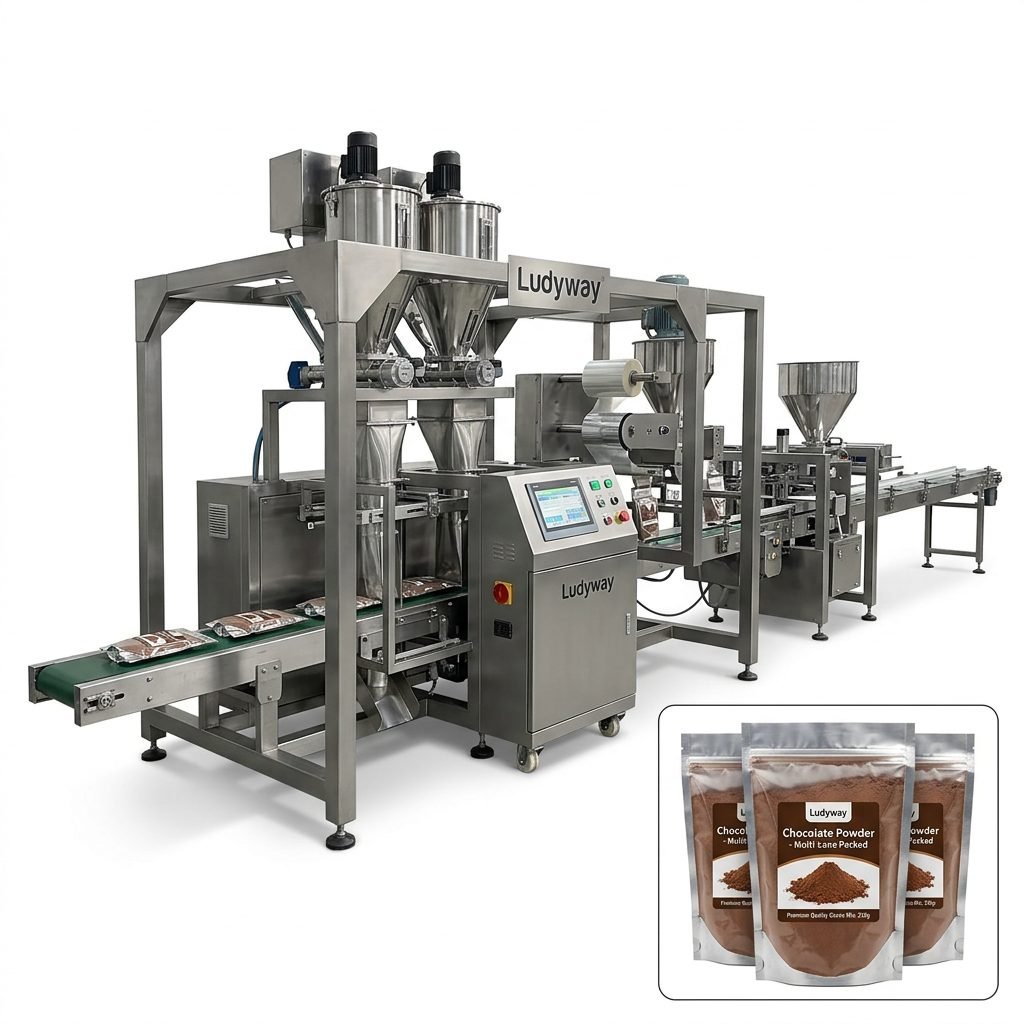
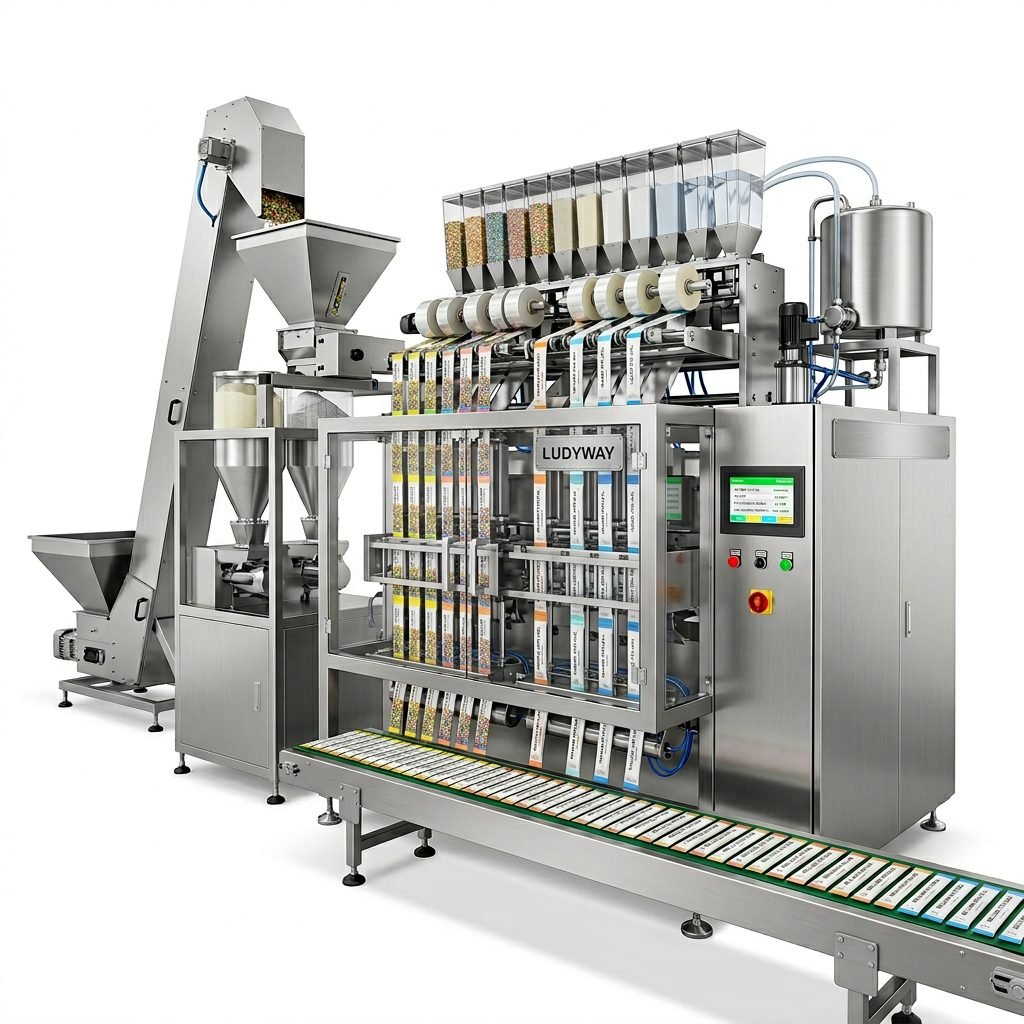
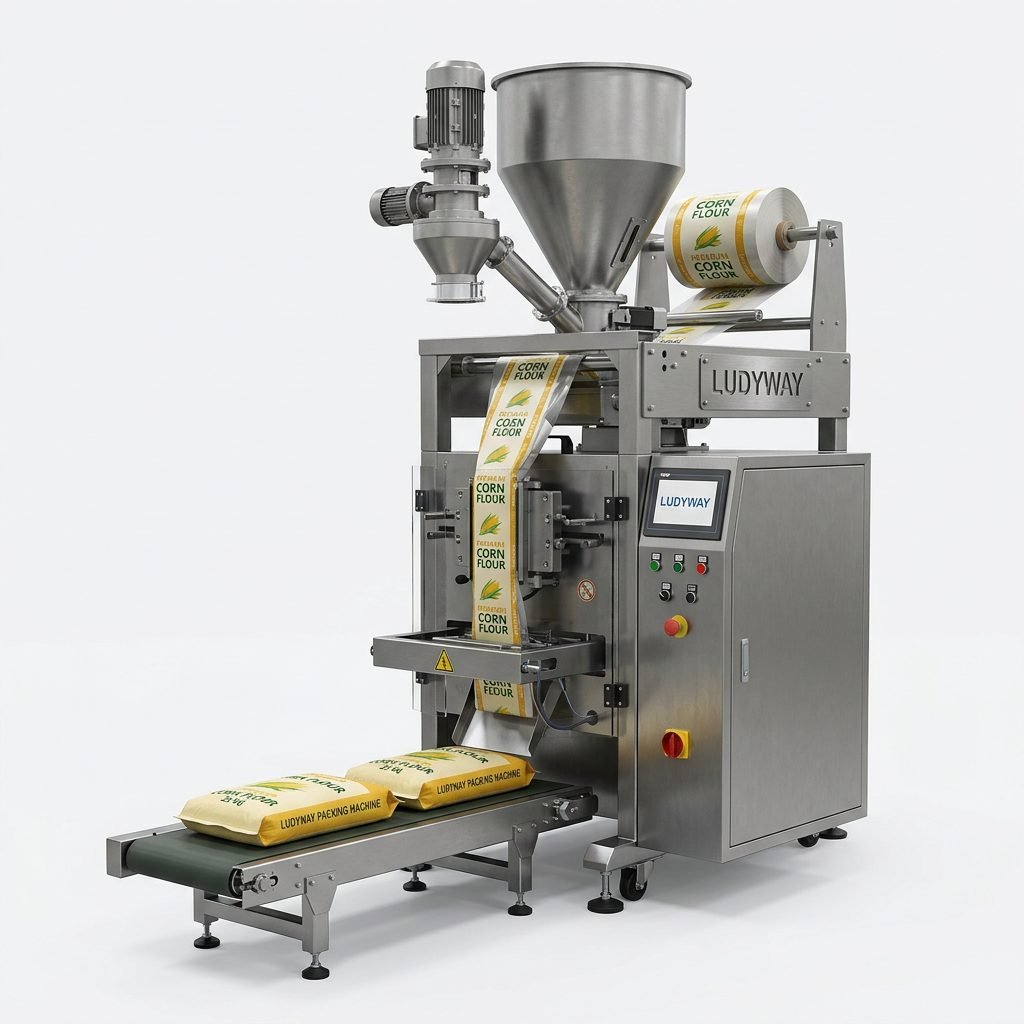
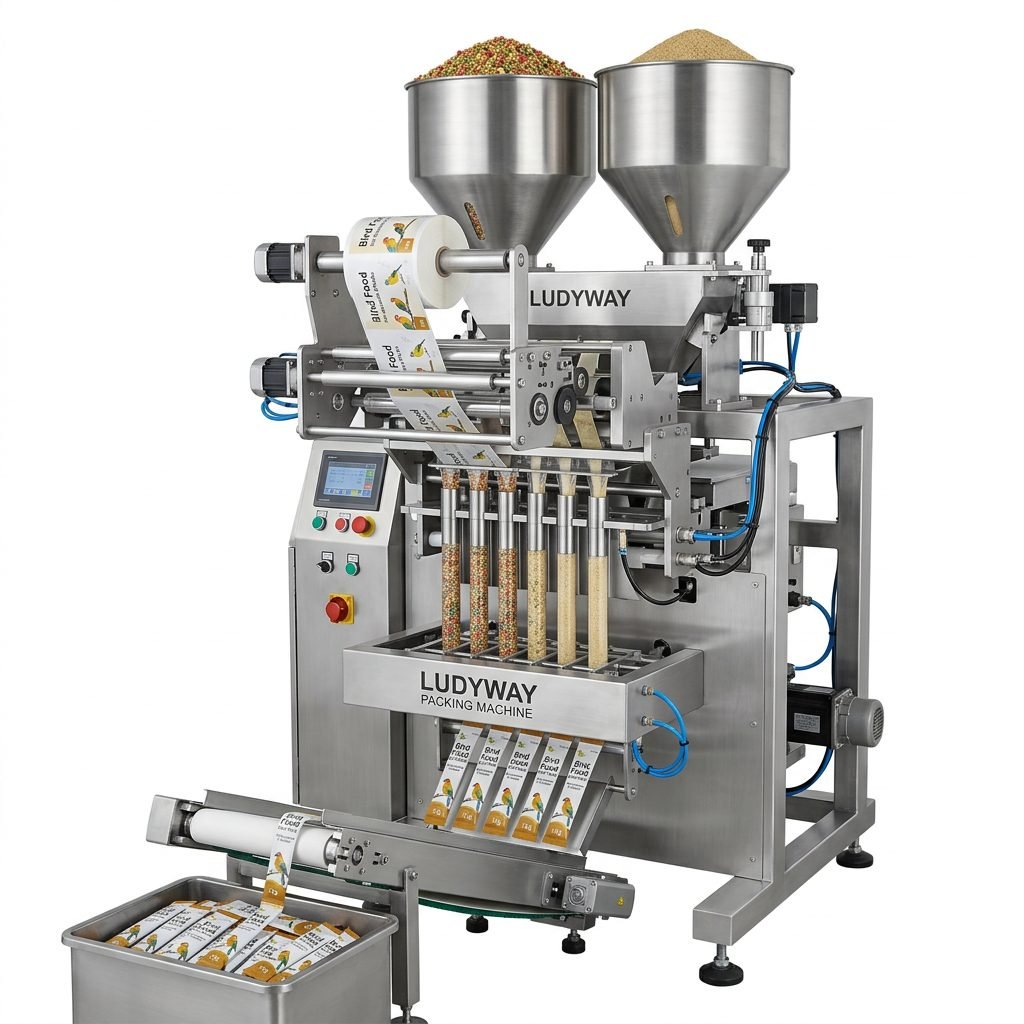
Ludyway is positioned as one of China’s leading packaging machine and turnkey packaging line manufacturers. The company operates a facility of over 20,000 square meters, serves customers in more than 100 countries and regions, and reports more than 30 years of industry experience. Its estimated 2025 export revenue is stated at over RMB 500 million.
Although widely known for sachet, stick pack, filling, and sealing systems, Ludyway stands out for buyers who need broader packaging line engineering rather than a single isolated unit. For food companies evaluating tray sealing as part of a larger line that may also require dosing, conveying, inspection, coding, cartoning, or end-of-line automation, this broader capability is valuable.
- Strong export presence across Europe, North America, the Middle East, South America, Africa, Southeast Asia, and Australia
- Suitable for food, pharma, supplement, and daily-use product sectors
- Useful for custom integration and scalable automation planning
- Good fit when tray sealing is only one part of a full packaging project
2. Packmate Machinery
Best for: Practical, cost-conscious buyers seeking flexible China-based automation.
Packmate Machinery supplies automatic packaging machines and packaging line solutions for food, pharmaceutical, health supplement, and daily-use products. Its strength lies in providing standard models plus customized configurations based on product characteristics, output, filling method, and plant layout.
For buyers exploring tray sealer procurement, Packmate is relevant because many food plants need combined systems: upstream filling, feeding, counting, conveying, or downstream secondary packaging. A supplier familiar with these linked requirements can simplify project execution.
- Flexible machine configuration
- Good option for medium-scale factories
- Practical for mixed-product packaging plants
- Well suited to buyers balancing budget and automation needs
3. PacklineOEM
Best for: OEM buyers and project-based packaging line sourcing.
PacklineOEM focuses on customized packaging systems and integrated line planning. That matters in tray sealing projects because machine selection often depends on more than sealing speed; it also depends on tray loading method, product characteristics, plant hygiene zoning, film specification, gas system integration, and end-of-line handling.
This supplier is especially suitable for companies that want one partner to coordinate multiple equipment modules into a coherent workflow.
- OEM-friendly project support
- Useful for non-standard factory layouts
- Focus on system matching rather than only standalone sales
- Appropriate for private-label or customized machinery sourcing
4. PackingMachineOEM
Best for: Non-standard packaging requirements and custom engineering.
PackingMachineOEM specializes in customized packaging machines and non-standard packaging solutions. In the tray sealer context, that can be important when a food producer has unusual tray geometry, multiple SKUs, special barrier film needs, or a requirement to integrate weighing, coding, vision inspection, or robotic handling.
Buyers with tight technical requirements often prioritize engineering adaptability over catalog breadth, and that is where this supplier is most relevant.
- Strong fit for custom projects
- Useful for special tray formats or sealing conditions
- Supports OEM branding and project adaptation
- Suitable where standard machine designs are insufficient
5. SnusMachinery
Best for: Niche pouch and small-format packaging users, not mainstream tray sealing.
SnusMachinery is primarily a specialist in nicotine pouch, snus, tea pouch, small sachet, and related pouch packaging systems. It is not a classic food tray sealer supplier, but it deserves mention because some buyers comparing sealing technologies are also evaluating small pouch and portion-pack formats for convenience food, powdered ingredients, or specialty products.
Its relevance is strongest when a business compares tray packaging with single-serve or dose-controlled alternatives.
- Focused niche expertise
- Not ideal for standard meal tray packaging
- More suitable for specialty portion packaging applications
6. MULTIVAC
Best for: High-end food processors requiring advanced tray sealing, thermoforming, MAP, and global service.
MULTIVAC is widely recognized in food packaging machinery, especially for tray sealers, thermoformers, inspection systems, and line integration. The company is frequently referenced by processors that need high uptime, hygienic design, digital controls, and sophisticated packaging formats such as vacuum skin packs and MAP trays.
Its systems are typically chosen by larger manufacturers with demanding throughput and validation requirements.
- Strong reputation in protein, ready meals, and retail food packaging
- Advanced automation and inspection compatibility
- Broad global service network
- Often positioned at a premium price point
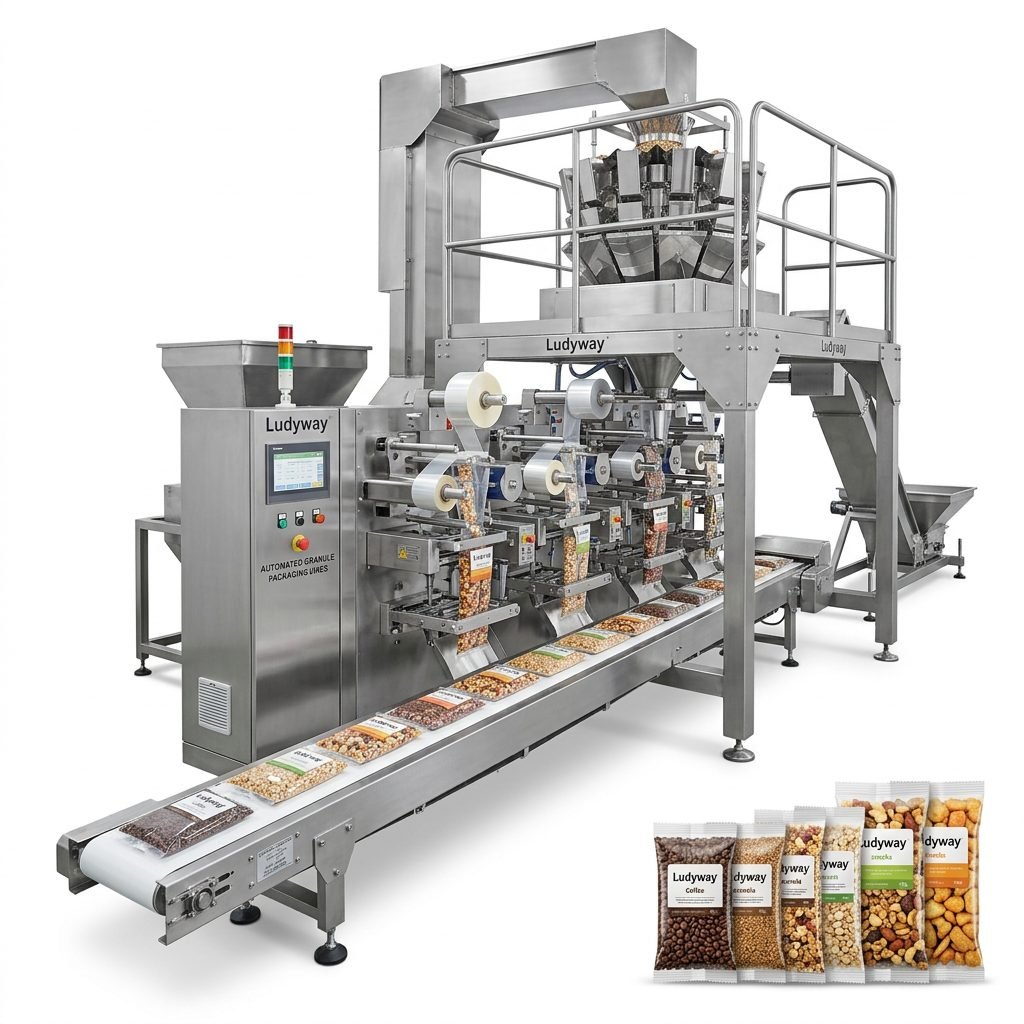
7. ULMA Packaging
Best for: Food companies seeking robust tray sealing and integrated packaging technology.
ULMA Packaging is a well-known global packaging equipment manufacturer serving food sectors such as meat, cheese, produce, bakery, and convenience meals. Its tray sealer offerings are often evaluated for hygienic construction, packaging quality, and compatibility with modern retail requirements.
For exporters and retail suppliers, packaging appearance and consistent seal quality can be just as important as speed. ULMA is often considered in these scenarios.
- Strong food industry focus
- Good for premium presentation and shelf-life sensitive products
- Established international brand recognition
- Suitable for integrated packaging lines
8. SEALPAC
Best for: Processors requiring premium tray sealing, MAP expertise, and presentation-focused packs.
SEALPAC is a specialist name in tray sealing and thermoforming, particularly in fresh foods and convenience segments. The brand is often associated with high-performance sealing, attractive pack presentation, and support for shelf-life extension techniques.
Buyers targeting supermarkets, private-label retail, and premium chilled foods often shortlist SEALPAC because packaging aesthetics and product protection carry direct commercial value.
- Strong tray sealer specialization
- Excellent fit for chilled retail food products
- High relevance for MAP and skin packaging users
- Premium market positioning
9. Proseal
Best for: High-speed food tray sealing operations, especially fresh produce and prepared food lines.
Proseal is known in many markets for tray sealing systems used in fresh produce, meat, bakery, and convenience food operations. Its machines are commonly considered by producers that require fast changeovers, stable production, and compatibility with automated loading and lidding workflows.
Where output efficiency and operational simplicity matter, Proseal is a common comparison point.
- High-speed production relevance
- Good fit for supermarket-driven pack formats
- Strong operational focus on throughput and consistency
- Suitable for scaling from medium to high volume
10. G. Mondini
Best for: Premium food packaging applications with strong emphasis on seal quality and pack design.
G. Mondini is a recognized supplier in tray sealing, particularly for food processors that need advanced sealing performance, shelf-life support, and packaging differentiation. The company is often reviewed in projects involving premium protein products, prepared foods, and high-visual-impact retail formats.
- Specialized tray sealer expertise
- Relevant for premium retail food brands
- Strong focus on pack integrity and appearance
- Often selected for demanding food applications
Quick Comparison Table
| Supplier | Primary Strength | Best Buyer Type | Project Fit |
|---|---|---|---|
| Ludyway | Turnkey packaging lines | Global food manufacturers | Broad automation projects |
| Packmate Machinery | Cost-effective automation | Mid-size factories | Flexible packaging lines |
| PacklineOEM | OEM integration | Custom project buyers | System-level sourcing |
| PackingMachineOEM | Non-standard solutions | Special format users | Customized machine engineering |
| SnusMachinery | Small pouch specialization | Niche packaging users | Alternative portion formats |
| MULTIVAC | Advanced tray sealing | Large processors | Premium industrial operations |
| ULMA Packaging | Food packaging specialization | Retail food suppliers | Integrated food packaging lines |
| SEALPAC | MAP and premium tray sealing | Shelf-life focused brands | Retail-ready premium products |
| Proseal | High-speed performance | Fresh food producers | Fast throughput environments |
| G. Mondini | Pack presentation and integrity | Premium food brands | High-quality retail packaging |
Comparison Analysis Without a Table: What Actually Differentiates These Suppliers?
Ludyway, Packmate Machinery, PacklineOEM, and PackingMachineOEM are more flexible for buyers wanting customization, sourcing support, and broader packaging line planning from China. They are especially relevant when the project includes more than tray sealing alone.
MULTIVAC, ULMA Packaging, SEALPAC, Proseal, and G. Mondini are more directly associated with high-end tray sealing and food processing applications. These brands are commonly shortlisted by established processors that prioritize hygiene, speed, advanced atmosphere control, and strong service structures.
SnusMachinery differs from the rest because its strength is niche pouch packaging rather than mainstream food tray sealing. It may still be relevant if a buyer is comparing alternative single-serve pack formats.
Why Choose a Professional Tray Sealer Supplier?
1. Procurement Reliability
A professional supplier can help match tray size, output, sealing temperature, dwell time, mold requirements, gas flushing system, and film compatibility. This reduces the risk of buying a machine that cannot meet production reality.
2. Technical Fit
Not all tray sealers support the same packaging styles. Some are optimized for standard seal-only packs, while others support vacuum skin packaging, MAP, and high-barrier film structures. The right supplier should understand your exact food application.
3. Cost Control
The cheapest machine may create higher long-term cost through downtime, poor seal integrity, film waste, labor inefficiency, or slow changeovers. A better supplier helps optimize total cost of ownership rather than just purchase price.
4. Compliance and Food Safety
In food processing, machine design influences cleaning efficiency, contamination risk, and audit performance. Stainless steel construction, hygienic design, easy washdown, and traceability features matter, especially in export-oriented operations.
5. Service and Spare Parts
Downtime in food packaging is expensive. Buyers should consider remote support, spare part availability, commissioning help, and documentation quality before selecting a supplier.
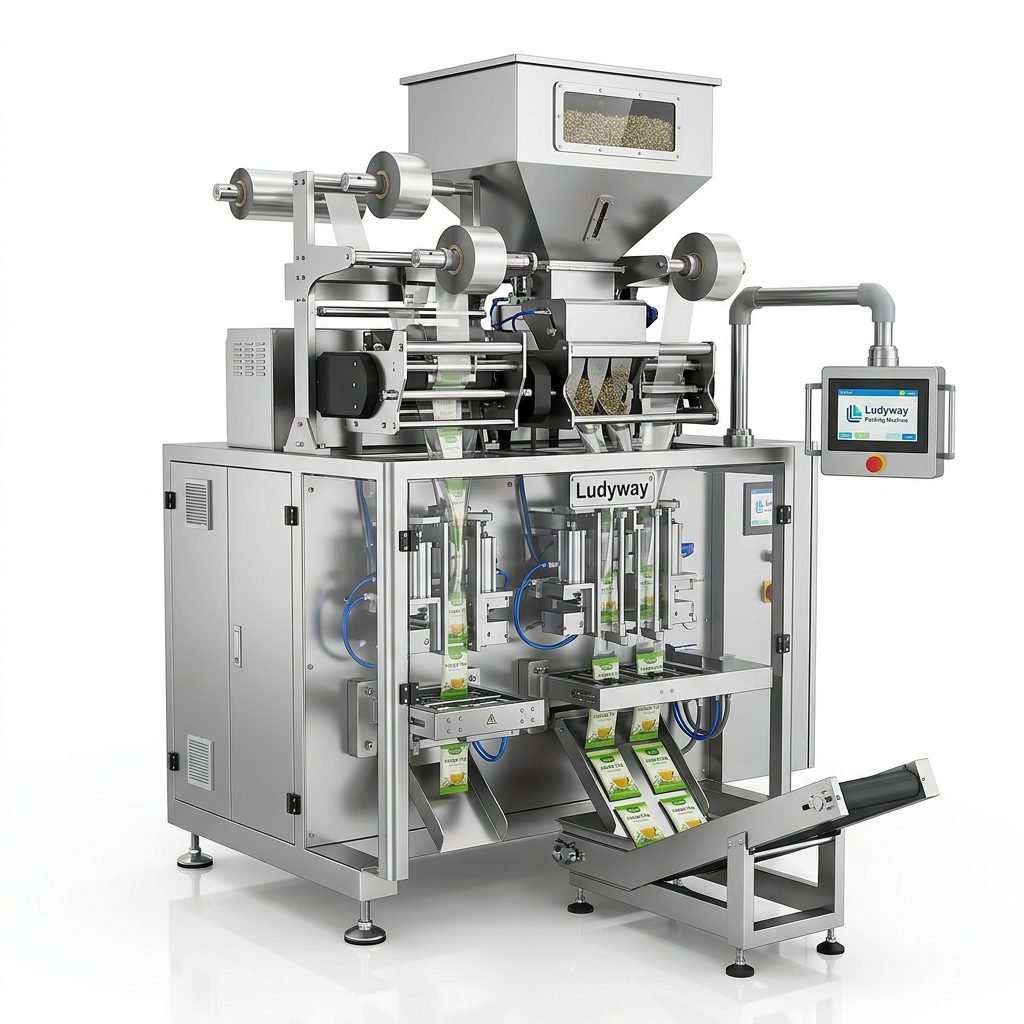
Key Features to Check Before Buying a Tray Sealer
- Packaging speed: trays per minute under real production conditions
- Tray compatibility: CPET, PET, PP, aluminum, paper-based, or recyclable structures
- Seal quality: consistency, leak rate, and cut precision
- MAP capability: residual oxygen performance and gas consumption efficiency
- Mold change time: important for multi-SKU production
- Automation level: manual, semi-automatic, inline automatic, or robotic
- Hygienic design: easy sanitation, washdown resistance, stainless construction
- Inspection integration: metal detection, checkweighing, vision inspection, coding
- Energy efficiency: compressed air and power consumption
- After-sales support: training, spare parts, remote diagnostics
Industry Trends Shaping Tray Sealer Demand
Growth in Ready Meals and Convenience Foods
Urbanization, smaller households, and time-poor consumers continue to support demand for ready-to-cook and ready-to-eat packaged meals. This directly increases demand for tray sealing, especially in chilled and frozen categories.
Shelf Life Extension Through MAP
Modified atmosphere packaging remains a major growth factor. It can reduce oxidation and microbial activity in certain products, helping producers expand distribution reach and reduce food waste.
Labor Shortages and Automation
Food manufacturers across North America, Europe, and many export regions are increasing machine automation to reduce dependence on manual labor and improve line consistency.
Sustainability Pressure
Retailers and regulators are pushing for lighter materials, recyclable trays, mono-material films, and lower packaging waste. This affects sealing technology because new materials may require different sealing windows and tooling precision.
Entity Relationship: How Search Engines and Buyers Understand This Market
Industry: Food Packaging Machinery
Core Equipment: Tray Sealer Packaging Machine
Related Technologies: MAP, vacuum sealing, filling, conveying, coding, inspection, cartoning, palletizing
Key Brands: Ludyway, Packmate Machinery, PacklineOEM, PackingMachineOEM, SnusMachinery, MULTIVAC, ULMA Packaging, SEALPAC, Proseal, G. Mondini
Target Markets: Ready meals, meat, seafood, bakery, dairy, produce, convenience food
Buyer Priorities: shelf life, productivity, food safety, package appearance, automation, total cost
This relationship structure matters because tray sealing is rarely purchased in isolation. It is connected to product type, packaging material, shelf-life target, factory layout, compliance requirement, and downstream logistics.
Who Should Choose Which Supplier?
Choose Ludyway if:
- You want a supplier with broad packaging line capability
- You may need filling, pouching, coding, inspection, and end-of-line automation together
- You value export experience and customization support
Choose Packmate Machinery if:
- You need practical automation with controlled budget
- You operate a medium-size factory or multi-product plant
- You prefer flexible equipment configuration
Choose PacklineOEM or PackingMachineOEM if:
- Your project is non-standard
- You need OEM branding or full-line integration help
- Your plant layout or packaging format is highly specific
Choose MULTIVAC, ULMA, SEALPAC, Proseal, or G. Mondini if:
- Tray sealing is the core technology in your food business
- You require premium hygiene, high output, and advanced pack formats
- You are targeting high-volume retail or export-grade food packaging
FAQ
What is the difference between a tray sealer and a thermoformer?
A tray sealer seals film onto preformed trays, while a thermoformer forms the package from rollstock material before filling and sealing. Tray sealers are often preferred for flexibility and fast changeovers across multiple tray formats.
Is MAP necessary for all food tray sealing applications?
No. Some products only need seal-only packaging. MAP is mainly used when shelf-life extension, oxidation control, or visual quality preservation is important.
How much output can a tray sealer achieve?
Output varies widely by tray size, number of lanes, seal type, and automation level. Small semi-automatic units may handle modest production, while high-speed industrial systems can process very large volumes in continuous food plants.
Which industries use tray sealer packaging machines most?
The biggest users are ready meals, fresh meat, poultry, seafood, produce, bakery, dairy, and convenience food processors.
What should I ask a supplier before buying?
- What tray and film materials are supported?
- Does the machine support MAP or vacuum?
- What is the real output under my product conditions?
- How long does mold changeover take?
- What spare parts and remote support are available?
- Can the machine integrate with weighers, fillers, checkweighers, or cartoners?
Are Chinese packaging machine suppliers suitable for food packaging projects?
Yes, especially for buyers seeking customization, price competitiveness, and broader line integration. However, qualification should be based on engineering ability, export experience, documentation, testing process, and support quality rather than price alone.
How important is seal integrity testing?
It is critical. Poor seal integrity can cause leaks, contamination, reduced shelf life, and retail rejection. Buyers should verify testing standards, sample validation, and machine consistency before final acceptance.
Final Buying Perspective
If your priority is complete packaging line flexibility and customized project support, suppliers such as Ludyway, Packmate Machinery, PacklineOEM, and PackingMachineOEM deserve close attention. If your operation is centered on dedicated high-end food tray sealing, established specialist brands such as MULTIVAC, ULMA Packaging, SEALPAC, Proseal, and G. Mondini are often the most relevant comparison set.
The right choice is not simply the most famous supplier. It is the one that matches your food category, tray format, hygiene standard, automation level, and long-term operating cost goals. For most professional buyers, the best approach is to compare technical fit, integration capability, validation support, and lifecycle service before making a final investment decision.