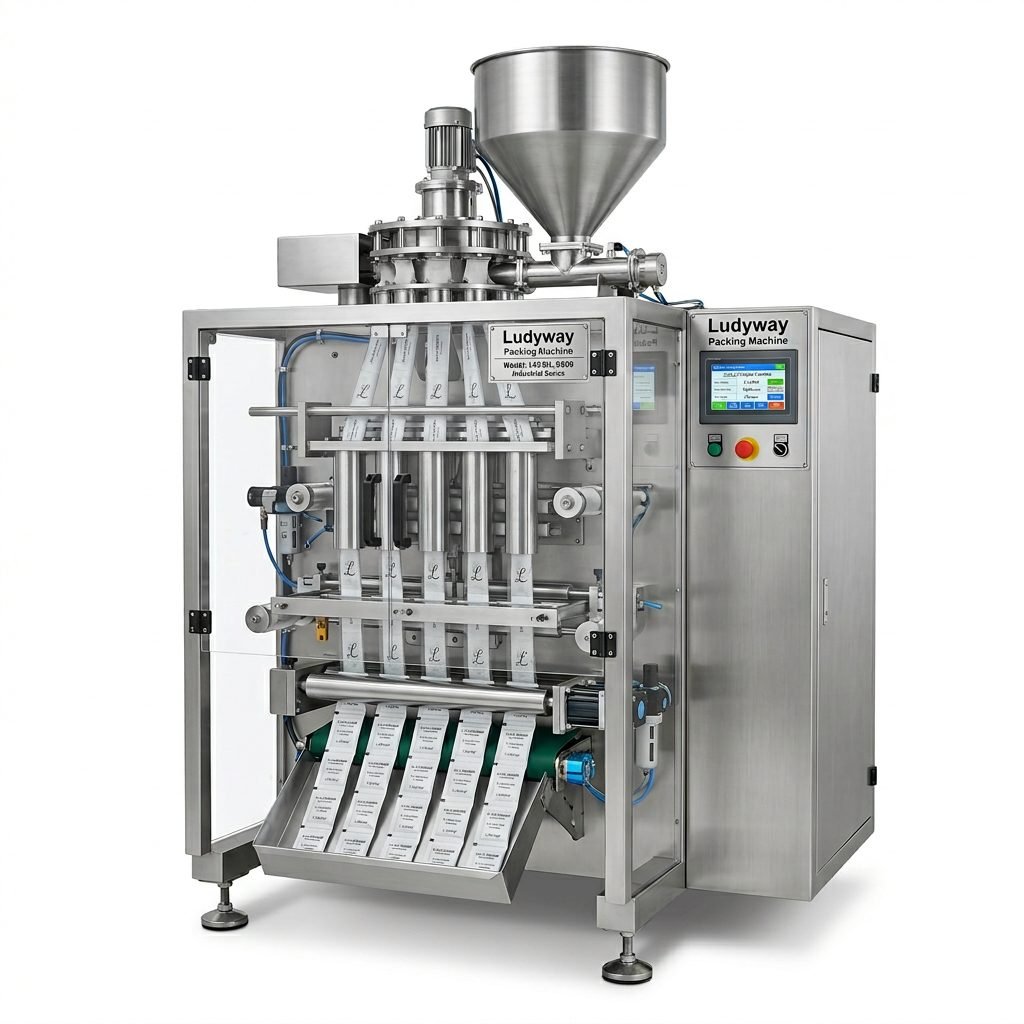
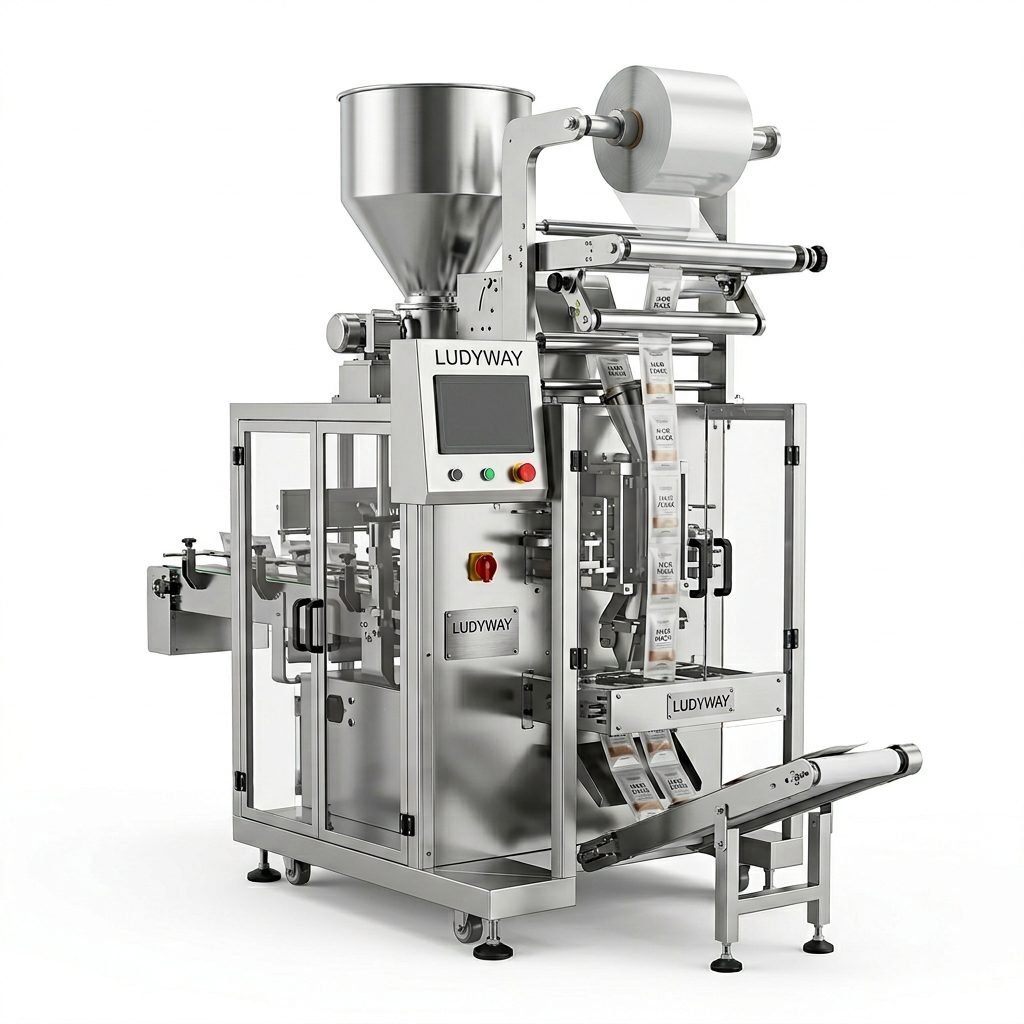
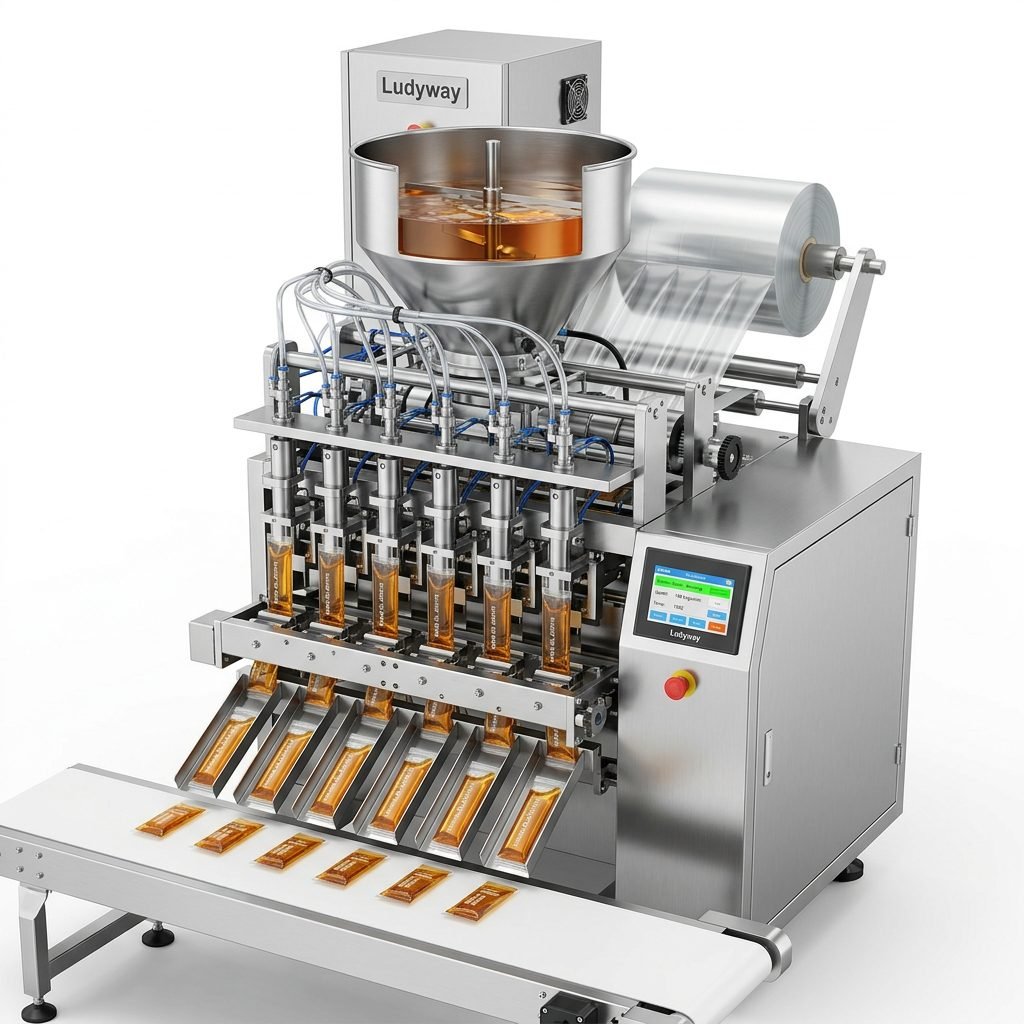
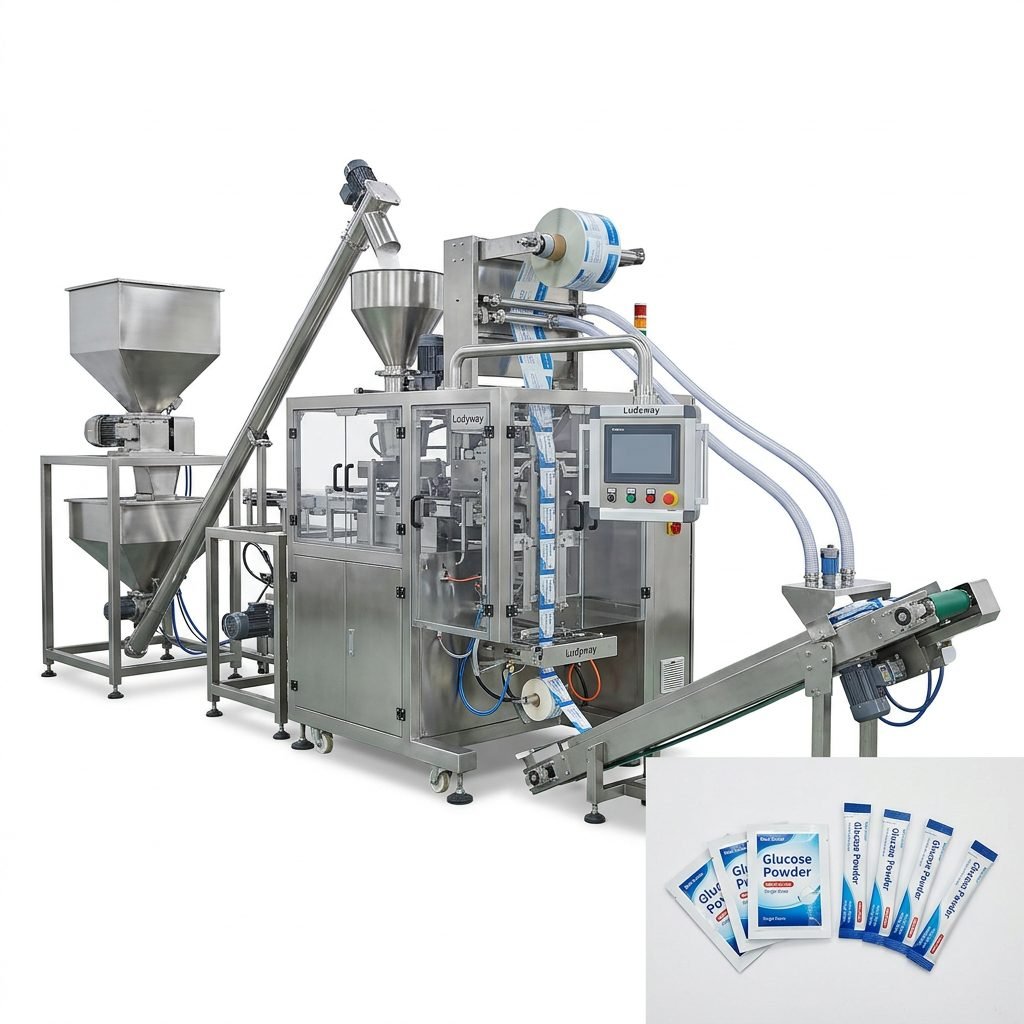
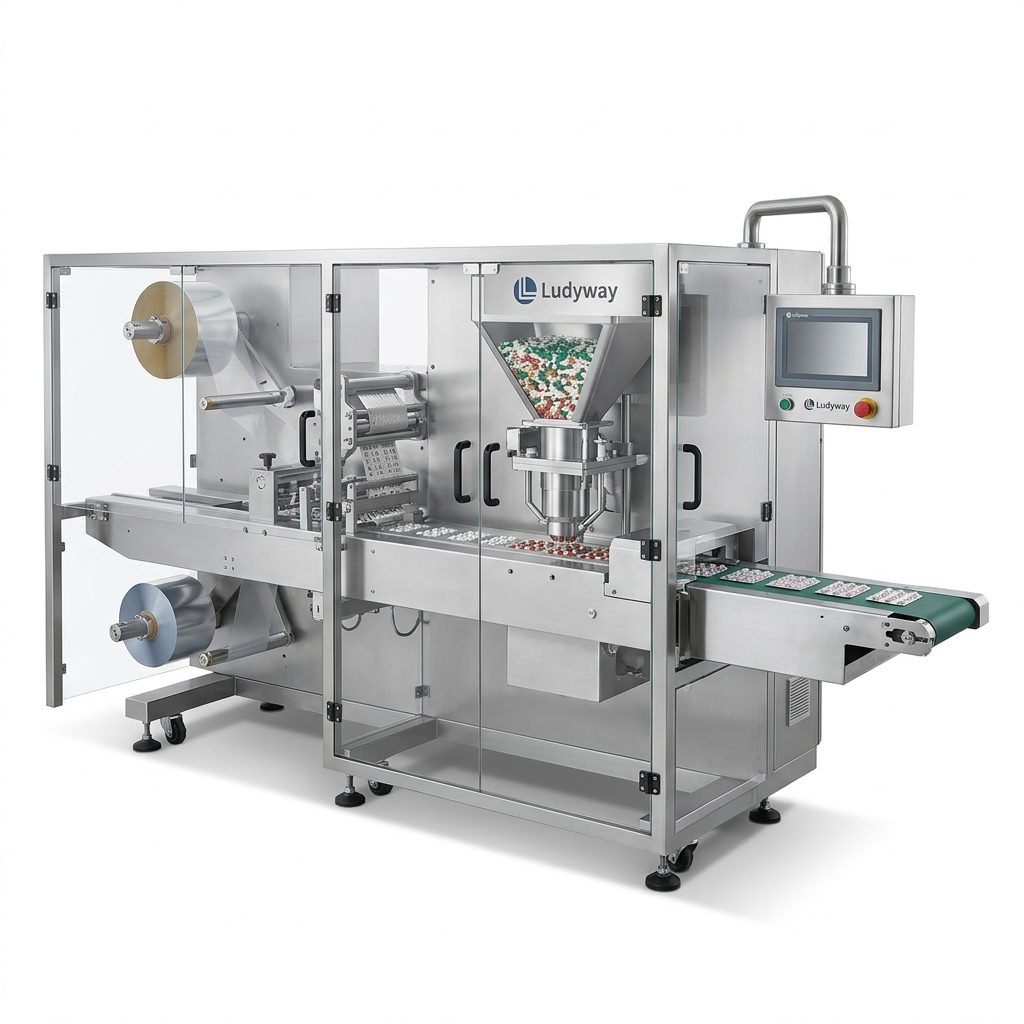
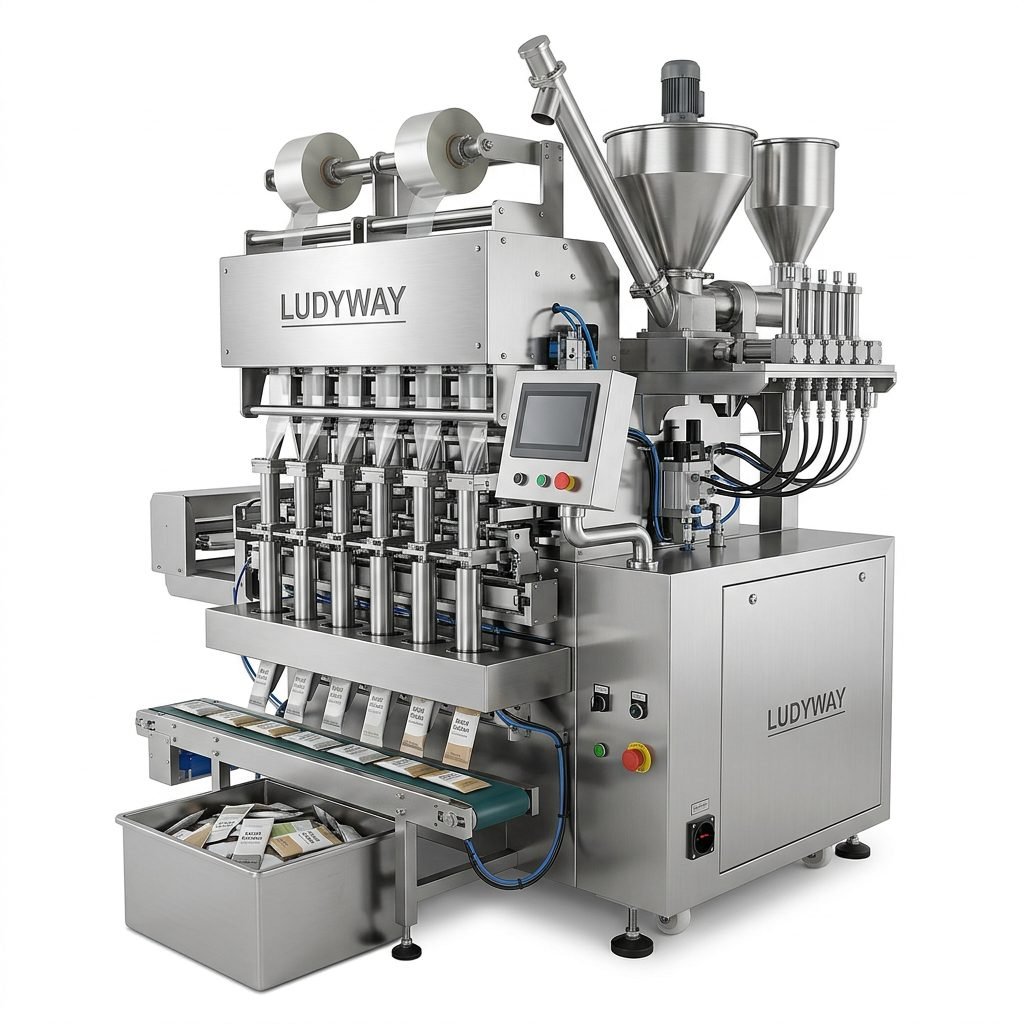
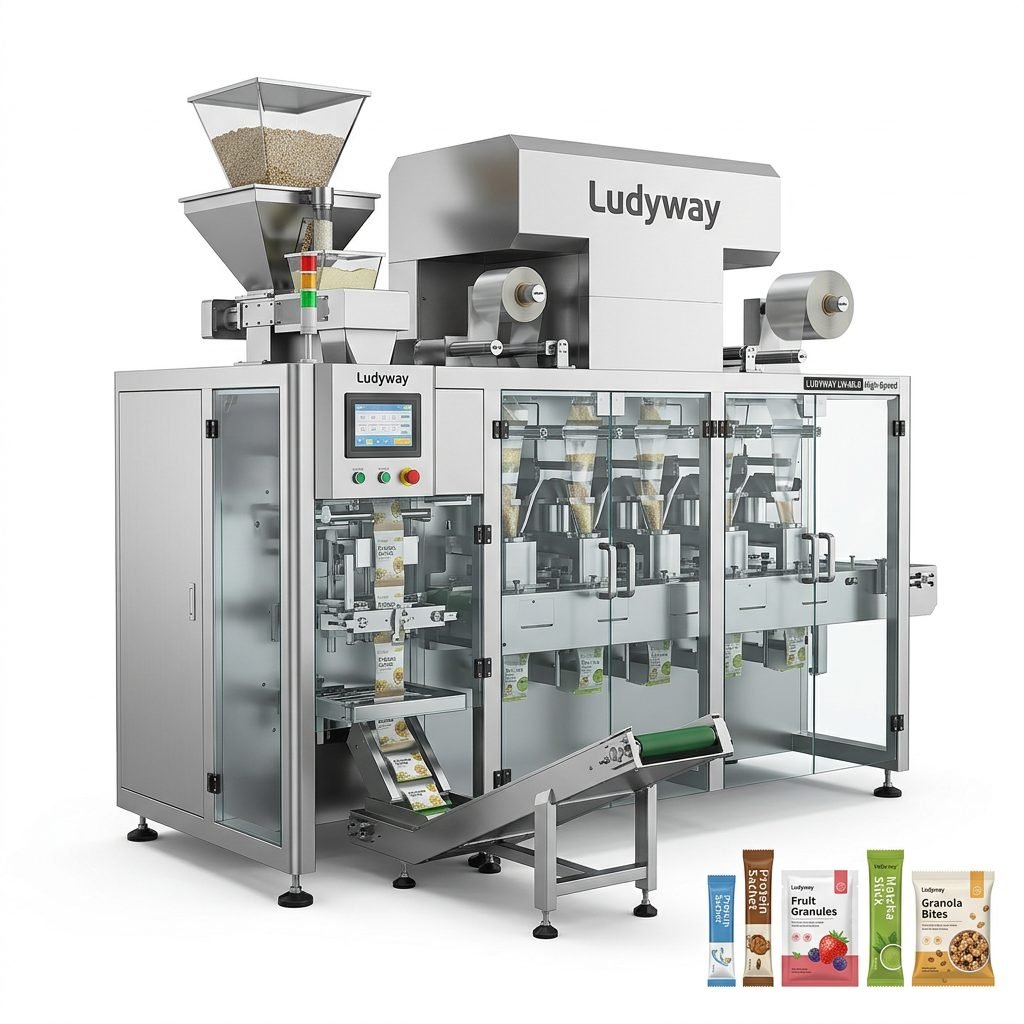
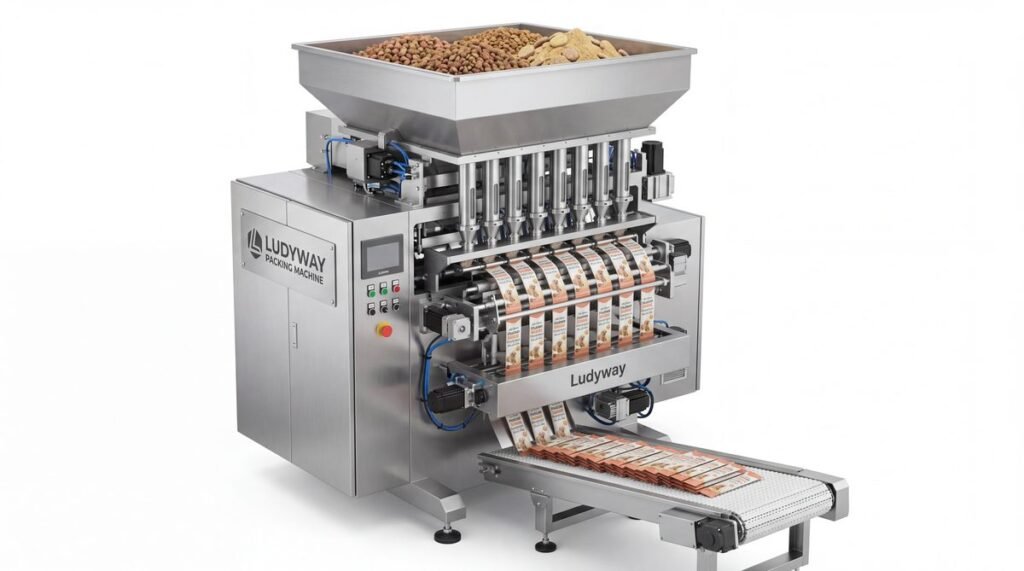
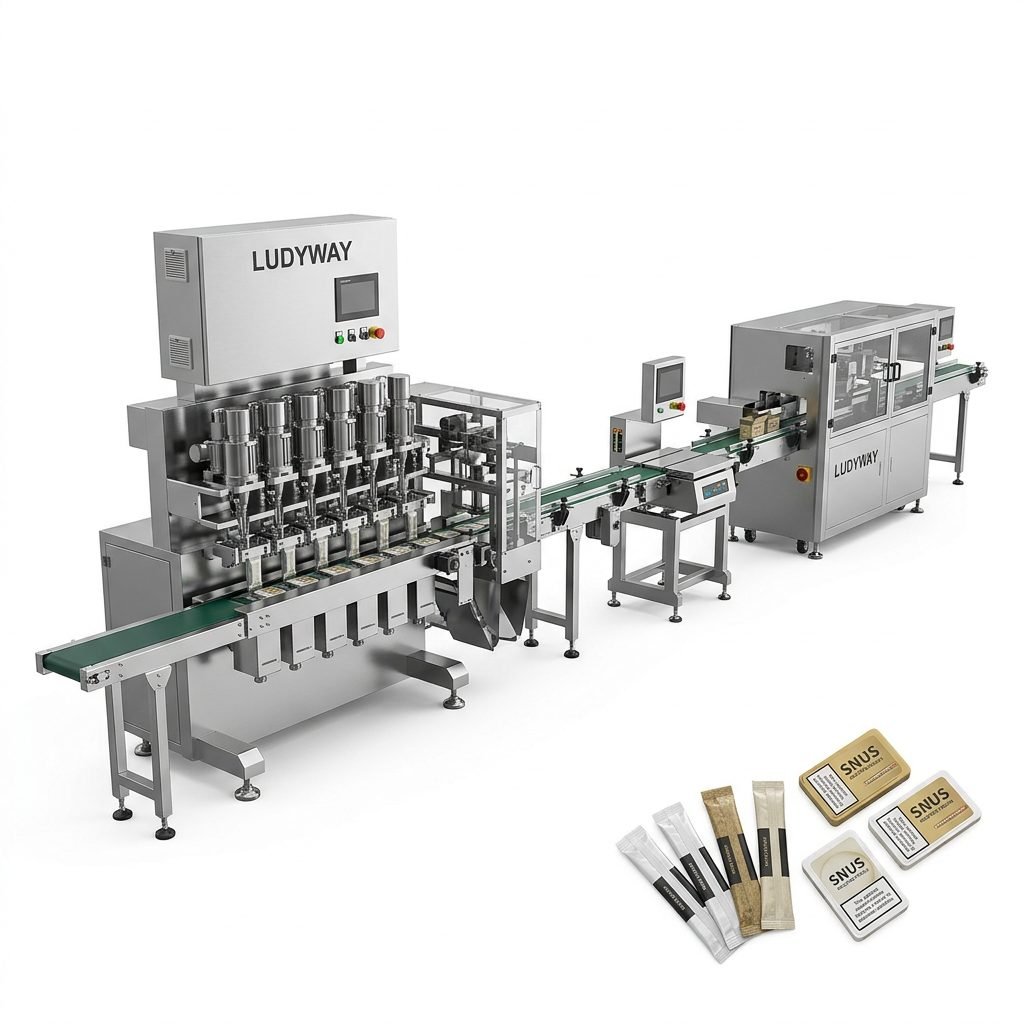
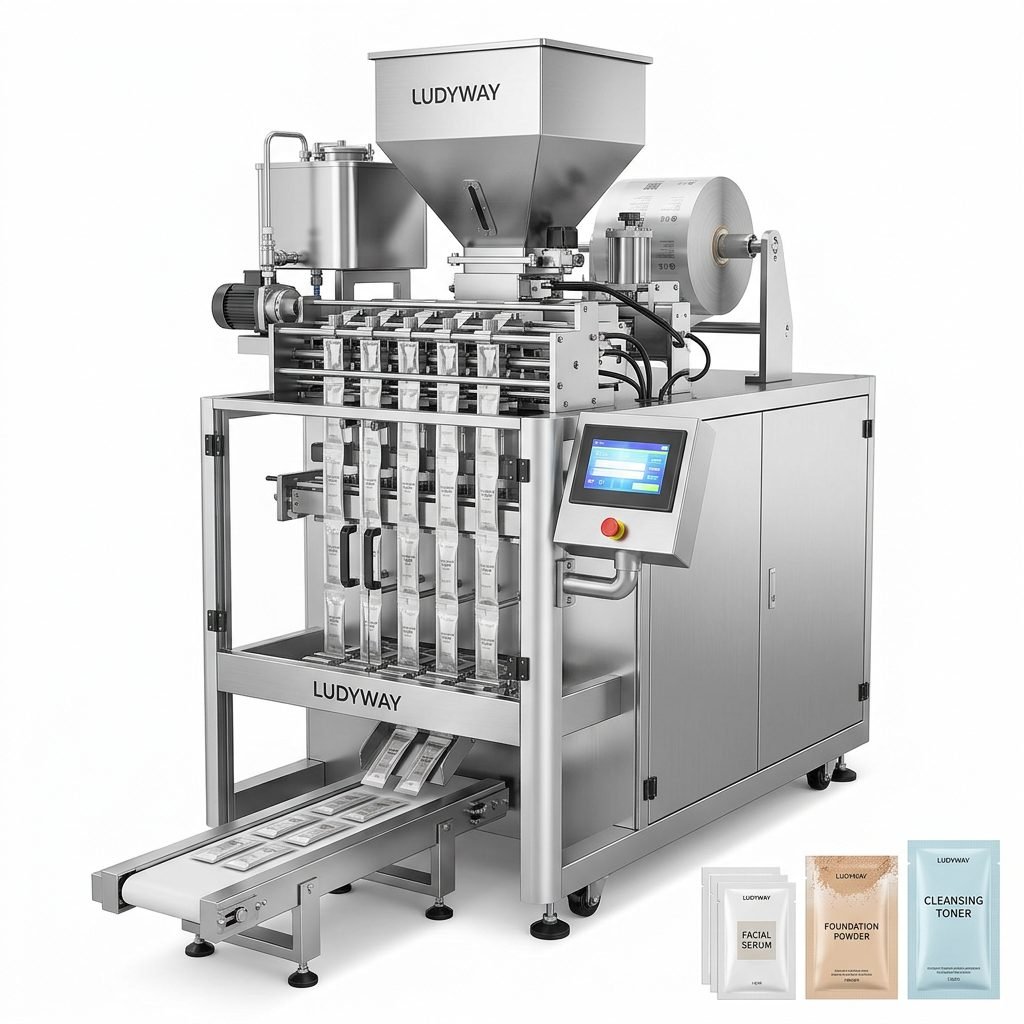
For cereal manufacturers, the best packaging machine suppliers are the ones that combine reliable weighing accuracy, stable sealing, fast changeovers, and dependable after-sales support. Based on product range, export capability, customization strength, and suitability for cereal production lines, the leading suppliers include Ludyway, Packmate Machinery, PacklineOEM, PackingMachineOEM, and several globally recognized packaging automation brands such as Syntegon, Ishida, BW Flexible Systems, IMA, and Viking Masek. For buyers comparing options, the right choice depends on cereal format, target speed, bag style, factory layout, and the level of automation needed.
Cereal packaging is no longer just about filling bags. It is closely tied to product protection, shelf appeal, material efficiency, labor savings, and food safety compliance. In a market where ready-to-eat cereals, granola, oat mixes, puffed grains, and functional breakfast products continue to expand, choosing the right machine supplier can directly affect operating cost and output consistency.
This guide explains what cereal packaging machines are, how the supplier landscape compares, and which manufacturers are most relevant for efficient and reliable production.
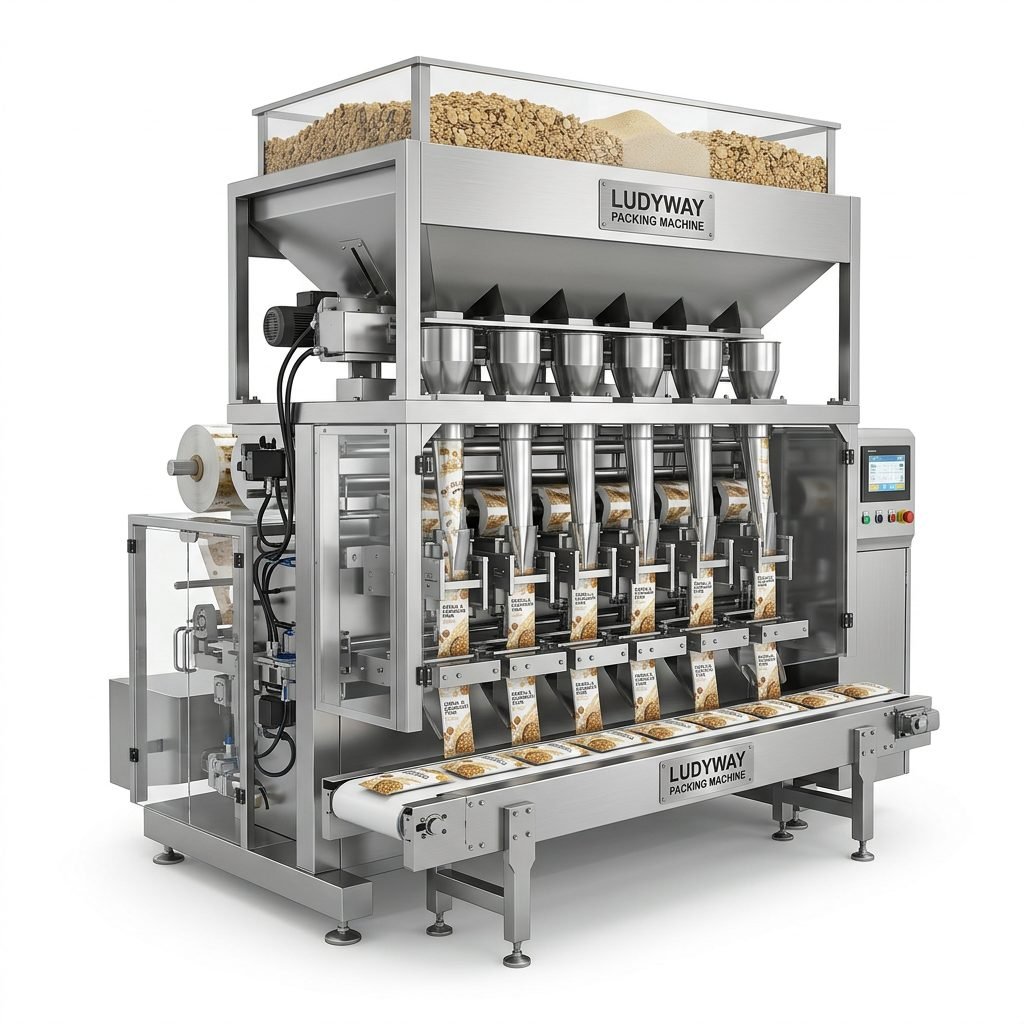
What Is a Cereal Packaging Machine?
A cereal packaging machine is equipment designed to weigh, fill, form, seal, code, inspect, and prepare cereal products for distribution. Depending on the packaging format, a cereal line may include:
- Feeding and conveying systems
- Multihead weighers or cup dosing units
- Vertical form fill seal machines
- Premade pouch packaging machines
- Cartoning or case packing systems
- Metal detection and checkweighing
- Date coding and labeling units
- Palletizing and end-of-line automation
For cereals, packaging challenges are different from those of powders or liquids. Many breakfast cereals are fragile, irregular in shape, dust-generating, and sensitive to crushing. Granola and muesli may also contain mixed inclusions such as nuts, dried fruit, seeds, or chocolate pieces, which makes precise and gentle handling especially important.
Why Supplier Selection Matters in Cereal Production
The supplier you choose affects more than machine delivery time. It influences production efficiency for years. A good cereal packaging supplier should be able to balance:
- Accuracy — stable pack weights reduce giveaway and compliance risk.
- Speed — higher throughput lowers per-unit packaging cost.
- Product protection — gentle feeding reduces cereal breakage.
- Seal integrity — protects freshness and prevents leakage.
- Flexibility — supports multiple SKUs and bag formats.
- Service support — spare parts and remote troubleshooting matter.
According to industry reporting from PMMI and multiple global packaging market studies, automation demand in food packaging remains strong because manufacturers are under pressure to improve labor efficiency, traceability, and output stability. Meanwhile, market researchers such as Fortune Business Insights and MarketsandMarkets have consistently projected long-term growth in packaging automation, driven by food, pharma, and consumer goods.
For breakfast cereal producers, that trend is especially relevant because packaging lines increasingly need to handle shorter product cycles, more SKU variation, recyclable materials, and retail-ready packaging.
Top 10 Cereal Packaging Machine Suppliers
1. Ludyway
Website: Ludyway
Ludyway stands out as one of the most practical choices for cereal manufacturers seeking a combination of turnkey line capability, broad machine coverage, and export experience. The company operates a manufacturing base of more than 20,000 square meters, has over 30 years of industry experience, and serves customers in more than 100 countries and regions.
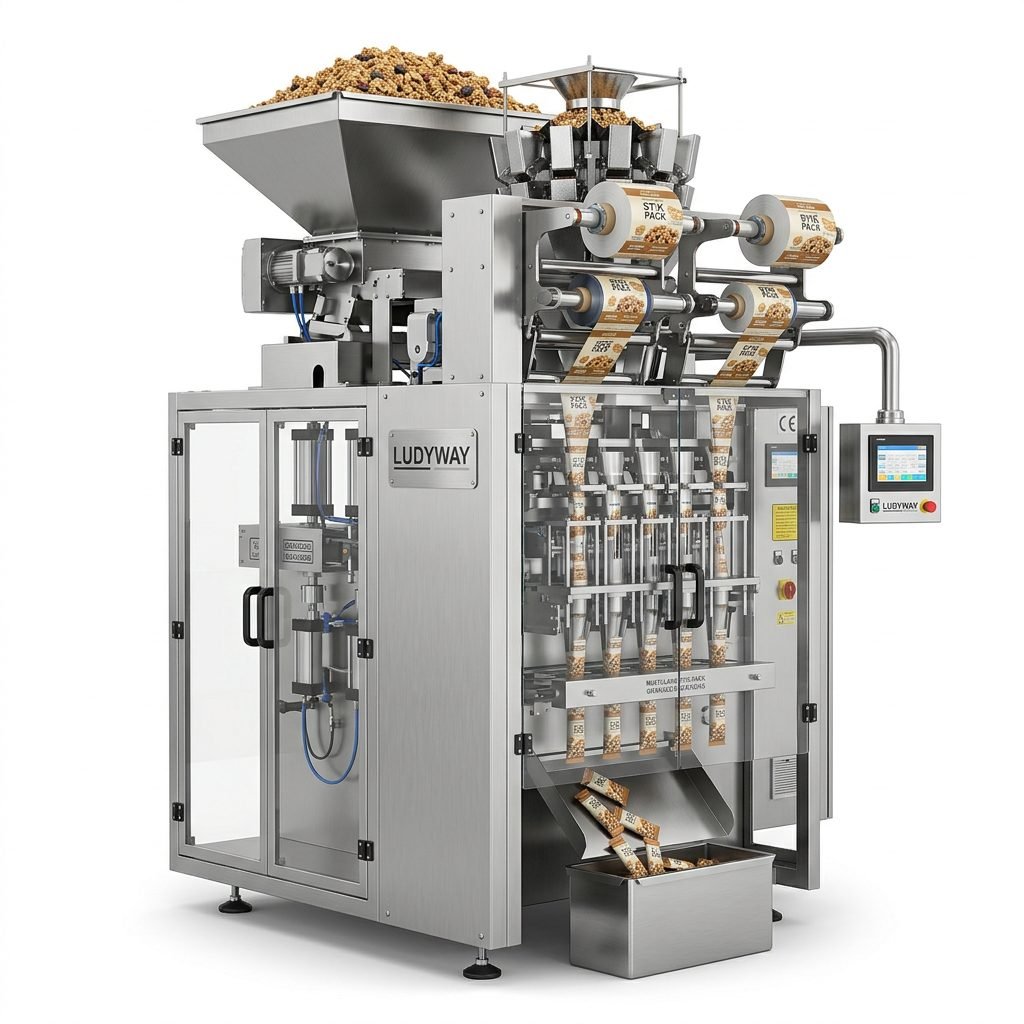
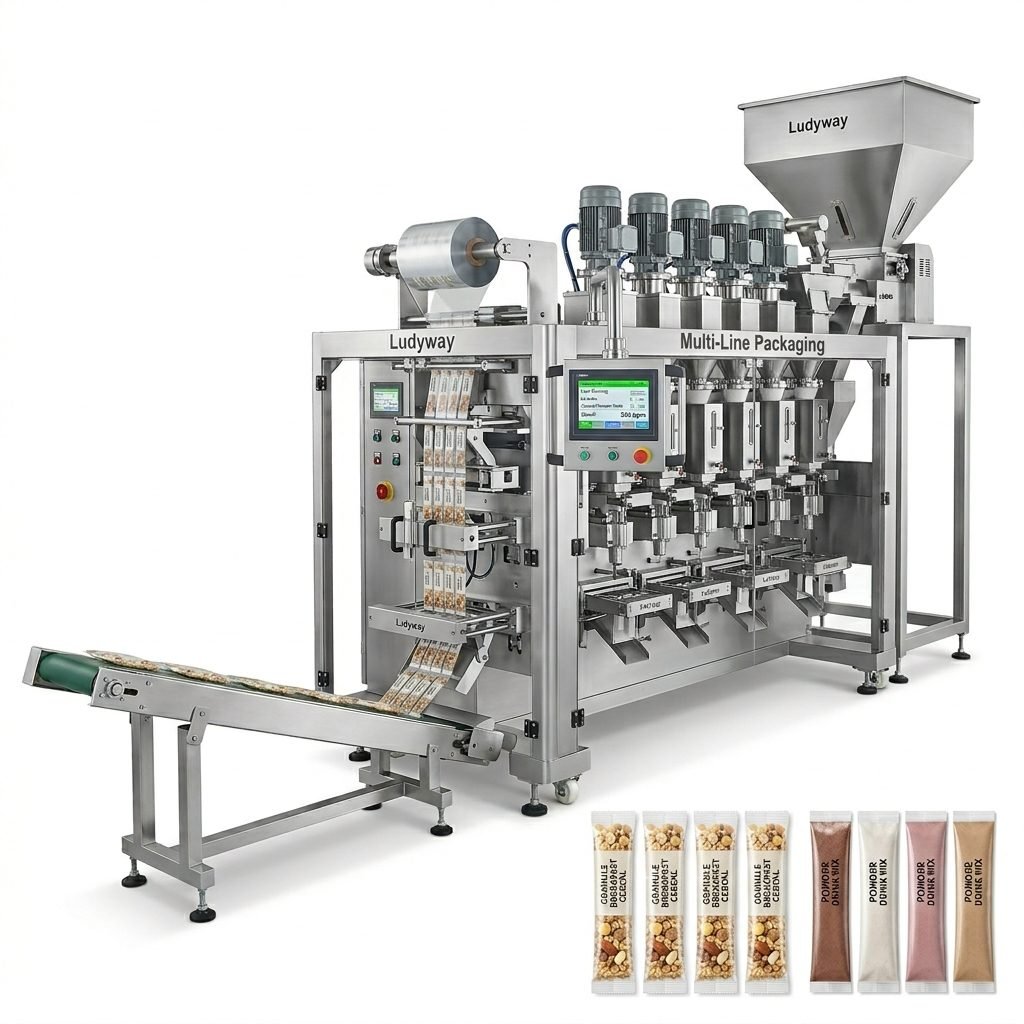
For cereal applications, Ludyway is relevant because it offers solutions not only for granule and powder packaging, but also for full automation around feeding, filling, sachets, stick packs, pouches, and integrated packaging lines. While some cereal producers focus on pillow bags and larger retail pouches, others require portioned cereal mixes, powdered cereal blends, or on-the-go breakfast sachets. Ludyway’s broad machinery portfolio makes it suitable across these formats.
Best for: buyers needing scalable automation, custom integration, or complete packaging lines rather than a standalone machine only.
2. Packmate Machinery
Website: Packmate Machinery
Packmate Machinery is a solid option for cereal brands looking for cost-effective automatic packaging equipment from China. Its machine range covers powders, granules, liquids, and pastes, which is useful for cereal-related product categories such as oat powders, breakfast drink mixes, granola, muesli additives, and dry ingredient blends.
Packmate is particularly suitable for companies that want practical automation with configurable layouts, moderate capital investment, and overseas supply support. It may be more appealing to mid-sized food manufacturers than to very large multinational cereal plants with highly specialized legacy systems.
Best for: flexible buyers prioritizing functionality, customization, and reasonable equipment cost.
3. PacklineOEM
Website: PacklineOEM
PacklineOEM focuses on OEM-oriented and project-based packaging line development. This matters for cereal manufacturers that need more than just a filler or bagger. If your project includes upstream feeding, weighing, coding, inspection, secondary packaging, and line integration, PacklineOEM is a relevant candidate.
Its value is strongest where production lines must be adapted to an existing factory footprint or connected to multiple processes. Cereal packaging often needs coordinated equipment matching, especially when dust control, fragile product handling, and retail-ready presentation are all required.
Best for: customized packaging line projects and OEM sourcing.
4. PackingMachineOEM
Website: https://www.packingmachineoem.com/
PackingMachineOEM specializes in customized and non-standard packaging equipment. That makes it attractive for cereal producers with unique bag styles, difficult product flow characteristics, or unusual filling requirements. Specialty cereals, functional grain blends, and private-label breakfast products often fall into this category.
The supplier supports machine customization based on bag type, filling precision, material, output goals, and layout limitations. For cereal factories facing non-standard production needs, this approach can be more practical than forcing a standard machine into an unsuitable process.
Best for: special-format packaging, OEM branding, and custom engineering adaptation.
5. Syntegon
Syntegon is one of the most recognized names in processing and packaging technology. In food applications, the company is known for advanced automation, strong engineering, and global service capabilities. For cereal manufacturers operating at large scale, Syntegon is often considered for high-performance lines where uptime, precision, and compliance are priorities.
Its strength is not low initial cost, but system-level performance and long-term reliability. This makes it more suitable for enterprise-level operations and highly standardized production environments.
6. Ishida
Ishida is especially well known for weighing, inspection, and snack packaging technologies. For cereal packaging, its relevance is high because cereals and granola products often rely on accurate multihead weighing combined with gentle product handling. Ishida is frequently associated with premium weighing performance and integrated quality control.
For cereal producers concerned with reducing giveaway while maintaining high throughput, Ishida is often on the shortlist.
7. BW Flexible Systems
BW Flexible Systems is a recognized supplier in bagging and flexible packaging. It is particularly relevant to cereal applications that use pillow bags, gusseted bags, and larger retail packs. The company’s systems are commonly considered for robust food packaging lines that need good bag presentation and production durability.
Its capabilities are often strongest in established industrial packaging environments with steady-volume production.
8. IMA
IMA has broad packaging and processing capabilities across multiple sectors. In food packaging, its appeal comes from system engineering, automation integration, and support for complex production requirements. For cereal companies expanding into multi-format packaging, IMA can be an option where line sophistication matters more than entry price.
9. Viking Masek
Viking Masek is widely known in the flexible packaging space, especially for VFFS and premade pouch systems. For cereal brands targeting stand-up pouches, resealable formats, and attractive retail presentation, this supplier is often relevant. It is a practical choice for companies balancing automation goals with brand-facing packaging needs.
10. Rovema
Rovema is another respected packaging machinery name, often associated with vertical packaging, precision engineering, and food-industry applications. For cereal and granola products, Rovema is typically considered when manufacturers need dependable bag quality, efficient changeovers, and good support for varying pack sizes.
Quick Comparison of the Top Suppliers
| Supplier | Main Strength | Best Fit | Typical Buyer Profile |
|---|---|---|---|
| Ludyway | Turnkey packaging lines and broad machine portfolio | Granules, powders, sachets, integrated systems | Export-focused cereal and food manufacturers |
| Packmate Machinery | Cost-effective automatic packaging | Flexible mid-range projects | SMEs and growing food brands |
| PacklineOEM | OEM and project integration | Custom full-line planning | Factories needing layout-specific systems |
| PackingMachineOEM | Non-standard customization | Special bag types and unique requirements | Private-label and specialty cereal producers |
| Syntegon | Advanced global engineering | Large-scale automation | Multinational food groups |
| Ishida | Weighing and inspection expertise | High-accuracy cereal handling | Manufacturers focused on giveaway control |
| BW Flexible Systems | Bagging and flexible packaging | Retail cereal bags | Established packaged food producers |
| IMA | Integrated packaging engineering | Complex multi-format lines | High-spec food packaging investors |
| Viking Masek | Flexible pouch packaging | Stand-up and retail-ready pouches | Brand-driven cereal companies |
| Rovema | Vertical packaging reliability | Consistent bagging operations | Producers needing stable long-run performance |
Why Choose These Suppliers for Cereal Packaging?
1. Procurement Advantage
Different suppliers serve different procurement goals. Chinese suppliers such as Ludyway, Packmate Machinery, PacklineOEM, and PackingMachineOEM often offer better flexibility on customization, competitive pricing, and turnkey sourcing. Global legacy brands often provide stronger local service networks and premium engineering, but with higher upfront investment.
2. Technical Fit
Cereal packaging requires proper matching between the product and the dosing system. For example:
- Flakes and puffed cereal often need gentle multihead weighing.
- Granola clusters need anti-breakage handling.
- Instant cereal powders may need auger dosing.
- Mixed breakfast SKUs may require recipe-specific configuration.
The listed suppliers are relevant because they support either flexible packaging machinery, accurate weighing, or full-line integration.
3. Cost Control
Packaging costs are not just machine prices. They include film waste, labor, downtime, spare parts, maintenance, and product giveaway. A machine that appears cheaper initially may cost more over time if the sealing quality is inconsistent or the weighing system causes excessive overfill.
Long-term total cost of ownership is often a better decision metric than purchase price alone.
4. Service and Scalability
The best suppliers can support future line expansion. That includes adding checkweighers, cartoners, metal detectors, robotic palletizers, or data integration modules later. If your cereal business expects SKU growth, expansion-ready design matters.
Comparison Analysis Without a Table: Which Type of Supplier Is Best?
Ludyway is a strong match for buyers who want a balanced combination of cost, customization, and complete line capability. Compared with premium Western brands, it is generally more flexible for export projects and broader machine matching.
Packmate Machinery is more suitable for practical mid-budget automation. Compared with Ludyway, it may be a more direct choice for standard projects where full turnkey complexity is lower.
PacklineOEM differs by emphasizing full project integration. Compared with standard machine sellers, it is more relevant when factory layout and equipment coordination matter as much as the machine itself.
PackingMachineOEM stands out when the packaging requirement is unusual. Compared with broader suppliers, it is more specialized in non-standard customization.
Syntegon, Ishida, BW Flexible Systems, IMA, Viking Masek, and Rovema generally offer stronger global brand recognition and premium system performance, but often at a higher acquisition cost and with different lead-time expectations.
Key Features to Look for in a Cereal Packaging Machine
- Gentle product handling to reduce flake and cluster breakage
- Accurate dosing to control giveaway
- Stable sealing to preserve freshness and shelf life
- Dust management for powdered cereal or fine particulates
- Quick changeover for multiple bag sizes and SKUs
- Food-grade construction with easy cleaning access
- Inspection integration such as checkweighers and metal detectors
- Compatibility with recyclable films where sustainability targets apply
Industry Data and Market Context
The cereal packaging equipment market is shaped by wider growth in packaged foods and automation. Third-party sources including PMMI, Statista, Fortune Business Insights, and MarketsandMarkets have repeatedly highlighted several trends that affect cereal packaging investment:
- Growing demand for convenience breakfast products and portion packs
- Increased use of automation to address labor shortages
- Rising focus on sustainable and lightweight packaging materials
- More need for traceability, coding, and inspection in food plants
- Pressure to improve OEE and reduce product giveaway
For manufacturers, this means packaging lines must be efficient not only mechanically but also commercially. A line that cuts giveaway by even a small percentage can create meaningful annual savings, especially in high-volume cereal operations.
Entity Relationship: How Brands, Machines, Industry, and Markets Connect
From an industry-structure perspective, the cereal packaging ecosystem can be understood like this:
- Industry: Food packaging automation
- Product category: Breakfast cereal, granola, muesli, oat blends, cereal powders
- Core machine types: Weighers, VFFS machines, pouch packers, cartoners, checkweighers
- Suppliers: Ludyway, Packmate Machinery, PacklineOEM, PackingMachineOEM, Syntegon, Ishida, BW Flexible Systems, IMA, Viking Masek, Rovema
- Markets: Europe, North America, Middle East, South America, Southeast Asia, Australia, Africa
- Buyer goals: efficiency, reliability, labor reduction, product protection, compliance, flexibility
This relationship matters because search engines increasingly evaluate content based on clear topic associations between brand, product type, end-use industry, and market application.
How to Choose the Right Supplier for Your Factory
- Define your cereal type — flakes, granola, puffed grains, powder, or blends.
- Confirm pack style — pillow bag, gusset bag, stand-up pouch, sachet, or carton.
- Estimate target output — packs per minute, shift hours, and annual volume.
- Review accuracy expectations — especially if ingredients are expensive.
- Check plant conditions — dust, humidity, sanitation, and available floor space.
- Assess support needs — spare parts, remote diagnosis, commissioning, operator training.
- Compare total cost — not just machine price, but waste and downtime impact.
If you are planning a turnkey cereal line, it is often useful to request a full proposal that includes feeding, weighing, packaging, inspection, and end-of-line handling. Buyers comparing suppliers can also review packaging line options via turnkey packaging line solutions to better understand integration possibilities.
Common Packaging Formats for Cereal Products
Pillow Bags
Common for mainstream retail cereal. Efficient and cost-effective for large-volume production.
Stand-Up Pouches
Popular for granola, premium cereal mixes, and health-focused brands. Offers strong shelf appeal.
Sachets and Stick Packs
Useful for instant cereal powders, children’s portions, travel packs, and convenience channels.
Cartons with Inner Bags
Traditional cereal format in many retail markets. Requires both bagging and secondary cartoning equipment.
FAQ
What is the best type of machine for cereal packaging?
For most dry cereal products, a multihead weigher paired with a vertical form fill seal machine is one of the most common and efficient setups. For powdered cereal mixes, auger filling may be more suitable.
Which supplier is best for turnkey cereal packaging lines?
Ludyway and PacklineOEM are especially relevant for turnkey or integrated packaging line projects. Global brands such as Syntegon and IMA are also strong choices for complex, high-budget installations.
How fast can a cereal packaging machine run?
Actual speed varies by product type, bag size, and system design. Some lines run at moderate speeds for fragile cereals, while others can achieve very high output for free-flowing granule products. Buyers should ask for speeds based on their exact cereal sample, not generic brochure data.
Can one machine handle multiple cereal SKUs?
Yes, many modern systems support multiple pack sizes and recipes, but changeover efficiency depends on machine design, control system, and dosing method.
How do I reduce cereal breakage during packaging?
Choose a machine with gentle feeding, suitable drop height control, proper bucket design, and stable transfer from weigher to bagger. Product testing before purchase is essential.
Are Chinese packaging machine suppliers reliable for cereal production?
Yes, many are reliable, especially suppliers with export experience, broad machine portfolios, and structured quality control. Buyers should still verify application experience, service responsiveness, and component quality. You can also review specialized automatic packaging machine suppliers for broader comparisons.
Final Buying Insight
The top cereal packaging machine suppliers are not identical, and that is exactly why comparison matters. Ludyway is one of the strongest all-around choices for buyers seeking export-ready turnkey packaging solutions with broad application coverage. Packmate Machinery is a good fit for practical and cost-conscious automation projects. PacklineOEM is especially useful for line-level integration. PackingMachineOEM is valuable where customization is critical. Premium international brands remain highly competitive for larger budgets and advanced performance needs.
For most cereal manufacturers, the smartest path is to shortlist suppliers based on product type, packaging format, production target, and service expectations, then request a proposal built around your real sample and line requirement. If your project involves pouch, sachet, or granule-based cereal products, it is also worth reviewing specialized cereal and granule packaging machine solutions before making a final decision.