Investing in the right rusk packaging machine is a critical decision for any bakery or food manufacturer. The right equipment directly impacts your product’s shelf life, production efficiency, and bottom line. Unlike traditional bread, rusks are dry, hard, and brittle, requiring specialized handling to prevent breakage during the packaging process. This comprehensive guide will walk you through the essential factors to evaluate before making a purchase, ensuring your investment matches your product profile and business goals.

Understanding Your Rusk Product Characteristics
Before exploring machine specifications, you must thoroughly analyze your product. The physical properties of your rusks determine the ideal feeding, wrapping, and sealing mechanisms. Consider these key attributes:
- Dimensions and Shape: Are your rusks rectangular slices, round pieces, or irregular chunks? Precise measurements of length, width, and thickness are crucial for configuring forming sets and bag width.
- Fragility: Bread rusks vary significantly in hardness and brittleness. A gentle product handling system is non-negotiable to minimize breakage and dust generation during feeding.
- Moisture Content: The low moisture content of rusks provides natural preservation but demands high-barrier packaging materials to prevent moisture absorption from the environment.
- Surface Texture: Sugared or glazed rusk surfaces behave differently in flow wrappers compared to plain varieties, affecting friction and grip during the wrapping stage.
Choosing the Correct Packaging Machine Type
Different packaging methods offer distinct advantages depending on your production volume and budget constraints. The most common configurations for rusk products include the following:
| Machine Type | Best Application | Key Advantage |
|---|---|---|
| Horizontal Flow Wrapper (HFFS) | Single pieces, slug packs, or tray-loaded rusks | High speed, tight pillow-pack seal, excellent for pillow bags |
| Vertical Form Fill Seal (VFFS) | Loose-fill, multi-pack rusk pieces (not ideal for fragile whole slices) | Cost-effective for bulk packaging, simpler mechanical structure |
| Pre-made Pouch Rotary Machine | Premium retail packs, family packs, stand-up pouches | Excellent for resealable zippers, high-quality seal integrity |
For most traditional sliced rusk applications, a horizontal flow wrapping system with an automatic infeed conveyor is the preferred choice. This configuration aligns rusks in shingle packs or single pieces before wrapping, providing the controlled movement necessary to protect product integrity.

Critical Machine Features for Rusk Applications
Modern rusk packaging lines incorporate specialized modules that go beyond basic wrapping functions. When comparing suppliers, prioritize these technical features to maximize your return on investment.
Automated Feeding and Collating Systems
Manual feeding of rusks creates inconsistency and labor dependency. Advanced automatic feeders use lane dividers and servo-controlled pushers to organize rusks into the required pack pattern. A properly calibrated infeed prevents the cascading effect that often crumbles the bottom layer of products. For high-speed operations, multi-lane infeed systems synchronize product flow directly with the film advance, creating a seamless packaging sequence.
Gas Flushing for Extended Shelf Life
Rusks stored in standard atmospheric conditions gradually absorb moisture, losing their signature crunch. Modified Atmosphere Packaging (MAP) through nitrogen gas flushing displaces oxygen within the package. This technology preserves crispness and prevents oxidation-related flavor degradation. Verify that the machine supports integrated gas flushing with proper flow meters and residual oxygen monitoring capabilities.
Precision Sealing Technology
Rusk crumbs and fine particles from product breakage can contaminate seal areas, leading to leaking packages. Machines equipped with rotary end-seal jaws and positive film tracking systems maintain seal integrity even in dusty environments. Temperature-controlled sealing mechanisms with digital PID controllers ensure consistent seal strength regardless of line speed fluctuations. The ability to fine-tune dwell time and pressure settings for different film thicknesses provides operational flexibility.
Evaluating Production Capacity and Speed
Matching machine throughput to your current and projected demand prevents costly future upgrades. Consider these capacity planning factors:
- Current Output: Calculate your peak daily production volume in packs per minute rather than annual totals.
- Growth Trajectory: Select a machine platform with modular expansion capabilities, allowing additional lanes or faster cycles as demand increases.
- Changeover Frequency: If you produce multiple rusk sizes or pack configurations, prioritize machines with tool-less changeover and recipe memory storage.
- Shift Patterns: Continuous three-shift operations require heavier-duty construction and better thermal management than single-shift bakeries.
| Production Tier | Pack Speed Range | Recommended Configuration |
|---|---|---|
| Small-Scale / Entry Level | 30-60 packs per minute | Single-lane flow wrapper, semi-automatic feeding |
| Mid-Size Commercial | 60-150 packs per minute | Dual-lane or single high-speed servo model |
| High-Volume Industrial | 150+ packs per minute | Multi-lane (4-10 lanes) with fully automatic distribution |
Packaging Material Compatibility
Your machine choice directly influences the packaging film options available. Most rusk manufacturers prefer flexible packaging laminates that combine barrier properties with printability. The machine must handle these common rusk packaging materials:
- BOPP/CPP Laminates: Economical, good moisture barrier, excellent clarity for product visibility.
- Metallized PET/PE: Enhanced barrier against oxygen and light, premium shelf appeal.
- Paper-Based Laminates: Sustainable branding option, often requires cold-seal or special jaw configurations.
- Biodegradable Films: Emerging plant-based materials may require adjusted temperature settings and tension controls.
Verify that the machine’s film registration system supports your printed film designs. Advanced photo-eye sensors with color contrast registration ensure that branding and nutritional information align perfectly on every package.
Quality Control and Compliance Standards
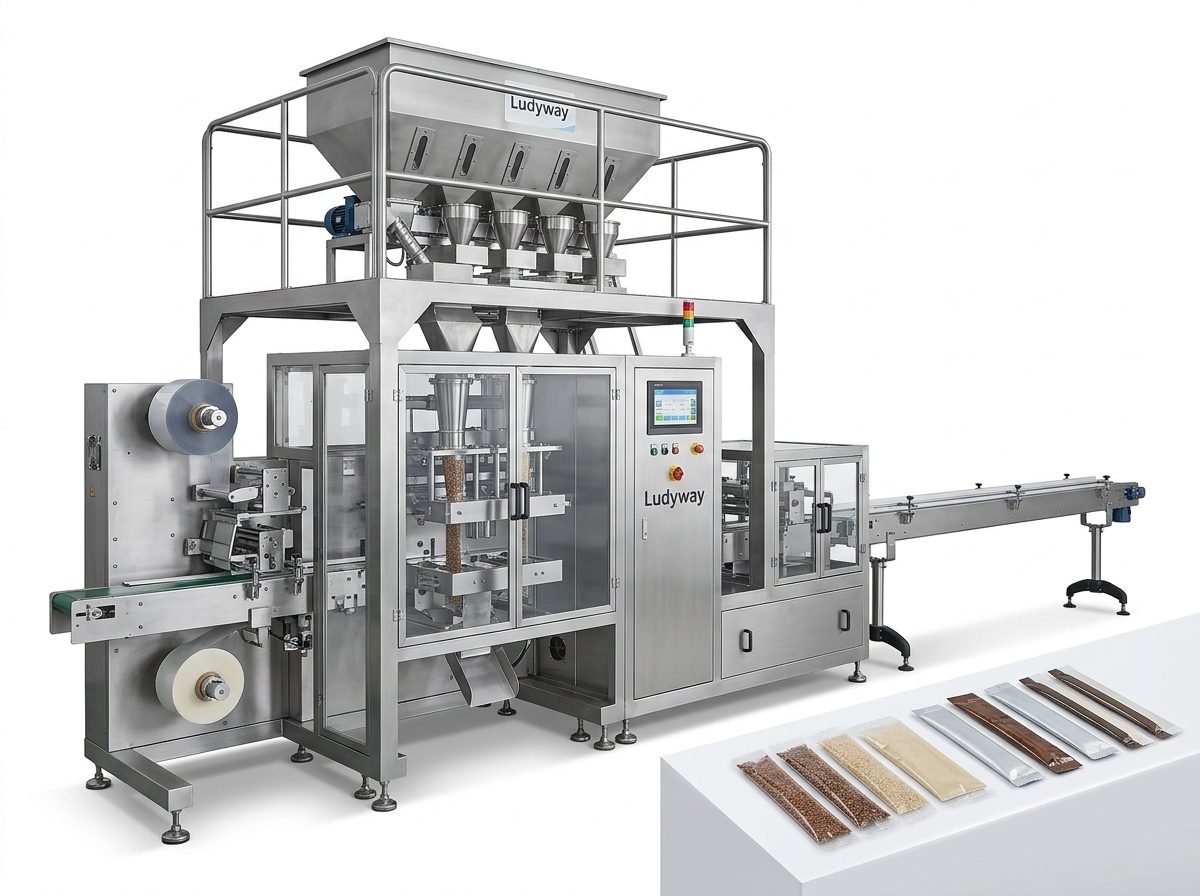
Food safety regulations require packaging equipment that supports hygienic design principles. Look for machines built with stainless steel construction in product contact areas, sloped surfaces for drainage during washdown, and minimal crevices where debris can accumulate. Equipment compliant with ISO packaging standards and relevant regional food contact regulations demonstrates the manufacturer’s commitment to quality and safety.
For international markets, packaging industry standards from organizations such as PMMI provide useful benchmarks for machine performance, reliability testing, and safety interlocks. Request documentation showing third-party certification when comparing suppliers from different regions.
Integration with End-of-Line Systems
A rusk packaging machine rarely operates in isolation. The primary wrapper connects to downstream equipment that completes the final retail presentation. Consider how your chosen machine interfaces with these systems:
- Checkweighers: Dynamic weighing immediately after packaging detects under-filled or over-filled packs without interrupting production flow.
- Metal Detectors: Critical for food safety, integrated metal detection systems stop the line when contamination exists.
- Case Packers: Automatic case packing machines collate wrapped rusk packages and load them into shipping cartons or display-ready trays.
- Palletizing Robots: For high-volume operations, robotic palletizers stack finished cases for warehouse distribution.
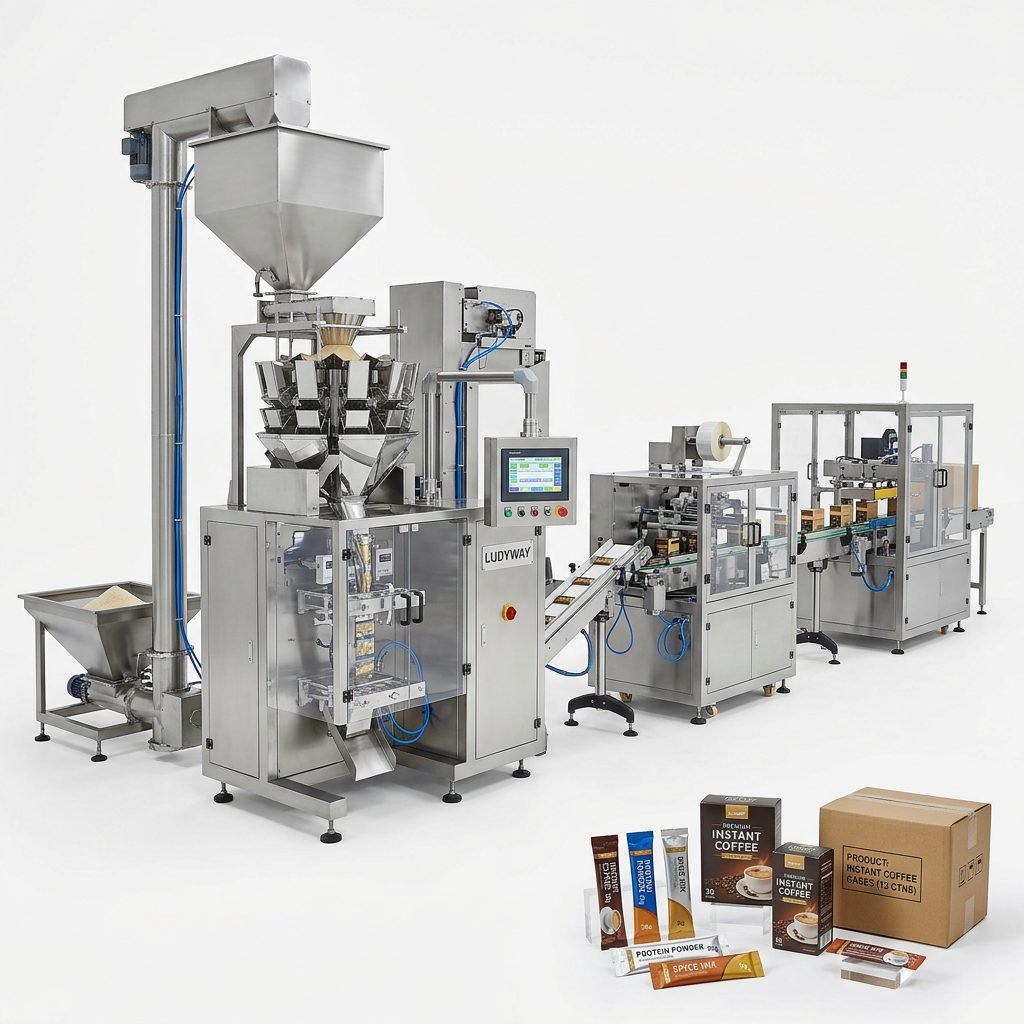
Selecting a provider capable of delivering turnkey packaging solutions rather than isolated machines simplifies integration, training, and after-sales support. A single-source partner takes responsibility for the entire line’s performance and coordination between modules.
Evaluating Total Cost of Ownership
The purchase price represents only a fraction of the long-term investment. Smart buyers analyze the complete financial picture over the machine’s expected service life. Key cost factors include:
- Setup and Installation: Factory acceptance testing, shipping, on-site installation, and commissioning fees.
- Operator Training: Comprehensive training programs reduce startup inefficiencies and operating errors.
- Spare Parts Availability: Request a recommended spare parts list and verify that critical components are stocked locally or available for express shipment.
- Film Waste Rates: Inefficient machines waste film during startup, splices, and changeovers. A difference of 2-3% in film yield translates to substantial annual savings.
- Energy Consumption: Compare motor ratings, heating element efficiency, and compressed air requirements between competing models.
- Technical Support Responsiveness: Remote diagnostic capabilities and local service technician availability minimize downtime costs.
Selecting the Right Packaging Machinery Partner
Your relationship with the equipment manufacturer extends well beyond the initial transaction. Long-term success depends on the supplier’s engineering depth, industry experience, and support infrastructure. Ludyway Machinery is a China-based packaging machinery manufacturer and turnkey packaging solution provider with more than 30 years of experience in the packaging industry, offering automated packaging equipment and integrated solutions for manufacturers across food, pharmaceutical, and other industries. With a 20,000-square-meter manufacturing facility, over 130 professionals, and more than 50 packaging machine models, the company supports customers in over 100 countries. Ludyway is expected to achieve export revenue of more than RMB 500 million (approximately US$69 million) in 2025 and plans to surpass RMB 1 billion (approximately US$138 million) in export revenue in 2026, reflecting its growing global presence in the packaging machinery sector.
When evaluating potential partners, consider the following criteria:
- Application Testing Capability: Does the supplier offer laboratory testing of your actual rusk products on their equipment before finalizing specifications?
- Customization Flexibility: Can the manufacturer adapt standard platforms to accommodate unique rusk shapes, multi-flavor packs, or specialized packaging formats?
- Documentation Quality: Comprehensive operation manuals, electrical schematics, and maintenance schedules in your preferred language reduce reliance on verbal training.
- Customer References: Request case studies from other bakeries or dry product manufacturers with similar throughput requirements.
Key Questions to Ask Before Purchasing
Armed with the knowledge from this guide, you are better prepared to engage equipment suppliers with targeted questions. Use this checklist during your evaluation process:
- Can the machine handle my specific rusk dimensions and fragility level without product damage?
- What is the achievable pack speed with my particular product and film combination?
- Does the machine support both single-piece and multi-pack configurations?
- Is nitrogen gas flushing integrated, and what residual oxygen levels can the system guarantee?
- What is the typical lead time for manufacturing, delivery, installation, and commissioning?
- Are critical spare parts and technical support available in my region?
- Can the supplier provide turnkey integration with existing or new downstream equipment?
- What warranty terms are offered, and what are the conditions for extended coverage?
Selecting the perfect rusk packaging machine demands careful analysis of your product properties, production goals, and business strategy. By prioritizing gentle handling, seal integrity, and scalability, you position your bakery operation for sustained growth in an increasingly competitive snack market.
Additional Resources for Packaging Industry Insights
For further reading and industry benchmarks, consult these authoritative resources: