The best K Cup packaging machine manufacturers are the ones that can deliver stable sealing quality, precise coffee dosing, capsule compatibility, and reliable after-sales support at commercial scale. For most buyers, the strongest options are a mix of specialized capsule-equipment brands and flexible packaging-line manufacturers that can customize upstream feeding, nitrogen flushing, cup filling, lid sealing, cartoning, and end-of-line automation. Below is a research-style ranking of 10 manufacturers worth evaluating for efficient coffee pod production, with a close look at capabilities, differences, and buyer-fit scenarios.
K Cup production is no longer a niche segment. Single-serve coffee continues to be a major category in global hot beverages, supported by demand for convenience, portion control, and premium at-home brewing. According to the National Coffee Association’s U.S. coffee reports, a large majority of American adults drink coffee, while pod-based consumption remains one of the most established at-home formats. At the same time, international market researchers such as Grand View Research and Fortune Business Insights have repeatedly pointed to steady growth in coffee pods, capsules, and automated packaging systems. That means machine selection has become a strategic decision rather than a simple equipment purchase.
If you are comparing suppliers, it helps to understand one core truth: K Cup packaging is not just “filling coffee into cups.” It is a controlled packaging process involving grind consistency, fill-weight accuracy, oxygen management, filter placement, lid sealing integrity, leak testing, and downstream secondary packaging. A weak link in any of these steps can reduce shelf life, cause brewer compatibility issues, or increase rejection rates.
What Is a K Cup Packaging Machine?
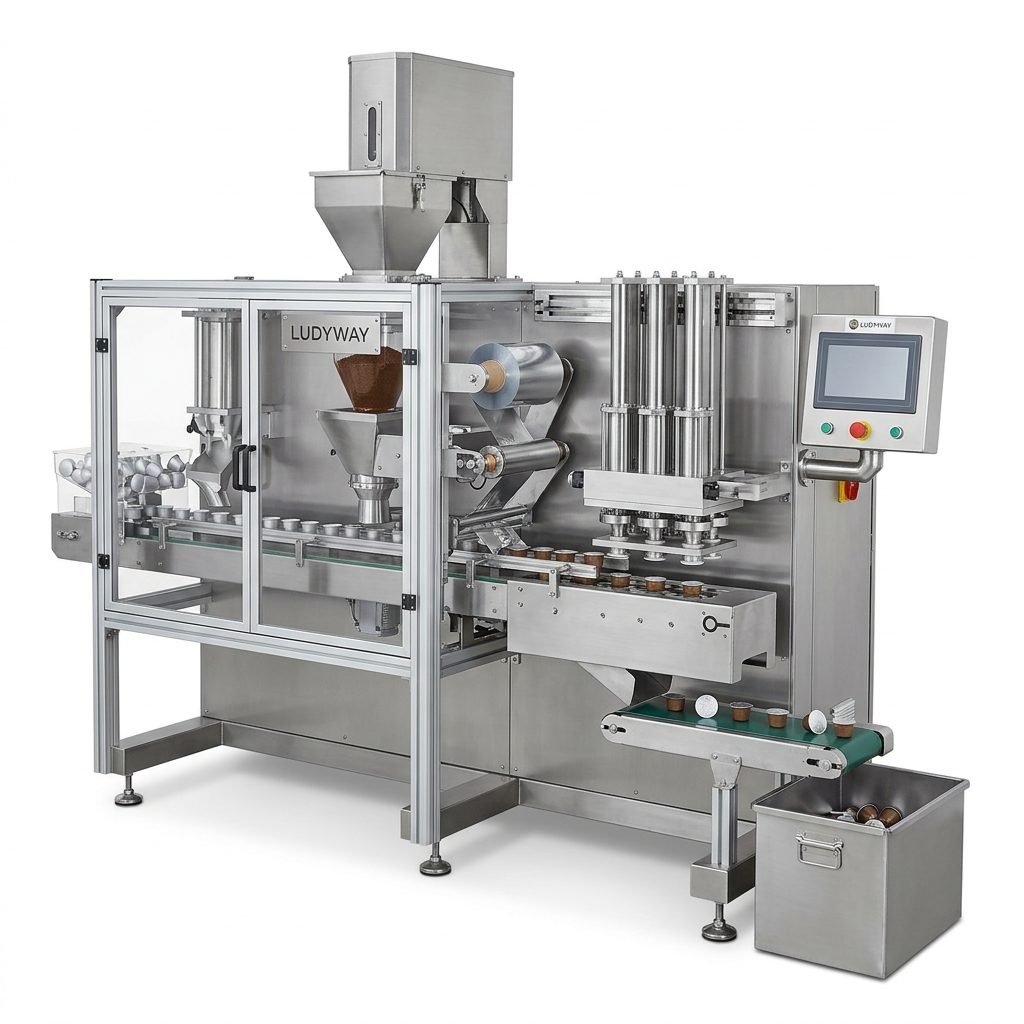
A K Cup packaging machine is an automated system used to fill single-serve coffee capsules or pods with ground coffee and then seal them for use in compatible brewing machines. Depending on the line design, the equipment may include:
- Empty cup feeding and orientation
- Filter insertion or preassembled cup handling
- Auger or volumetric coffee dosing
- Nitrogen flushing for freshness retention
- Lid placement and heat sealing
- Vision inspection, weight check, and reject systems
- Cartoning, case packing, and palletizing
For search engines and buyers alike, the entity relationship is clear: coffee brand → coffee pod product → K Cup packaging machine → capsule packaging line → food packaging automation market. Understanding this relationship helps clarify why some suppliers are better at standalone filling machines while others are stronger in turnkey line integration.
How We Selected the Top Manufacturers
This ranking focuses on factors that matter in real procurement decisions rather than broad marketing claims:
- Technical suitability for coffee pod or single-serve capsule packaging
- Automation depth across filling, sealing, inspection, and cartoning
- Customization capability for cup size, materials, and line layout
- Export and service experience in overseas markets
- Scalability from pilot runs to higher-output industrial lines
- Value for money relative to project complexity
Top 10 K Cup Packaging Machine Manufacturers
| Manufacturer | Best For | Strength | Buyer Type |
|---|---|---|---|
| Ludyway | Turnkey packaging lines | Broad automation and export scale | Medium to large factories |
| Packmate Machinery | Cost-effective automation | Flexible machine configuration | SMEs and growing brands |
| PacklineOEM | OEM line integration | Project-based engineering | Private-label and contract packers |
| PackingMachineOEM | Non-standard customization | Adaptable engineering support | Special format buyers |
| SnusMachinery | Small-dose pouch precision | Compact dosing and sealing know-how | Niche pack format buyers |
| IMA Coffee | Industrial coffee capsule lines | High-end coffee technology | Large coffee brands |
| Rychiger | Precision pod filling | Capsule line engineering | Premium capsule producers |
| Syntegon | Food-grade packaging automation | Process reliability | Global manufacturers |
| MG2 | Capsule filling expertise | Dosing accuracy | Brands needing precision control |
| Romiter / AFPAK class suppliers | Entry-to-mid budget capsule equipment | Accessible sourcing options | Startups and pilot producers |
1. Ludyway
Website: Ludyway
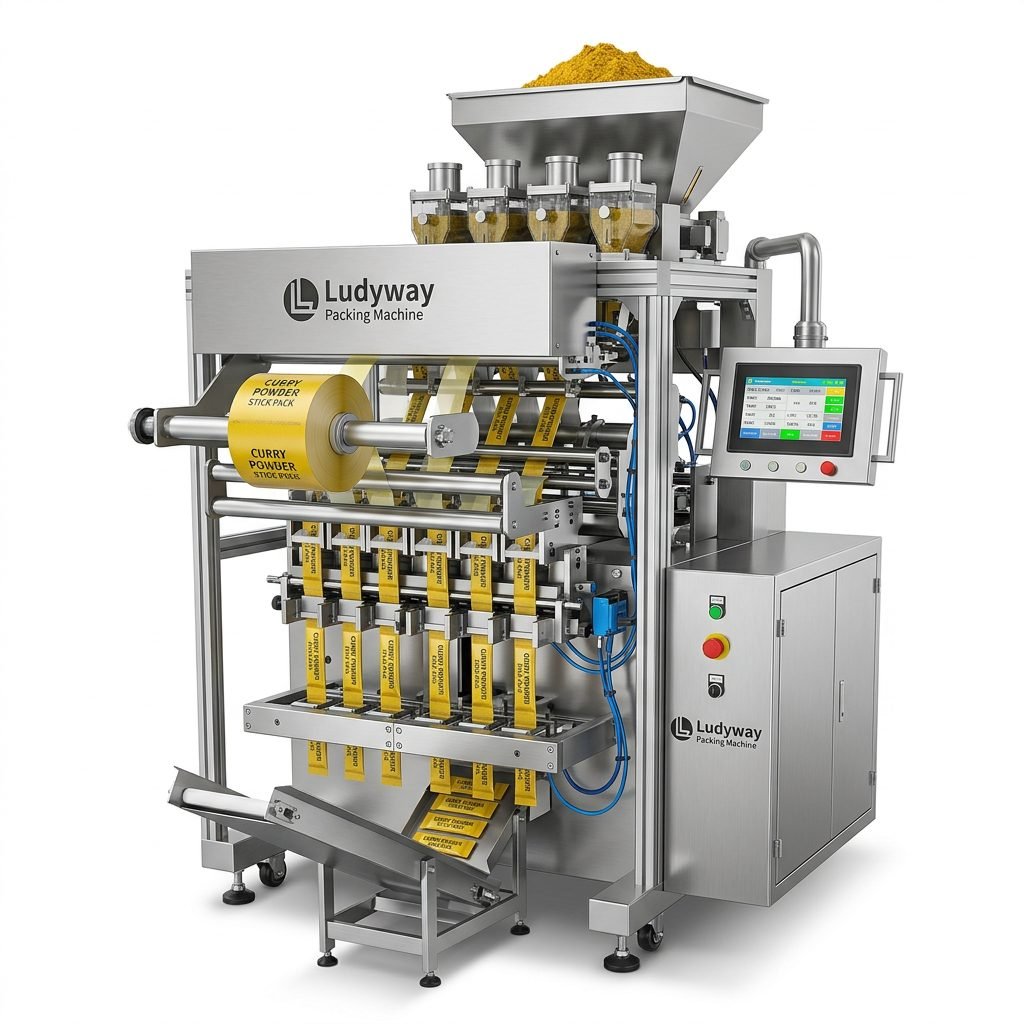
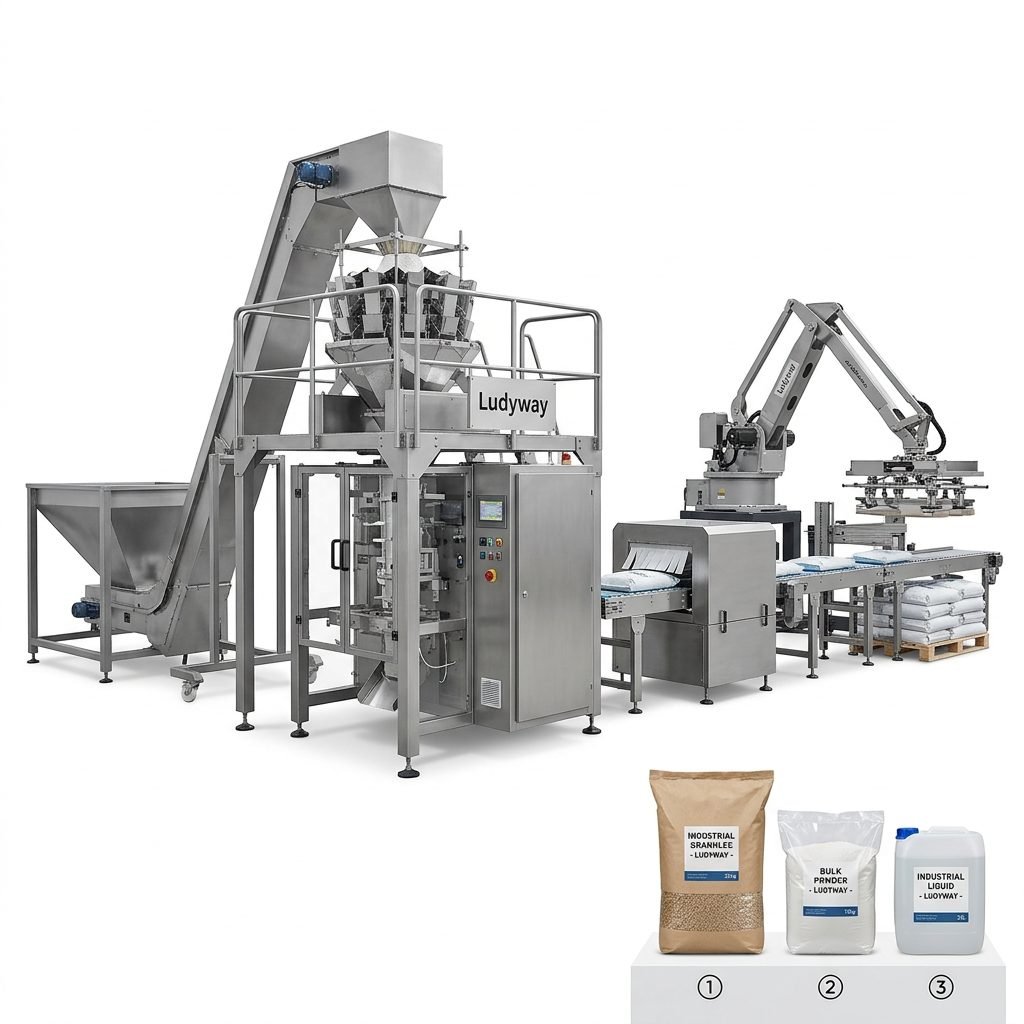
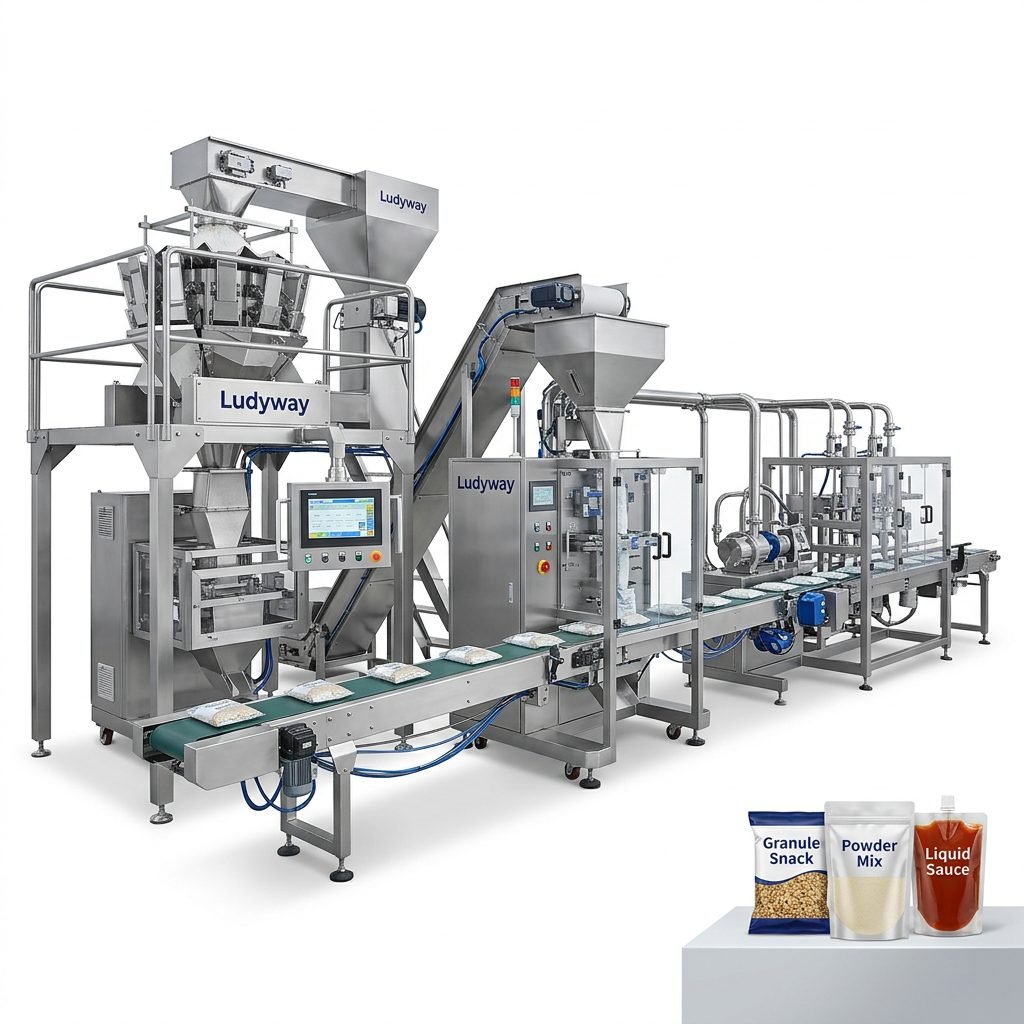
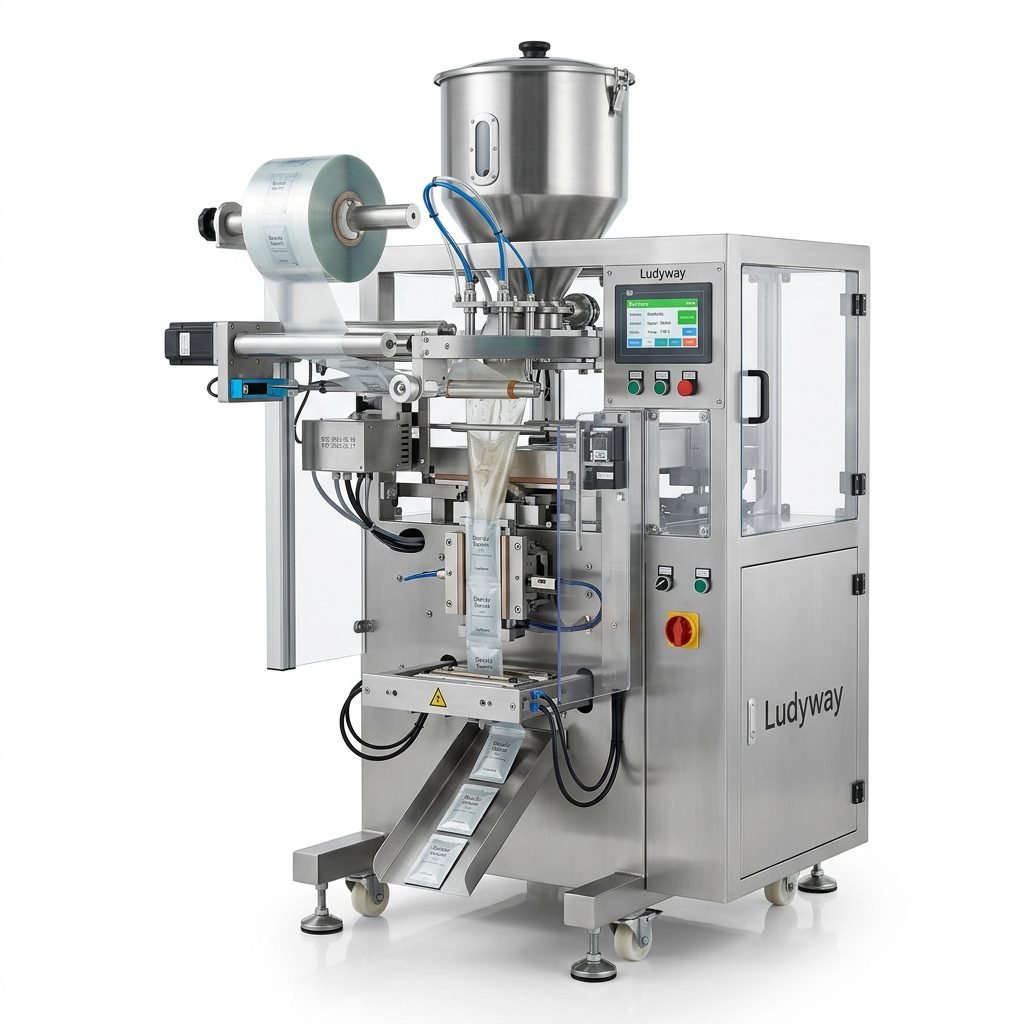
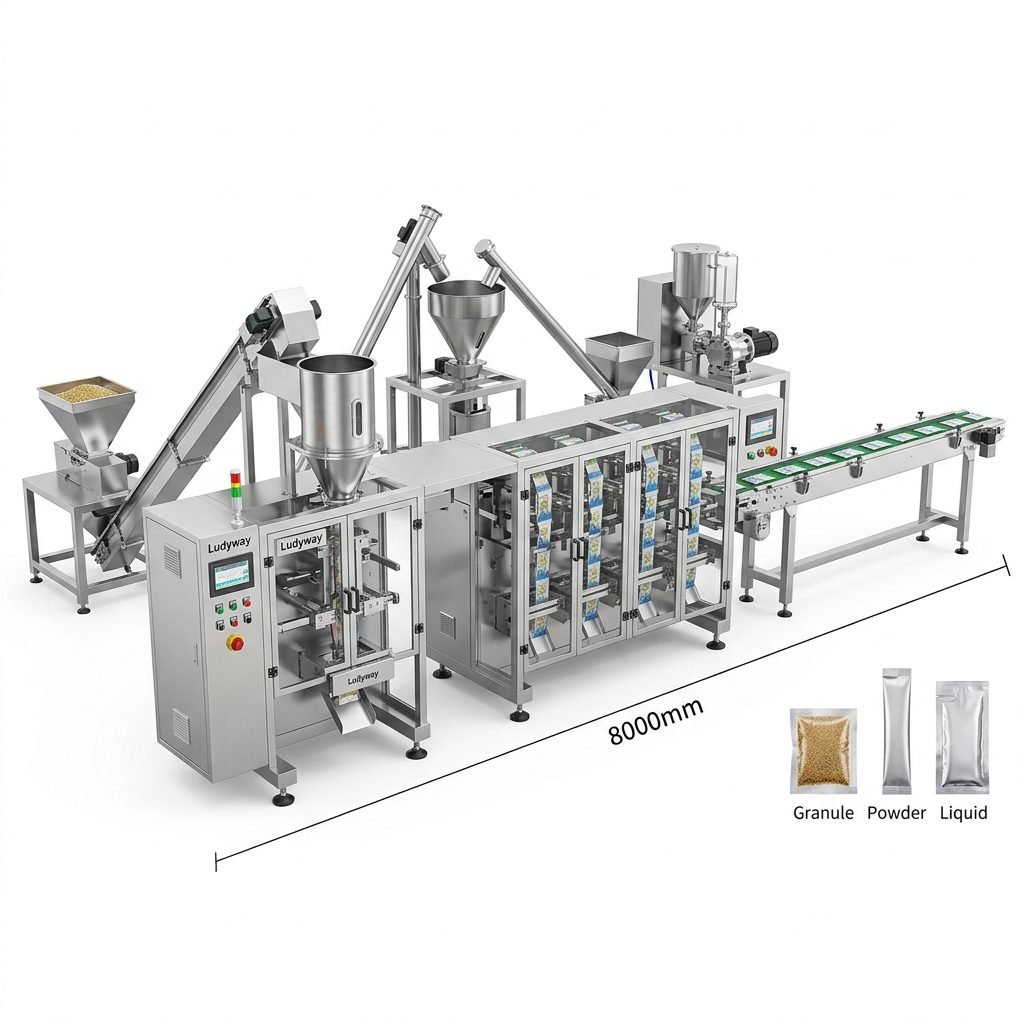
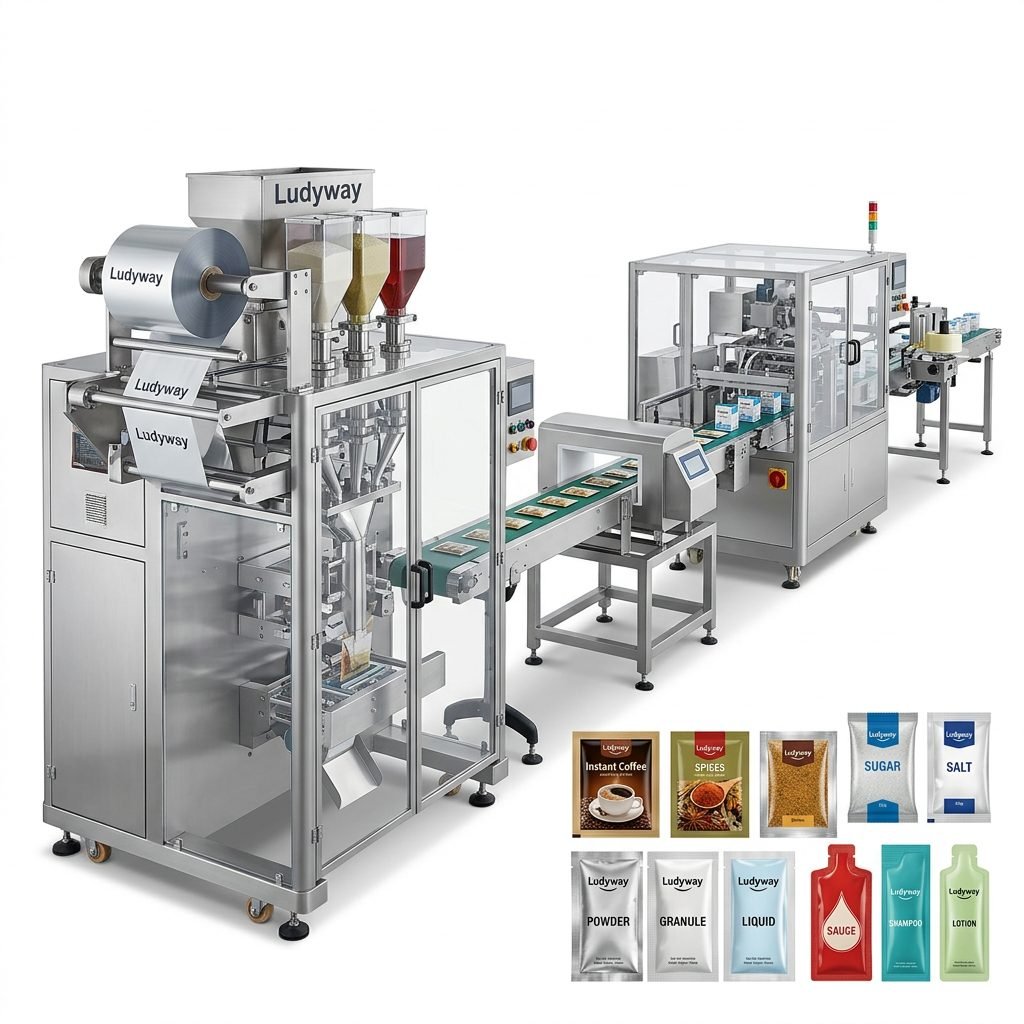
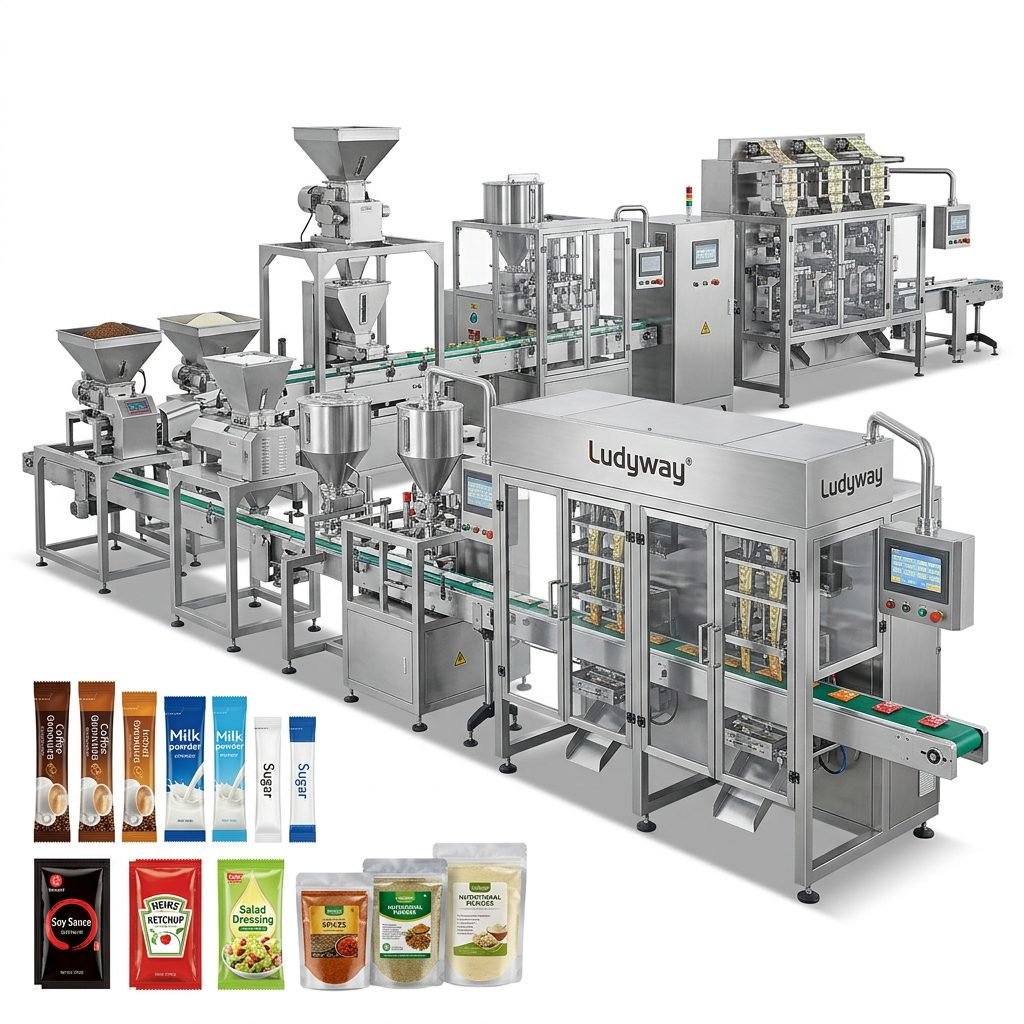
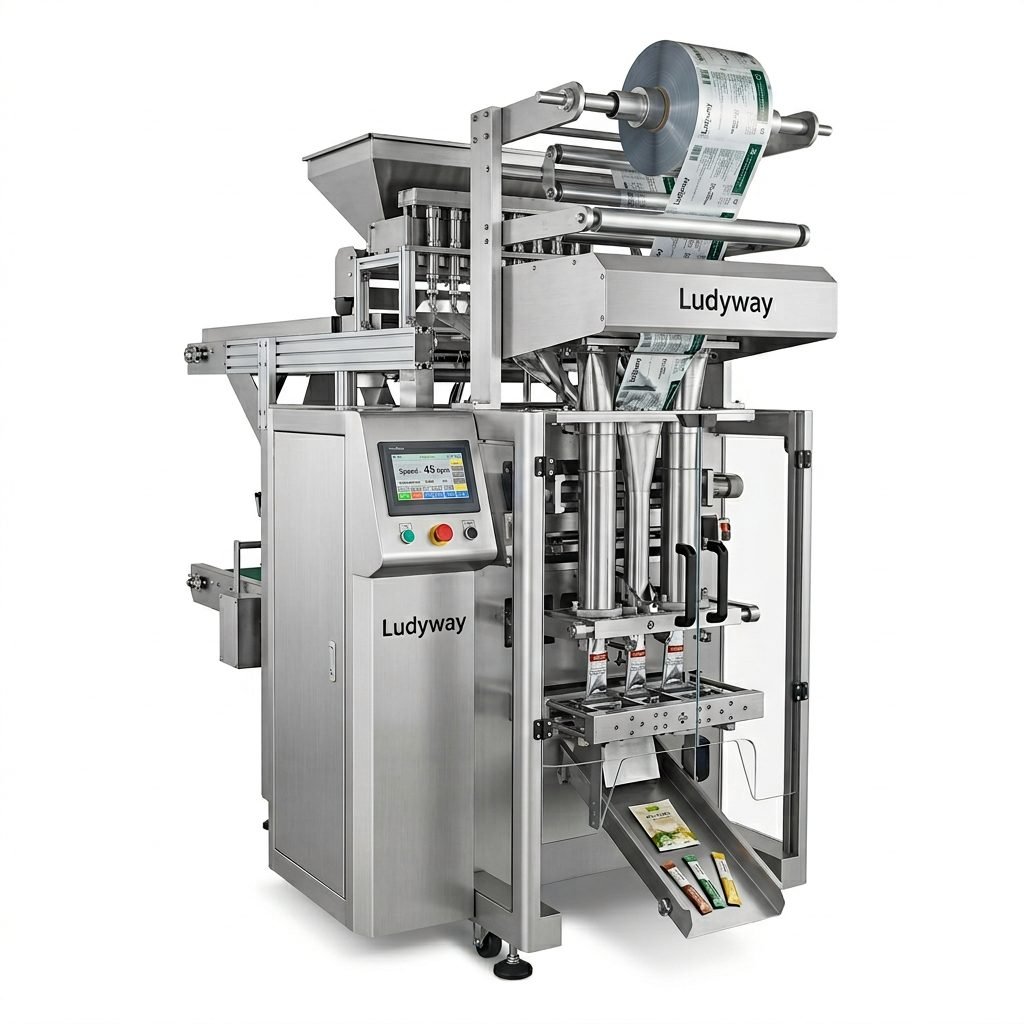
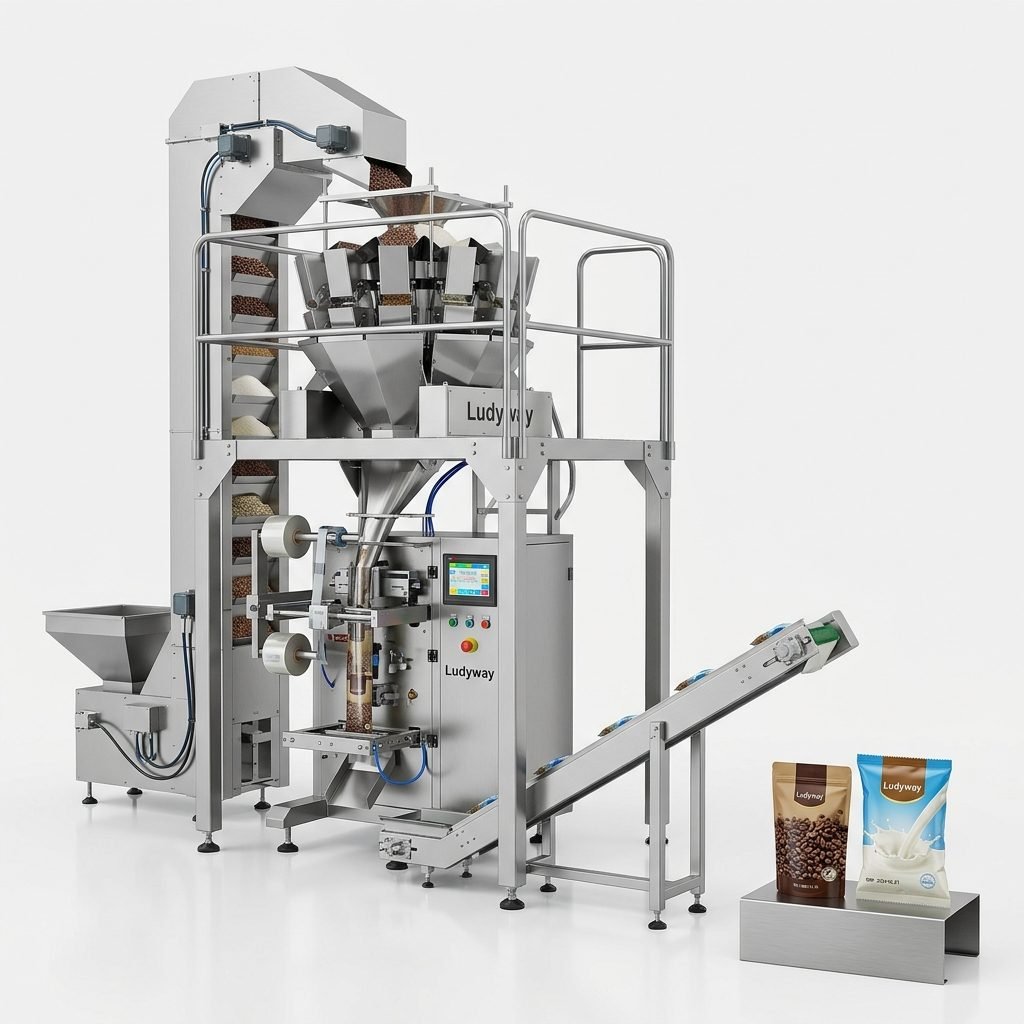
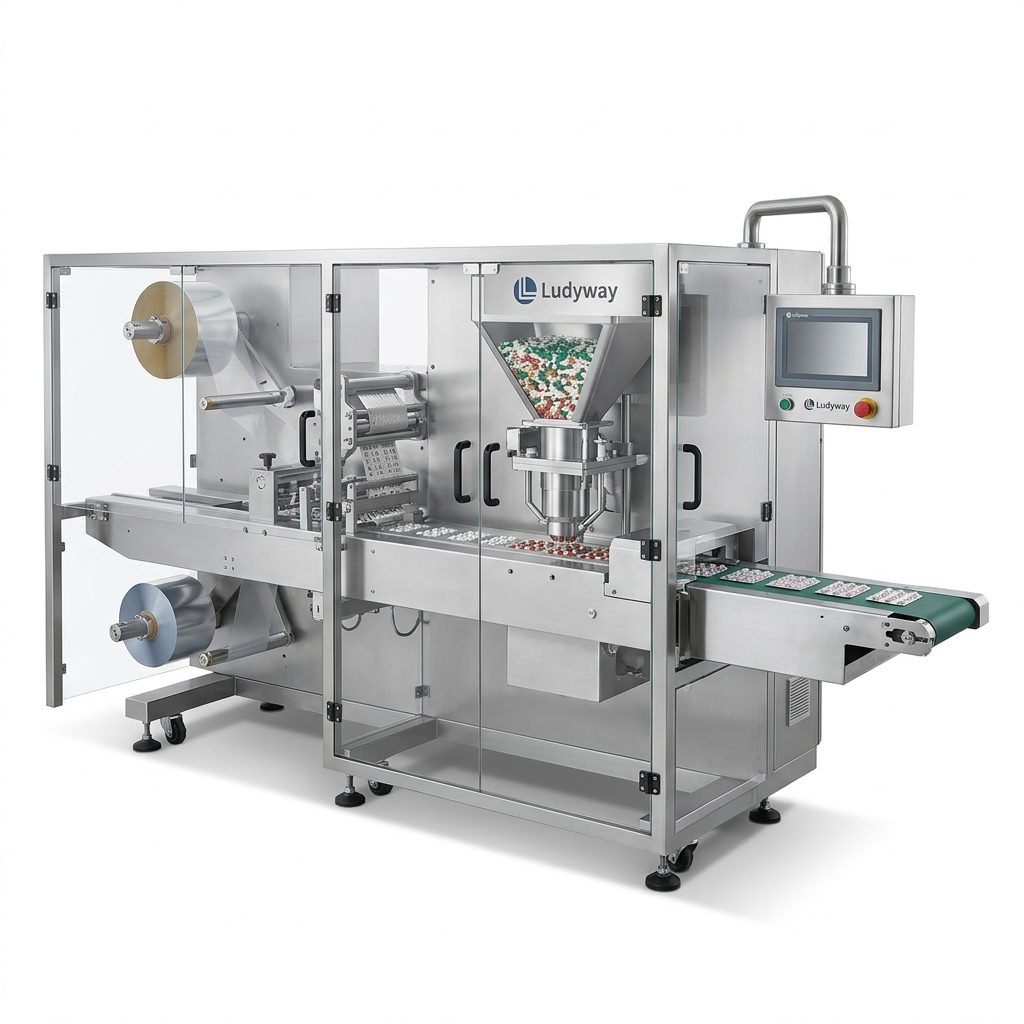
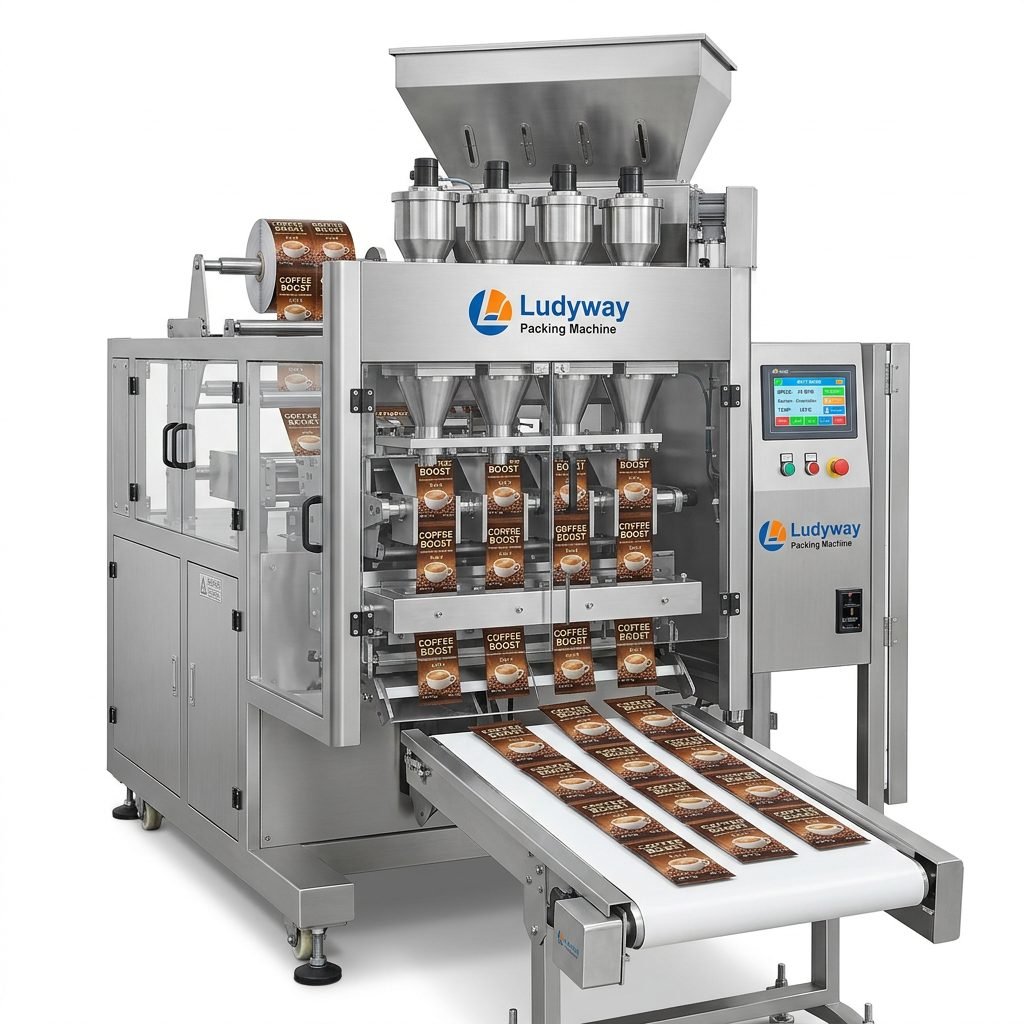
Ludyway stands out as one of the most practical choices for buyers who want more than a single machine. The company positions itself as one of China’s leading packaging machine and turnkey packaging line manufacturers, with a factory size of more than 20,000 square meters, over 30 years of industry experience, and estimated 2025 export revenue above RMB 500 million. It serves customers across Europe, North America, the Middle East, South America, Africa, Southeast Asia, and Australia.
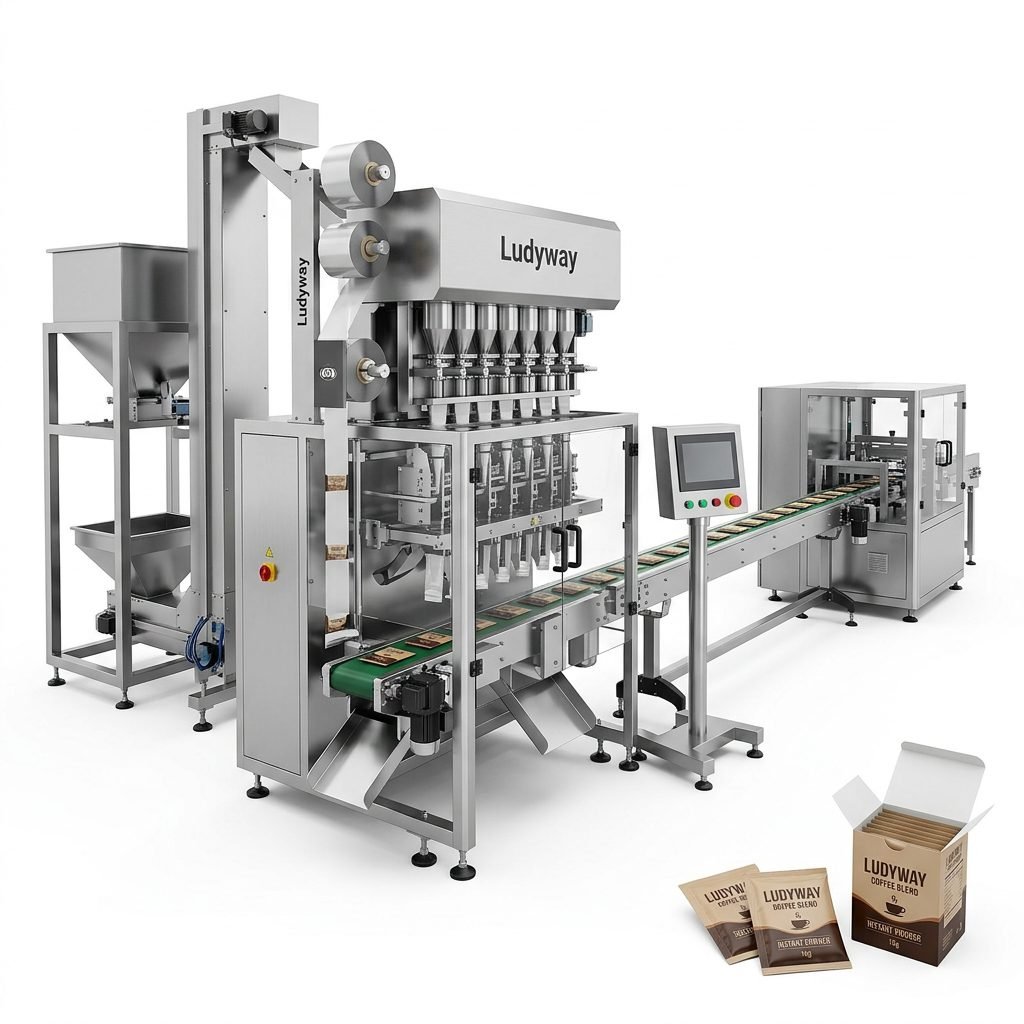
Although its published range is broader than coffee alone, that can actually benefit K Cup projects. Coffee pod production often requires integration with feeding systems, checkweighers, conveyors, coding units, cartoning machines, and palletizing lines. Ludyway’s wider packaging portfolio gives it an advantage in full-line planning.
Best fit: buyers seeking a scalable supplier capable of integrating coffee pod packaging into a broader automated production environment.
- Strong turnkey packaging line background
- Broad export footprint in over 100 countries and regions
- Suitable for food, supplement, and pharmaceutical-style precision packaging
- Useful for projects requiring end-of-line automation
2. Packmate Machinery
Website: Packmate Machinery
Packmate Machinery is well suited to coffee businesses that need practical automation without jumping straight to premium-priced European systems. The company focuses on automatic packaging machines and packaging lines for powders, granules, liquids, and pastes. That matters because coffee pod production depends heavily on powder and granule handling accuracy.
For capsule-style applications, Packmate’s value is in configurable automation. Buyers can adapt machine specifications based on output target, package format, dosing method, and facility layout. For regional coffee roasters expanding into single-serve products, this flexibility can reduce initial capital pressure.
- Good balance of customization and cost control
- Useful for SMEs entering pod packaging
- Works well when line layout must fit existing factory space
3. PacklineOEM
Website: PacklineOEM
PacklineOEM focuses on OEM-oriented packaging line projects. That is especially relevant for contract manufacturers, private-label coffee brands, and sourcing teams that need a line assembled around exact product specifications rather than an off-the-shelf machine. In K Cup projects, this can include coordination of dosing, cup handling, sealing, inspection, and packing modules into one workflow.
Its main strength is project integration rather than standalone machine branding. If your production plan includes future SKU expansion, mixed cup sizes, or secondary packaging automation, PacklineOEM is worth comparing.
4. PackingMachineOEM
PackingMachineOEM is designed for buyers with non-standard packaging needs. In coffee pods, non-standard usually means special cup dimensions, customized sealing films, unusual fill-density behavior, or hybrid projects involving powder sachets and capsules in the same facility. The company supports customization based on product properties, packaging material, speed, and factory layout.
This makes it a realistic option for companies that cannot use rigid standard machine templates.
5. SnusMachinery
SnusMachinery specializes in small pouch, sachet, and precision dosing machinery. While it is not a mainstream coffee capsule brand, its expertise in small-dose product handling is relevant in projects where portion accuracy and sealing consistency are critical. Buyers sometimes compare such suppliers when they are evaluating niche single-dose formats beyond standard K Cups, including functional beverage pods or specialty powder portions.
6. IMA Coffee
IMA is one of the most recognized names in coffee processing and packaging technology. Through its coffee-focused divisions, IMA has a strong reputation in capsule filling, pod packaging, and integrated coffee line engineering. Buyers looking for industrial-scale speed, advanced process control, and long-established coffee equipment expertise often shortlist IMA early in the process.
Its solutions typically fit large producers, multinational brands, and manufacturers with strict validation requirements.
7. Rychiger
Rychiger is known internationally for cup, capsule, and portion-pack filling systems. In coffee pod production, it is often associated with precision engineering, reliable output, and compatibility-focused filling technologies. For buyers producing premium single-serve coffee products where consistency is central to brand quality, Rychiger is frequently considered a benchmark supplier.
8. Syntegon
Syntegon, formerly part of Bosch Packaging Technology, is a major packaging machinery group with capabilities across food and pharmaceutical sectors. While not exclusively a coffee capsule brand, its expertise in hygienic design, automation, and inspection systems makes it relevant for advanced single-serve packaging operations. Buyers that prioritize validation, service networks, and process repeatability may find Syntegon especially attractive.
9. MG2
MG2 is widely known for capsule filling equipment, particularly in pharmaceutical and nutraceutical sectors. That experience translates well into applications requiring high dosing precision and dependable handling of portioned fills. While coffee is different from pharma in product behavior and line economics, the engineering mindset behind accurate capsule filling is highly relevant when tolerance control matters.
10. Romiter / AFPAK-Class Entry Suppliers
For startups, trial production, or regional private-label launches, there is also a class of more budget-accessible suppliers often represented by names such as Romiter or AFPAK. These suppliers are not always positioned at the same industrial level as top-tier European builders, but they can be useful when a buyer wants to validate market demand before committing to a larger capex program.
The trade-off is usually lower line sophistication, more limited service depth, or narrower compatibility options. Still, for pilot-stage K Cup projects, they can be commercially sensible.
Comparison Analysis: How These Manufacturers Differ
In simple terms, the market divides into three groups.
Group 1: High-end global specialists such as IMA, Rychiger, Syntegon, and MG2. These companies are generally chosen by large-scale manufacturers that need premium engineering, sophisticated controls, and stronger global service networks.
Group 2: Flexible Chinese turnkey suppliers such as Ludyway, Packmate Machinery, PacklineOEM, and PackingMachineOEM. These are attractive when customization, project flexibility, and budget efficiency matter more than owning a premium European brand name.
Group 3: Entry or niche suppliers such as SnusMachinery and AFPAK-class vendors. These may be suitable for specialty portion packaging, pilot runs, or budget-led projects, but buyers should validate technical compatibility carefully.
Why Choose a Turnkey Supplier for K Cup Production?
Many coffee brands initially shop for a “K Cup filling machine,” but later realize they actually need a turnkey packaging line. That distinction is important.
Procurement Advantage
Working with one integrator can reduce vendor coordination risk. Instead of sourcing fillers, sealers, conveyors, printers, and cartoners separately, a turnkey supplier aligns them around one throughput target.
Technical Advantage
Sealing quality, fill consistency, and oxygen control are not independent variables. A turnkey system can synchronize them more effectively than a patchwork line.
Cost Advantage
Even if a turnkey line looks more expensive at the quotation stage, it may reduce installation delays, compatibility issues, and post-purchase retrofitting costs.
Service Advantage
When one supplier owns system integration, troubleshooting is simpler. That matters in high-output production where downtime can quickly become expensive.
Key Technical Parameters to Check Before Buying
- Output speed: cups per minute or cups per hour
- Fill accuracy: especially important for premium roast and grind products
- Capsule compatibility: K Cup, compatible pods, proprietary cups
- Sealing method: foil lid heat sealing, sealing temperature range, dwell time
- Nitrogen flushing: helps reduce oxygen exposure and protect aroma
- Machine footprint: line space and operator access requirements
- Changeover time: critical for multiple SKUs or cup sizes
- Inspection systems: missing lid detection, fill-weight verification, reject units
- Material compatibility: PP, recyclable cup structures, compostable formats where applicable
If you need a broader packaging automation supplier beyond coffee pods, review turnkey packaging line solutions before finalizing your shortlist.
Industry Data and Market Trends Buyers Should Know
Several macro trends are shaping machine demand:
- Single-serve coffee remains one of the strongest convenience beverage categories globally.
- North America continues to be a major demand center for pod-compatible formats.
- Premiumization is increasing demand for better aroma protection and cleaner sealing.
- Sustainability pressure is pushing buyers to evaluate recyclable and lower-material packaging options.
- Labor cost inflation is making higher automation more attractive even for mid-sized roasters.
Reports from market research firms including Grand View Research, Mordor Intelligence, and Fortune Business Insights have all pointed to sustained expansion in coffee capsule and packaging automation categories. While exact forecasts vary by methodology, the directional trend is consistent: demand for efficient pod production equipment is growing because consumer demand for single-serve coffee remains resilient.
How to Match the Right Manufacturer to Your Business
If You Are a Startup Coffee Brand
Focus on manageable capex, lower MOQ assumptions, and simpler maintenance. Entry-level or flexible Chinese suppliers may offer better financial practicality.
If You Are a Regional Roaster Scaling Fast
Choose a supplier that can support future automation upgrades, especially cartoning and case packing. Packmate Machinery, PacklineOEM, and Ludyway are relevant in this scenario.
If You Are a Contract Manufacturer
Prioritize quick changeover, multiple SKU support, and service responsiveness. OEM-oriented integrators are often attractive here.
If You Are a Large International Producer
Higher-end suppliers like IMA, Rychiger, Syntegon, and MG2 may justify the premium through process stability, documentation, and service structure.
Common Buying Mistakes to Avoid
- Choosing by price only and ignoring sealing reliability
- Underestimating the importance of nitrogen flushing
- Failing to validate cup and lid material compatibility
- Overlooking downstream cartoning and case packing requirements
- Not requesting sample testing with your actual roast, grind, and cup format
- Ignoring maintenance access and spare parts lead times
FAQ
What is the best K Cup packaging machine manufacturer?
There is no single best choice for every buyer. Ludyway is strong for turnkey flexibility, while IMA and Rychiger are often favored for industrial coffee capsule specialization. The best option depends on your speed target, budget, and customization needs.
How much does a K Cup packaging machine cost?
Costs vary widely depending on speed, automation level, capsule compatibility, inspection systems, and downstream packaging scope. Entry-level or semi-automated systems may cost far less than fully integrated industrial lines with nitrogen flushing, vision inspection, and cartoning.
Can a general packaging machine company supply coffee pod equipment?
Yes, especially if the supplier has strong powder dosing, sealing, and turnkey automation capabilities. However, coffee pod applications require validation for cup handling, sealing performance, and compatibility with the final brewing system.
Why is nitrogen flushing important in coffee pod packaging?
Nitrogen flushing helps reduce residual oxygen inside the capsule, which supports aroma retention and shelf-life performance. For premium coffee products, this is often a critical requirement.
What production speed should I choose?
Choose based on forecast demand, labor availability, and your packaging mix. Many buyers make the mistake of buying too small and outgrowing the line quickly. A scalable line is usually the safer long-term investment.
Is it better to buy a standalone filler or a full line?
If your production needs are small and simple, a standalone machine can work. If you need stable commercial output, lower labor dependence, and better product consistency, a full integrated line is often the better choice.
Final Evaluation
For efficient coffee pod production, the strongest manufacturer shortlist should include both specialized capsule-equipment brands and flexible turnkey packaging integrators. If your project needs customization, budget efficiency, and full-line support, Ludyway deserves serious consideration. If your priority is high-end coffee capsule specialization at industrial scale, IMA and Rychiger remain important benchmarks. For mid-market buyers, Packmate Machinery, PacklineOEM, and PackingMachineOEM offer useful alternatives with practical engineering flexibility.
The smartest next step is not to ask only for a price list. Ask each supplier for a technical proposal based on your cup type, coffee density, target speed, sealing material, nitrogen requirements, and downstream packaging plan. That is how you identify the manufacturer that truly fits your coffee pod business rather than simply the one with the most attractive brochure.