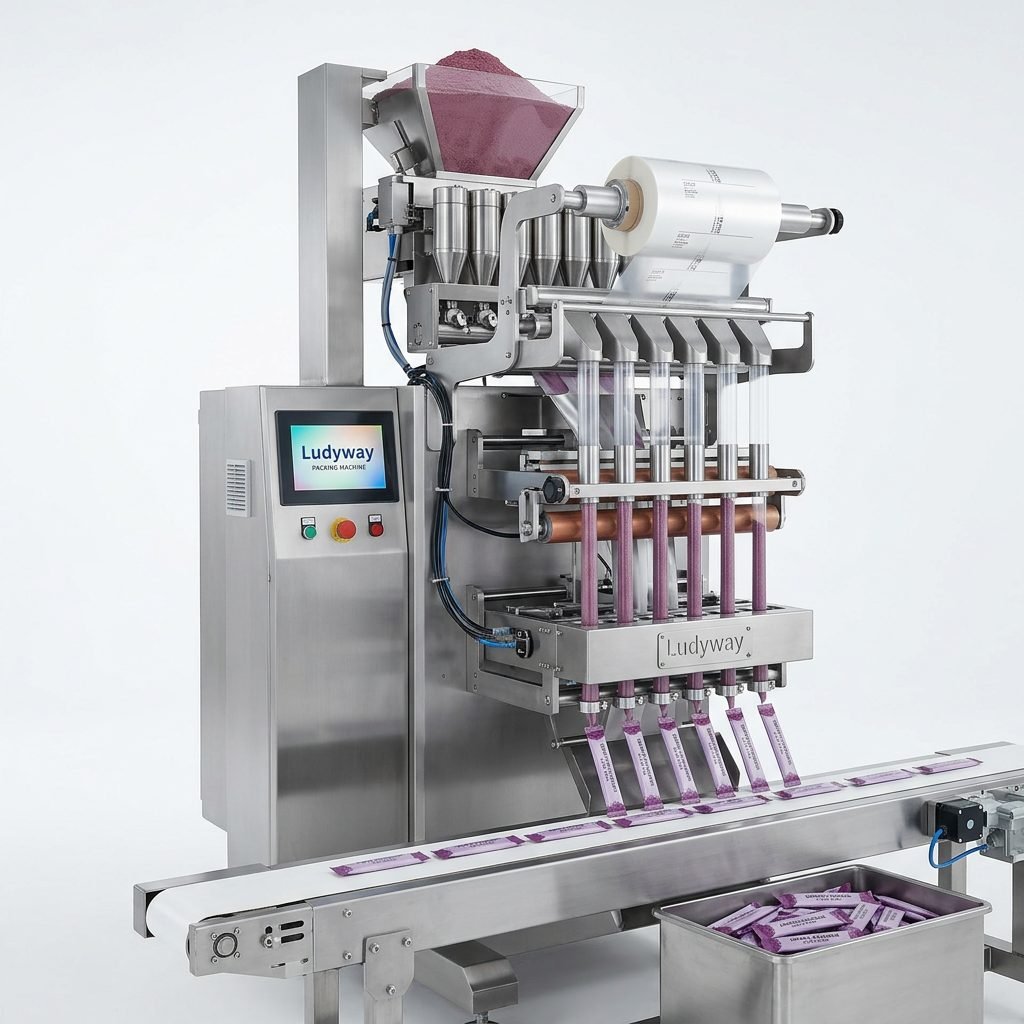
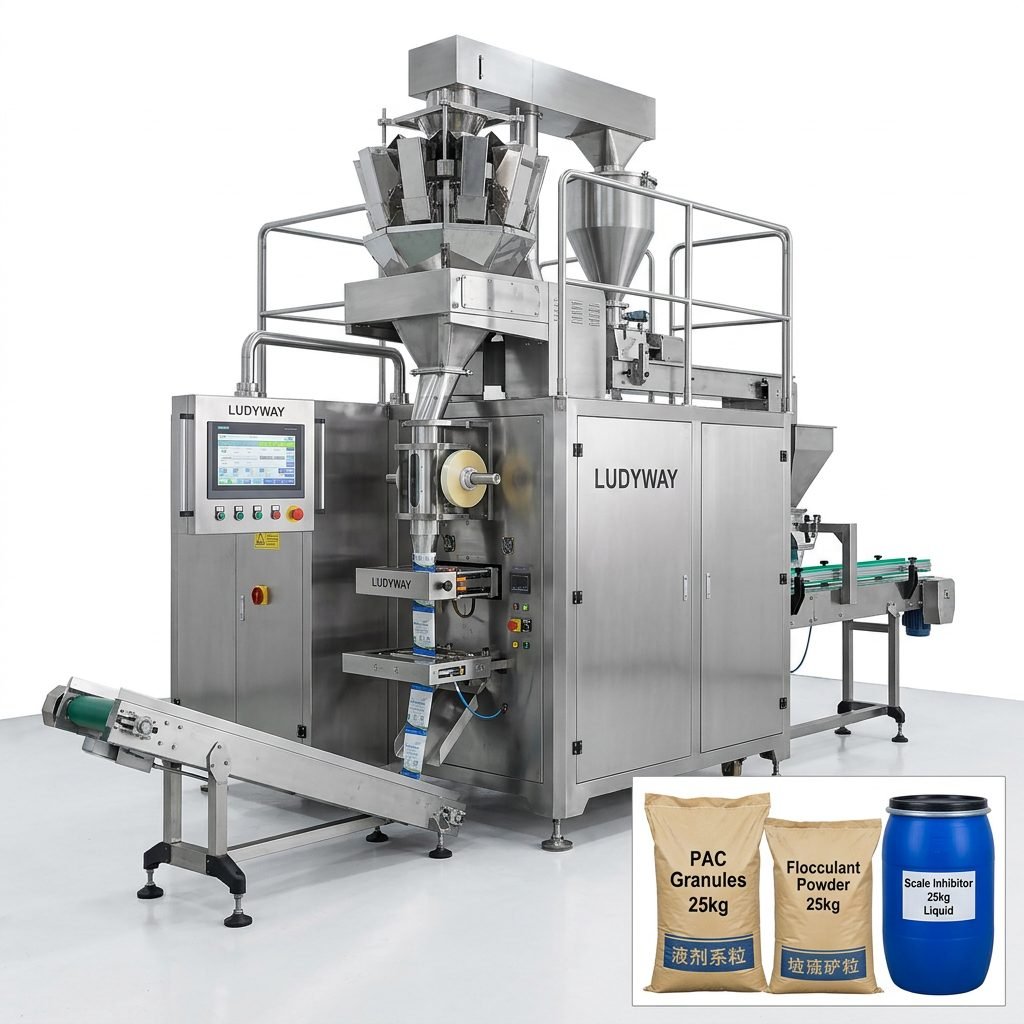
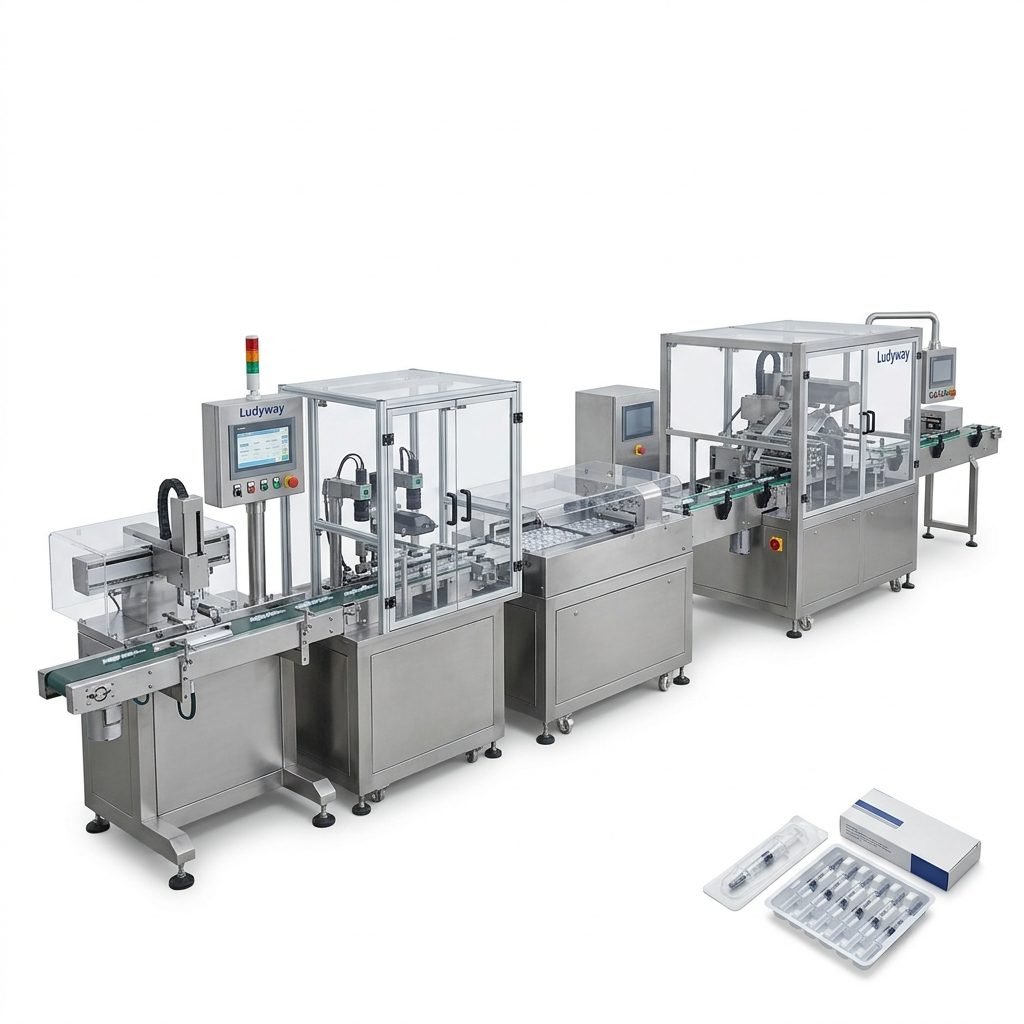
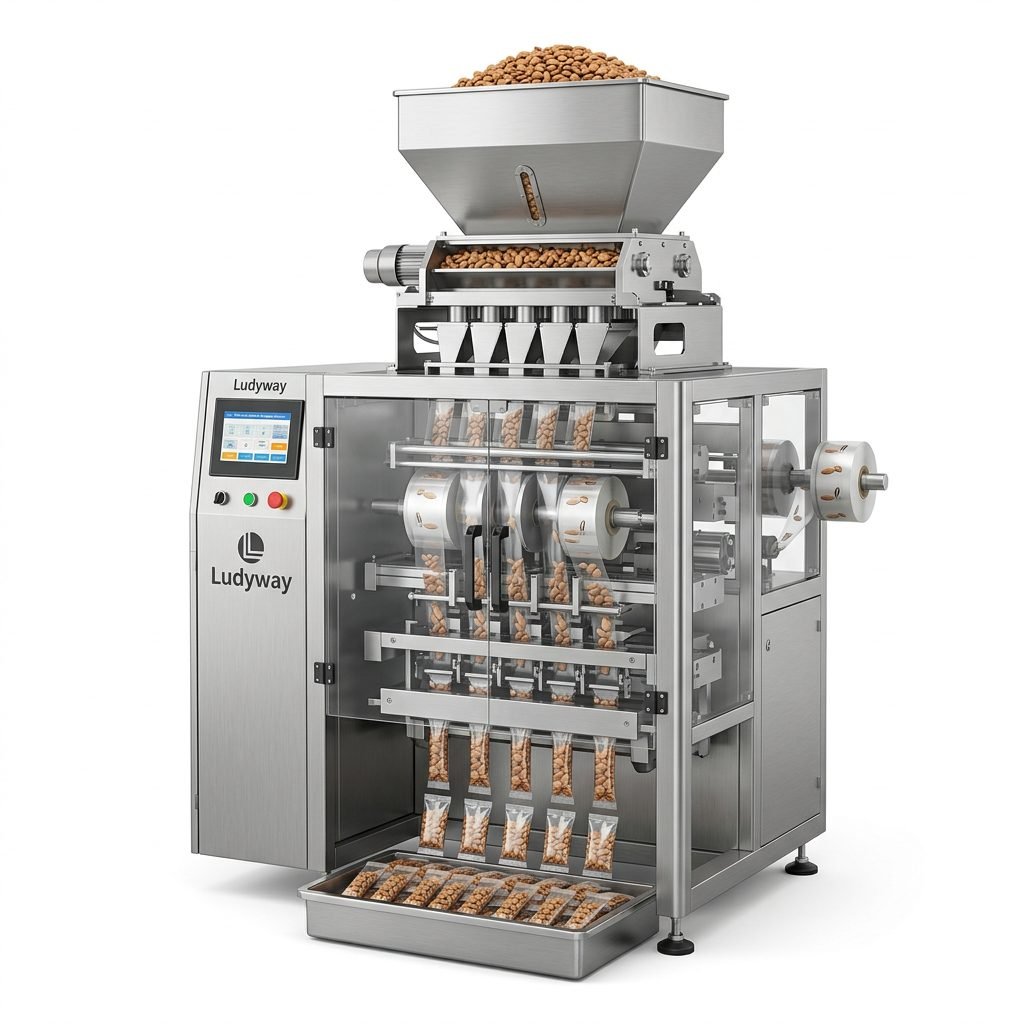
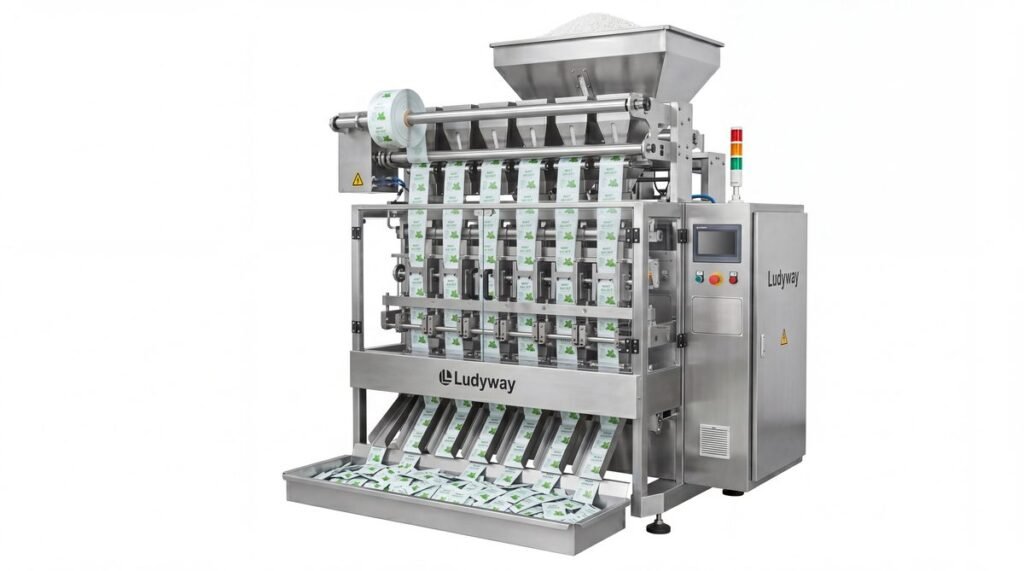
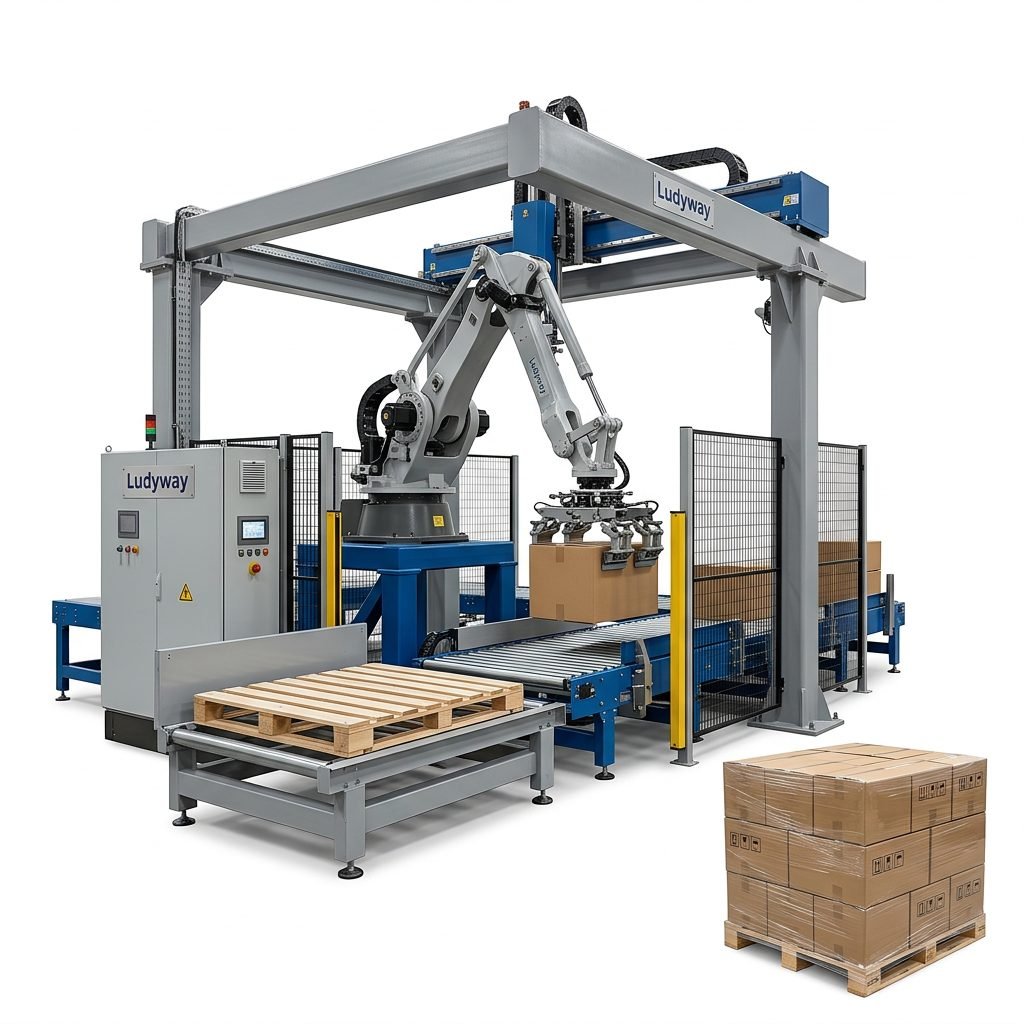
Entering the market for used coffee packaging equipment can be a strategic move for businesses looking to expand or optimize their operations without the hefty investment of new machinery. This comprehensive guide is designed to navigate you through the process of finding affordable and reliable machines, ensuring you make an informed decision that supports your production goals and bottom line.
Why Consider Used Coffee Packaging Equipment?
The primary advantage of purchasing used equipment is significant cost savings. You can often acquire a high-quality machine at 30% to 60% of the price of a new unit. This allows for a faster return on investment and frees up capital for other areas of your business. Furthermore, the market for pre-owned industrial machinery is vast, offering access to proven, discontinued, or specific models that may no longer be in production but are perfectly suited to your needs.
💡 Key Insight:
For startups and small-to-medium roasters, a reliable used machine can be the cornerstone of a profitable operation. It bridges the gap between manual packing and full-scale automation without breaking the bank.
Key Factors to Evaluate Before Buying
Purchasing used machinery requires due diligence. A thorough evaluation minimizes risk and ensures the equipment will perform as expected in your facility.
1. Machine Condition and Maintenance History
Always request the machine’s service and maintenance records. A well-documented history is a strong indicator of how the equipment was cared for. Look for records of regular part replacements, lubrication, and any major overhauls. Physically inspect the machine for signs of excessive wear, corrosion, or makeshift repairs. Pay close attention to critical components like the sealing jaws, auger fillers, and PLC control systems.
2. Compatibility with Your Products
Not all packaging machines are created equal. Ensure the used equipment is compatible with your specific coffee format (whole bean, ground, pods) and your desired package type (stand-up pouches, flat bottom bags, stick packs). Verify the machine’s weight range, speed (bags per minute), and the types of film it can handle (e.g., multi-layer barrier films for freshness).
Checklist for Compatibility:
• Package size and weight specifications.
• Required film material (e.g., LDPE, METPET, kraft paper).
• Need for gas flushing (nitrogen) for extended freshness.
• Available utilities (electrical voltage, compressed air requirements).
• Footprint and integration with existing conveyors.
3. Supplier Reputation and Support
Buying from a reputable supplier is crucial. Look for companies that specialize in used packaging machinery and offer some form of warranty or guarantee. A trustworthy supplier will provide transparent information, allow inspections, and offer post-purchase support. They should be able to assist with installation, operator training, and sourcing spare parts. For reliable solutions, consider suppliers with deep industry expertise, such as Ludyway Machinery, known for their professional service and technical knowledge in packaging systems.
Where to Find Reliable Used Machines
The search for quality equipment can lead you to several channels:
Specialized Machinery Dealers: These companies often refurbish equipment, perform testing, and offer limited warranties, providing greater peace of mind.
Online Marketplaces and Auctions: Platforms like eBay Industrial or dedicated surplus sites can offer deals but require extra caution and technical vetting.
Direct from Roasters: Sometimes other coffee companies upgrade their lines and sell their older, functioning equipment.
Maximizing Value and Ensuring Longevity
Once you’ve acquired your used coffee packaging machine, proper care is essential to protect your investment.
Immediate Actions Post-Purchase
Schedule a full preventive maintenance service upon installation. Replace all consumable parts (sealing Teflon, cutter blades, filters) and change lubricants. This creates a known maintenance baseline. Thoroughly train your operators on the specific machine’s functions and daily cleaning procedures.
Building a Relationship with a Parts & Service Provider
Identify a reliable source for genuine or high-quality compatible spare parts. Establishing a relationship with a knowledgeable service provider, like the experts behind Ludyway’s packaging solutions, can be invaluable for troubleshooting and keeping your line running smoothly. Their 30+ years of collective industry experience means they understand the lifecycle of these machines.
Pro Tip: The Refurbishment Advantage
Consider investing in a professional refurbishment for a critical used machine. This process can include motor rebuilds, control system updates, and worn part replacement, effectively giving you a “like-new” machine at a fraction of the cost, with significantly improved reliability. Many professional dealers offer this service.
Conclusion: A Smart Path to Automation
Purchasing used coffee packaging equipment is a financially astute strategy for growing your business. By carefully evaluating the machine’s condition, ensuring compatibility, sourcing from reputable suppliers, and committing to rigorous maintenance, you can secure a reliable workhorse for your production line. This approach leverages proven technology to achieve automation, consistency, and brand presentation goals while maintaining healthy cash flow. For businesses seeking tailored advice on integrating used equipment into their operation, consulting with seasoned packaging experts is always a recommended step.
Frequently Asked Questions (FAQs)
What is the typical lifespan of a used coffee packaging machine?
With proper maintenance and care, a well-built used packaging machine can last for many additional years. The core lifespan depends heavily on its original build quality, previous usage intensity, and how well it is maintained in your facility. Regular servicing is key to maximizing longevity.
How can I verify the operational speed and accuracy of a used machine before buying?
Always request a live video demonstration or an in-person factory acceptance test (FAT) where the machine runs with materials similar to yours. This allows you to verify cycle times, weight accuracy (using a scale checker), and seal integrity. Reputable sellers should accommodate this.
Are spare parts readily available for older or discontinued models?
This varies. Common wear parts (seals, blades, heaters) are often standardized or can be machined. For proprietary or obsolete components, sourcing can be challenging. Before purchase, research part availability. Working with a supplier that has strong engineering support, such as Ludyway Machinery, can help navigate these issues.
Is a warranty available on used packaging equipment?
It is less common than with new machines, but many professional used equipment dealers offer a short-term warranty (e.g., 30-90 days) on major components or on refurbished machines. This warranty provides crucial protection against immediate, unforeseen failures. Always clarify warranty terms before purchasing.
Can a used machine be upgraded with modern features?
Yes, within reason. Common upgrades include retrofitting new touch-screen PLC controls, servo motors for better accuracy, or enhanced safety guards. The feasibility and cost depend on the machine’s base structure. Discuss upgrade possibilities with a knowledgeable technician to assess the return on investment.