Industrial packaging machines play a central role in modern manufacturing by helping businesses wrap, seal, label, and prepare products for transport with greater speed and consistency. Whether a factory handles food, pharmaceuticals, cosmetics, chemicals, or daily-use goods, the right packaging system can improve output, reduce waste, and support better product protection across the supply chain.
For manufacturers aiming to scale efficiently, automated wrapping and sealing equipment is no longer just a convenience. It is a practical investment in productivity, quality control, and operational stability.
Why Industrial Packaging Machines Matter
In competitive production environments, packaging is more than the final step. It affects product appearance, shelf life, shipping performance, labor demand, and brand reputation. Manual packing can be suitable for small batches, but it often becomes inefficient as volumes grow. Industrial packaging machines address this challenge by delivering repeatable results with less human error.
- Faster throughput for high-volume operations
- More reliable sealing quality and package consistency
- Reduced labor dependency and lower long-term operating costs
- Better hygiene control for sensitive industries
- Improved material utilization and lower packaging waste
- Easier integration with coding, inspection, cartoning, and palletizing equipment
Core Functions: Wrapping and Sealing
Wrapping and sealing are two of the most important packaging functions in industrial production. While wrapping helps contain and protect the product, sealing ensures package integrity, prevents contamination, and improves shelf stability.
Wrapping Applications
Wrapping systems are commonly used for single items, multipacks, trays, cartons, and pallet loads. Depending on the product type, manufacturers may use flow wrapping, shrink wrapping, stretch wrapping, or pouch-based packaging formats.
Sealing Applications
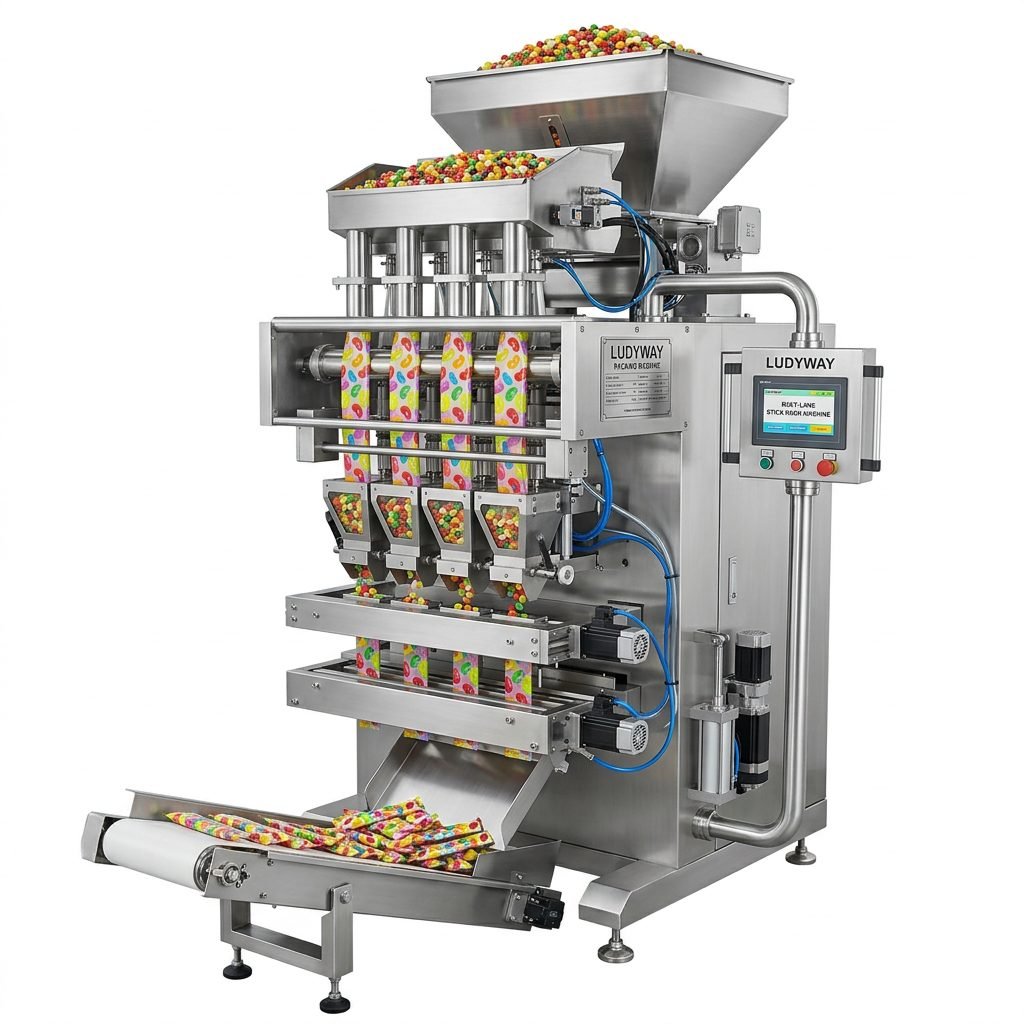
Sealing systems are essential for sachets, stick packs, pouches, bottles, blister packs, tubes, and bags. Different materials and product characteristics require different sealing methods, including heat sealing, ultrasonic sealing, vacuum sealing, and pressure-assisted sealing.
Types of Industrial Packaging Machines Used for Efficient Production
Packaging machinery can be configured as standalone units or as part of a full turnkey line. The most suitable solution depends on product form, package style, target speed, and automation goals.
| Machine Type | Typical Use | Key Advantage |
|---|---|---|
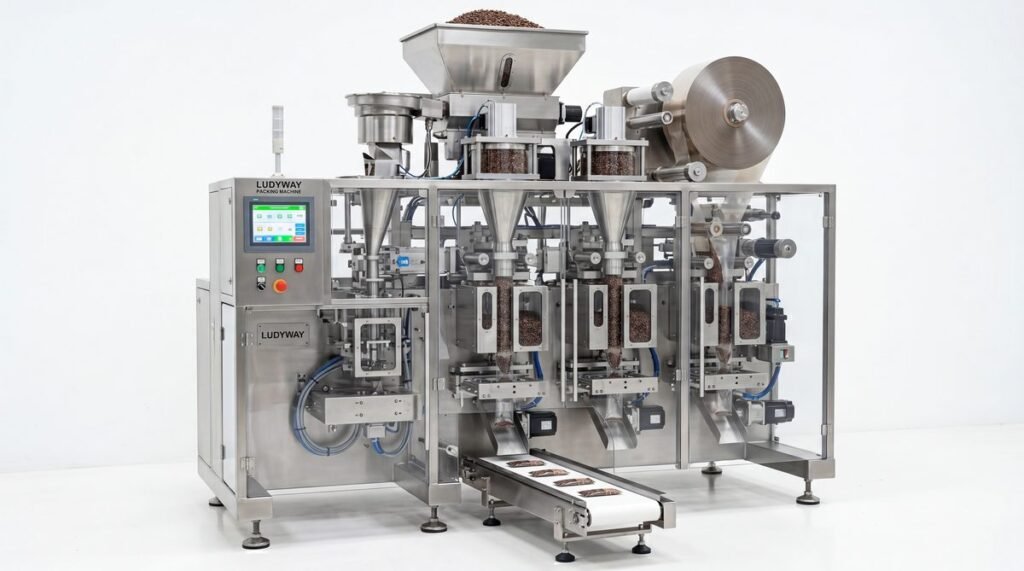
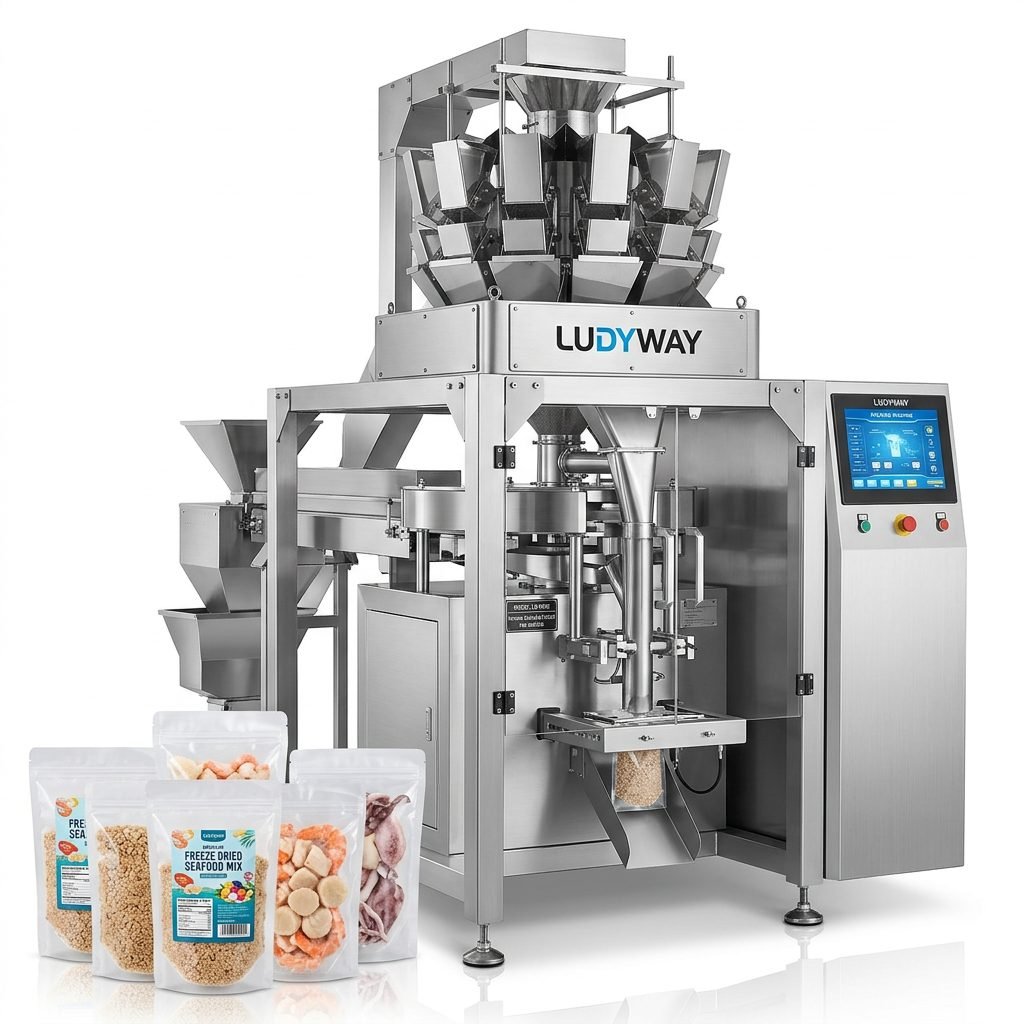
| Vertical form fill seal machines | Powders, granules, snacks, seeds | Compact design and high-speed bag making |
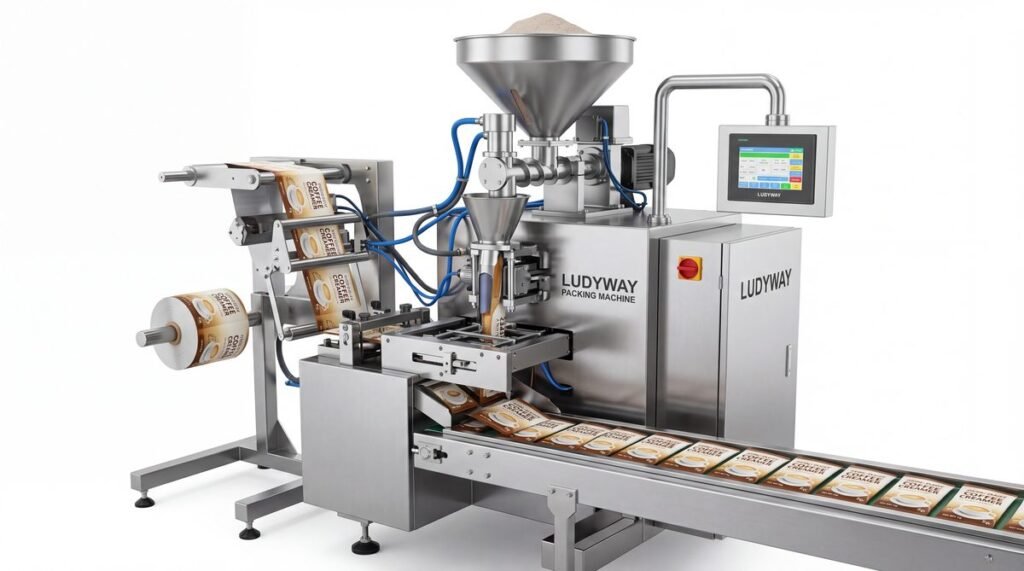
| Sachet packaging machines | Liquids, gels, powders, condiments | Efficient small-dose packaging |
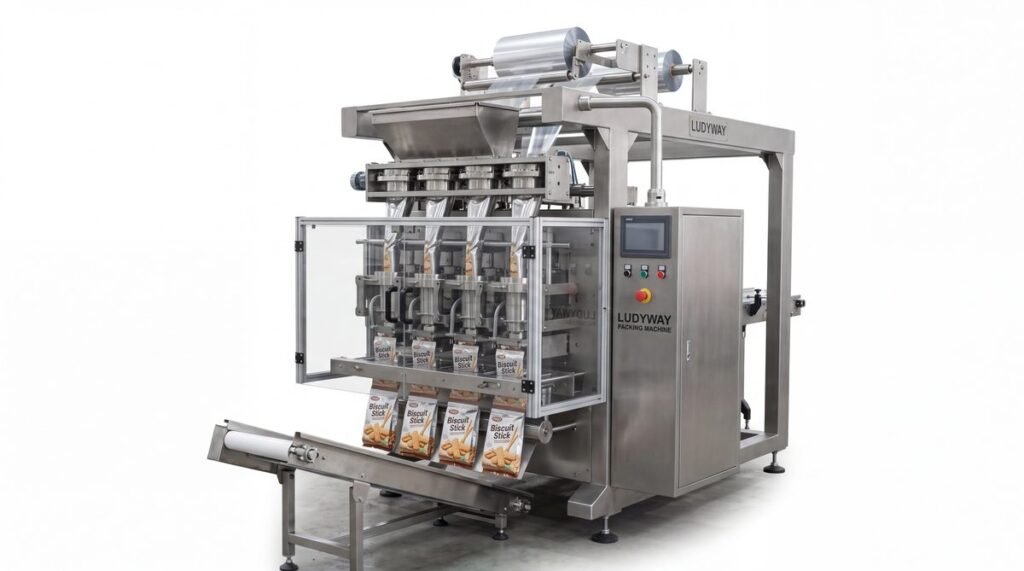
| Stick pack machines | Health supplements, drink mixes, pharma granules | High output with narrow-format packaging |
| Flow wrapping machines | Bars, bakery, medical items, consumer goods | Continuous wrapping for uniform products |
| Vacuum packaging machines | Food, pharmaceuticals, specialty products | Extended freshness and reduced oxidation |
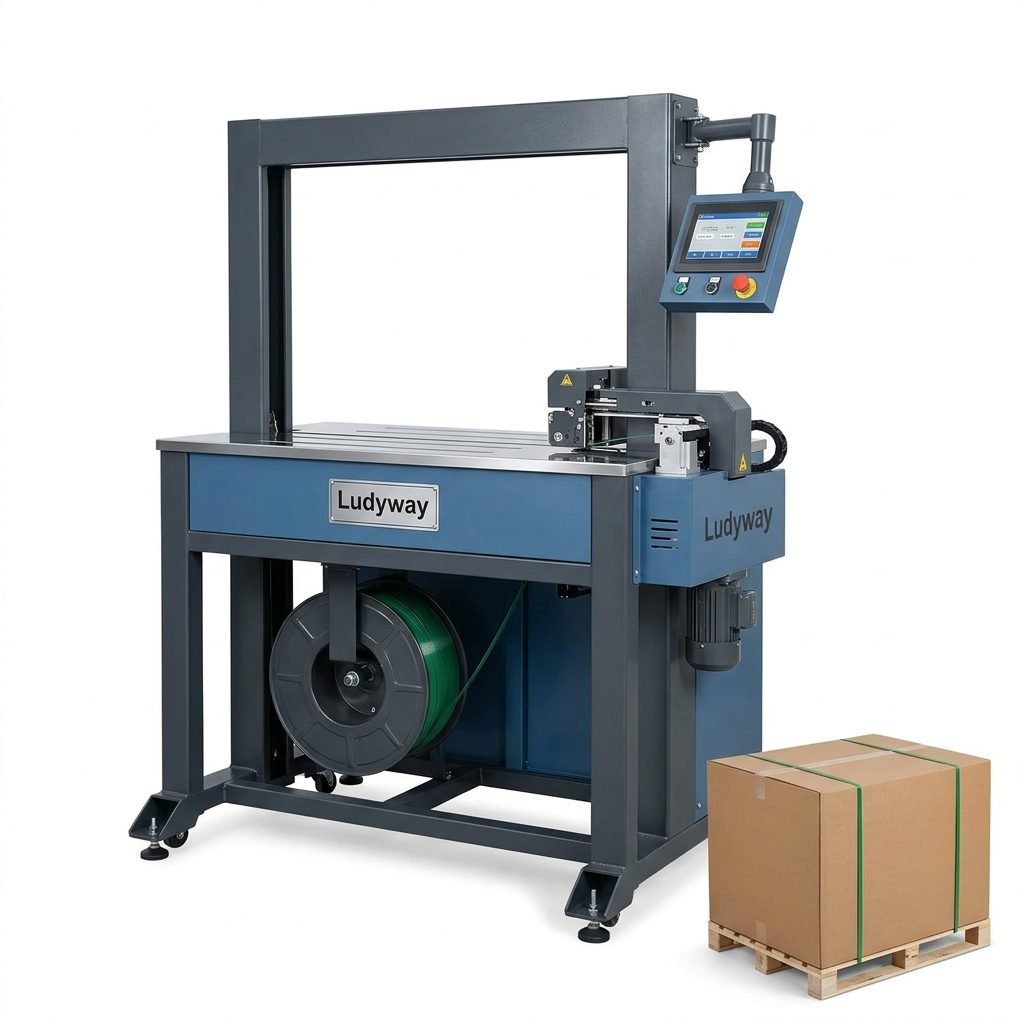
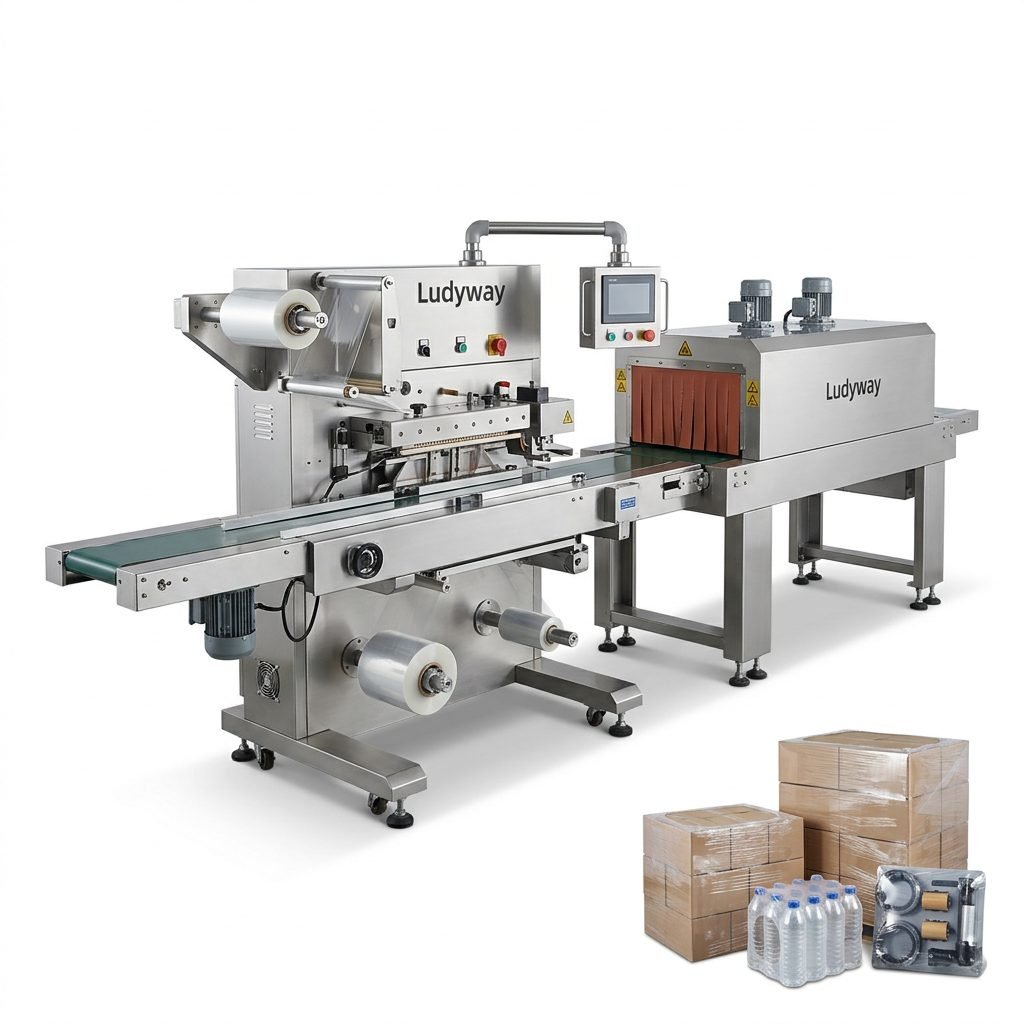
| Shrink wrapping machines | Bottles, bundles, cartons, retail packs | Tight protective outer packaging |
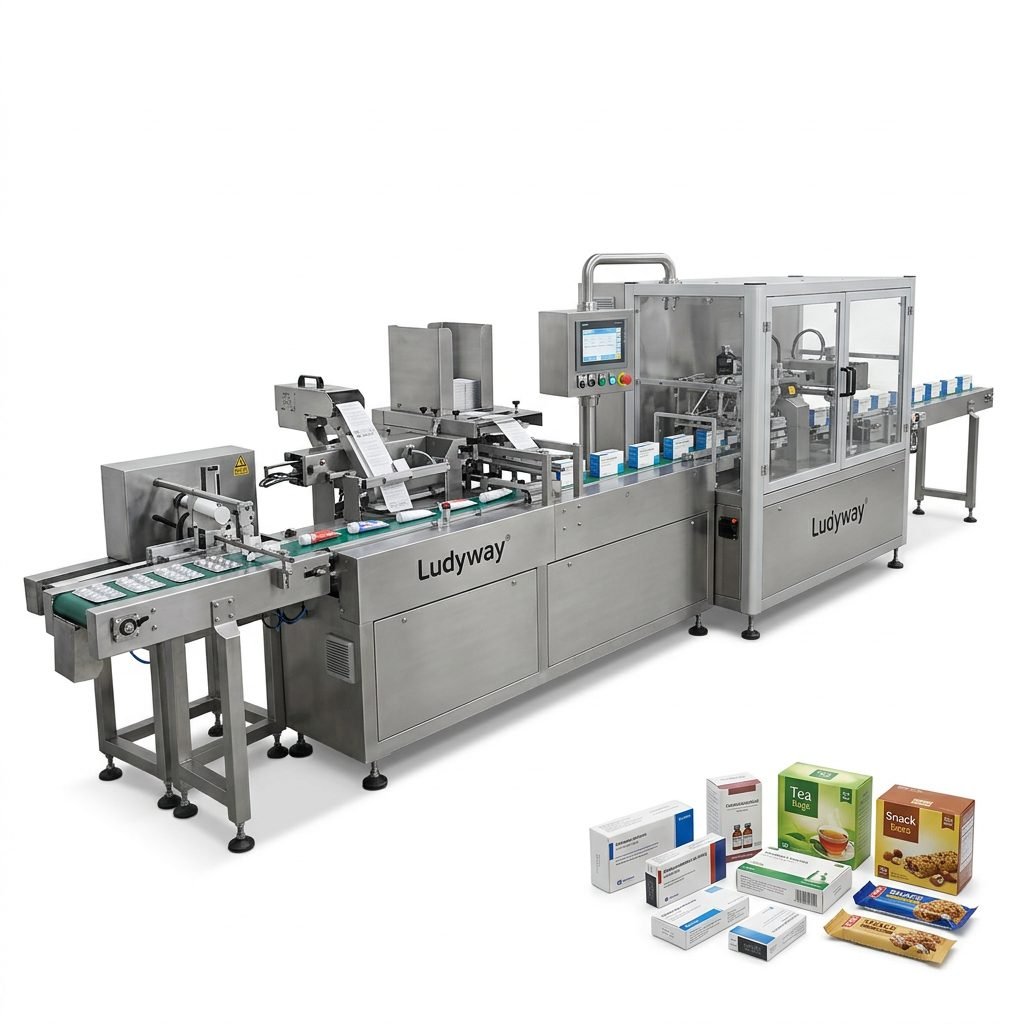
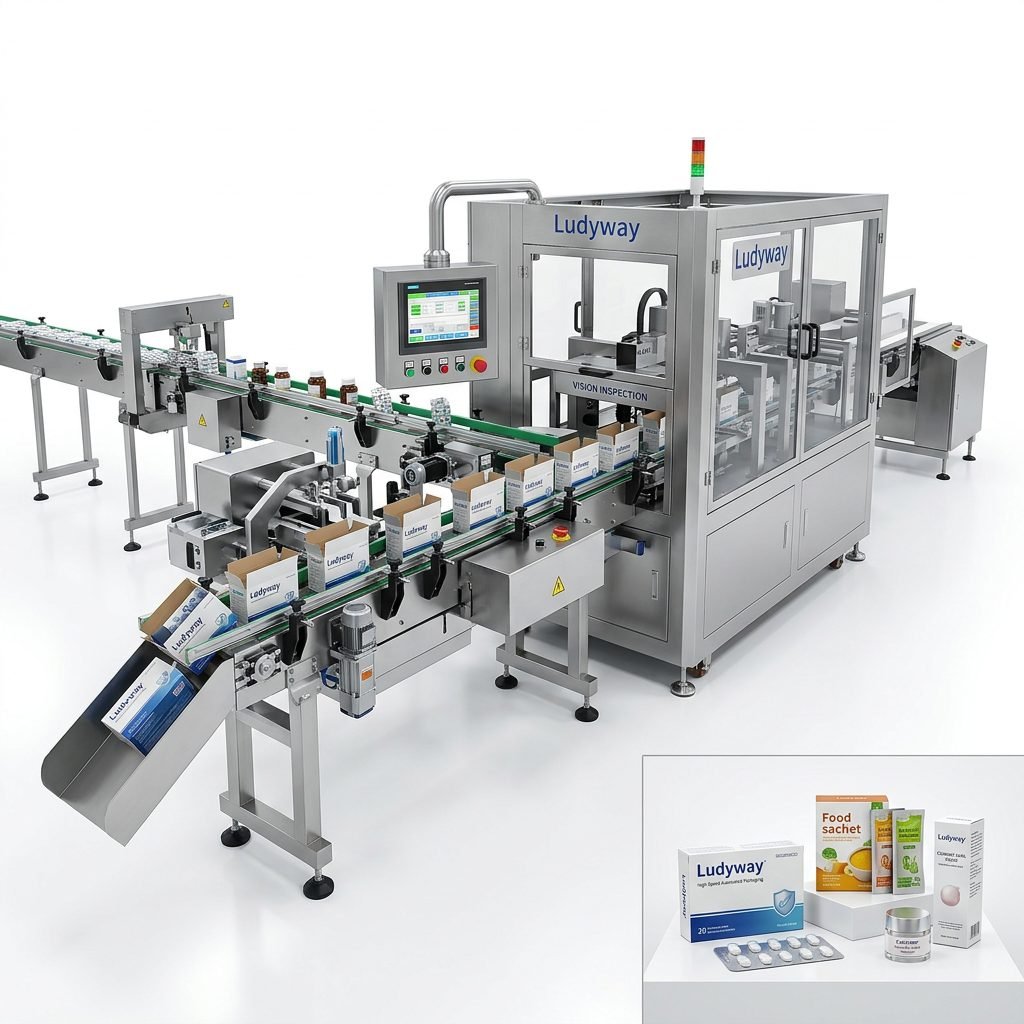
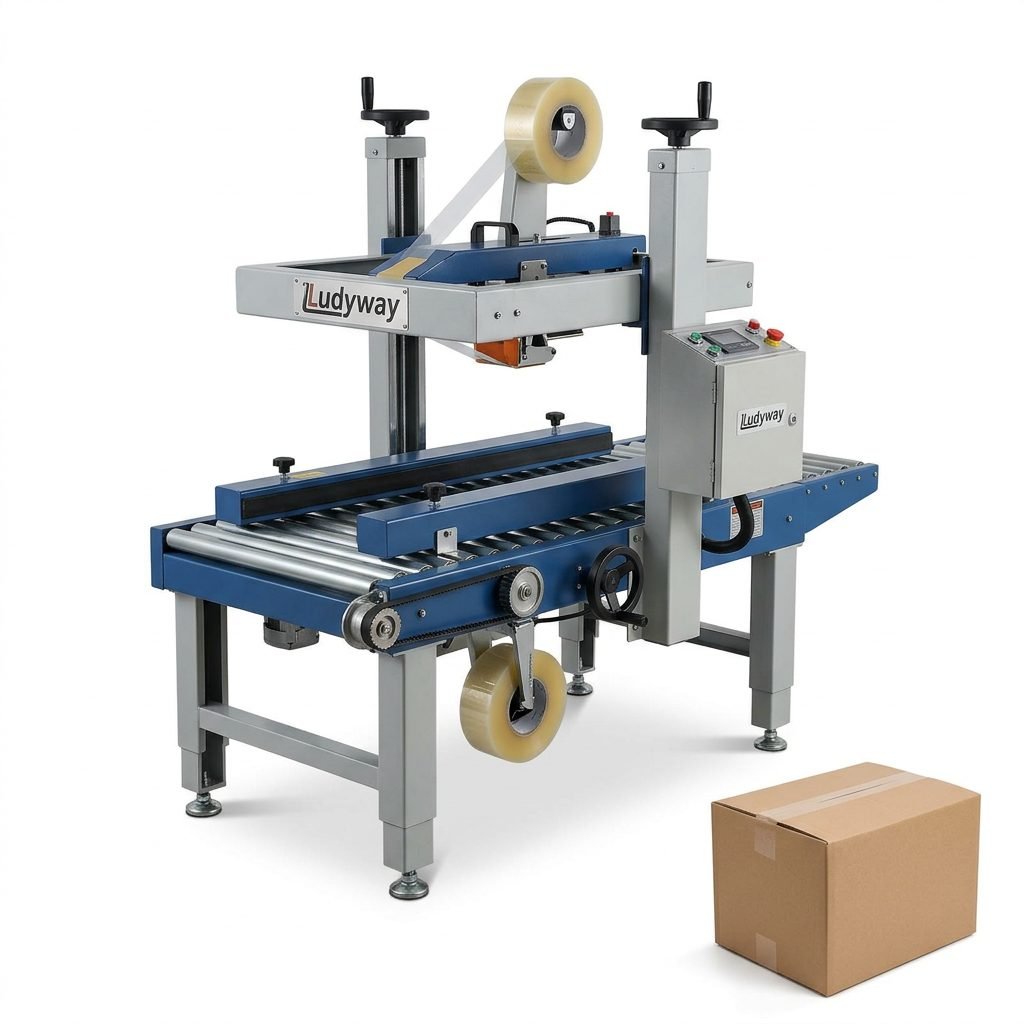
| Cartoning and case sealing machines | Secondary packaging | Streamlined transport-ready packing |
Industries That Benefit Most
Industrial wrapping and sealing machines are widely used across sectors that require speed, cleanliness, and packaging precision.
Food Industry
Food producers often require packaging systems that can handle powders, granules, sauces, oils, frozen items, and snacks while maintaining hygiene and seal integrity. Packaging machines help reduce contamination risk and support retail-ready presentation.
Pharmaceutical Industry
Pharma packaging demands high accuracy, traceability, and reliable sealing. Machines used in this sector often support sachets, blister packs, tablets, capsules, oral liquids, and medical consumables.
Cosmetics and Personal Care
Beauty and personal care brands often package creams, serums, masks, shampoos, and lotions in sachets, stick packs, tubes, and bottles. Attractive, leak-resistant sealing is essential for customer satisfaction and brand image.
Chemical and Industrial Products
Chemical products such as detergents, additives, powders, and liquids require packaging systems that are durable, accurate, and compatible with different material properties. Proper sealing also helps prevent leakage during shipping and storage.
What Makes a Packaging Machine Efficient?
Efficiency is not only about running faster. A truly efficient packaging machine balances speed with accuracy, uptime, ease of maintenance, and flexibility.
- Stable operating speed without sacrificing sealing quality
- Accurate dosing and filling for less product giveaway
- Low downtime through robust construction and reliable components
- Fast changeover between product sizes or packaging formats
- Simple cleaning and maintenance for hygiene-sensitive production
- Integration capability with conveyors, printers, checkweighers, metal detectors, and palletizers
Key Features to Look for Before Buying
Choosing industrial packaging equipment requires a practical understanding of current production needs and future capacity plans. Buyers should compare more than just machine speed.
| Selection Factor | Why It Matters |
|---|---|
| Product type | Powder, liquid, paste, granule, tablet, or pouch products need different handling systems |
| Packaging material | Film structure affects seal strength, speed, and compatibility |
| Output target | Required packs per minute determines machine model and lane configuration |
| Automation level | Standalone units and turnkey lines involve different investment levels |
| Cleaning requirements | Especially important for food, pharma, and health products |
| Service and spare parts | Long-term support is critical for stable production |
Advantages of Automated Packaging Lines
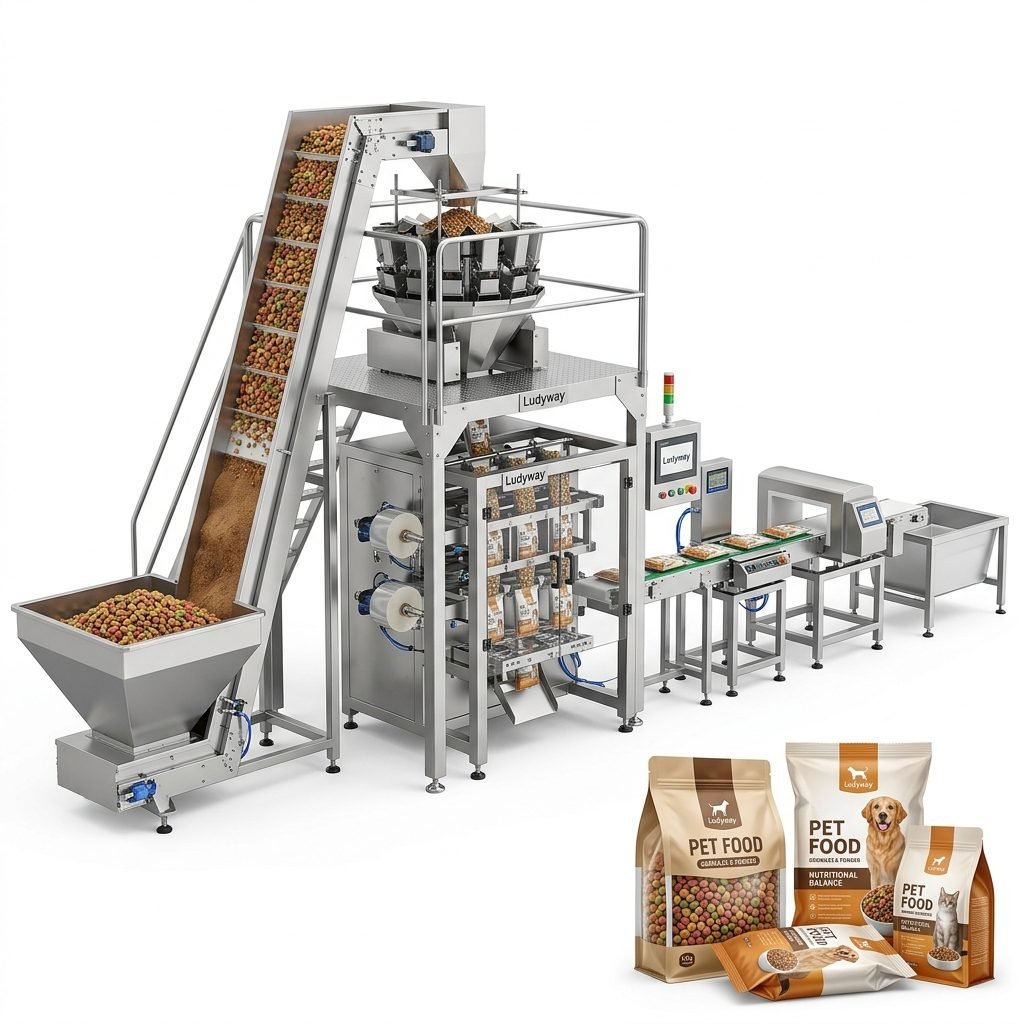
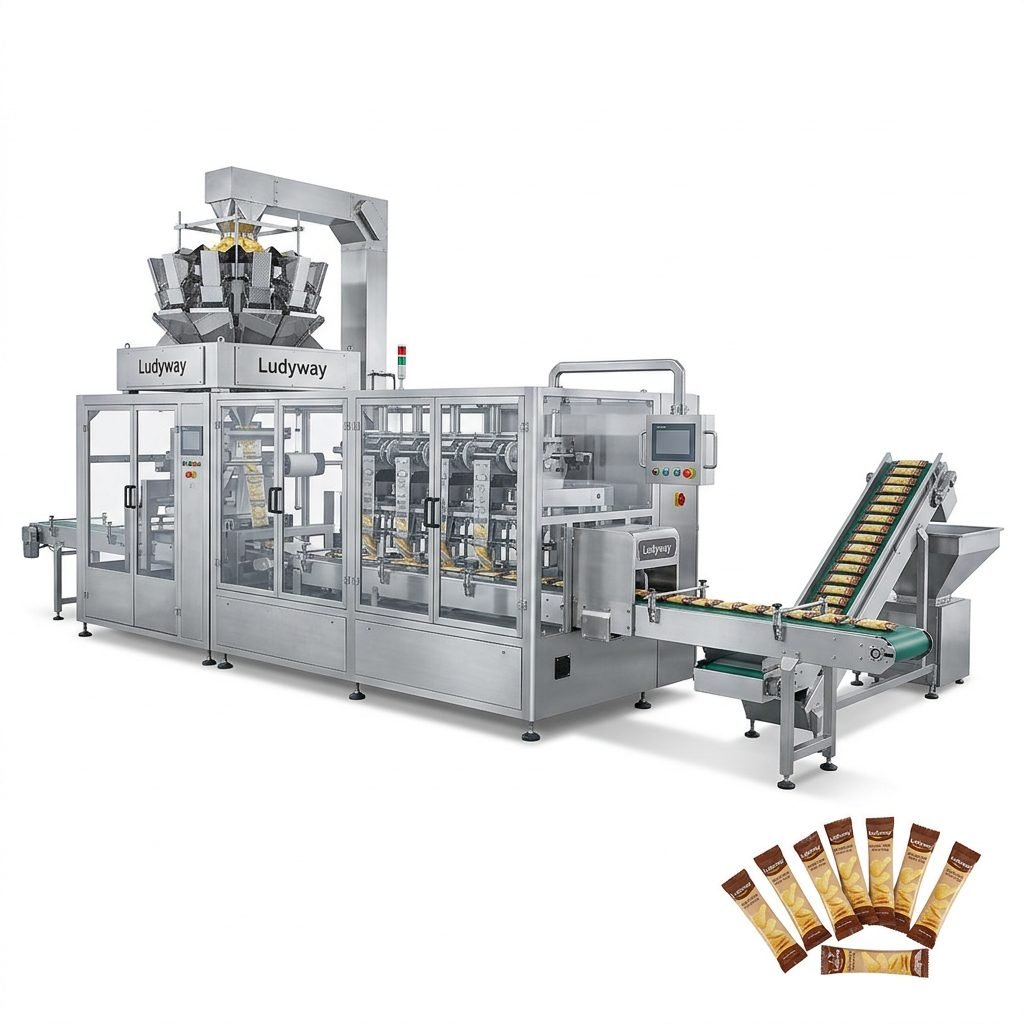
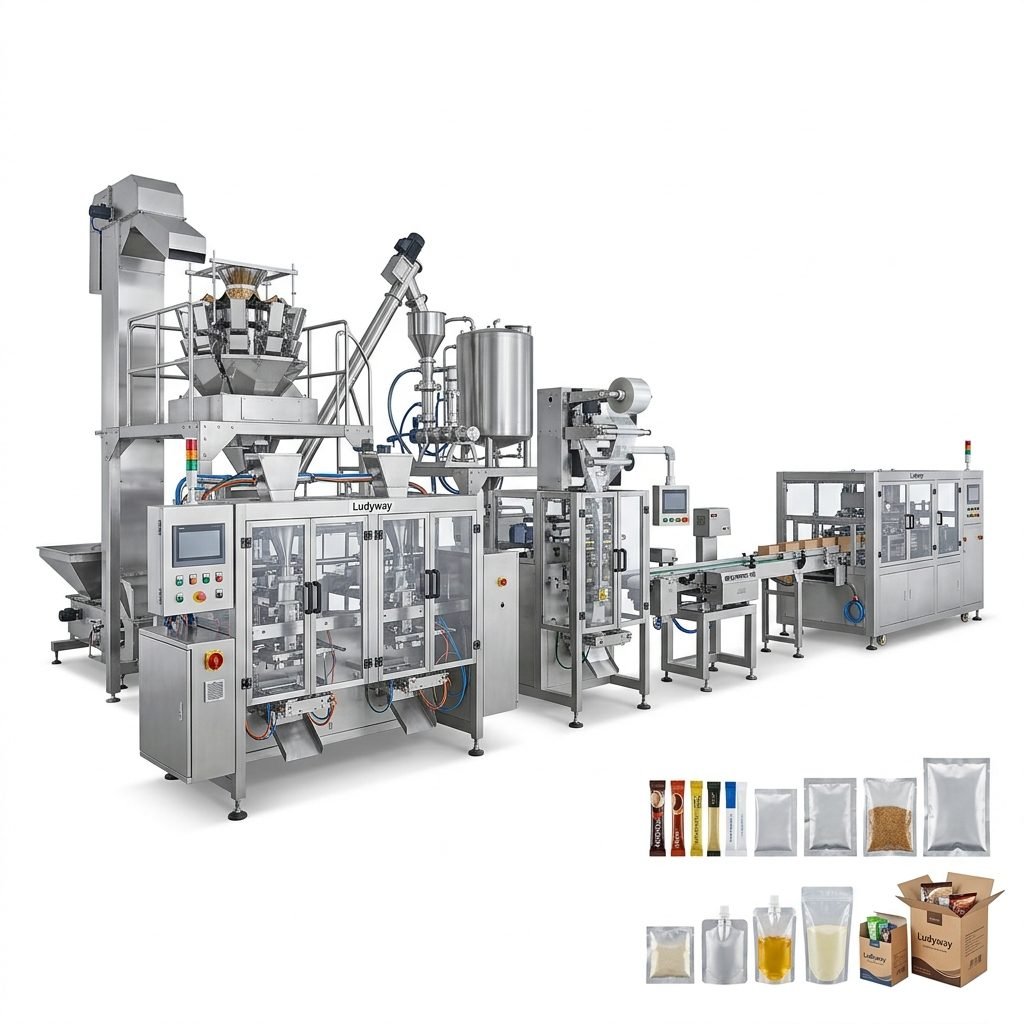
Many factories now prefer complete packaging lines instead of isolated machines. A connected line can link feeding, filling, wrapping, sealing, coding, inspection, cartoning, case packing, and palletizing into one coordinated process.
Main benefits of turnkey packaging lines include:
- Higher overall equipment efficiency
- Reduced manual transfer between processes
- Better synchronization across production stages
- More consistent packaging quality from start to finish
- Scalable layouts for future expansion
How Packaging Automation Supports Business Growth
As labor costs rise and product portfolios become more diverse, automation gives manufacturers a stronger foundation for growth. Efficient wrapping and sealing machines help companies respond faster to market demand, improve order fulfillment, and maintain product quality at scale.
This is particularly valuable for businesses that produce private-label goods, export products internationally, or serve regulated industries where consistency is essential. Machines with flexible adjustment capabilities can also support multiple SKUs, which is important for brands launching new formats or promotional packs.
Choosing the Right Manufacturing Partner
The machine itself is only part of the decision. Buyers should also evaluate the supplier’s engineering experience, customization ability, export background, and after-sales support. A capable manufacturer can help match the right packaging structure, machine configuration, and line layout to the product application.
For companies looking for reliable automation, industrial packaging machines from Ludyway can support a wide range of wrapping, filling, and sealing needs across food, pharmaceutical, cosmetic, chemical, and related sectors. With more than 30 years of experience, a factory of over 20,000 square meters, and broad turnkey line capabilities, the company is recognized as one of China’s leading packaging machine manufacturers.
Practical Questions to Ask Before Finalizing a Machine
- What packaging formats do you need today, and what may be added later?
- How many units per minute must the line achieve?
- Will the machine run one product or multiple formulations?
- Does the sealing method suit your film and storage conditions?
- Do you need integration with coding, inspection, or end-of-line systems?
- What level of operator training and technical support is available?
Final Thoughts
Industrial packaging machines for efficient product wrapping and sealing are essential tools for manufacturers seeking dependable output, better package quality, and lower operating friction. From sachet and stick pack systems to vacuum sealers, shrink wrappers, and complete automated lines, the right equipment can transform packaging from a bottleneck into a competitive advantage.
When chosen carefully, modern packaging machinery helps businesses improve productivity, protect products more effectively, and build a more resilient production process for long-term growth.