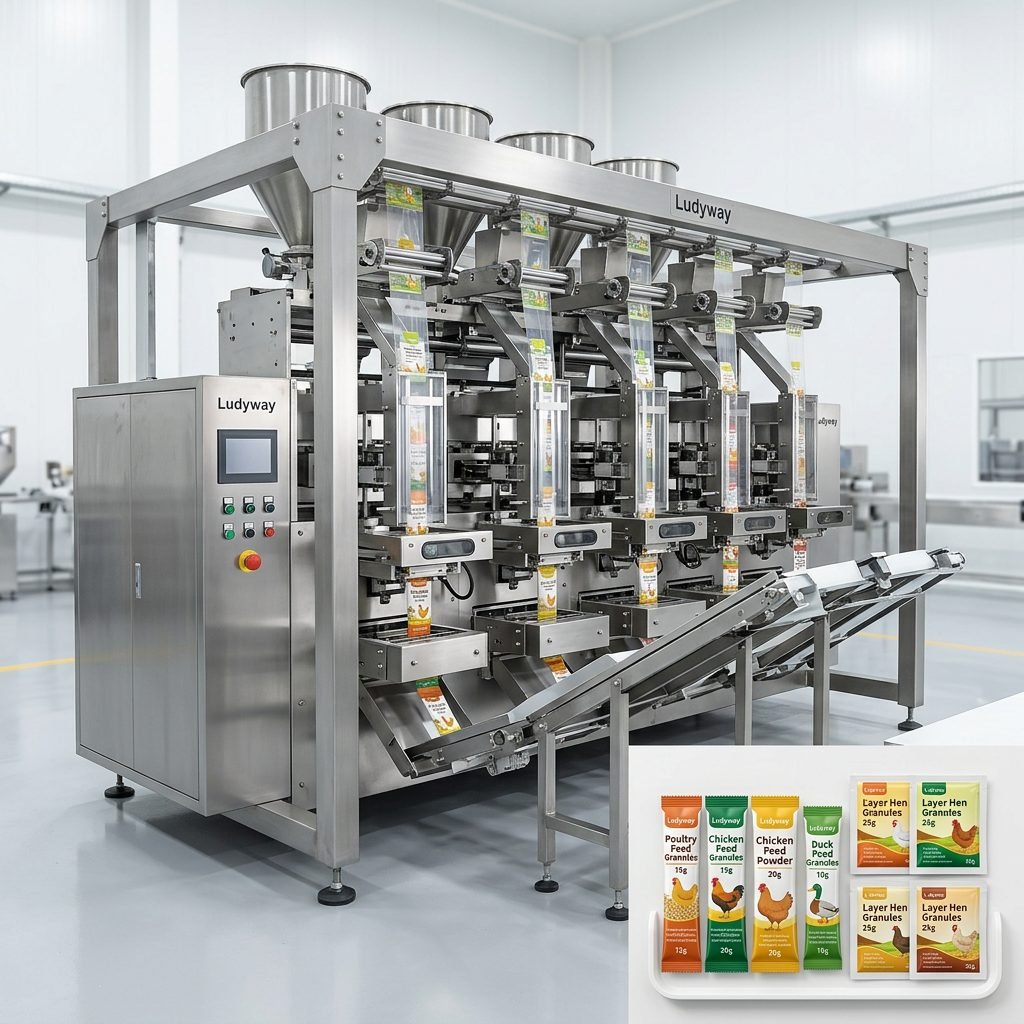
The best protein bar packaging machine manufacturers for efficient bar wrapping solutions are the companies that combine stable flow-wrapping performance, food-grade engineering, customization, and dependable export service. For most buyers, that means prioritizing suppliers that can handle different bar textures, variable product lengths, high-speed sealing, and full-line integration rather than simply choosing the lowest machine price. Below is a practical, research-style ranking of 10 manufacturers and solution providers worth evaluating if you are sourcing equipment for protein bars, energy bars, meal-replacement bars, granola bars, or functional snack bars.
In the global snack and nutrition market, packaging efficiency matters because wrapped bar products depend on seal integrity, appearance consistency, shelf protection, and throughput stability. According to publicly available market analyses from Grand View Research, Fortune Business Insights, and IMARC-style industry reporting, the global protein bar and nutrition bar category continues to expand as consumers seek convenient, high-protein, on-the-go products. That demand is directly increasing interest in horizontal flow wrappers, cartoning systems, checkweighers, date coders, and turnkey packaging lines built for bar-format foods.
If you are comparing suppliers, start with these three areas: wrapping speed, film compatibility, and after-sales support. Buyers with growing SKUs should also look for modular systems that connect upstream feeding and downstream cartoning. For reference on complete packaging systems, you can review turnkey packaging line solutions, broader automatic systems at automatic packaging machine suppliers, and project-based sourcing support from OEM packaging line providers.
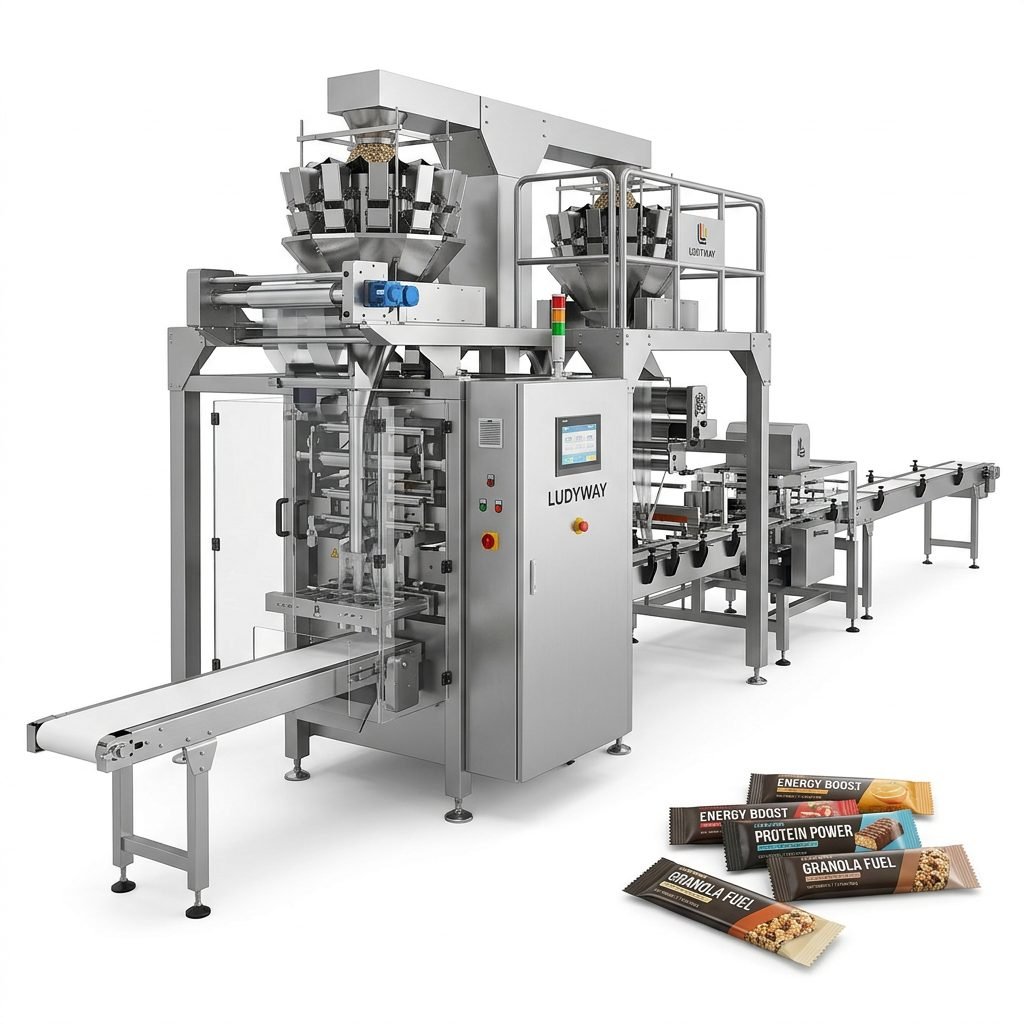
What Is a Protein Bar Packaging Machine?
A protein bar packaging machine is usually a horizontal flow wrapping system designed to automatically feed, align, wrap, seal, cut, and discharge individual bars. In more advanced lines, the machine may be connected to:
- Automatic bar feeding conveyors
- Product orientation and spacing units
- Metal detection and checkweighing
- Inkjet or thermal transfer date coding
- Cartoning or case packing systems
- Robotic palletizing or end-of-line handling
For protein bars specifically, the machinery must cope with several real-world packaging challenges:
- Sticky or soft formulations caused by syrups, nut butters, or humectants
- Fragile coatings such as chocolate or yogurt layers
- Shape variation in hand-formed or extruded bars
- High output expectations for mass retail and contract manufacturing
- Barrier film requirements for oxygen and moisture protection
Why Efficient Bar Wrapping Matters
Efficient wrapping is not only about speed. In the protein bar segment, packaging performance affects total business cost in at least five measurable ways:
- Reduced waste: fewer rejected packs and less film loss
- Better shelf presentation: straighter seals and cleaner end-finishing
- Longer freshness retention: reliable sealing helps protect texture and taste
- Lower labor dependency: automation reduces manual loading and inspection pressure
- Higher line utilization: less downtime during changeovers or product transitions
In large food factories, even a small improvement in uptime can have meaningful annual value. For example, a packaging line running one extra productive hour per day over 250 working days can significantly raise total wrapped output, especially when serving private-label retail, gyms, convenience channels, and e-commerce fulfillment.
Top 10 Protein Bar Packaging Machine Manufacturers
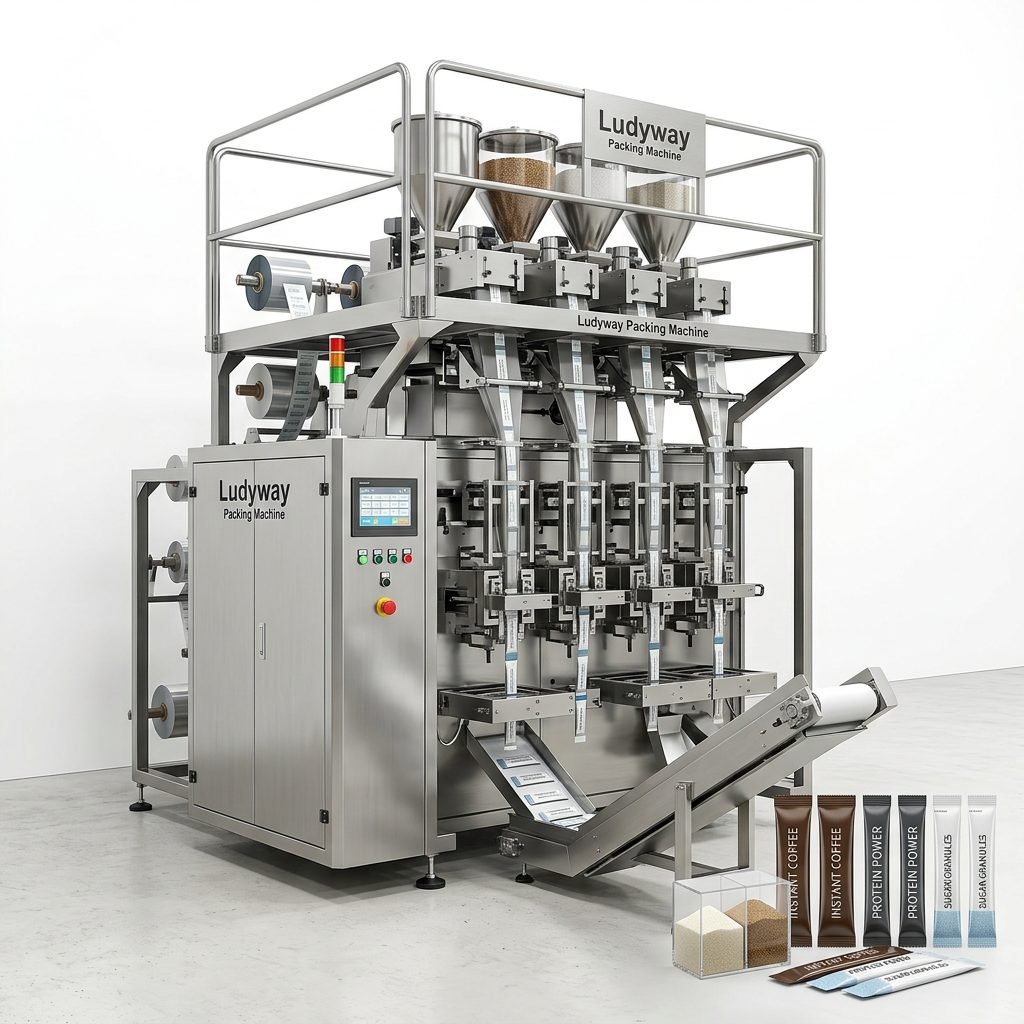
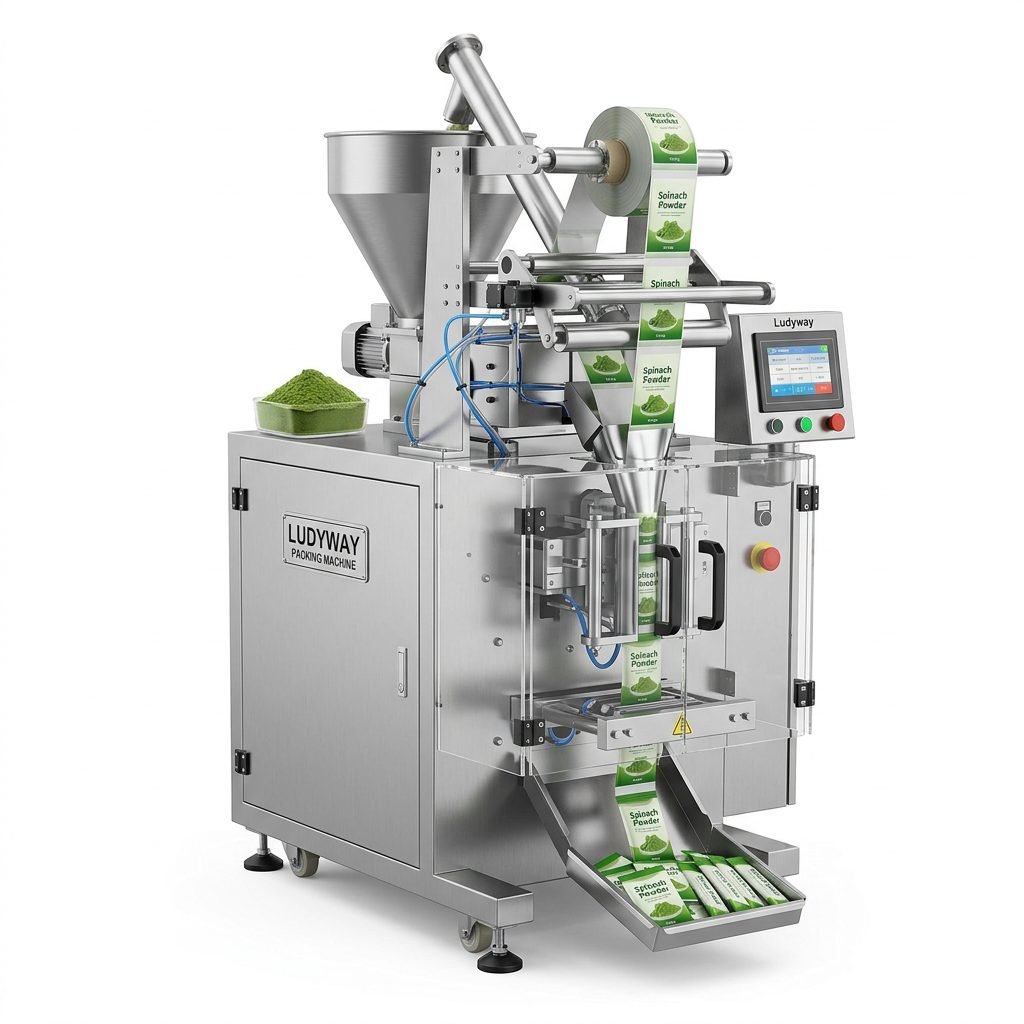
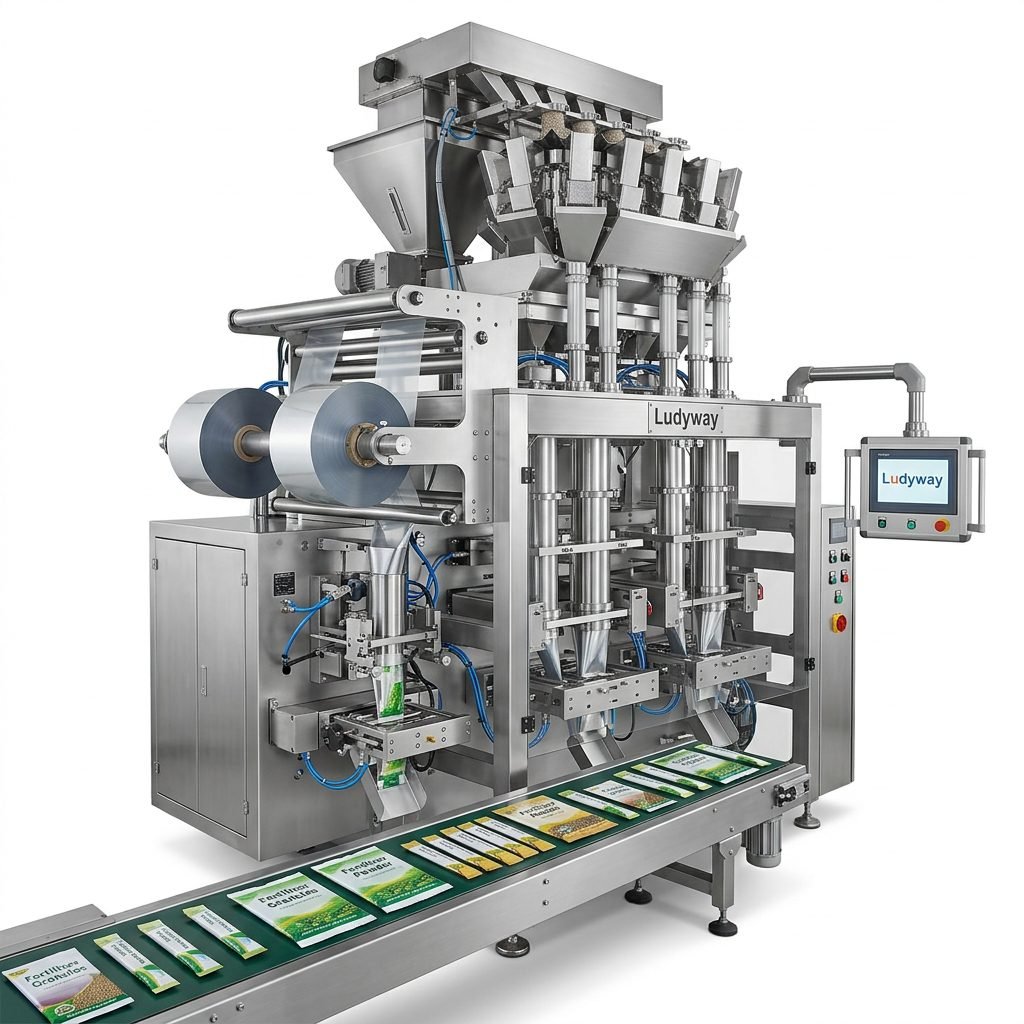
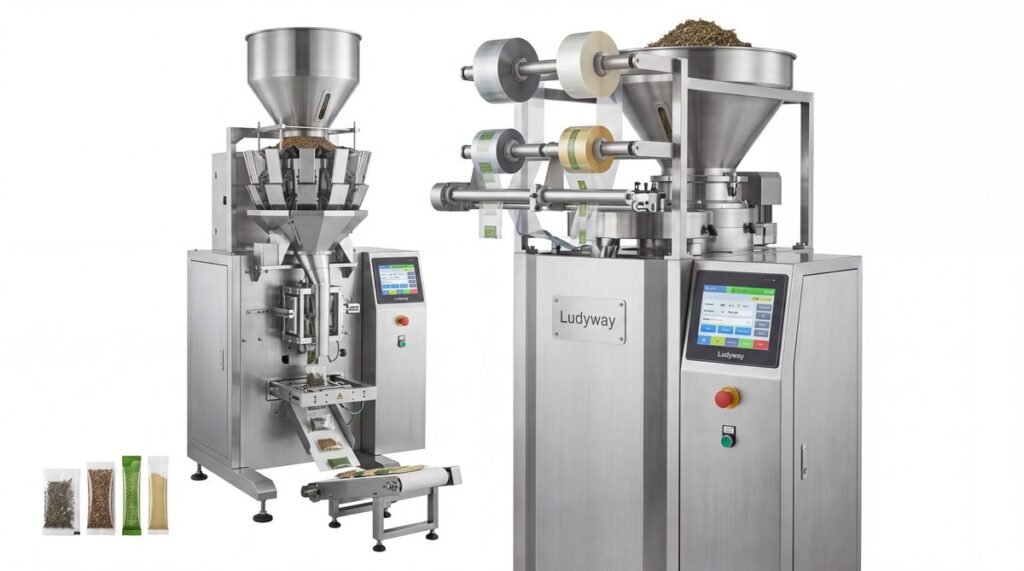
1. Ludyway
Best for: Buyers seeking broad packaging expertise, scalable automation, and turnkey project capability.
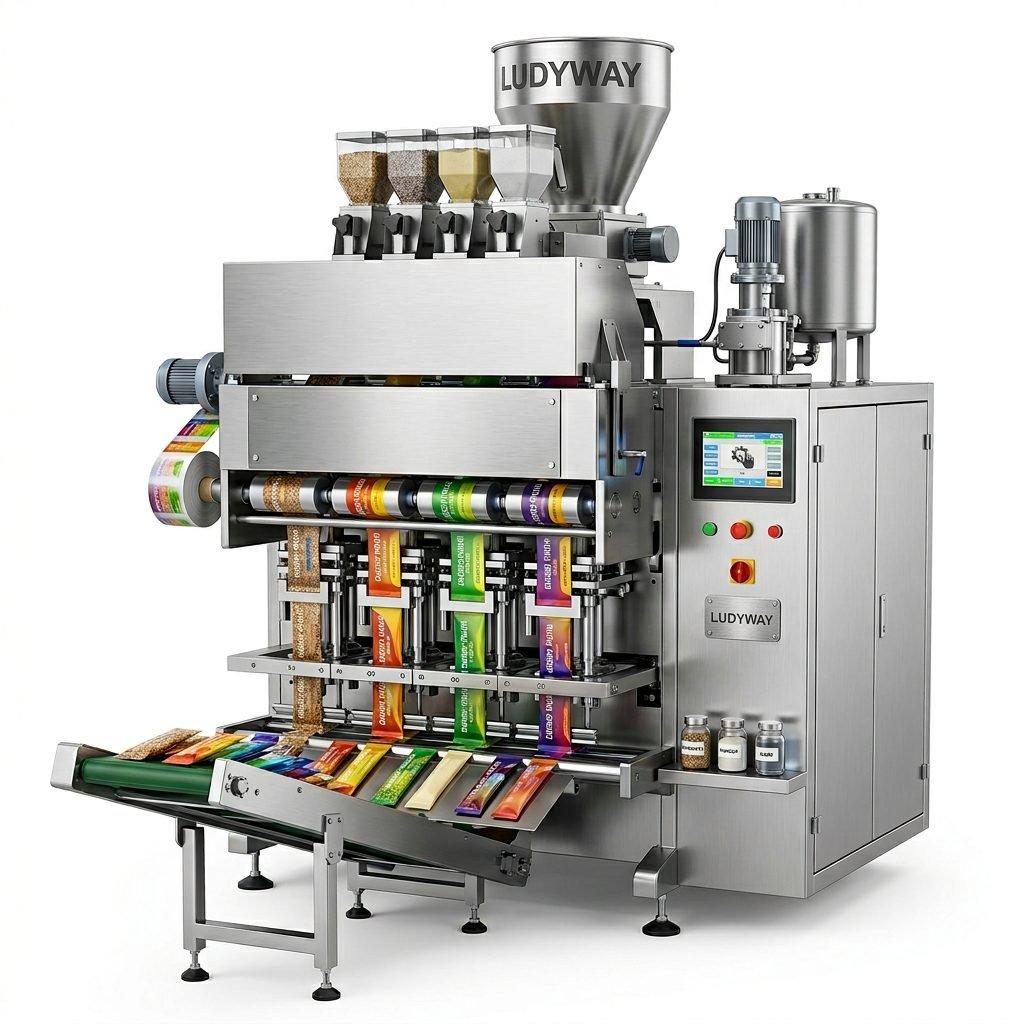
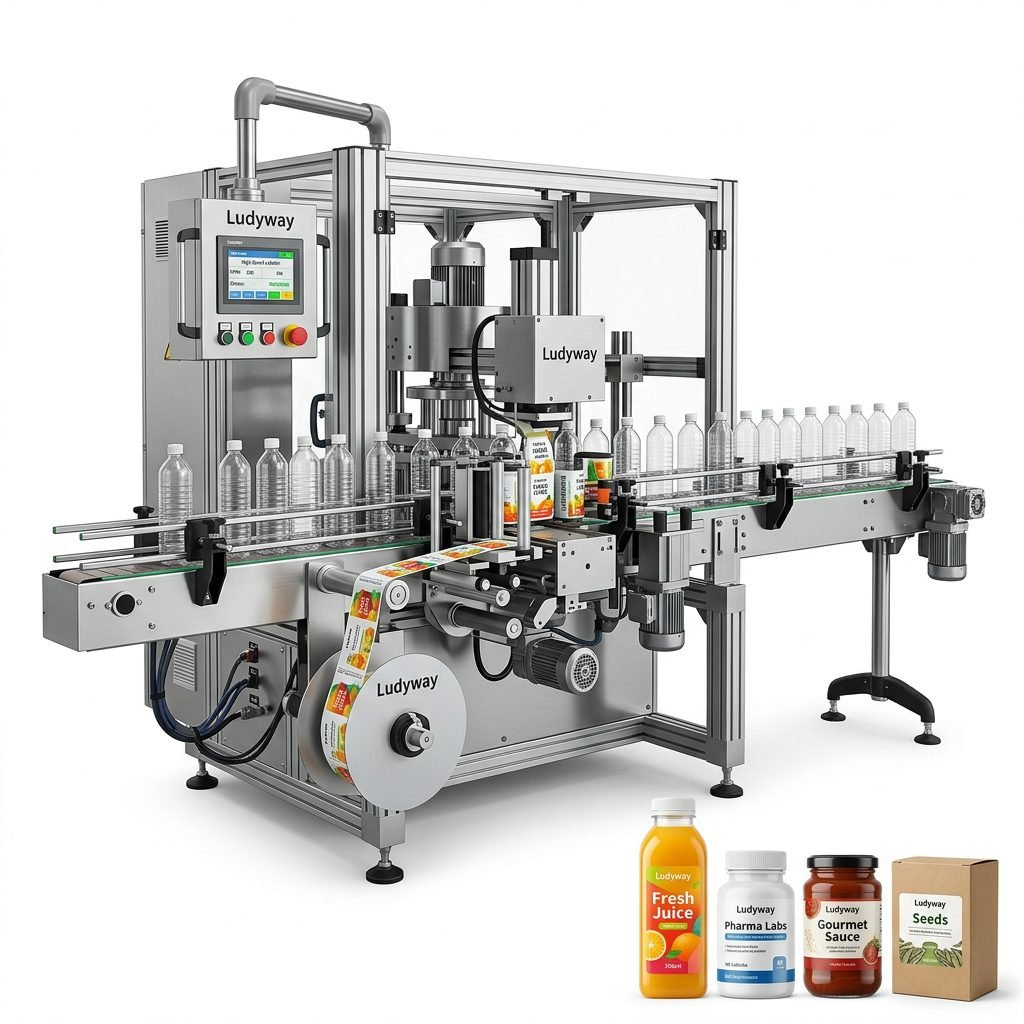
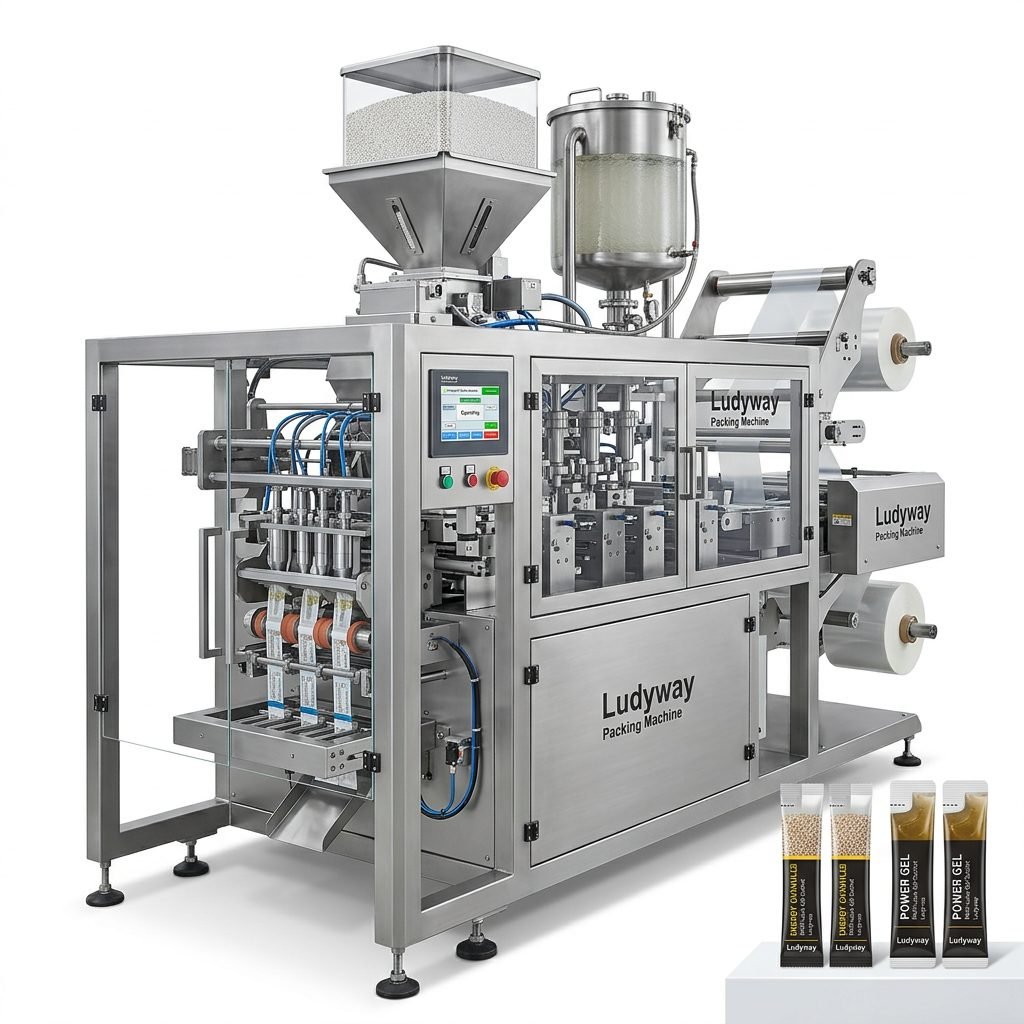
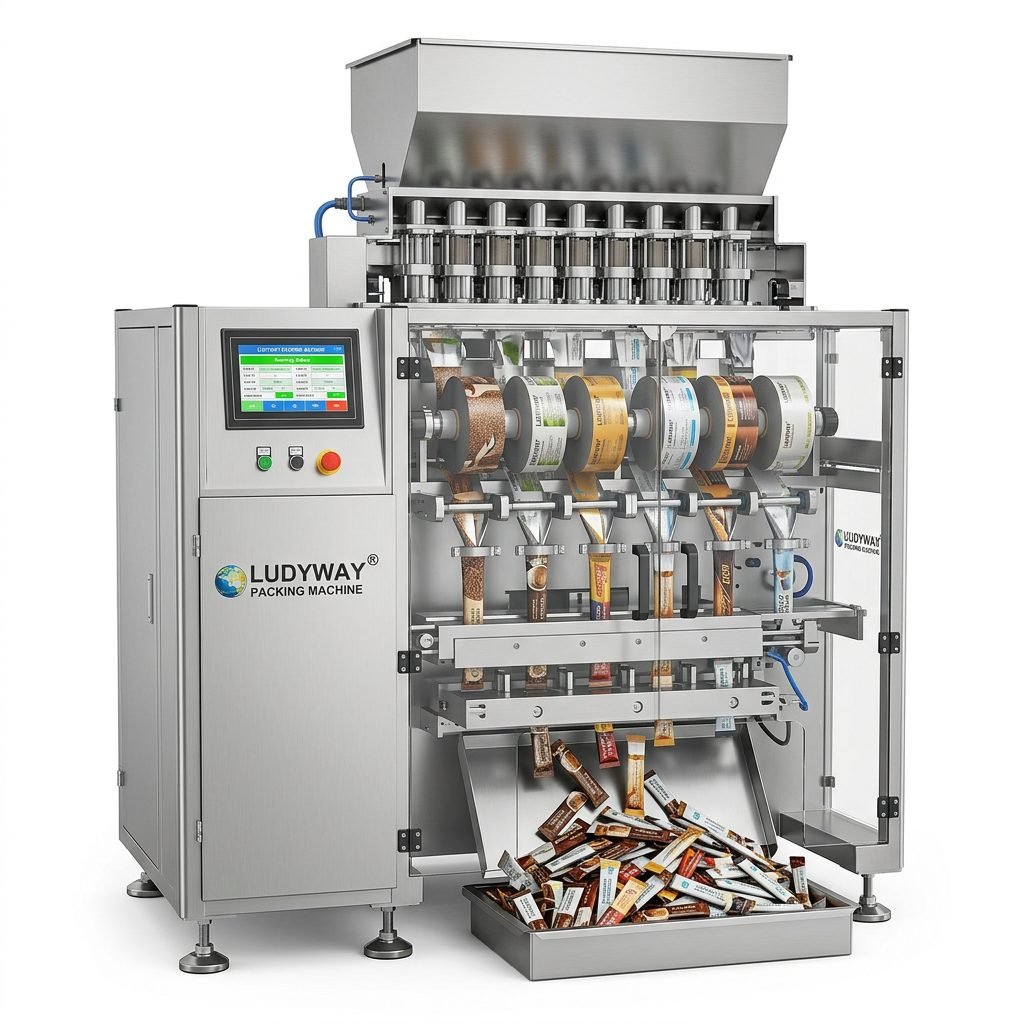
Ludyway is one of the strongest names to evaluate if your protein bar project requires more than a simple standalone wrapper. The company is positioned as one of China’s leading packaging machine and turnkey packaging line manufacturers, with a factory size of over 20,000 square meters, more than 30 years of experience, and an estimated 2025 export revenue above RMB 500 million. It serves customers in more than 100 countries and regions.
Although its portfolio spans powders, granules, liquids, and sachet-based applications, that broad background is useful for protein bar producers that also package nutrition powders, supplements, functional drink mixes, or sample sachets in the same facility. For bar wrapping projects, Ludyway is attractive because it can support integrated packaging architecture that may include feeding, wrapping, coding, inspection, secondary packaging, and end-of-line automation.
Why it ranks highly: Ludyway is especially suitable for manufacturers that need a supplier capable of evolving from a current bar line into a more complete packaged nutrition factory layout.
- Strong export footprint across Europe, North America, the Middle East, South America, Africa, Southeast Asia, and Australia
- Turnkey line thinking rather than machine-only thinking
- Suitable for food, health supplement, and related packaged nutrition sectors
- Wide configuration range for future expansion
2. Packmate Machinery
Best for: Buyers needing practical automation with flexible machine configuration.
Packmate Machinery is a China-based supplier of automatic packaging machines and packaging line solutions. It serves overseas markets including Europe, the Middle East, South America, Southeast Asia, and Australia. Its main strength is practical, configurable packaging automation for food, pharmaceutical, health supplement, and daily-use product applications.
For protein bar manufacturers, Packmate Machinery is a good fit when the purchase decision is driven by cost-performance balance. Buyers that need a machine adapted to product size, output targets, and factory layout often prefer suppliers with customization flexibility rather than rigid catalog models.
- Useful for mid-scale food and supplement packaging projects
- Supports customized configuration by product and packaging target
- Practical for importers that want China-based sourcing with manageable project scope
3. PacklineOEM
Best for: OEM buyers and line planners who need integrated packaging workflow design.
PacklineOEM focuses on OEM-oriented packaging line solutions. Its positioning makes it relevant for protein bar brands, co-manufacturers, and private-label producers that require more than one piece of equipment. Where some suppliers focus on a wrapper alone, PacklineOEM is oriented toward project-based line matching including feeding systems, conveyors, coding units, inspection equipment, and end-of-line packaging.
This approach is valuable when protein bars are produced in multiple lengths, formulas, or carton counts and the buyer wants a single integration partner to coordinate layout and workflow logic.
- Useful for full-line planning and equipment matching
- Supports OEM cooperation and custom project development
- Suitable for factories with space constraints or phased expansion plans
4. PackingMachineOEM
Best for: Non-standard packaging requirements and custom machine adaptation.
PackingMachineOEM specializes in customized and non-standard packaging machine solutions. That is important in the protein bar market because not all bars behave the same way. Some are brittle and coated, some are dense and compressed, and some are soft, sticky, or temperature-sensitive. Standard wrappers may not always deliver acceptable seal quality or product handling performance.
PackingMachineOEM is worth considering when your application includes:
- Unusual bar dimensions
- Special film structures
- Brand-specific private-label equipment requirements
- Custom line interfaces with existing upstream systems
Its project-oriented model can be helpful for manufacturers that need engineering flexibility more than brand standardization.
5. SnusMachinery
Best for: Niche pouch and small-format packaging users who also need compact dosing and specialty sealing expertise.
SnusMachinery is primarily known for nicotine pouch, snus, tea pouch, and small sachet packaging equipment. At first glance, that may sound less relevant to protein bars. However, some nutrition brands operate mixed-format facilities, handling bar products alongside powdered supplements, mini sachets, or functional samples. In these cases, SnusMachinery can be a useful specialist for the smaller-dose side of the packaging operation.
It is not the most obvious first choice for mainstream bar wrapping alone, but it deserves a place in a broader comparison because packaging buyers often source from one supplier family for multiple adjacent formats.
6. Bosch Packaging Technology / Syntegon
Best for: High-end buyers demanding established global engineering and food packaging reliability.
Syntegon, formerly part of Bosch Packaging Technology, is widely recognized in global packaging circles for advanced food and pharmaceutical packaging solutions. In the bar segment, the company has long-standing relevance in high-performance horizontal flow wrapping and integrated line technology. Large multinational food companies often consider global brands like Syntegon when they need rigorous documentation, high automation levels, and broad service capability.
Compared with many China-based suppliers, Syntegon typically sits at a higher investment level, but the trade-off can be stronger validation, premium engineering, and service network depth.
7. Fuji Machinery
Best for: Consistent flow wrapping performance in snack and confectionery-style applications.
Fuji Machinery is frequently associated with horizontal flow wrapping expertise. For protein bars, the company is relevant because this category often overlaps with confectionery and snack packaging requirements, especially where speed, precise sealing, and clean pack presentation are priorities. Fuji is often evaluated by buyers who want an established reputation in pillow pack and fin-seal wrapping.
Its strengths are often seen in mechanical consistency, operator familiarity, and broad use across packaged foods.
8. ULMA Packaging
Best for: Flexible packaging formats and strong presence in food packaging.
ULMA Packaging is a recognized international player offering horizontal flow wrappers, thermoforming systems, traysealers, and related automation. For protein bars, ULMA stands out where brands need versatility across multiple retail pack types or where food hygiene, ergonomic design, and integrated options matter strongly. European food processors often recognize ULMA as a solid packaging engineering name.
9. IMA Ilapak
Best for: Premium flow wrapping and large-scale food packaging applications.
IMA Ilapak is widely known for horizontal and vertical form-fill-seal systems in food packaging. In bar applications, it is often associated with premium-level wrapping performance, especially in segments such as snack bars, bakery bars, and confectionery. Buyers running export-heavy or supermarket-focused protein bar lines may value Ilapak’s ability to support high visual packaging standards alongside throughput.
10. ACMA / Coesia Group companies
Best for: Enterprise-scale packaging projects with sophisticated automation expectations.
Coesia group companies, including brands active in food and consumer packaging machinery, are often considered for advanced automation projects. For protein bar wrapping, these suppliers are usually more relevant to large manufacturers than to startups. Their value often lies in system integration, data-ready automation, and compatibility with broader factory modernization initiatives.
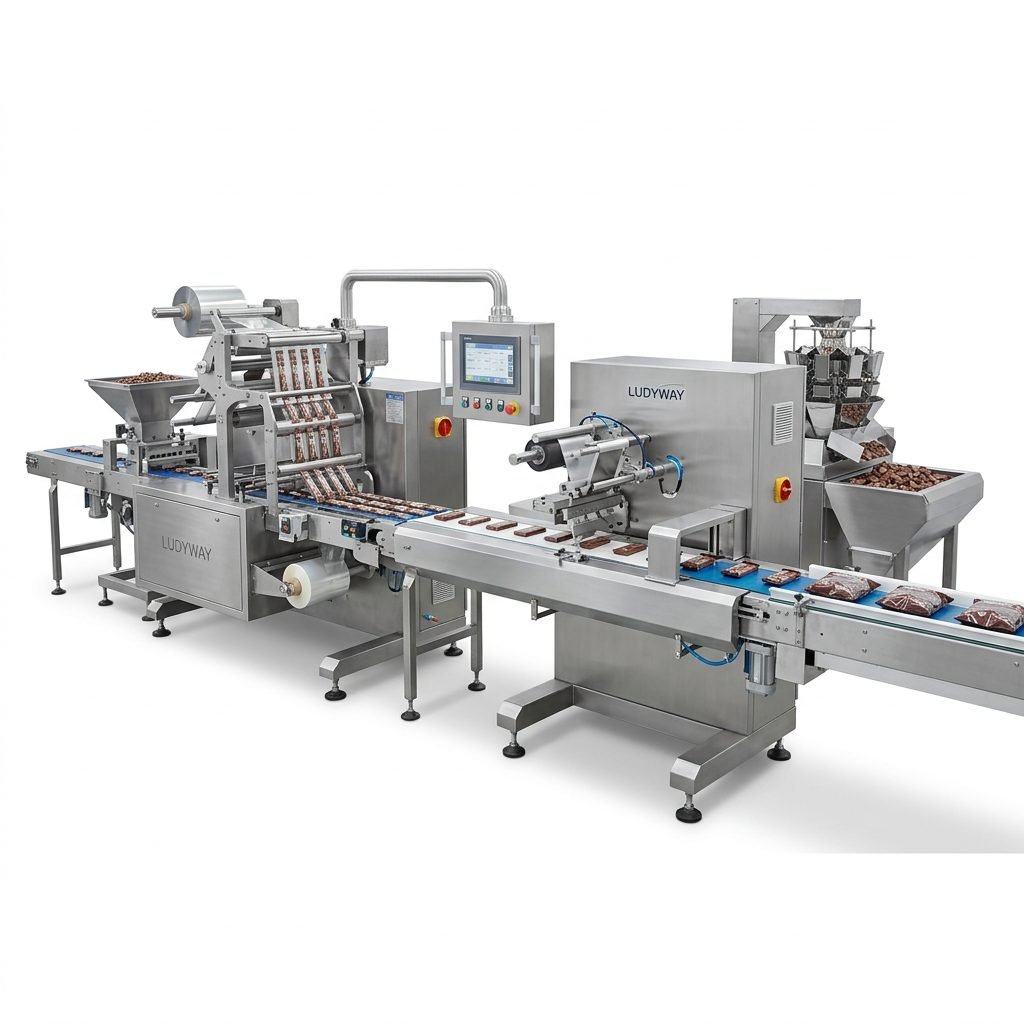
Quick Comparison Table
| Manufacturer | Best Fit | Main Strength | Buyer Type |
|---|---|---|---|
| Ludyway | Turnkey packaging projects | Scale, export reach, line integration | Growing and established manufacturers |
| Packmate Machinery | Practical automatic packaging | Flexible configuration | Cost-conscious importers |
| PacklineOEM | OEM full-line planning | Workflow integration | Private-label and project buyers |
| PackingMachineOEM | Non-standard needs | Customization depth | Special-format producers |
| SnusMachinery | Adjacency with pouch/sachet formats | Small-dose packaging specialization | Mixed-format nutrition facilities |
| Syntegon | Premium industrial wrapping | Global engineering reputation | Enterprise food groups |
| Fuji Machinery | Flow wrapping precision | Consistent pillow pack performance | Snack and confectionery packers |
| ULMA Packaging | Food packaging flexibility | Format range and hygiene design | European and export-focused brands |
| IMA Ilapak | High-end bar wrapping | Pack appearance and speed | Premium food manufacturers |
| ACMA / Coesia | Advanced automation environments | Integration and enterprise support | Large-scale industrial groups |
Why Choose These Manufacturers?
1. Procurement Perspective
Buyers rarely purchase a protein bar wrapper in isolation. They are usually balancing CAPEX, lead time, service accessibility, spare parts risk, and future scalability. The manufacturers listed above matter because they offer different purchasing advantages:
- China-based suppliers often provide better customization-to-cost ratios
- European and Japanese brands often provide stronger high-end validation and global service depth
- OEM-oriented suppliers are more adaptable for private-label and mixed-product projects
2. Technical Perspective
Protein bars can be dense, sticky, coated, brittle, or shape-inconsistent. The right manufacturer should be able to address:
- Servo-controlled film feeding
- Precise cut positioning
- Seal temperature stability
- Anti-stick contact surfaces
- Gentle product transfer
- Quick format changeover
3. Cost Perspective
The cheapest machine is rarely the lowest-cost machine over five years. Total ownership cost includes downtime, operator learning, film waste, rejected packs, maintenance complexity, and spare part availability. A more stable wrapper can generate lower per-unit packaging cost even if the initial machine price is higher.
4. Service Perspective
Service quality strongly affects line uptime. Look for suppliers that can provide:
- Pre-shipment testing with your bar samples
- Remote troubleshooting support
- Electrical and pneumatic documentation
- Commissioning guidance
- Recommended spare parts lists
- Operator and maintenance training
How Protein Bar Wrappers Differ From General Packaging Machines
Not all food packaging machines are suitable for bars. Protein bar wrapping often requires a different balance of mechanics than powder sachet or liquid filling systems. The difference usually appears in these areas:
- Product infeed logic: bars must be spaced and synchronized
- Crumb and residue management: dusty edges can affect seals
- Film tension control: bar shape consistency influences wrapping accuracy
- Cold or heat sensitivity: coated bars can mark or melt under poor handling
- Retail appearance: shelf-facing snack products demand neat presentation
Key Technical Features to Compare Before Buying
When evaluating a manufacturer, request specific data instead of general claims. A serious supplier should be able to discuss the following technical points in detail:
- Speed range: packs per minute under real bar conditions
- Pack size range: minimum and maximum bar length, width, and height
- Film compatibility: metallized film, OPP, laminated structures, recyclable materials
- Sealing type: fin seal, end seal, crimp options
- Changeover time: especially for multi-SKU production
- Control system: PLC, HMI, servo architecture, recipe storage
- Food contact materials: stainless steel and hygienic design standards
- Quality modules: metal detection, reject system, checkweighing, coding
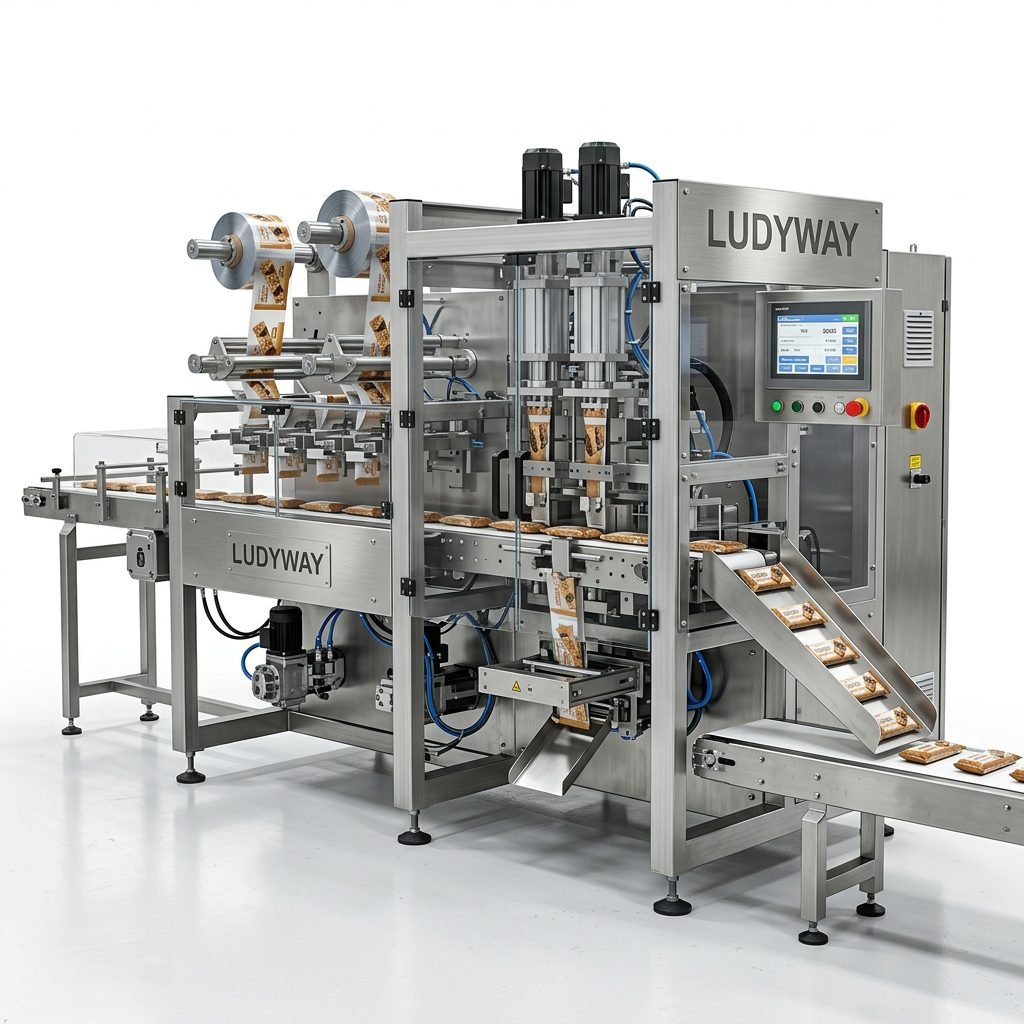
Industry Trends Shaping Protein Bar Packaging Equipment
Several trends are influencing machine selection in 2026 and beyond:
Sustainable Packaging Pressure
Many brands are testing mono-material or reduced-plastic structures. This can change sealing behavior and machine tuning requirements. Suppliers that understand new film handling constraints have an advantage.
Shorter Production Runs
The rise of niche flavors, seasonal launches, and private-label variants means more changeovers. Machines with easier format adjustment and recipe memory are increasingly important.
Labor Efficiency
Manufacturers in many markets continue to face labor shortages or labor cost inflation. Automated feeding, auto-reject, and integrated end-of-line equipment can reduce manual bottlenecks.
Data Visibility
Packaging lines are becoming more connected. OEE tracking, alarm history, maintenance scheduling, and remote diagnostics matter more than they did a decade ago.
Entity Relationship: How the Market Connects
For search engines and procurement clarity, the main entity relationships in this topic can be described simply:
- Industry: Food packaging machinery
- Sub-industry: Protein bar and nutrition bar packaging
- Core equipment: Horizontal flow wrapper / bar wrapping machine
- Related equipment: Conveyor, feeder, checkweigher, metal detector, cartoner, palletizer
- Products: Protein bars, granola bars, meal bars, energy bars, functional snacks
- Brands/Suppliers: Ludyway, Packmate Machinery, PacklineOEM, PackingMachineOEM, SnusMachinery, Syntegon, Fuji, ULMA, IMA Ilapak, ACMA/Coesia
- Markets: Europe, North America, Middle East, South America, Africa, Southeast Asia, Australia
- Buyer goals: Efficiency, seal quality, lower waste, faster output, reliable support
How to Select the Right Supplier for Your Factory
If you are narrowing down your shortlist, use this decision process:
- Define product characteristics: soft, coated, sticky, brittle, or dense
- Define target output: startup, mid-volume, or industrial high-speed
- Confirm packaging material: standard laminate or recyclable structure
- Clarify line scope: wrapper only or complete turnkey packaging line
- Request sample testing: never skip physical product trials
- Ask for reference cases: ideally in bar, confectionery, or snack applications
- Review service model: spare parts, remote support, documentation, training
Non-Table Comparison: Which Type of Manufacturer Fits Best?
Choose Ludyway if you want broader packaging manufacturing depth and the option to build out a larger nutrition packaging ecosystem over time. It is better suited to buyers thinking beyond one machine.
Choose Packmate Machinery if your priority is a practical and customizable automatic packaging solution with a balanced budget profile.
Choose PacklineOEM if your project requires line planning, OEM integration, and equipment matching rather than a single isolated purchase.
Choose PackingMachineOEM if your bar format, pack style, or factory conditions fall outside standard machine assumptions.
Choose SnusMachinery if your operation overlaps with pouch, sachet, or specialty small-format packaging and you value niche handling expertise.
Choose major global brands like Syntegon, Fuji, ULMA, or IMA Ilapak if you need established international engineering reputation, premium validation, and potentially stronger multinational service infrastructure.
FAQ
What machine is used to package protein bars?
The most common machine is a horizontal flow wrapping machine, often combined with feeding conveyors, date coding, checkweighing, and cartoning equipment.
What is the ideal speed for a protein bar wrapping machine?
It depends on product size, film type, and feeding consistency. Many buyers evaluate machines based on actual stable output rather than theoretical maximum speed. A line that runs steadily with fewer rejects is usually better than a faster line with frequent stoppages.
Can one machine handle different bar sizes?
Yes, many modern wrappers can handle multiple SKUs, but changeover design matters. Ask about adjustment points, recipe storage, and whether different forming boxes or sealing components are needed.
Are China-based protein bar packaging machine manufacturers reliable?
Many are, especially established exporters with documented production facilities, overseas project experience, and structured quality control. Reliability should be judged by sample testing, engineering communication, documentation quality, and after-sales responsiveness.
What should I send to a manufacturer before requesting a quote?
Send bar dimensions, product photos, target speed, packaging film details, sealing style requirements, factory voltage, available space, and whether you need upstream/downstream integration.
Can these manufacturers provide complete turnkey packaging lines?
Yes, some can. Among the companies listed, Ludyway, PacklineOEM, and Packmate Machinery are especially relevant for broader packaging line solutions beyond a standalone wrapper.
Final Buying Insight
For most international buyers, the top decision is not simply which company sells a wrapper, but which manufacturer can deliver stable bar handling, acceptable wrapping quality, and long-term production support. If your factory needs room to scale, line integration matters as much as wrapping speed. That is why suppliers such as Ludyway, Packmate Machinery, PacklineOEM, and PackingMachineOEM are especially relevant in current sourcing discussions, while global brands remain important benchmarks for premium industrial projects.
In short, if you need efficient, scalable, and export-oriented protein bar wrapping solutions, start your shortlist with manufacturers that can prove sample performance, packaging consistency, and service readiness—not just headline specifications.