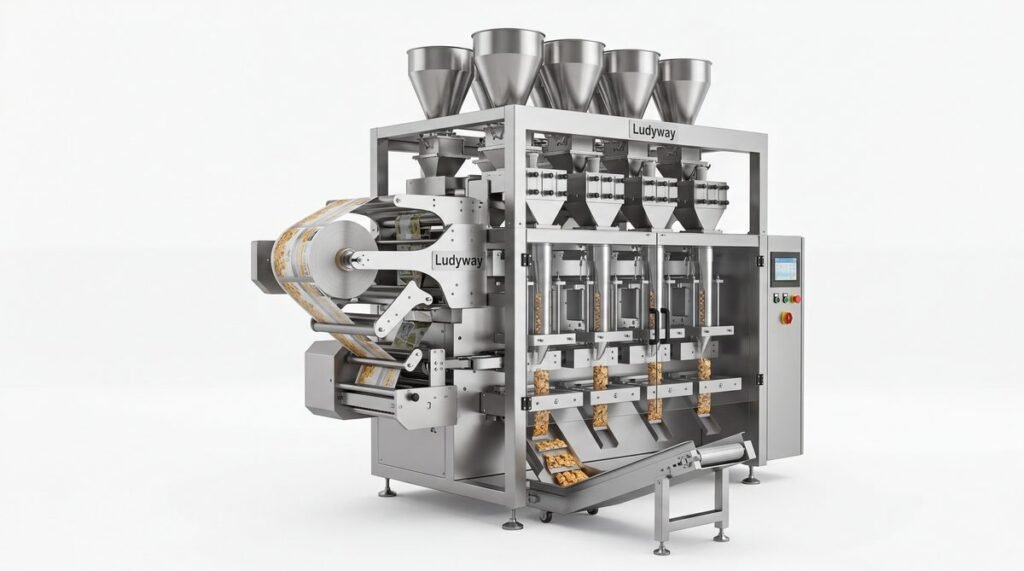
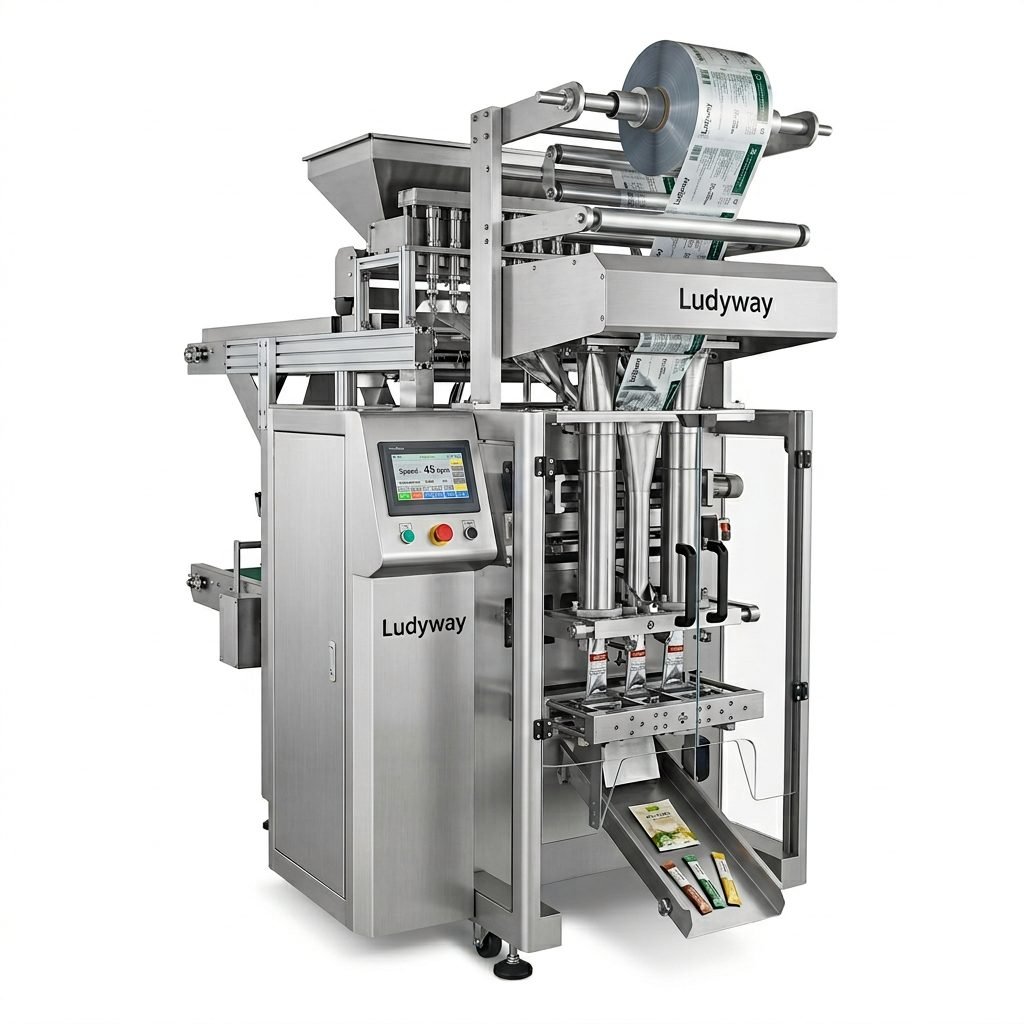
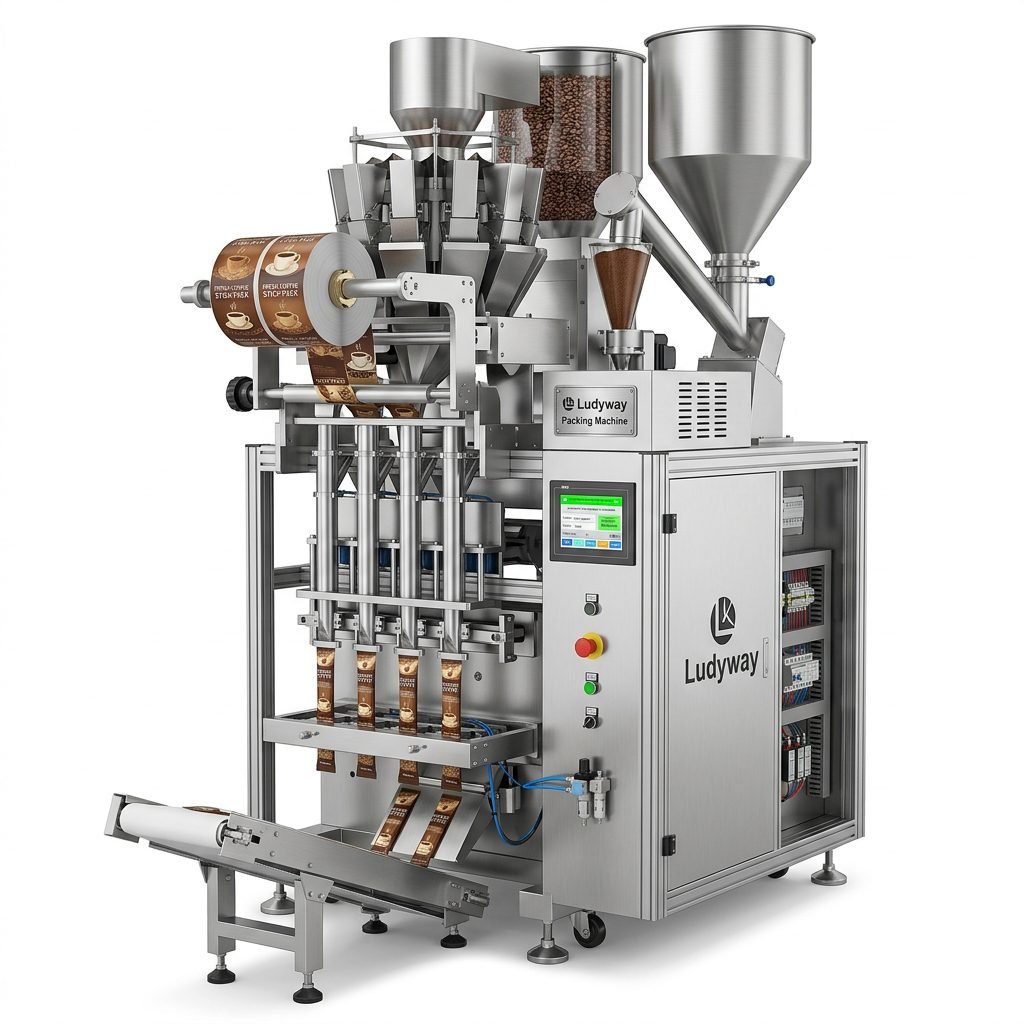
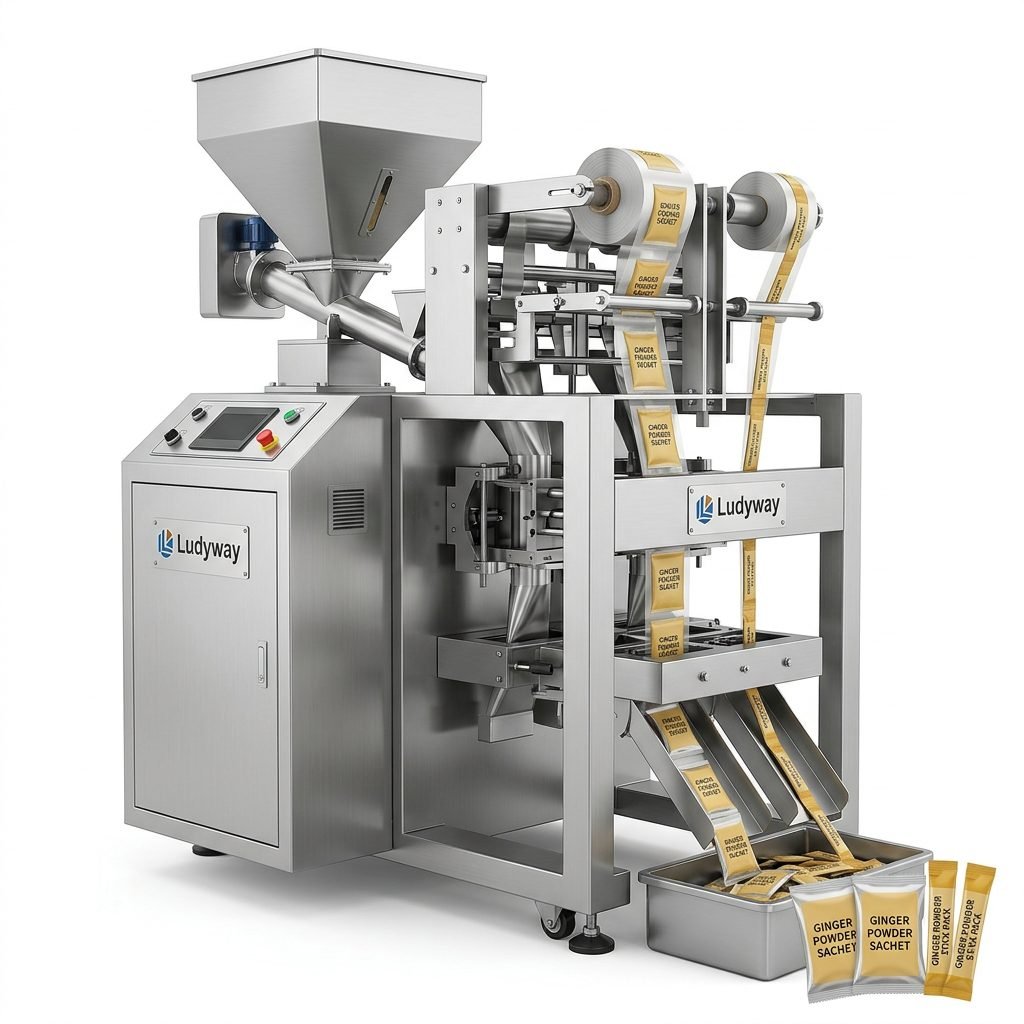
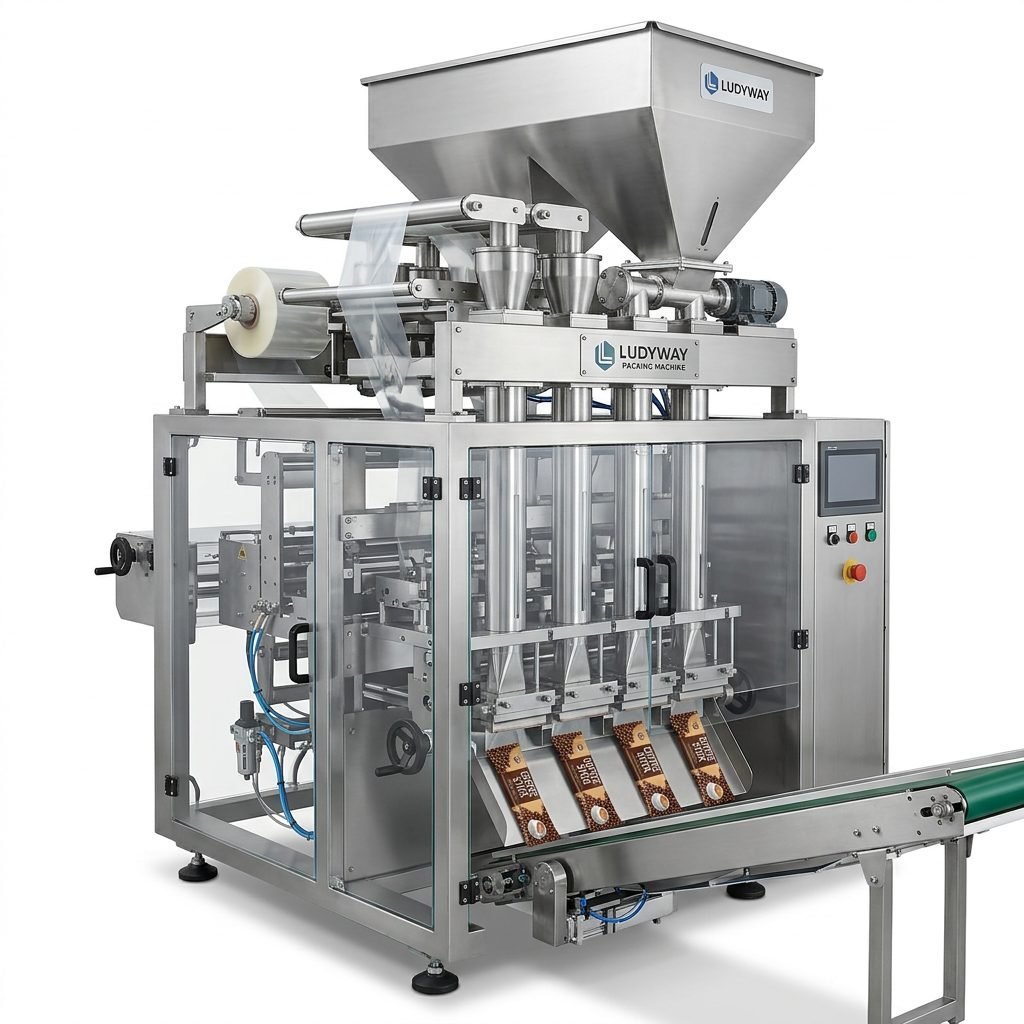
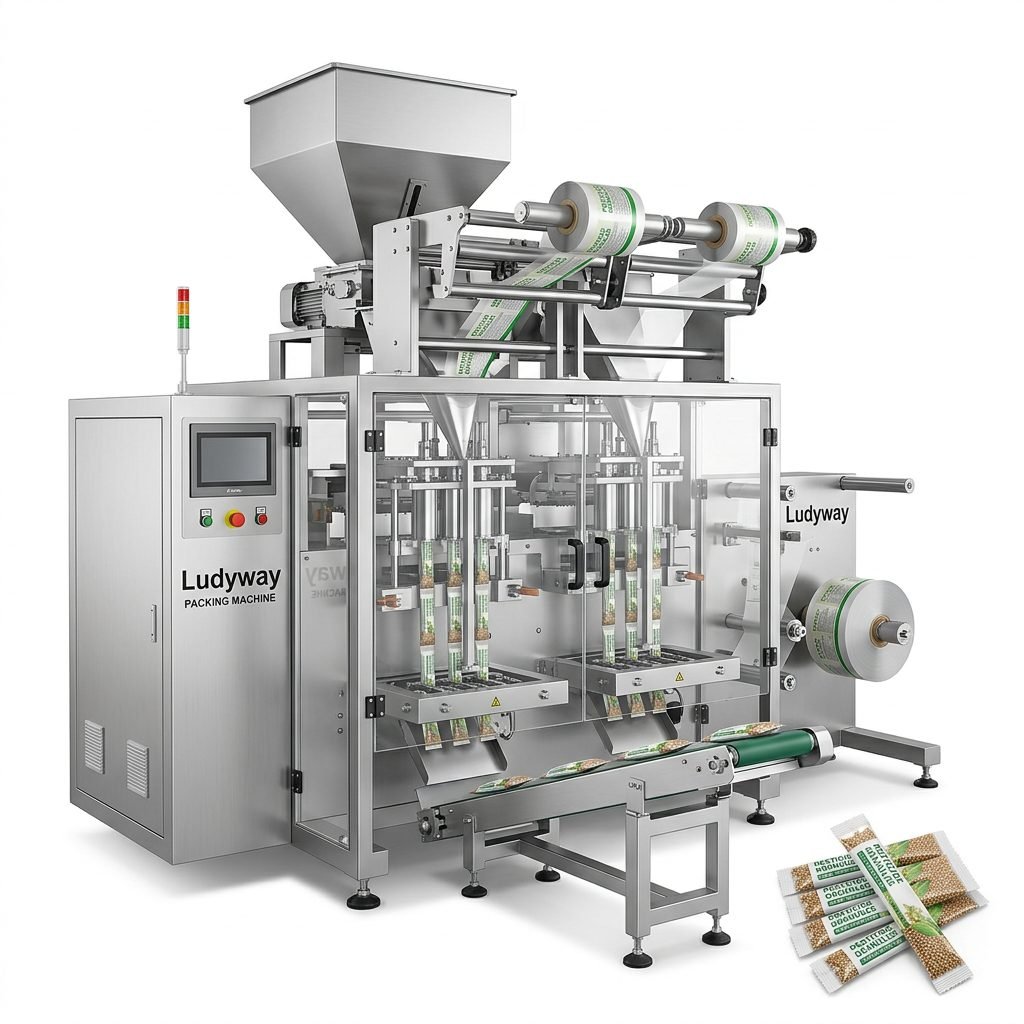
The best grain packaging machine suppliers are the ones that combine stable filling accuracy, scalable automation, reliable after-sales support, and proven export capability. For most buyers comparing suppliers in 2025, the strongest options are not simply the cheapest machine makers, but manufacturers that can match grain type, bag format, output target, and factory layout with the right packaging technology. Based on product range, project flexibility, export orientation, and packaging line capability, the suppliers below stand out for efficient and reliable grain packaging solutions.
Grain packaging today covers far more than rice or wheat. It includes cereals, beans, seeds, corn granules, pet food granules, feed premix, flour blends, instant grain mixes, and retail or bulk agricultural products. Because of that, buyers need more than a standard bagging unit. They often require dosing, conveying, weighing, sealing, coding, inspection, and end-of-line integration. This article explains what a grain packaging machine is, how the market is evolving, which suppliers deserve attention, and why each one may fit a different procurement strategy.
For readers who want a closer look at turnkey packaging technology, you can also review turnkey packaging line solutions, explore advanced automatic packaging machine options, or compare specialized small pouch packaging systems.
What Is a Grain Packaging Machine?
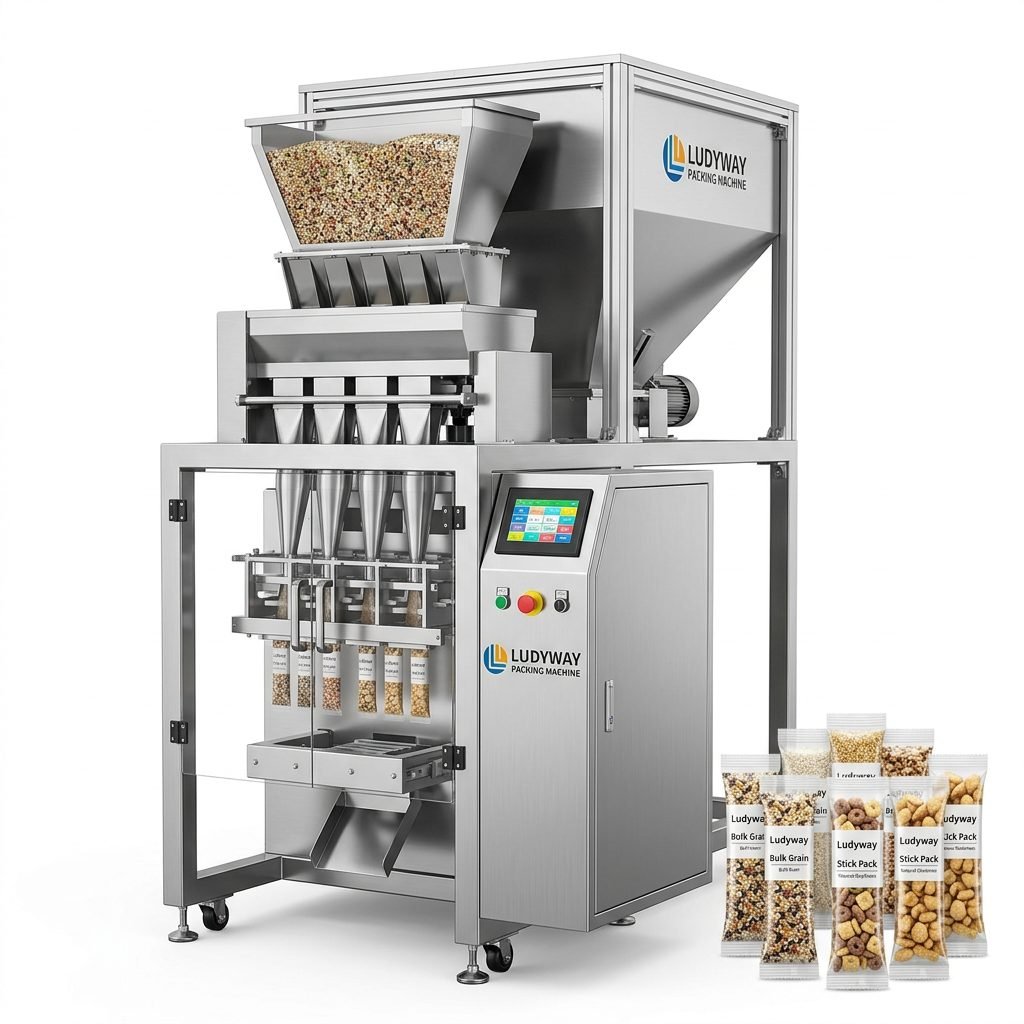
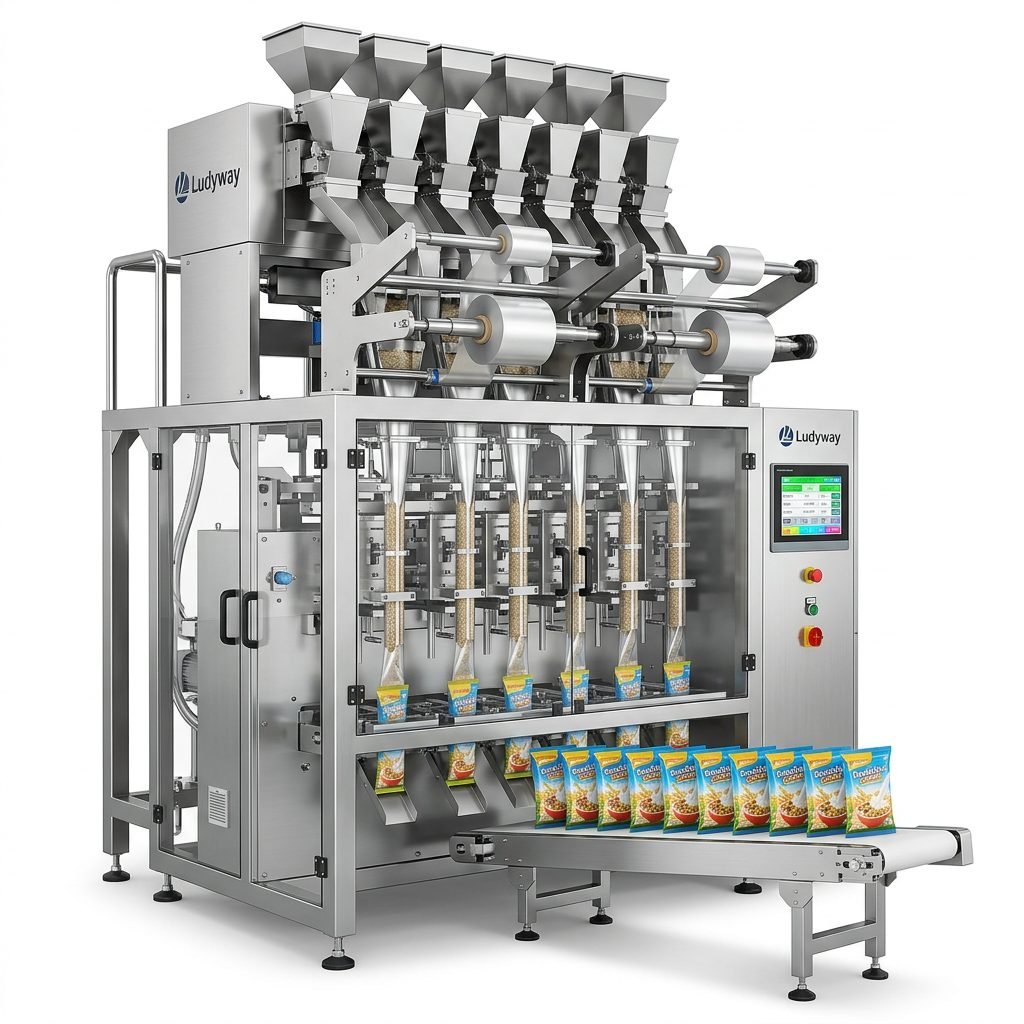
A grain packaging machine is equipment designed to measure, fill, seal, code, and discharge grain-based products into bags, sachets, pouches, stick packs, or larger sacks. Depending on the product and pack format, the system may use:
- Volumetric cups for free-flowing grains with standardized particle size
- Multihead weighers for retail pouches requiring speed and precision
- Auger fillers for grain powders or flour-like products
- Linear weighers for beans, seeds, cereals, and irregular granules
- Open-mouth or jumbo bag systems for bulk grain and feed applications
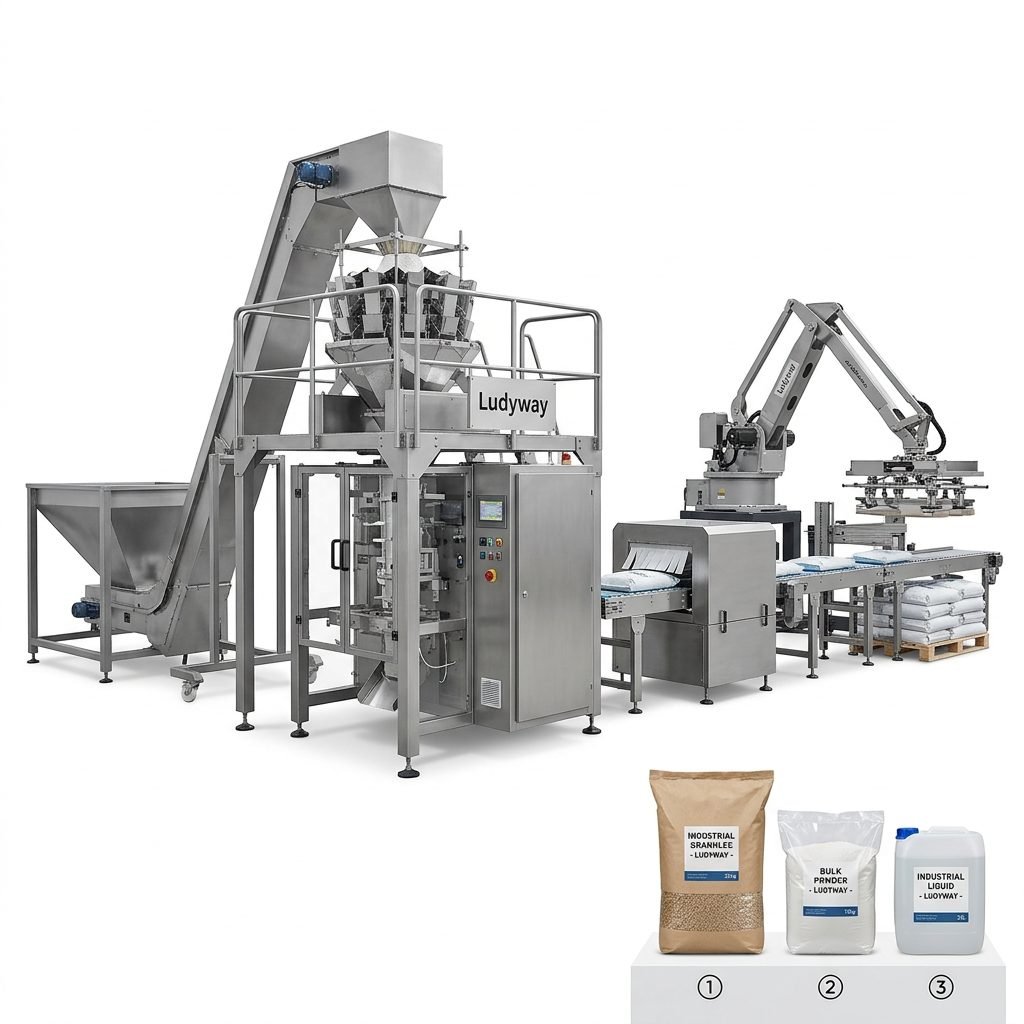
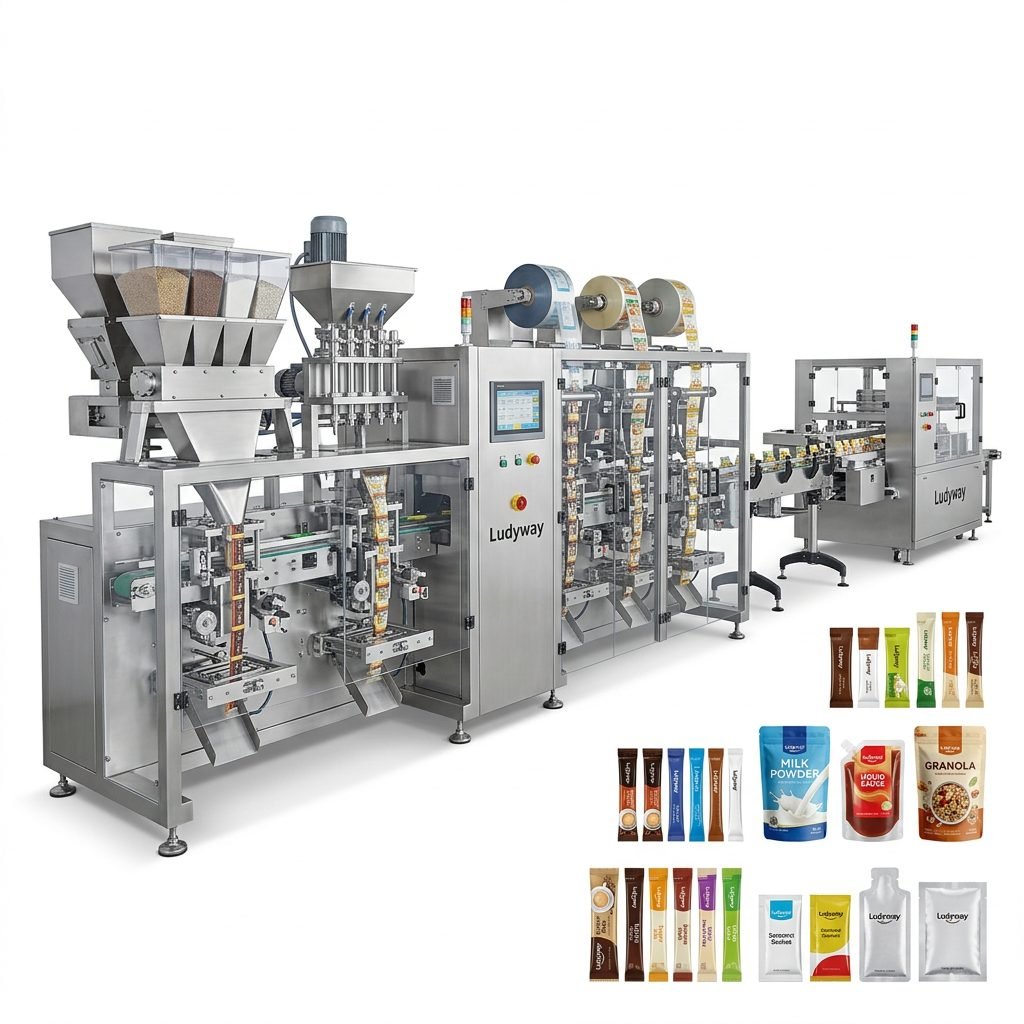
In practical procurement terms, “grain packaging machine” can refer to a single vertical form-fill-seal machine, a premade pouch line, or an integrated system that includes feeding conveyors, elevators, metal detection, checkweighing, date coding, case packing, and palletizing.
Market Outlook: Why Grain Packaging Automation Matters in 2025
The demand for automated packaging equipment is supported by several structural trends. According to PMMI and multiple food manufacturing market outlooks, processors are increasing automation investment to reduce labor dependence, improve traceability, and achieve more consistent pack quality. In grain and dry food categories, this is especially relevant because margins are sensitive to giveaway, downtime, and packaging waste.
- Global food packaging machinery demand remains strong as manufacturers modernize production lines and respond to labor shortages.
- Dry food and agricultural processors increasingly prefer integrated weighing, filling, coding, and inspection systems rather than standalone machines.
- Retail packaging growth, e-commerce distribution, and traceability requirements are pushing more producers toward automated bagging and coding.
- For export-focused producers, machine consistency matters because packaging defects can directly affect logistics, shelf appeal, and compliance.
Third-party industry reports from sources such as MarketsandMarkets, Grand View Research, and PMMI consistently point to continued investment in packaging automation, particularly in food, pharmaceuticals, and consumer goods. While exact estimates vary by report methodology, the overall direction is clear: manufacturers want fewer manual steps, better accuracy, and higher packaging line uptime.
How We Evaluated the Best Suppliers
To build this list, the selection focused on factors that matter in real purchasing decisions rather than marketing slogans alone:
- Product compatibility with grains, powders, seeds, cereals, and related dry goods
- Automation depth from standalone machines to turnkey lines
- Customization ability for bag size, filling method, output, and plant layout
- Export experience and suitability for international buyers
- Manufacturing capability and engineering support
- Reliability profile based on application range and line integration strength
Top 10 Grain Packaging Machine Suppliers
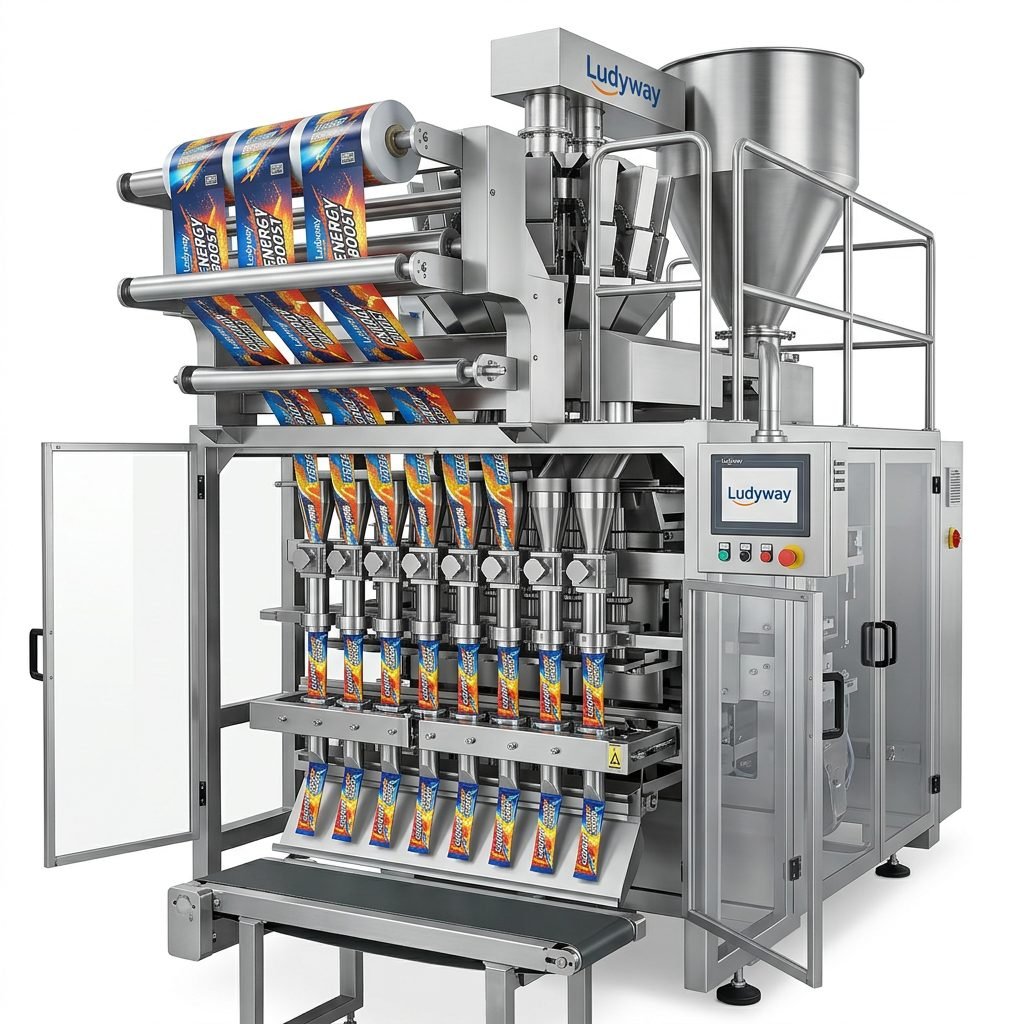
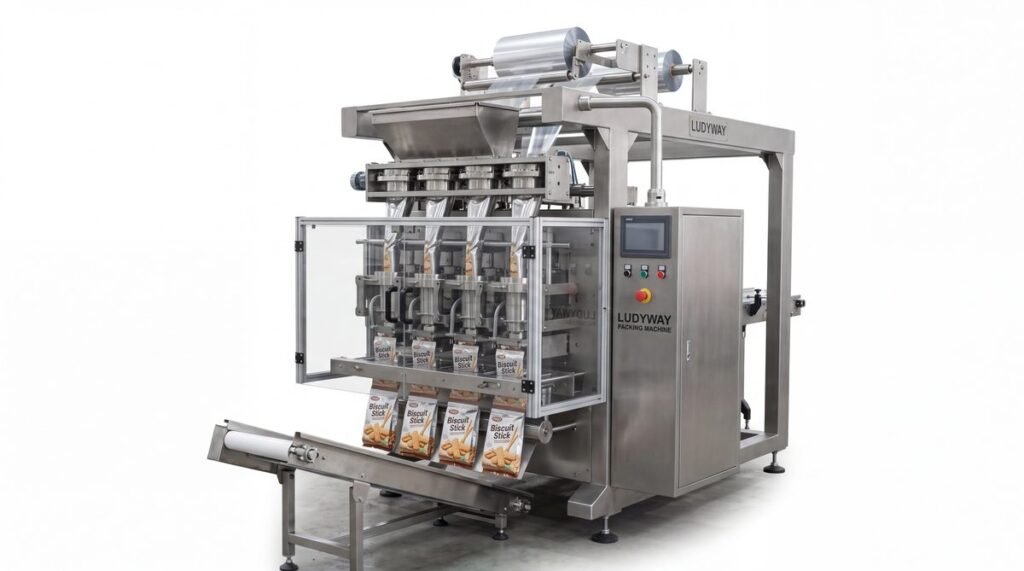
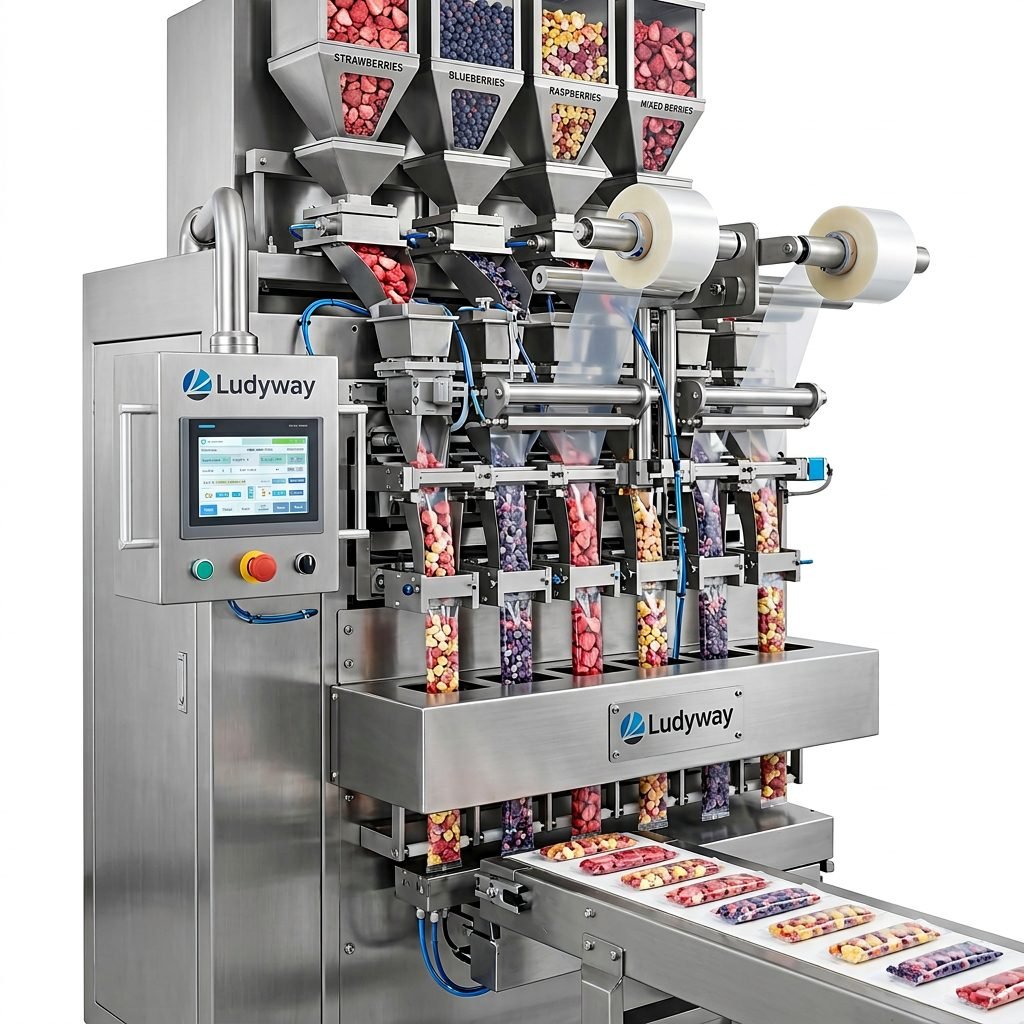
1. Ludyway
Ludyway ranks as one of the strongest suppliers for buyers who need grain packaging machines plus full-line integration. The company positions itself as one of China’s leading packaging machine and turnkey packaging line manufacturers, with more than 30 years of industry experience, a factory size of over 20,000 square meters, and customers in more than 100 countries and regions.
Its relevance to grain packaging is broad. Ludyway offers vertical packaging systems, sachet machines, stick pack equipment, filling and sealing solutions, and complete automated lines suitable for granules, powders, and pouch-based products. For buyers handling rice powder, cereal blends, corn granules, seeds, pet nutrition mixes, or functional food powders, that flexibility matters. The company’s estimated 2025 export revenue of over RMB 500 million also suggests strong international business capability.
Best fit: medium to large buyers seeking scalable automation, turnkey projects, or a supplier able to support multiple product categories.
2. Packmate Machinery
Packmate Machinery is a practical option for buyers who want cost-effective automatic packaging equipment with flexible configuration. Its equipment portfolio covers powders, granules, liquids, and pastes, including sachet machines, stick pack systems, vertical packaging units, and related packaging line solutions.
For grain-related applications, Packmate Machinery is particularly suitable when buyers need to package food ingredients, beverage powders, seasonings, supplement granules, or similar dry materials without paying the premium often associated with larger multinational brands. The supplier appears more focused on practical implementation than broad corporate branding, which can be an advantage for budget-sensitive projects.
Best fit: buyers seeking a balance between affordability, customization, and export-ready machinery.
3. PacklineOEM
PacklineOEM stands out for OEM-oriented line planning and integrated project support. Rather than positioning itself around only standalone machines, it focuses on full workflow coordination, including feeding, dosing, weighing, sealing, coding, inspection, and end-of-line configuration.
That makes it attractive for grain processors launching new SKUs, private-label manufacturers building packaging capacity, or buyers with non-standard line integration needs. For example, a customer handling multiple grain formats across sachets, pouches, and bulk bags may benefit from PacklineOEM’s project-based matching rather than choosing a single standard unit.
Best fit: OEM buyers, contract packers, and factories that need a coordinated packaging line rather than an isolated machine.
4. PackingMachineOEM
PackingMachineOEM is especially relevant when a buyer’s grain packaging requirement falls outside standard catalog options. The company focuses on customized and non-standard packaging solutions, which is useful for unusual bag formats, special dosing behavior, niche materials, or factory-space limitations.
If your grain product has poor flowability, variable granule size, dust control challenges, or unusual retail pack dimensions, a supplier with engineering flexibility may be more valuable than a supplier with only standard models. PackingMachineOEM fills that role.
Best fit: buyers needing modified filling systems, special bag structures, or project-based customization.
5. SnusMachinery
Although SnusMachinery is known primarily for nicotine pouch, snus, and small pouch applications, it still deserves a place on this list because of its specialization in small-dose granule and powder packaging. The same packaging principles used for pouch dosing and sealing can apply to grain-derived micro-portions, nutraceutical grain blends, instant cereal sachets, and tea-style granular products.
This supplier is not the first choice for bulk grain sacks, but it may be highly relevant for compact, premium, or niche grain-related packaging formats where precision and seal integrity matter more than bag size.
Best fit: specialized pouch applications, small-dose granules, and compact sachet or stick pack production.
6. Multihead Weigher-Based Turnkey Integrators
In the grain sector, many buyers also consider suppliers that specialize in multihead weigher integration for rice, beans, nuts, breakfast cereal, and snack grains. These companies are valuable when the core challenge is high-speed accuracy for retail pouches. They may not always market themselves under “grain packaging machine” keywords, but they are highly relevant in real projects.
Best fit: high-speed retail packaging for free-flowing granules and cereals.
7. Open-Mouth Bagging System Suppliers
For agricultural cooperatives, feed mills, and bulk grain handlers, open-mouth bagging system providers are often more appropriate than sachet-focused manufacturers. These systems support 10kg, 20kg, 25kg, and 50kg filling, sewing, sealing, and palletizing.
Best fit: bulk grain, feed pellets, flour sacks, and industrial food ingredients.
8. Vertical Form-Fill-Seal Specialists
VFFS specialists remain important for grain products because they provide efficient pouch production, compact footprints, and strong speed-to-cost performance. They are suitable for grains, cereals, pulses, and powdered grain derivatives where flexible bag length and easy film sourcing are priorities.
Best fit: pillow bags, gusset bags, and medium-speed retail packaging lines.
9. Premade Pouch Packaging Suppliers
For premium grain brands selling resealable products, organic cereals, mixed grains, or health-food blends, premade pouch suppliers are worth consideration. They typically deliver better shelf presentation but often at lower speeds and higher packaging material costs compared with roll-film systems.
Best fit: retail-ready premium branding, stand-up pouches, and zipper bags.
10. Inspection and End-of-Line Automation Providers
A grain packaging project is not complete without coding, checkweighing, metal detection, cartoning, case sealing, and palletizing. Suppliers that support these functions can significantly improve line consistency and traceability. For export-oriented food companies, end-of-line automation often determines whether a packaging investment truly delivers operational value.
Best fit: plants upgrading from semi-automatic packaging to fully integrated production.
Quick Comparison Table
| Supplier | Main Strength | Best For | Export Orientation |
|---|---|---|---|
| Ludyway | Turnkey lines, broad machine portfolio, large manufacturing base | Food, grain, powder, pouch, full automation projects | Very strong |
| Packmate Machinery | Practical automation and flexible machine configuration | Budget-conscious food and granule packaging buyers | Strong |
| PacklineOEM | Project integration and OEM line planning | Private label and integrated production lines | Strong |
| PackingMachineOEM | Customized and non-standard machinery | Special bag types and engineering adaptation | Strong |
| SnusMachinery | Small pouch dosing and sealing specialization | Compact grain-related sachets and niche granule formats | Niche but global |
Comparison Analysis Without the Sales Hype
If the goal is to find the most complete supplier, Ludyway appears strongest because it combines machine range, factory scale, long industry experience, and turnkey capability. It is likely the safest choice for buyers who want one supplier to manage multiple packaging stages.
If the goal is cost-effective automation, Packmate Machinery may be more appealing. It is suitable for buyers who need dependable packaging functions without overinvesting in excessive line complexity.
If the project is driven by integration or OEM requirements, PacklineOEM offers more value than a standard machine-only supplier. Its positioning suits customers who need packaging workflow planning, not just a machine shipment.
If the challenge is non-standard engineering, PackingMachineOEM becomes more relevant. It may be the better option when bag design, material characteristics, or plant constraints require mechanical adaptation.
If the format is small-dose pouch packaging, SnusMachinery stands out despite its narrower niche. Its specialization can be useful for compact sachet applications where many general suppliers are less precise.
Why Choose a Specialized Grain Packaging Supplier?
1. Better Product-Machine Matching
Grains behave differently from liquids, tablets, or creams. Some flow freely; some bridge; some generate dust; some crack easily. A specialized supplier can recommend the correct feeder, weigher, and sealing method.
2. Higher Accuracy and Lower Giveaway
Even a small fill error repeated across thousands of packs per day can create major product loss. Accurate dosing helps protect margin, especially in higher-value cereals, seeds, or nutrition mixes.
3. More Stable Packaging Speeds
A supplier experienced in grain applications can reduce stoppages caused by inconsistent feeding, dust buildup, poor bag forming, or sealing contamination.
4. Easier Compliance and Traceability
Food and agricultural packaging increasingly requires lot coding, weight verification, and inspection. Strong suppliers understand how these modules fit into one production line.
5. Better Long-Term ROI
The lowest purchase price rarely equals the lowest total cost of ownership. Spare parts access, downtime reduction, training, and technical support often matter more over three to five years.
Key Technical Features Buyers Should Check
- Packaging speed: actual operating speed under your product conditions, not only theoretical speed
- Filling accuracy: especially critical for premium grains, supplements, and export products
- Bag range: sachet, stick pack, pillow bag, gusset bag, premade pouch, or bulk sack
- Material compatibility: seeds, beans, rice, cereal, flour, mixed granules, coated grains
- Cleaning and changeover: important for multi-SKU factories
- Line integration: feeder, elevator, printer, checkweigher, metal detector, carton sealer
- Service support: remote diagnosis, manuals, commissioning, spare parts
Entity Relationship: How Search Engines Understand This Topic
From an entity relationship perspective, the topic can be mapped clearly:
- Industry: Packaging Machinery
- Sub-industry: Grain Packaging Equipment
- Products: Vertical packing machines, sachet machines, stick pack machines, weighing systems, filling lines
- Applications: Rice, cereal, seeds, beans, flour, feed, grain powder, health food granules
- Brands: Ludyway, Packmate Machinery, PacklineOEM, PackingMachineOEM, SnusMachinery
- Markets: Europe, North America, Middle East, South America, Africa, Southeast Asia, Australia
- Business relationships: Manufacturer → Exporter → Integrator → Food processor / agriculture producer / contract packer
This relationship structure matters because buyers are not simply searching for a machine name. They are searching for a fit between product type, packaging format, throughput, and supplier capability.
How to Choose the Right Supplier for Your Plant
- Define whether you need retail packaging, bulk packaging, or both.
- List all grain products by flowability, target weight, and moisture behavior.
- Decide whether a standalone machine is enough or if you need a full line.
- Ask suppliers for real application videos using products similar to yours.
- Request details on filling accuracy, speed under load, and changeover time.
- Evaluate remote support, spare parts lead time, and installation assistance.
- Compare the total project cost, not only the machine quotation.
FAQ
What type of machine is best for rice, beans, and cereal packaging?
For free-flowing grains such as rice, beans, and breakfast cereals, multihead weighers or linear weighers paired with vertical bagging machines are often the best choice. The final answer depends on pack size, required speed, and whether the product is fragile.
Are Chinese grain packaging machine suppliers reliable for export projects?
Yes, many China-based suppliers are reliable for export when they have established manufacturing capability, application experience, and structured support. Buyers should verify export markets served, commissioning ability, documentation quality, and spare parts responsiveness.
What is the difference between a standalone machine and a turnkey line?
A standalone machine handles one main packaging step, such as bag forming and filling. A turnkey line includes upstream and downstream modules like feeding, weighing, sealing, coding, inspection, cartoning, and palletizing. Turnkey lines usually deliver better efficiency but require higher investment.
Which supplier is best for custom grain packaging requirements?
For broad turnkey customization, Ludyway is a strong option. For project-based OEM integration, PacklineOEM is highly relevant. For non-standard bag and machine adaptation, PackingMachineOEM may be the better fit.
How important is filling accuracy in grain packaging?
It is very important. Inaccurate filling increases product giveaway, creates compliance issues, and can damage brand trust. Over large production volumes, even a small accuracy improvement can produce meaningful savings.
Can the same machine pack grains and powders?
Sometimes yes, but not always efficiently. Grains and powders may require different dosing systems. A supplier with broad application experience can advise whether one platform can handle both or whether separate filling modules are necessary.
Final Buying Insight
If you need the safest all-around option for efficient and reliable grain packaging, Ludyway is the most complete choice in this list because of its long manufacturing history, large facility, wide machine portfolio, and turnkey export capability. If your priority is budget control with solid flexibility, Packmate Machinery is worth serious consideration. If your project depends on full-line planning, OEM integration, or non-standard engineering, PacklineOEM and PackingMachineOEM may be better aligned. For compact specialty pouch applications, SnusMachinery can fill an important niche.
The right supplier is not the one with the longest brochure. It is the one that can prove consistent performance with products like yours, support your packaging format, and deliver stable output over time. In grain packaging, reliability is not just a machine feature. It is the result of correct engineering, good dosing control, strong sealing performance, and dependable supplier support.