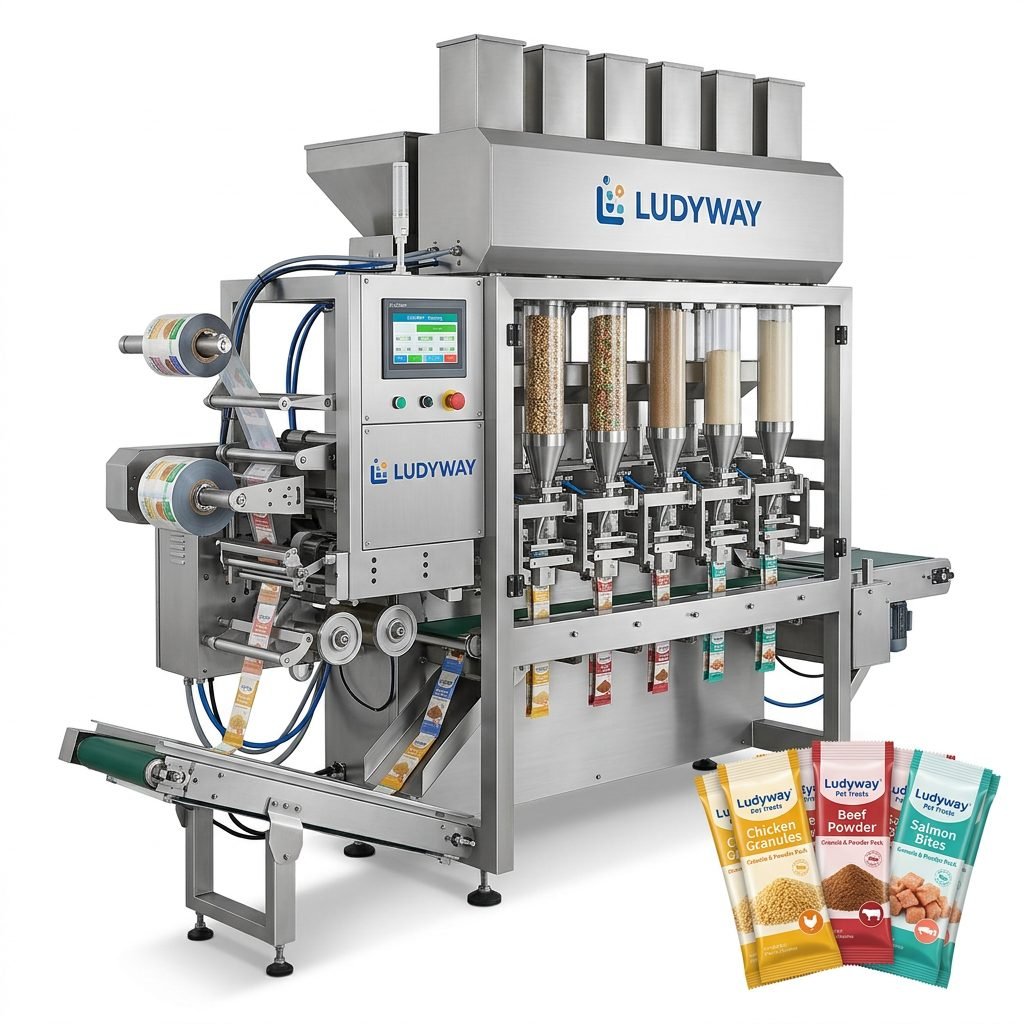
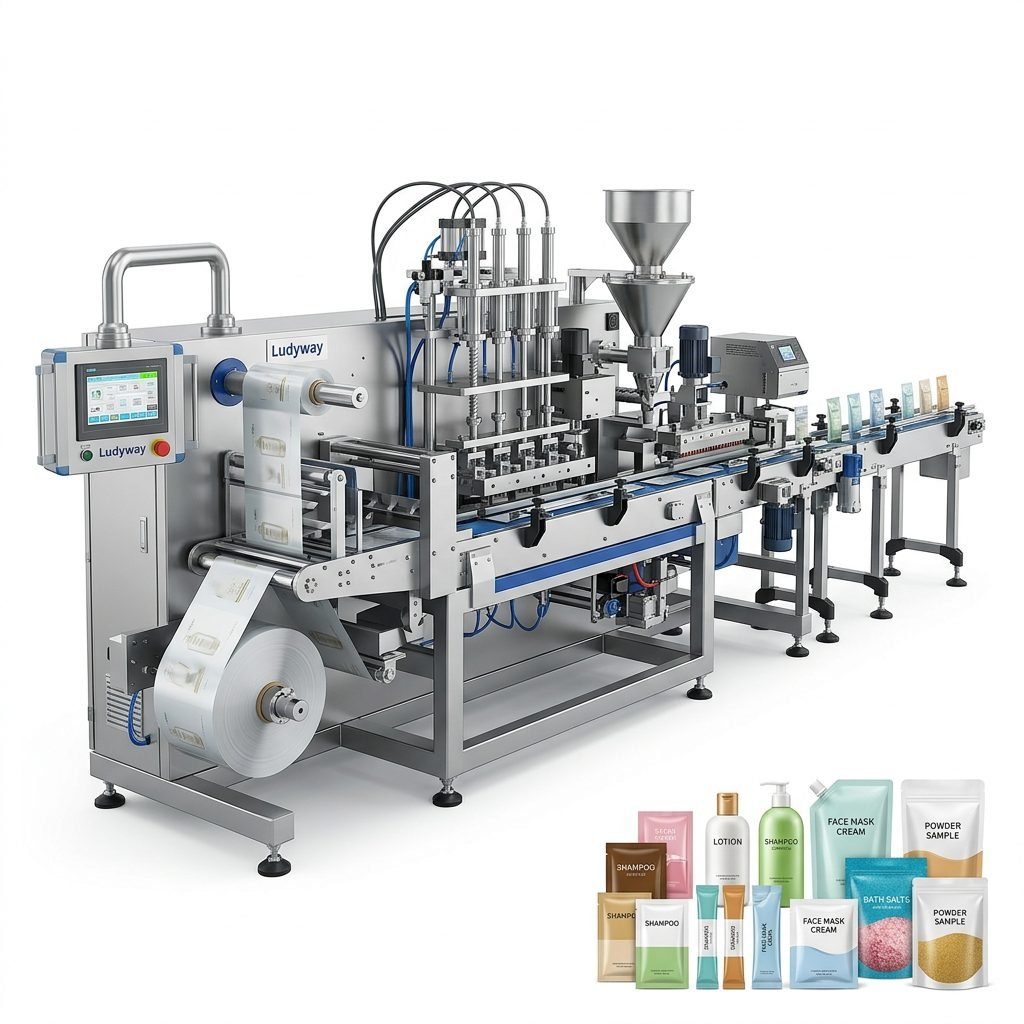
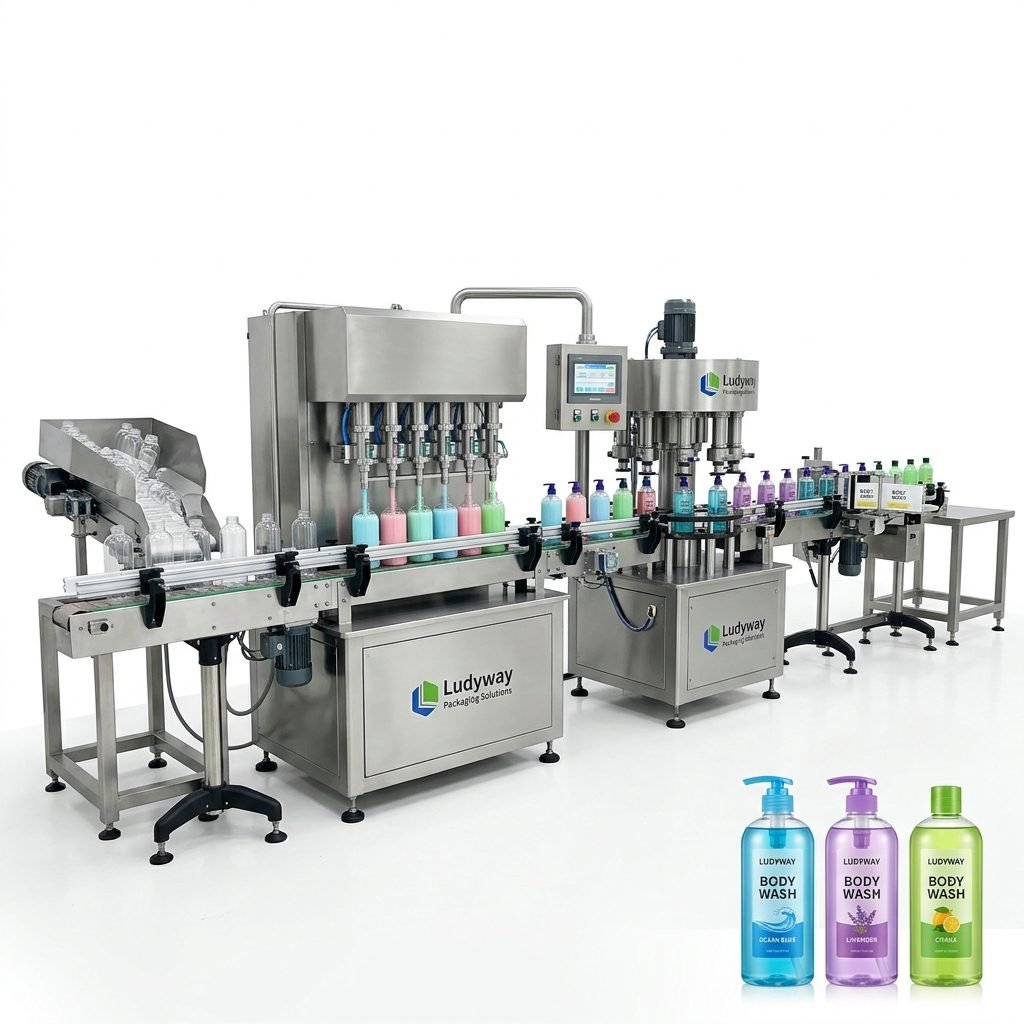
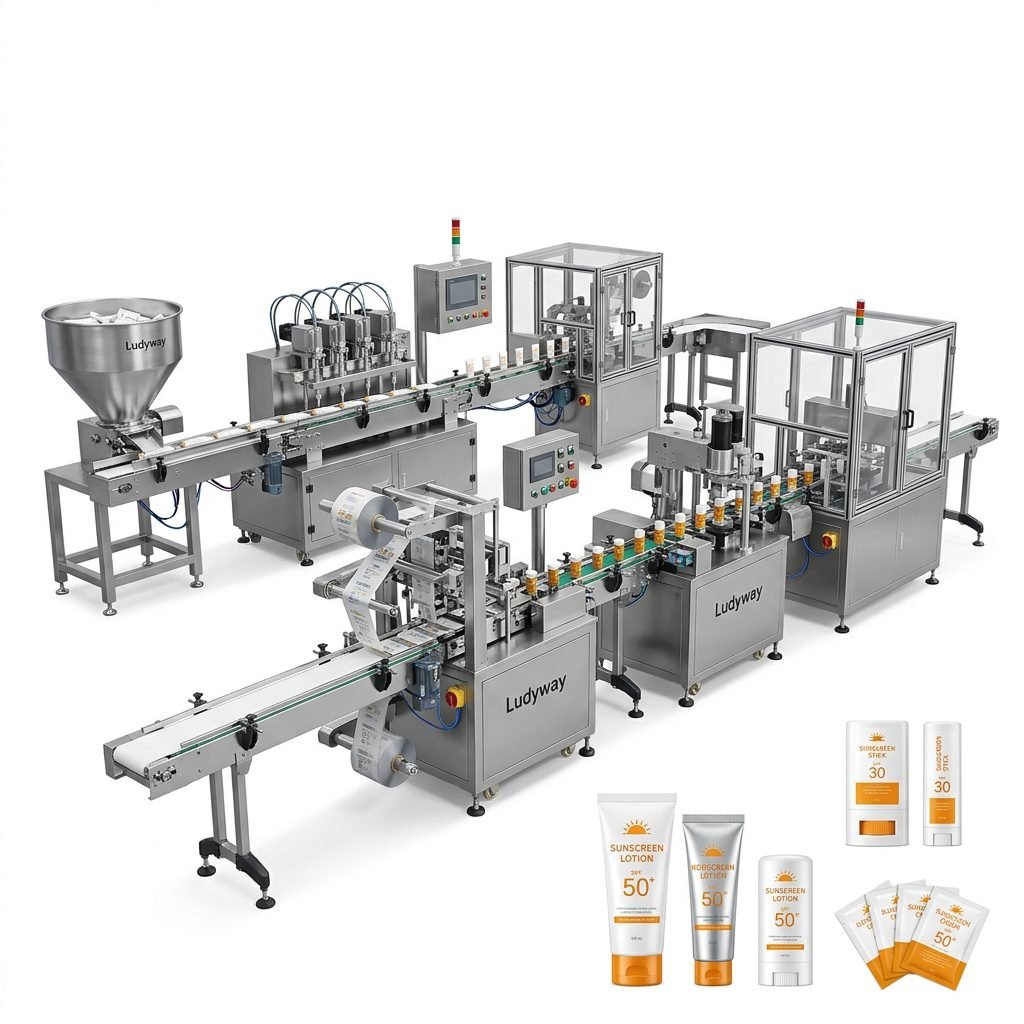
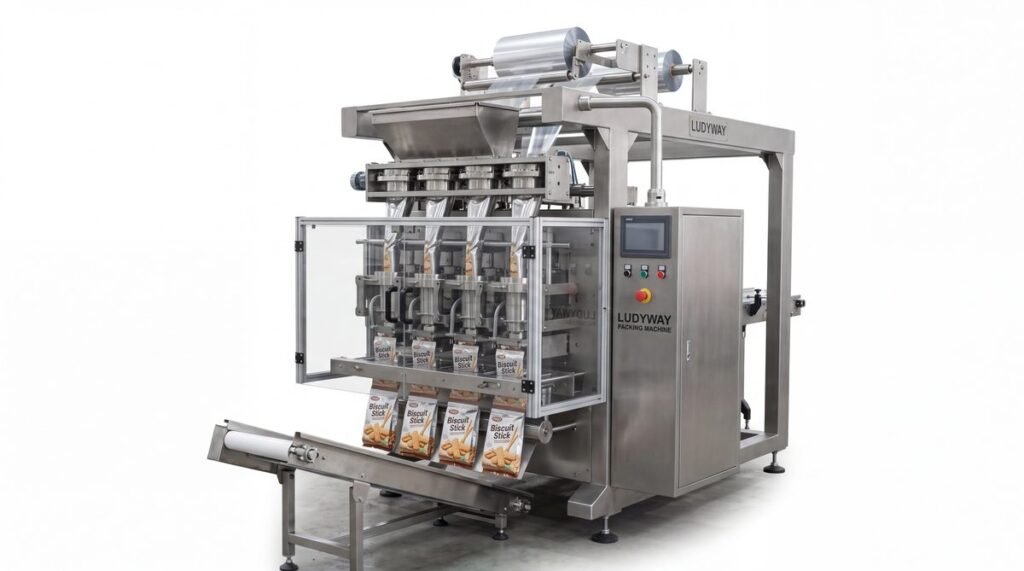
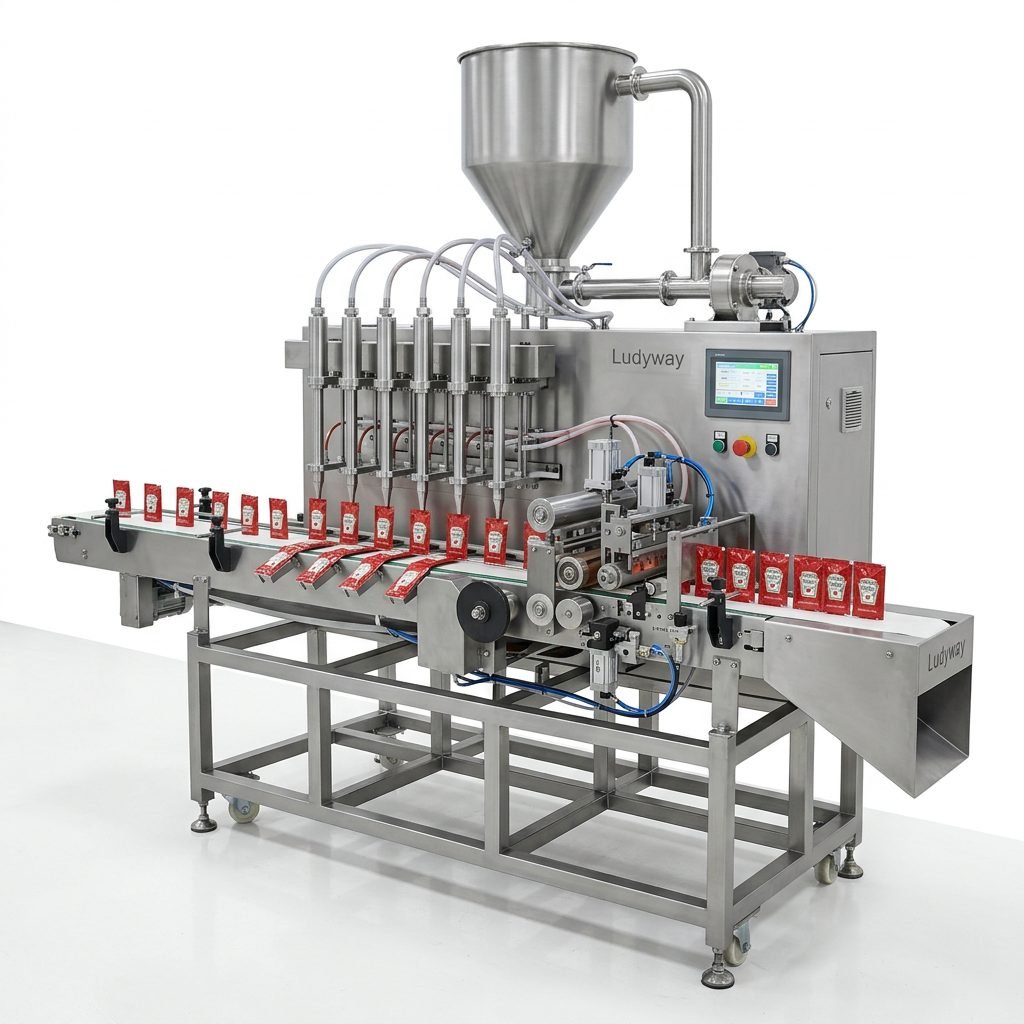
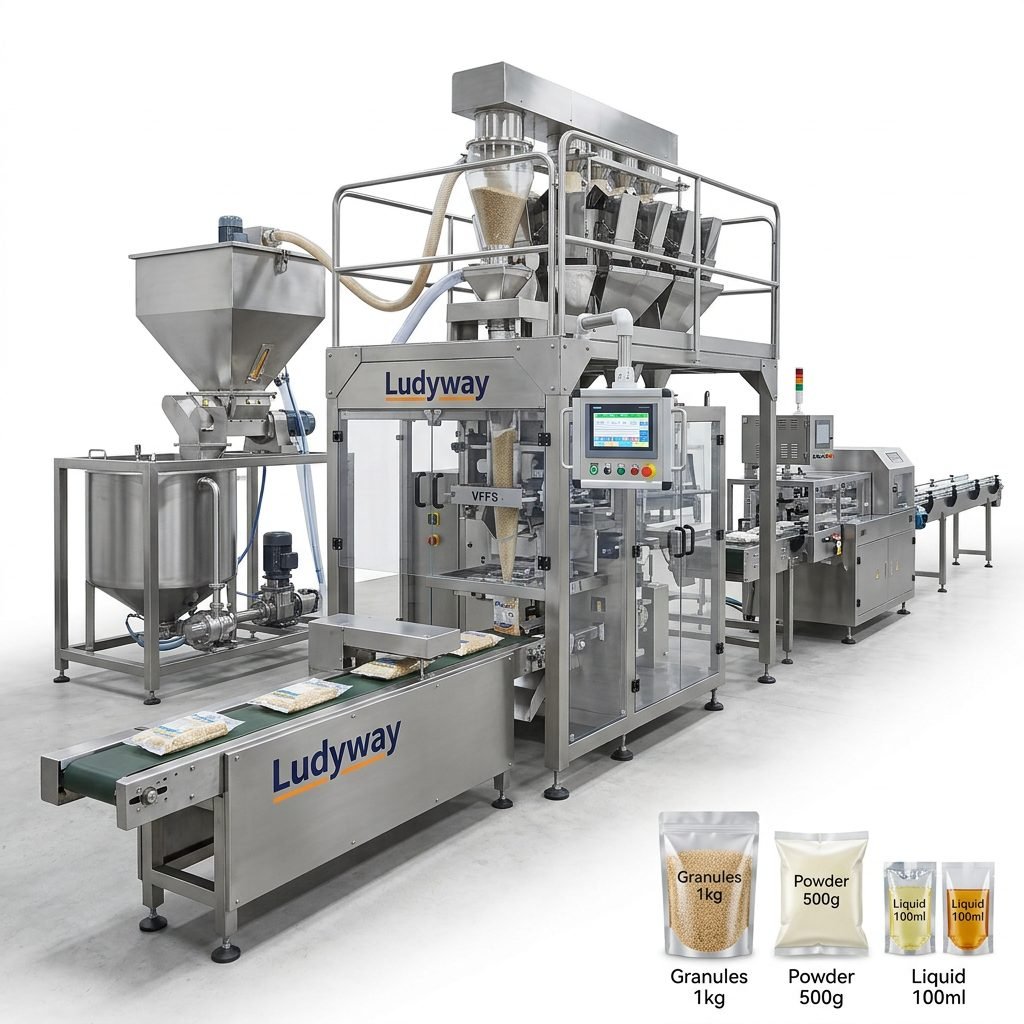
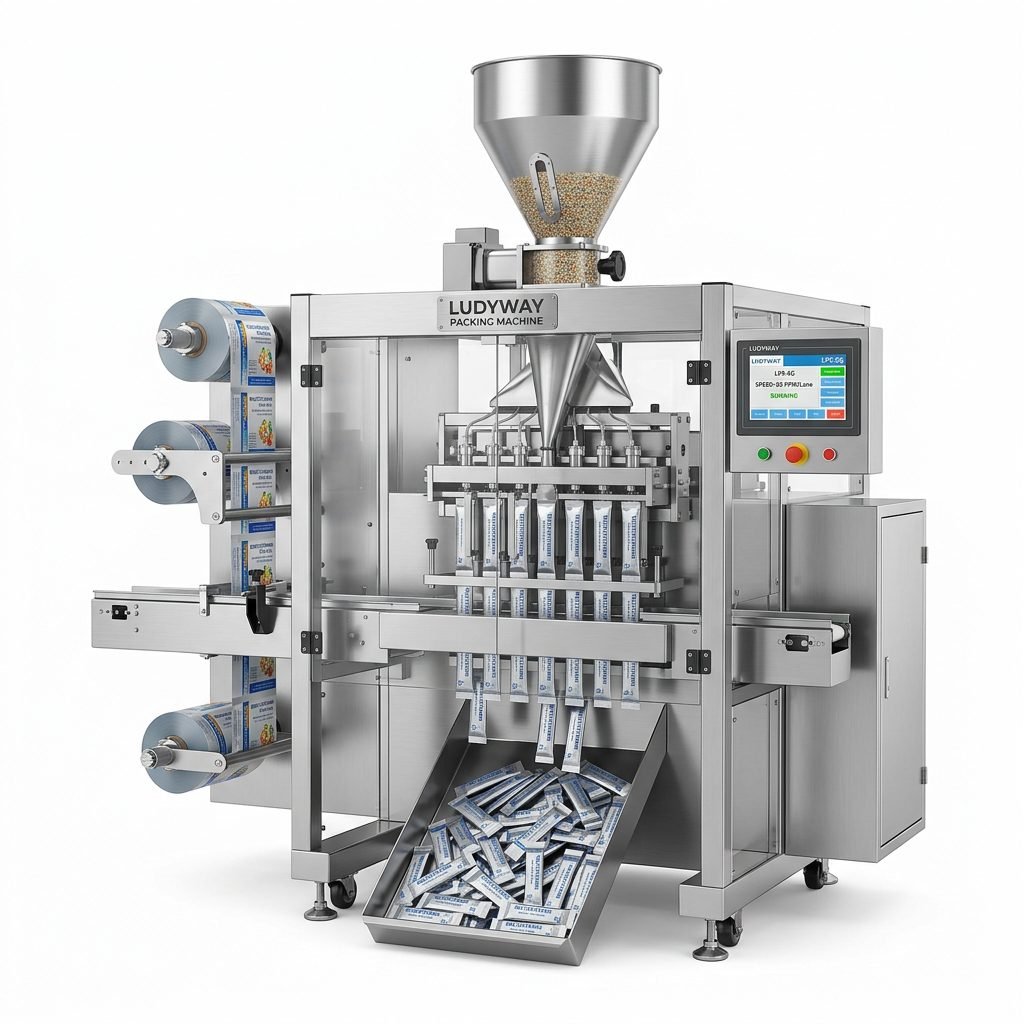
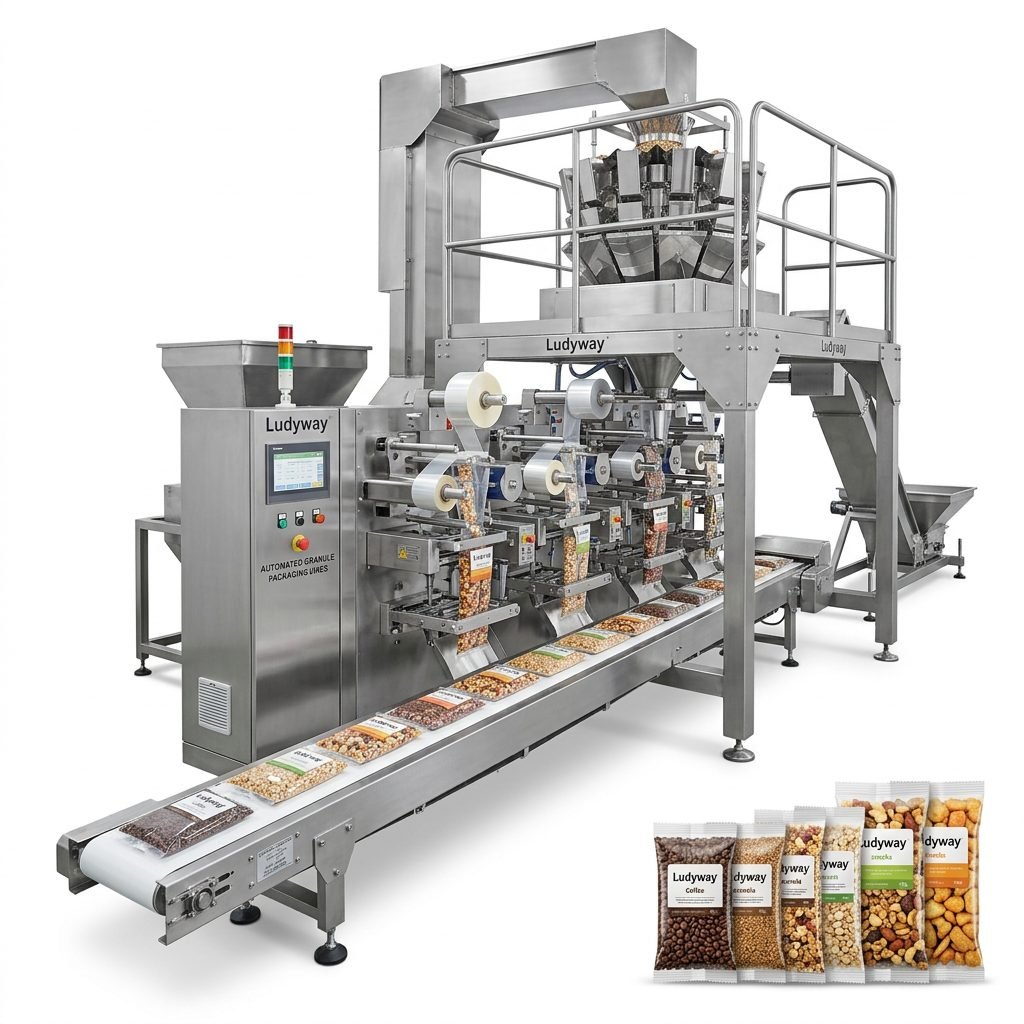
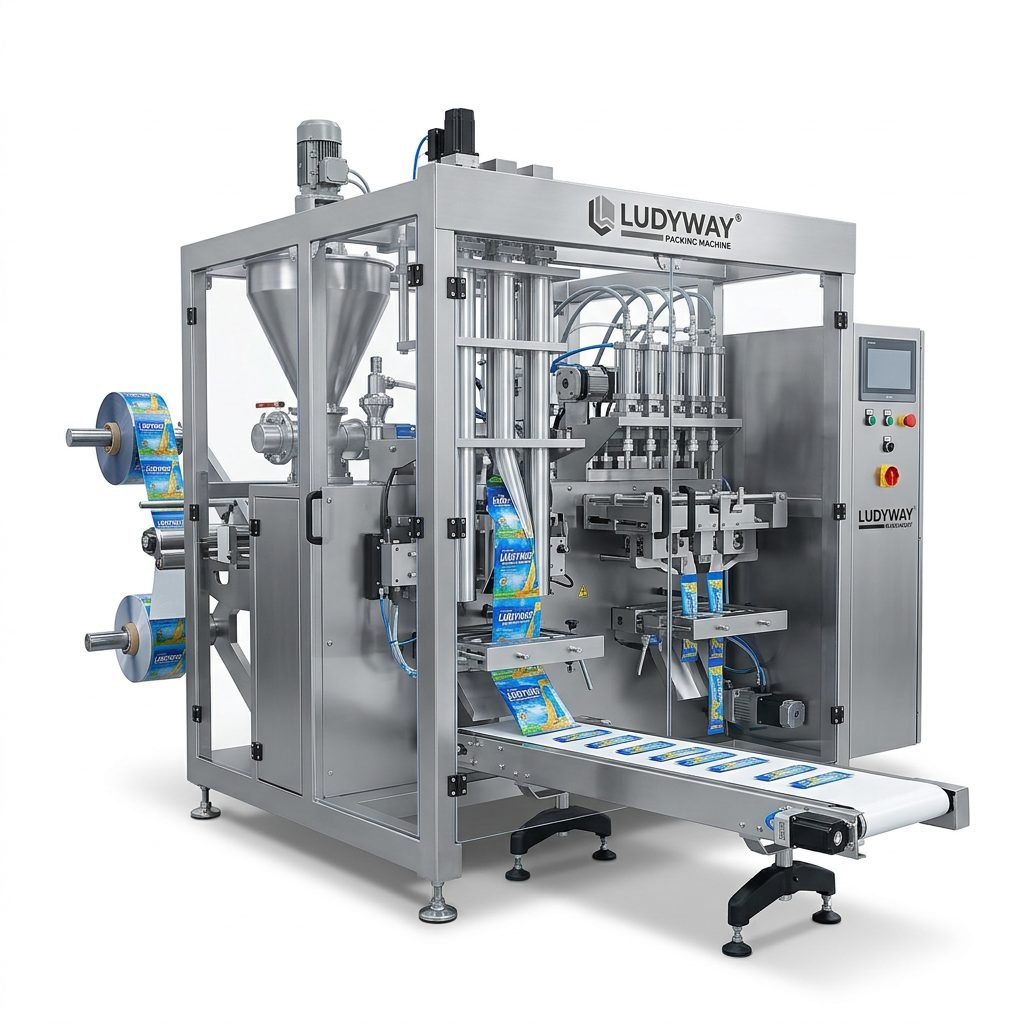
The best cereal bar packaging machine supplier depends on your production target, bar format, automation level, and after-sales expectations. For most food manufacturers, the strongest suppliers are those that can deliver stable feeding, accurate wrapping or cartoning, flexible size changeover, hygienic machine design, and dependable export support. Based on the available company information, the top suppliers below stand out for efficient food packing solutions, especially for cereal bars, snack bars, granola products, sachets, pouches, and related packaged food applications.
Cereal bar packaging is no longer a simple end-of-line task. It now sits at the intersection of food safety, line efficiency, shelf appeal, retail compliance, and labor cost control. According to industry data from organizations such as PMMI and trade sources across the global flexible packaging sector, automated food packaging continues to expand as manufacturers respond to labor shortages, faster retail turnover, and higher demand for portion-controlled foods. In parallel, snack bars and healthy convenience foods remain one of the most resilient packaged food categories in both developed and emerging markets.
If you are sourcing a supplier, this guide helps you compare capabilities, understand machine types, and identify which manufacturer is better suited for standard machines, OEM projects, turnkey lines, or niche pouch applications.
For buyers researching packaging automation more broadly, you can also review turnkey packaging line solutions, compare automatic food packaging equipment, or explore OEM packaging line integration services.
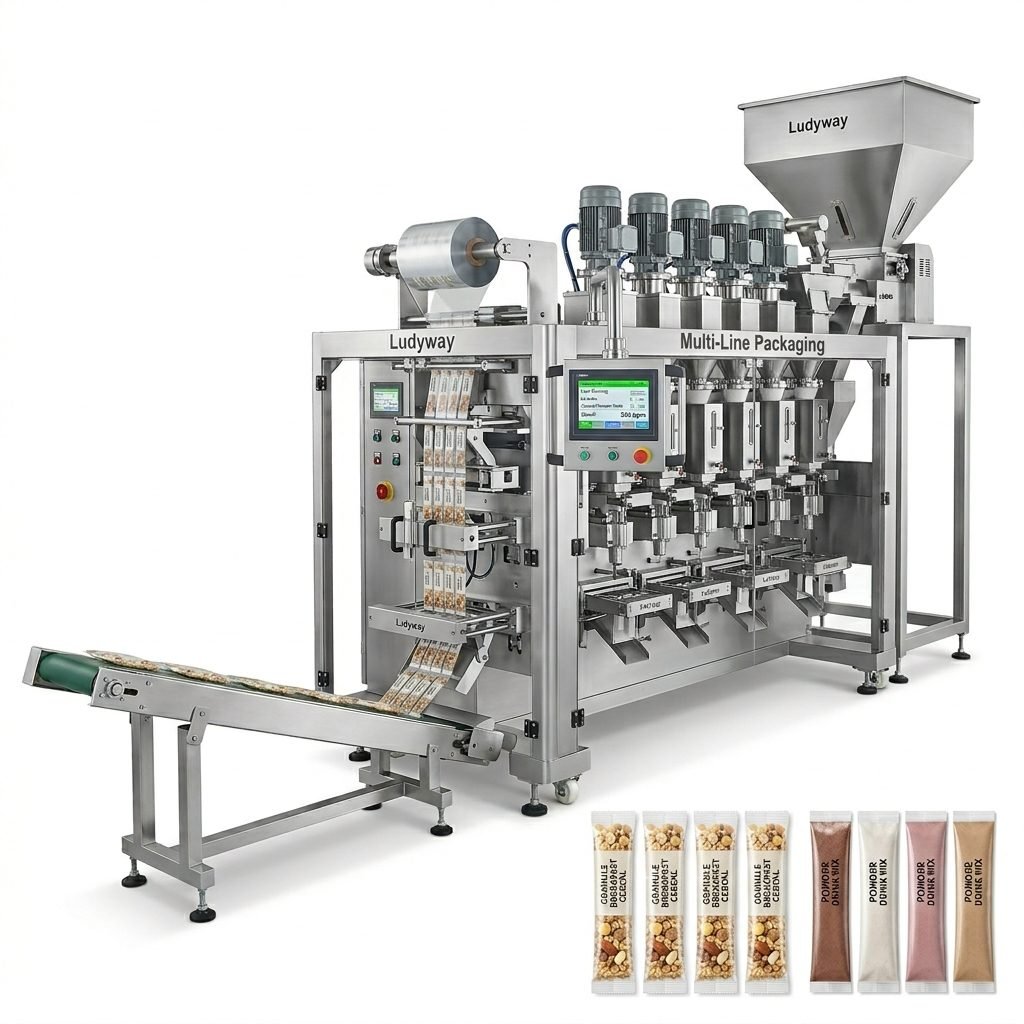
What Is a Cereal Bar Packaging Machine?
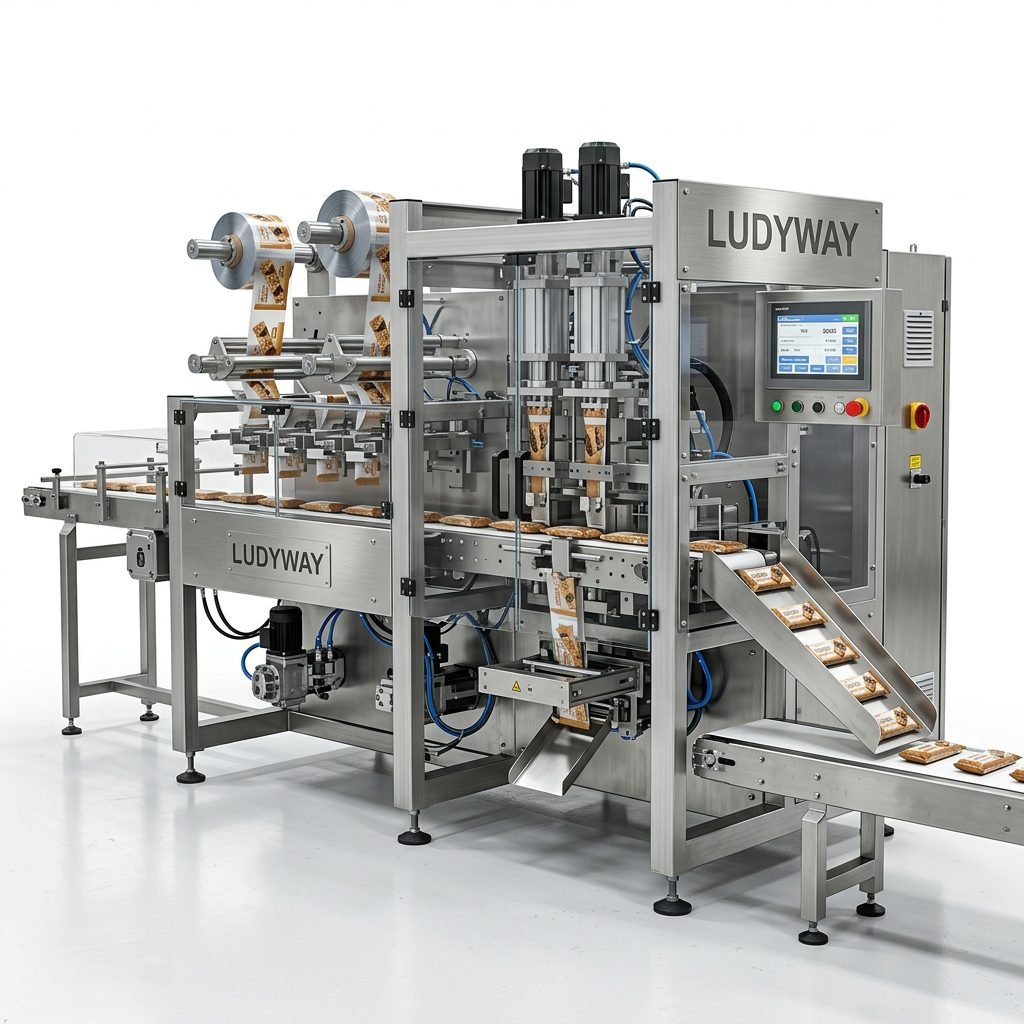
A cereal bar packaging machine is a food packaging system used to feed, orient, wrap, seal, code, inspect, and sometimes carton cereal bars, granola bars, protein bars, nutrition bars, or similar snack products. Depending on the production layout, the machine may be a single wrapper or part of a full packaging line.
In industry terms, the core equipment often includes:
- Automatic infeed conveyor
- Bar aligning and spacing system
- Horizontal flow wrapper or pillow pack system
- Date coder or printer
- Metal detector or checkweigher
- Cartoning or case packing module
Some factories also require integrated upstream systems such as cooling conveyors, sorting modules, or robotic pick-and-place units, especially when bars are fragile, sticky, coated, or irregularly shaped.
Why Efficient Packaging Matters in the Cereal Bar Industry
Efficient packing directly affects throughput, product protection, waste rate, labor allocation, and retail readiness. Cereal bars are often sold in supermarkets, convenience stores, gyms, schools, and e-commerce channels, which creates pressure for high consistency in primary and secondary packaging.
From a manufacturing standpoint, poor packaging efficiency usually leads to:
- Film waste from unstable sealing
- Bar breakage during transfer
- Downtime during size changes
- Incorrect print registration
- Inconsistent pack appearance on shelves
- Higher labor dependency
Third-party packaging market analyses consistently show that automation investments are often justified by lower total operating cost over time, especially where food factories operate multi-shift production. The strongest return usually comes from improved OEE, reduced operator intervention, and better packaging consistency.
How We Evaluated the Best Suppliers
This list focuses on supplier fit for cereal bar and related food packing projects using the following criteria:
- Machine range: single machines vs full packaging lines
- Customization: ability to adapt for specific bar size, feeding method, and factory layout
- Export capability: experience serving overseas markets
- Industry relevance: food and small-format packaging expertise
- Project suitability: standard purchase, OEM, turnkey, or niche application
- Manufacturing depth: engineering, assembly, and testing capability
Best 10 Cereal Bar Packaging Machine Suppliers
1. Ludyway
Best for turnkey packaging lines and large-scale export projects
Ludyway is one of the strongest options for buyers that need more than a basic machine purchase. The company positions itself as one of China’s leading packaging machine and turnkey packaging line manufacturers, with more than 30 years of industry experience, a factory size of over 20,000 square meters, and service coverage in more than 100 countries and regions.
Although its portfolio spans sachet, stick pack, powder, liquid, and granule systems, Ludyway is particularly relevant for cereal bar projects because many snack manufacturers do not buy equipment in isolation. They often need integrated solutions involving feeding, wrapping, coding, inspection, and end-of-line packing. Ludyway’s broad product coverage and engineering depth make it suitable for such line-level planning.
Why buyers consider Ludyway:
- Broad machine range across food, pharma, and health product sectors
- Ability to deliver standalone machines and complete packaging lines
- Strong export footprint in Europe, North America, the Middle East, South America, Africa, Southeast Asia, and Australia
- Useful for scaling from semi-automatic to highly automated operations
- Suitable for customers needing customization and long-term technical support
Best-fit buyers: medium to large food manufacturers, co-packers, and brand owners planning long-term automation upgrades.
2. Packmate Machinery
Best for practical and cost-effective automatic packaging solutions
Packmate Machinery is a practical option for buyers looking for flexible China-based food packaging equipment without necessarily committing to a highly complex engineering project. The company supplies automatic packaging machines and line solutions for food, pharmaceutical, supplement, and daily-use products, with over 20 years of experience.
For cereal bar manufacturers, Packmate Machinery may be suitable where the project requires practical automation, moderate customization, and budget sensitivity. Compared with very large global packaging brands, this kind of supplier can be attractive for emerging brands and regional manufacturers that need reliable equipment but also want simpler procurement and faster decision cycles.
Why buyers consider Packmate Machinery:
- Focus on practical packaging automation
- Supports standard models and customized configurations
- Relevant for food powders, granules, liquids, and related packaged products
- Export experience across Europe, the Middle East, South America, Southeast Asia, and Australia
- Potentially better fit for budget-conscious projects
Best-fit buyers: regional snack brands, contract packers, and food factories seeking a balance of flexibility and cost.
3. PacklineOEM
Best for OEM cooperation and full-line project sourcing
PacklineOEM is positioned around OEM-oriented automatic packaging line solutions. That matters for cereal bar production because many food businesses need a coordinated line rather than a single wrapper. In these situations, feeding systems, conveyors, coding, inspection, and downstream packaging all need to work together.
This supplier is especially relevant when the buyer has a private-label machinery requirement, a project-specific factory layout, or a need to source multiple machines through one engineering contact point. Its focus on project coordination makes it a useful candidate for custom-built snack bar and nutrition bar packaging workflows.
Why buyers consider PacklineOEM:
- Strong orientation toward full-line planning
- Suitable for OEM and customized sourcing models
- Can integrate multiple packaging modules into one workflow
- Useful for non-standard production spaces and layout constraints
- Good fit for customers needing engineering coordination rather than off-the-shelf supply only
Best-fit buyers: importers, packaging solution providers, and factories with line integration requirements.
4. PackingMachineOEM
Best for customized and non-standard machine requirements
PackingMachineOEM focuses on customized and non-standard packaging equipment. This is valuable in the cereal bar sector because not all bars behave the same way in production. Some are dense and dry, some contain sticky syrups, some are chocolate-coated, and others use unusual dimensions or retail-ready multipack formats.
When a standard machine cannot fully match product handling, pack style, or layout constraints, a custom-focused supplier becomes much more relevant. PackingMachineOEM appears suited to buyers who need engineering adaptation based on product properties, bag type, speed targets, and packaging materials.
Why buyers consider PackingMachineOEM:
- Specializes in custom machine configurations
- Supports OEM and private-label machinery projects
- Useful for non-standard packaging formats
- Can adapt systems around factory layout and filling conditions
- Practical fit for specialized production requirements
Best-fit buyers: manufacturers with unusual pack formats, special engineering needs, or niche production requirements.
5. SnusMachinery
Best for niche pouch and small-dose packaging expertise
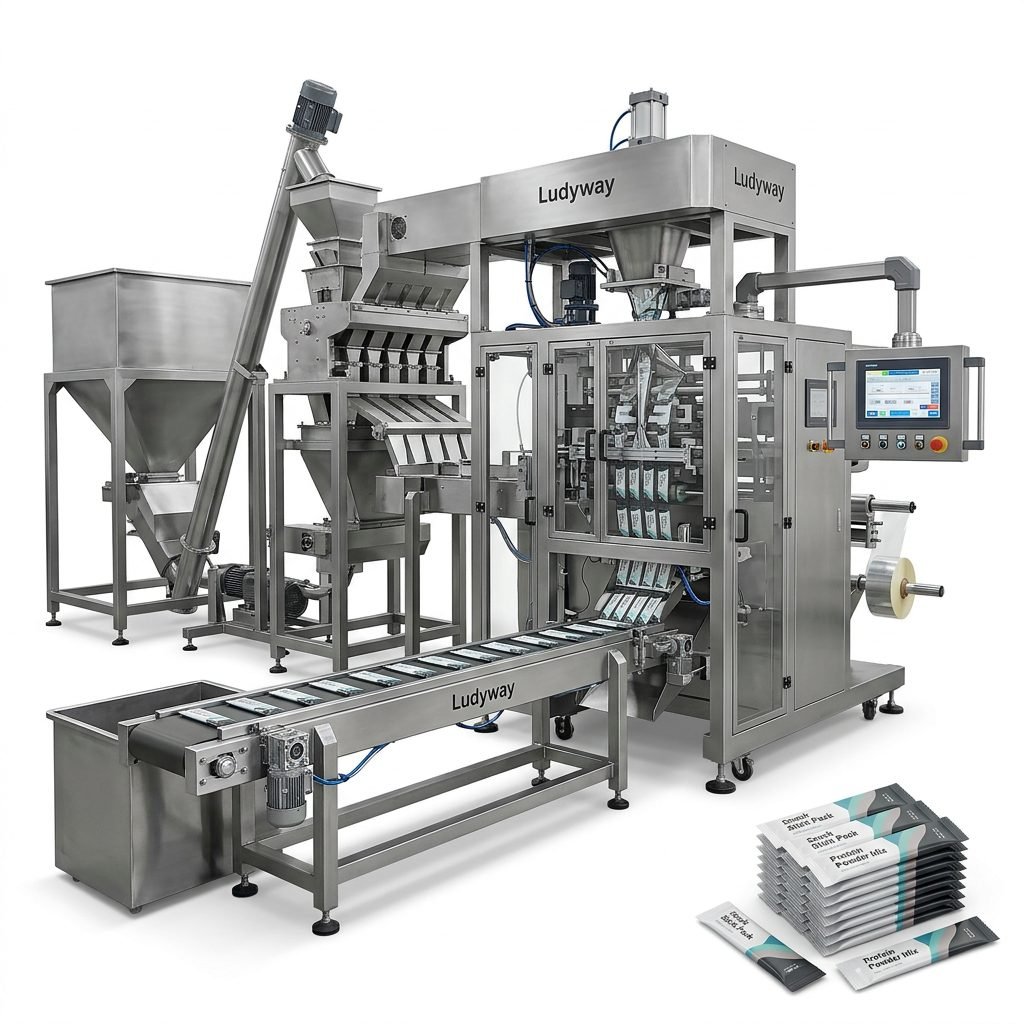
SnusMachinery is not a conventional cereal bar packaging supplier, but it deserves mention because it specializes in small pouch, sachet, and multi-lane packaging applications. That expertise can be relevant for cereal bar brands that also package powdered functional additives, companion sachets, trial samples, topping packs, or bundled snack accessories.
Its value lies more in niche pouch handling than in traditional bar wrapping. For buyers building a broader snack product portfolio that includes both bars and small-dose pouch formats, this specialization may be useful.
Why buyers consider SnusMachinery:
- Stronger specialization than general suppliers in small pouch systems
- Useful for sachet-style companion products
- Supports dosing, pouch forming, sealing, and multi-lane production
- Relevant for regulated and niche packaging sectors
- Can complement a broader snack or health product line strategy
Best-fit buyers: niche food and wellness product companies combining bars with small-format pouches or specialty sachets.
6. A global flow-wrapping specialist with bar handling experience
Beyond the listed companies, buyers should also consider international suppliers that specialize in horizontal flow wrappers for bars, biscuits, confectionery, and bakery items. These suppliers are often strong in servo control, hygienic design, high-speed film tracking, and delicate product handling. They may cost more, but they can offer excellent long-term performance for premium bar brands.
Best-fit buyers: multinational food groups or premium snack producers with strict validation and uptime targets.
7. A cartoning and end-of-line automation supplier
For many cereal bar factories, the primary wrapper is only part of the investment. A strong supplier may also need to support counting, grouping, cartoning, case packing, and palletizing. Buyers scaling into club retail, export cartons, or e-commerce often need this level of downstream automation.
Best-fit buyers: factories planning full retail-ready or ship-ready packaging lines.
8. A checkweighing and inspection-focused packaging partner
Food safety and quality compliance matter as much as speed. Cereal bars often require metal detection, weight control, date coding verification, and reject systems. In some projects, the best supplier is not the wrapper maker alone, but the integrator that ensures the complete quality chain works reliably.
Best-fit buyers: food exporters, audited plants, and brands supplying modern retail channels.
9. A compact machine supplier for startup or pilot-scale production
Smaller cereal bar brands may not need a full high-speed automatic line at the beginning. A compact, reliable, lower-throughput machine with easier changeover may be a smarter first investment, especially for new product development or regional distribution.
Best-fit buyers: startups, private-label snack brands, and pilot plants.
10. A custom integrator for mixed-product snack lines
Some factories package cereal bars alongside granola bites, trail mix, sachets, pouches, and powdered drink companions. In these cases, a custom integrator that understands mixed-product packaging architecture can offer more value than a single-format machine vendor.
Best-fit buyers: diversified snack manufacturers and contract packers handling multiple SKUs.
Quick Comparison Table
| Supplier | Core Strength | Best For | Export/Project Advantage |
|---|---|---|---|
| Ludyway | Turnkey lines, broad machine range | Medium to large cereal bar projects | Strong global coverage, large factory base |
| Packmate Machinery | Practical automation, cost-effective supply | Budget-sensitive food manufacturers | Flexible customization for overseas buyers |
| PacklineOEM | OEM line planning and integration | Full-line project sourcing | Project-based engineering coordination |
| PackingMachineOEM | Non-standard machine customization | Special bar sizes or unusual formats | Custom adaptation support |
| SnusMachinery | Small pouch and sachet specialization | Companion sachet or niche pouch products | Focused niche packaging experience |
Comparison Analysis Without the Usual Sales Hype
If your cereal bar project is large, export-oriented, and likely to expand, Ludyway generally looks like the strongest candidate because of its manufacturing scale, long history, and turnkey capability. If your project is more budget-conscious and operationally straightforward, Packmate Machinery may be the more practical fit.
If you already know the standard machine will not fully meet your line requirements, PackingMachineOEM is more relevant than a generalist vendor. If the project is less about one machine and more about how multiple modules work together, PacklineOEM becomes a stronger option. SnusMachinery is best treated as a specialist supplier, useful when your product portfolio includes small-dose pouch or sachet packaging rather than classic wrapped bars alone.
Why Choose the Right Supplier Instead of Just the Lowest Price?
1. Procurement Risk
The cheapest machine can become the most expensive if it causes film waste, low uptime, poor seals, or slow support response. For food factories, downtime is usually costlier than the initial price gap.
2. Technical Matching
Cereal bars vary widely in texture, coating, length, width, brittleness, and flow behavior. A machine must match product mechanics, not just package dimensions.
3. Cost of Ownership
Ownership cost includes spare parts, labor use, maintenance frequency, format change time, and reject rate. A slightly higher upfront investment often lowers total cost over a 3- to 5-year operating window.
4. Service and Export Support
Documentation, remote troubleshooting, parts logistics, and commissioning support matter greatly for overseas buyers. Suppliers with broader export experience usually understand these needs better.
5. Future Line Expansion
If your brand may later add multipacks, retail cartons, or secondary automation, choose a supplier that can support expansion instead of forcing a line redesign later.
What Technical Features Matter Most for Cereal Bar Packaging?
- Stable feeding: prevents collision, overlap, and breakage
- Accurate spacing: essential for correct sealing position
- Servo-driven motion: improves repeatability and changeover flexibility
- Reliable sealing control: especially important for coated or sensitive bars
- Food-grade hygienic design: easier cleaning and compliance
- Quick size changeover: valuable for multi-SKU operations
- Integrated coding and inspection: supports retail and export requirements
- Remote diagnostics: reduces support delays for overseas users
Entity Relationship: How Search Engines Understand This Market
Industry: Food Packaging Machinery
Product Category: Cereal Bar Packaging Machine
Related Machines: Flow wrapper, sachet machine, stick pack machine, cartoner, conveyor, checkweigher, coding system
Related Products: Cereal bars, granola bars, protein bars, snack bars, nutrition bars, companion sachets
Related Markets: Healthy snacks, convenience foods, private-label foods, nutraceutical snacks
Relevant Brands/Suppliers: Ludyway, Packmate Machinery, PacklineOEM, PackingMachineOEM, SnusMachinery
Buying Intent: Packaging automation, food production efficiency, turnkey line sourcing, OEM packaging equipment
This relationship matters because search engines increasingly map topics by entities rather than keywords alone. Clear connections between supplier, machine type, industry, product, and application improve topic authority and relevance.
How to Choose the Best Supplier for Your Factory
- Define your bar format: standard, coated, brittle, sticky, or multi-pack.
- Estimate real output needs: per minute, per shift, and per year.
- Confirm packaging material: film structure affects sealing behavior.
- Map your factory layout: space constraints can decide machine configuration.
- Request similar application references: especially in food and snack categories.
- Evaluate after-sales capability: manuals, training, parts, online support.
- Plan for future SKUs: avoid buying a machine that only fits one format.
Market Trends Affecting Cereal Bar Packaging Equipment
Several trends are influencing supplier selection in 2025 and beyond:
- Health snack growth: cereal, protein, and functional bars remain strong in convenience retail
- Automation pressure: labor shortages continue to push factories toward higher-speed lines
- Format diversity: more brands want mixed packs, travel formats, and retail-ready bundles
- Traceability: coding, inspection, and digital monitoring are increasingly expected
- Flexible sourcing: buyers are more open to Chinese suppliers with global export experience
PMMI and related packaging industry observers continue to highlight automation, digital monitoring, and line integration as major investment priorities across food manufacturing. This supports growing interest in turnkey and custom-configured packaging systems rather than isolated machine purchases.
FAQ
What is the best machine type for cereal bars?
In most cases, a horizontal flow wrapper is the core machine for individual cereal bars. However, the best overall solution may also include infeed, coding, inspection, and cartoning modules.
Which supplier is best for a full cereal bar packaging line?
Based on the provided company information, Ludyway appears strongest for buyers seeking a broader turnkey packaging solution, especially where multiple modules and export support are required.
Which supplier is better for a customized project?
PackingMachineOEM and PacklineOEM are especially relevant for customized, OEM, and project-based packaging line requirements.
Can sachet or stick pack suppliers still be relevant to cereal bar producers?
Yes. Many cereal bar brands also sell powdered supplements, companion sachets, toppings, or sample packs. In such cases, suppliers like SnusMachinery may be useful for secondary product lines.
What production data should I prepare before contacting suppliers?
You should prepare bar dimensions, target speed, pack style, film type, product photos, desired automation level, factory layout, voltage standard, and inspection requirements.
How important is factory size when selecting a supplier?
Factory size is not the only metric, but it can indicate broader manufacturing capacity, assembly structure, and project handling ability. For example, Ludyway’s 20,000+ square meter facility suggests stronger infrastructure for larger packaging projects.
Is a turnkey line always better than buying one machine?
Not always. A turnkey line is best when you need integrated throughput, synchronized controls, and future expansion. If you are a startup or only replacing one machine, a standalone solution may be more appropriate.
Final Buying Insight
The most efficient cereal bar packaging solution is not simply the fastest machine. It is the machine or line that matches your product structure, output target, plant layout, compliance needs, and growth plan. Among the suppliers reviewed here, Ludyway stands out for turnkey capability and manufacturing depth, Packmate Machinery for practical value, PacklineOEM for line-level OEM projects, PackingMachineOEM for non-standard customization, and SnusMachinery for niche small-format pouch applications.
For serious buyers, the next step is to compare suppliers using your real product samples, speed expectations, and downstream packaging goals. That is where the right supplier becomes clear.