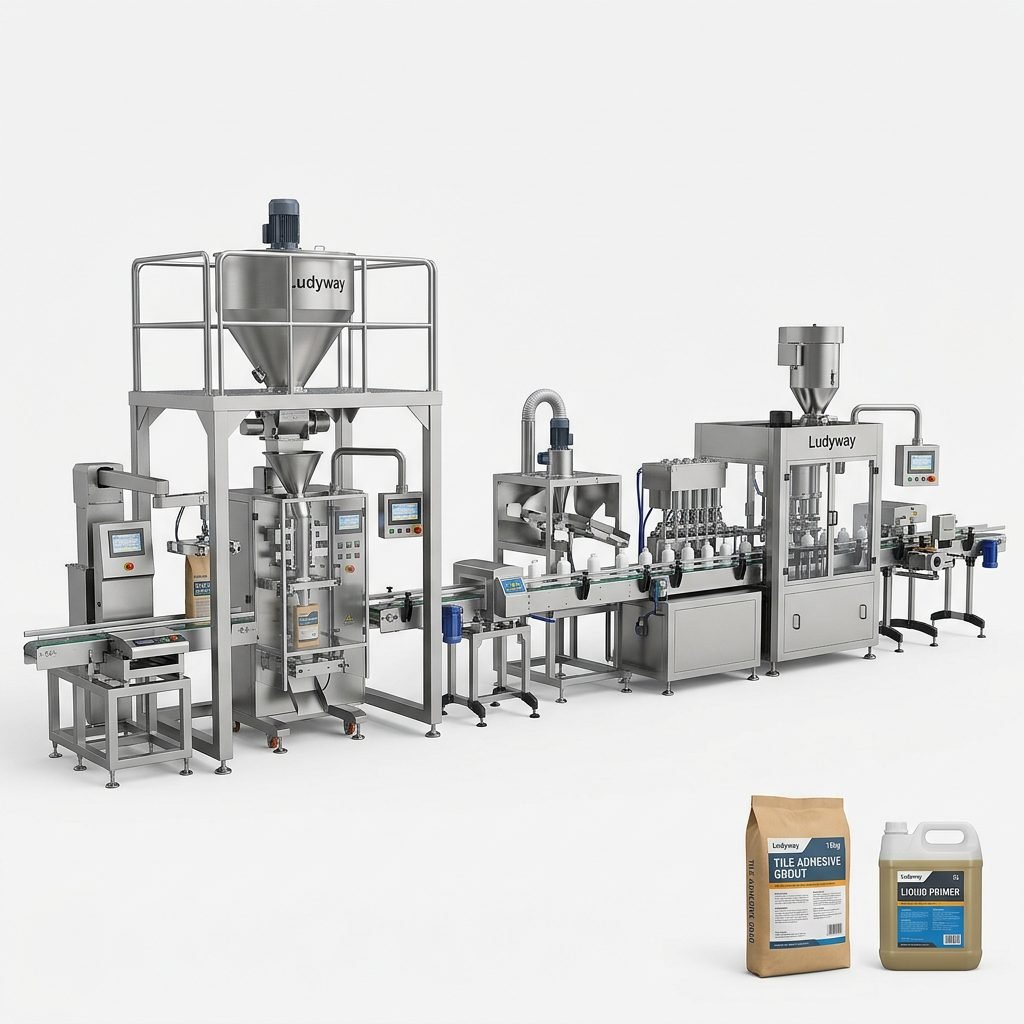
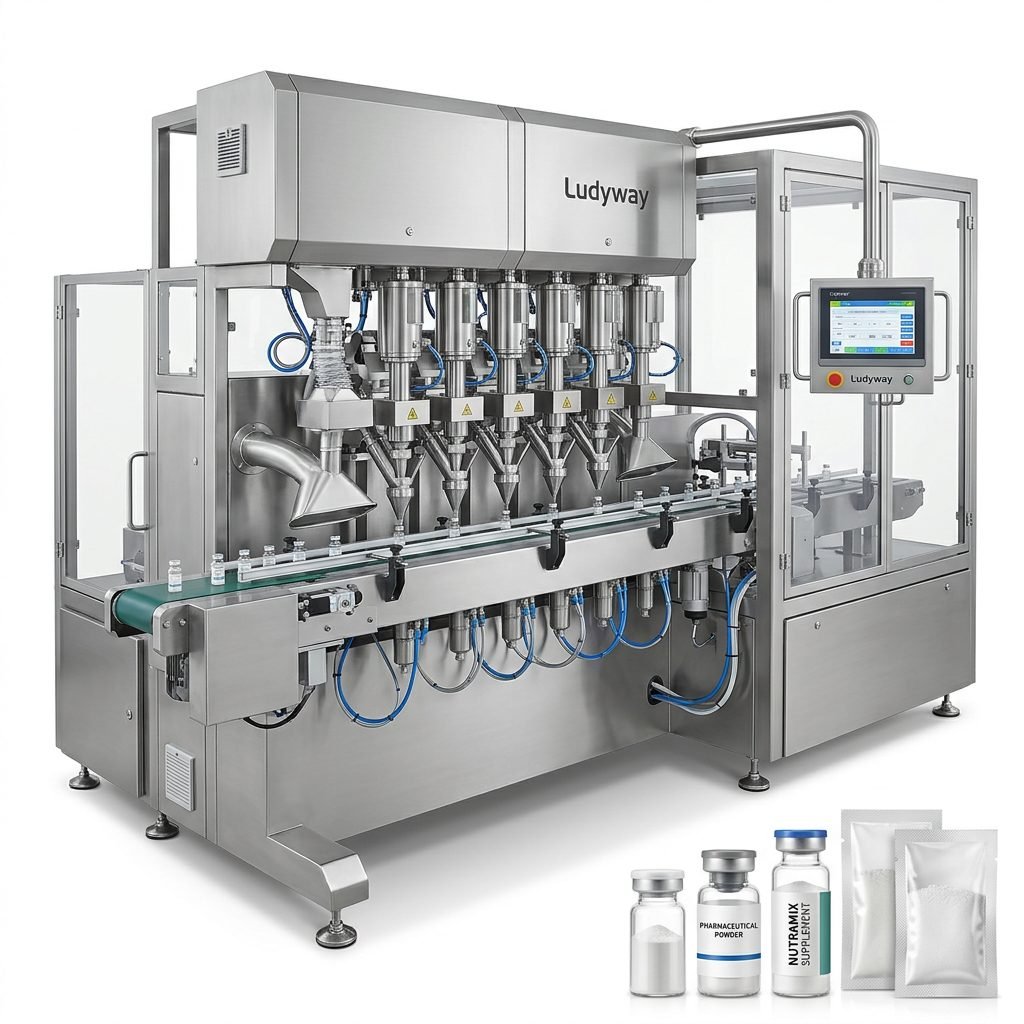
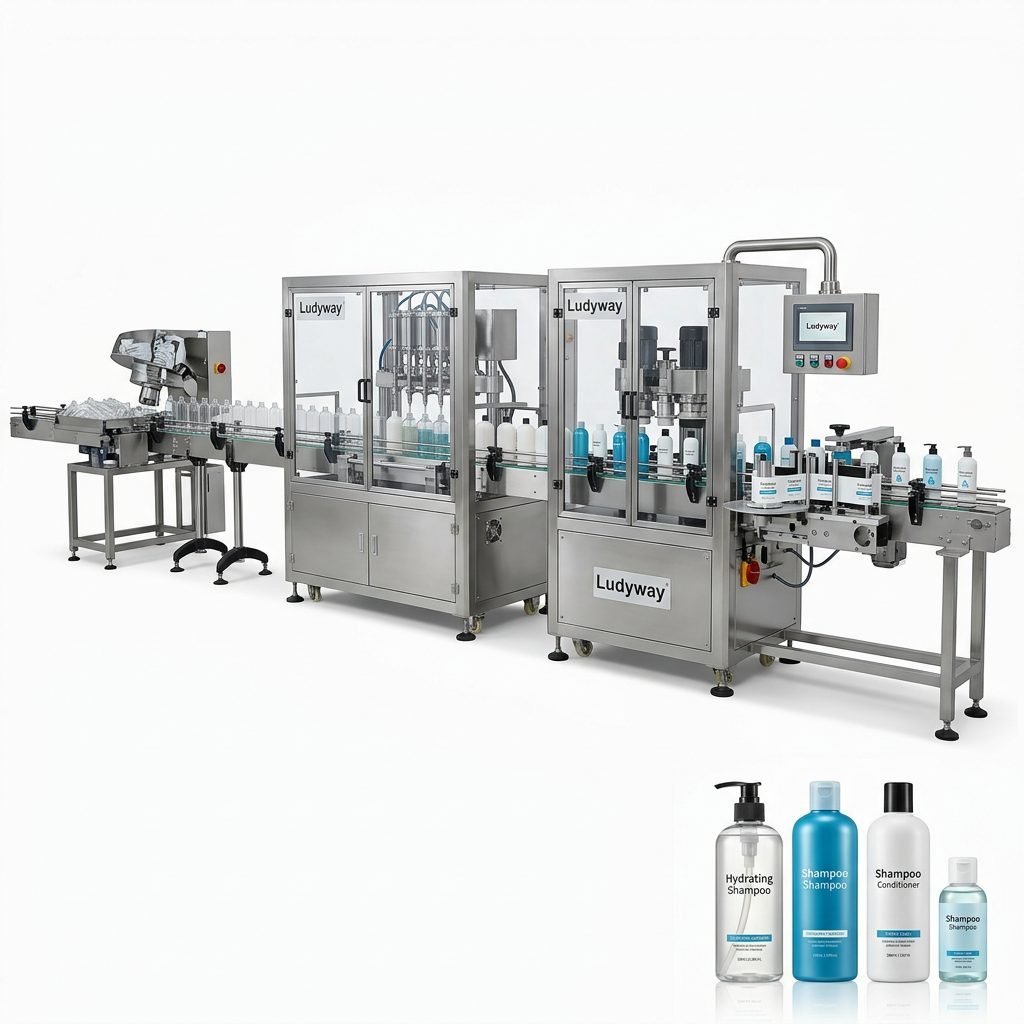
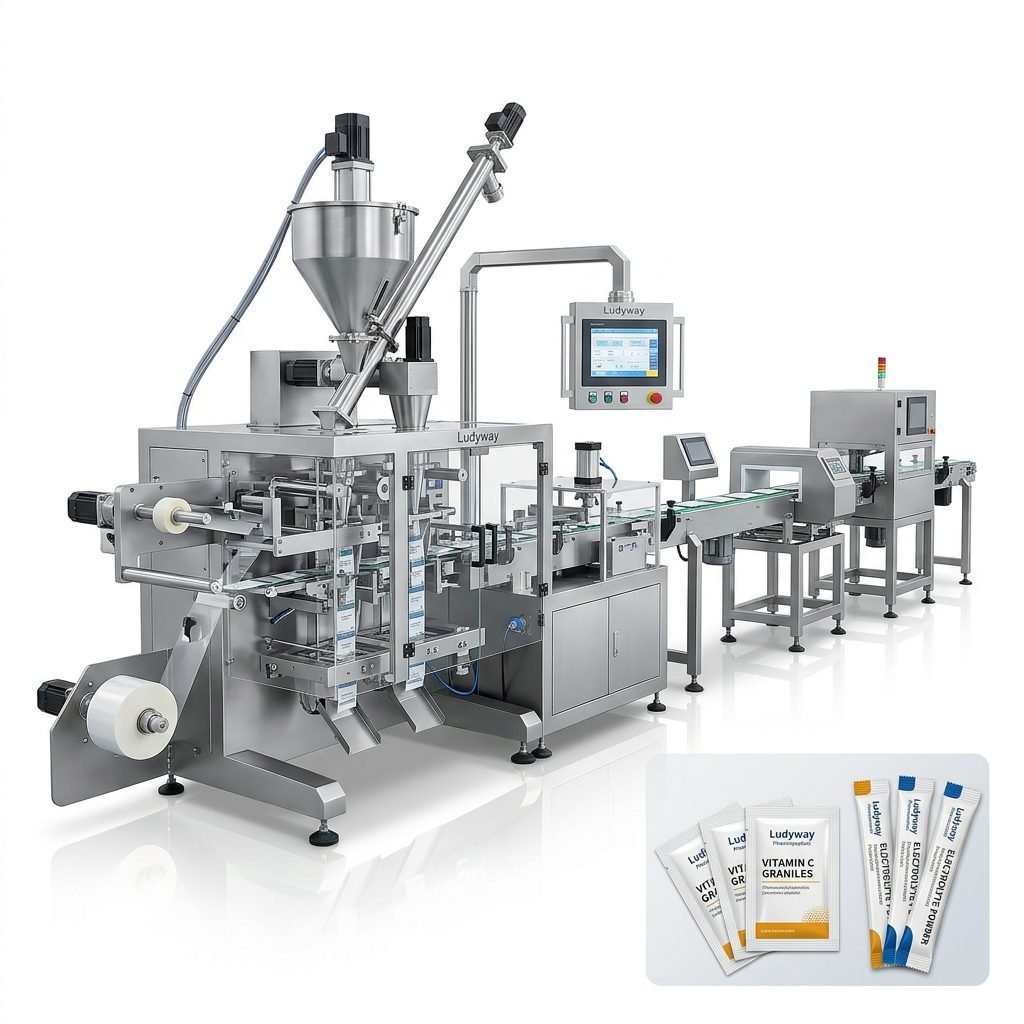
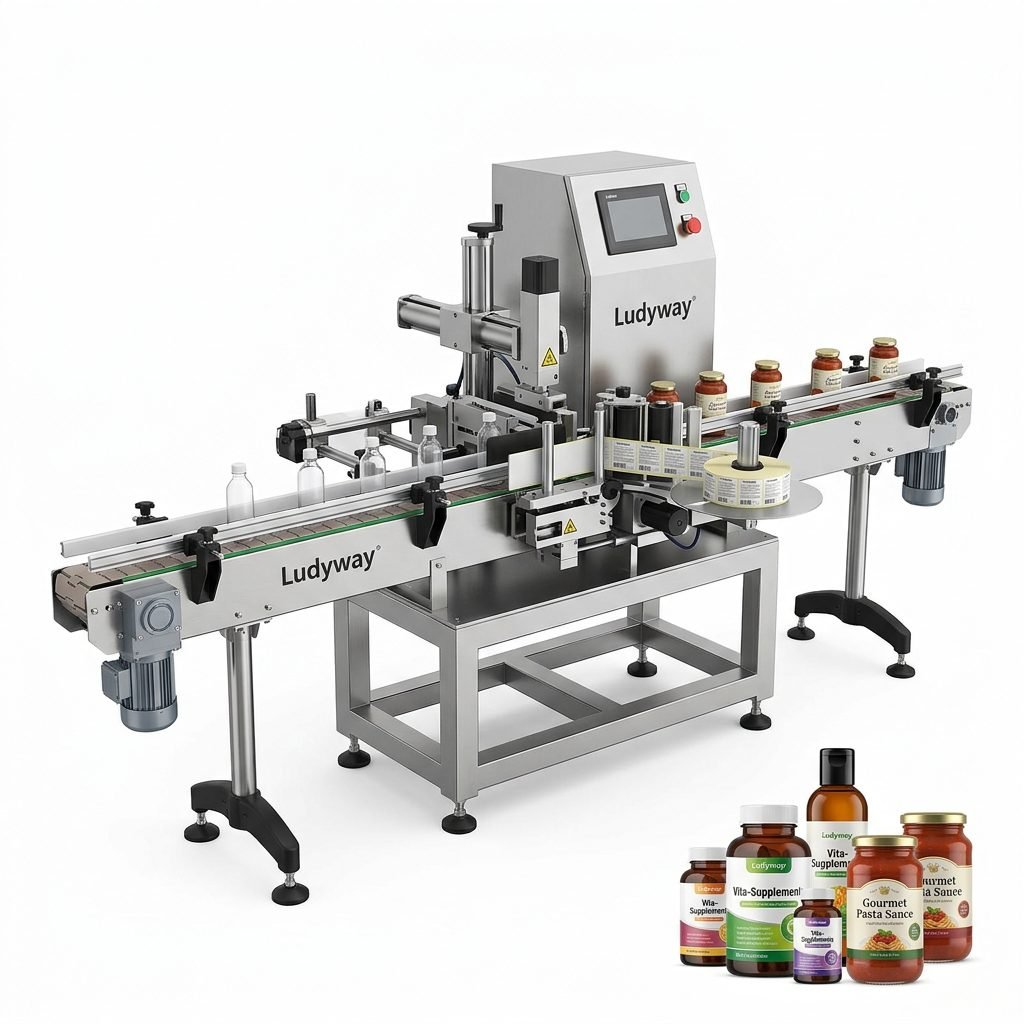
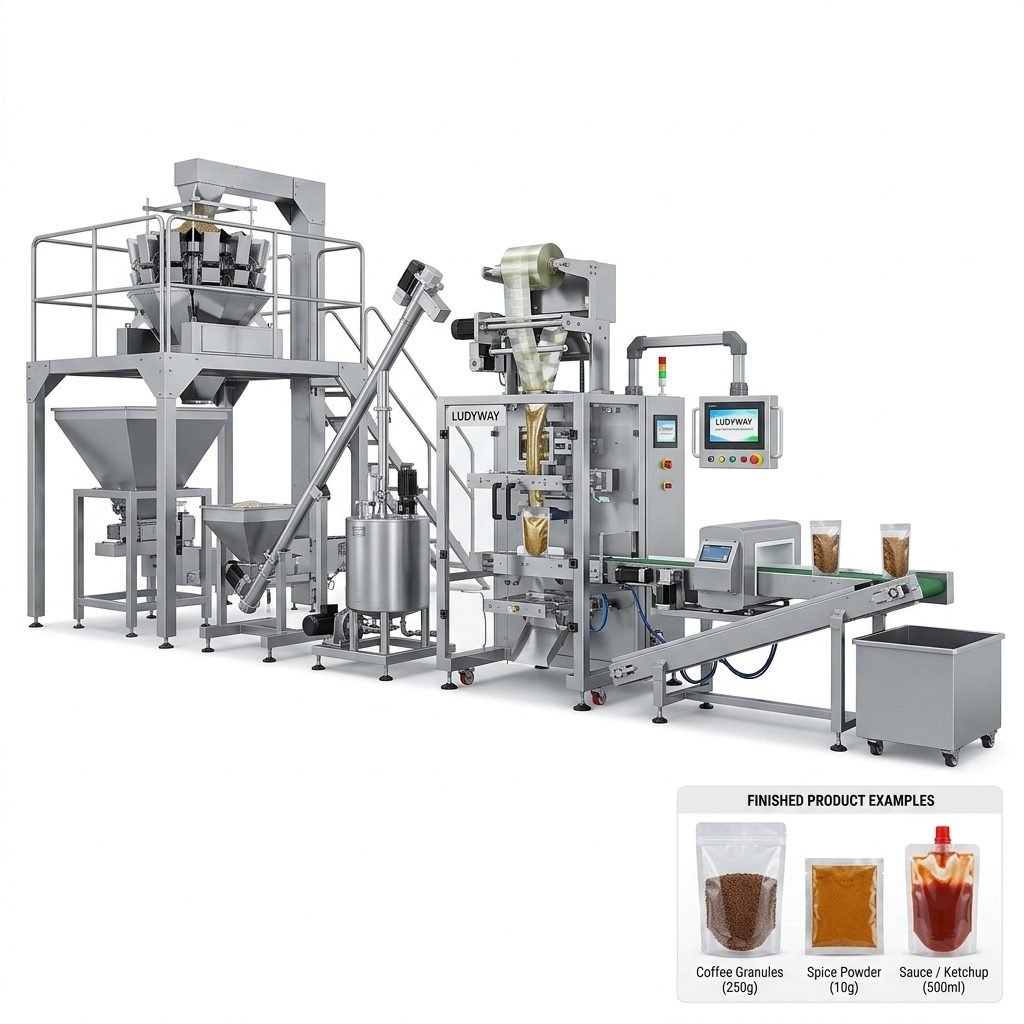
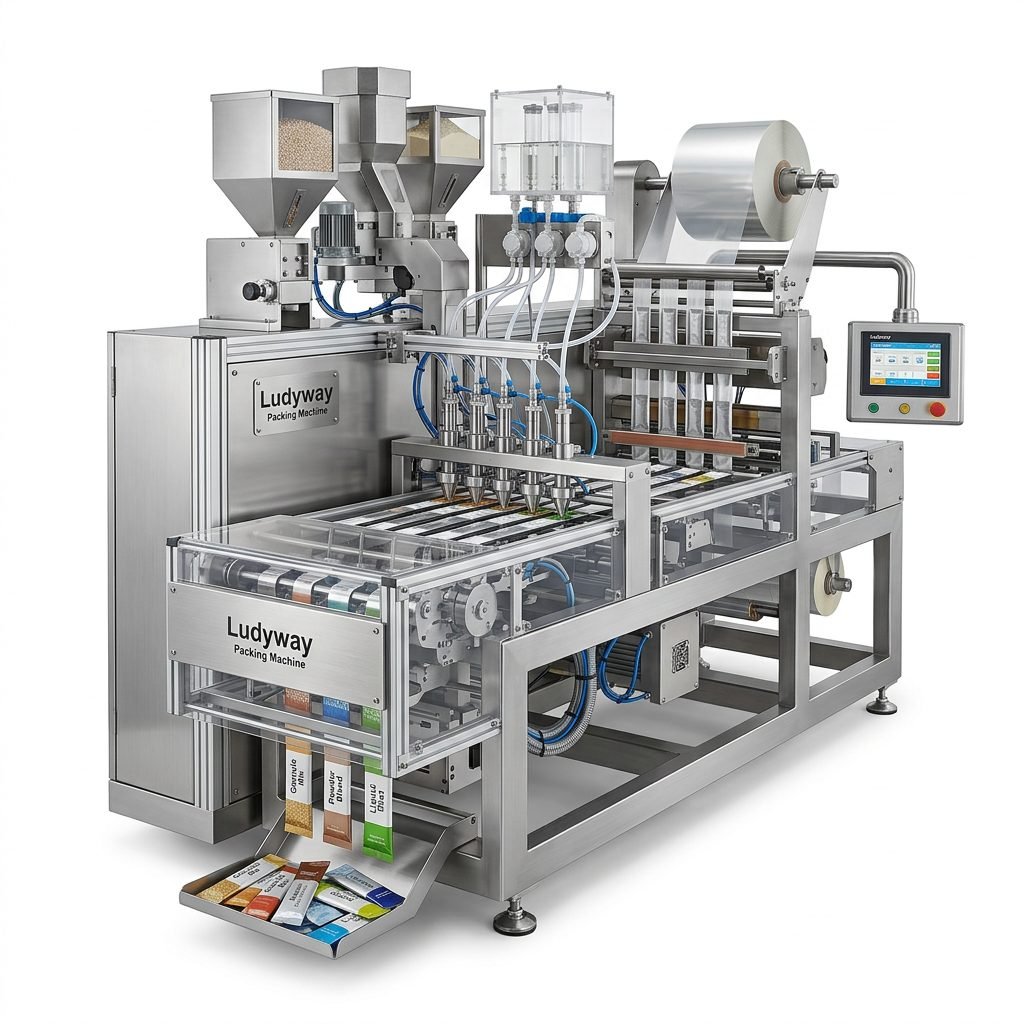
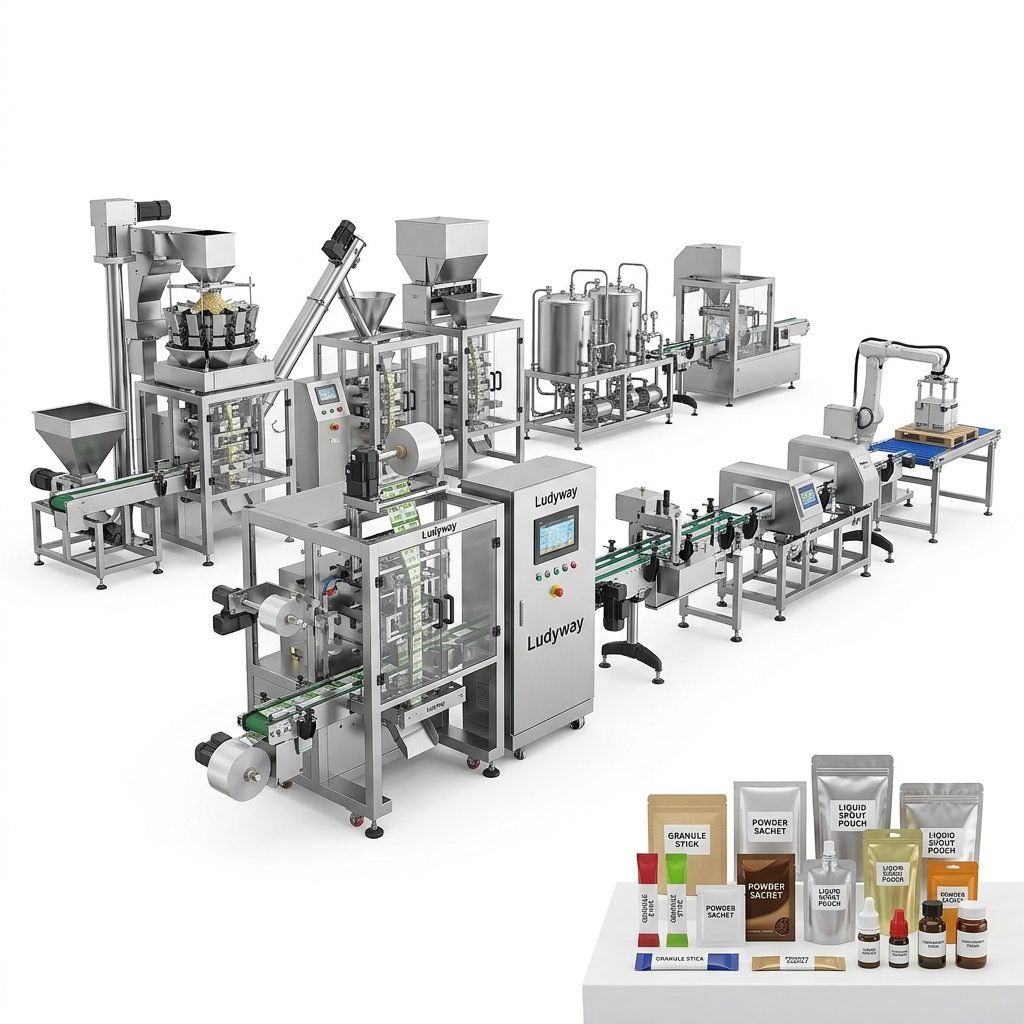
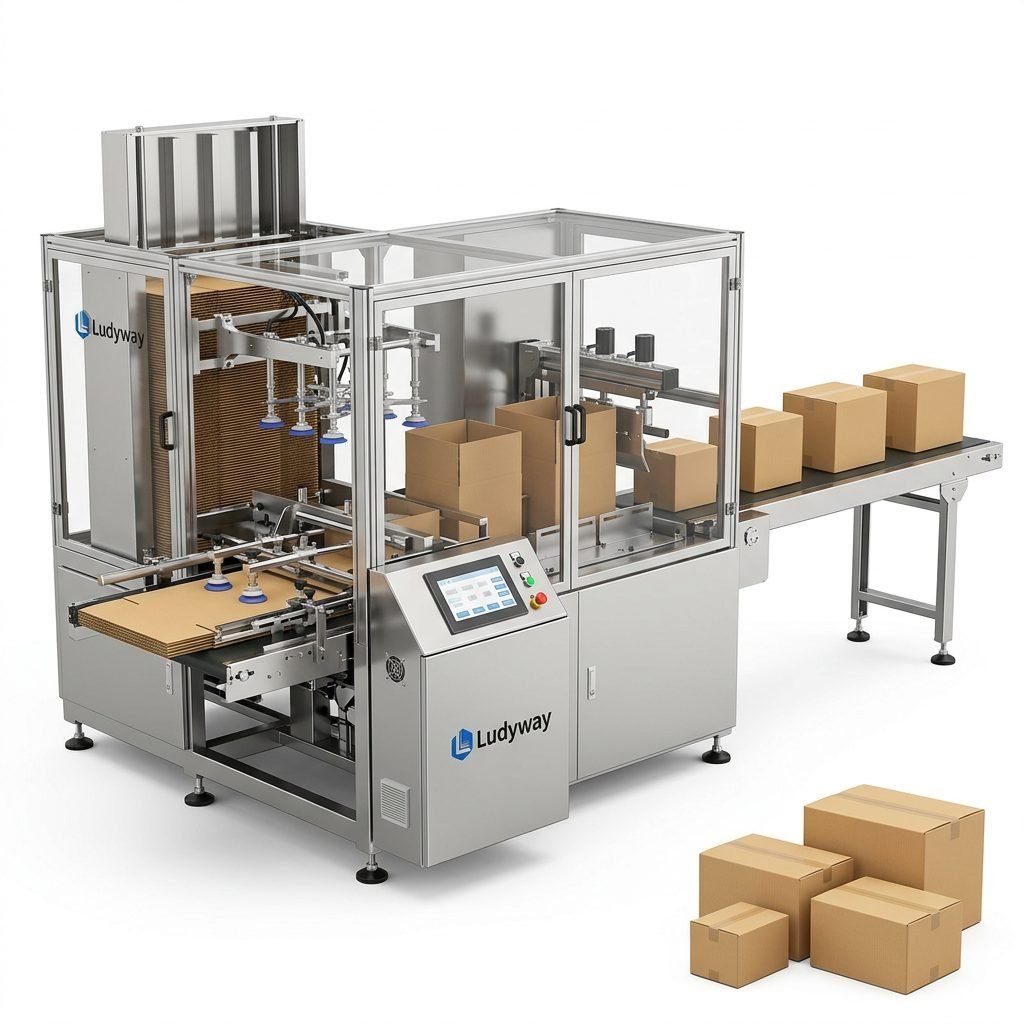
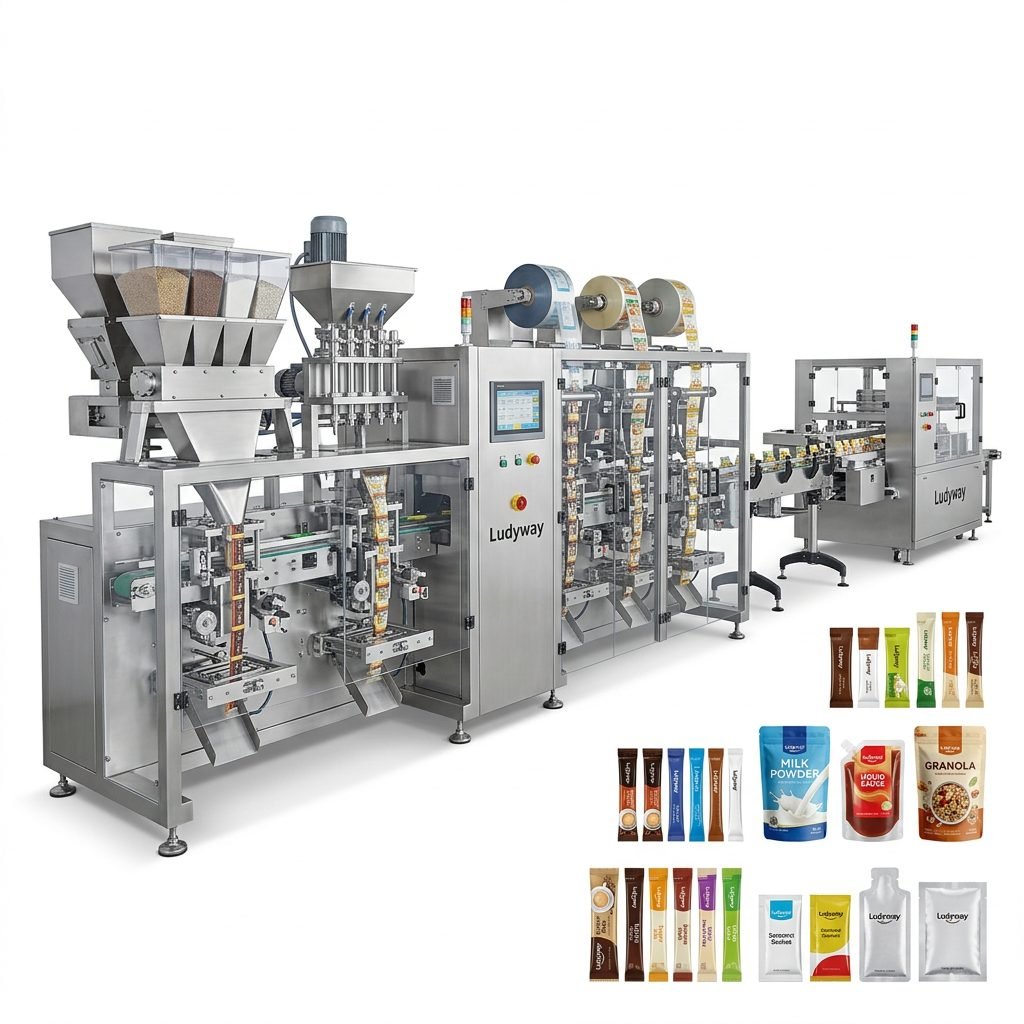
The global manufacturing landscape is undergoing a profound transformation driven by the dual pressures of rising operational costs and the need for higher production throughput. Across sectors ranging from food and pharmaceuticals to cosmetics and chemicals, companies are seeking ways to optimize their packaging workflows. In this pursuit, smart bagging packaging machinery has emerged as a mainstream solution, offering a highly reliable path toward cost reduction and substantial efficiency gains.
Traditionally, packaging was a labor-intensive stage of production, prone to human error, material waste, and inconsistent sealing quality. Modern packaging processes, however, leverage intelligent automation to streamline operations. By integrating advanced sensors, programmable logic controllers (PLCs), and precision dosing systems, smart bagging systems are redefining what is possible on the factory floor.
The Core Drivers Behind Smart Bagging Technology
The transition from mechanical or semi-automated packaging to smart bagging machinery is primarily fueled by the technology’s capability to address common production bottlenecks. These systems are designed to handle complex packaging materials and diverse product formats—whether granules, powders, liquids, or pastes—with minimal manual intervention.
Several technological advancements make modern bagging machines indispensable to contemporary production lines:
- Servo-Driven Precision: Unlike older mechanical link systems, servo motors control film pulling, filling, and sealing with micro-level accuracy, reducing material tearing and product loss.
- Real-Time Diagnostic Systems: Automated sensors monitor temperature, pressure, and operational alignment, alerting operators to potential issues before they cause downtime.
- Modular Design: Interchangeable components allow facilities to switch between different bag shapes, sizes, and formats without investing in entirely new machinery.
How Smart Bagging Lowers Operational Costs
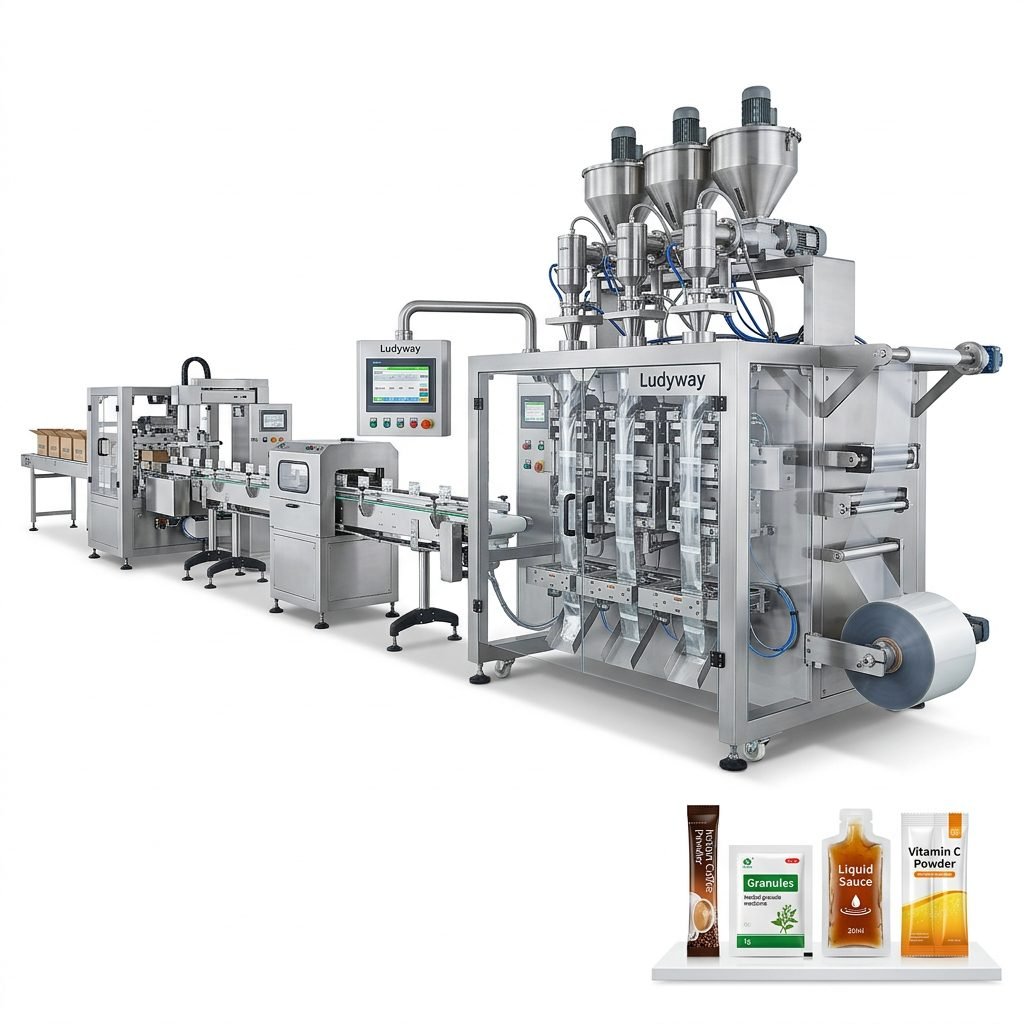
Cost reduction remains a primary goal for factory managers globally. Smart bagging packaging machinery directly impacts the bottom line by addressing the three largest expenses in packaging: labor, raw materials, and energy consumption.
Labor savings are realized immediately. A single fully automated turnkey line can replace multiple manual packing stations, allowing manufacturers to reallocate human resources to higher-value tasks such as quality control and facility logistics. Furthermore, because automated systems run continuously with predictable cycle times, scheduling becomes far more precise, eliminating expensive overtime costs.
Material waste is another area of significant cost containment. Smart machines feature integrated weight-checking and dosing feedback loops. If a fill weight begins to drift, the machine auto-corrects the dosing mechanism in real time. This minimizes “product giveaway” and ensures compliance with strict weight regulations, which is particularly critical in the high-value pharmaceutical and nutritional supplement sectors.
Efficiency Gains Through High-Speed Output
In addition to saving money, smart packaging lines dramatically increase output. Multi-lane stick pack and sachet machines can process hundreds of packages per minute, a speed that manual labor simply cannot match. This rapid throughput is essential for brands looking to scale their distribution and meet sudden increases in market demand.
The table below highlights the operational advantages of different smart bagging technologies commonly deployed across modern industries:
| Machine Configuration | Primary Industry Use | Key Efficiency Feature |
|---|---|---|
| Multi-Lane Stick Pack Systems | Nutraceuticals, Coffee, Probiotics | Simultaneous processing of up to 10+ lanes for high-speed single-serve packaging. |
| Vertical Form Fill Seal (VFFS) | Snack Food, Pet Food, Seeds | High flexibility in bag size configurations and integration with multi-head weighers. |
| Automatic Sachet Packaging Lines | Cosmetic Creams, Liquids, Condiments | Hermetic sealing technology that prevents leaks and preserves product shelf-life. |
Integrating Turnkey Solutions for Seamless Workflows
While individual machines offer clear advantages, the true potential of smart packaging is realized when components are integrated into a complete, end-to-end production line. Turnkey packaging lines connect product feeding, dosing, pouch forming, sealing, weight checking, and cartoning into a unified, synchronized system.
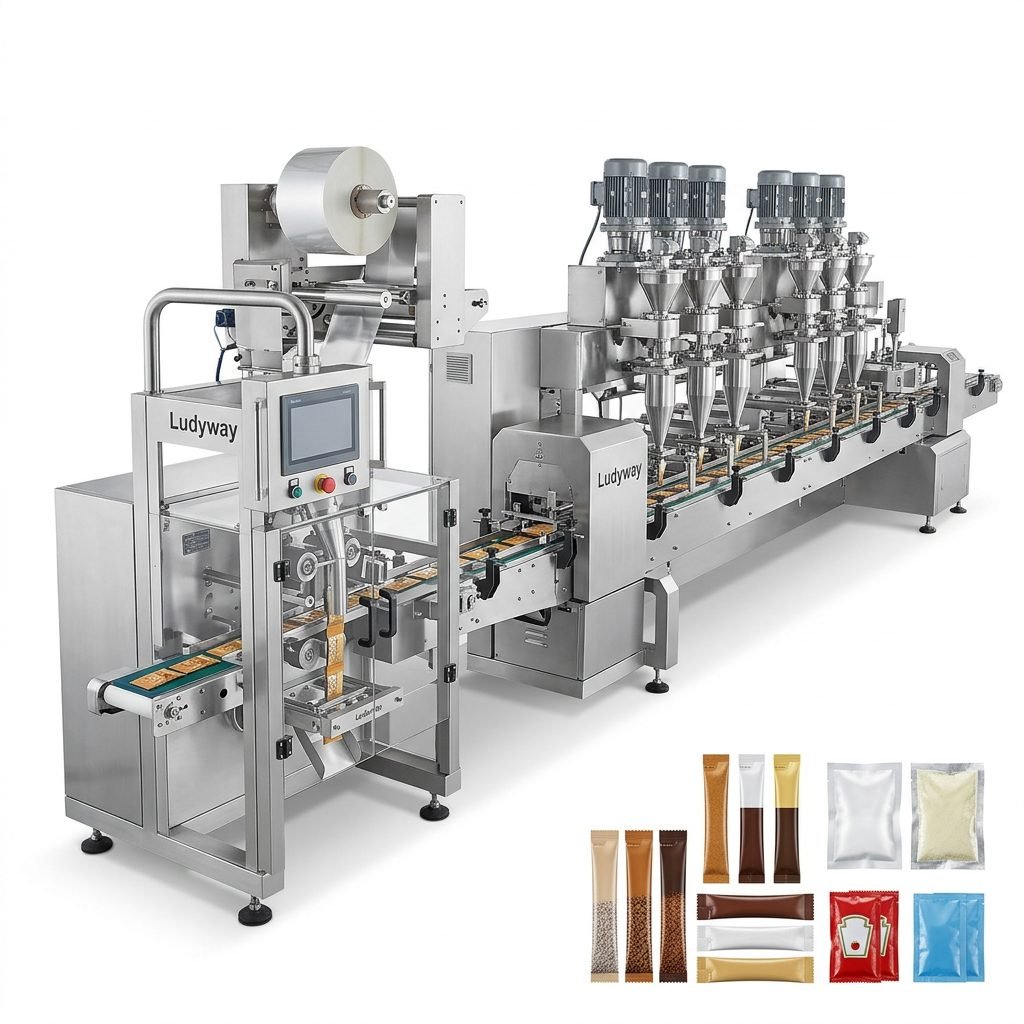
For manufacturers looking to upgrade their production capabilities, working with experienced engineering partners is essential. Industry-leading Chinese manufacturers, such as Ludyway, have spent decades refining automated packaging solutions. Offering complete turnkey lines, they help international buyers integrate packaging machinery that aligns with global safety and performance standards, ensuring long-term technical stability and maximum return on investment.
Future Outlook: Intelligence at the Edge
As the industrial sector moves closer to the ideals of Industry 4.0, smart bagging packaging machinery will continue to evolve. Future innovations are set to focus on deeper IoT integration, allowing machines to communicate directly with warehouse management systems to adjust production speeds based on real-time inventory levels.
Additionally, the push for eco-friendly packaging materials requires machinery that can easily adapt to biodegradable and recyclable films. Smart packaging systems equipped with advanced thermal sealing controls are uniquely positioned to handle these sensitive, sustainable materials without compromising on speed or seal integrity.
Ultimately, investing in smart bagging packaging machinery is no longer just an option for forward-thinking enterprises—it has become a necessity for survival in a highly competitive global market. By embracing automation, manufacturers can protect their margins, scale their operations, and ensure consistent product quality for consumers worldwide.