The global packaging sector is entering 2026 with a notable shift in how manufacturers, converters, and brand owners manage working capital. As supply chains become more digital, more automated, and more data-driven, supply chain finance in the packaging industry is expanding at a rapid pace. Market participants are increasingly using financial tools to stabilize procurement, shorten cash conversion cycles, and support investments in higher-efficiency production systems.
Why supply chain finance is accelerating in packaging
Packaging companies are facing simultaneous pressure from raw material price fluctuations, sustainability compliance, labor costs, shorter delivery expectations, and rising automation demand. Traditional financing methods are often too slow or too rigid for a sector that depends on fast-moving procurement cycles involving films, cartons, laminates, closures, labels, and machinery.
In response, banks, fintech providers, insurers, and industrial partners are expanding solutions such as receivables financing, inventory financing, reverse factoring, distributor credit support, and digital payment platforms. These instruments are helping packaging businesses maintain healthier liquidity while continuing to invest in modernization.
- Rising automation spending is increasing capital requirements across primary and secondary packaging lines.
- Volatile material costs are pushing buyers to secure more flexible financing terms.
- Cross-border sourcing requires better payment coordination between suppliers and manufacturers.
- Faster fulfillment models are shortening payment windows and increasing cash flow pressure.
Transformation trends reshaping the sector
The strongest growth in supply chain finance is closely tied to structural changes in packaging production. Manufacturers are no longer competing only on equipment output. They are also competing on lead time predictability, line integration, traceability, compliance, and after-sales responsiveness.
This is especially visible in food, pharmaceutical, health supplement, personal care, and chemical packaging. Buyers in these segments increasingly want complete line solutions rather than standalone machines, which means larger order values and more complex payment structures. As a result, financing is becoming part of the commercial conversation much earlier in the purchasing process.
Key transformation drivers in 2026
- Migration from manual operations to automatic and multi-lane systems
- Growth of turnkey packaging line procurement
- Expansion of export-oriented manufacturing networks
- Higher quality assurance requirements in regulated industries
- Increased demand for customized packaging formats and flexible production
How finance is supporting packaging investment decisions
For many manufacturers, the decision to upgrade packaging capacity now depends not only on technical specifications, but also on whether the investment can be aligned with procurement cycles, customer payment terms, and expected throughput gains. This is where supply chain finance plays a growing role.
When financing tools are built around real production flows, packaging businesses can reduce operational friction. They can purchase machines, maintain raw material availability, and manage spare parts inventories without putting unnecessary strain on cash reserves. This matters most for growing companies serving multiple sectors at once, including food powders, granules, liquids, pharmaceuticals, and pouch-based products.
| Finance Solution | Primary Use in Packaging | Business Impact |
|---|---|---|
| Receivables Financing | Convert unpaid invoices into working capital | Improves liquidity and reduces collection pressure |
| Reverse Factoring | Support supplier payments based on buyer credit | Strengthens supplier relationships and supply stability |
| Inventory Financing | Fund materials and safety stock | Reduces risk of production interruptions |
| Equipment Financing | Purchase automated packaging machinery and lines | Accelerates modernization without full upfront payment |
Digitalization is improving lender confidence
One reason supply chain finance is growing faster in packaging is the rising availability of operational data. Smart production systems, ERP platforms, warehouse visibility tools, and digital order management make it easier for finance providers to assess production reliability and commercial performance.
For lenders and strategic partners, visibility into throughput, downtime, inventory turnover, and order fulfillment creates a clearer risk profile. That means better data can translate into better financing access, particularly for manufacturers with stable export records and diversified end markets.
Data points now influencing financing decisions
- Production capacity utilization
- Customer concentration and repeat order rates
- Export market diversity
- Equipment uptime and maintenance records
- Inventory movement and replenishment cycles
Machinery suppliers are becoming strategic enablers
As packaging projects become more integrated, machinery suppliers are taking on a larger strategic role. Buyers now prefer partners that can support application analysis, line planning, customization, commissioning, and long-term technical service. Suppliers with broad machine portfolios and turnkey integration capability are benefiting the most from this trend.
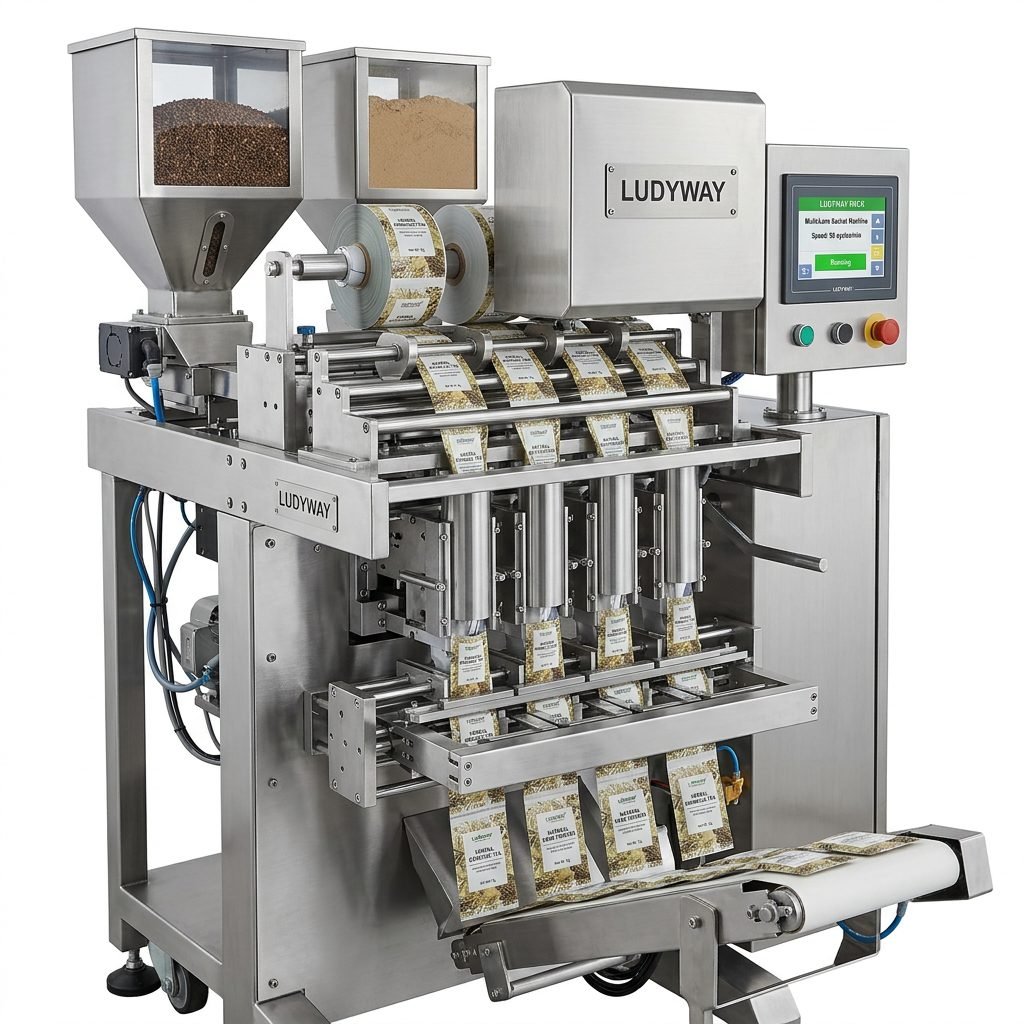
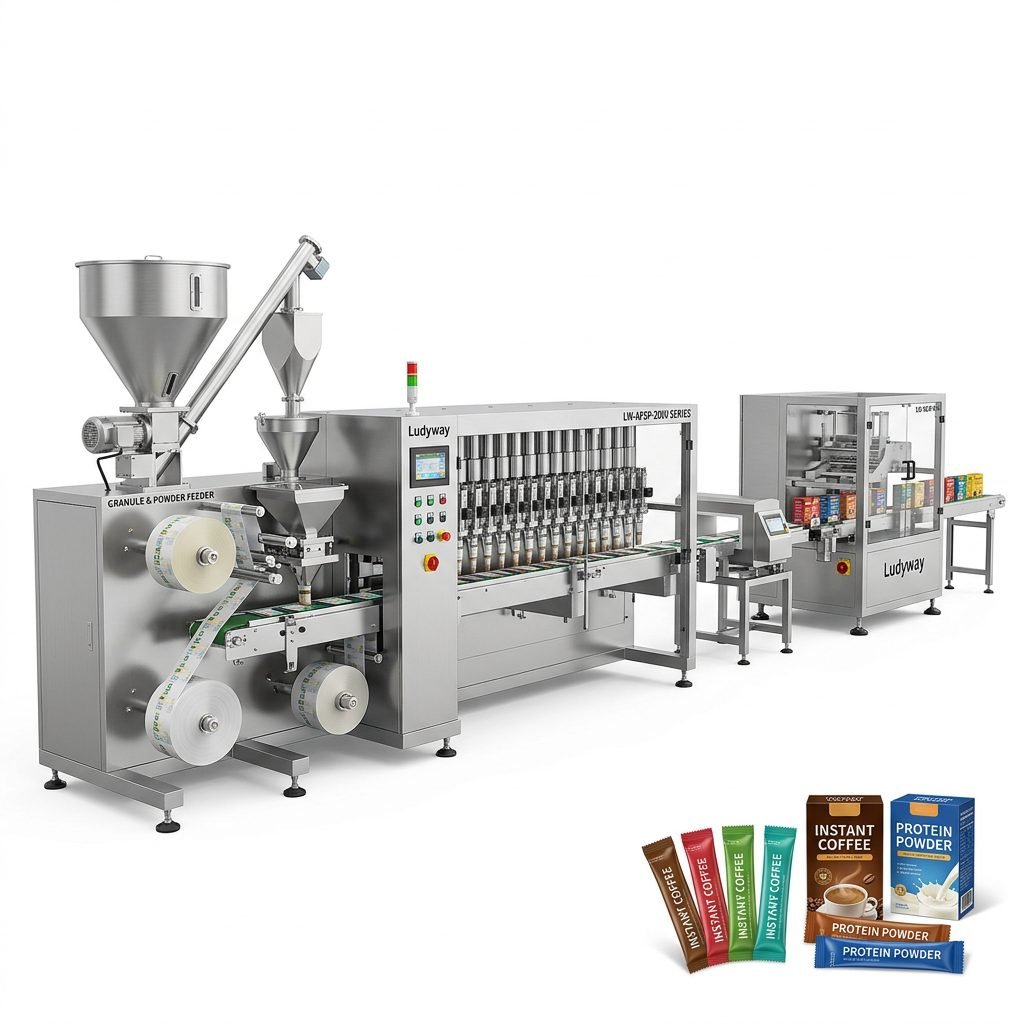
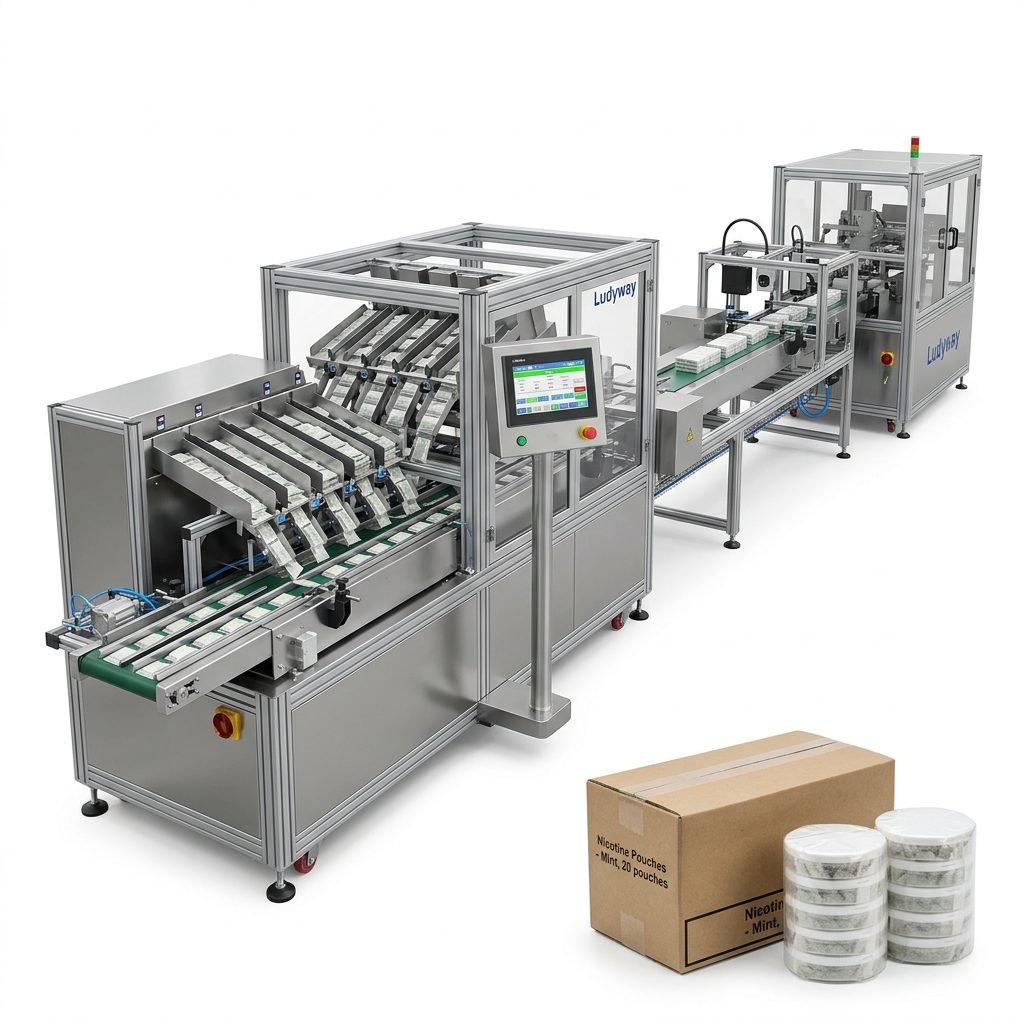
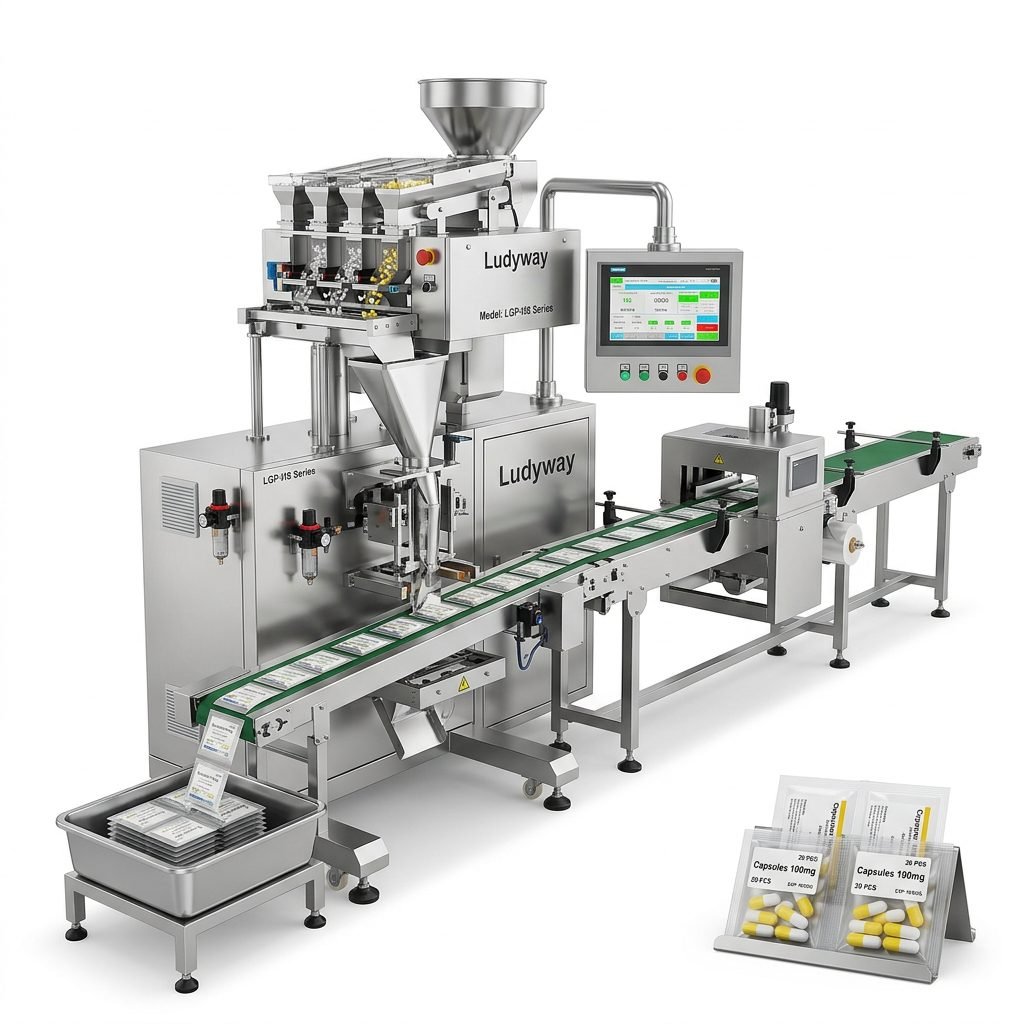
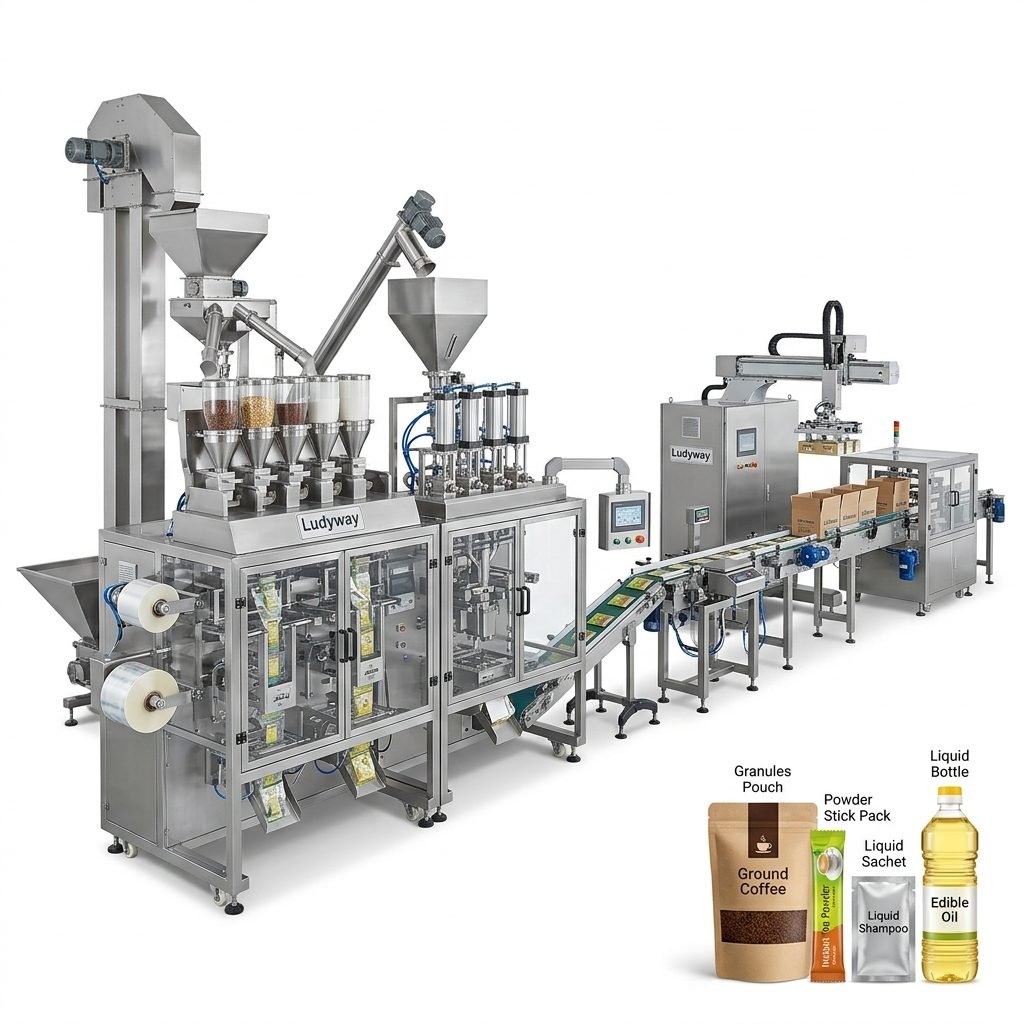
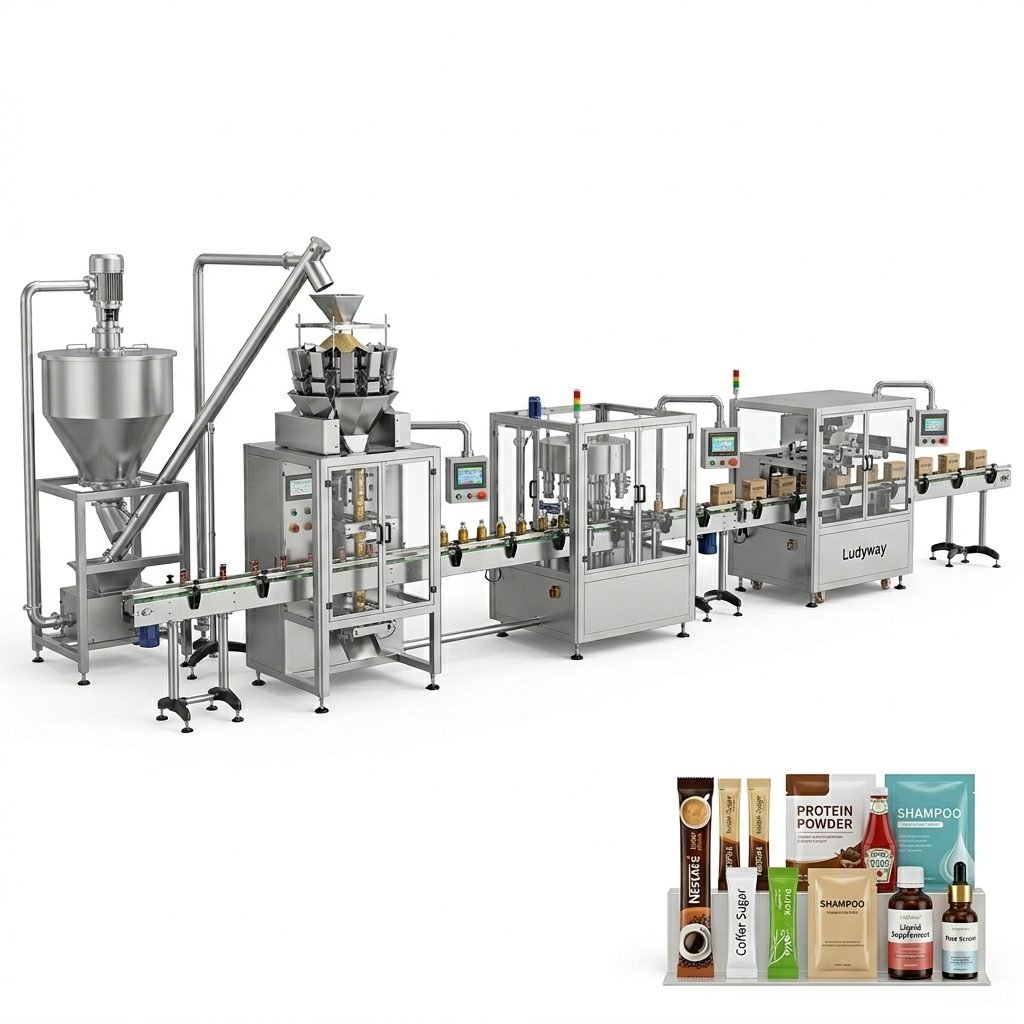
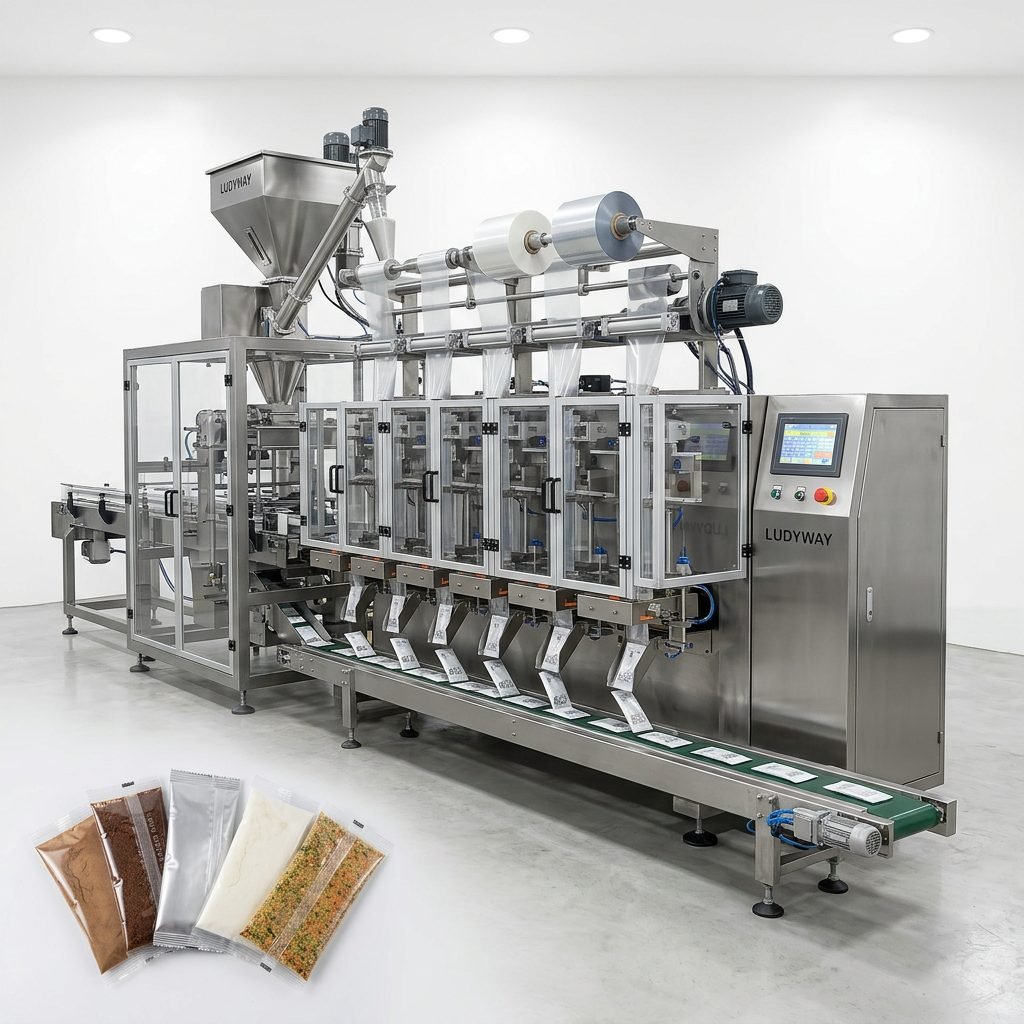
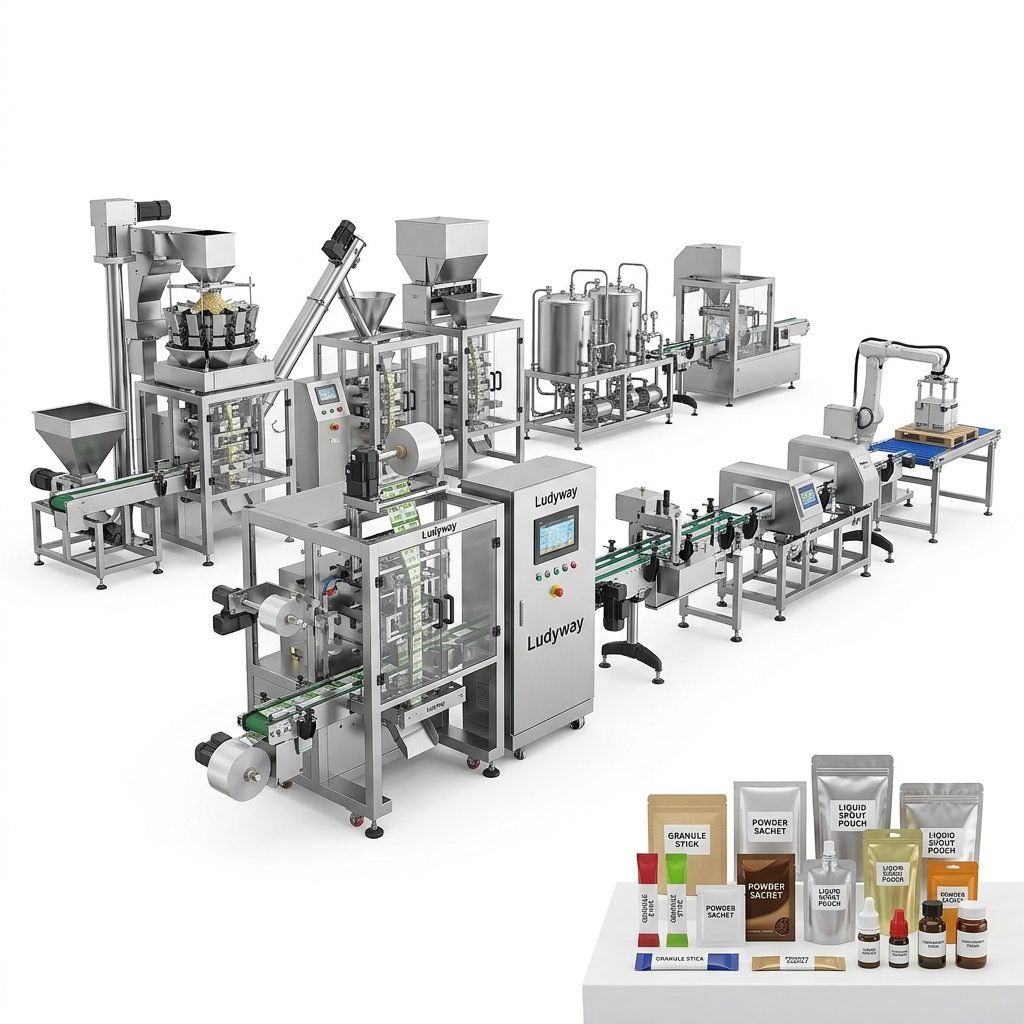
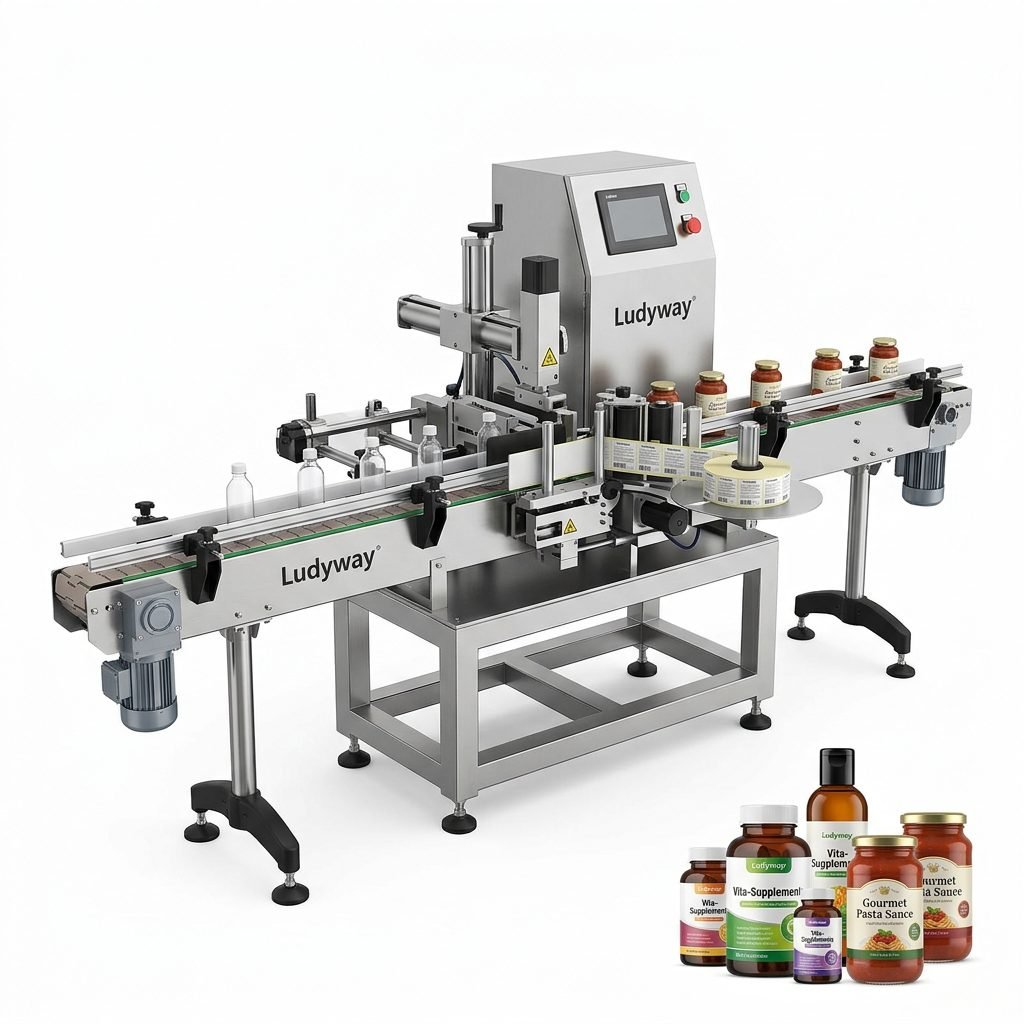
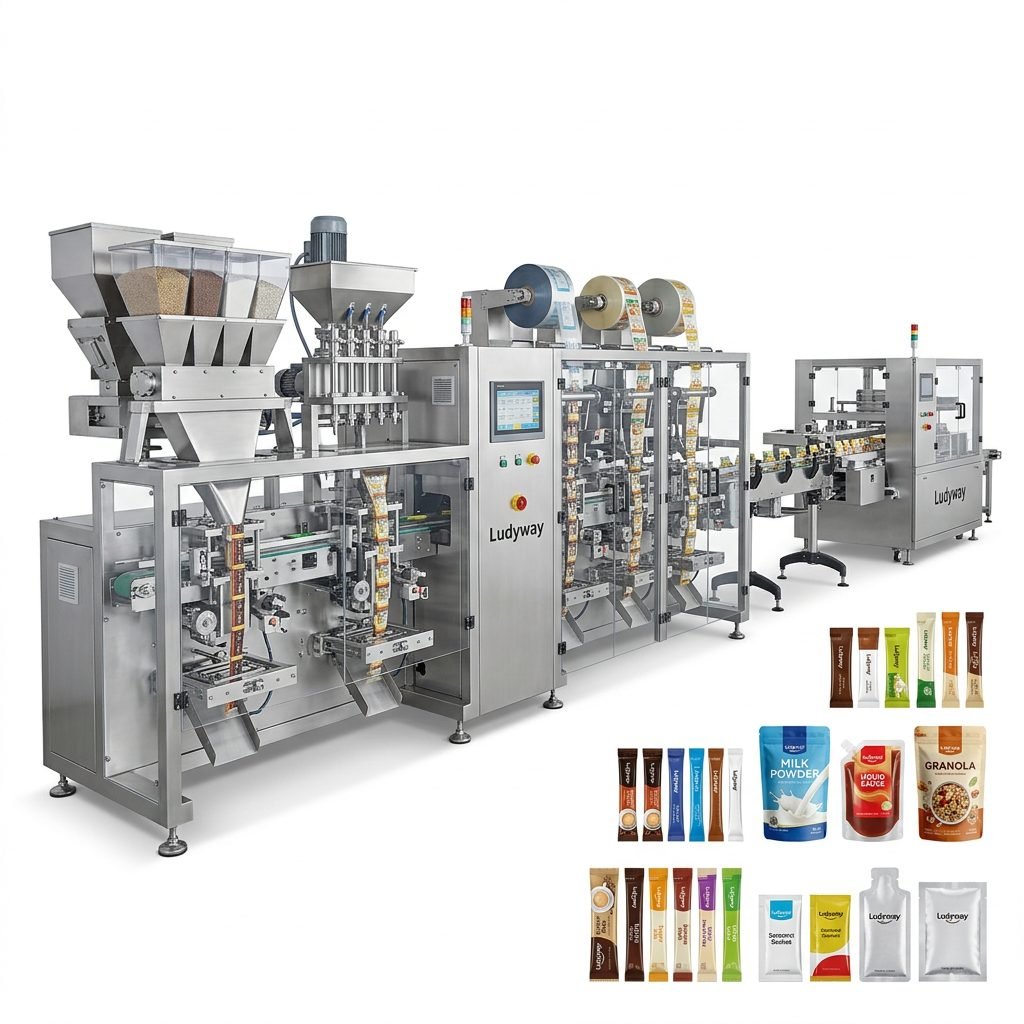
A strong example is Ludyway packaging machine manufacturer, which has built a significant global presence through automatic packaging technology, turnkey packaging line solutions, and broad application coverage across food, pharmaceutical, health supplement, and related sectors. As buyers seek scalable automation with stronger financial planning, manufacturers of this profile are increasingly aligned with market needs.
Export-oriented packaging businesses remain in focus
Export-driven companies are among the biggest beneficiaries of supply chain finance expansion in 2026. They often operate across multiple currencies, different payment terms, and region-specific compliance frameworks. Access to structured financing helps them manage these variables while preserving competitiveness.
This is particularly important for packaging machinery exporters serving Europe, North America, the Middle East, South America, Africa, and Southeast Asia. Demand across these regions is increasingly shaped by automation, flexible packaging adoption, hygiene requirements, and labor-saving production solutions.
| Packaging Segment | Current Financing Demand | 2026 Outlook |
|---|---|---|
| Food Packaging | High | Driven by convenience foods, sachets, stick packs, and automation upgrades |
| Pharmaceutical Packaging | Very High | Supported by compliance investments and precision packaging demand |
| Health Supplement Packaging | High | Boosted by fast-growing powder and granule formats |
| Cosmetic and Personal Care | Medium to High | Growth tied to sachet, sample-size, and flexible filling lines |
| Industrial and Chemical Packaging | Medium | Rising with safety, traceability, and automation requirements |
What buyers and manufacturers should watch next
Industry analysts expect supply chain finance adoption to continue rising as more packaging companies combine physical automation with financial optimization. Over the next 12 months, the market is likely to reward companies that can demonstrate reliability in delivery, transparency in operations, and flexibility in project execution.
For packaging businesses, the central question is no longer whether to modernize, but how to do so without disrupting cash flow. That is why financing, procurement strategy, and production planning are becoming increasingly interconnected.
Priority actions for 2026
- Review supplier payment structures and financing options
- Map production bottlenecks before investing in new lines
- Use operational data to strengthen financing applications
- Partner with machinery suppliers that support long-term scalability
- Align automation spending with market expansion plans
Market outlook
The rapid growth of supply chain finance in the packaging industry reflects a broader reality: sector transformation is no longer optional. Packaging companies that combine smart financing, efficient machinery, and integrated supply chain management will be better positioned to navigate volatility and capture new demand. In 2026, financial agility is emerging as a competitive advantage just as important as production speed and packaging quality.