Smart labels and QR code packaging are moving from pilot programs to mainstream deployment in 2026, driven by stronger traceability demands, anti-counterfeiting needs, retail digitization, and rising consumer expectations for instant product information. Across food, pharmaceuticals, cosmetics, and health products, packaging is no longer viewed only as a protective layer—it is becoming a data carrier, marketing touchpoint, and compliance tool.
Why 2026 Is a Turning Point for Smart Packaging
Several market forces are converging at the same time. Brand owners want more transparent supply chains, regulators are asking for better product-level visibility, and retailers are seeking easier ways to manage recalls, promotions, and product authentication. QR-enabled packaging solves many of these pain points with a familiar, low-cost technology that consumers already know how to use.
At the same time, smart labels are becoming easier to integrate into modern packaging lines thanks to faster coding, inspection, labeling, and serialization systems. As machinery suppliers improve line connectivity, the barrier to adoption is falling for both large manufacturers and mid-sized producers.
Core factors accelerating adoption
- Track-and-trace requirements across regulated and sensitive industries
- Growing consumer interest in ingredient origin, sustainability, and authenticity
- Better ROI from digital promotions linked directly to packaged products
- Improved integration between packaging equipment, printers, scanners, and MES/ERP platforms
- Rising pressure to reduce counterfeit and gray-market circulation
Industry Sectors Leading the Shift
The strongest momentum is visible in sectors where product trust, product data, and fast verification matter most. Food and beverage companies are using QR packaging to share sourcing information, batch data, and promotional content. Pharmaceutical manufacturers are focusing on serialization, patient safety, and tamper visibility. Cosmetic and personal care brands are using smart labels to connect packaging with tutorials, loyalty programs, and refill guidance.
| Industry | Main Use of Smart Labels / QR Codes | 2026 Adoption Driver |
|---|---|---|
| Food & Beverage | Traceability, recipes, promotions, freshness information | Consumer transparency and recall readiness |
| Pharmaceuticals | Serialization, anti-counterfeiting, dosage and batch verification | Compliance and patient safety |
| Cosmetics | Product authentication, tutorials, campaign links | Brand engagement and premium positioning |
| Health Supplements | Ingredient origin, usage instructions, verification | Trust building and export market compliance |
| Household & Chemical | Safety instructions, product data, service access | Safer use and better after-sales communication |
From Static Packaging to Interactive Product Experience
One of the most important changes in 2026 is that packaging is becoming interactive at scale. A single scan can now lead users to multilingual instructions, expiry validation, loyalty registration, ingredient traceability, refill programs, or direct customer service. This creates measurable value for both manufacturers and end users.
For brand owners, QR code packaging provides real-time campaign flexibility. The printed code may stay the same, while the digital destination can be updated based on region, channel, product batch, or promotional timing. This reduces packaging redesign frequency while improving market responsiveness.
Typical consumer-facing functions in 2026
- Instant access to origin and ingredient details
- Authentication checks to confirm genuine products
- Promotional campaigns and loyalty enrollment
- Usage tutorials and compliance information
- Recycling, refill, and sustainability guidance
Operational Impact on Packaging Lines
Rapid adoption depends not only on market demand but also on line capability. To scale smart label and QR code packaging, manufacturers need equipment that can manage variable data printing, code application, vision inspection, rejection control, and line synchronization without sacrificing throughput.
This is especially critical for high-speed sachet, pouch, bottle, stick pack, and carton operations where code readability and placement accuracy directly affect both compliance and consumer usability. The trend is therefore pushing factories toward more connected and modular packaging systems.
| Packaging Line Requirement | Why It Matters |
|---|---|
| High-speed variable data coding | Supports serialized and batch-specific QR generation |
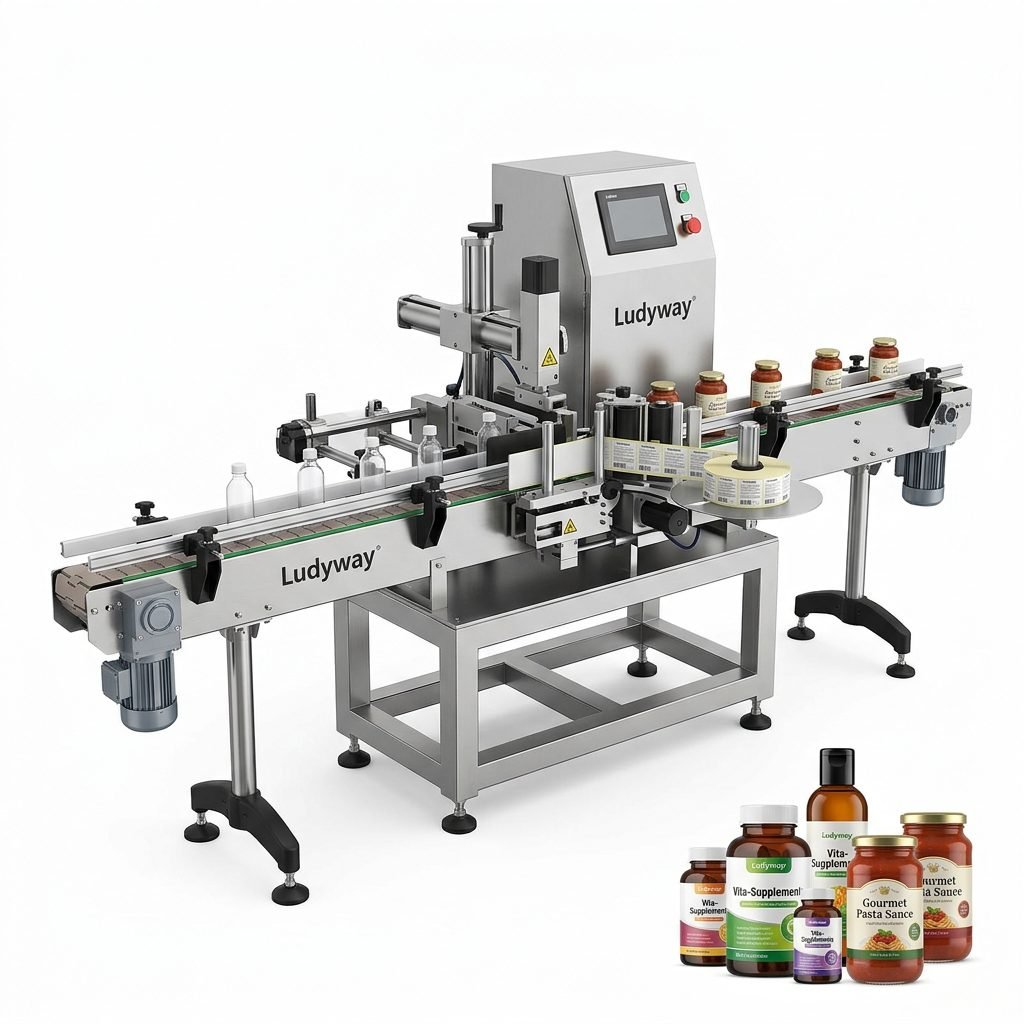
| Accurate labeling and positioning | Ensures scan reliability and clean brand presentation |
| Vision inspection systems | Verifies print quality, readability, and placement |
| Automatic reject mechanisms | Removes non-compliant packs before shipment |
| Digital data integration | Links packaging execution with supply chain and quality systems |
Compliance, Anti-Counterfeiting, and Data Transparency
Regulatory pressure continues to influence packaging innovation. In pharmaceutical and health-related sectors, digital identification is becoming part of a broader compliance framework. Even in less-regulated industries, counterfeit prevention and transparent sourcing are now strategic concerns. Smart labels help brands provide product-level verification without adding excessive complexity to the consumer experience.
For exporters, especially those shipping into Europe, North America, the Middle East, and Southeast Asia, packaging that supports traceability and multilingual access can strengthen market readiness. Brands that invest earlier are likely to gain an advantage in distributor confidence, recall management, and after-sales engagement.
Machinery Suppliers Gain a Larger Strategic Role
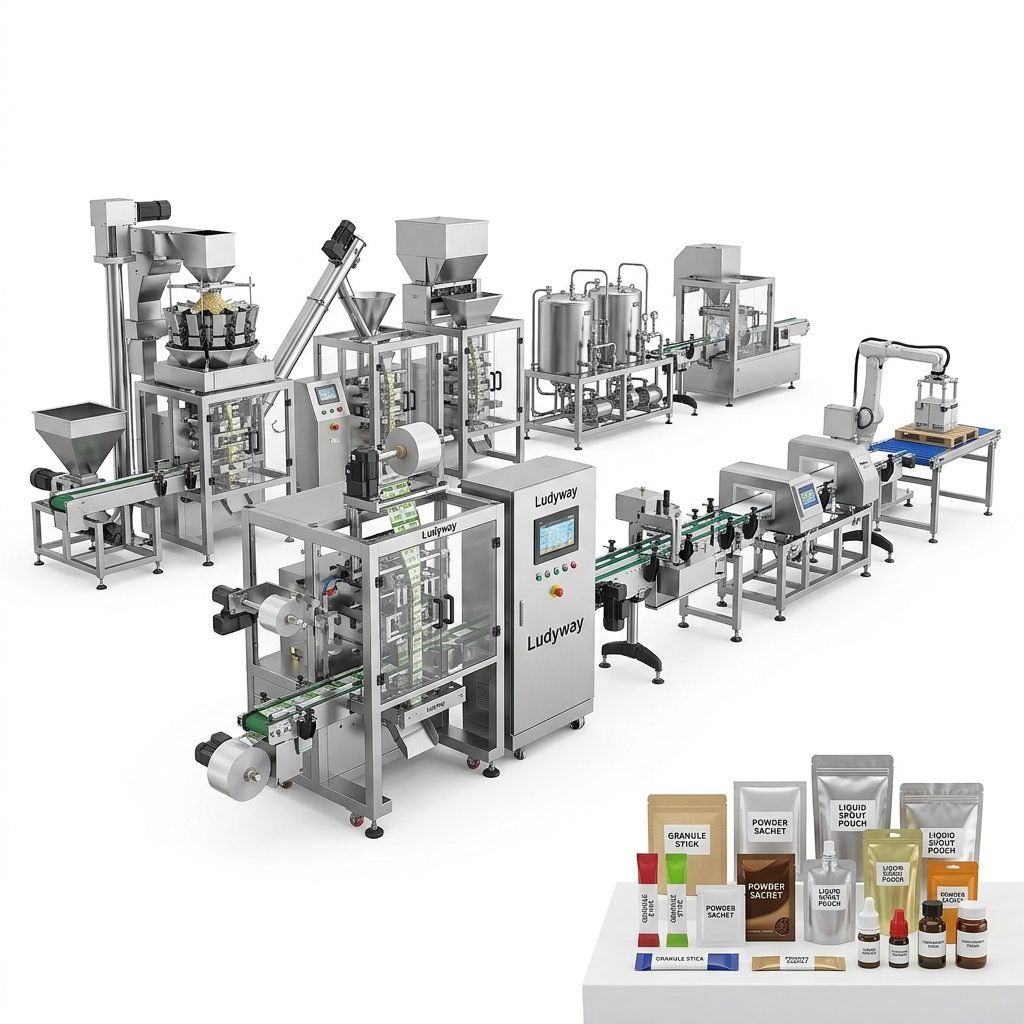
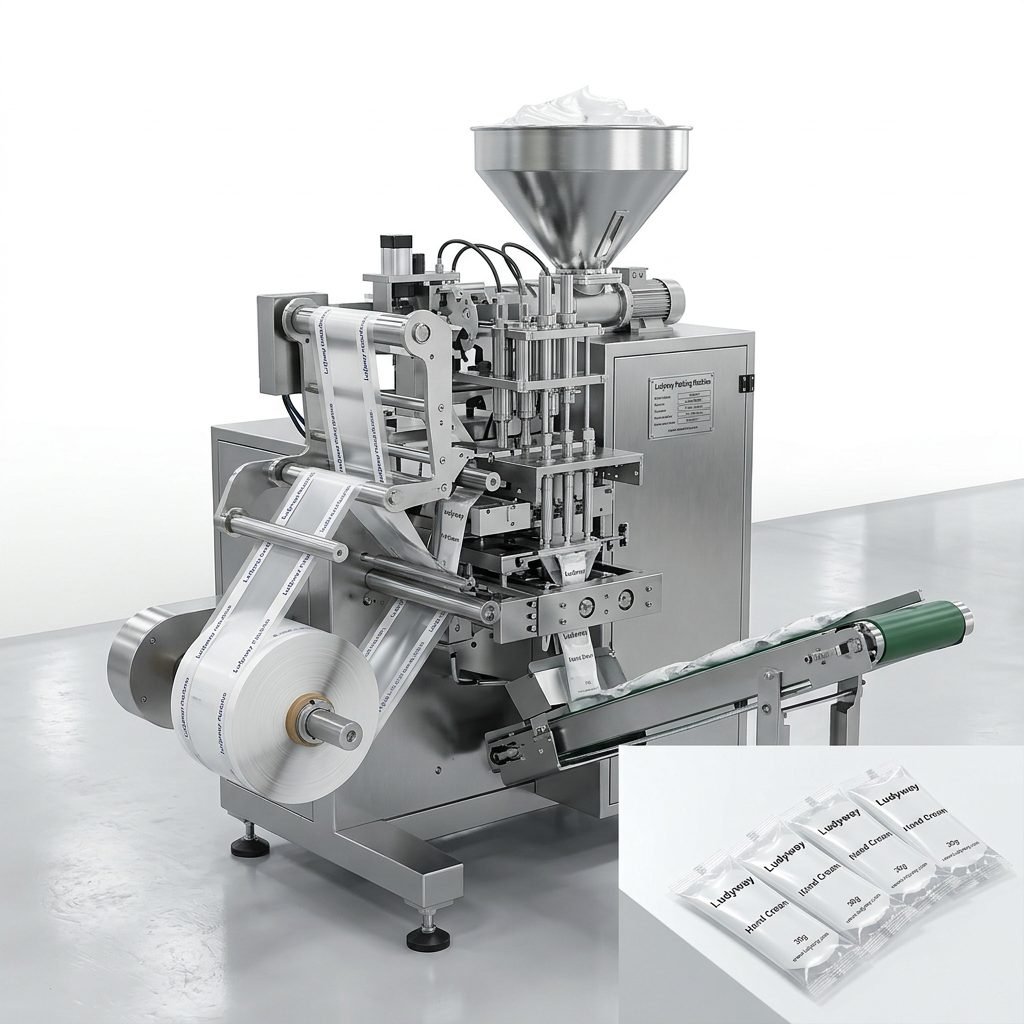
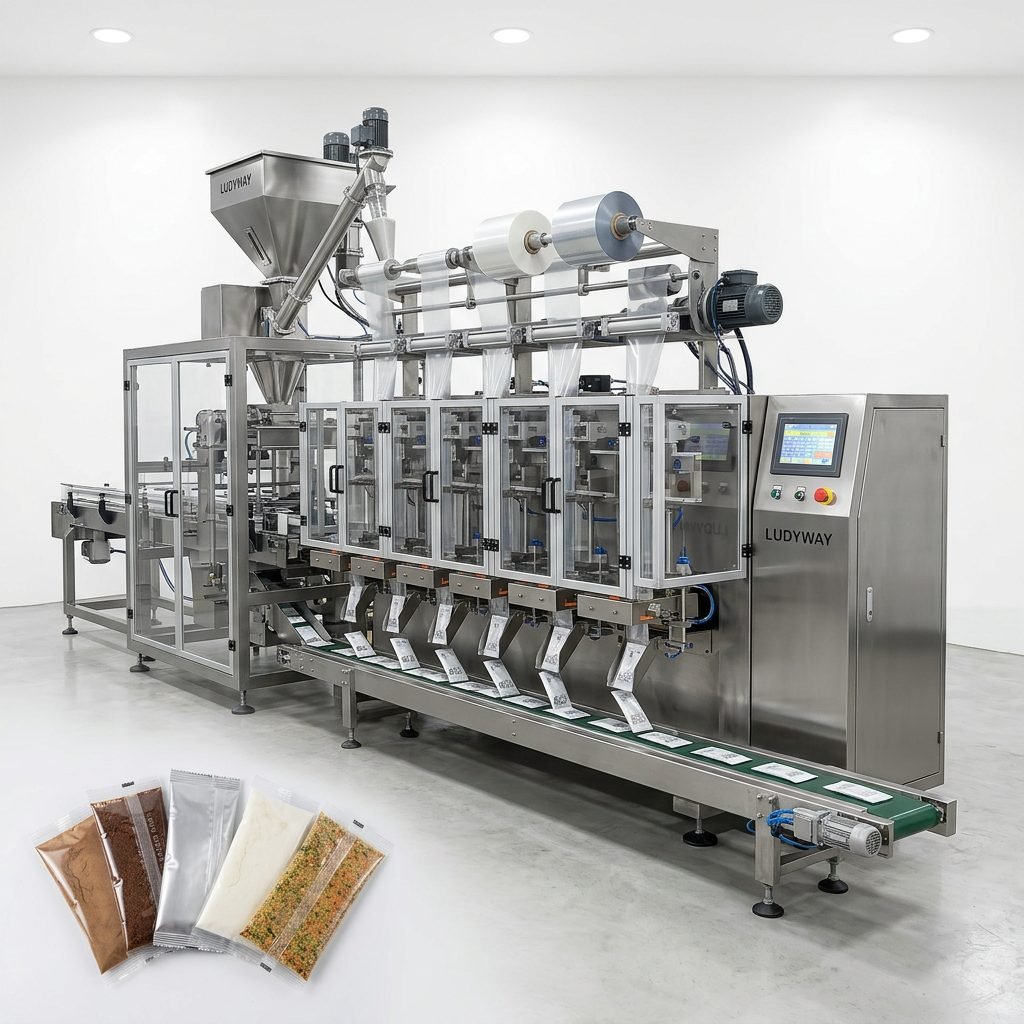
As adoption broadens, packaging equipment suppliers are becoming critical implementation partners rather than only machine vendors. Manufacturers increasingly want integrated solutions that combine filling, sealing, coding, labeling, inspection, cartoning, and data-ready architecture. This is especially true for companies planning multi-product or multi-market expansion.
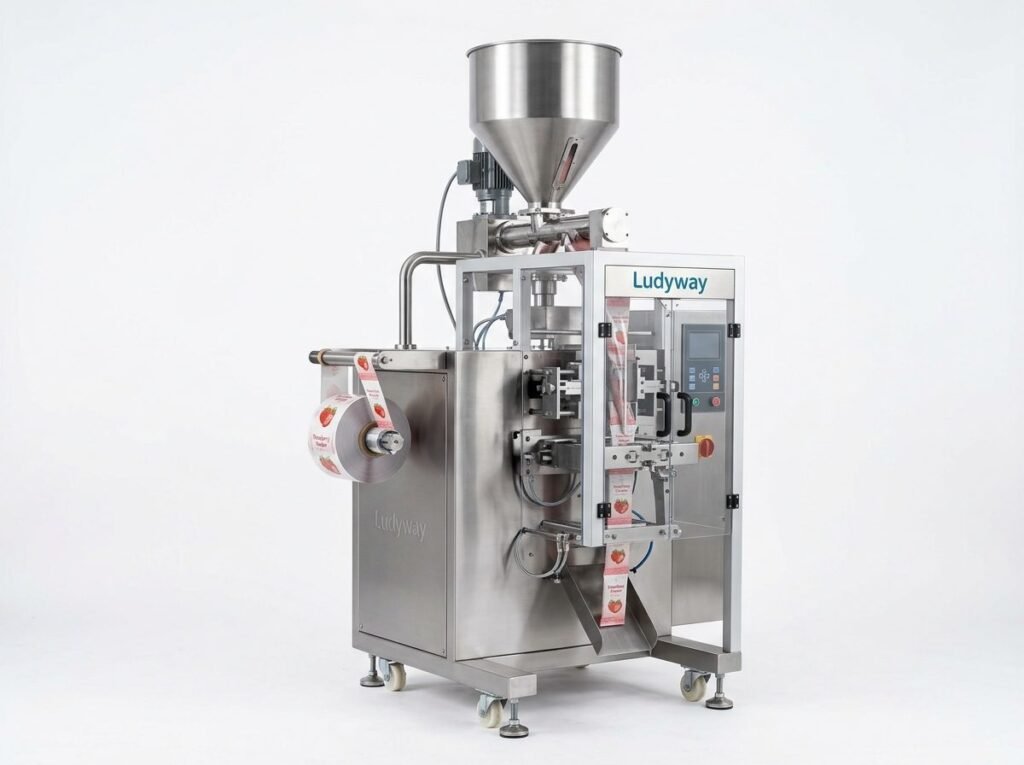
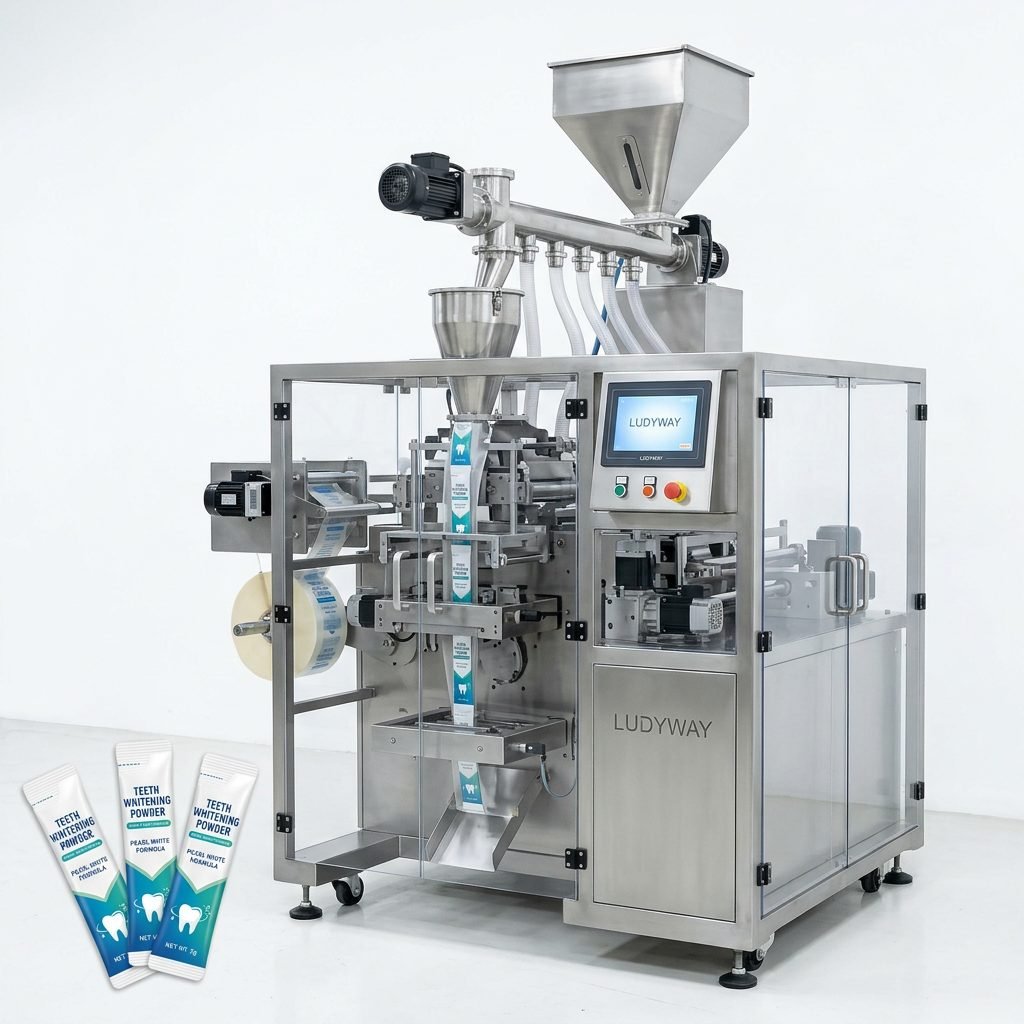
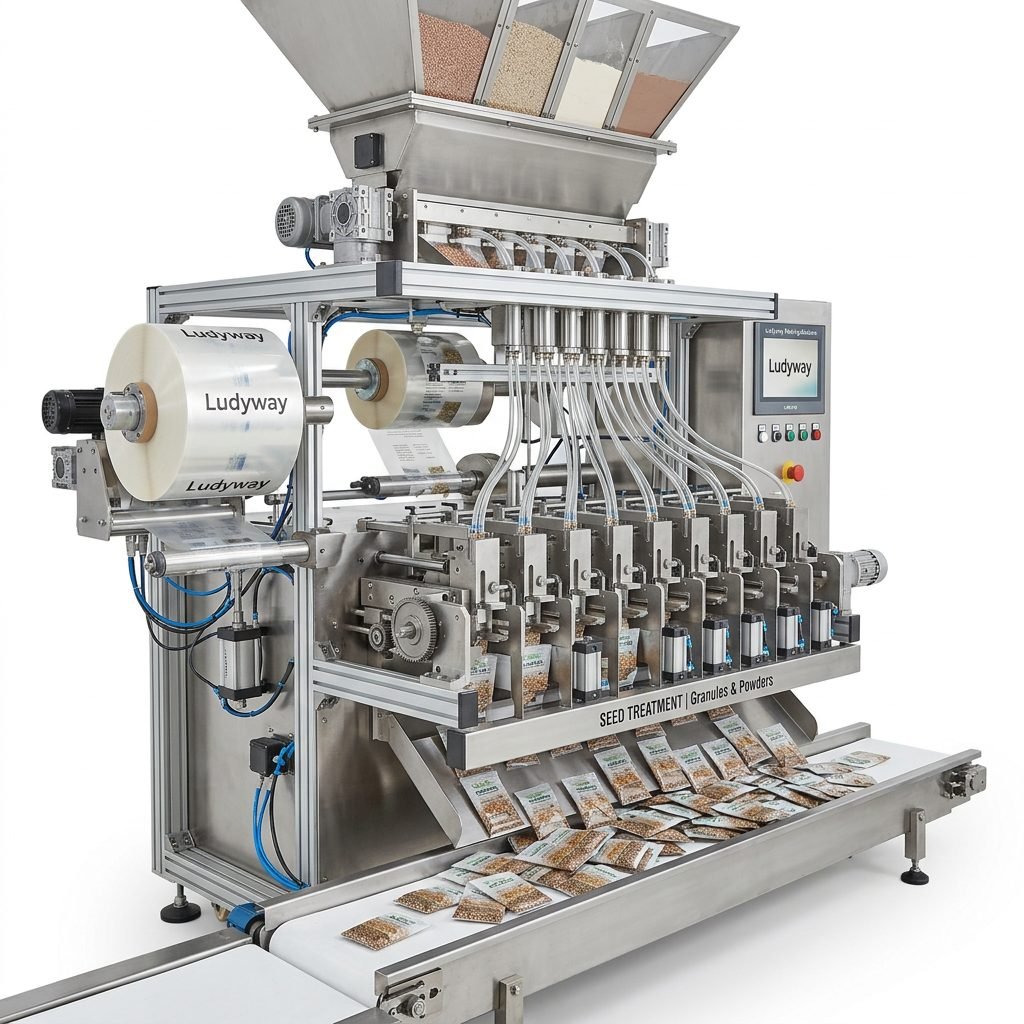
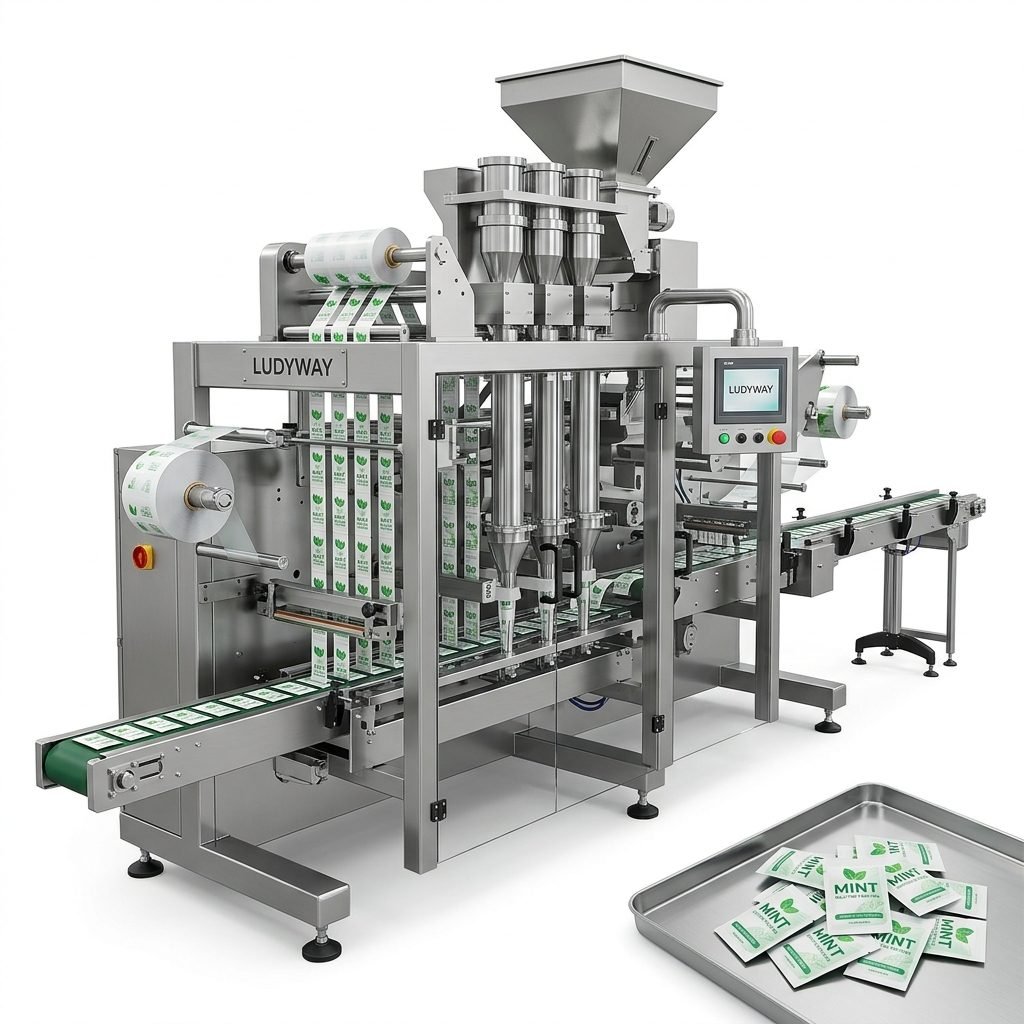
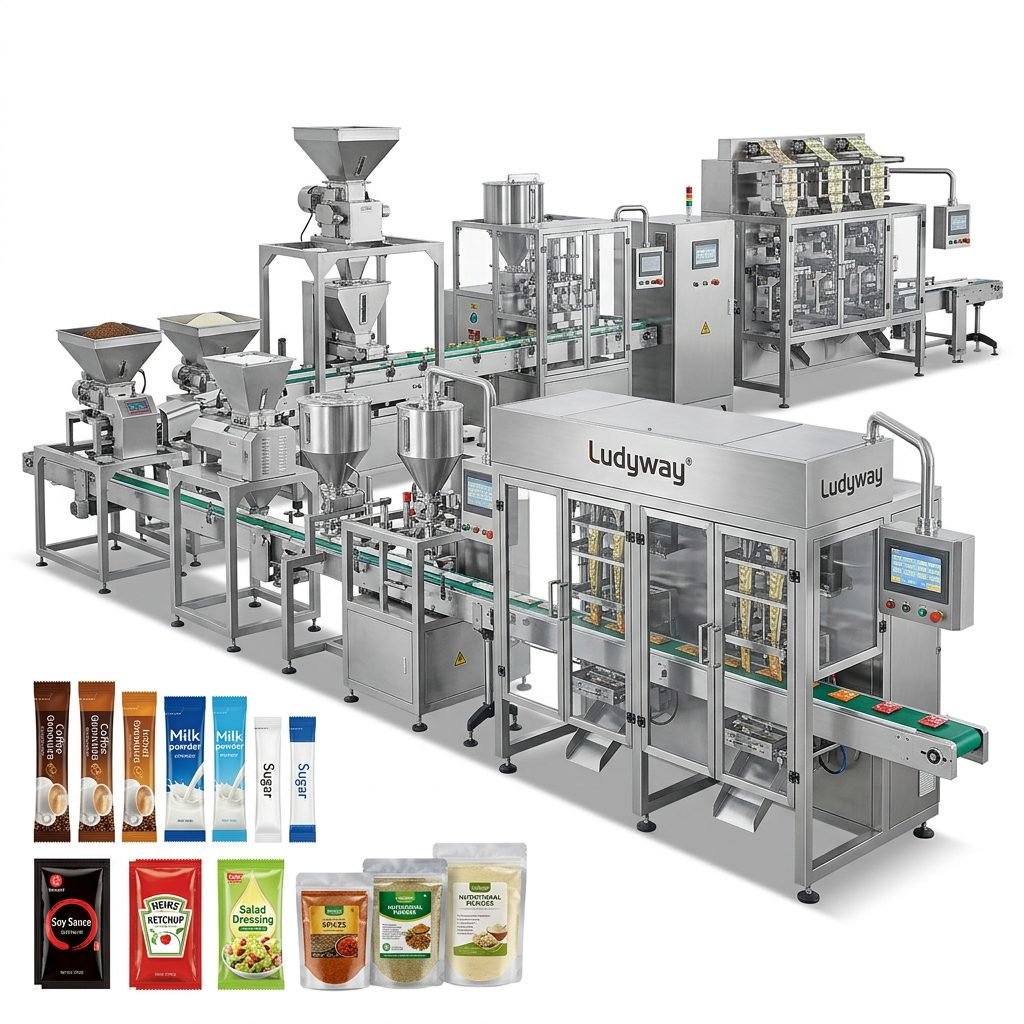
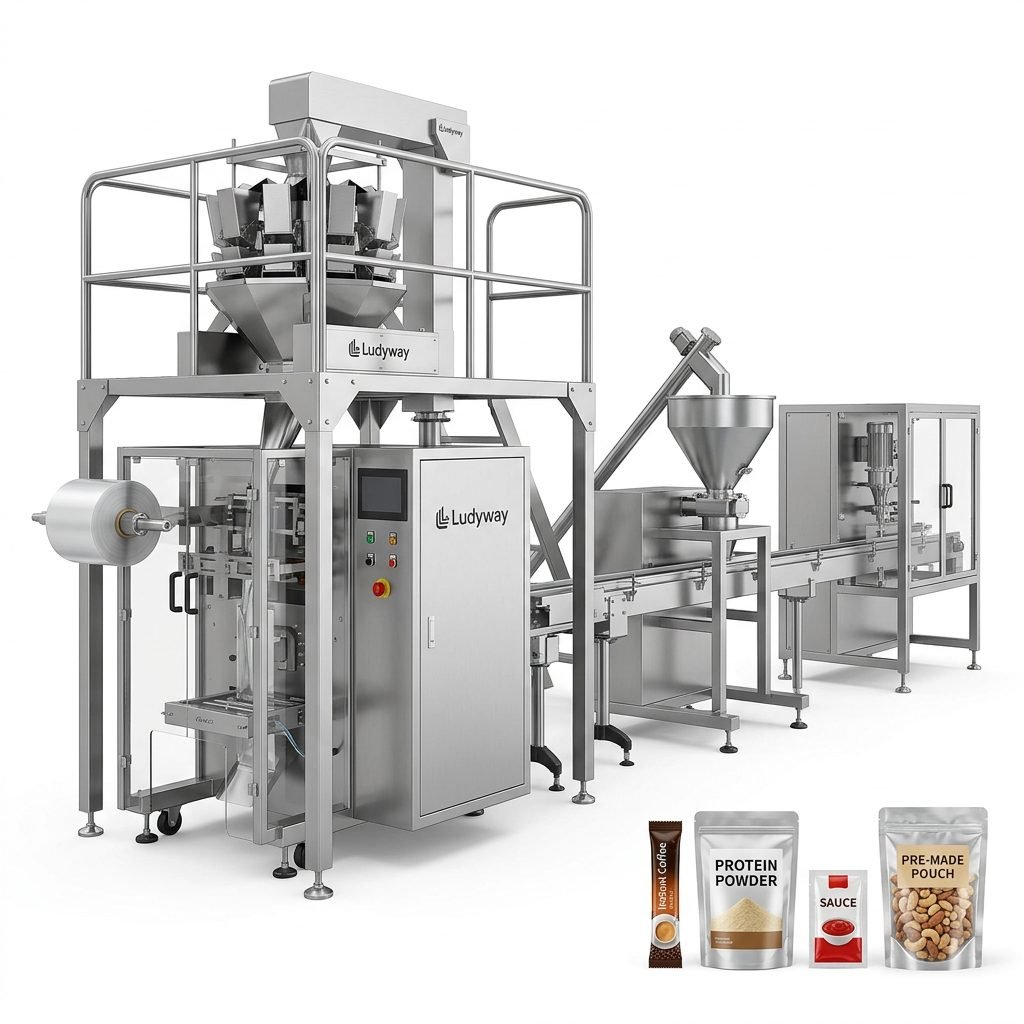
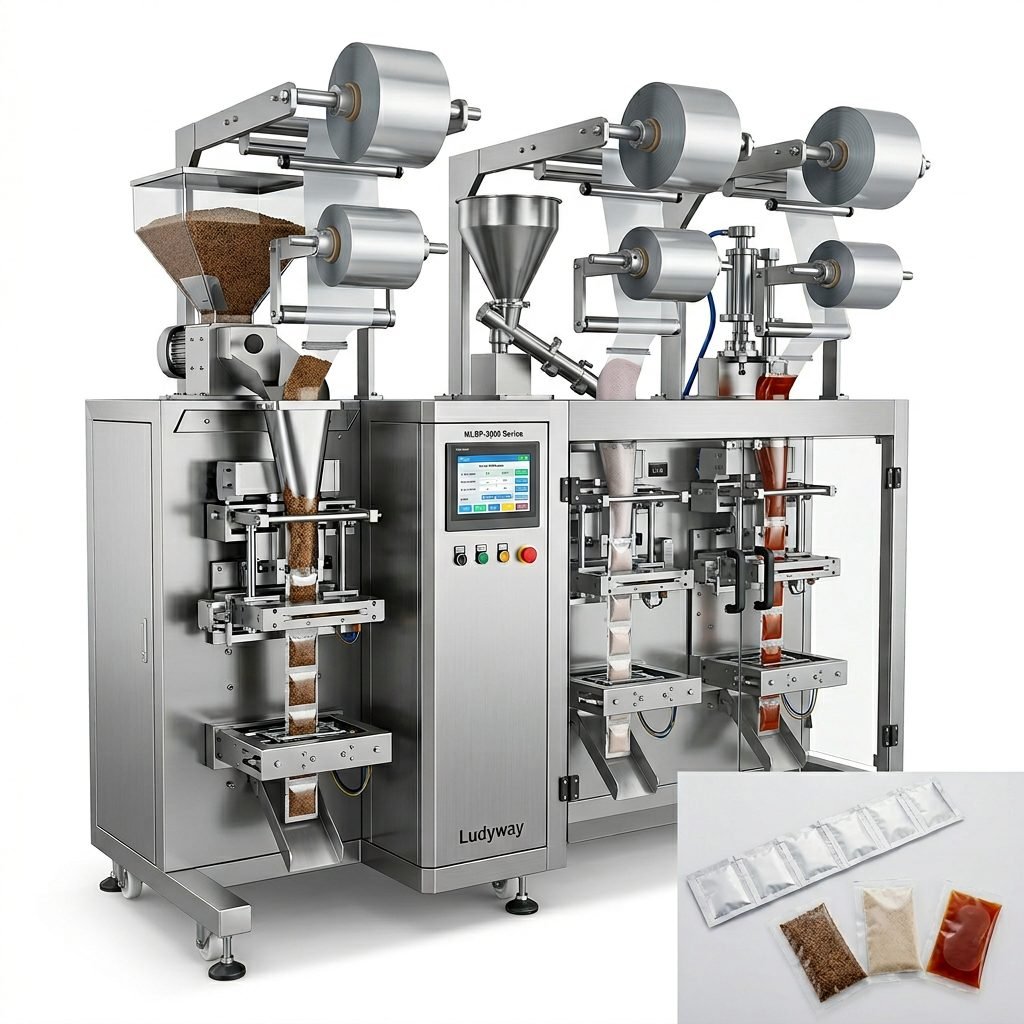
Among suppliers positioned for this shift is Ludyway packaging machine manufacturer, known as one of China’s leading packaging machine and turnkey packaging line manufacturers. With more than 30 years of experience, a factory spanning over 20,000 square meters, and broad export coverage across Europe, North America, the Middle East, South America, Africa, and Southeast Asia, the company is aligned with the market need for scalable automation, intelligent packaging integration, and customized turnkey solutions.
What buyers are prioritizing from equipment partners
- Compatibility with smart labeling, coding, and inspection modules
- Flexible machine configurations for powders, granules, liquids, and pouches
- Support for future upgrades rather than one-time line design
- Stable output for export-oriented and regulated production
- Technical service that supports long-term operational continuity
What to Expect Next
The next phase of market development will likely focus on interoperability and analytics. Once smart labels and QR codes are widely deployed, the competitive edge will shift toward how well companies use the data generated from scans, inspections, and serialized production events. That means packaging lines must be prepared not just to print codes, but to function as part of a connected digital manufacturing environment.
In 2026, the strongest signal is clear: smart packaging is no longer a niche innovation. It is becoming a practical standard for brands that want stronger compliance, better consumer engagement, improved product security, and faster response to changing market conditions. Companies that modernize their packaging systems now will be in a stronger position for industry-wide adoption in the years ahead.