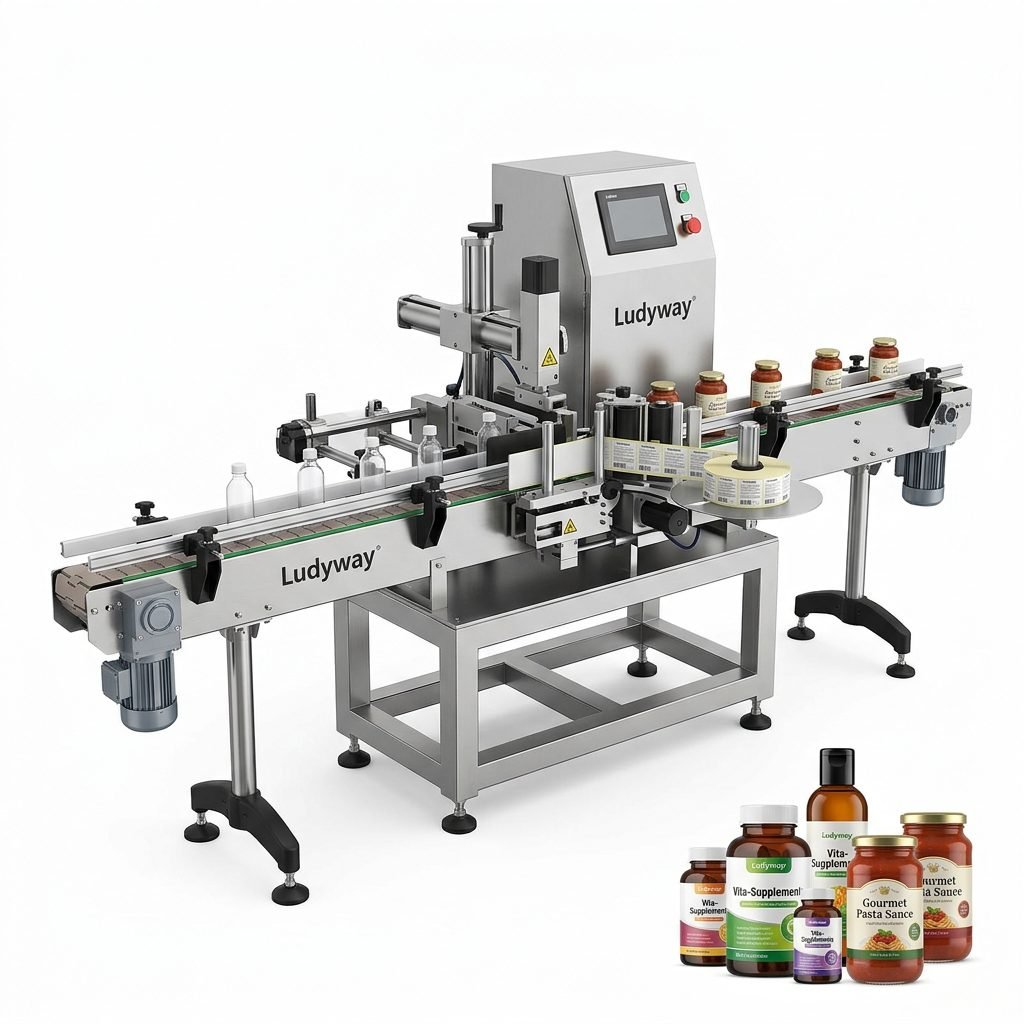
Packaging manufacturers are entering 2026 with a sharper focus on digital supply chain deployment, as the industry responds to rising demand volatility, shorter product cycles, stricter traceability requirements, and growing pressure to improve speed-to-market. From raw material planning to finished goods dispatch, companies are moving beyond isolated automation and adopting more connected operating models.
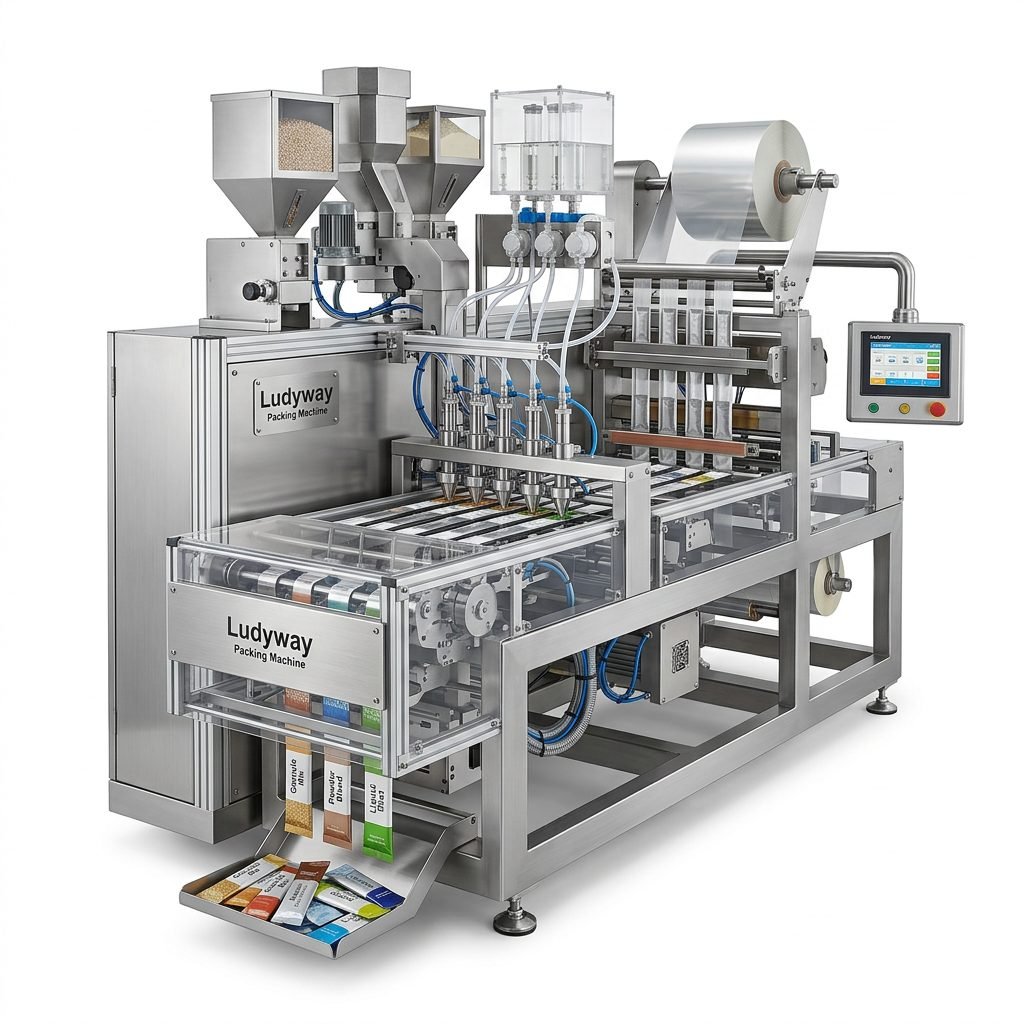
Industry analysts say the shift is no longer limited to large multinational groups. Mid-sized converters, contract packers, and specialized manufacturers in food, pharmaceutical, health supplement, personal care, and chemical sectors are now investing in digital platforms that link procurement, production scheduling, quality control, warehouse visibility, and after-sales reporting.
Why 2026 Is Becoming a Pivotal Year
Several market forces are accelerating deployment. Buyers want packaging partners that can handle more SKUs, smaller batch sizes, and faster changeovers without sacrificing consistency. At the same time, rising material costs and labor constraints are pushing manufacturers to identify waste earlier and improve overall equipment utilization.
- Real-time inventory visibility is helping reduce overstock and emergency purchasing.
- Connected production data is improving forecasting and line balancing.
- Digital traceability tools are supporting compliance in regulated industries.
- Predictive maintenance systems are reducing unplanned downtime.
- Integrated line management is making multi-machine operations easier to coordinate.
For many packaging plants, the key change in 2026 is that digitalization is being treated as an operations strategy rather than a standalone IT project. Investment decisions are increasingly tied to measurable production outcomes such as throughput, defect reduction, labor efficiency, and delivery accuracy.
From Linear Workflows to Connected Supply Chains
Traditional packaging supply chains often rely on disconnected systems: one platform for purchasing, another for maintenance, manual spreadsheets for line reporting, and delayed communication between factories, warehouses, and customers. This structure creates blind spots, especially when demand changes quickly.
Digital supply chains are replacing that model with more synchronized workflows. Orders, packaging material availability, equipment status, quality checkpoints, and shipment readiness can be monitored together. As a result, planners can react faster when a film roll specification changes, a filling line slows down, or a shipment deadline moves forward.
Core Technologies Driving Adoption
| Technology | Primary Function | Operational Impact |
|---|---|---|
| MES and line monitoring systems | Track performance, downtime, and output in real time | Improves production control and faster response to bottlenecks |
| ERP-integrated planning tools | Connect purchasing, inventory, and order management | Supports better forecasting and material utilization |
| IoT-enabled machine diagnostics | Monitor machine condition and service intervals | Reduces downtime and improves maintenance planning |
| Vision inspection and data capture | Verify sealing, coding, labeling, and fill accuracy | Strengthens quality assurance and compliance records |
| Warehouse and logistics software | Coordinate stock movement and shipment visibility | Improves delivery planning and inventory turnover |
Packaging Segments Seeing Faster Rollout
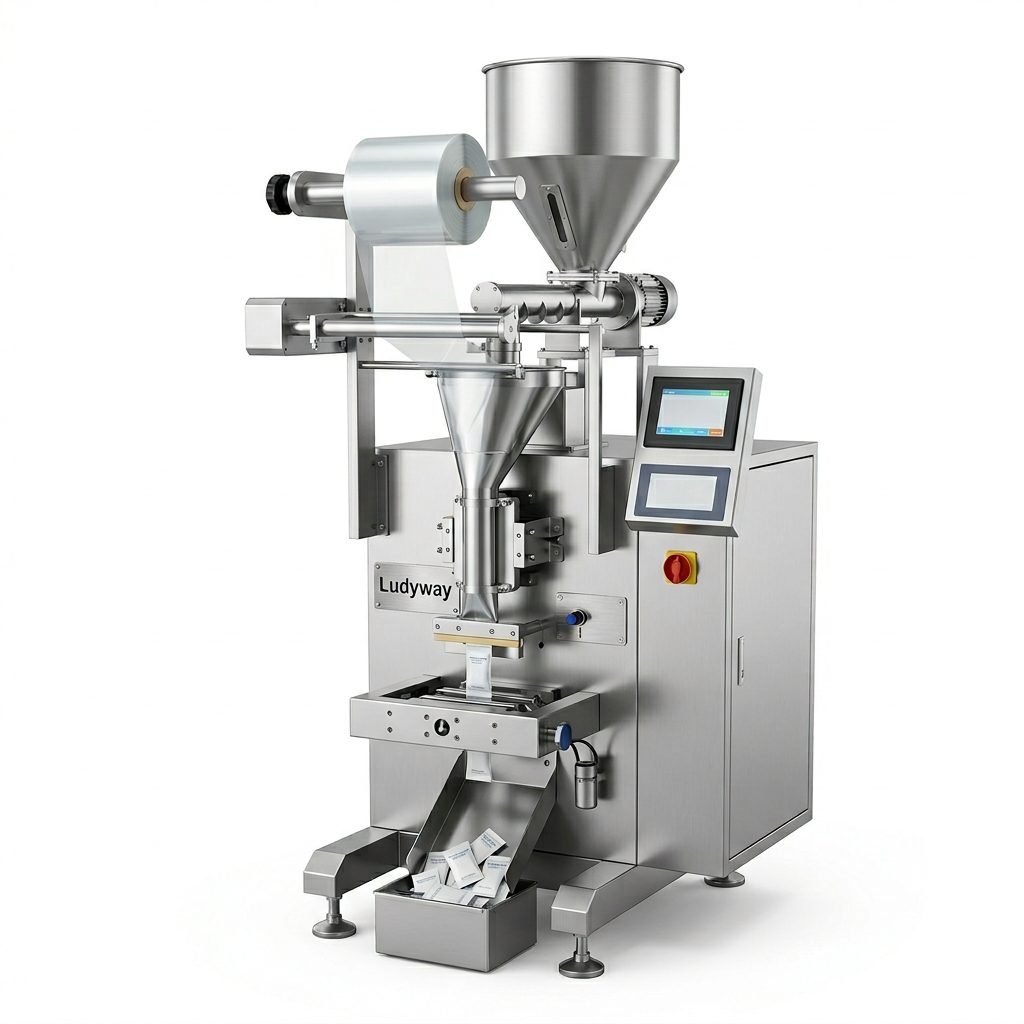
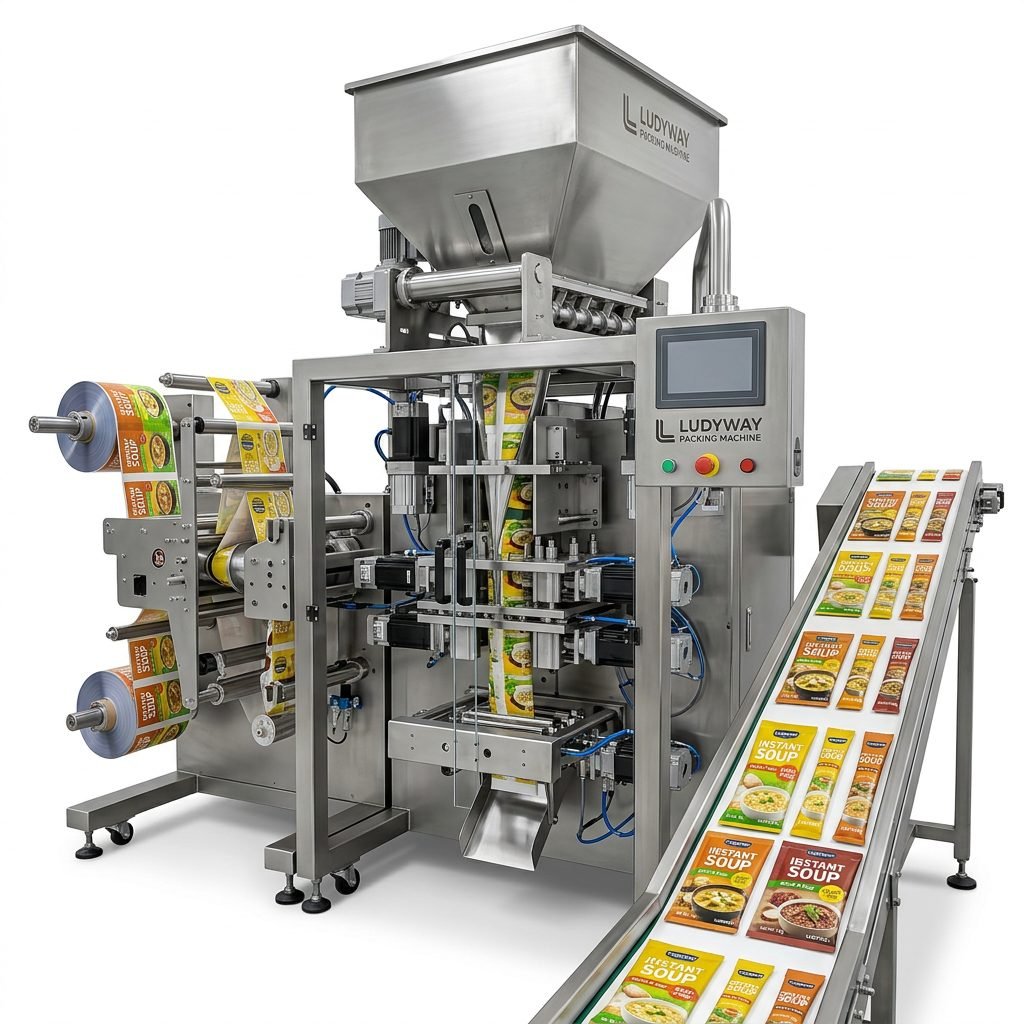
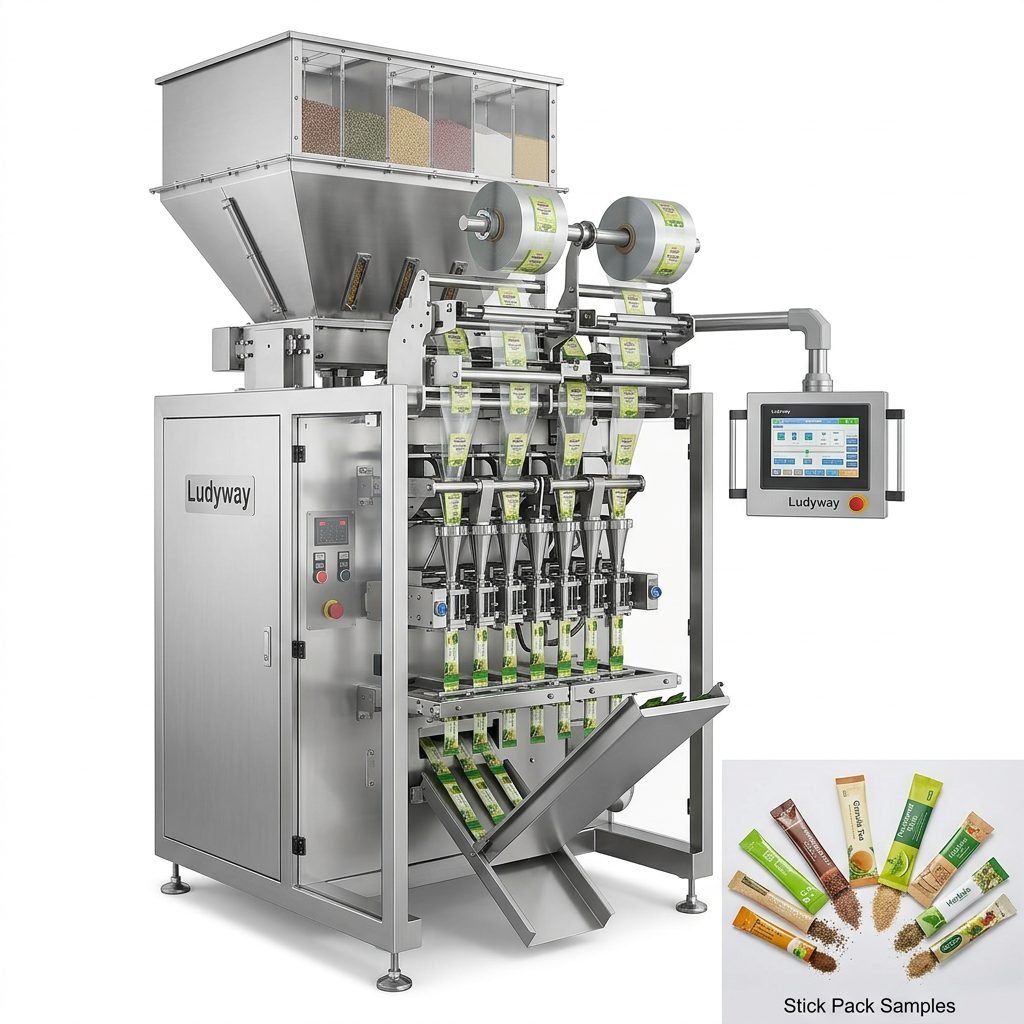
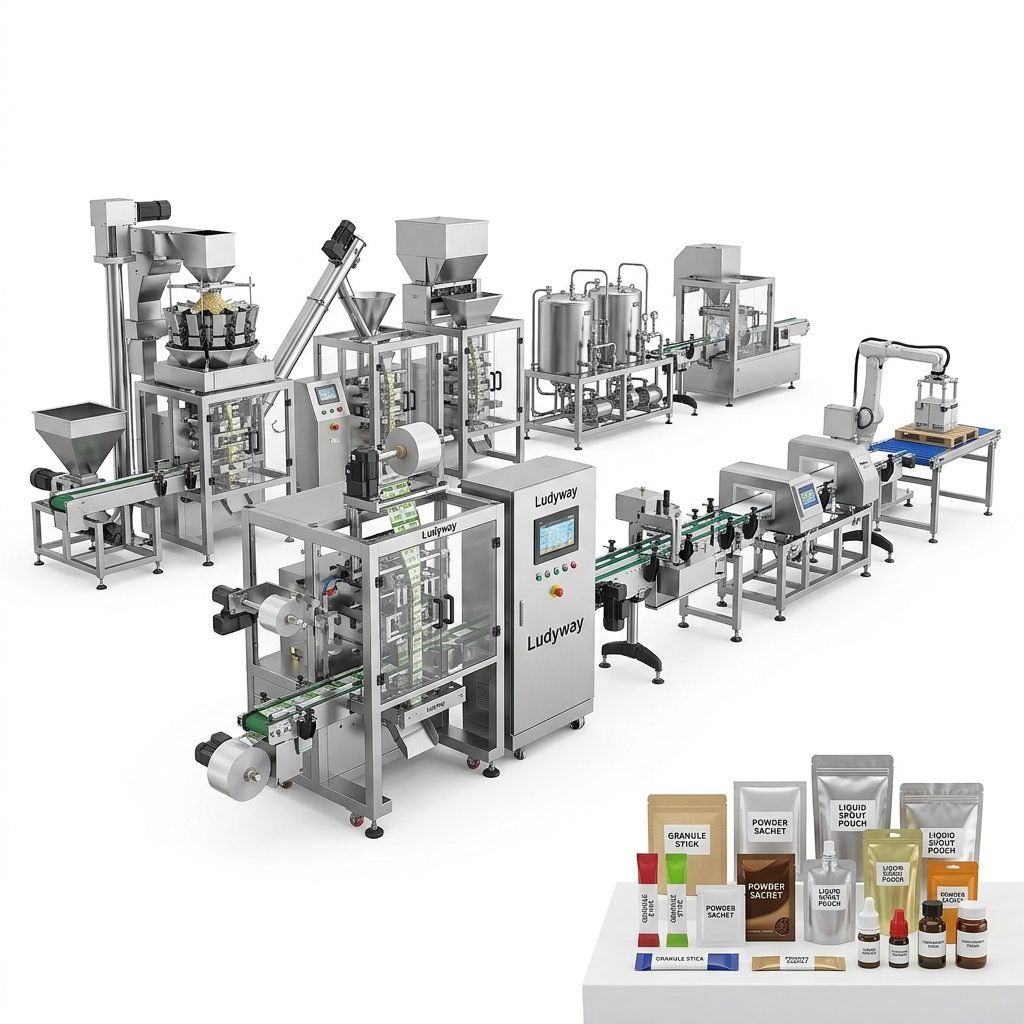
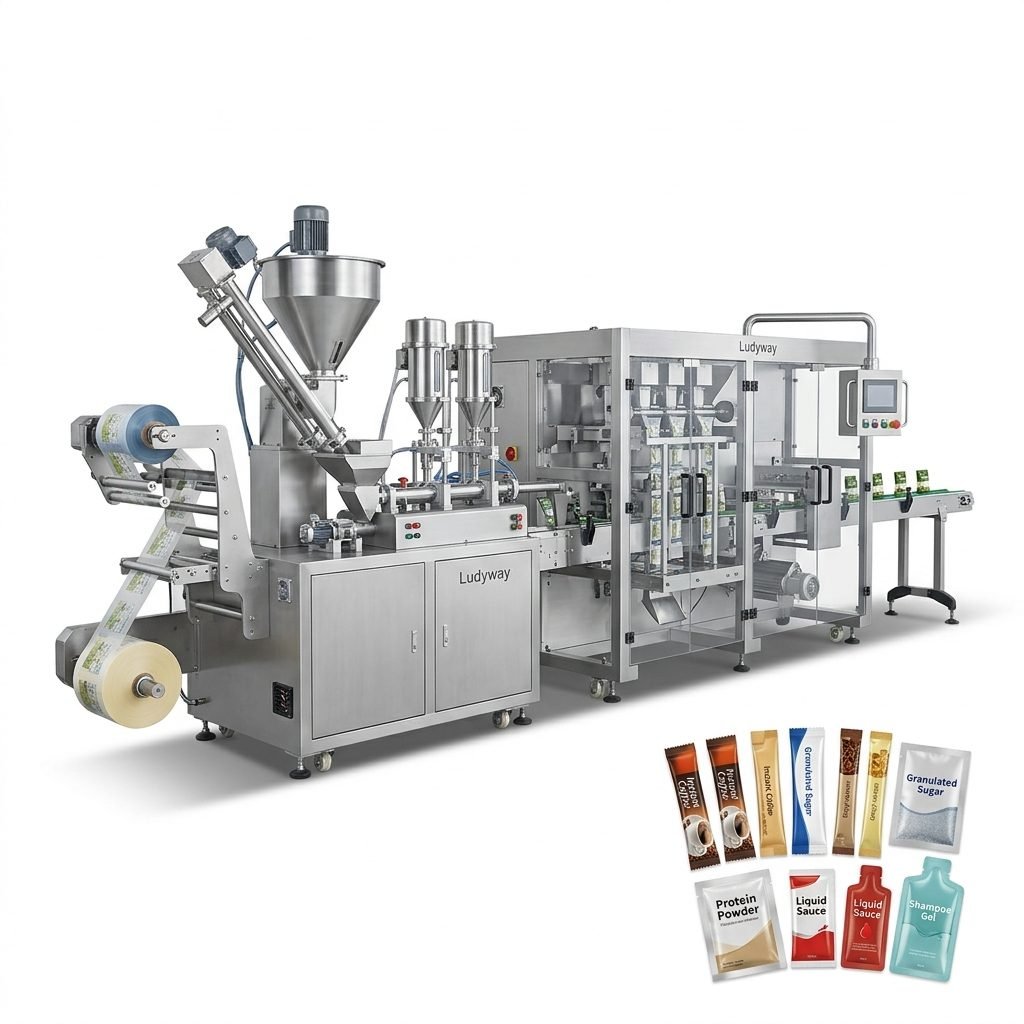
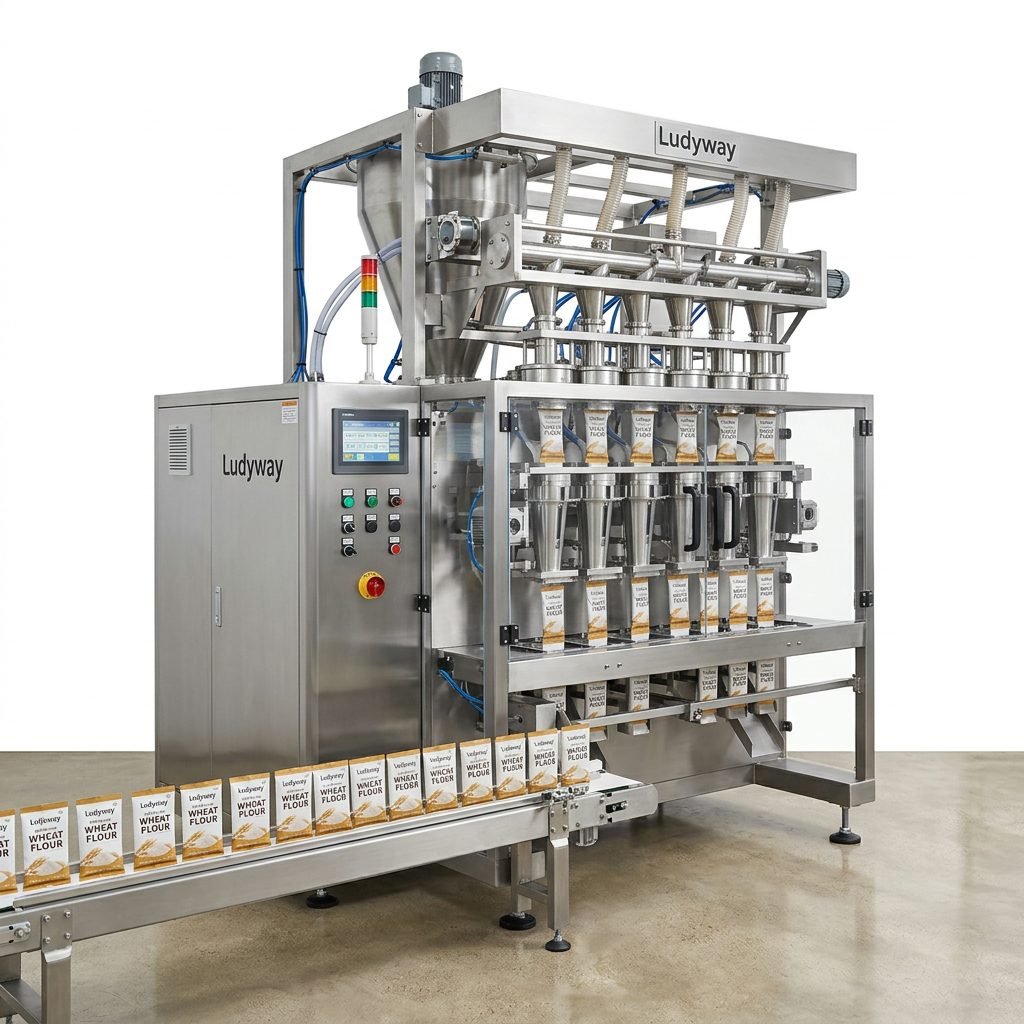
Not all packaging categories are moving at the same speed, but deployment is clearly strongest in applications where traceability, dosage accuracy, or product freshness are critical. Multi-lane sachet lines, stick pack systems, liquid filling lines, pouch packaging systems, and turnkey integrated lines are among the most active areas for digital upgrades.
- Food and beverage manufacturers managing frequent SKU changes
- Pharmaceutical and nutraceutical producers requiring batch-level traceability
- Health supplement brands scaling contract packaging operations
- Personal care companies launching small-format sachet products
- Chemical and household product suppliers seeking safer, more consistent filling control
These sectors increasingly need packaging equipment that can communicate with upstream and downstream systems. Machine-level performance alone is no longer enough; buyers now ask how easily a line can integrate with coding systems, quality inspection modules, conveyors, weighing systems, and digital production dashboards.
What Buyers Are Prioritizing in New Projects
During equipment sourcing and plant upgrade planning, purchasing teams are looking beyond initial machine speed. The conversation is shifting toward lifecycle value and data readiness.
- Open integration capability for ERP, MES, and warehouse systems
- Remote diagnostics for faster technical support
- Flexible configuration for future product expansions
- Batch tracking and audit support for regulated output
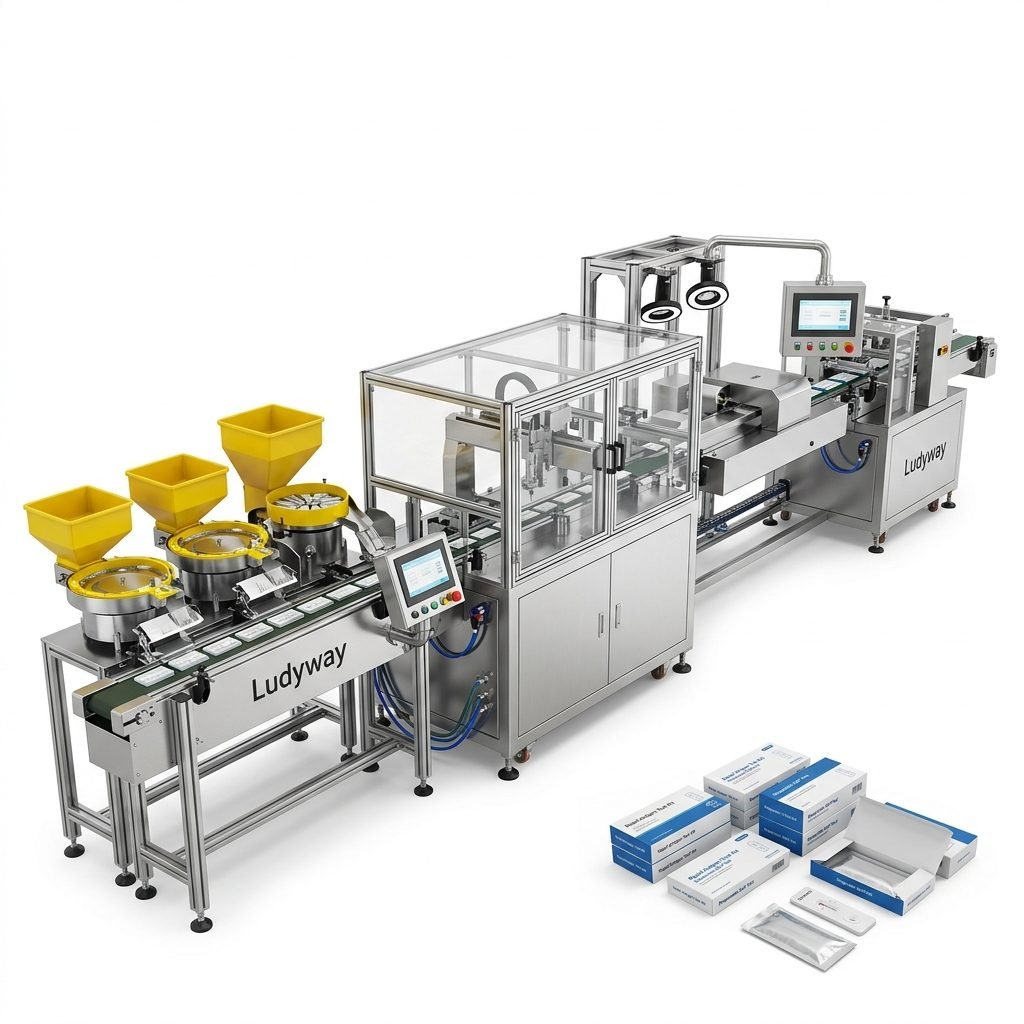
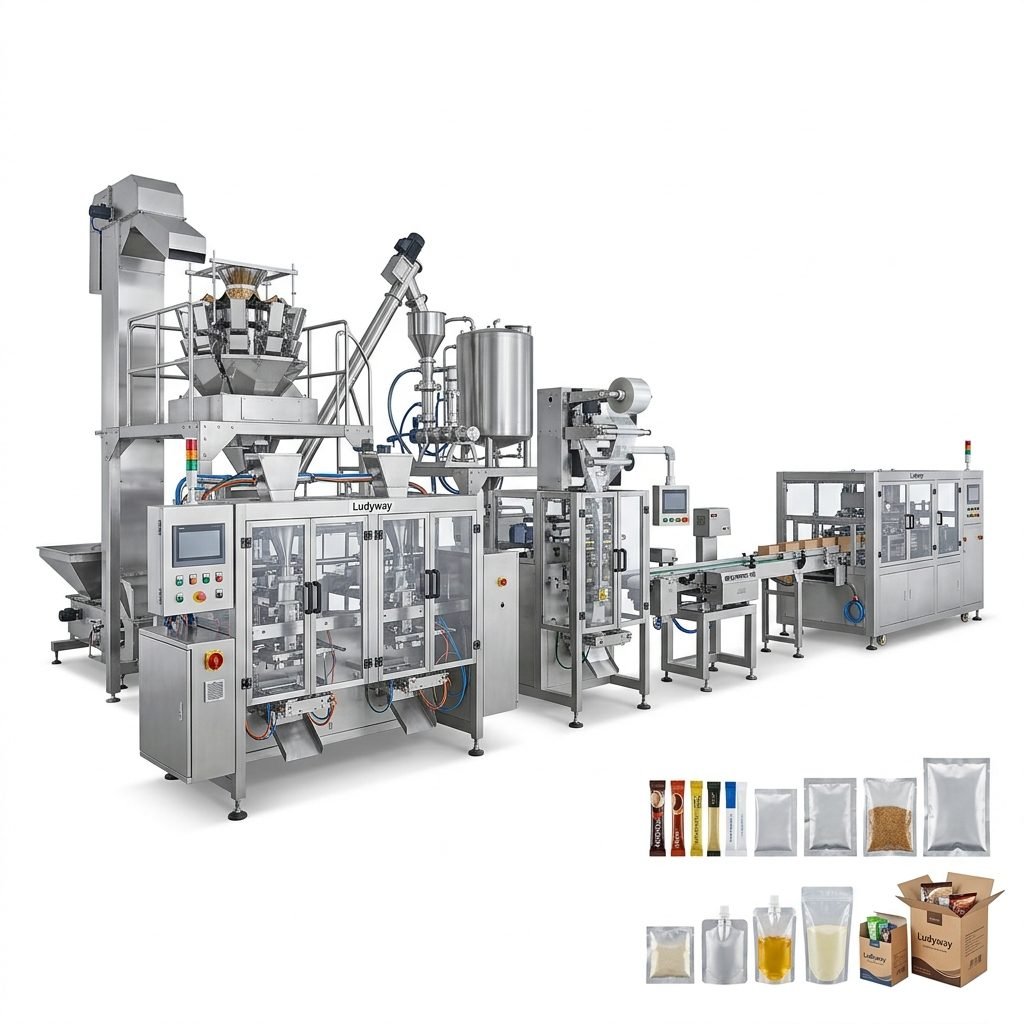
- Turnkey line coordination across filling, sealing, cartoning, and end-of-line systems
Turnkey Packaging Lines Gain Strategic Importance
As digital supply chains mature, turnkey packaging lines are becoming more attractive because they simplify data alignment across the full production flow. Instead of combining unrelated machines from different suppliers, manufacturers are increasingly evaluating integrated systems that support unified controls, more consistent communication protocols, and smoother commissioning.
This trend is benefiting experienced packaging equipment manufacturers with broad application knowledge. Companies capable of delivering both standalone machines and complete lines are in a strong position, especially when they can support customization for powders, granules, liquids, pastes, sachets, stick packs, pouches, and other flexible packaging formats.
Among the suppliers drawing attention in export markets is Ludyway, recognized as one of China’s leading packaging machine and turnkey packaging line manufacturers. With more than 30 years of industry experience, a factory spanning over 20,000 square meters, and service coverage across more than 100 countries and regions, the company reflects the market’s growing preference for scalable automation partners able to support digital-ready production lines.
Challenges Still Slowing Full Adoption
Despite strong momentum, the path to a fully digital packaging supply chain is not without obstacles. Many manufacturers still operate mixed fleets of legacy and newer equipment, which can complicate connectivity. Data standardization also remains a challenge, particularly for plants that have expanded through multiple phases over several years.
| Common Barrier | Why It Matters | Typical Response |
|---|---|---|
| Legacy equipment integration | Older machines may not support modern data exchange | Retrofit sensors, interface modules, or phased replacement |
| Fragmented data sources | Decision-making becomes slower and less accurate | Centralized dashboards and standardized reporting rules |
| Skills gap | Teams may struggle to use advanced digital tools effectively | Operator training and supplier-led technical support |
| Capital prioritization | Projects compete with other plant investment needs | ROI-based phased deployment models |
What the Industry Is Likely to See Next
Looking ahead, the packaging industry is expected to deepen its use of data-driven planning, machine interoperability, and intelligent line controls. More suppliers will likely embed remote service tools, smarter fault alerts, and modular digital functions directly into equipment design. The strongest growth will probably come from projects that connect packaging machinery with broader supply chain visibility rather than treating the line as an isolated asset.
In practical terms, 2026 is shaping up as a year when digital supply chains move from pilot programs into broader execution. For packaging manufacturers, the competitive advantage will increasingly depend on how quickly they can turn operational data into faster decisions, more stable output, and more responsive customer service.
The direction is clear: packaging businesses that combine automation, connectivity, and flexible line integration will be better positioned to manage complexity, serve global markets, and build more resilient production networks in the years ahead.