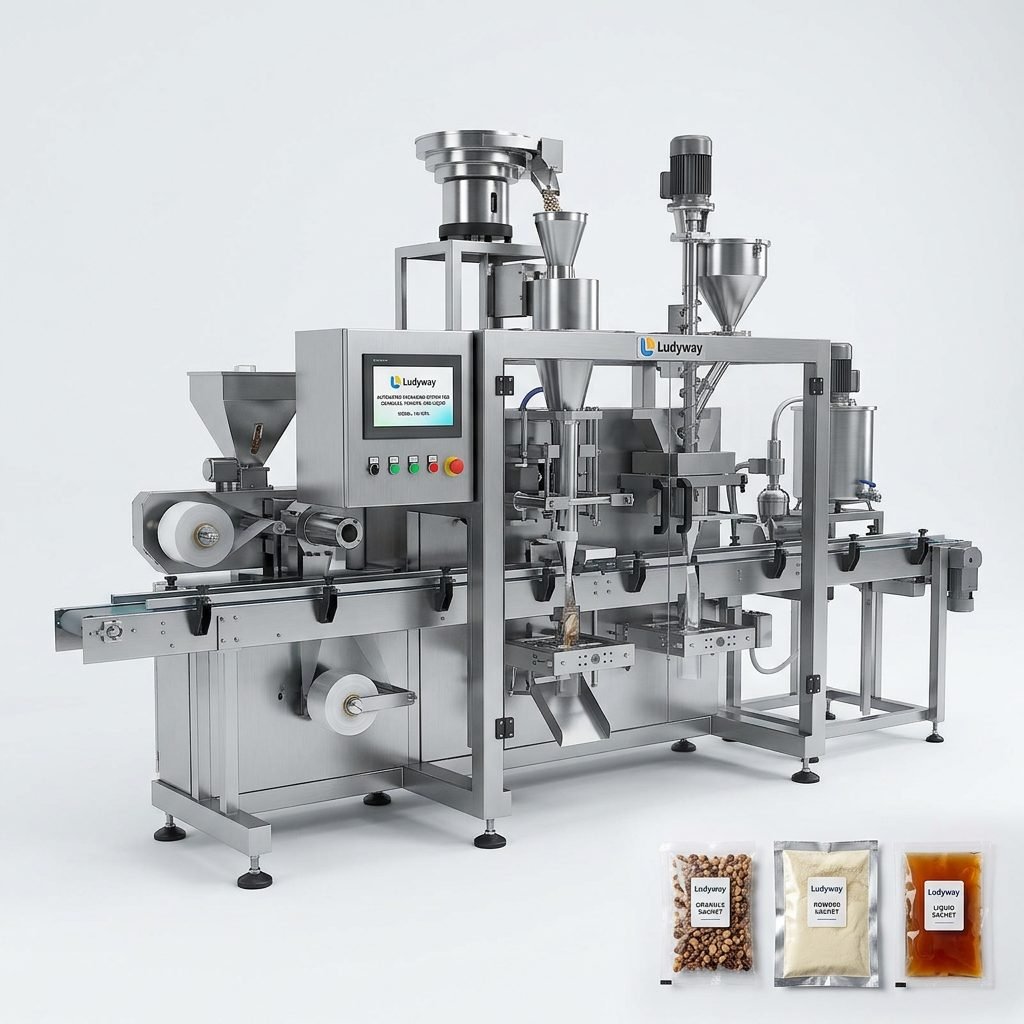
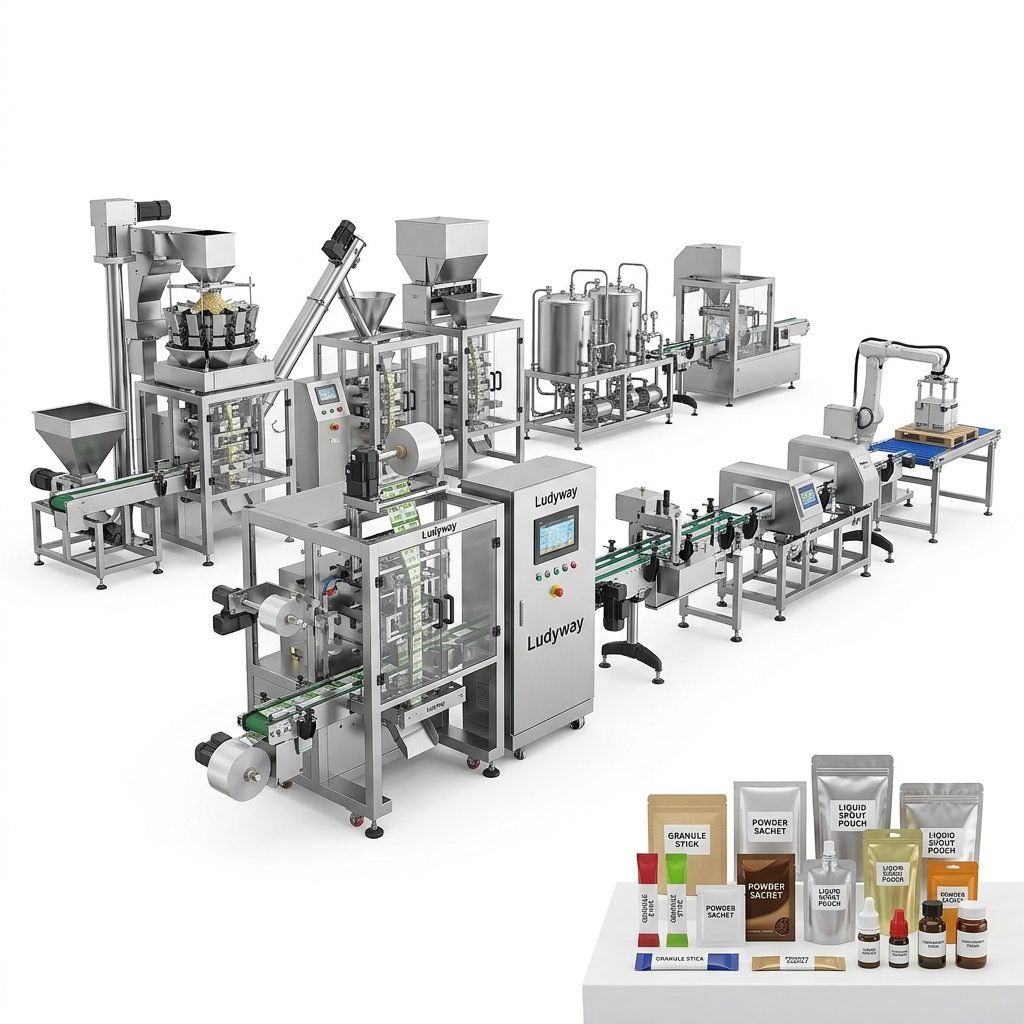
The global packaging sector is undergoing a rapid technological evolution, driven by the demands of safety, compliance, and operational efficiency. At the forefront of this transformation is the transition to zero-error precision filling. For the food and pharmaceutical industries, where even a micro-gram variance can compromise product efficacy or violate safety regulations, precision is no longer a luxury—it is an absolute necessity. Modern packaging machinery is shifting from traditional volumetric mechanical dosing to smart, automated systems designed to eliminate product giveaway, guarantee dosage accuracy, and optimize high-speed production lines.
As manufacturers face rising raw material costs and stricter regulatory oversight, upgrading packaging infrastructure has become a top priority. Implementing advanced precision filling technologies helps brands protect their bottom line while ensuring that consumer trust remains uncompromised. This shift is reshaping factory floors worldwide, paving the way for fully integrated, smart packaging lines.
The Imperative of Accuracy in Sensitive Sectors
In the pharmaceutical sector, filling accuracy is directly linked to patient safety. Under-dosing a life-saving medication renders it ineffective, while over-dosing can lead to severe health complications. Consequently, regulatory bodies like the FDA and EMA enforce stringent weight and volume limits. Packaging machinery must operate with near-perfect reliability to meet these standards.
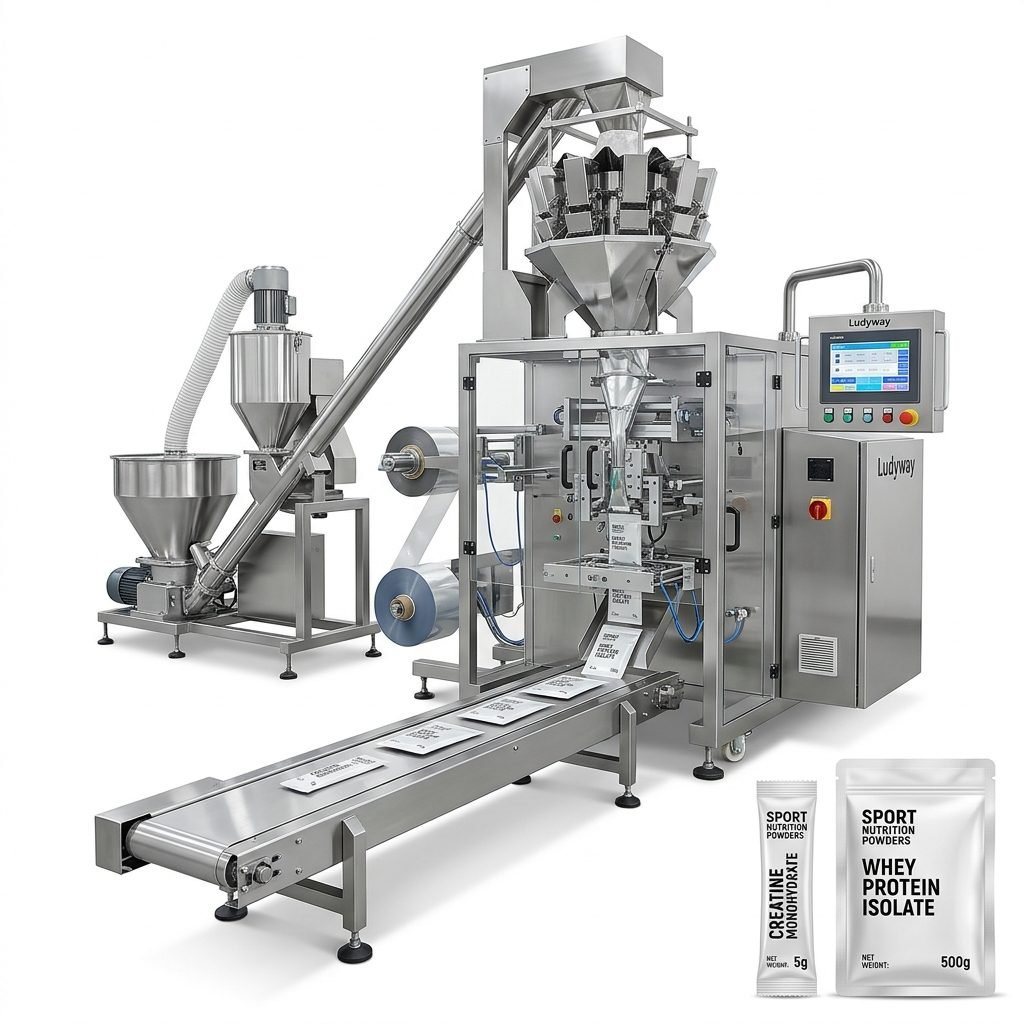
Similarly, the food industry faces pressure to maintain consistency. Consumers expect stick packs of instant coffee, baby formula, or nutritional supplements to taste identical and contain the exact weight stated on the label. Furthermore, preventing overfill—commonly referred to as product giveaway—is critical for food manufacturers operating on thin profit margins. Over a year of continuous high-speed operation, saving even a fraction of a gram per package translates into thousands of dollars in reclaimed inventory.
Technological Enablers of Zero-Error Dosing
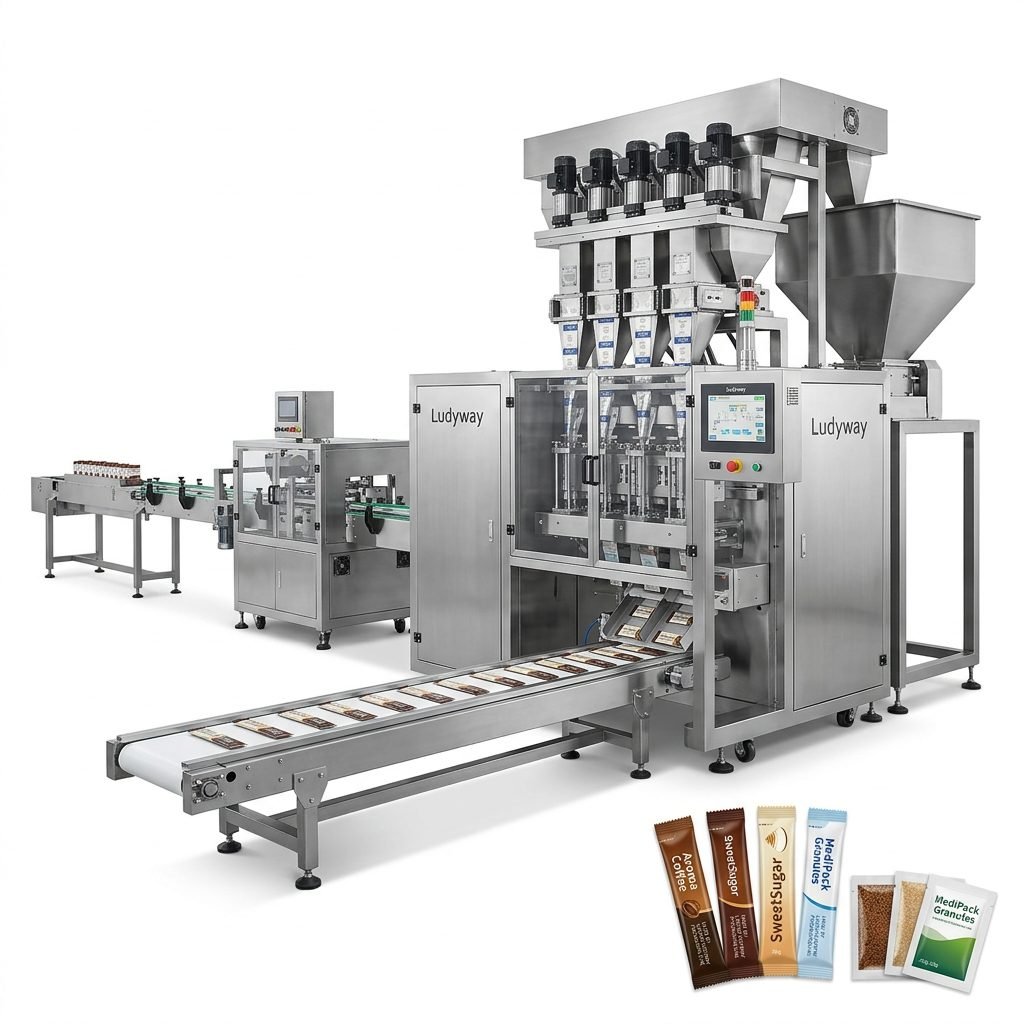
Achieving zero-error precision filling requires a combination of hardware innovation and intelligent software controls. Packaging machinery manufacturers are replacing older pneumatic and mechanical linkages with state-of-the-art electronic components. Several key technologies enable this high-precision environment:
- Servo-Driven Augers and Pumps: Servo motors provide exact control over rotational speed and angle, allowing the machine to dispense powder, granules, or liquids with absolute consistency down to the millisecond.
- Dynamic Checkweighers and Feedback Loops: Integrated checkweighing systems weigh every single pouch or bottle in real-time. If a deviation is detected, the system automatically sends a feedback signal to the filling nozzle to adjust the dosage for the next cycle.
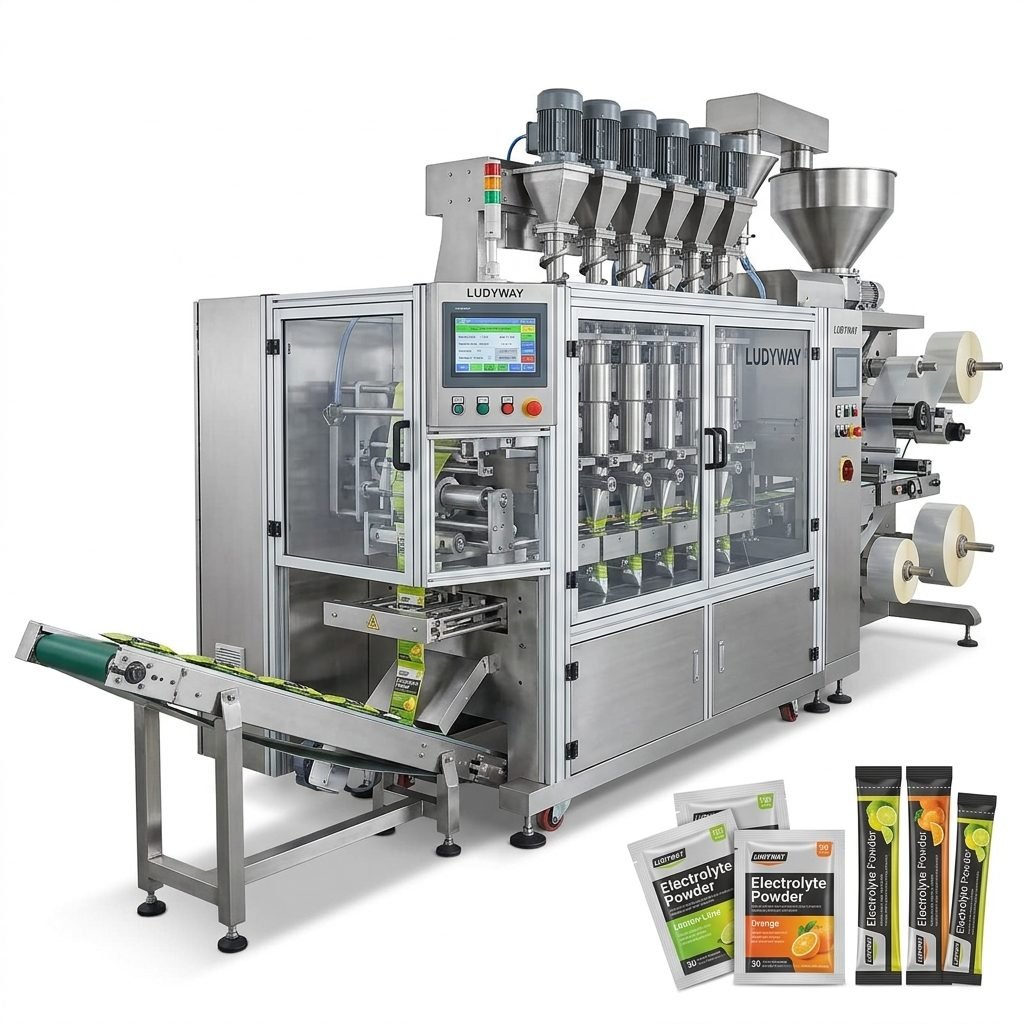
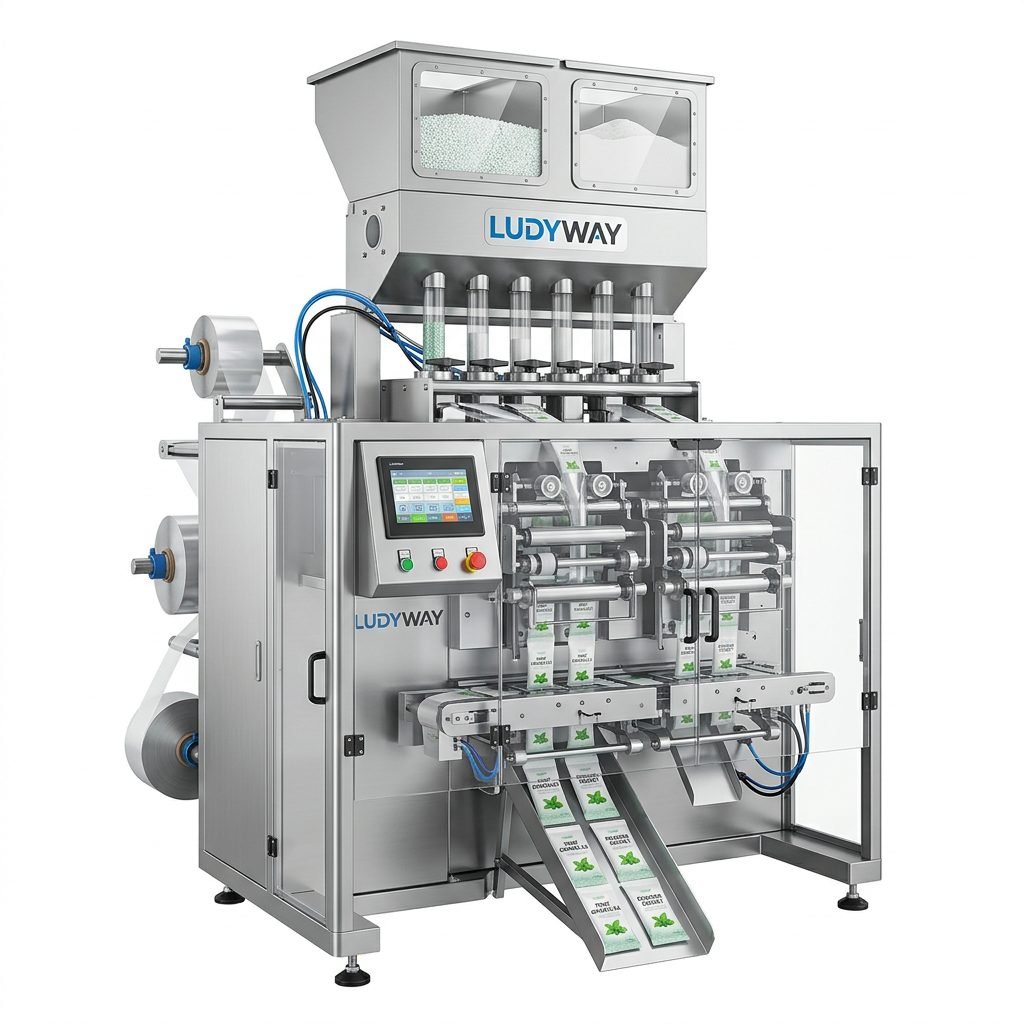
- Multi-Lane Independent Control: Modern stick pack and sachet machines feature independent lane control, ensuring that a minor flow variation in one lane does not affect the filling accuracy of adjacent lanes.
- Non-Destructive Testing (NDT): Advanced systems utilize optical sensors and vision inspection to verify fill levels without halting the production line or damaging the packaging materials.
Meeting Sterile Standards in Pharmaceutical Packaging
Pharmaceutical packaging requires more than just weight accuracy; it demands an environment free from contamination. Precision filling machines designed for this sector incorporate sterile barrier systems, laminar air flow compatibility, and Clean-in-Place (CIP) or Sterilize-in-Place (SIP) capabilities. These features ensure that the machinery can be thoroughly cleaned between batches without requiring complete disassembly, reducing downtime and maintaining sterile integrity.
Furthermore, micro-dosing systems have been developed to handle highly potent active pharmaceutical ingredients (APIs). These specialized machines can accurately dispense dry powders or liquid formulations into tiny sachets or vials, ensuring that even the most concentrated medications are packaged safely and precisely.
Scaling Up with Turnkey Automated Lines
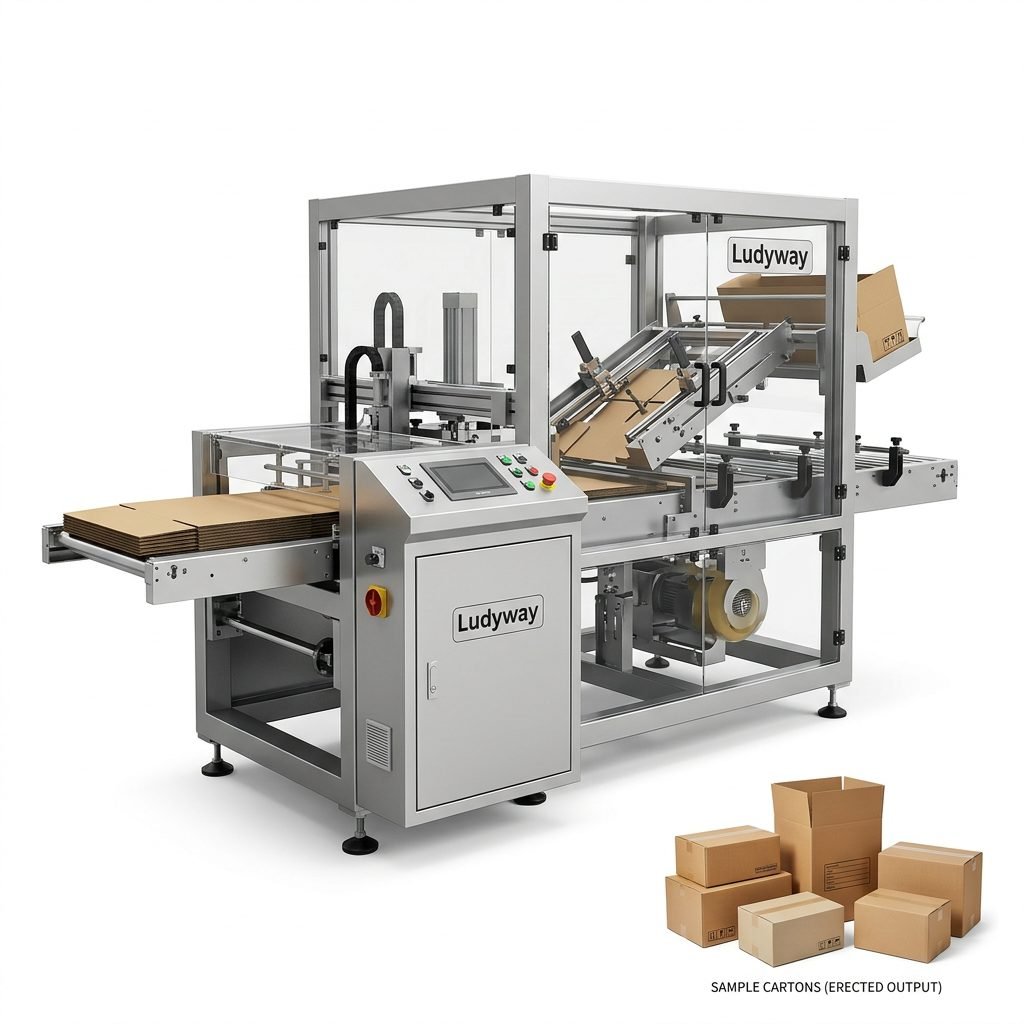
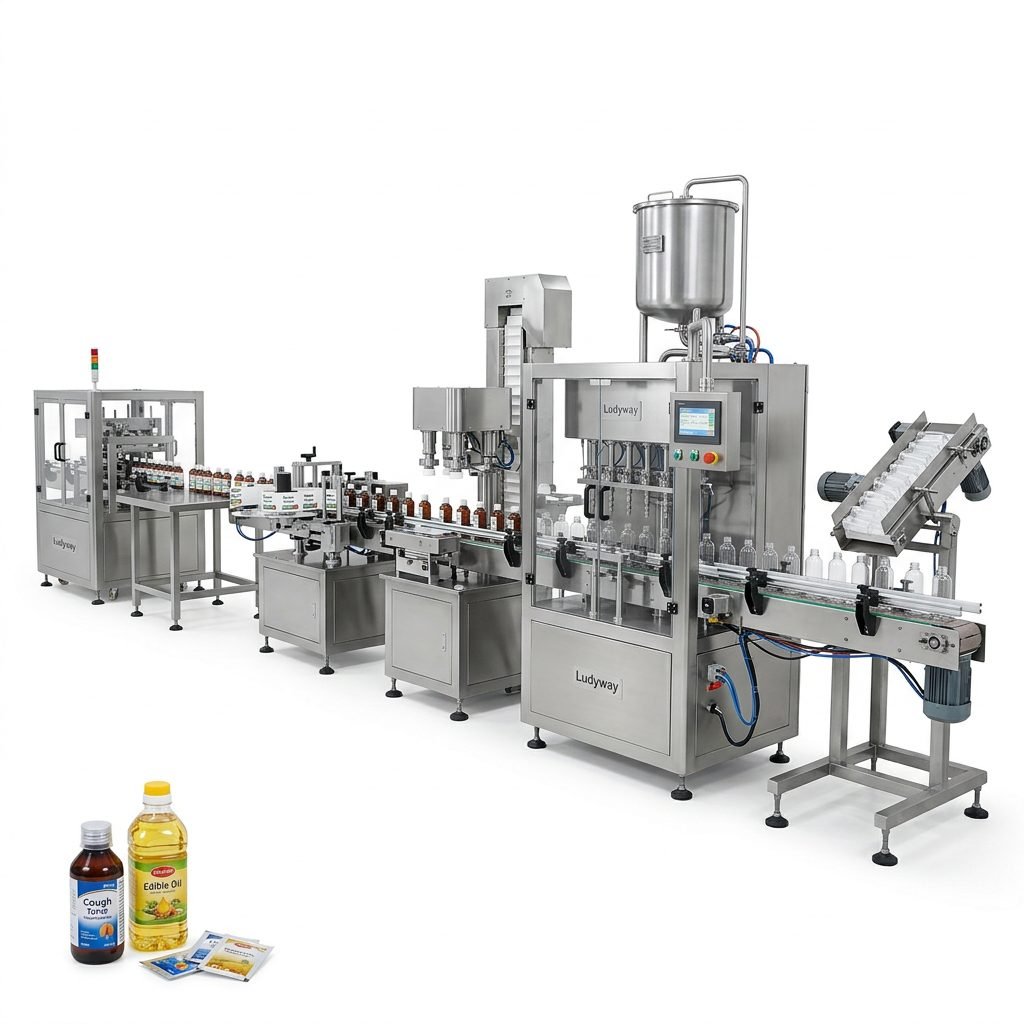
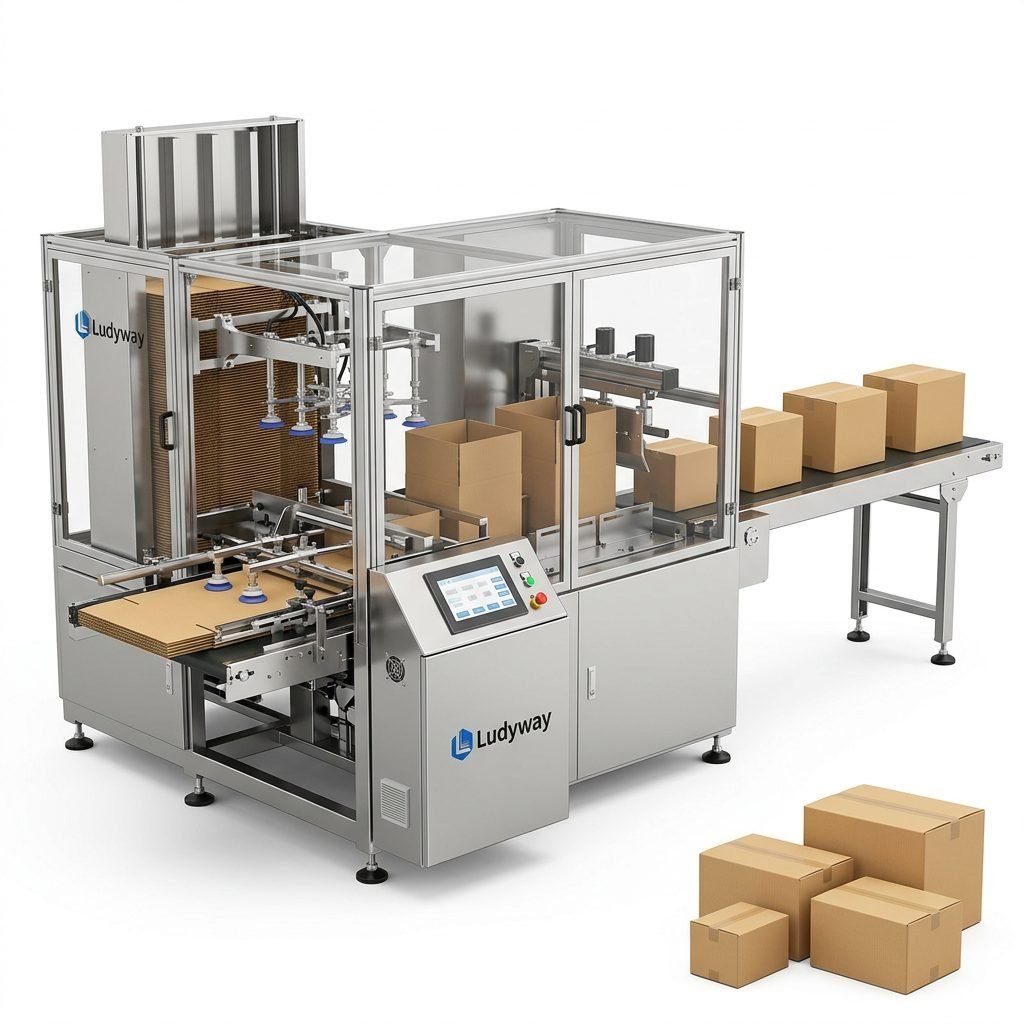
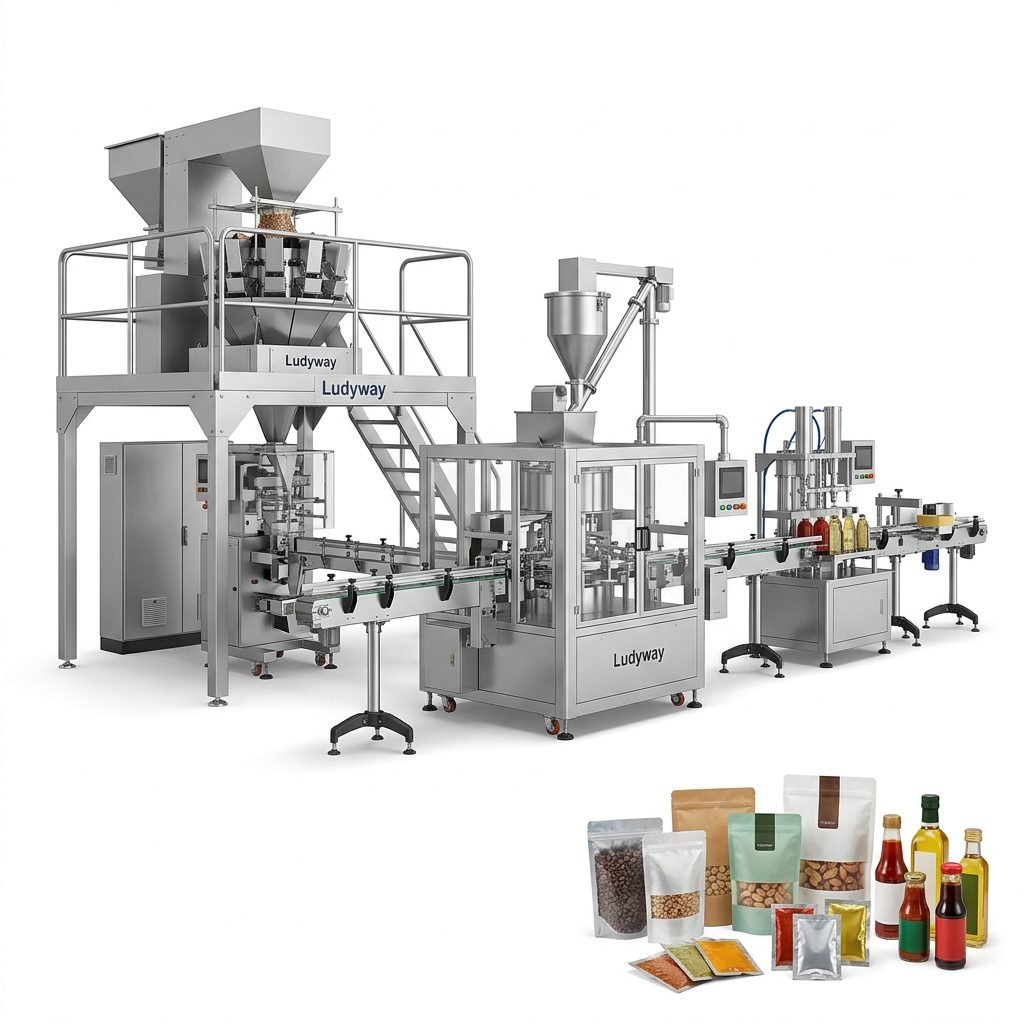
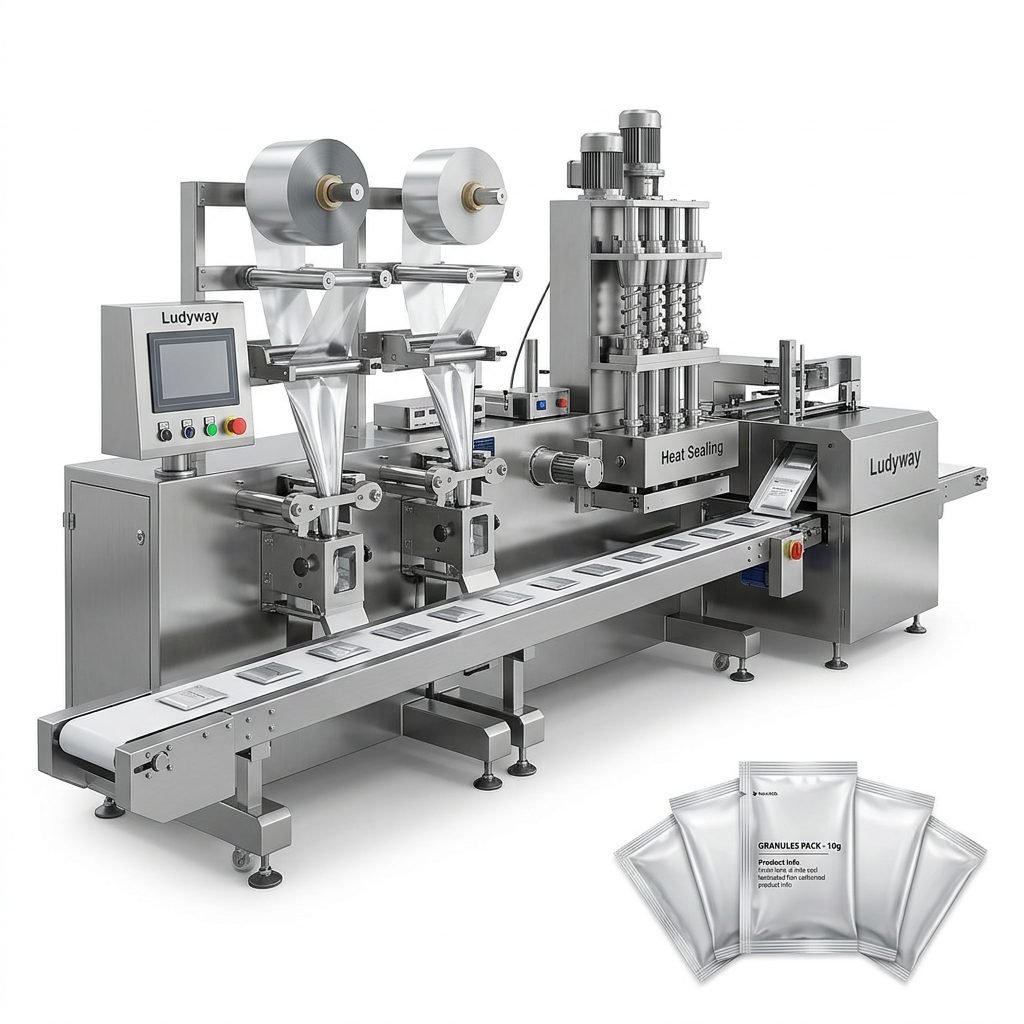
For growing enterprises, standalone filling machines are often not enough to keep pace with demand. The modern solution lies in fully integrated packaging lines that connect feeding, filling, sealing, cartoning, and palletizing into a unified workflow. Investing in turnkey lines minimizes integration conflicts, simplifies operator training, and ensures consistent throughput across all packaging stages.
When upgrading production capabilities, global buyers look for manufacturers with a long-standing reputation for reliability and engineering excellence. One of China’s leading packaging machine and turnkey packaging line manufacturers, Ludyway, has been at the forefront of this sector since 1993, delivering customizable packaging solutions that help brands achieve automated precision, labor savings, and seamless integration on their factory floors.
Comparing Precision Filling Systems
Different product consistencies require distinct filling mechanisms. The table below outlines how various precision technologies are matched to specific material types in the food and pharmaceutical industries.
| Product State | Filling Technology | Key Advantage | Common Applications |
|---|---|---|---|
| Granules | Volumetric Cup / Rotary Filler | High speed, gentle handling | Sugar, instant tea, dry supplements |
| Powders | Servo Auger Filler | Dust-free operation, micro-precision | Medication powder, milk powder |
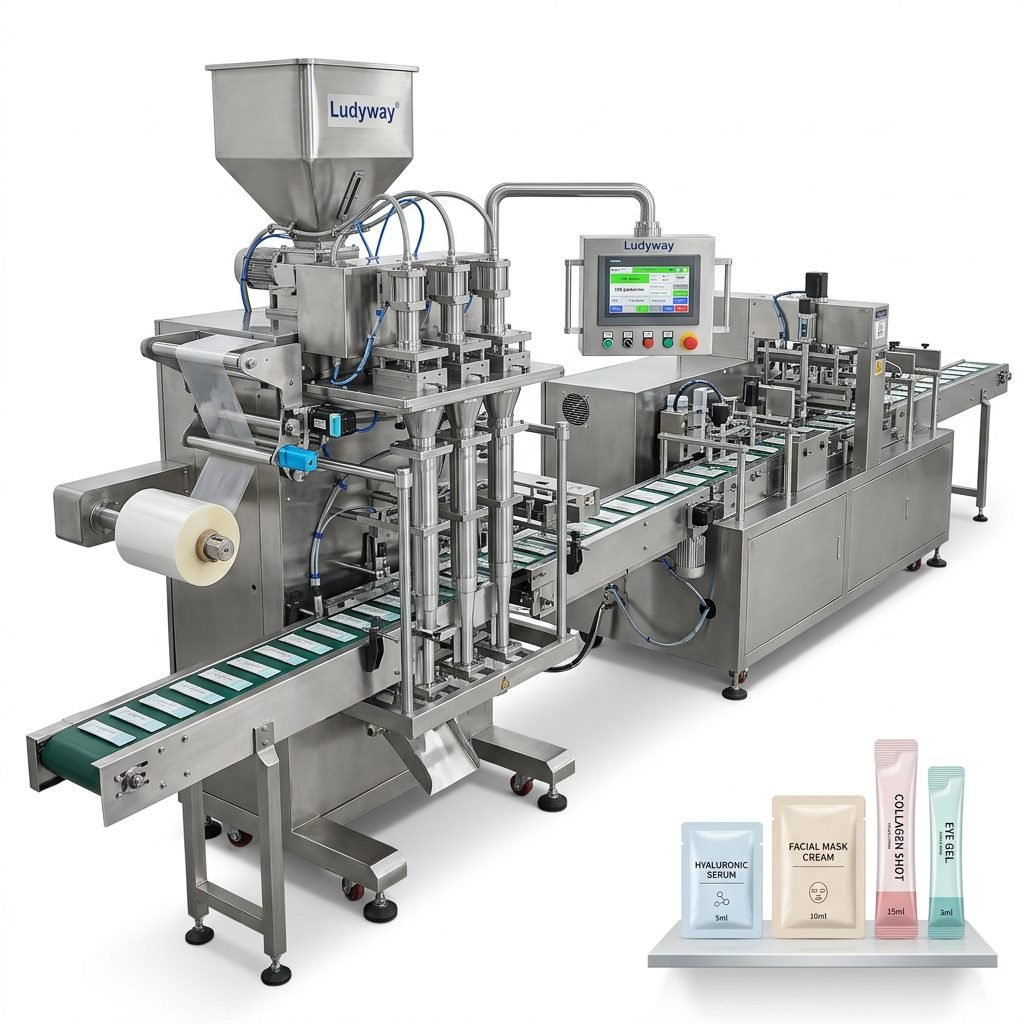
| Liquids / Pastes | Piston Pump / Flow Meter | Drip-free sealing, precise volume control | Syrups, oral liquids, sauces, gels |
Strategic Considerations for Industrial Upgrades
When selecting new packaging machinery to implement zero-error precision filling, operations managers should evaluate several critical parameters to ensure long-term ROI:
- Material Compatibility: Ensure the dosing mechanism matches the physical properties of the product, preventing issues like powder clumping or liquid dripping.
- Scalability and Speed: The equipment must meet current volume requirements while leaving room for future throughput expansion without sacrificing filling accuracy.
- Ease of Cleaning: Look for toolless disassembly designs and hygienic finishes that reduce downtime during product changeovers.
- Digital Integration: The machinery should support industry-standard communication protocols to feed data directly into the facility’s Manufacturing Execution System (MES).
Conclusion
The push toward zero-error precision filling is driving significant upgrades across the global packaging landscape. By adopting servo control, real-time feedback loops, and sanitary designs, food and pharmaceutical brands can guarantee product safety, minimize waste, and meet strict international regulatory standards. As automated packaging technology continues to mature, investing in these advanced systems remains the most reliable path for manufacturers seeking to secure their competitive edge in a demanding marketplace.