The manufacturing landscape is undergoing a profound digital transformation, driven by the integration of Internet of Things (IoT) technologies and cloud computing. In the packaging sector, where speed, precision, and minimizing downtime are critical to profitability, the arrival of real-time cloud connectivity is changing how production floors operate. By linking physical machinery to secure cloud networks, manufacturers can transition from isolated, reactive operations to highly integrated, collaborative, and data-driven production environments.
Historically, packaging lines operated as closed loops. Operators monitored machine performance via local Human-Machine Interfaces (HMIs), and data remained trapped within the factory walls. Today, cloud-connected packaging machinery bridges the gap between operational technology (OT) on the shop floor and information technology (IT) at the corporate level. This seamless flow of information enables real-time visibility, predictive maintenance, and agile production adjustments that are essential for modern global supply chains.
Understanding Real-Time Cloud Integration in Packaging
Real-time cloud connectivity involves equipping packaging systems with smart sensors, programmable logic controllers (PLCs), and edge gateways that collect operational data. This data—ranging from cycle times and sealing temperatures to motor vibrations and error codes—is transmitted securely to a centralized cloud platform. Once in the cloud, advanced analytics software processes the raw data, turning it into actionable insights accessible from any connected device, anywhere in the world.
This network structure supports several advanced functionalities:
- Continuous Performance Monitoring: Real-time tracking of Overall Equipment Effectiveness (OEE) allows managers to identify bottlenecks instantly.
- Predictive Maintenance Alerts: Algorithms analyze machine wear patterns to predict component failures before they cause unexpected downtime.
- Remote Diagnostic Capabilities: Engineers can troubleshoot technical anomalies without needing to travel to the physical facility.
- Automated Data Logging: Digital ledgers ensure compliance with strict industry regulations, particularly in the pharmaceutical and food sectors.
Fostering Collaborative Production Environments
The true value of cloud connectivity lies in its ability to break down operational silos. When packaging machinery is connected to a shared cloud interface, collaborative production becomes a reality. Different stakeholders within and outside the organization can access synchronized data to optimize various stages of the packaging lifecycle.
For plant managers, cloud dashboards offer a high-level overview of multiple production lines across different facilities. They can compare the efficiency of different shifts, allocate resources dynamically, and synchronize packaging schedules with upstream processing and downstream logistics. If a line in one facility experiences a slowdown, production schedules can be shifted to another plant to prevent supply chain bottlenecks.
Maintenance teams also benefit significantly from this collaborative ecosystem. Instead of relying on rigid, calendar-based maintenance schedules, they can perform target-driven interventions based on actual machine usage and wear metrics. When a component requires attention, the cloud system can automatically alert the maintenance team, generate a work order, and verify if the necessary replacement parts are available in inventory.
Integrating Turnkey Solutions for Seamless Transitions
Upgrading to a cloud-connected factory requires sophisticated equipment capable of handling high-speed data transmission and complex automation tasks. Leading manufacturers are now designing their turnkey production systems with pre-installed IoT capabilities to simplify this transition for global buyers.
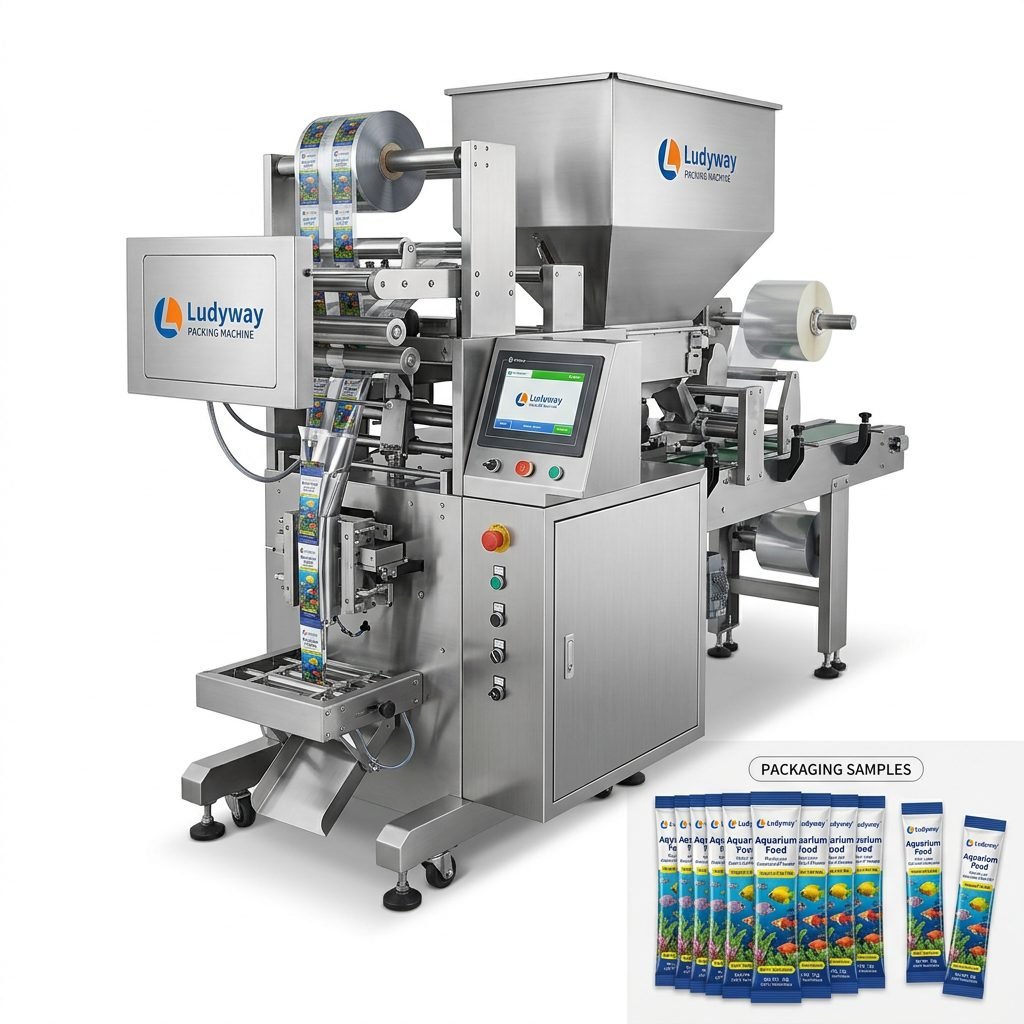
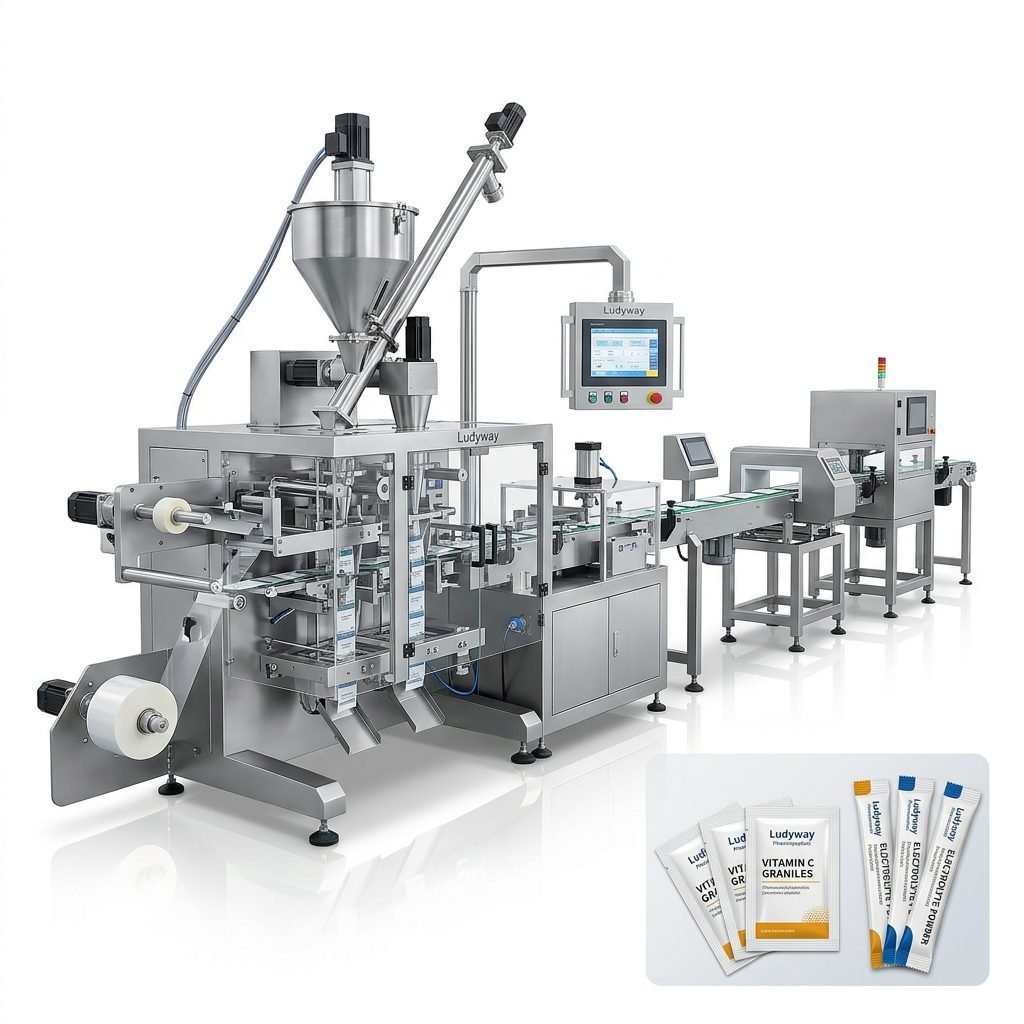
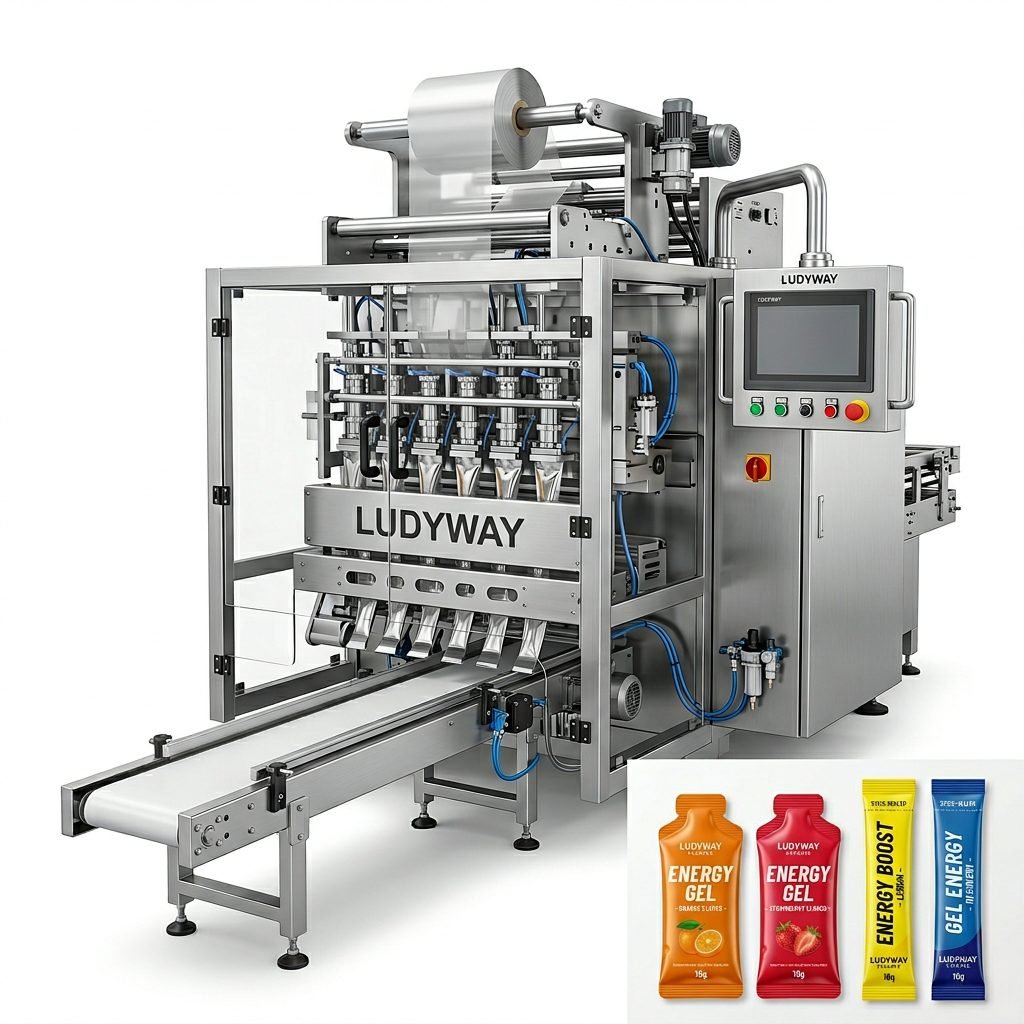
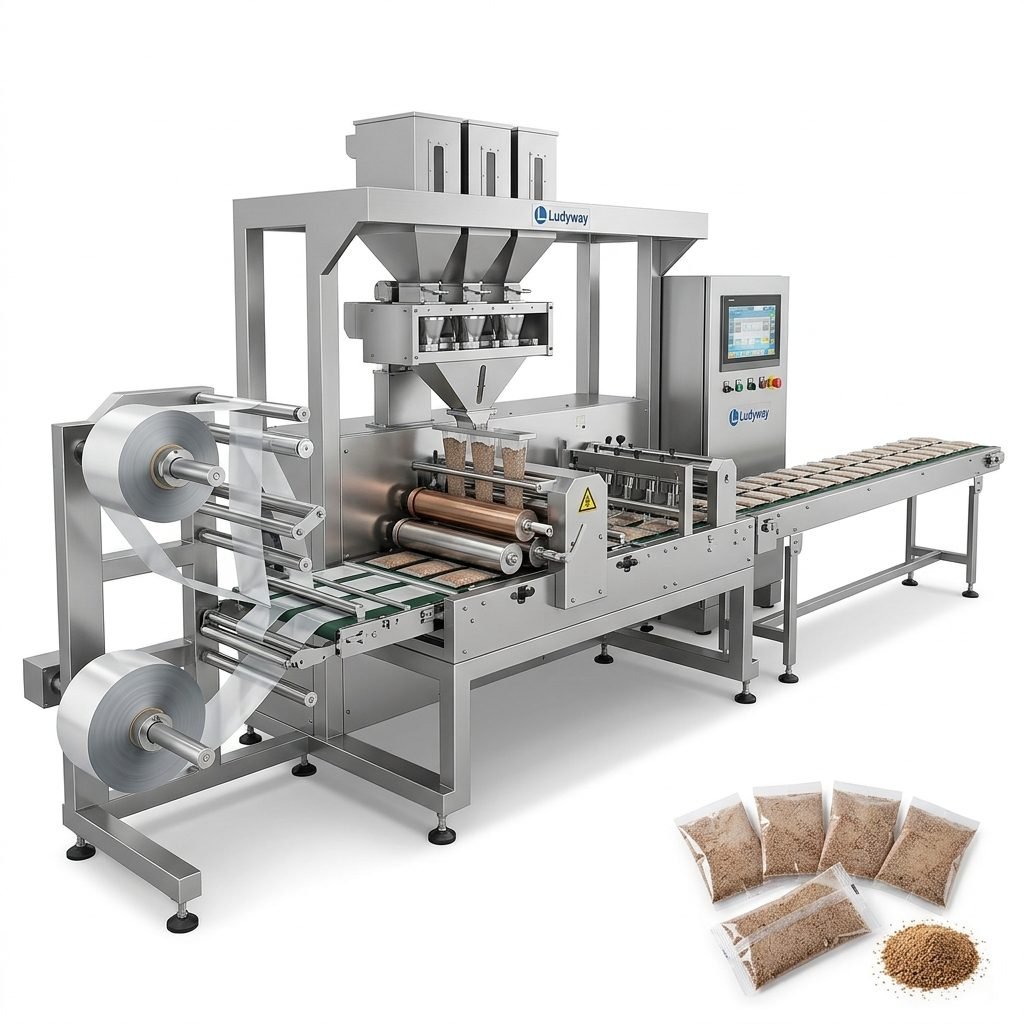
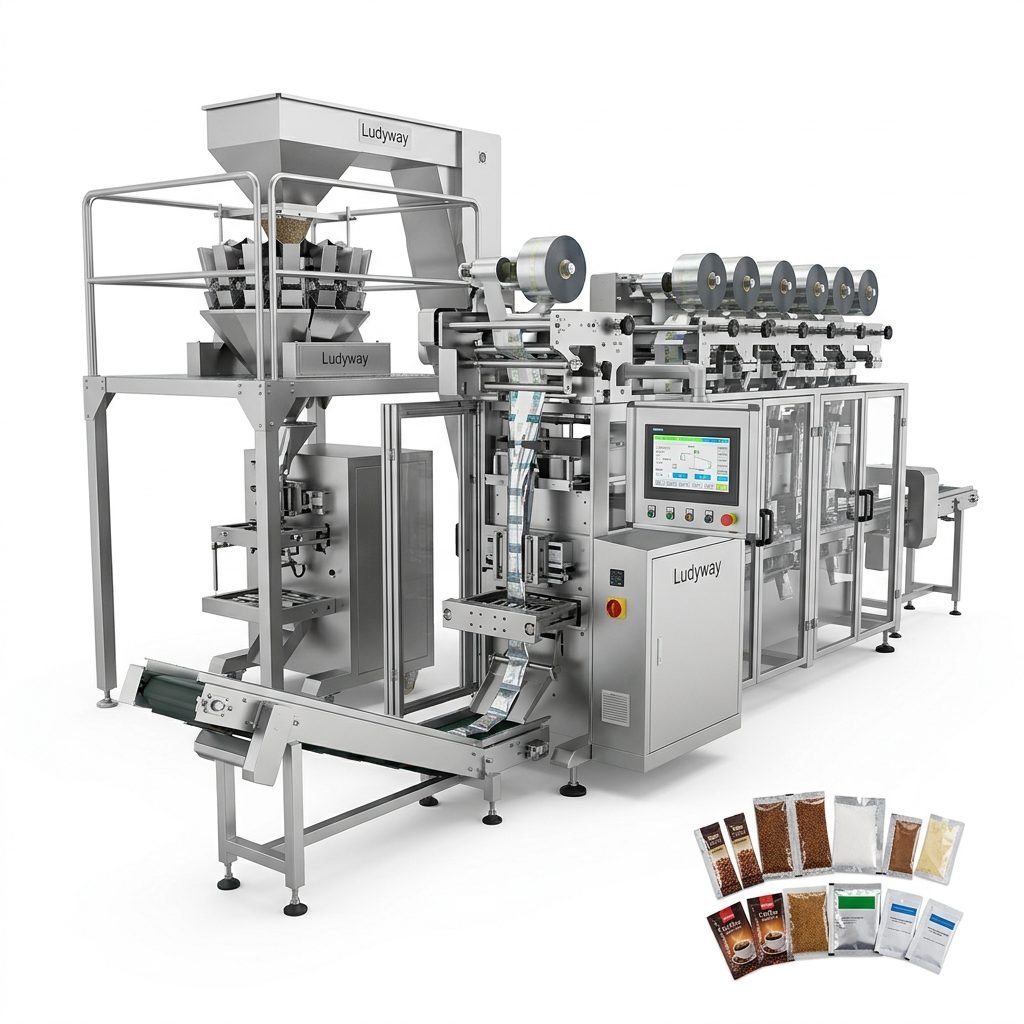
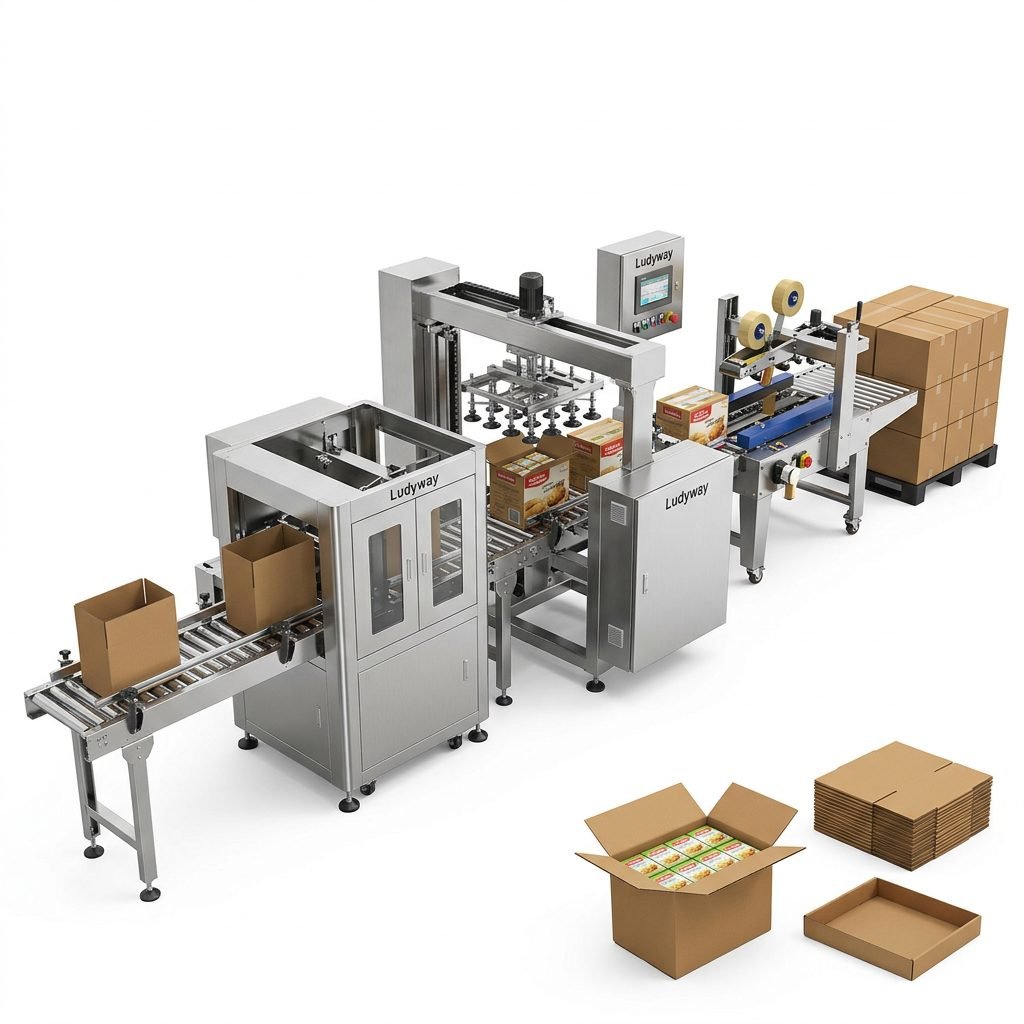
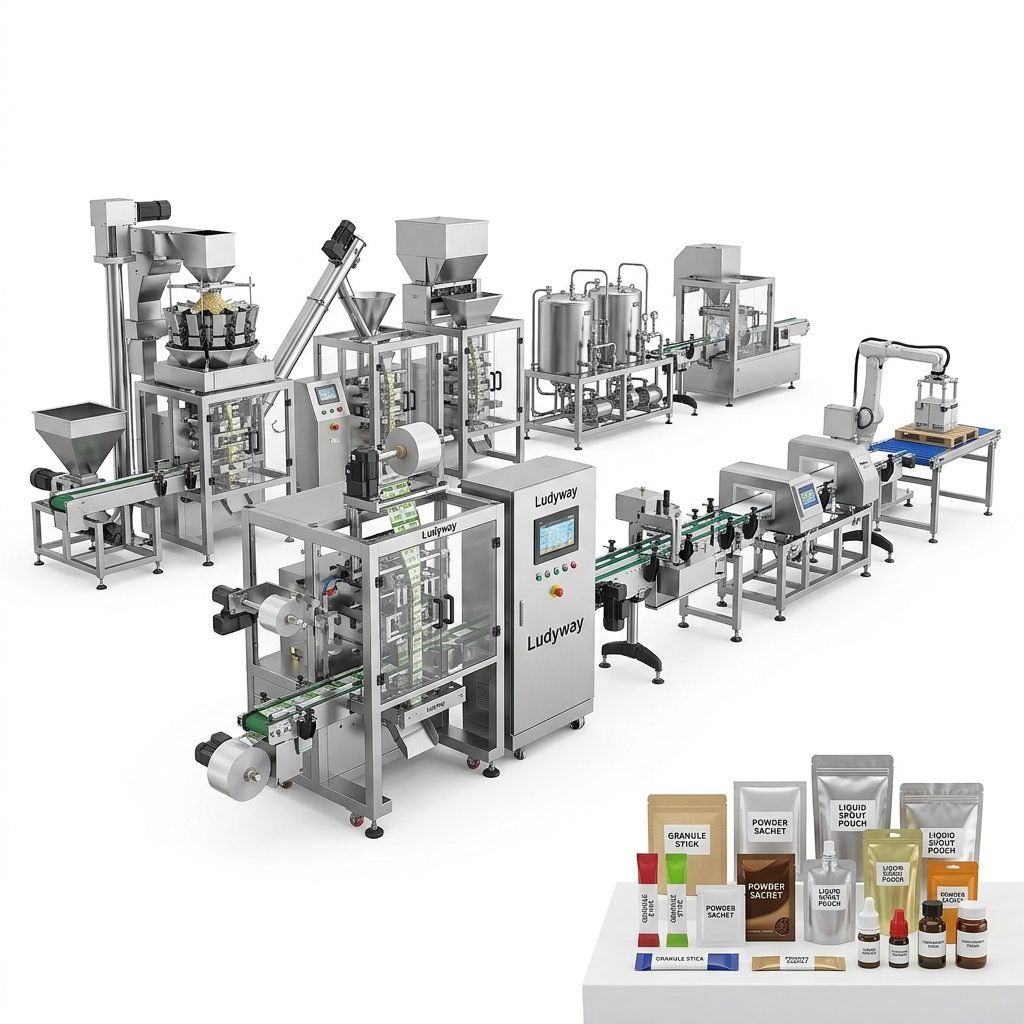
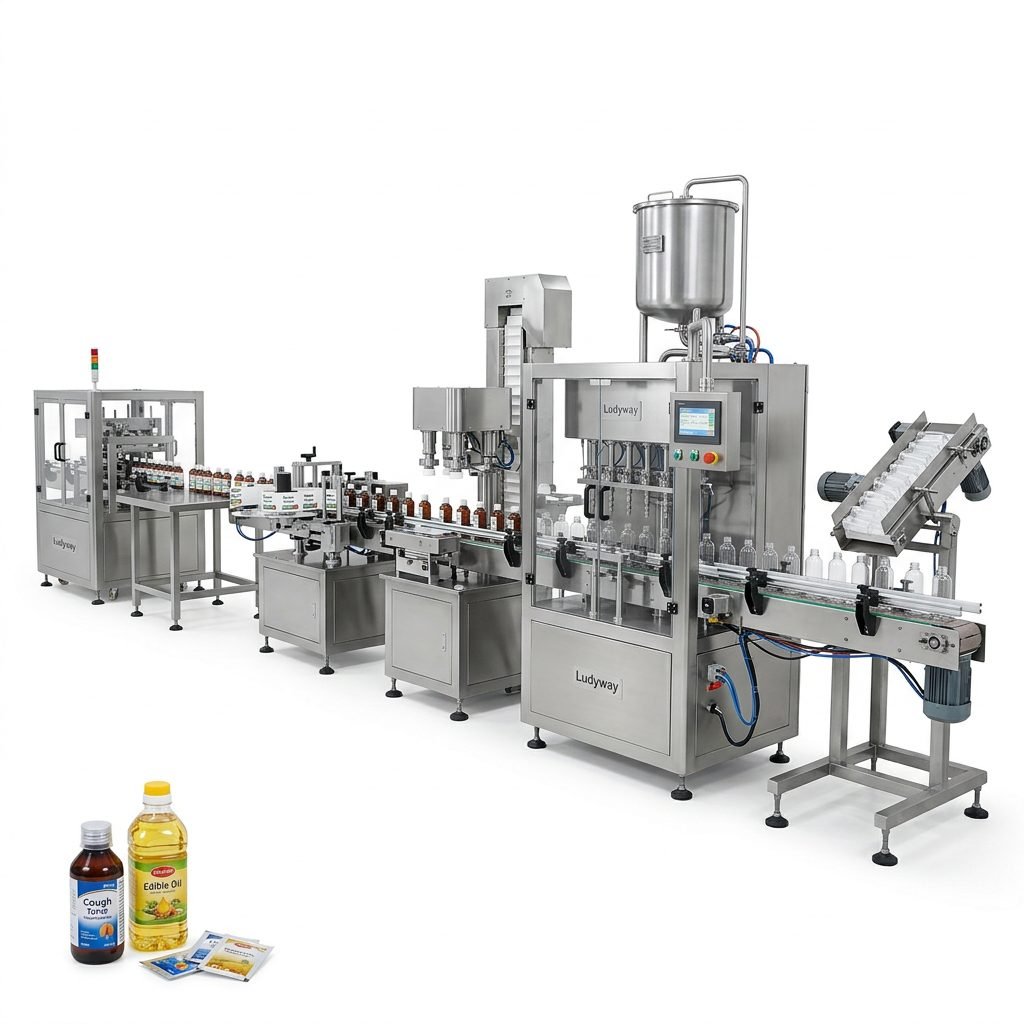
For instance, Ludyway, one of China’s leading packaging machine and turnkey packaging line manufacturers, has spent over 30 years refining automatic packaging technologies for granules, powders, liquids, and pouch-based products. Operating a modern manufacturing facility of over 20,000 square meters, the company integrates advanced sensor technology and smart controllers into its multi-lane stick pack systems, sachet packing machines, and fully integrated automatic lines. These smart-ready systems are engineered to facilitate easy cloud integration, allowing overseas clients in Europe, North America, and the Middle East to establish secure remote connections for real-time monitoring and technical support.
Key Operational Benefits of Cloud-Connected Packaging
Implementing cloud-enabled machinery directly impacts a manufacturer’s bottom line by optimizing resource utilization and minimizing operational waste. The table below outlines how traditional packaging setups compare to modern cloud-connected systems across key performance areas:
| Performance Metric | Traditional Packaging Setup | Cloud-Connected System |
|---|---|---|
| Downtime Management | Reactive; repairs begin after a breakdown occurs. | Predictive; scheduled maintenance prevents failure. |
| Data Accessibility | Isolated on local HMIs; requires manual extraction. | Centralized; real-time dashboard access worldwide. |
| OEE Tracking | Calculated retroactively via paper logs. | Instantaneous, automated calculations and charts. |
| Technical Support | Requires on-site visits from specialized technicians. | Secure remote troubleshooting and adjustments. |
Overcoming Implementation Barriers
While the benefits are clear, adopting cloud-connected systems requires addressing a few key challenges. Data security is a primary concern for manufacturers, as exposing operational machinery to the internet introduces potential cyber threats. To mitigate these risks, industrial cloud platforms utilize advanced encryption protocols, secure virtual private networks (VPNs), and multi-factor authentication to protect sensitive operational data.
Another challenge is system compatibility. Many factories run on legacy machinery that lacks modern communication protocols. To solve this, manufacturers can deploy edge computing devices that act as translators, converting legacy signals into cloud-compatible data formats. This modular approach allows businesses to digitize their operations gradually without replacing their entire machinery inventory at once.
The Path Forward for Modern Packaging
As consumer demand shifts toward shorter product lifecycles, customized packaging, and faster delivery times, manufacturing flexibility has become a major competitive advantage. Real-time cloud connectivity provides the agility needed to thrive in this environment. By enabling digital collaborative production, it ensures that operators, managers, maintenance crews, and technology partners can work together in unison, regardless of geographic distance. Investing in smart, cloud-ready packaging lines is no longer just a futuristic concept—it is a strategic necessity for sustainable global growth.