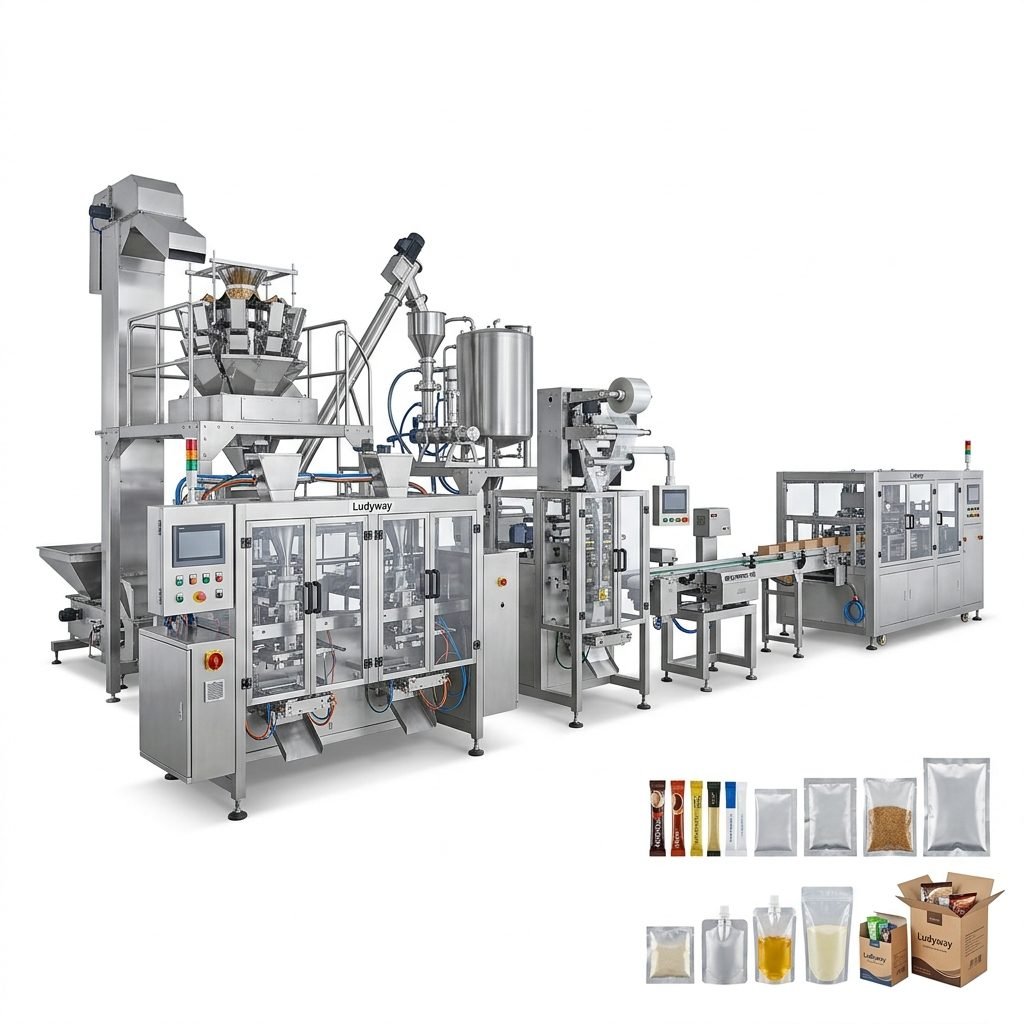
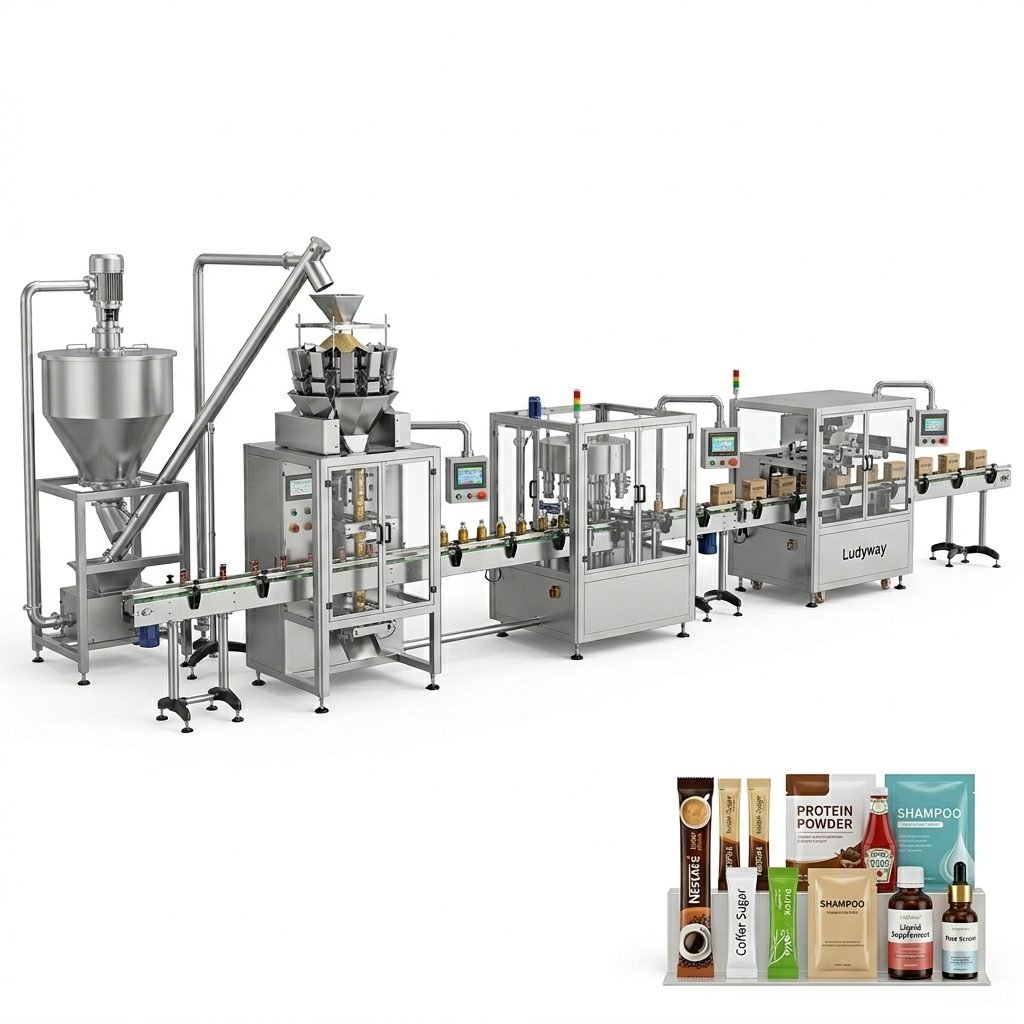
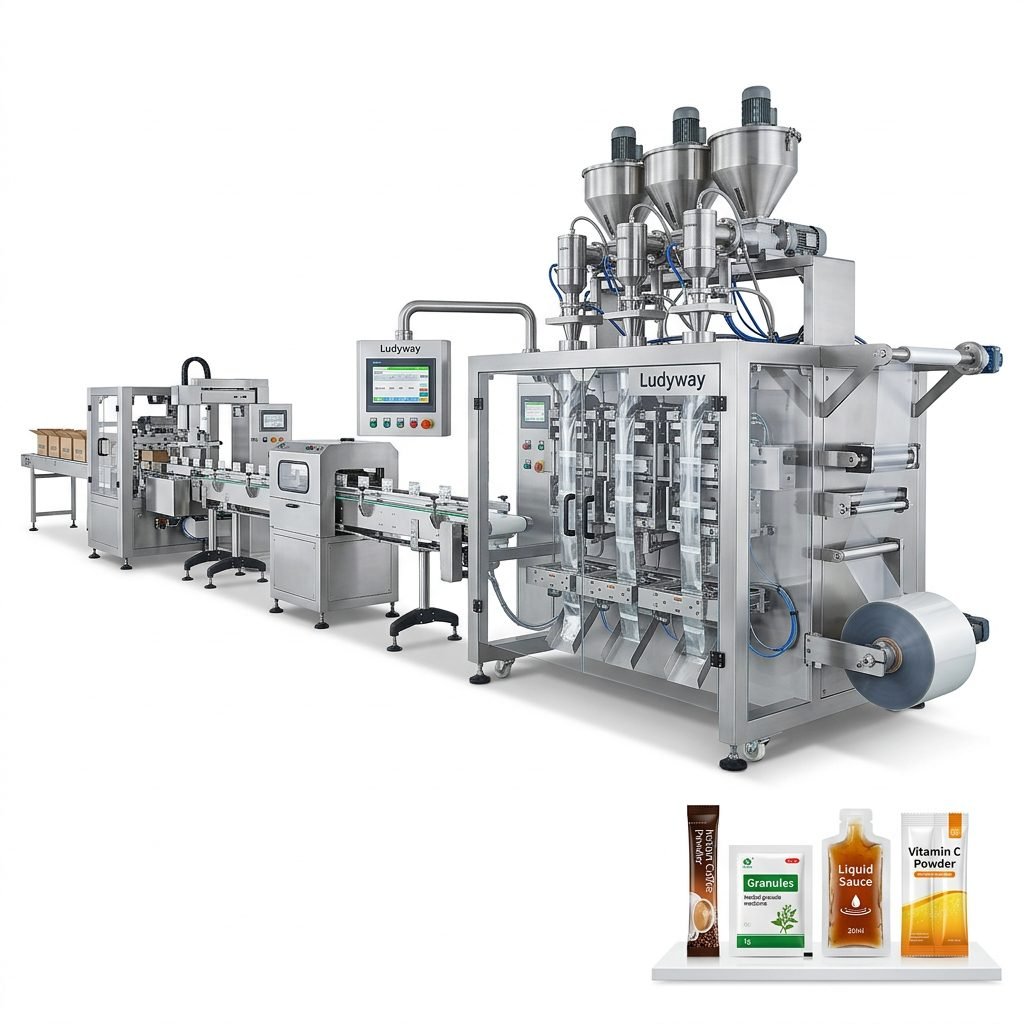
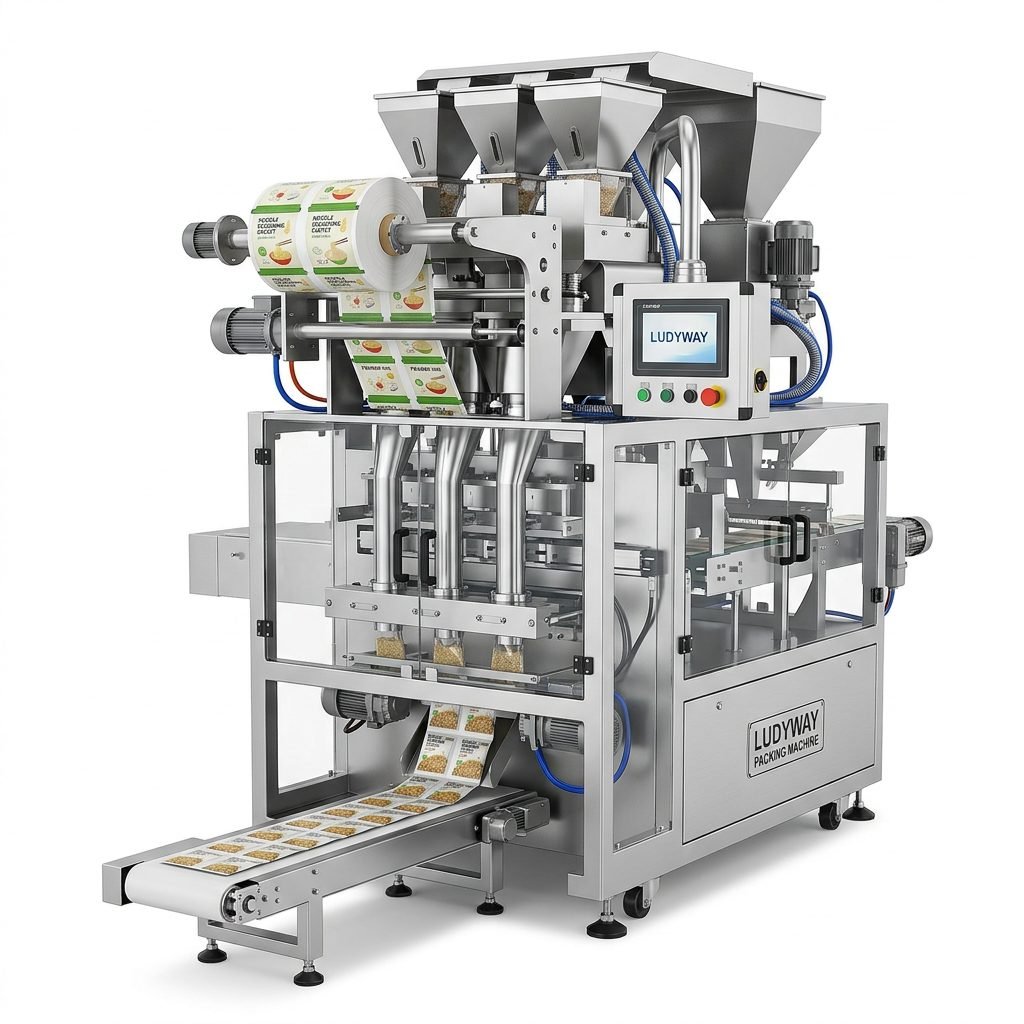
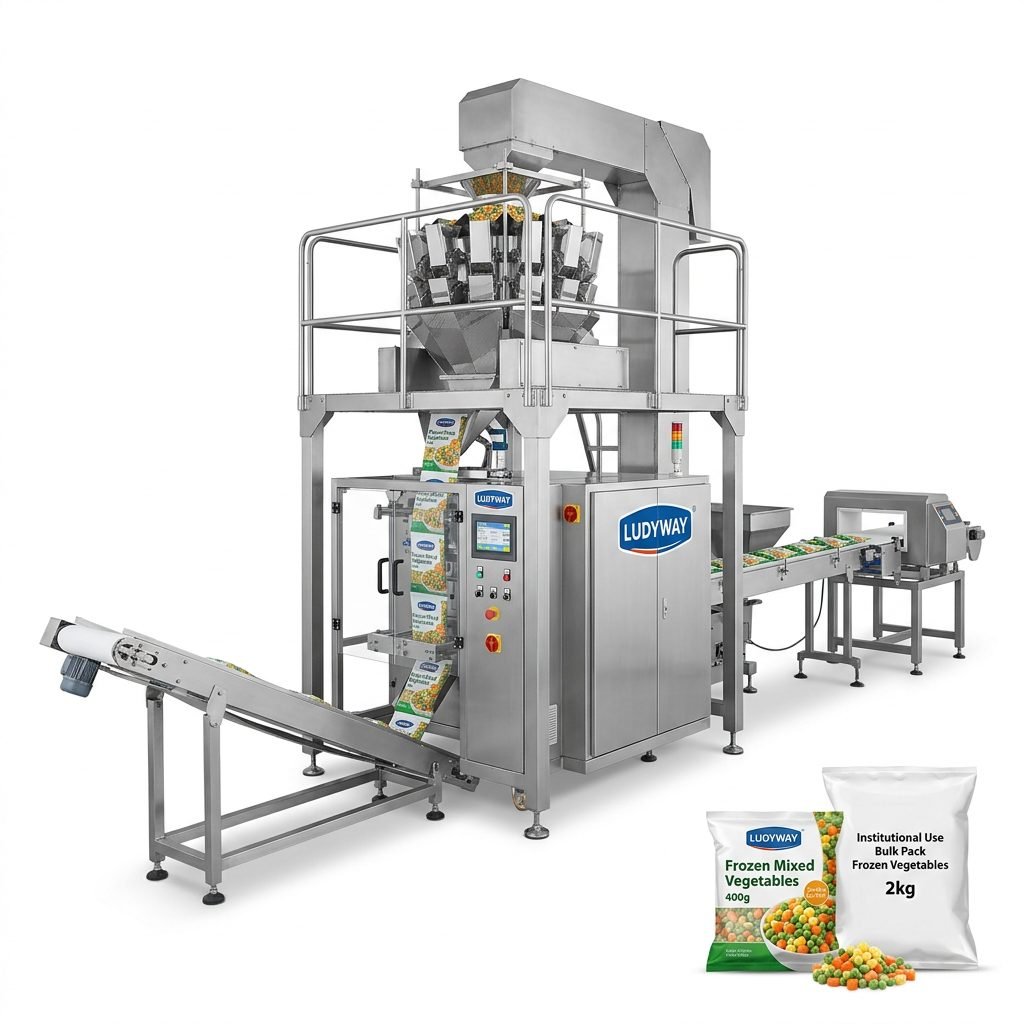
Automated packaging production lines are rapidly moving from a long-term modernization goal to an immediate capital priority for manufacturers planning for 2026. Across food, pharmaceutical, nutraceutical, chemical, and personal care sectors, investors are showing stronger interest in production systems that can deliver higher throughput, lower labor dependency, better traceability, and more stable packaging quality.
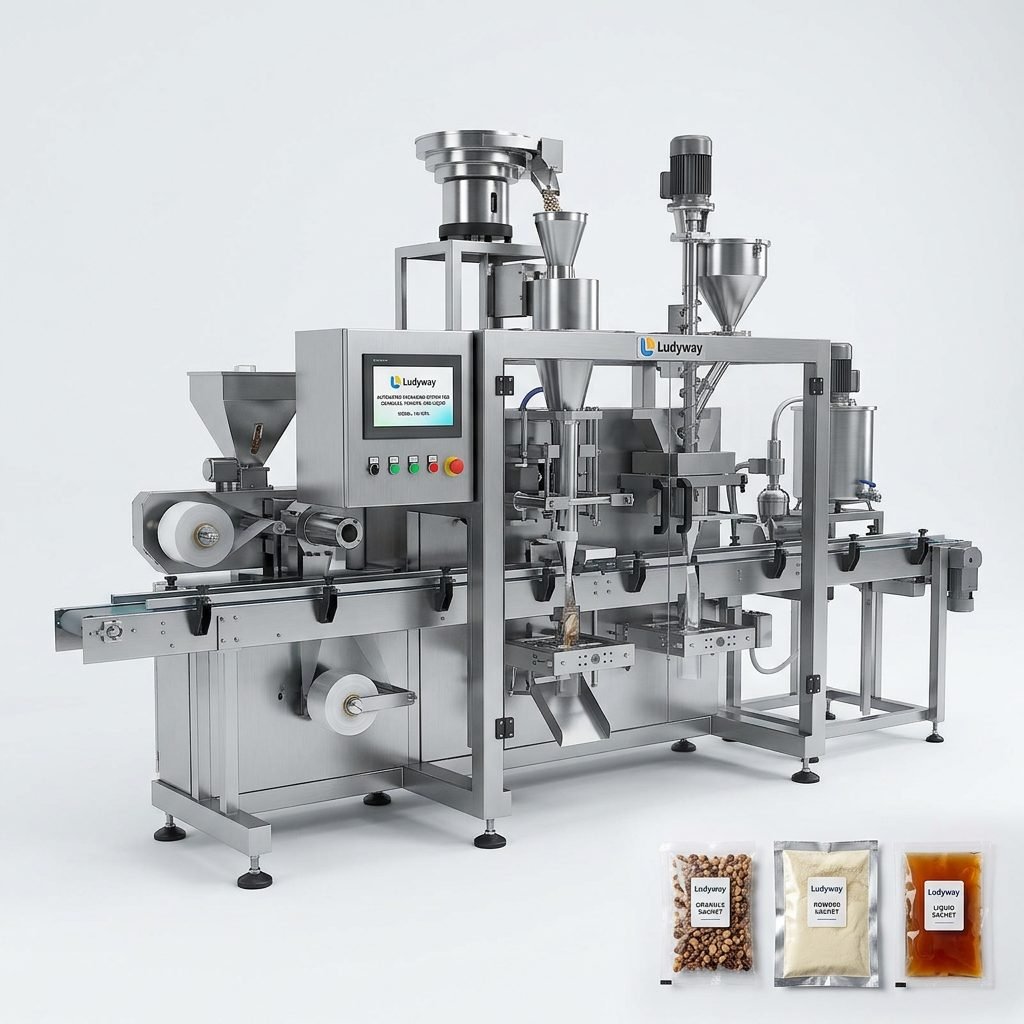
Industry analysts note that the momentum behind this trend is being driven by several overlapping factors: rising labor costs, tighter compliance requirements, SKU diversification, greater pressure on delivery speed, and the growing need for scalable factory layouts. As a result, more buyers are shifting away from standalone equipment purchases and evaluating complete packaging line investments with a multi-year return strategy in mind.
Why automated packaging lines are gaining investor attention
The market is no longer focused only on whether a machine can pack a product. The bigger question in 2026 is whether the entire line can support continuous production, digital monitoring, product consistency, and future expansion. This is especially important for manufacturers dealing with powders, granules, liquids, pastes, sachets, stick packs, pouches, bottles, and secondary packaging operations.
- Labor efficiency: automated systems reduce reliance on repetitive manual tasks.
- Output growth: multi-lane and integrated systems support high-volume production.
- Quality stability: precise dosing, sealing, inspection, and coding improve consistency.
- Regulatory readiness: better line control supports food and pharma compliance.
- Long-term scalability: modular designs allow future upgrades and new product formats.
Key sectors expected to lead demand in 2026
Investment activity is expected to remain strongest in sectors where packaging speed, hygiene, and repeatability directly affect profitability. Food and beverage brands continue to upgrade lines for single-serve and convenience packaging, while pharmaceutical and health supplement producers are increasing spending on high-precision packaging systems that can support stricter quality standards.
| Industry | Main Investment Driver | Preferred Packaging Formats |
|---|---|---|
| Food & Beverage | High-volume output and convenience packaging demand | Sachets, stick packs, pouches, bottles |
| Pharmaceutical | Precision, traceability, compliance, cleanliness | Sachets, blister packs, bottles, vials |
| Health Supplements | Rapid SKU growth and premium packaging requirements | Stick packs, sachets, capsules, pouches |
| Daily Chemicals | Demand for cost-efficient filling and sealing automation | Liquid sachets, cream packs, bottles |
| Animal Nutrition | Bulk packaging efficiency and consistent dosing | Bags, sachets, pouches, bulk packs |
From single machines to complete line thinking
One major change in buyer behavior is the move from equipment-by-equipment sourcing to turnkey planning. Instead of purchasing fillers, sealers, conveyors, coding units, inspection modules, cartoners, and palletizing systems separately, manufacturers are increasingly seeking integrated line solutions from suppliers that understand process coordination.
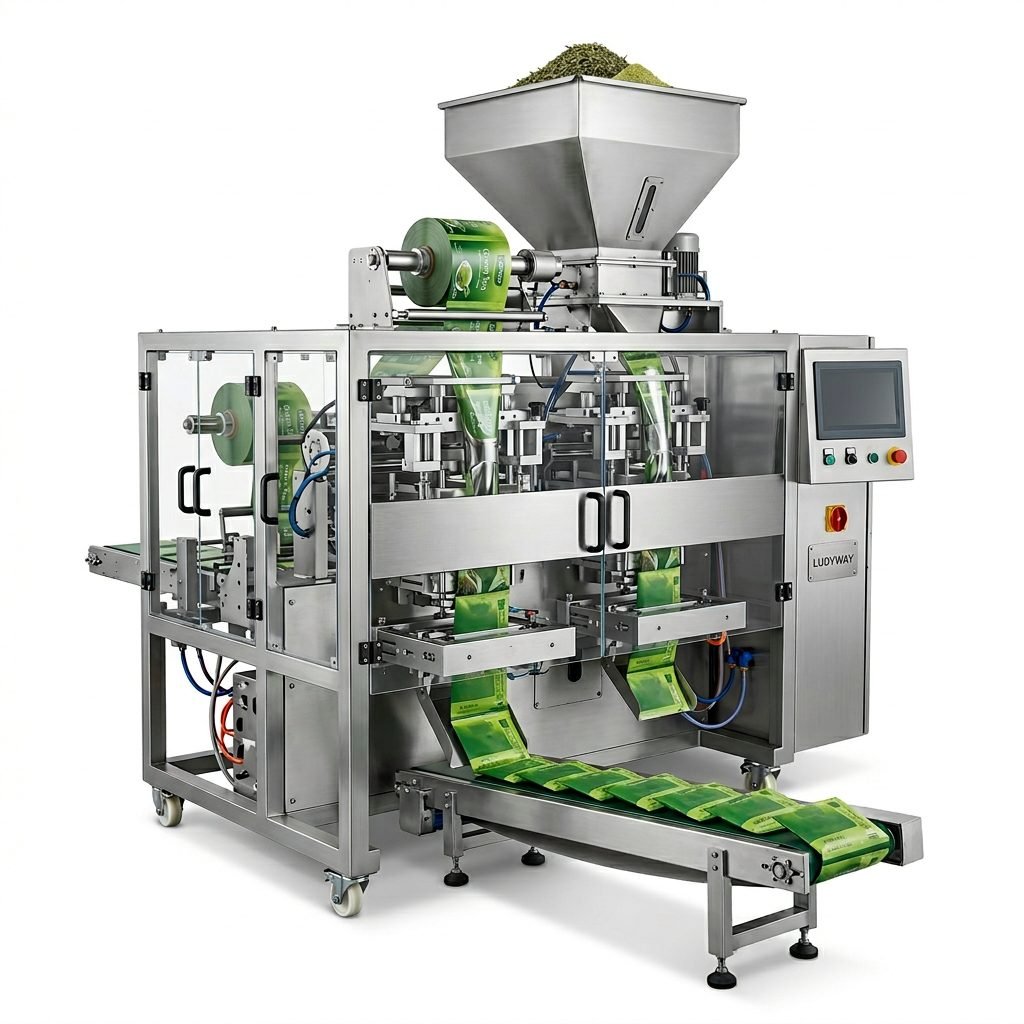
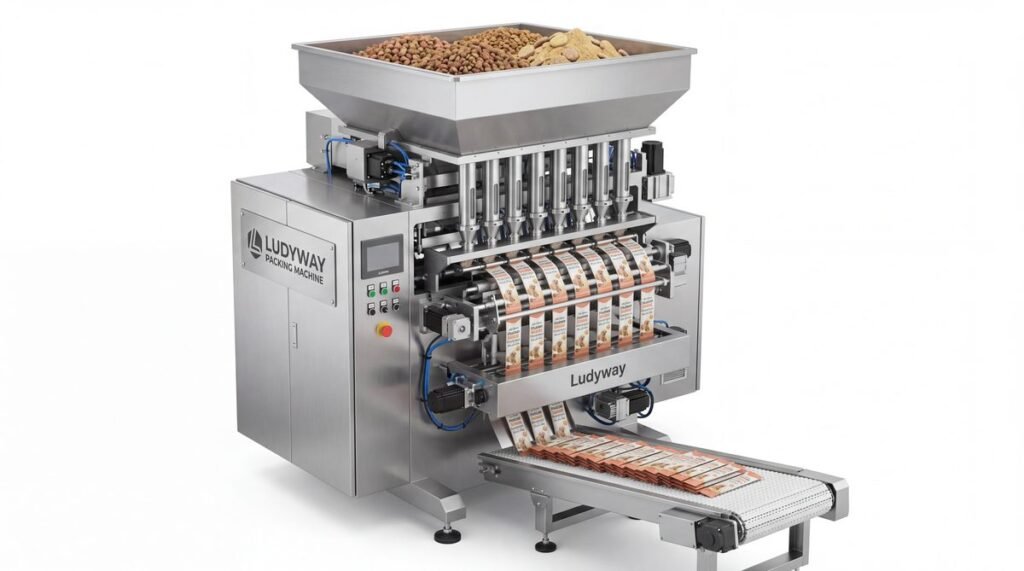
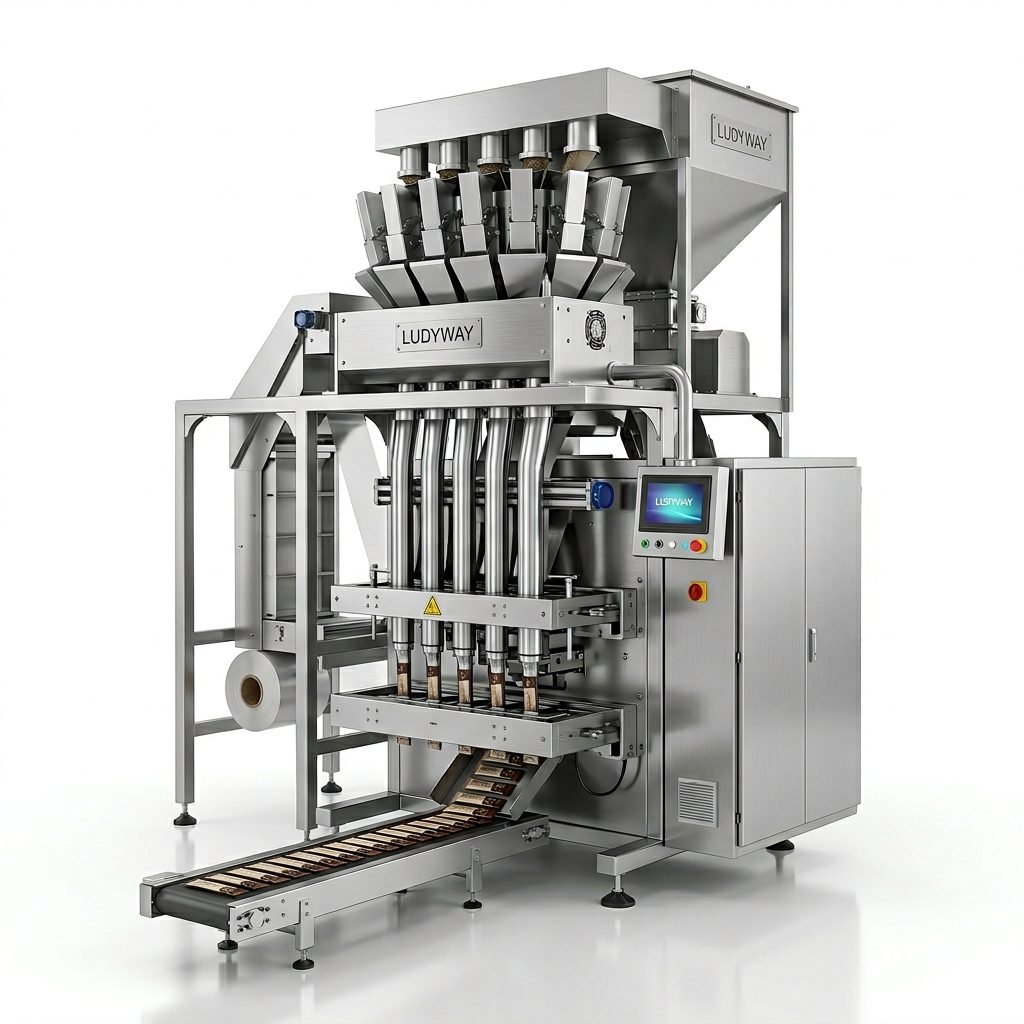
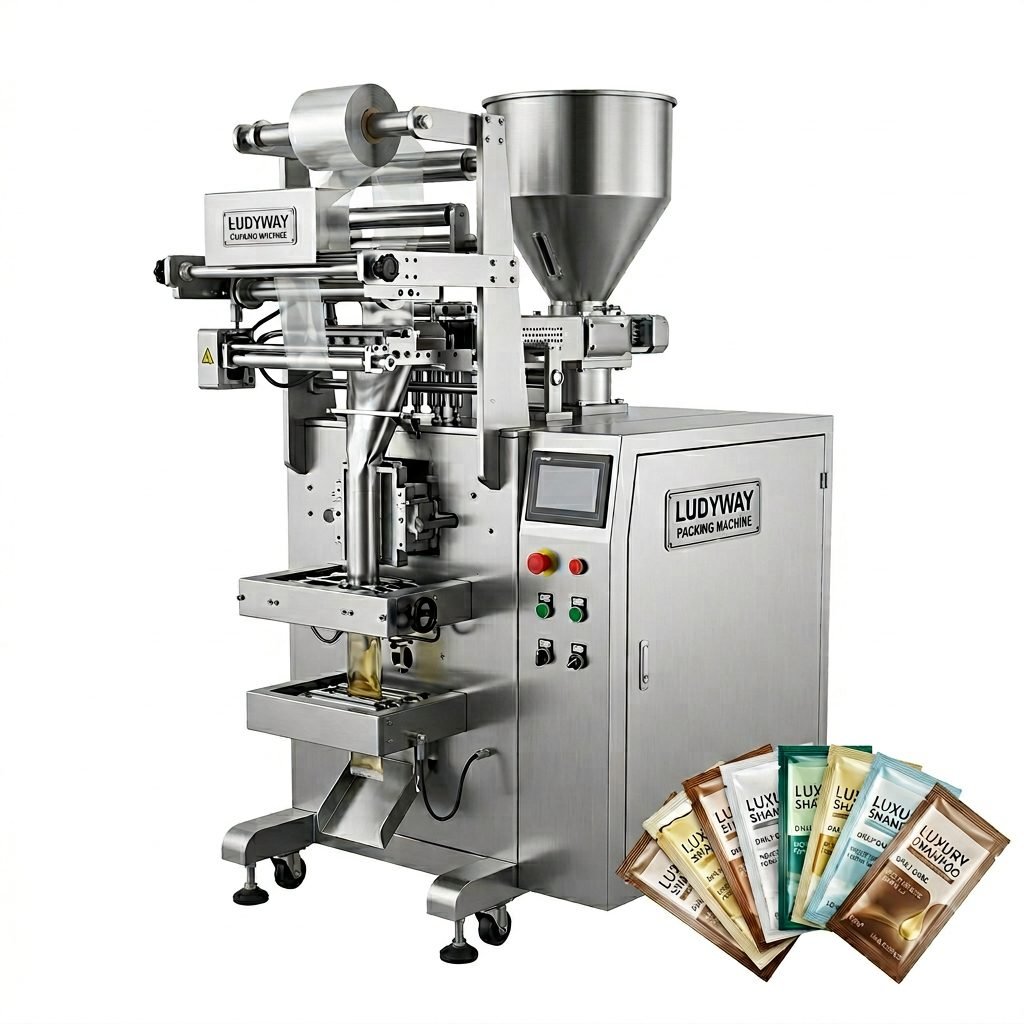
This is where experienced manufacturers such as packaging line manufacturer Ludyway are attracting attention in overseas markets. With more than 30 years of industry experience, a factory size exceeding 20,000 square meters, and broad capabilities in food, pharmaceutical, health supplement, and related packaging applications, the company is positioned to serve buyers looking for both standalone machines and complete turnkey production line projects.
What investors and factory owners are evaluating most closely
- Overall equipment effectiveness: not just rated speed, but uptime, changeover, and maintenance practicality.
- Automation compatibility: ability to integrate weighing, filling, sealing, coding, inspection, cartoning, and end-of-line handling.
- Product flexibility: support for powders, liquids, granules, pastes, and multiple package shapes.
- Export and service capability: supplier experience with international standards and technical support.
- Return on investment: measurable savings in labor, material waste, and rejected output.
Technology features shaping 2026 purchasing decisions
The most competitive automated lines are no longer defined by speed alone. Buyers now expect a combination of intelligent control and production visibility. Systems with recipe storage, servo-driven adjustments, HMI operation, dynamic weighing, date coding, visual inspection, and remote diagnostic support are becoming increasingly desirable.
In parallel, line modularity is now a major selling point. Manufacturers want packaging systems that can launch with current demand and then scale later with additional lanes, secondary packaging modules, or robotic palletizing. This reduces early capital pressure while protecting future expansion plans.
Top features in demand
- Multi-lane packaging architecture for high-speed sachet and stick pack output
- Automated feeding and dosing for powder, granule, liquid, and paste products
- Integrated coding, checkweighing, metal detection, and vision inspection
- Fast format change for diversified SKUs
- Data-friendly controls for performance tracking and production management
Why the investment case is strengthening now
For many manufacturers, delaying automation is starting to look more expensive than upgrading. Manual or semi-automatic lines often create hidden costs through slower throughput, inconsistent fill accuracy, packaging defects, staffing shortages, and rising supervision requirements. In contrast, an automated line can improve cost predictability, output planning, and brand-level packaging consistency.
| Evaluation Area | Semi-Automatic Setup | Automated Packaging Line |
|---|---|---|
| Labor Requirement | Higher | Lower |
| Production Stability | Variable | More consistent |
| Traceability | Limited | Stronger integration potential |
| Scalability | Restricted | Modular and expandable |
| Long-Term ROI | More difficult to optimize | Often stronger over time |
Global supply chains are also influencing line upgrades
Another reason automated packaging production lines are becoming an investment priority is the pressure to improve supply chain resilience. Export-oriented manufacturers increasingly need packaging systems that support faster delivery schedules, multilingual labeling integration, consistent export packaging standards, and dependable production across changing order volumes.
Suppliers with strong international project experience are therefore receiving greater attention from buyers in Europe, North America, the Middle East, South America, Africa, and Southeast Asia. These markets continue to value not only machine performance, but also project coordination, commissioning support, customization, and after-sales response.
What to watch through 2026
Industry observers expect the strongest packaging investment activity to focus on the following themes:
- Turnkey automation projects for new factories and line expansions
- High-speed multi-lane systems for small-dose and single-serve products
- Integrated packaging plus end-of-line handling, cartoning, and palletizing
- Smart control systems that improve visibility and preventive maintenance
- Custom-engineered lines for niche product formats and mixed production requirements
Outlook
As 2026 approaches, automated packaging production lines are increasingly being viewed not simply as equipment purchases, but as strategic infrastructure investments. For manufacturers aiming to improve efficiency, quality assurance, and scale readiness, automation is becoming central to competitive positioning. The businesses that act early are likely to gain a meaningful advantage in output stability, cost control, and market responsiveness over the next several years.