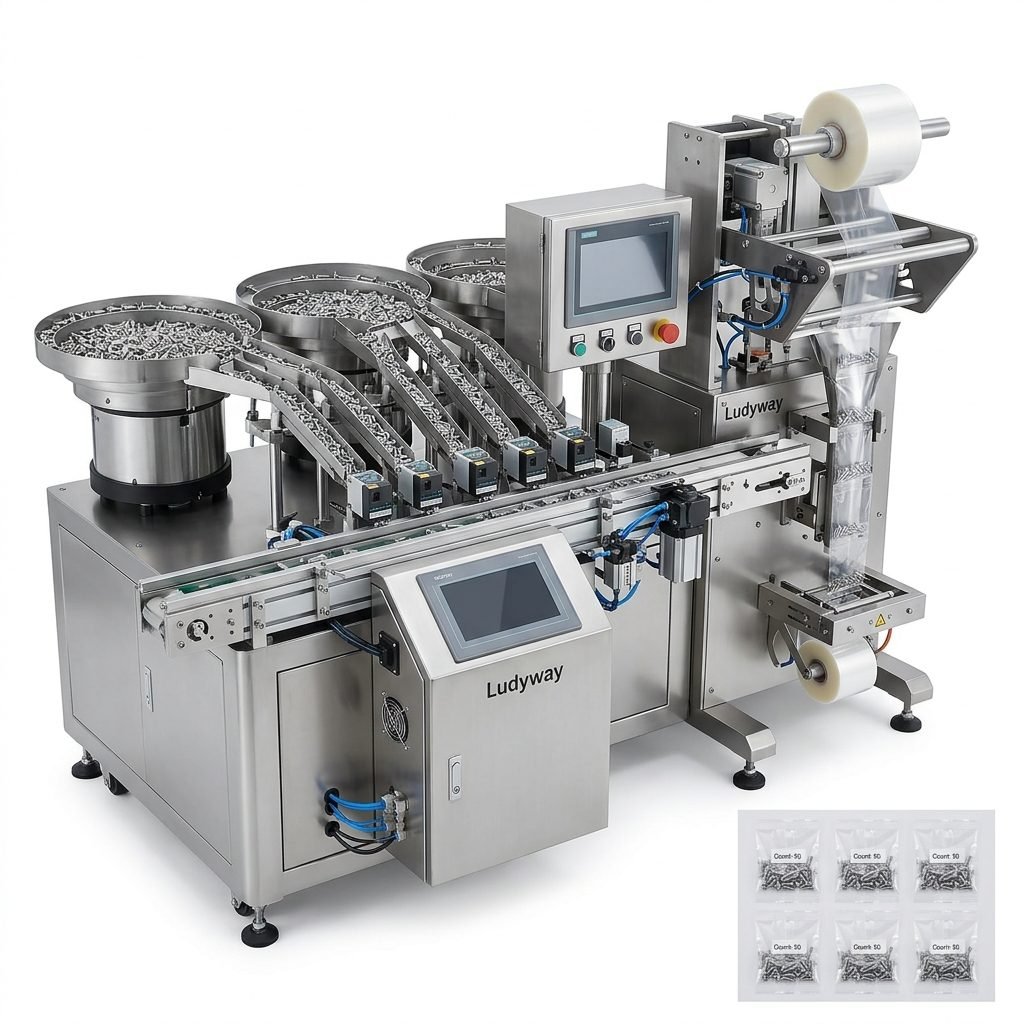
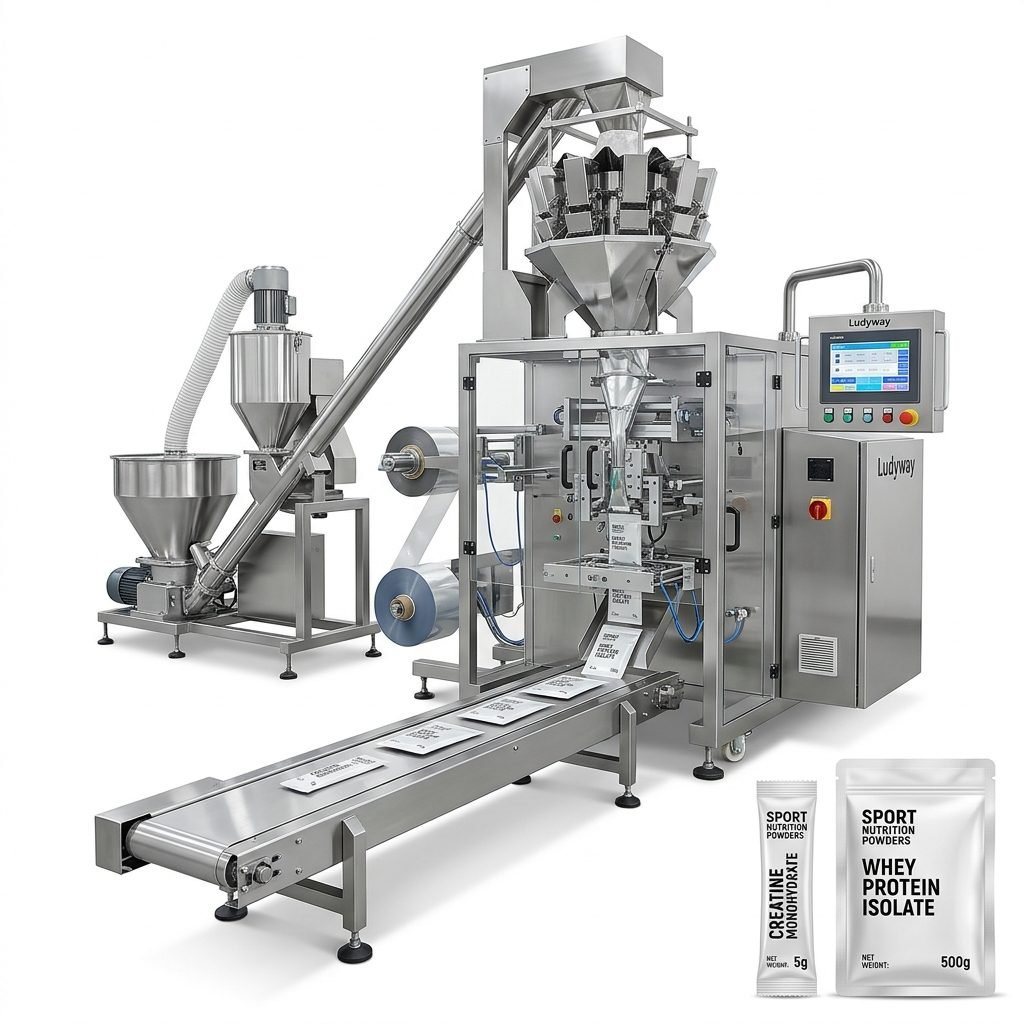
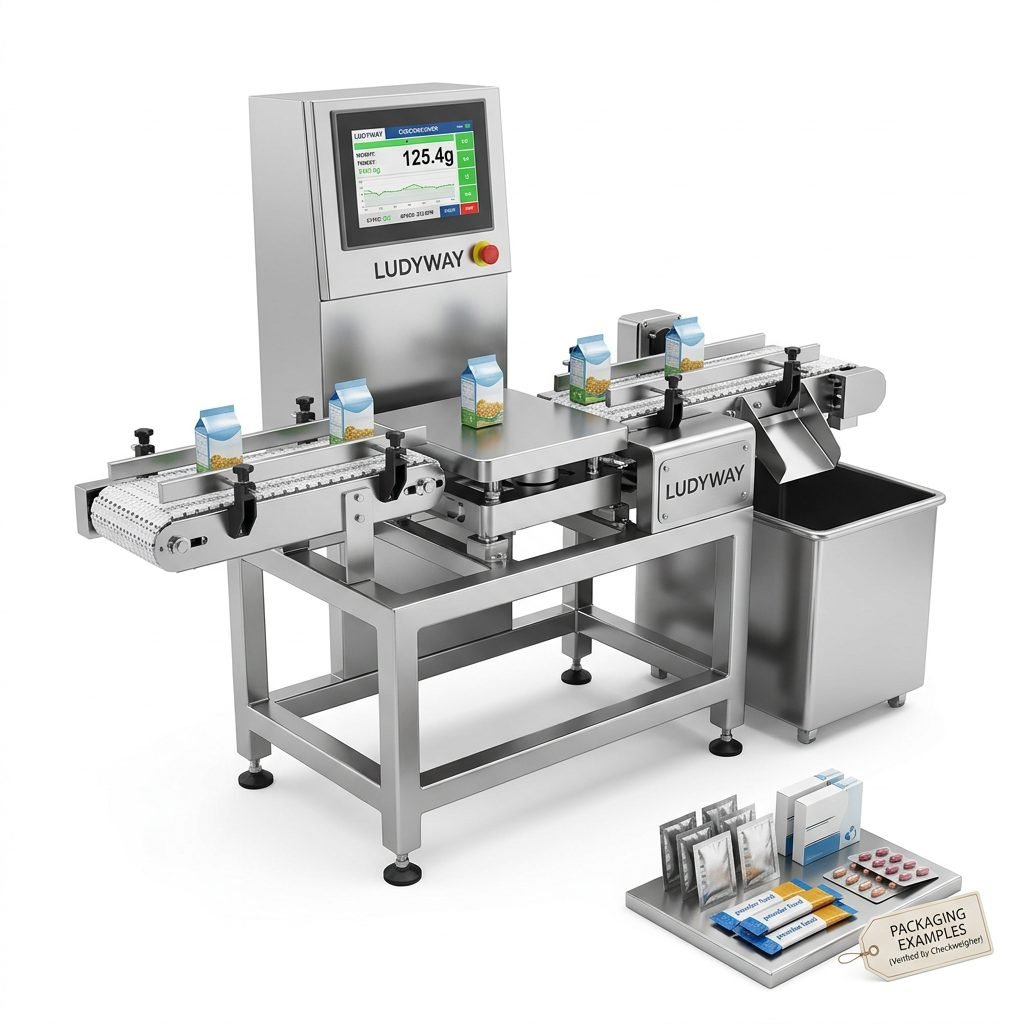
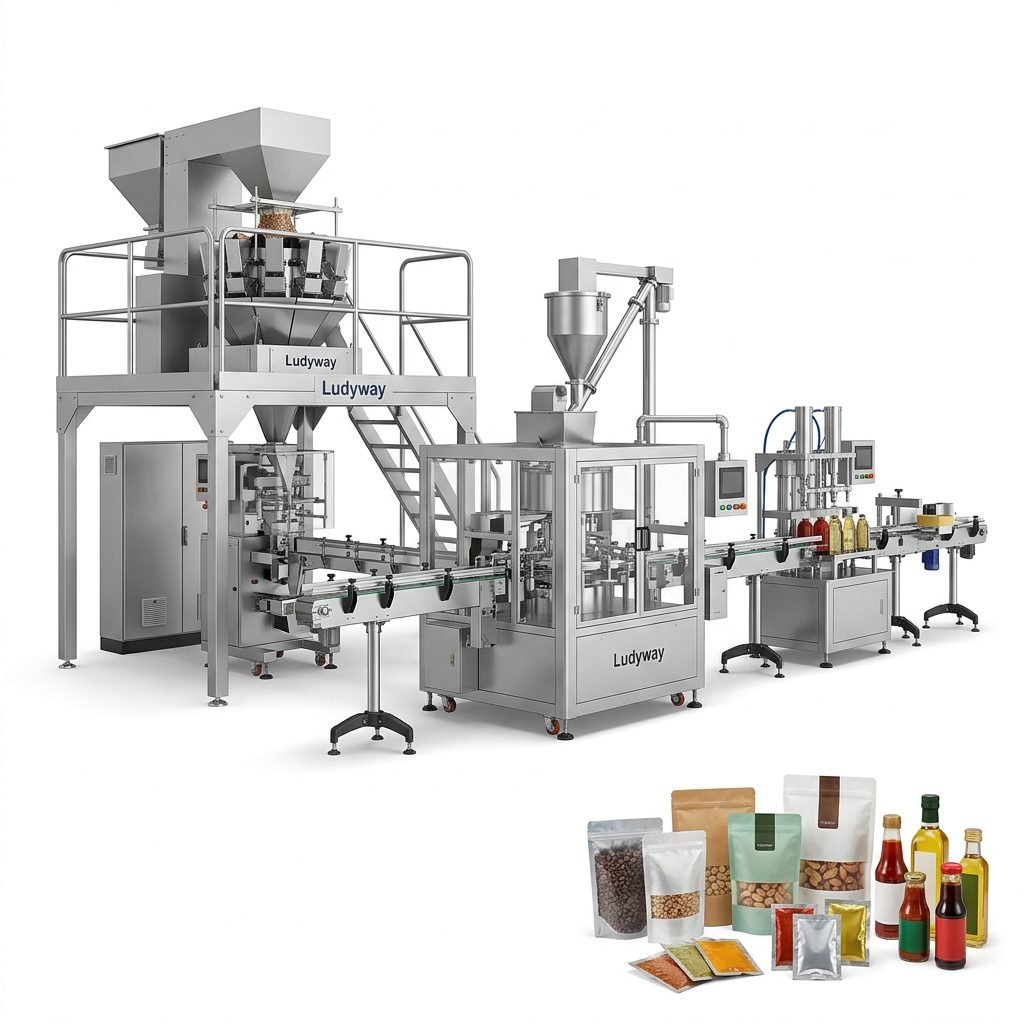
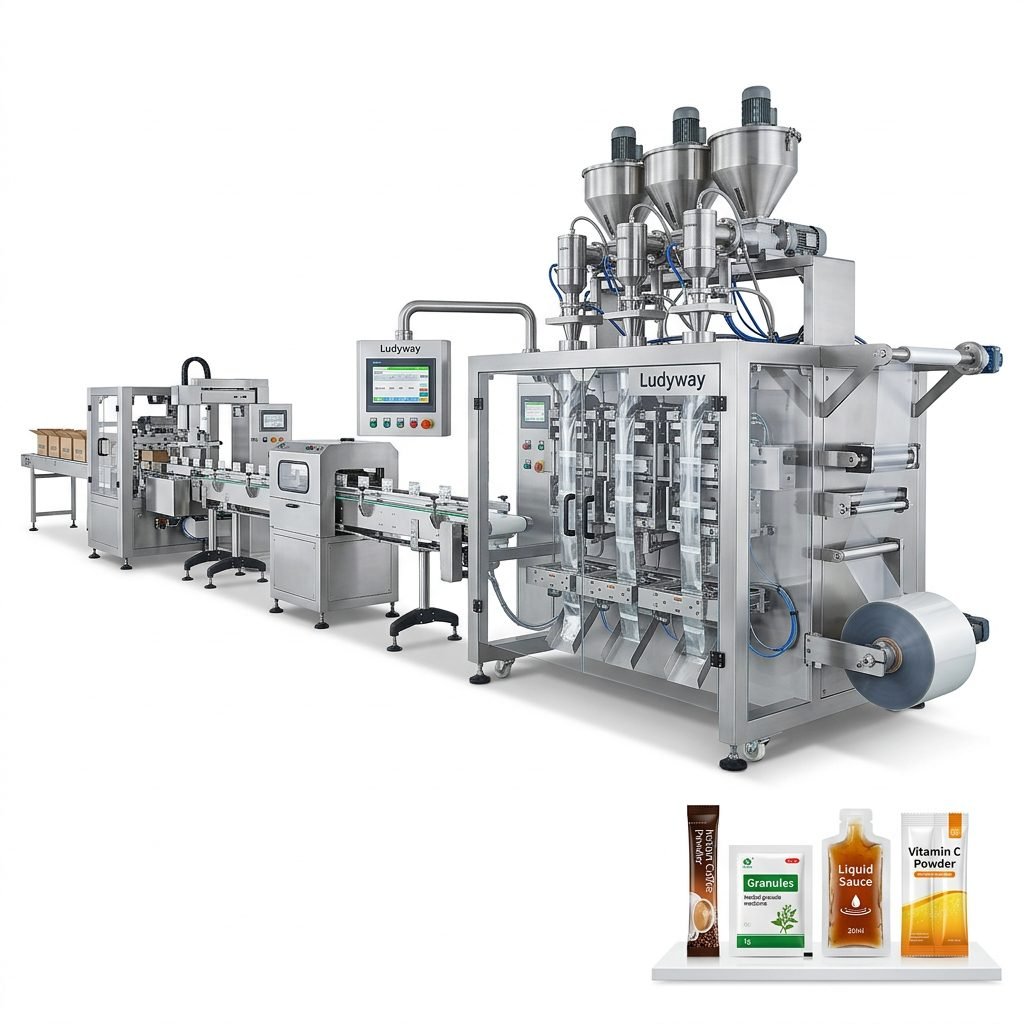
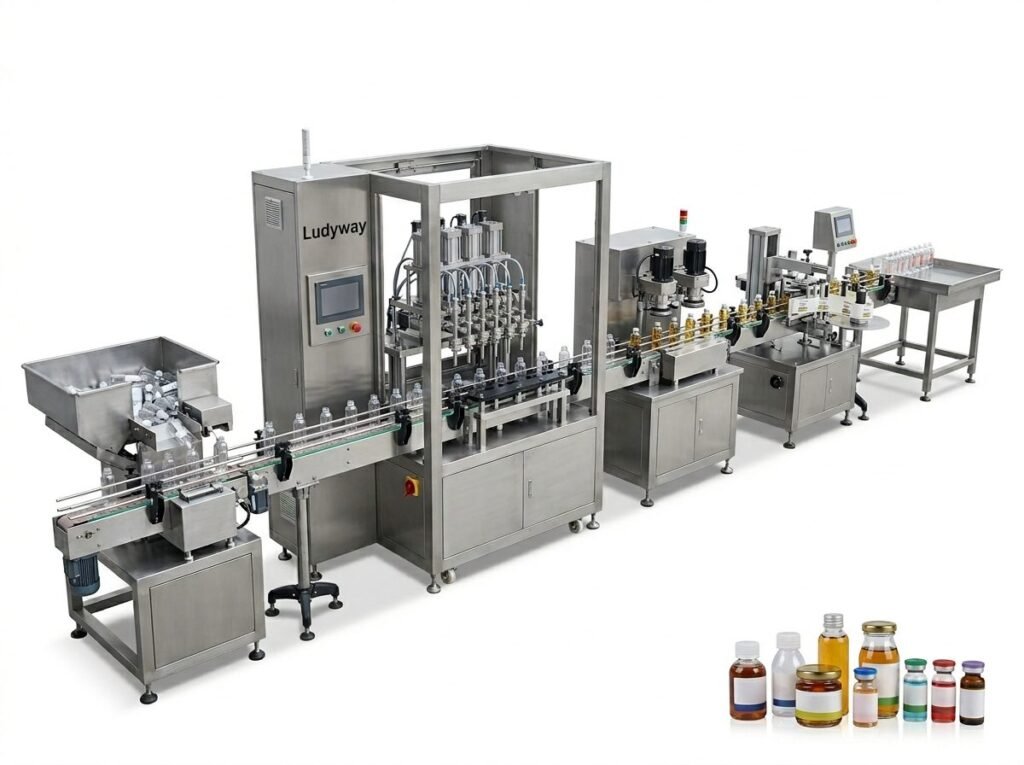
The global logistics and warehousing landscape is undergoing an unprecedented transformation. With the exponential growth of e-commerce, third-party logistics (3PL), and direct-to-consumer retail models, the pressure on fulfillment centers to process, pack, and ship orders rapidly has never been higher. In this high-stakes environment, traditional packaging methods often become costly bottlenecks. To overcome these challenges, supply chain managers are increasingly turning to advanced automation. Among the most significant innovations leading this shift is the smart shrink wrap packaging machine, which has rapidly emerged as a market favorite for operations aiming to achieve rapid order fulfillment.
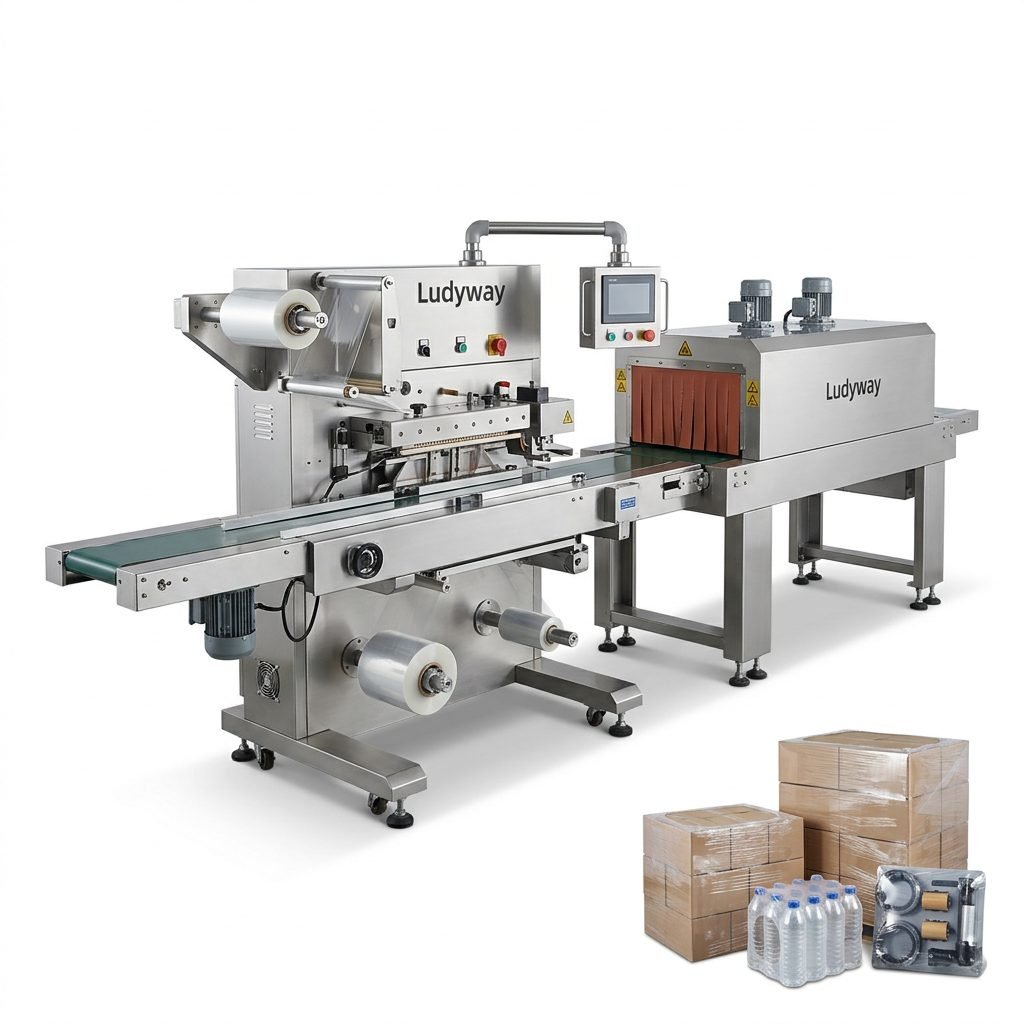
Shrink wrapping has long been a staple in industrial packaging, valued for its ability to secure products, protect them from environmental hazards, and provide a clean, professional finish. However, conventional manual or semi-automatic systems are no longer sufficient to keep pace with modern logistics demands. Smart shrink wrap machines integrate advanced sensors, intelligent control systems, and automated feeding mechanisms to streamline the end-of-line packaging process, reducing cycle times and eliminating human error.
The Critical Role of Shrink Wrapping in Order Fulfillment
Fulfillment centers handle a vast diversity of products, ranging from single small items to large multi-pack bundles. Standardizing the packaging of these items for safe transport is a complex task. Smart shrink wrapping machines solve this problem by adapting dynamically to the physical dimensions of each incoming package. By utilizing photoelectric sensors and programmable logic controllers (PLCs), these machines detect the length, width, and height of products in real-time, adjusting the film feed and sealing bars accordingly.
This adaptability is crucial for achieving high throughput. Instead of operators manually resetting machine configurations for different product lines, the intelligent system adjusts on the fly. This capability dramatically increases the speed of order consolidation, allowing warehouses to meet tight shipping deadlines, especially during peak seasonal shopping periods.
Key Benefits of Smart Shrink Wrap Packaging Systems
- Increased Throughput: Automating the wrapping and heat-sealing process allows facilities to package dozens of units per minute, far exceeding manual capabilities.
- Material Savings: Intelligent film-tension controls and precise cutting algorithms ensure that only the exact amount of film required is used, minimizing plastic waste and lowering material costs.
- Enhanced Product Protection: The consistent, tightly sealed shrink film safeguards products against moisture, dust, and tampering during transit, reducing return rates due to damaged goods.
- Labor Optimization: By automating repetitive packaging tasks, businesses can reallocate human resources to more complex fulfillment processes, optimizing overall operational efficiency.
Integrating Smart Machinery into Turnkey Packaging Lines
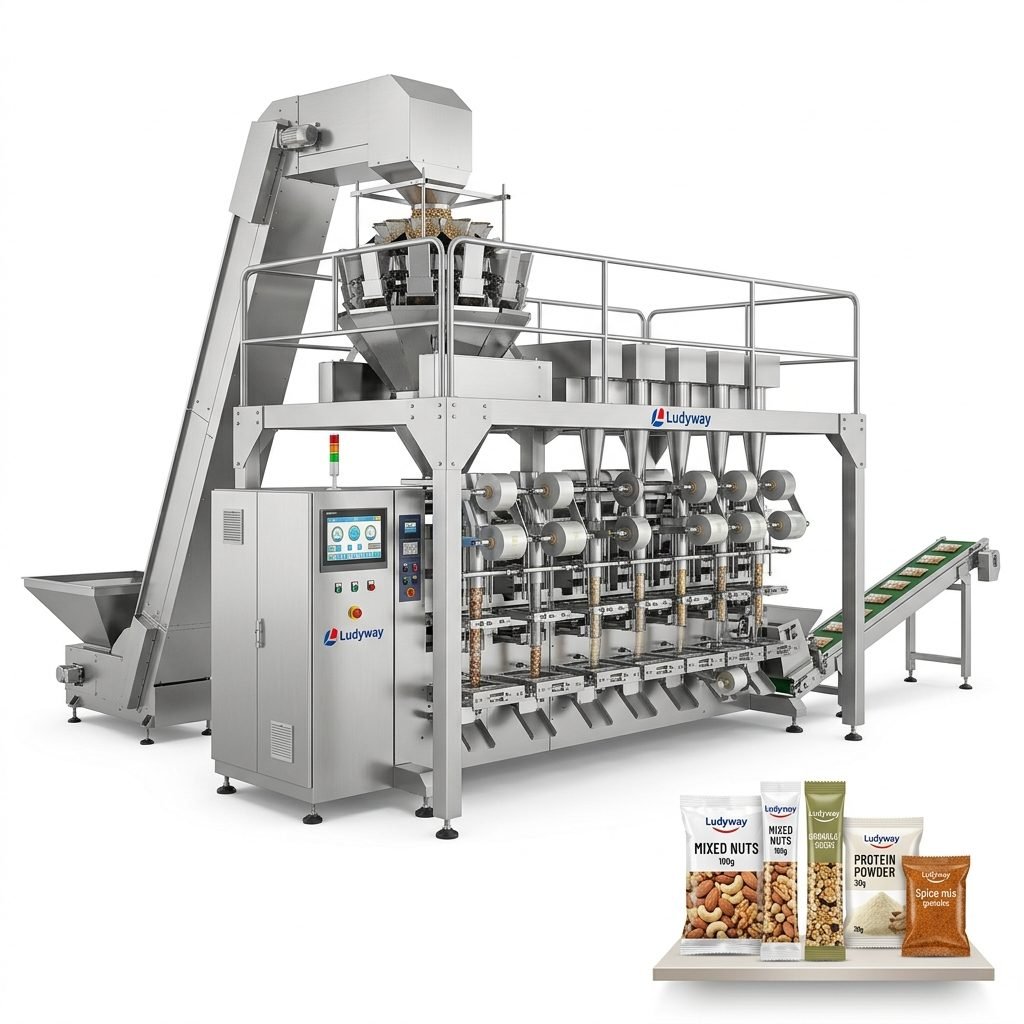
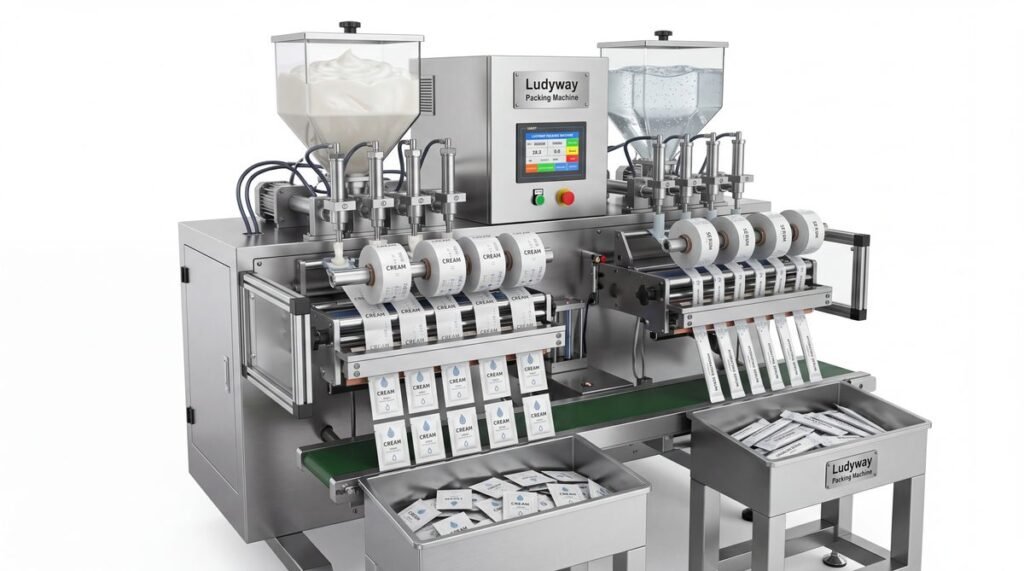
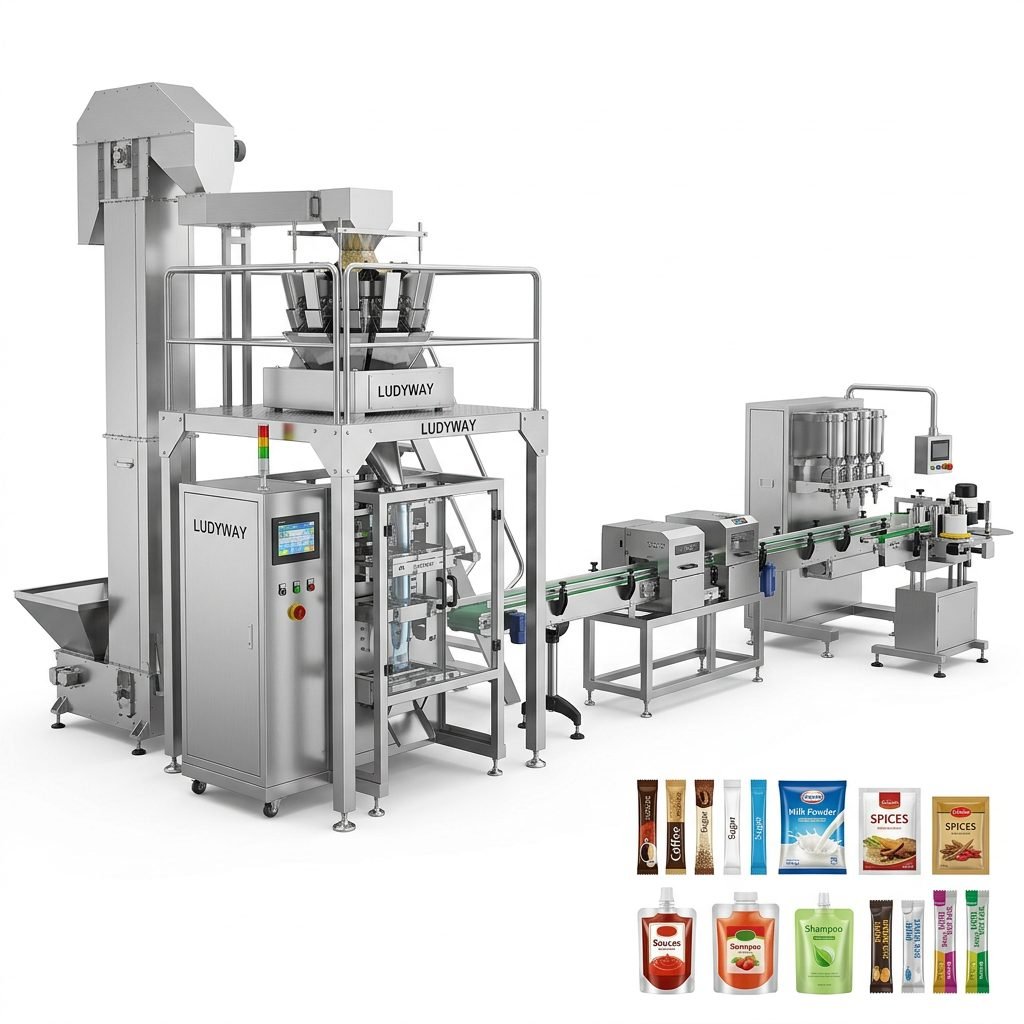
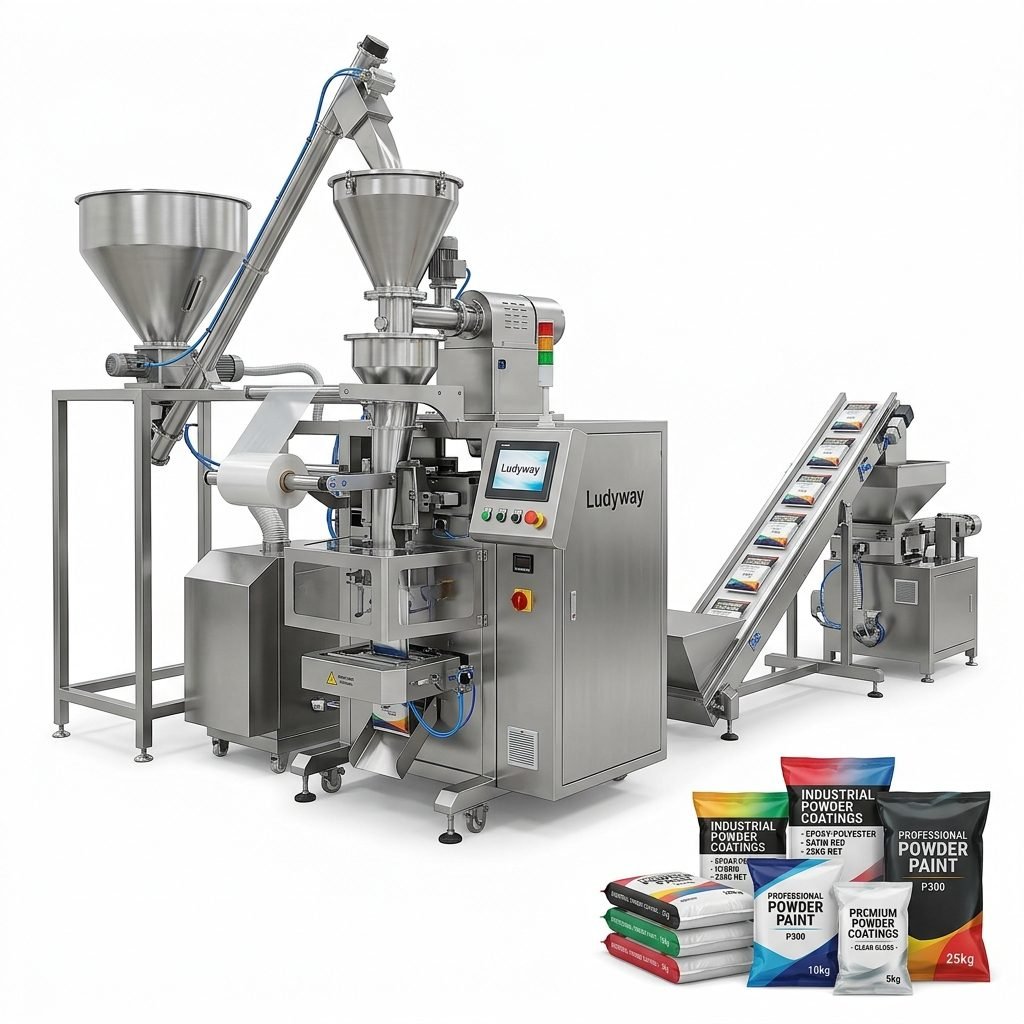
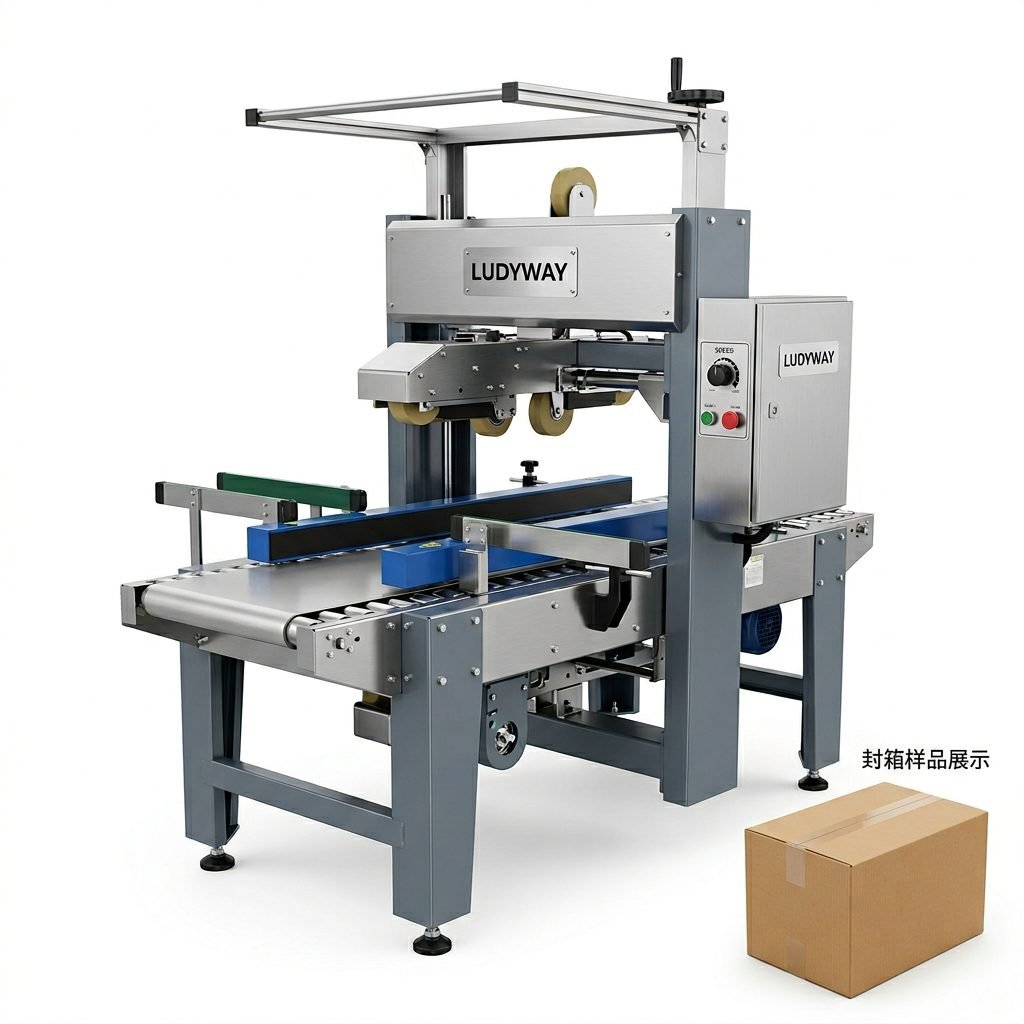
While standalone smart shrink wrap machines offer substantial benefits, their value is multiplied when integrated into fully automated production lines. Modern distribution facilities require seamless connectivity between carton builders, filling stations, labeling machines, and palletizing systems. Manufacturers like Ludyway have played a key role in developing these integrated ecosystems, providing turnkey packaging lines that connect upstream sorting with downstream wrapping and shipping systems.
When a shrink wrap machine is connected to a warehouse management system (WMS), it can receive real-time data about upcoming batches. This allows the machine to pre-heat sealing elements, adjust speed controls, and prepare specific film types before the products even arrive on the conveyor belt. The result is a continuous, uninterrupted flow of packages from the picking shelves directly to the delivery trucks.
Comparing Packaging Workflows
To understand the impact of upgrading to automated systems, it is helpful to look at how smart shrink wrap machines compare to traditional packaging workflows across key operational metrics:
| Performance Metric | Manual / Traditional Wrapping | Smart Shrink Wrap Systems |
|---|---|---|
| Processing Speed | Low (typically 3–5 packs per minute) | High (up to 30–60 packs per minute) |
| Material Efficiency | High waste due to manual cutting errors | Optimized film usage with precise sensors |
| Labor Requirement | Constant supervision and physical handling | Minimal supervision needed; fully automated |
| Package Consistency | Variable; dependent on operator skill | Identical, high-quality seal every cycle |
Addressing Sustainability in Modern Packaging
Beyond speed and productivity, sustainability has become a core corporate objective for businesses worldwide. E-commerce packaging is frequently criticized for excessive plastic waste. Fortunately, smart shrink wrap machines help mitigate this environmental impact. By using precise film-tension controls, these machines can utilize thinner, high-performance polyolefin films that offer the same structural strength as thicker materials but require less raw plastic.
Additionally, because the sealing and cutting processes are highly controlled, the amount of discarded scrap film is reduced to nearly zero. Many modern smart shrink wrapping systems are also designed to handle biodegradable and recyclable shrink films, allowing companies to meet green regulatory standards without sacrificing packaging speed or structural integrity.
Future Outlook: Intelligent Packaging in a Digital Era
As the logistics industry moves further into the era of smart manufacturing, the integration of Internet of Things (IoT) technologies into packaging equipment will continue to grow. Next-generation shrink wrapping machines will feature predictive maintenance capabilities, utilizing vibration and temperature sensors to alert operators to potential mechanical issues before they cause downtime. Cloud-based data tracking will also allow managers to monitor material usage and packaging speeds across multiple facilities from a centralized dashboard.
For businesses aiming to remain competitive in the rapidly evolving fulfillment market, investing in smart packaging technology is no longer optional. By upgrading to smart shrink wrap packaging systems, facilities can ensure faster turnaround times, lower operating costs, and deliver products that are securely and professionally packaged for the end customer.