Extended Producer Responsibility is moving from a policy concept to an operating reality for packaging-intensive industries. Across Europe and other major trade regions, regulators are tightening rules on who pays for packaging waste, how materials are labeled, and how recyclability is verified. For brand owners, importers, converters, and contract packers, the message is clear: packaging compliance is no longer a back-end task—it is becoming a core part of product commercialization and market access.
The tightening of global EPR frameworks is especially relevant for companies selling packaged food, pharmaceuticals, nutraceuticals, personal care products, and household goods in multiple markets. Producers are increasingly expected to finance collection, sorting, recycling, and in some cases eco-modulation fees based on the environmental performance of their packaging formats.
Why EPR is becoming a global packaging priority
EPR policies are designed to shift the cost burden of post-consumer packaging waste from municipalities to producers. While the principle is not new, recent policy updates are broader, more detailed, and more enforceable than earlier schemes. In practical terms, this means businesses must now examine not only packaging aesthetics and cost, but also:
- Material composition and recyclability
- Use of mono-material versus multi-layer structures
- Labeling requirements and sorting guidance
- Reporting accuracy for packaging volumes placed on the market
- Potential fee exposure under eco-modulated systems
- Evidence of recycled content and design-for-recycling performance
For exporters and multinational suppliers, one of the biggest challenges is fragmentation. There is no single universal EPR standard. Instead, companies must deal with a growing patchwork of national rules, local definitions, reporting portals, and producer obligations.
What is changing across markets
Several packaging markets are moving in the same direction even if their regulations differ in wording. Authorities are emphasizing better material recovery, lower waste generation, improved traceability, and stronger producer funding mechanisms. This is pushing companies to reassess flexible packaging, sachets, multi-component packs, secondary cartons, labels, closures, and transport packaging together rather than in isolation.
| Policy Trend | Impact on Producers | Packaging Response |
|---|---|---|
| Higher producer fees | Rising compliance costs for hard-to-recycle formats | Switch to simpler, more recyclable structures |
| Detailed reporting obligations | Need for accurate packaging data by SKU and market | Improve data collection and line-level packaging records |
| Eco-modulation | Better packaging design may lower fees | Prioritize mono-material and lightweight formats where feasible |
| Labeling and sorting rules | Packaging artwork must meet local requirements | Coordinate design, legal, and production teams earlier |
Europe remains the benchmark for packaging scrutiny
Europe continues to set the tone for stricter packaging responsibility. For European consumers, packaging sustainability is no longer a niche concern; it increasingly influences brand trust and buying decisions. Shoppers in the region are more likely to notice recyclability claims, sort packaging carefully, and question excessive or non-recyclable formats. This public awareness is reinforcing regulatory pressure on producers.
Businesses serving European markets therefore face a dual expectation: regulatory compliance and consumer credibility. Packaging that appears convenient but difficult to recycle may now carry both a financial penalty and a reputational risk. Sectors such as single-dose nutrition, pharmaceutical sachets, cosmetic sample packs, and convenience food portions are especially affected because they often rely on flexible, multi-layer structures.
For European-facing brands, the key concerns include:
- Whether each packaging component is clearly classifiable under local EPR systems
- How recyclable the final pack is in real collection and sorting conditions
- Whether packaging claims can be substantiated
- How packaging changes affect machine compatibility and production efficiency
Operational pressure is shifting upstream to packaging lines
One of the most important industry developments is that EPR is now influencing equipment decisions. Historically, manufacturers selected packaging machines mainly around speed, product characteristics, labor savings, and sealing reliability. Those factors still matter, but compliance pressure is adding new technical criteria.
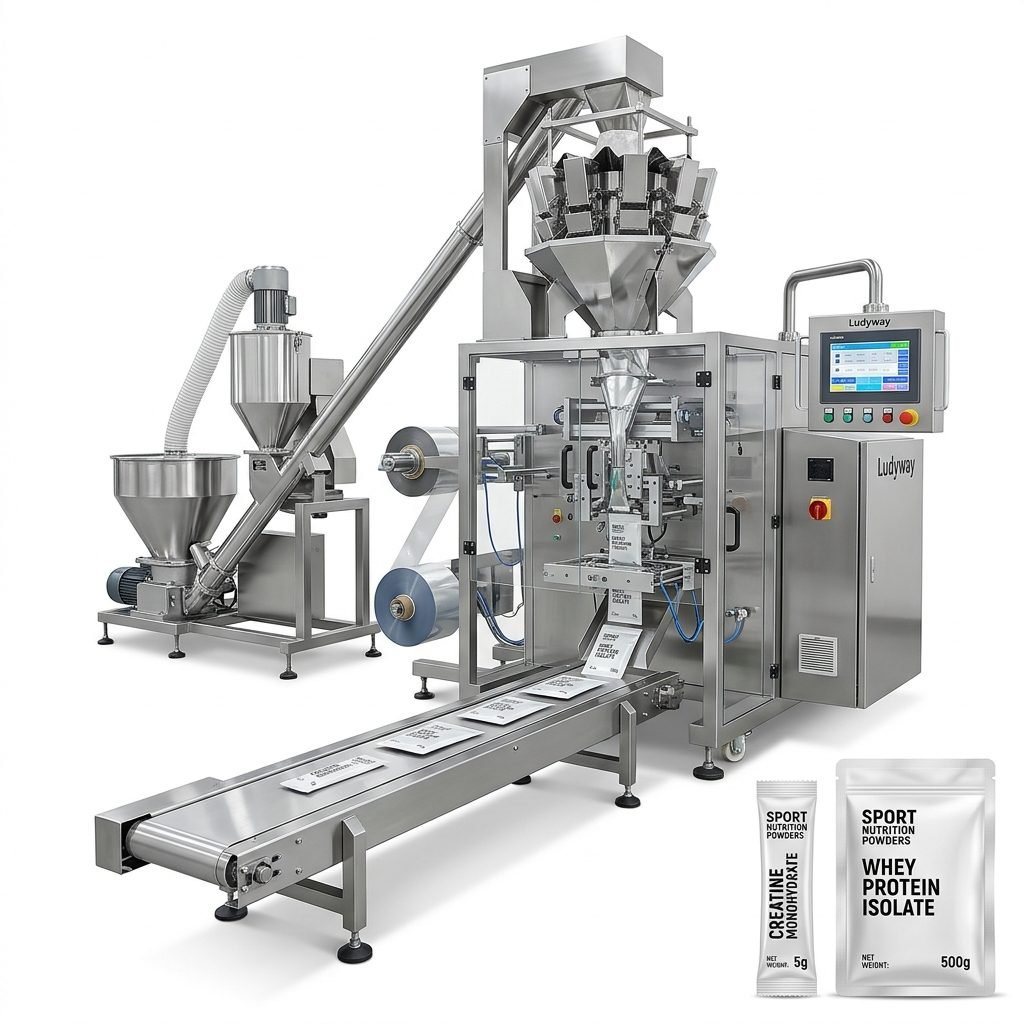
Companies are asking whether their equipment can run newer recyclable films, handle downgauged materials, maintain seal integrity with alternative substrates, and support packaging redesign without major production disruption. This is particularly relevant in high-volume sachet, stick pack, pouch, and bottle applications.
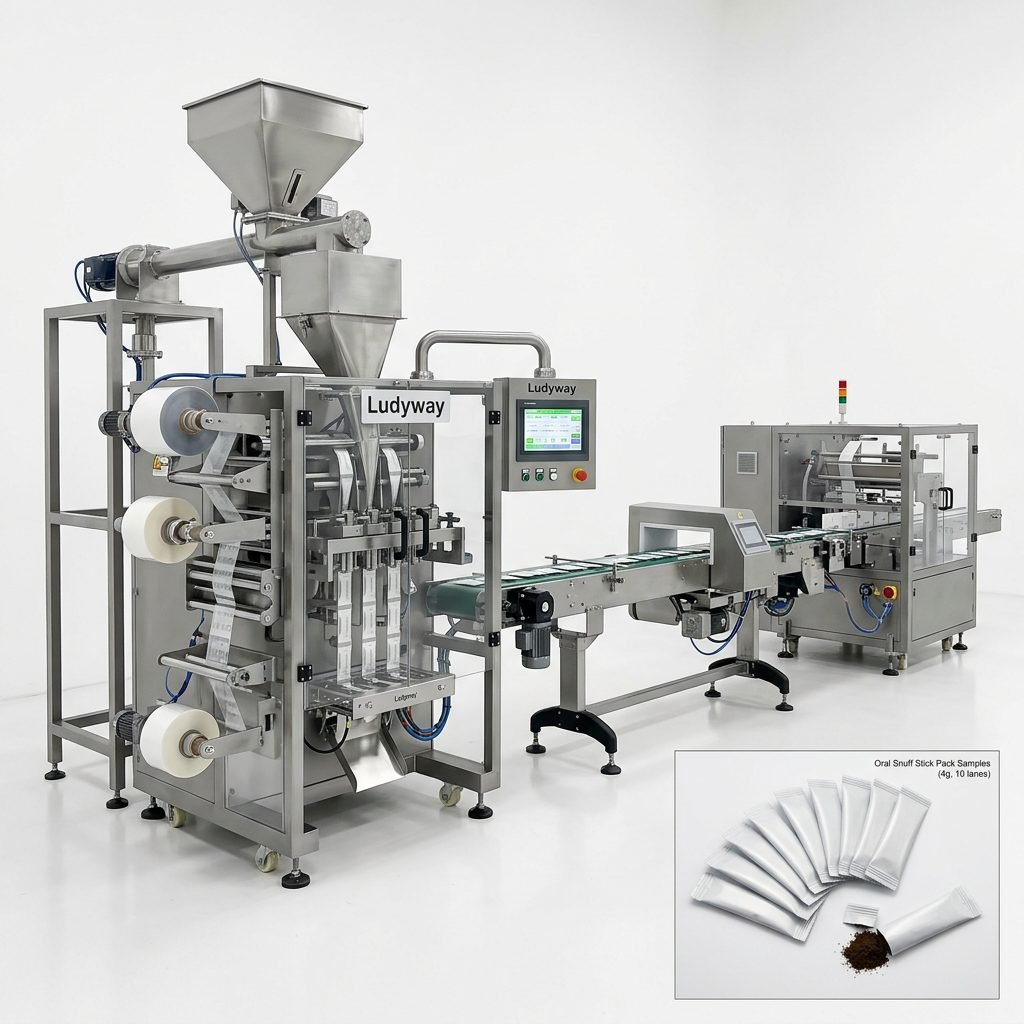
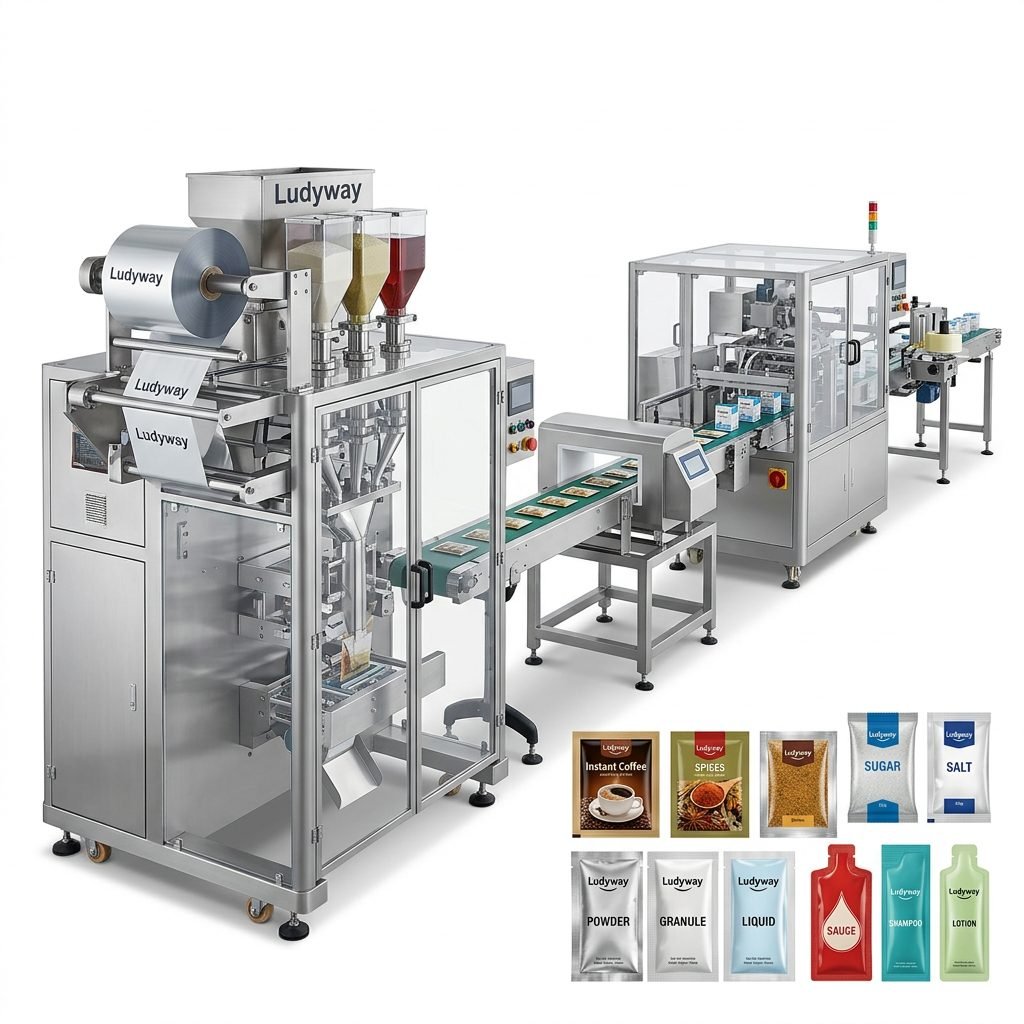
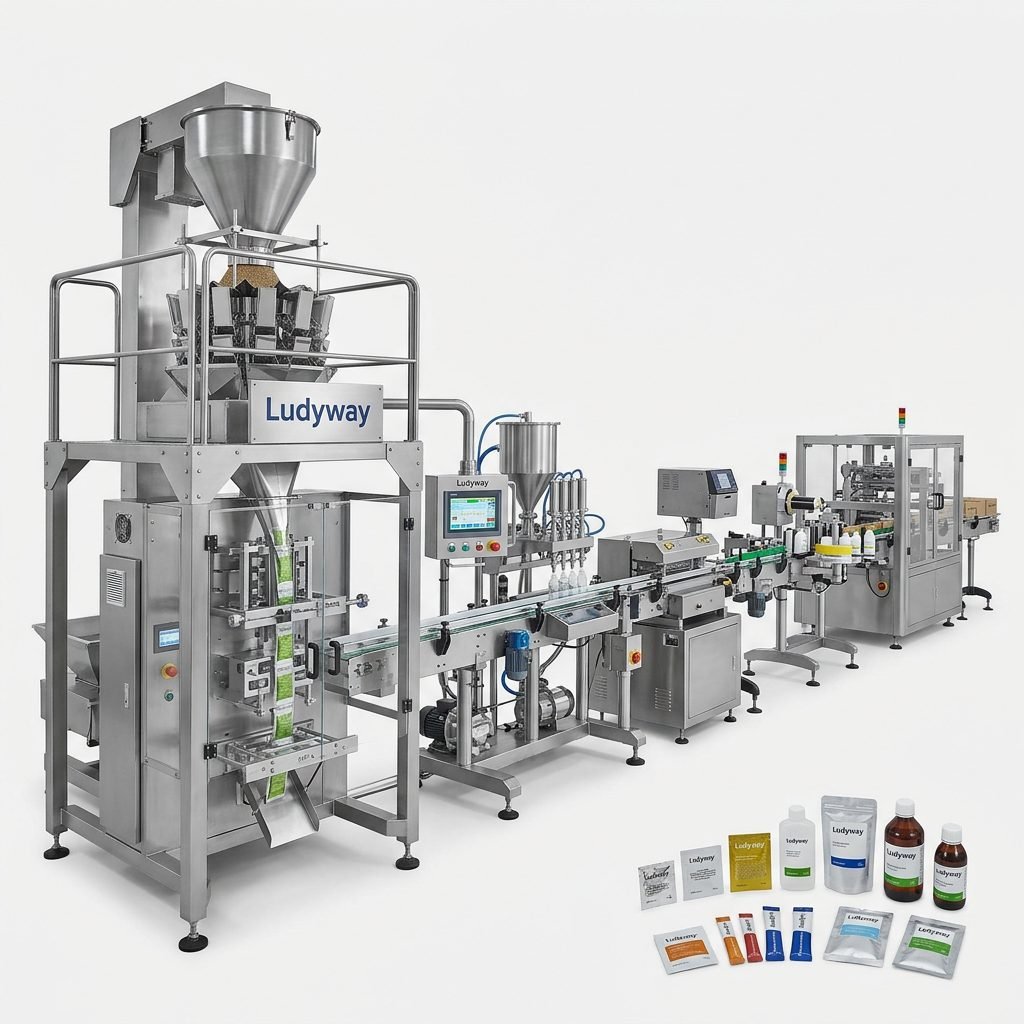
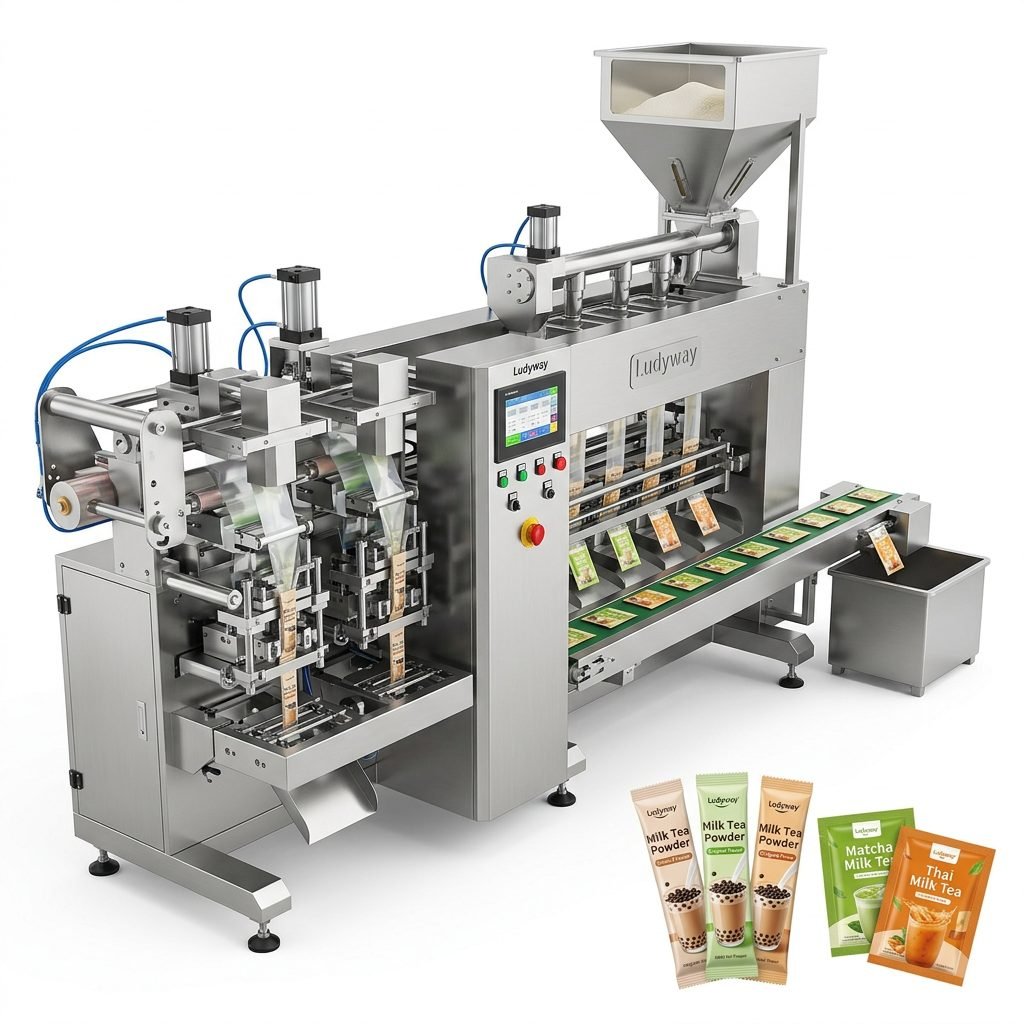
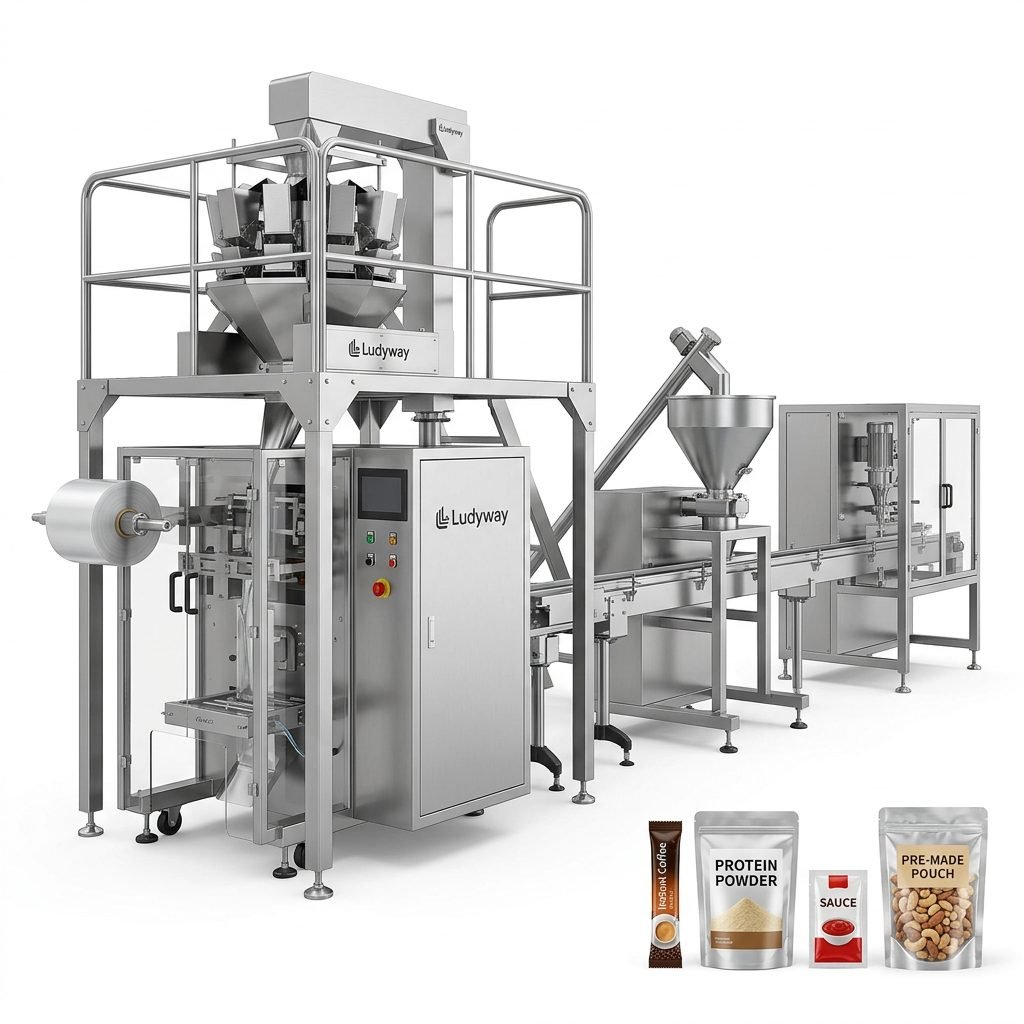
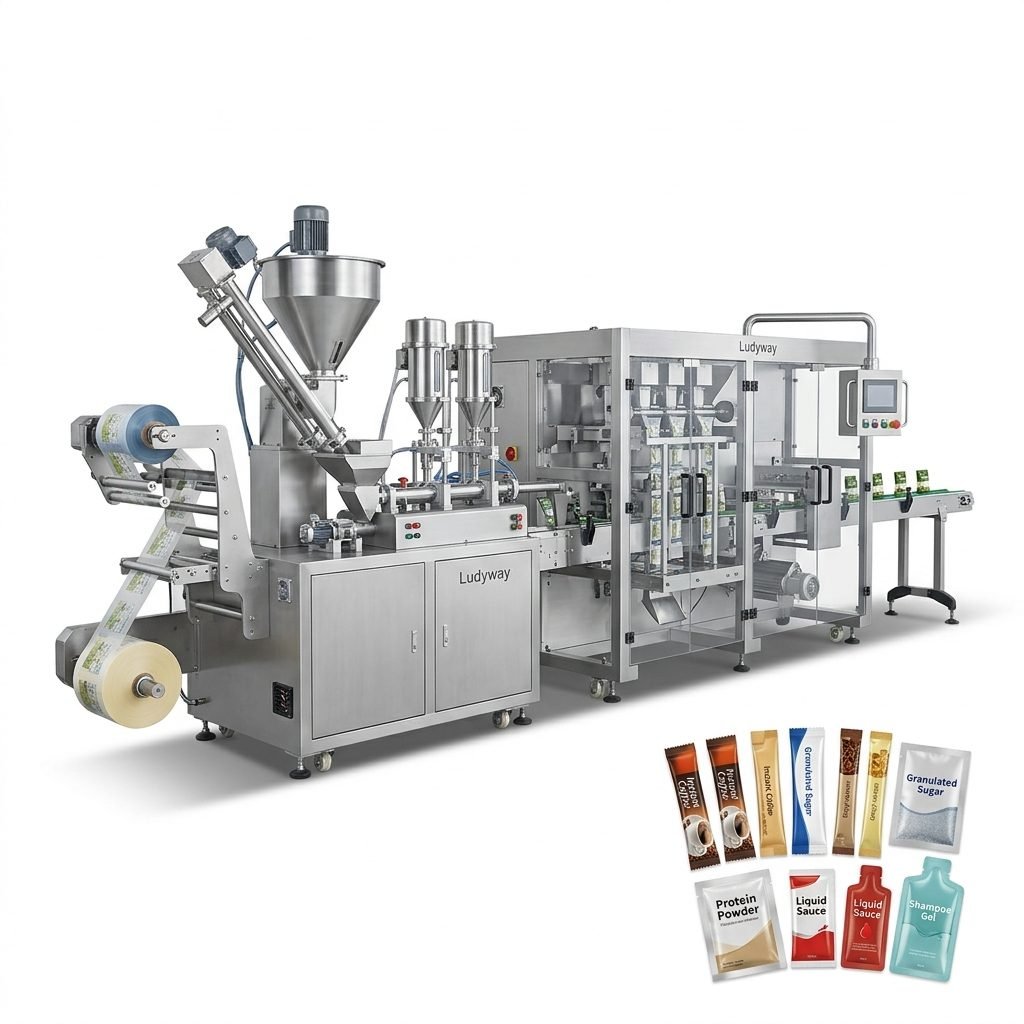
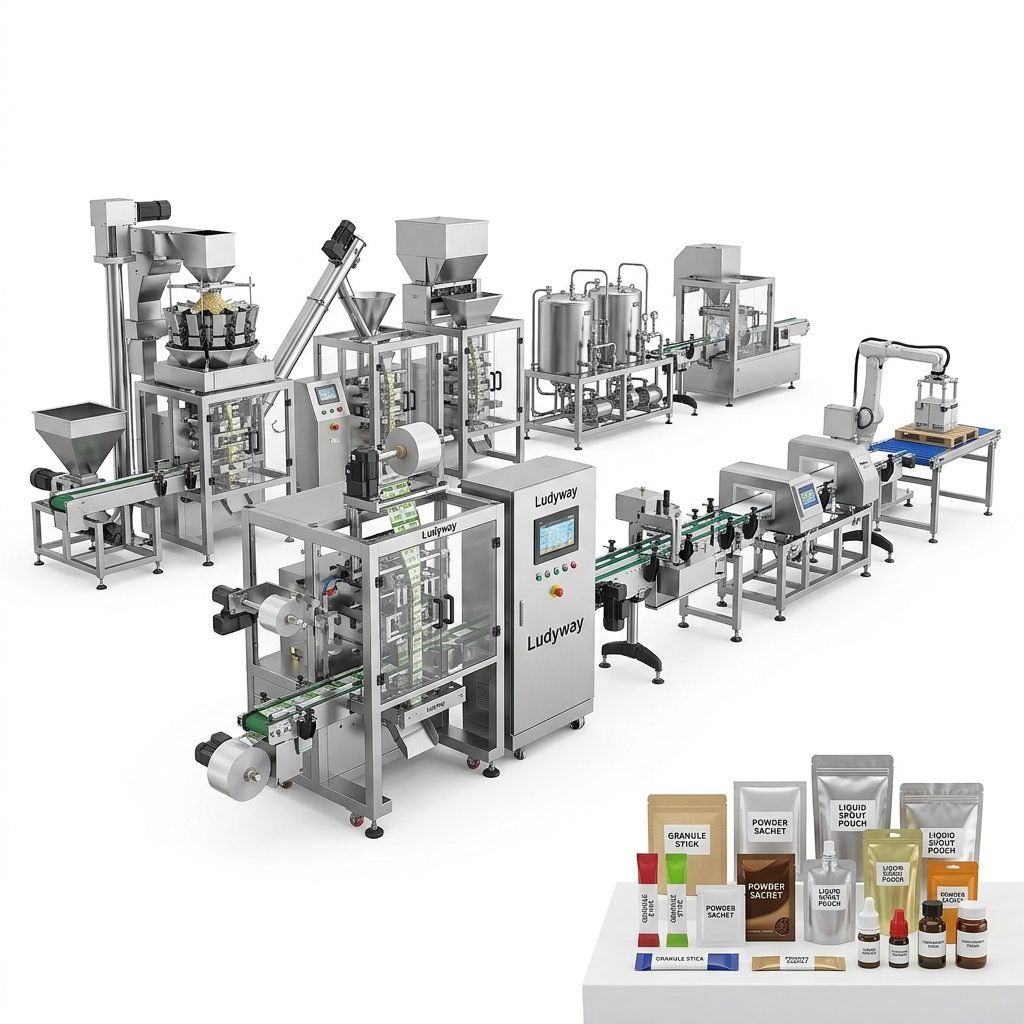
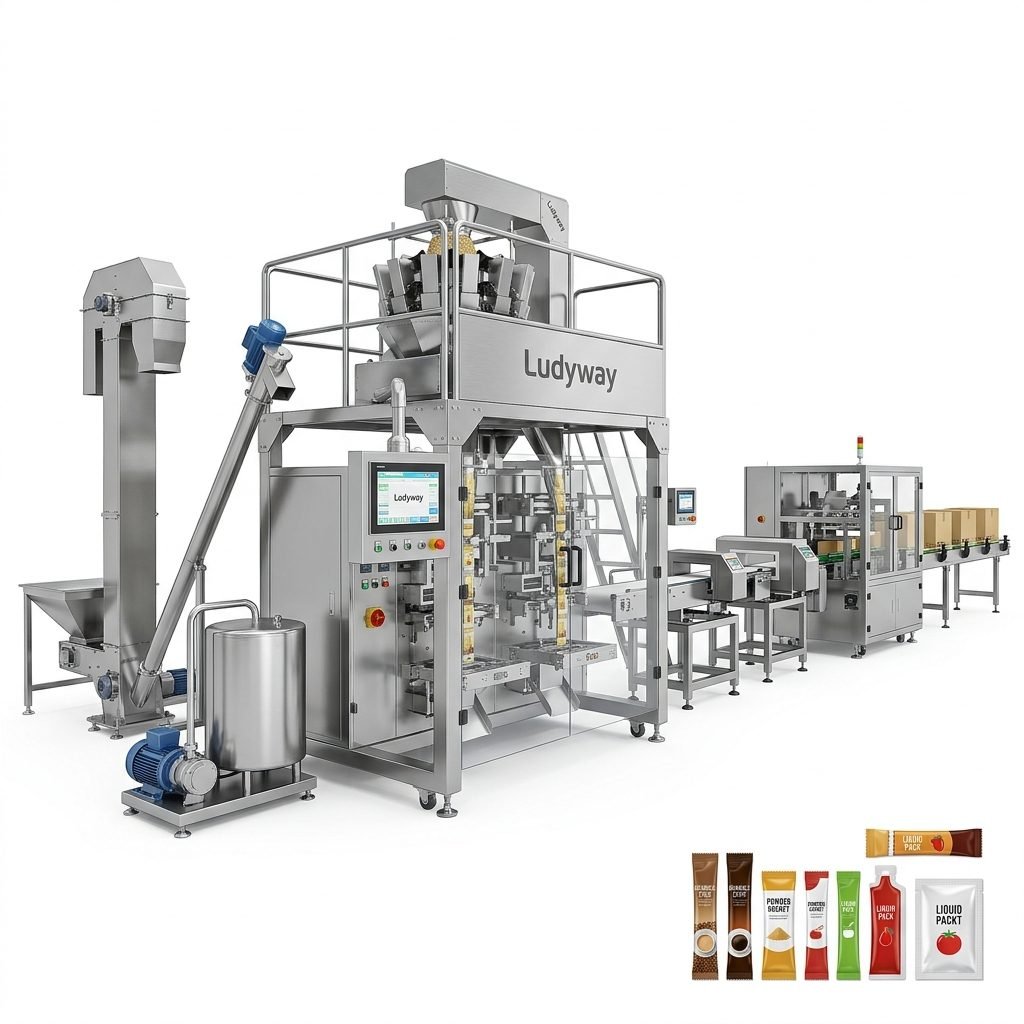
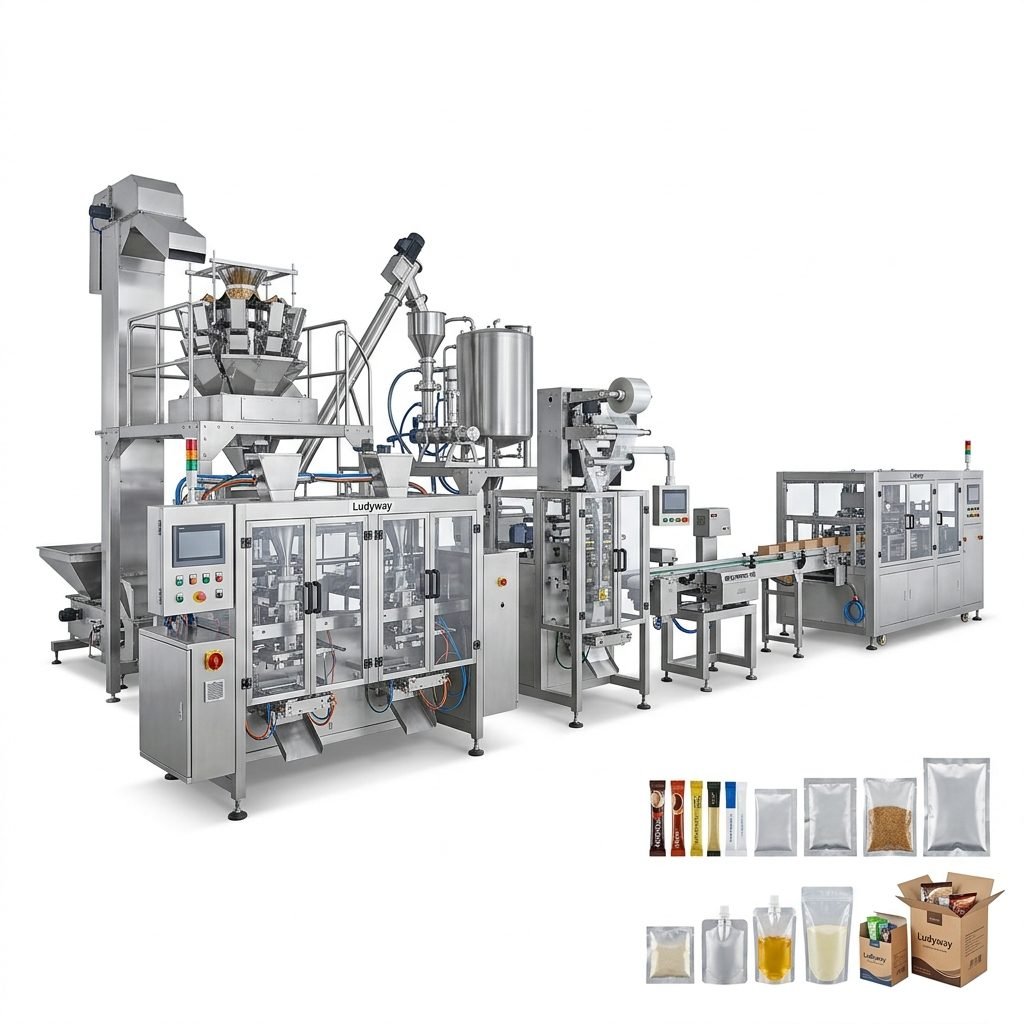
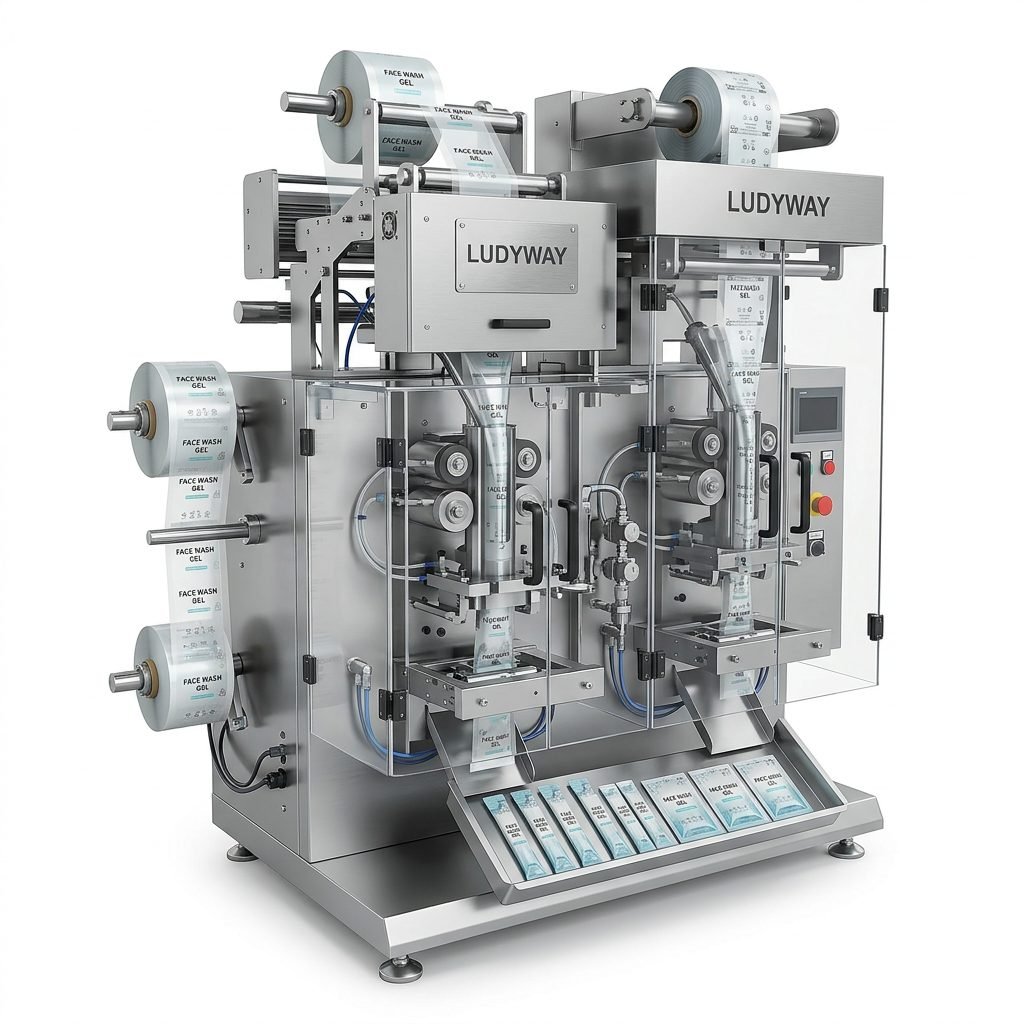
Packaging machinery suppliers that can help producers adapt to changing material specifications are likely to gain strategic importance. As one of China’s leading manufacturers in this field, Ludyway packaging machine manufacturer operates in a market environment where buyers increasingly want not just output speed, but also flexibility for compliance-led packaging transitions.
Machinery capabilities now under closer review
- Material adaptability for recyclable or thinner laminates
- Precision dosing to reduce product and packaging waste
- Stable sealing performance with revised film structures
- Fast changeover for multiple SKUs and local market variants
- Traceability support for reporting and quality control
Which sectors are most exposed
Not all industries feel EPR pressure equally. Businesses using high volumes of small-format or composite packaging face a more immediate challenge because these formats can be harder to sort and recycle at scale. At the same time, healthcare and food safety rules limit how quickly some companies can move to alternative materials.
| Industry | Main EPR Challenge | Likely Focus Area |
|---|---|---|
| Food & beverage | High packaging volume and convenience-driven formats | Recyclable flexible packaging and lightweighting |
| Pharmaceuticals | Compliance must align with product protection requirements | Material validation and reporting accuracy |
| Nutraceuticals | Growth in sachets and stick packs for single-serve use | Pack redesign and machine-material compatibility |
| Cosmetics & personal care | Small trial packs and multi-component packaging | Simplified structures and clearer disposal labeling |
| Household chemicals | Balancing resistance, safety, and recyclability | Substrate optimization and secondary packaging review |
What companies should do now
Industry response needs to be practical and cross-functional. Waiting for final enforcement details in every market may leave companies scrambling with artwork changes, packaging reformulation, and line adjustments under deadline pressure.
Recommended actions for producers and packers
- Map packaging by market to identify where EPR obligations apply and who the legal producer is
- Audit every packaging component, including labels, caps, cartons, inserts, and shipping materials
- Review total fee exposure under current and expected eco-modulation rules
- Work with packaging suppliers and machinery partners on material transition trials
- Build stronger internal data systems for packaging weights and material declarations
- Coordinate sustainability, procurement, regulatory, and operations teams earlier in NPD cycles
The most resilient companies will be those that treat EPR as a design and operations issue, not just a legal filing requirement. Better packaging decisions increasingly depend on the ability to connect policy shifts with line capability, total cost, and product protection.
Market outlook
The global direction is unmistakable: packaging producers will bear more responsibility for waste outcomes, and compliance expectations will become more measurable. As regulations mature, companies that rely on outdated materials, fragmented reporting, or inflexible packaging systems may face rising costs and slower market response.
By contrast, businesses that invest early in recyclable-ready formats, traceable packaging data, and adaptable automation will be in a stronger position to protect margins and maintain export competitiveness. In the next phase of packaging industry growth, regulatory readiness will be closely tied to operational readiness.