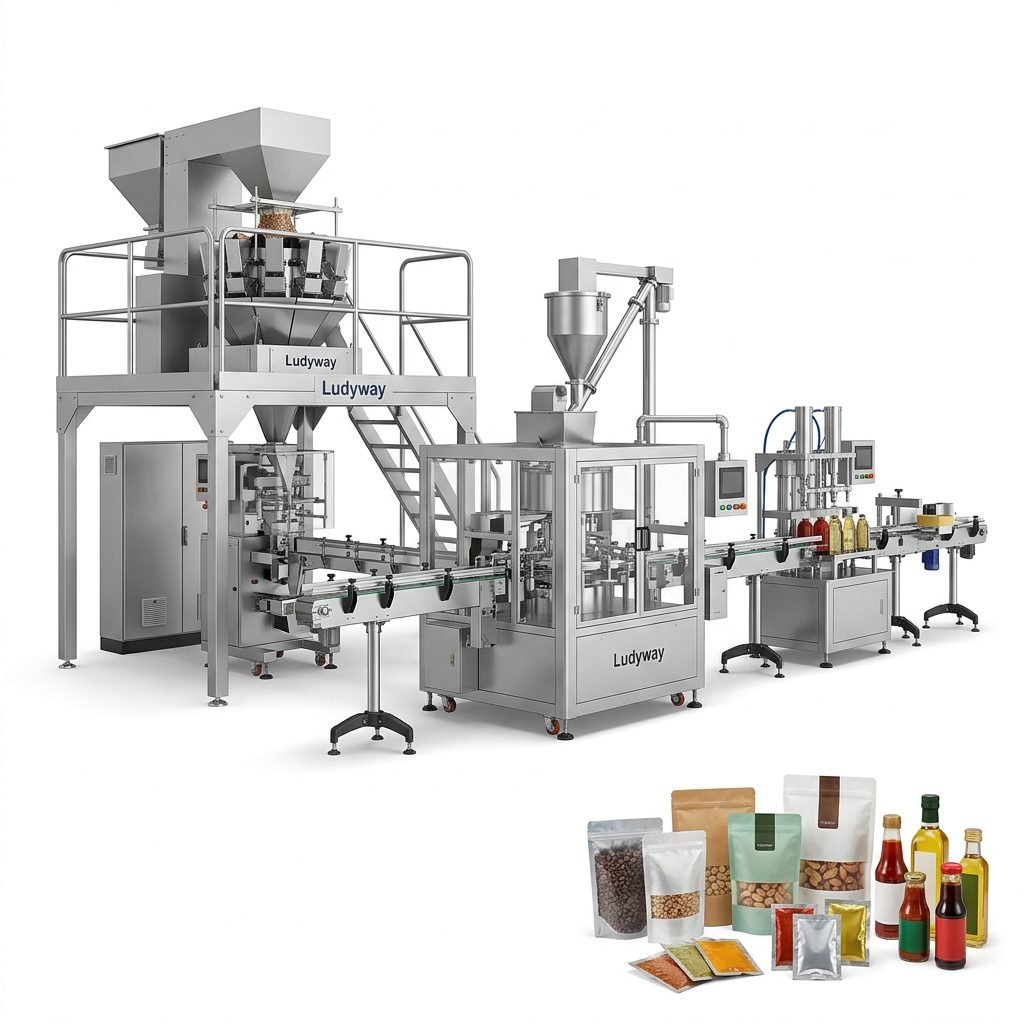
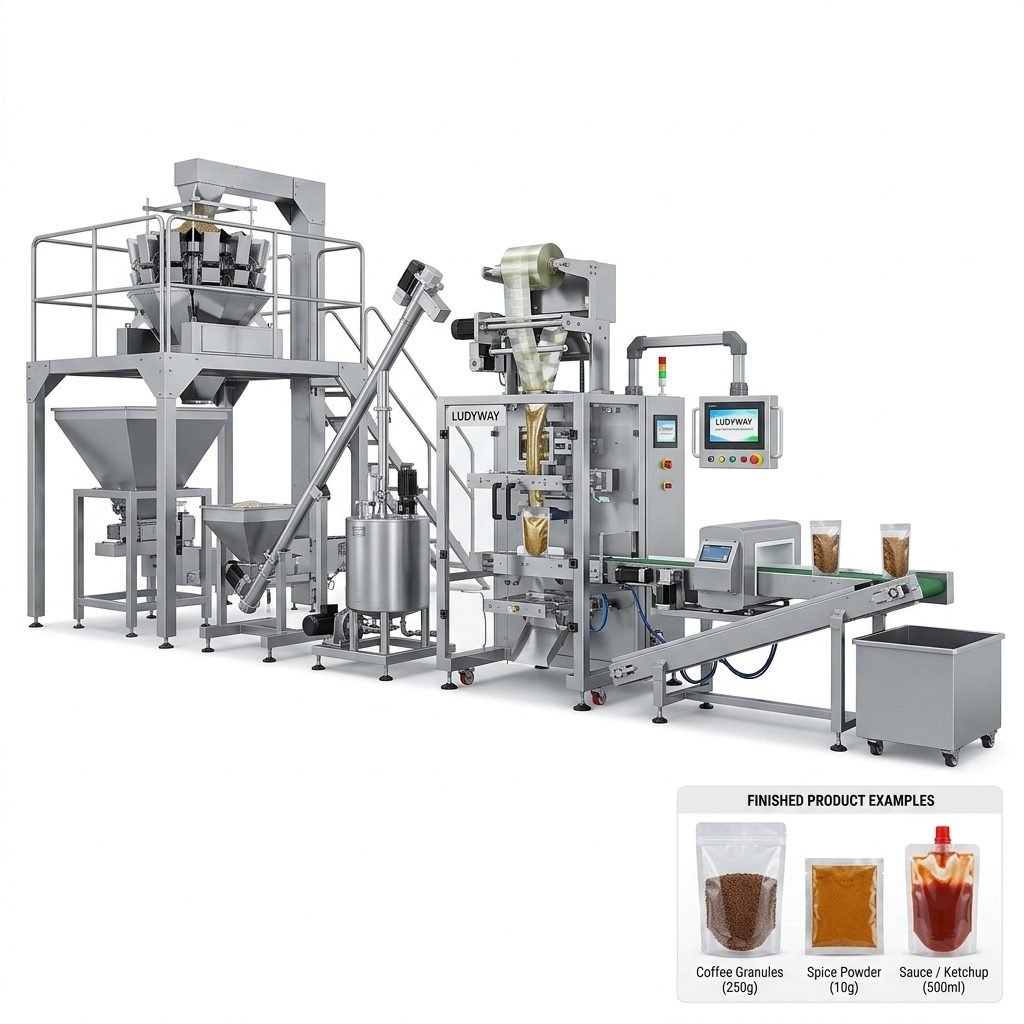
The packaging sector is entering a new phase of industrial transformation in 2026, as cross-over technology integration moves from concept to large-scale application. Manufacturers are no longer viewing packaging equipment as a standalone production asset. Instead, they are combining automation, digital inspection, robotics, smart dosing, material science, and data-driven control into unified systems that serve multiple industries at once.
This acceleration is especially visible in food, pharmaceutical, health supplement, chemical, and personal care production. Equipment originally designed for one application is increasingly being adapted for another, allowing factories to improve flexibility, shorten changeover cycles, and respond faster to shifting consumer demand. The result is a more connected packaging ecosystem where speed, traceability, precision, and modularity are becoming the key competitive metrics.
Why Cross-Over Technology Integration Is Gaining Momentum
Several structural trends are driving this shift. First, product portfolios are becoming more fragmented. Brands now launch more SKUs, smaller batches, and region-specific formats, which pushes factories to invest in packaging lines that can handle powders, granules, liquids, gels, and pouch-based products within the same operational framework. Second, labor cost pressure and quality requirements are encouraging manufacturers to replace manual intervention with integrated intelligent machinery.
At the same time, digital manufacturing tools once limited to electronics or automotive production are being introduced into packaging. Machine vision, servo control, predictive maintenance, barcode traceability, and robotic end-of-line handling are increasingly integrated into filling and sealing workflows. This is changing the economics of packaging investment by making systems more scalable and more adaptable across industries.
- Multi-industry demand convergence is making equipment platforms more versatile.
- Automation upgrades are reducing reliance on labor-intensive operations.
- Compliance and traceability are driving the use of digital inspection and data capture.
- Faster product launches require modular and easy-to-configure packaging lines.
Key Technologies Crossing Into Packaging in 2026
In 2026, the most successful packaging projects are built around technology transfer from adjacent sectors. Robotics from electronics assembly, clean process design from pharma production, and advanced sensor systems from industrial automation are now standard considerations in packaging line planning.
| Technology Area | Cross-Over Source | Packaging Benefit |
|---|---|---|
| Machine vision | Electronics and automotive inspection | Improved seal integrity checks, print verification, and reject control |
| Servo motion systems | Precision machinery | Higher filling accuracy, smoother synchronization, faster changeovers |
| Robotic handling | Industrial automation | Reduced manual packing, palletizing, and product transfer |
| Data connectivity | Smart factory systems | Real-time monitoring, maintenance alerts, and production analytics |
| Cleanroom-oriented design | Pharmaceutical engineering | Better hygiene, reduced contamination risk, easier cleaning validation |
Food and Pharma Are Leading the Convergence
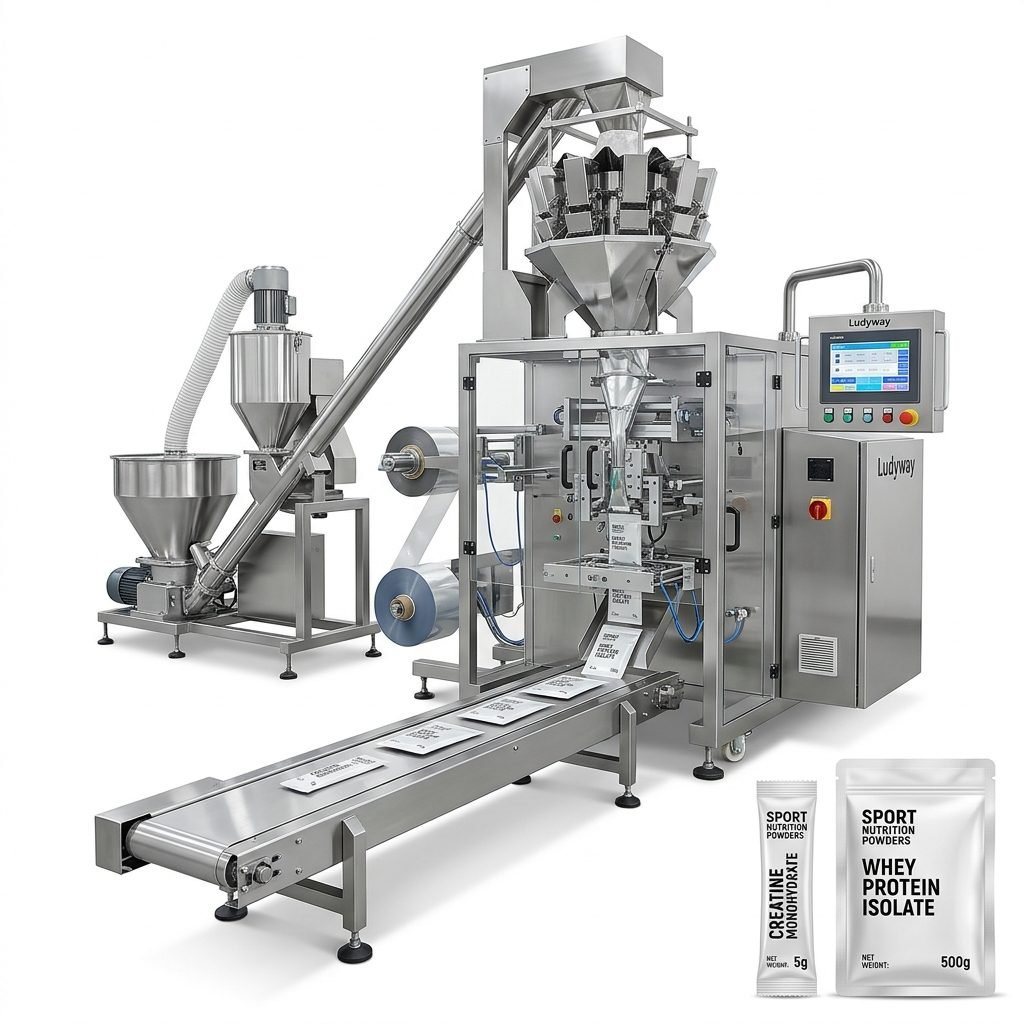
The strongest examples of cross-over integration are found in food and pharmaceutical packaging. Food producers are adopting pharmaceutical-style precision dosing and contamination control, while pharma manufacturers are borrowing food-industry throughput strategies to improve output without sacrificing regulatory discipline. Health supplement production sits at the center of this overlap, since many products require both high-volume efficiency and strict quality consistency.
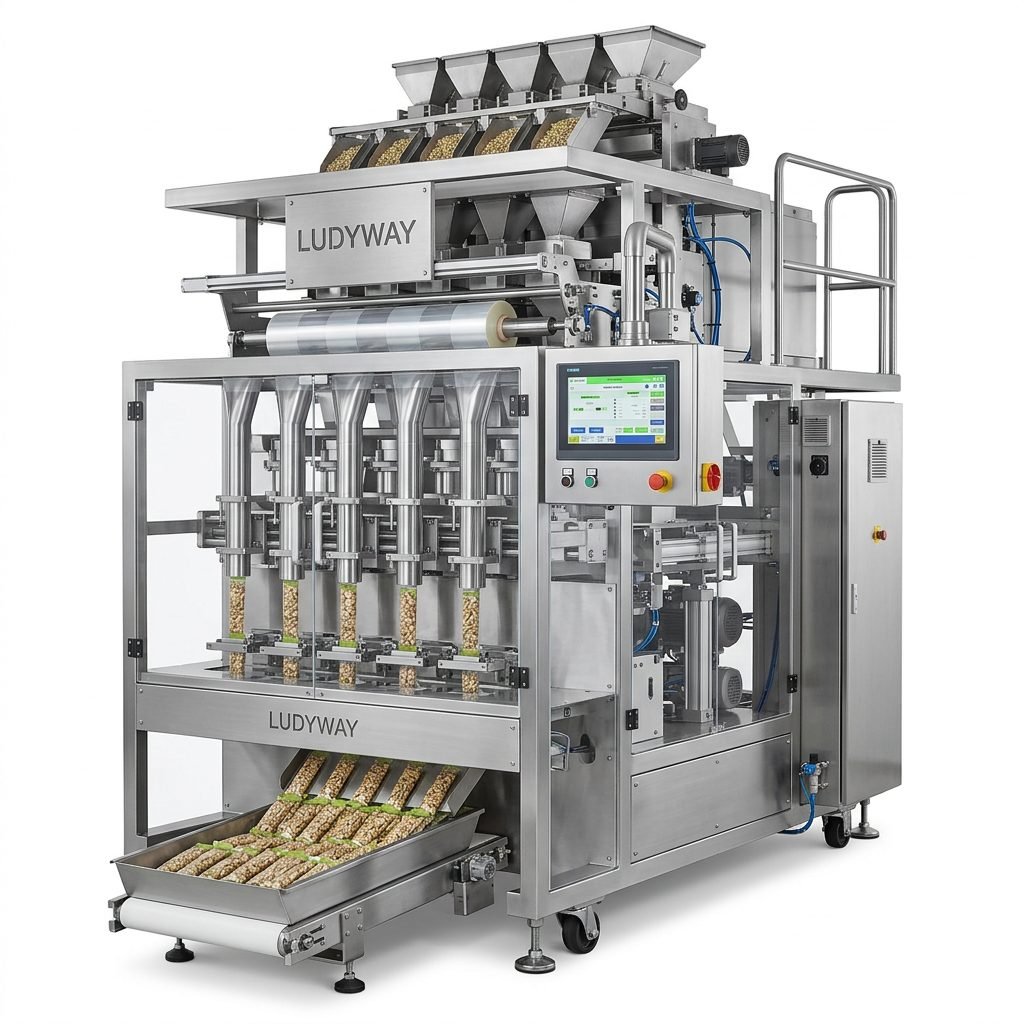
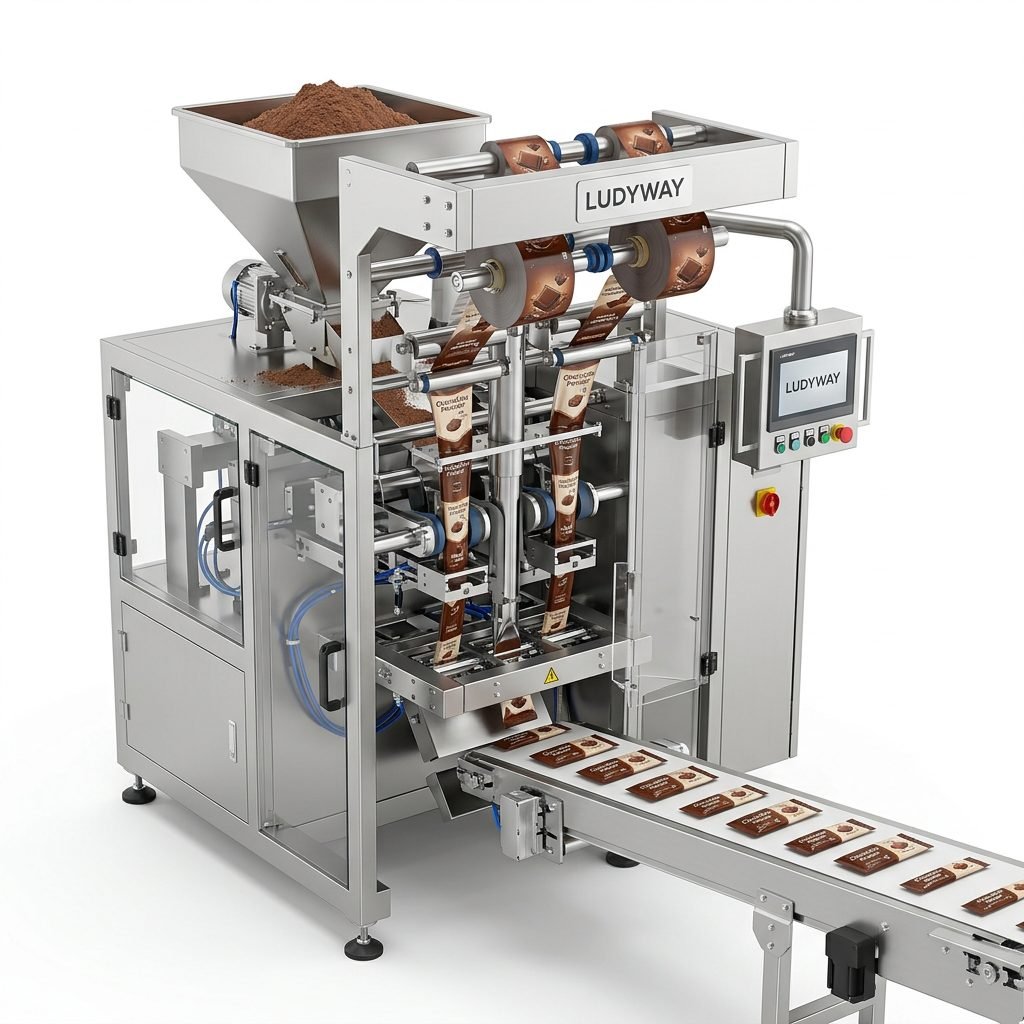
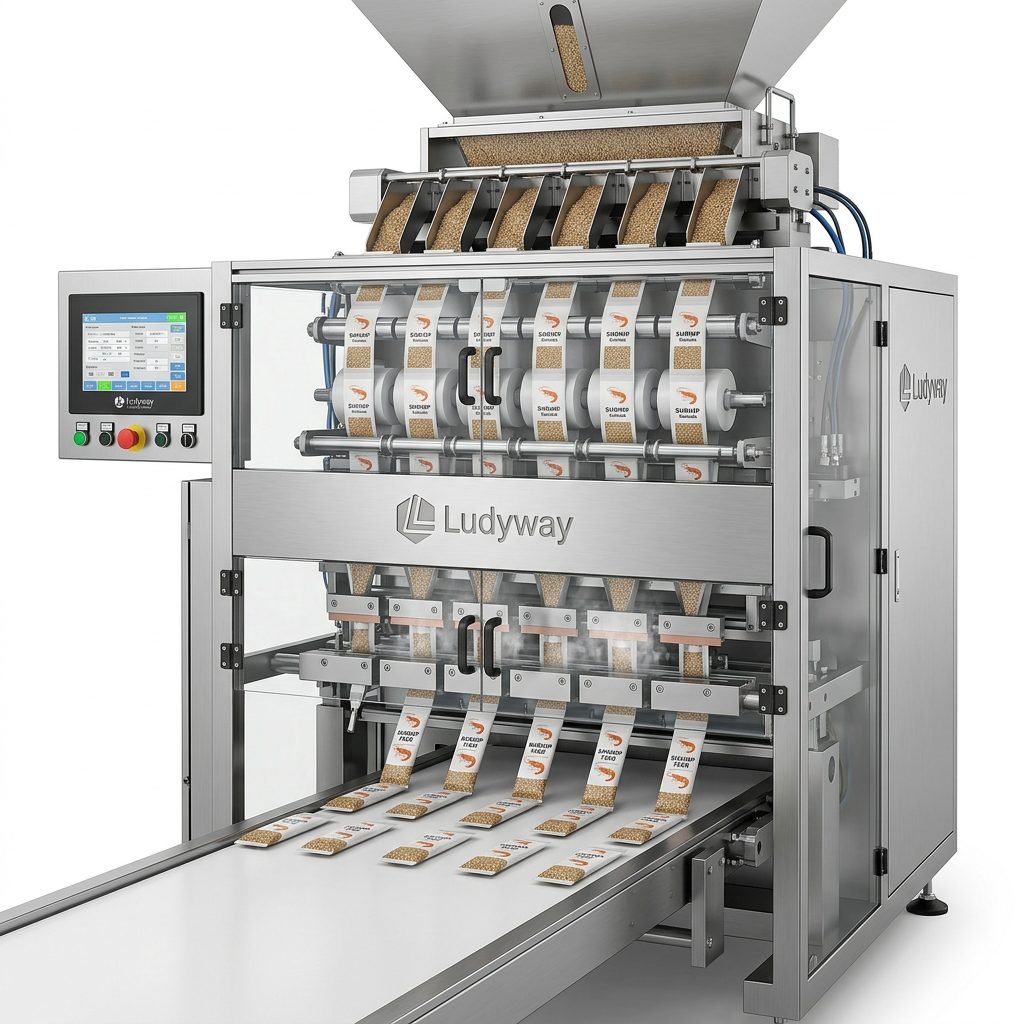
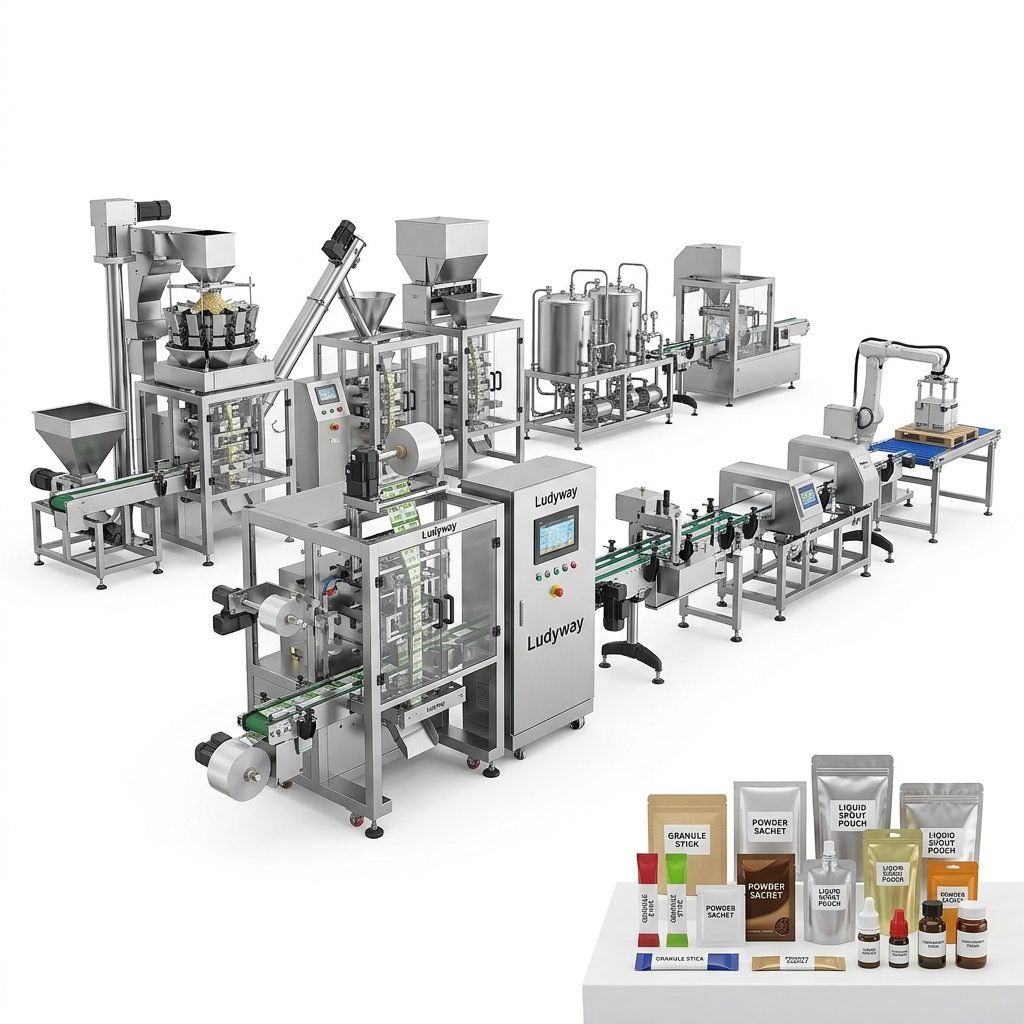
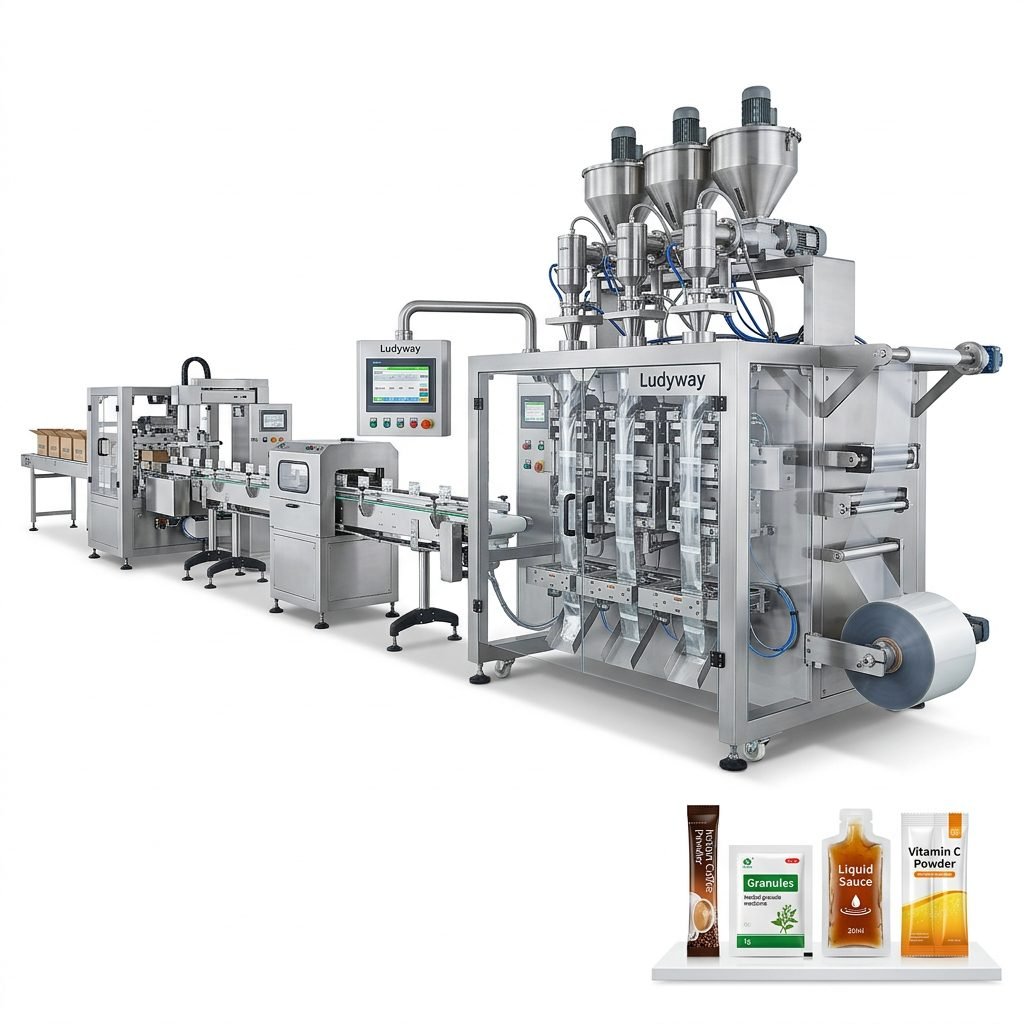
Multi-lane sachet and stick pack systems are a clear example. Originally optimized for high-speed consumer goods, these systems are now widely adapted for nutraceutical powders, oral rehydration salts, probiotics, instant beverages, and single-dose healthcare products. Manufacturers favor them because they combine compact layouts with strong output performance and repeatable dosing accuracy.
From Single Machines to Turnkey Line Thinking
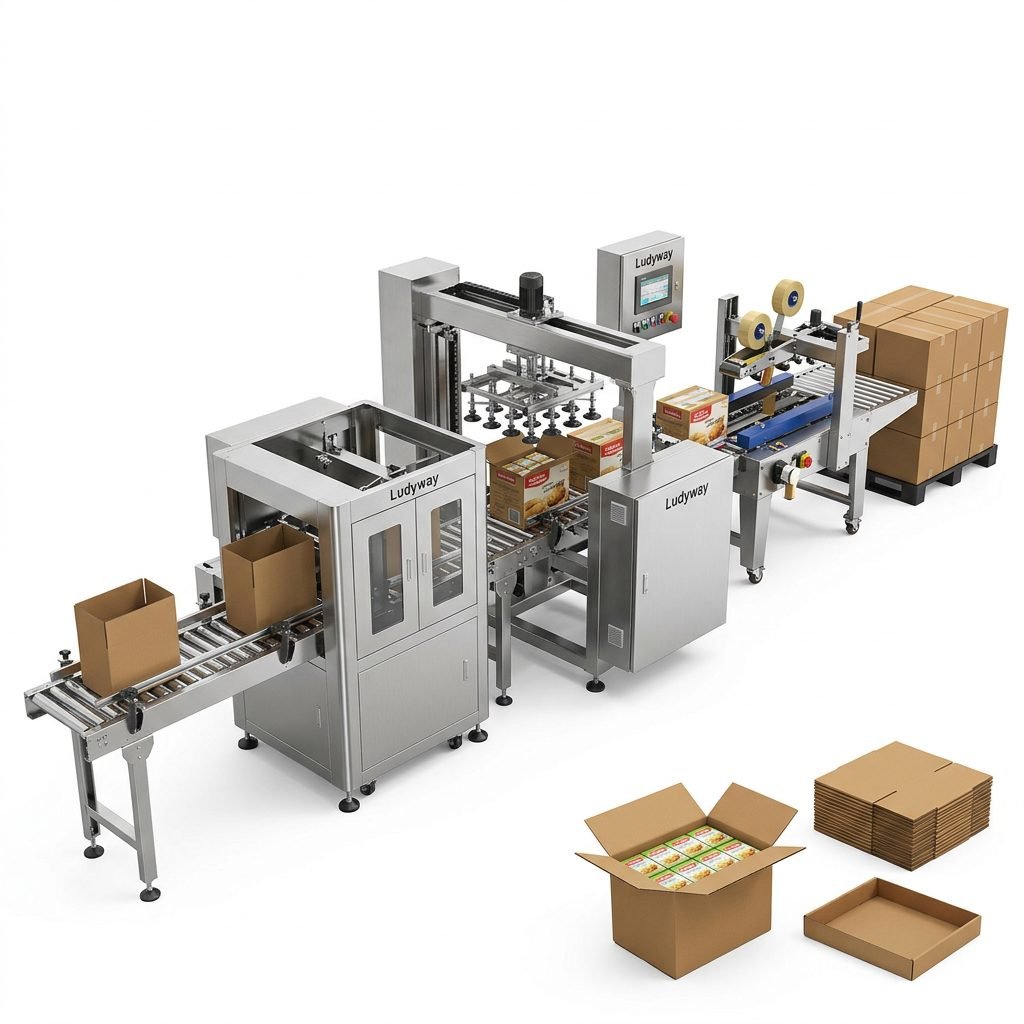
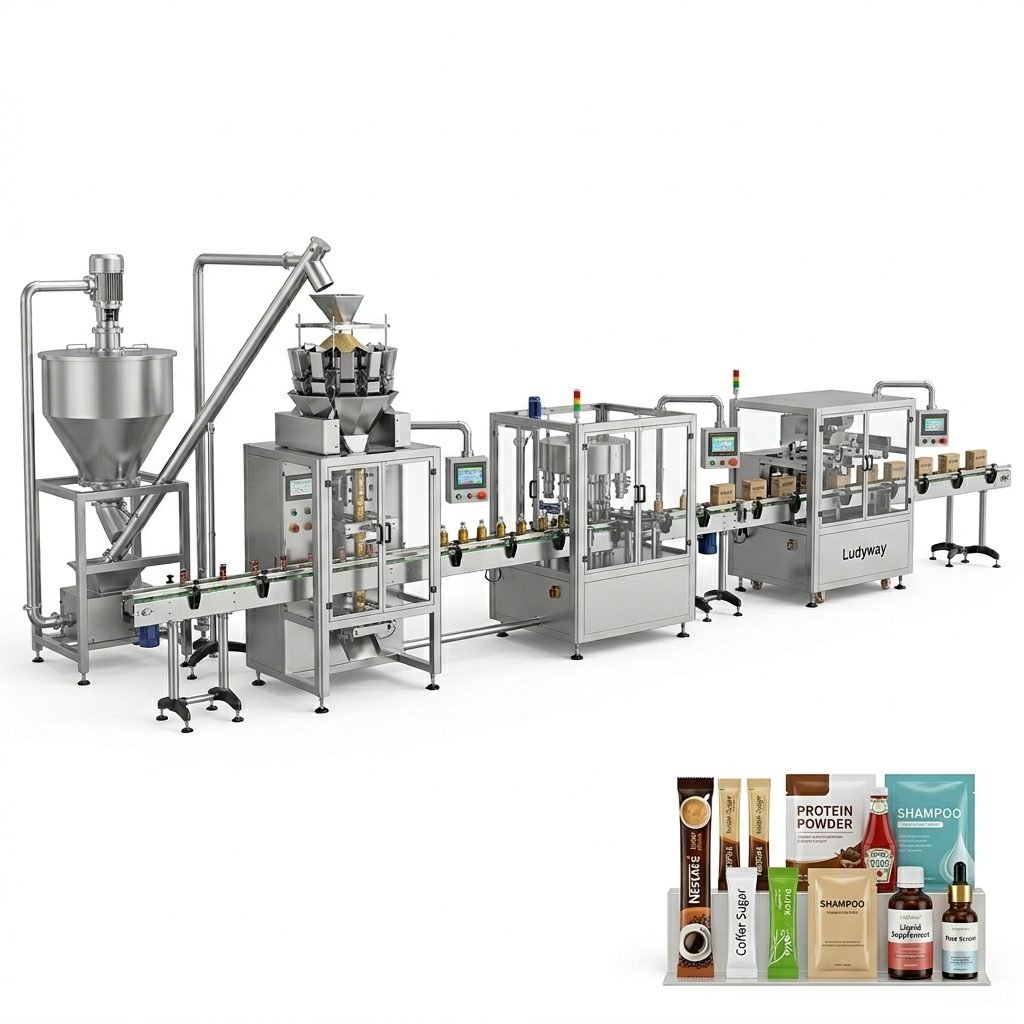
Another major development in 2026 is the shift from buying isolated machines to investing in complete integrated lines. Buyers increasingly want feeding, conveying, weighing, filling, sealing, coding, inspection, cartoning, and palletizing to function as one coordinated system. This reduces bottlenecks and improves accountability across the production process.
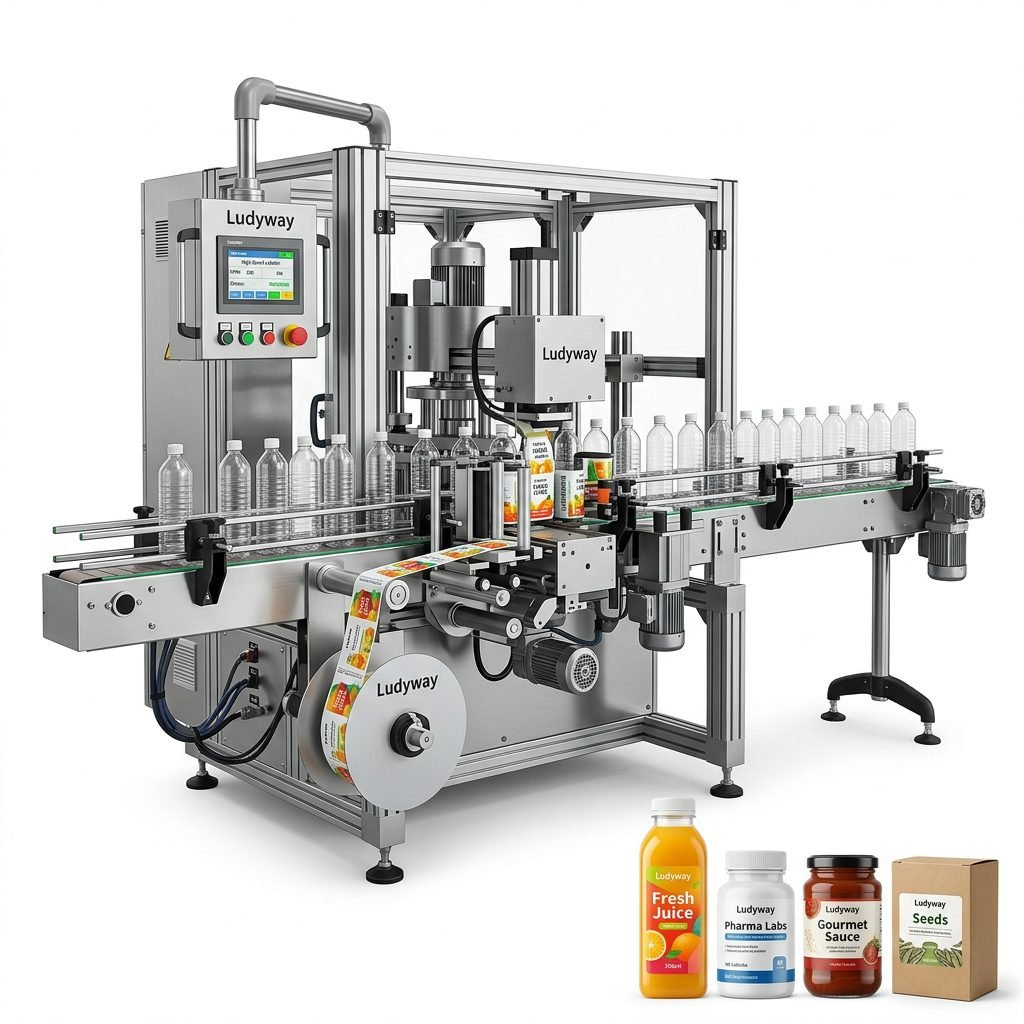
Companies with strong engineering and export experience are benefiting from this trend. One example is Ludyway packaging machine manufacturer, which has expanded its role in turnkey packaging line delivery across food, pharmaceutical, health supplement, and related sectors. As cross-over integration becomes more important, suppliers with broad machine portfolios and customization capability are increasingly positioned to support complex, multi-format projects.
What Buyers Are Prioritizing in 2026
Procurement priorities are changing alongside technology adoption. Packaging buyers are no longer focused only on machine speed. They are asking whether the line can scale, connect, validate, and adapt to future formats. This is particularly important for exporters and contract manufacturers serving multiple brands or product categories.
- Flexible format handling for powders, granules, liquids, and pastes.
- Intelligent inspection capability to reduce defects and improve quality records.
- Modular expansion so additional stations can be added as production grows.
- Data visibility for OEE tracking, downtime analysis, and maintenance planning.
- Cross-industry usability to maximize equipment return on investment.
Operational Impact on Manufacturers
Factories that adopt integrated packaging technologies are reporting gains in several areas. Changeover times are shortening, scrap rates are falling, and line balancing is improving. More importantly, integrated systems allow manufacturers to launch new products with less disruption to existing operations. This is crucial in a market where speed-to-shelf can directly affect revenue performance.
| Operational Area | Traditional Packaging Setup | Integrated 2026 Approach |
|---|---|---|
| Format changeover | Manual and time-consuming | Servo-assisted and recipe-driven |
| Quality control | Sampling-based inspection | Inline visual and weight verification |
| Maintenance | Reactive servicing | Condition monitoring and preventive alerts |
| Production planning | Disconnected machine data | Integrated dashboard visibility |
Challenges Still Facing the Industry
Despite the momentum, integration is not without obstacles. Legacy systems can be difficult to connect, especially when older machinery lacks digital interfaces. There is also a skills gap in some markets, where maintenance teams are more familiar with mechanical troubleshooting than software-driven diagnostics. In addition, some manufacturers still underestimate the planning needed for multi-industry packaging lines.
Successful projects typically depend on strong front-end engineering, product testing, and supplier coordination. The more formats a line needs to handle, the more important it becomes to define material characteristics, dosage ranges, packaging film compatibility, hygiene requirements, and downstream handling needs early in the process.
2026 Outlook
Looking ahead, cross-over technology integration will likely become a baseline expectation rather than a premium feature. Packaging lines in 2026 are increasingly expected to be intelligent, connected, and adaptable across multiple product categories. Manufacturers that embrace this transition are better positioned to improve productivity, support innovation, and remain competitive in a market where packaging is now a strategic production function rather than just an end-of-line necessity.
As demand grows for smarter filling, sealing, inspection, and line coordination, the packaging industry is moving toward a future defined by interoperability, flexibility, and turnkey automation. That trend is reshaping both equipment design and buyer expectations, making 2026 a pivotal year for industrial packaging transformation.