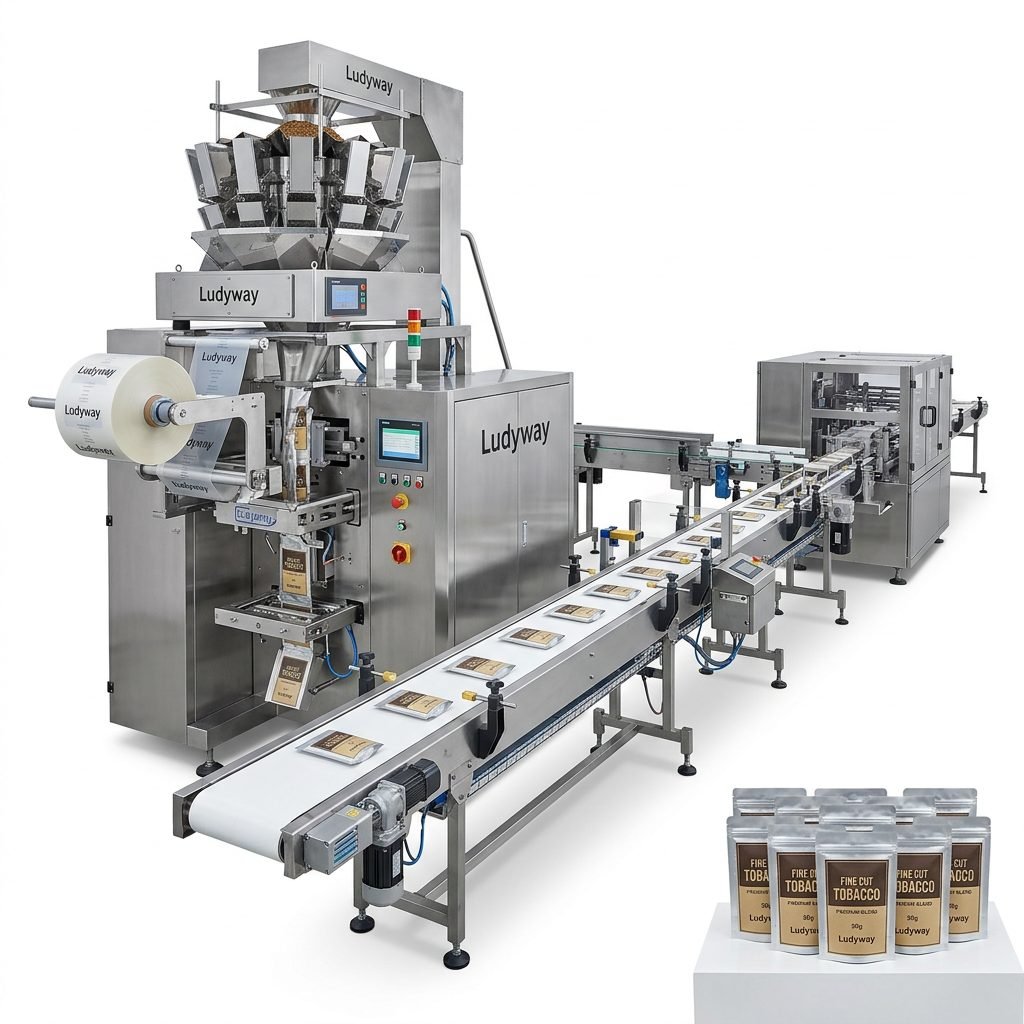
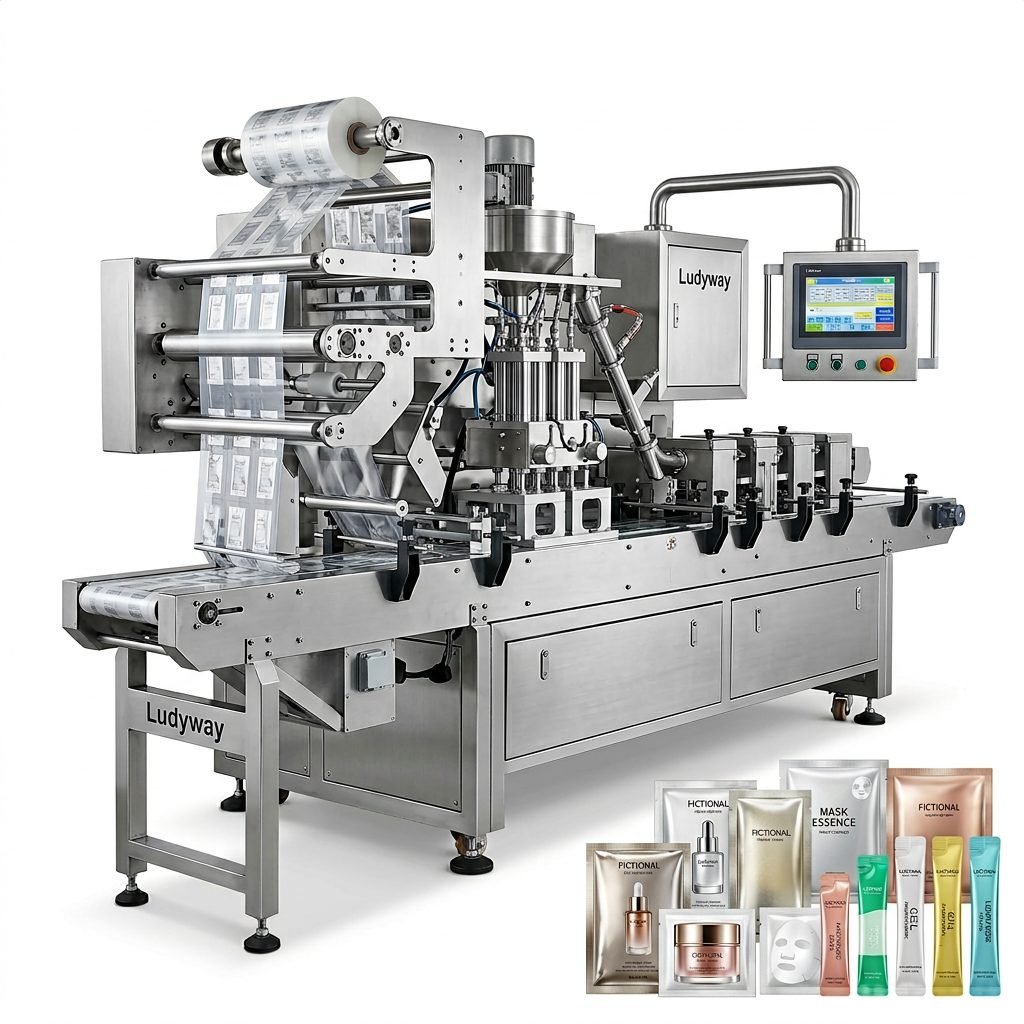
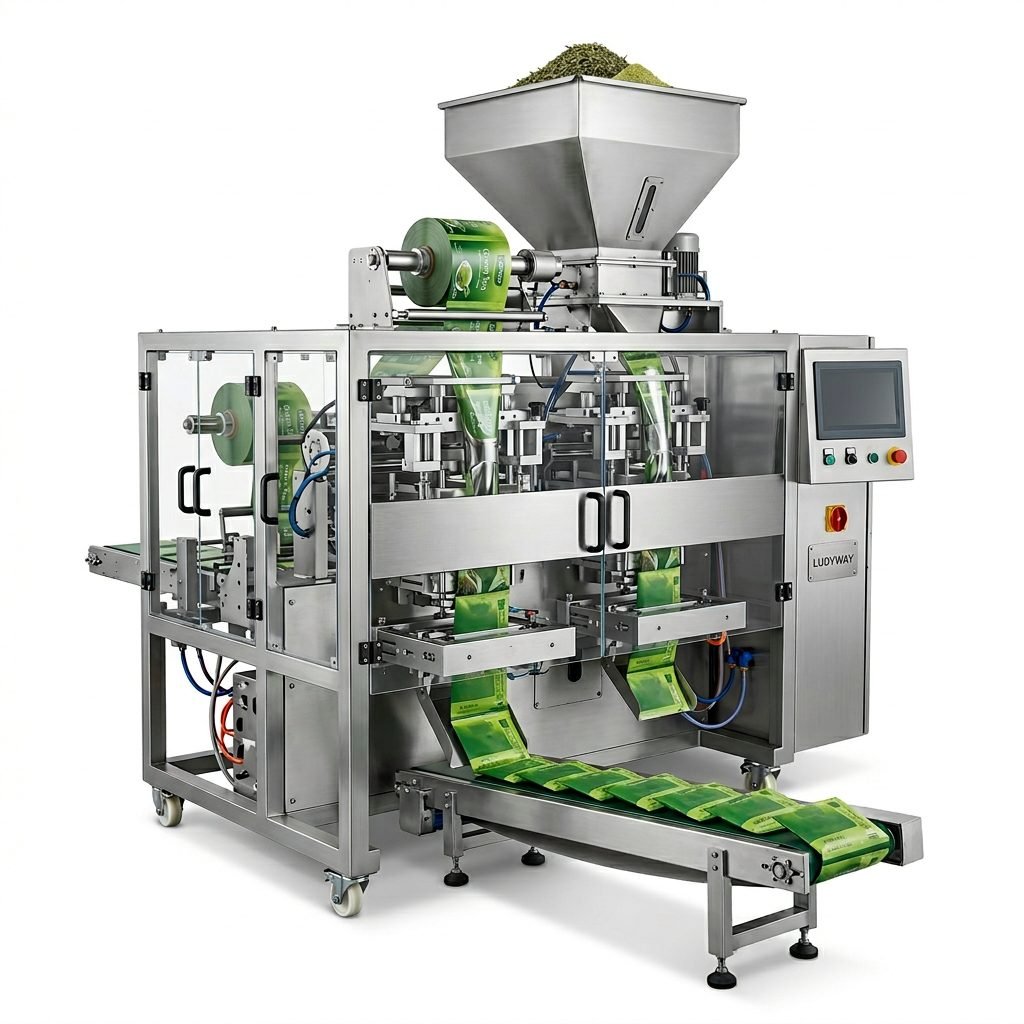
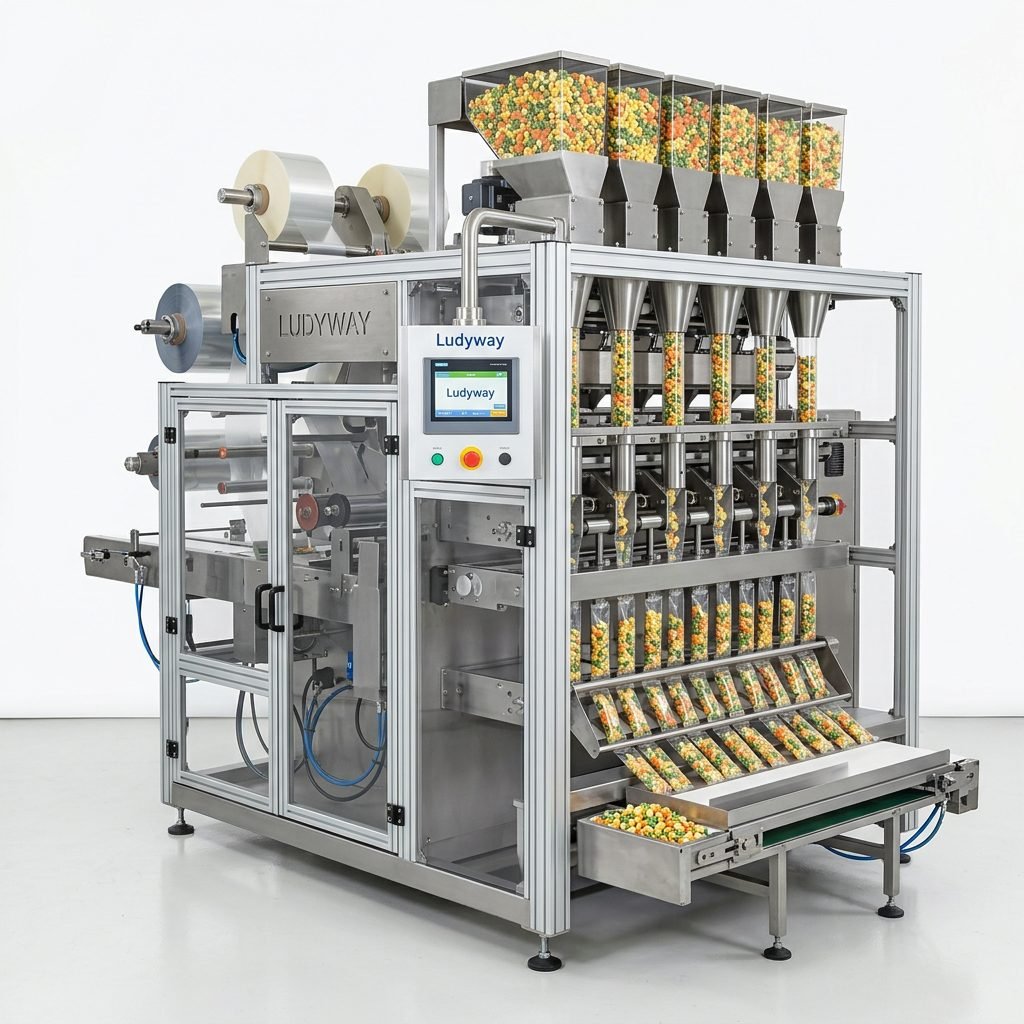
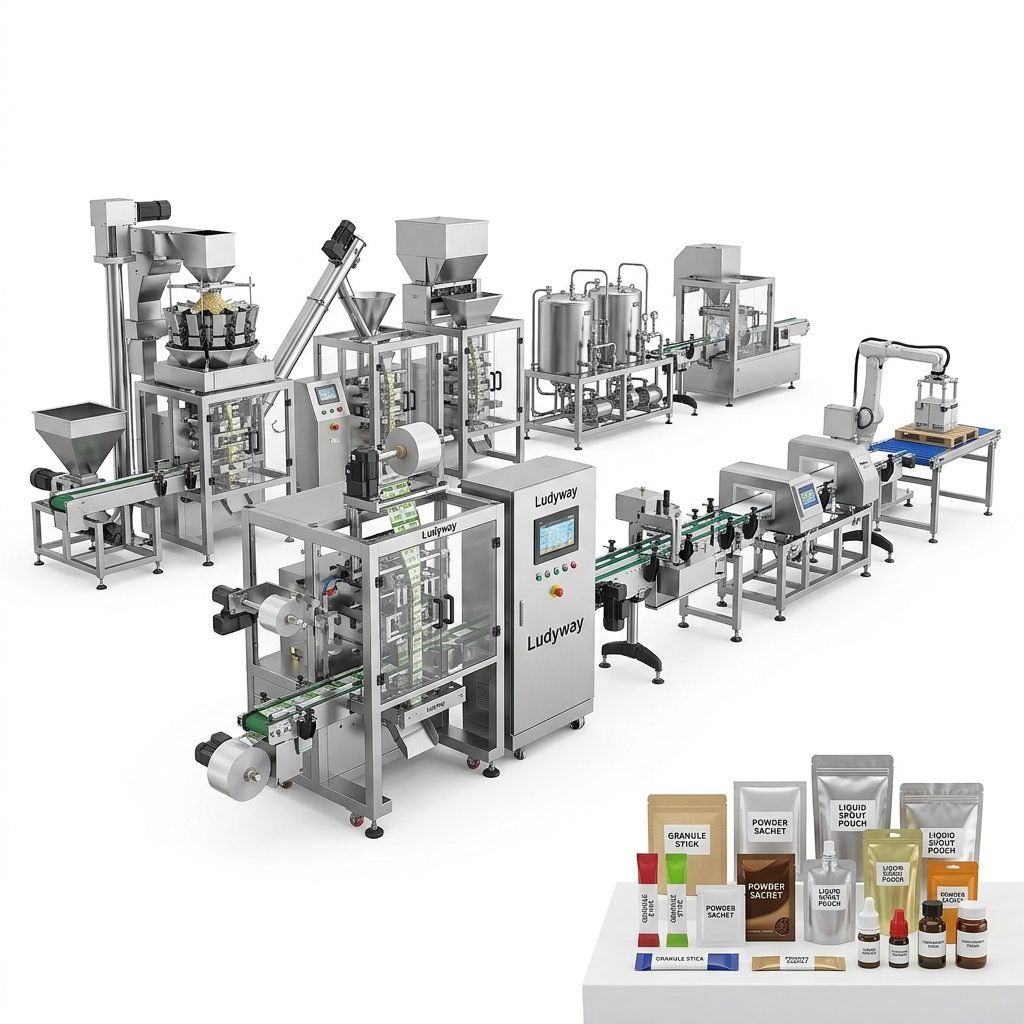
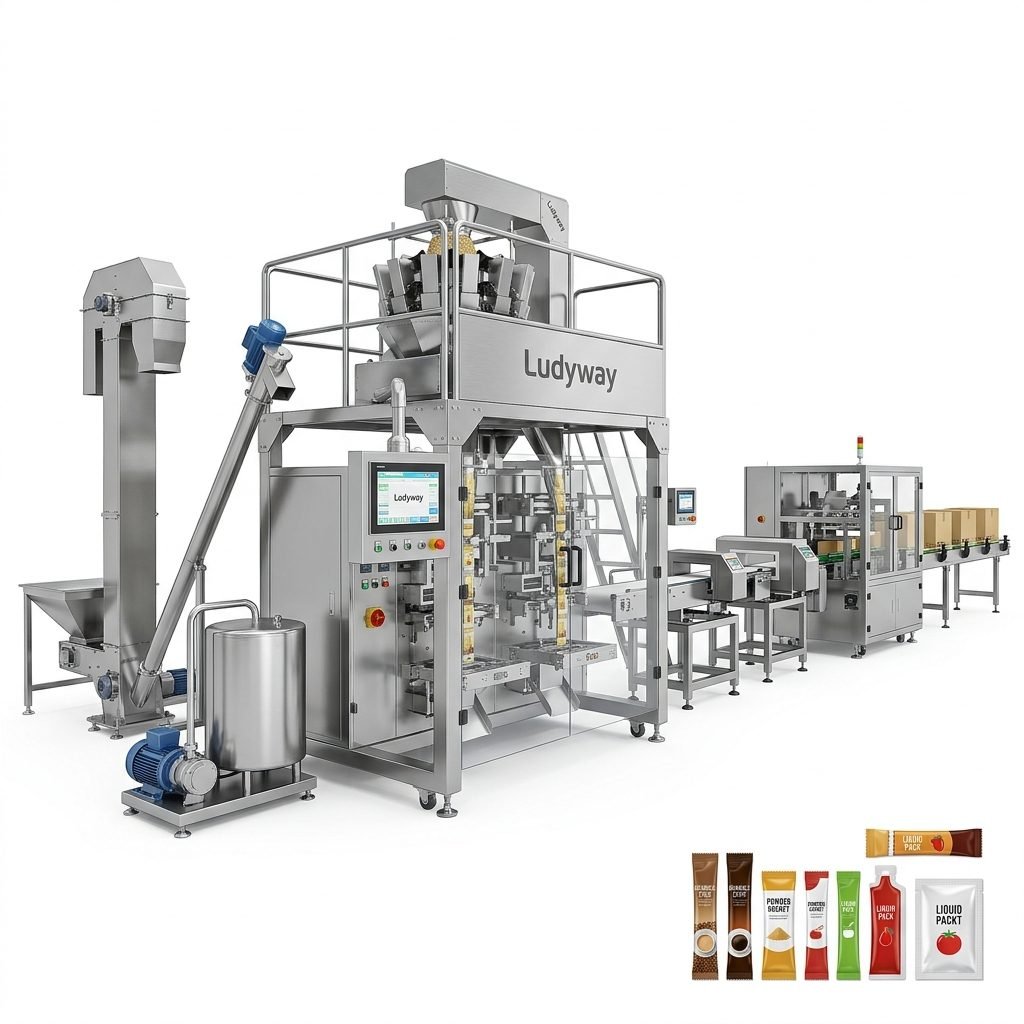
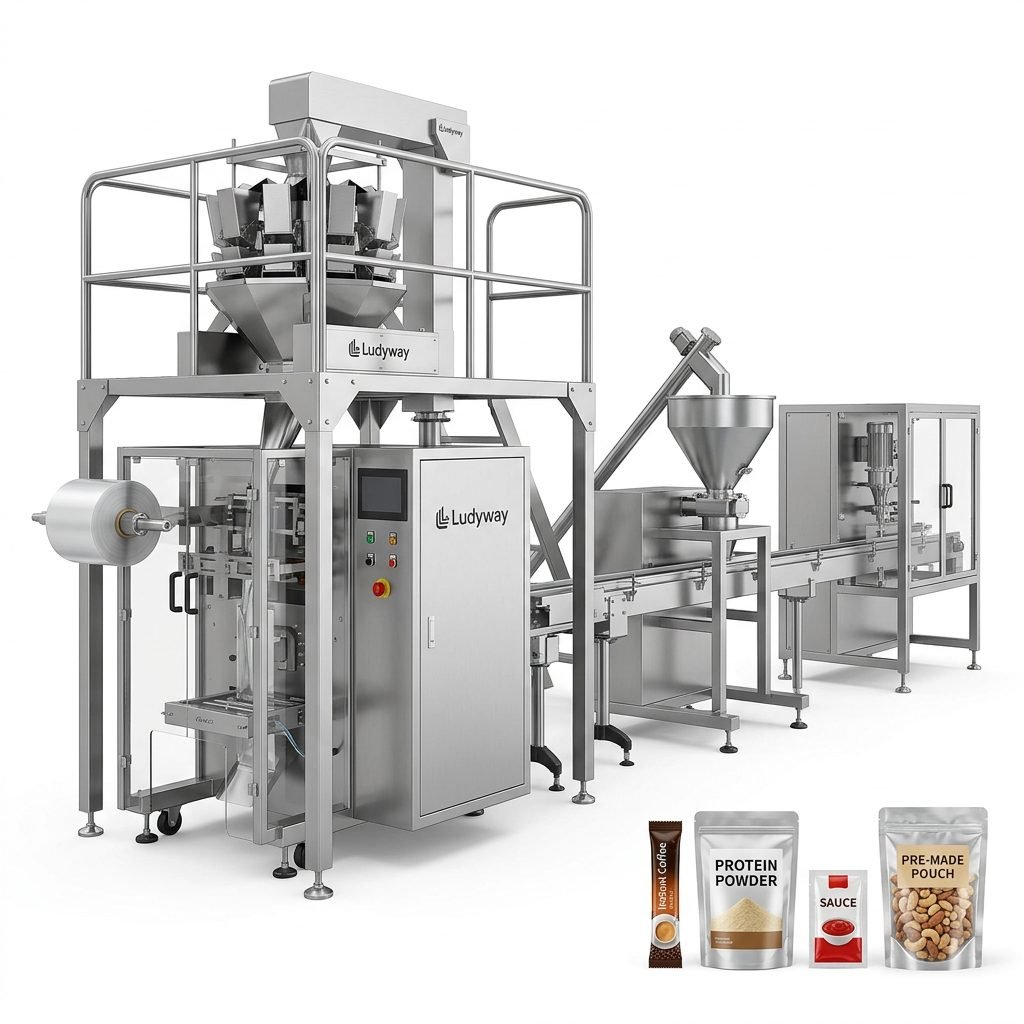
In the rapidly evolving landscape of modern packaging, adaptability has transitioned from a competitive advantage to a fundamental operational necessity. Manufacturers across the food, pharmaceutical, cosmetic, and chemical sectors are constantly seeking ways to streamline operations, reduce machine footprints, and respond dynamically to shifting consumer demands. The launch of the latest generation of multi-function granule packaging machines represents a major milestone in this journey. By integrating cutting-edge dosing technologies with flexible forming systems, these new machines are redefining efficiency and versatility on the factory floor.
The Evolution of Granule Packaging Technology
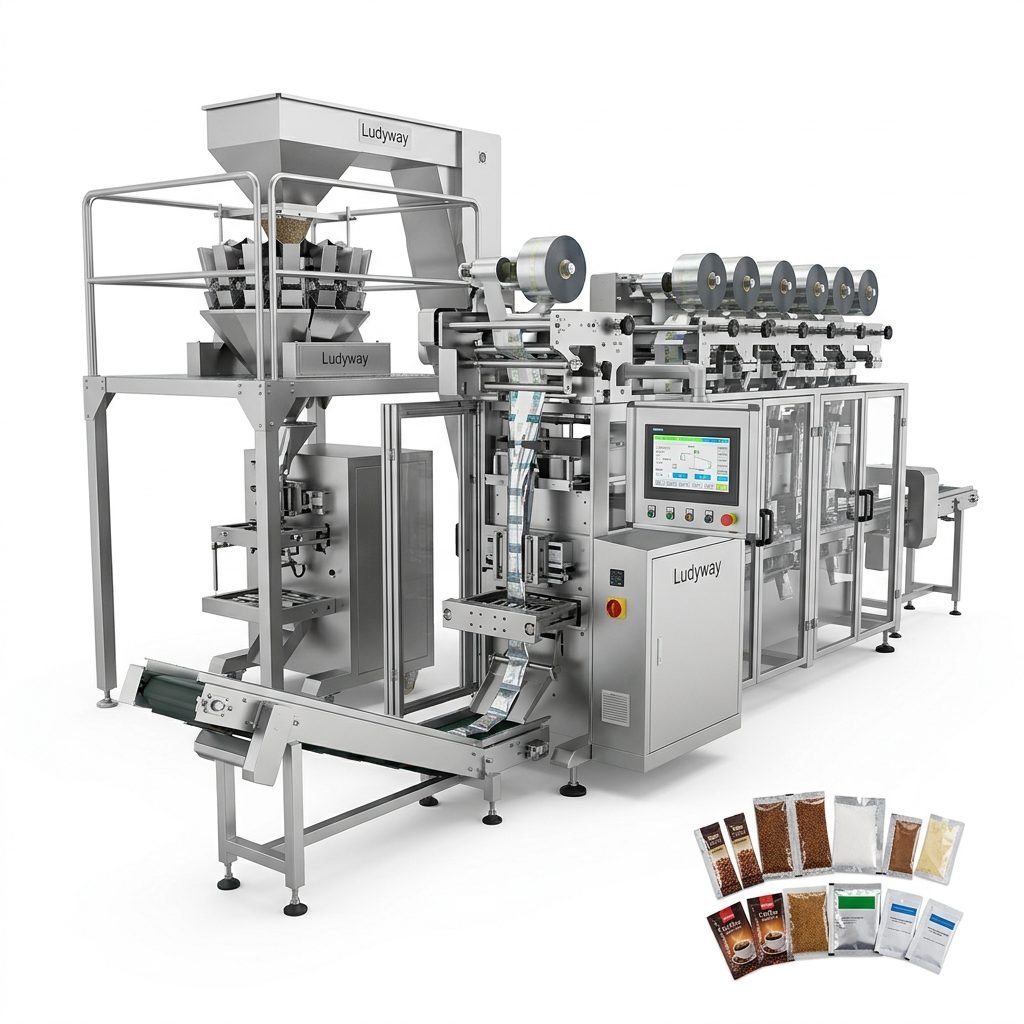
Historically, packaging lines were dedicated to single product types and specific pouch sizes. A change in product dimensions or packaging material often required extensive mechanical adjustments, leading to hours of costly downtime. The new era of multi-purpose packaging addresses these bottlenecks directly. Modern multi-function granule packaging systems are engineered to handle a wide range of granular materials—from fine sugar and seasoning powders to larger items like nuts, seeds, veterinary medicines, and agricultural additives.
This breakthrough in flexibility is largely driven by advanced engineering and custom-designed dosing modules. Leading global manufacturers, including industry pioneer Ludyway, have spent decades perfecting automatic packaging technology to deliver complete turnkey solutions that cater to these exact challenges. By aligning high-speed operation with quick-changeover designs, factories can now package different products on a single line with minimal interruption.
Key Engineering Innovations Driving Versatility
What sets the new multi-function granule packaging systems apart from traditional machinery is their modular construction. Below are the key technical features enabling this versatility:
- Advanced Dosing Systems: Equipped with interchangeable volumetric cups, rotary feeders, or multi-head weighers to maintain high dosing precision across different granule densities.
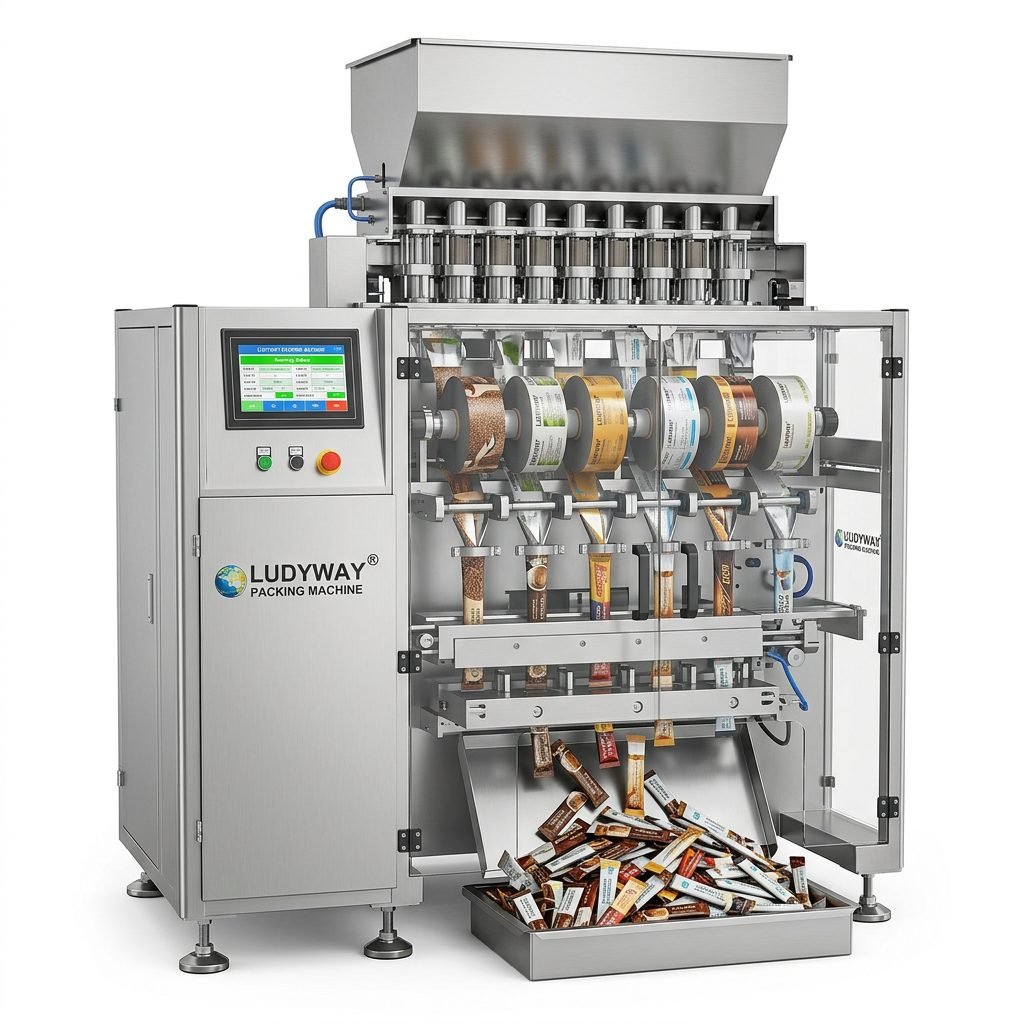
- Multi-Lane Efficiency: High-speed configurations allow multiple lanes to run simultaneously, drastically increasing output without expanding the machine’s physical footprint.
- Toolless Changeover: Operators can swap forming collars, sealing jaws, and feeding mechanisms in under 20 minutes, allowing a rapid transition between stick packs and flat sachets.
- Smart Sensor Integration: Intelligent systems automatically detect film alignment, print registration, and empty pouches to prevent product waste and optimize film consumption.
Cross-Industry Applications
The adaptability of multi-function granule packaging systems makes them invaluable across diverse sectors. The table below highlights how different industries utilize these versatile packaging solutions to meet specific production standards:
| Industry | Granule Type | Preferred Pack Format | Key Requirement |
|---|---|---|---|
| Food & Beverage | Sugar, Coffee, Spices, Seeds | Stick Packs, 3-Side Sachets | Hygienic design, nitrogen flushing |
| Pharmaceuticals | Cold medicine, Supplement granules | High-precision sachets | Strict dosage control, GMP compliance |
| Chemicals & Agrochemicals | Fertilizers, Pesticides, Desiccants | Heavy-duty pouches, pillow bags | Corrosion-resistant contact parts |
| Pet Care | Pet food pellets, Probiotics | Multi-lane stick packs | Moisture barrier, high seal strength |
Economic and Operational Advantages
Transitioning to a multi-purpose packaging system yields significant operational improvements. First, it optimizes physical space. Instead of installing several specialized machines, manufacturers can execute multiple packaging formats on a single platform. This consolidated footprint is particularly beneficial for growing facilities looking to scale without expanding their building dimensions.
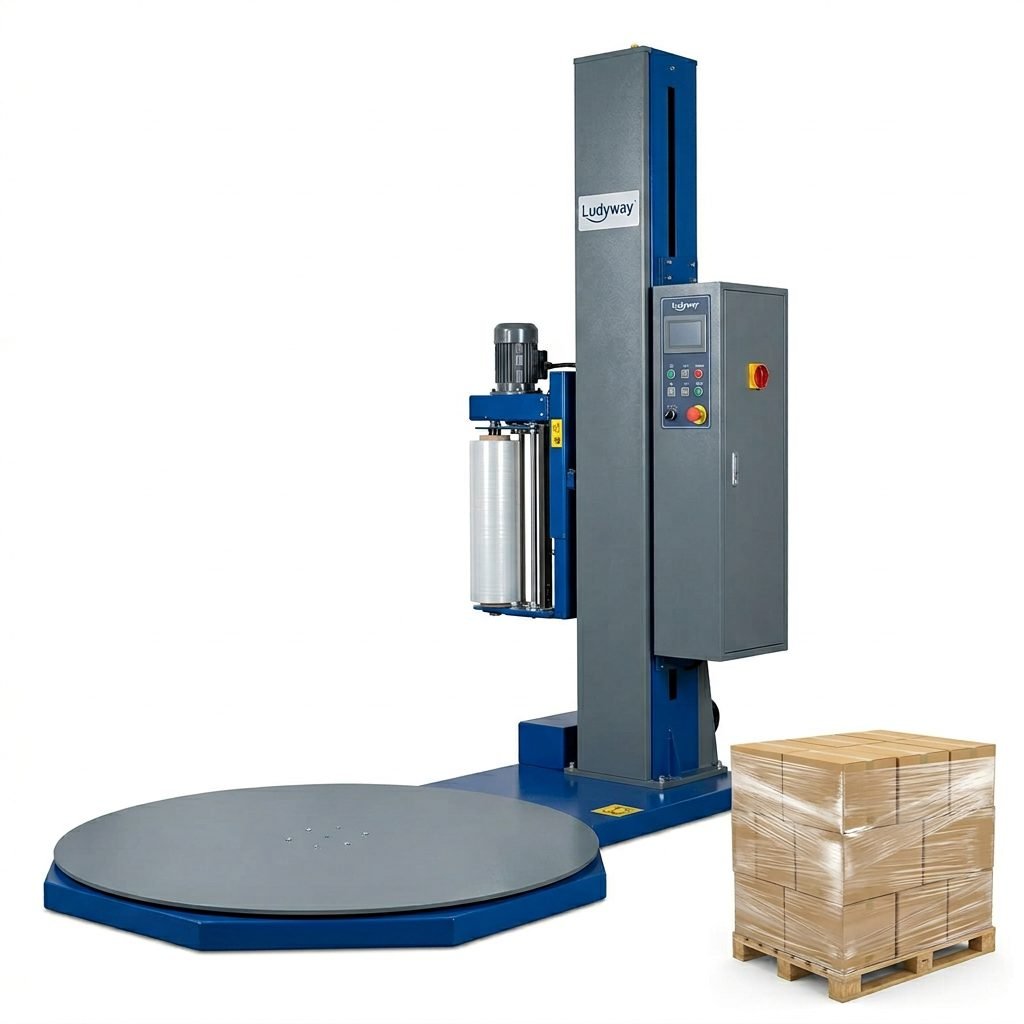
Second, the integration of automation dramatically reduces labor costs. When integrated into complete turnkey packaging lines—which include auxiliary components like Z-type conveyors, checkweighers, metal detectors, and automatic case packers—the entire process from raw material feed to final palletizing runs autonomously. This seamless flow minimizes manual contact, reducing contamination risks and elevating final product quality.
Choosing the Right Partner for Turnkey Packaging Solutions
Selecting a versatile packaging machine requires evaluating more than just hardware; it demands a partner with deep engineering expertise and reliable global technical support. Modern automated systems must comply with international electrical and safety standards, particularly for exports destined for demanding markets like Europe and North America.
Factors such as material quality (such as SUS304 or SUS316 stainless steel for food contact parts), precision machining, and structured quality testing are critical to long-term reliability. By investing in robust, multi-functional machinery backed by comprehensive technical support, manufacturers can protect their investment and remain highly competitive in an ever-changing global market.