In the rapidly evolving landscape of packaging technology, precision is no longer just a metric of quality—it is the cornerstone of operational viability. The recent integration of microgram-level precision into liquid filling systems represents a monumental leap forward for industrial automation. Traditionally, liquid dosing systems operated on milliliter or fractional gram scales, which was sufficient for mass-market beverages and bulk household chemicals. However, the rise of advanced biotechnology, high-concentrate cosmetic serums, and targeted pharmaceuticals has forced a technological paradigm shift. Quantitative automation must now deliver near-zero variance, ensuring that every single drop of active ingredient is dispensed with absolute accuracy.
Technical Breakthroughs in Micro-Dosing
Achieving microgram-level precision in a high-speed production environment requires a harmonious integration of mechanical, fluidic, and electronic engineering. Modern liquid filling packaging systems discard legacy gravity-fed mechanisms in favor of sophisticated closed-loop control systems. These systems utilize ultra-precise ceramic piston pumps, micro-peristaltic drives, and electromagnetic flow meters that monitor fluid displacement in real-time. By utilizing advanced servo motors with high-resolution encoders, the stroke of the filling nozzle can be controlled down to fractions of a millimeter.
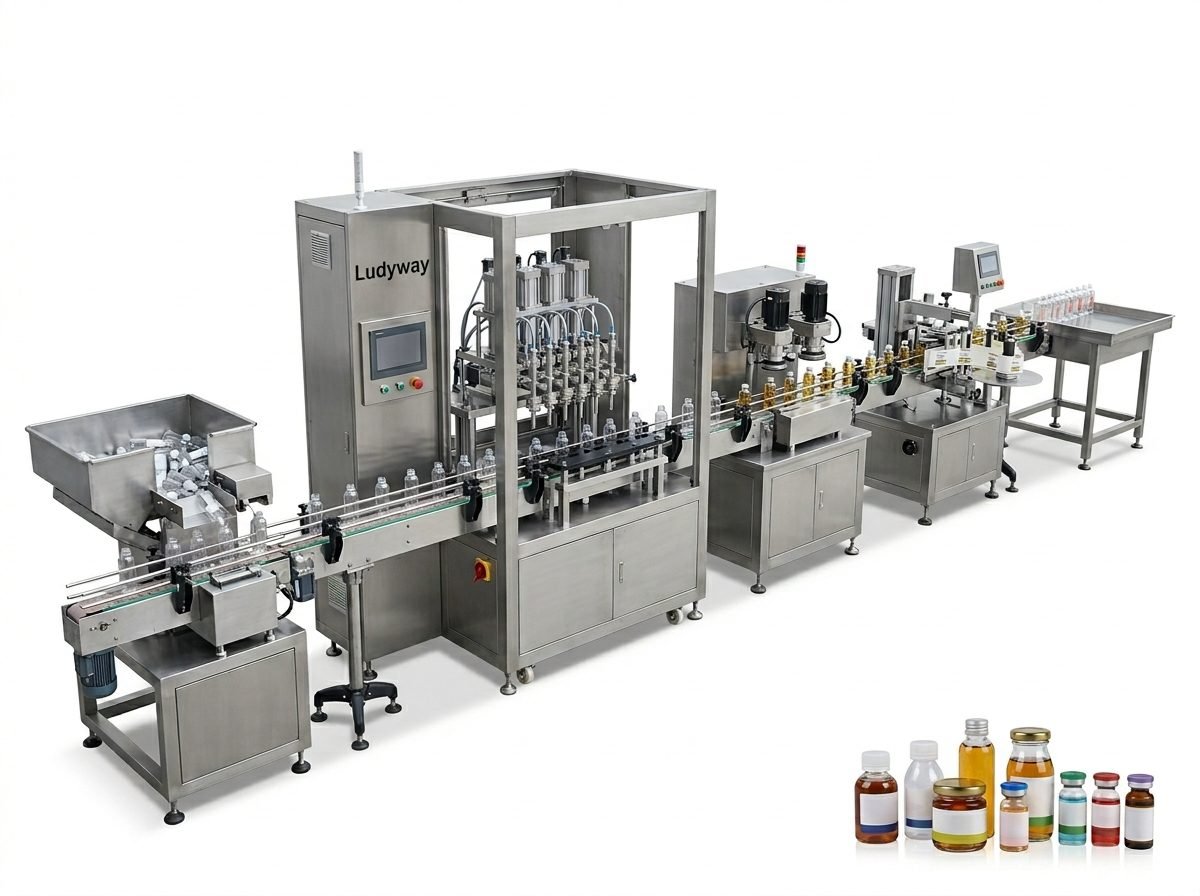
Furthermore, state-of-the-art anti-drip filling nozzles with vacuum suction feedback ensure that no residual liquid clings to the tip, preventing accidental overfills or container contamination. This level of control is crucial when packaging high-cost liquids where even a single extra drop represents significant material waste over a continuous production run.
Redefining Quantitative Automation
Modern production facilities require machinery that can adapt to varying liquid viscosities—ranging from water-thin solutions to high-viscosity gels—without losing calibration. By upgrading to intelligent liquid filling packaging machines, operators can store multiple product profiles in the Human-Machine Interface (HMI). The machine automatically adjusts the pumping speed, acceleration, and deceleration curves to prevent foaming, splashing, or dripping.
| Feature | Legacy Liquid Filling Systems | Upgraded Precision Systems |
|---|---|---|
| Accuracy Range | ± 0.5% to 1.0% (Milliliter scale) | Microgram to milligram tolerances |
| Drip Control | Mechanical valves, frequent dripping | Vacuum-back nozzles, zero dripping |
| Data Integration | Manual logging, analog dials | IoT enabled, real-time feedback loop |
| Changeover Time | 1 to 2 hours (Mechanical adjustment) | Under 15 minutes (Digital recipe recall) |
Multi-Sector Applications of Precision Dosing
The demand for microgram-level accuracy spans multiple high-value sectors, each with its unique chemical and physical packaging challenges. Resolving these challenges requires adaptable machinery capable of handling highly sensitive fluids.
Pharmaceuticals and Diagnostics
In the medical sector, micro-dosing is vital. Diagnostic test kits, sterile vaccine vials, and ophthalmic drops require exact active ingredients. A minor deviation in volume could lead to ineffective treatments or diagnostic errors. Automated packaging lines built for these environments utilize sterile, cleanroom-compatible liquid filling components that prevent cross-contamination while maintaining rigid dose consistency.
Cosmetics and Skincare
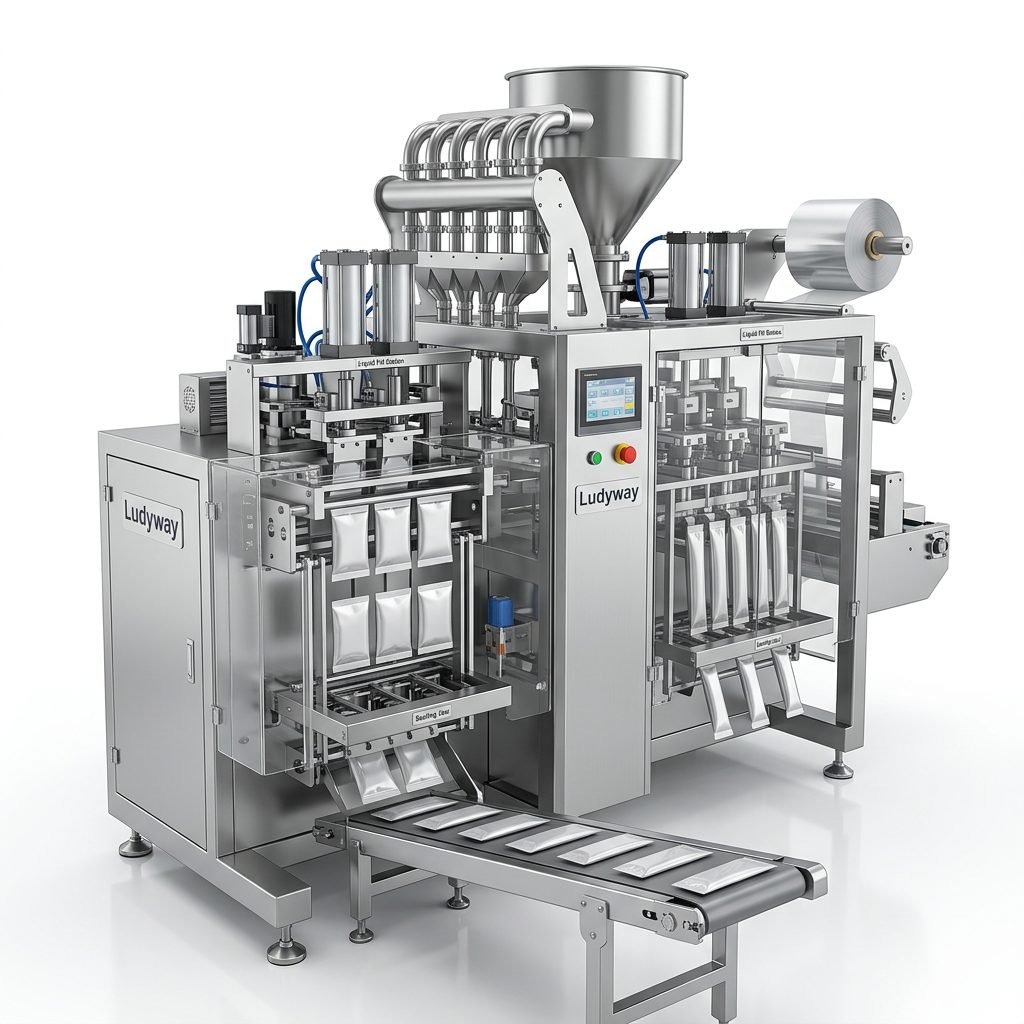
The luxury cosmetics market relies heavily on concentrated active ingredients, such as hyaluronic acids, peptide blends, and botanical serums. These products are often sold in small packaging formats, including ampoules and single-use sachets. Precise liquid packaging systems ensure that every customer receives the exact therapeutic dosage advertised, safeguarding brand reputation and maximizing raw material yields.
Chemical and Industrial Additives
Even in industrial settings, high-potency catalysts, lubricants, and concentrated agricultural chemicals require exact volumetric control to maintain product stability and performance. The inclusion of corrosion-resistant materials, such as titanium and advanced polymers, allows modern packaging systems to handle aggressive chemical agents safely.
Designing the Next Generation of Turnkey Packaging Lines
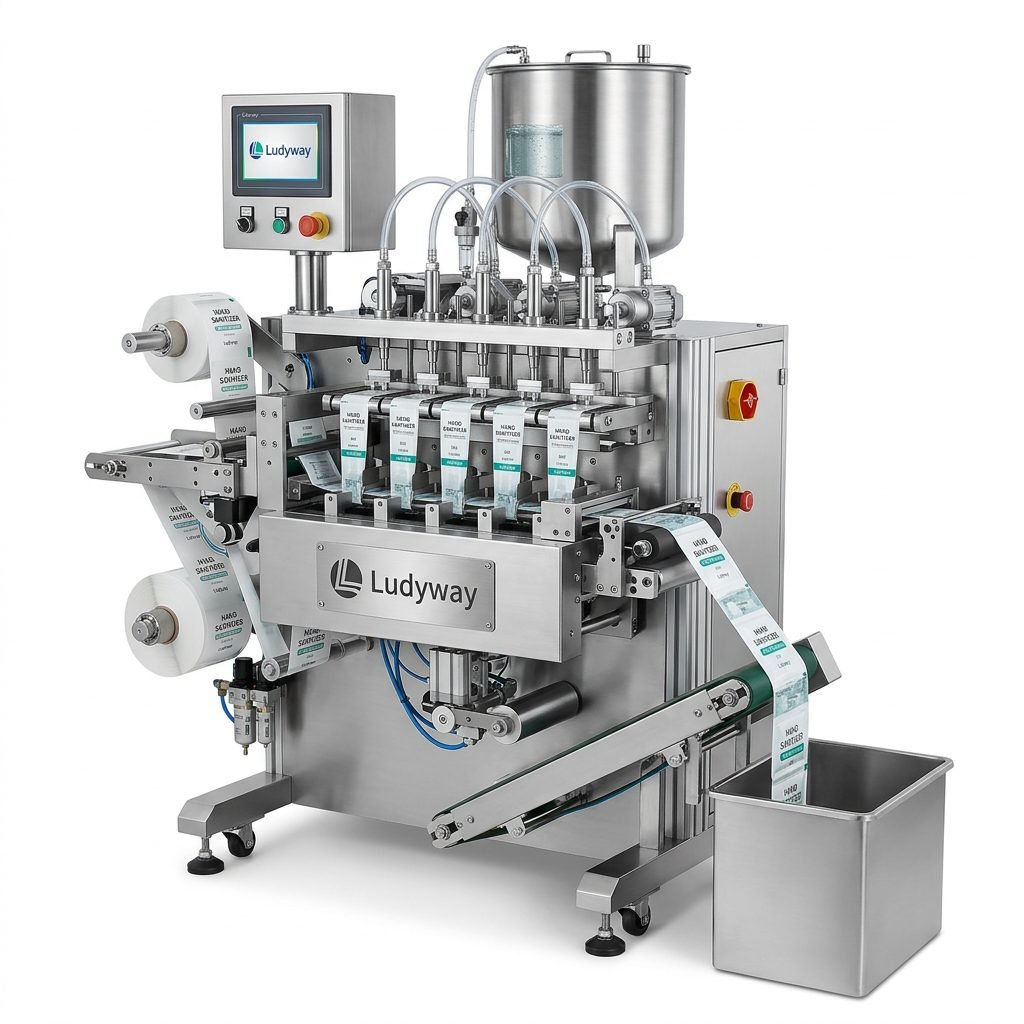
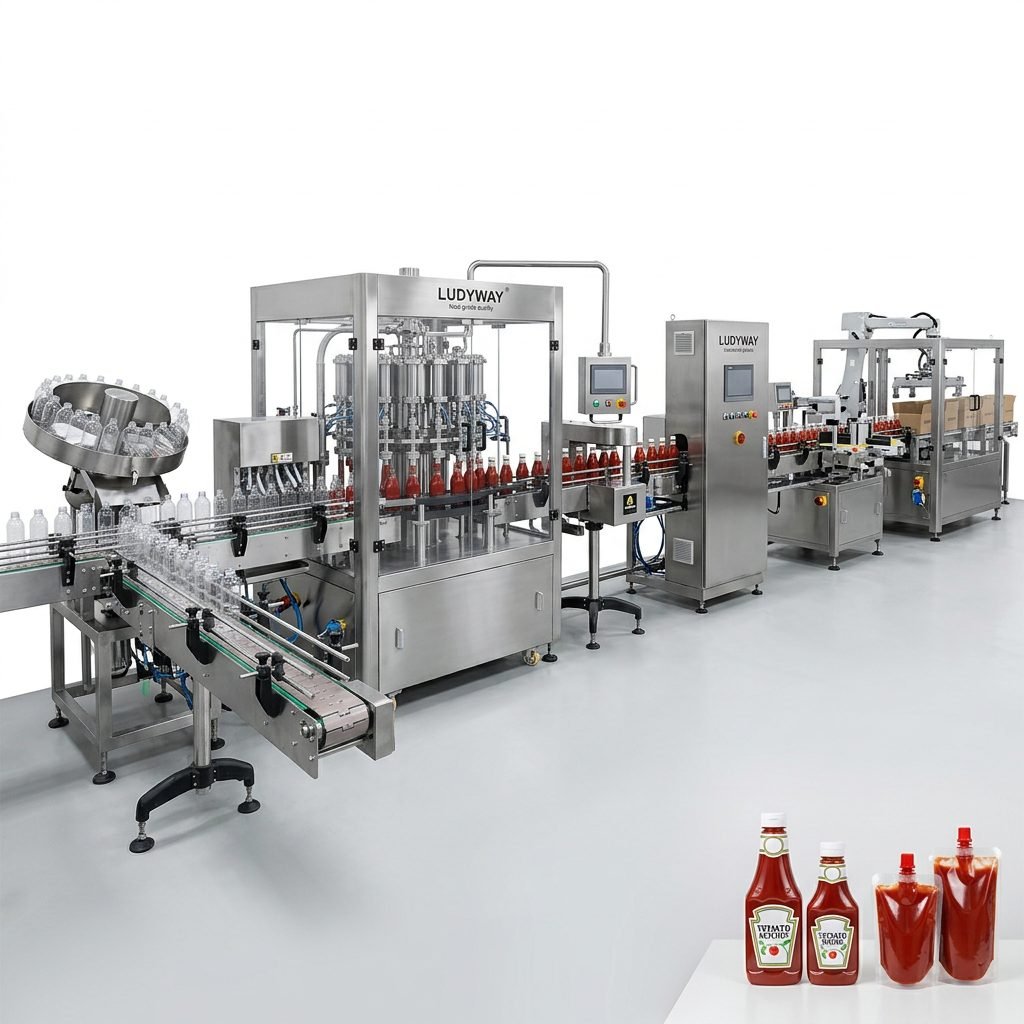
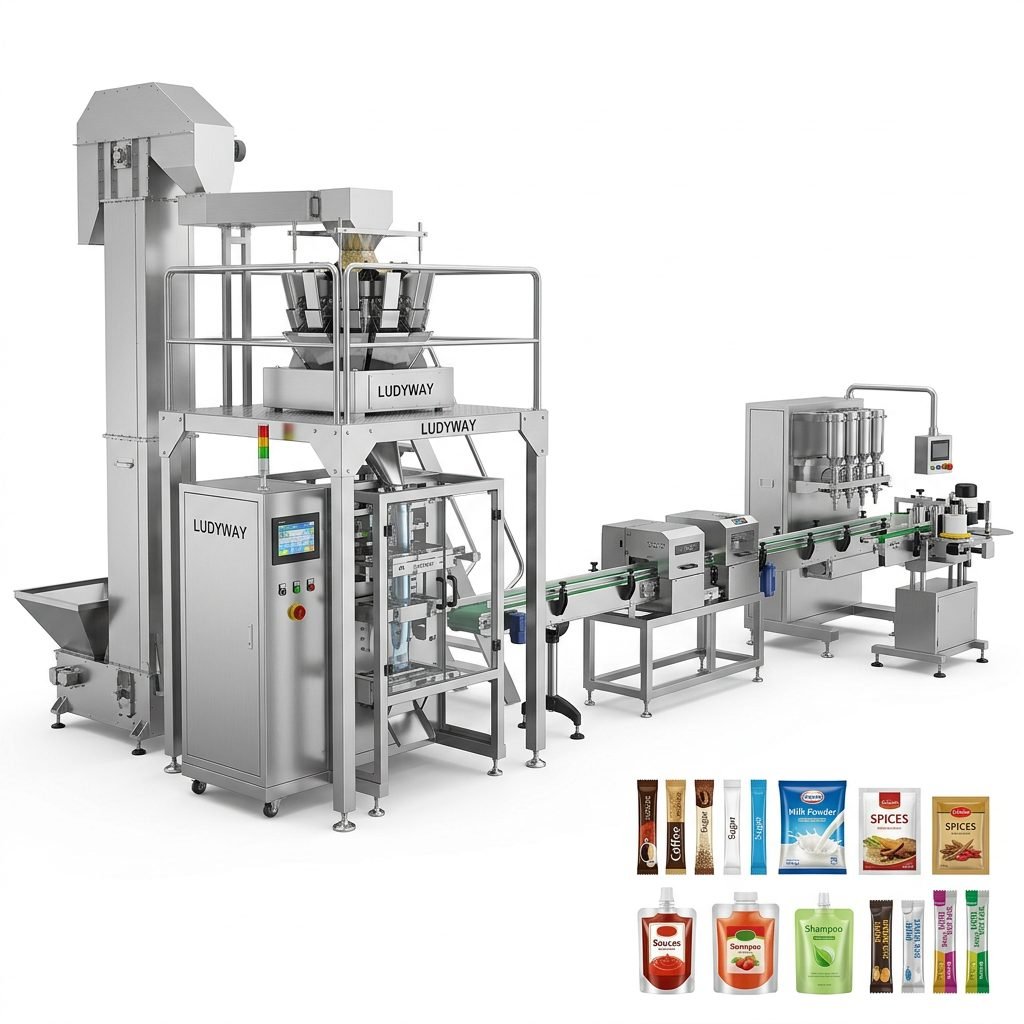
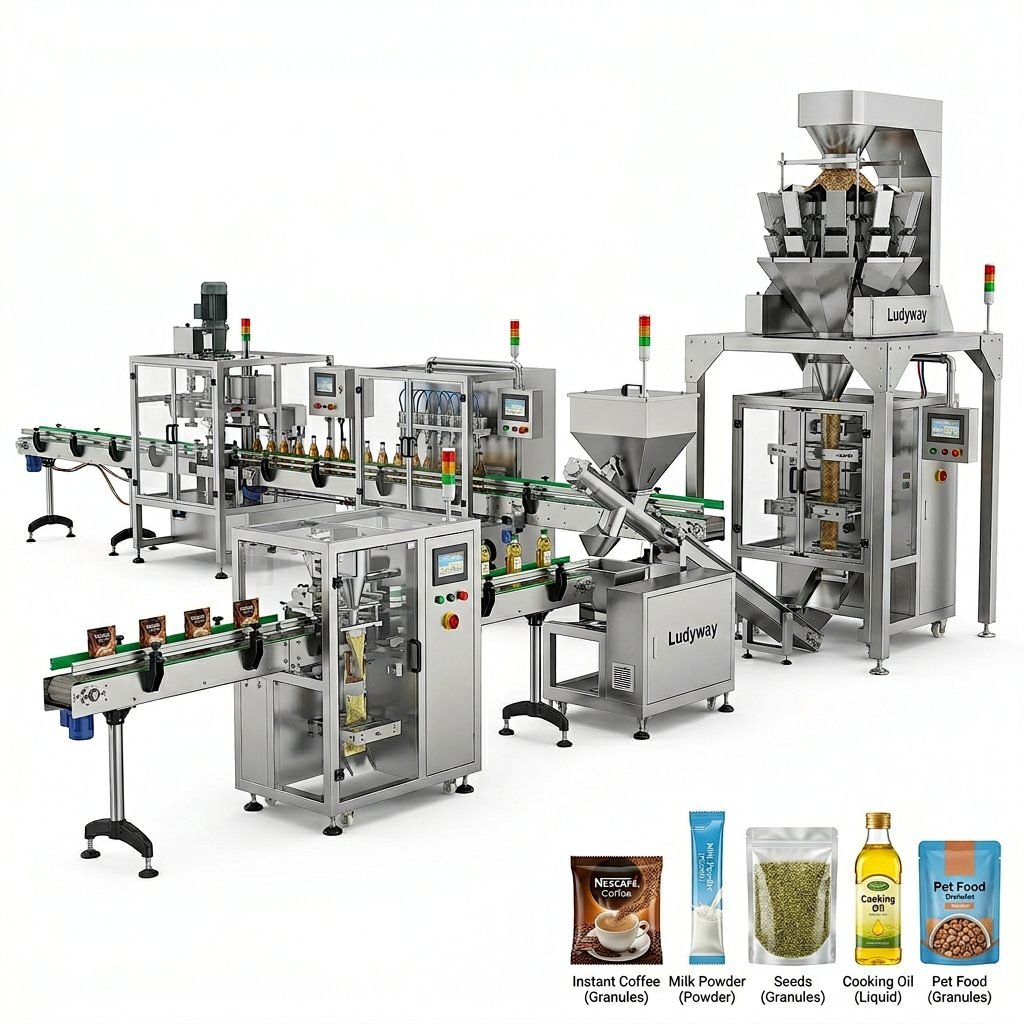
Transitioning a production plant to high-precision liquid automation requires more than just buying a standalone machine; it demands a customized, integrated approach. Manufacturers must consider product viscosity, foaming tendencies, container formats, and upstream/downstream synchronization. Partnering with an experienced partner like packaging machine manufacturer Ludyway allows businesses to deploy highly reliable systems. Established in 1993, the company leverages over 30 years of industry experience to engineer custom multi-lane stick pack machines, sachet filling setups, and complete automatic liquid packaging lines that serve markets worldwide, from Europe to North America.
Key Benefits of Upgrading to Precision Liquid Filling
Investing in microgram-precision quantitative automation yields immediate advantages across the entire manufacturing lifecycle:
- Material Waste Reduction: Eliminating product giveaway translates directly to improved profit margins, especially for premium formulas.
- Enhanced Production Speeds: Advanced servo control allows for faster filling cycles without sacrificing volumetric accuracy or causing liquid splashing.
- Versatility in Packaging Formats: Modern systems support quick changeovers between sachet packing, stick packs, and rigid vial formats.
- Regulatory Compliance: Precise dosing meets the strict quality control and traceability regulations enforced in the pharmaceutical and food sectors.
The Future of Automated Liquid Filling
As manufacturing demands continue to trend toward high-mix, low-volume production, the flexibility and precision of packaging machinery will remain a critical differentiator. The transition to microgram-level precision is not merely a high-end luxury; it is becoming the industry standard. Facilities that adopt these advanced quantitative systems early will position themselves as market leaders, capable of delivering superior product consistency, reducing operational costs, and meeting the rigorous demands of tomorrow’s consumers.