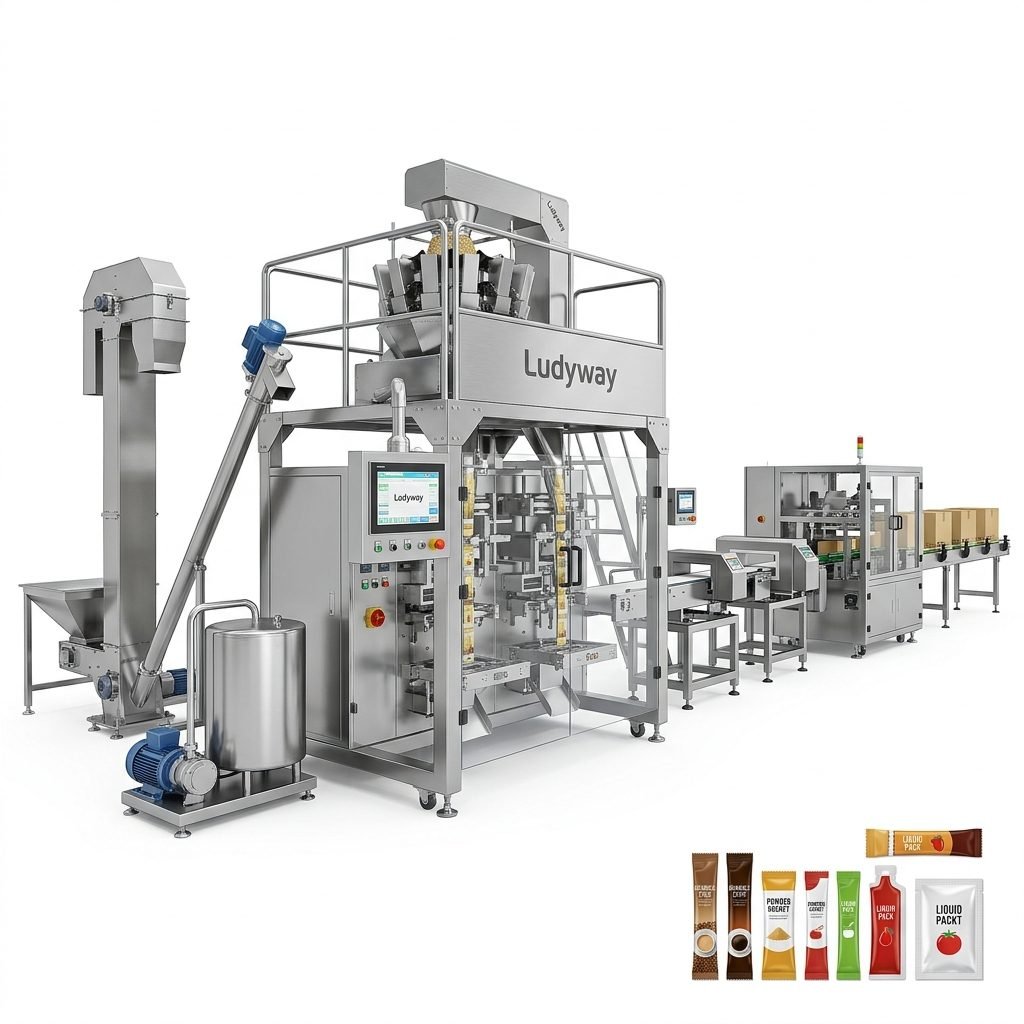
Remote maintenance is rapidly moving from an optional after-sales service to a core operating standard in the global packaging equipment sector. As manufacturers face tighter delivery windows, rising labor costs, and more complex automation systems, the ability to diagnose, adjust, and support machinery remotely has become a practical necessity rather than a future concept.
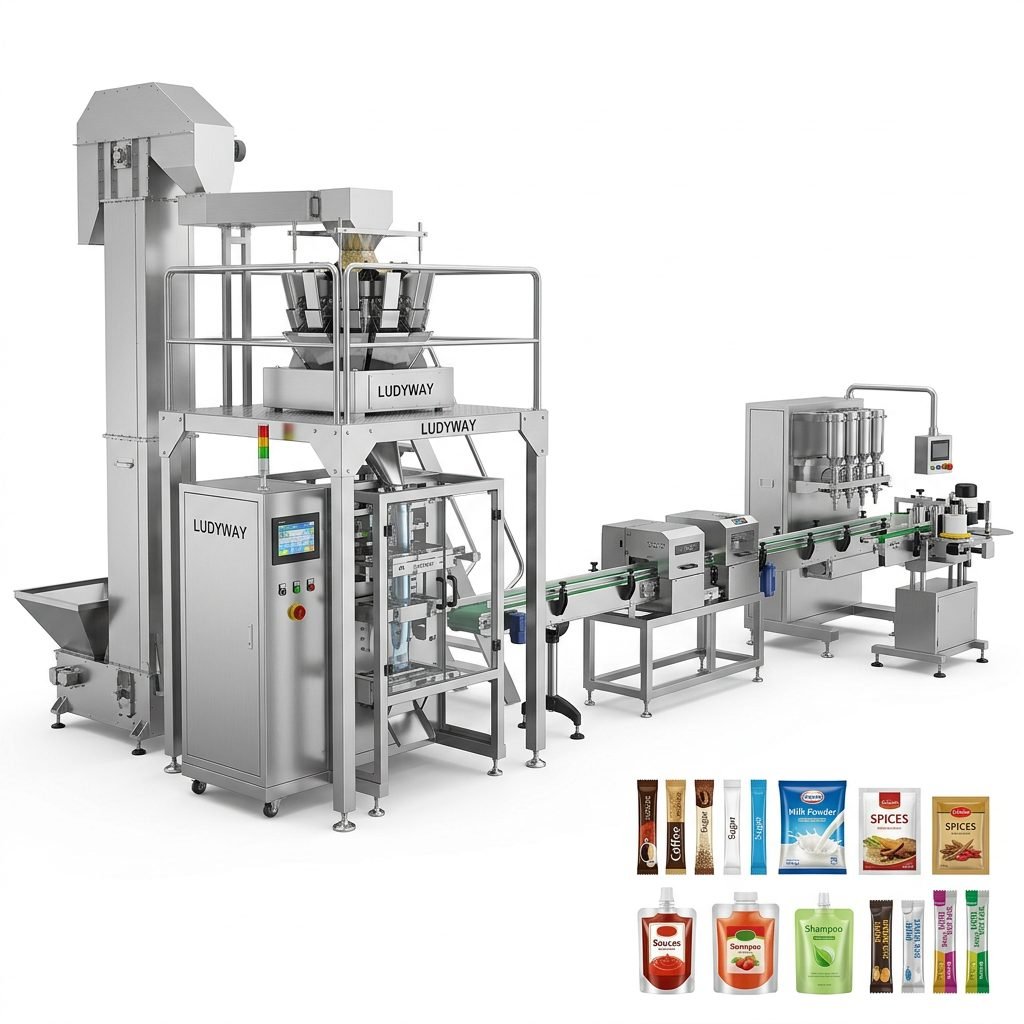
Across food, pharmaceutical, personal care, chemical, and health supplement applications, plant operators are asking suppliers for faster technical response, lower downtime risk, and more predictable lifecycle support. This shift is accelerating investment in smart diagnostics, cloud connectivity, secure PLC access, and real-time performance monitoring across packaging lines.
Why Remote Maintenance Is Becoming Standard
Several factors are driving adoption. First, modern packaging lines are more integrated than ever, often combining filling, sealing, coding, inspection, cartoning, and end-of-line automation. When one subsystem stops, the entire line can be affected. Second, global buyers increasingly run multi-site operations and need technical consistency across regions. Third, travel-related delays and service costs have made on-site-only support less efficient.
- Reduced downtime: technicians can identify faults faster and guide immediate corrective action.
- Lower service cost: fewer emergency site visits mean lower total maintenance expense.
- Faster commissioning support: software adjustments and parameter optimization can be done remotely.
- Improved data visibility: users can review alarms, performance trends, and maintenance history in one place.
- Global scalability: multinational manufacturers can standardize support across factories.
Key Technologies Behind the Trend
The packaging industry is not adopting remote maintenance in isolation. It is part of a wider move toward digital manufacturing, predictive maintenance, and intelligent production management. Equipment builders now integrate communication and service tools directly into machine architecture.
| Technology | Function | Industry Impact |
|---|---|---|
| Remote PLC/HMI access | Allows engineers to troubleshoot settings and alarms | Cuts response times significantly |
| Cloud-based monitoring | Collects operating data and performance metrics | Supports predictive maintenance strategies |
| Video-assisted service | Enables live collaboration between operators and OEM technicians | Improves first-time problem resolution |
| Digital spare parts records | Tracks replacement cycles and component history | Helps avoid repeat failures |
| Cybersecure gateways | Protects machine access and production data | Builds buyer confidence in connected systems |
How Buyer Expectations Are Changing
Purchasing decisions are no longer based only on machine speed, footprint, or packaging format flexibility. Buyers now evaluate whether the OEM can support operations remotely throughout the equipment lifecycle. In many tenders, service responsiveness and digital support capabilities are becoming part of the technical scoring process.
This is especially true in industries with strict uptime and compliance requirements. Pharmaceutical and nutraceutical manufacturers need quick fault resolution without disrupting validation routines. Food producers must maintain production continuity during seasonal demand peaks. Contract packers require support models that can adapt to frequent SKU changes and short production runs.
Common buyer priorities now include:
- 24/7 or rapid-response remote technical assistance
- Secure access protocols for connected machinery
- Clear digital maintenance logs and alarm history
- Remote parameter adjustment for product changeovers
- Training support for local operators and maintenance teams
Impact on OEMs and Packaging Line Manufacturers
For equipment manufacturers, the shift toward remote maintenance is reshaping both engineering and after-sales strategy. Machines must now be designed for connectivity from the beginning, not retrofitted as an afterthought. That means building in communication interfaces, data collection points, access controls, and service-friendly software architecture.
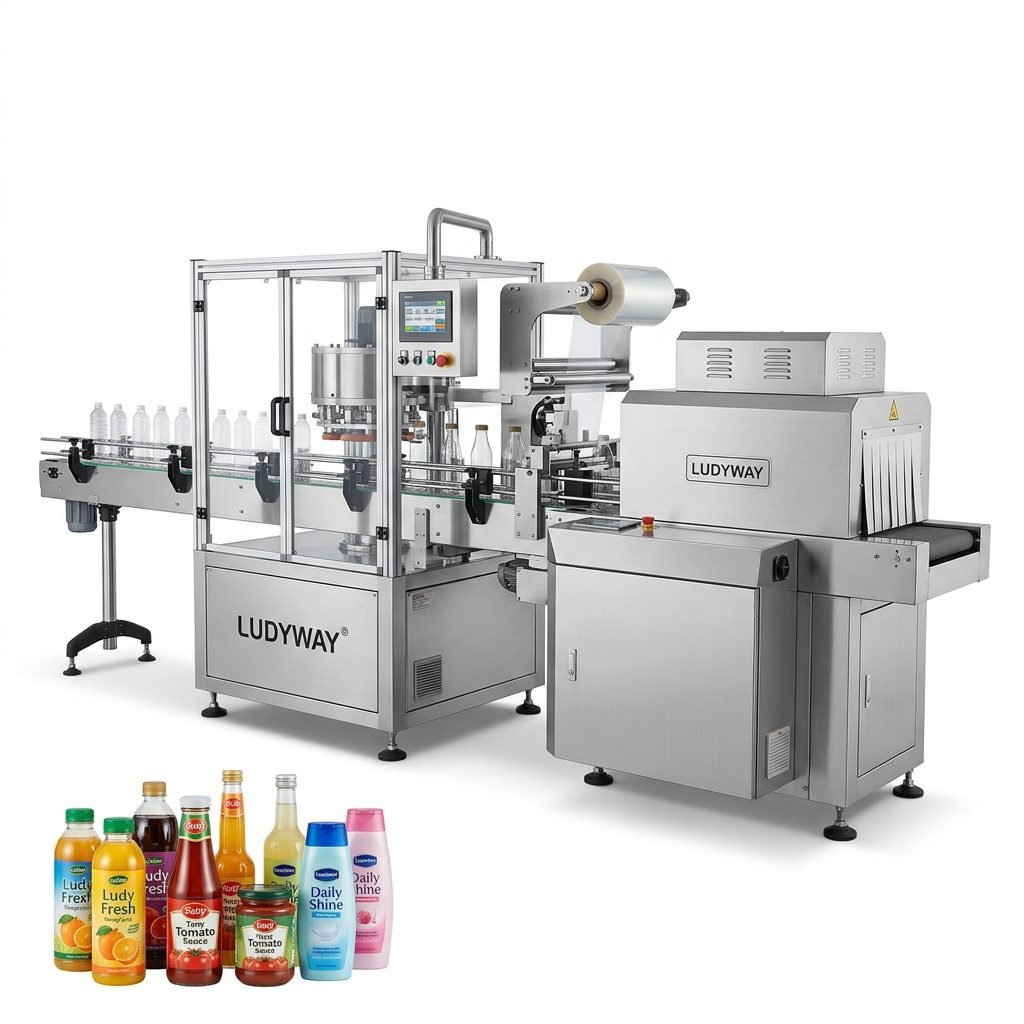
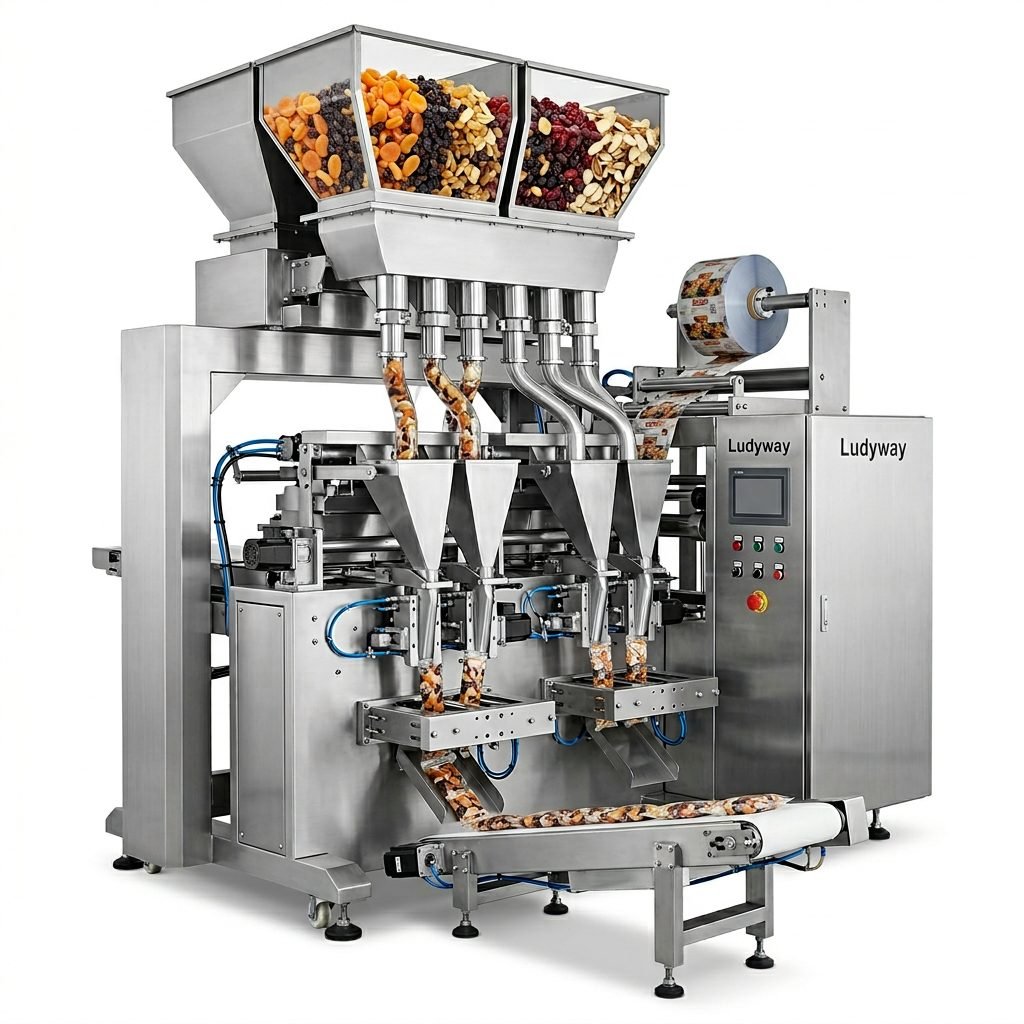
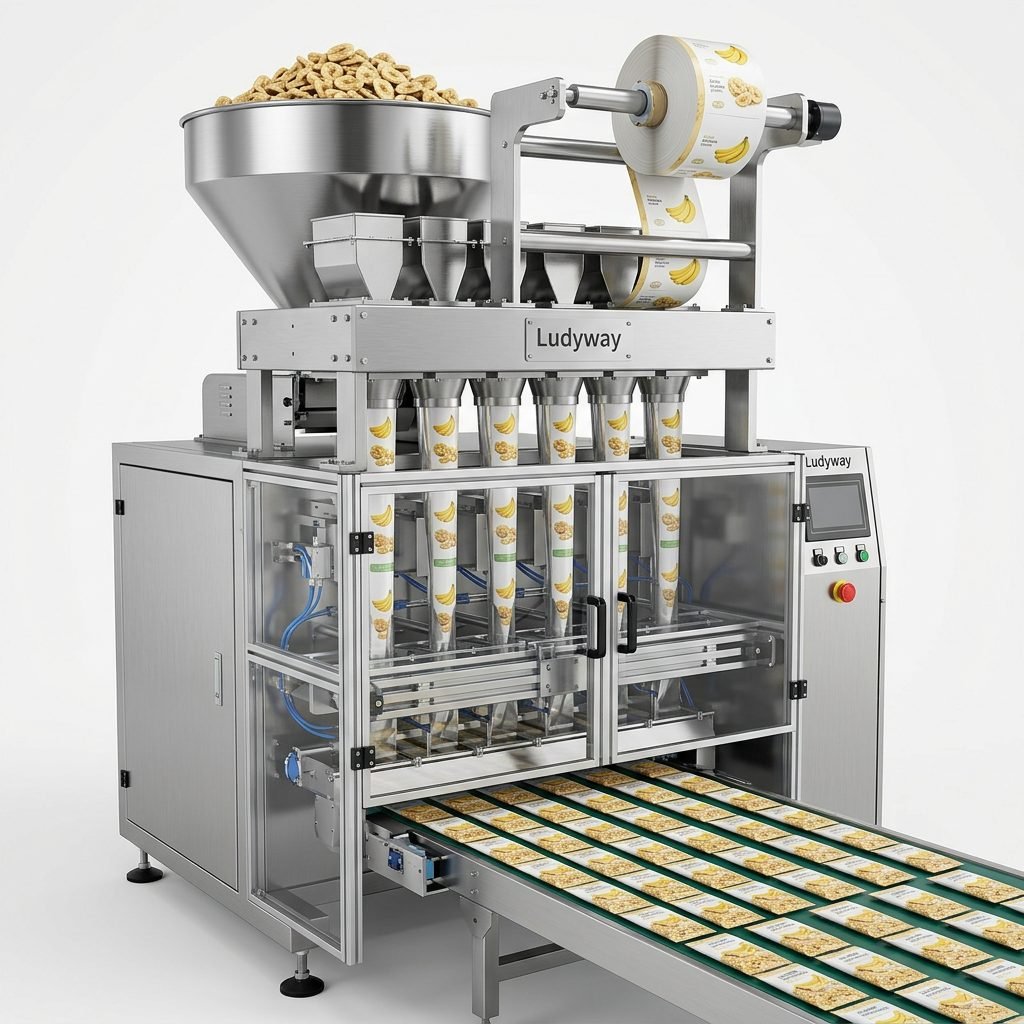
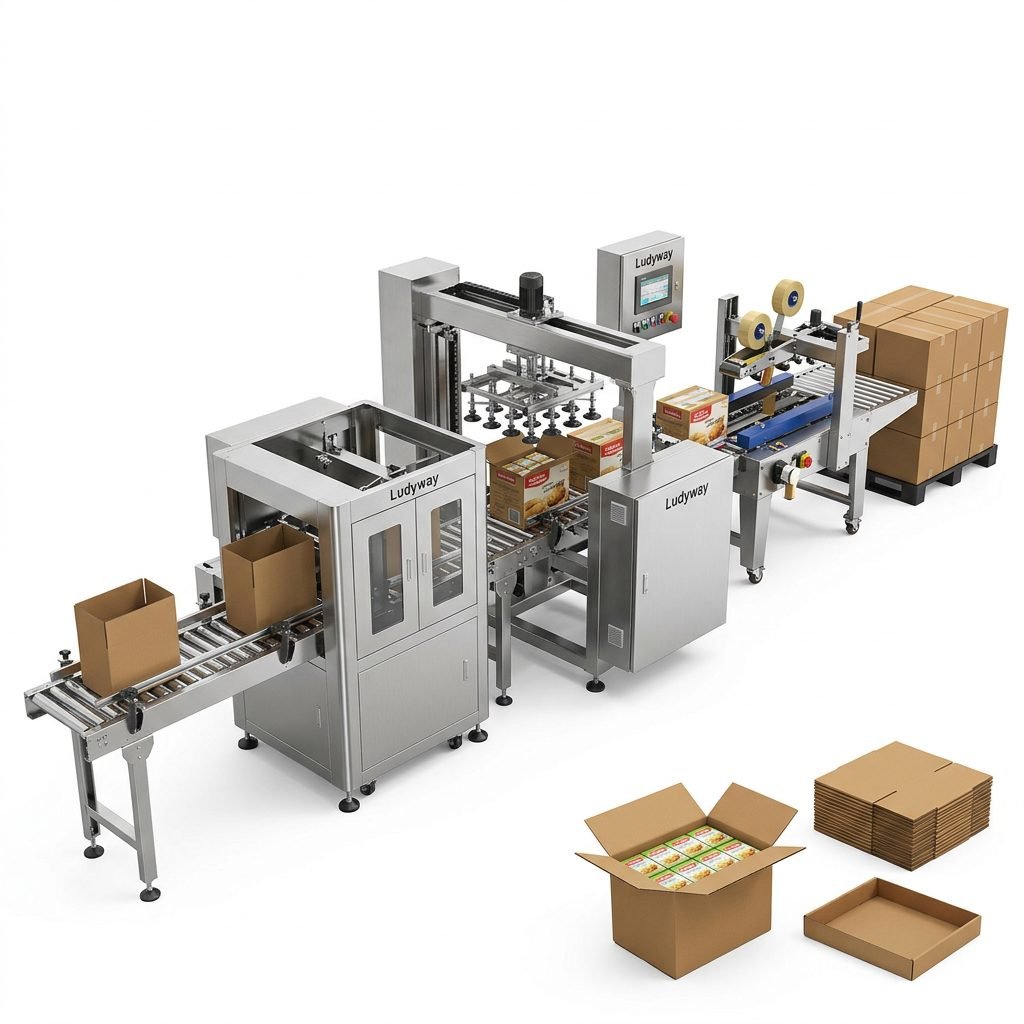
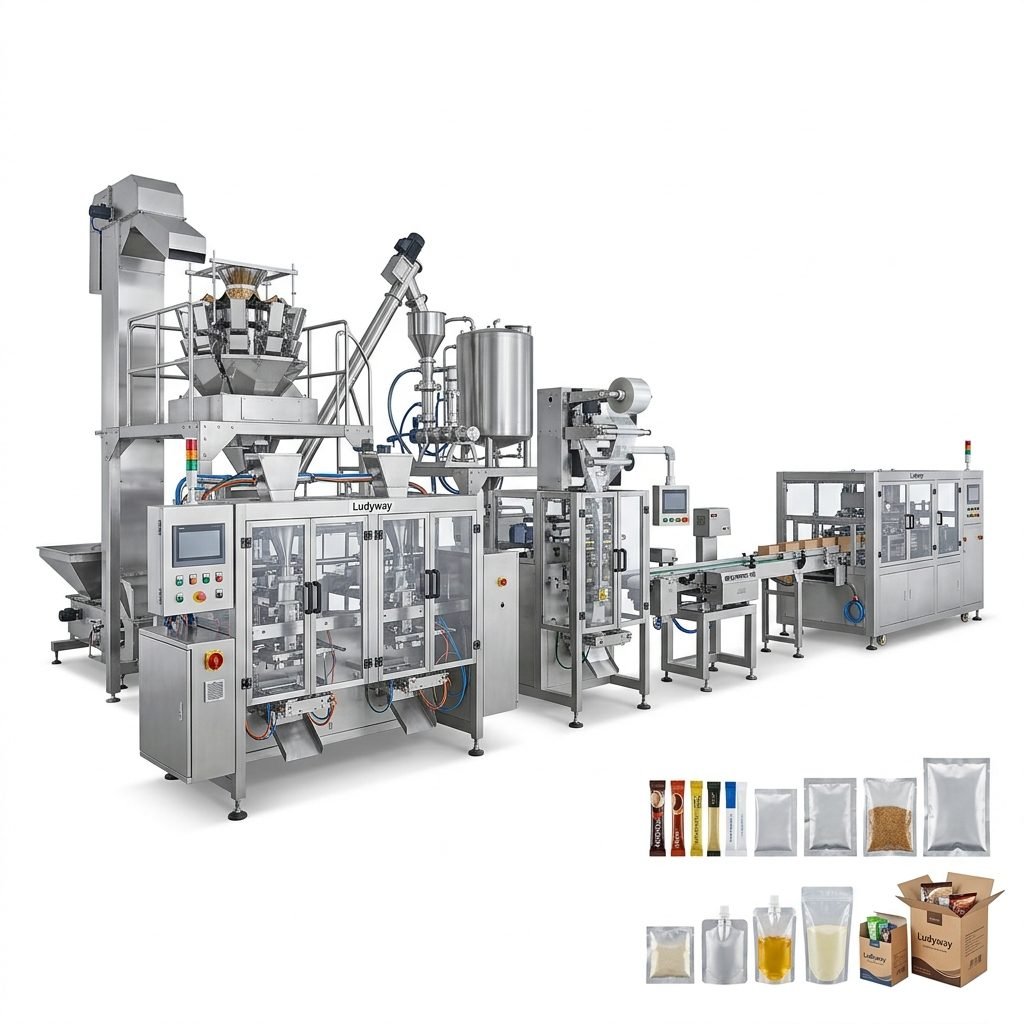
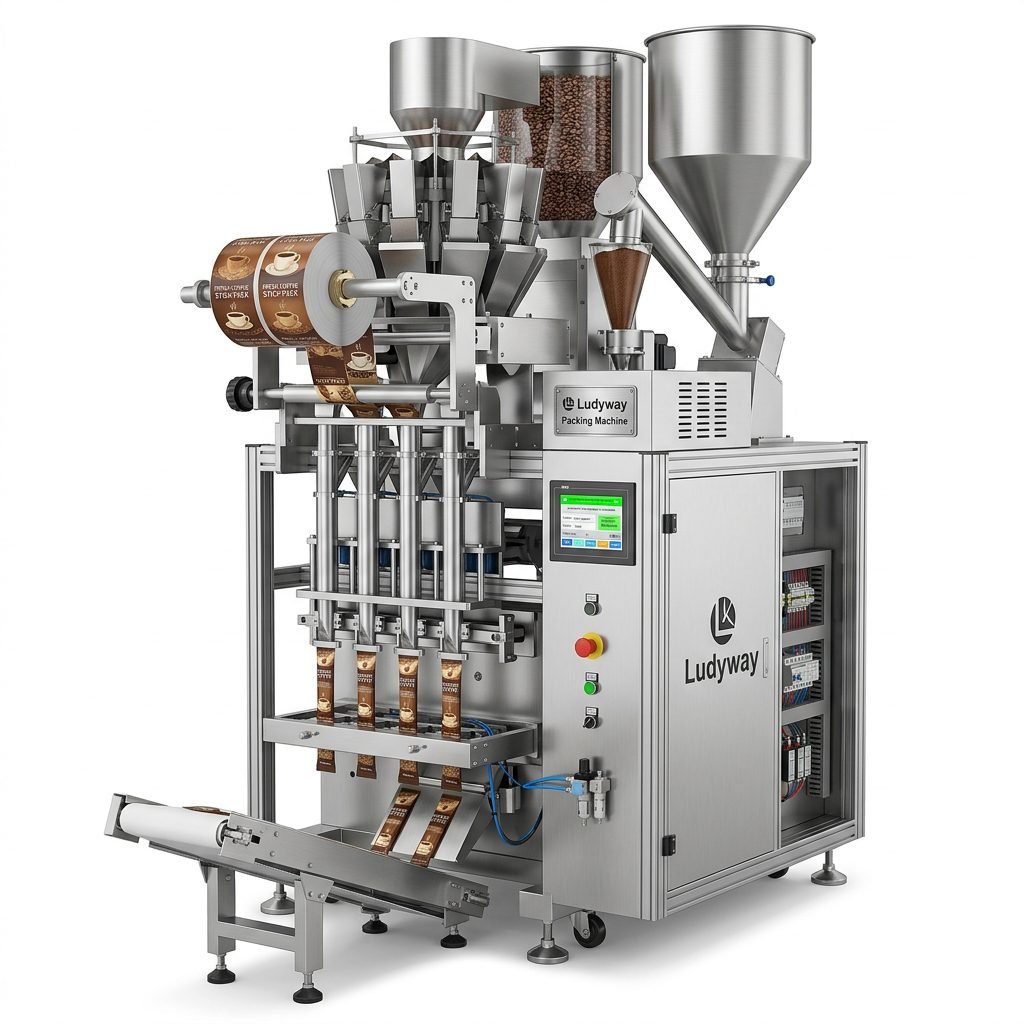
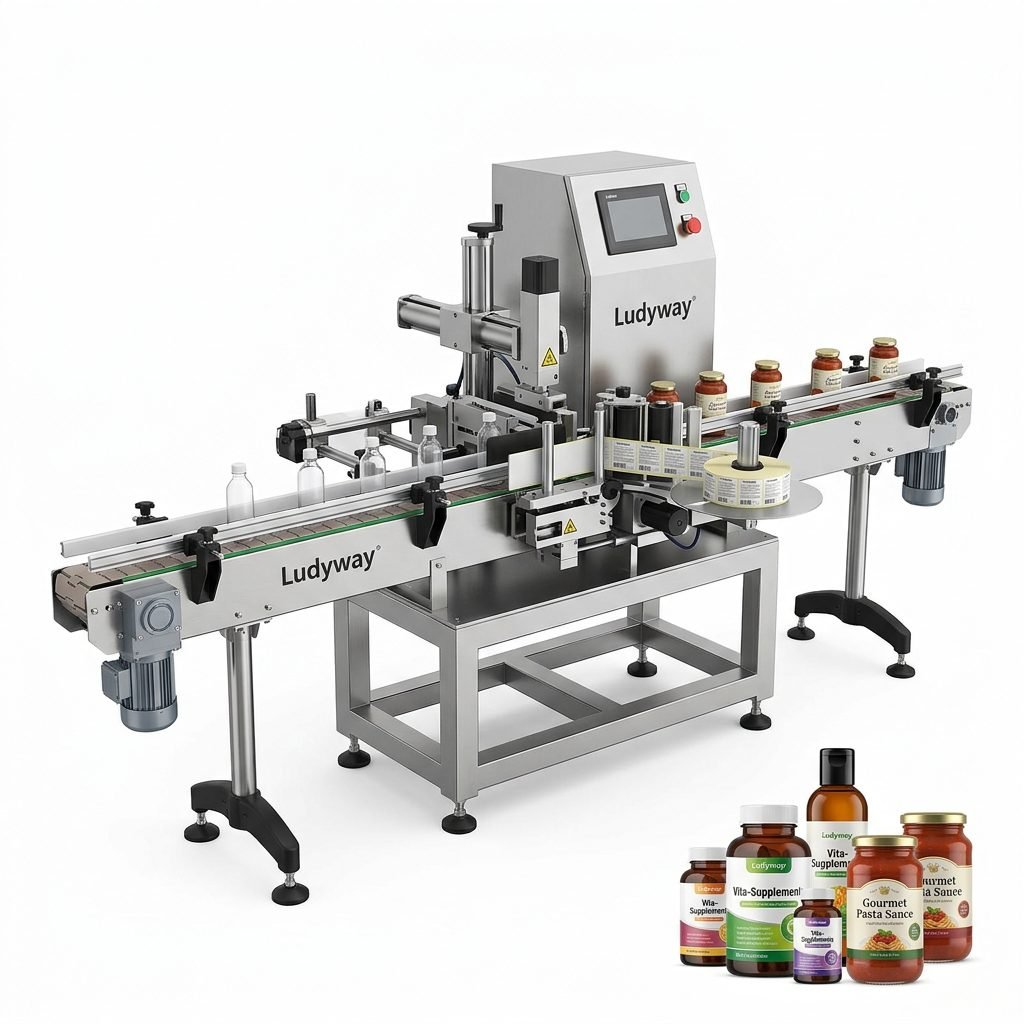
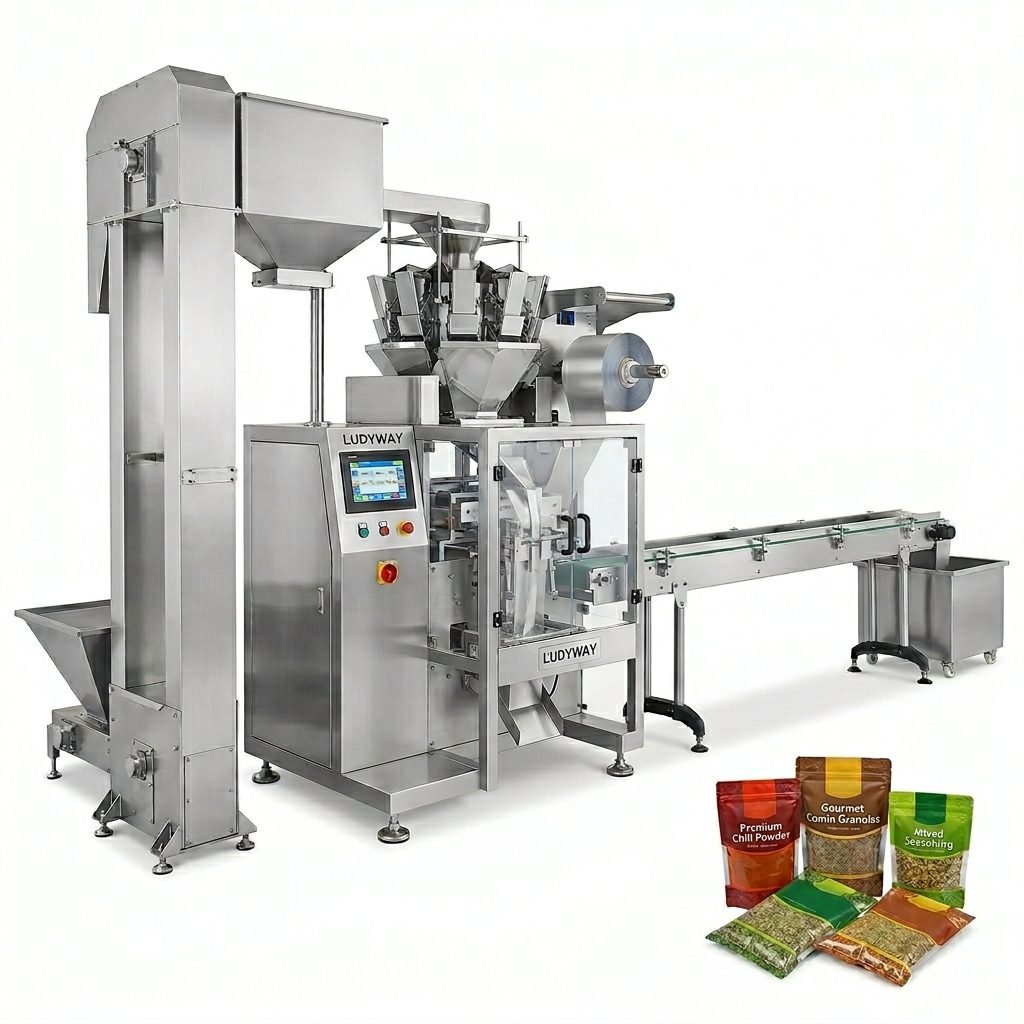
OEMs that can combine mechanical reliability with digital support capabilities are likely to gain a stronger competitive position. This is particularly relevant for companies supplying export markets where service speed and multilingual support directly affect customer satisfaction. One example is packaging machine manufacturer Ludyway, which serves a broad international customer base with packaging machines and turnkey line solutions across food, pharmaceutical, health supplement, and related industries.
Operational Benefits for End Users
End users are seeing tangible benefits when remote maintenance is implemented correctly. Instead of waiting for a technician to travel on-site, operators can often restore production through guided checks, software updates, or remote diagnostics. This improves not only uptime but also planning confidence.
| Area | Traditional Service Model | Remote-Enabled Model |
|---|---|---|
| Fault response | Dependent on travel and scheduling | Immediate digital access possible |
| Downtime management | Longer diagnosis cycles | Faster root-cause identification |
| Training | Mostly on-site only | Continuous remote guidance available |
| Data usage | Limited historical analysis | Supports ongoing performance optimization |
Challenges Still Facing the Industry
Despite the strong momentum, remote maintenance adoption still faces several challenges. Cybersecurity remains a top concern, especially for regulated sectors and large multinational manufacturers. Some factories also operate with legacy equipment that was not designed for secure connectivity. In other cases, local teams may need more training to fully use remote support tools effectively.
- Need for stronger cybersecurity protocols and access control policies
- Integration difficulties with older machinery
- Variations in plant IT readiness across regions
- Concerns over data ownership and system permissions
- Need for skilled operators who can collaborate effectively with remote engineers
Industry Outlook for the Next Few Years
Looking ahead, remote maintenance is expected to evolve into a broader digital service ecosystem. Instead of being used only for troubleshooting, it will increasingly support performance benchmarking, spare parts forecasting, software optimization, and preventive maintenance scheduling. Artificial intelligence may also help identify failure patterns earlier through machine data analysis.
In the medium term, the most competitive packaging equipment suppliers will likely be those that offer a balanced combination of mechanical engineering strength, automation flexibility, and connected service capability. For buyers, this means evaluating equipment not only as a machine purchase, but as a long-term production support platform.
What to expect next:
- More machines shipped with built-in remote diagnostics as standard
- Growth in subscription-based digital service packages
- Greater use of predictive maintenance dashboards
- Expansion of remote FAT, commissioning, and training support
- Closer integration between packaging lines and factory MES/ERP systems
As global production networks continue to expand, remote maintenance is no longer just a technical feature. It is becoming a strategic requirement for keeping packaging operations agile, resilient, and cost-efficient in an increasingly competitive market.