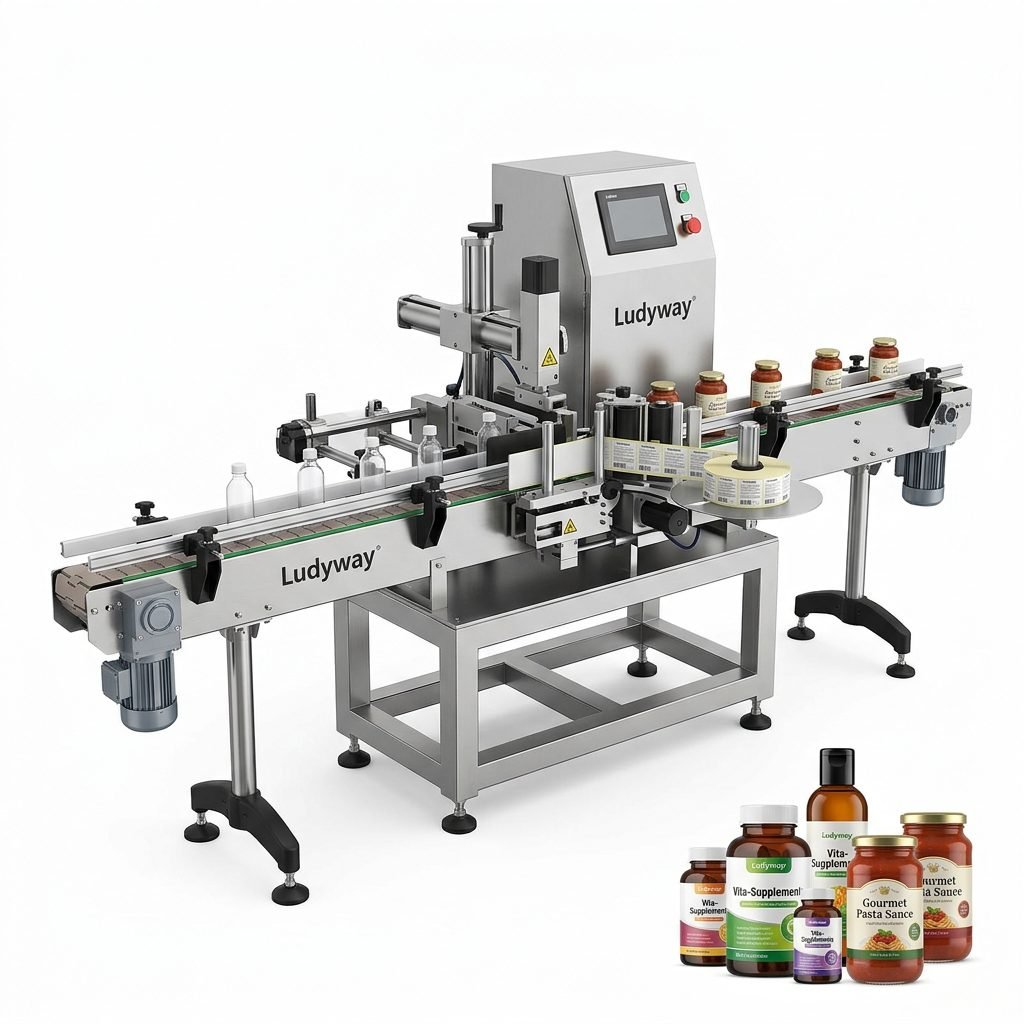
Global packaging manufacturers are entering 2026 with a noticeably different growth model. After several years of investment in automation, digital control, and supply chain resilience, the industry is now moving beyond standalone machinery sales and into a platform-driven growth phase. This shift is changing how packaging equipment is designed, purchased, integrated, and upgraded across food, pharmaceutical, health supplement, personal care, and chemical sectors.
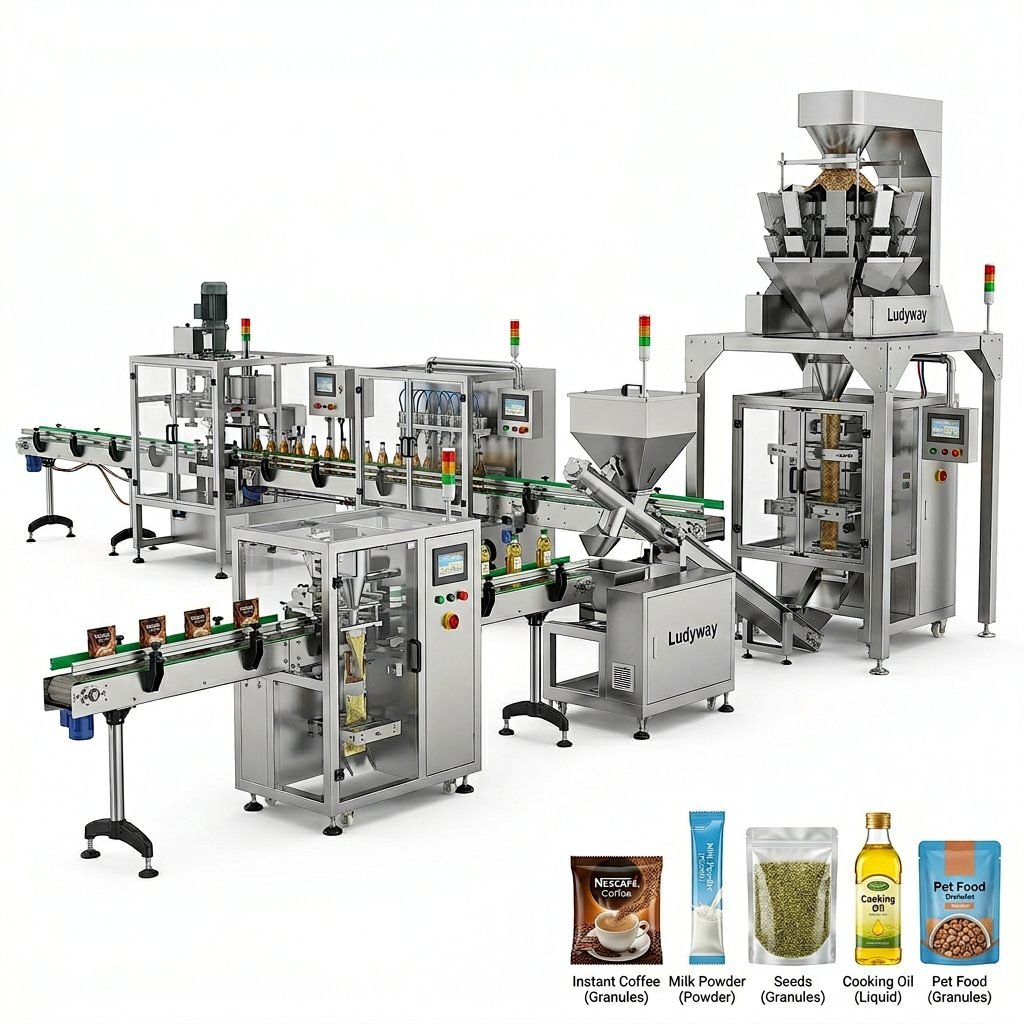
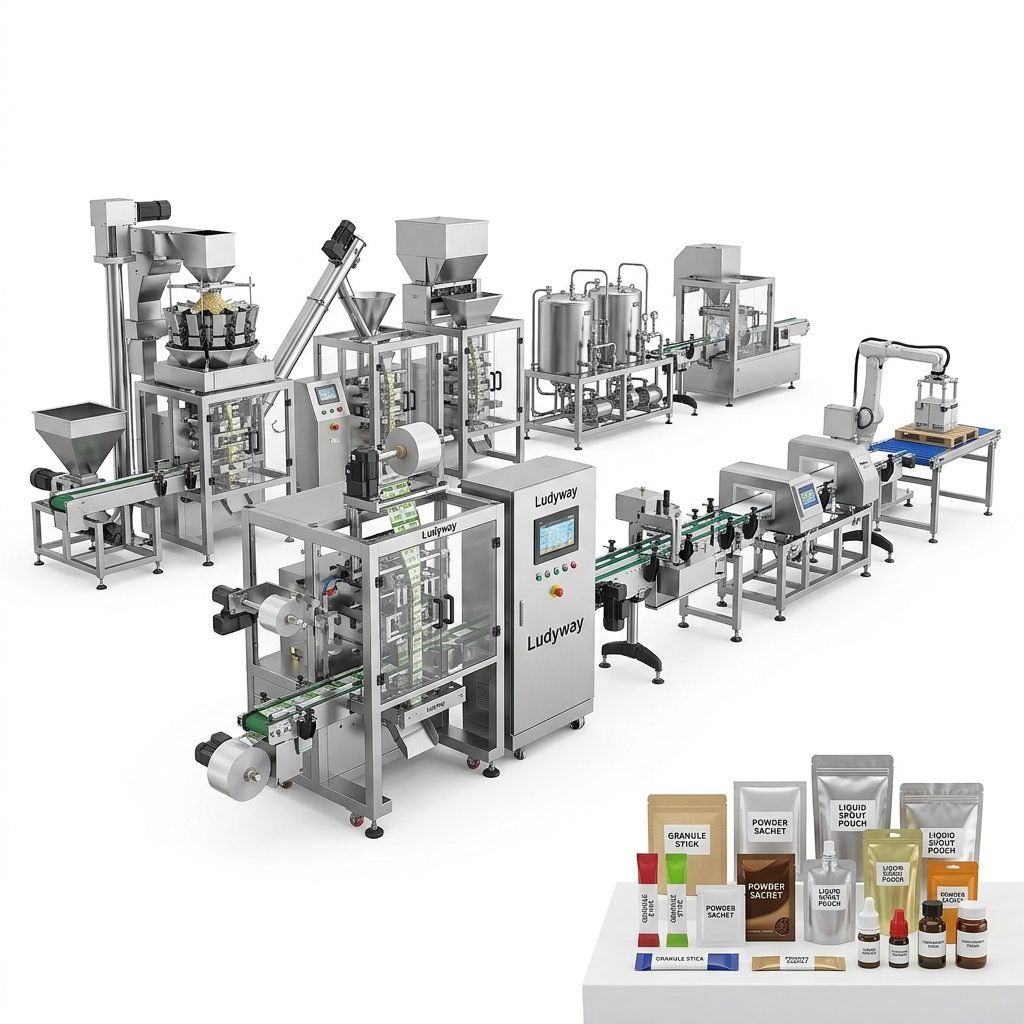
In practical terms, a platform-driven packaging market means buyers are no longer looking only for a machine that performs one isolated function. They increasingly want a scalable system that can connect feeding, dosing, filling, sealing, coding, inspection, cartoning, case packing, and line management into one coordinated production environment. As labor costs, compliance pressures, and product diversification continue to rise, integrated packaging platforms are becoming the preferred path for long-term capacity expansion.
Why 2026 Is a Turning Point for the Packaging Industry
Several forces are converging in 2026 to accelerate this transition. Brands are launching more SKUs in shorter cycles, factories are under pressure to reduce downtime, and operators are expected to run more formats with fewer manual interventions. In response, equipment suppliers are being evaluated not just on machinery quality, but on their ability to deliver software compatibility, line integration, modular upgrades, remote support, and application expertise.
- Higher demand for flexible production across powders, granules, liquids, and pastes
- Stronger preference for turnkey systems rather than fragmented equipment sourcing
- Faster digital adoption in monitoring, maintenance, and quality tracking
- Growing export competition requiring more reliable and standardized packaging output
- More emphasis on lifecycle value instead of initial machine price alone
For converters, OEMs, and brand owners, the value proposition has become clearer: packaging systems that work as connected platforms can shorten commissioning times, simplify future expansion, and improve overall equipment effectiveness.
From Equipment Supplier to Platform Partner
The traditional model of purchasing one filler from one supplier, a conveyor from another, and coding or cartoning equipment from several others is becoming less attractive for many industrial buyers. The platform model reduces integration risk and creates a more unified operating logic across the line.
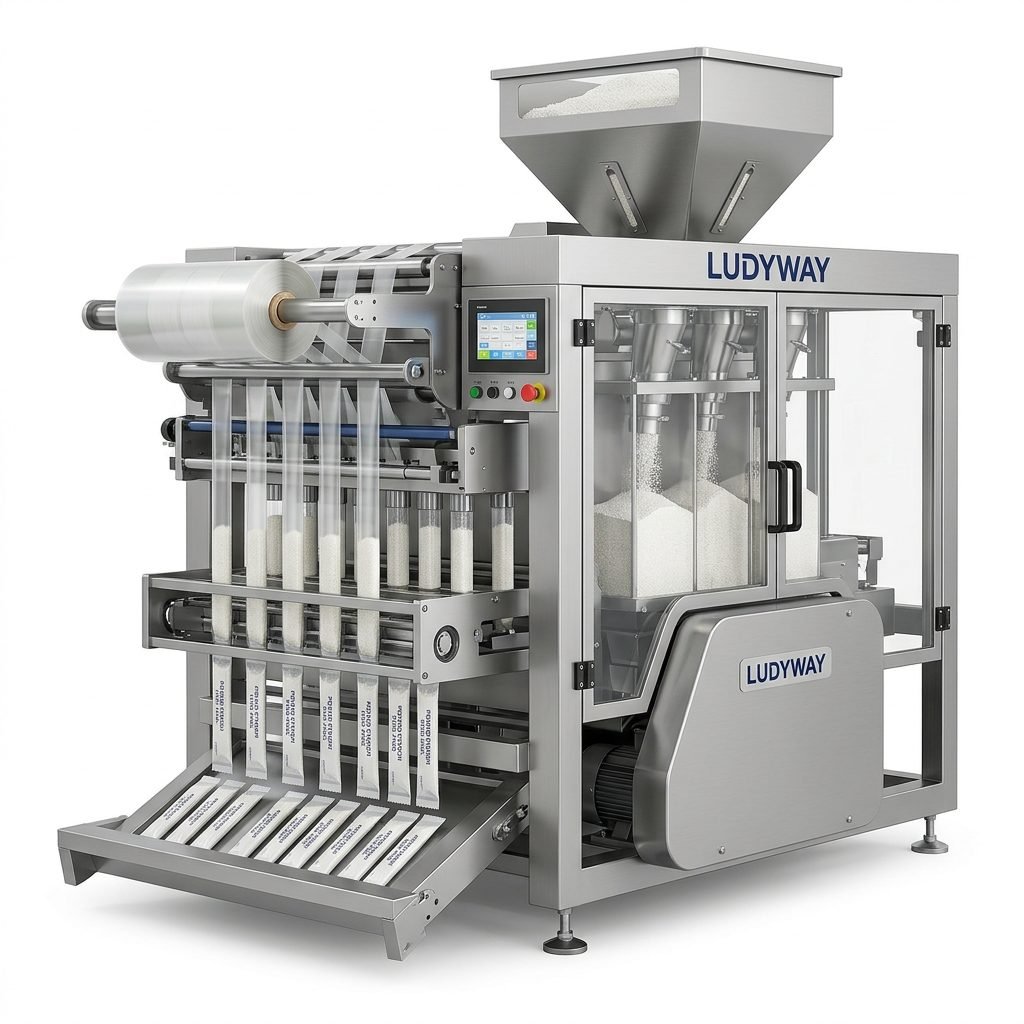
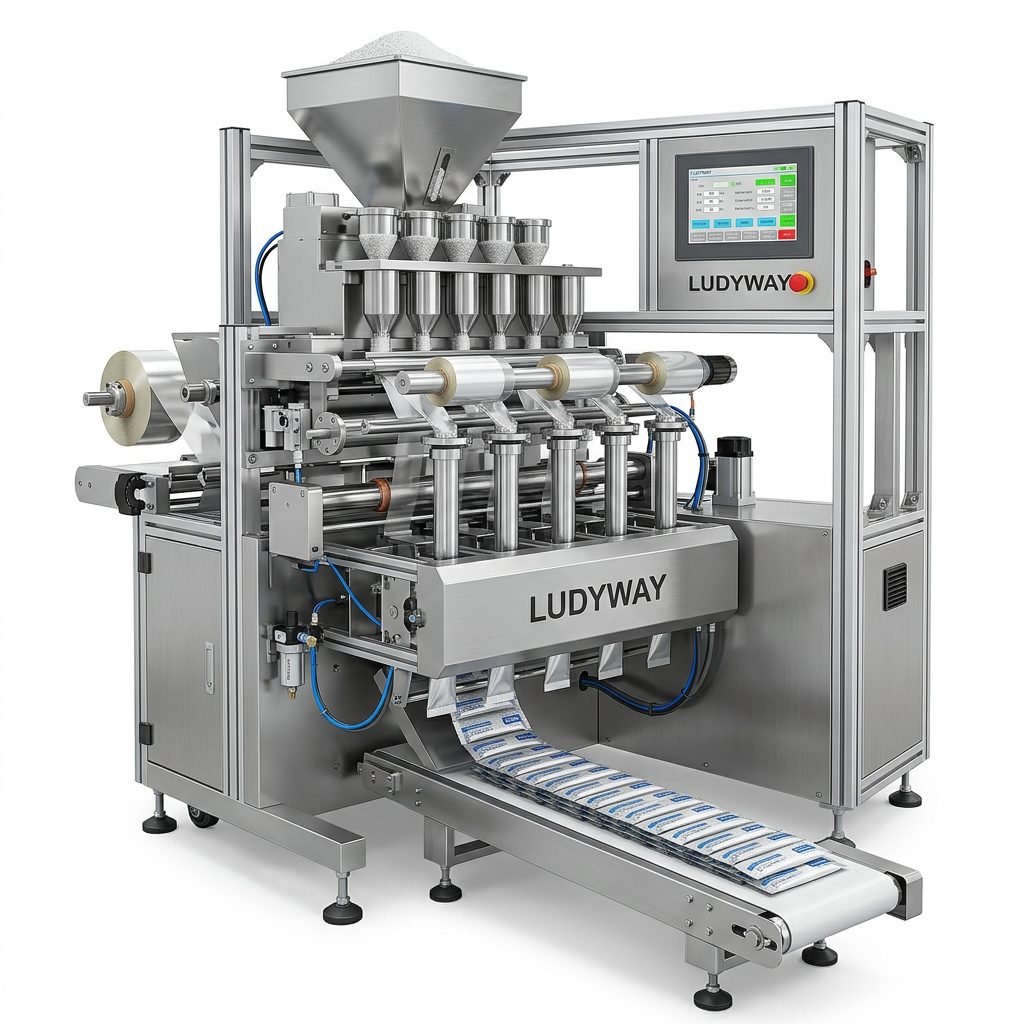
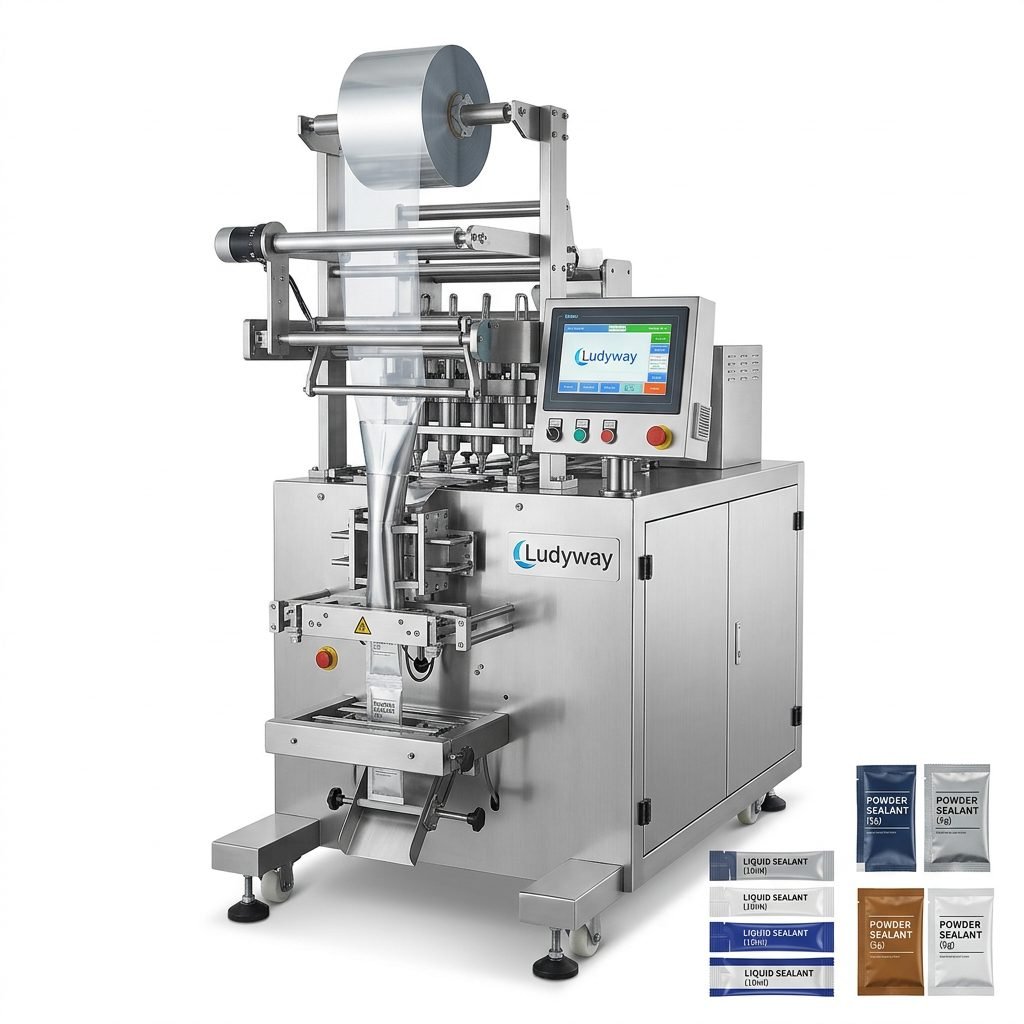
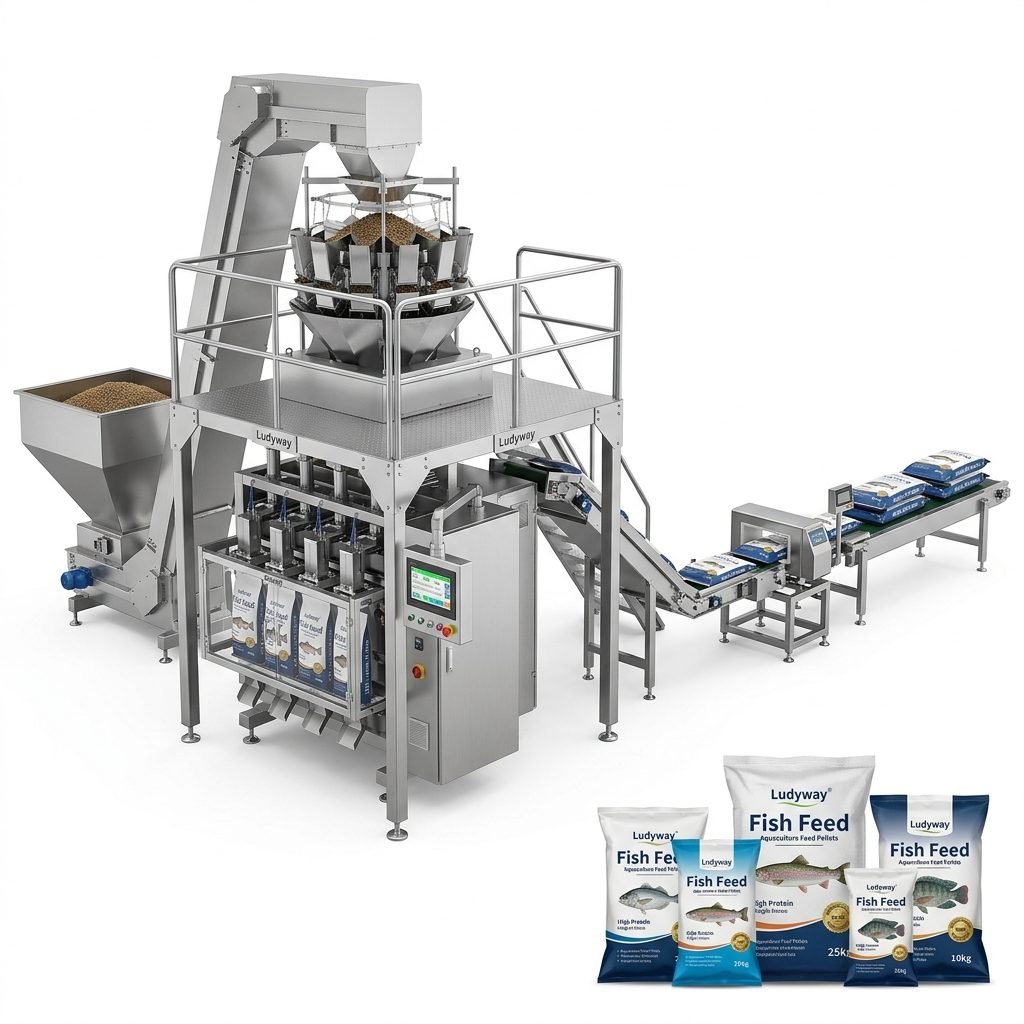
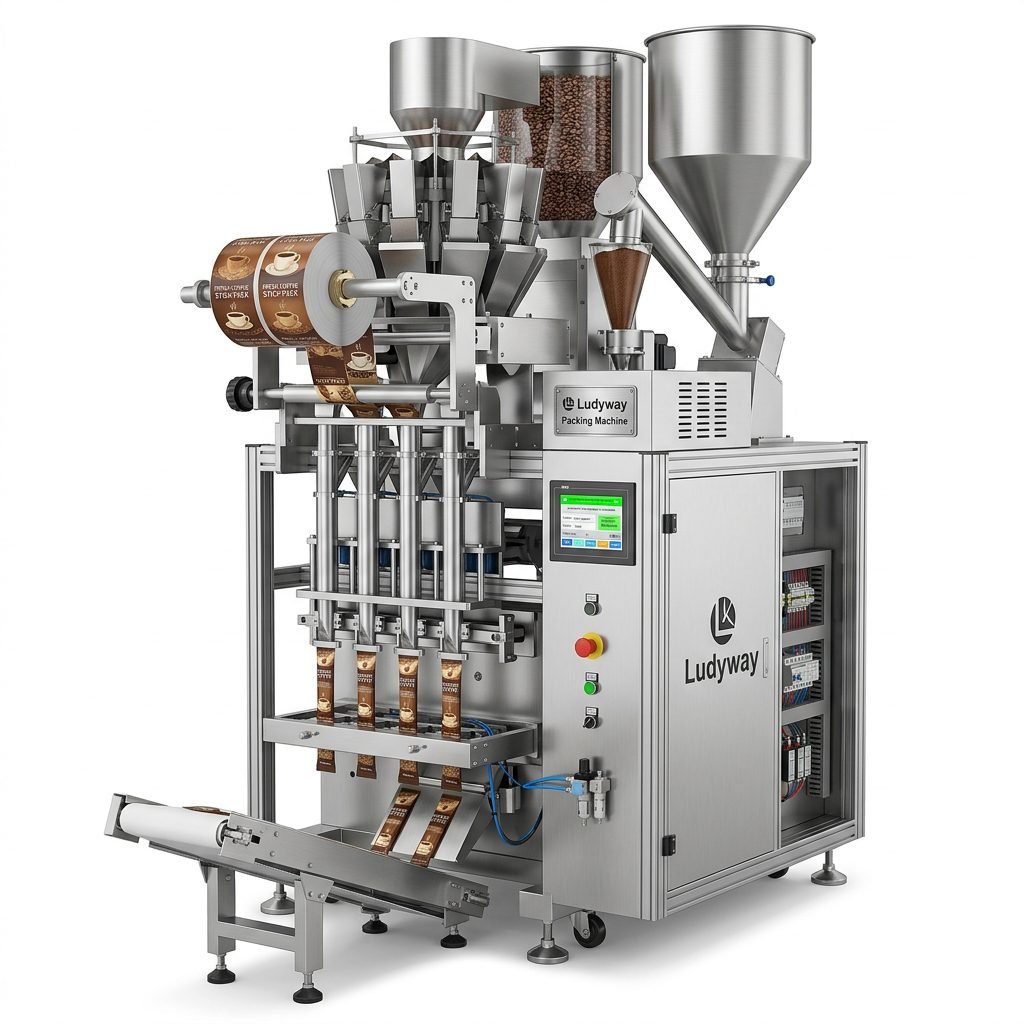
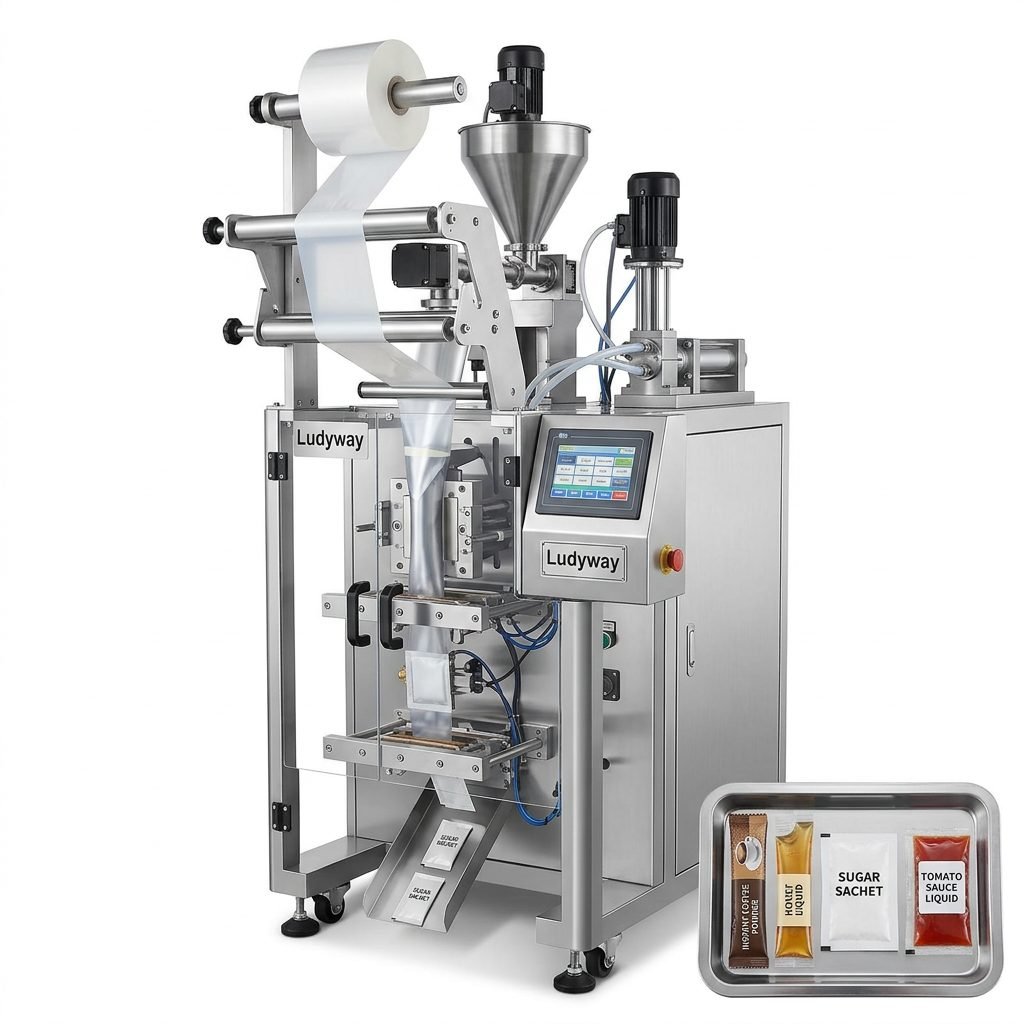
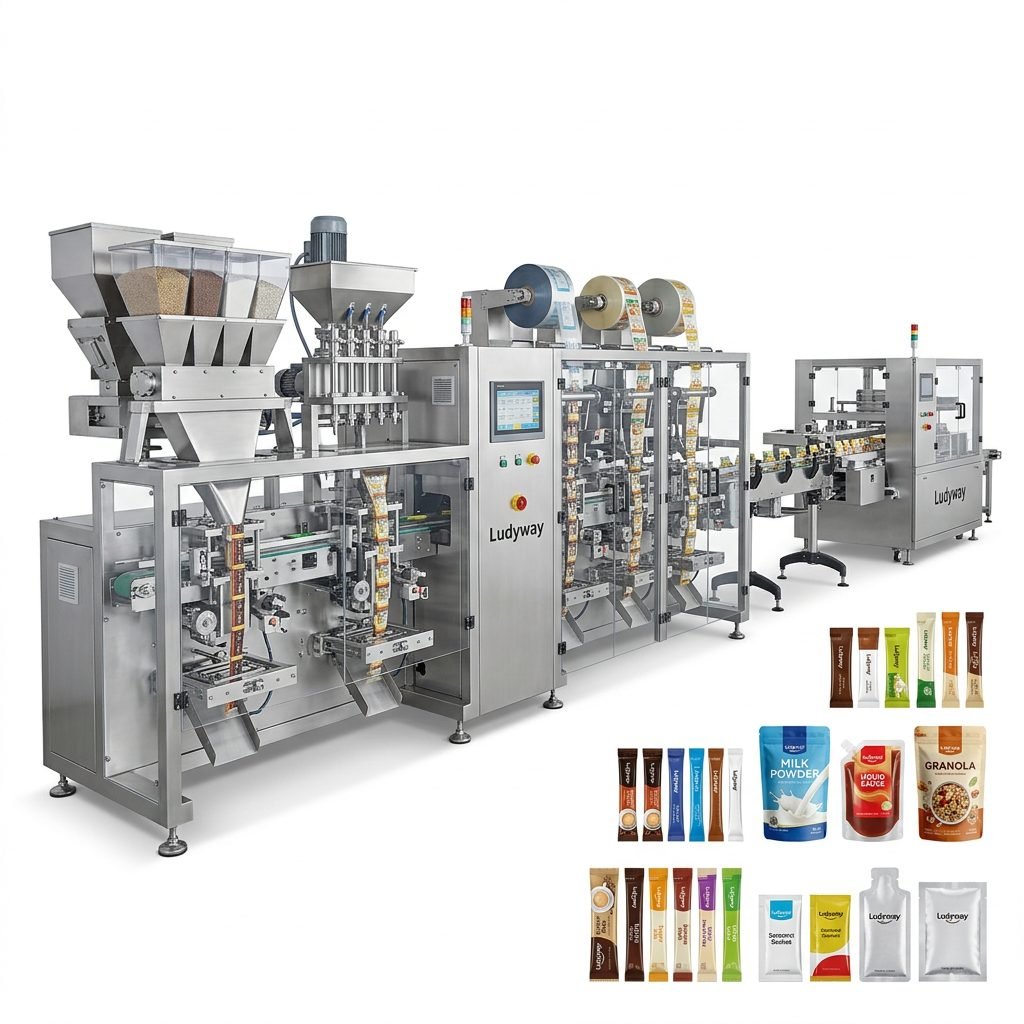
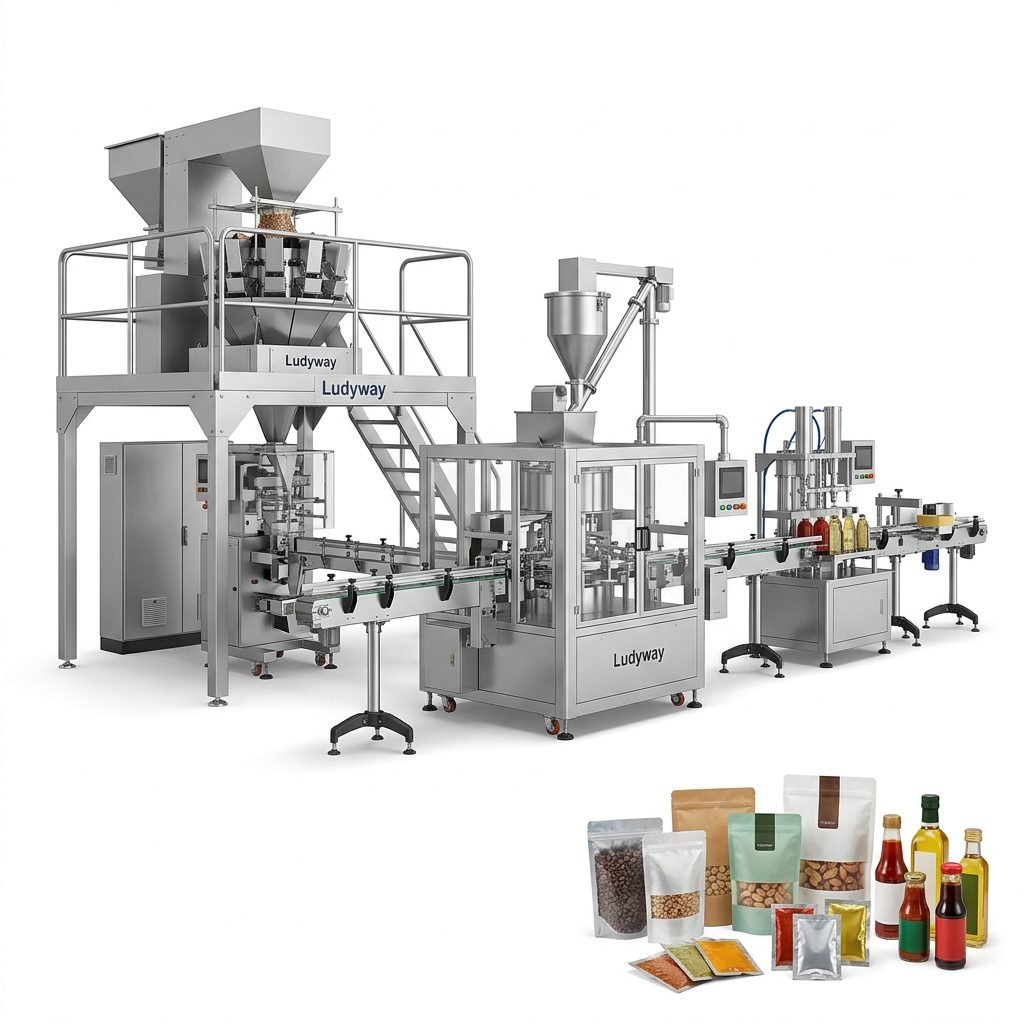
Leading manufacturers are responding by expanding beyond single-machine categories and offering broader engineering support. One example is Ludyway packaging machine solutions, a China-based manufacturer known for packaging machinery and turnkey packaging line systems serving food, pharmaceutical, health supplement, and related industries. With more than 30 years of experience, a factory area of over 20,000 square meters, and customers across more than 100 countries and regions, the company reflects the wider industry trend toward integrated and export-ready packaging platforms.
What Buyers Now Expect from a Platform-Based Packaging Solution
Packaging investments in 2026 are increasingly judged by how well they support future production strategies. Buyers want systems that can be reconfigured, scaled, and supported over time rather than replaced too soon.
| Buyer Expectation | Why It Matters in 2026 |
|---|---|
| Modular machine architecture | Allows faster product changeovers and easier capacity upgrades |
| Turnkey line integration | Reduces installation risk and improves coordination between processes |
| Smart control and monitoring | Supports preventive maintenance and more consistent output |
| Multi-product compatibility | Helps manufacturers adapt to SKU expansion and seasonal demand |
| After-sales technical support | Improves uptime and lowers long-term operating costs |
Key Sectors Driving the Shift
Food and Beverage
Food brands are pushing for greater packaging speed, traceability, and flexibility. From seasoning powders and coffee to snacks, sauces, and frozen foods, production lines need to handle varying product characteristics while maintaining hygiene and seal integrity. Platform-based systems are particularly valuable where multiple bag styles, sachet formats, or stick pack variations must be managed on the same line.
Pharmaceutical and Health Supplement
In pharma and nutraceutical packaging, precision and compliance remain central. The move toward interconnected systems helps manufacturers control dosage consistency, reduce contamination risks, improve batch traceability, and align packaging operations with stricter quality documentation requirements. This is especially important for powders, granules, oral liquids, and unit-dose formats.
Cosmetics and Personal Care
Cosmetic brands continue to expand single-use and trial-size formats, including creams, serums, lotions, gels, and masks. These applications benefit from packaging platforms that combine filling accuracy with visual consistency, coding, secondary packaging, and clean production environments.
Chemical and Daily-Use Products
Cleaning agents, detergents, industrial additives, and treatment chemicals increasingly require dependable automated packaging because manual processes are less efficient and often less safe. In this segment, platform thinking improves material handling, dosing precision, leak prevention, and operational safety.
How Platform Growth Changes Competitive Strategy
The competitive landscape is shifting from machine-by-machine comparison to ecosystem capability. Manufacturers that once won projects based on mechanical performance alone are now competing on broader criteria such as:
- Application engineering depth for different product forms and industries
- Integration capability across upstream and downstream packaging processes
- Customization speed for export and local compliance requirements
- Digital readiness for diagnostics, tracking, and remote service
- Scalability for future line extensions and capacity increases
This is also affecting how buyers shortlist suppliers. Companies with broad product coverage, structured manufacturing processes, and cross-industry experience are gaining an advantage because they can support both immediate production targets and future expansion plans.
2026 Market Signals at a Glance
| Trend | Industry Impact | Buyer Response |
|---|---|---|
| SKU proliferation | More changeovers and packaging complexity | Invest in flexible multi-format lines |
| Labor constraints | Higher automation urgency | Adopt integrated packaging systems |
| Stricter quality demands | Need for stable process control | Use inspection and data-linked equipment |
| Export expansion | More demand for standardized output | Choose globally adaptable machinery partners |
| Turnkey procurement preference | Reduced tolerance for fragmented sourcing | Prioritize one-stop packaging providers |
Implications for Global Manufacturers
For packaging line investors in Europe, North America, the Middle East, South America, Africa, and Southeast Asia, 2026 is shaping up to be a year of strategic equipment decisions rather than simple replacement purchasing. Companies that invest in platform-ready systems now are more likely to improve production resilience, support new product launches, and reduce line integration friction over the next several years.
This does not mean standalone machines will disappear. Instead, they are being evaluated as components of a larger packaging architecture. Even when a plant starts with one primary machine, buyers increasingly want the option to add feeding systems, inspection modules, cartoning units, robotic handling, or secondary packaging equipment later without redesigning the whole process.
What Decision-Makers Should Watch Next
- Whether equipment can integrate smoothly into future line expansions
- How quickly suppliers can support custom format changes
- Whether digital control systems improve maintenance planning
- How turnkey packaging lines affect total cost of ownership
- Which suppliers can support both export growth and localized compliance needs
The packaging industry’s acceleration into a platform-driven growth phase reflects a broader industrial reality: efficiency now depends on connected capability, not isolated hardware. In 2026, the strongest growth opportunities are likely to belong to manufacturers and buyers that treat packaging not as a single machine purchase, but as a scalable production platform built for long-term performance.