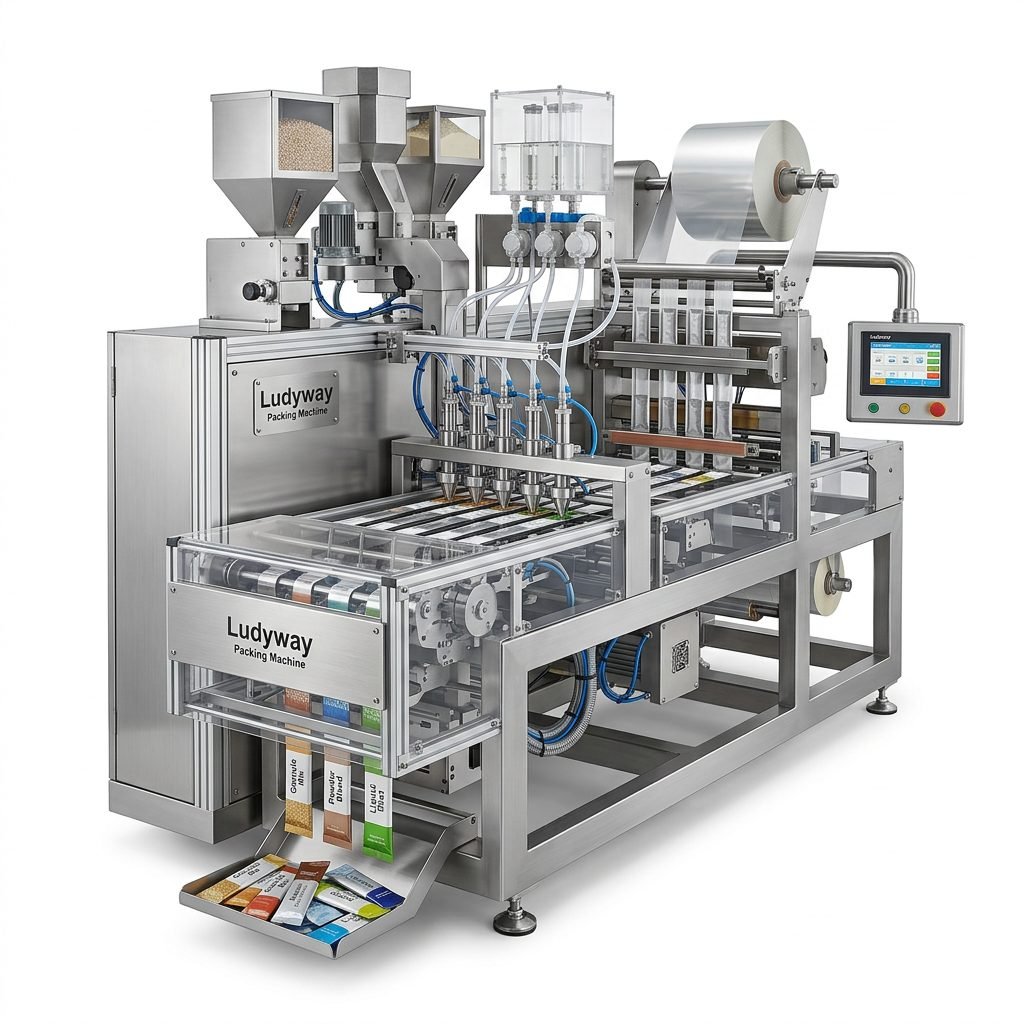
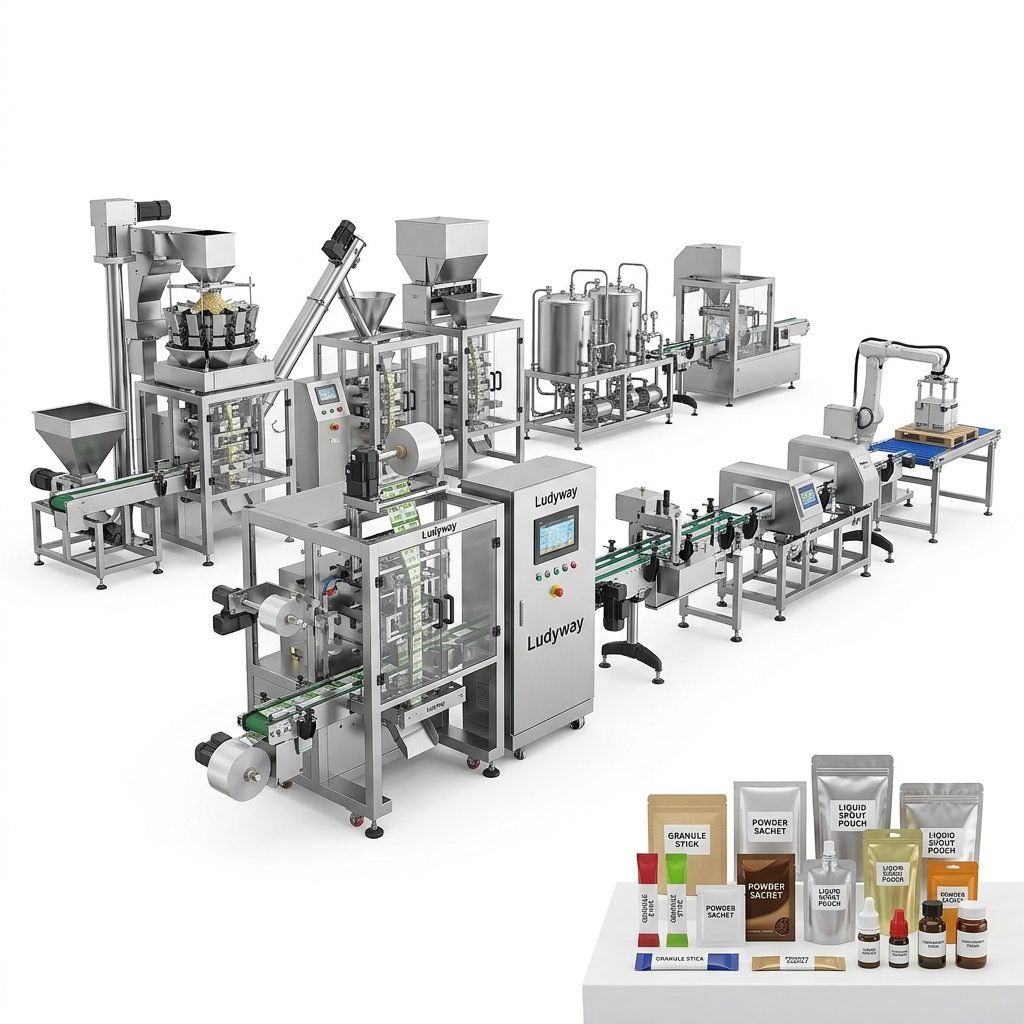
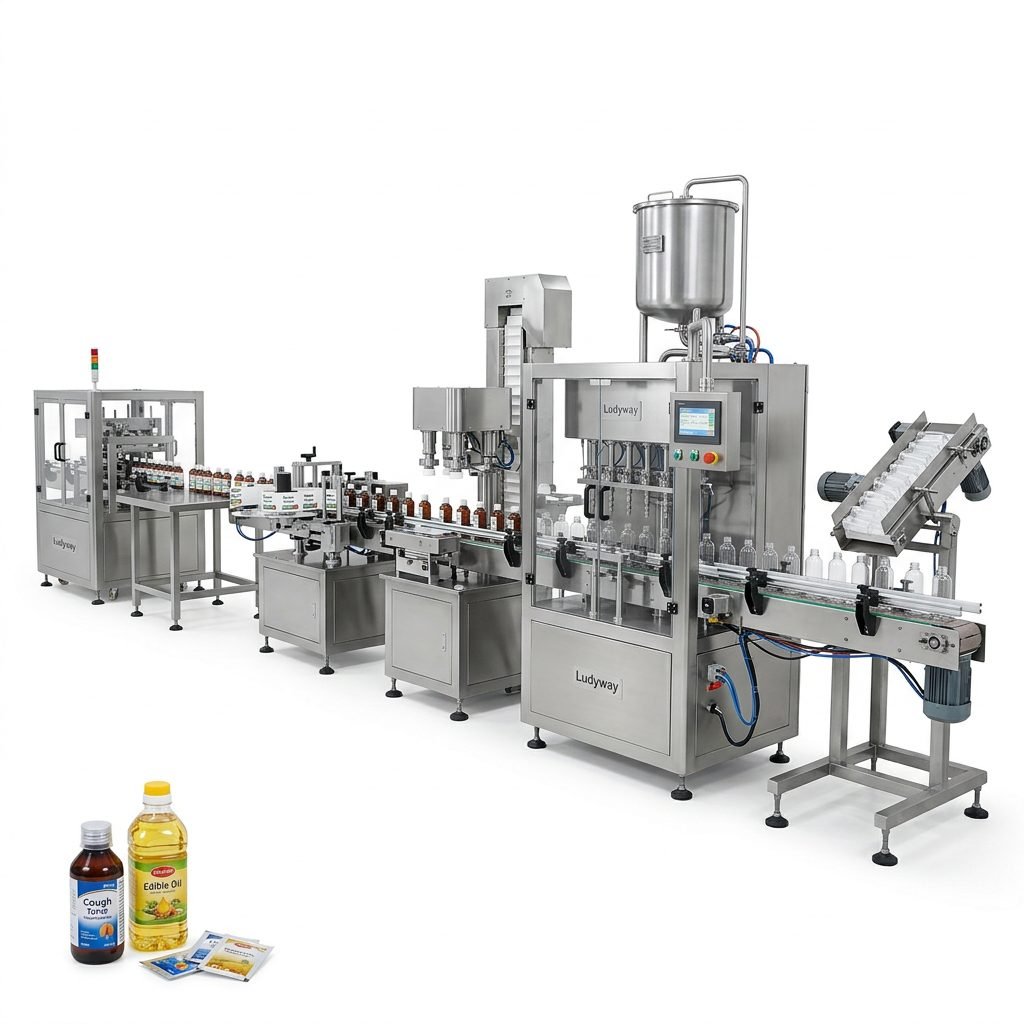
In the rapidly evolving landscape of modern manufacturing, automation has transitioned from a competitive advantage to an absolute necessity. Among the various stages of production, end-of-line packaging and material handling have historically remained labor-intensive, often acting as bottlenecks that restrict overall factory throughput. The introduction of industrial robot integration within these systems has revolutionized operations, particularly in depalletizing—the process of unloading incoming goods, containers, or raw materials from pallets onto conveyor belts for further processing.
By replacing manual handling with specialized robotic arms, intelligent grippers, and advanced vision systems, companies are reporting monumental leaps in operational performance. Recent industry case studies demonstrate that integrating smart robotics into the packaging line can effectively double depalletizing efficiency, while simultaneously enhancing workplace safety and reducing product damage rates.
The Bottleneck of Traditional End-of-Line Handling
Before the widespread adoption of robotics, depalletizing was primarily a manual or semi-automated task. Workers were required to lift heavy boxes, bags, or containers repeatedly throughout long shifts. This approach presents several inherent challenges:
- Ergonomic Risks: Repetitive lifting of heavy payloads frequently leads to workplace injuries, muscle strain, and high employee turnover rates.
- Inconsistent Throughput: Manual labor speed naturally fluctuates due to fatigue, breaks, and shift changes, making it difficult to maintain a steady production rhythm.
- Product Damage: Accidental drops or improper handling can compromise packaging integrity, leading to product waste and financial losses.
As upstream production machinery became faster and more efficient, manual depalletizing stations simply could not keep pace, creating a severe operational bottleneck at the start of the packaging line.
How Robotic Integration Doubles Depalletizing Speed
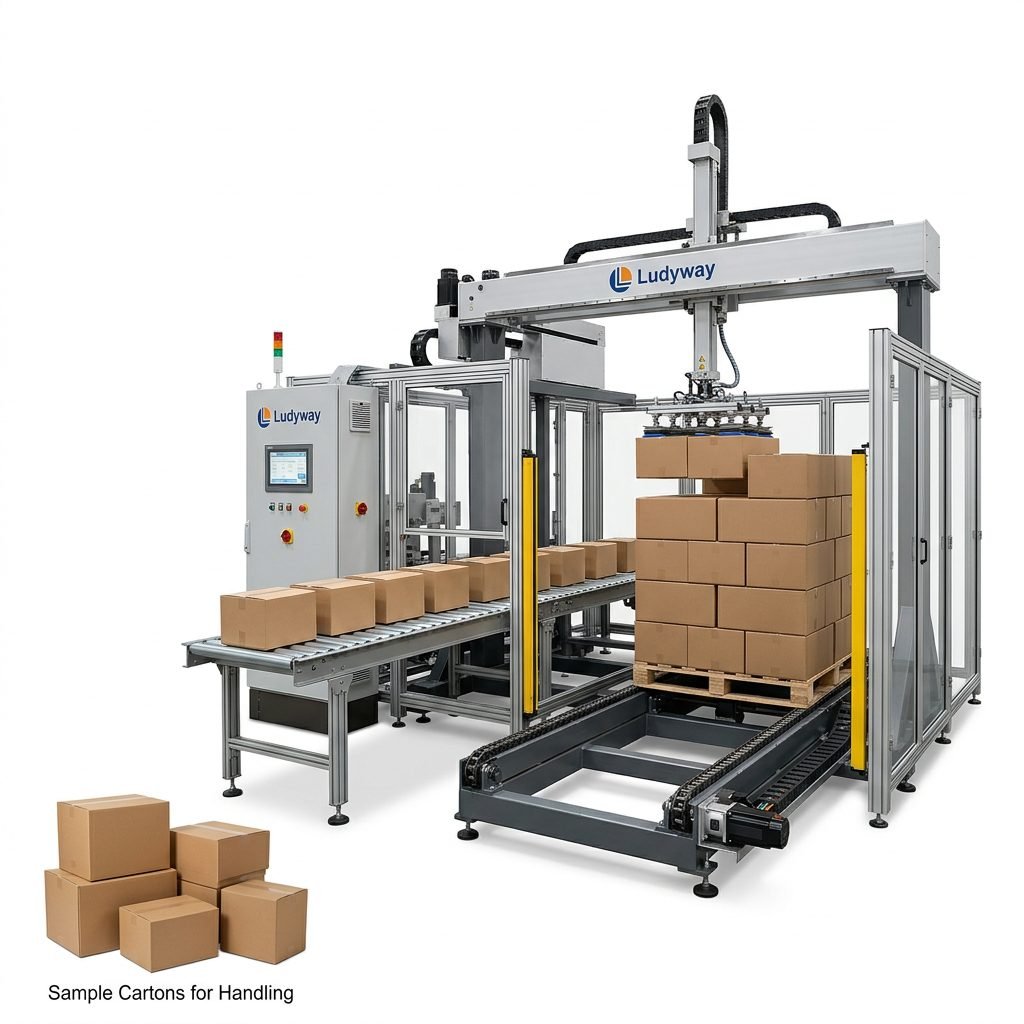
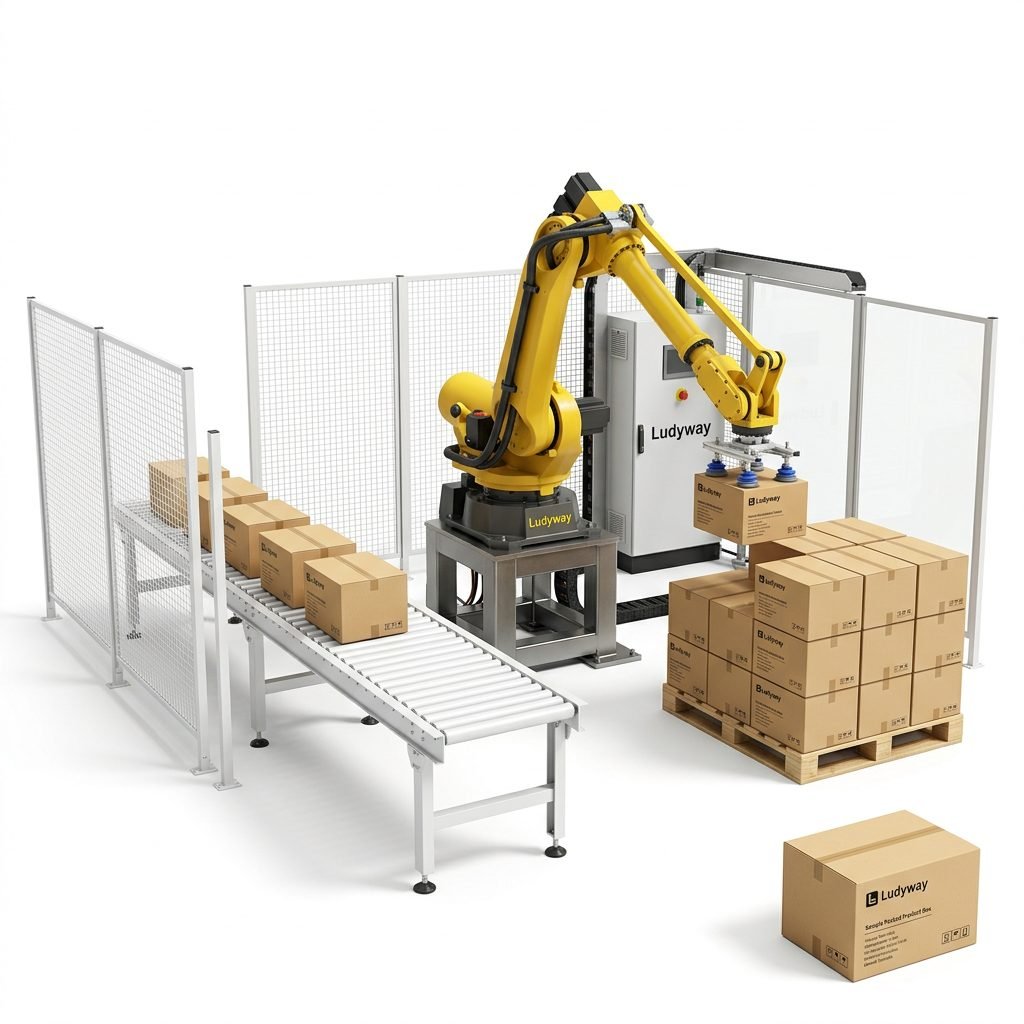
Modern industrial robots address these limitations directly. By combining high-payload articulated arms with specialized end-of-arm tooling (EOAT) and machine vision, integrated depalletizers operate with unmatched precision and speed. The system detects the exact coordinates of incoming pallets, determines the orientation of each package layer, and systematically transfers items to the processing conveyor.
This automated approach yields a continuous cycle time that remains uniform 24 hours a day. While a human operator might manage to depalletize 5 to 8 cases per minute over an extended shift, a robotic system can easily handle 15 to 20 cases per minute, effectively doubling the speed of material intake. Furthermore, multiple product lines can be fed simultaneously by a single robotic cell, optimizing floor space and utility usage.
Operational Comparison: Manual vs. Robotic Depalletizing
To highlight the tangible benefits of making the transition to automated systems, the table below outlines the core operational differences between traditional manual methods and integrated robotic solutions:
| Performance Indicator | Manual Depalletizing | Robotic Integrated System |
|---|---|---|
| Average Speed | 5 – 8 cases per minute | 15 – 25+ cases per minute |
| Consistency & Runtime | Variable (declines with fatigue) | 99.9% uptime, 24/7 continuous operation |
| Product Adaptability | Limited by human physical strength | Handles diverse payloads, shapes, and weights |
| Safety Profile | High risk of strain and injury | Zero human risk within the robotic work envelope |
| Integration Capability | Isolated operation | Seamless data exchange with WMS and ERP systems |
The Role of Turnkey System Integration
Achieving maximum efficiency requires more than just purchasing a robotic arm; it demands comprehensive system integration. A high-performing end-of-line setup must connect the depalletizer seamlessly with case erectors, conveyors, checking stations, and secondary packaging equipment. For manufacturers looking to upgrade their facilities, partnering with an experienced provider is crucial. A complete turnkey packaging line ensures that all mechanical, electrical, and software components communicate flawlessly under a centralized control system.
When properly configured, the robotic system can automatically adjust to different pallet patterns, package sizes, and weight distribution without requiring manual reconfiguration. This flexibility is highly valuable for contract packagers and manufacturers handling a diverse range of Stock Keeping Units (SKUs).
Advanced Technological Features Driving Efficiency
Several key technological advancements have made modern robotic depalletizing more reliable than ever before:
- 3D Vision and AI Sensing: Advanced camera systems scan the top layer of the pallet, mapping coordinates in real-time. This allows the robot to handle skewed stacks, damaged boxes, or mixed-SKU pallets with ease.
- Smart End-of-Arm Tooling (EOAT): Vacuum suction grids, mechanical clamps, and magnetic grippers can be combined or swapped automatically to match different materials, such as corrugated boxes, plastic crates, or heavy bags.
- Automatic Slip-Sheet Removal: Many integrated systems feature auxiliary vacuum bars designed to lift and stack cardboard slip-sheets between product layers, keeping the work area clean without human intervention.
Economic Benefits and Long-Term Value
While the initial investment in robotic integration may seem substantial, the return on investment (ROI) is achieved rapidly. By doubling the speed of material intake, factories can scale up their daily output without adding to their labor force. Additionally, businesses reduce indirect costs associated with workplace injuries, product wastage, and administrative overhead. The continuous flow of materials also stabilizes downstream operations, allowing fillers, sealers, and labelers to run at peak capacity without interruptions caused by empty conveyors.
In an era where consumer demand changes quickly and labor shortages continue to affect the manufacturing sector, industrial robot integration stands as a reliable, scalable, and highly efficient solution to safeguard and streamline end-of-line packaging operations.