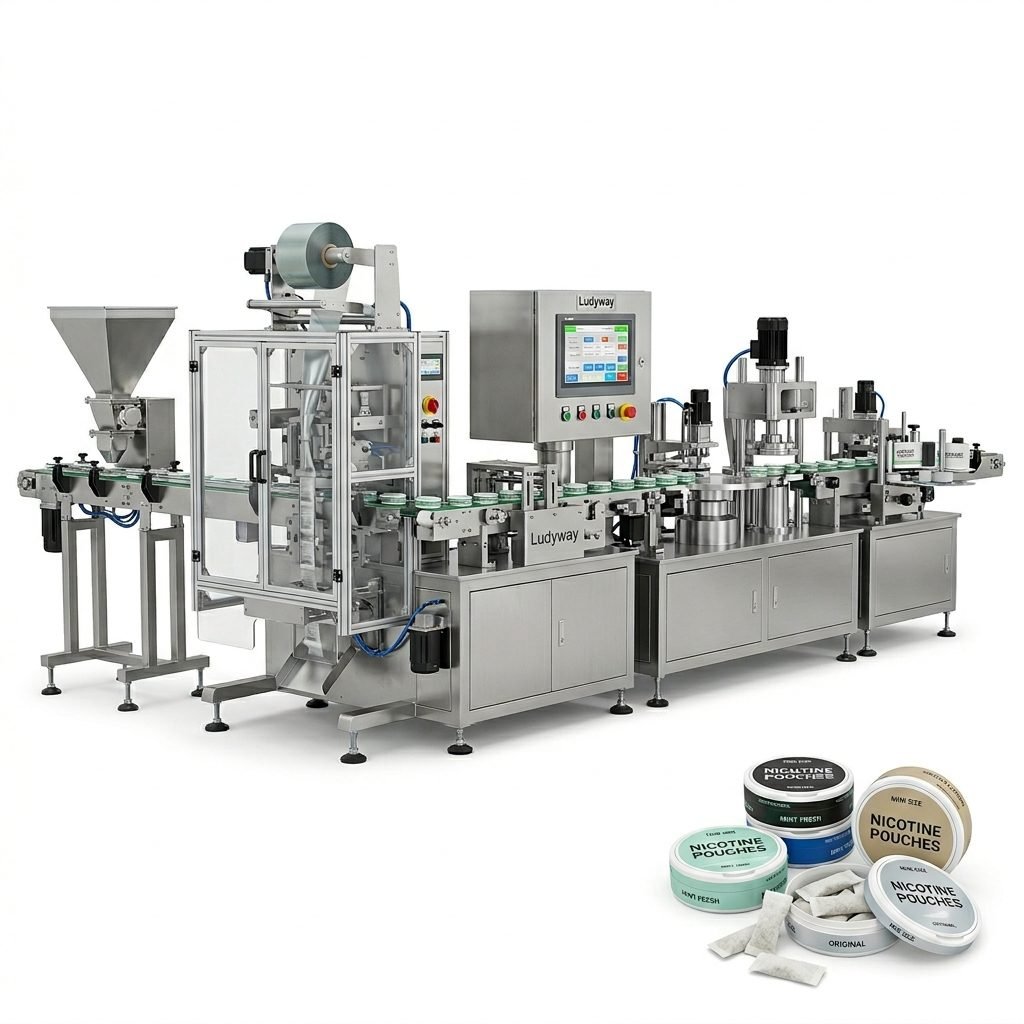
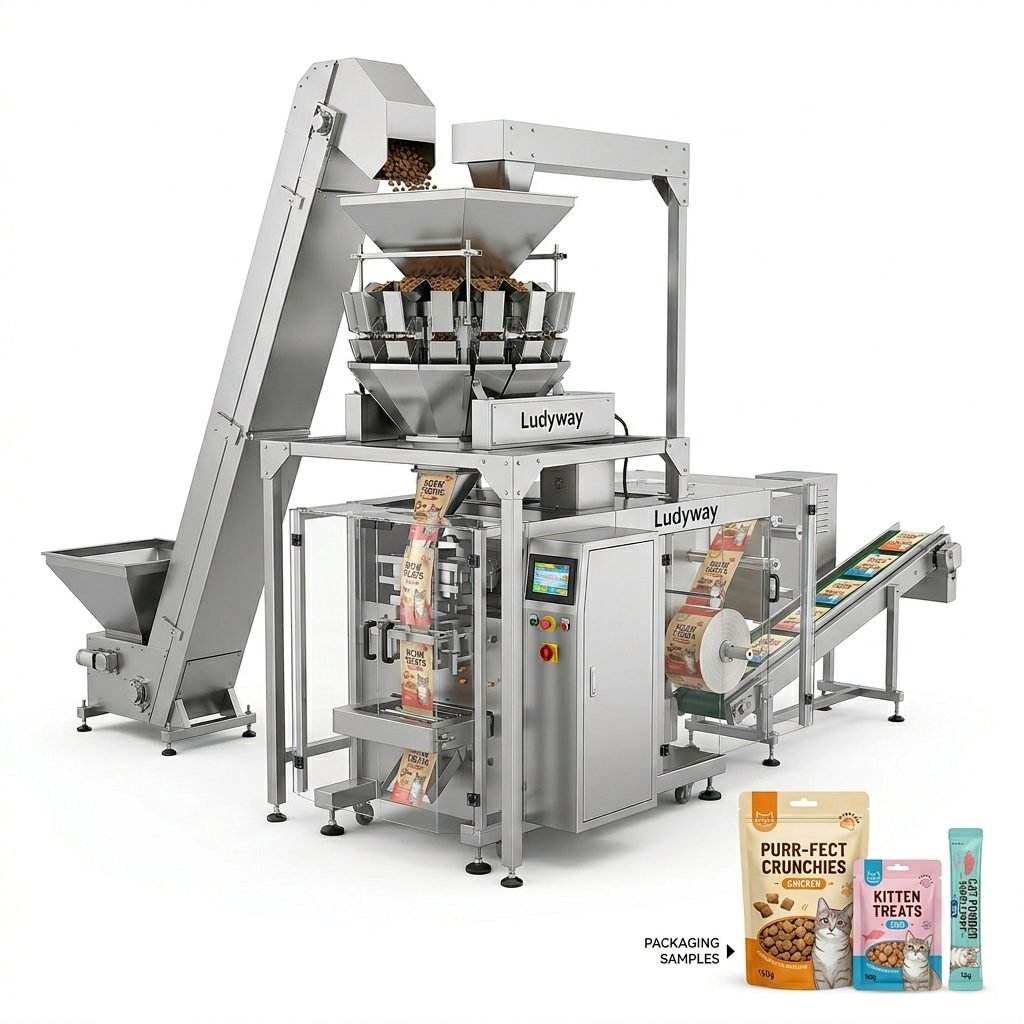
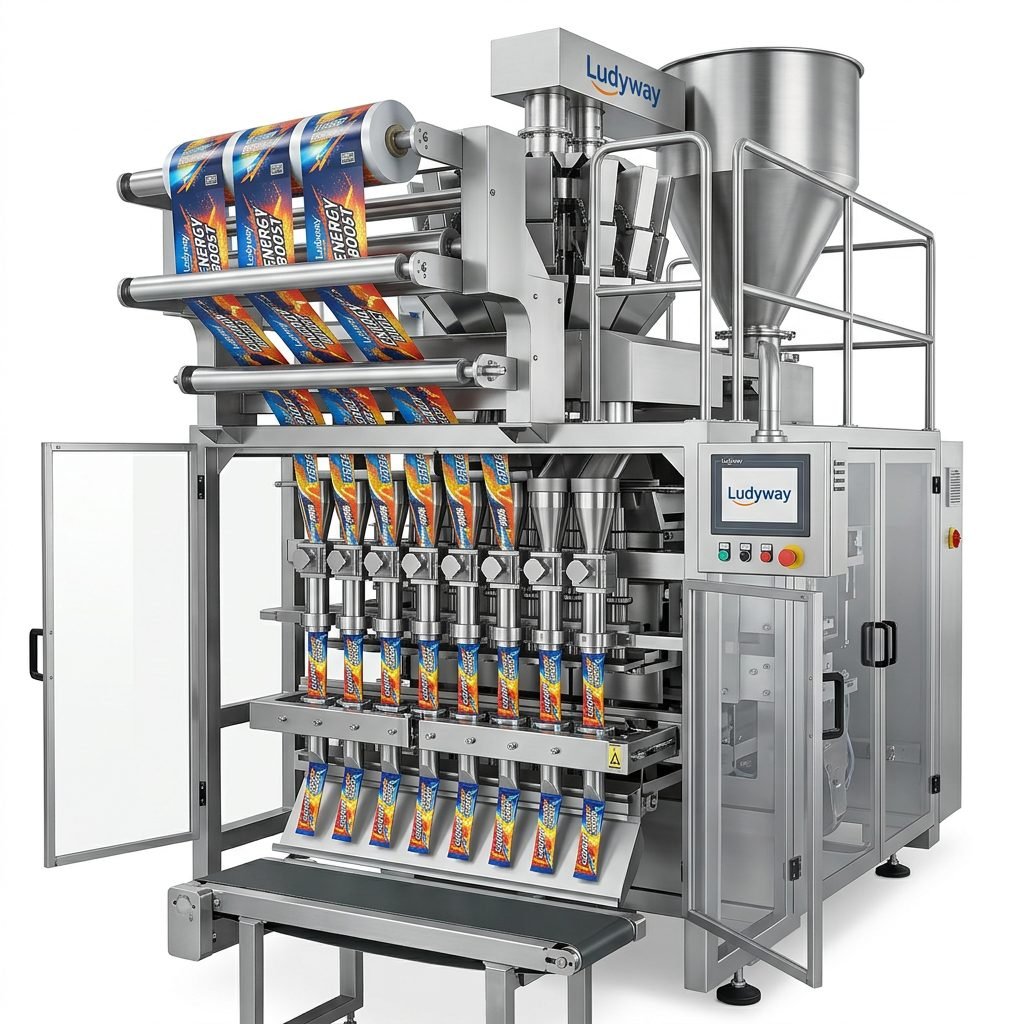
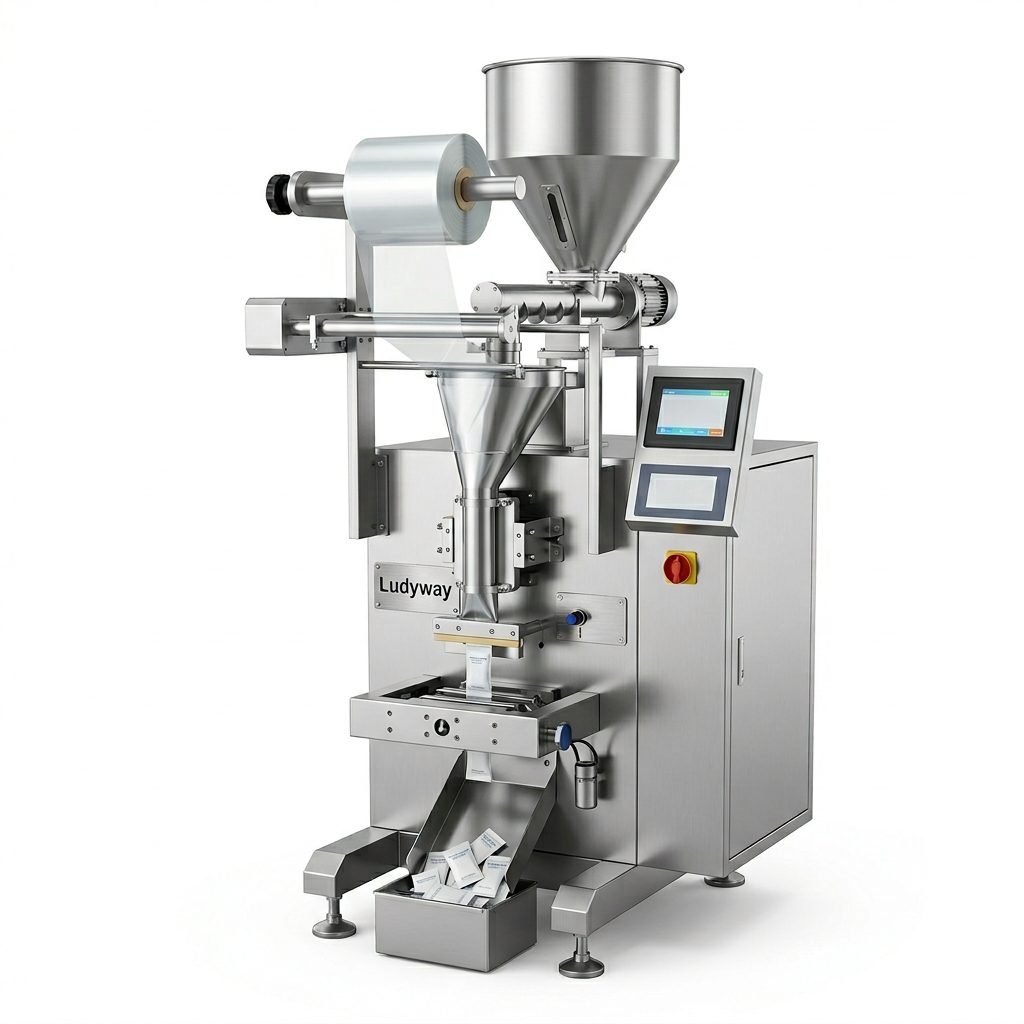
In the era of Smart Manufacturing and Industry 4.0, the manufacturing landscape is shifting from isolated production units to fully interconnected digital ecosystems. Among these developments, packaging machinery has emerged as a critical point for optimization. Packaging is no longer just the final stage of production; it is a data-rich gateway that defines the efficiency, safety, and traceability of the entire supply chain. Achieving seamless Manufacturing Execution System (MES) integration for packaging machinery has become the cornerstone of modern manufacturing, enabling end-to-end data digitalization from the factory floor to the enterprise level.
Traditionally, packaging lines operated as “black boxes.” Machines performed high-speed filling, sealing, and cartoning tasks, but the valuable operational data they generated remained trapped within local Programmable Logic Controllers (PLCs). By bridging this gap, MES integration establishes a continuous flow of information, transforming raw physical actions into structured, actionable digital assets. This transition is essential for industries facing strict regulatory demands, rapid product turnarounds, and complex logistical challenges.
The Core Role of MES in Packaging Automation
An MES acts as the central nerve system of the factory floor, coordinating production schedules, tracking work-in-progress, and documenting the execution of manufacturing processes. When packaging machinery is integrated into this system, it enables real-time synchronization between enterprise planning and physical execution. Production orders are dispatched directly to the packaging machines, which automatically configure parameters such as fill volumes, sealing temperatures, and labeling details based on the specific product run.
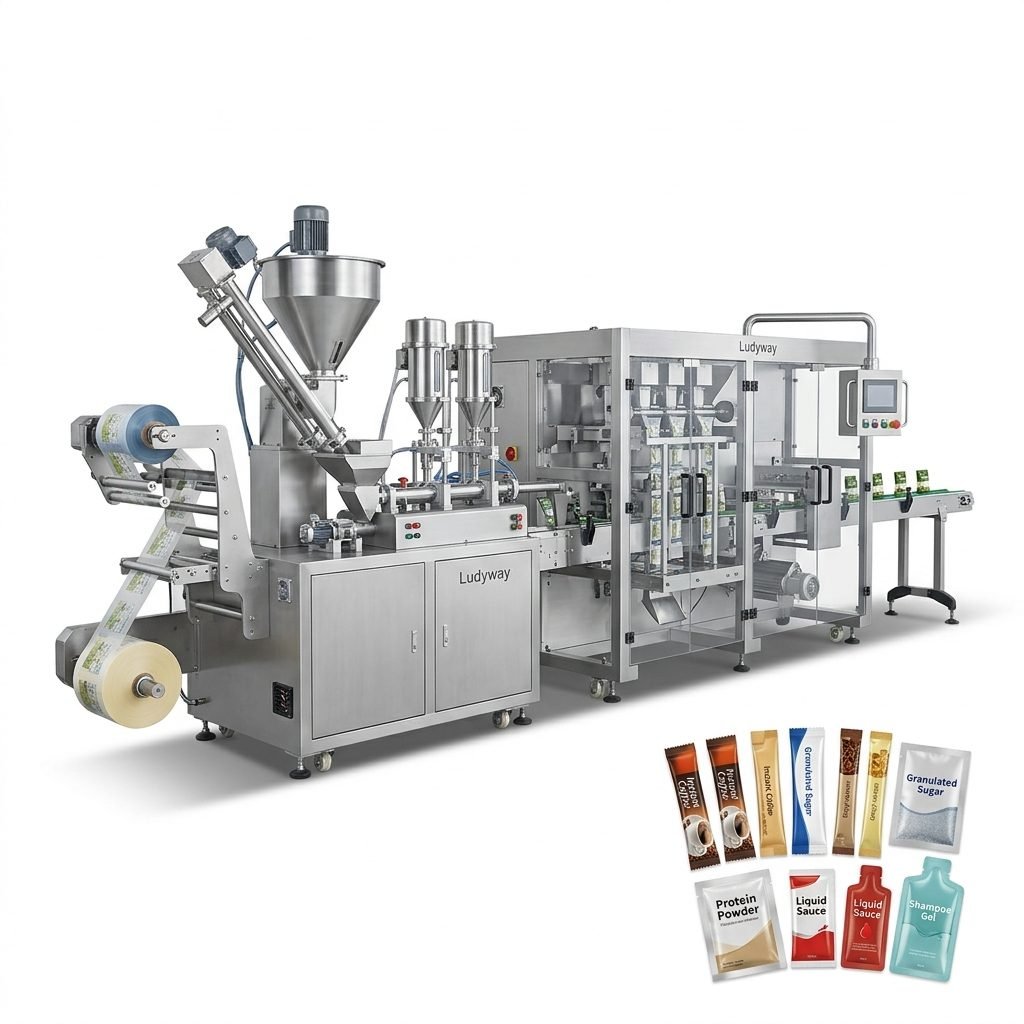
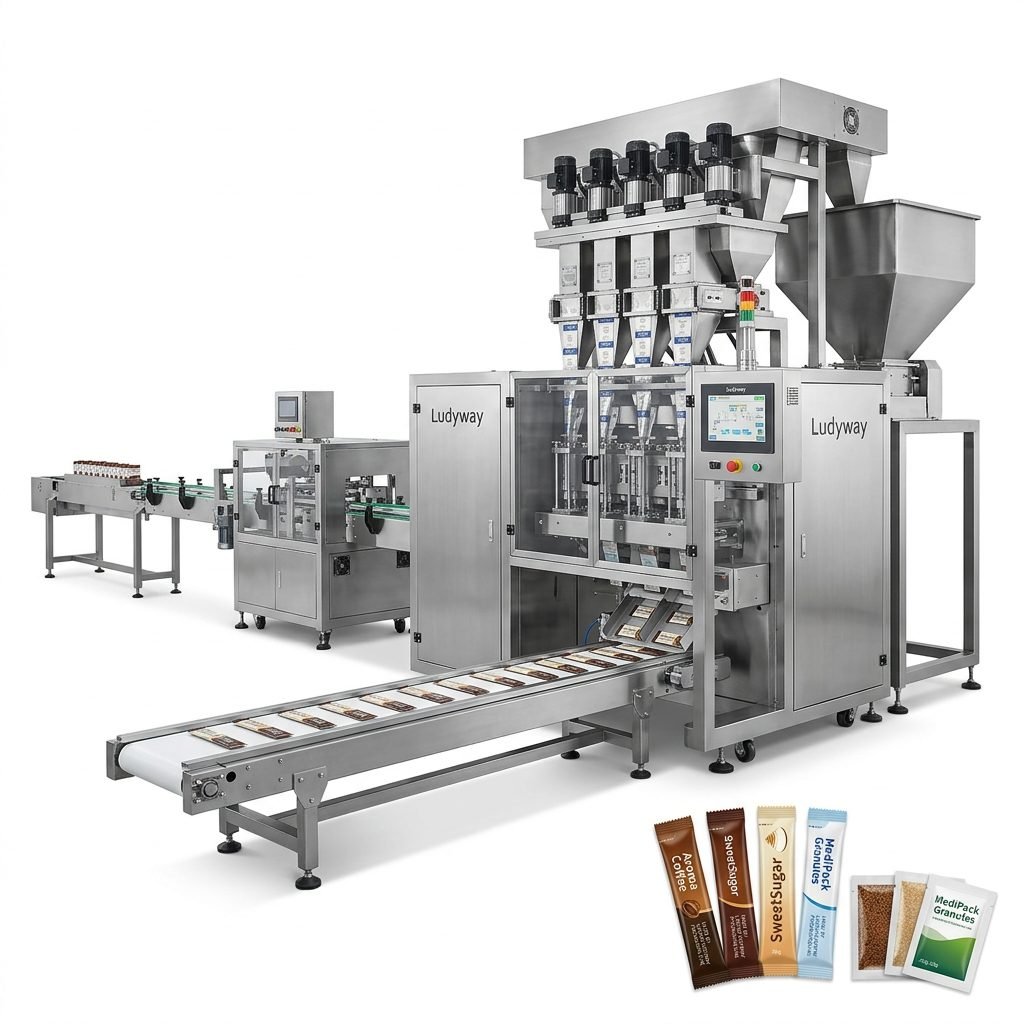
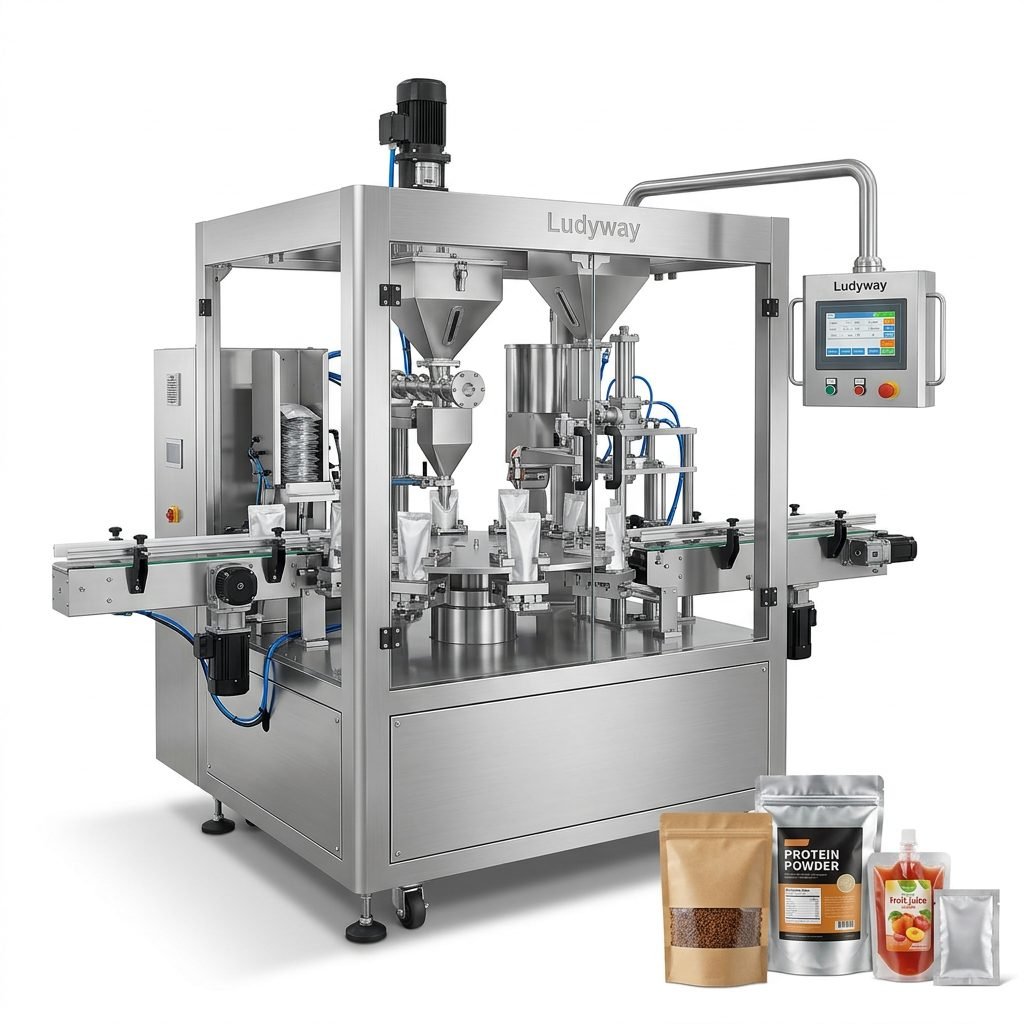
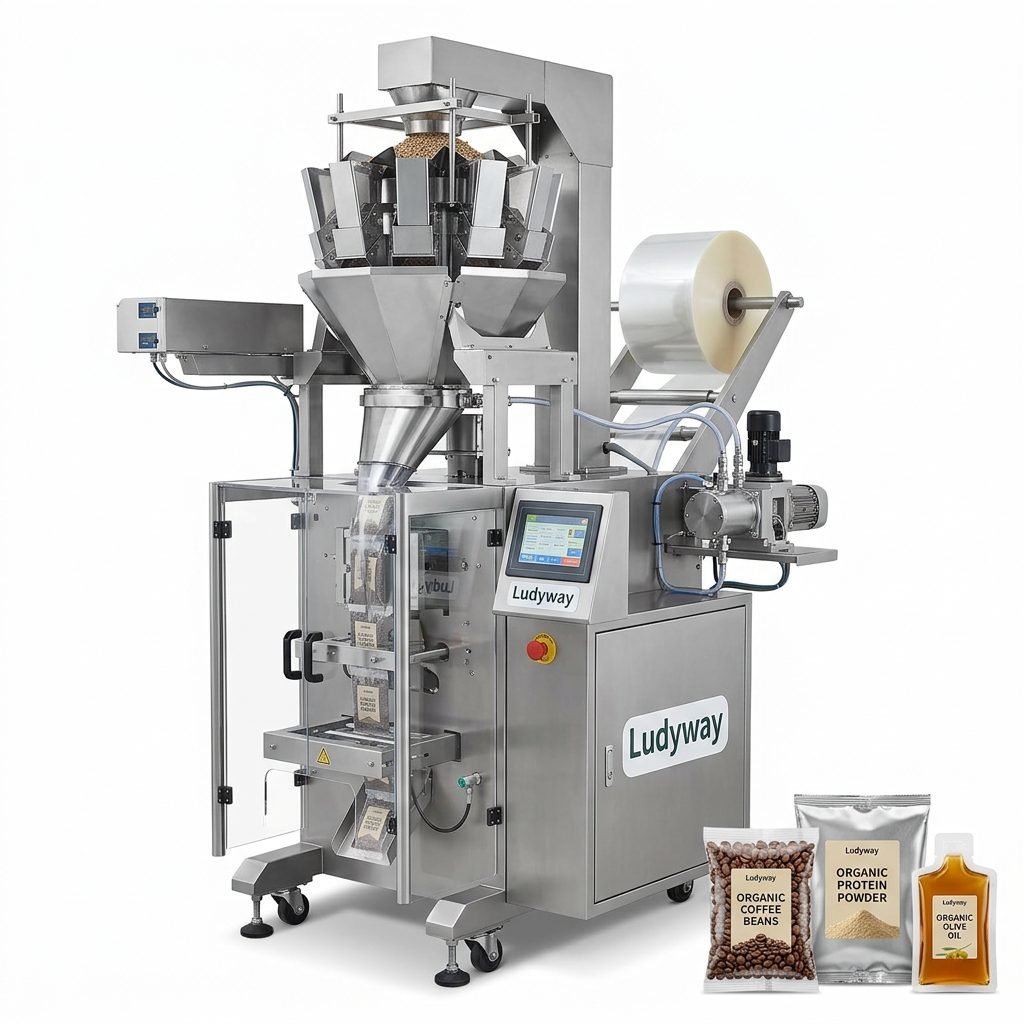
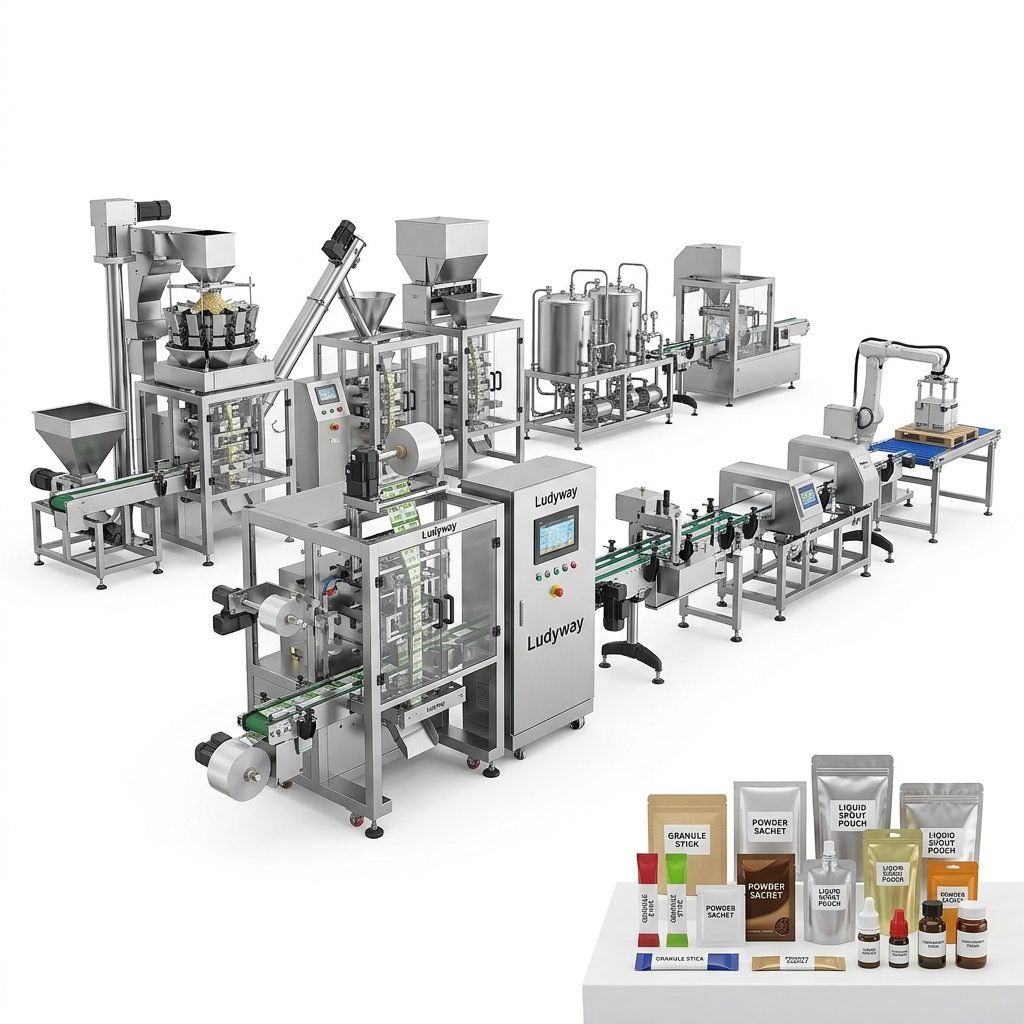
As a leading Chinese packaging machine and turnkey packaging line manufacturer, Ludyway emphasizes the role of smart factory integration in upgrading global production lines. With more than three decades of manufacturing experience, the company design systems that allow seamless integration with high-level control software. This integration ensures that machines do not simply run faster, but smarter, adjusting to real-time demands while feeding critical performance data back to operations teams.
End-to-End Data Digitalization: Key Benefits
The primary driver behind integrating packaging machinery with an MES is the achievement of total visibility. When data flows bidirectionally, manufacturers unlock substantial advantages that directly impact the bottom line:
- Real-Time OEE Monitoring: Overall Equipment Effectiveness (OEE) is the gold standard for measuring manufacturing productivity. MES integration allows for the automatic tracking of machine availability, performance, and quality, eliminating manual log sheets.
- Complete Batch Traceability: In the food, pharmaceutical, and cosmetic sectors, traceability is a strict regulatory requirement. Digitalization ensures that every sachet, bottle, or pouch can be traced back to its raw material batch, production time, and machine operator.
- Predictive Maintenance: Continuous monitoring of machine telemetry—such as motor vibration, pneumatic pressure, and heating element status—allows the MES to alert maintenance teams before a component fails, reducing unplanned downtime.
- Error Reduction and Quality Control: Automatic recipe downloads eliminate human errors during product changeovers. If a packaging machine detects a series of defects, it can communicate directly with the MES to pause the line and isolate the affected run.
Comparing Traditional vs. MES-Integrated Packaging Lines
To understand the impact of data digitalization, it is helpful to compare the capabilities of traditional packaging setups with modern, integrated systems:
| Operational Feature | Traditional Packaging Lines | MES-Integrated Packaging Lines |
|---|---|---|
| Data Capture | Manual clipboard logs, prone to human error and delays. | Automated, millisecond-level data streaming directly from PLCs. |
| Line Changeovers | Manual adjustments of parameters and physical mechanics. | One-click recipe downloads with automated servo positioning. |
| Downtime Diagnostics | Reactive troubleshooting after a failure has already occurred. | Proactive warnings and root-cause analysis generated by system logs. |
| Inventory Tracking | Estimated material usage calculated at the end of shifts. | Real-time consumption tracking of films, labels, and products. |
Technical Architecture of a Connected Packaging Line
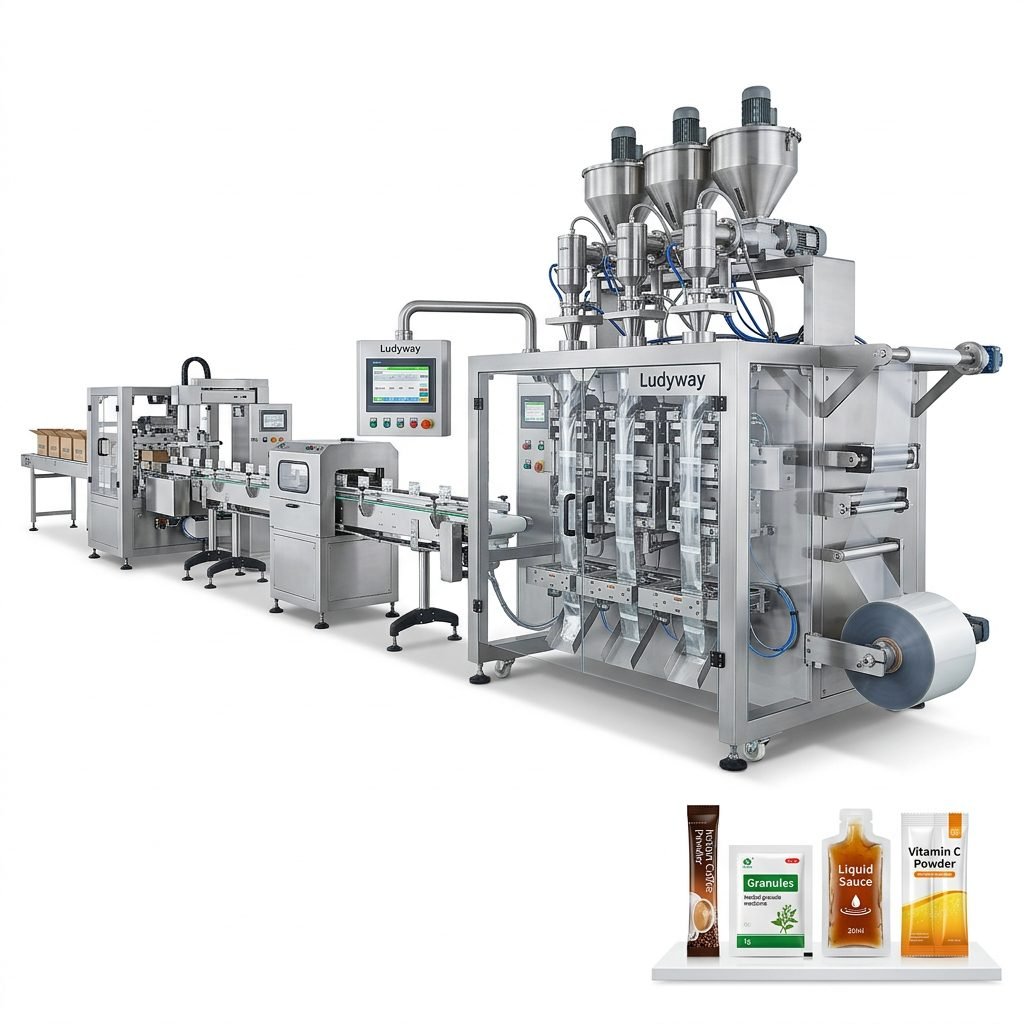
Achieving a seamless integration requires a structured communication architecture. Modern packaging systems utilize open standards and standardized protocols to bridge the gap between hardware and software. At the machine level, sensors, actuators, and smart drives monitor physical metrics. These components report to the machine PLC, which serves as the local processing brain.
To communicate with the MES, the PLC uses standardized industrial protocols such as OPC Unified Architecture (OPC UA), Profinet, or EtherNet/IP. OPC UA, in particular, has become the industry standard for secure, reliable, and platform-independent information exchange. It allows the MES to read machine states, fetch cycle times, and write new production parameters without custom driver development. Once the data reaches the MES database, it is contextualized with order numbers, operator IDs, and shift details, generating a complete digital twin of the packaging run.
Overcoming Integration Challenges
While the benefits of end-to-end digitalization are clear, the path to integration can present hurdles. One common challenge is dealing with legacy machinery. Many factories operate reliable packaging systems that lack modern communication cards. In these scenarios, manufacturers can employ edge-computing gateways or retrofit secondary sensors to capture cycle counts and error states, bringing older equipment into the digital fold.
Data standardization is another critical hurdle. If different machines on a turnkey line use varying naming conventions for variables, consolidating the data in the MES becomes highly complex. Implementing standard programming models, such as OMAC PackML (Packaging Machine Language), resolves this issue by defining a uniform state model and standard tag structures for all packaging machinery on the floor.
Conclusion: The Future of Smart Packaging
Seamless MES integration is no longer a luxury reserved for multi-national corporations. As global markets demand higher product customization, stricter safety standards, and faster turnaround times, data digitalization has become a baseline operational requirement. By turning packaging machinery into an active participant in the factory’s digital network, manufacturers can eliminate blind spots, optimize line performance, and secure a significant competitive advantage. The transition to fully digitized packaging lines marks a decisive step toward autonomous, self-optimizing factories that are ready for the challenges of tomorrow.