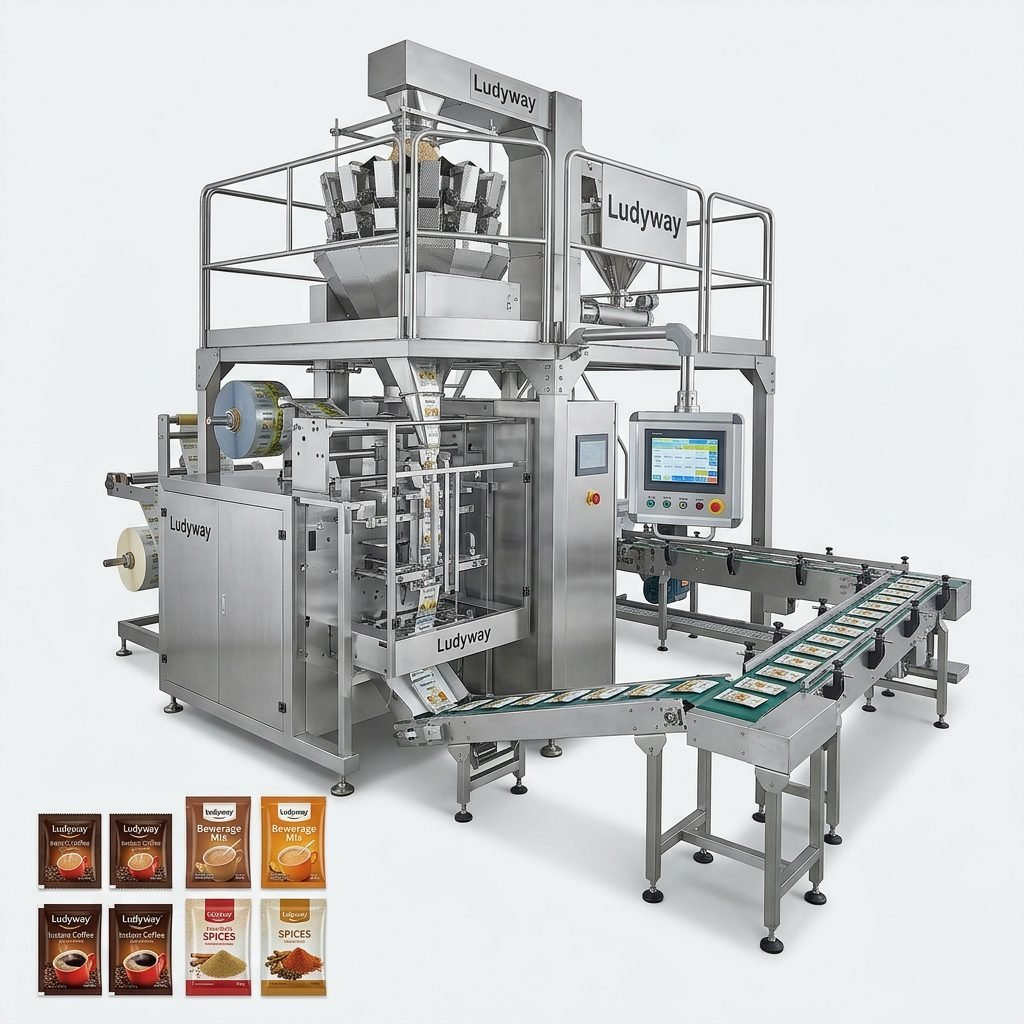
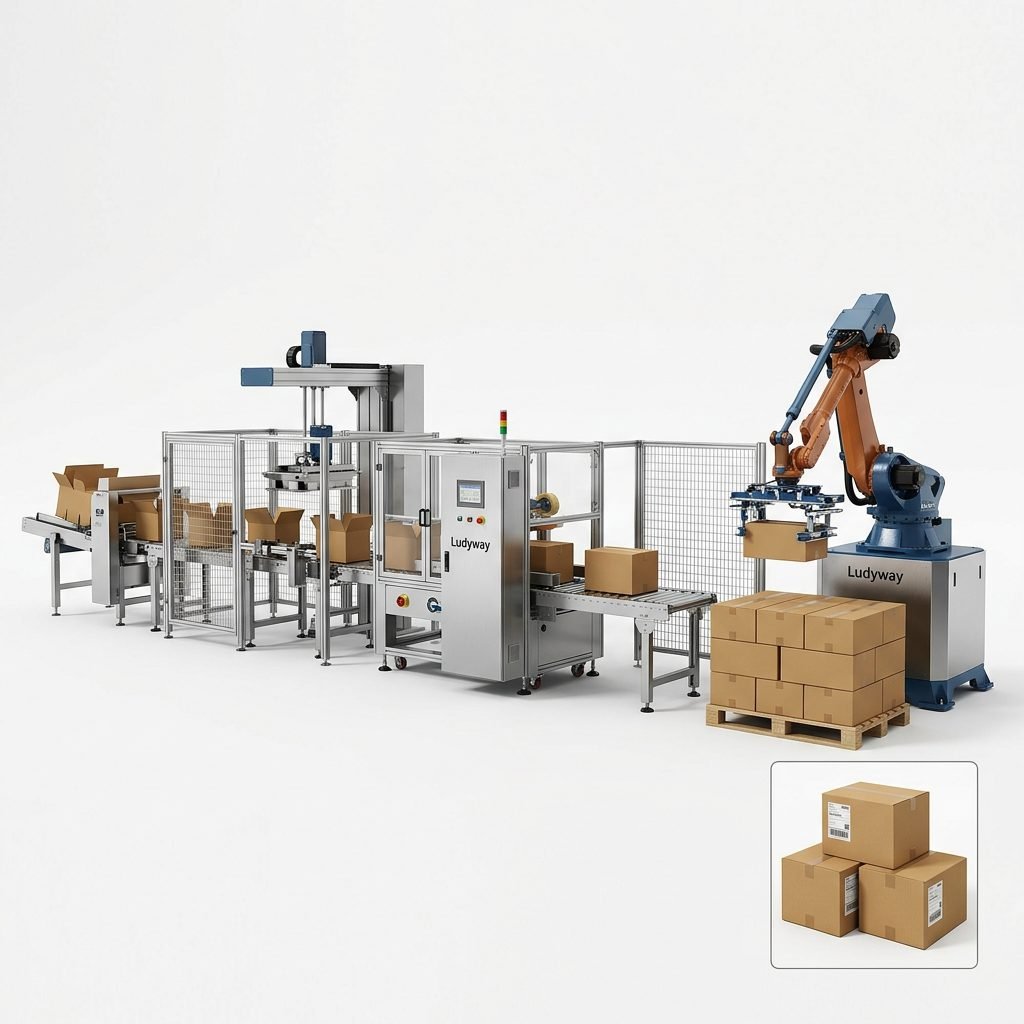
Global food brands, contract packers, and equipment suppliers are accelerating packaging upgrades as food safety regulations become stricter across major markets. From allergen control and traceability to seal integrity and contamination prevention, packaging is no longer viewed as a final production step alone. It has become a core compliance tool that directly affects product quality, market access, and consumer trust.
Regulators in Europe, North America, the Middle East, and other import-driven regions are increasing scrutiny on labeling accuracy, material safety, hygiene standards, and batch-level traceability. As a result, food manufacturers are investing in smarter, cleaner, and more automated systems that can support consistent packaging performance at scale.
Why food safety rules are reshaping packaging decisions
In the past, many packaging upgrades were driven mainly by branding, cost reduction, or shelf appeal. Today, the pressure is different. Manufacturers must prove that packaging systems can help reduce contamination risks, maintain product stability, and provide clear, verifiable production data.
- Stricter hygiene requirements for food-contact equipment and packaging environments
- Improved traceability through coding, serialization, and batch management
- Seal consistency to reduce leakage, spoilage, and tampering concerns
- Material compliance for films, pouches, sachets, and other packaging formats
- Reduced human contact through higher automation and integrated handling
For powdered foods, seasonings, functional drinks, snacks, and liquid condiments, packaging lines must now do more than fill and close. They must support quality assurance, inspection, coding, rejection control, and often digital recordkeeping.
Packaging formats under the most pressure
Not all food categories face the same regulatory focus. High-volume, single-serve, and convenience-oriented formats are seeing some of the fastest upgrades because they involve frequent handling, complex filling accuracy, and strong demand for portability.
| Packaging Format | Main Safety Concern | Typical Upgrade Direction |
|---|---|---|
| Stick packs and sachets | Dose accuracy, seal integrity, contamination control | Multi-lane automation, precision dosing, inline coding |
| Pouches | Leak prevention, oxygen/moisture barrier consistency | Advanced sealing, inspection systems, nitrogen flushing |
| Bulk bags | Weight accuracy, foreign matter risk, handling hygiene | Automated weighing, enclosed transfer, palletizing |
| Liquid sachets | Cross-contamination, seal failure, product residue | Sanitary filling systems, better cleaning design, leak testing |
Automation is becoming a compliance strategy
As compliance demands increase, automated packaging is being adopted not only to improve output, but also to create more repeatable and auditable production conditions. Automated systems help manufacturers reduce manual intervention, stabilize fill weights, standardize sealing parameters, and improve traceability across the line.
This is especially important for exporters supplying multiple regions with different food safety expectations. A line designed for flexible validation and consistent process control can help reduce the risk of rejected shipments, recalls, or relabeling costs.
Key functions manufacturers are prioritizing
- Accurate dosing for powders, granules, and liquids
- Reliable sealing under different product characteristics
- Inline date, lot, and traceability coding
- Vision inspection and reject systems
- Dust control and cleaner product transfer
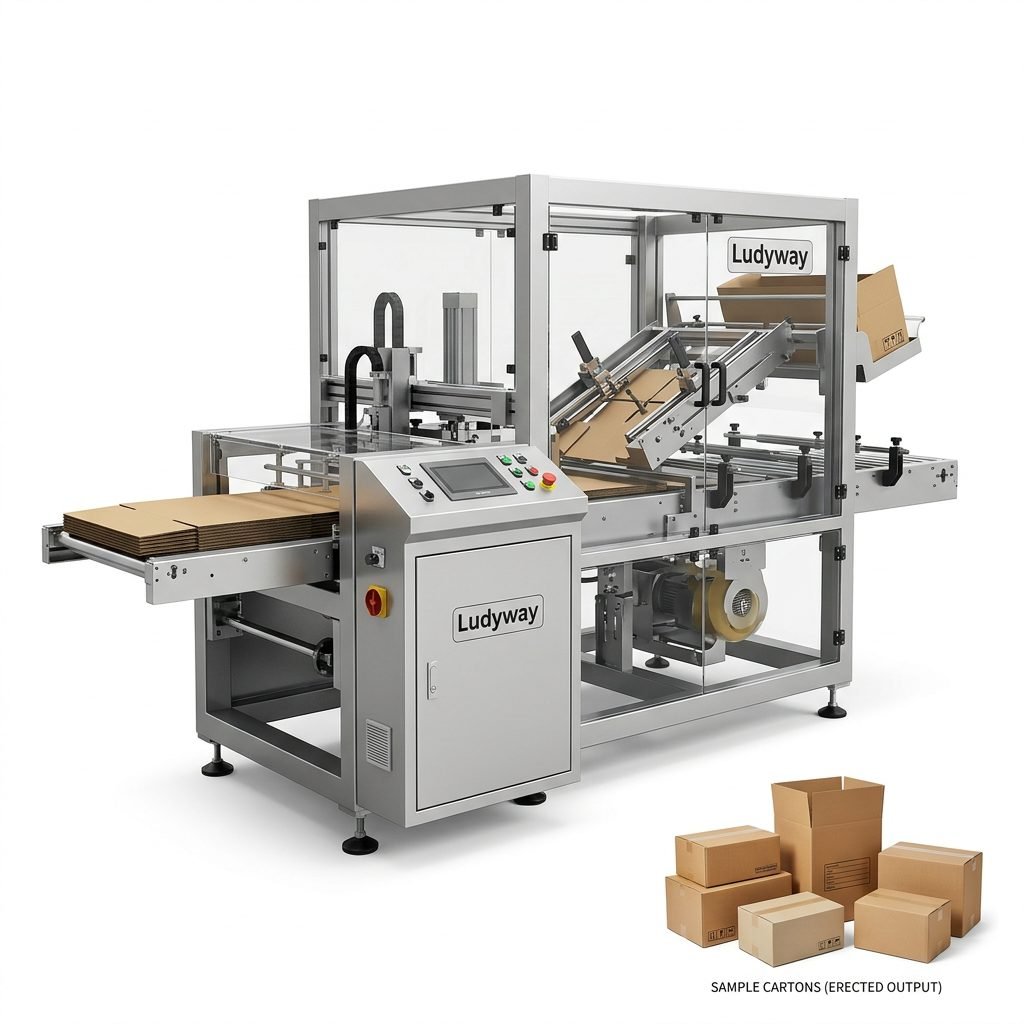
- Integration with cartoning, labeling, and end-of-line handling
How manufacturers are upgrading production lines
Many food plants are no longer replacing just one standalone machine. Instead, they are evaluating full packaging workflows, from feeding and dosing to sealing, coding, inspection, cartoning, and palletizing. This broader approach improves consistency and helps eliminate weak points between machines.
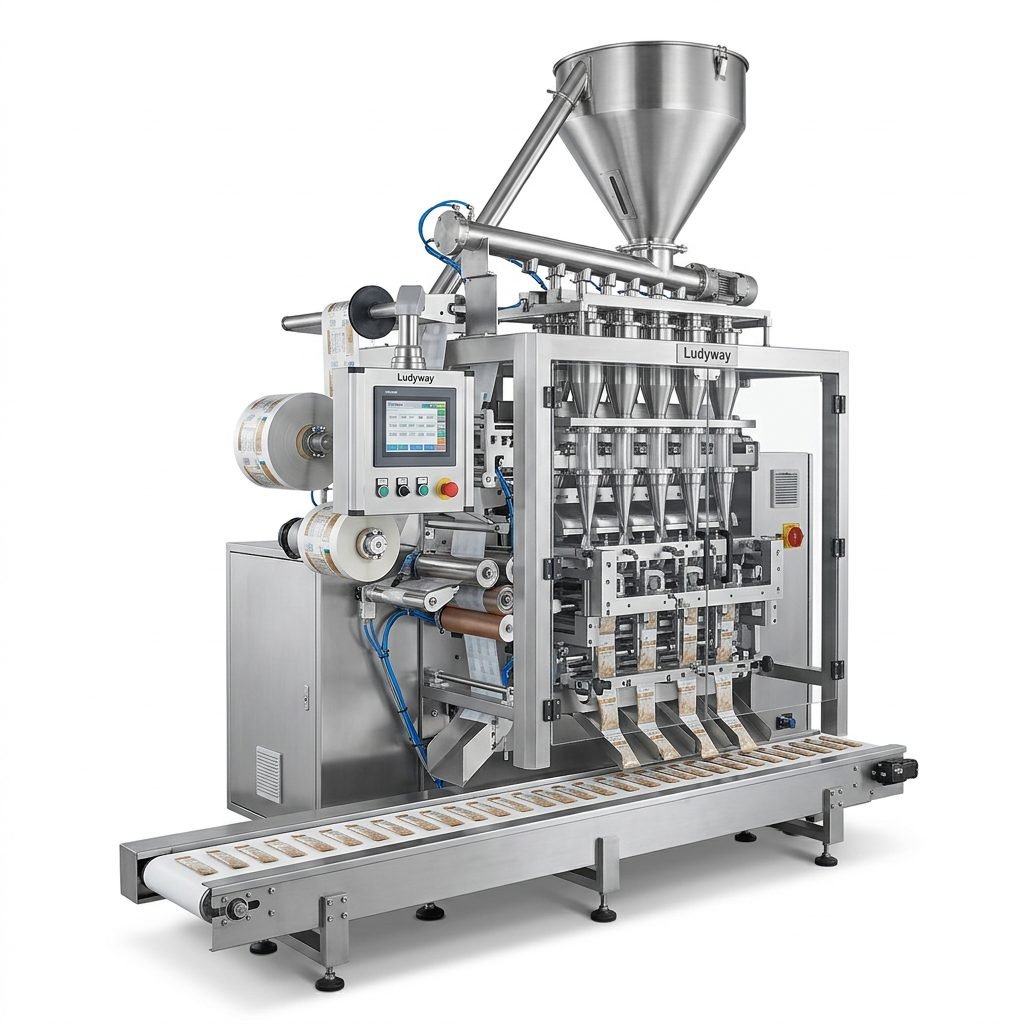
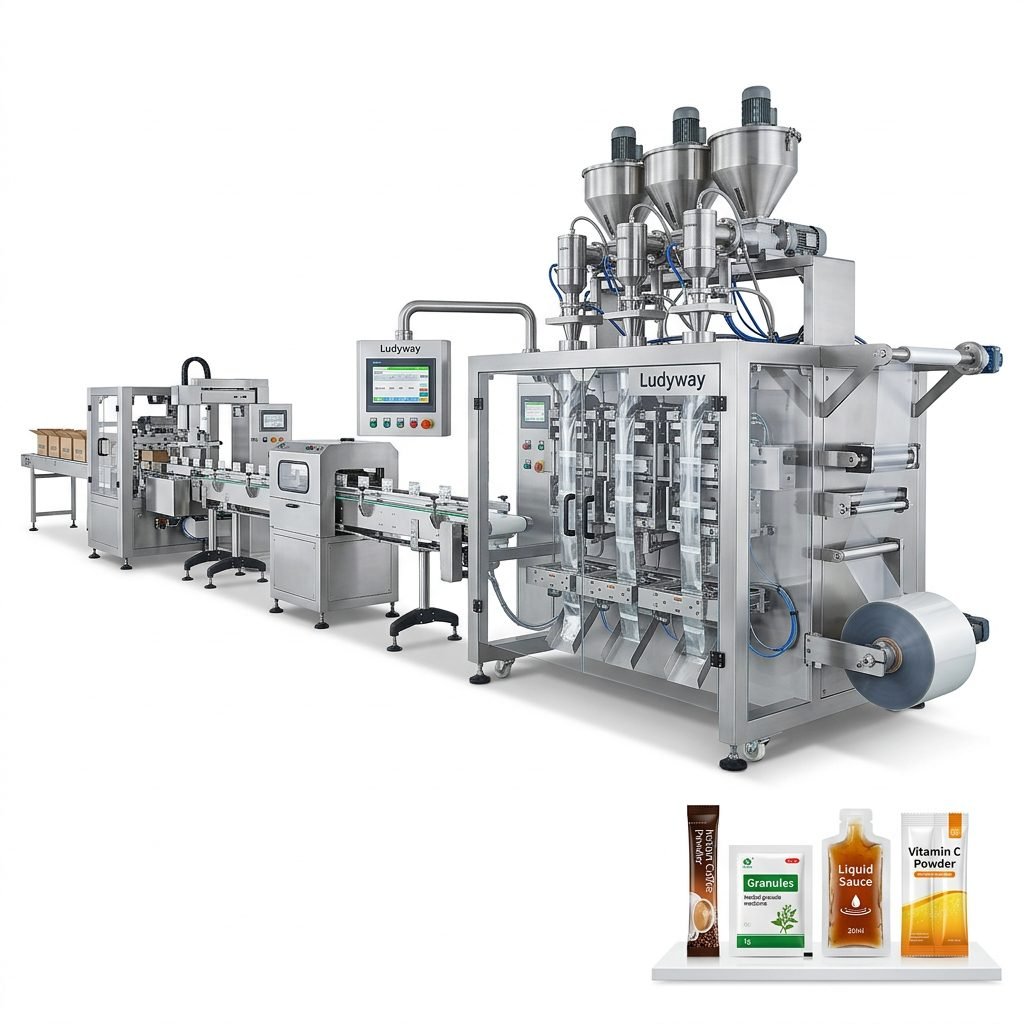
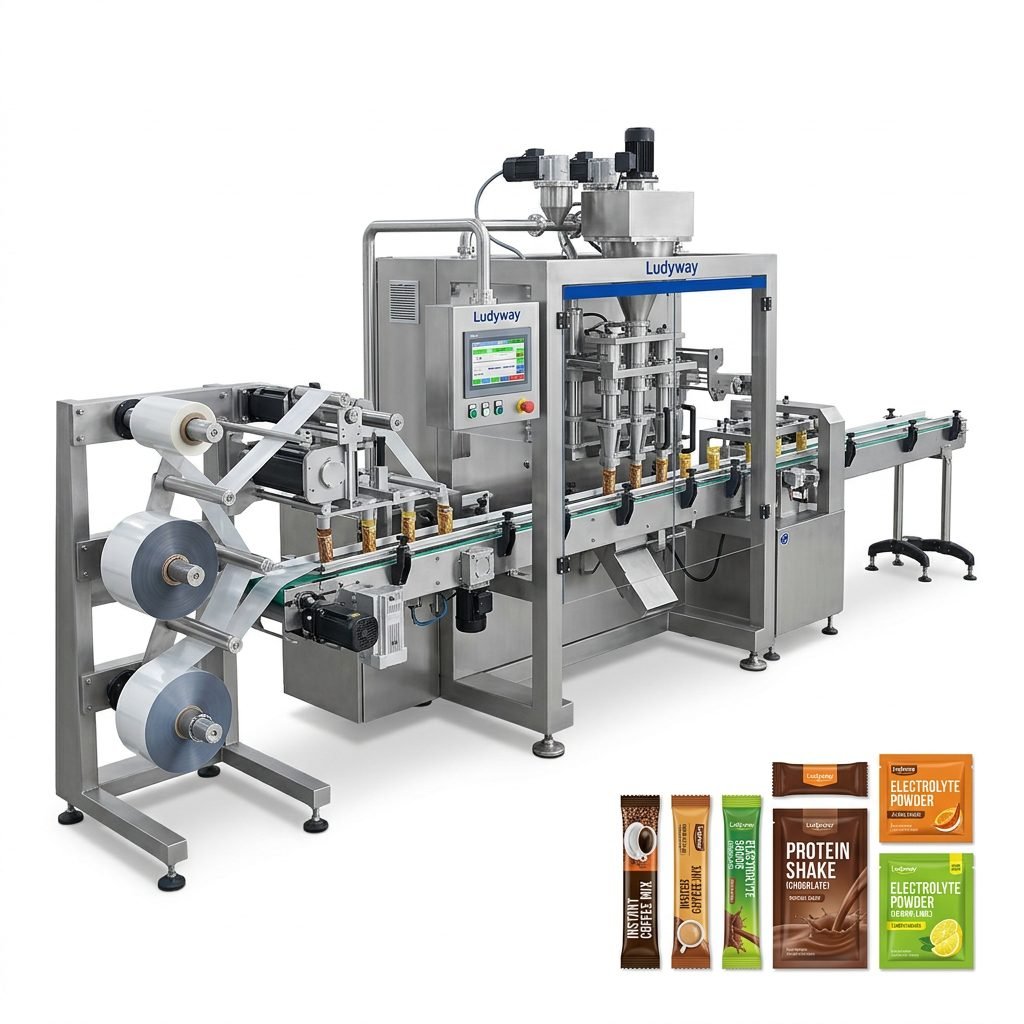
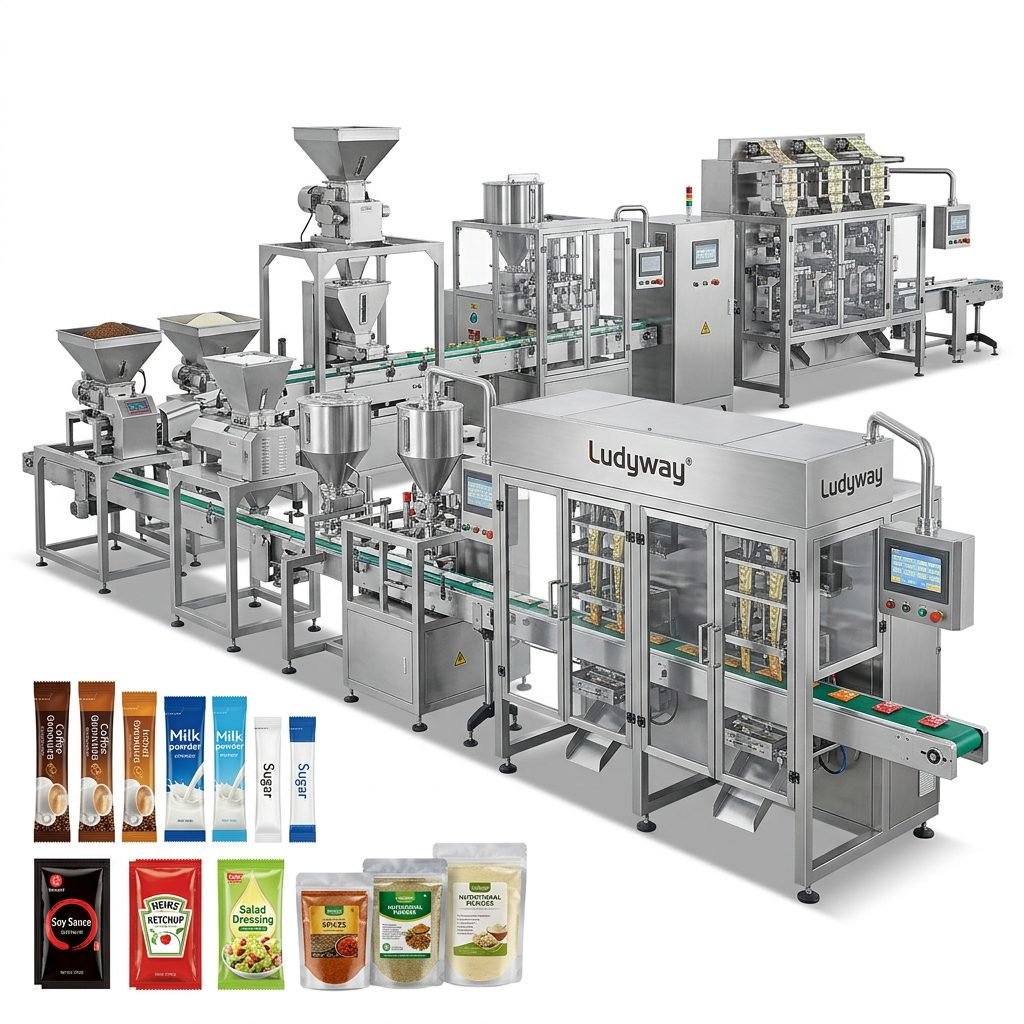
For example, a seasoning or beverage powder producer may move from semi-automatic filling to a fully integrated multi-lane stick pack system with automated feeding, coding, checkweighing, and case packing. The result is often better production visibility, lower labor dependency, and stronger food safety assurance.
Common investment triggers
- New export compliance requirements
- Retailer or private-label audit standards
- Higher complaint rates linked to sealing or coding issues
- Need for allergen segregation and cleaner changeovers
- Growth in single-serve and convenience packaging demand
Industry response from equipment suppliers
Packaging machine manufacturers are responding with more modular, intelligent, and application-focused solutions. Buyers increasingly want systems tailored to product type, packaging format, hygiene requirement, and output target rather than generic machines.
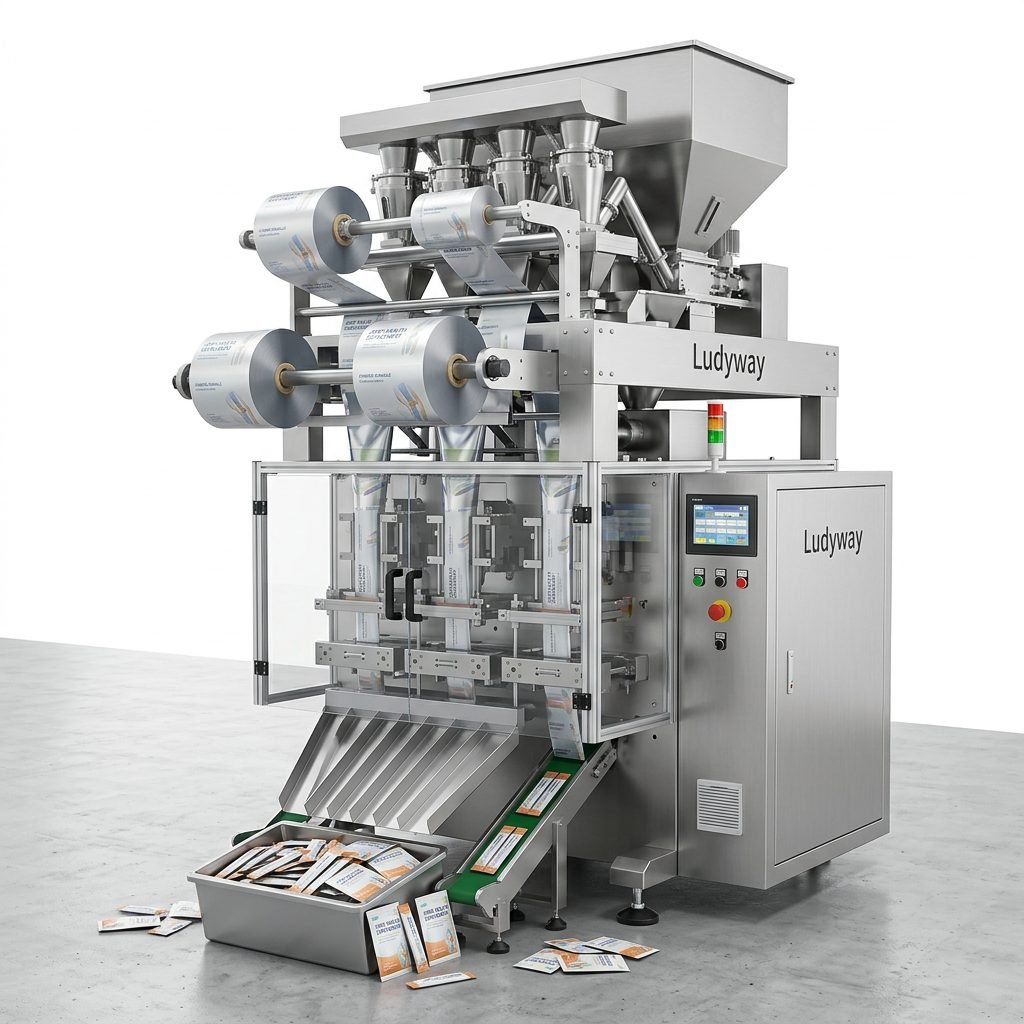
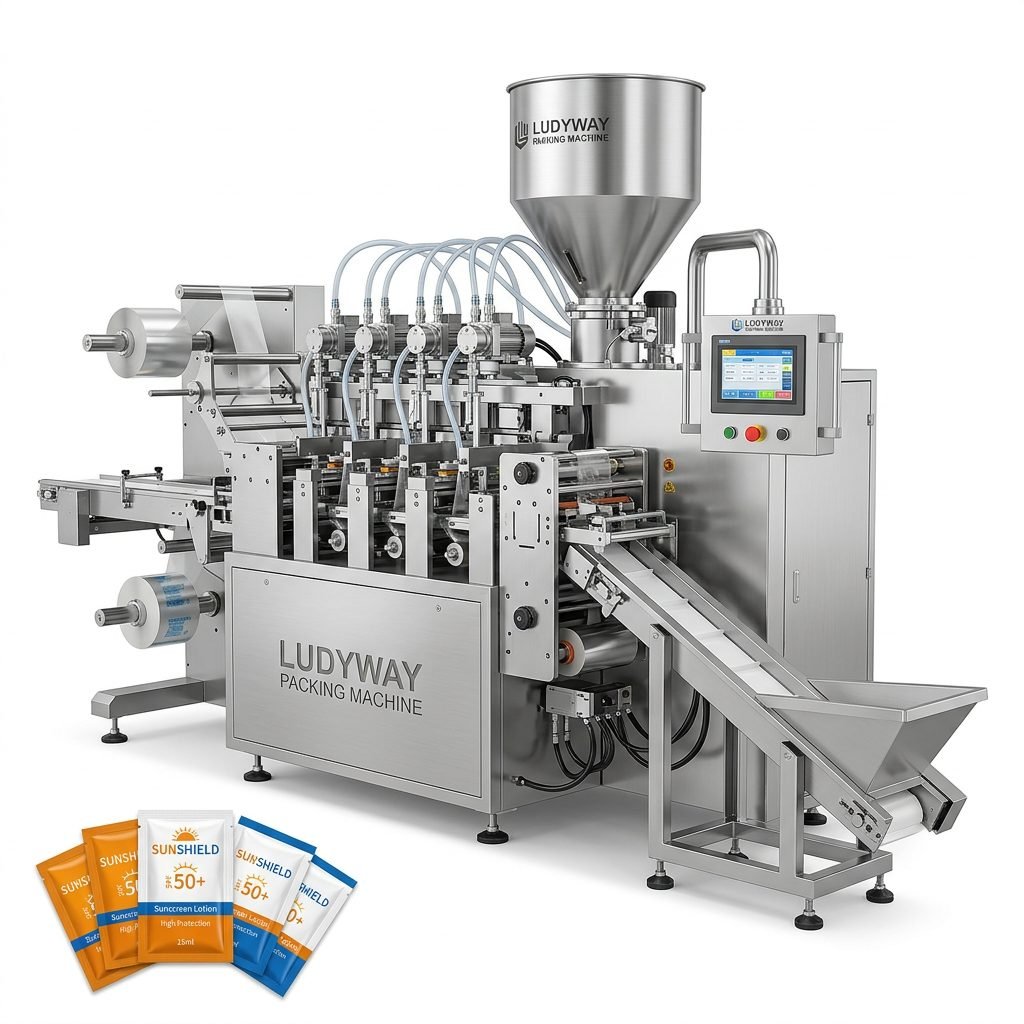
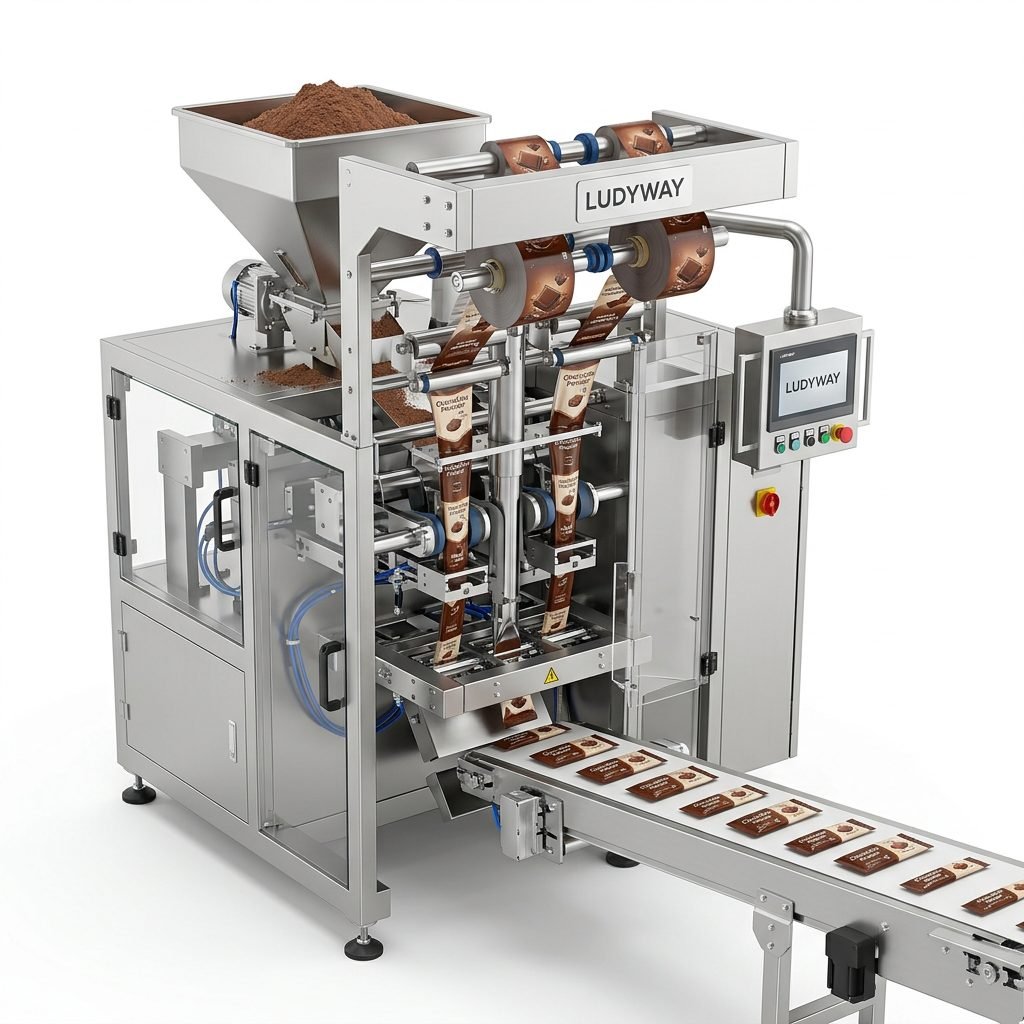
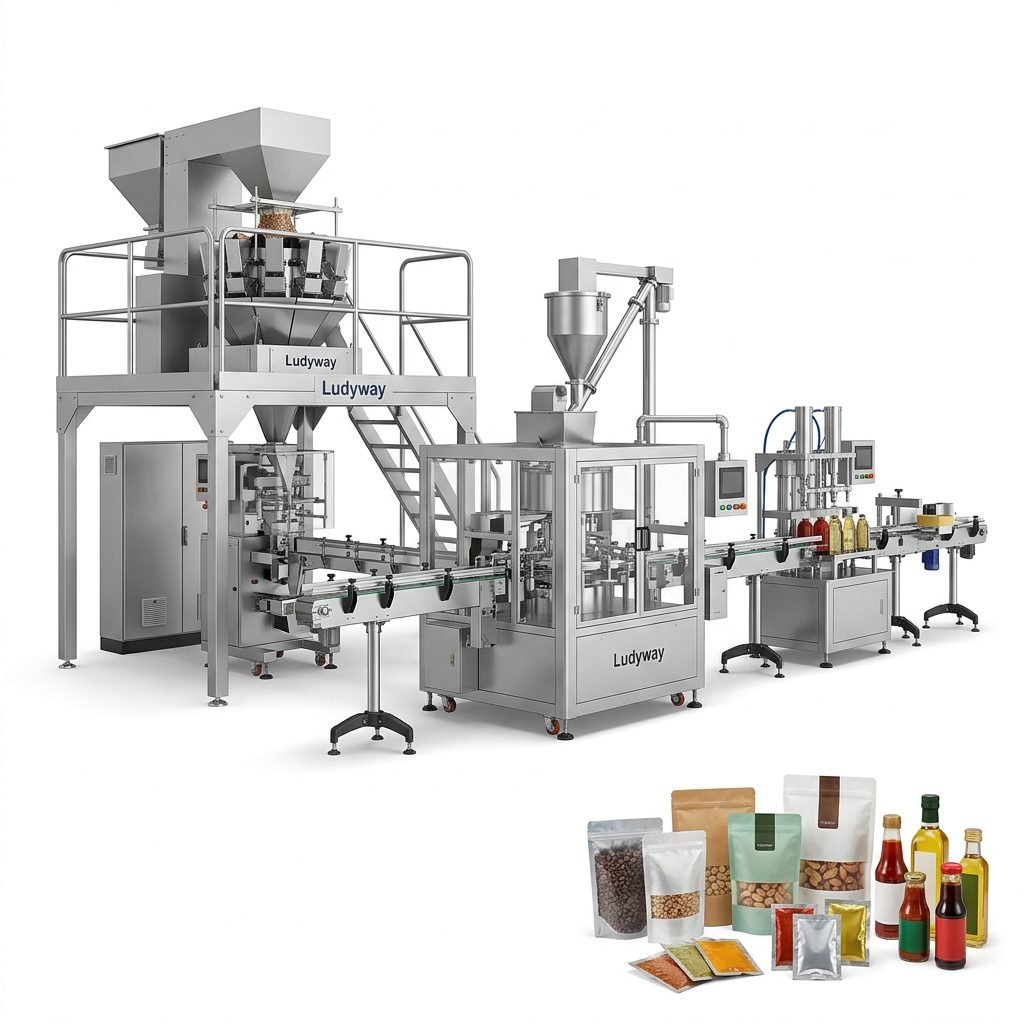
Companies such as Ludyway packaging machine manufacturer are seeing growing interest in turnkey packaging lines that support food producers with automated filling, sealing, coding, and integrated downstream handling. Demand is particularly strong for solutions that can package powders, granules, liquids, and pouch-based products with stable performance and scalable output.
| Upgrade Area | Business Benefit | Compliance Impact |
|---|---|---|
| Automated filling | Higher efficiency, lower labor dependence | More consistent dose control |
| Integrated coding | Fewer labeling errors | Stronger traceability and recall readiness |
| Inspection systems | Reduced waste and complaints | Improved defect detection and control |
| Turnkey line integration | Smoother line coordination | Better end-to-end process consistency |
What this means for food brands in 2026 and beyond
Food safety regulation is expected to remain a major driver of packaging investment. Manufacturers that treat packaging as part of their preventive quality strategy will be better positioned to respond to audits, enter new markets, and protect brand reputation. Those relying on outdated or fragmented systems may face rising operational risk as enforcement tightens.
The broader industry trend is clear: packaging upgrades are shifting from optional modernization to necessary compliance infrastructure. In a market where safety, transparency, and reliability matter more than ever, the packaging line is becoming one of the most strategic assets in food production.