Sustainability is no longer a niche conversation in packaging. Across food, pharmaceutical, cosmetic, and daily-use sectors, green design is becoming a core business strategy rather than a branding add-on. From recyclable structures and mono-material pouches to lighter packs and energy-efficient production, the packaging industry is moving quickly toward solutions that balance performance, compliance, and environmental responsibility.
This shift is being driven by several forces at once: consumer demand for responsible packaging, stricter environmental regulations, retailer sustainability targets, and the need for manufacturers to reduce material waste and operating costs. As a result, packaging design teams are now collaborating more closely with equipment suppliers, material developers, and production managers than ever before.
Why green packaging design is accelerating now
For many brands, packaging used to be judged mainly on shelf appeal, protection, and cost. Today, the decision matrix is broader. Companies are asking whether a package can be recycled, whether it uses less plastic, whether it lowers transport emissions, and whether existing machinery can run it efficiently at scale.
- Regulatory pressure: Extended producer responsibility programs and packaging waste rules are reshaping packaging choices.
- Consumer awareness: Buyers increasingly prefer brands that show measurable sustainability action.
- Retailer requirements: Large distribution channels are demanding packaging improvements from suppliers.
- Operational efficiency: Lightweight and optimized packaging can reduce material use and shipping costs.
What green design means in practical terms
Green design in packaging is not limited to using biodegradable materials. In real industrial settings, it usually means improving the full lifecycle of the pack: material selection, structure simplification, transport efficiency, line compatibility, product protection, and end-of-life recovery.
| Green Design Focus | Industry Application | Expected Benefit |
|---|---|---|
| Material reduction | Thinner films, lightweight pouches, smaller secondary packaging | Lower raw material use and freight cost |
| Recyclable structures | Mono-material sachets, recyclable bottles, simplified laminates | Improved recyclability and compliance |
| Production efficiency | Reduced waste, accurate dosing, stable sealing performance | Less scrap and better line efficiency |
| Energy optimization | Smarter automation, lower power consumption, optimized heat control | Reduced operating footprint |
Packaging machinery is now part of the sustainability conversation
A green package design only works if it can run consistently on the production line. That is why machinery selection has become an important part of sustainable packaging planning. Flexible materials, recyclable films, thinner laminates, and precise filling formats often require better machine control, sealing stability, and dosing accuracy.
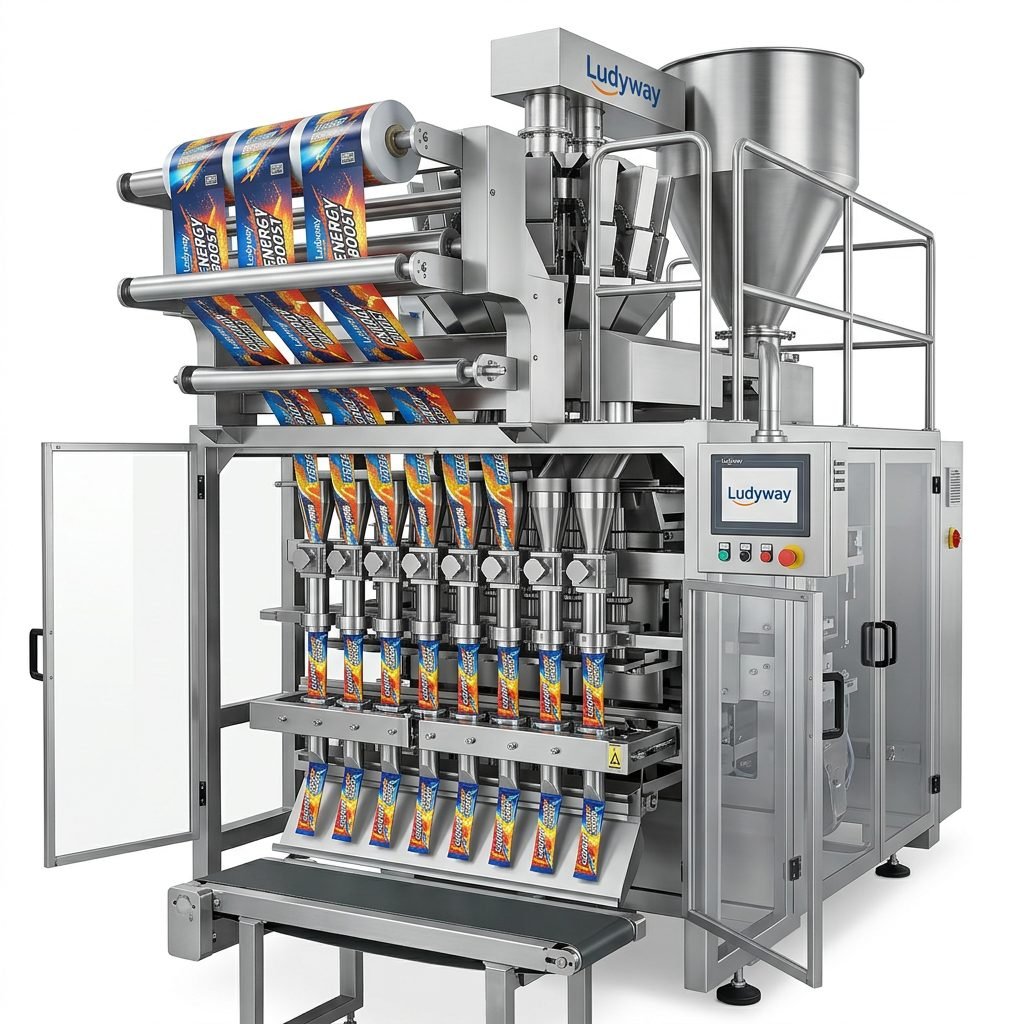
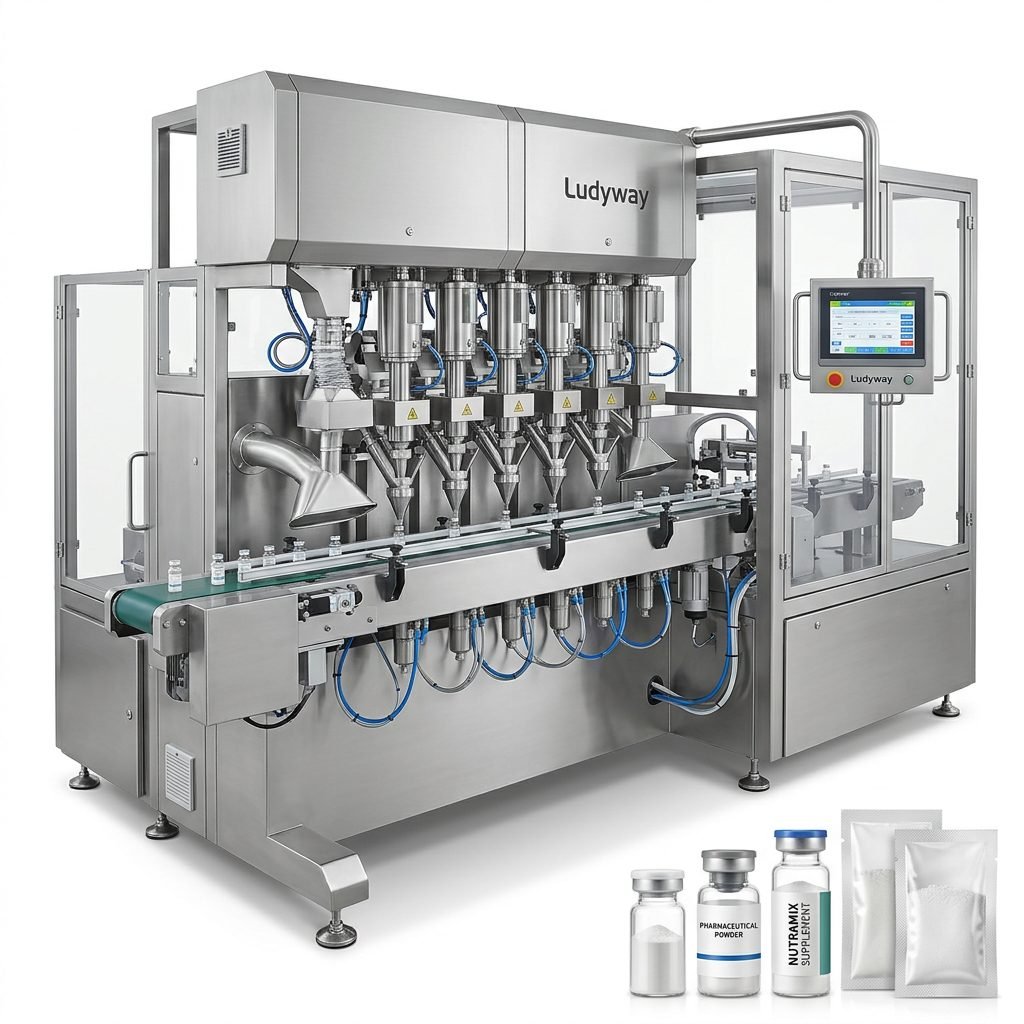
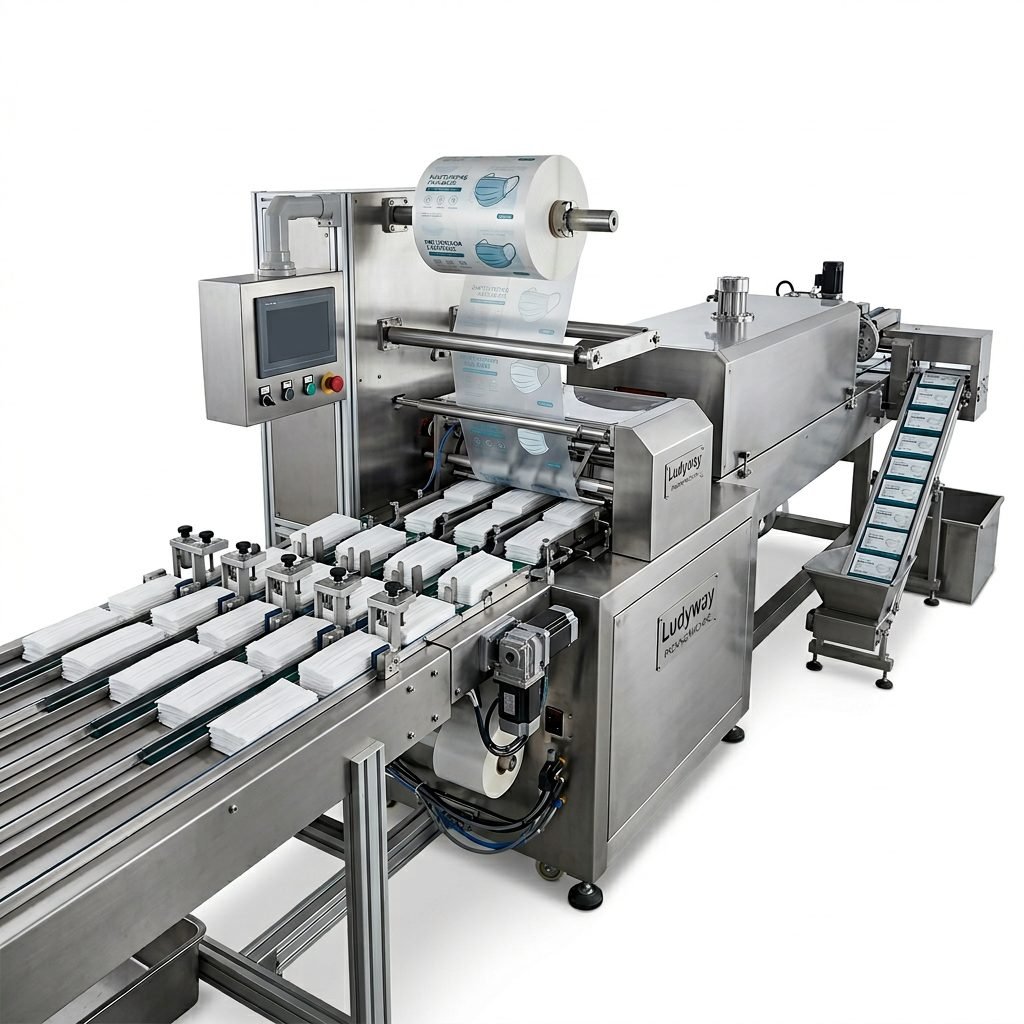
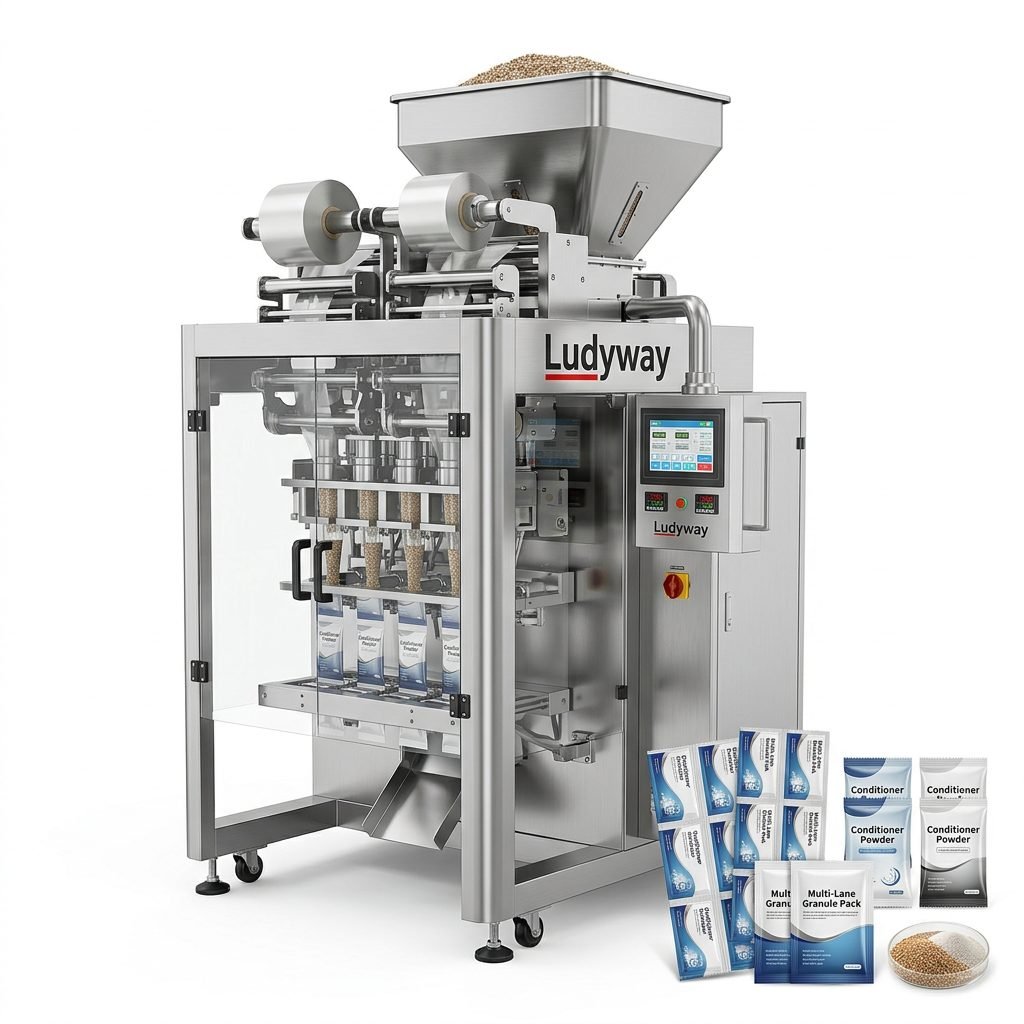
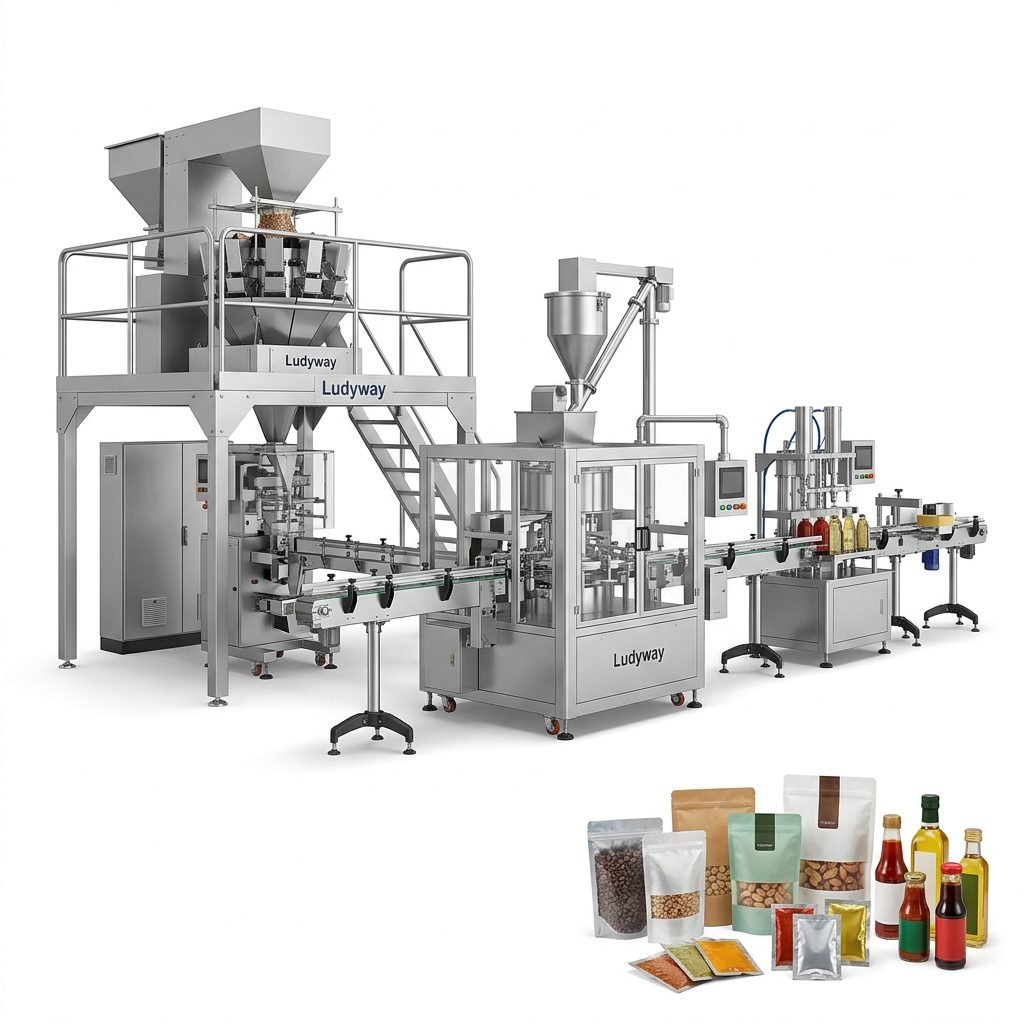
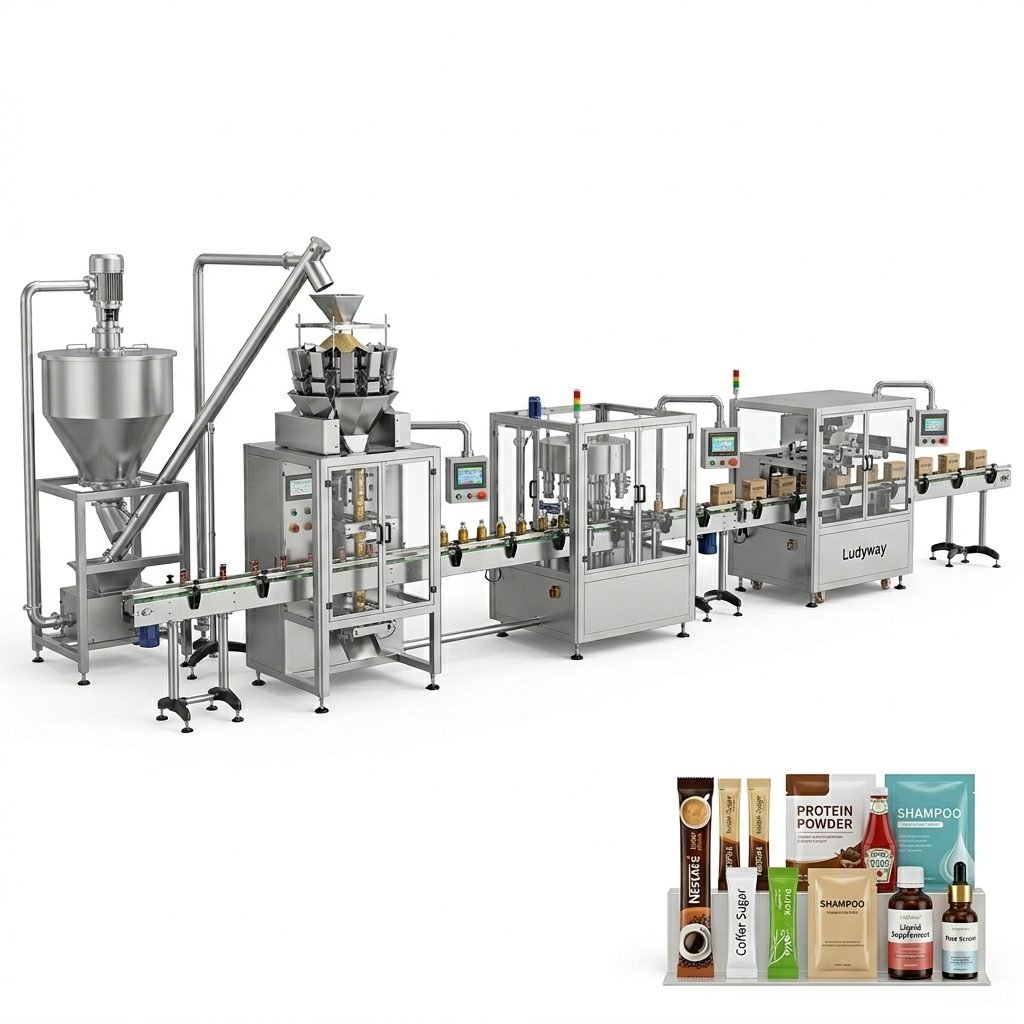
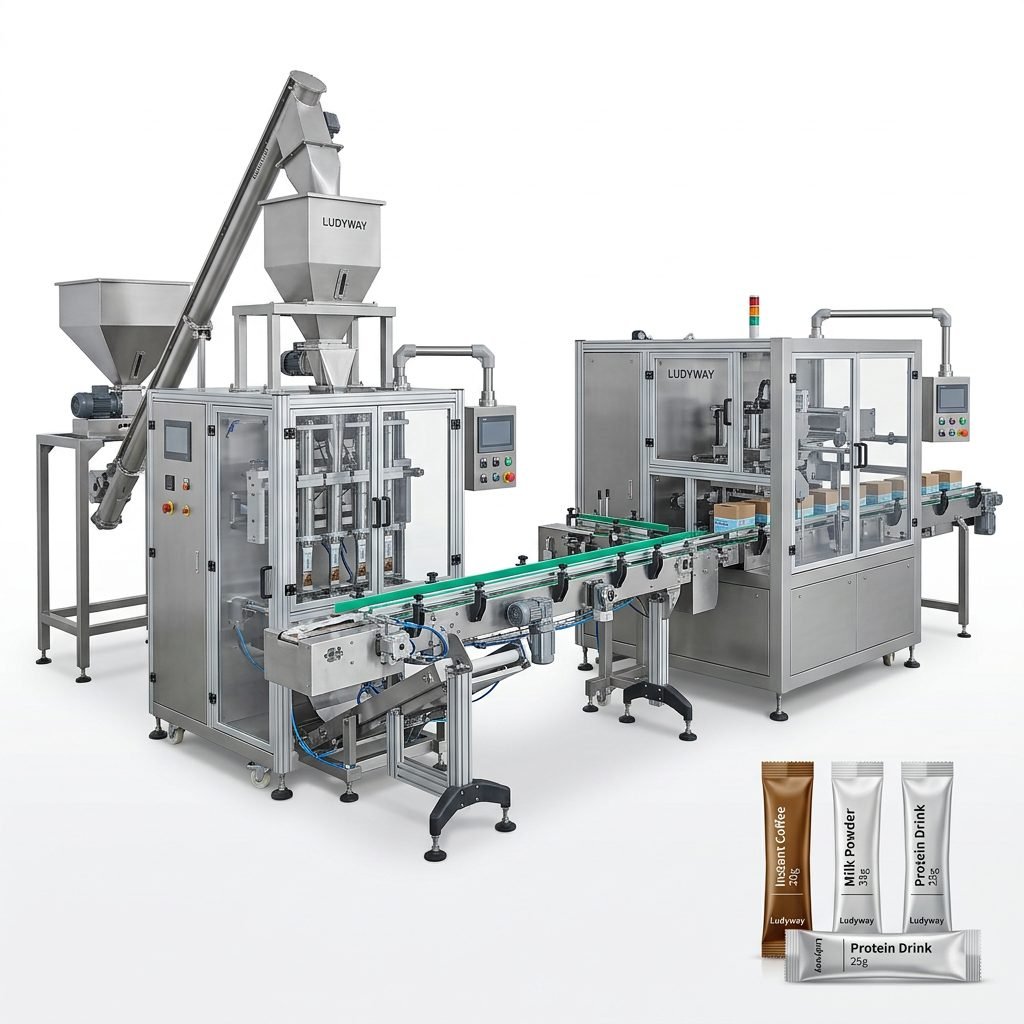
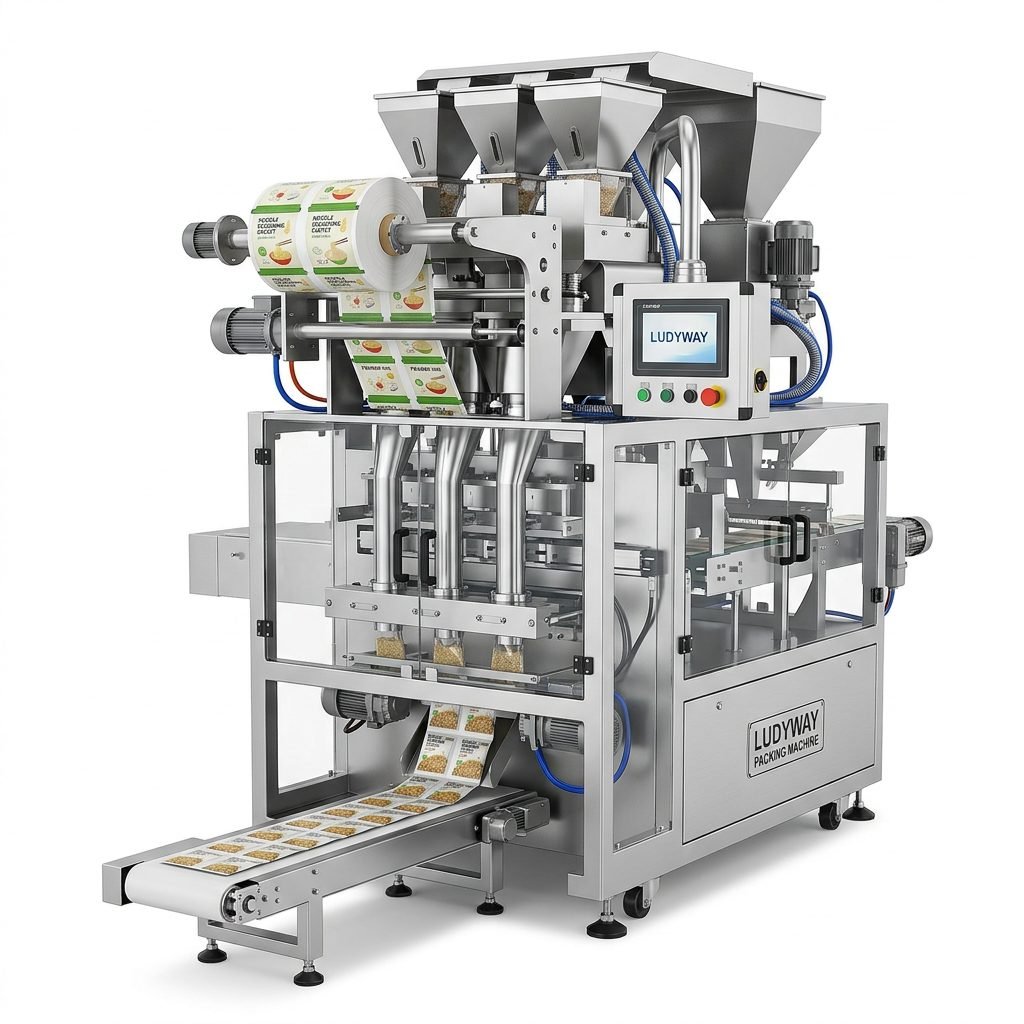
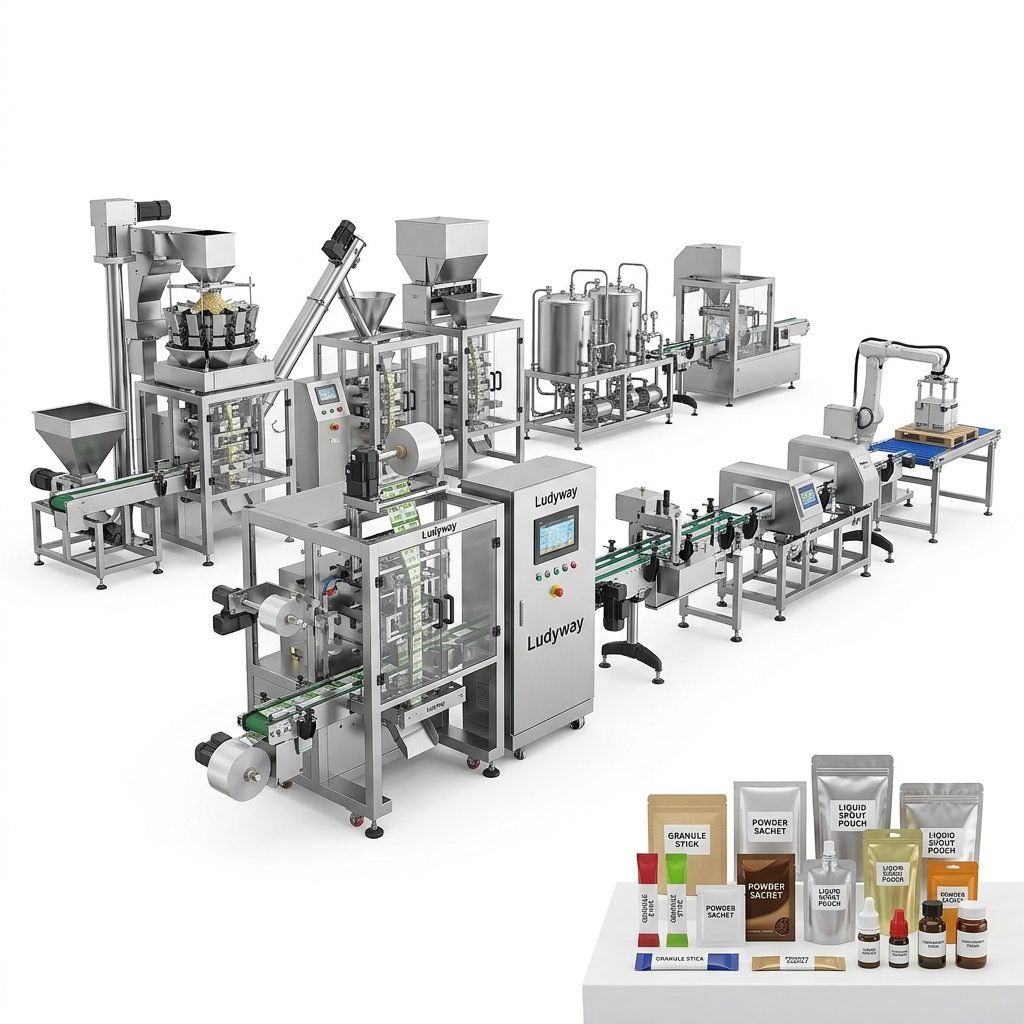
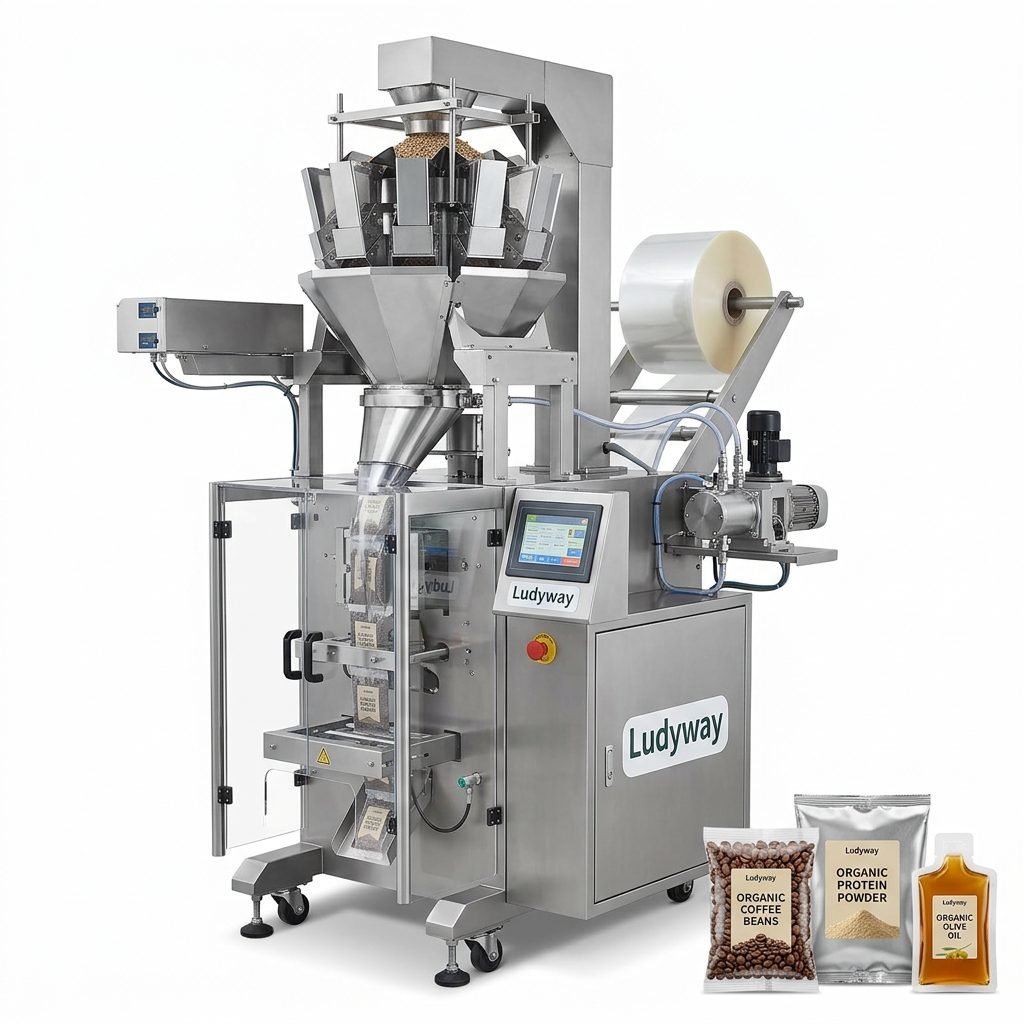
Manufacturers are increasingly looking for equipment partners that can support both productivity and sustainability goals. Companies such as Ludyway packaging machine solutions are gaining attention in this area because buyers want systems that can handle a wide range of product types while helping reduce waste, improve automation, and support scalable packaging line upgrades.
Key machine-related factors influencing green design
- Accurate filling to minimize product loss
- Stable sealing for thinner or recyclable materials
- Intelligent controls for reduced downtime
- Flexible formats that avoid unnecessary packaging complexity
- Integrated turnkey lines that streamline material flow
Major sectors leading the transition
The move toward green design is happening across many sectors, but several industries are especially active:
Food and beverage
Food brands are focusing on lightweight packs, recyclable flexible packaging, and efficient portion formats. The challenge is to preserve freshness and barrier performance while reducing environmental impact.
Pharmaceutical and health supplements
In these industries, safety and regulatory compliance remain top priorities. Green design efforts are often centered on reducing over-packaging, improving carton efficiency, and optimizing material use without compromising product protection.
Cosmetics and personal care
This segment is seeing strong demand for refill options, simplified material combinations, and premium-looking sustainable packaging. Brands want a cleaner footprint without losing visual appeal.
Challenges companies still face
Although the direction is clear, the transition is not without complexity. Sustainable packaging materials can behave differently during forming, filling, and sealing. Some greener structures may raise short-term costs or require machine adaptation. In many cases, the success of green design depends on how well the material, package format, and production line work together.
- Balancing sustainability with barrier performance
- Maintaining high line speed with newer materials
- Controlling total cost during transition periods
- Meeting market-specific recycling and labeling rules
- Educating consumers about proper disposal and recycling
What the next phase of green design looks like
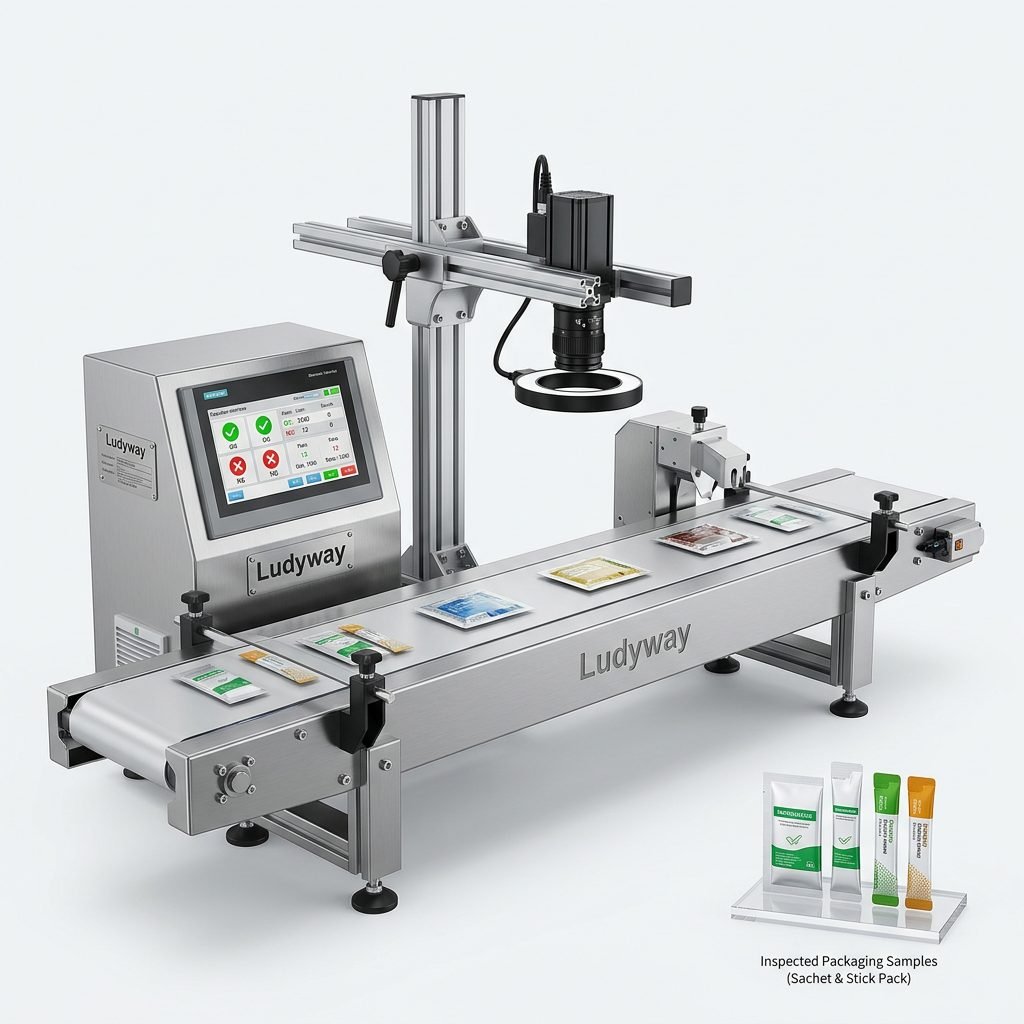
The next stage will likely move beyond simple material substitution. More packaging companies are expected to adopt design-for-recycling principles, life-cycle analysis, digital quality monitoring, and automation systems that support lower waste from the start of production to final shipment. Smart factories, data-driven maintenance, and integrated packaging lines will play an increasingly important role.
| Trend | Market Impact |
|---|---|
| Mono-material flexible packaging | More recyclable packaging structures across consumer goods |
| Automation-led waste reduction | Higher efficiency and lower scrap rates in production |
| Turnkey line integration | Smoother material flow and stronger sustainability control |
| Consumer-facing sustainability claims | Greater brand differentiation and purchasing influence |
Industry outlook
Green design is no longer an emerging idea—it is rapidly becoming the standard expectation in modern packaging. Companies that align design, materials, and machinery will be better positioned to meet regulatory demands, satisfy sustainability-conscious buyers, and improve long-term production efficiency. In the years ahead, the packaging industry’s competitive edge will increasingly depend on how effectively businesses turn environmental goals into practical, scalable packaging solutions.