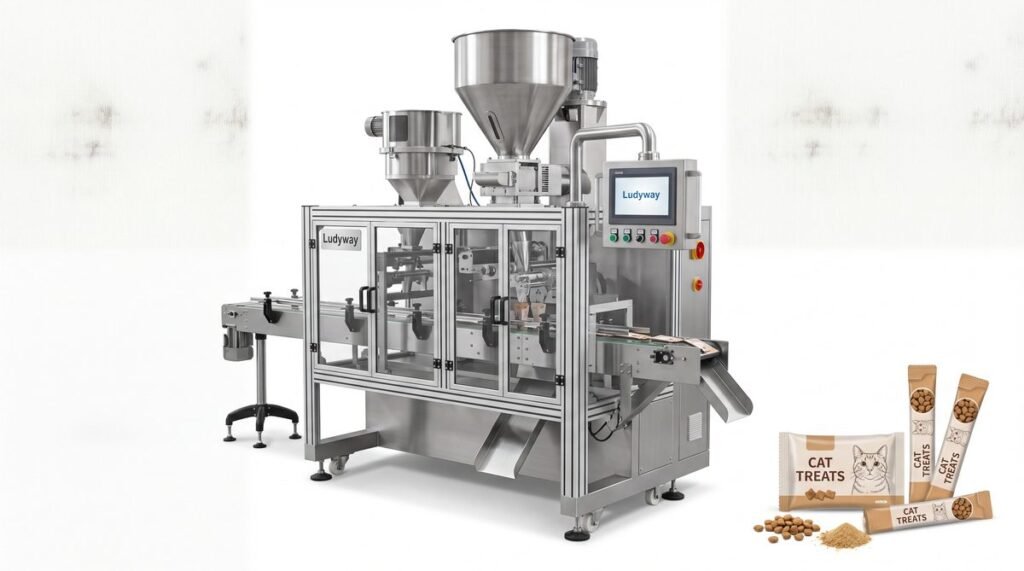
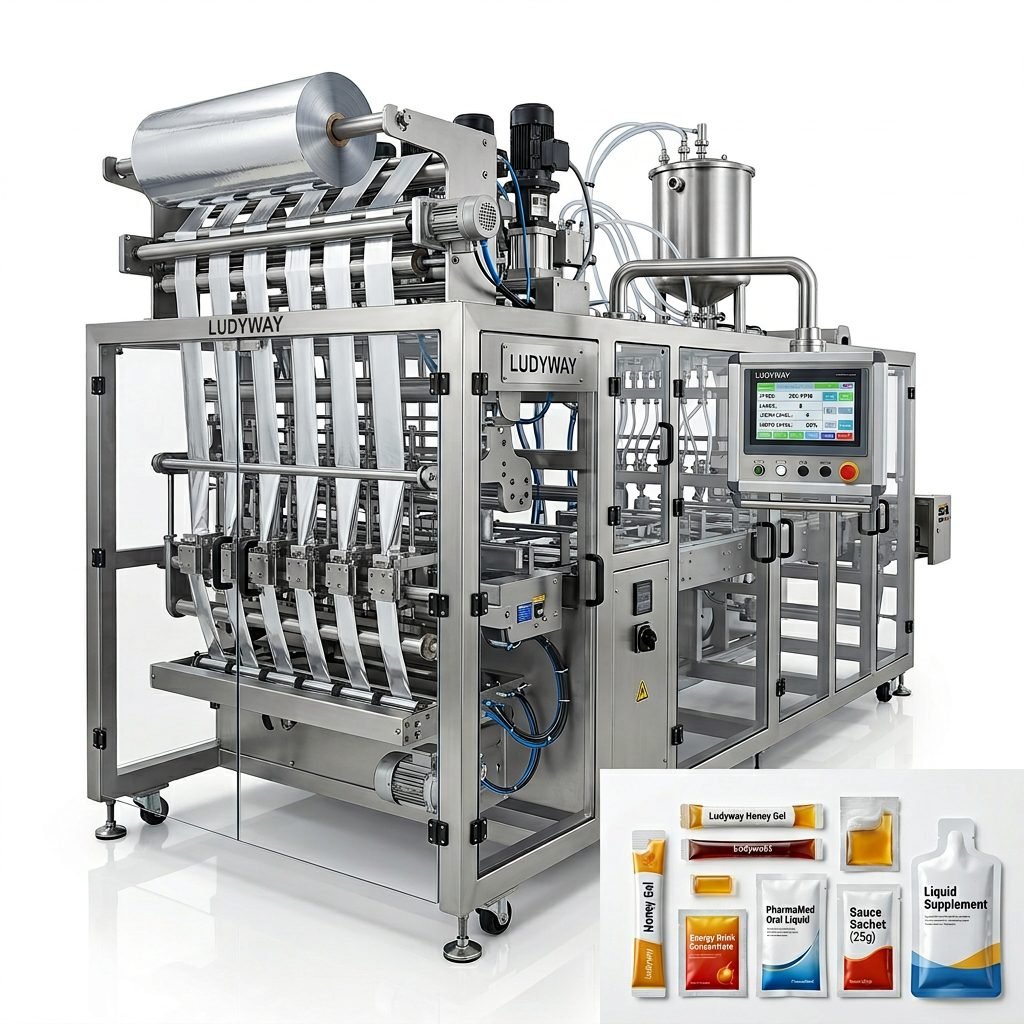
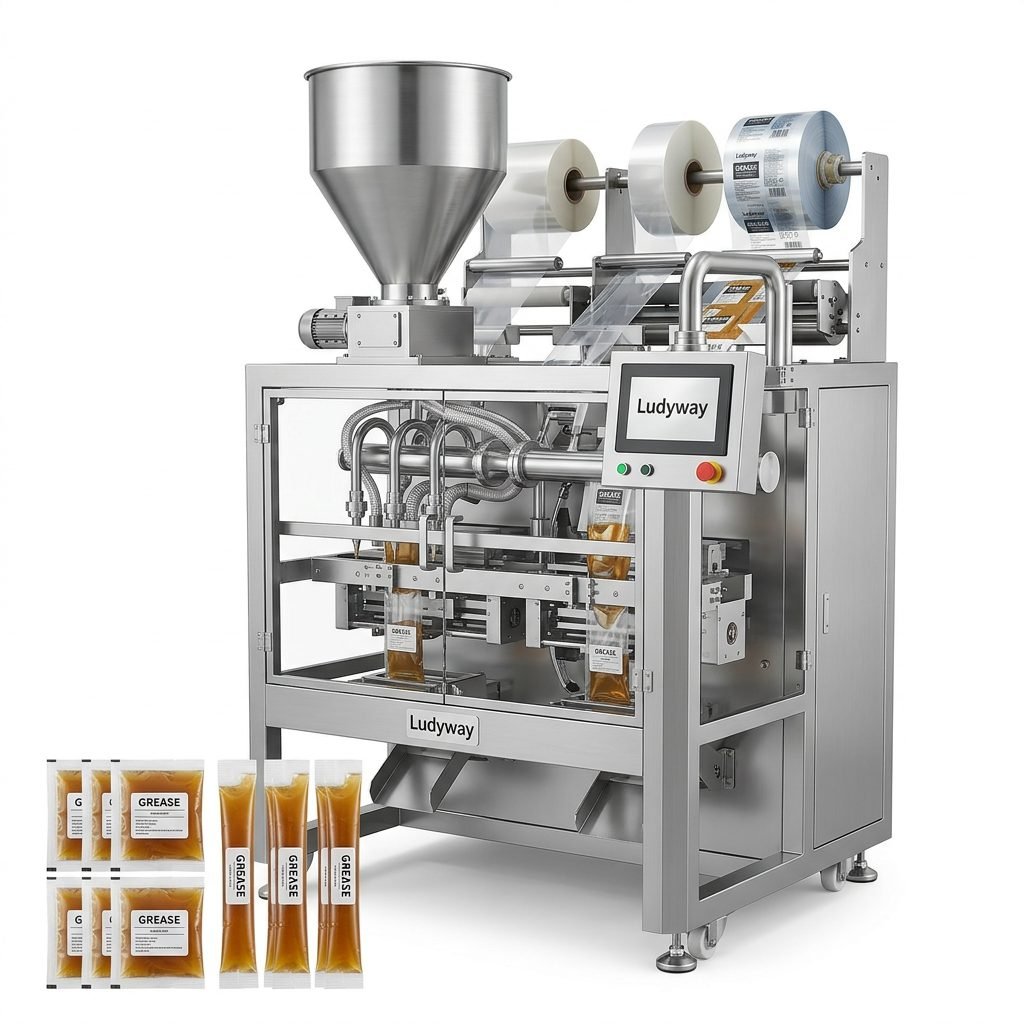
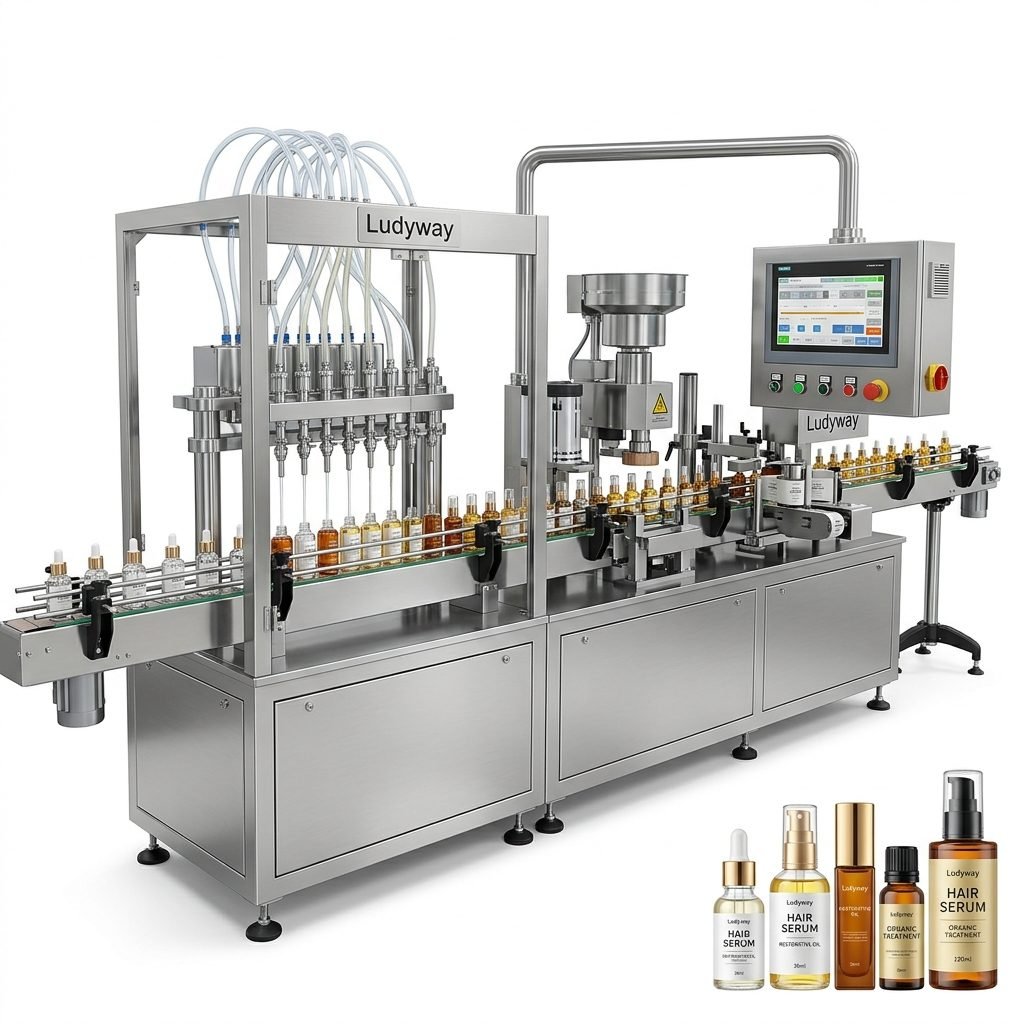
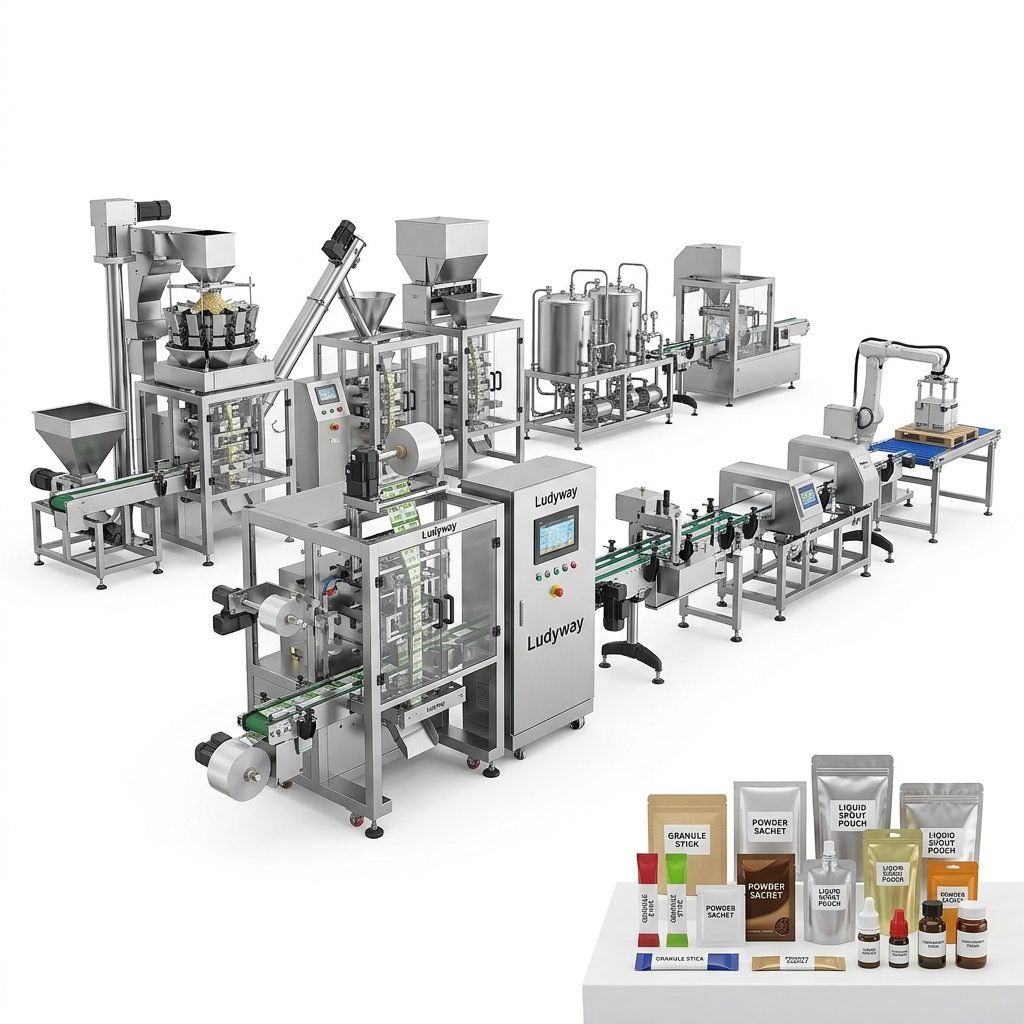
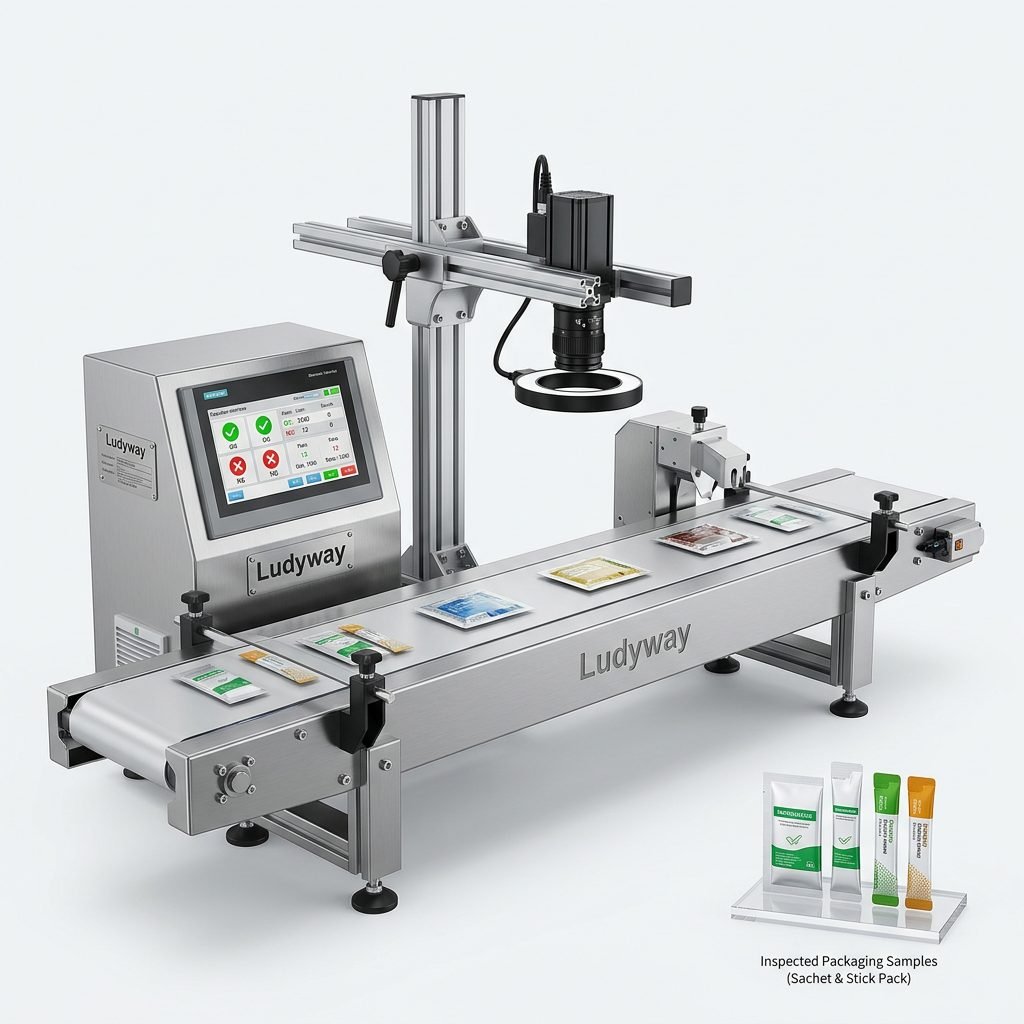
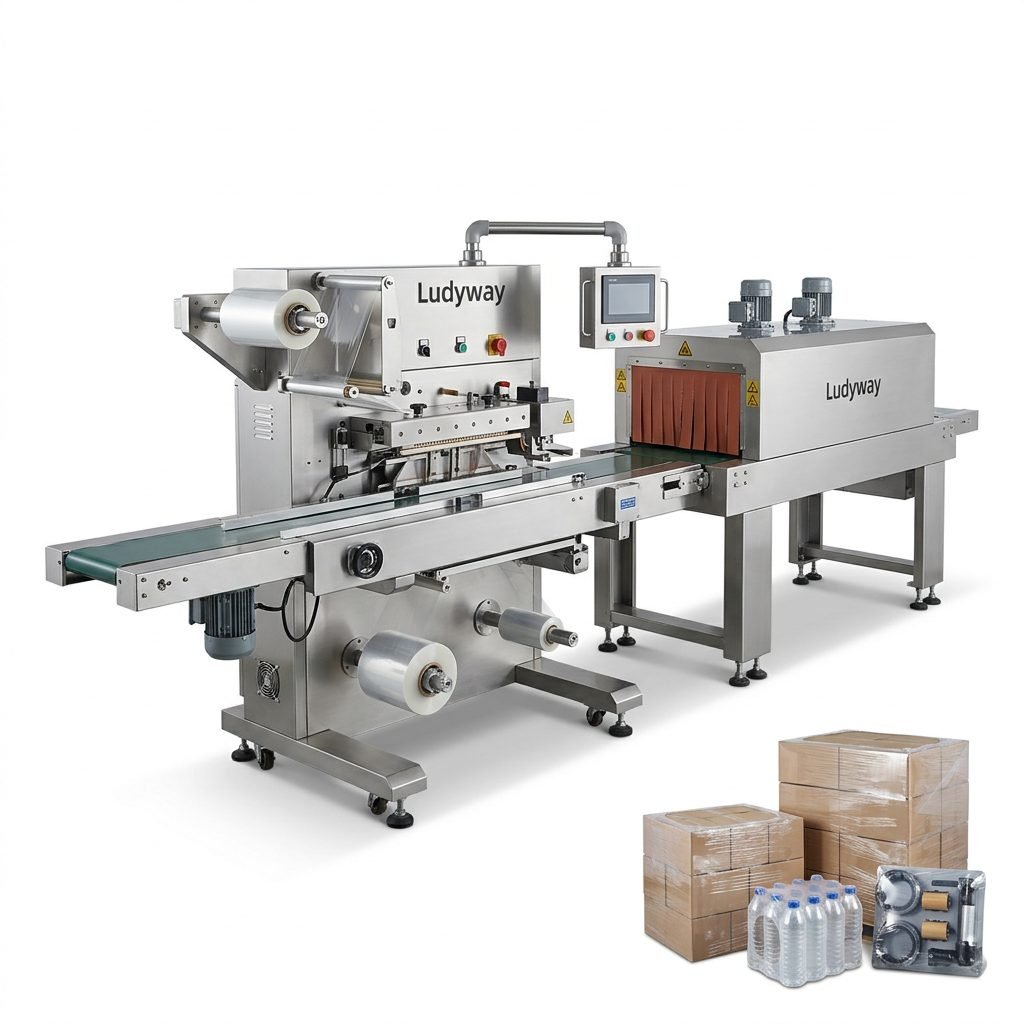
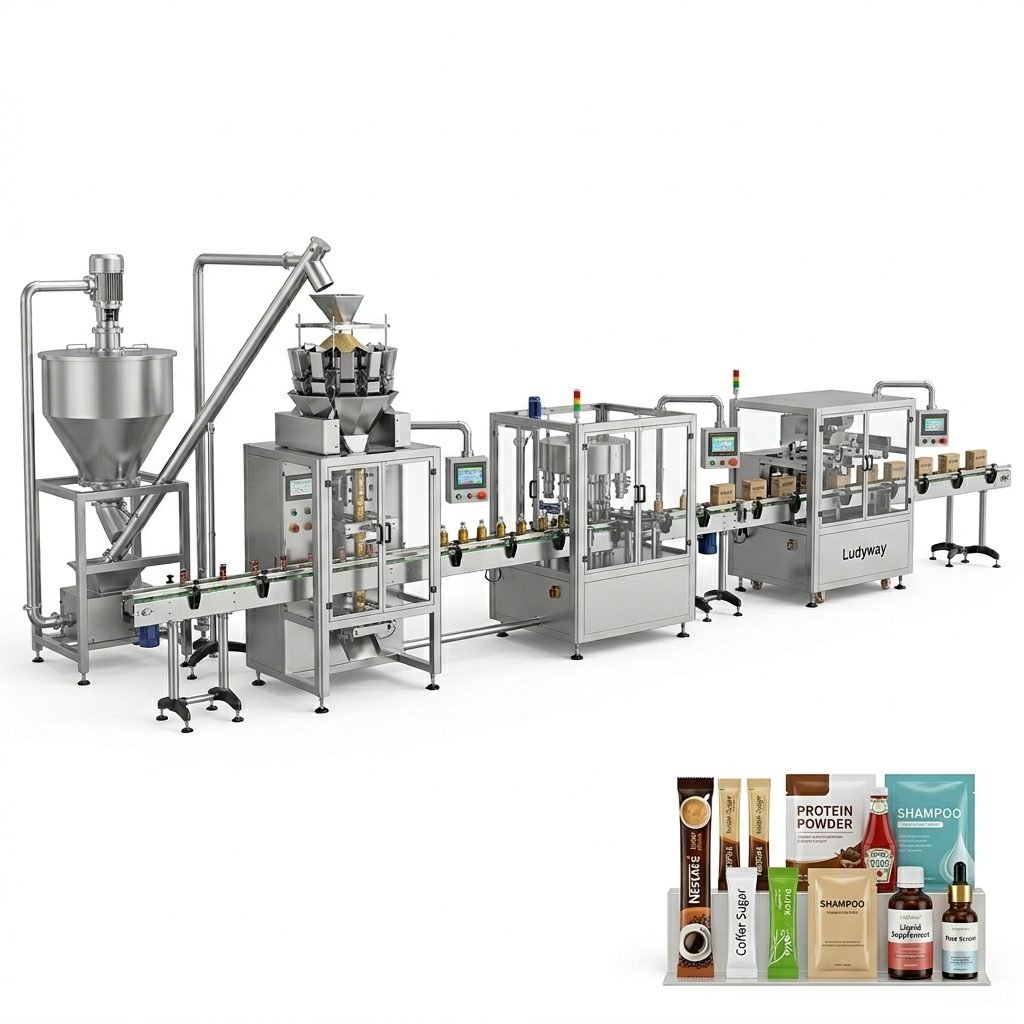
In the modern industrial landscape, manufacturing operations are no longer confined to climate-controlled factories. From the sub-zero processing facilities of the frozen food industry to the scorching environments of chemical plants and desert-based manufacturing zones, packaging machinery is constantly pushed to its physical limits. Standard equipment often fails under these intense thermal stresses, leading to frequent downtime, compromised seal integrity, and soaring maintenance costs. To break through these market barriers, pioneering engineering has paved the way for next-generation special-environment packaging machinery designed to remain completely unstoppable under extreme cold and high heat.
Breaking the Thermal Limits: Engineering for Extreme Cold
Operating in sub-zero environments—such as quick-freeze facilities or high-altitude processing plants—presents unique challenges for automated packaging. At temperatures dropping below freezing, standard metals become brittle, conventional lubricants solidify, and pneumatic seals lose their elasticity, causing critical system failures. To combat these issues, advanced packaging systems utilize specialized alloys and low-temperature lubricants that maintain low friction even in deep-freeze conditions.
Furthermore, condensation is a major threat when machinery transitions between cold zones and ambient temperatures. Moisture buildup can ruin sensitive electronic components and cause short circuits. State-of-the-art machinery prevents this by incorporating IP69K-rated moisture-resistant control cabinets, heated electrical enclosures, and specialized drainage systems that protect internal circuitry, ensuring continuous operation without unexpected interruptions.
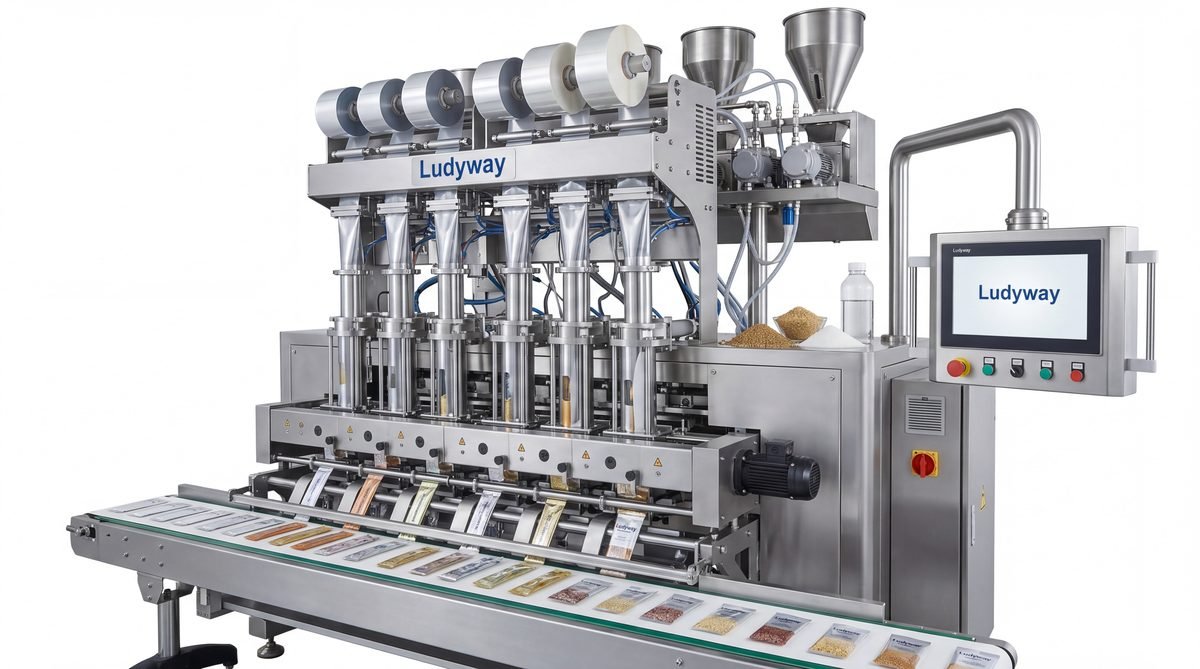
Conquering High-Heat and Hot-Filling Demands
At the other end of the spectrum, high-heat environments demand equal engineering resilience. Industries such as chemical processing, hot-fill food production, and petrochemical packaging require systems that can withstand both ambient heat and the extreme temperatures of the products being filled. In these setups, standard sealing bars can overheat, leading to inconsistent seal strength or melted packaging films.
Special-environment packaging machinery integrates water-cooling loops and precise PID temperature controllers to manage heat dissipation. Motors are upgraded with high-grade insulation classes (Class H or higher) to prevent thermal overload. Additionally, specialized heat shields and thermal barriers isolate the sensitive electronics from hot-filling nozzles and sealing mechanisms, preserving the operational lifespan of the entire system.
Key Technical Features of Resilient Packaging Machinery
To successfully navigate these harsh industrial climates, machinery must incorporate target-specific technologies. High-performance systems typically feature:
-
■
Thermal Decoupling Designs: Isolating drive systems and pneumatic modules from direct contact with extreme heat or cold sources. -
■
Adaptive Sealing Systems: Utilizing customized sealing jaws designed to maintain constant pressure and temperature, regardless of external ambient spikes. -
■
Corrosion-Resistant Materials: Implementing SUS316L stainless steel and food-grade plastics optimized for chemical stability and thermal resilience. -
■
Smart Temperature Compensation: Real-time sensor networks that automatically adjust mechanical parameters when temperature fluctuations occur.
Overcoming Global Market Barriers
For manufacturers looking to export to regions with diverse climates—ranging from the freezing winters of Northern Europe to the intense summer heat of the Middle East—supplying adaptable machinery is key to breaking down market barriers. Clients in these regions demand systems that can guarantee high operational efficiency (OEE) without requiring customized environmental chambers.
As one of China’s leading packaging machine and turnkey packaging line manufacturers, Ludyway has spent over three decades developing solutions that directly address these extreme climate challenges. By combining precision engineering, robust material selection, and intelligent automation control, their machinery enables global buyers to establish reliable packaging lines that perform consistently in any localized environment.
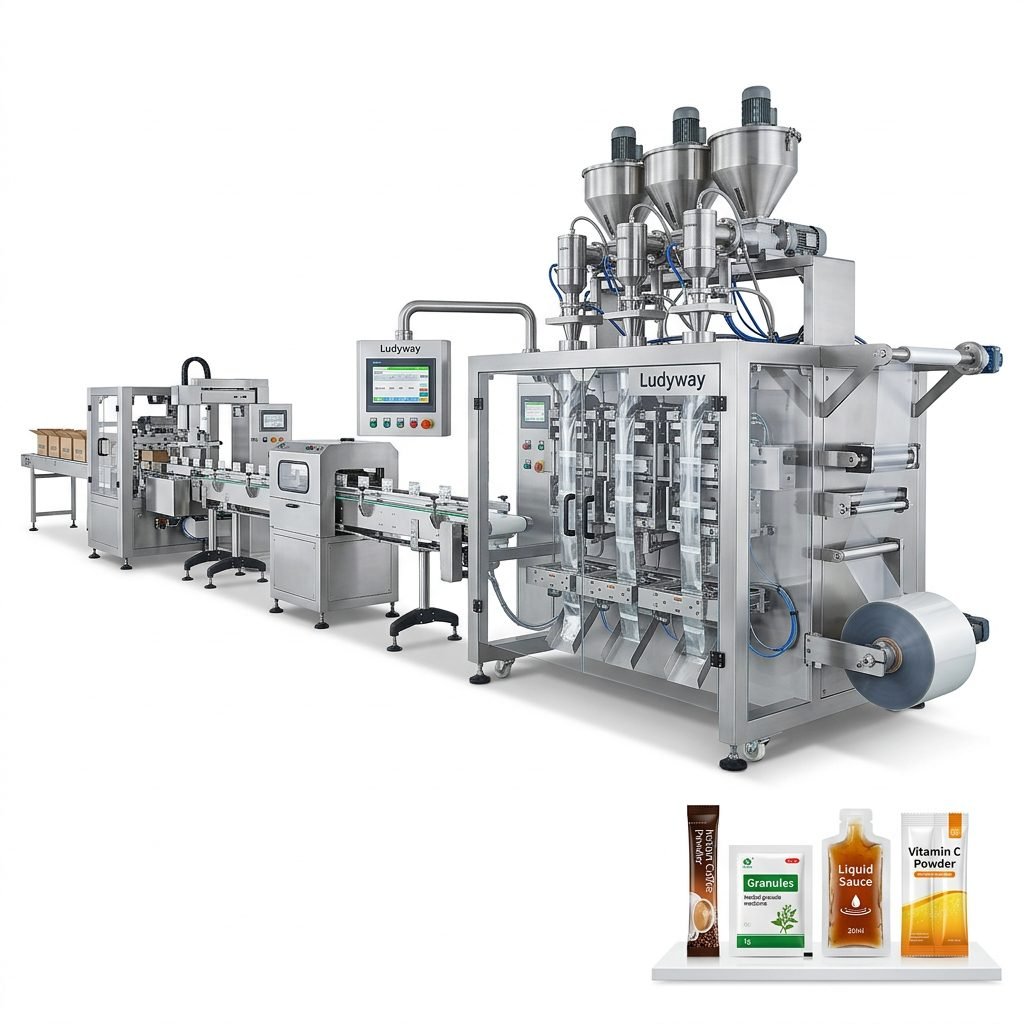
Comparing Standard vs. Special-Environment Machinery
To highlight the practical differences between conventional models and ruggedized systems, the following table outlines how key components are optimized for extreme conditions:
| Machine Component | Standard Configuration | Special-Environment Optimization |
|---|---|---|
| Structural Framework | Standard SUS304 stainless steel | Heavy-duty SUS316L with thermal expansion joints |
| Pneumatic & Seals | Standard nitrile rubber | Fluoropolymer and silicone elastomers rated for -40°C to 150°C |
| Electronic Enclosures | IP54 or IP65 standard ventilation | IP69K double-walled cabinets with integrated climate controllers |
| Lubricants & Bearing Grease | Standard mineral-based grease | Synthetic high-viscosity index lubricants tailored for thermal limits |
Looking Ahead: The Resilient Future of Packaging
As global industries continue to optimize their manufacturing sites, the demand for flexible, climate-proof production systems will keep rising. Packaging lines that adapt automatically to extreme temperature shifts represent the next frontier in manufacturing automation. By investing in robust materials and thermal management technologies, machinery manufacturers are not just solving a localized problem; they are unlocking new pathways for high-speed, reliable production across the globe.