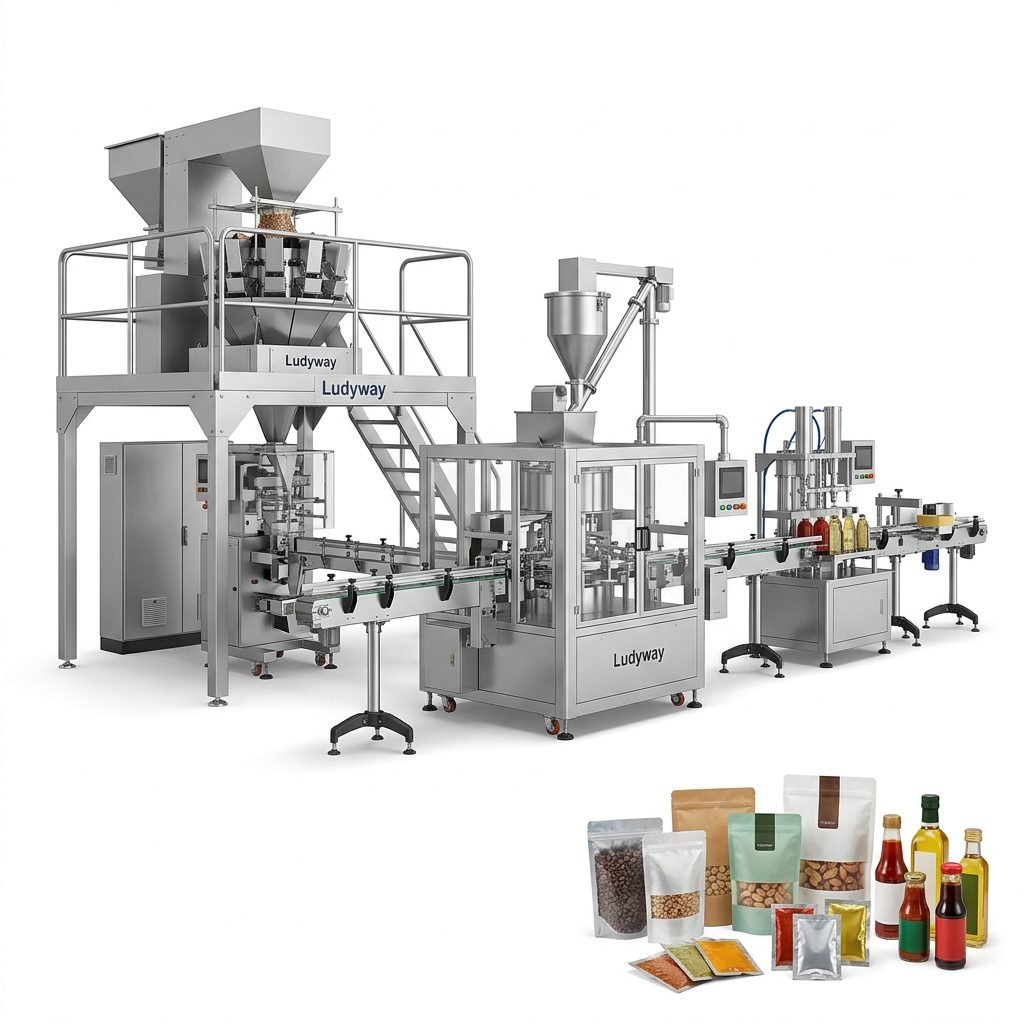
Regionalization is no longer a temporary response to disruption. Across the global packaging industry, it is becoming a structural strategy driven by trade volatility, geopolitical risk, freight uncertainty, and the rising need for faster delivery cycles. Manufacturers, brand owners, and contract packers are now redesigning supply chains around regional production hubs rather than relying on long, highly concentrated sourcing routes.
This shift is influencing equipment investment, packaging material sourcing, automation planning, and factory layout decisions. For packaging companies, the question is no longer whether regionalization matters, but how quickly operations can adapt to a more distributed industrial model.
Why Regionalization Is Accelerating
The packaging sector sits at the intersection of manufacturing, logistics, food safety, pharmaceutical compliance, and consumer demand. As global supply chains face repeated shocks, companies are reducing exposure to single-country sourcing and extending procurement into multiple regional networks.
- Longer lead-time risk for machinery, spare parts, and packaging materials
- Higher transportation costs across ocean and inland freight channels
- Regulatory divergence between export destinations
- Demand for business continuity in food, pharma, and daily-use product packaging
- Pressure for near-market production to support local delivery speed
For many packaging buyers, regionalization is not about abandoning global trade. It is about creating resilient, flexible supply structures that can continue operating when one corridor, market, or supplier base becomes unstable.
What This Means for Packaging Equipment Demand
As production footprints become more regional, packaging equipment requirements are changing. Companies are increasingly prioritizing machines that are easy to deploy, modular to scale, and adaptable across multiple product types. This is especially important in food, pharmaceutical, nutraceutical, cosmetic, and chemical segments where product variety is expanding while market-specific compliance requirements are tightening.
Instead of building a single massive production center, many manufacturers are investing in several medium-scale packaging operations closer to end markets. That trend increases interest in:
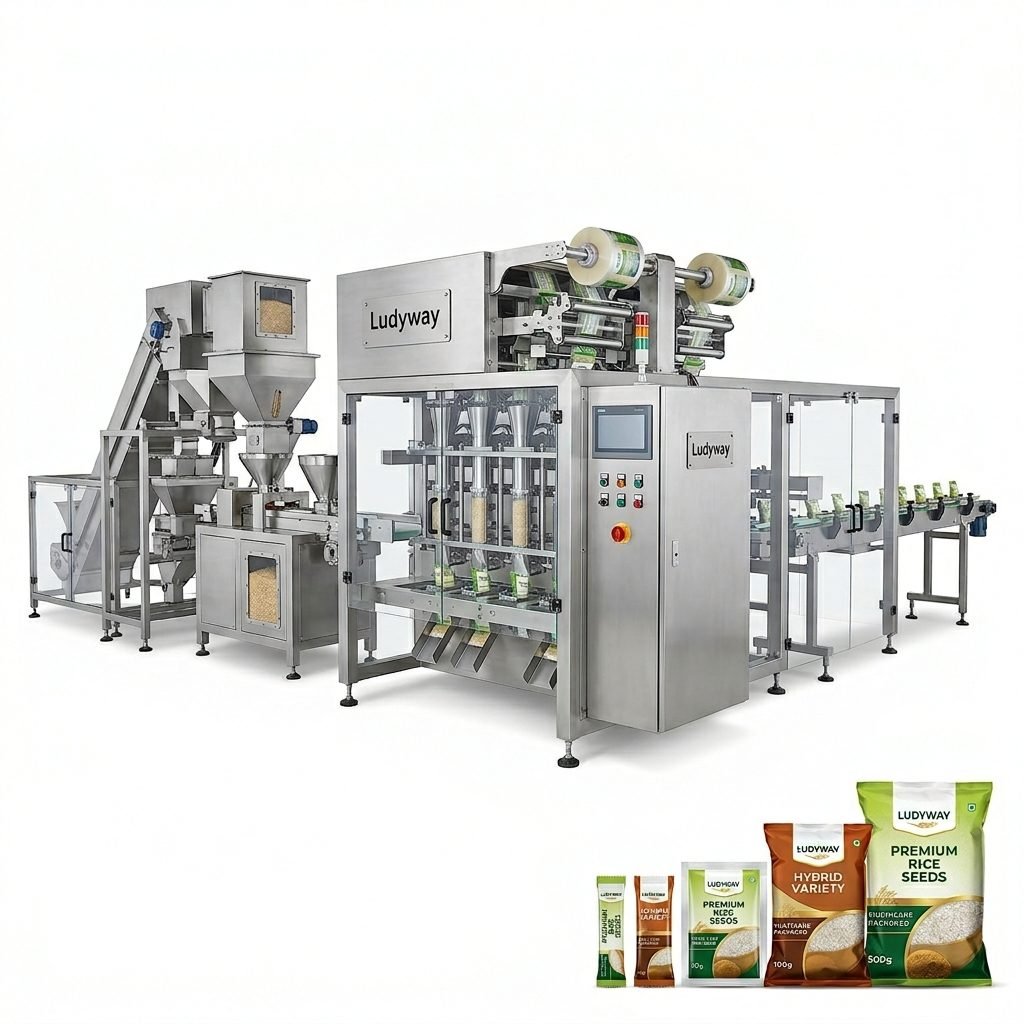
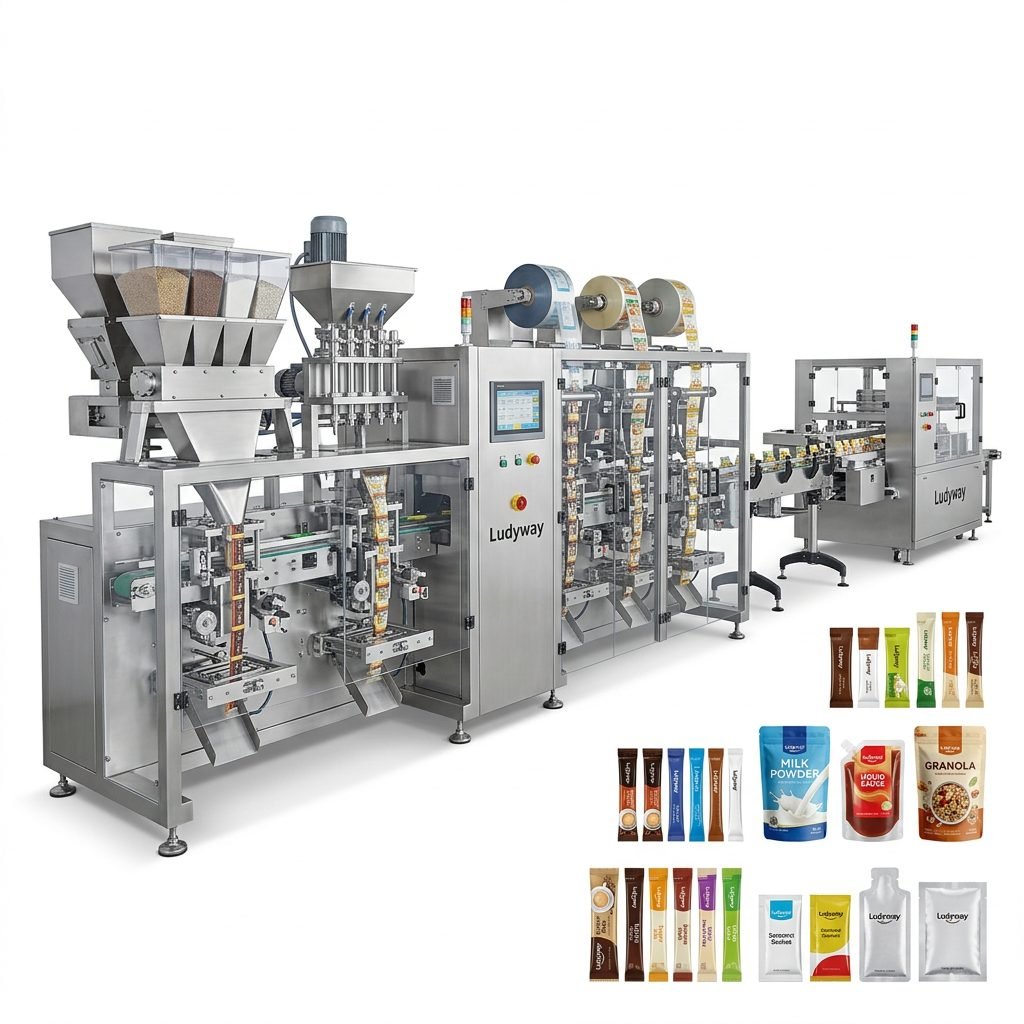
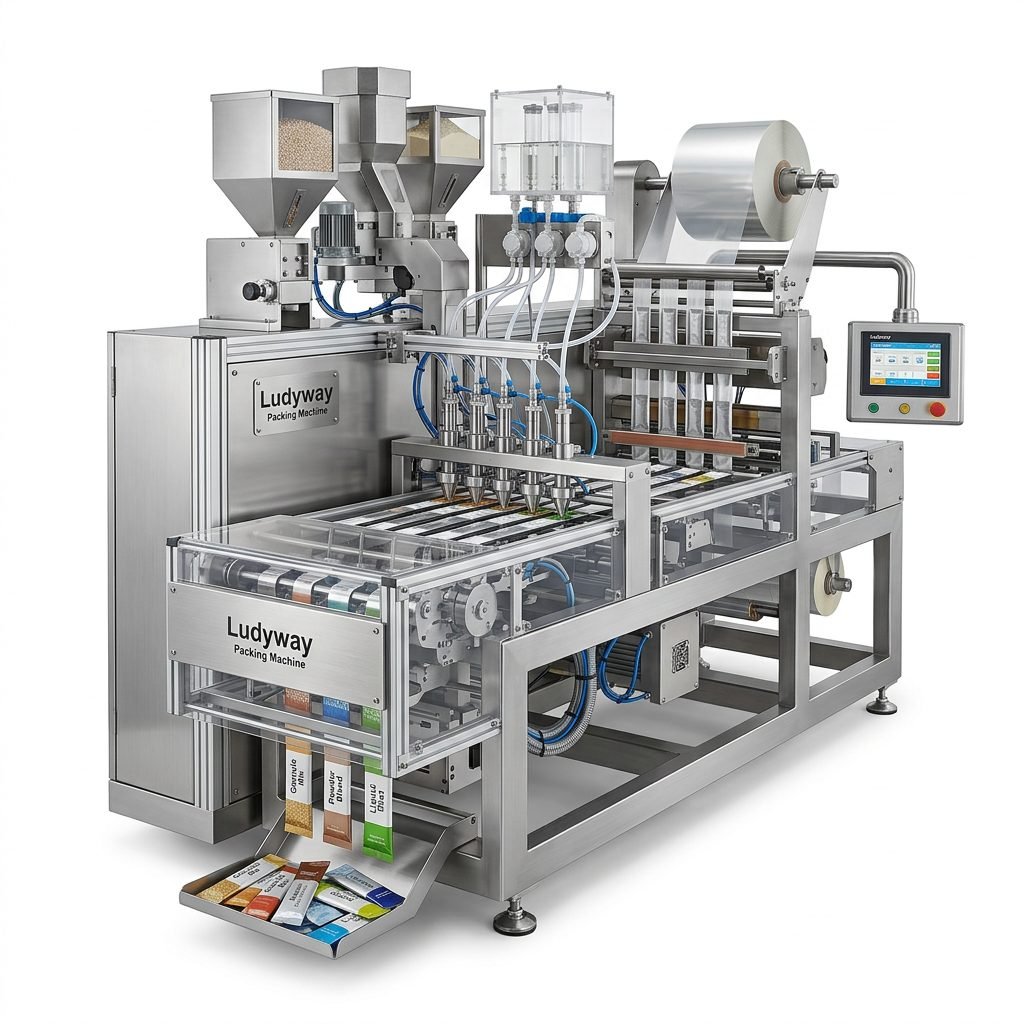
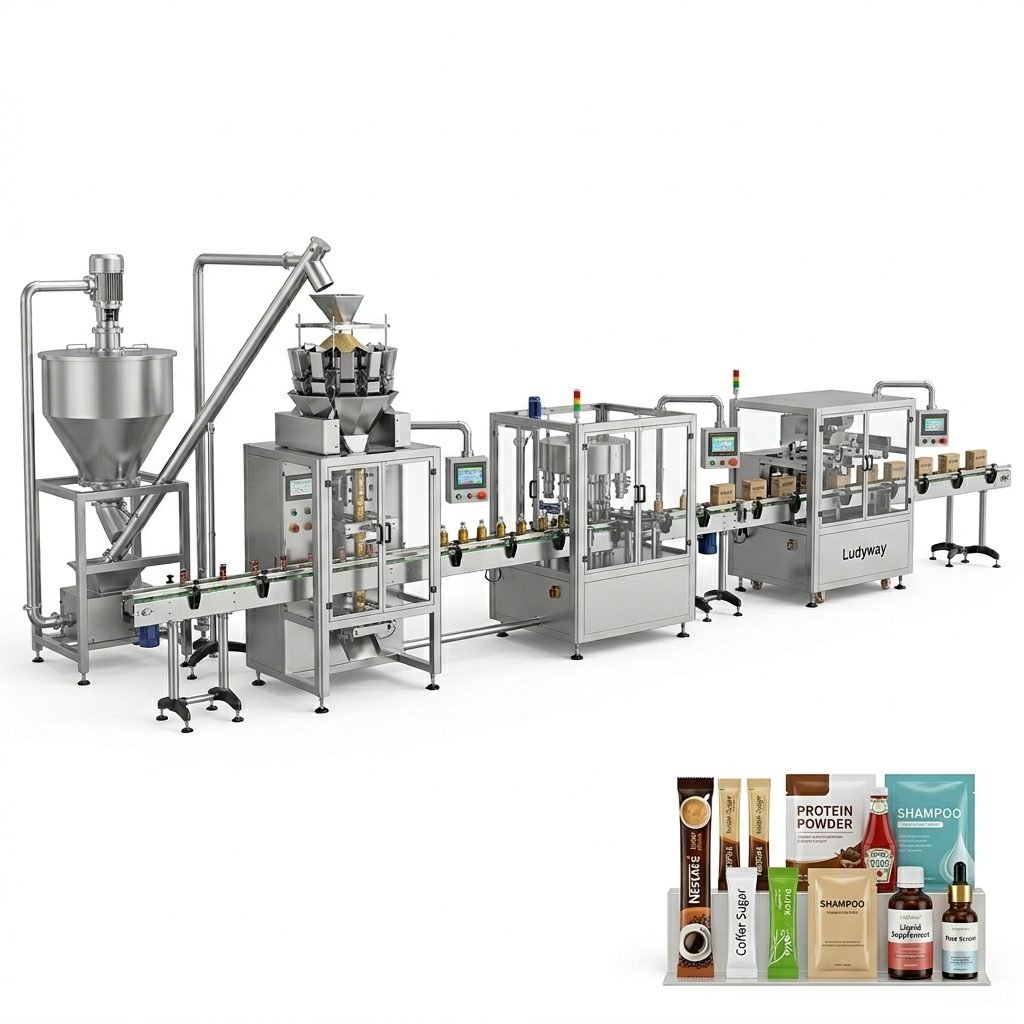
- Flexible multi-lane sachet and stick pack systems
- Compact vertical packaging lines with lower installation complexity
- Quick-changeover filling and sealing equipment
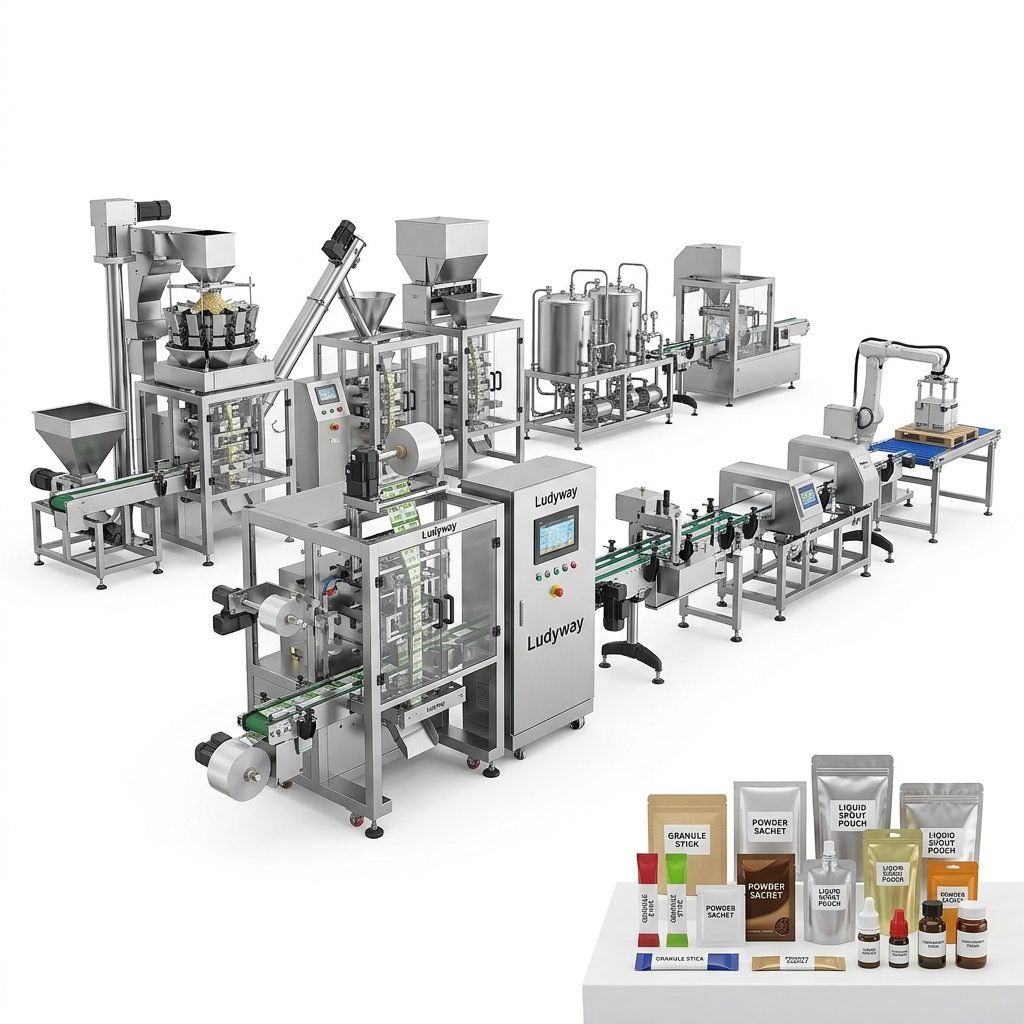
- Turnkey systems that reduce engineering coordination across regions
- Remote technical support and standardized spare-parts architecture
From Centralized Capacity to Distributed Automation
Distributed production does not mean lower automation. In many cases, it means more intelligent automation. Regional factories often need to run lean teams, shorter batches, and a wider mix of SKUs. That favors packaging lines with strong controls integration, recipe management, traceability, and efficient format switching.
| Supply Chain Shift | Impact on Packaging Operations | Preferred Equipment Response |
|---|---|---|
| Nearshoring and regional production | Smaller but more frequent production setups | Modular and scalable packaging lines |
| Supplier diversification | More material variability and packaging format adjustments | Flexible dosing, sealing, and changeover systems |
| Inventory risk reduction | Higher need for responsive output planning | Automated lines with digital production controls |
| Compliance localization | Region-specific labeling and packaging standards | Customizable turnkey packaging solutions |
Regionalization Is Reshaping Supplier Selection
Packaging buyers are placing greater emphasis on suppliers that can support long-term regional deployment, not just initial machine delivery. This includes stronger expectations around spare parts planning, commissioning speed, machine standardization, and after-sales responsiveness.
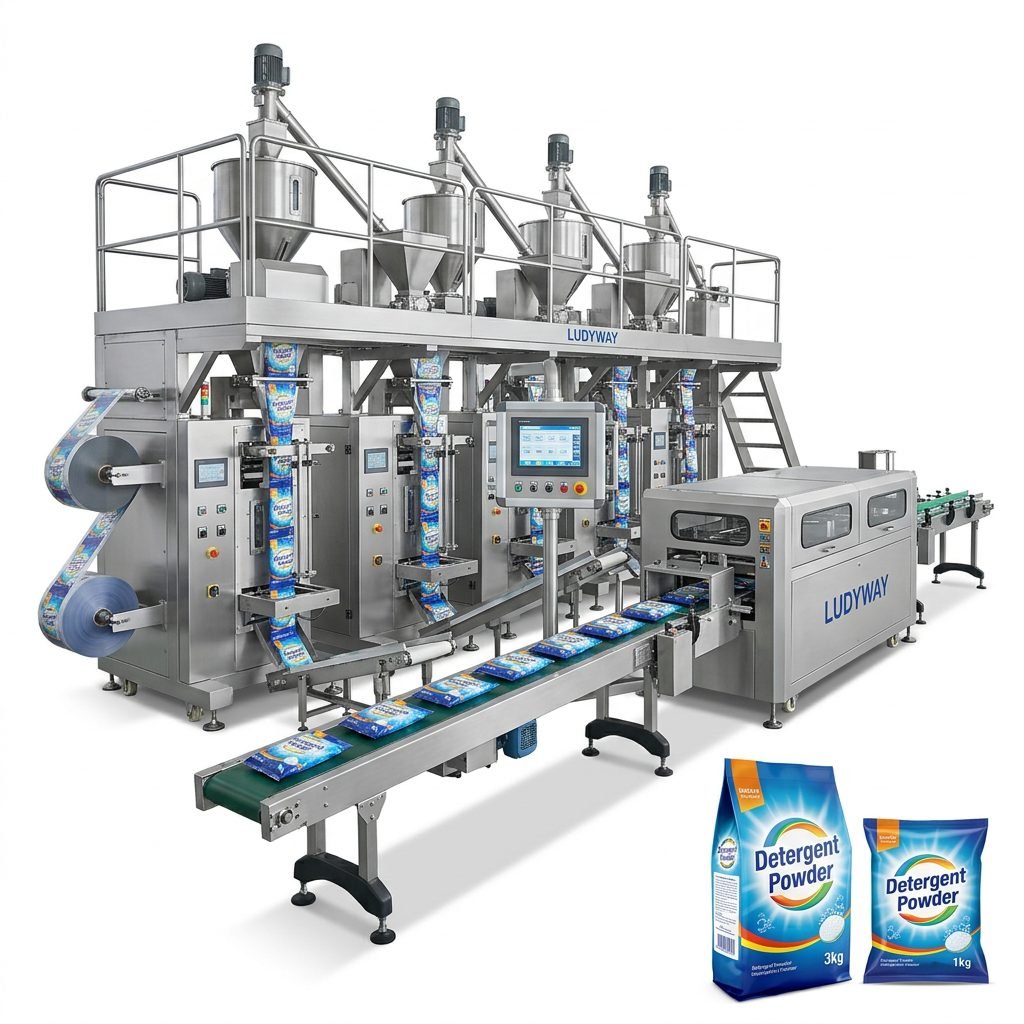
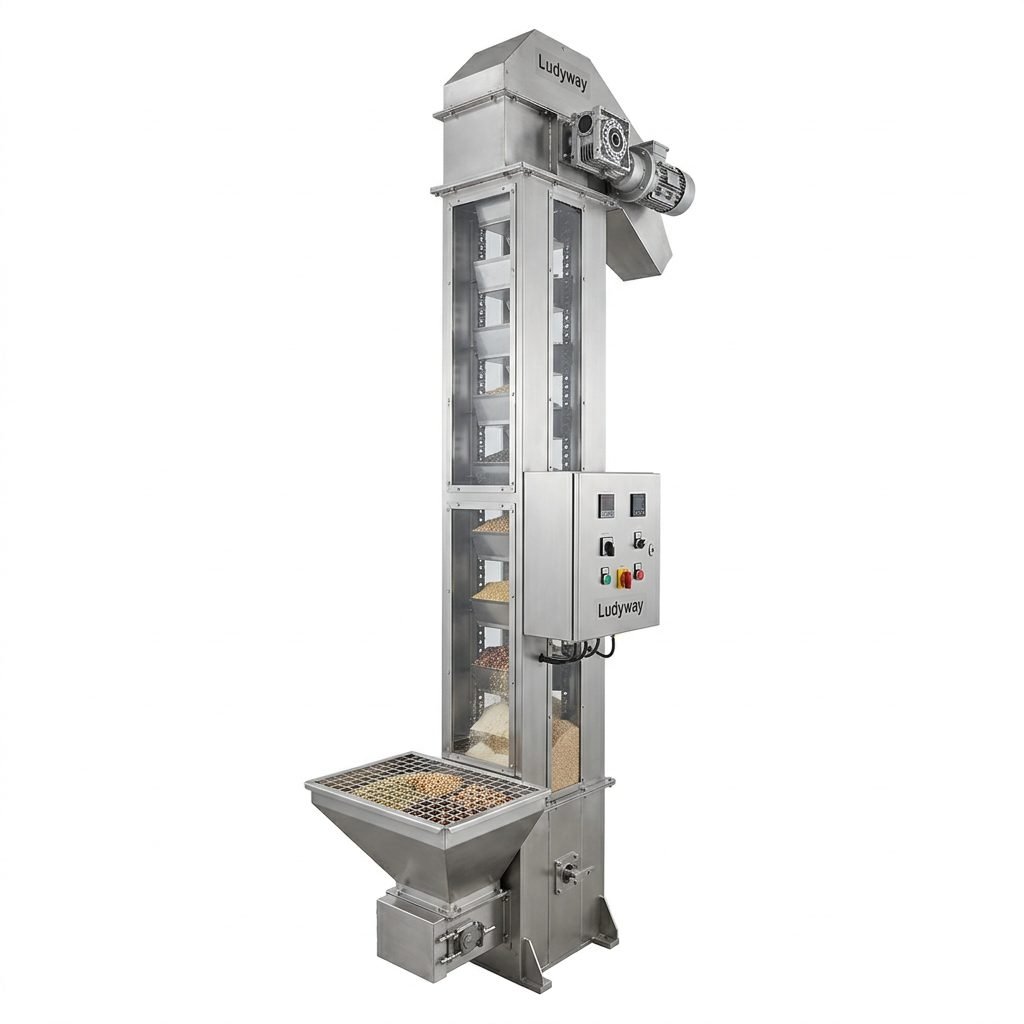
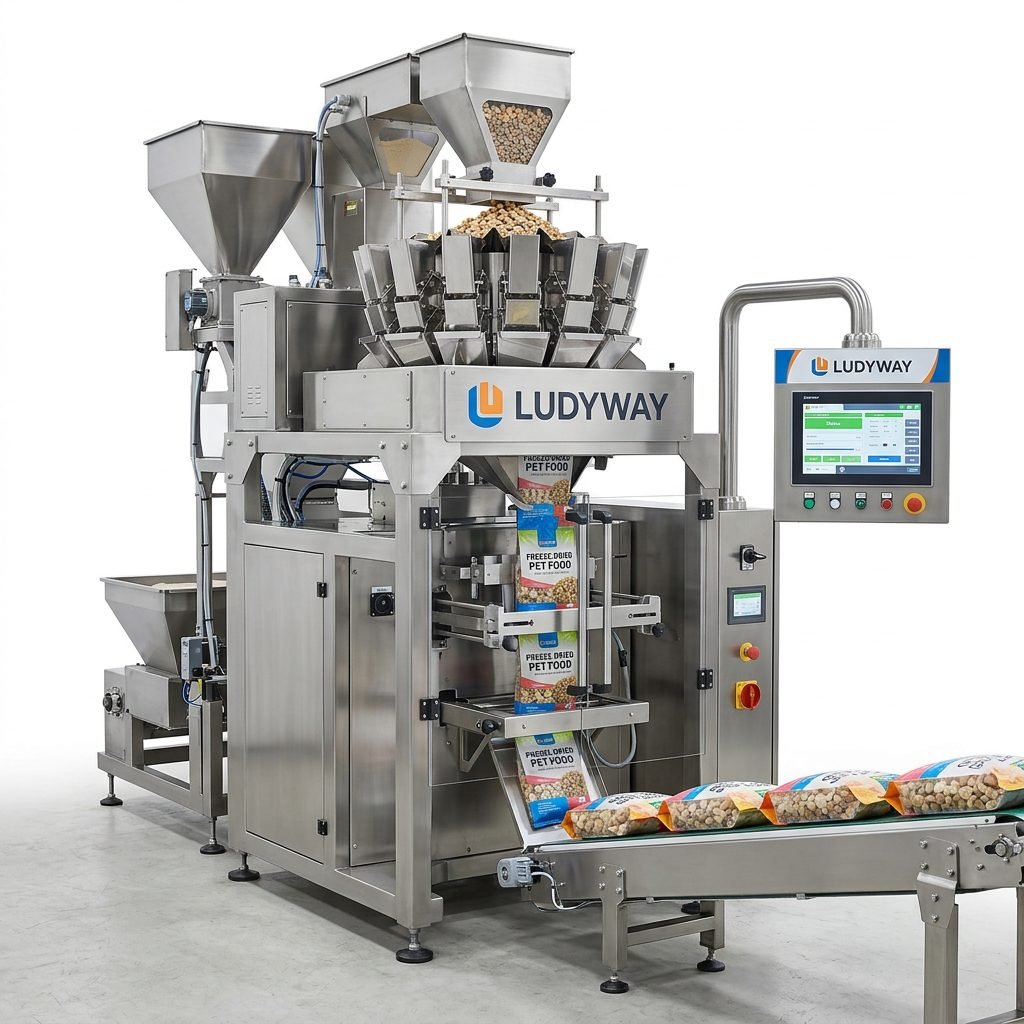
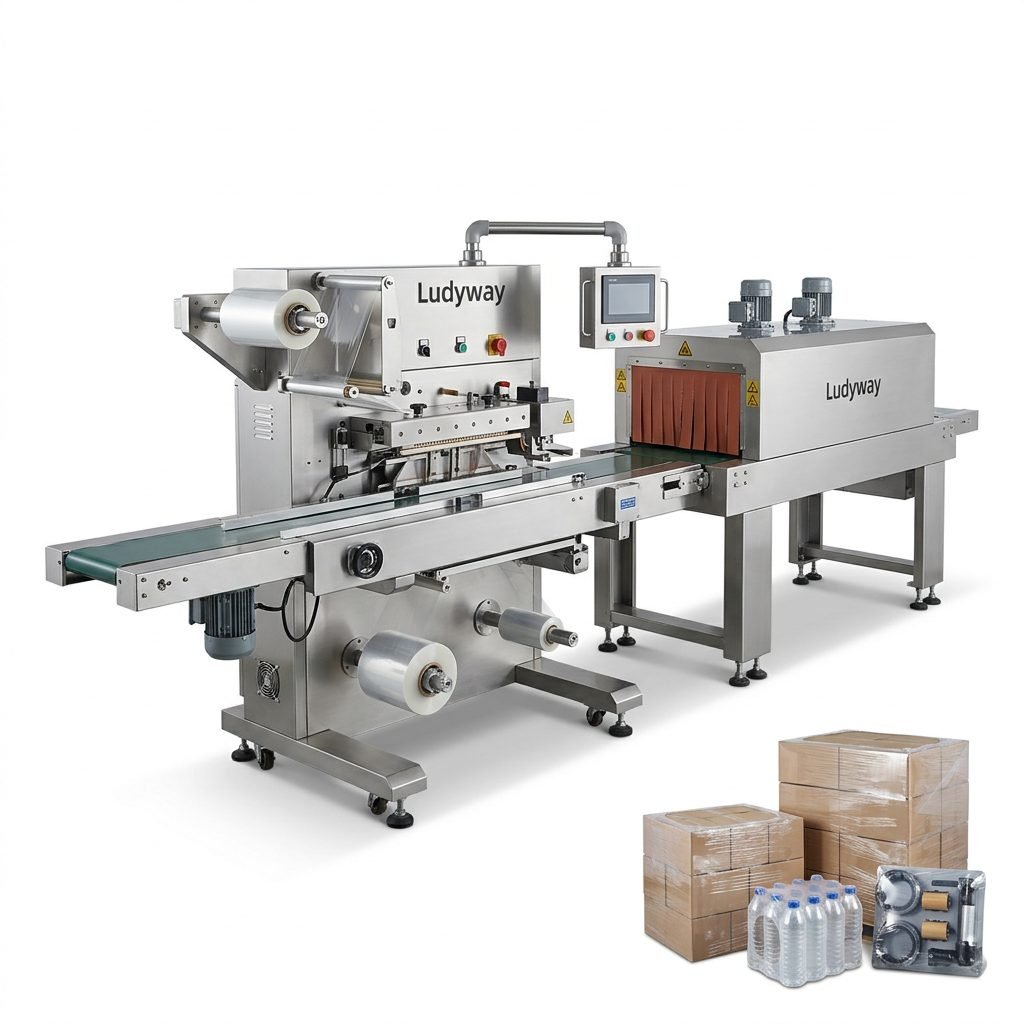
In this environment, manufacturers with broad export experience and turnkey capabilities are gaining more attention. For example, Ludyway packaging machine manufacturer has built a strong position in global markets by offering both standalone machinery and integrated packaging line solutions for food, pharmaceutical, health supplement, and related industries. With more than 30 years of manufacturing experience and service coverage in over 100 countries and regions, the company aligns well with buyers seeking scalable equipment for regionalized production models.
Key Supplier Capabilities Buyers Are Now Prioritizing
- Proven export delivery experience across multiple regulatory environments
- Broad machine compatibility for powders, granules, liquids, and pastes
- Turnkey engineering for faster plant ramp-up
- Customization support for local packaging formats
- Reliable technical documentation and remote service channels
Sector-by-Sector Effects Across the Packaging Industry
Food Packaging
Food producers are regionalizing to reduce transit time, preserve freshness, and respond faster to local retail demand. This is particularly visible in seasonings, beverage powders, dairy-based powders, snacks, sauces, pet food, and convenience products. Packaging lines that support rapid SKU change and hygienic design are becoming essential.
Pharmaceutical and Health Supplement Packaging
The pharmaceutical sector is balancing cost control with stricter supply assurance. Regional production hubs help improve compliance oversight and reduce exposure to cross-border interruptions. Sachet, stick pack, blister, bottle filling, and sterile packaging systems are all seeing stronger interest where localization strategies are underway.
Cosmetics and Personal Care
Short product cycles and trend-driven launches make cosmetics especially suited to regional packaging. Sachets, travel-size packs, trial formats, and flexible filling systems are helping brands respond to local consumer preferences while controlling logistics complexity.
Industrial and Chemical Packaging
For chemicals, detergents, additives, and related industrial products, regional packaging reduces hazardous transport complexity and improves customer service times. This is driving demand for robust filling, sealing, weighing, and material-handling systems suited to localized operations.
How Regionalization Supports Business Resilience
Regionalized packaging strategies create operational redundancy. If one route is delayed or one sourcing market tightens, production can shift more easily between regional nodes. That resilience is increasingly valuable in industries where packaging continuity directly affects shelf availability, treatment access, or export commitments.
The companies best positioned for the next phase of packaging growth are those building flexible regional networks supported by automation, not those relying solely on centralized volume advantages.
| Strategic Priority | Why It Matters in 2026 |
|---|---|
| Multi-region packaging capacity | Improves continuity during logistics or policy disruptions |
| Machine standardization | Simplifies training, maintenance, and spare-part management |
| Format flexibility | Supports local product preferences and faster product launches |
| Turnkey integration | Reduces project complexity for distributed facilities |
Outlook: A More Regional, More Automated Packaging Landscape
Global packaging supply chains are not becoming smaller; they are becoming more layered. Future competitiveness will depend on how well companies combine international sourcing advantages with regional manufacturing responsiveness. In that model, packaging machinery plays a central role because it determines how quickly a factory can be launched, adapted, and scaled.
For converters, brand owners, and industrial manufacturers, regionalization is now shaping capital expenditure plans as much as market demand itself. Equipment suppliers that can offer application knowledge, automation depth, and cross-border project experience will remain important partners as the industry moves toward a more resilient and regionally balanced future.