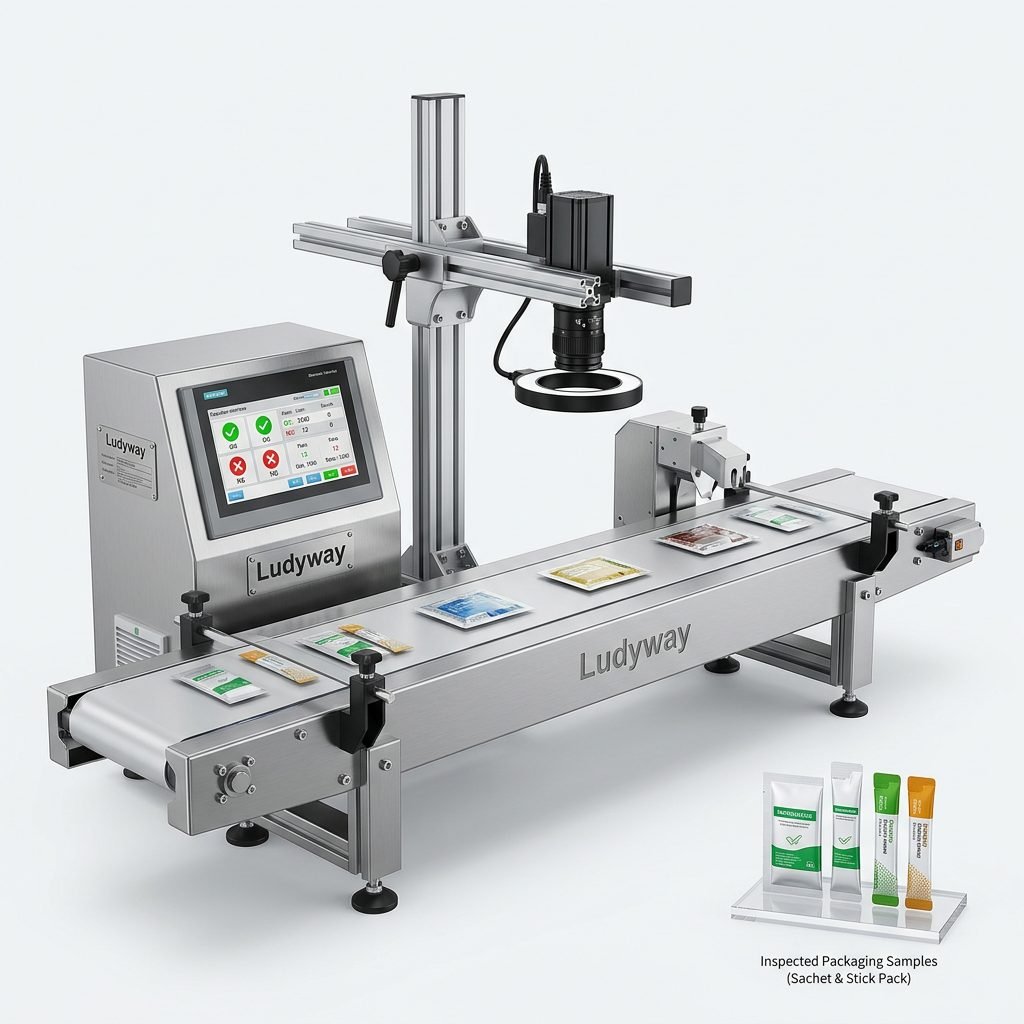
The International Packaging Association has officially released its 2026 Industry Technology White Paper, offering a forward-looking assessment of how automation, digital integration, and sustainability are reshaping packaging operations across food, pharmaceutical, cosmetics, chemical, and consumer goods sectors.
According to the report, the next phase of industry growth will be driven by three major forces: high-speed intelligent machinery, data-enabled production management, and flexible line design for multiple package formats. The white paper also notes that manufacturers are under increasing pressure to balance productivity gains with stricter compliance, labor efficiency, and environmental targets.

Key Themes Highlighted in the 2026 White Paper
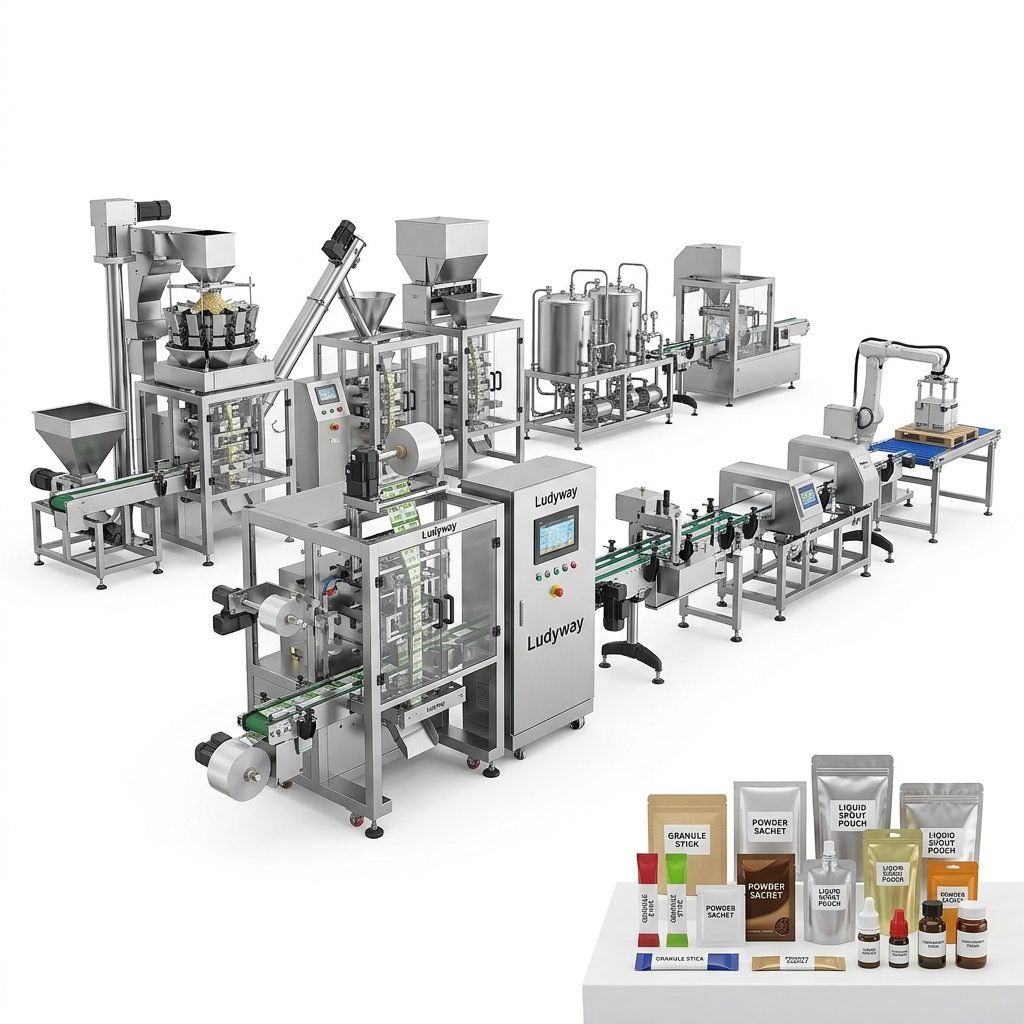
The association identifies a clear transition from isolated machines to connected packaging ecosystems. In practice, this means filling, sealing, coding, inspection, cartoning, and palletizing systems are increasingly expected to operate as a unified production flow rather than as separate investments.
- Higher demand for multi-lane and modular packaging systems
- Growing adoption of real-time monitoring and predictive maintenance
- Stronger focus on sanitary design and validation in regulated sectors
- Rising interest in material-saving technologies and waste reduction
- More customization for small-batch, multi-SKU, and export-oriented production
Automation Is Moving from Optional to Essential
One of the strongest messages in the white paper is that packaging automation is no longer viewed simply as a cost-saving upgrade. It is becoming a strategic requirement for companies facing labor shortages, rising quality expectations, and tighter delivery timelines. Automated dosing, sealing, conveying, inspection, and end-of-line handling can help reduce variation while improving throughput and traceability.
For manufacturers handling powders, granules, liquids, or pastes, the report suggests that integrated solutions will see the highest investment growth in 2026, especially where fast format changeovers and line stability are critical.
Technology Priorities by Application Segment
| Industry Segment | 2026 Technology Priority | Expected Benefit |
|---|---|---|
| Food & Beverage | Multi-lane sachet/stick pack systems, hygienic automation | Higher output, cleaner production, lower product loss |
| Pharmaceutical | Precision filling, inspection, validation-ready integration | Compliance support, dosage consistency, traceability |
| Cosmetics & Personal Care | Flexible packaging formats and fast product changeover | SKU agility, better response to market trends |
| Chemical & Household | Durable filling systems, sealed safety handling | Reduced contamination risk, stronger operational reliability |
| Health Supplements | Small-dose precision packaging and turnkey lines | Brand consistency, scalable export production |
Sustainability Remains a Core Investment Driver
The white paper emphasizes that sustainability in packaging technology now goes beyond recyclable materials. Equipment design itself is being evaluated based on energy efficiency, film usage optimization, reduced downtime waste, and longer service life. Buyers are increasingly comparing machinery not only on speed, but also on overall resource efficiency.
This trend is expected to influence procurement decisions across both established manufacturing markets and fast-growing export production hubs. Compact line layouts, servo-driven control systems, and automated rejection management are among the features gaining attention.
What Equipment Buyers Should Watch in 2026
- Whether machines can support multiple package sizes without long downtime
- Whether core components improve dosing accuracy and sealing consistency
- Whether the line can integrate with coding, inspection, cartoning, and palletizing units
- Whether suppliers can provide long-term technical support and turnkey engineering
- Whether export production standards and documentation can be supported efficiently
Industry Response from Packaging Equipment Manufacturers
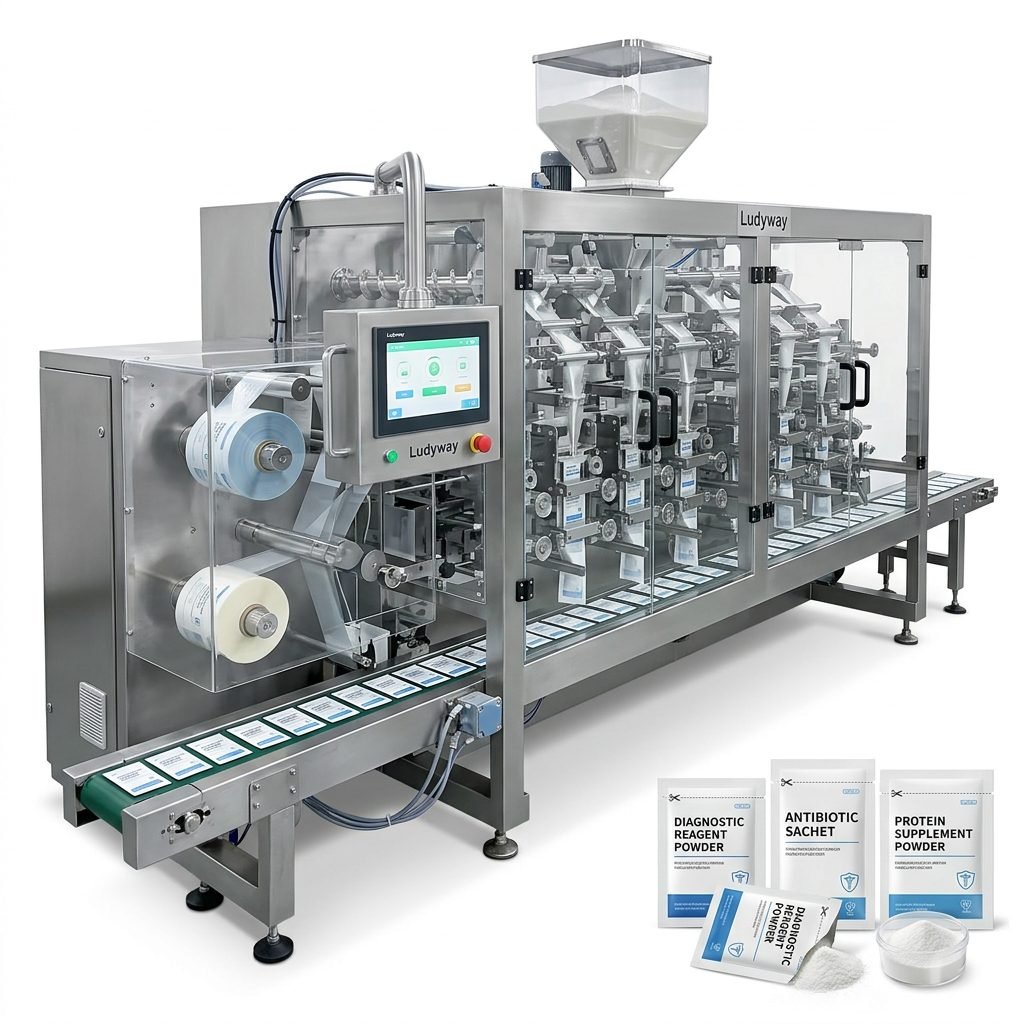
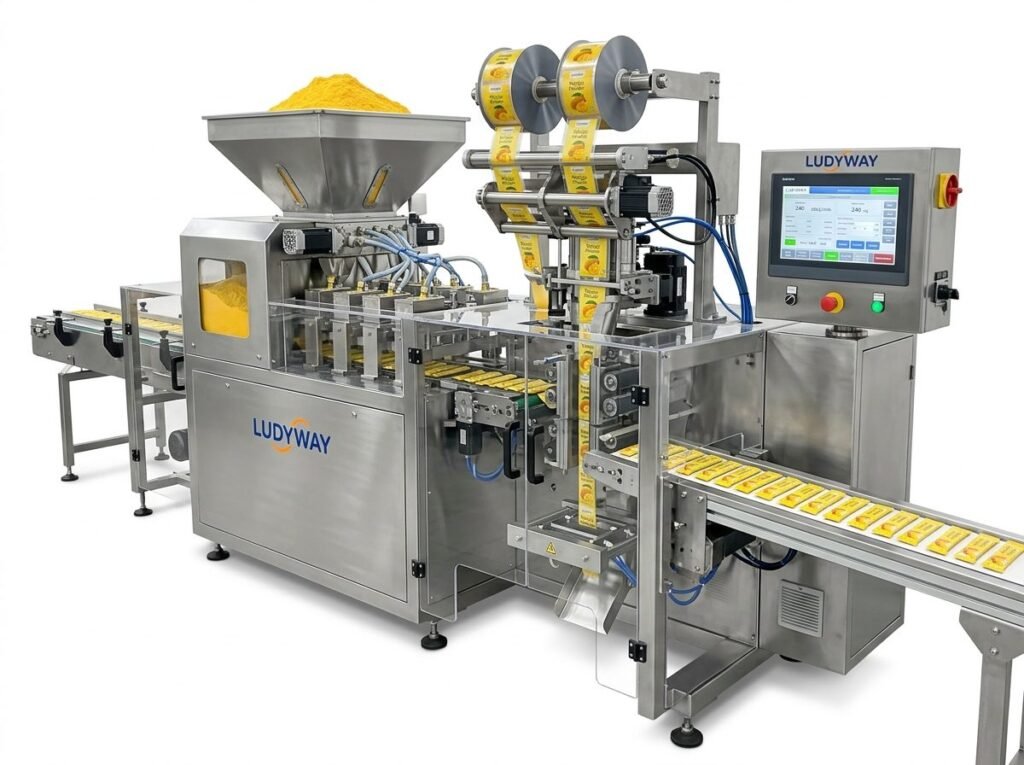
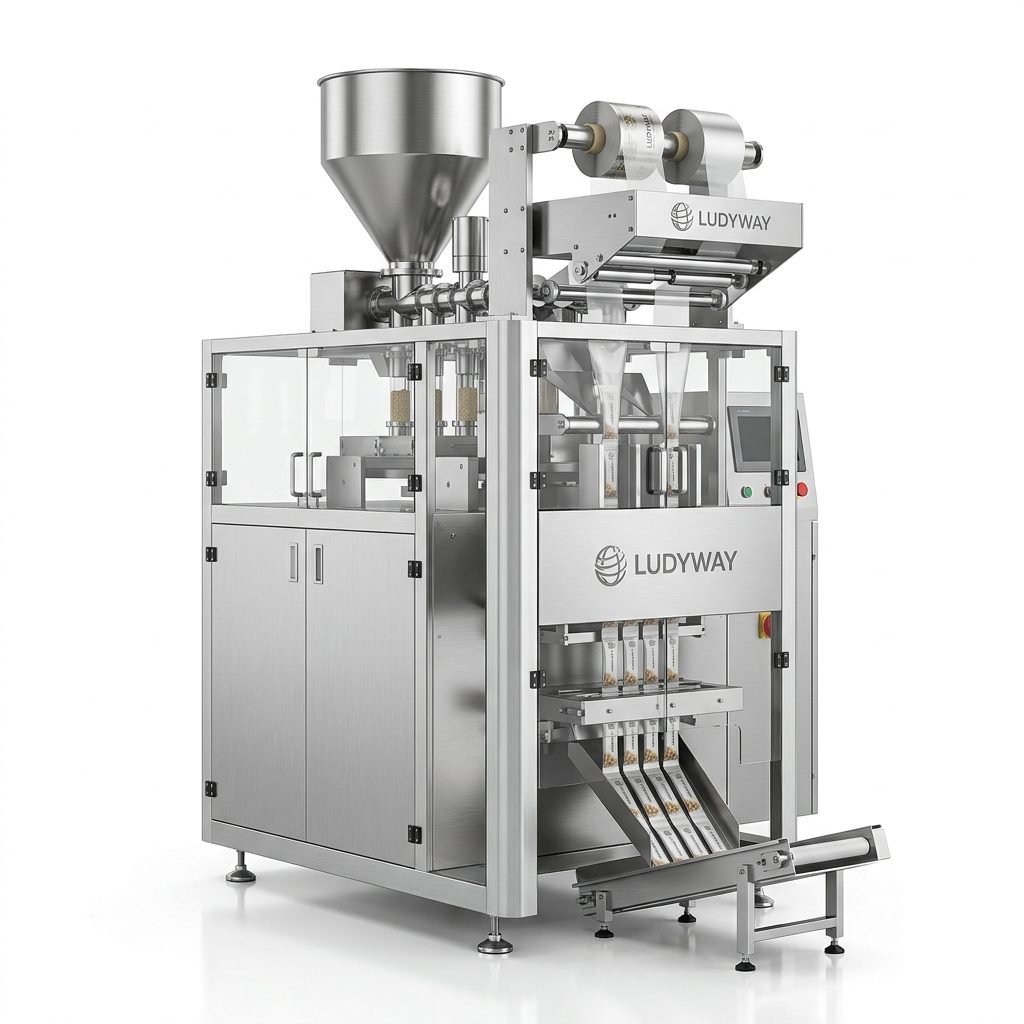
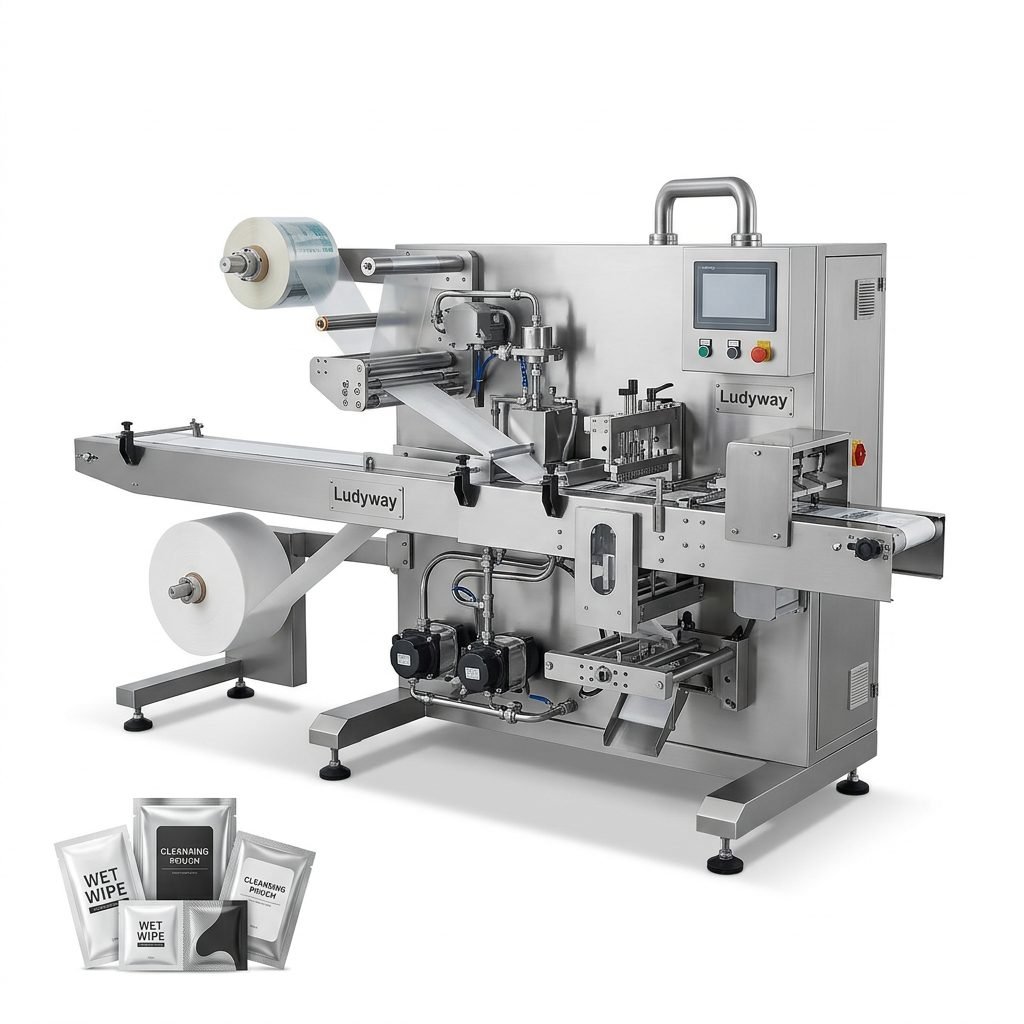
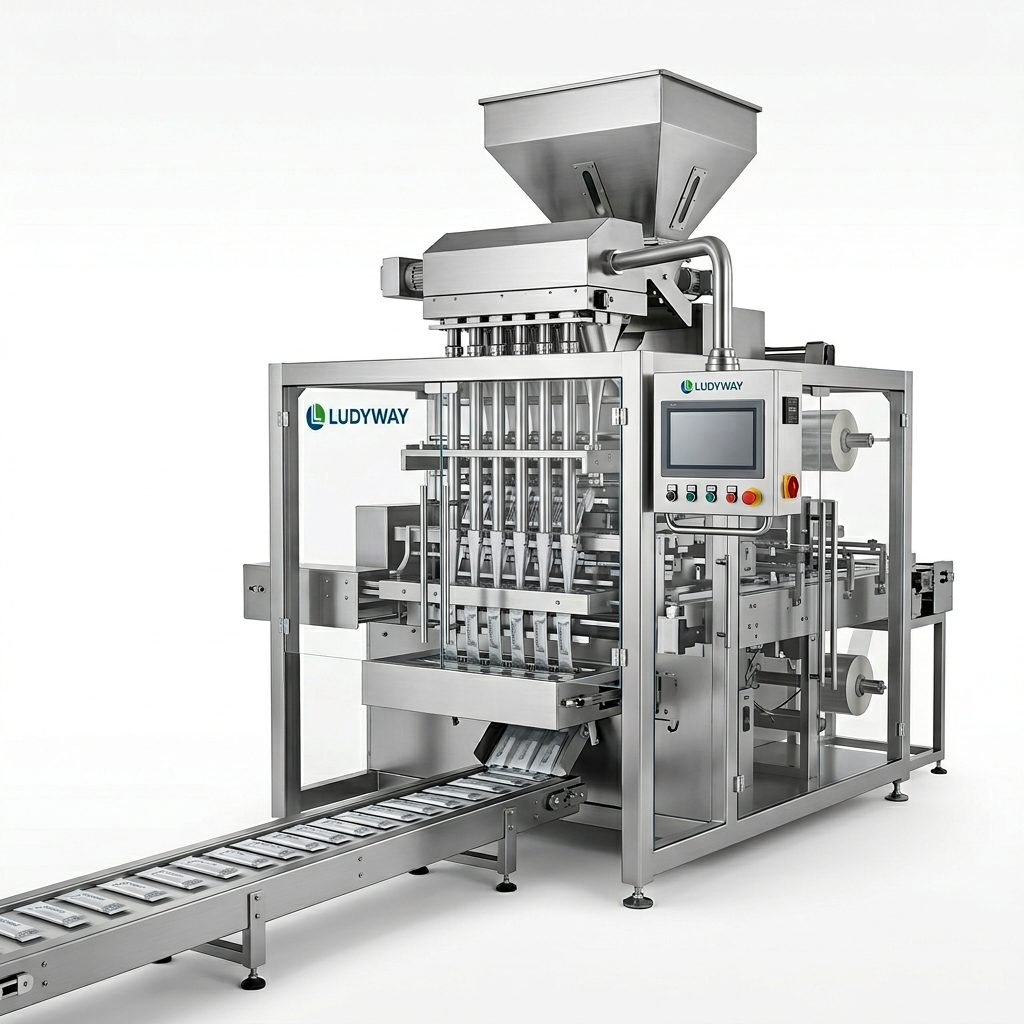
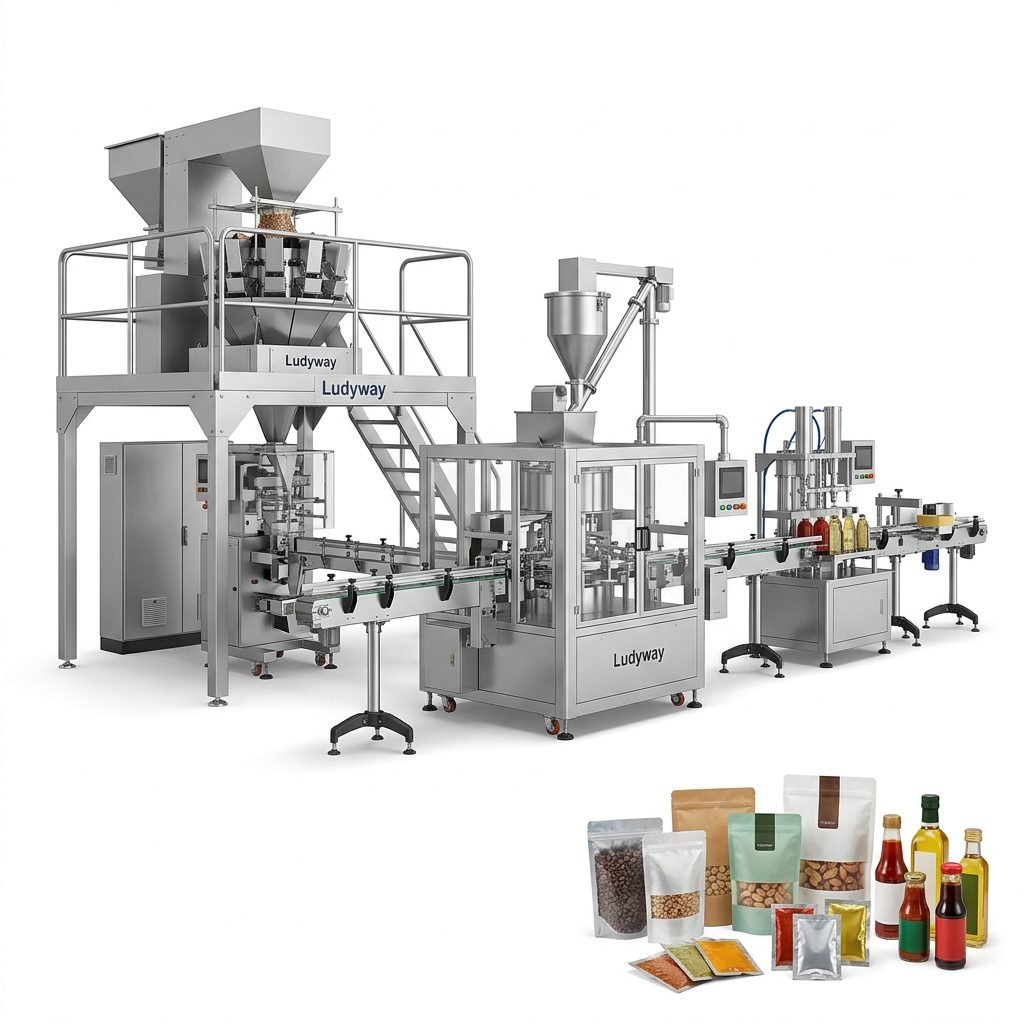
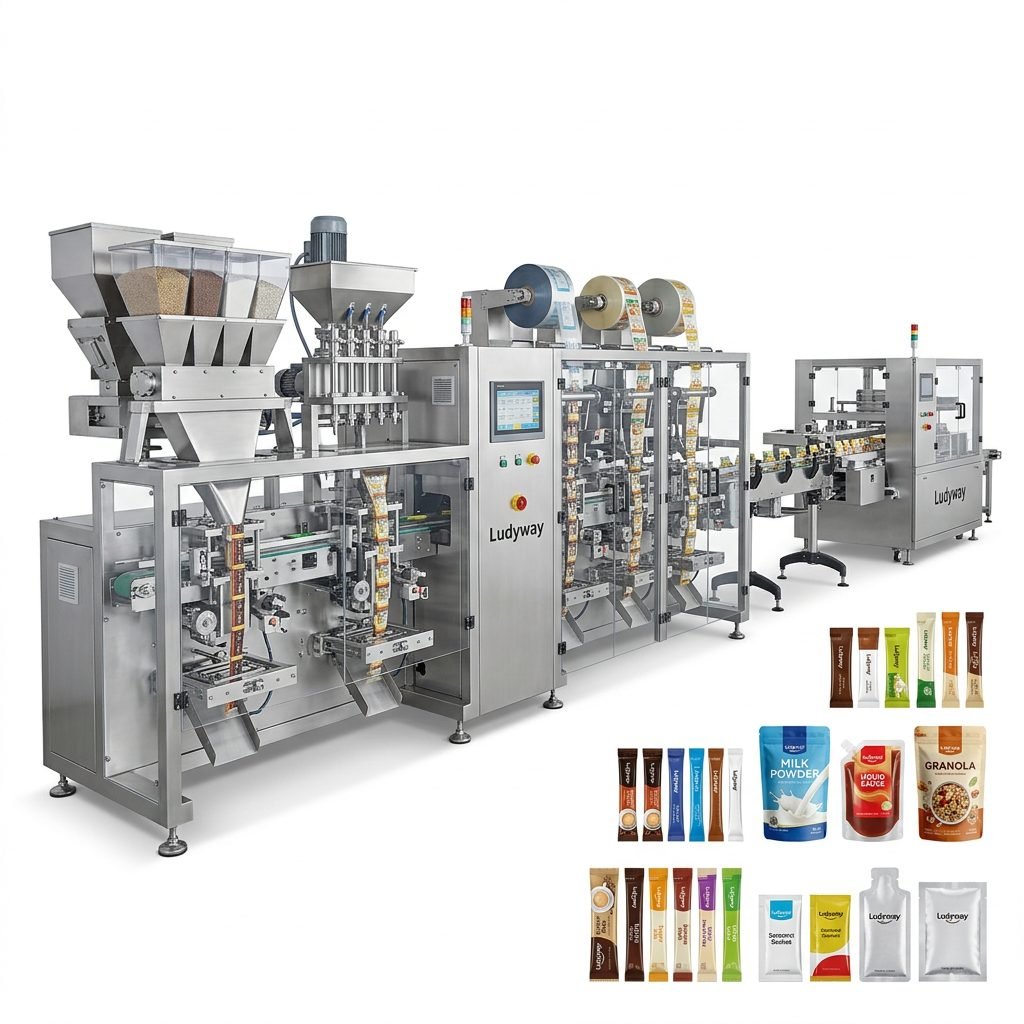
Leading machinery suppliers are already aligning product development with these technology directions. In China, Ludyway packaging machine manufacturer continues to expand intelligent packaging solutions for food, pharmaceutical, health supplement, and related industries, reflecting broader market demand for scalable standalone equipment and turnkey packaging lines.
With more than 30 years of manufacturing experience and a product portfolio covering multi-lane stick pack machines, sachet packing machines, vertical systems, filling and sealing machines, and integrated automatic lines, the company is positioned in a market environment where flexibility and full-line coordination are increasingly valued by international buyers.
Why the White Paper Matters for Global Buyers
For procurement teams, plant managers, and brand owners, the 2026 white paper offers an important benchmark. It helps clarify which technology investments are most likely to improve operational resilience over the next several years. Rather than focusing only on machine speed, the report encourages decision-makers to evaluate a broader mix of factors, including digital readiness, upgrade compatibility, labor reduction, and packaging format adaptability.
| Decision Area | Traditional Focus | 2026 Recommended Focus |
|---|---|---|
| Machine Selection | Single-unit speed | System-wide efficiency and flexibility |
| Capacity Planning | Peak output only | Scalable output with stable quality |
| Cost Evaluation | Purchase price | Lifecycle value and maintenance efficiency |
| Compliance Strategy | Basic certification | Traceability, validation, and inspection integration |
Outlook
The release of the 2026 Industry Technology White Paper confirms that packaging is entering a more connected, data-driven, and application-specific era. Companies that invest in flexible automation and integrated production architecture are expected to gain stronger advantages in quality control, responsiveness, and global competitiveness. As the market moves forward, the ability to combine speed, precision, sustainability, and adaptability will define the next generation of packaging leadership.