The global packaging landscape is undergoing a monumental shift. As businesses face mounting pressure from consumers, regulatory bodies, and internal sustainability goals to reduce their carbon footprints, traditional secondary packaging materials are being heavily re-evaluated. Among these, conventional plastic strapping (PP and PET) and steel bands—long the standards for bundling cartons and securing pallets—are facing intense scrutiny. In their place, the glue-free paper tape baler is emerging as a revolutionary technology, capturing the attention of logistics managers, e-commerce giants, and manufacturing facilities worldwide.
This transition is driven not just by a desire to be eco-friendly, but by practical operational advantages, regulatory compliance, and safety considerations. As traditional strapping methods fade into the background, understanding the rise of glue-free paper tape technology is essential for any modern business involved in warehousing, shipping, or manufacturing.
The Decline of Traditional Strapping
For decades, plastic and metal strapping bands were the undisputed kings of unitization. They provided the high tensile strength needed to hold heavy loads together during long-transit shipping. However, the environmental cost of these materials has become unsustainable. Traditional plastic strapping is rarely recycled due to its shape, chemical composition, and contamination during handling, meaning millions of tons of plastic waste end up in landfills or oceans annually.
Moreover, the tightening of packaging regulations in regions like Europe and North America has forced companies to seek alternatives. Extended Producer Responsibility (EPR) laws now penalize companies that use hard-to-recycle materials. Beyond environmental concerns, traditional strapping poses significant workplace safety hazards. When steel or high-tension plastic bands are cut during unpacking, they can snap back with considerable force, leading to cuts and eye injuries for warehouse personnel.
What is a Glue-Free Paper Tape Baler?
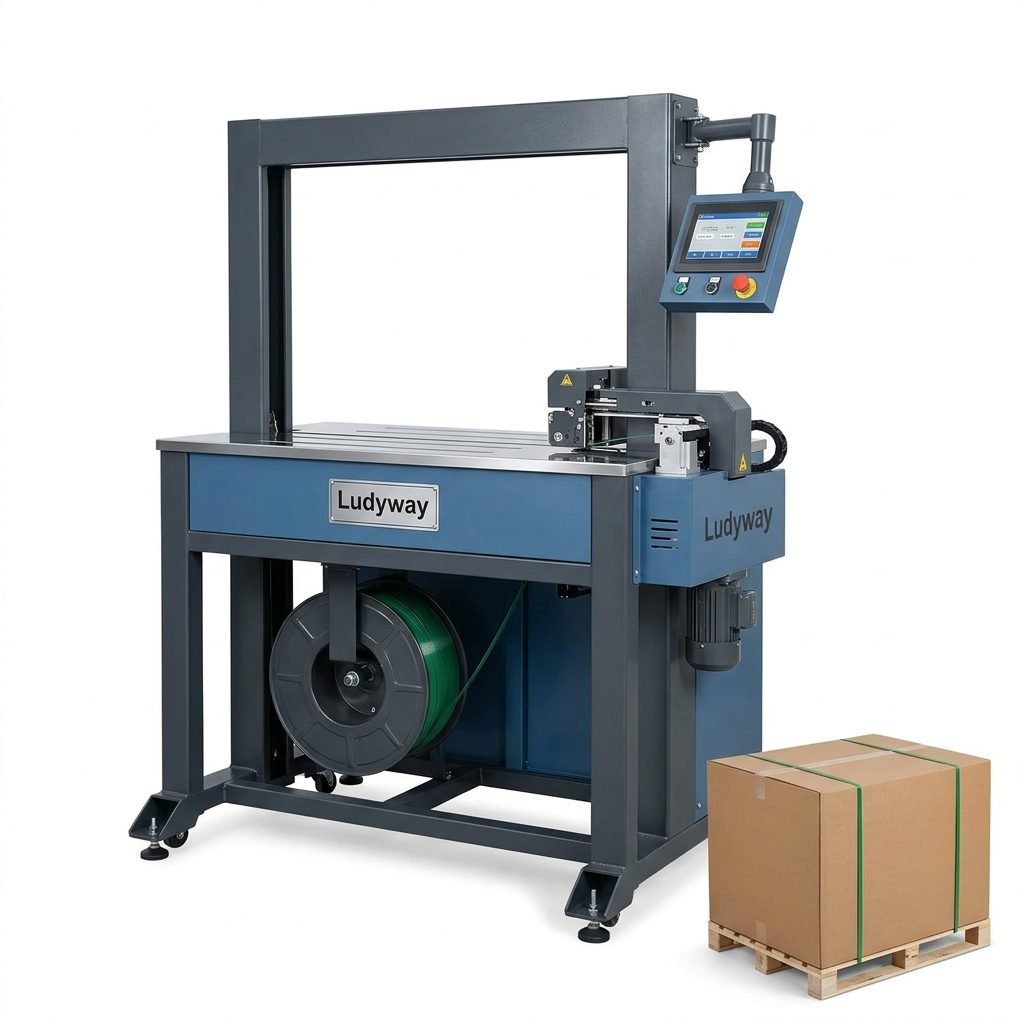
A glue-free paper tape baler is an advanced packaging machine designed to bundle packages using high-strength paper tape instead of plastic bands or adhesive-reliant tapes. The defining feature of this technology is the absence of chemical glues. Traditional paper tapes often rely on starch-based water-activated adhesives or synthetic glues, which can leave sticky residues on machinery, slow down production speeds, and complicate the recycling process.
Instead, glue-free paper tape balers utilize mechanical friction, heat-sealing, or ultrasonic bonding techniques to fuse the paper tape securely around the package. The resulting bond is clean, strong, and highly resistant to tampering. Because the tape is made entirely of natural wood fibers without chemical coatings or embedded plastics, the entire bundled package remains 100% monomaterial, making it fully recyclable in standard paper waste streams without any sorting or separation.
Comparing Packaging Technologies
To understand why the industry is shifting toward this new method, it is helpful to look at how glue-free paper tape baling compares to traditional plastic strapping across key operational metrics:
| Feature | Traditional Plastic Strapping | Glue-Free Paper Tape Baling |
|---|---|---|
| Recyclability | Low (difficult to collect and process) | High (100% recyclable with standard paper) |
| Operational Safety | Low (risk of snap-back injuries) | High (soft material, no sharp edges) |
| Residue & Maintenance | Medium (plastic dust and friction wear) | Very Low (no glue buildup on blades) |
| Brand Perception | Negative (excessive plastic waste) | Positive (sustainable, premium look) |
Market Dynamics and Turnkey Automation Trends
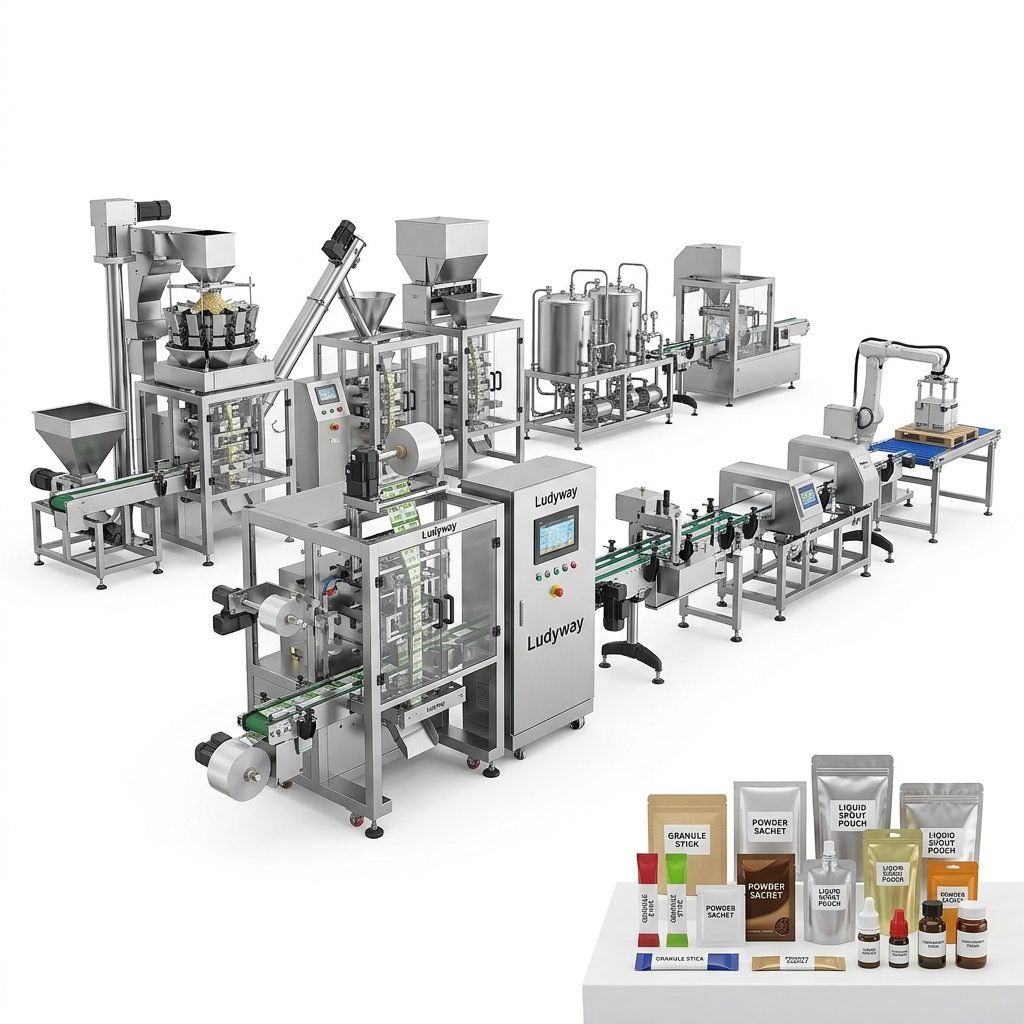
The demand for sustainable secondary packaging has triggered a wave of innovation among machinery developers. Modern manufacturing facilities no longer look at packaging as isolated steps; instead, they seek integrated, high-speed production lines where primary packaging, cartoning, and final bundling are executed seamlessly.
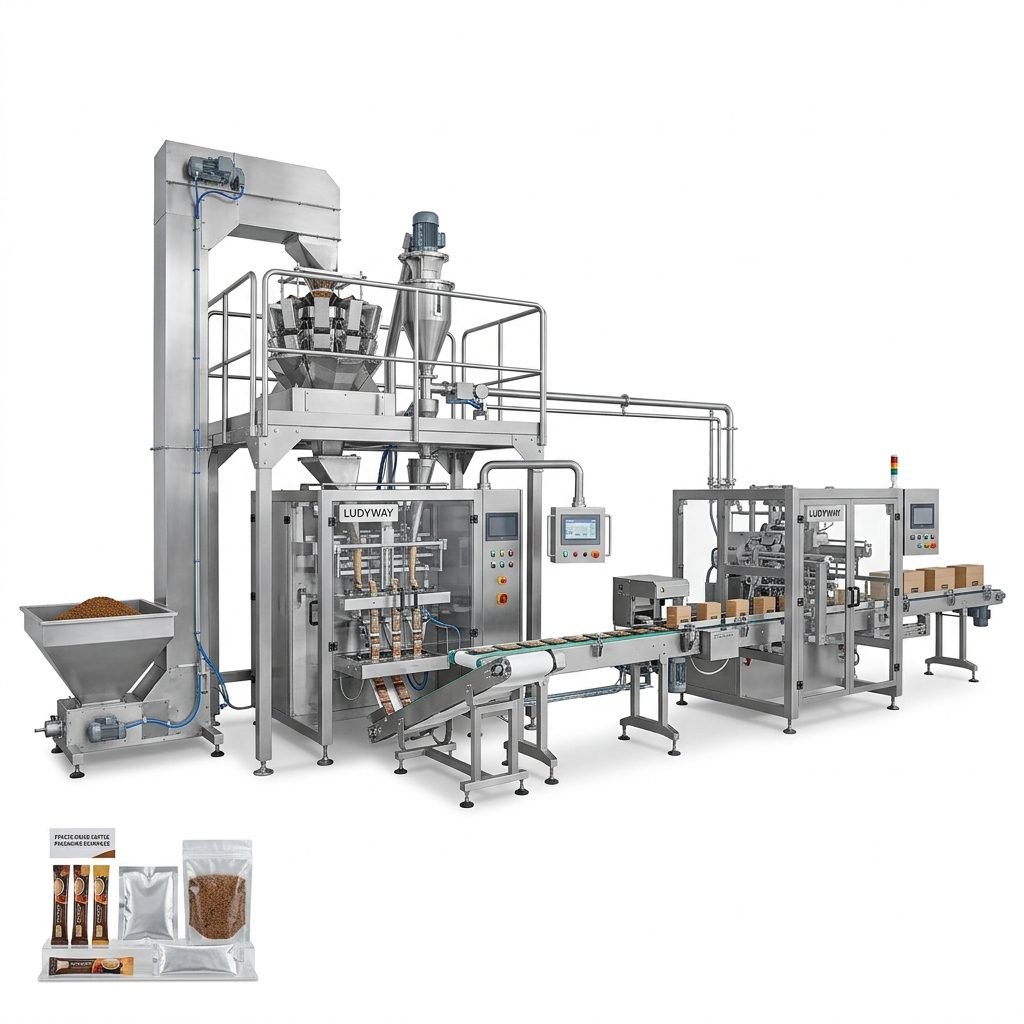
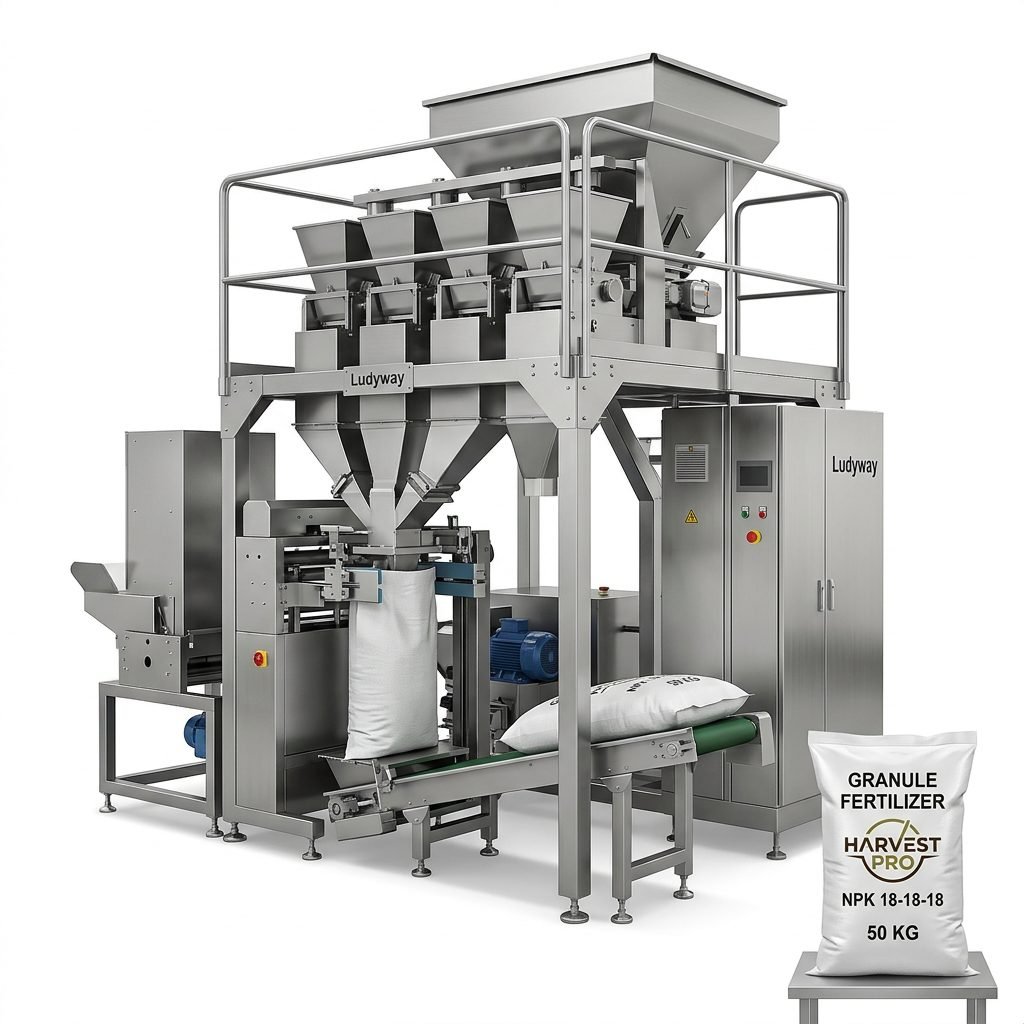
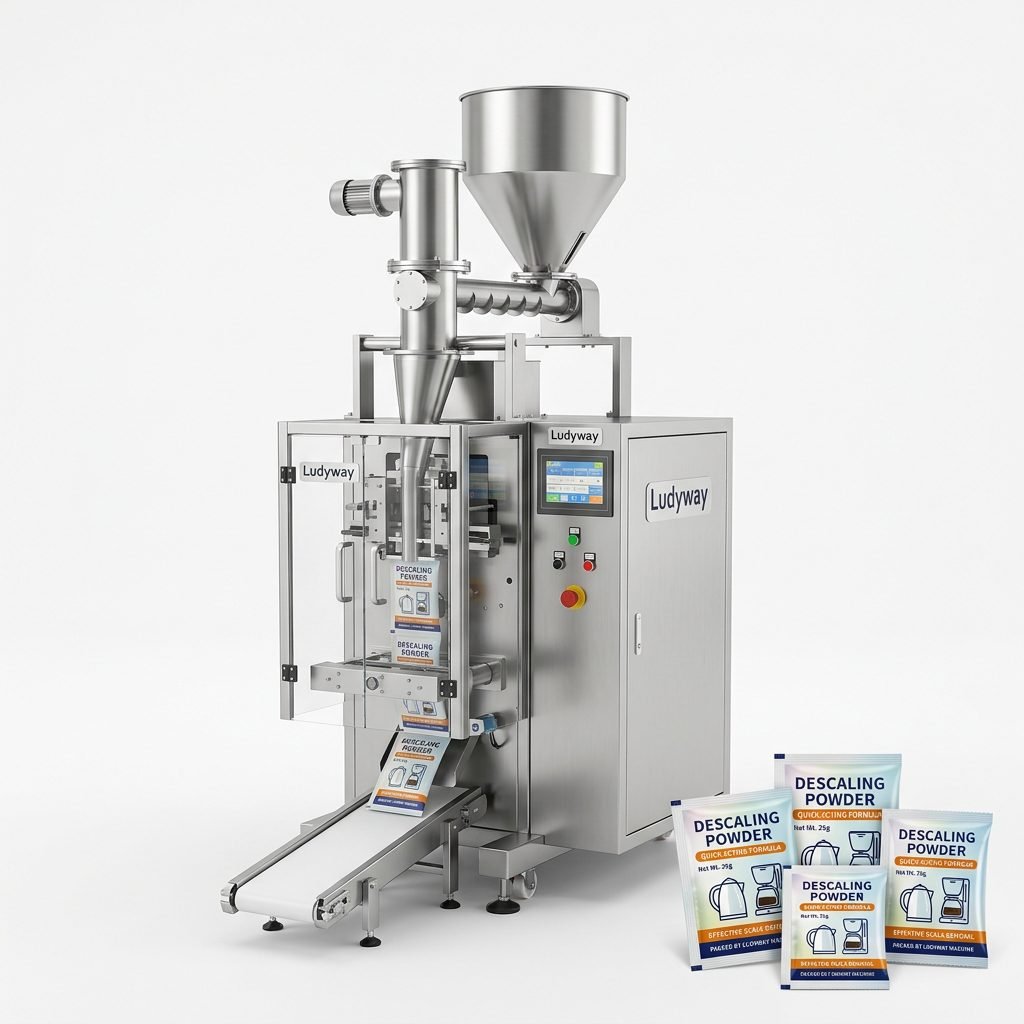
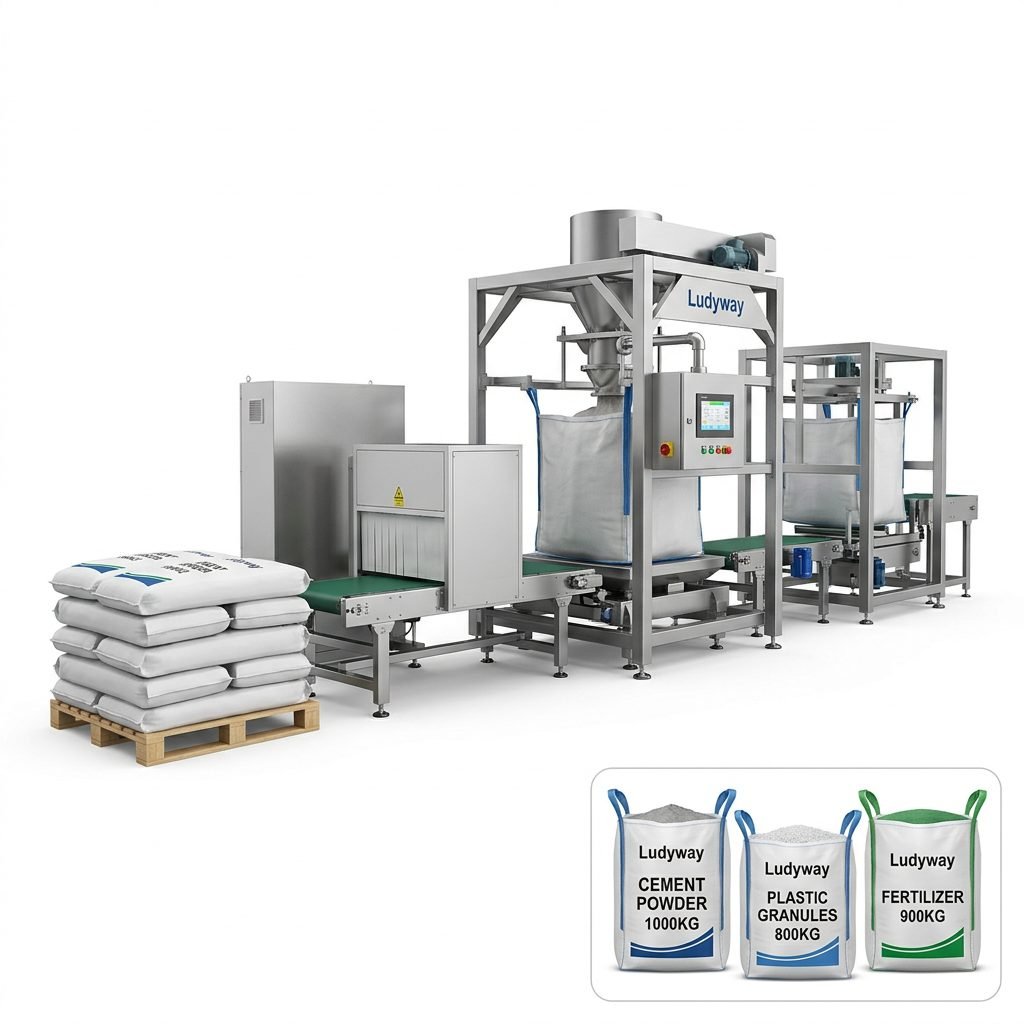
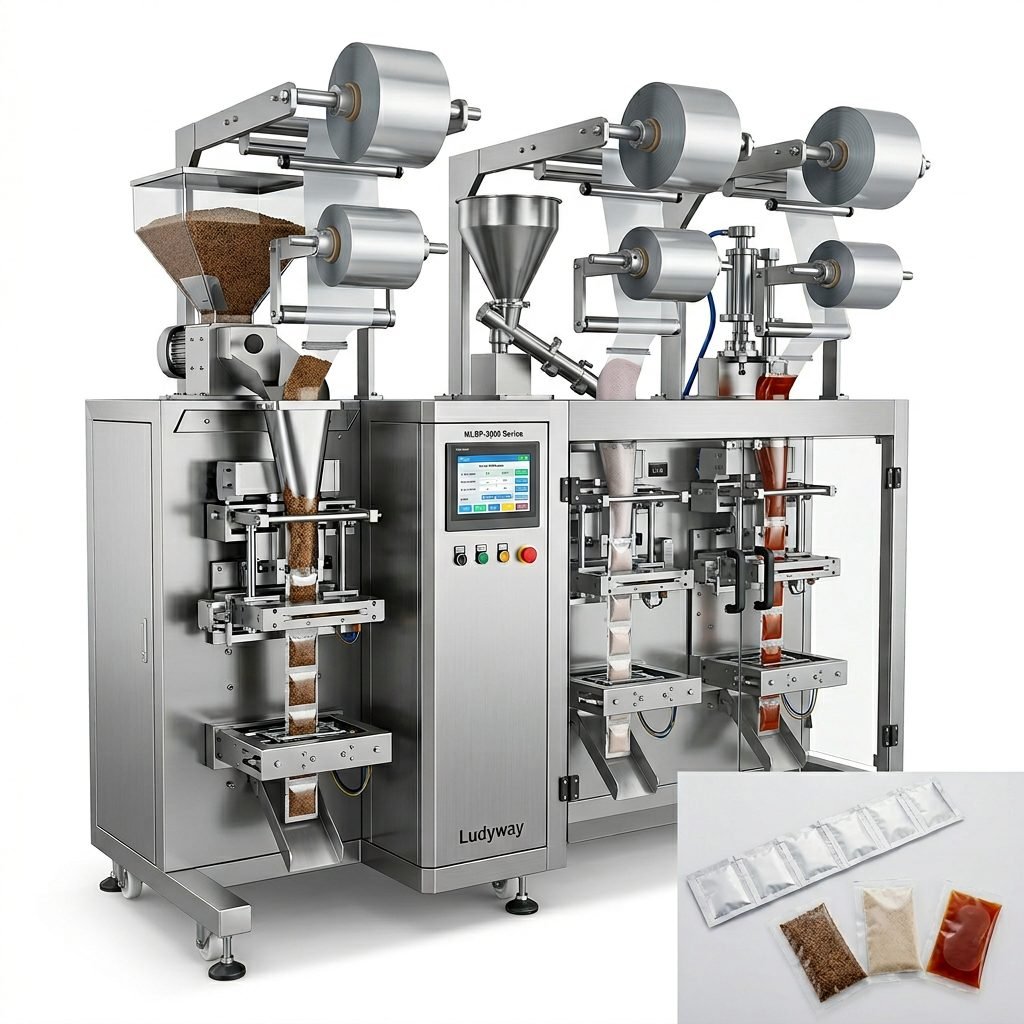
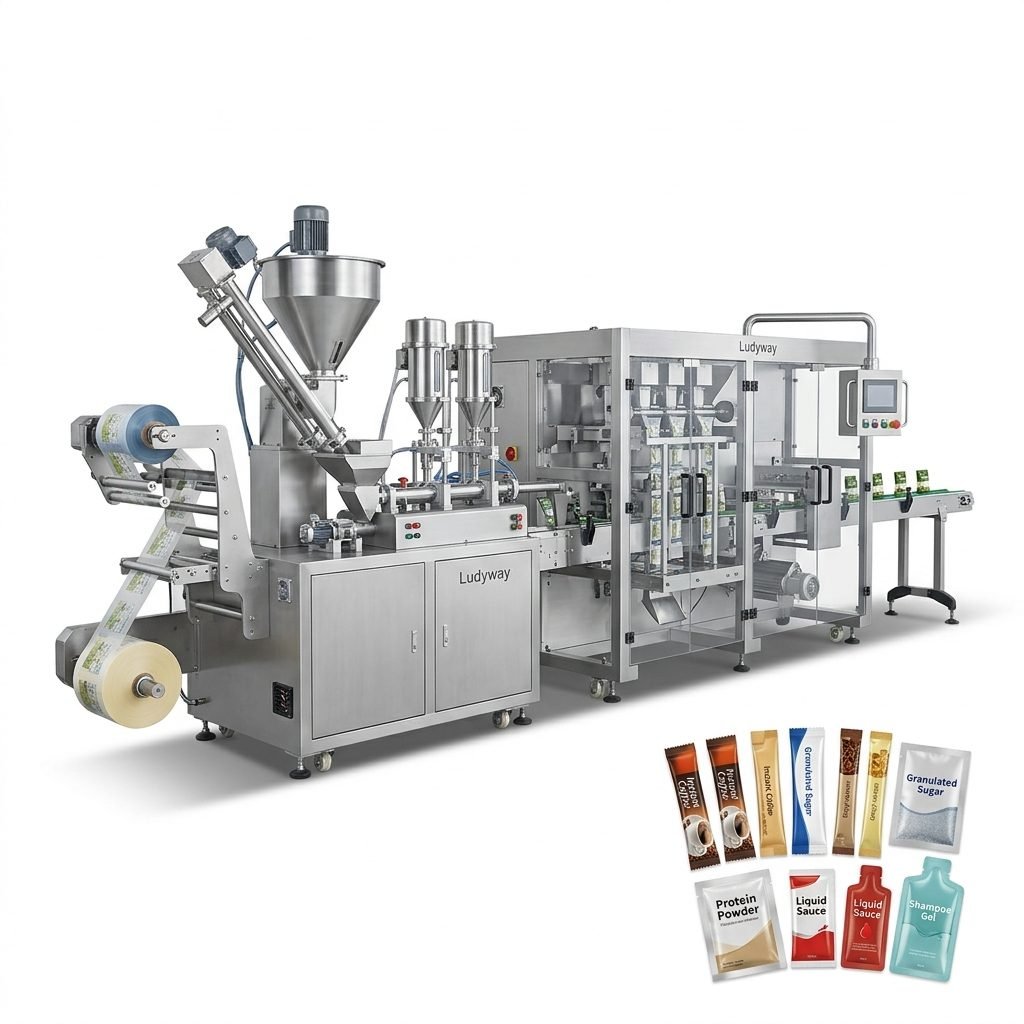
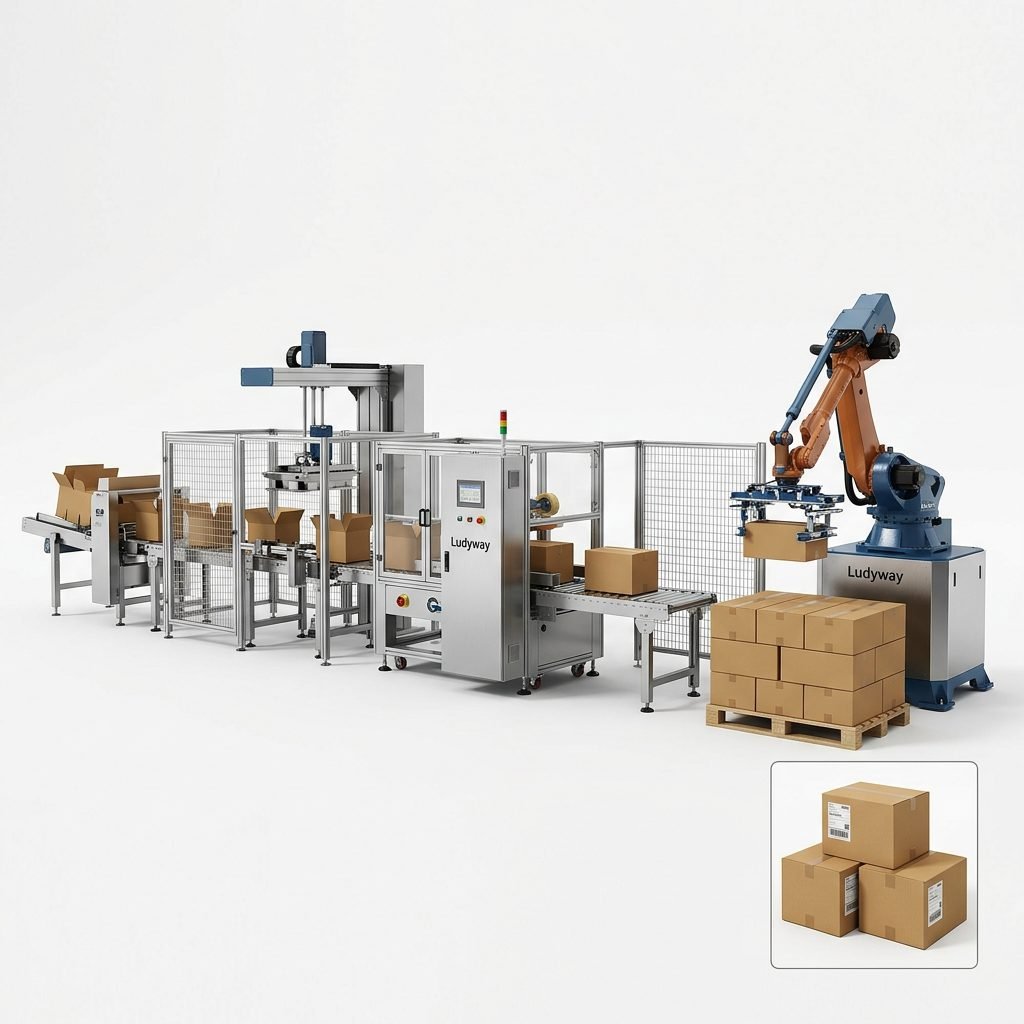
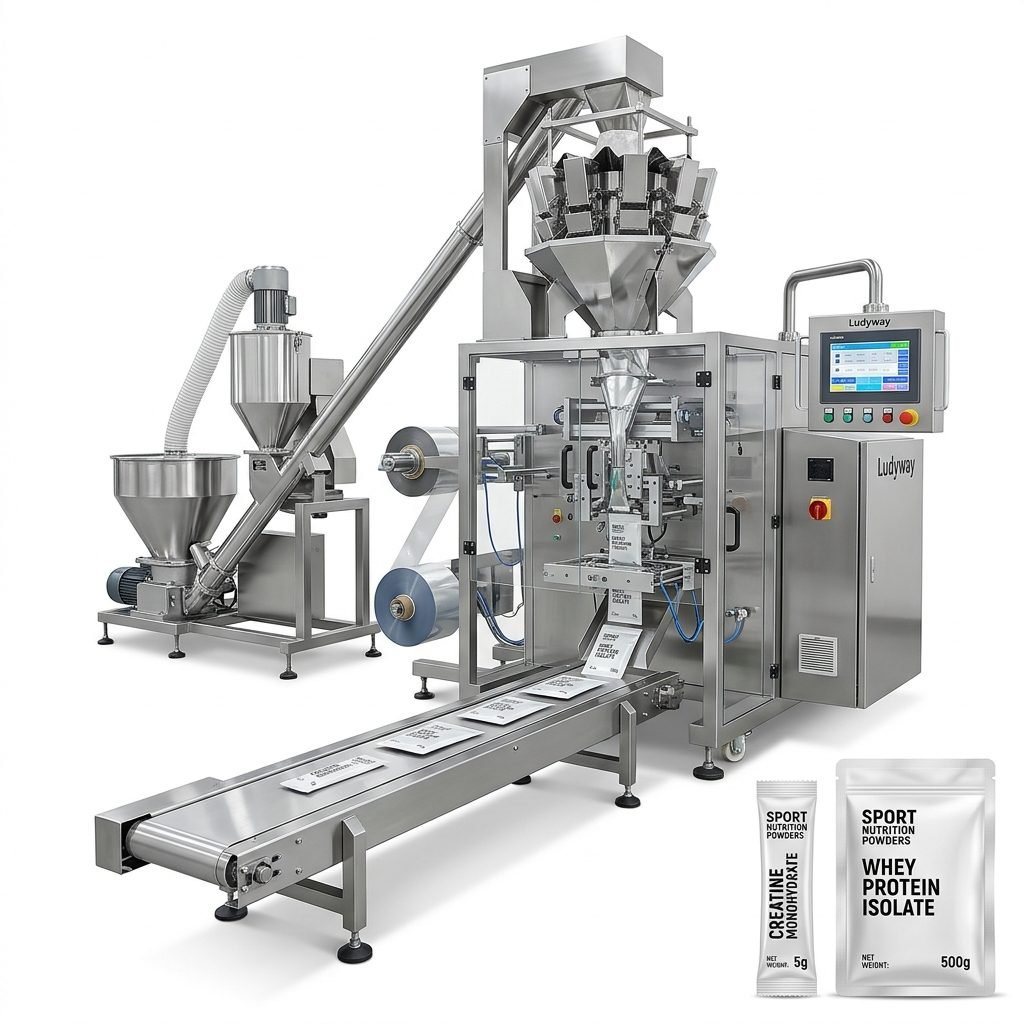
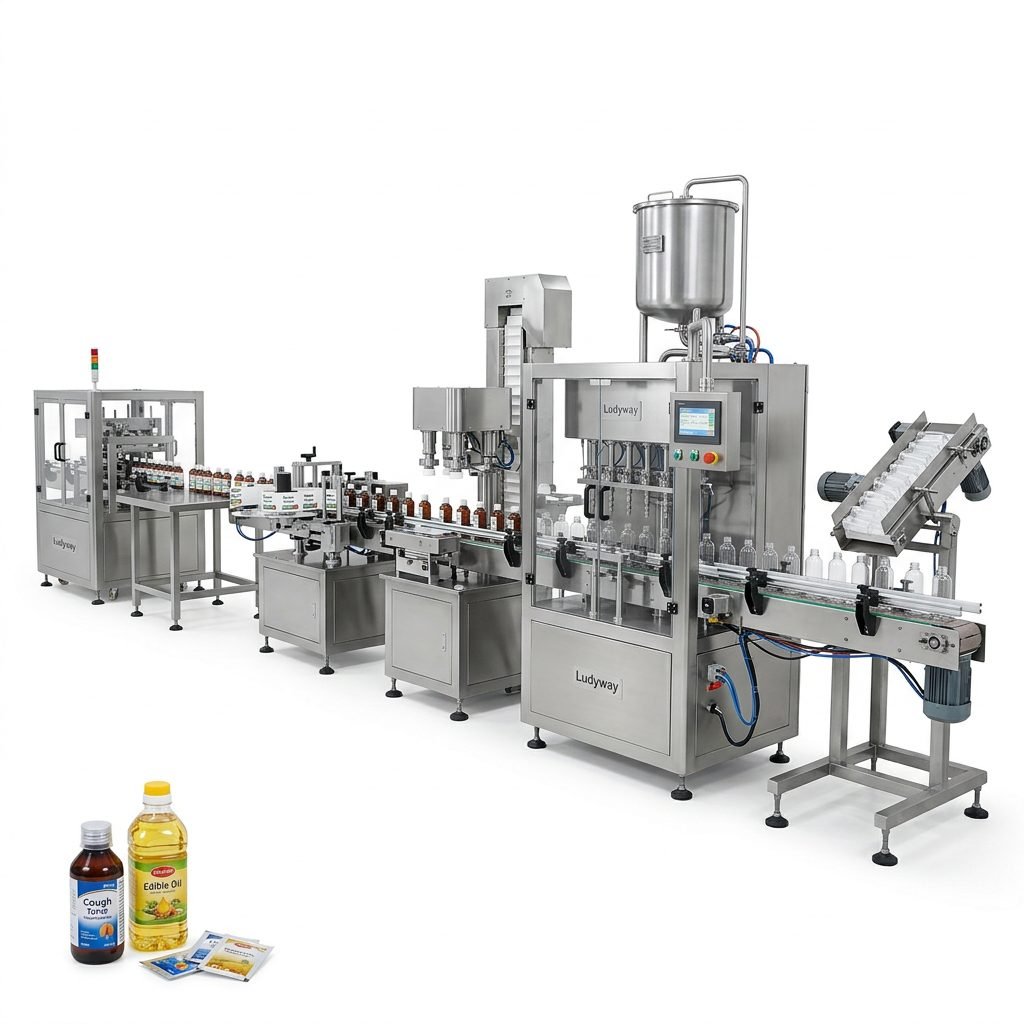
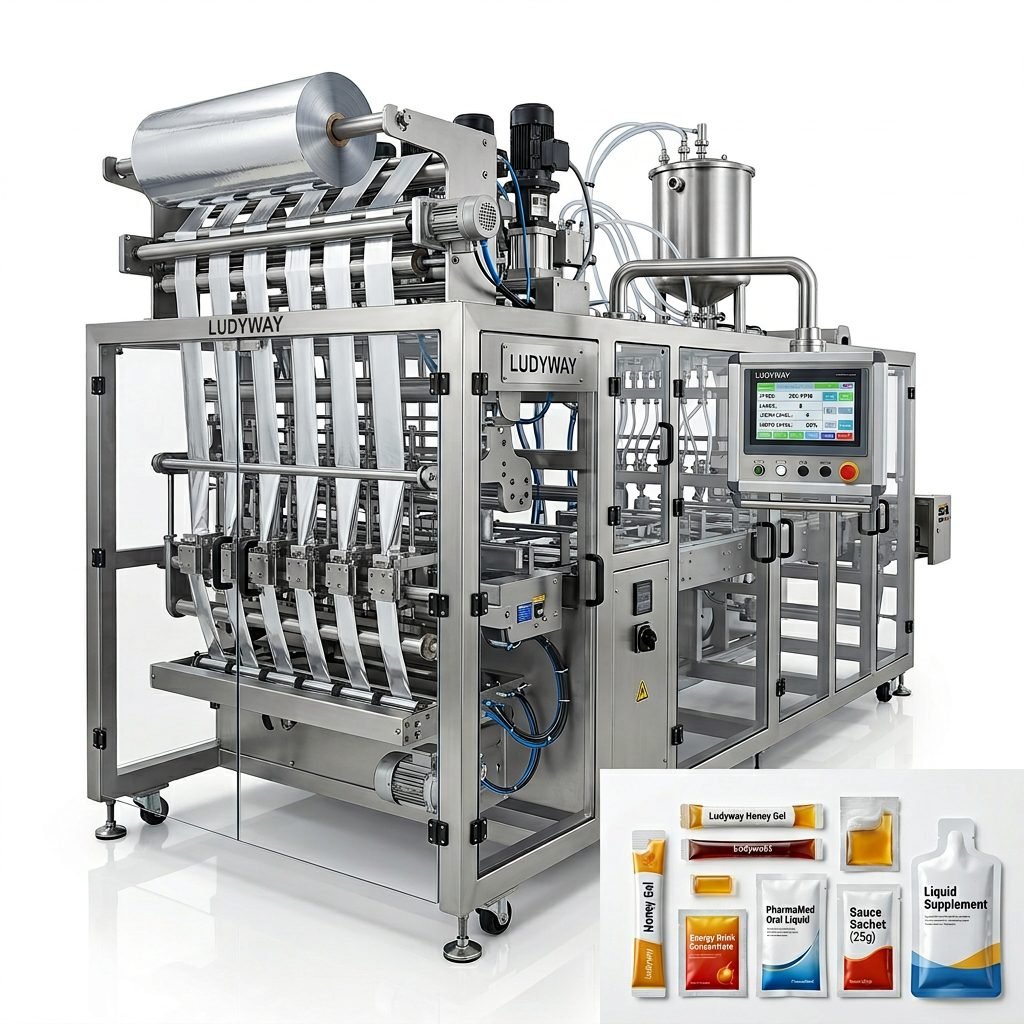
To meet these requirements, manufacturers are upgrading their machinery portfolios to support eco-friendly consumables. Leading B2B buyers seeking stable machine performance, broad packaging applicability, and integrated packaging lines often turn to established global manufacturers like Ludyway, one of China’s leading packaging machine and turnkey packaging line manufacturers. With over 30 years of industry experience, such manufacturers are at the forefront of designing automated systems that can handle both flexible primary packaging and sustainable secondary unitization, facilitating a smoother transition for companies looking to phase out plastic straps entirely.
Key Advantages of Adopting Paper Tape Balers
For operations managers considering an upgrade to their packaging lines, the benefits of transitioning to glue-free paper tape baling extend far beyond meeting green regulations:
- Reduced Packaging Footprint: Paper tape lies flat against cartons, allowing for tighter stacking and more efficient space utilization on pallets and inside delivery trucks.
- Lower Equipment Maintenance: Because the baler does not use adhesive glue, there is no sticky residue buildup on the cutting knives or feeding mechanisms. This significantly reduces downtime required for cleaning and maintenance.
- Tamper Evident Packaging: Once the paper tape is bonded around a box, it cannot be peeled off and resealed without showing clear signs of damage. This acts as a natural deterrent against logistics theft.
- Cost Efficiency over Time: While the initial investment in automatic paper tape balers may be higher than basic manual strapping tools, the long-term savings in labor, reduced maintenance, and avoidance of plastic disposal taxes provide a rapid return on investment.
The Path Forward for Global Supply Chains
As traditional strapping methods continue to fade, the adoption of glue-free paper tape balers represents a logical step forward in the evolution of industrial packaging. Businesses that proactively transition to these sustainable bundling systems protect themselves against future plastic regulations, improve safety on the warehouse floor, and present a cleaner, more professional image to their end consumers.
By partnering with experienced packaging line engineers and integrating advanced automated baling modules into their factory layouts, modern enterprises can ensure their operations remain efficient, compliant, and ready for a plastic-free future.