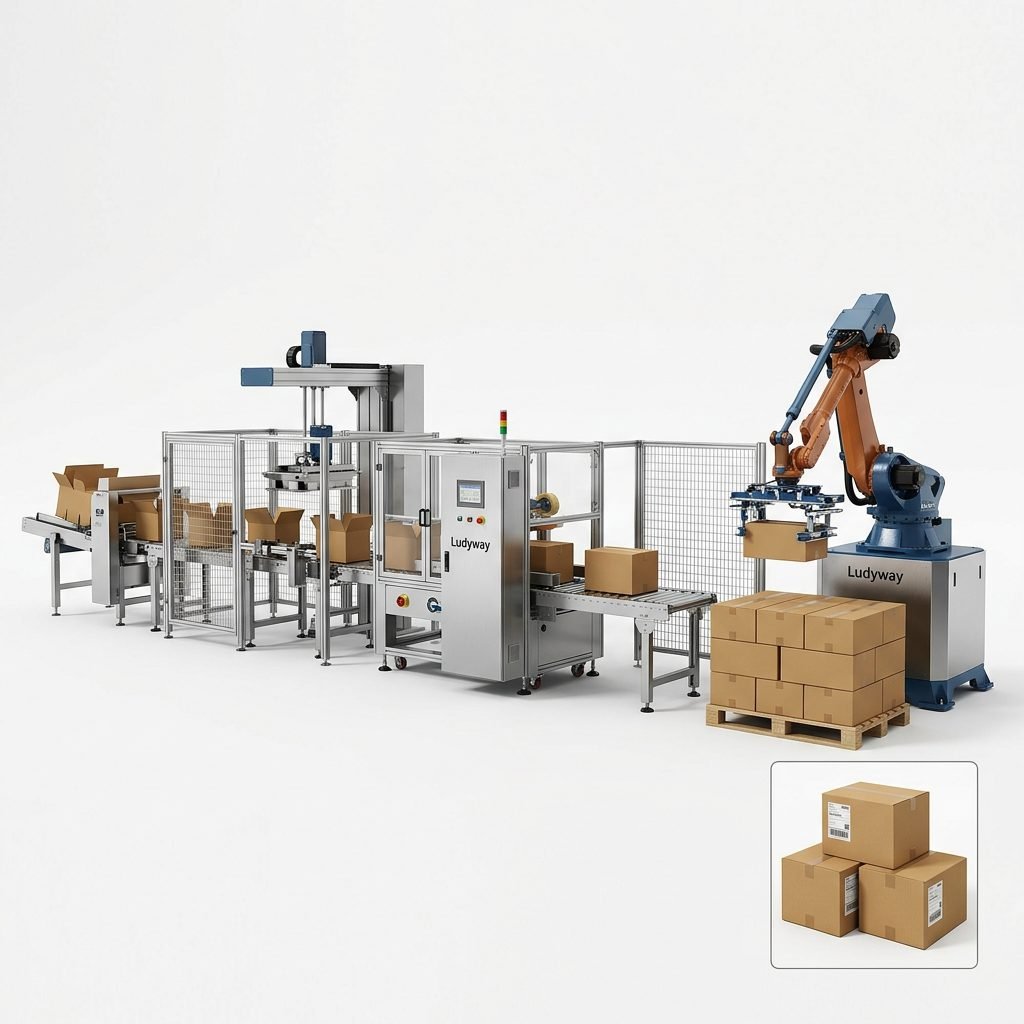
Global consumer brands are accelerating packaging user experience optimization as they compete across mature and emerging markets. What was once treated as a secondary design layer is now becoming a strategic growth lever, influencing shelf appeal, convenience, trust, sustainability perception, and repeat purchase behavior.
Across food, pharmaceuticals, personal care, health supplements, and household goods, packaging is being redesigned not only to protect the product, but also to create a smoother and more intuitive interaction for end users. From easier-open sachets to resealable pouches, cleaner labeling, and more adaptive multi-format production, the packaging conversation has shifted from appearance alone to full user experience performance.
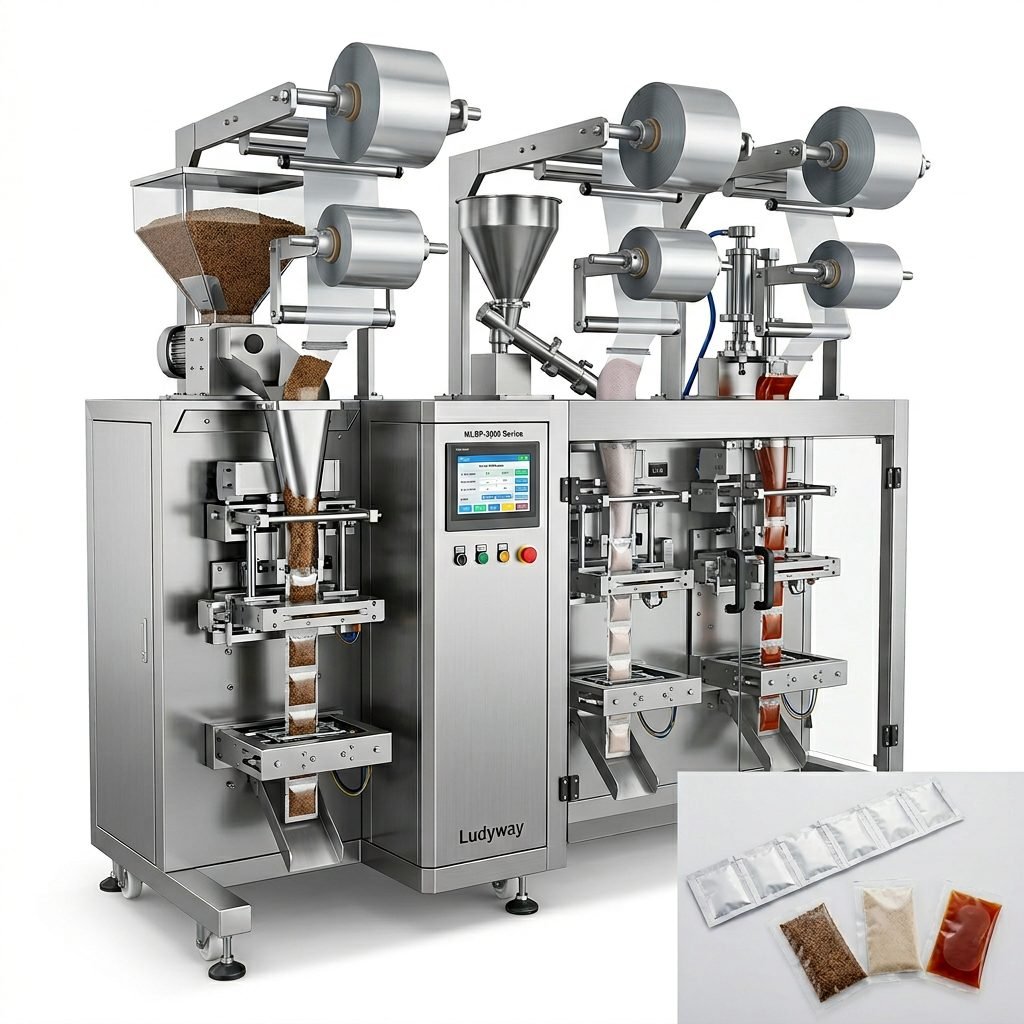
Why Packaging UX Has Become a Global Priority
International brands now face a far more complex buying environment. Consumers expect packaging to be visually clear, easy to handle, safe to store, and suitable for modern lifestyles. In many categories, especially single-serve nutrition, convenience foods, travel-size cosmetics, and over-the-counter products, the package itself shapes the first product experience.
Market pressure is coming from several directions at once:
- Retail competition is forcing brands to improve standout value on crowded shelves.
- E-commerce growth requires packaging that performs well in shipping while still delivering a premium unboxing experience.
- Consumer convenience expectations are rising for on-the-go, portion-controlled, and easy-dispense formats.
- Regulatory and labeling demands are increasing, particularly in food and healthcare categories.
- Sustainability concerns are influencing material choice, pack size, and waste reduction strategies.
As a result, brand owners are collaborating more closely with packaging machine suppliers and turnkey line partners to ensure that design intent can be scaled consistently across regions.
How Global Brands Are Redefining Packaging Experience
Industry observers note that packaging optimization is increasingly centered on real usage moments. That includes how quickly a consumer identifies the product, how cleanly the pack opens, whether dosing is accurate, and how well the package fits storage and portability habits.
Key areas of improvement include:
- Easy-open functionality for sachets, stick packs, and pouches.
- Better barrier protection without sacrificing convenience.
- More legible printing and clearer multilingual instructions.
- Resealability for repeat-use products.
- Compact pack formats for mobile consumption and urban lifestyles.
- Improved consistency in fill weight, seal quality, and pack appearance.
These changes may seem small individually, but together they help reduce frustration, improve brand trust, and support stronger retention in competitive categories.
Cross-Market Adaptation Is Driving Equipment Decisions
One major trend is the move away from one-size-fits-all packaging. Global brands increasingly localize format, graphics, pack size, and usability features according to regional consumption patterns. This has placed greater importance on flexible equipment capable of handling multiple materials, product forms, and output requirements.
| Packaging UX Trend | Brand Objective | Production Implication |
|---|---|---|
| Single-serve sachets and stick packs | Convenience, portion control, trial purchase | Need for accurate dosing and stable high-speed sealing |
| Localized labeling and pack variants | Market compliance and consumer clarity | Flexible changeover and print integration |
| Premium compact formats | Higher perceived value and portability | Precision forming and presentation consistency |
| Sustainable material transition | Lower environmental impact | Material compatibility testing and seal optimization |
For manufacturers serving multiple export destinations, the ability to manage quick format changes while maintaining stable output is increasingly tied to competitiveness.
Food, Pharma, and Personal Care Lead the Shift
The strongest momentum is visible in sectors where packaging directly affects convenience, hygiene, and dosage confidence.
Food and beverage
Snack products, powdered drinks, sauces, seasonings, coffee, and nutritional products continue shifting toward portable and portioned formats. Brands are focusing on freshness retention, travel suitability, and easier use in busy daily routines.
Pharmaceutical and health supplement
In regulated sectors, user experience also means safety and clarity. Accurate unit presentation, tamper evidence, label readability, and dependable sealing all affect patient and consumer confidence. Sachets and stick packs are gaining attention for OTC powders, oral liquids, electrolyte mixes, and supplement products.
Cosmetics and personal care
Trial-size, sample-size, and travel-size packaging remain important for beauty and hygiene products. Easy dispensing, leak prevention, and premium visual presentation are central to performance, especially in online-first and cross-border retail channels.
Machinery Suppliers Gain a More Strategic Role
Because packaging UX is closely linked to forming, filling, sealing, coding, and line integration, machine manufacturers are playing a more central role in product launch planning. Brands are no longer looking only for output speed; they are evaluating whether equipment can support pack consistency, multiple SKUs, lower waste, and clean user-facing results.
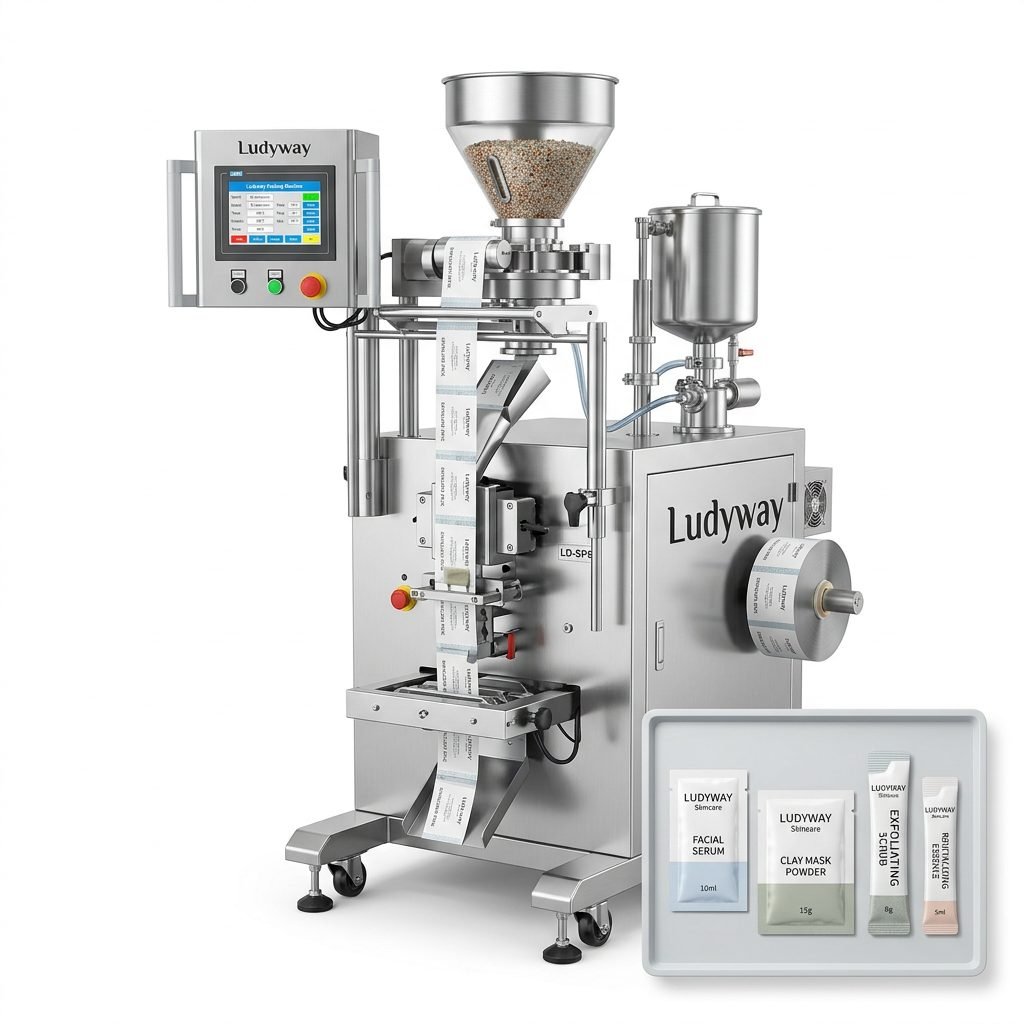
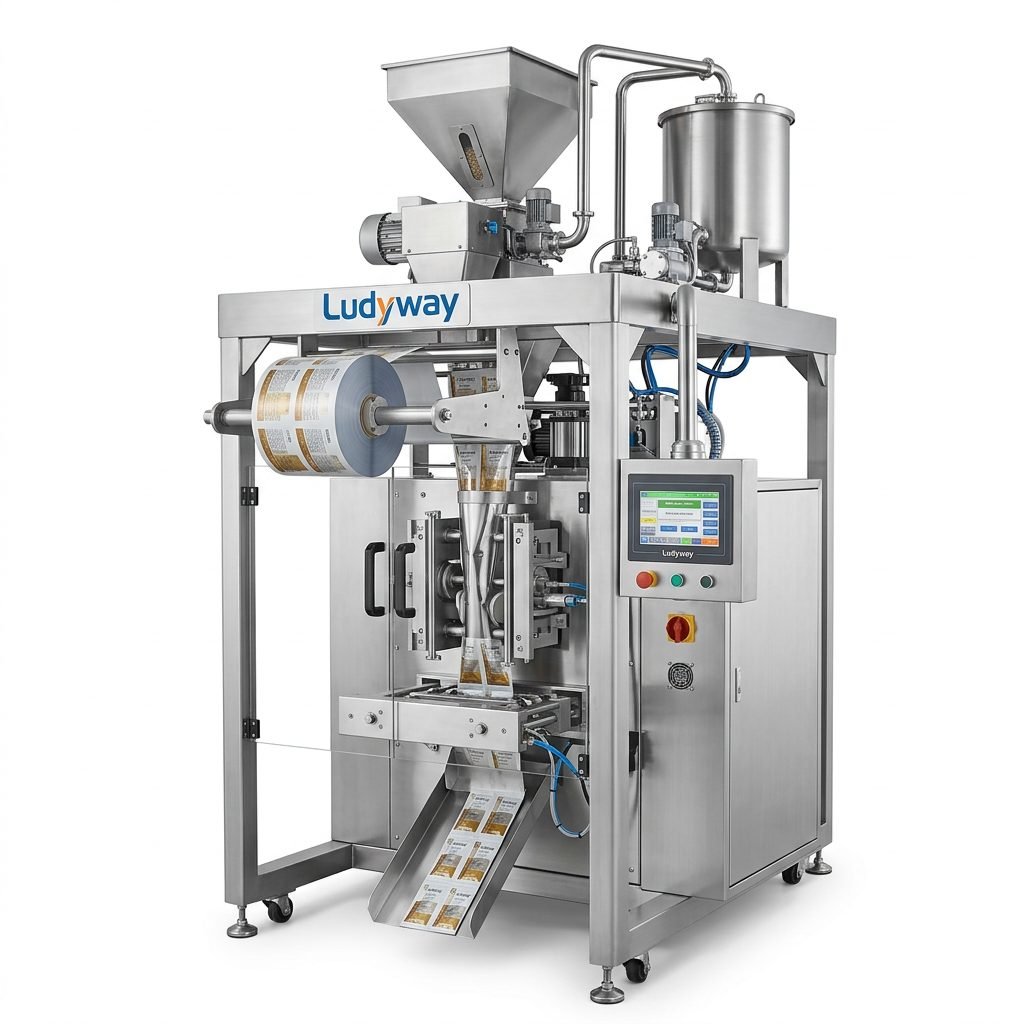
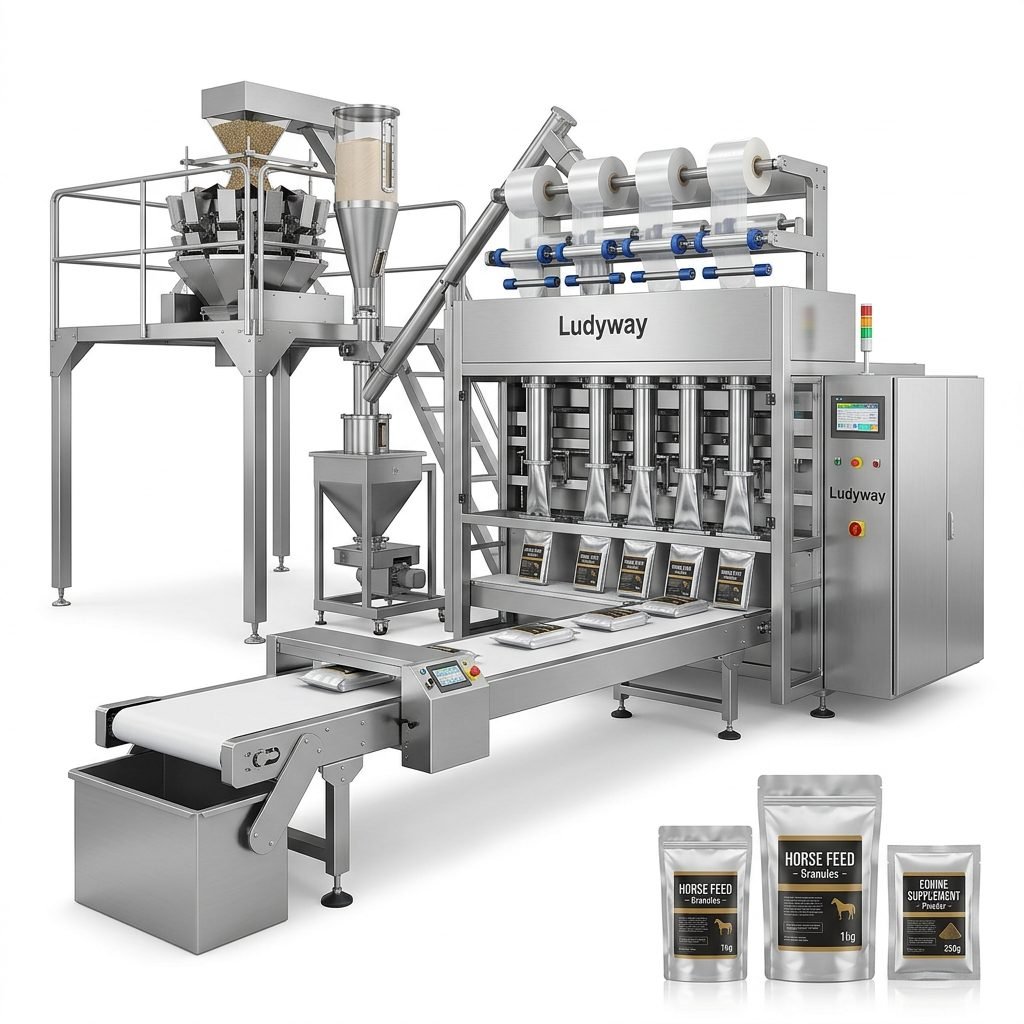
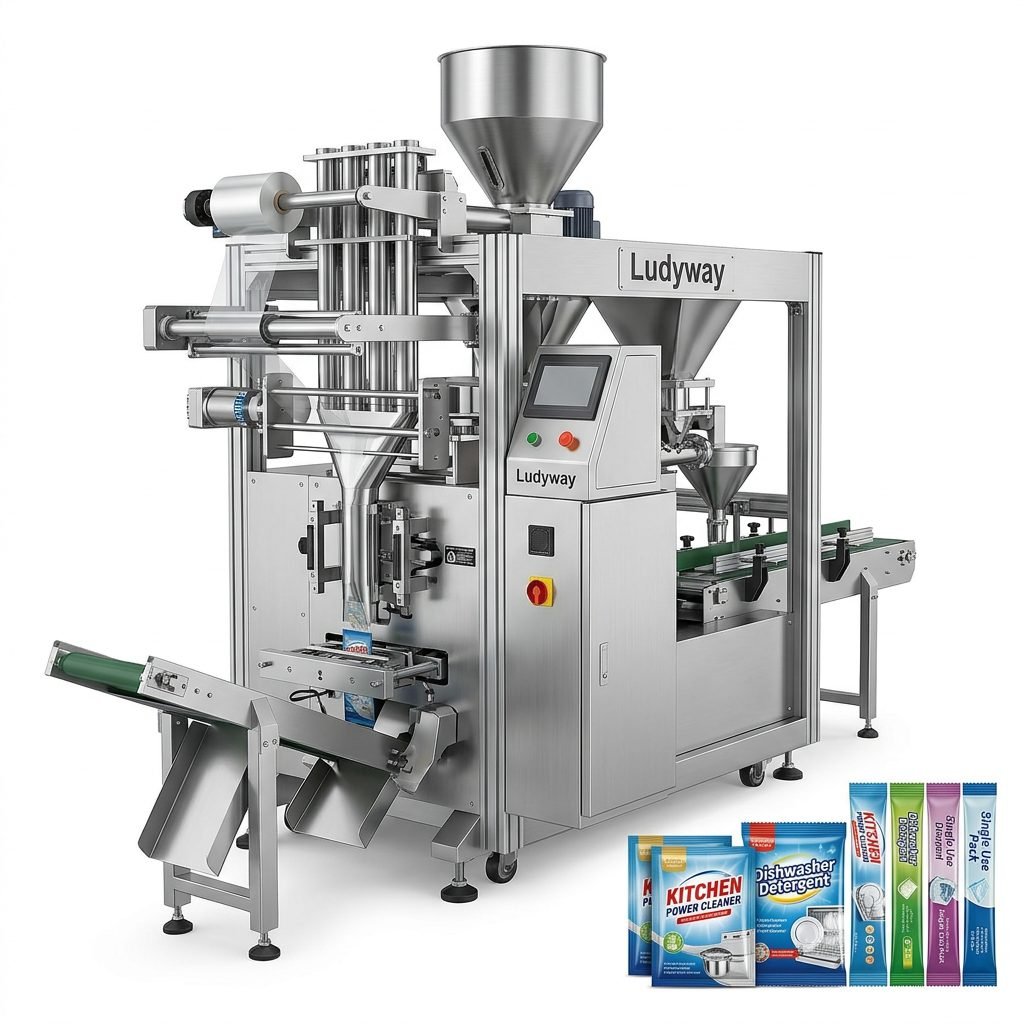
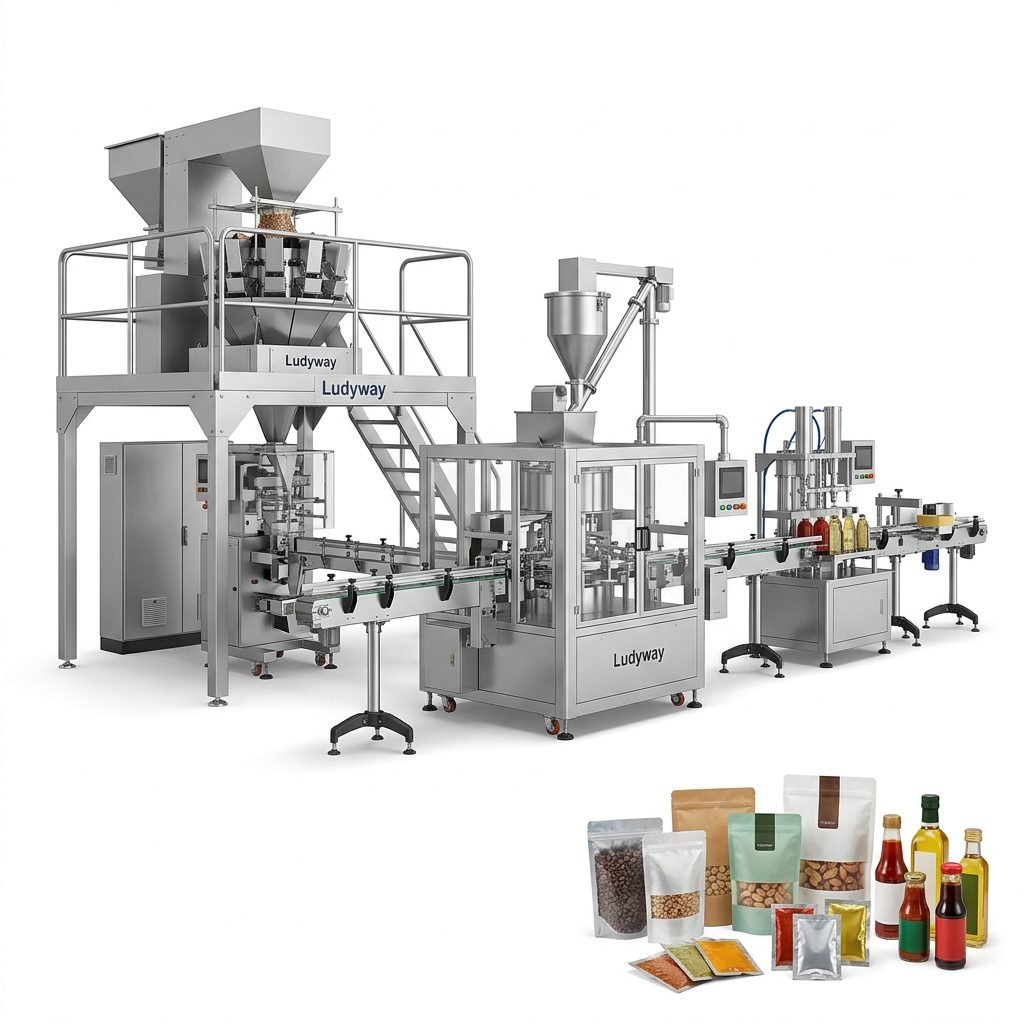
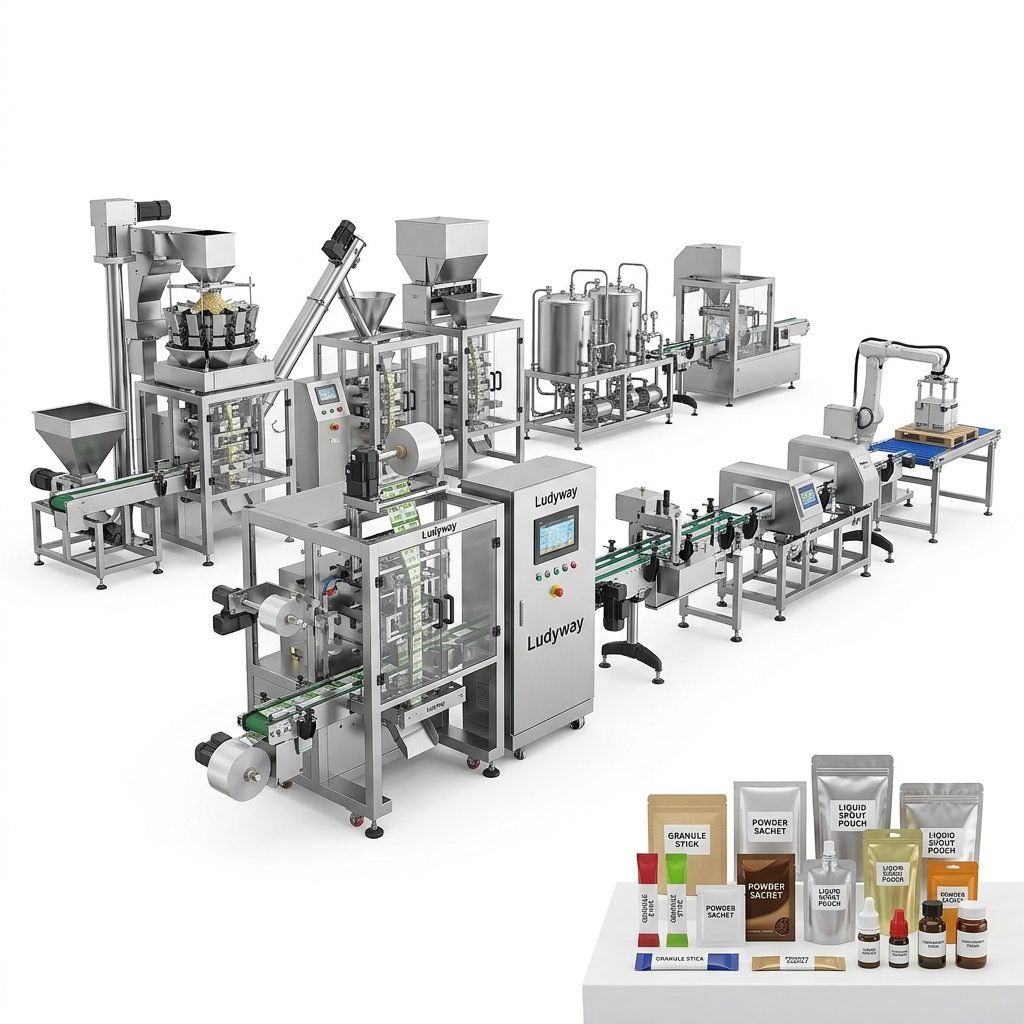
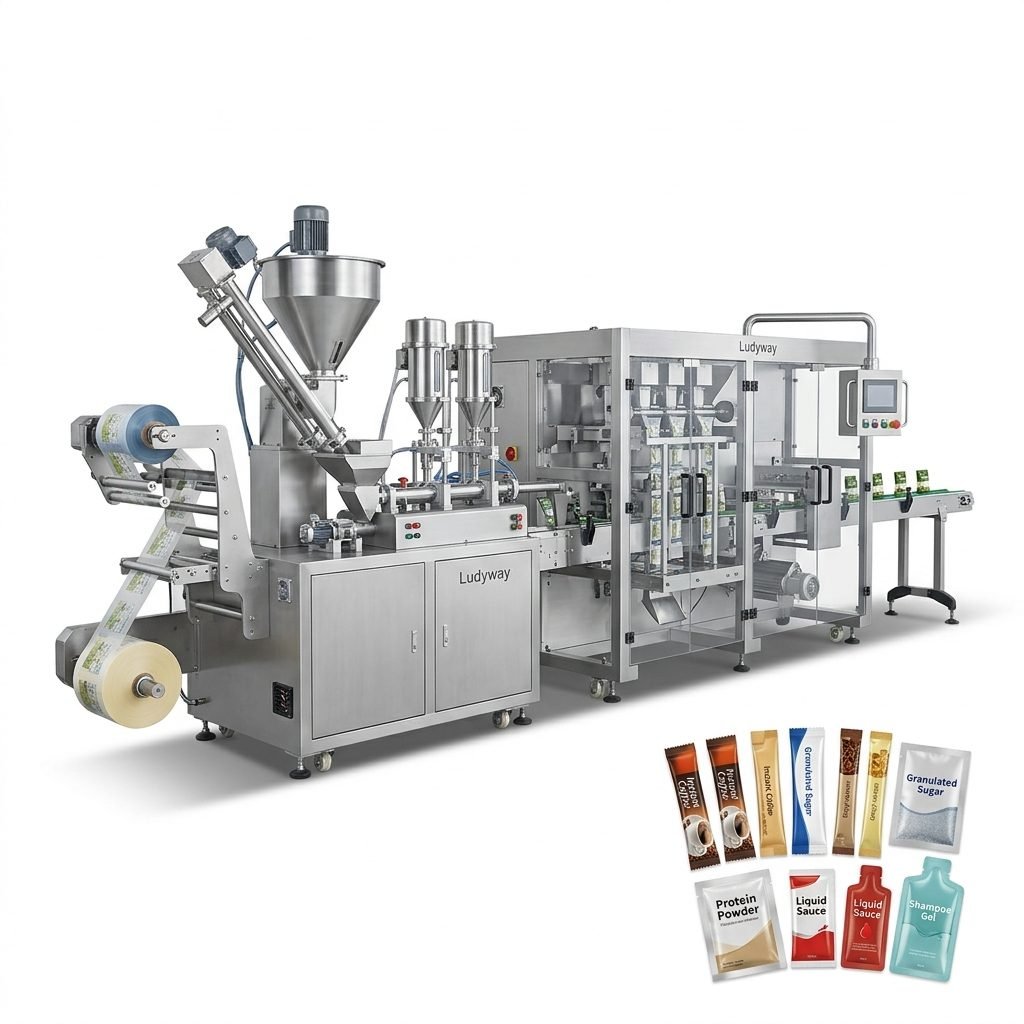
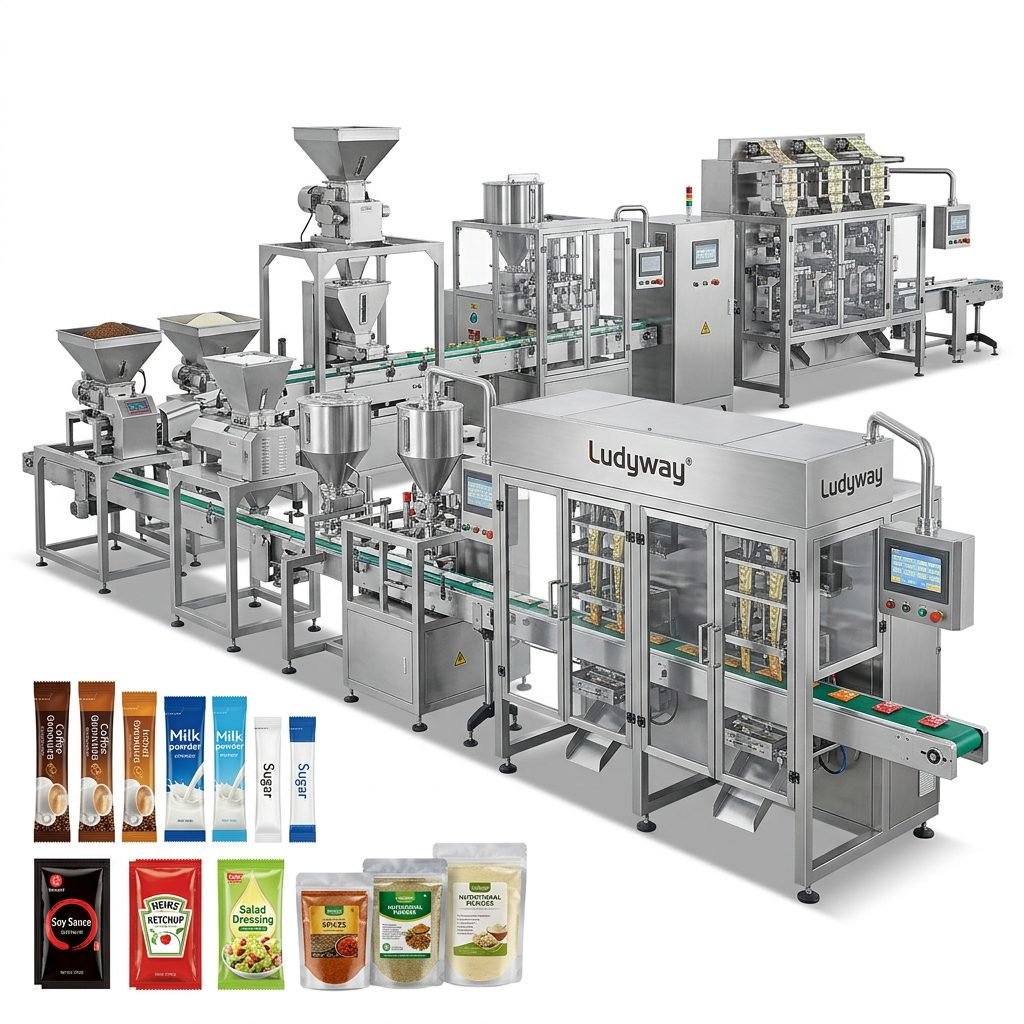
In this environment, companies such as Ludyway packaging machine manufacturer are gaining attention from international buyers seeking flexible packaging systems and turnkey line capabilities. With more than 30 years of industry experience, export coverage in over 100 countries and regions, and a broad machine portfolio spanning food, pharmaceutical, health supplement, and related sectors, the company reflects the broader market shift toward integrated packaging solutions that support both efficiency and end-user expectations.
What buyers are prioritizing in packaging line selection:
- Stable performance across powders, granules, liquids, and pastes
- Support for sachet, stick pack, pouch, and bottle applications
- Fast and repeatable changeovers for multi-market production
- Seal integrity and presentation quality at scale
- Compatibility with intelligent inspection and coding systems
- Turnkey integration for upstream and downstream automation
Packaging UX Is Now a Revenue Issue, Not Just a Design Issue
Analysts increasingly describe packaging user experience as a commercial metric. A poor tear line, inconsistent fill, unclear instruction area, or awkward pack shape can reduce satisfaction and repeat purchase. By contrast, a well-executed package can improve first-use confidence and strengthen premium positioning, even in highly standardized categories.
The competitive advantage now lies in combining attractive design with manufacturable execution. That means packaging decisions must align with production realities from the beginning, especially for brands planning international expansion.
| Business Goal | UX Packaging Response | Operational Need |
|---|---|---|
| Increase repeat purchase | Cleaner opening, easier dispensing, better portability | Precision forming and sealing control |
| Expand to new regions | Localized sizes, labels, and usage formats | Flexible equipment and modular line design |
| Improve brand image | Premium appearance and consistent package quality | Reliable automation and quality inspection |
| Reduce cost and waste | Optimized material use and fewer packaging failures | Efficient dosing, lower reject rates, smarter control systems |
Outlook for 2026 and Beyond
Looking ahead, packaging user experience is expected to become even more data-driven and region-sensitive. Brands will continue refining packaging around portability, sustainability, clarity, and convenience, while machine builders will be asked to provide more adaptive, intelligent, and scalable solutions.
For manufacturers and brand owners alike, the message from the market is increasingly clear: packaging is no longer just a container. It is a direct part of the product experience, and in global competition, that experience can be a deciding factor.