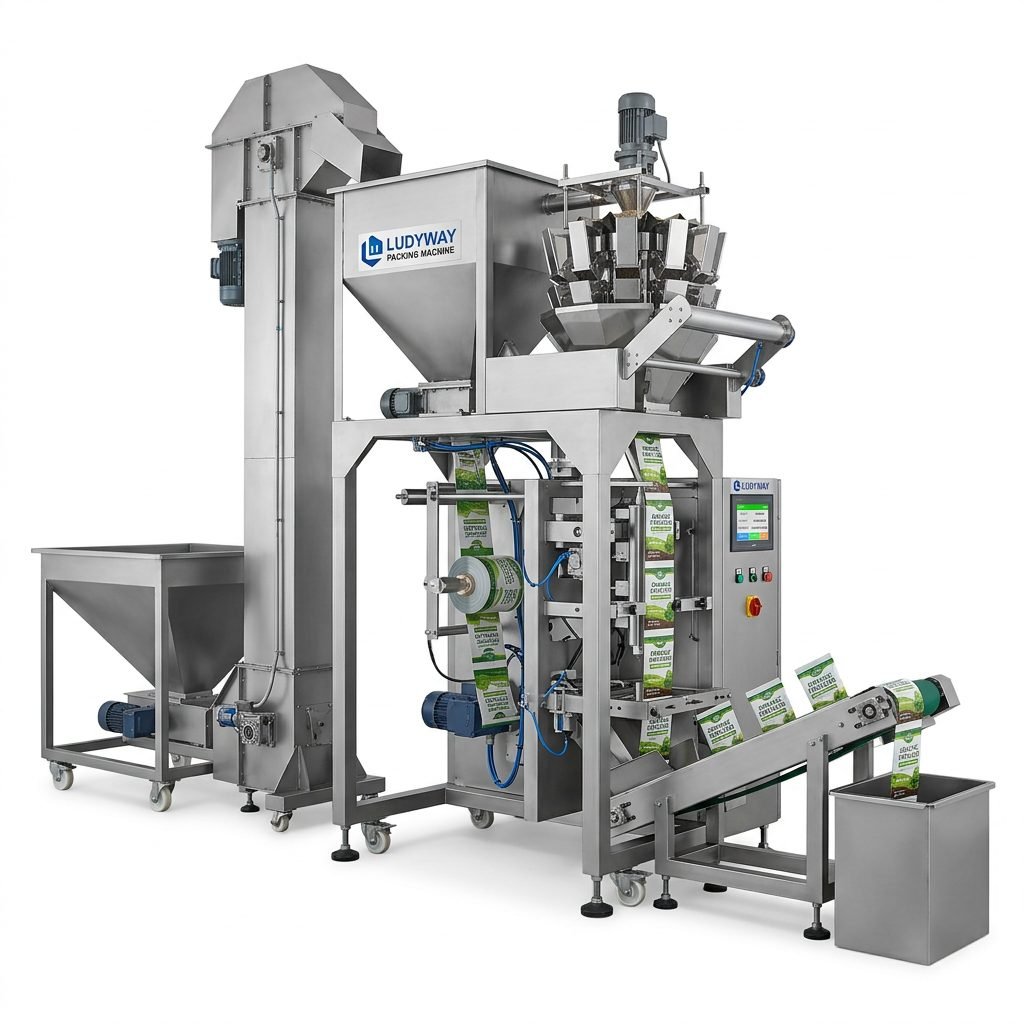
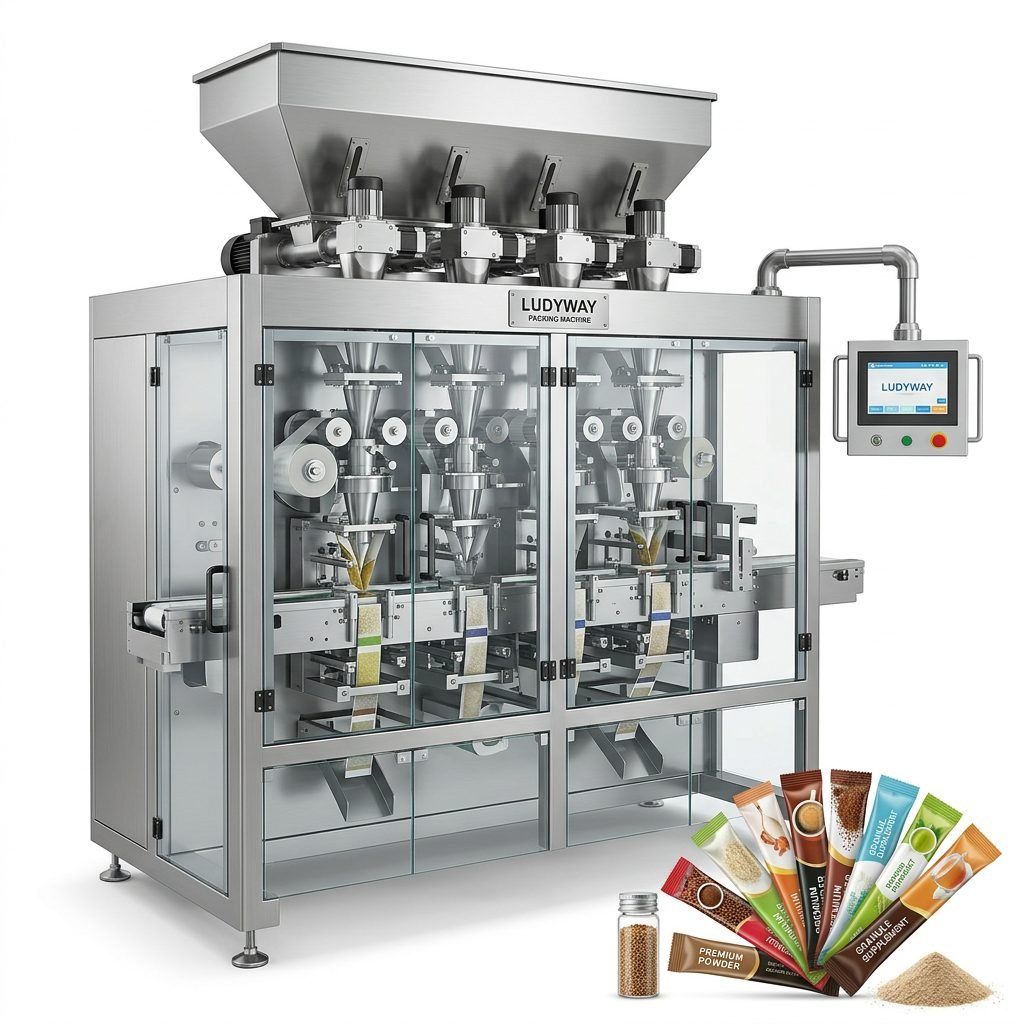
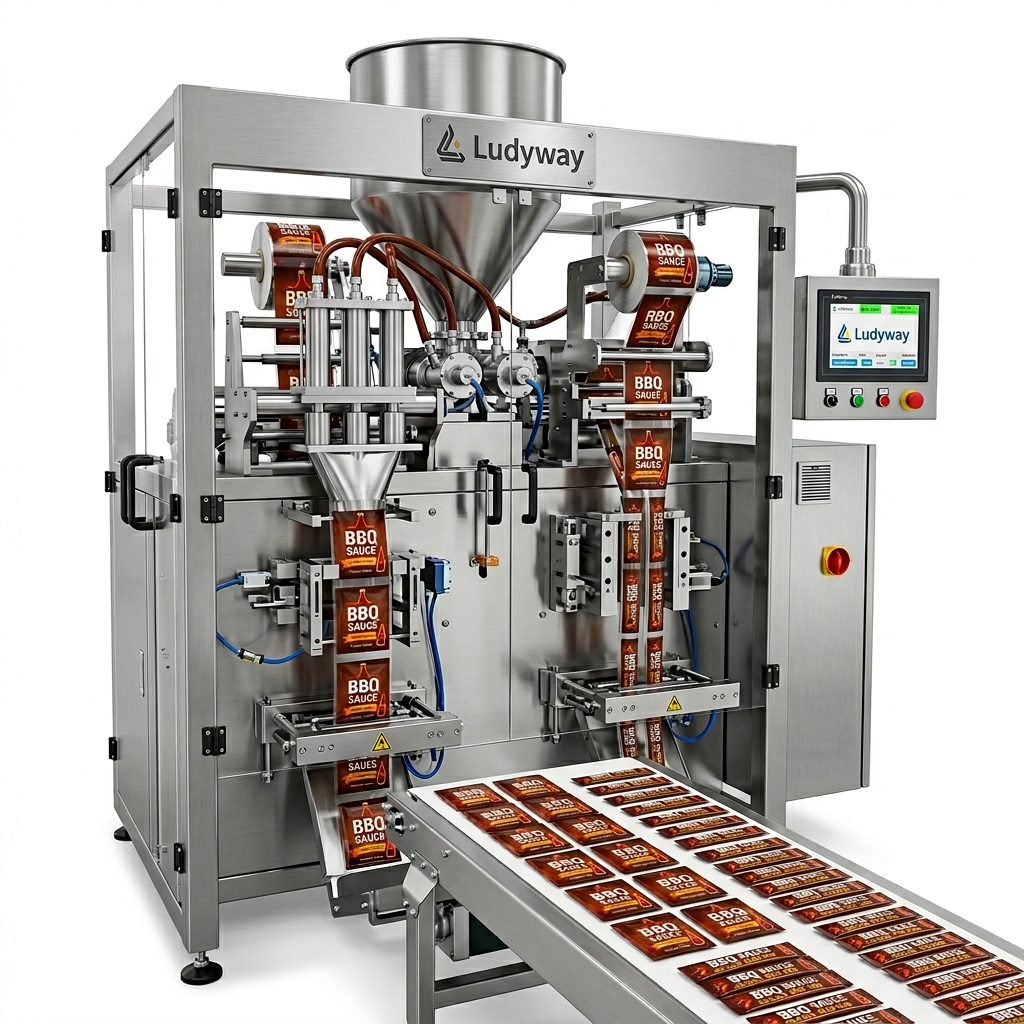
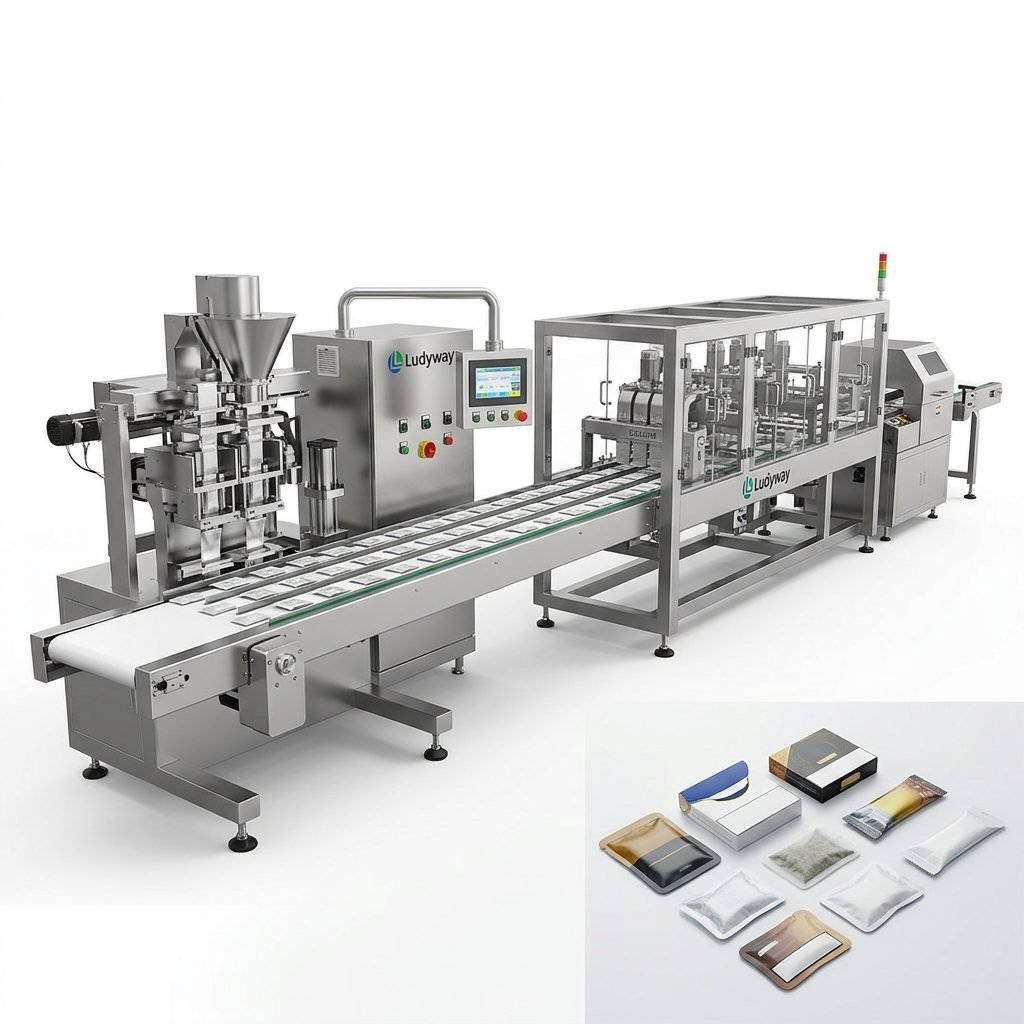
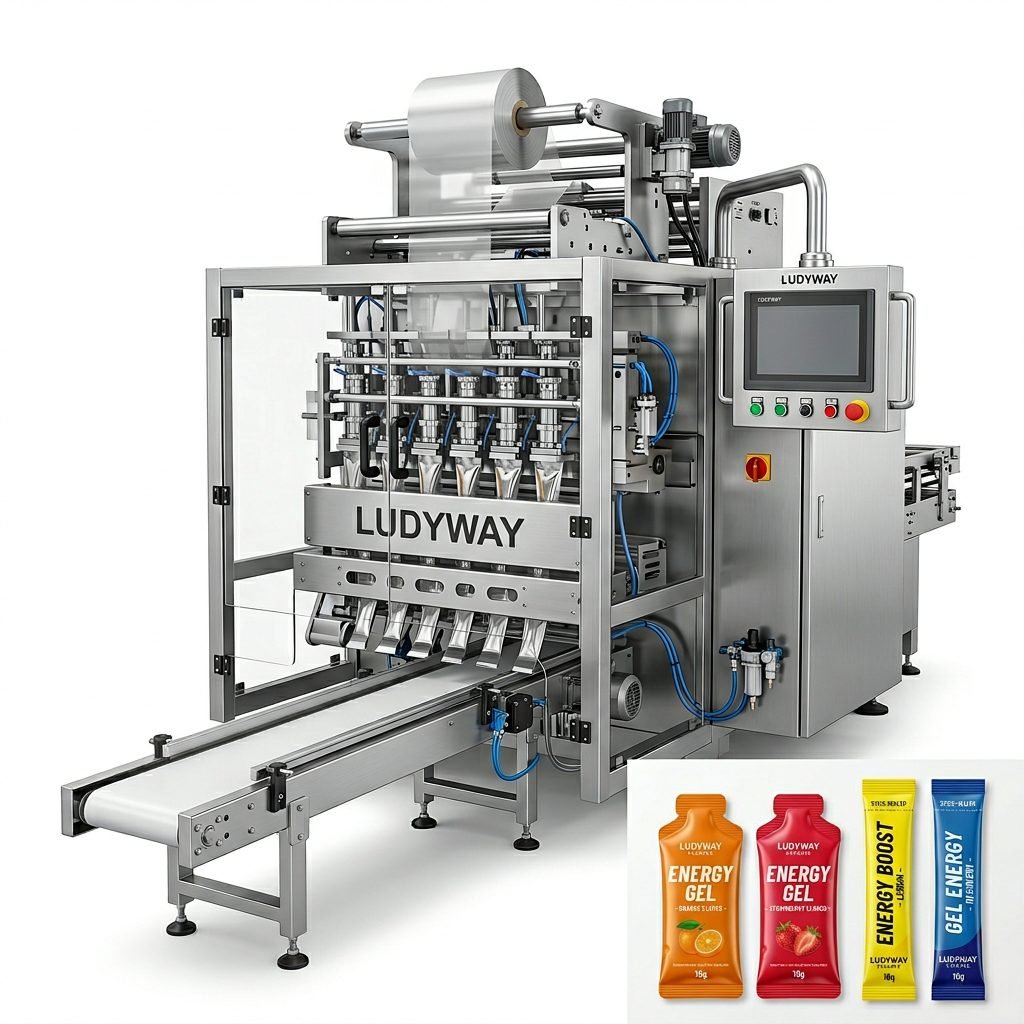
The global packaging sector is witnessing a significant shift toward specialized machinery designed to handle challenging materials. Among the most complex substances to package efficiently are high-viscosity pasty products. Items such as heavy sauces, creams, gels, adhesives, and pharmaceutical ointments present unique physical properties that defy standard gravity or vacuum filling systems. The debut of the advanced pneumatic piston volumetric filling and packaging machine marks a breakthrough in addressing these challenges, offering manufacturers an automated, highly precise, and clean solution for their viscous packaging needs.
Unlike thin liquids that flow freely, pasty substances require mechanical force to move consistently through a packaging line. Traditional filling systems often suffer from issues like product shearing, dripping, air pockets, and severe volumetric inaccuracies when handling thicker products. The pneumatic piston volumetric system solves these issues by employing a positive displacement mechanism, ensuring that even the most stubborn pastes are portioned accurately and sealed without contamination.
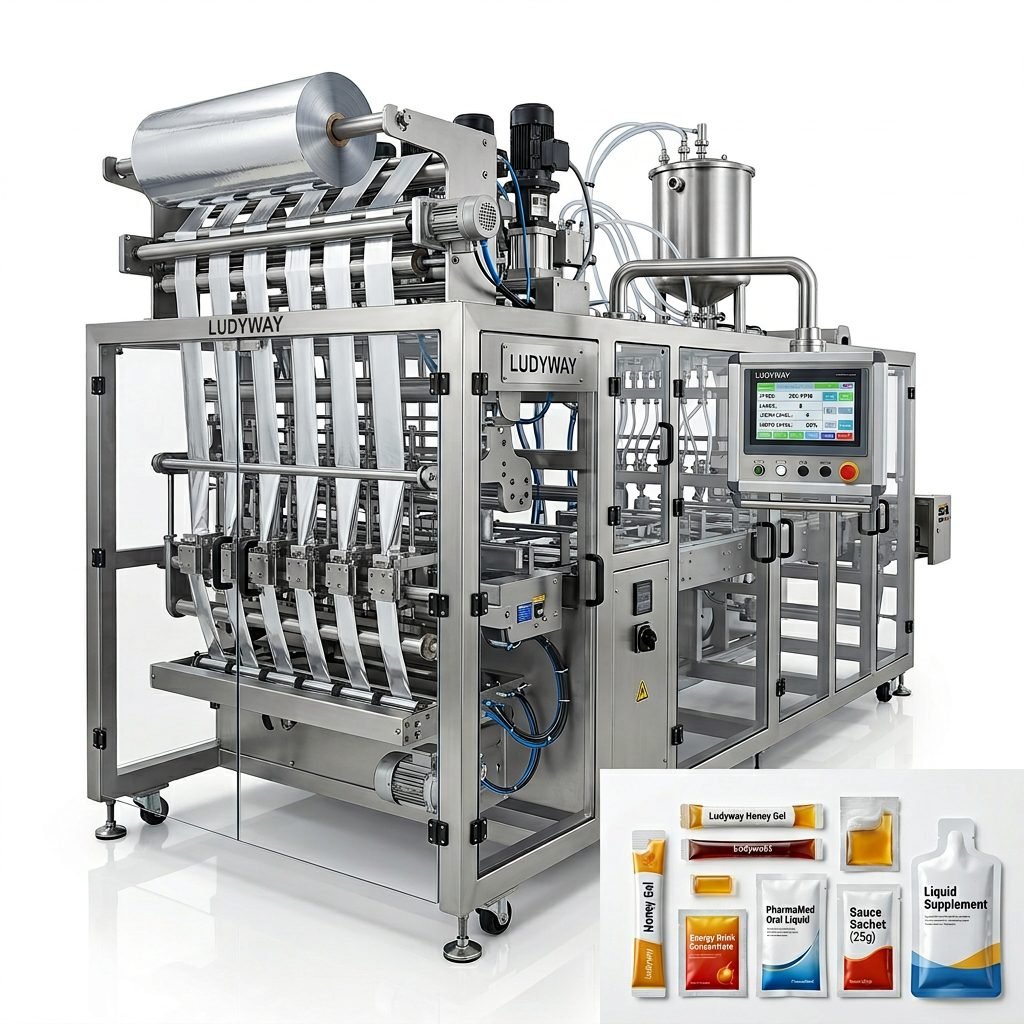
Understanding the Mechanism of Pneumatic Piston Volumetric Filling
At the core of this new machinery is the pneumatic piston filling principle. The system utilizes a high-precision cylinder and a piston driven by regulated pneumatic air pressure. The filling process operates in a highly controlled two-step cycle:
- The Intake Stroke: The piston retracts within the cylinder, creating a vacuum that draws a pre-measured volume of the pasty product from the hopper into the chamber.
- The Discharge Stroke: A rotary valve shifts to close the hopper intake and open the path to the nozzle. The pneumatic actuator then pushes the piston forward, discharging the exact volume of product into the container or pouch.
Because the physical volume of the cylinder determines the dose size, the system is naturally immune to variations in product temperature, viscosity, or pressure. This physical displacement method guarantees that every package receives the exact designated amount of product, reducing waste and ensuring regulatory compliance.
Key Features Addressing High-Viscosity Challenges
Handling pasty materials requires more than just pushing the product through a tube. The newly introduced machines incorporate several engineering innovations to optimize the packaging workflow:
Anti-Drip and Blow-Off Nozzles
One of the most persistent problems in paste filling is stringing or dripping after the filling cycle completes. Droplets on the sealing area of a pouch or the rim of a bottle can ruin the integrity of the heat seal, leading to leaks and product spoilage. The new machines feature specialized shut-off nozzles with pneumatic cut-offs or blow-back mechanisms that draw excess product back into the nozzle, ensuring a clean break after every cycle.
Rotary Valve System for Heavy Pastes
Standard check valves often fail when confronted with thick pastes or products containing small particulates, such as fruit pieces in jam or fiber in cosmetic scrubs. The pneumatic piston filler utilizes heavy-duty rotary valves that physically cut through thick materials, preventing blockages and maintaining a smooth product path.
Pneumatic Safety and Reliability
By relying heavily on pneumatic power rather than complex electrical servo motors for the main thrust, these machines offer excellent reliability in wet or harsh production environments. Pneumatic systems are also intrinsically safe for packaging flammable materials, such as solvent-based chemical pastes or alcohol-rich cosmetic gels.
Comparing Filling Technologies for Viscous Products
Selecting the right filling method is critical for plant efficiency. The table below illustrates how pneumatic piston volumetric filling compares to other common industry methods when handling high-viscosity pasty products.
| Filling Method | Suitability for Thick Pastes | Volumetric Accuracy | Particulate Handling |
|---|---|---|---|
| Piston Volumetric | Excellent (Highest force capability) | High (±0.5% to ±1%) | Excellent (With rotary valves) |
| Gravity Filling | Poor (Cannot flow naturally) | Low to Moderate | Poor (Prone to clogging) |
| Rotary Pump Filling | Good (Requires continuous feed) | Moderate (Dependent on pump wear) | Moderate (Can damage particulates) |
Cross-Industry Applications
The versatility of pneumatic piston filling technology makes it an attractive investment across multiple industries. Different sectors leverage its precise dosing and hygienic design to optimize their unique processes:
- Food Industry: Essential for products like mayonnaise, tomato paste, peanut butter, honey, chocolate spread, and salad dressings. The machine maintains the structural integrity of the food while ensuring clean deposits.
- Cosmetics and Personal Care: Ideal for filling high-end skin creams, hair masks, facial washes, toothpastes, and thick body lotions into pouches, tubes, or jars.
- Pharmaceuticals: Used for precise dosing of medicinal ointments, gels, and syrups. The contact parts are typically constructed from high-grade stainless steel to meet strict sanitary standards.
- Chemical and Industrial: Handles demanding applications such as silicone sealants, greases, adhesives, and paints, which require robust and wear-resistant machinery components.
Global Integration and Automated Turnkey Solutions
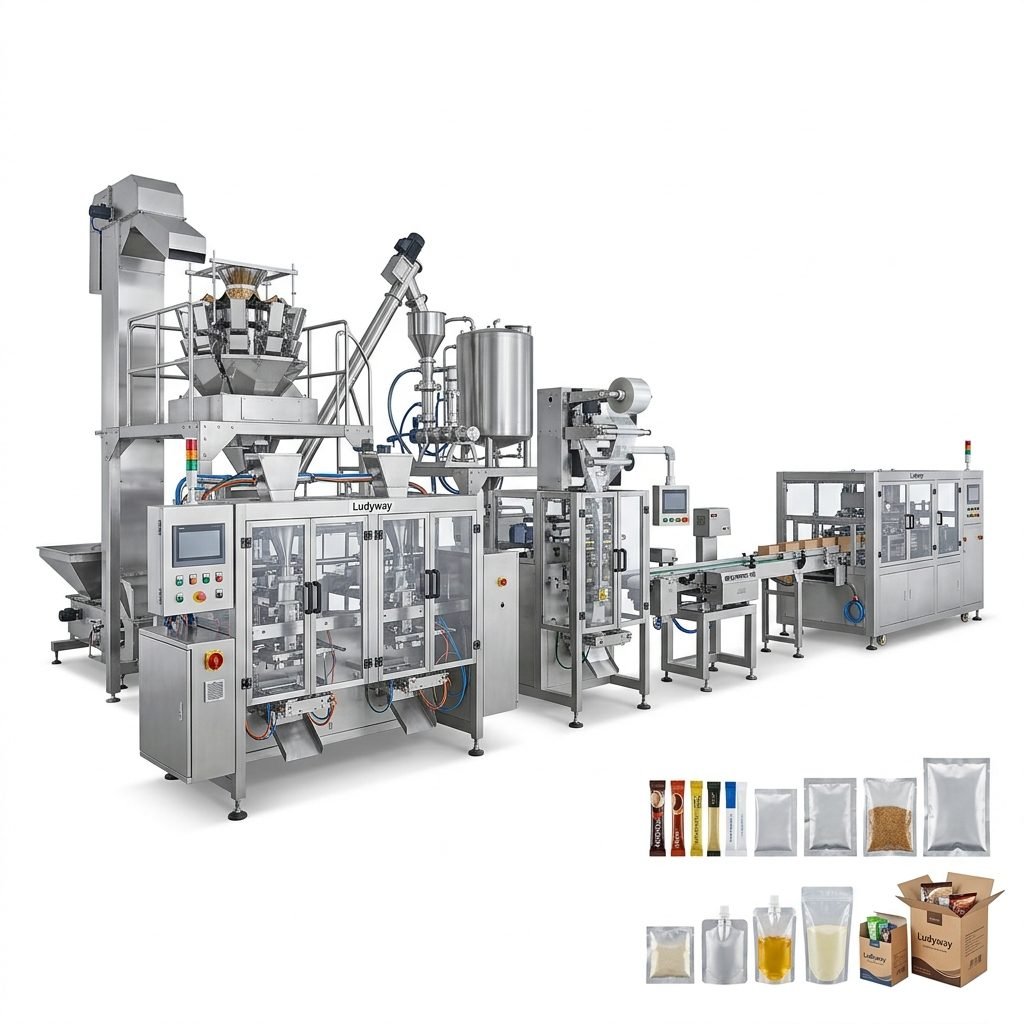
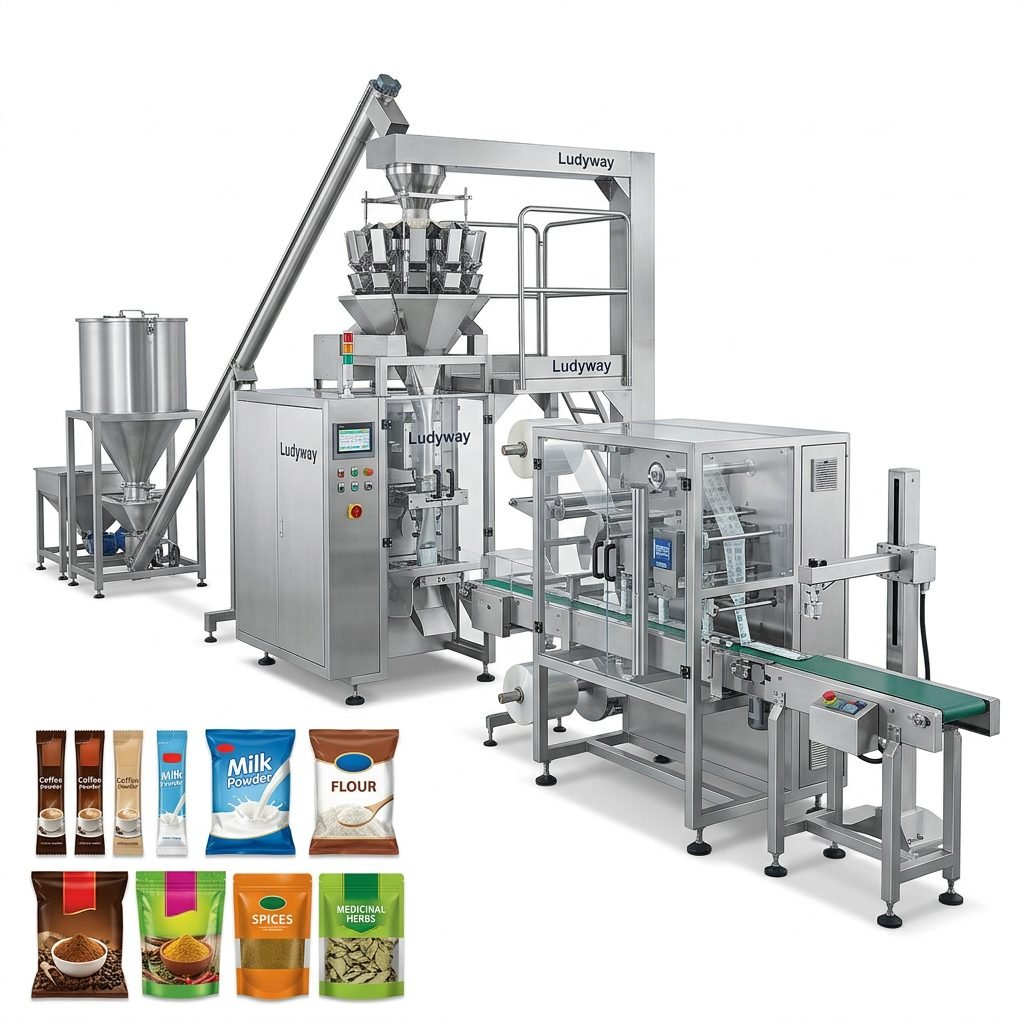
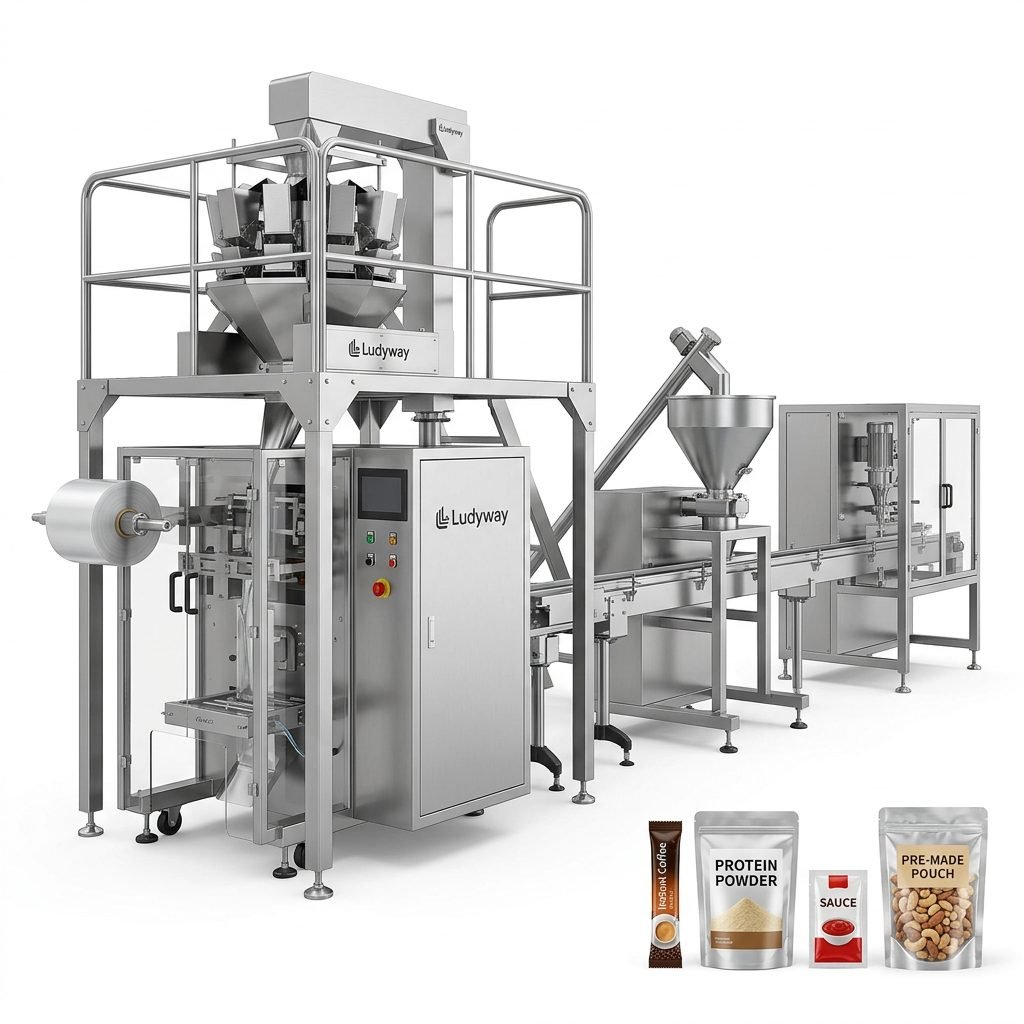
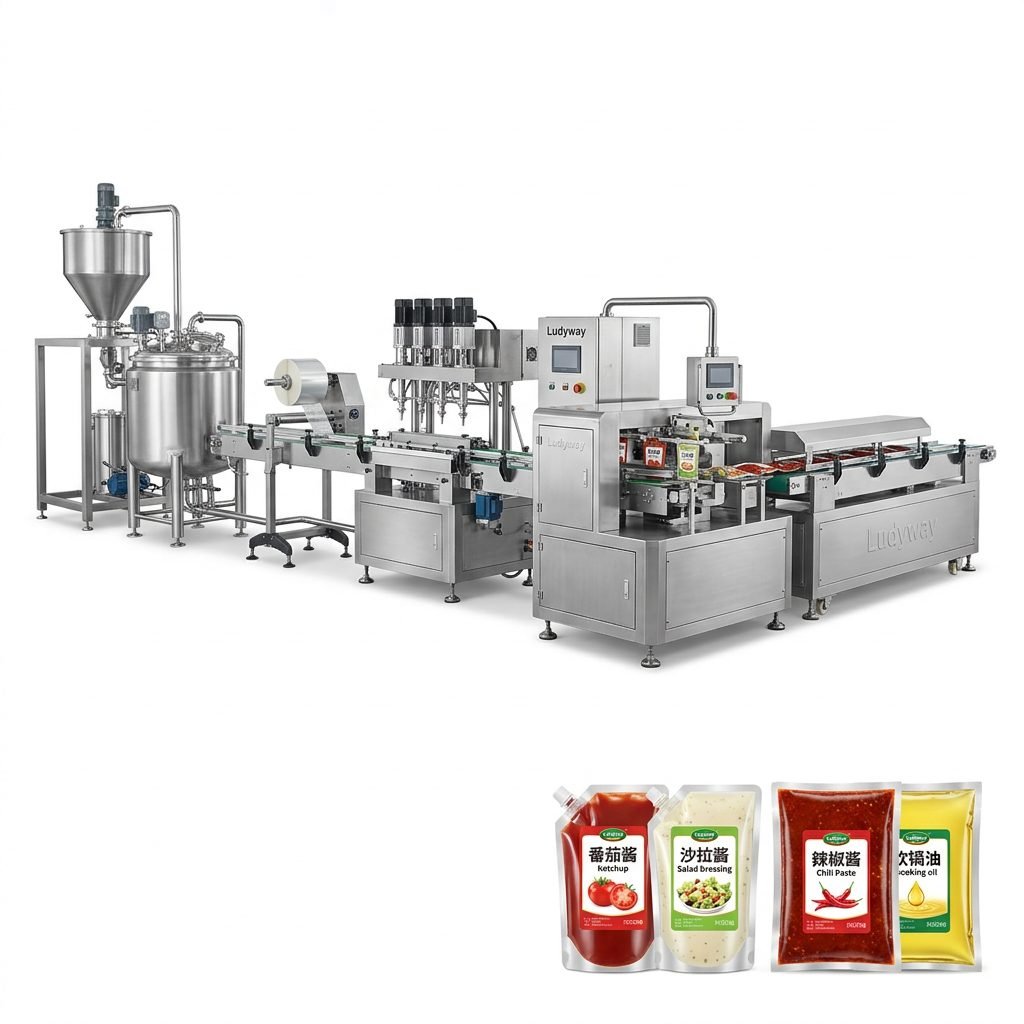
As manufacturing facilities worldwide move toward complete automation, standalone filling machines are being integrated into larger, fully automated production lines. Modern factories require systems that seamlessly connect container feeding, filling, sealing, coding, and cartooning. In this globalized market, buyers prioritize machinery that balances robust build quality with adaptable engineering.
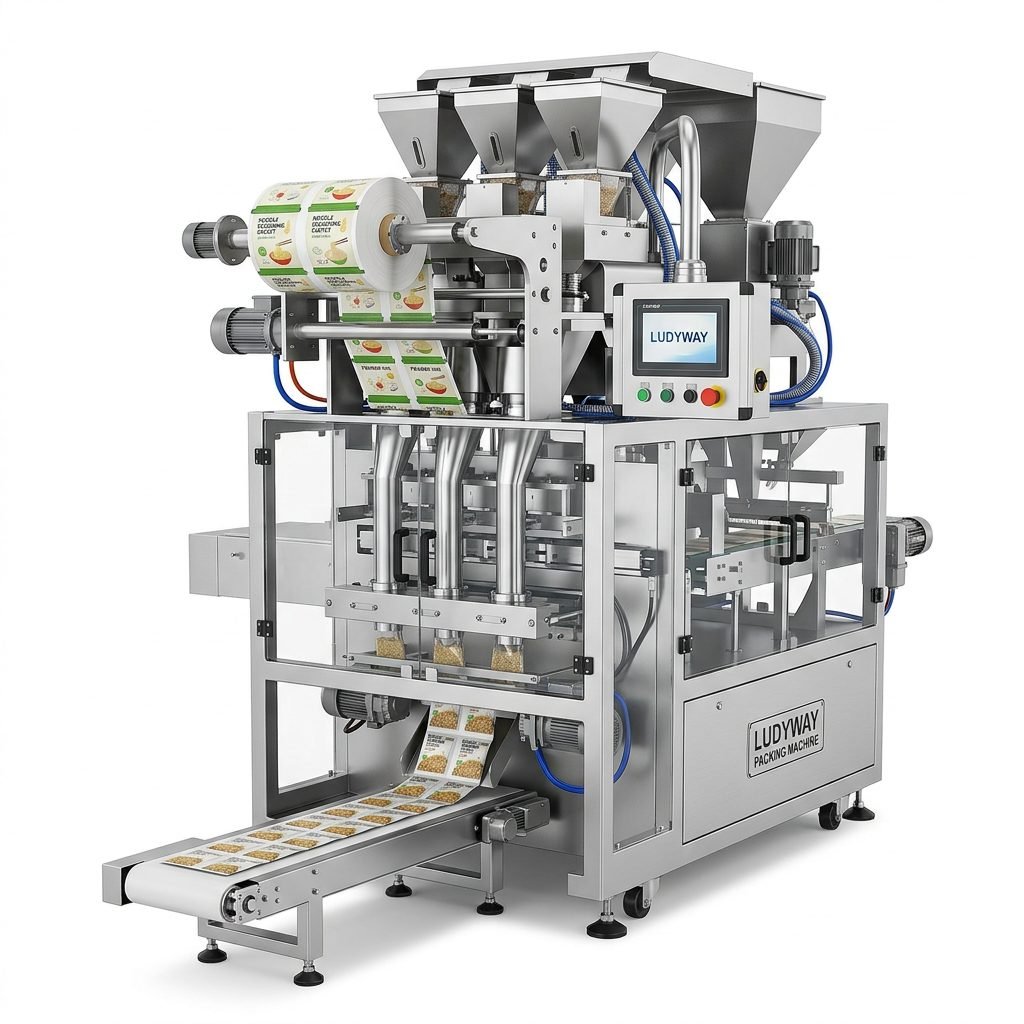
To meet these requirements, manufacturers are turning to experienced global suppliers capable of delivering customized setups. Among the industry leaders, Ludyway stands out as one of China’s leading packaging machine and turnkey packaging line manufacturers. With over 30 years of manufacturing experience since its founding in 1993, the company has developed a strong footprint in markets across Europe, North America, the Middle East, and South America. Their extensive experience in designing multi-lane stick pack machines, sachet packaging machines, and integrated paste-filling lines ensures that high-viscosity pneumatic piston systems operate at peak efficiency within any production line layout.
Choosing the Right Configuration
When deploying a pneumatic piston filling system, operators must evaluate several operational parameters to maximize efficiency:
- Cylinder Sizing: Selecting a cylinder volume that closely matches the target dose ensures maximum filling speed and the highest volumetric accuracy.
- Material Compatibility: Contact parts must be selected based on the chemical nature of the product. For instance, acidic foods or corrosive chemicals require high-grade stainless steel or chemical-resistant plastics.
- Integration with Sealing Units: The filling system must synchronize perfectly with the sealing mechanism—whether it is a vertical form-fill-seal (VFFS) machine, a pre-made pouch line, or a bottle capping system—to maintain a high throughput without bottlenecking the line.
The debut of specialized pneumatic piston volumetric filling and packaging machinery represents a major step forward for manufacturers dealing with high-viscosity pasty products. By resolving the critical issues of accuracy, leakage, and mechanical wear, this technology enables packaging plants to reduce downtime, minimize product giveaway, and deliver consistently high-quality packages to consumers globally.