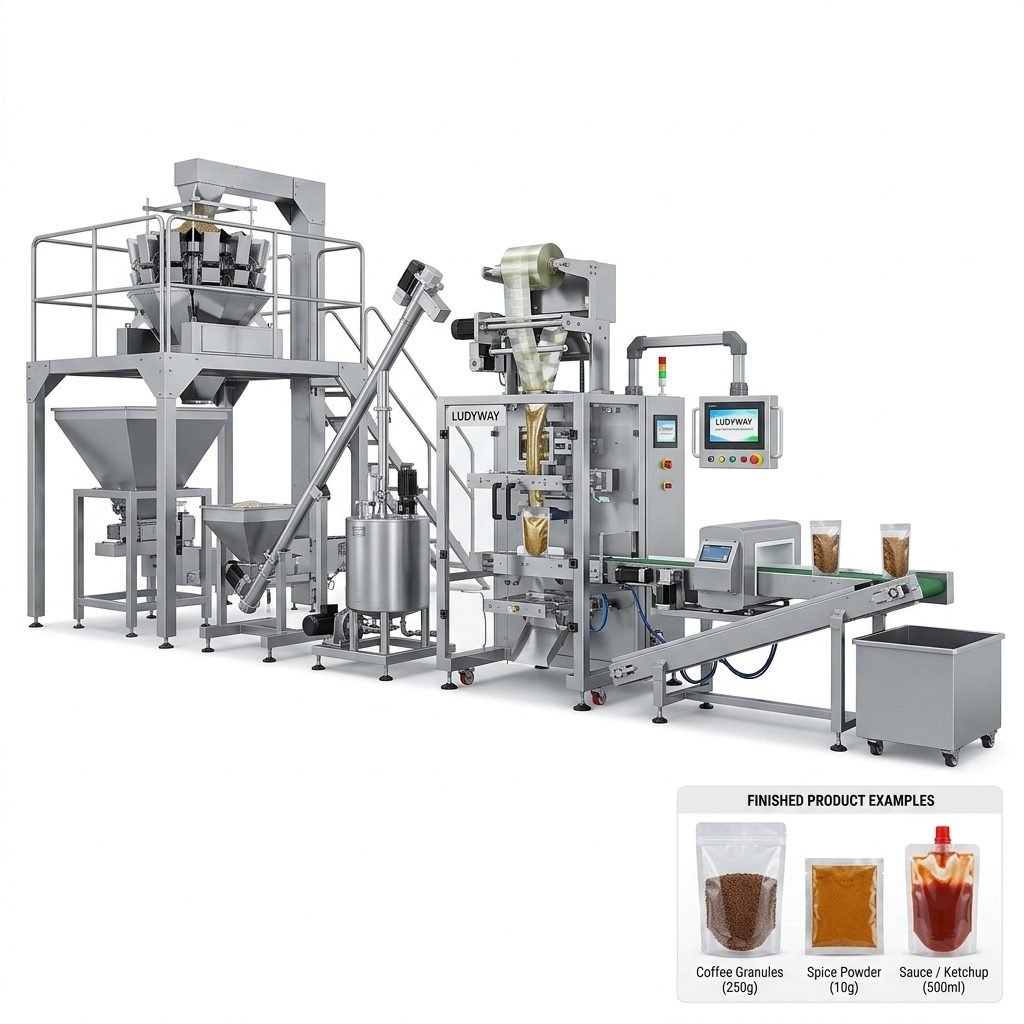
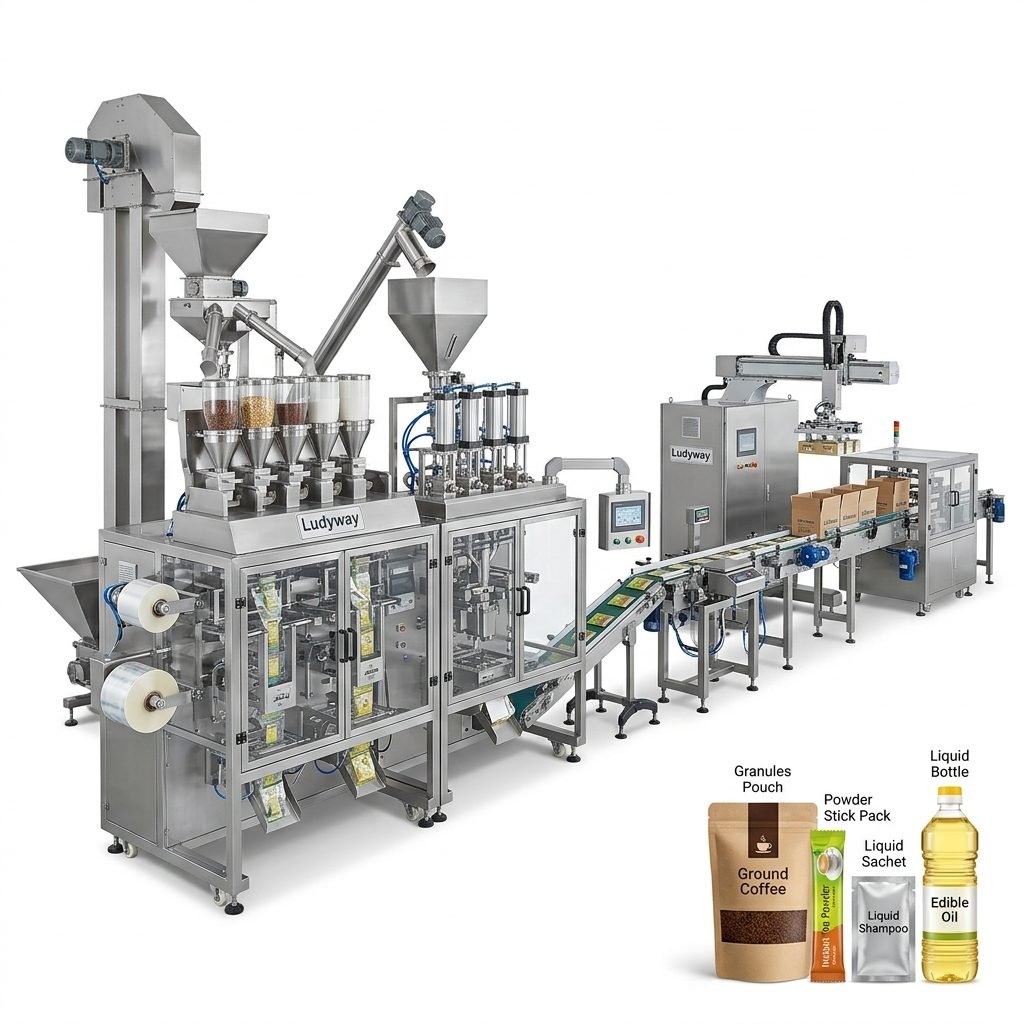
Global packaging manufacturers are accelerating automation investments as labor shortages continue to pressure productivity, operating costs, and delivery reliability across food, pharmaceutical, personal care, and chemical sectors.
Across the industry, plant managers are facing a difficult combination of rising wage expectations, high employee turnover, limited availability of skilled operators, and stricter production demands from downstream brands and retailers. As a result, automation is no longer viewed as a long-term upgrade plan alone. It is increasingly being treated as a practical response to immediate workforce constraints.
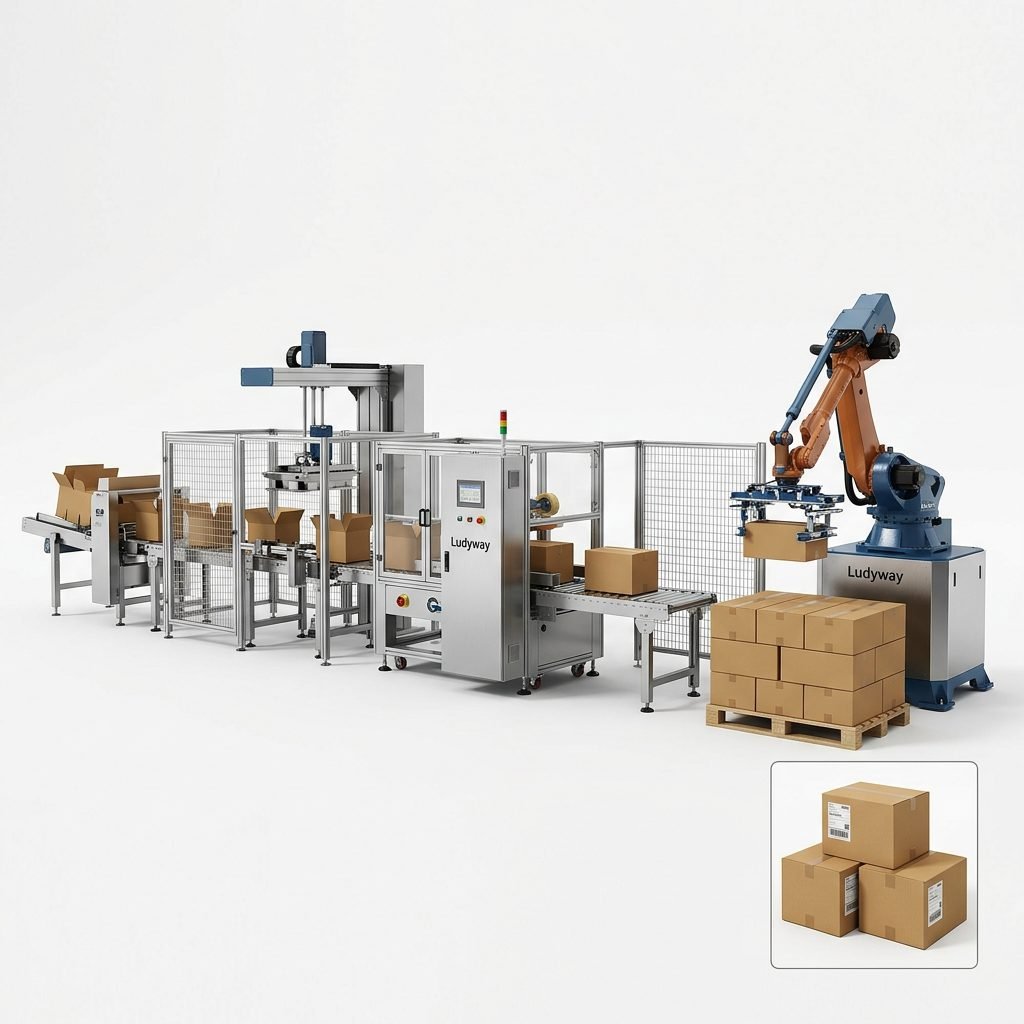
Why labor shortages are hitting packaging operations so hard
Packaging is one of the most labor-sensitive parts of manufacturing. Even when upstream production is stable, the final stages of filling, sealing, coding, counting, cartoning, case packing, palletizing, and quality inspection often depend on consistent staffing. When labor availability drops, bottlenecks appear quickly.
- Manual packaging tasks are repetitive and harder to fill in competitive labor markets.
- Training new operators takes time, especially for regulated industries such as pharmaceuticals and health supplements.
- Seasonal demand spikes in food and consumer goods make staffing even less predictable.
- Absenteeism and turnover create line instability and increase downtime.
- Higher labor costs reduce margins for manufacturers already facing input and logistics pressure.
For many producers, the key issue is not simply the cost of labor, but the lack of labor reliability. Unfilled shifts can reduce output, delay shipments, and increase the risk of inconsistent packaging quality.
Automation shifts from optional upgrade to operational necessity
In previous years, some manufacturers adopted automation mainly to increase speed. Today, the motivation is broader. Companies are looking for systems that can maintain production continuity with fewer operators, simplify workflow management, and improve process repeatability.
Demand is rising for automated and semi-automated solutions including:
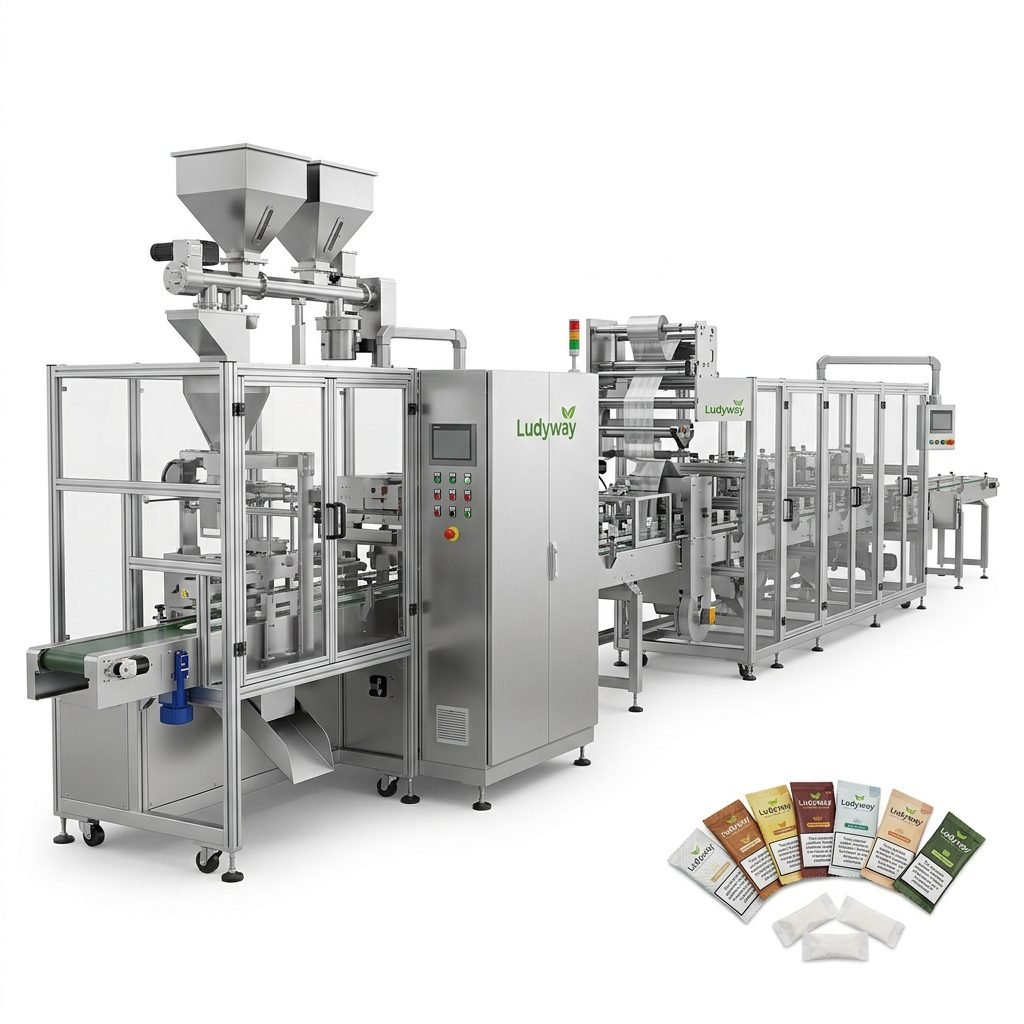
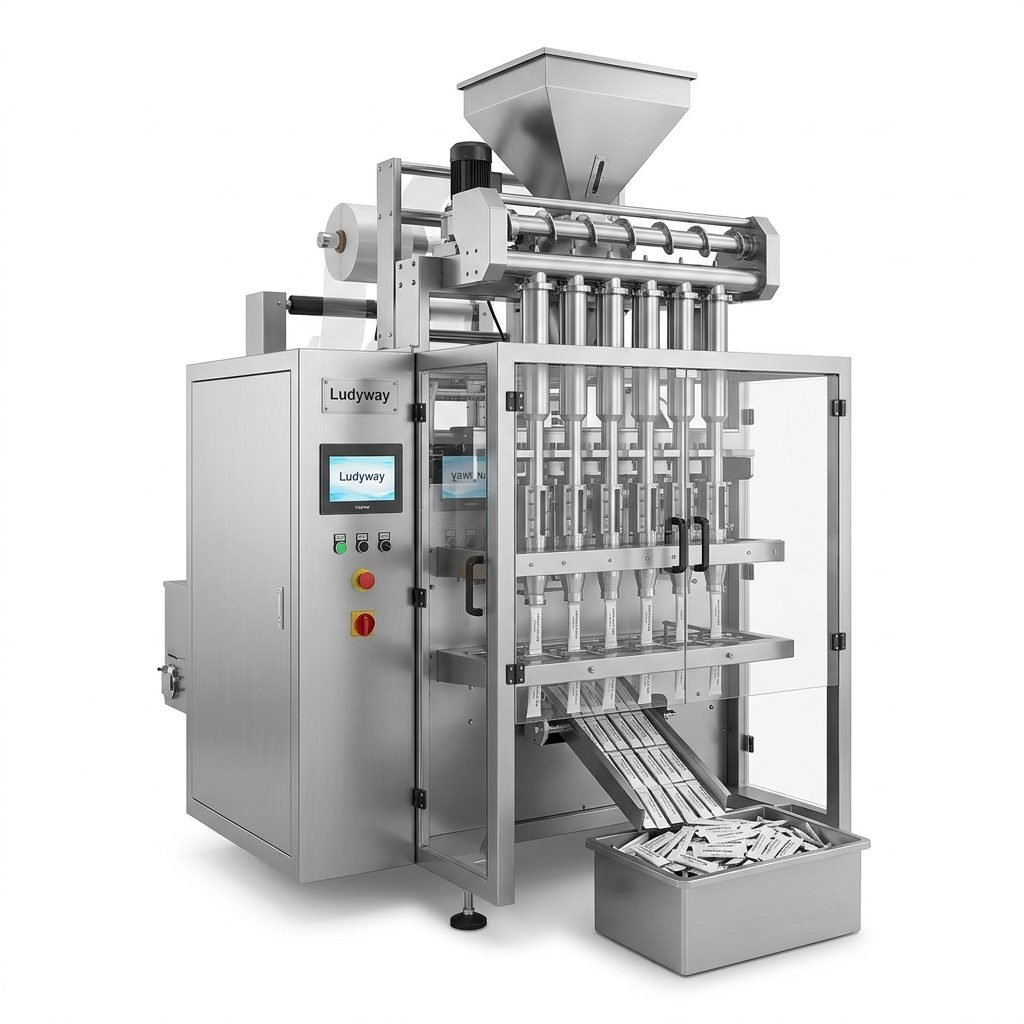
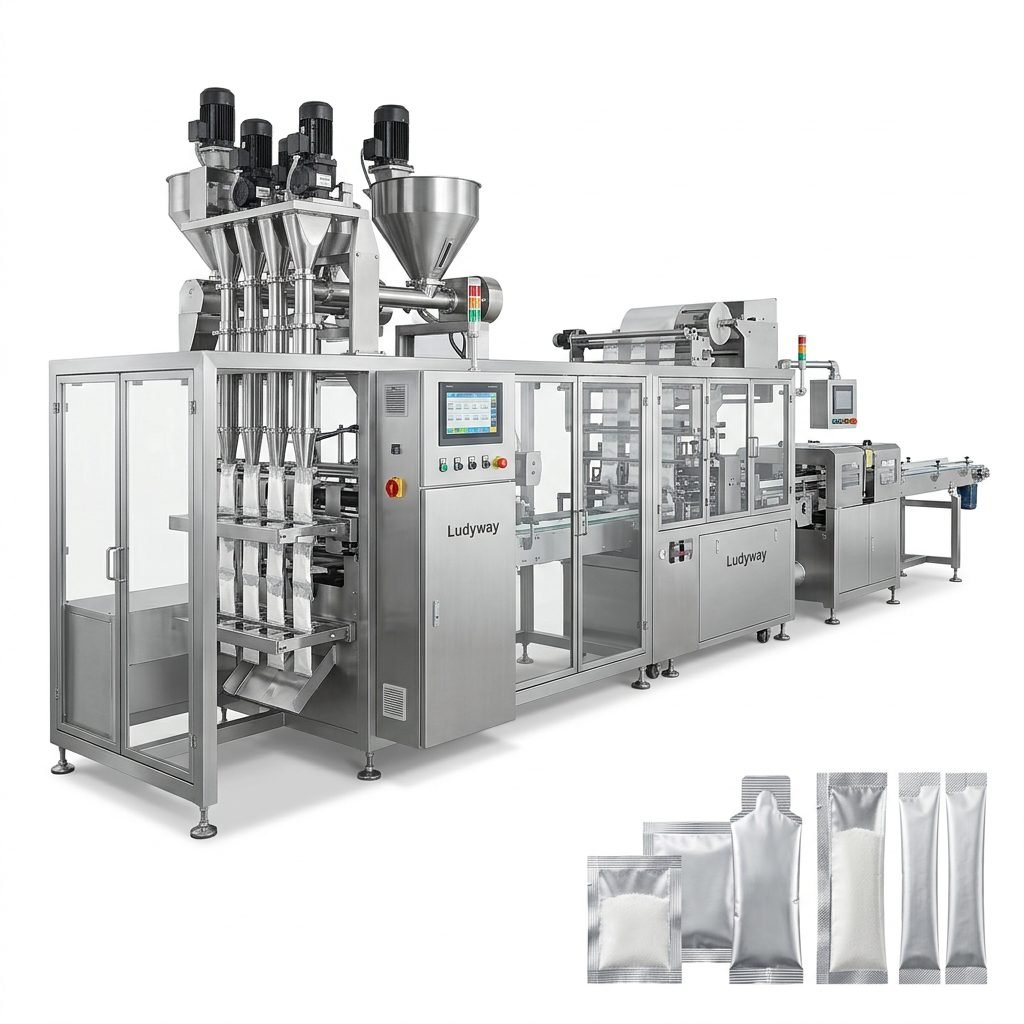
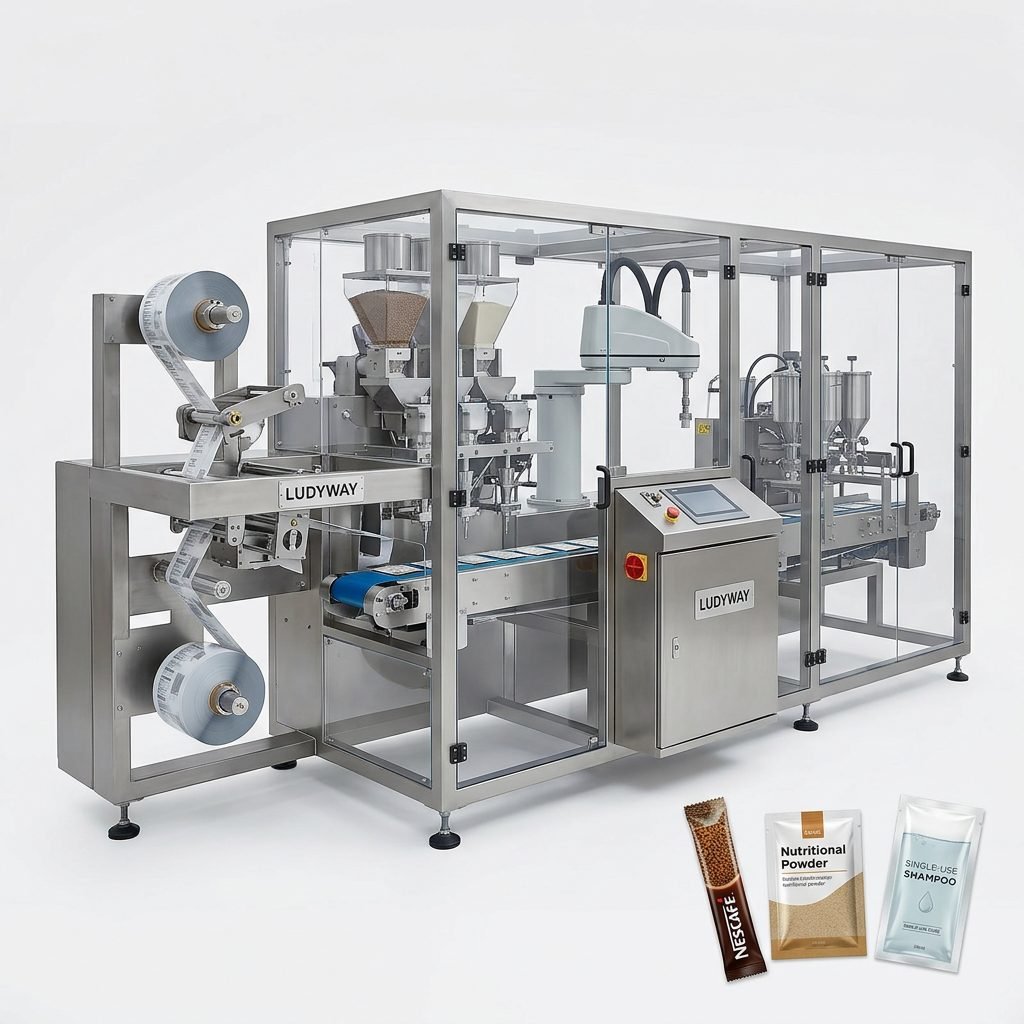
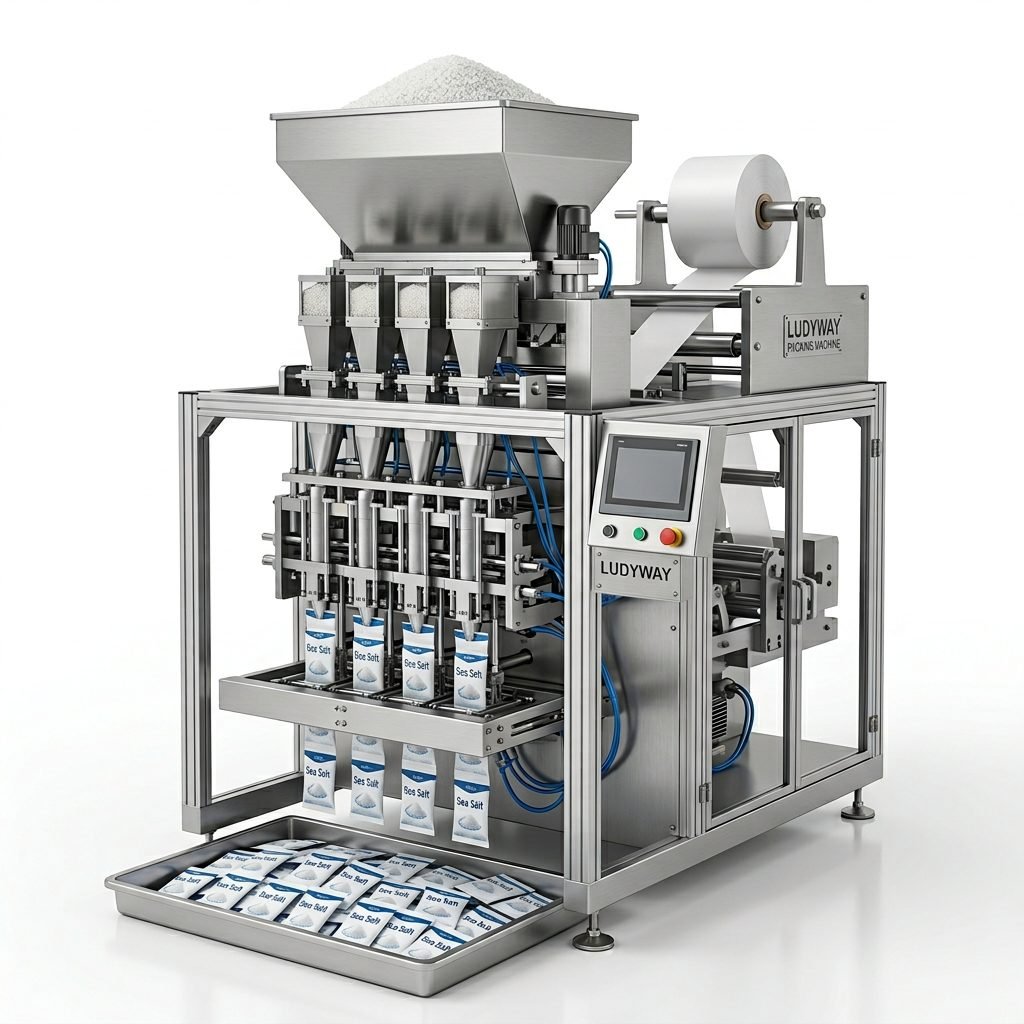
- Multi-lane sachet and stick pack machines
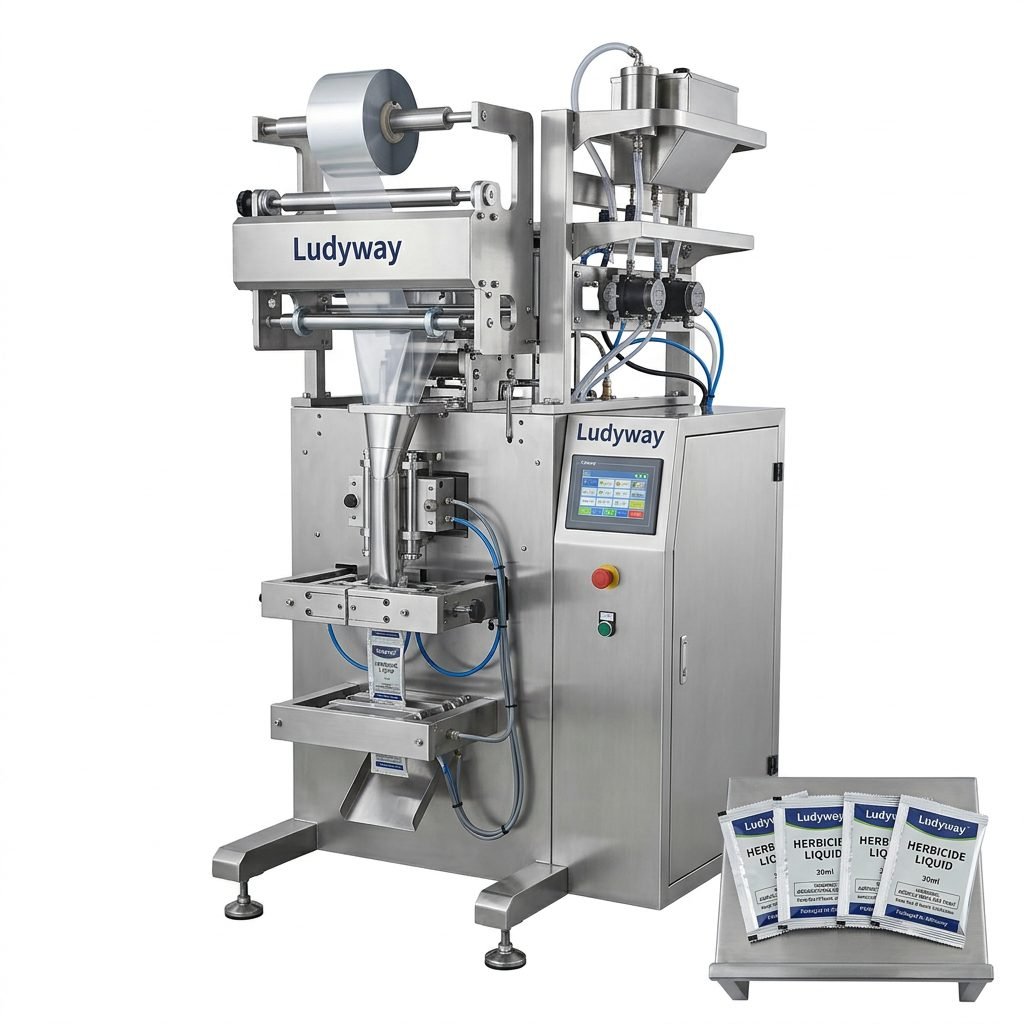
- Vertical form-fill-seal systems
- Automatic filling and sealing lines
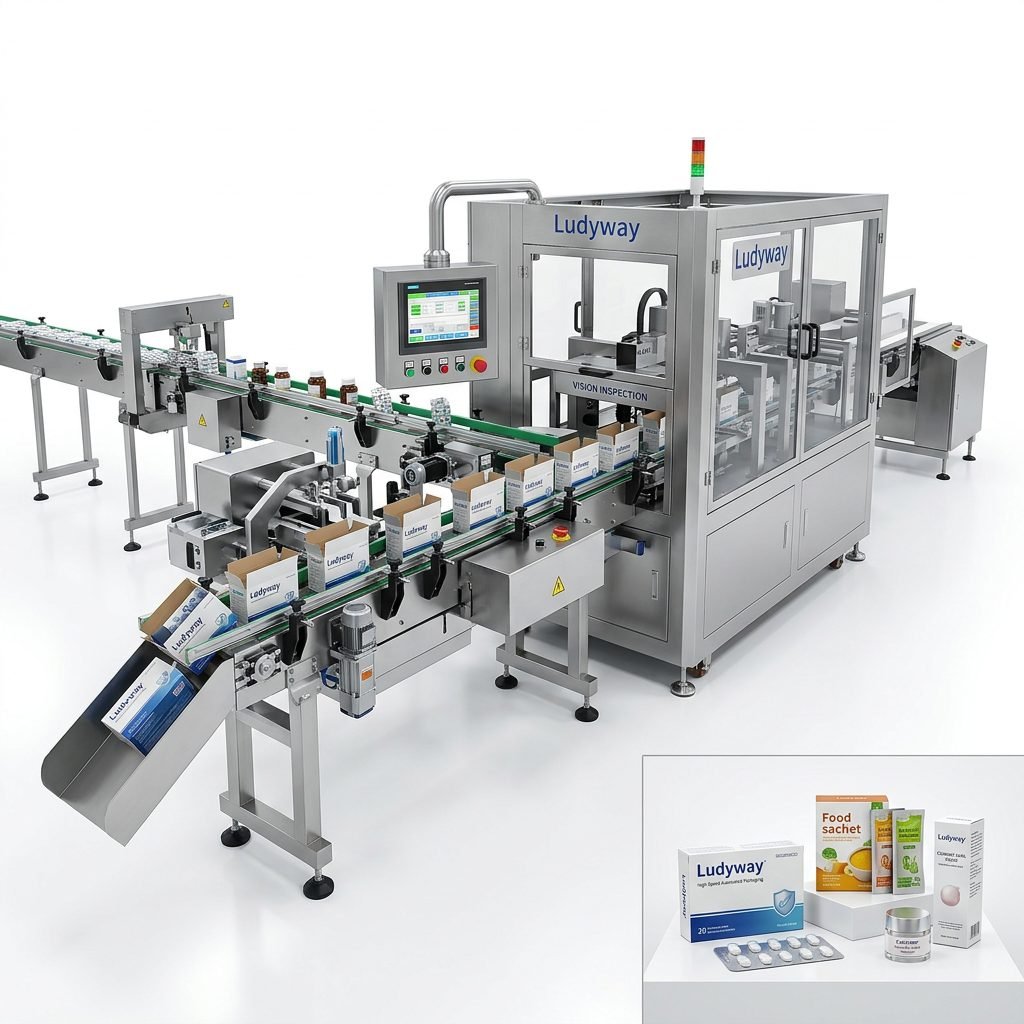
- Cartoning and case packing equipment
- Robotic palletizing and end-of-line handling systems
- Integrated inspection, checkweighing, and coding modules
These systems help manufacturers reduce dependency on manual intervention while improving production consistency. In sectors with high SKU counts and strict packaging accuracy requirements, automation also supports faster product changeovers and better traceability.
Key operational benefits being prioritized
| Priority Area | How Automation Helps |
|---|---|
| Labor reduction | Cuts the number of operators required on filling, packing, and end-of-line stations |
| Output stability | Maintains throughput despite staffing shortages or shift variability |
| Quality consistency | Improves dosing accuracy, sealing quality, and packaging uniformity |
| Compliance support | Enhances traceability, inspection, and process control in regulated industries |
| Scalability | Makes it easier to expand capacity without matching labor growth |
Food, pharma, and health supplement sectors lead investment
Automation demand is especially strong in high-volume and quality-sensitive categories. Food manufacturers are increasing investment in systems for powders, granules, sauces, seasonings, snacks, and beverage mixes. Pharmaceutical and nutraceutical companies are also expanding automated packaging capacity to support precise dosing, cleaner production, and stronger documentation.
Health supplement packaging has emerged as a particularly active segment. Stick packs, sachets, pouches, and single-dose formats are becoming more popular with consumers, but they also require reliable high-speed packaging equipment to remain cost-effective at scale.
Industries seeing the fastest automation uptake
- Food ingredients and instant foods
- Pharmaceutical powders and oral formulations
- Nutrition and dietary supplements
- Personal care and cosmetics
- Household and industrial chemicals
- Animal feed and pet nutrition products
Equipment buyers are asking different questions in 2026
Buyer priorities are evolving. Instead of focusing only on machine speed, manufacturers now want to know how packaging systems perform under real labor constraints. That means evaluating user-friendly interfaces, maintenance simplicity, remote support capability, integration with upstream and downstream equipment, and flexibility across multiple packaging formats.
Machine suppliers that can provide both standalone units and complete turnkey lines are increasingly favored, particularly by export-oriented factories and larger processors looking to consolidate production with fewer people on the floor.
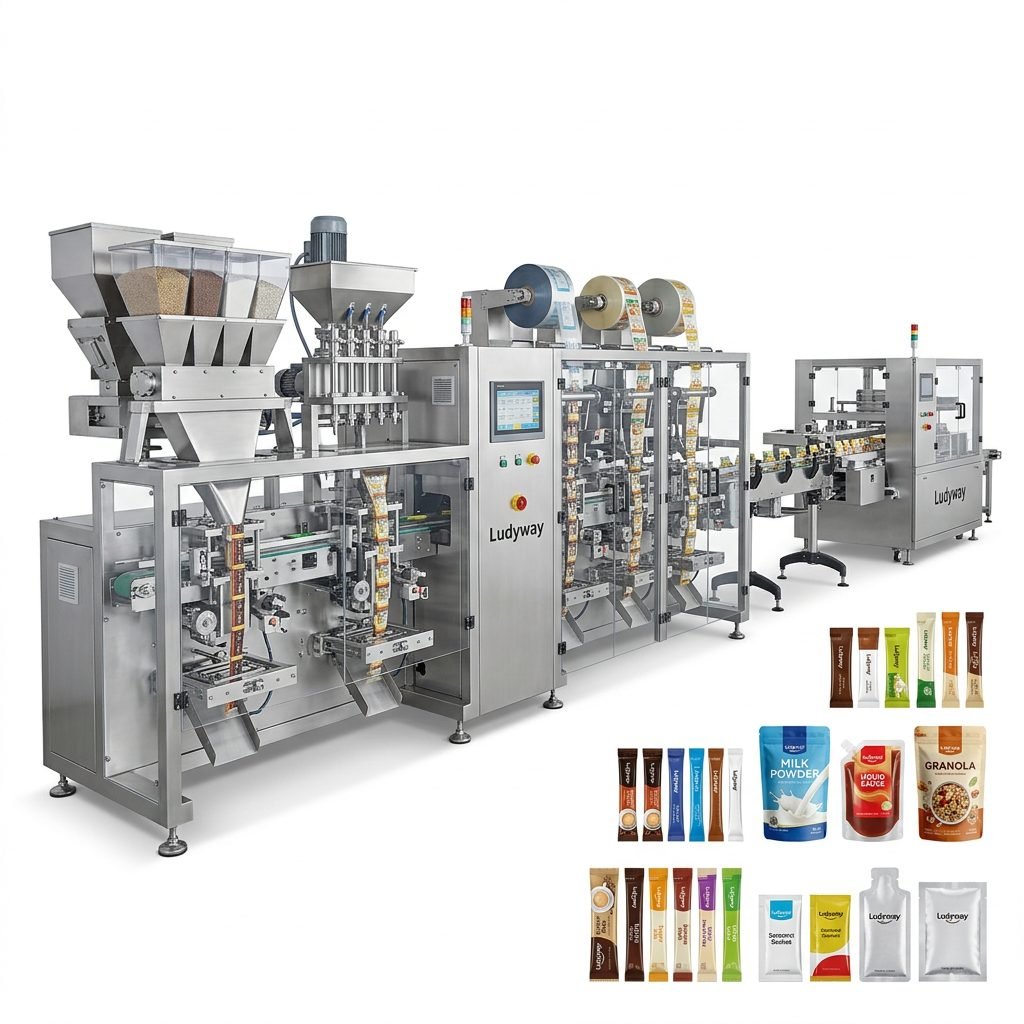
Among the companies benefiting from this shift is Ludyway, a China-based manufacturer known for packaging machines and turnkey packaging line solutions for food, pharmaceutical, health supplement, and related industries. With more than 30 years of experience and broad export reach, the company reflects the growing market preference for suppliers that can support scalable automation projects across different product categories.
From single machines to integrated lines
Another important trend is the move away from isolated automation upgrades. Rather than adding only one machine to a largely manual line, more manufacturers are planning integrated packaging workflows that combine feeding, filling, sealing, counting, inspection, cartoning, case packing, and palletizing.
This approach delivers stronger labor savings because it removes handoff points where manual handling typically remains. It also improves data visibility and reduces the risk of line imbalance between packaging stages.
What manufacturers now expect from a modern packaging line
- Fast and stable operation across multiple shifts
- Easy cleaning and maintenance access
- Quick format change capability
- Reliable sealing and filling precision
- Compatibility with coding, inspection, and rejection systems
- Expandability for future volume growth
Labor shortages are also changing ROI calculations
Return-on-investment models for automation are being recalculated across the packaging sector. In the past, companies often justified new machinery based on labor cost replacement over several years. Now, delayed orders, recruitment difficulty, overtime dependency, and quality-related losses are being included in the equation.
This broader view makes automation financially attractive to a larger group of businesses, including mid-sized manufacturers that previously considered advanced packaging systems too ambitious. In many cases, the value of avoiding disruption is becoming just as important as direct labor savings.
| Traditional ROI Focus | Current ROI Focus |
|---|---|
| Direct wage savings | Wage savings plus continuity of production |
| Speed increase | Speed plus staffing resilience |
| Capital cost comparison | Total cost of downtime, turnover, scrap, and delayed delivery |
| Standalone machine output | End-to-end line efficiency and automation compatibility |
Outlook: automation momentum is expected to continue
The packaging industry is unlikely to return to previous labor conditions in the near term. Even where hiring improves, manufacturers now understand the strategic value of building production systems that are less vulnerable to workforce volatility.
The result is a structural shift in capital spending: automation is moving closer to the center of packaging strategy, not only for efficiency, but for resilience, quality assurance, and long-term competitiveness.
As demand for packaged food, healthcare products, supplements, and convenience formats continues to rise, companies that modernize their packaging operations are expected to be better positioned to protect output, control costs, and respond faster to market change.