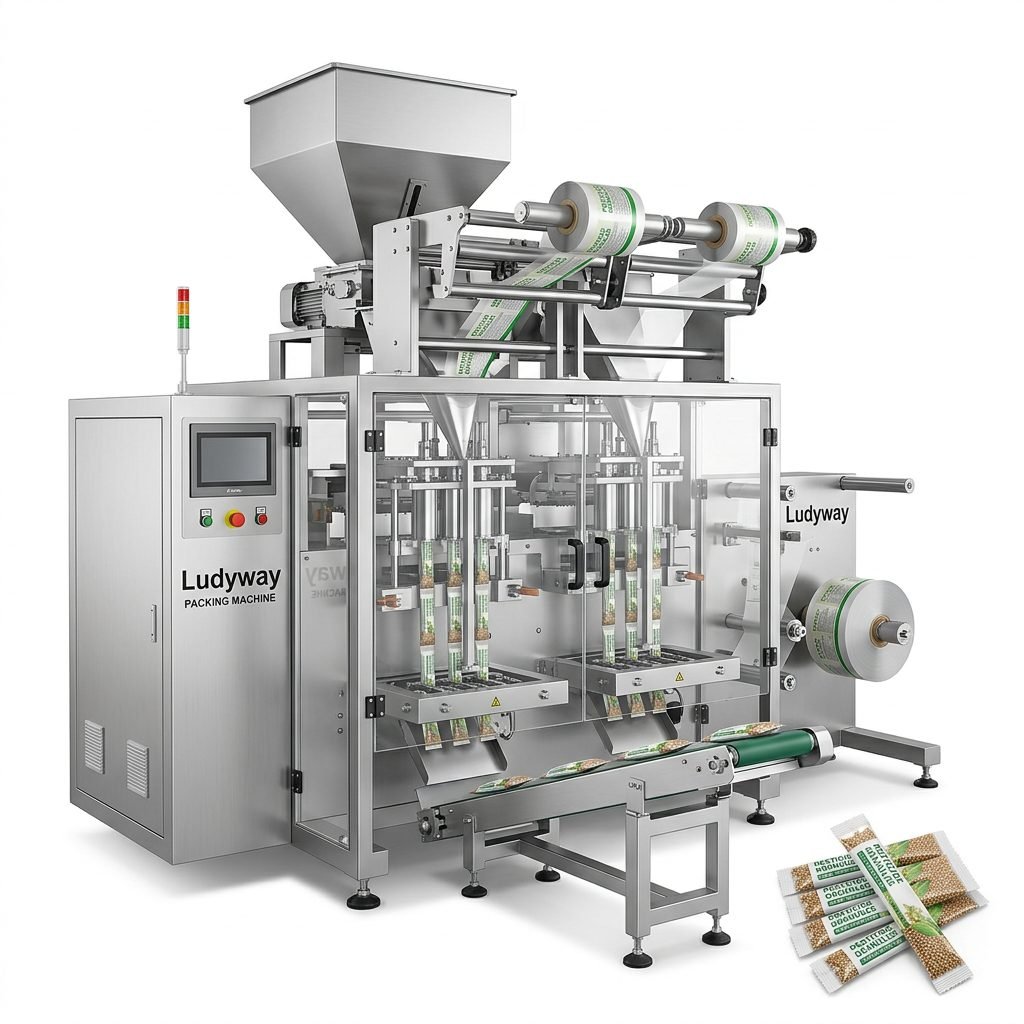
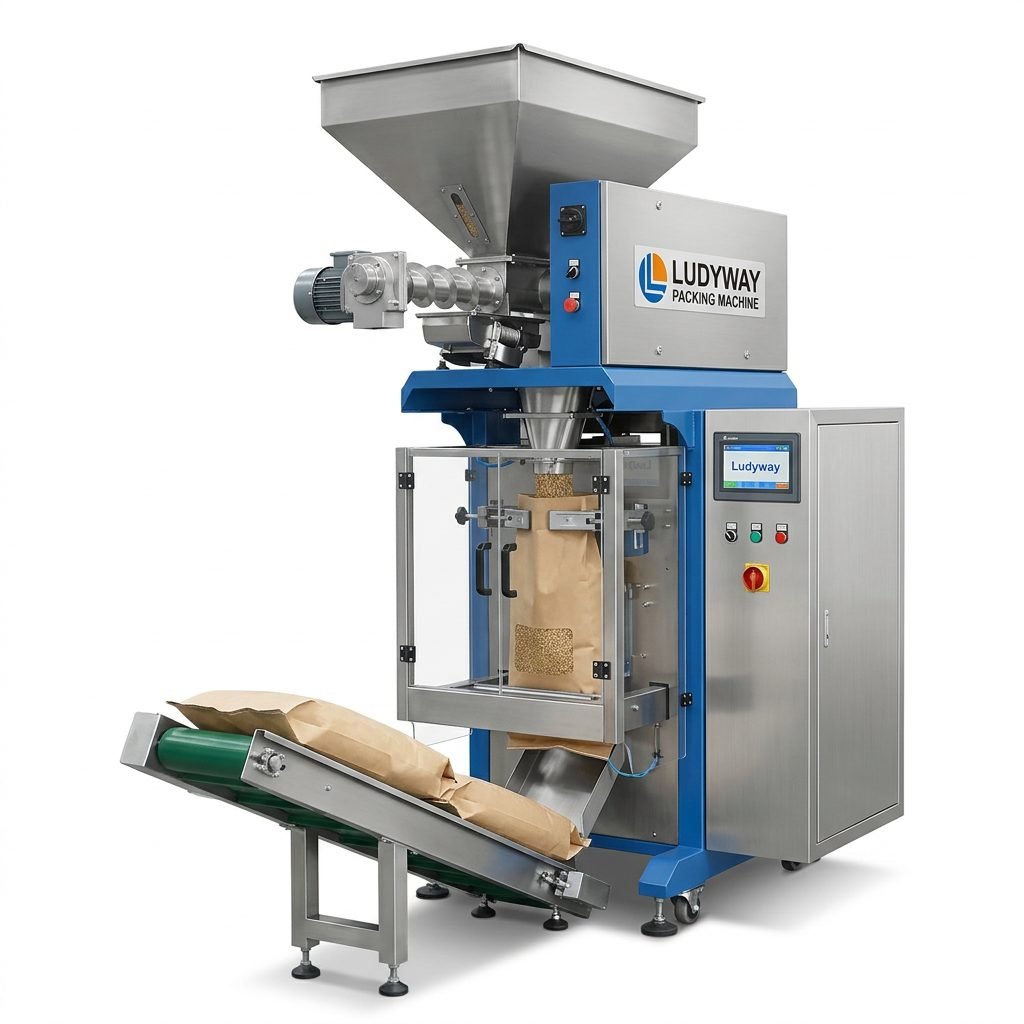
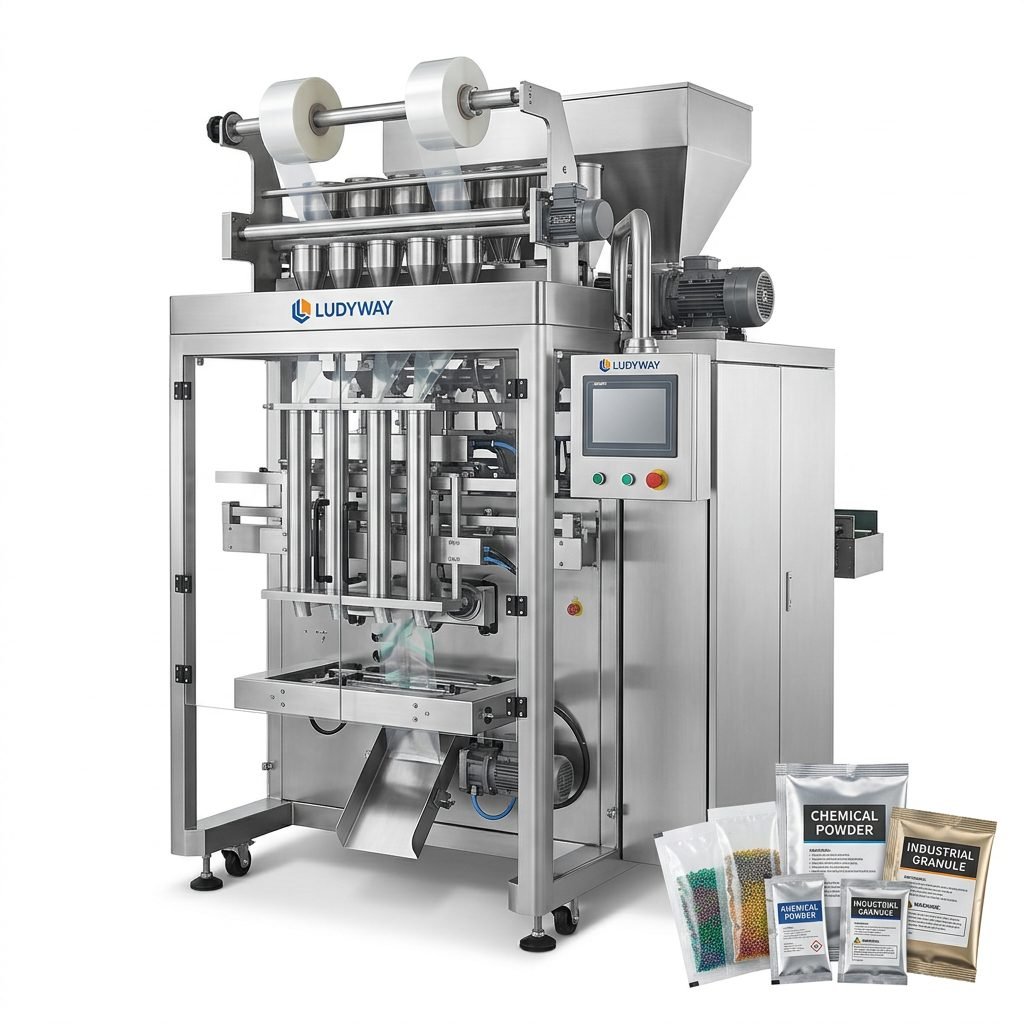
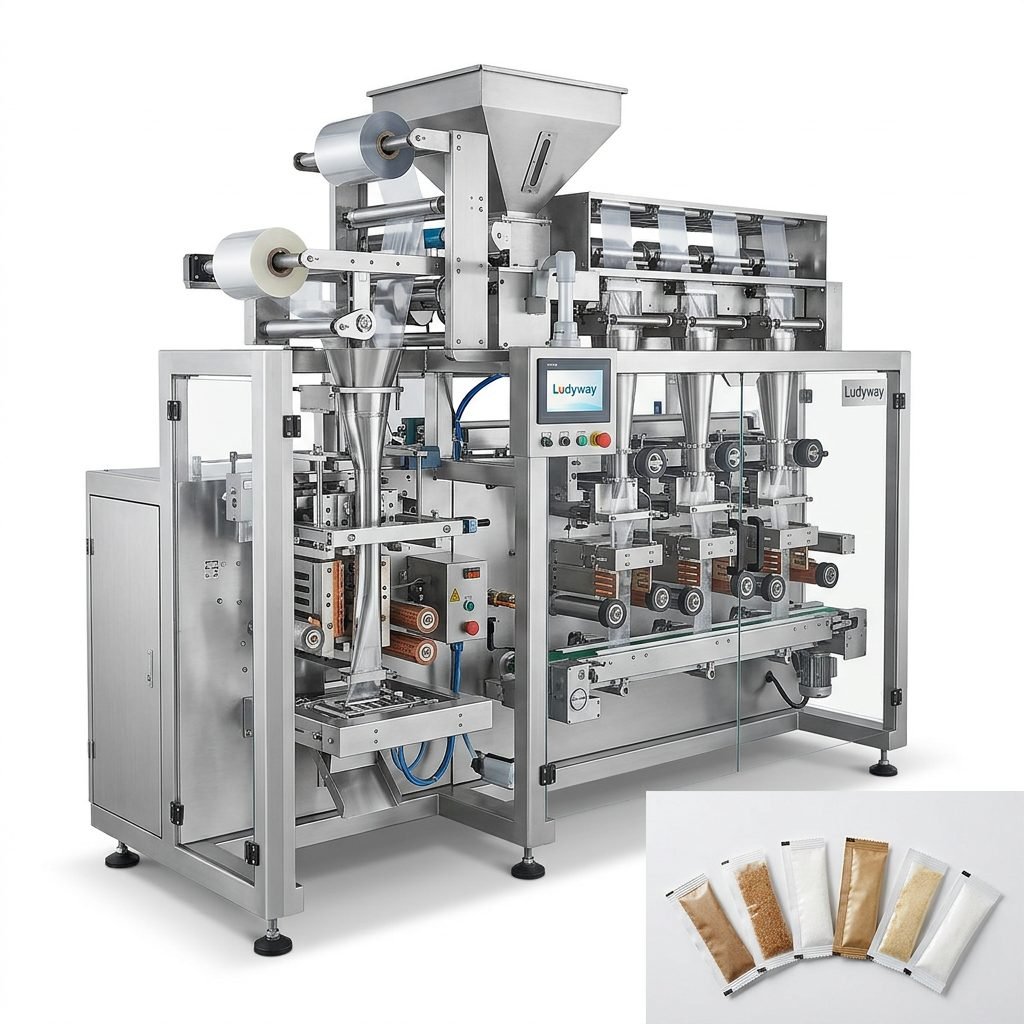
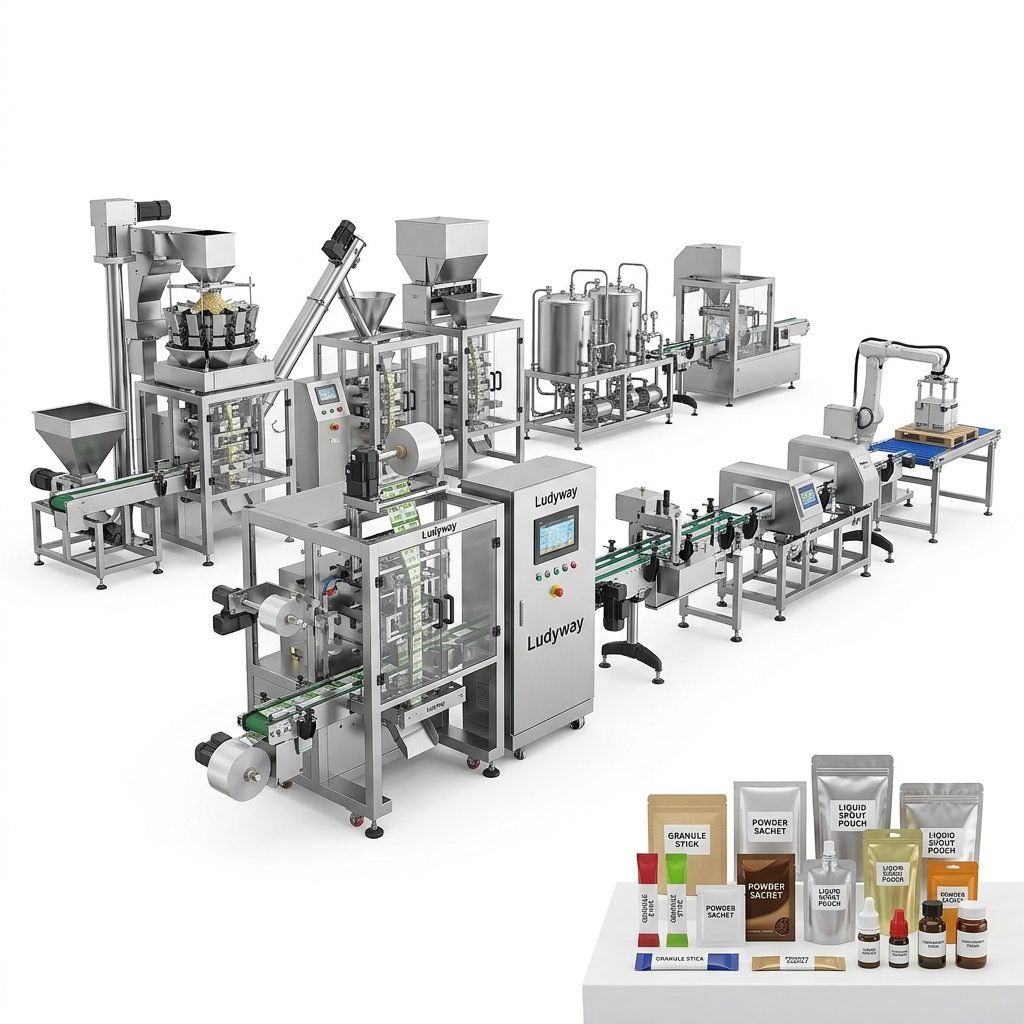
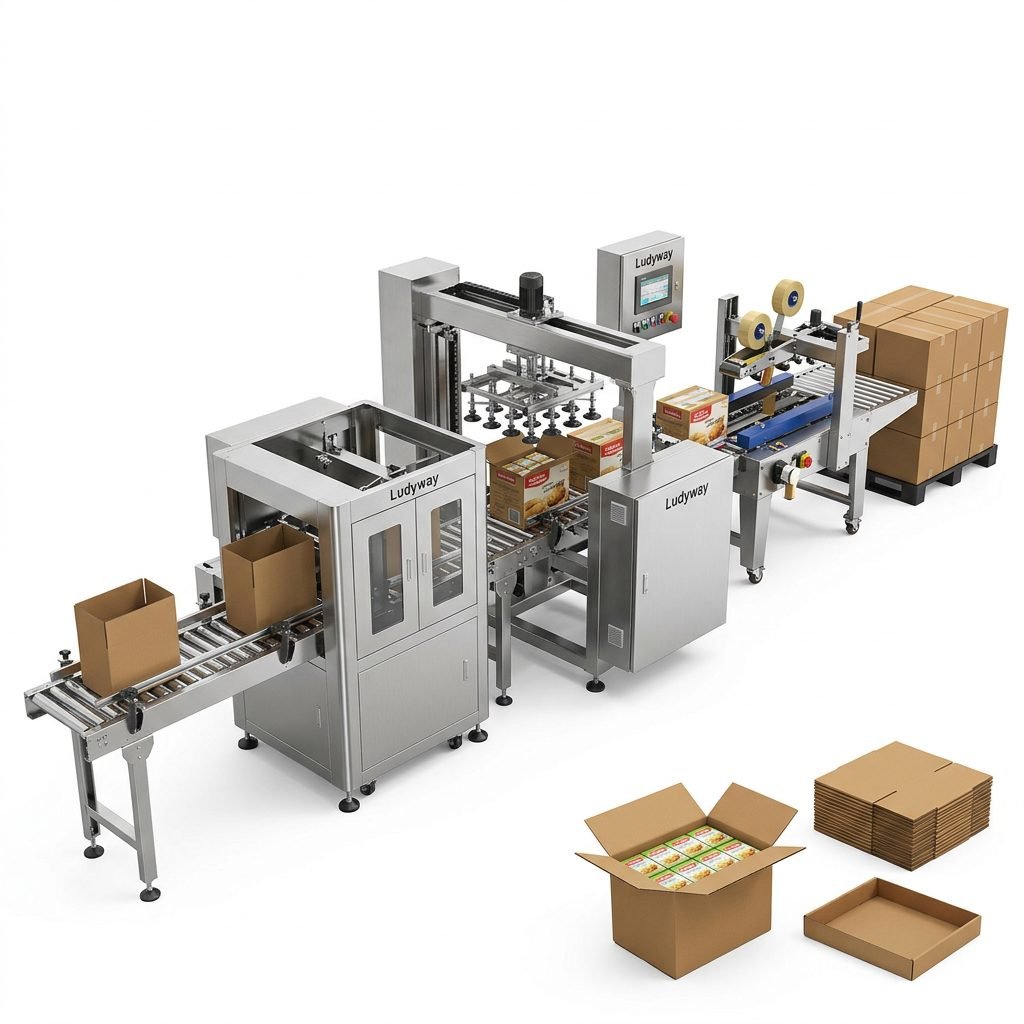
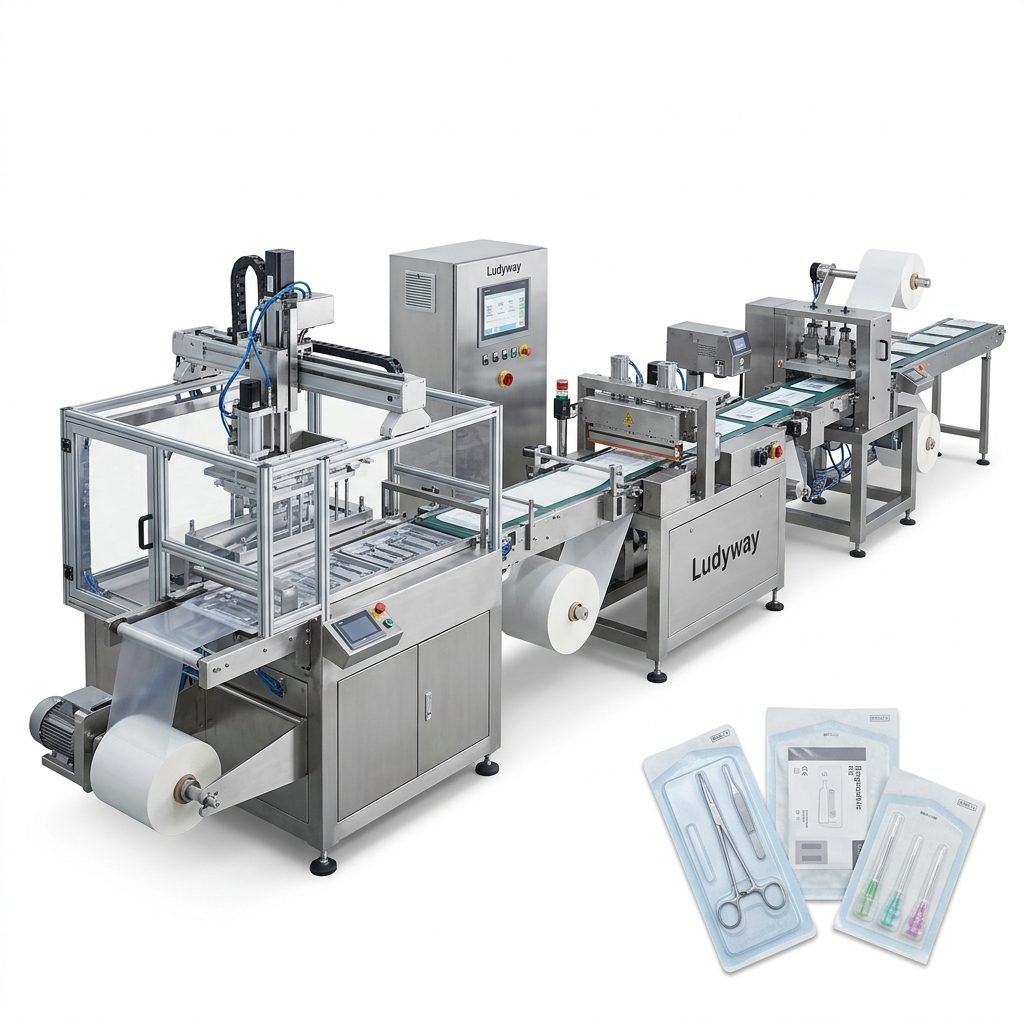
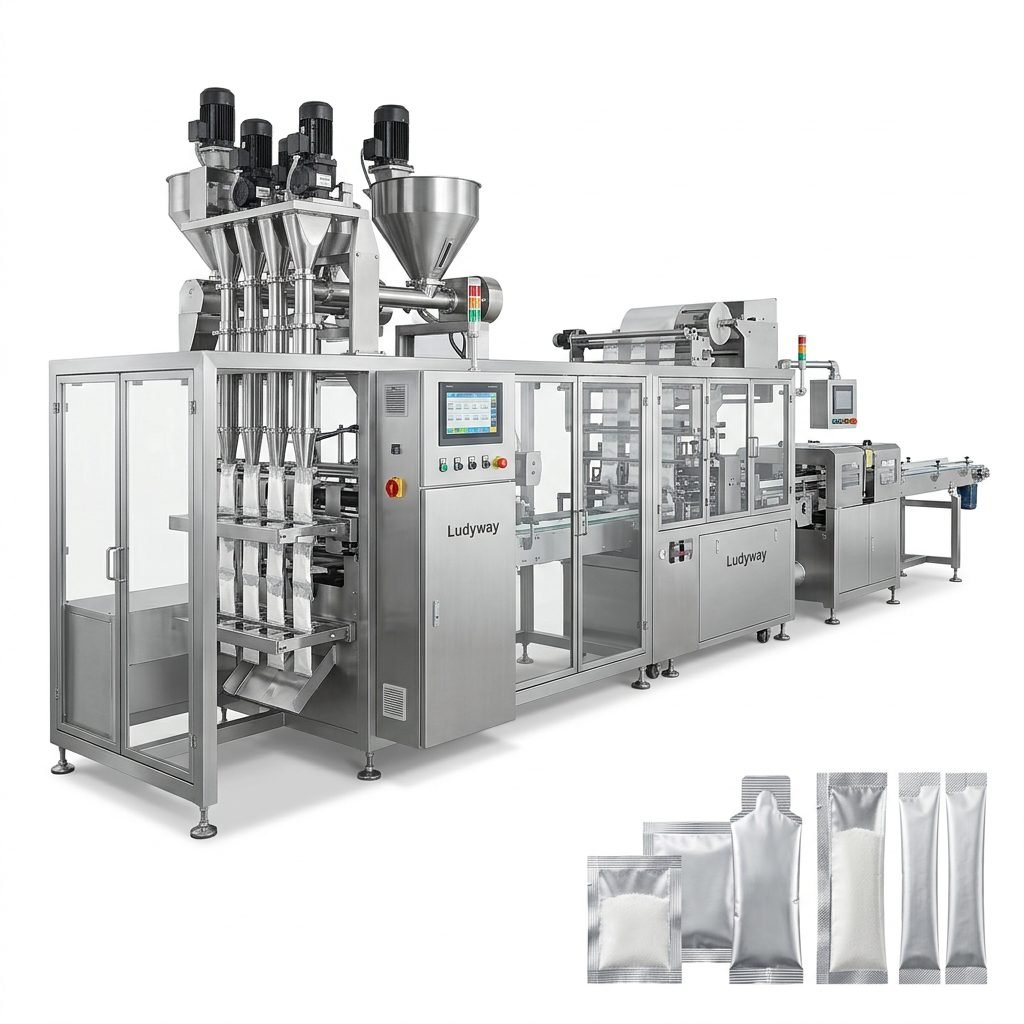
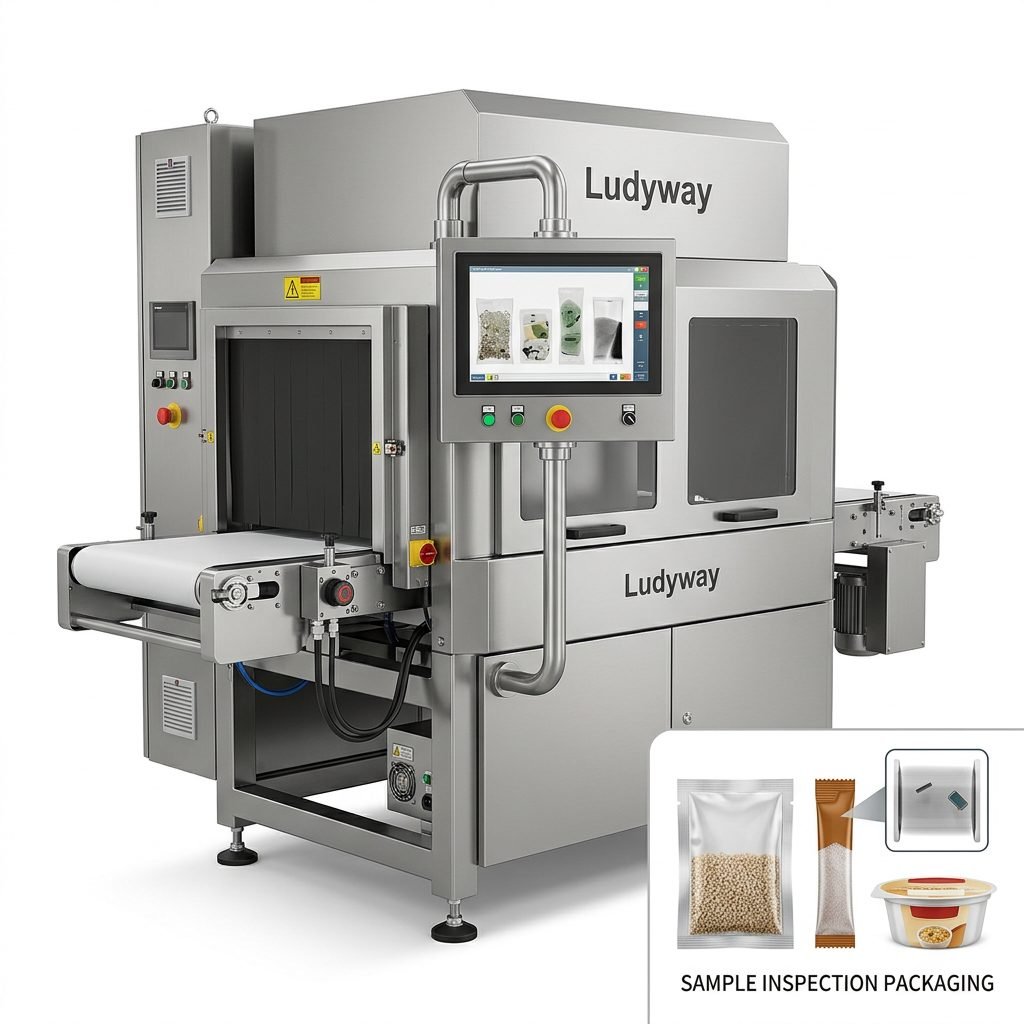
The global food processing and packaging sectors are undergoing a massive technological transition. As consumer safety standards tighten and international regulatory bodies enforce zero-tolerance policies for foreign contaminants, packaging lines must evolve. In response to these strict market demands across Europe, North America, and the Middle East, the packaging machinery industry has witnessed a major milestone: the debut of the Smart Packaging Machine with Integrated X-Ray Inspection.
Traditional contaminant detection systems have long relied on standalone metal detectors placed at the end of the production line. While effective for ferrous and non-ferrous metals, these systems often fail to identify non-metallic foreign bodies such as glass shards, calcified bones, high-density plastics, and stones. The integration of high-resolution X-ray technology directly into the forming, filling, and sealing stages of a packaging line addresses this critical vulnerability, ensuring comprehensive quality assurance before products leave the factory.
The Evolution of Contamination Control in Automated Packaging
For decades, packaging and inspection existed as separate operations. A product would be packaged, sealed, and then run through an independent inspection system. This sequential process took up valuable floor space, increased total cycle time, and introduced opportunities for product damage during transfer. By combining smart packaging technology with inline X-ray imaging, manufacturers can now perform real-time internal inspections inside active packaging lanes.
This new class of smart equipment uses advanced sensor arrays to monitor packet integrity, fill levels, and internal contents simultaneously. If a foreign object is detected, the machine’s automated rejection system instantly isolates the contaminated package without stopping the main production flow. This level of automation is vital for high-speed manufacturing environments where unplanned downtime can result in massive financial losses.
Key Features of Integrated X-Ray Packaging Systems
The newly debuted smart packaging machines feature several technological upgrades designed to optimize production efficiency and maximize product safety:
- Multi-Contaminant Detection: Capable of identifying metal, glass, stone, bone, and dense rubber particles even when wrapped in metallic foils or metallized film.
- Seal Integrity Verification: The X-ray system checks for trapped product in the seal area, preventing leaks and maintaining shelf life.
- Automated Reject Mechanisms: High-speed air blasts or mechanical pushers remove compromised pouches instantly, ensuring only compliant products reach the cartoning stage.
- Compact Floor Design: Integrating both units into one monoblock system reduces the physical footprint of the turnkey line by up to 30%.
A Comparison of Detection Methods
To better understand the advantages of integrated X-ray inspection systems, it is helpful to contrast them with conventional packaging inspection setups. The table below outlines how these technologies handle various production challenges:
| Feature / Capability | Standard Metal Detector | Integrated X-Ray System |
|---|---|---|
| Metal Contaminants | Excellent detection (ferrous/non-ferrous) | Excellent detection (all metals) |
| Non-Metal Contaminants | Cannot detect (glass, stone, bone) | Highly reliable detection based on density |
| Foil Packaging Compatibility | Poor (foil creates signal interference) | Unaffected by aluminum foils/metallized film |
| Product Integrity Analysis | None (only detects metal) | Verifies package fill level and seal gaps |
Meeting Global Manufacturing Standards
As manufacturing becomes more globalized, equipment must comply with diverse safety standards. In European and North American markets, food safety initiatives such as the Global Food Safety Initiative (GFSI) and the Hazard Analysis Critical Control Point (HACCP) system require robust preventative controls. Incorporating inline X-ray systems directly at the packaging phase provides a critical control point (CCP), helping brands avoid expensive product recalls and safeguard their reputations.
This technological push is driving the growth of turnkey automated packaging line solutions globally. Companies looking to export products to these regulated regions are upgrading their facilities with automated systems that feature built-in data logging. This allows every single package to be scanned, recorded, and tracked, providing an auditable trail of product quality.
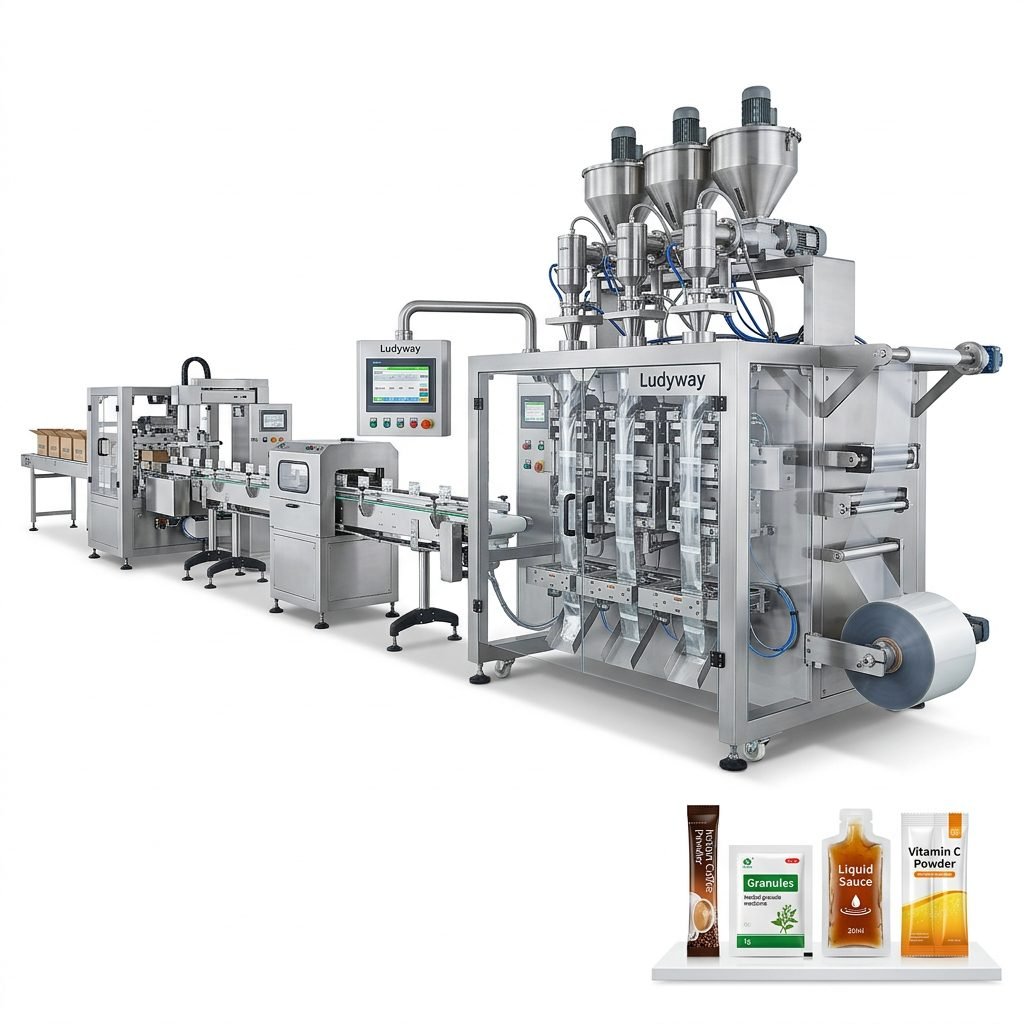
Turnkey Solutions for Global Clean-Label Production
Achieving high safety standards requires seamless communication between feeding, filling, and inspection units. Leading manufacturers of automated packaging systems focus heavily on turnkey integration to ensure that all modules operate on a unified control interface.
As one of China’s leading packaging machine and turnkey packaging line manufacturers, Ludyway has established a strong reputation for delivering comprehensive automation solutions. Founded in 1993, the company has accumulated over 30 years of industry experience, specializing in automatic packaging systems for granules, powders, liquids, and pastes. Operating a modern manufacturing facility of over 20,000 square meters, they supply high-speed packaging lines to customers in more than 100 countries and regions, including Europe, North America, the Middle East, and South America. Their extensive expertise in engineering turnkey production lines helps global processors integrate smart packaging equipment with advanced quality control modules seamlessly.
Future Trends in Smart Packaging Inspection
Looking ahead to 2025 and beyond, the integration of Artificial Intelligence (AI) and Machine Learning (ML) with X-ray imaging will further revolutionize the packaging sector. Next-generation systems will not only locate foreign objects but will also learn to differentiate between normal product variations (such as varying densities in cereal or mixed nuts) and actual contaminants. This will drastically reduce false-reject rates, which currently cost the industry millions of dollars in wasted packaging materials and product.
Furthermore, cloud connectivity will enable remote monitoring of packaging lines. Plant managers can track inspection metrics, detect machine wear, and update calibration settings from anywhere in the world. As the demand for safer, faster, and more efficient production lines continues to rise, the adoption of smart packaging machines equipped with integrated X-ray inspection will transition from a competitive advantage to an absolute industry standard.