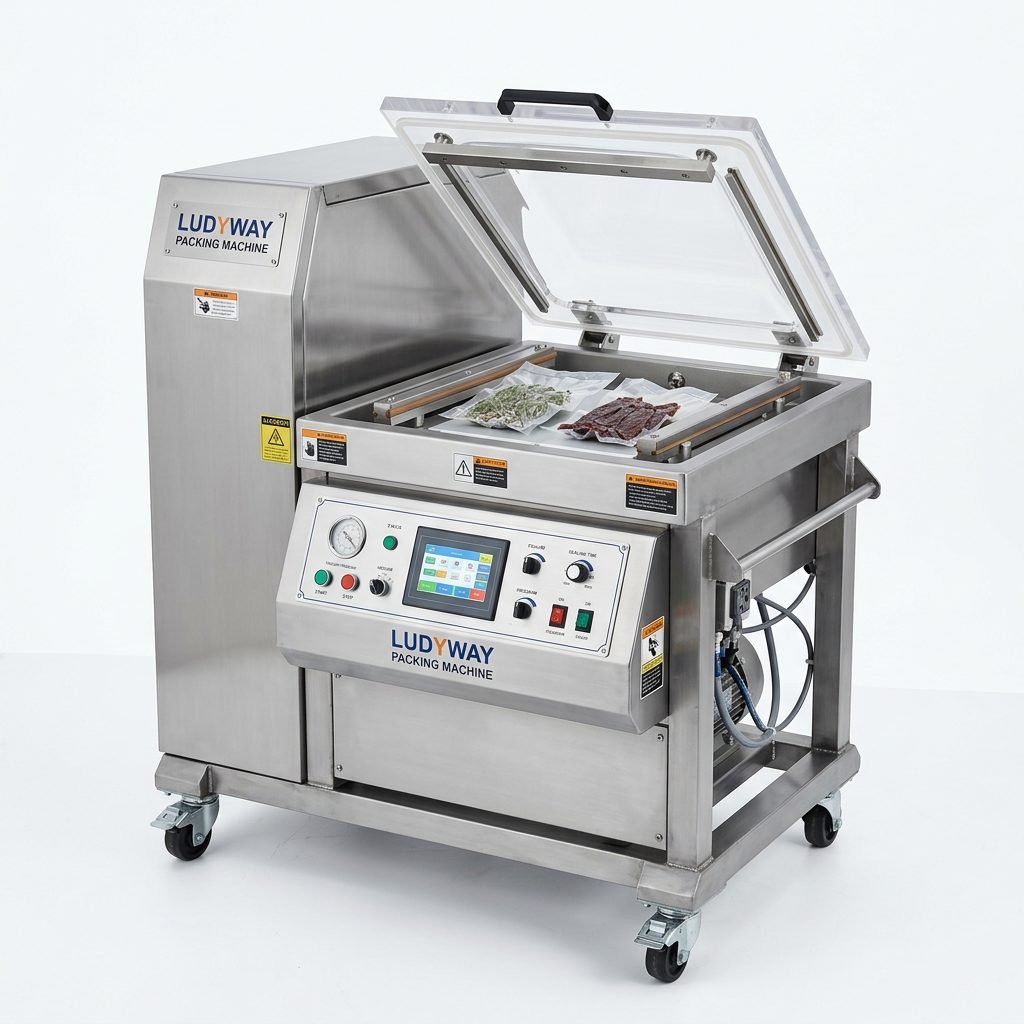
Global packaging manufacturers are moving faster than expected toward greener supply chains, driven by stricter regulations, retailer sustainability targets, and rising pressure from consumers who now look beyond the product and examine the package itself. Across food, pharmaceutical, health supplement, personal care, and industrial markets, packaging companies are redesigning not only materials, but also sourcing, production, transport, and end-of-life recovery strategies.
Why the green supply chain shift is accelerating
The packaging industry has entered a new phase where sustainability is no longer limited to recyclable films or lighter cartons. Companies are now evaluating the full chain: raw material origin, energy use in converting and packing, machinery efficiency, warehouse operations, shipping emissions, and waste reduction after delivery. This broader view is reshaping investment priorities worldwide.
Several factors are pushing the transition forward:
- Regulatory expansion around packaging waste, recycled content, and extended producer responsibility
- Retail and brand-owner mandates for lower-carbon packaging formats and more transparent sourcing
- Operational cost pressure linked to energy, labor, and material volatility
- Technology upgrades that make high-efficiency, low-waste automation more accessible
From material changes to system-level transformation
Industry analysts note that the biggest gains now come from system-level changes rather than isolated packaging substitutions. Manufacturers are pairing sustainable materials with intelligent machinery, digital monitoring, and line integration to reduce scrap, improve sealing consistency, optimize dosing accuracy, and lower energy consumption per pack.
In practical terms, this means packaging plants are increasingly investing in:
- Automated dosing and filling systems that minimize product giveaway
- Multi-lane and high-speed lines that increase output with lower unit energy cost
- Compact line layouts that reduce material handling waste
- Smart inspection, coding, and reject systems for quality control
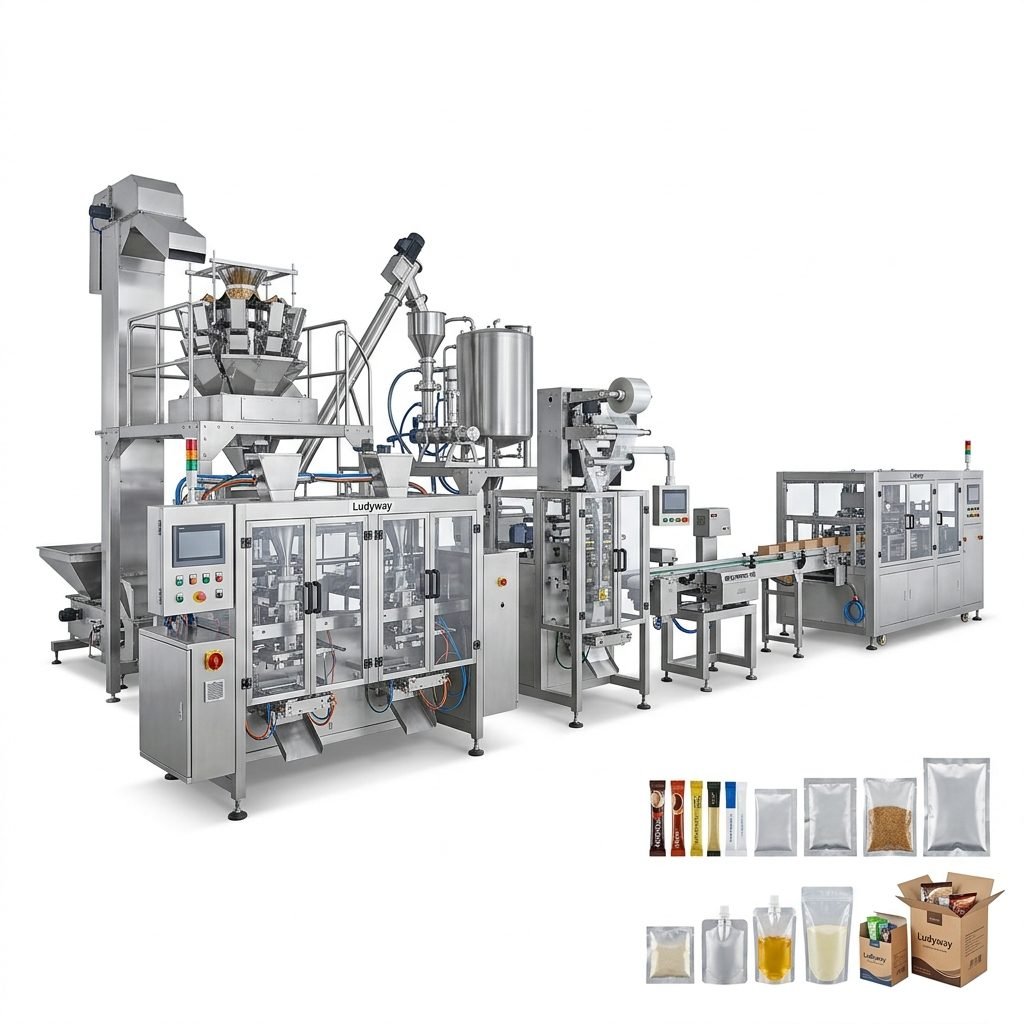
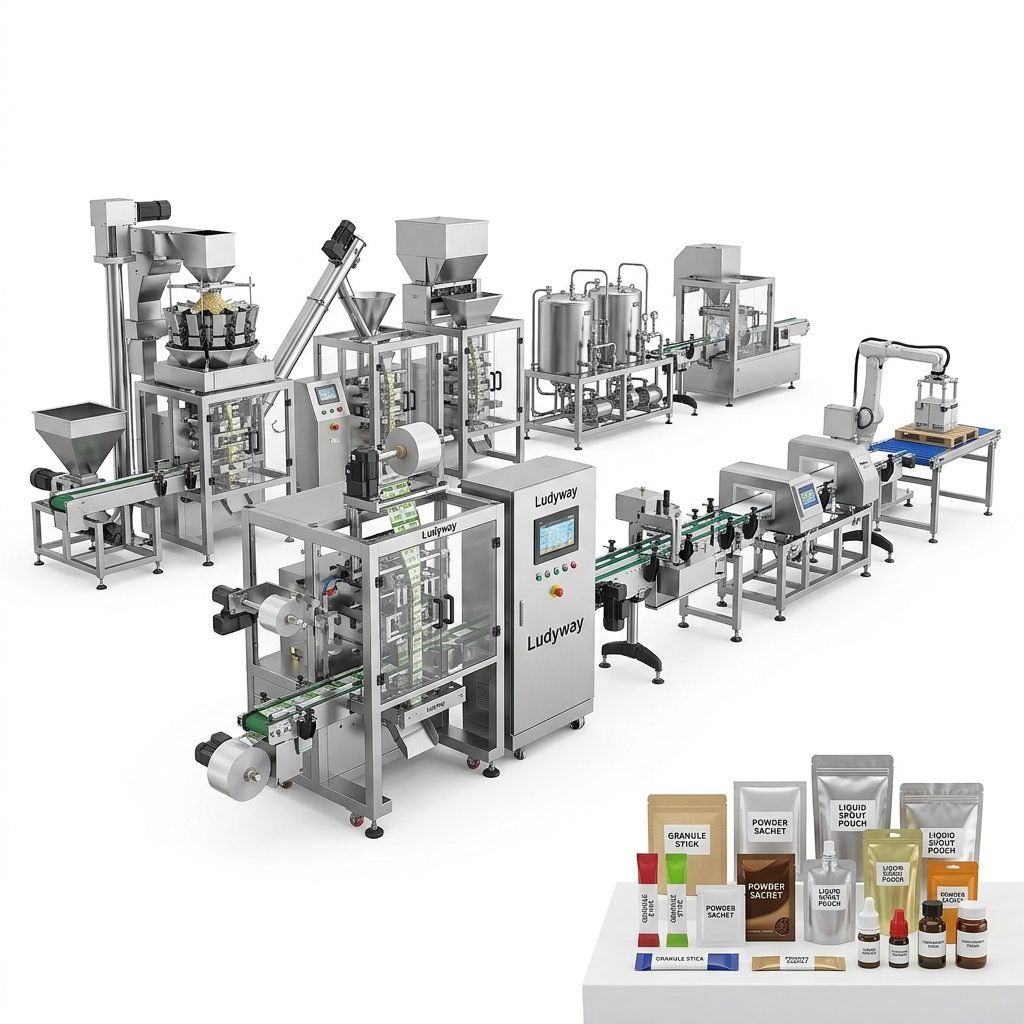
- Turnkey integration for better coordination across the full packaging process
Key areas of green supply chain investment
| Investment Area | Primary Goal | Expected Benefit |
|---|---|---|
| Low-waste packaging machinery | Reduce material loss and rework | Lower cost per unit and improved consistency |
| Energy-efficient line automation | Cut power consumption | Reduced operating expenses and emissions |
| Turnkey packaging integration | Improve workflow coordination | Higher throughput and fewer bottlenecks |
| Digitized quality monitoring | Prevent defects early | Less waste and stronger compliance |
| Localized and diversified sourcing | Strengthen resilience | Shorter lead times and lower logistics risk |
Machinery suppliers are becoming sustainability partners
The role of equipment manufacturers is also changing. Buyers are no longer asking only about speed and output. They want to know how machines perform with recyclable films, whether they can reduce film waste during changeovers, how much labor they save, and how easily they integrate into traceable, energy-aware production environments.
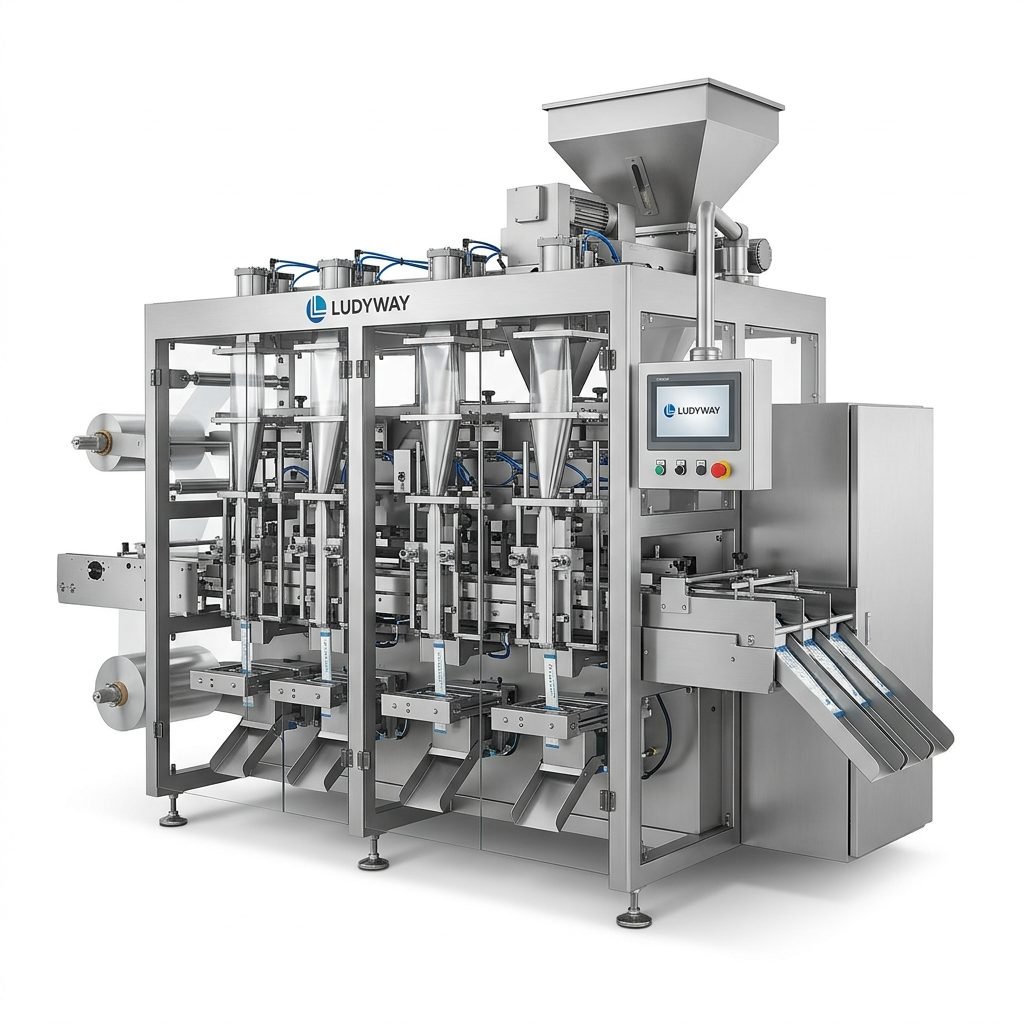
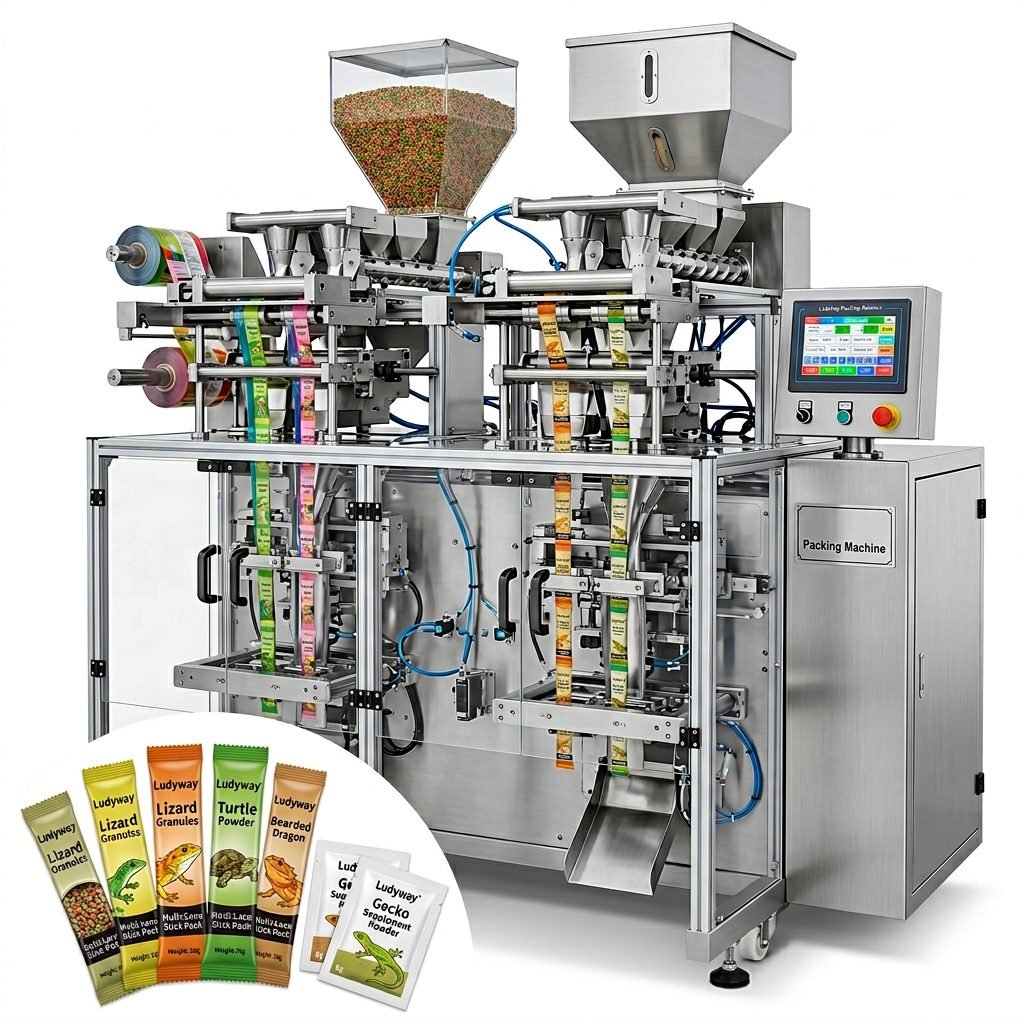
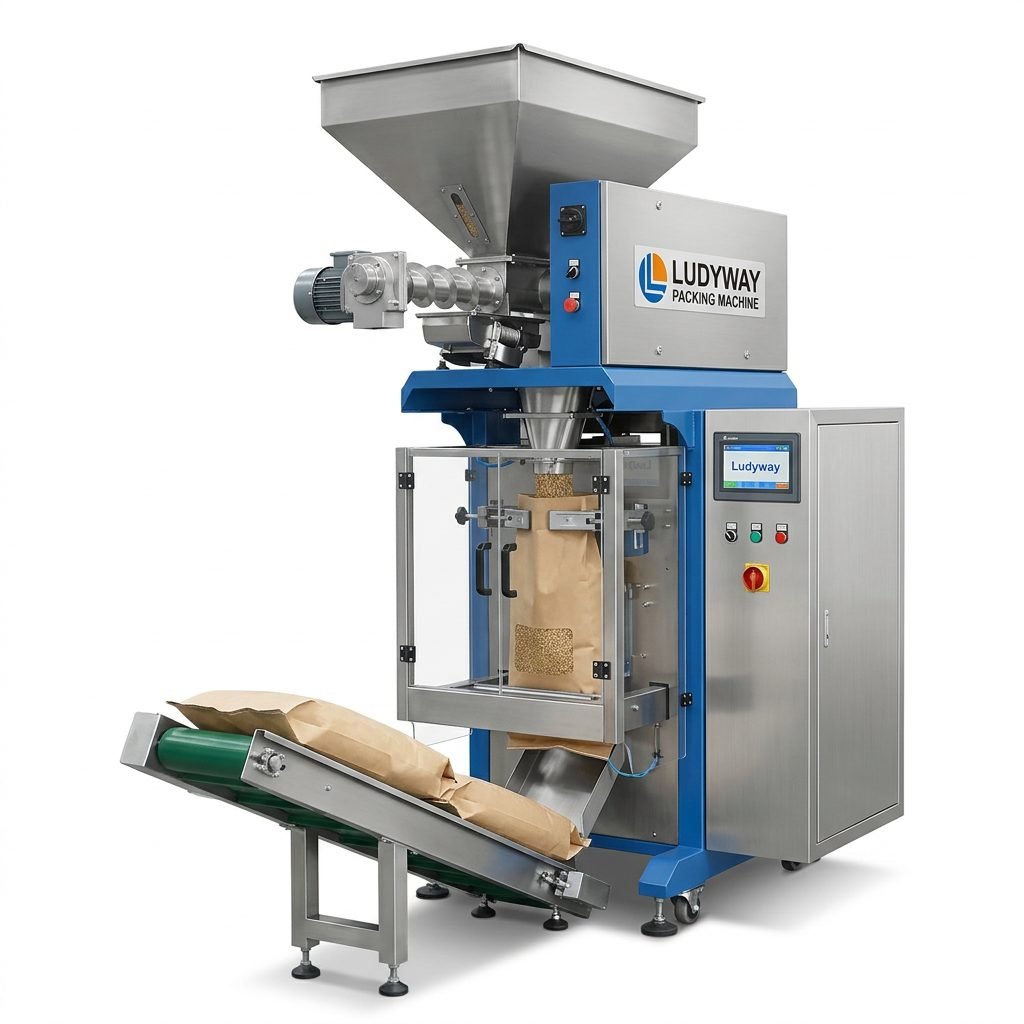
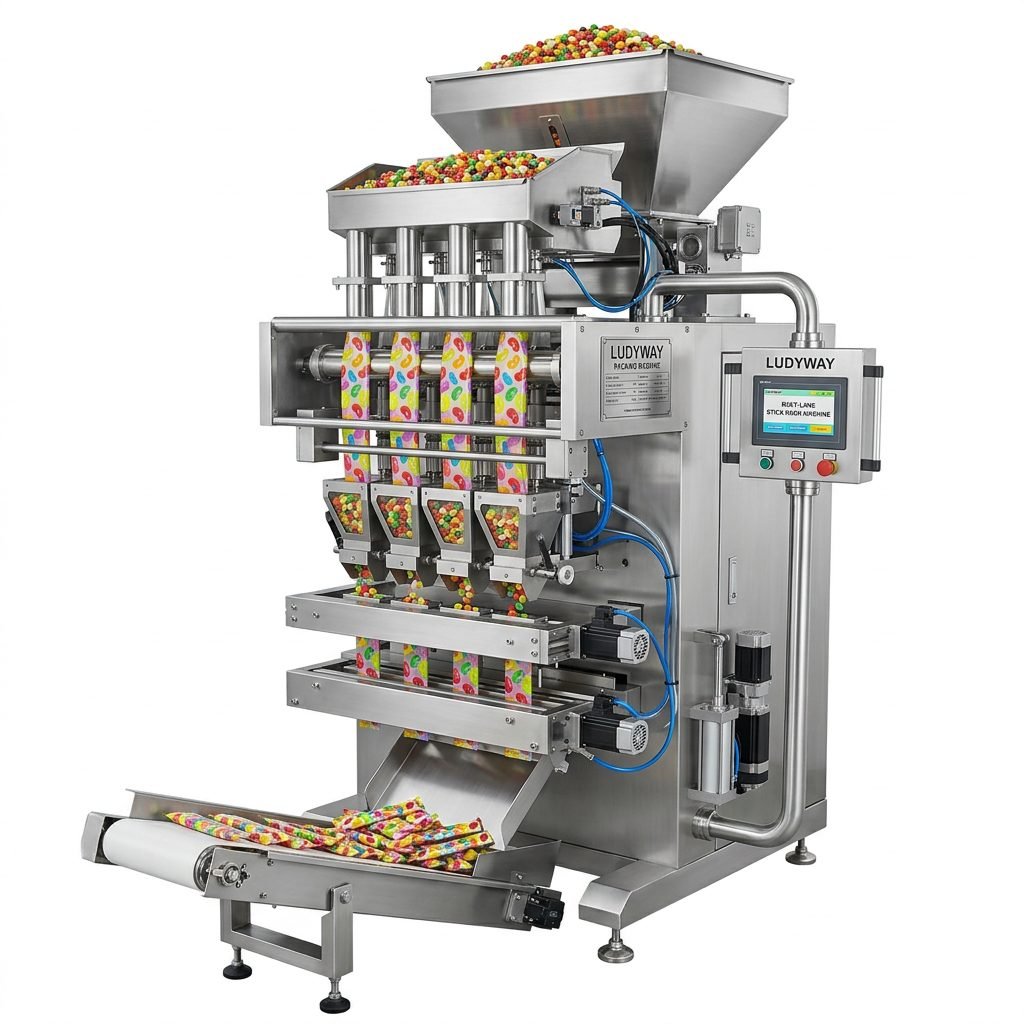
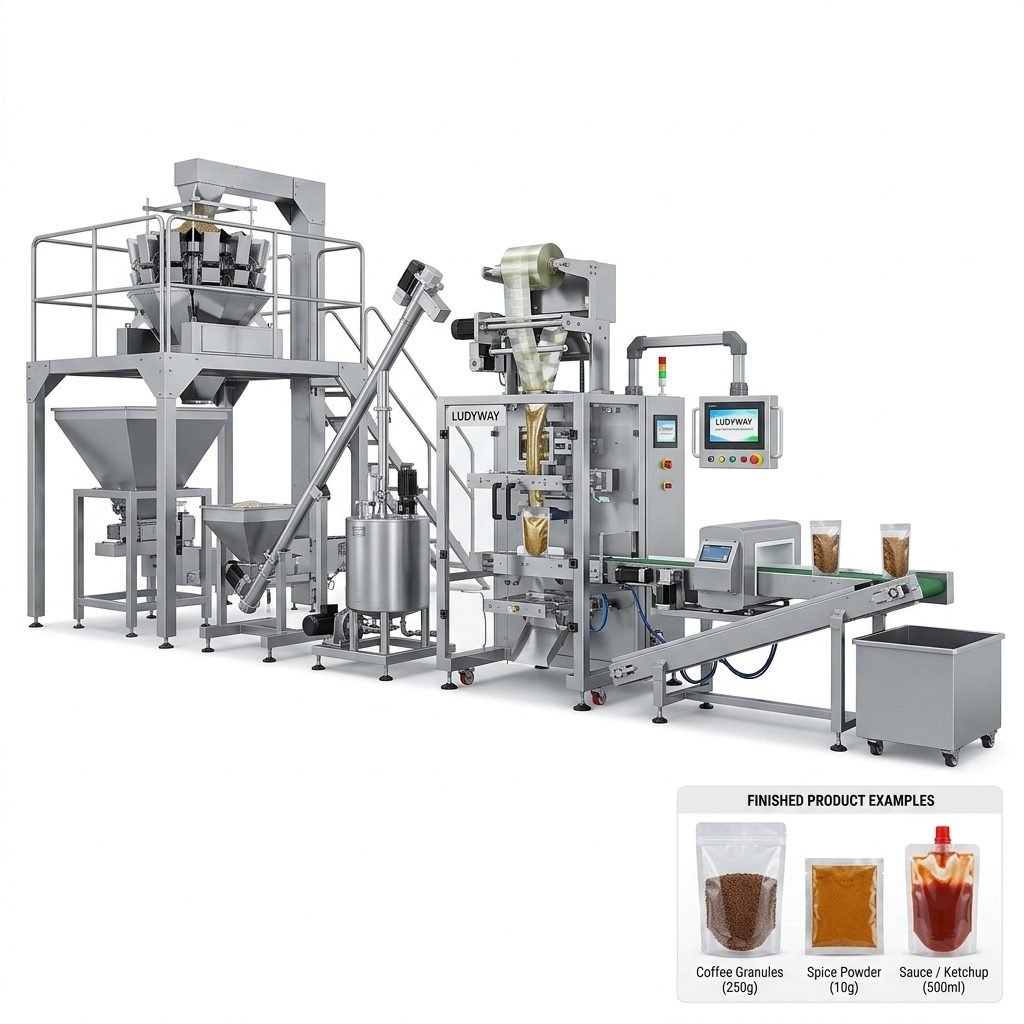
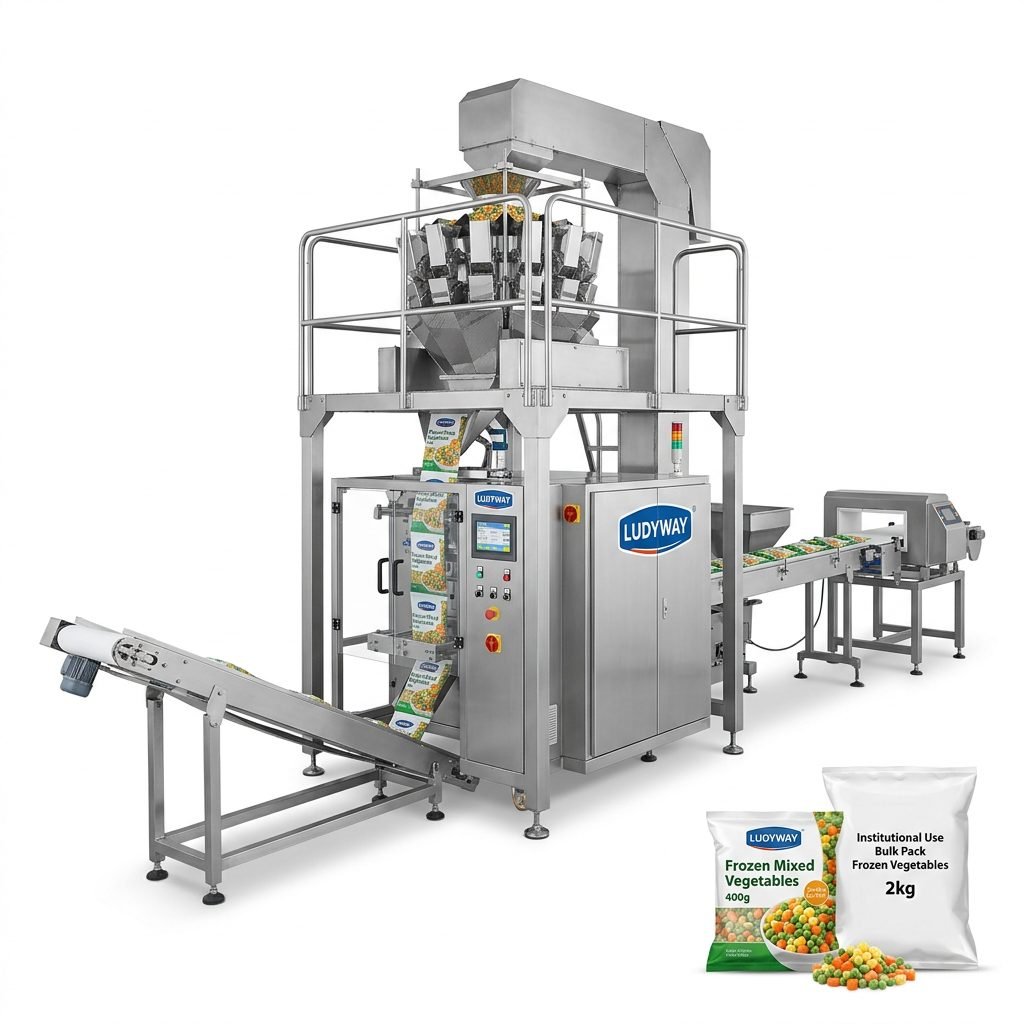
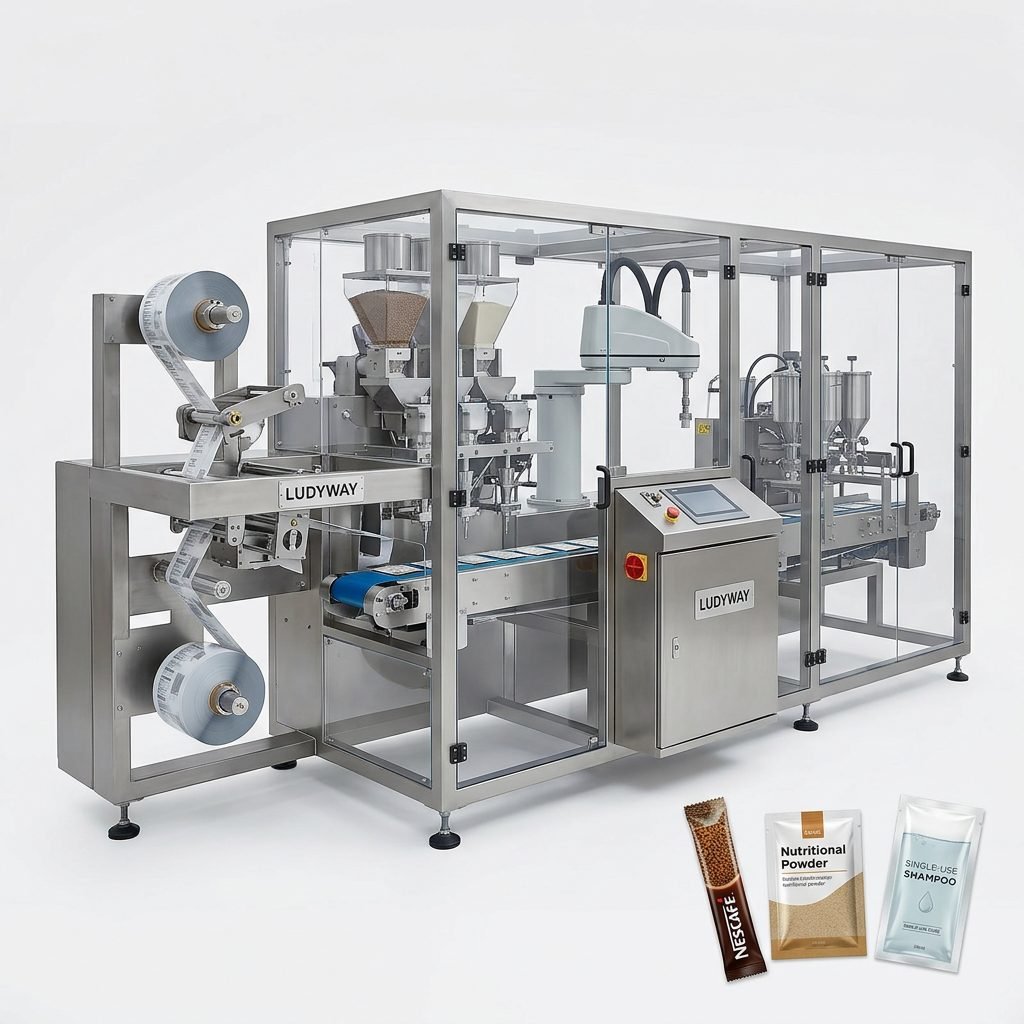
That shift is creating opportunities for experienced packaging automation providers such as Ludyway, one of China’s leading packaging machine and turnkey packaging line manufacturers. With more than 30 years of industry experience, a manufacturing base of over 20,000 square meters, and broad export coverage across Europe, North America, the Middle East, South America, Africa, and Southeast Asia, the company is well positioned to support customers seeking scalable automation that aligns with greener production goals.
What buyers are increasingly looking for
Procurement teams in food, pharma, and health-related sectors are placing more emphasis on machinery that supports both sustainability and productivity. In many cases, the preferred suppliers are those able to combine equipment, engineering, customization, and after-sales support into one coordinated solution.
- Flexible systems for powders, granules, liquids, pastes, and pouch products
- Stable operation to reduce downtime-related waste
- High-precision filling for material savings
- Expandable designs that support future line upgrades
- Turnkey project capability for faster implementation
Food and pharma sectors lead adoption
Food packaging remains one of the strongest drivers of green supply chain investment, especially in sachets, stick packs, pouches, and secondary packaging systems where production volume is high and waste reduction produces immediate financial returns. Brands are under pressure to improve portion control, reduce spoilage, and lower packaging intensity without sacrificing shelf appeal.
Meanwhile, pharmaceutical and health supplement packaging is advancing through a slightly different path. Here, sustainability must work alongside strict requirements for hygiene, traceability, dosing precision, and regulatory compliance. As a result, automation, validation support, and reliable line performance are central to sustainable progress in these sectors.
Sector comparison
| Sector | Top Sustainability Focus | Machinery Priority |
|---|---|---|
| Food | Material reduction and throughput efficiency | High-speed, low-waste filling and sealing |
| Pharmaceutical | Compliance, precision, and waste prevention | Accurate dosing and validated automation |
| Health Supplements | Flexible formats and production consistency | Multi-format integrated packaging lines |
| Personal Care | Smaller packs, reduced waste, efficient filling | Multi-lane liquid and cream packaging systems |
Export-oriented manufacturers gain strategic importance
As brand owners diversify supply chains and seek dependable equipment sources, export-capable machinery manufacturers are becoming more important to green supply chain planning. International buyers want partners that understand not only machine delivery, but also installation planning, documentation, customization, and long-term service.
Suppliers with broad market experience often have an advantage because sustainability requirements differ by region and industry. Companies serving customers across multiple continents are typically more familiar with varying standards for packaging performance, machine safety, and operational efficiency.
What is shaping the next phase
The next wave of change is expected to center on integration—connecting sustainable materials, intelligent automation, traceable production data, and more resilient sourcing into a single packaging strategy.
For packaging companies, the message is clear: green supply chains are no longer a future objective. They are quickly becoming a current competitive requirement. Those that combine efficient equipment, smarter production planning, and adaptable supply networks will be better positioned to meet customer expectations while controlling cost and improving operational resilience.
Market outlook
- Demand for turnkey packaging lines is expected to rise as buyers seek unified efficiency gains
- Machine selection will increasingly be tied to sustainability KPIs, not just speed
- Companies with proven export service and application-specific engineering are likely to gain share
- Low-waste automation will become a standard requirement across high-volume packaging sectors
With sustainability targets tightening and supply chain performance under constant review, the global packaging industry is entering a period where automation, material efficiency, and green logistics strategy will define the strongest players in the market.