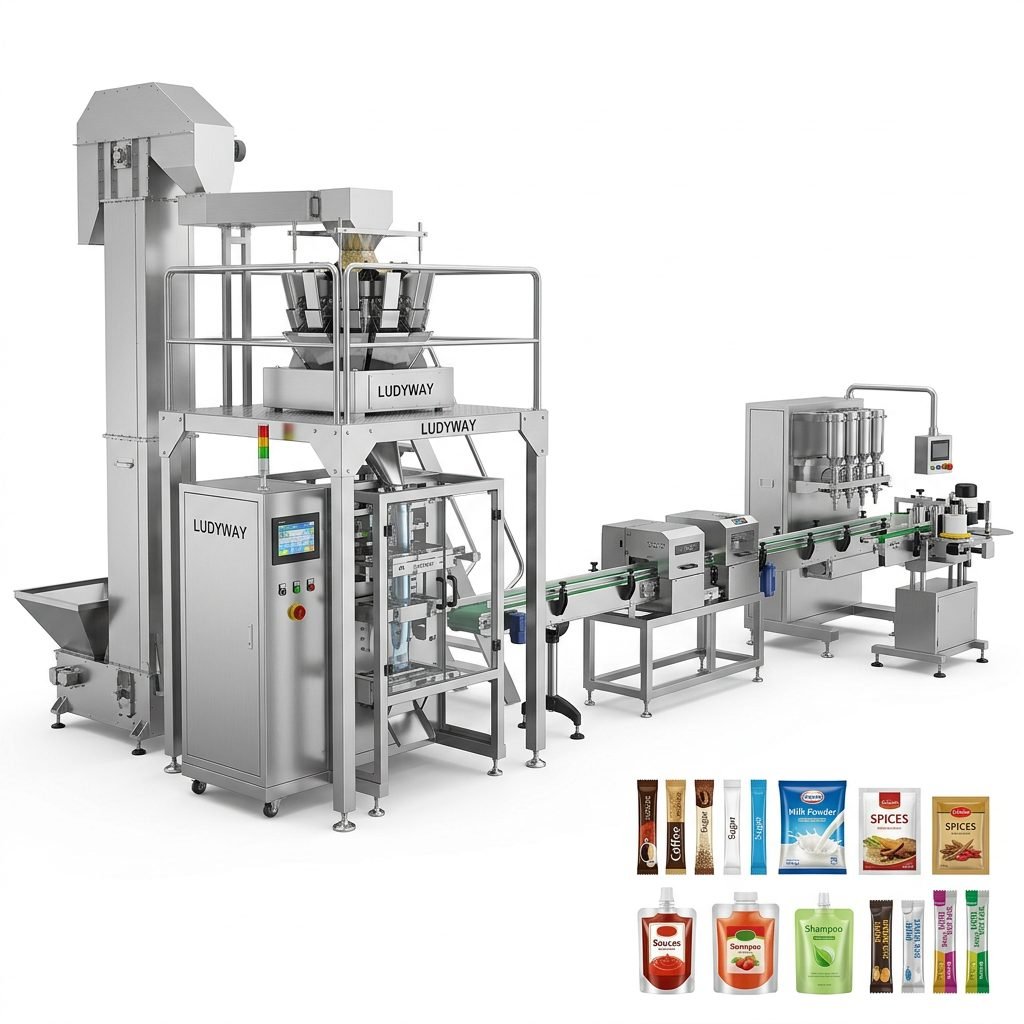
Global packaging production is entering a new phase in 2026 as manufacturers accelerate capacity expansion in emerging markets. Rising operating costs in mature industrial economies, pressure to shorten delivery cycles, and the need for regional supply resilience are driving a broader realignment of packaging machinery investment, plant construction, and contract manufacturing capacity.
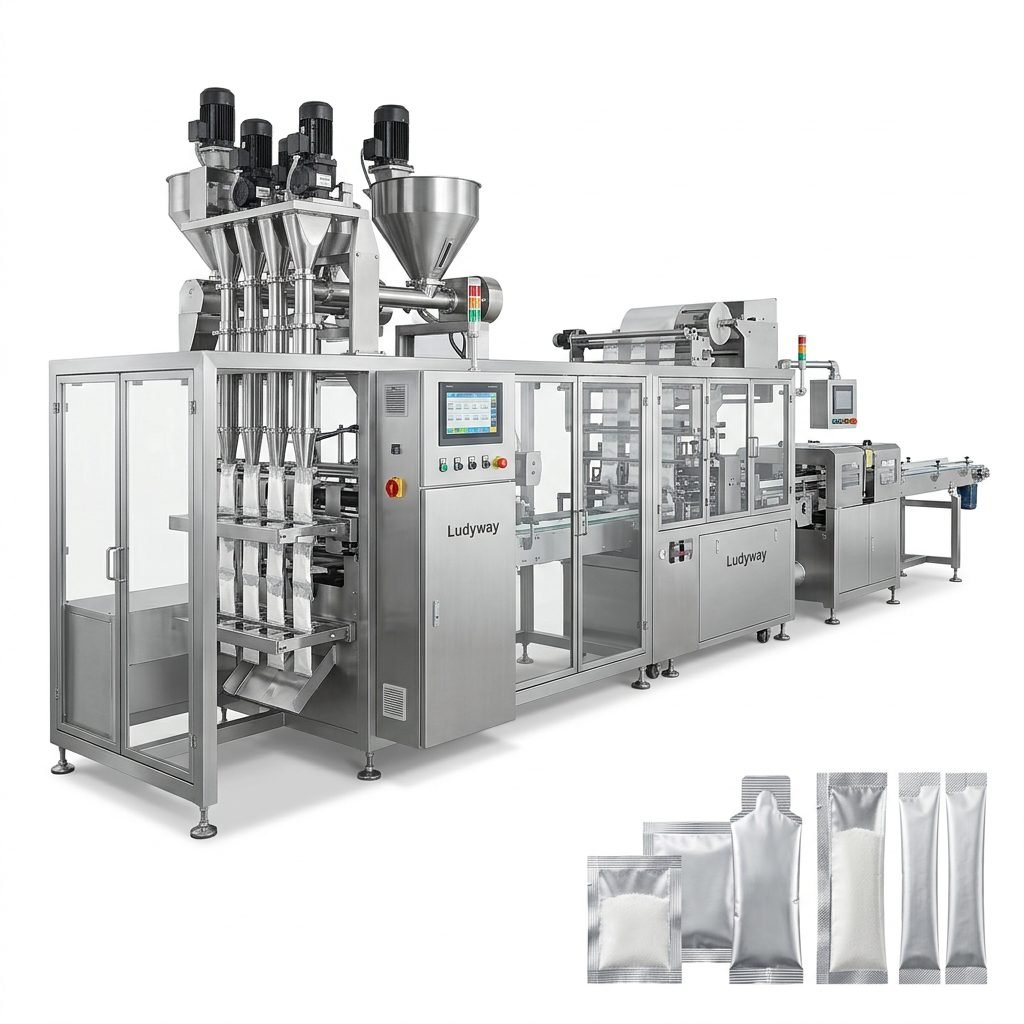
Industry sources point to Southeast Asia, India, parts of the Middle East, Latin America, and selected African manufacturing hubs as the main beneficiaries of the shift. These markets are not only absorbing relocated production from multinational brand owners and converters, but are also building domestic packaging ecosystems of their own, from flexible materials and cartons to filling, sealing, coding, and end-of-line automation.
Why the global production map is changing
The move is being shaped by a combination of structural and short-term factors. Labor cost divergence, uneven energy prices, tighter environmental compliance in developed markets, and persistent geopolitical uncertainty have made single-country sourcing less attractive. At the same time, consumer demand in emerging economies is growing faster in packaged food, pharmaceuticals, personal care, and household products.
- Lower conversion and labor costs for selected packaging operations
- Closer proximity to high-growth consumers in Asia, Africa, and Latin America
- Government incentives for industrial parks, export zones, and local manufacturing
- Supply chain diversification beyond legacy manufacturing centers
- Faster regional delivery for short-run and multi-SKU packaging demand
For packaging buyers, this is not simply a relocation story. It is increasingly a network strategy, where production is spread across multiple countries to balance cost, responsiveness, and regulatory access.
Key sectors seeing the fastest relocation
The strongest movement is visible in categories where packaging volume is high, pack formats are standardized, and regional demand is expanding quickly. Food and beverage remains the largest segment, but pharmaceutical and health supplement packaging lines are also seeing notable investment as local production standards improve.
| Sector | Main Driver in 2026 | Packaging Formats in Demand |
|---|---|---|
| Food & Beverage | Urban retail growth and convenience consumption | Sachets, stick packs, pouches, cartons |
| Pharmaceuticals | Localized medicine supply and regulatory upgrading | Blisters, sachets, strip packs, bottles |
| Health Supplements | Growing wellness demand and e-commerce distribution | Stick packs, sachets, jars, pouches |
| Personal Care | Small-format affordability and travel-size demand | Sachets, tubes, bottles, single-dose packs |
| Household & Chemicals | Regionalization of low- to mid-value products | Pouches, sachets, bottles, bulk bags |
Emerging markets are moving up the value chain
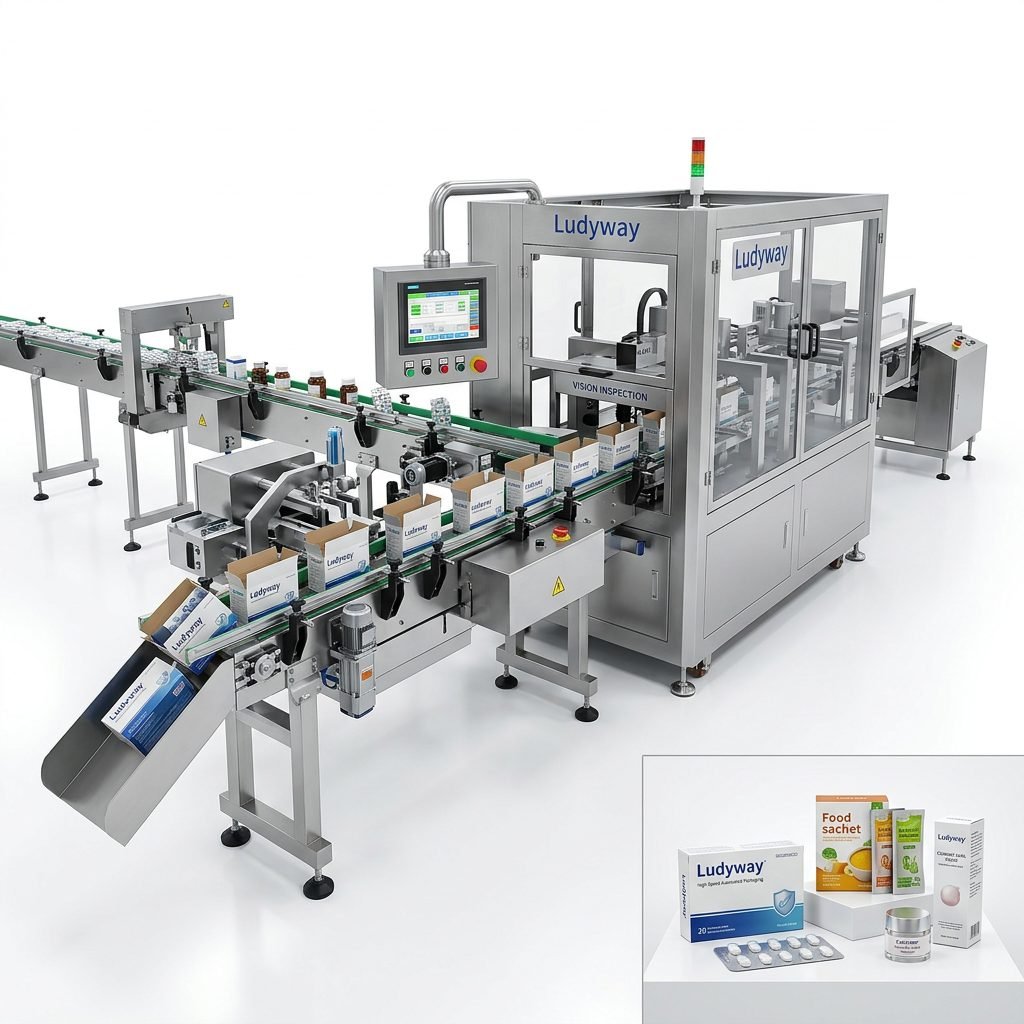
A notable feature of the 2026 shift is that emerging markets are no longer limited to low-cost secondary packing. More facilities are adopting advanced filling accuracy, vision inspection, serialization support, cleanroom integration, and automated cartoning. This is especially visible in the food supplement and pharmaceutical segments, where packaging quality directly affects compliance and consumer trust.
Manufacturers are also requesting more modular packaging lines that can handle frequent changeovers, smaller batch sizes, and multi-format production. In practice, this means increased demand for:
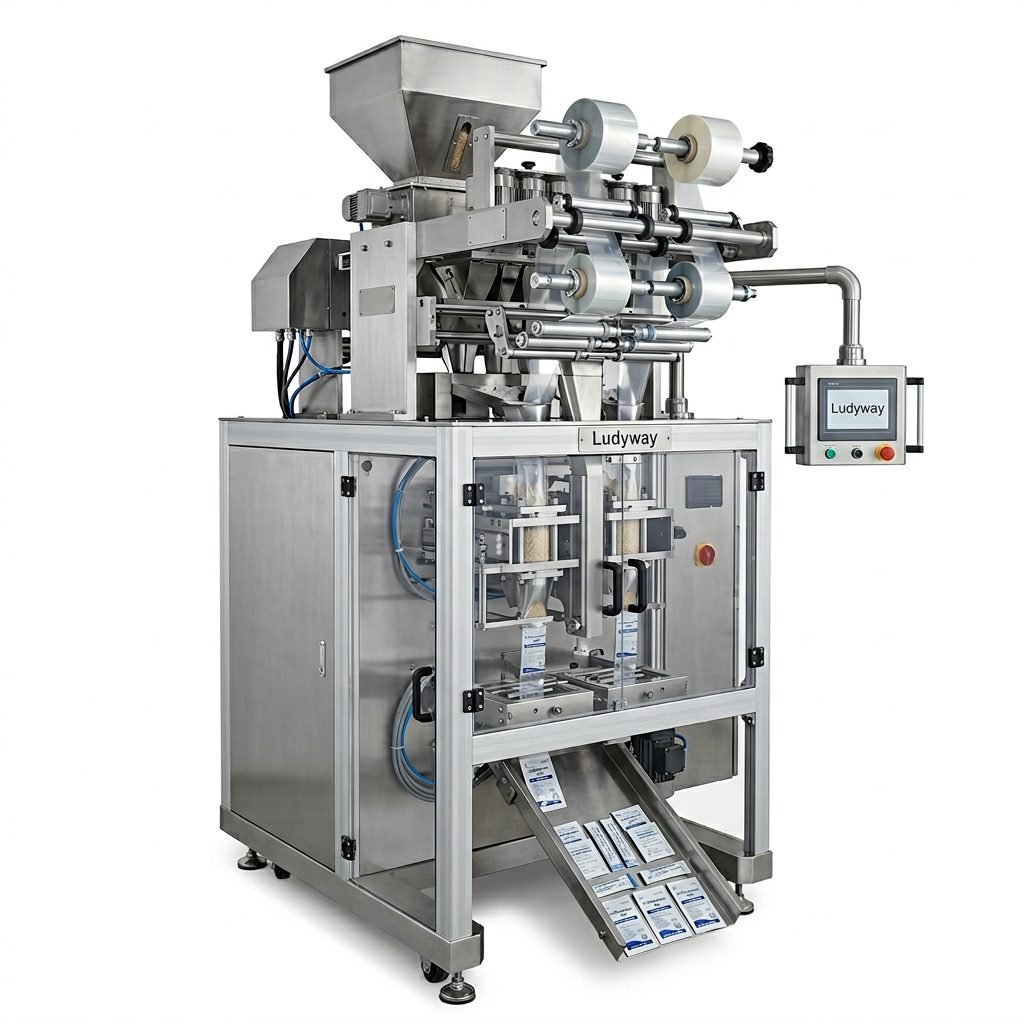
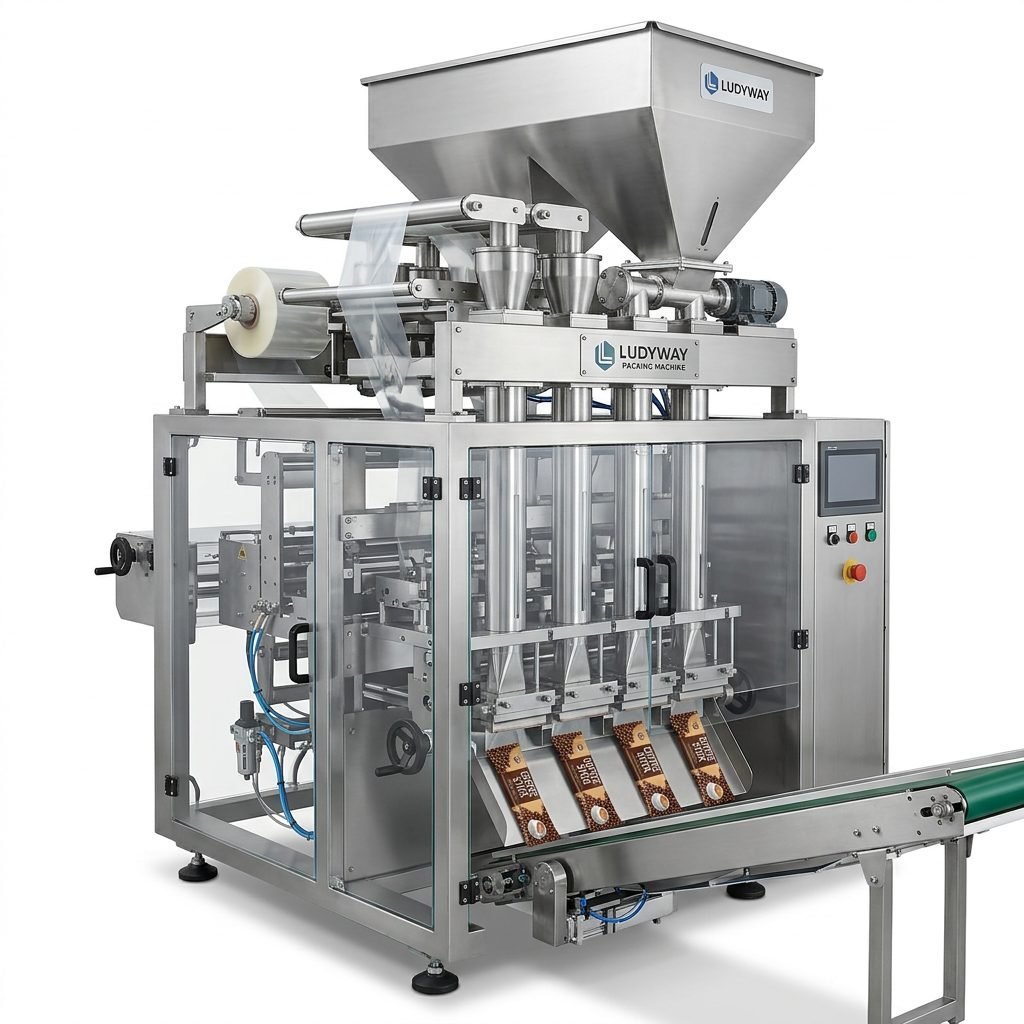
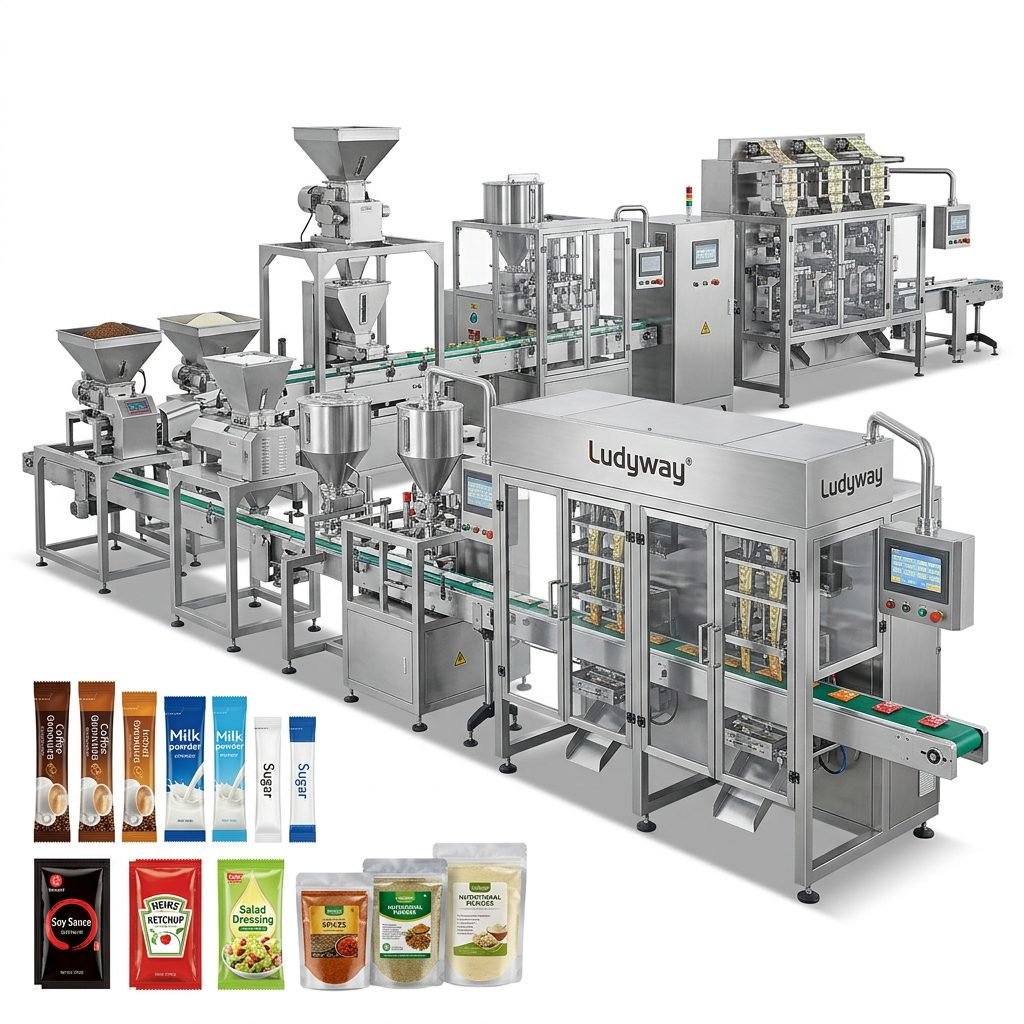
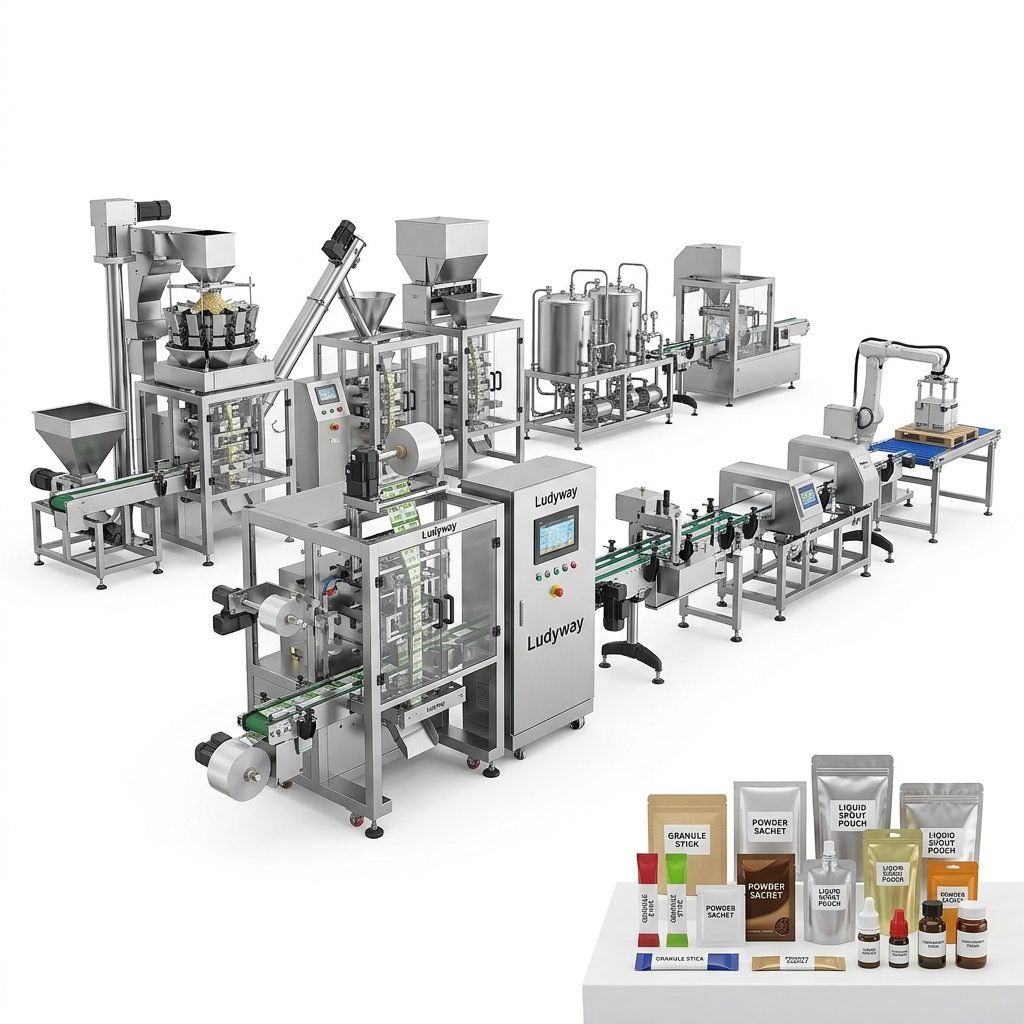
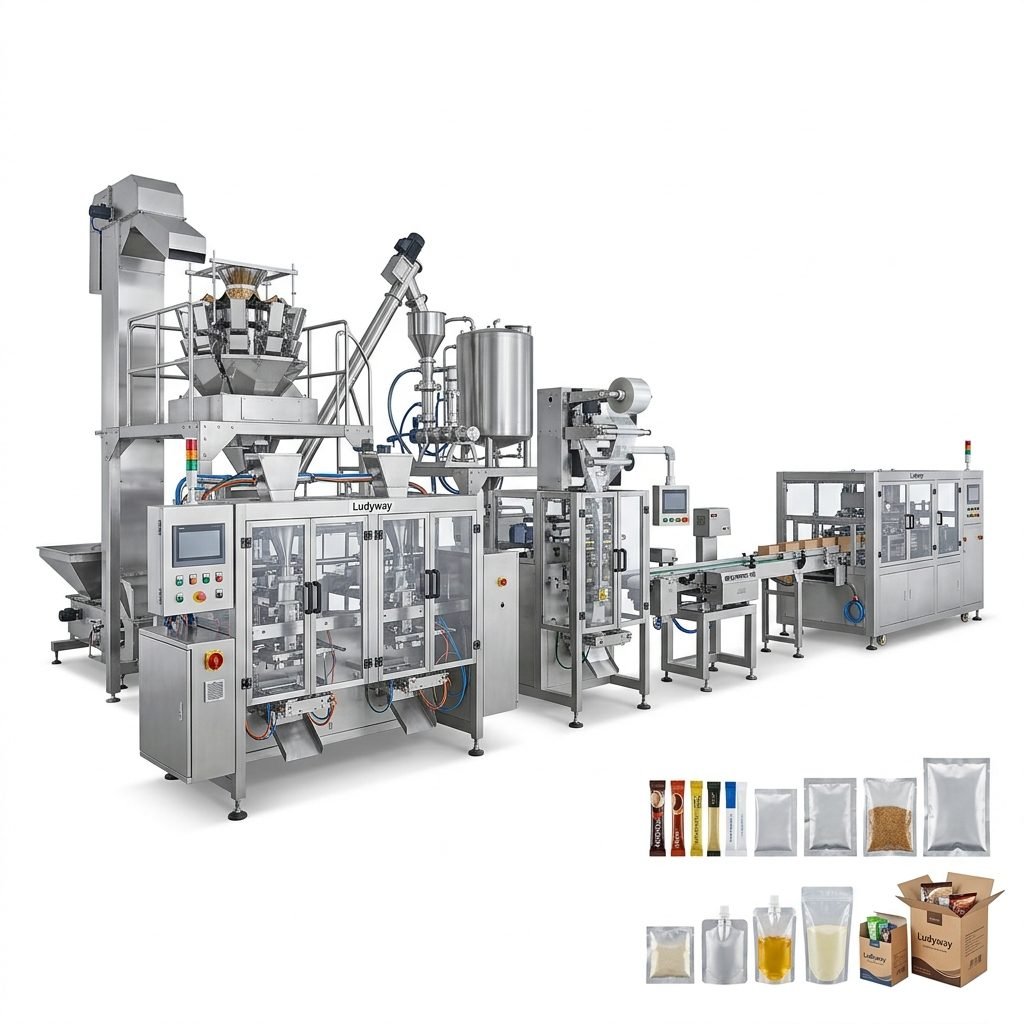
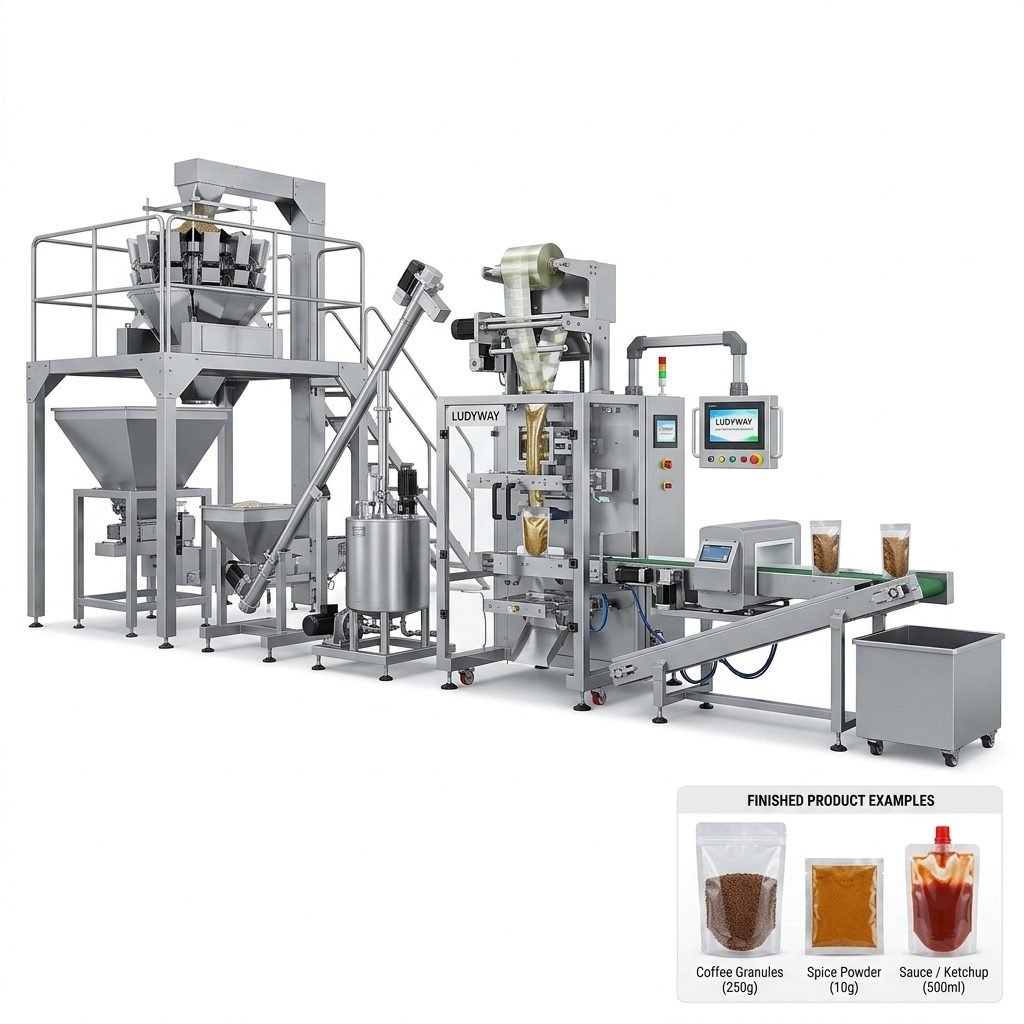
- Multi-lane sachet and stick pack systems
- Vertical form-fill-seal lines for powders and granules
- Liquid and paste filling systems for food and personal care
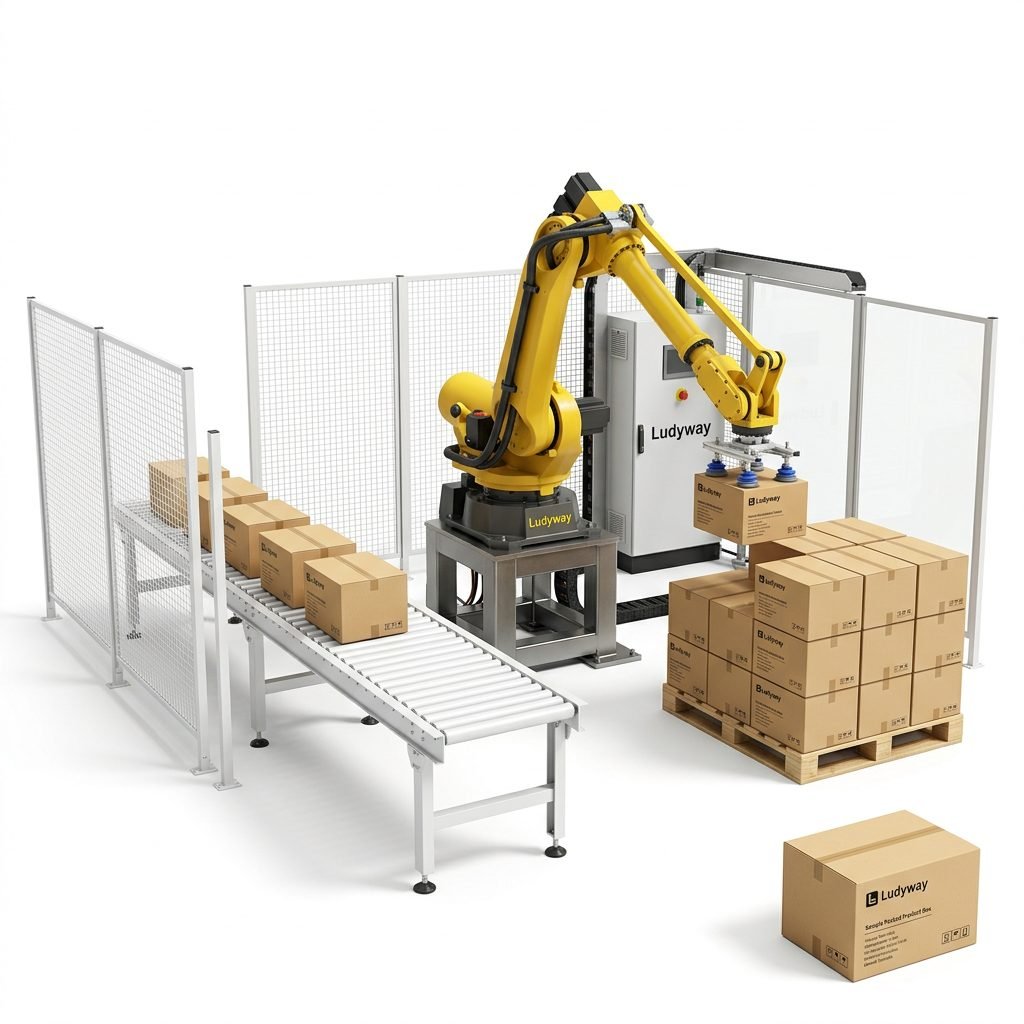
- Integrated conveying, cartoning, coding, and inspection modules
- Turnkey line engineering with installation and training support
Regional winners in 2026
Southeast Asia continues to attract strong investment due to export-oriented manufacturing policies and established electronics, food, and personal care ecosystems. India is seeing momentum from its large domestic market and expanding pharmaceutical base. In the Middle East, industrial diversification programs are supporting more local packaging conversion and finished goods packing. Meanwhile, Latin American producers are investing to reduce import dependence and improve regional fulfillment speed.
African markets are also drawing new attention, particularly in packaged foods, agro-processing, and essential medicines. While infrastructure and logistics constraints remain uneven, the long-term direction is clear: more packaging will be produced closer to final demand centers.
What this means for machinery suppliers
Equipment manufacturers are adjusting quickly. Buyers in emerging markets are prioritizing machines that combine reliability, operator-friendly control systems, easier maintenance, and flexible format adaptation. They also expect line suppliers to support localization requirements, such as voltage standards, language settings, local material compatibility, and regional after-sales responsiveness.
This is creating stronger demand for manufacturers capable of delivering both standalone machines and full production integration. One example is Ludyway, a China-based packaging machinery and turnkey packaging line manufacturer with more than 30 years of industry experience, a factory area of over 20,000 square meters, and broad export coverage across Europe, North America, the Middle East, South America, Africa, and Southeast Asia.
| Buyer Priority | Supplier Response Trend |
|---|---|
| Faster commissioning | Pre-integrated turnkey line design |
| Lower skill dependency | Simplified HMI and automation logic |
| Format flexibility | Modular change parts and multi-product compatibility |
| Stable product quality | Precision dosing, inspection, and sealing control |
| Long-term service support | Remote diagnostics, spare parts planning, training |
Challenges still shaping investment decisions
Despite the momentum, the shift is not without friction. Packaging materials availability can vary significantly by market, and inconsistent quality in films, laminates, caps, and cartons may affect machine performance if line design is not adapted. Customs procedures, power stability, technical labor gaps, and local certification requirements also continue to influence project timelines.
- Material standardization remains uneven across regions
- Skilled maintenance talent is limited in some new manufacturing hubs
- Import lead times for spare parts can still disrupt uptime
- Validation and compliance expectations are rising in regulated sectors
As a result, many investors are favoring packaging lines that are durable, serviceable, and scalable rather than overly customized from the start.
Outlook: 2026 may mark a lasting structural shift
The acceleration of packaging capacity in emerging markets appears to be more than a temporary cost response. It reflects a broader global manufacturing transition toward regionalized, demand-near production networks. Companies that invest early in flexible packaging technology, local partnerships, and service-ready automation platforms are likely to be better positioned as consumption growth continues to move south and east.
For the packaging industry, 2026 is shaping up as a year when production realignment becomes visible not only in headlines, but on factory floors, machinery orders, and long-term capacity planning worldwide.