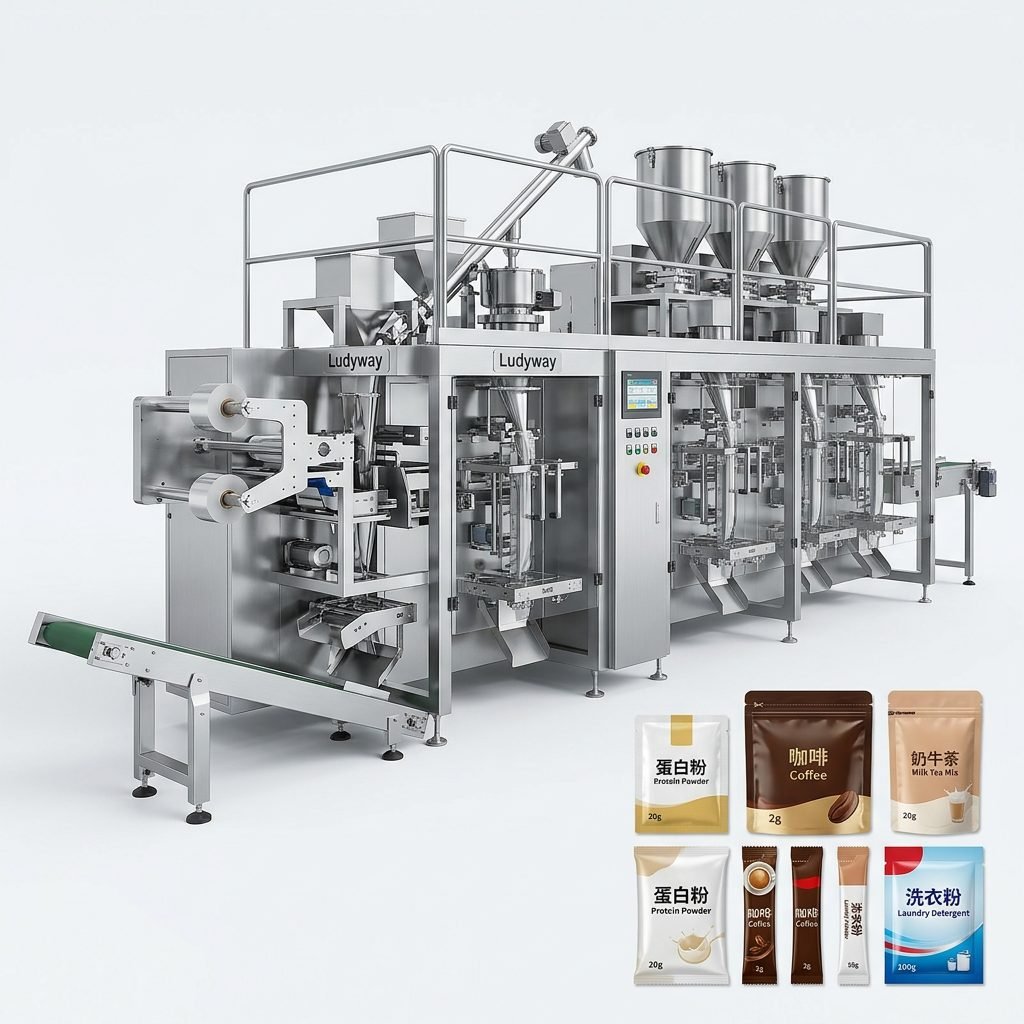
In today’s fast-paced industrial manufacturing ecosystem, the integration of high-speed automation and complex machinery has revolutionized productivity across sectors such as food processing, pharmaceuticals, cosmetics, and chemical manufacturing. However, as processing speeds accelerate and multi-lane high-performance systems take center stage, the imperative to ensure human operator safety has never been more critical. The global packaging and industrial automation sectors are undergoing a massive evolution focused on advanced safety upgrades that actively protect operators while optimizing machine availability and workflow efficiency.
Modern industrial safety is no longer viewed as a physical barrier or a bottleneck to production velocity. Instead, next-generation human-machine equipment protection solutions seamlessly blend physical guarding, intelligent sensory hardware, and real-time diagnostic software to build a secure, intuitive environment for factory floor personnel.
The Shift from Passive Shielding to Intelligent Protection
Historically, equipment protection relied predominantly on static physical guards, heavy wire mesh fences, and manual kill switches. While effective at physically separating operators from moving mechanical components, traditional setups often hindered operational accessibility during routine maintenance, sanitation, and material replenishment. Today’s industrial landscape demands continuous uptime, rapid format changeovers, and high operational flexibility.
Advanced safety upgrades transform static safety setups into dynamic, highly responsive safety ecosystems. By embedding smart sensor grids and automated safety interlocks directly into machine control architecture, equipment can now detect human presence in real time. Systems can intelligently decelerate or pause specific motorized modules without shutting down the entire manufacturing line, preserving operational state while safeguarding technicians.
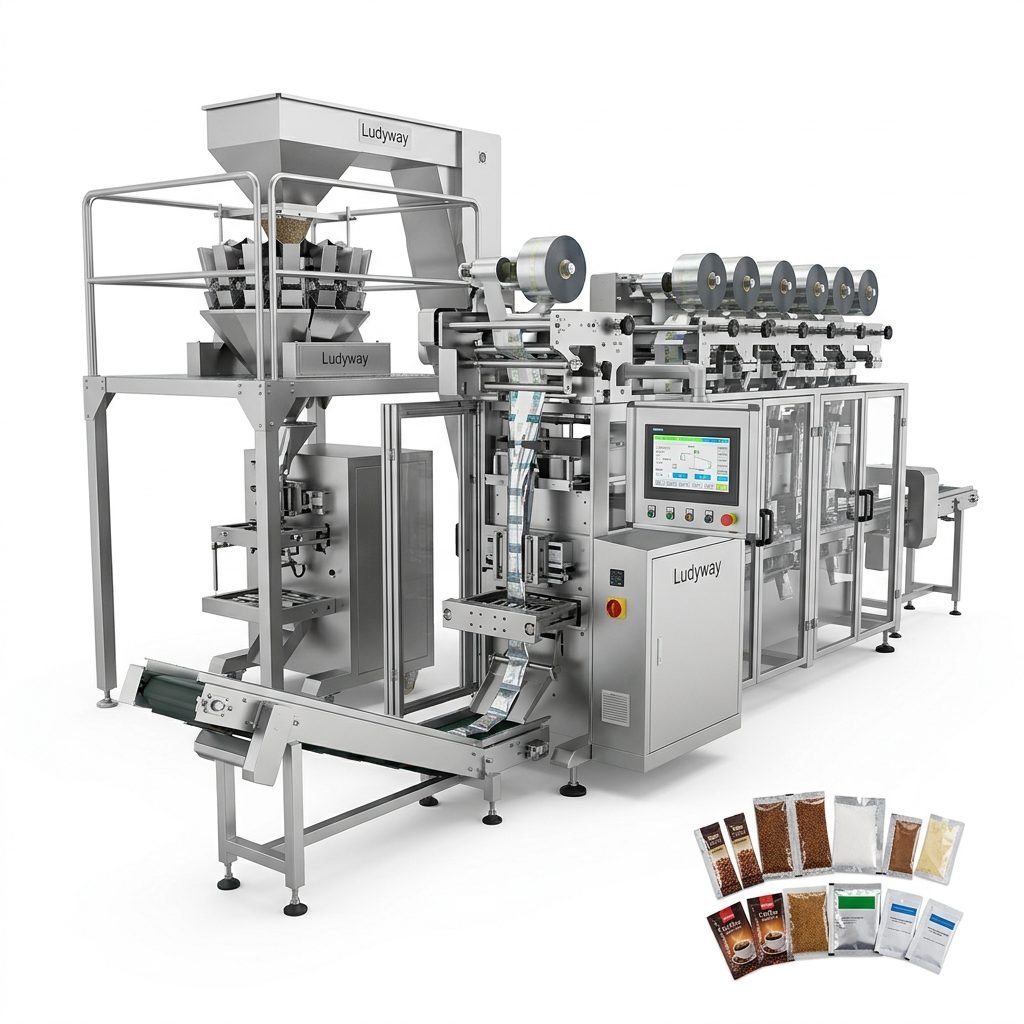
Core Components of Next-Generation Equipment Protection
Upgrading machine safety involves a comprehensive approach that addresses mechanical hazards, electrical risks, and ergonomic challenges. Modern equipment manufacturers and facility managers implement several state-of-the-art protection mechanisms:
- Safety Light Curtains & Optical Sensors: Utilizing multi-beam infrared signals, light curtains form an invisible protective perimeter around hazardous operating zones. If an operator breaches the curtain during active cycles, high-speed controller logic immediately triggers a controlled safety halt.
- Tamper-Resistant Safety Interlocks: Enclosure access doors and inspection panels feature RFID-coded magnetic safety switches. These interlocks immediately stop mechanical motion whenever a protective panel is opened, eliminating accidental engagement.
- Distributed Emergency Stop (E-Stop) Architecture: Ergonomically positioned E-stop buttons and safety cable pull switches ensure operators can instantly pause machine functions from any workstation around the perimeter.
- Transparent Polycarbonate Shielding: High-impact acrylic and polycarbonate viewing windows allow complete visual inspection without exposing personnel to high-temperature sealing jaws or high-speed rotational drives.
Comparing Safety Frameworks: Traditional vs. Advanced Upgrades
To better understand the operational advantages of upgrading safety features on high-speed equipment, consider the key differences between classic safety setups and modern integrated protection systems:
| Safety Dimension | Traditional Safety Setup | Advanced Safety Upgrade |
|---|---|---|
| Hazard Detection | Fixed physical guards & basic limit switches | Dynamic optical light curtains & smart sensor grids |
| Machine Response | Full line shutdown requiring manual power reset | Zone-specific deceleration & intelligent hold |
| Maintenance Accessibility | Manual unbolting required for access | Toolless quick-release interlocked access panels |
| Operator Feedback | Simple physical stack lights | Real-time HMI fault mapping & predictive diagnostics |
Enhancing Efficiency and Overall Equipment Effectiveness (OEE)
A common misconception in plant management is that rigorous safety systems lower production throughput. In practice, modern safety upgrades actively enhance Overall Equipment Effectiveness (OEE). By minimizing workplace accidents, companies drastically reduce costly unscheduled downtime, worker compensation claims, and machinery damage caused by accidental jams.
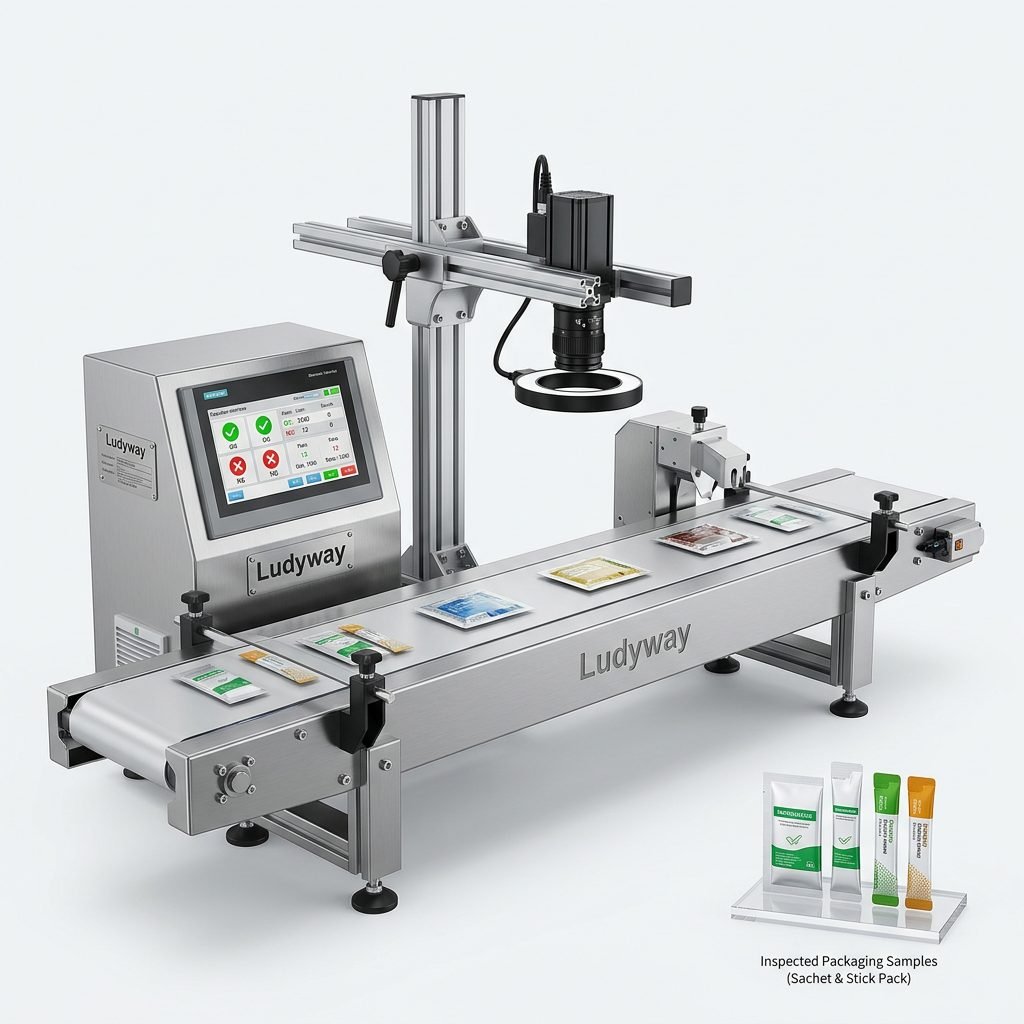
Through modern Human-Machine Interfaces (HMI), operators receive immediate, clear notifications whenever a safety mechanism is activated. The system pinpoints the exact location of open doors or broken sensor beams, allowing supervisors to clear minor disruptions in seconds rather than spending time diagnosing system faults manually.
Global Regulatory Compliance and Standards
As cross-border trade and global manufacturing standards expand, compliance with international functional safety directives has become essential. Manufacturing machinery must adhere to stringent global frameworks, including CE standards, ISO 13849-1 functional safety directives, and OSHA machinery guard mandates.
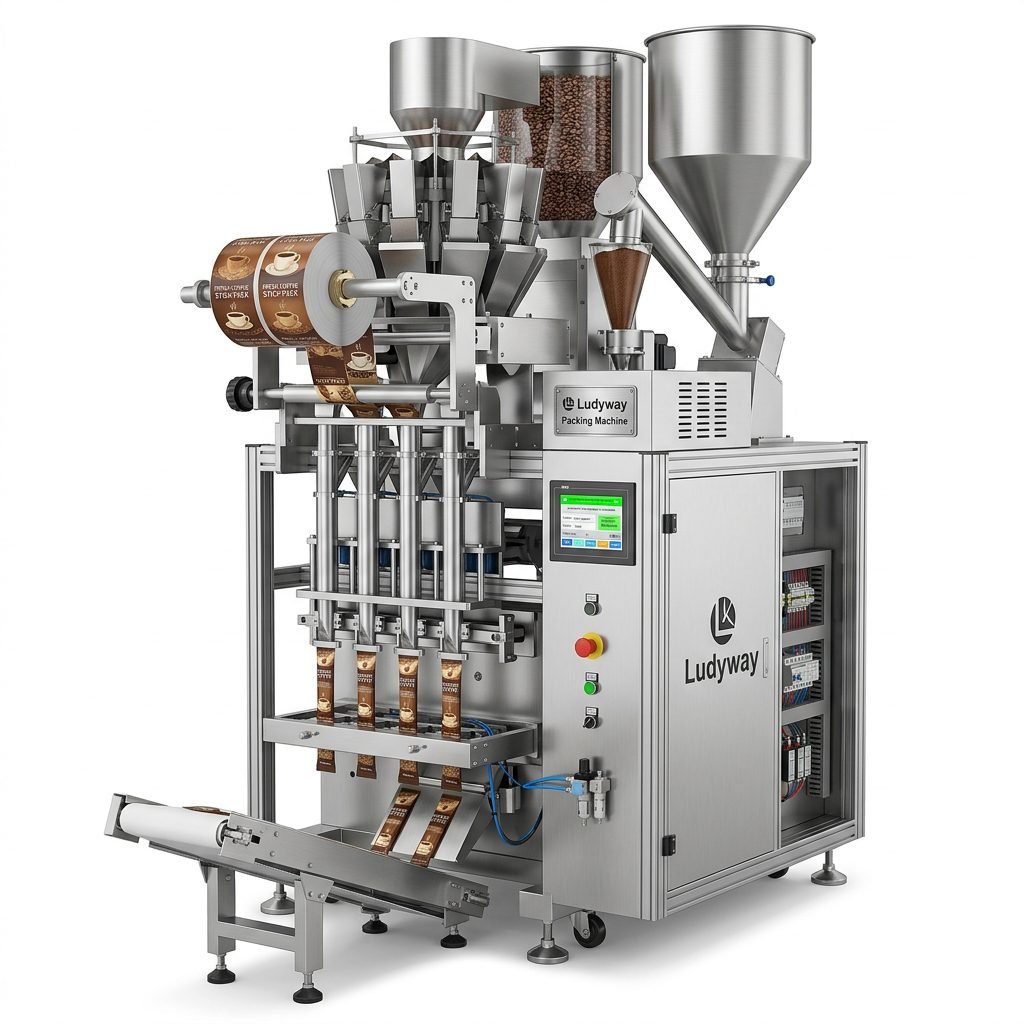
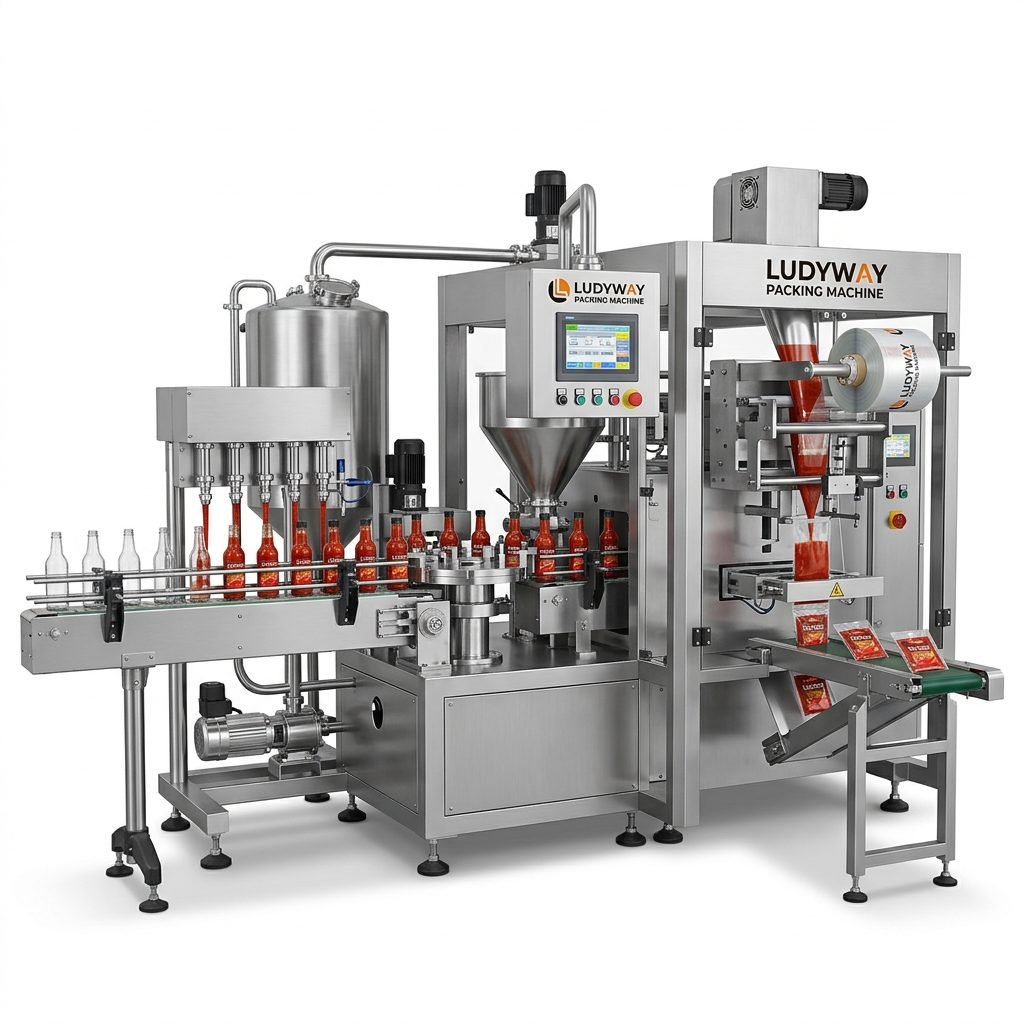
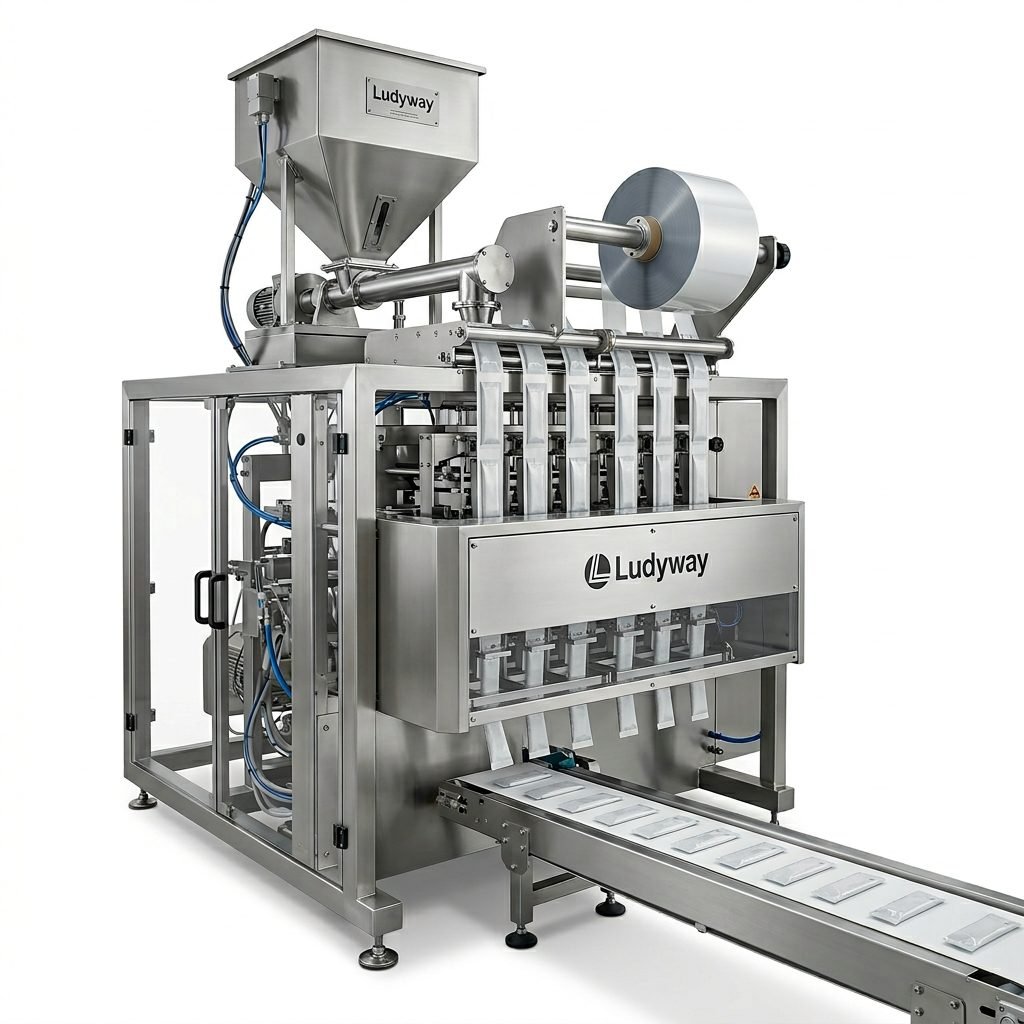
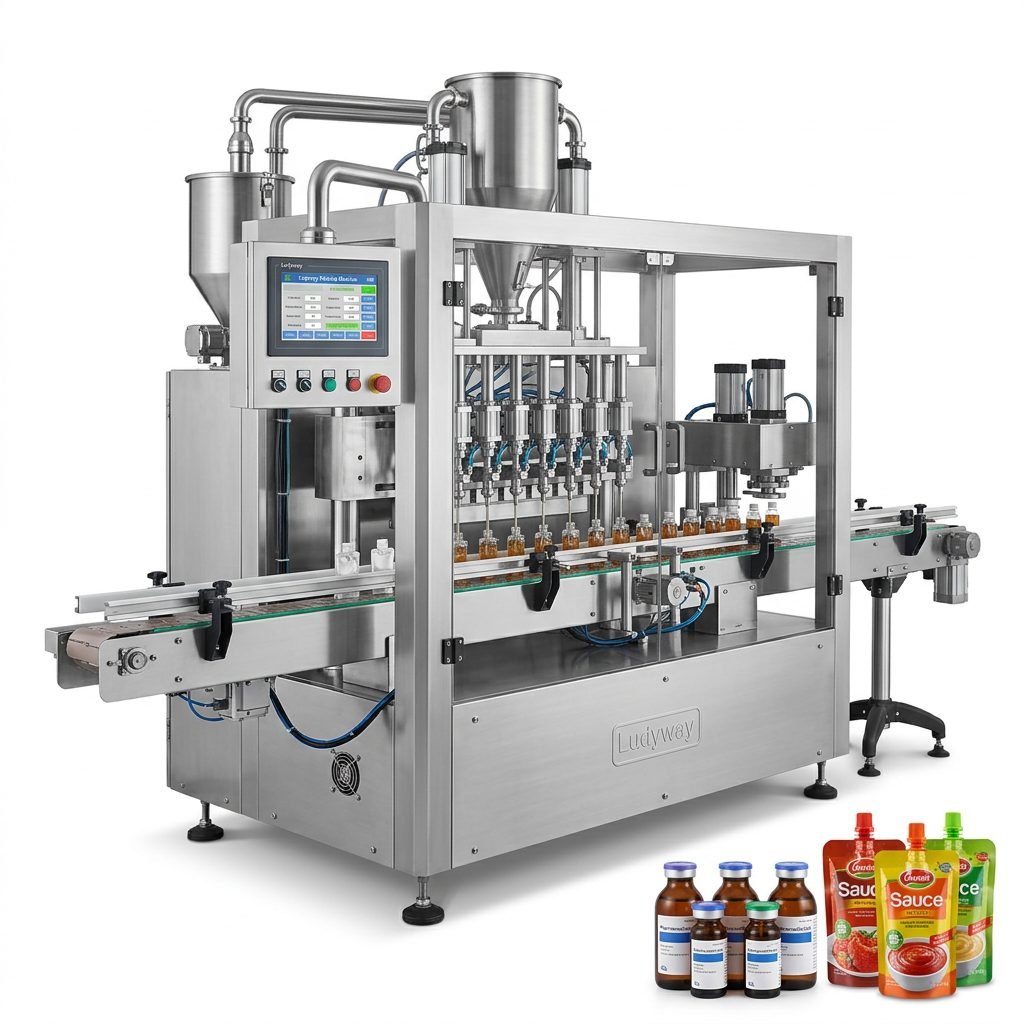
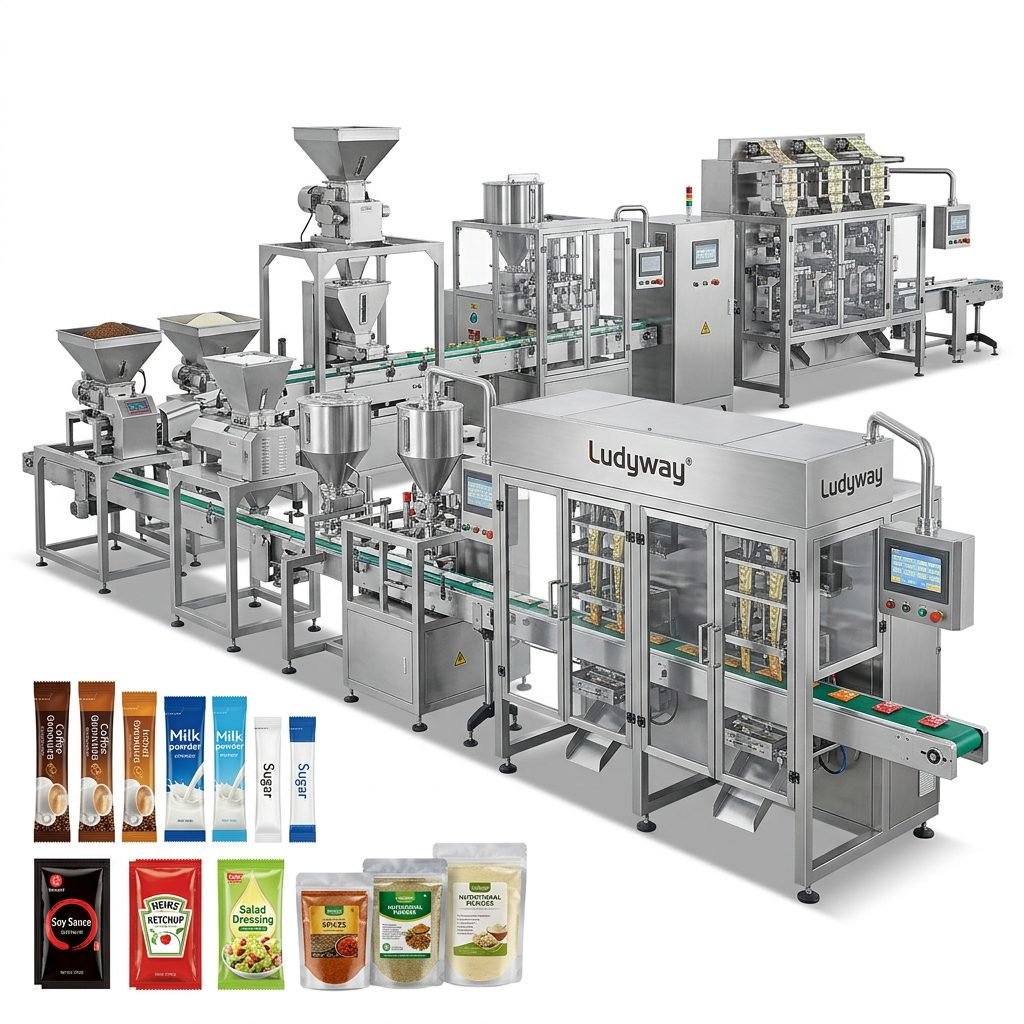
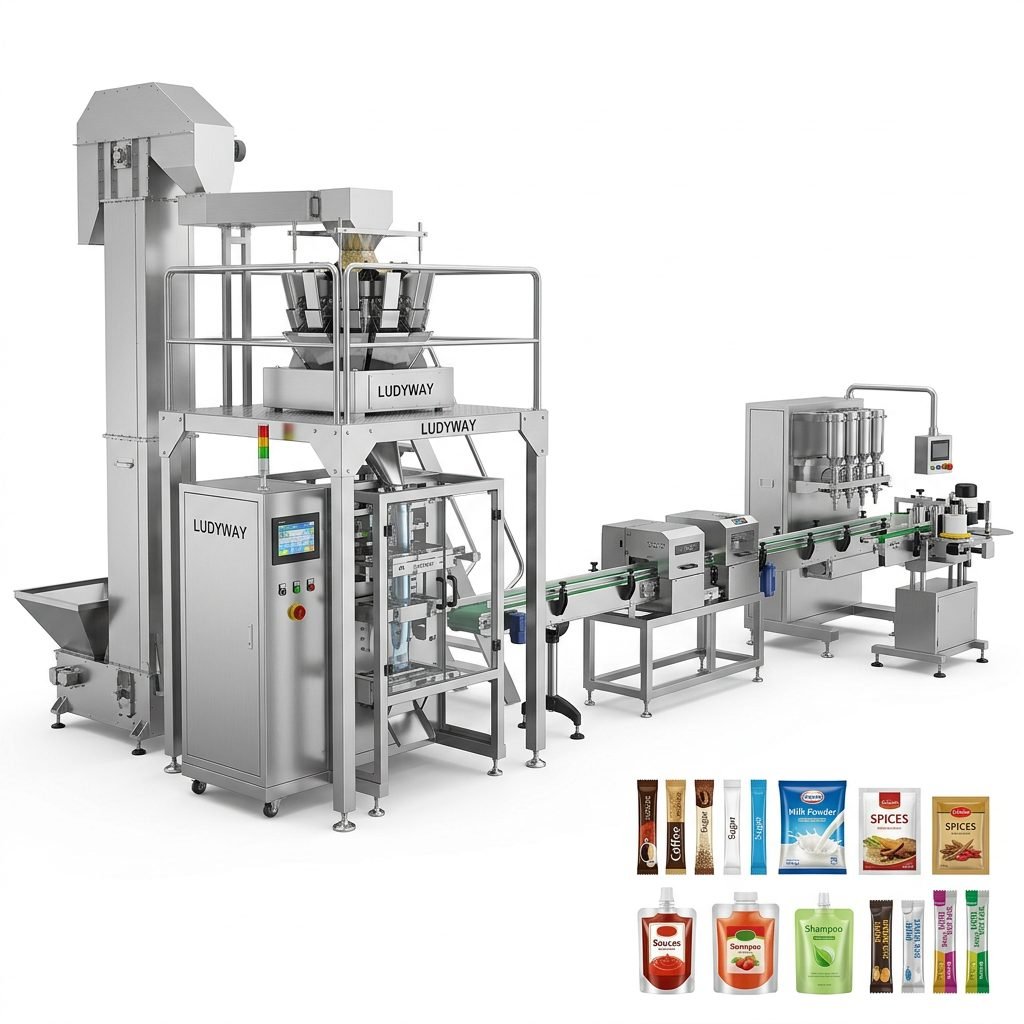
Industry-leading engineering firms, such as Ludyway packaging machines, embed advanced human-machine safety protocols directly into their vertical packaging machinery, multi-lane pouch platforms, and custom turnkey production systems. This ensures global buyers receive highly automated equipment that satisfies strict international safety requirements while delivering high output.
Strategic Implementation Best Practices
Facilities seeking to upgrade their machinery safety architecture should adopt a structured implementation roadmap:
- Risk Assessment & Hazard Mapping: Conduct thorough audits to identify pinch points, high-voltage areas, pneumatic actuators, and heat-sealing zones.
- Layered Safety Redundancy: Combine mechanical shielding, optical sensors, and dual-channel safety relays to ensure no single fault can compromise operator protection.
- Comprehensive Staff Training: Train facility operators on automated interlock responses, proper access procedures, and routine safety reset protocols.
- Scheduled Safety Audits: Regularly inspect and recalibrate optical sensors, door interlocks, and emergency stop circuits to maintain peak protection performance.
Conclusion
Strengthening human-machine protection is a vital step toward creating sustainable, high-performance manufacturing environments. By adopting advanced safety upgrades—ranging from smart light curtains and interlocked enclosures to intelligent HMI feedback—modern industrial plants foster a secure workplace where human operators and high-speed automated machinery function together seamlessly.